
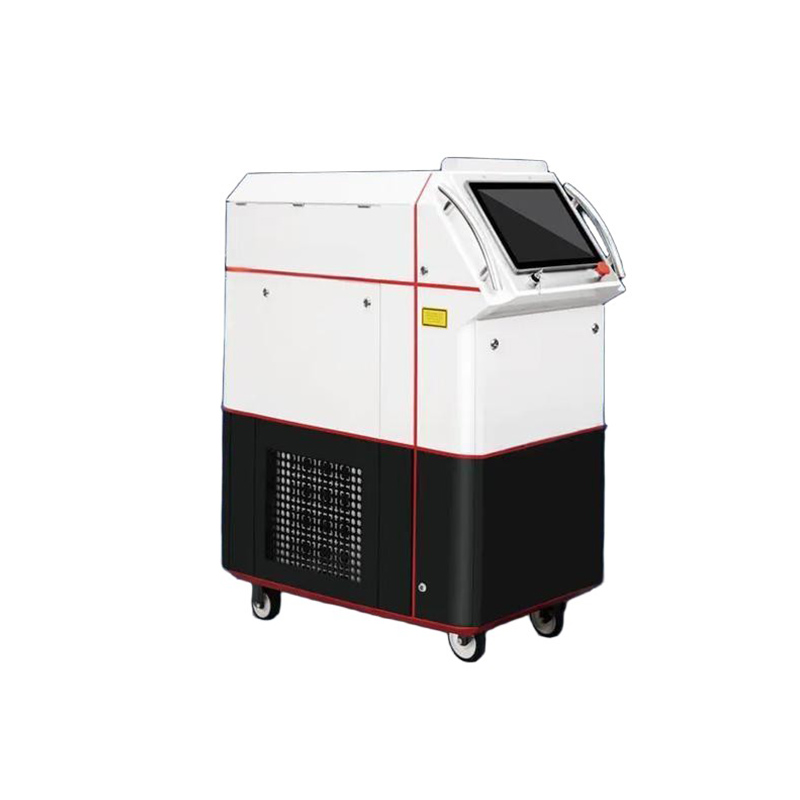
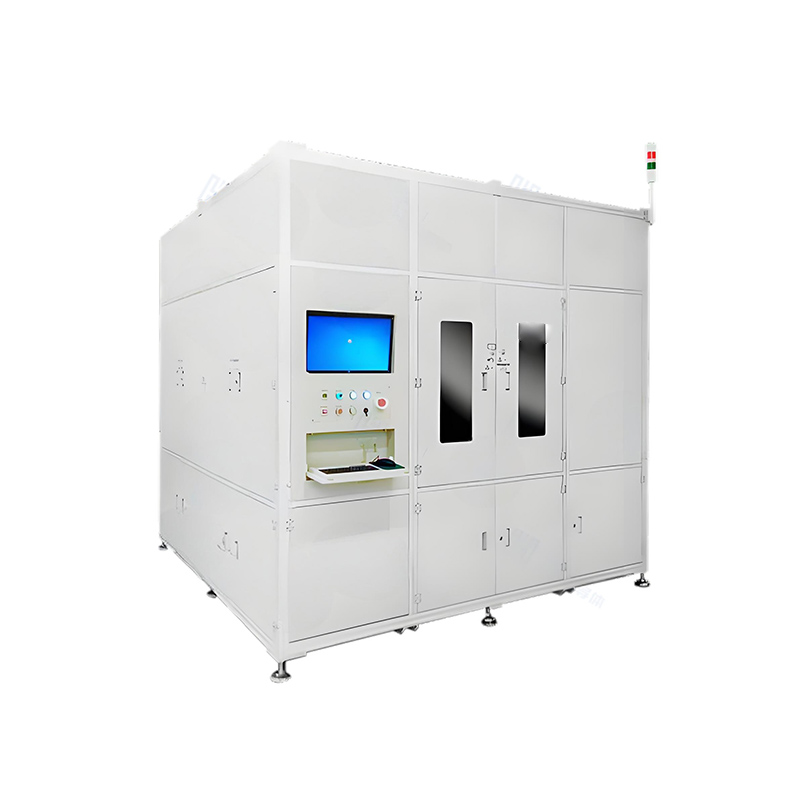
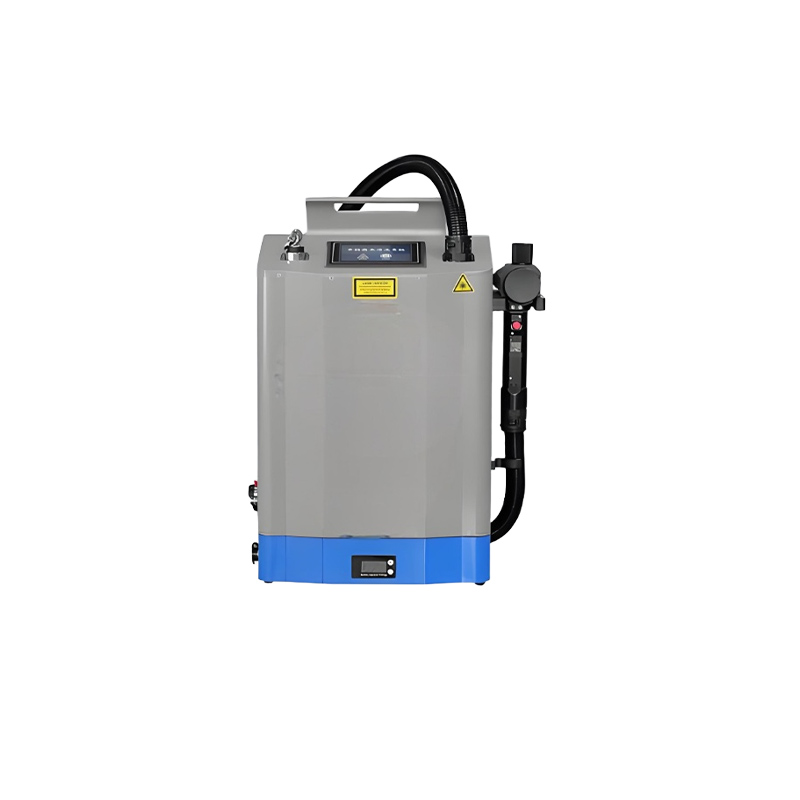
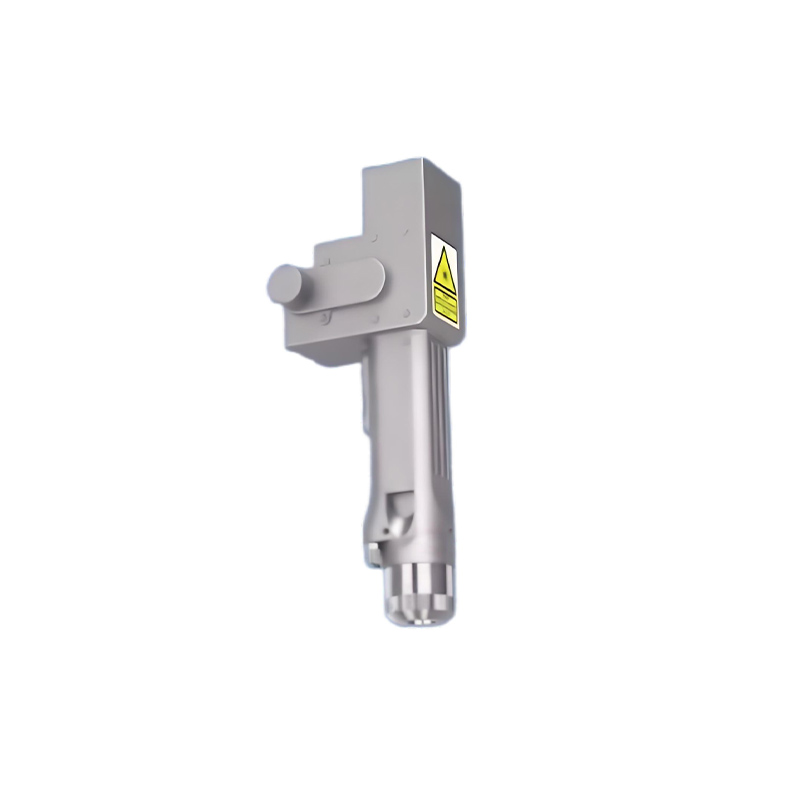

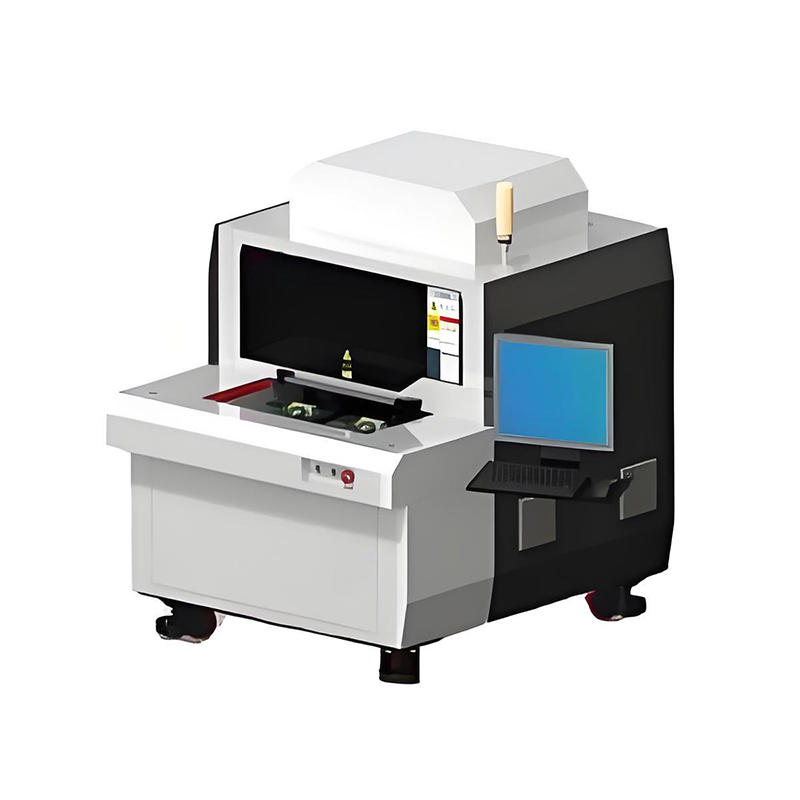
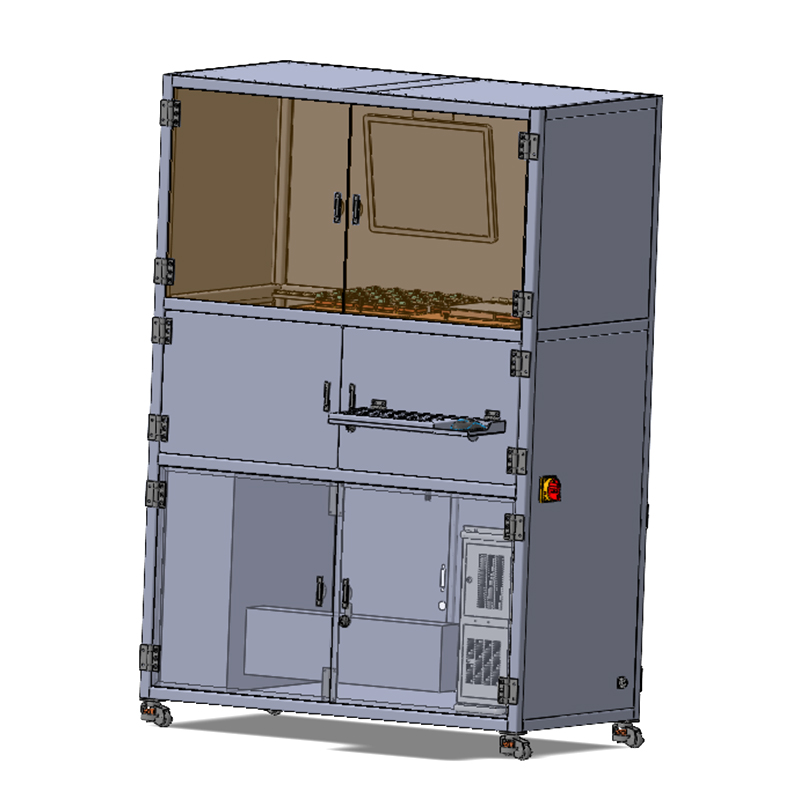
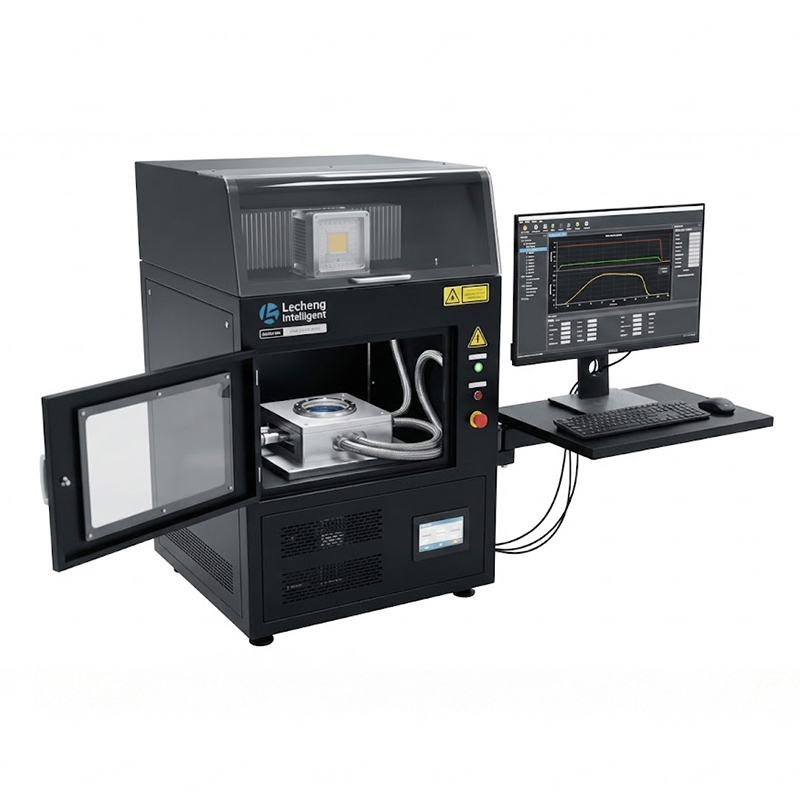
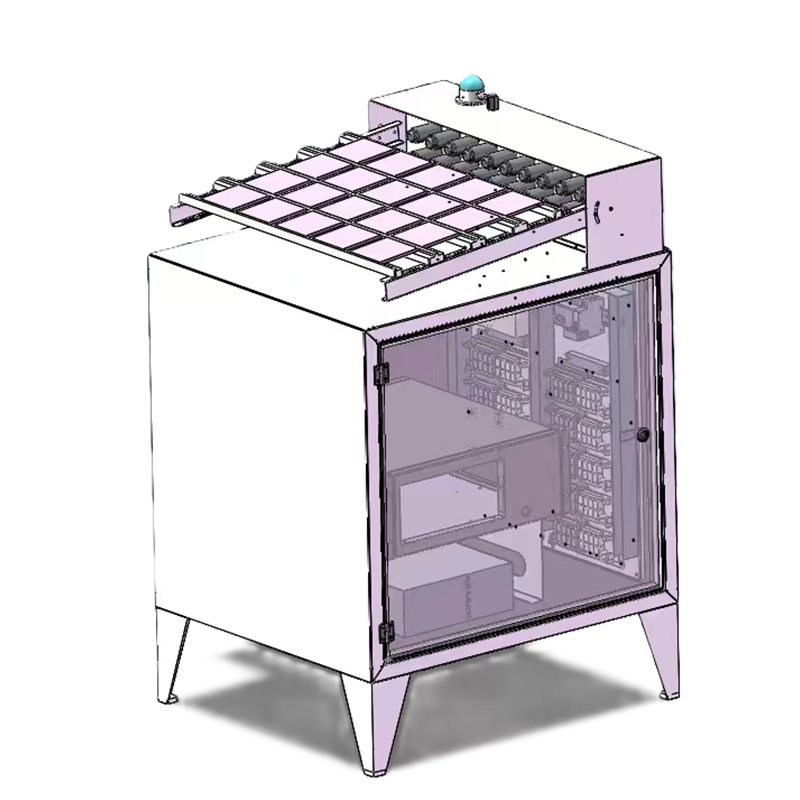
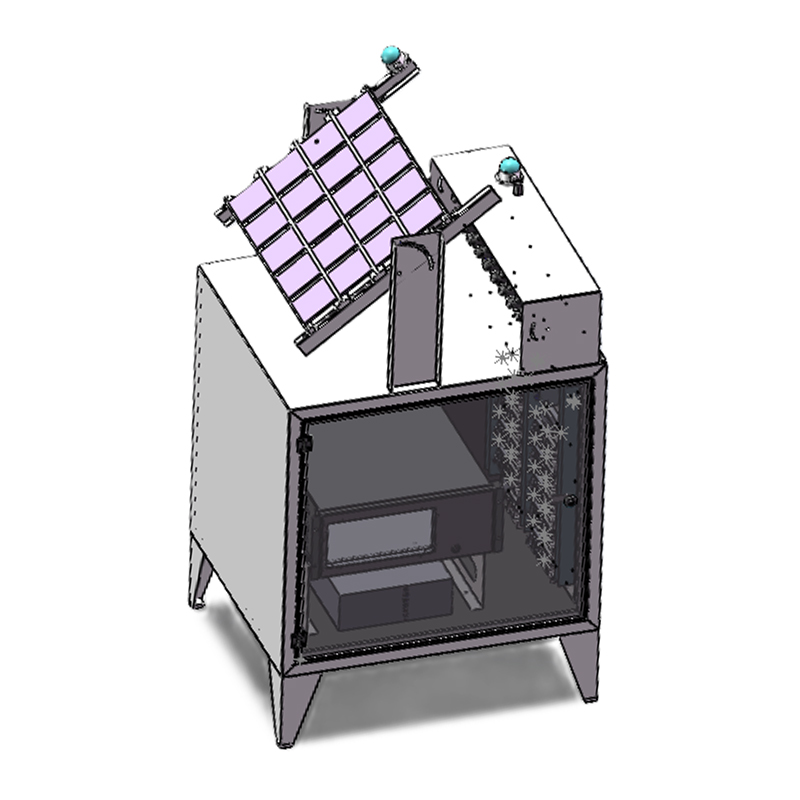
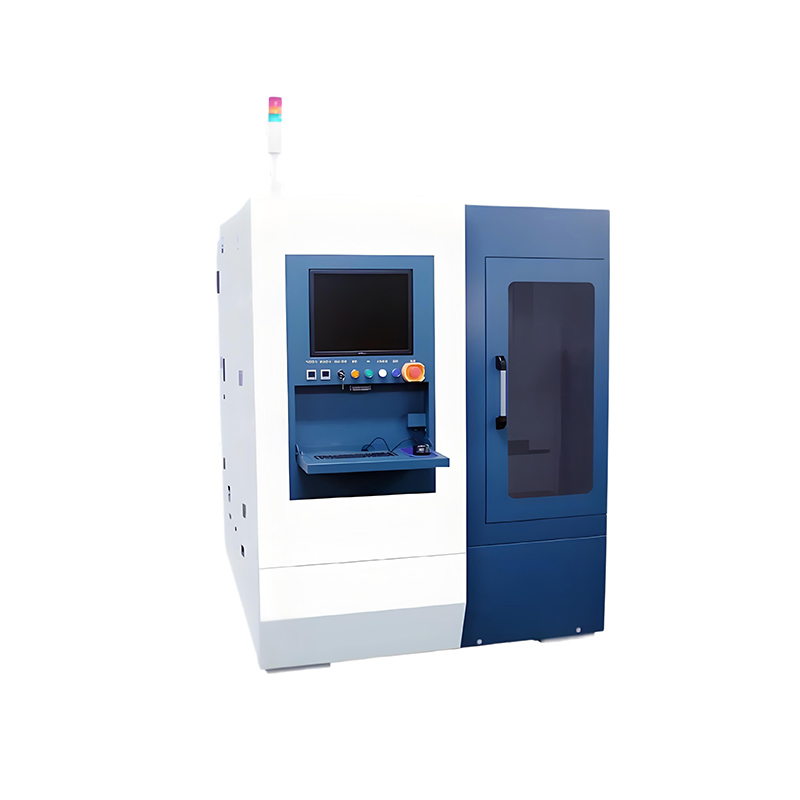
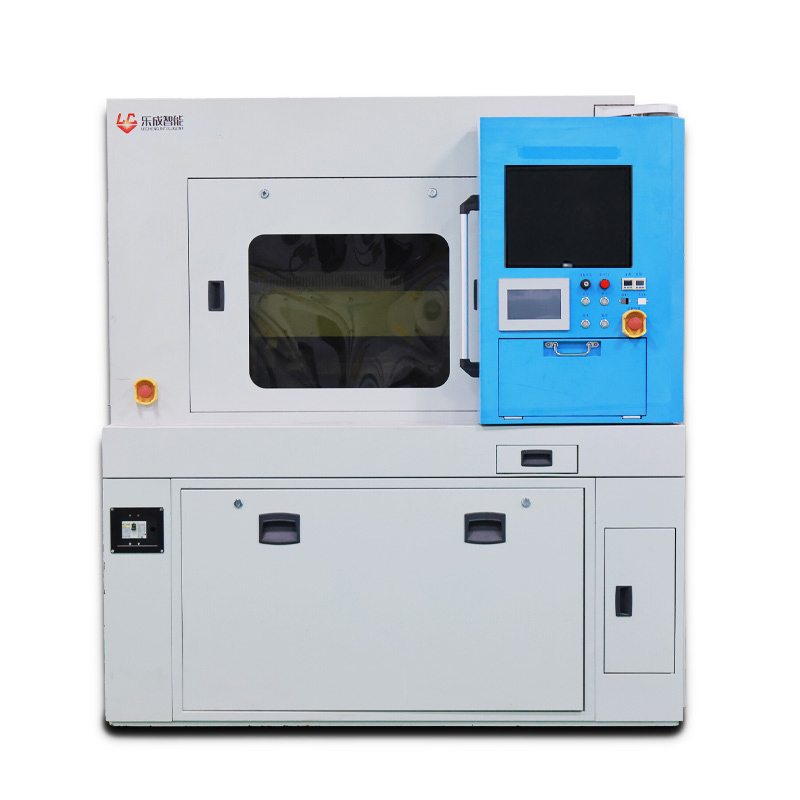

P4 Laser Edge Deletion for Perovskite Solar Cells
A process-focused application page for precise P4 laser edge deletion in perovskite solar cell manufacturing.
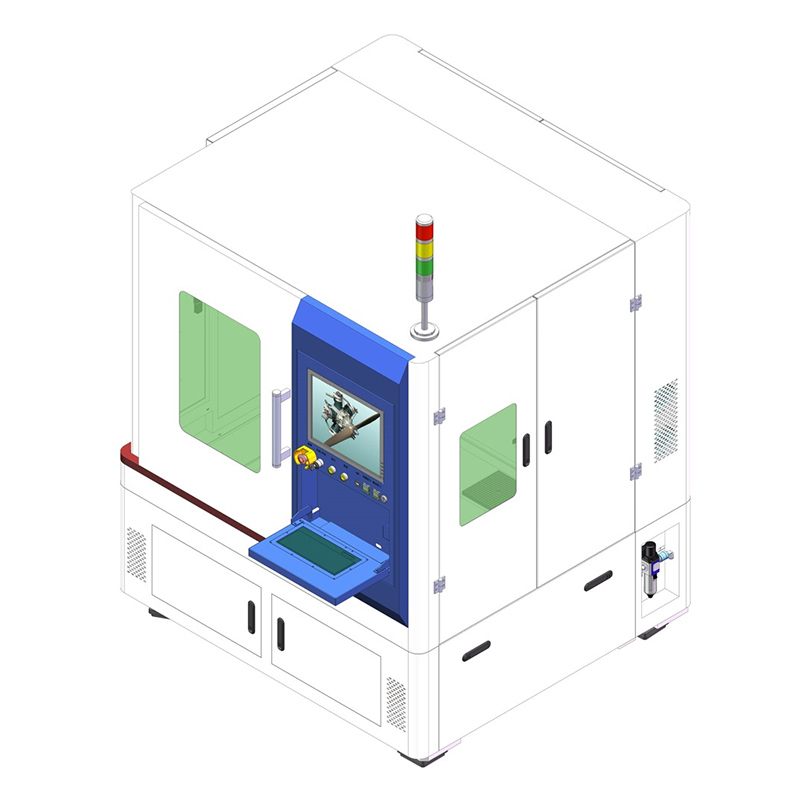
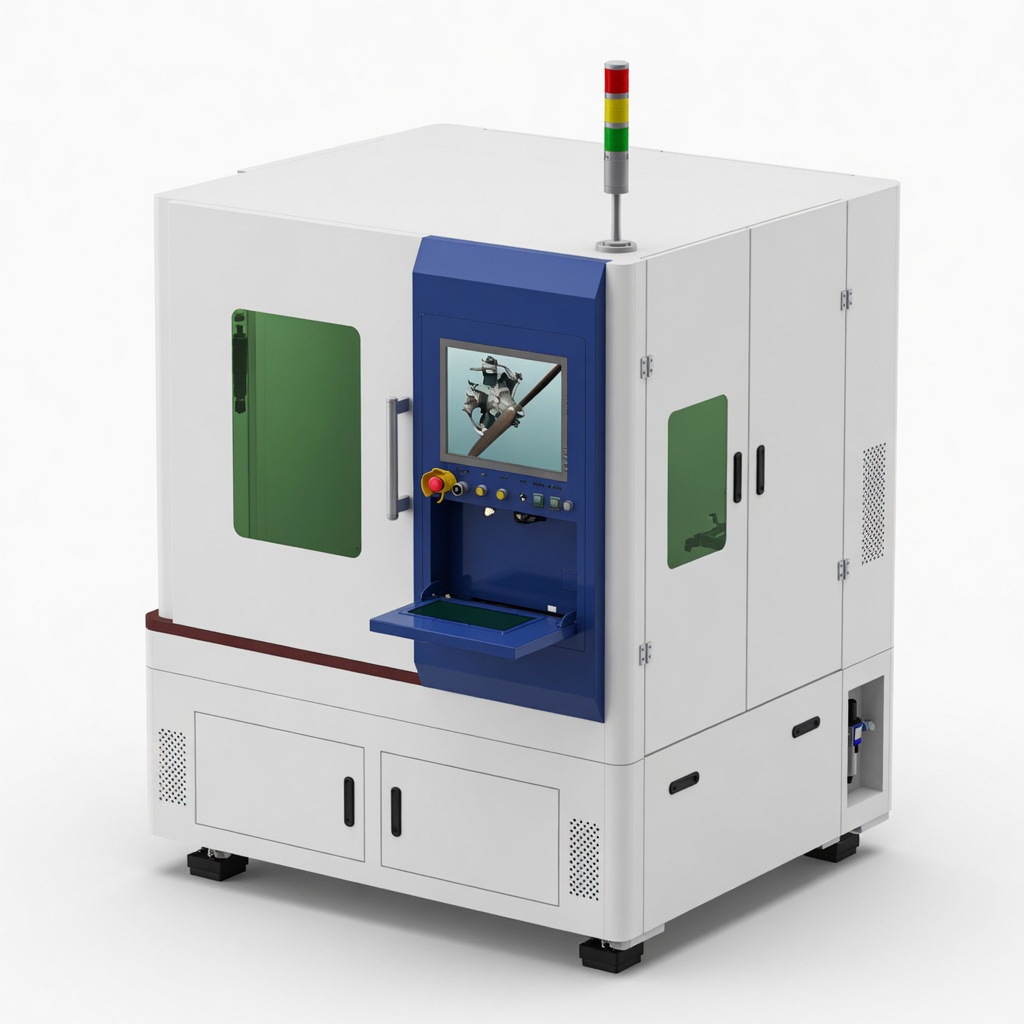
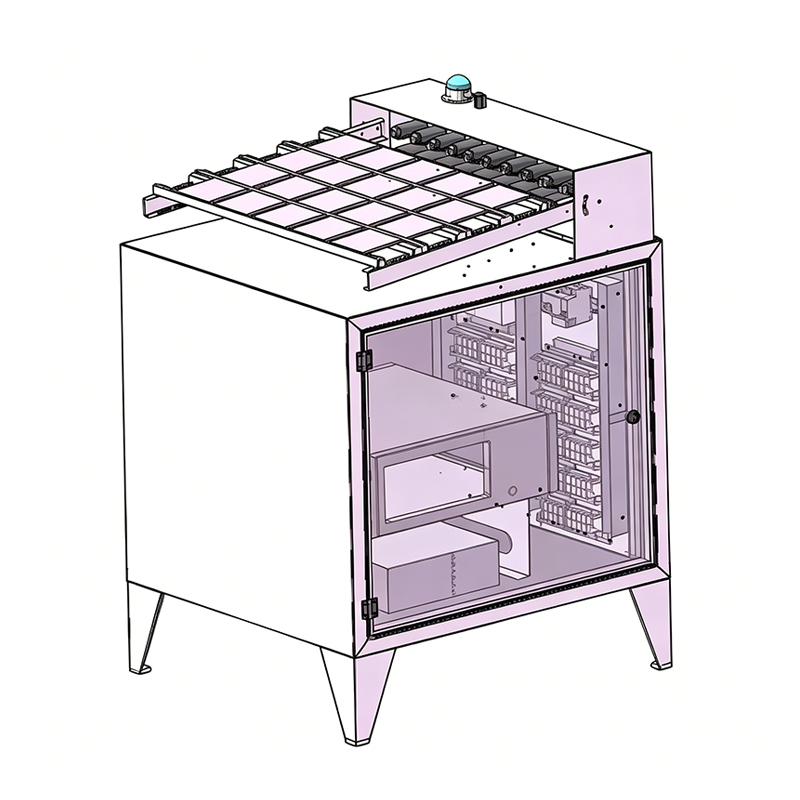
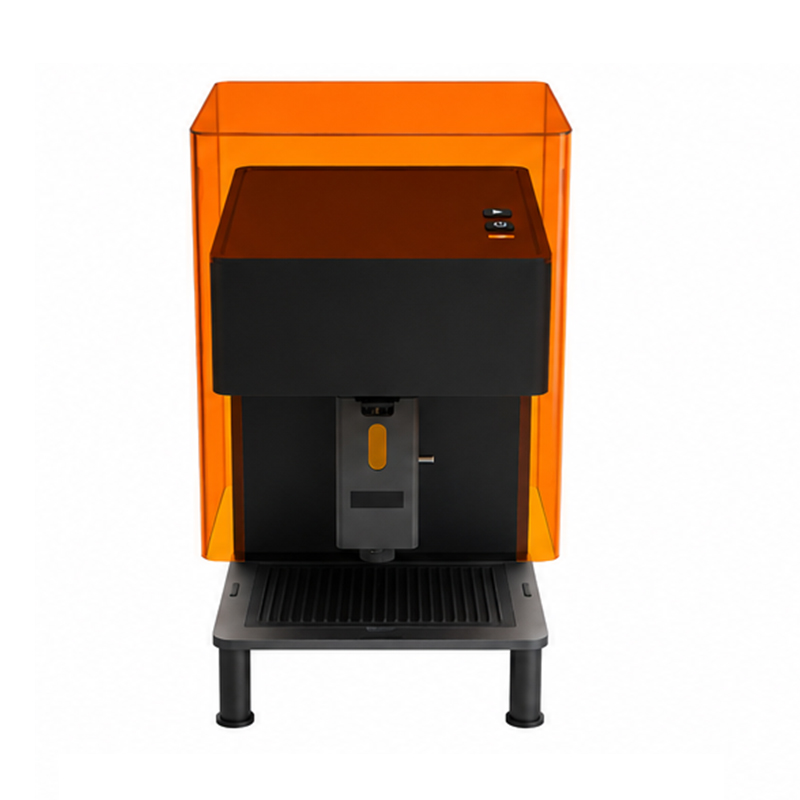
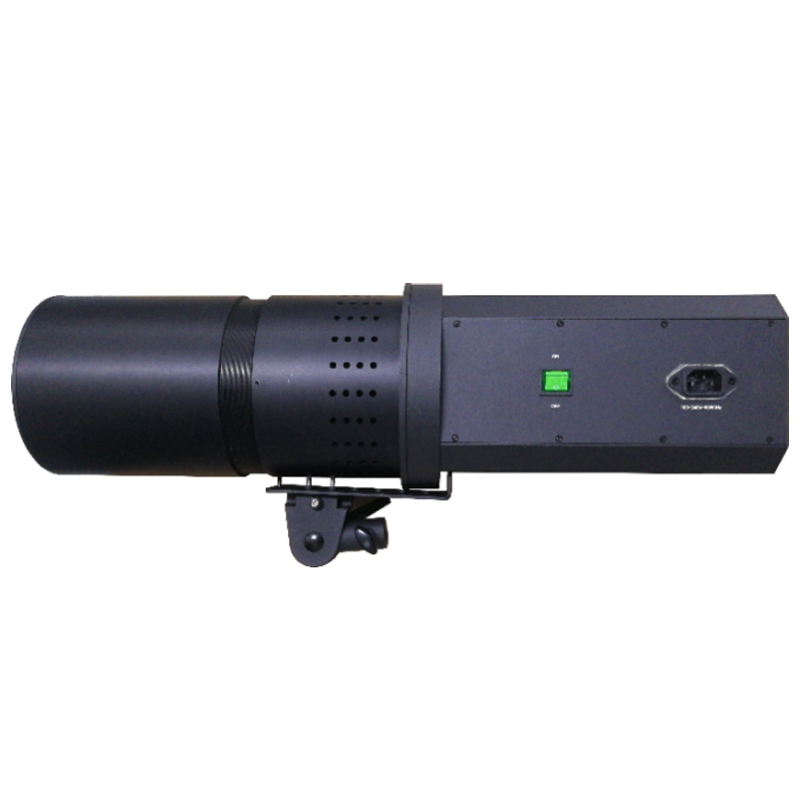
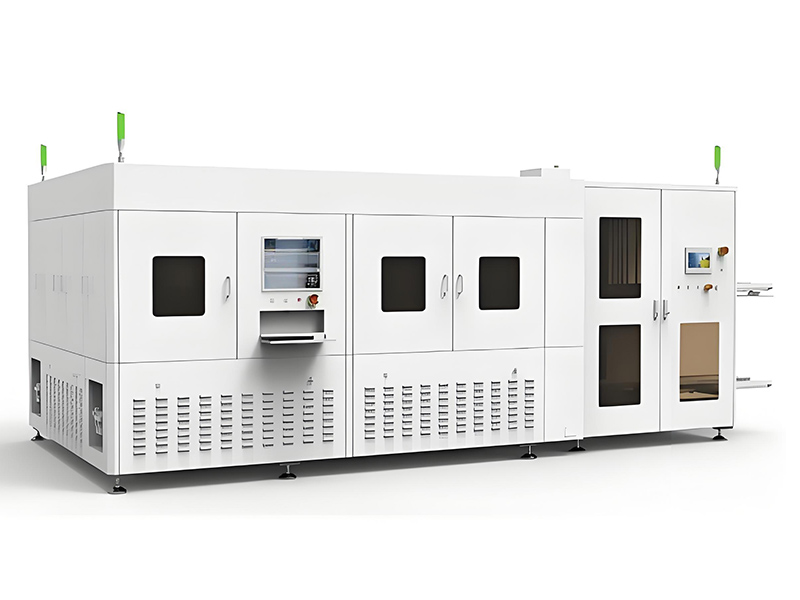
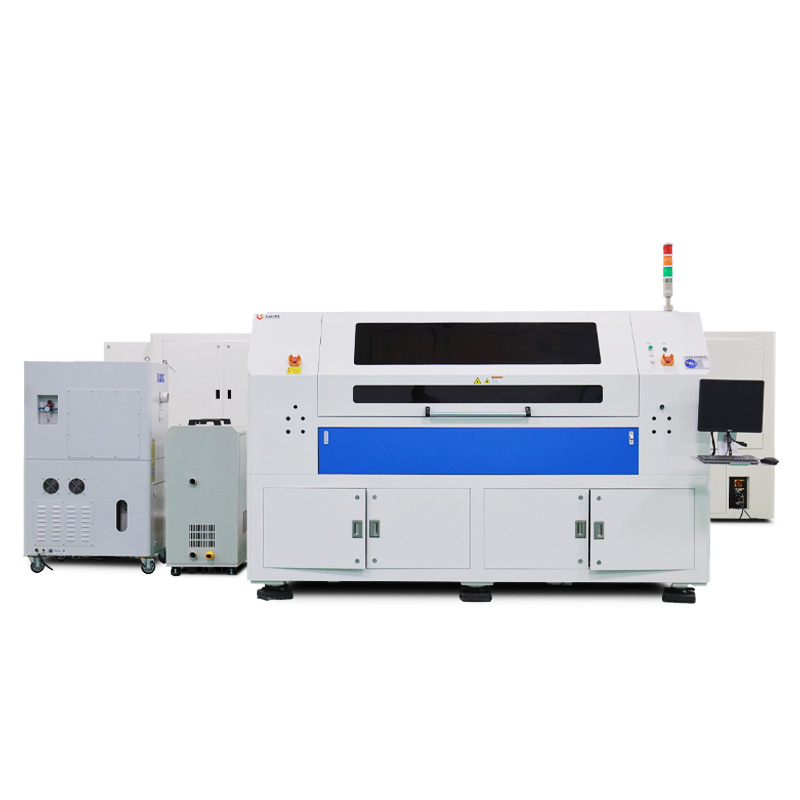
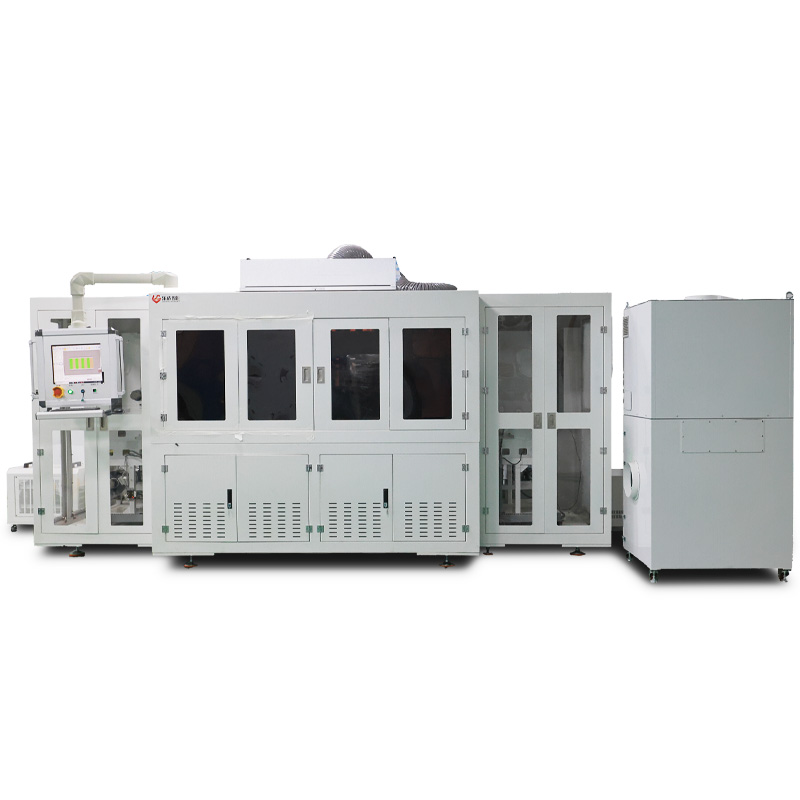
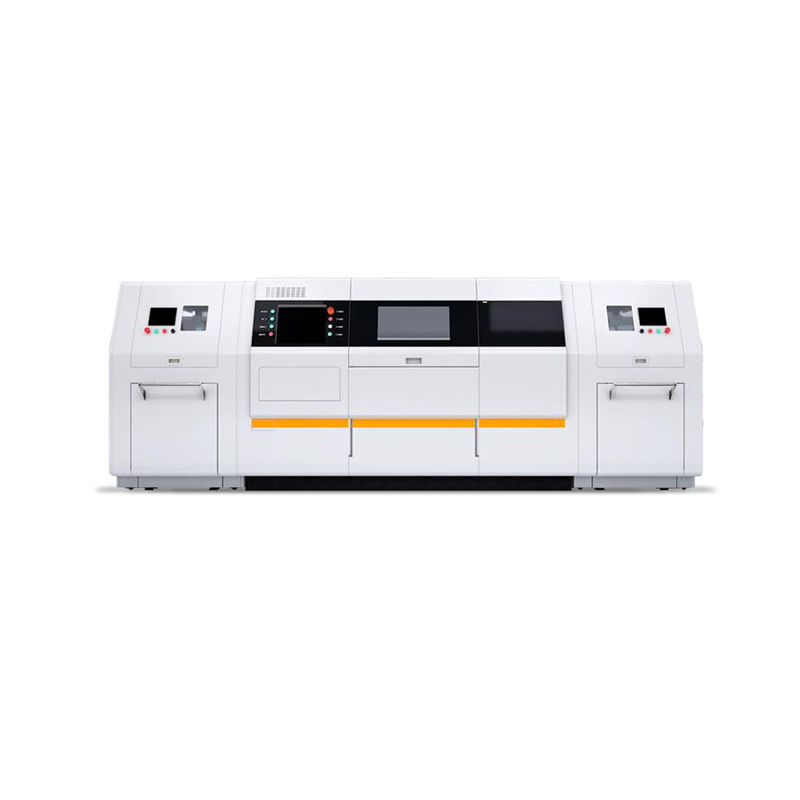
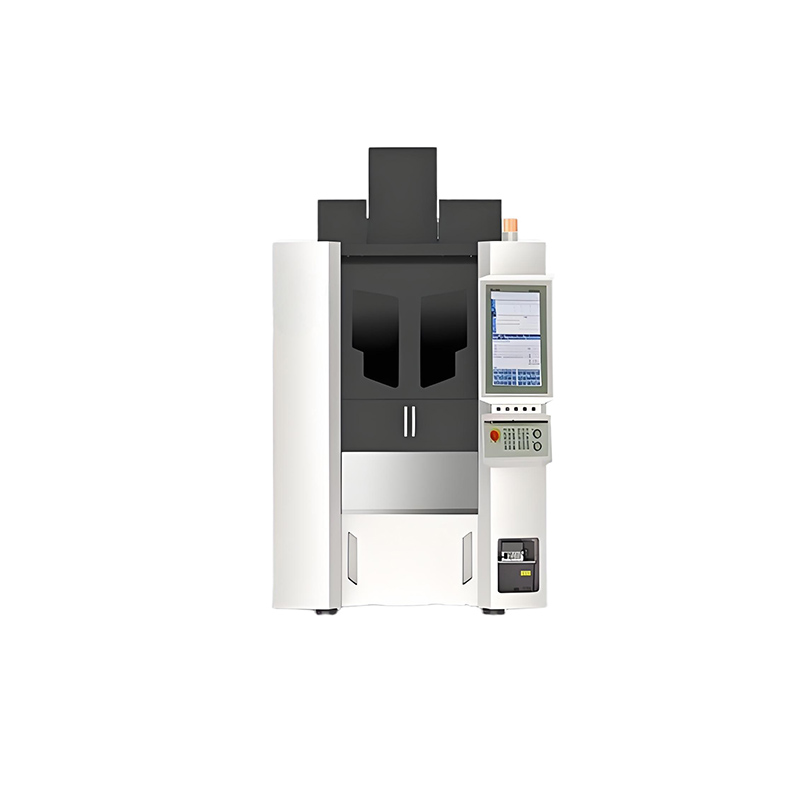
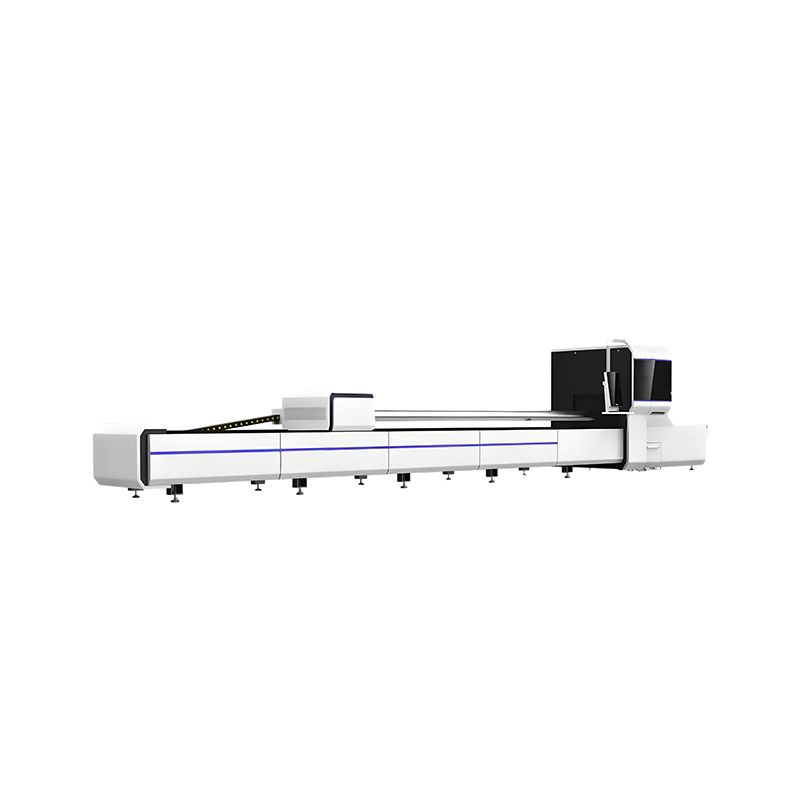
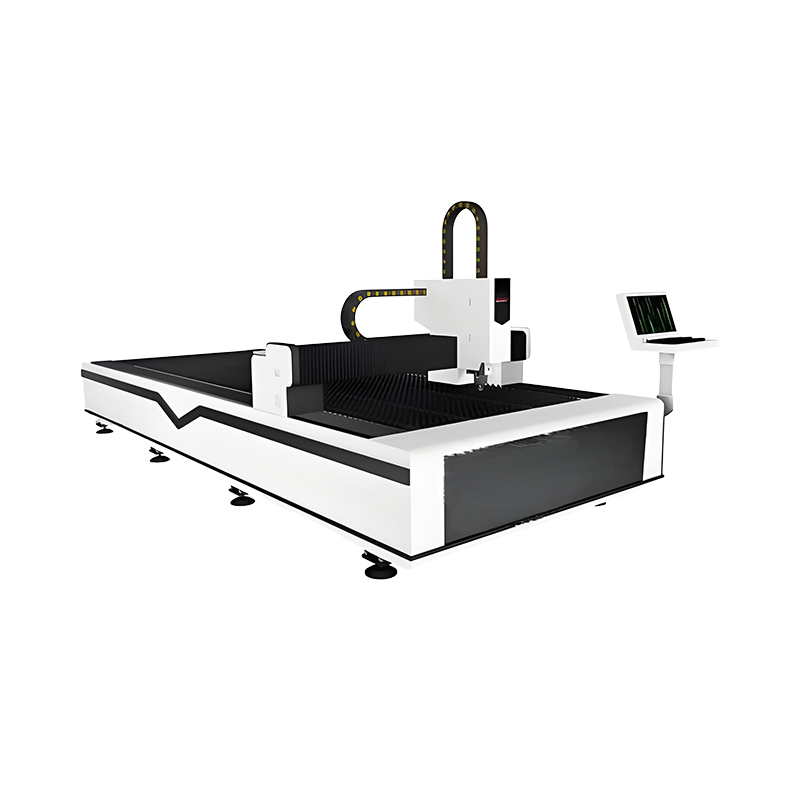
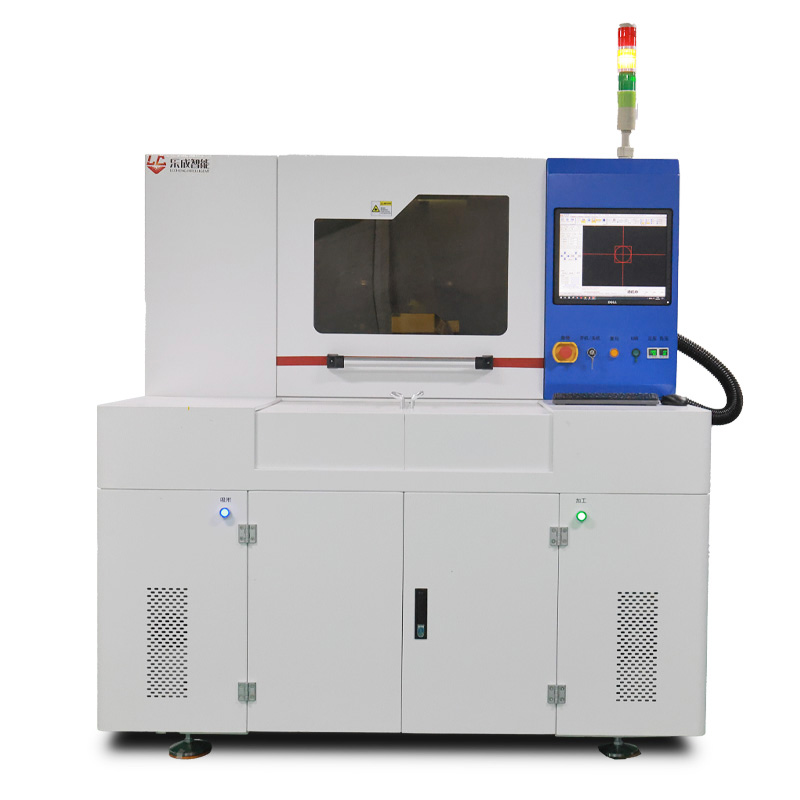
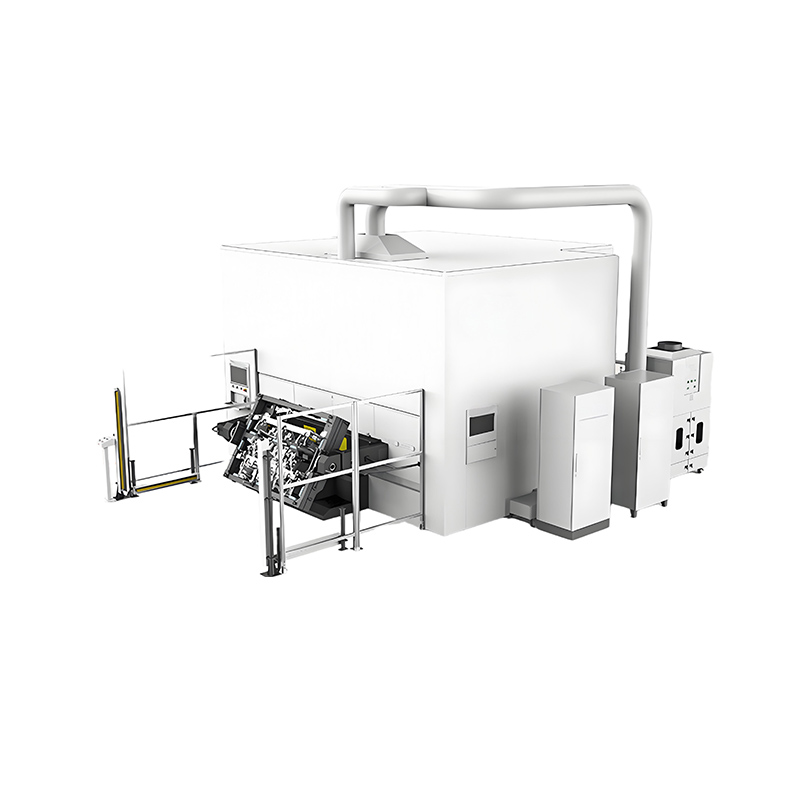
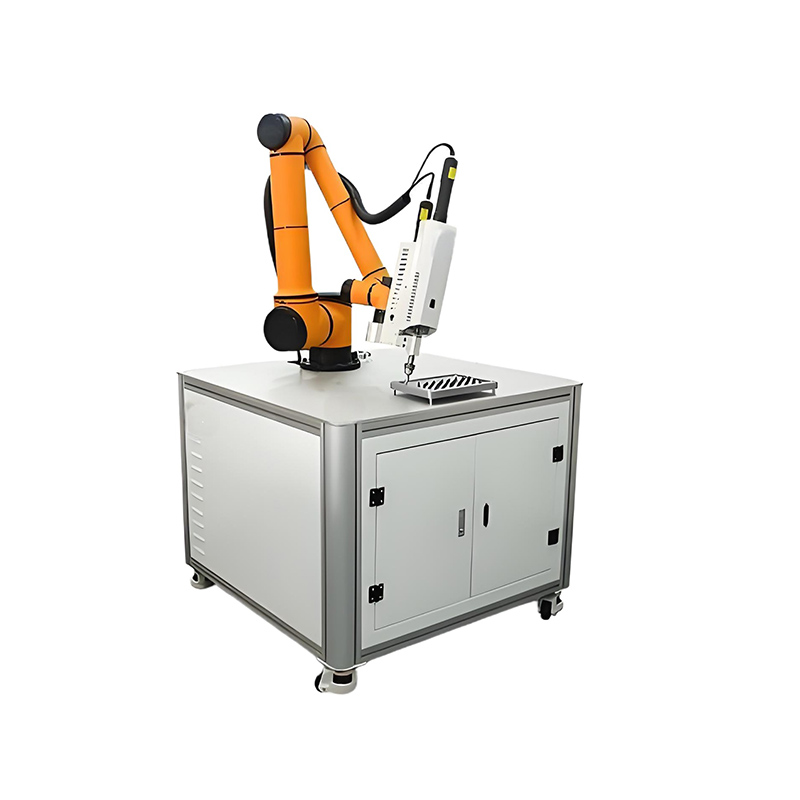
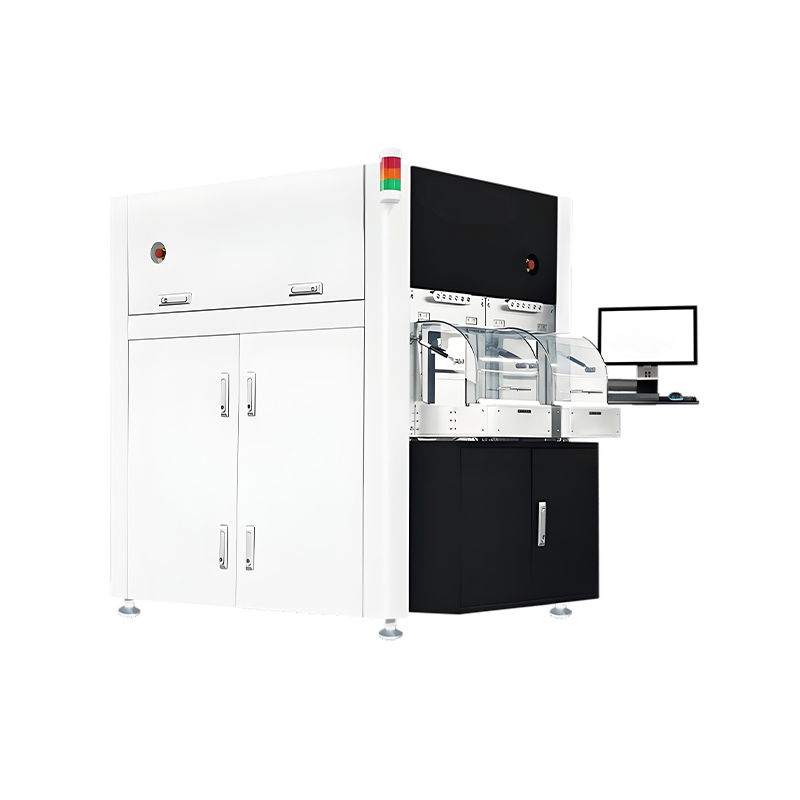
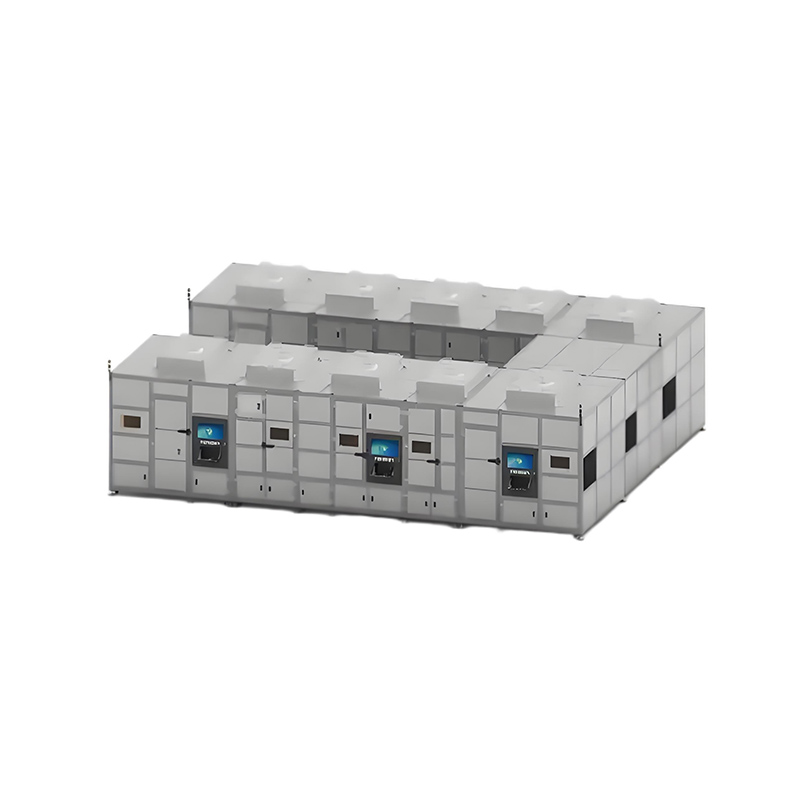
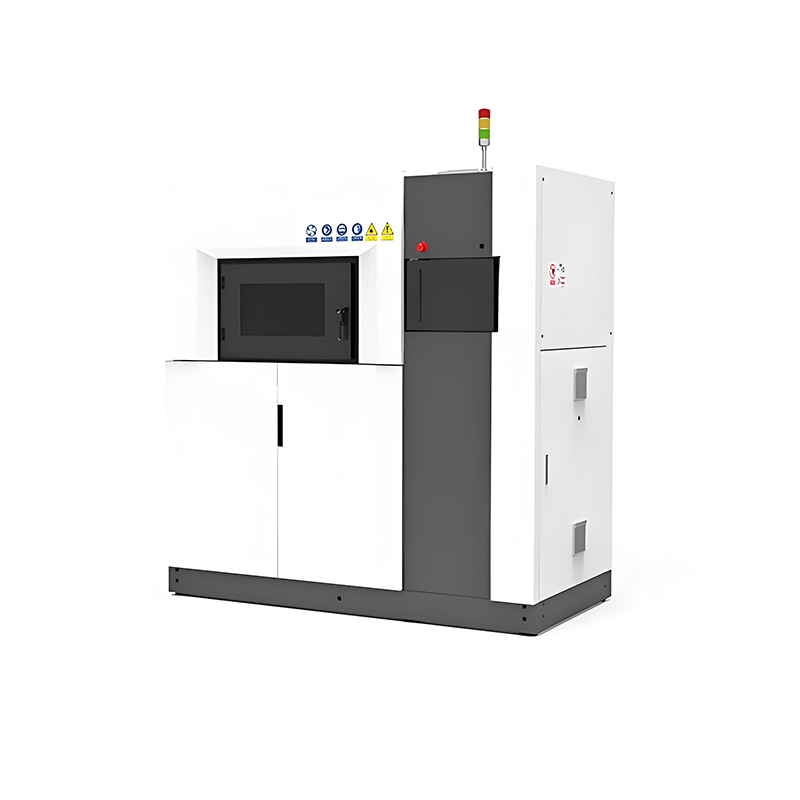
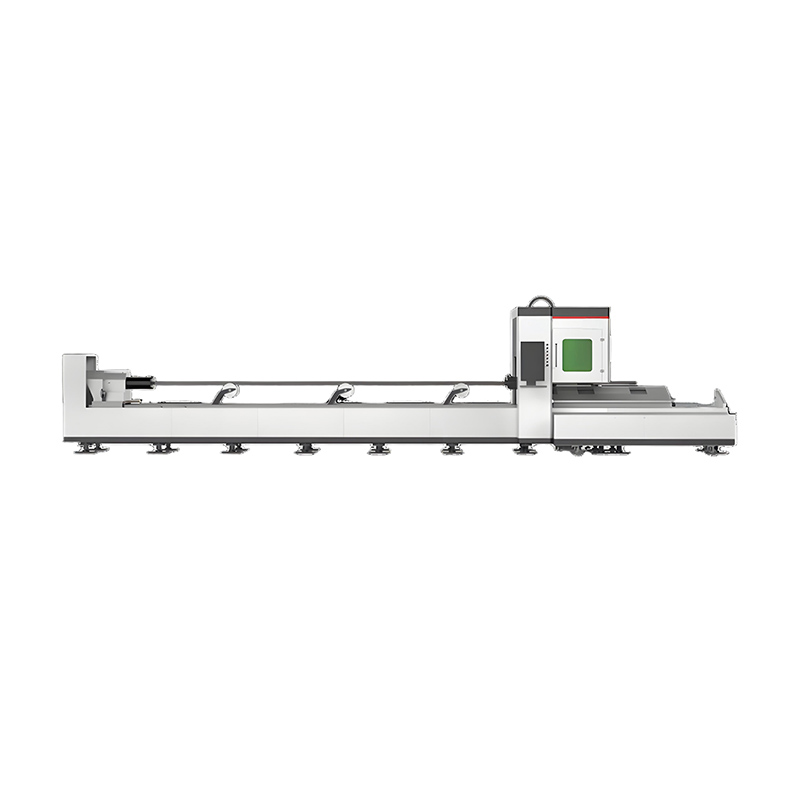
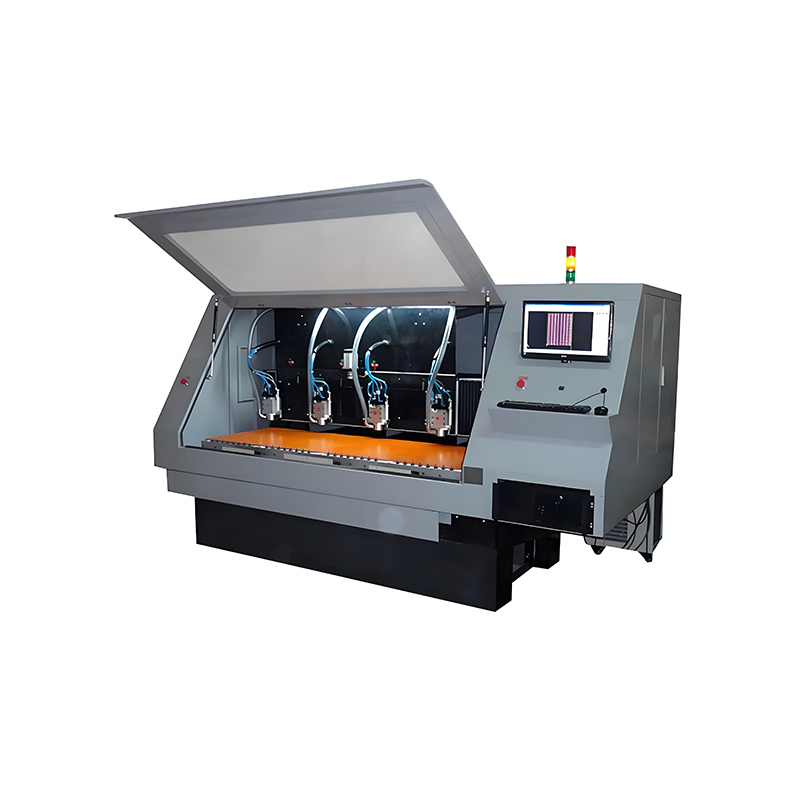
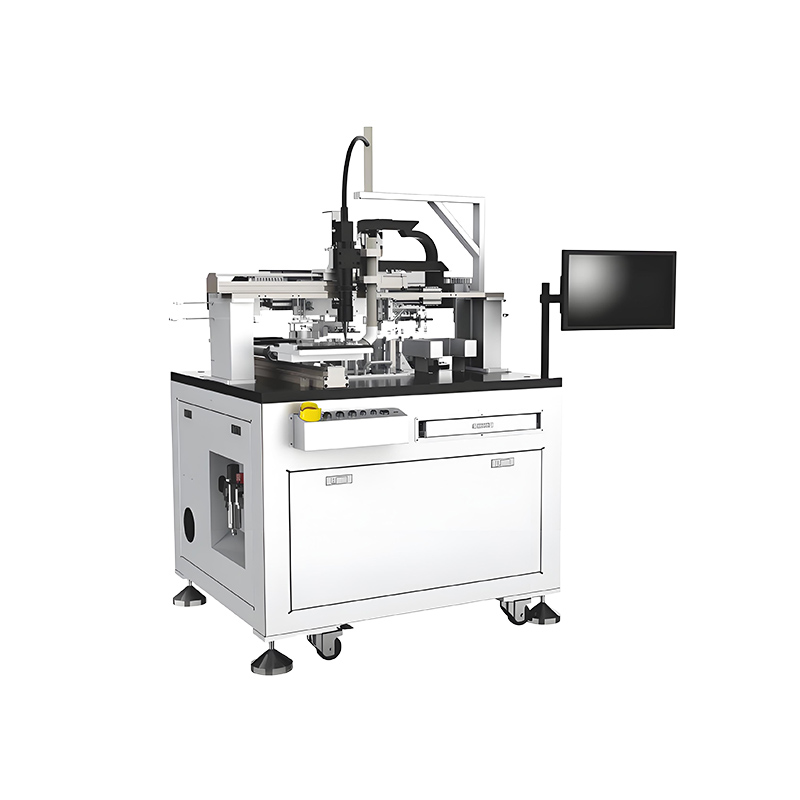
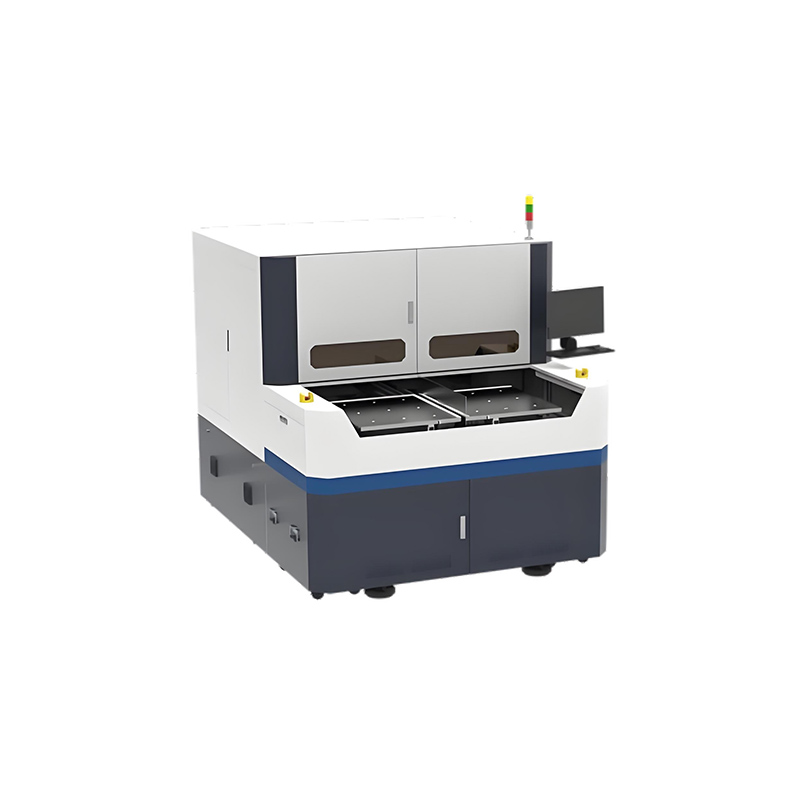
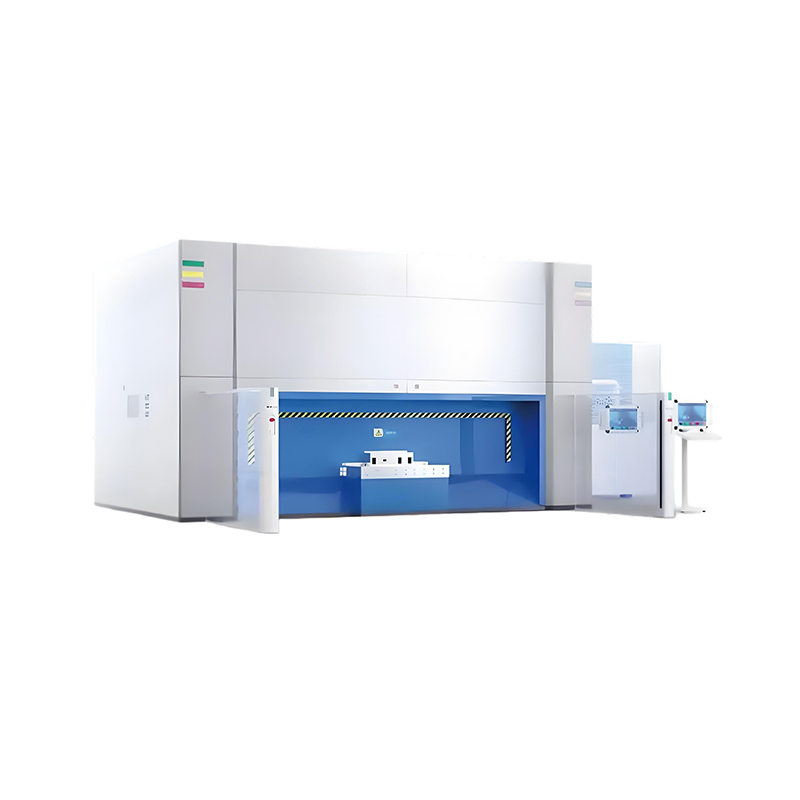
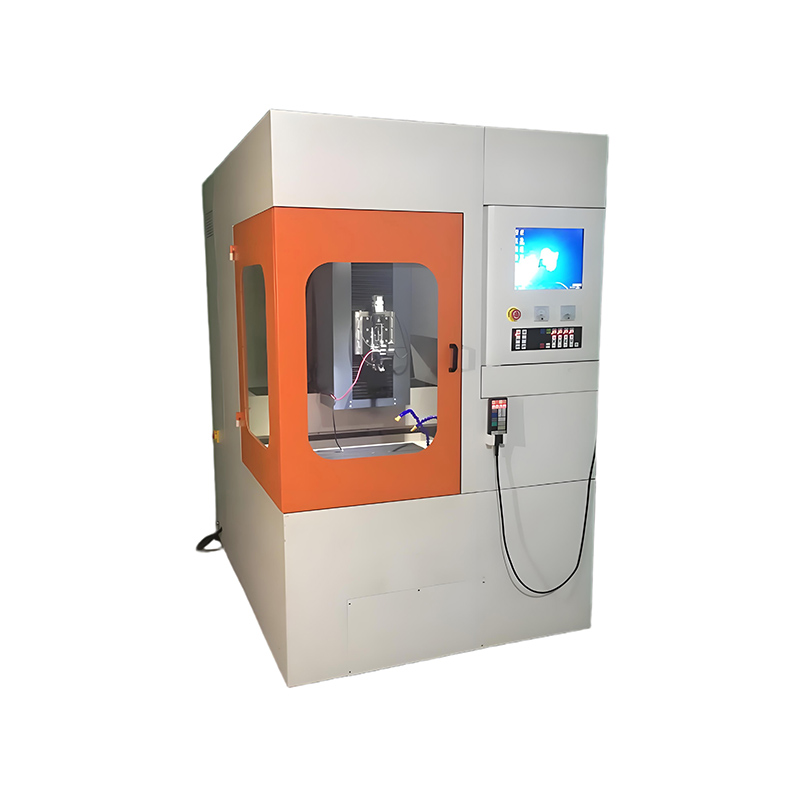
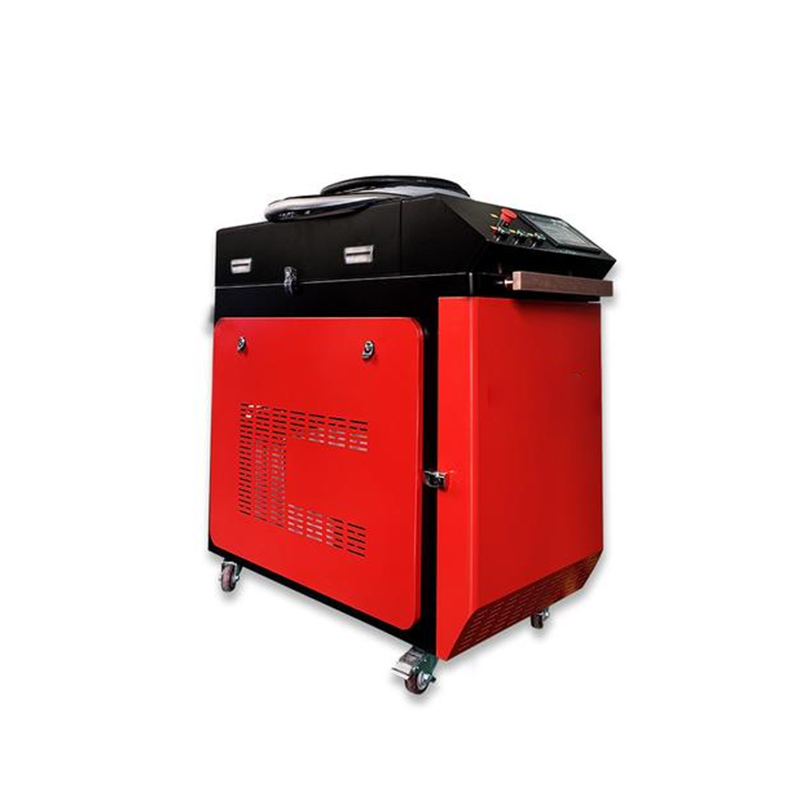
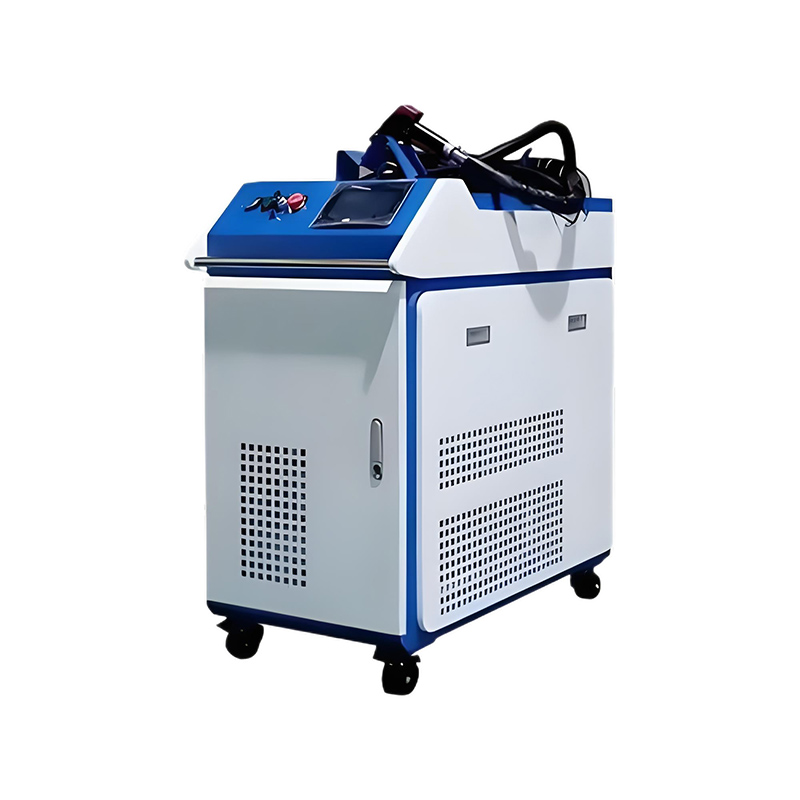
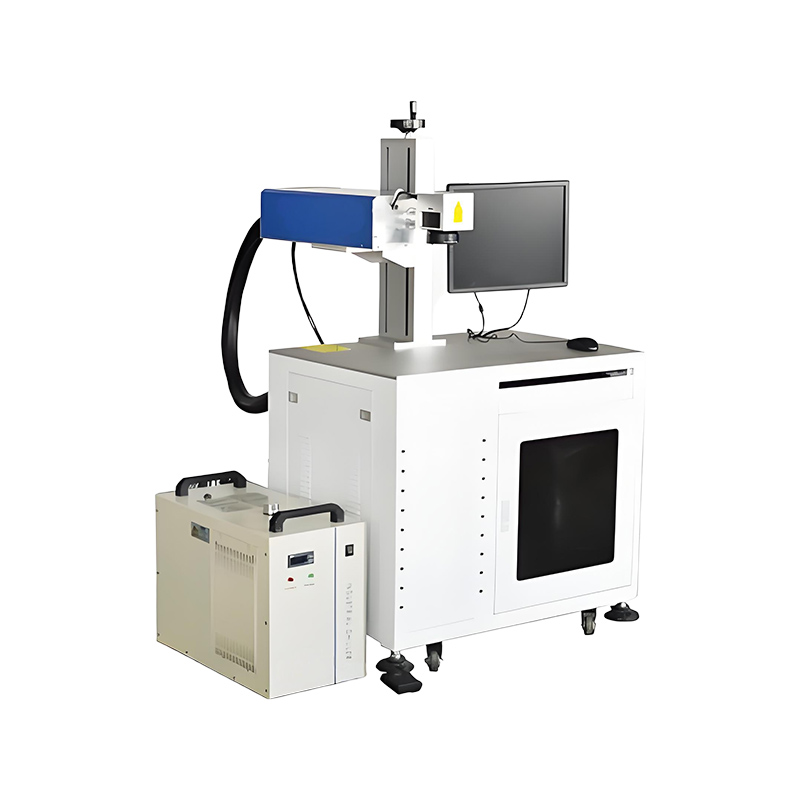
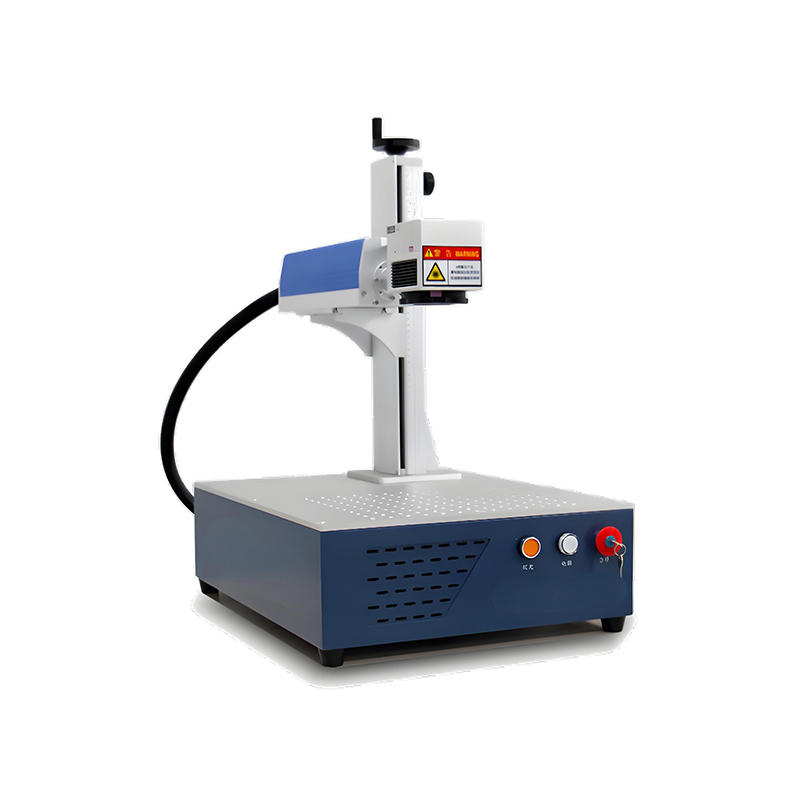
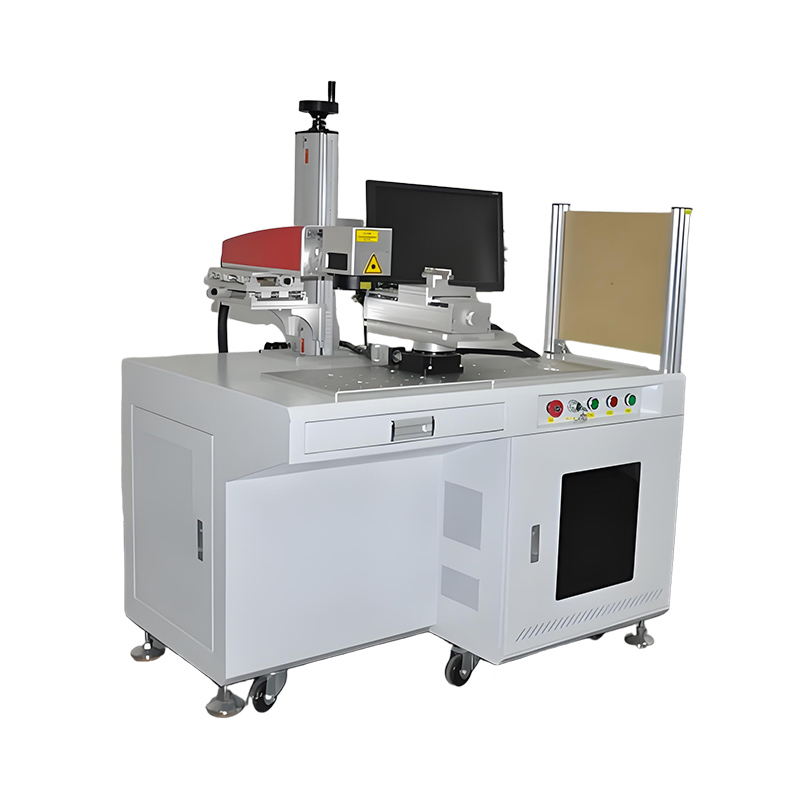
Lecheng Intelligent provides a stable P4 laser edge deletion solution for perovskite solar cells, helping customers achieve cleaner edge isolation, better encapsulation compatibility and improved module reliability. This page highlights how Lecheng approaches P4 laser processing in perovskite photovoltaic manufacturing with stronger focus on edge quality, dead zone control and production-oriented consistency.
Project Background
In perovskite solar cell manufacturing, P4 laser edge deletion is a critical step for removing unwanted edge-area functional layers and creating a cleaner boundary for downstream encapsulation and module integration. This process directly influences module safety margin, sealing quality and long-term operating stability.
Compared with P1, P2 and P3, P4 laser edge deletion for perovskite solar cells is more closely related to edge-region control, packaging compatibility and practical manufacturing quality. Customers need not only effective edge cleaning, but also consistent deletion width, stable process control and good integration with later sealing steps.
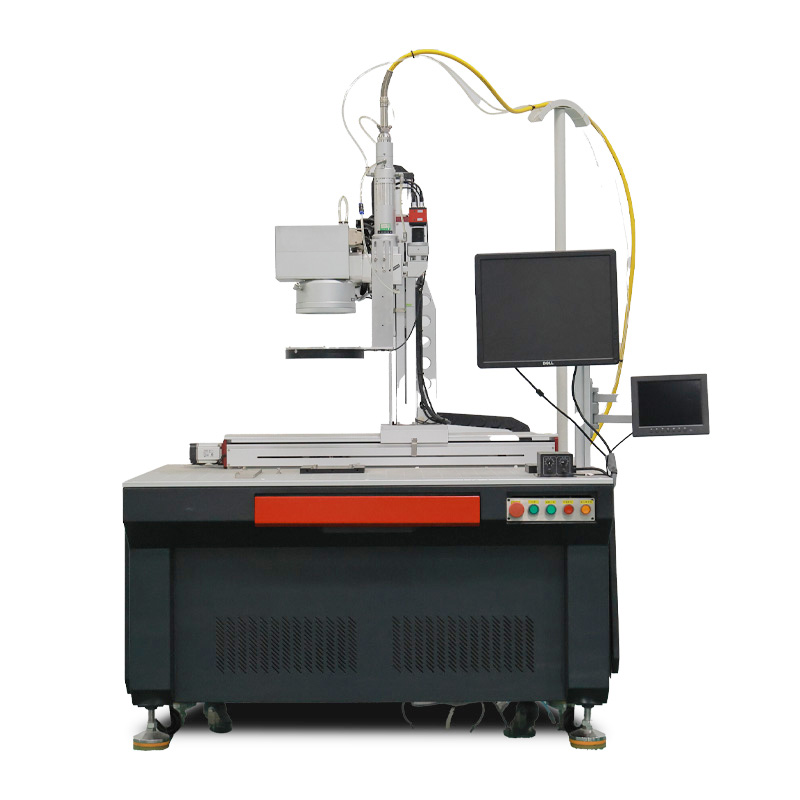
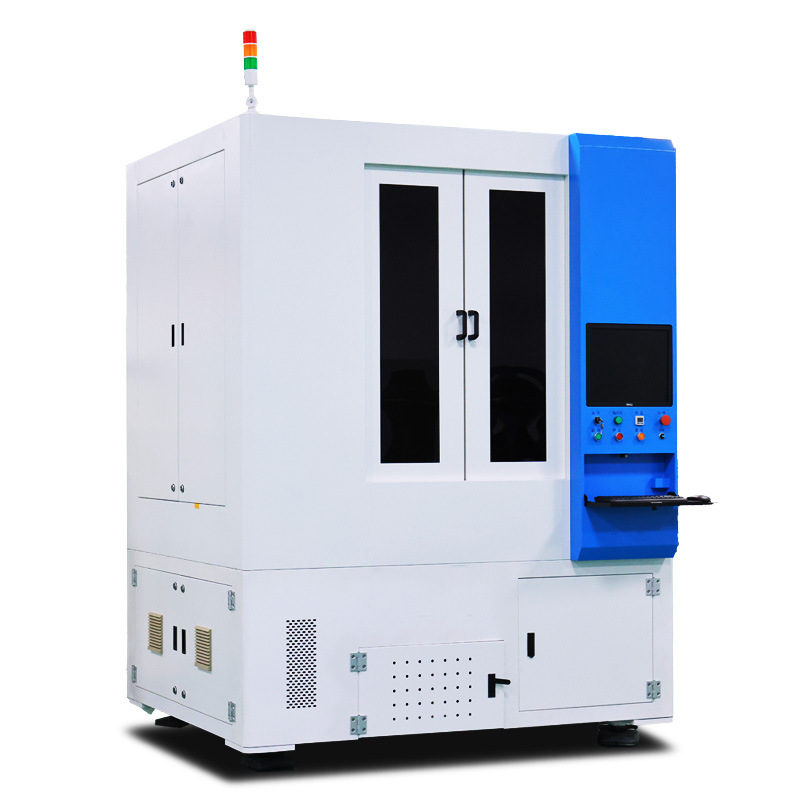
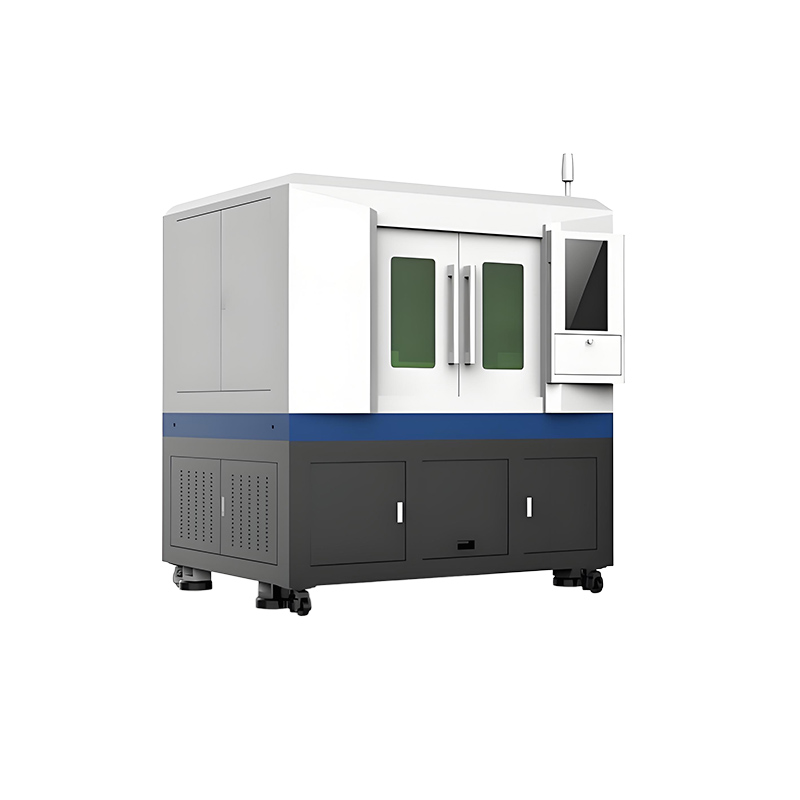
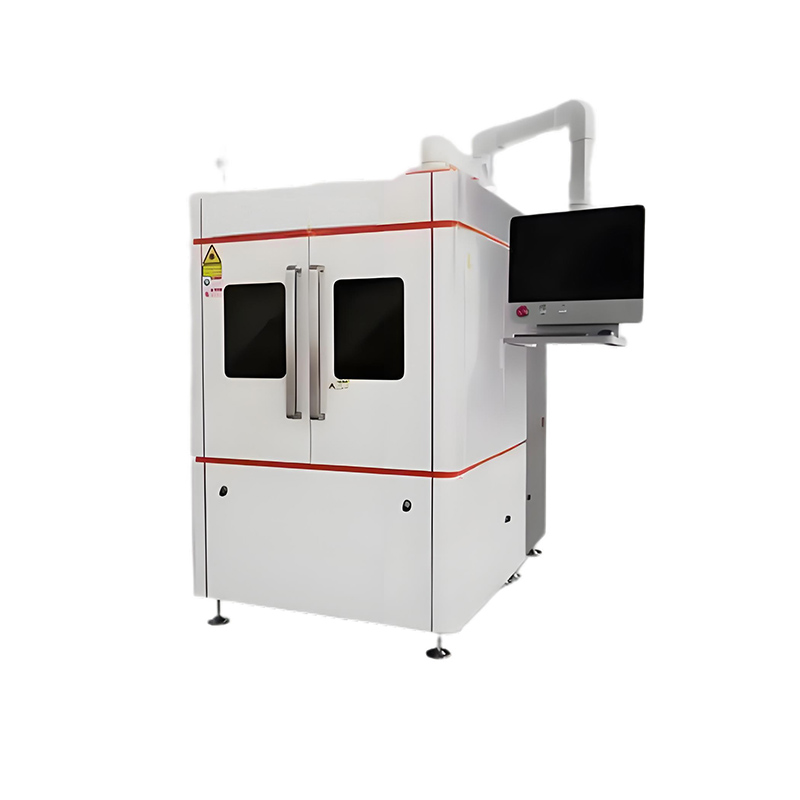
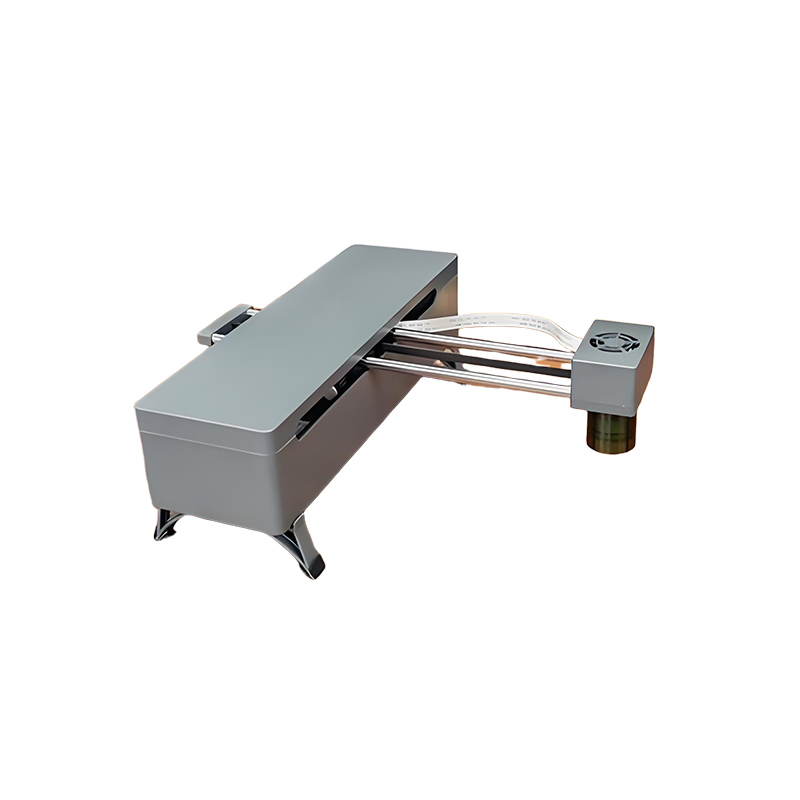
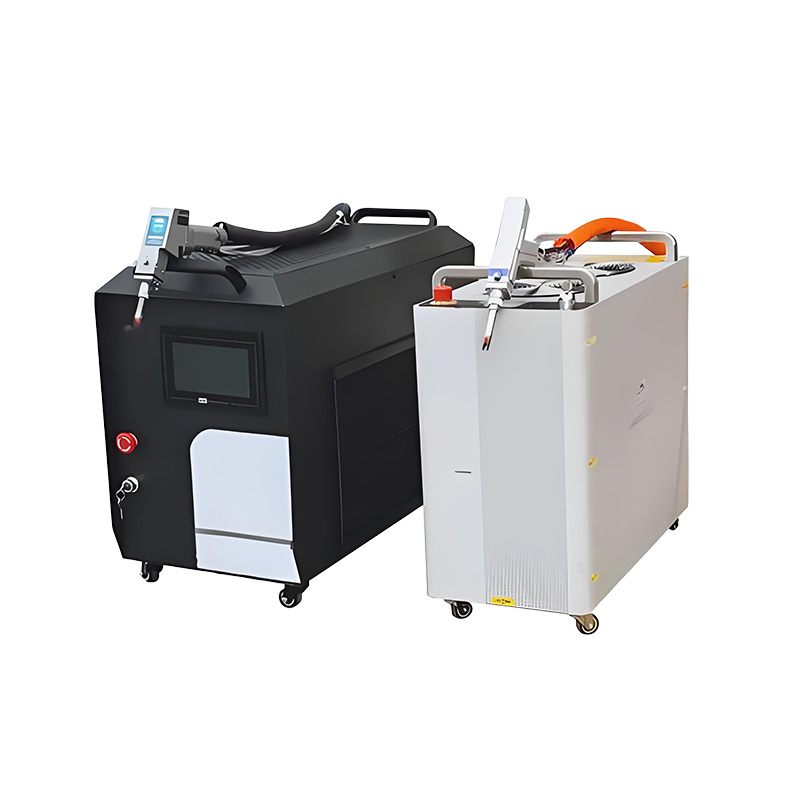
Lecheng provides a process-oriented P4 laser edge deletion system for customers who need a reliable solution for pilot lines and scalable photovoltaic manufacturing workflows.
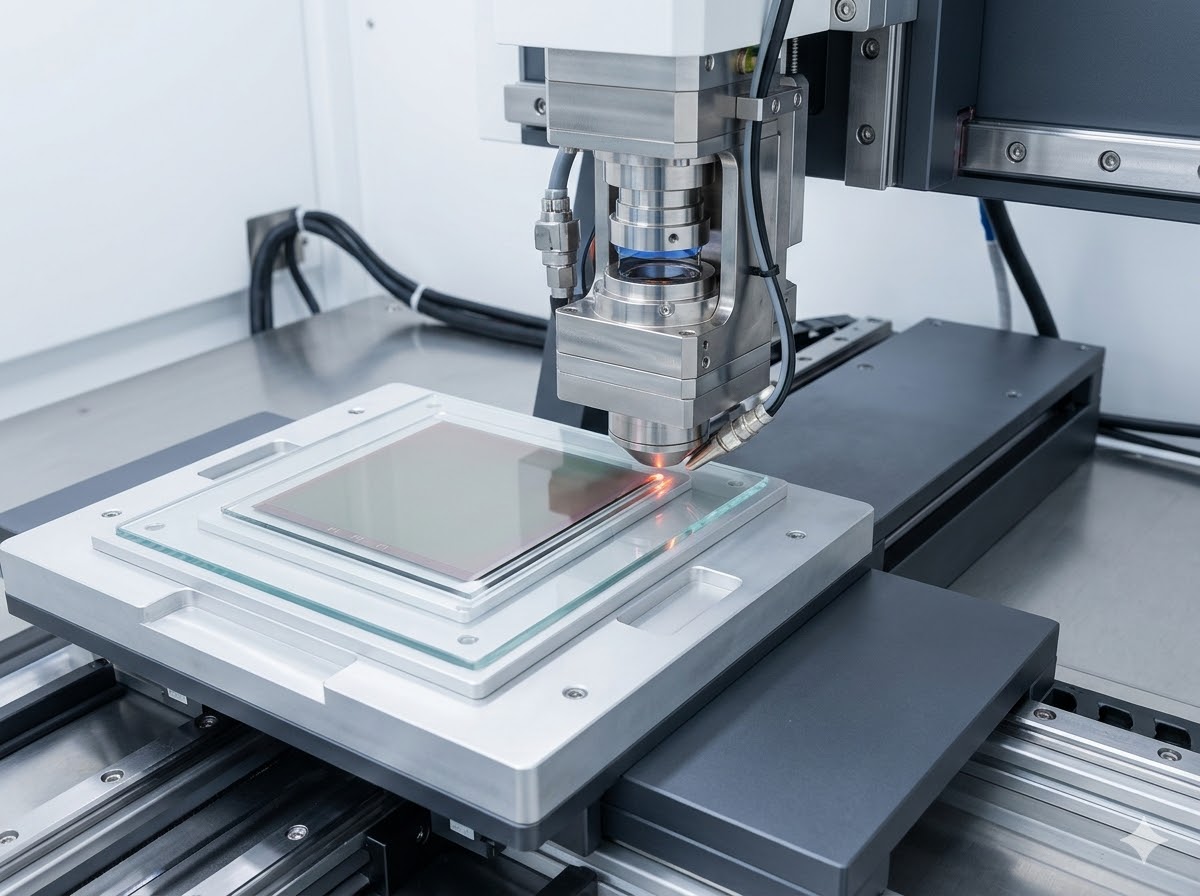
Close-up of laser edge deletion on a perovskite or thin-film sample
Customer Challenge
In practical P4 laser edge deletion for perovskite solar cells, customers usually focus on edge consistency and packaging reliability rather than simple material removal. Typical challenges include:
Clean Edge Isolation: The edge area needs to be removed clearly and consistently to avoid interference with later encapsulation.
Dead Zone Control: The deleted edge width should be controlled carefully to balance safety margin and active area utilization.
Stable Edge Quality: Irregular or inconsistent deletion may affect module appearance, sealing quality and long-term reliability.
Compatibility with Encapsulation: P4 needs to support later packaging and module integration workflows.
Production Repeatability: Customers need a solution that works not only in the lab, but also in pilot line and future industrial scenarios.
Lecheng Solution Approach
1. Precision-Oriented Edge Deletion Logic
Lecheng develops the P4 laser edge deletion solution around the actual role of edge cleaning in module manufacturing. The focus is not only on removing material, but on doing so with better width control, cleaner boundaries and stronger process consistency.
2. Better Support for Encapsulation and Module Reliability
A professional P4 laser processing solution for perovskite solar cells should help customers improve edge-region preparation before encapsulation. Lecheng emphasizes better compatibility between edge deletion quality and downstream packaging requirements.
3. Stronger Control of Dead Zone and Edge Uniformity
In perovskite photovoltaic manufacturing, edge deletion width directly affects active area utilization and process safety margin. Lecheng supports better dead zone control and more stable edge quality for production-oriented applications.
4. Designed for Lab, Pilot and Scale-Up Workflows
Customers building perovskite pilot line equipment need more than one successful experiment. Lecheng provides a broader engineering logic that supports repeatability, scale-up transfer and future manufacturing stability.
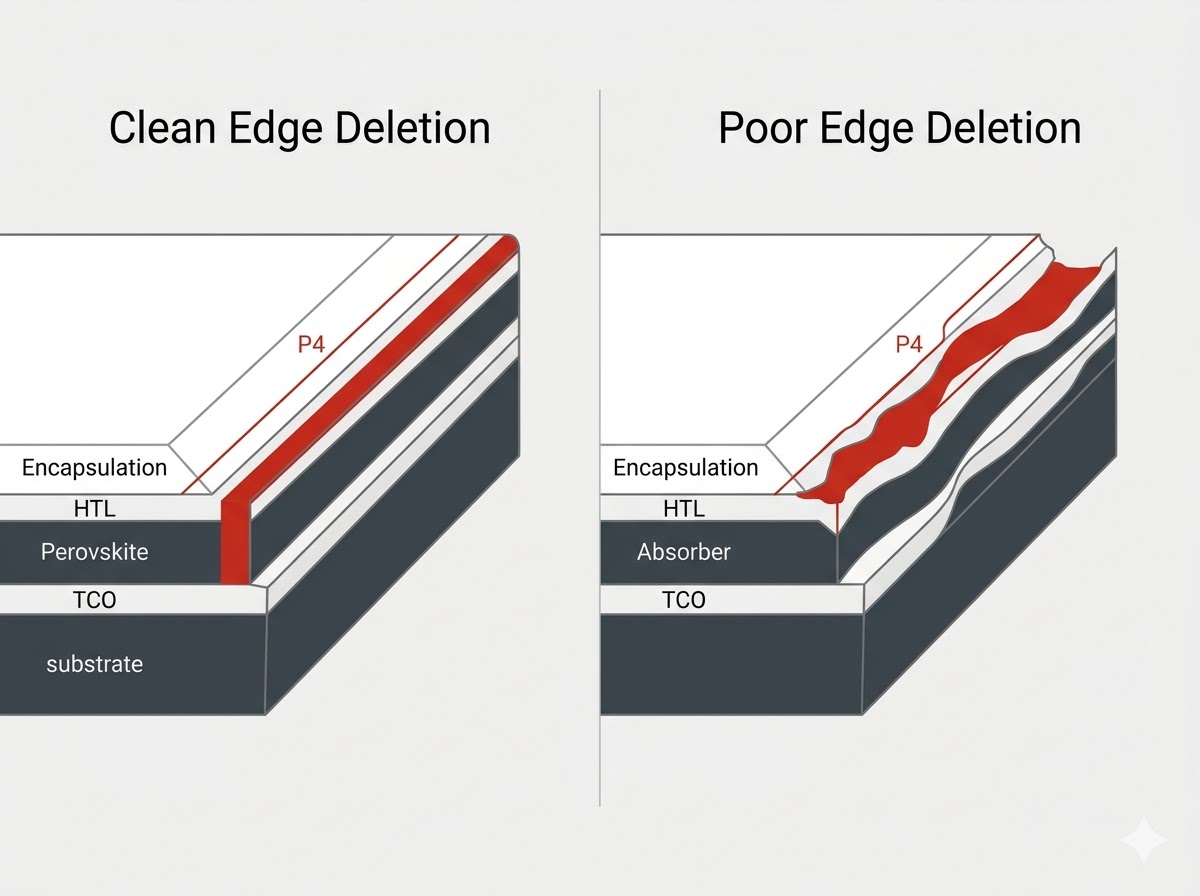
Engineering comparison diagram showing clean edge deletion vs poor edge deletion
Application Value
| Focus Area | Common Concern | Lecheng Value |
| Edge Isolation Quality | Need stable removal of unwanted edge-area material | Supports cleaner edge deletion for stronger downstream packaging compatibility |
| Dead Zone Management | Need balance between active area and safety margin | Improves control of edge deletion width and process consistency |
| Encapsulation Readiness | Need good edge preparation before sealing | Helps build better interface conditions for packaging workflows |
| Visual and Structural Consistency | Need stable edge appearance and reduced defect risk | Supports more uniform edge quality across different samples and batches |
| Scale-Up Readiness | Need lab-to-pilot transfer capability | Supports broader pilot line and production-oriented process planning |
Typical Process Position
In a typical perovskite solar cell manufacturing workflow, P4 laser edge deletion is positioned after the main patterning sequence and before final encapsulation. It serves as a key edge preparation step for module sealing and long-term reliability.
TCO Glass → P1 Laser Scribing → Layer Deposition → P2 Laser Scribing → Back Electrode → P3 Laser Scribing → P4 Laser Edge Deletion → Encapsulation → Testing
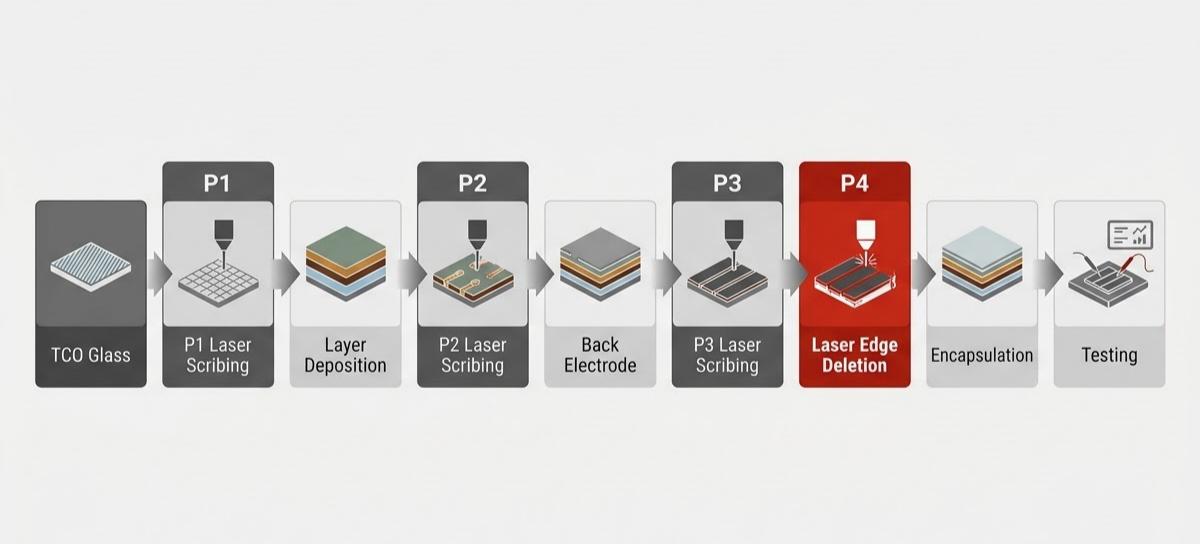
Suggested image: horizontal P1-P2-P3-P4 workflow diagram with P4 highlighted in red, clean engineering style, red-gray color scheme matching the website.
Recommended Related Solution Entry
If you want to explore the broader engineering logic behind P1, P2, P3 and P4 integration as well as full line configuration, visit our related Perovskite Laser Production Line page. This internal entry helps strengthen topic relevance around P4 laser edge deletion for perovskite solar cells, perovskite laser processing and perovskite pilot line solutions.
View Related Production LineTypical Applications
P4 laser edge deletion for perovskite solar cells
Edge cleaning for perovskite photovoltaic modules
Dead-zone control in thin-film solar manufacturing
Encapsulation preparation for advanced photovoltaic devices
Perovskite pilot line edge deletion process verification
Integrated perovskite laser production line planning
Keyword Focus
P4 Laser Edge Deletion for Perovskite Solar Cells
P4 Laser Edge Deletion System for Perovskite Solar Cells
Perovskite P4 Laser Processing Solution
Edge Cleaning Laser Equipment for Perovskite Modules
Dead Zone Control for Perovskite Solar Cells
Perovskite Pilot Line P4 Edge Deletion Solution
Thin-Film Solar Cell Edge Deletion
FAQ
What is the purpose of P4 laser edge deletion in perovskite solar cells?
P4 laser edge deletion is used to remove unwanted edge-area material and prepare a cleaner boundary for encapsulation, module sealing and long-term reliability improvement.
Why is dead zone control important in P4 processing?
Because edge deletion width directly affects the balance between active area utilization and packaging safety margin, which is important for both performance and manufacturing reliability.
Can this type of solution support pilot line development?
Yes. A strong P4 edge deletion solution should support both laboratory verification and pilot line development with better repeatability, edge quality and process continuity.
How can I contact Lecheng for project discussion?
You can reach Lecheng through the official contact page for technical consultation, solution discussion and project communication.
Discuss Your P4 Edge Deletion Project
Looking for a reliable supplier of P4 laser edge deletion solutions for perovskite solar cells, edge cleaning laser equipment and perovskite pilot line systems? Contact Lecheng Intelligent for a direct engineering discussion.
Request a Solution View Related Line