


P3 Laser Scribing for Perovskite Solar Cells
A process-focused application page for precise P3 laser scribing and cell separation in perovskite solar cell manufacturing.
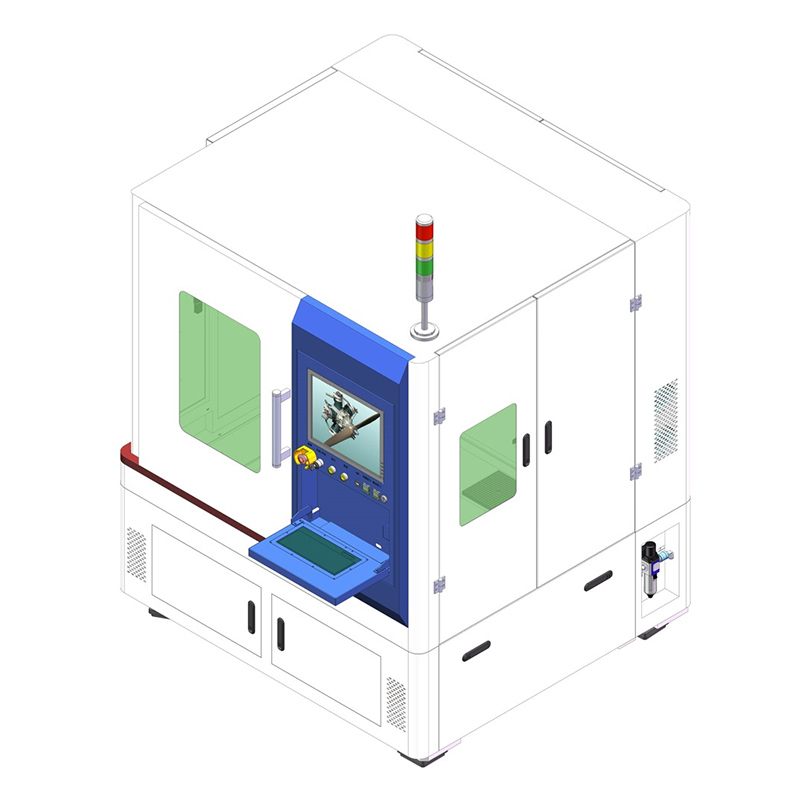
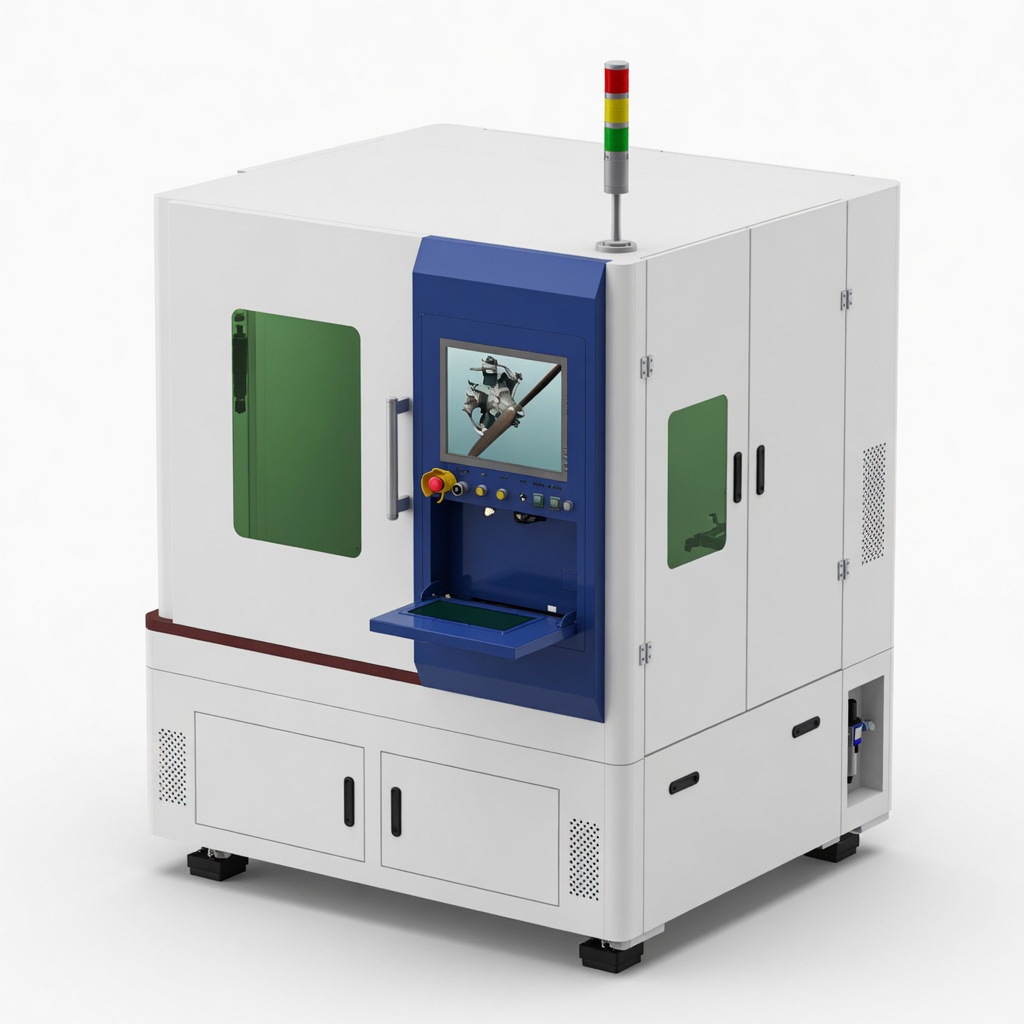
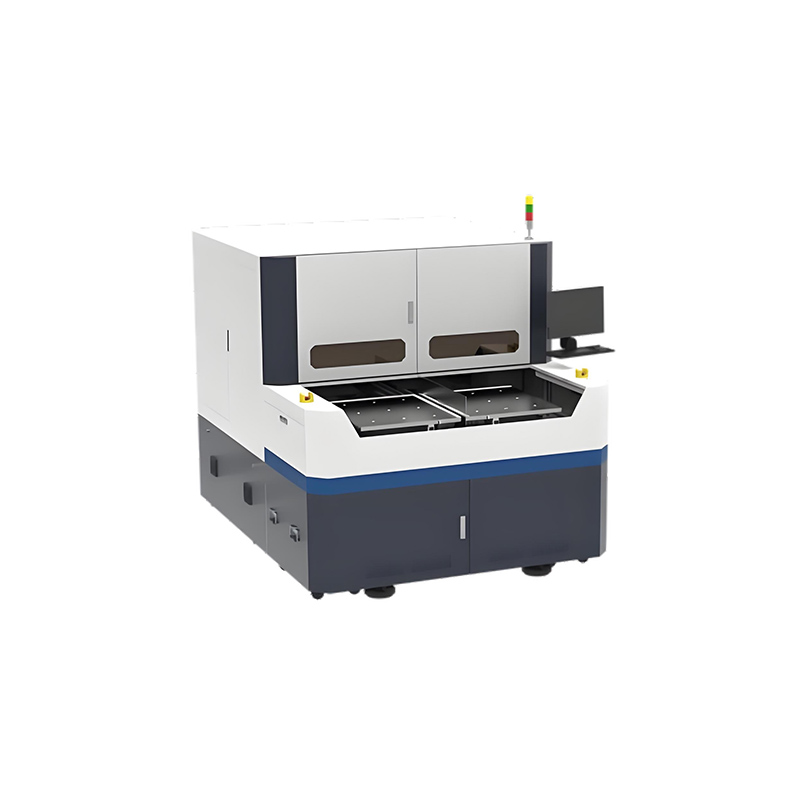
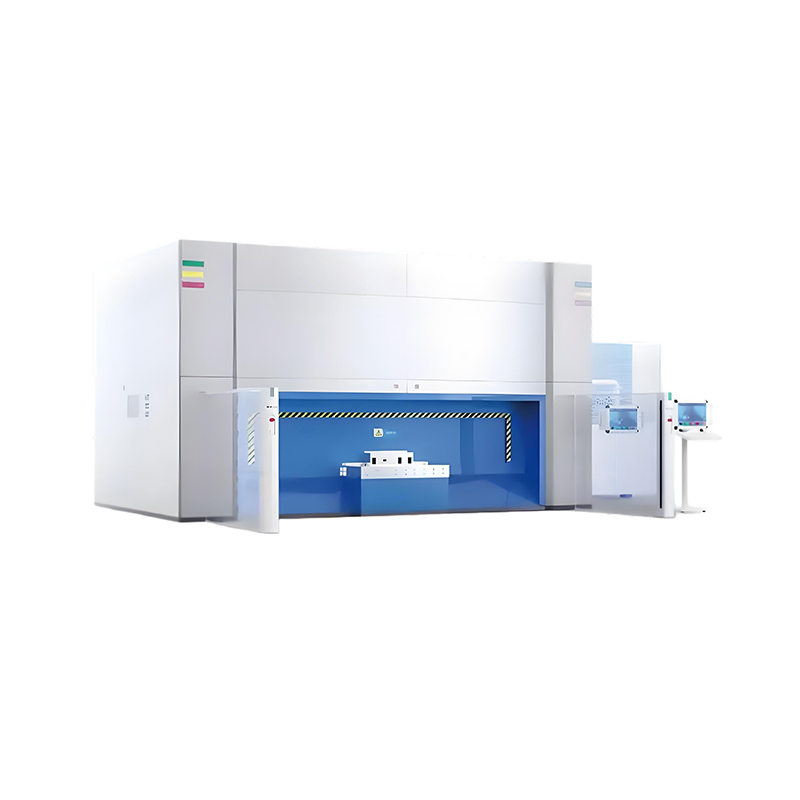
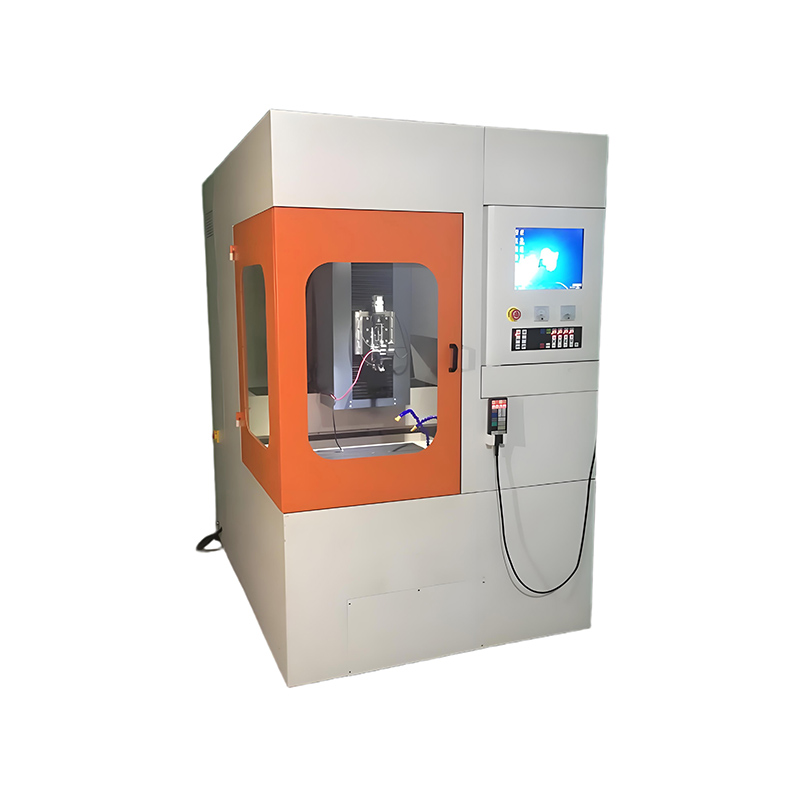
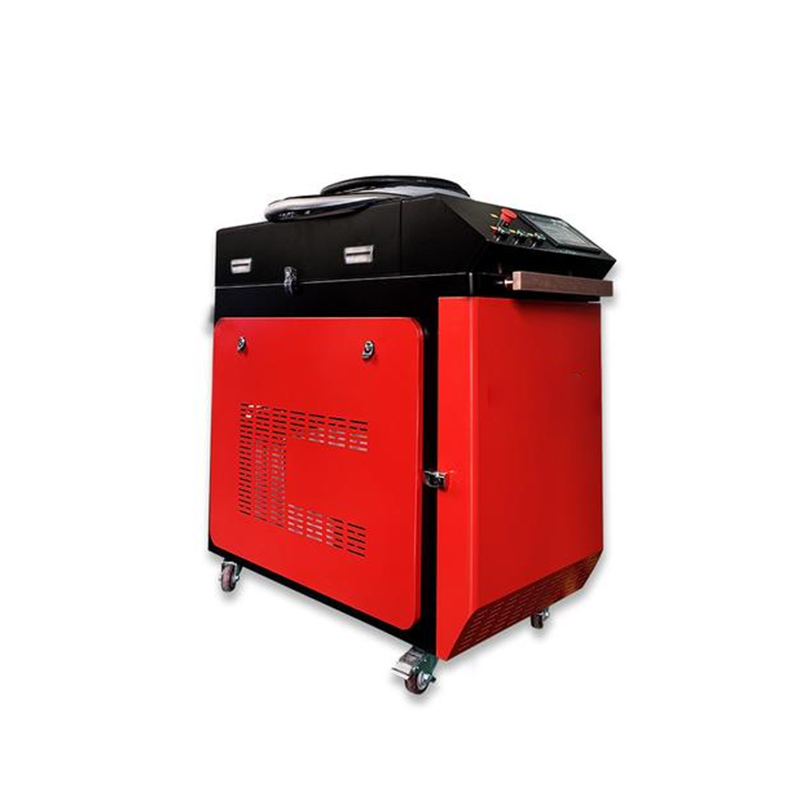
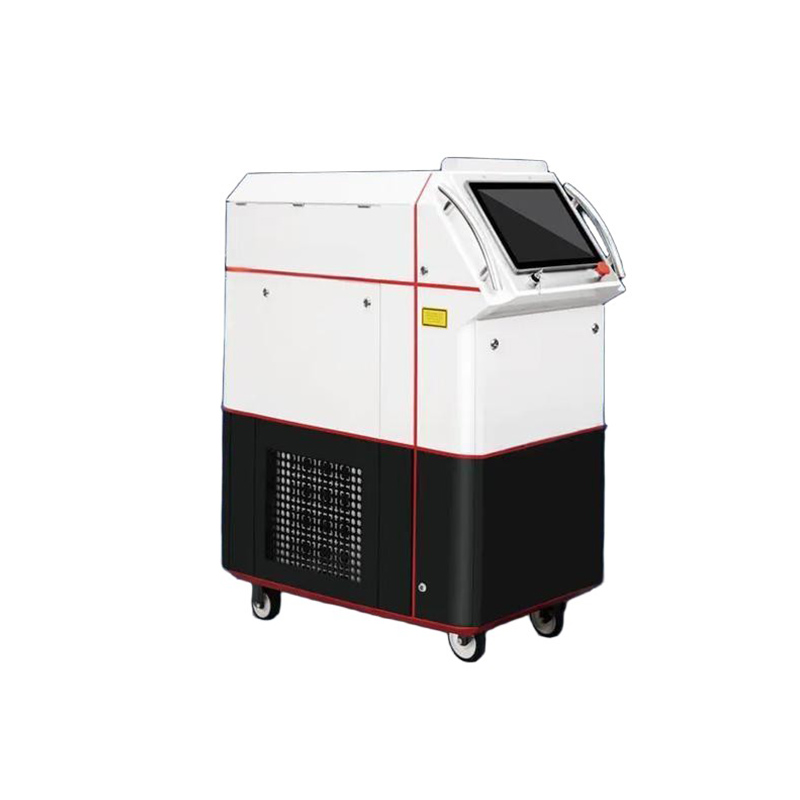
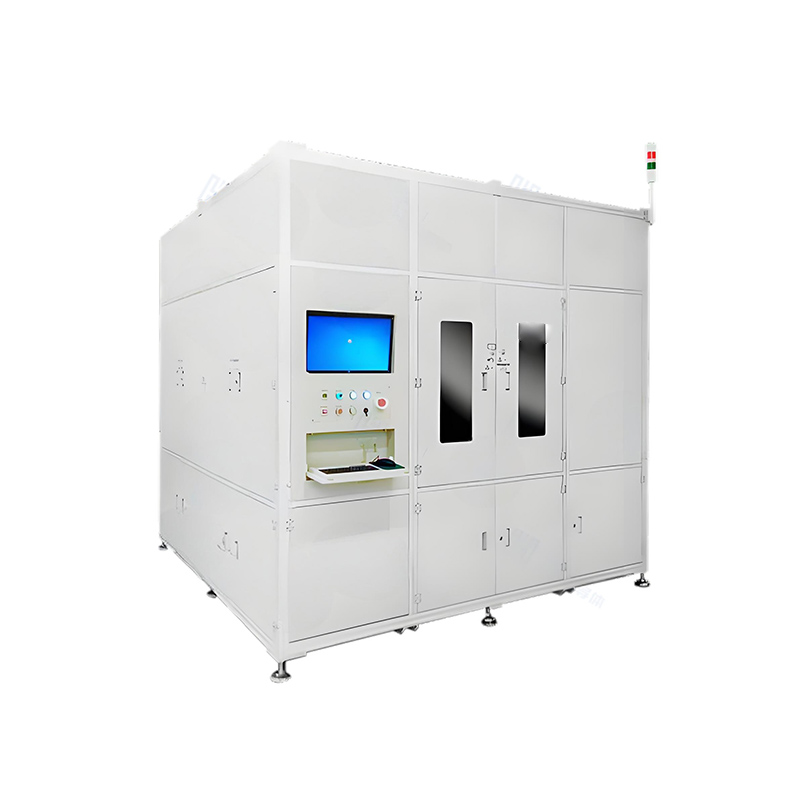
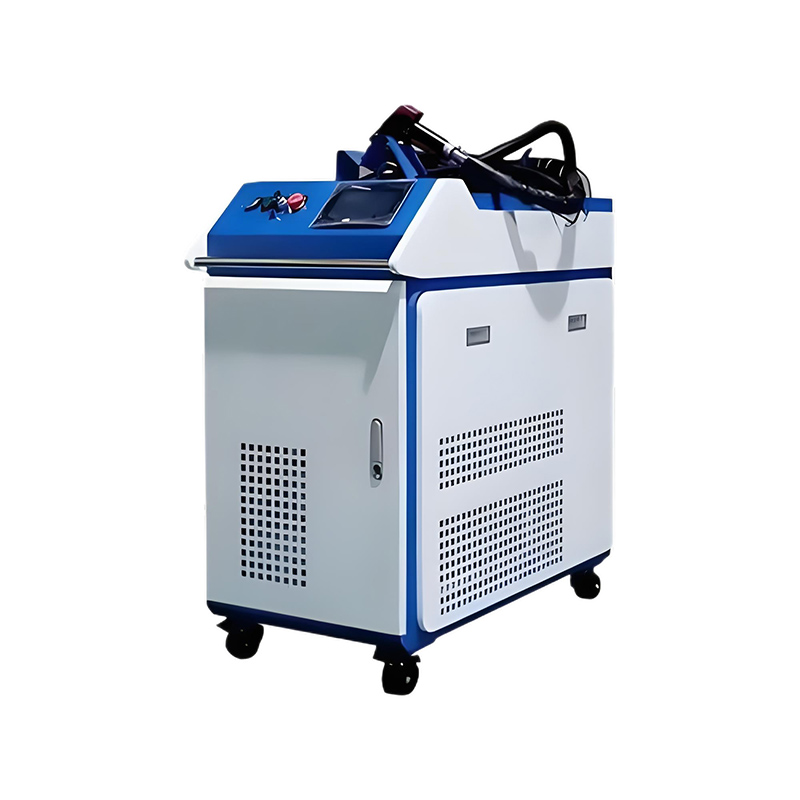
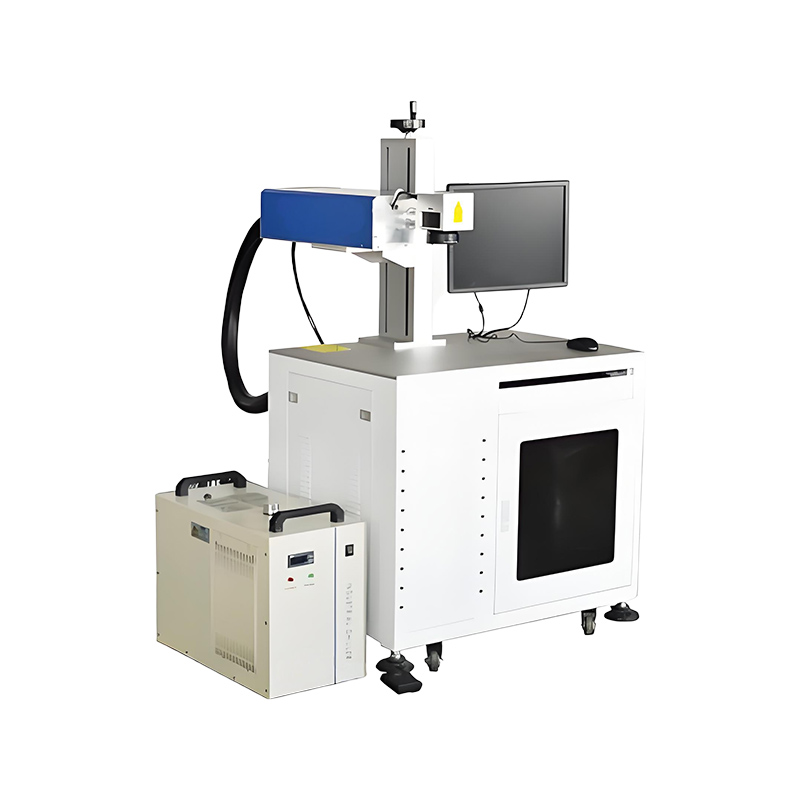
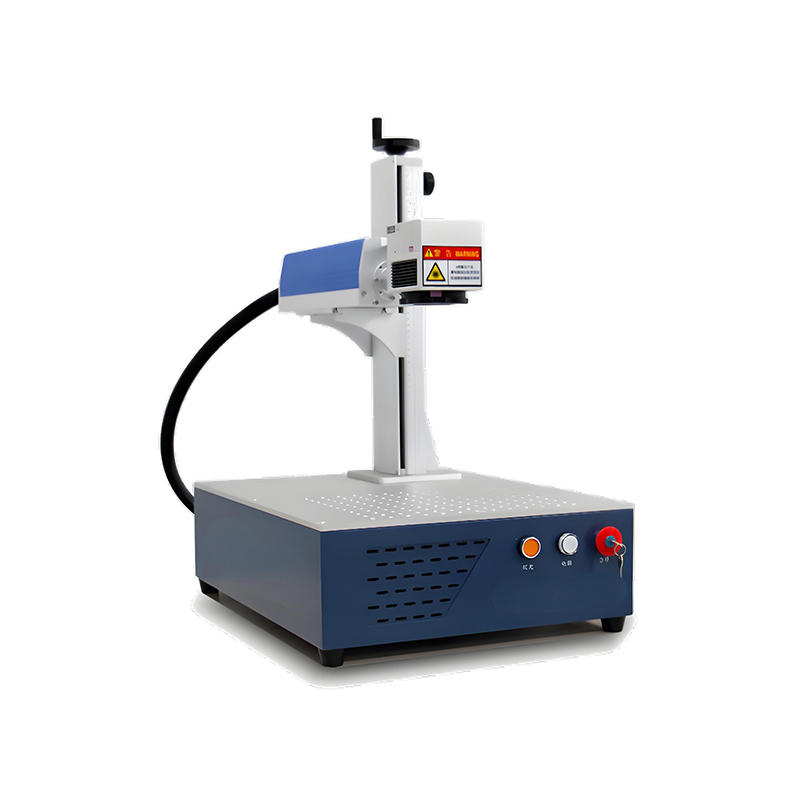
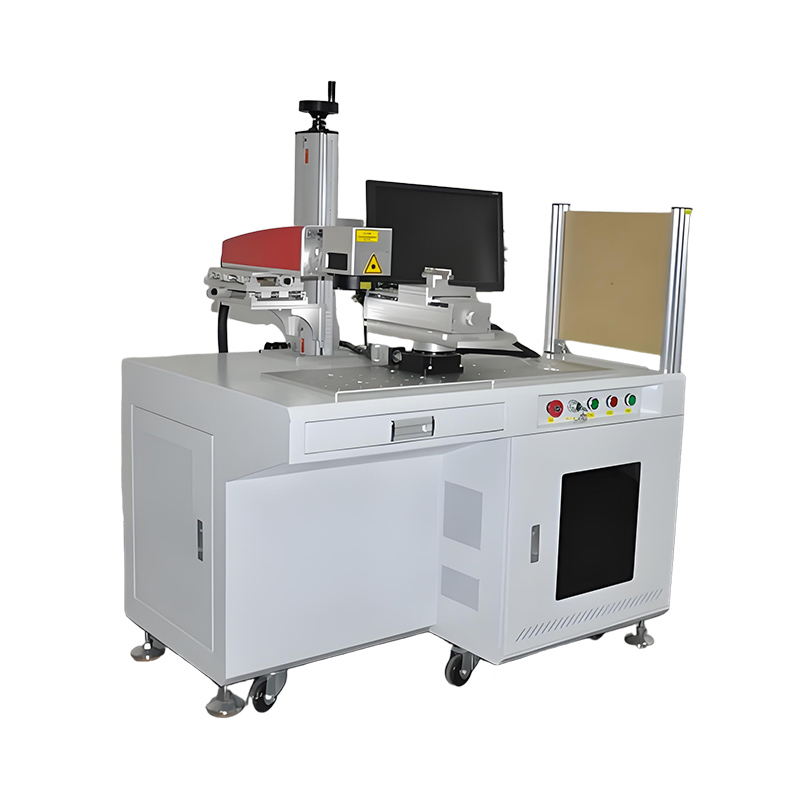
Lecheng Intelligent provides a stable P3 laser scribing solution for perovskite solar cells, helping customers achieve clean cell separation, better interconnection reliability and improved module integration performance. This page highlights how Lecheng approaches P3 laser processing in perovskite photovoltaic manufacturing with stronger focus on final patterning accuracy, electrical isolation stability and production readiness.
Project Background
In perovskite solar cell manufacturing, P3 laser scribing is the final patterning step that defines the electrical isolation between individual cells. This step plays a critical role in module layout, electrical performance and long-term reliability. Compared with P1 and P2, P3 requires higher consistency in line quality and stronger control over complete separation.
This application page focuses on how to achieve stable and clean P3 laser scribing for perovskite solar cells, ensuring proper cell isolation, minimizing electrical leakage risk and supporting better downstream encapsulation and module assembly.
Lecheng provides a process-oriented solution for customers who need reliable P3 laser scribing systems that can support both research and scalable production workflows.
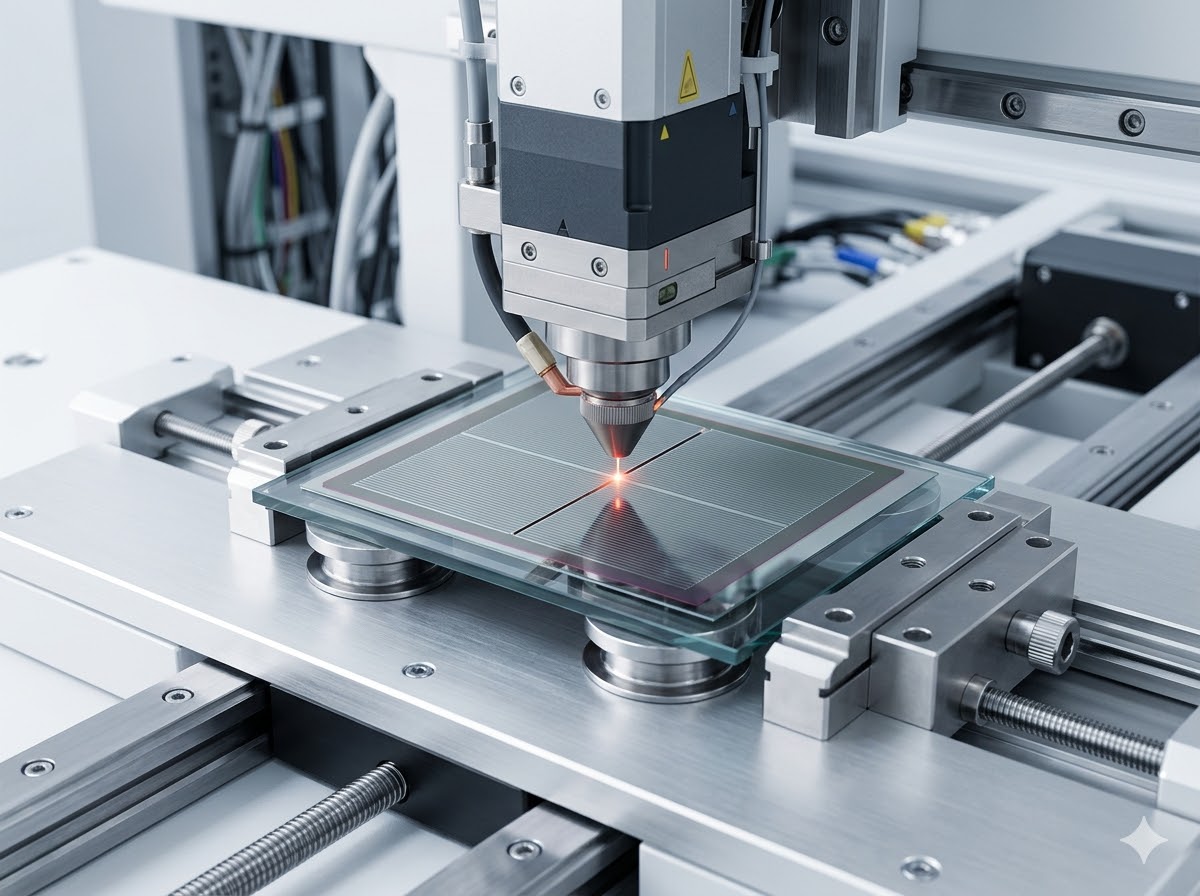
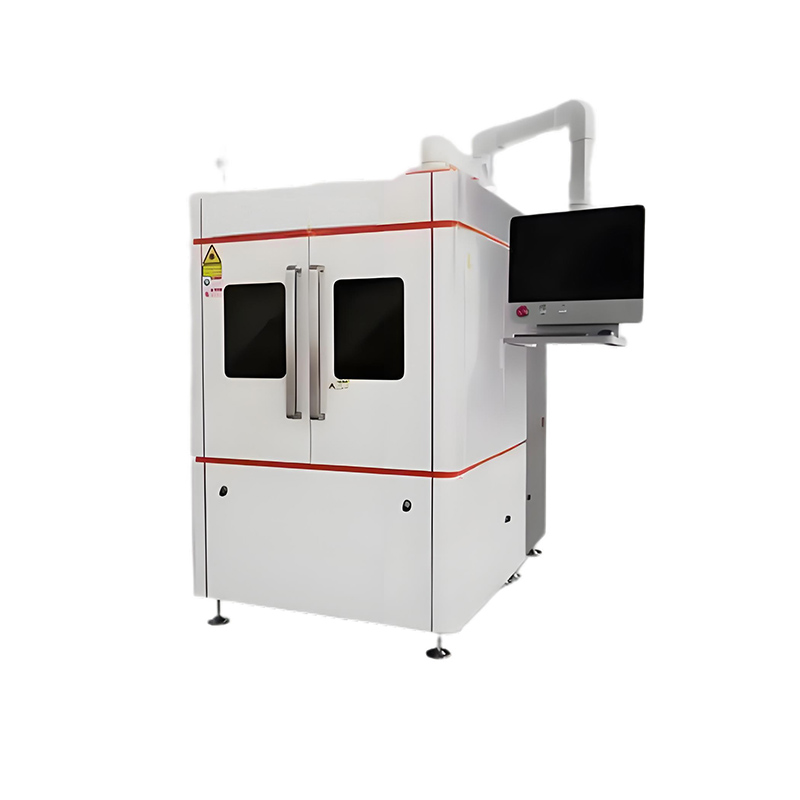
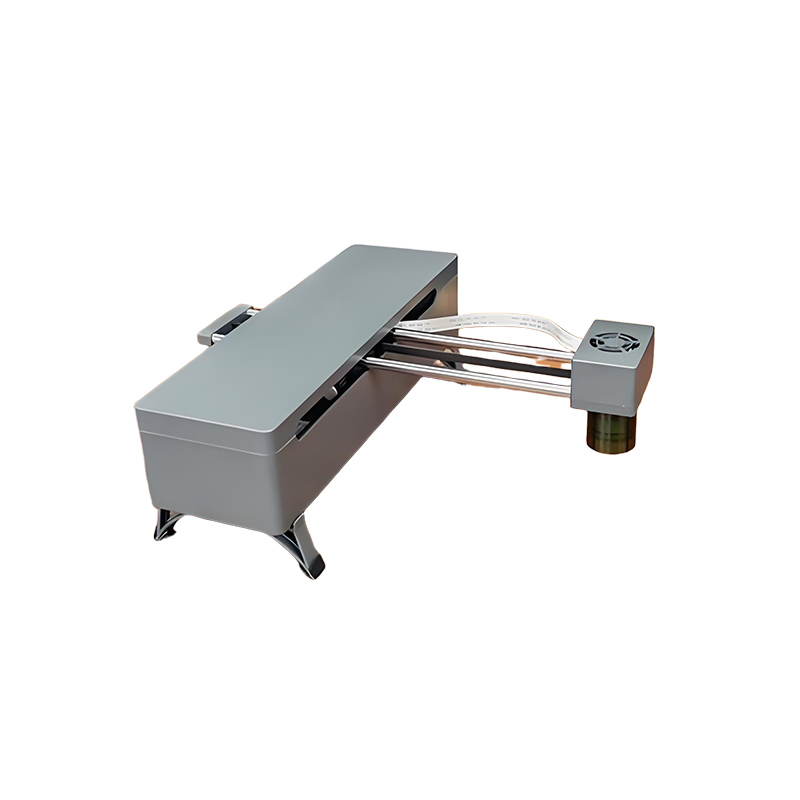
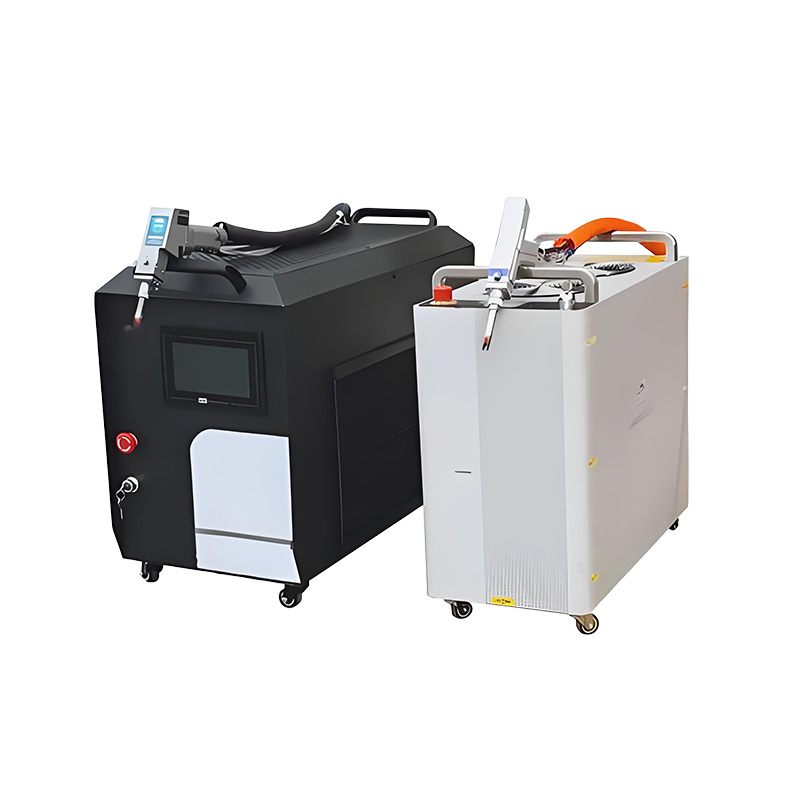
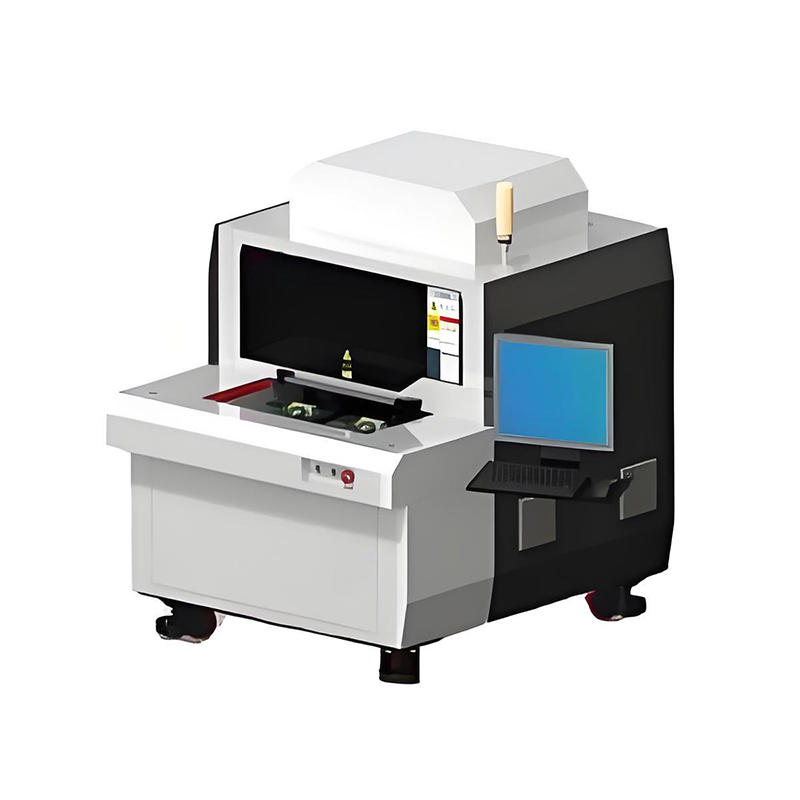
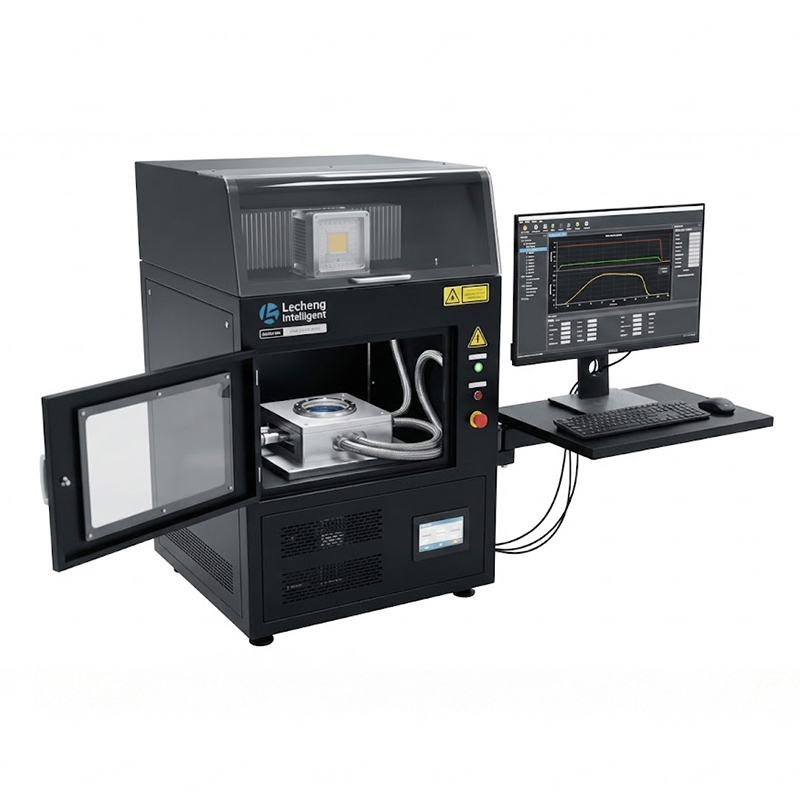
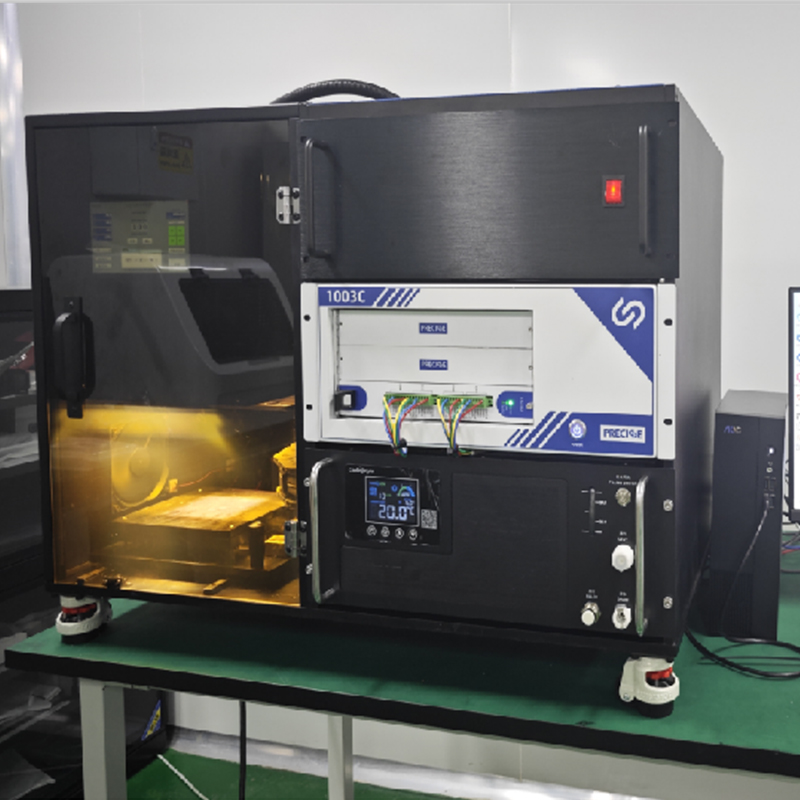
Close-up of P3 laser scribing separating cell areas, visible clean separation lines, laser head processing thin-film photovoltaic sample, high precision industrial scene.
Customer Challenge
In real production environments, P3 laser scribing for perovskite solar cells involves several critical challenges:
Complete Electrical Isolation: The scribing must ensure full separation between adjacent cells without leaving conductive bridges.
Consistent Line Quality: Variations in line width or depth can affect module performance and yield.
Edge Cleanliness: Poor edge quality may lead to defects in encapsulation or long-term reliability issues.
Alignment with Previous Steps: P3 must be accurately aligned with P1 and P2 to ensure proper interconnection layout.
Production Stability: The process must support repeatability for pilot line and mass production environments.
Lecheng Solution Approach
1. Final Patterning Precision Control
Lecheng focuses on building a P3 laser scribing solution that ensures stable final separation with high repeatability, supporting better module performance and electrical consistency.
2. Clean Edge and Isolation Quality
A professional P3 laser processing solution must ensure clean edges and complete electrical isolation. Lecheng emphasizes better edge quality and reduced defect risk.
3. Full Process Integration
P3 is deeply connected with the entire P1–P2–P3–P4 process route. Lecheng ensures strong alignment with upstream and downstream steps.
4. Production-Oriented Design
The system is designed not only for lab validation but also for pilot line and scalable production environments.
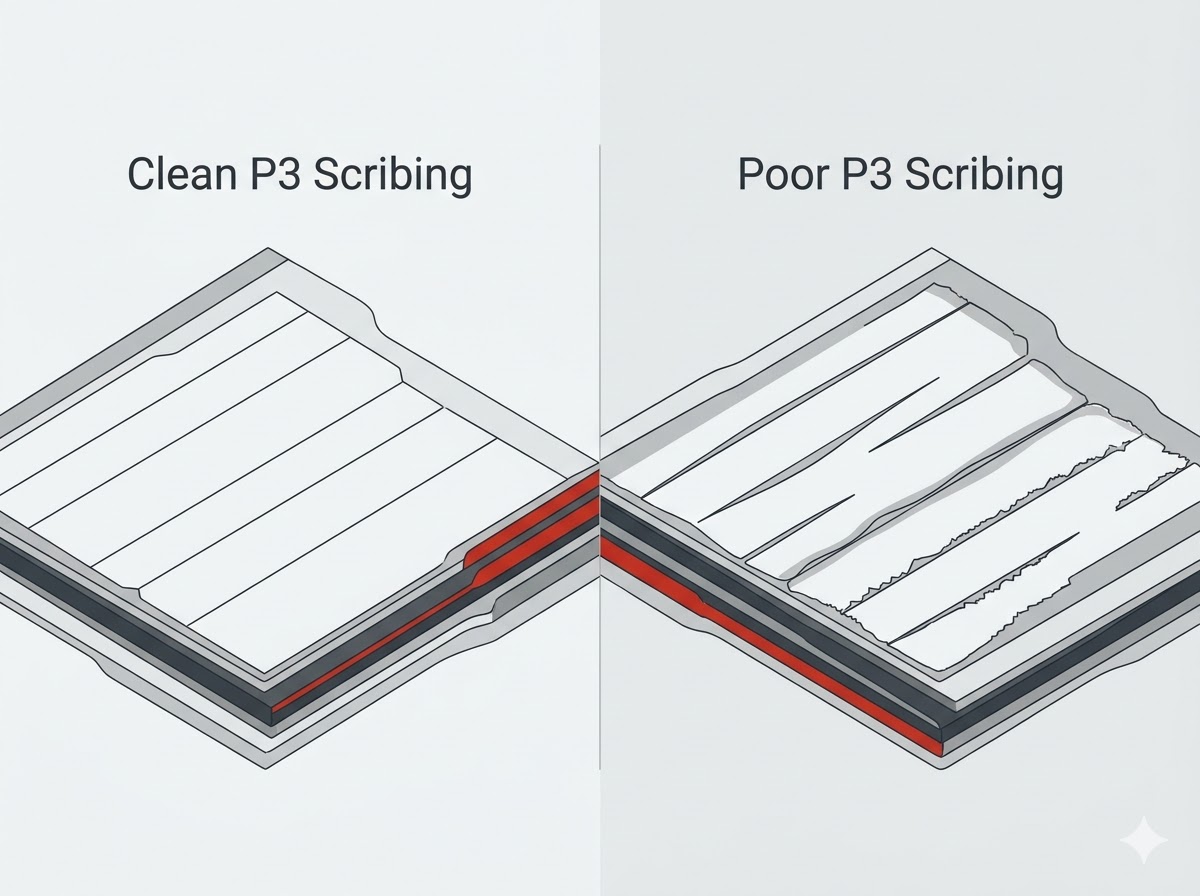
Comparison image of clean vs poor P3 scribing
Application Value
Reliable Cell Isolation: Ensures stable electrical separation.
Improved Module Performance: Supports better electrical layout.
Better Yield Stability: Reduces defect-related losses.
Process Consistency: Enhances repeatability across batches.
Production Readiness: Supports scale-up manufacturing.
Typical Process Position
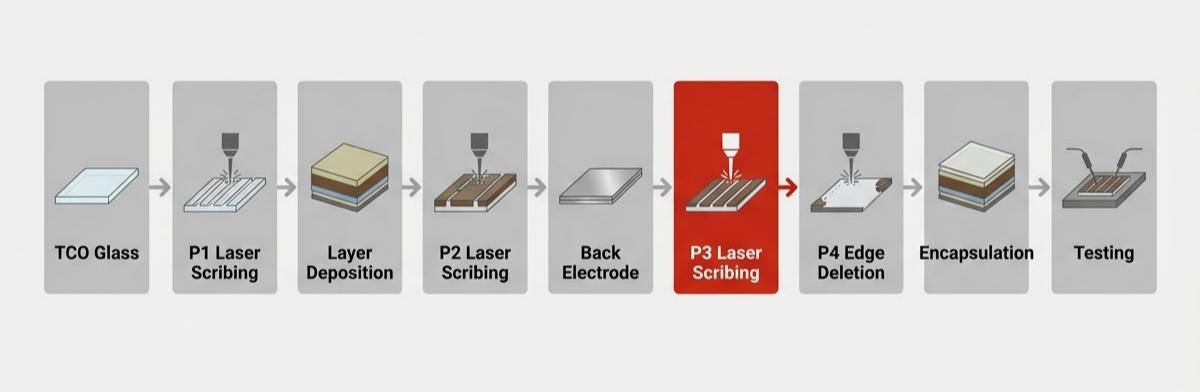
Full process workflow diagram showing P1-P2-P3-P4 relationship
Discuss Your P3 Laser Scribing Project
Contact Lecheng for advanced P3 laser scribing solutions for perovskite solar cells.
Request a Solution