
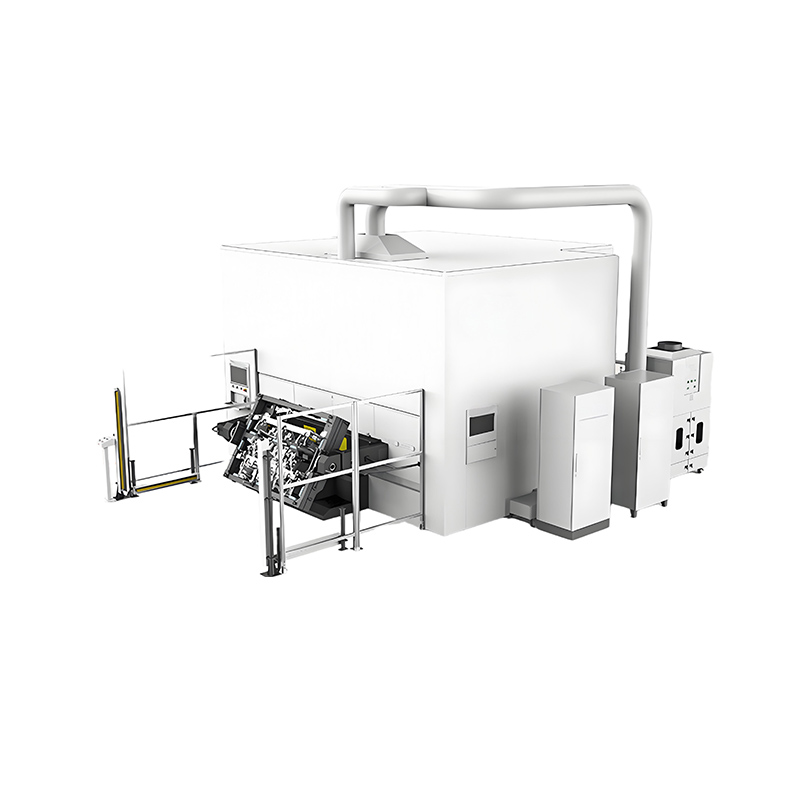
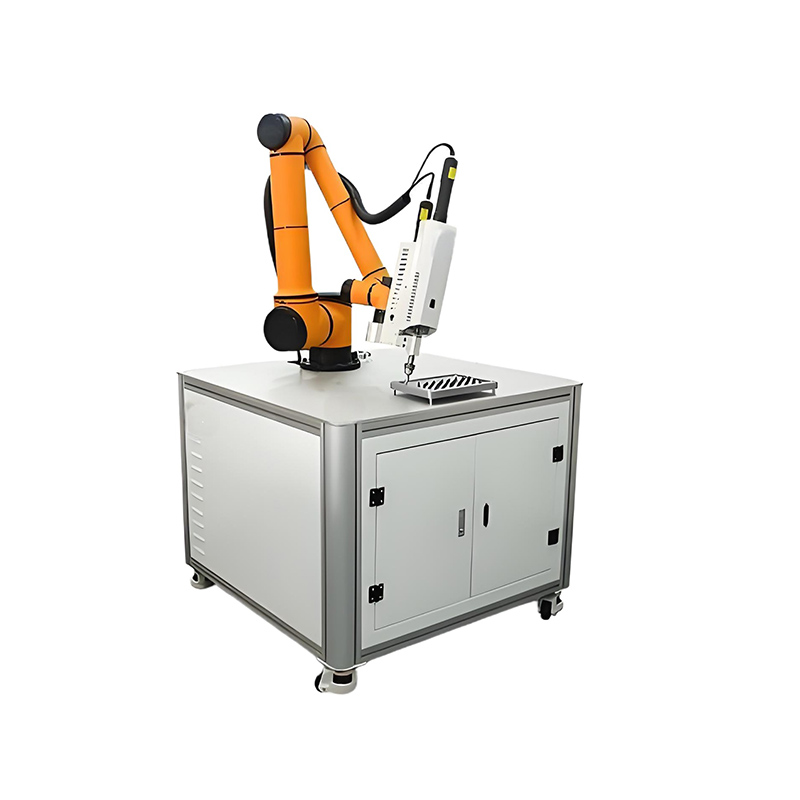
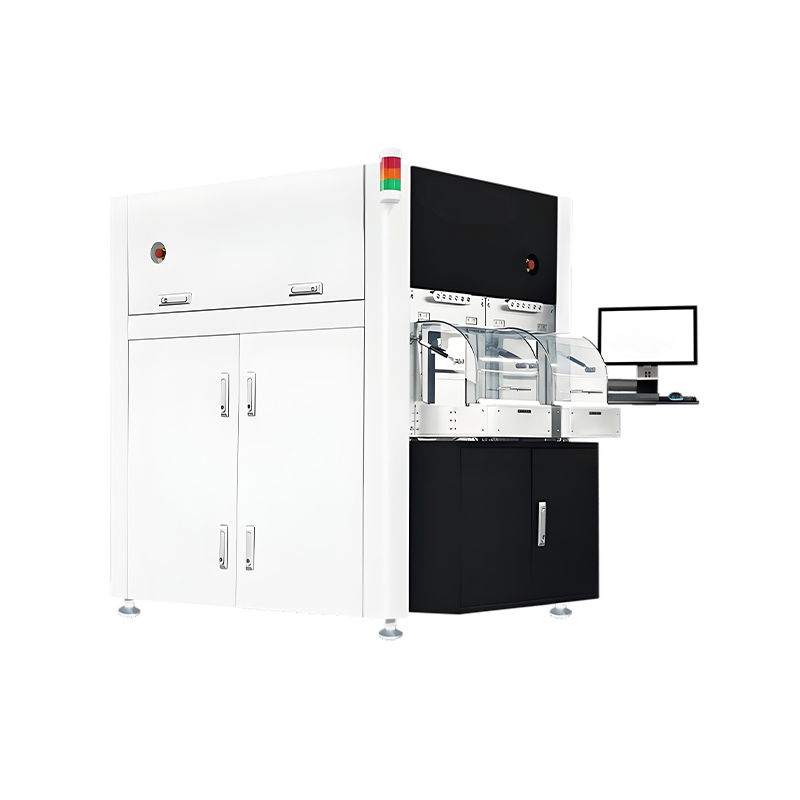
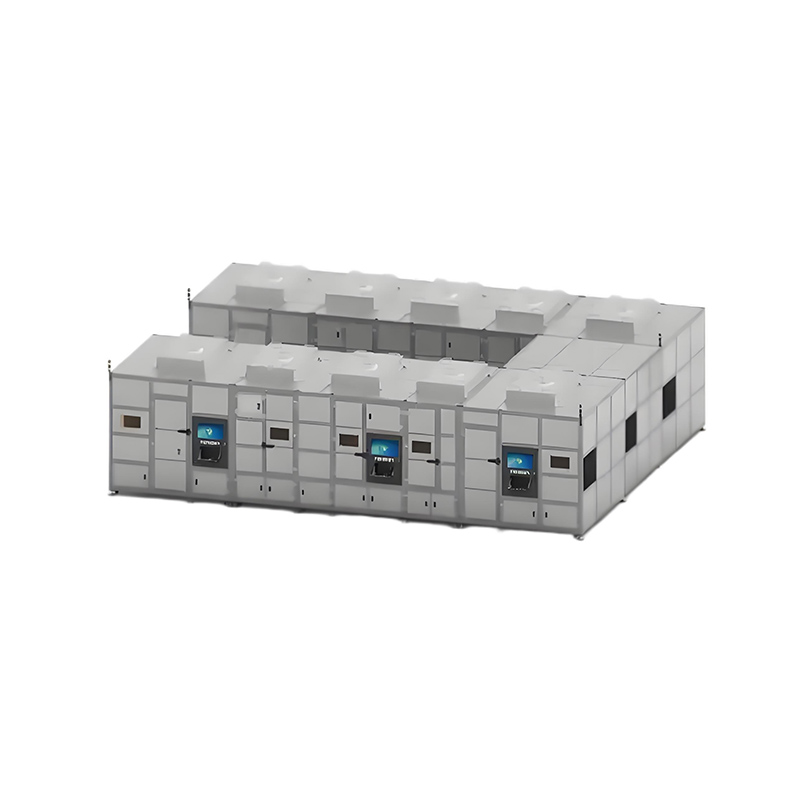
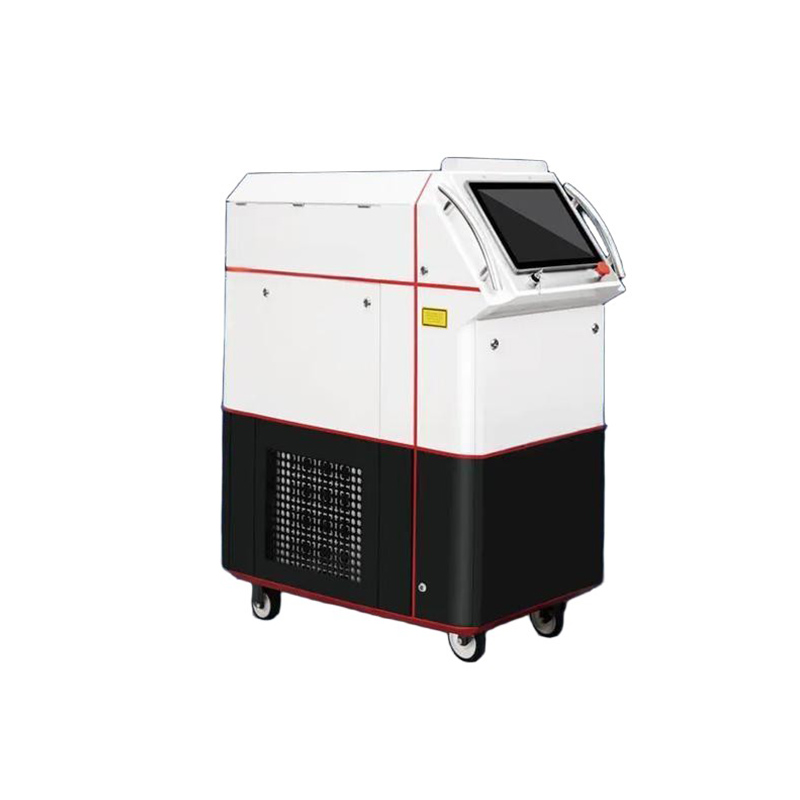
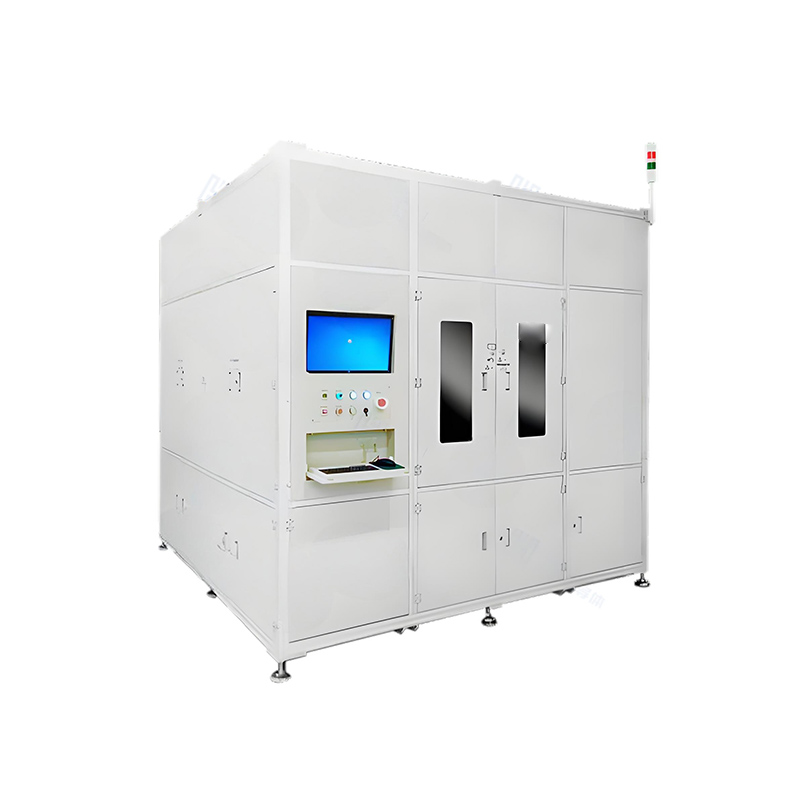
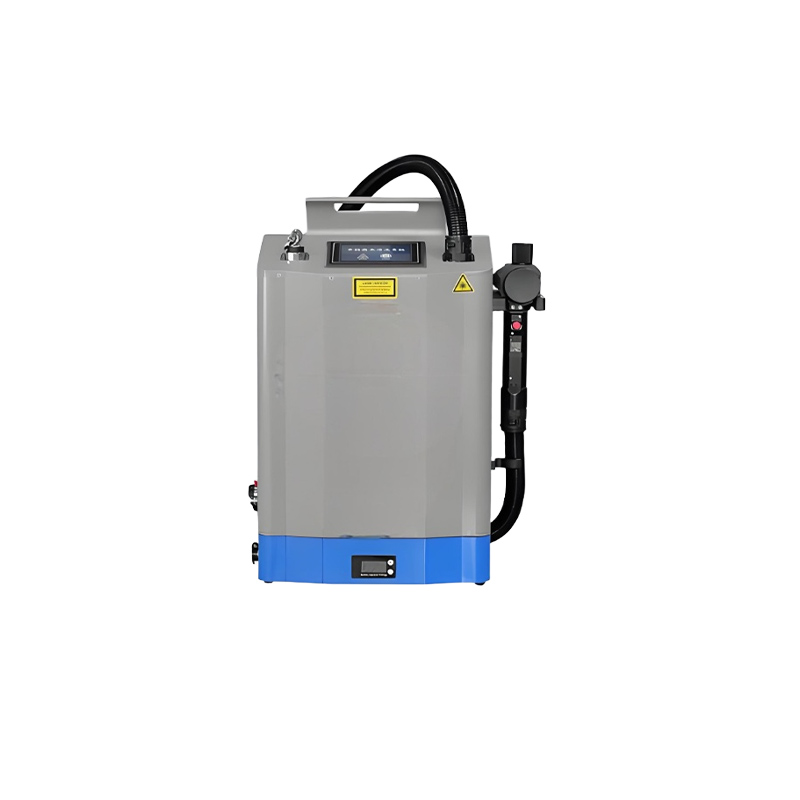
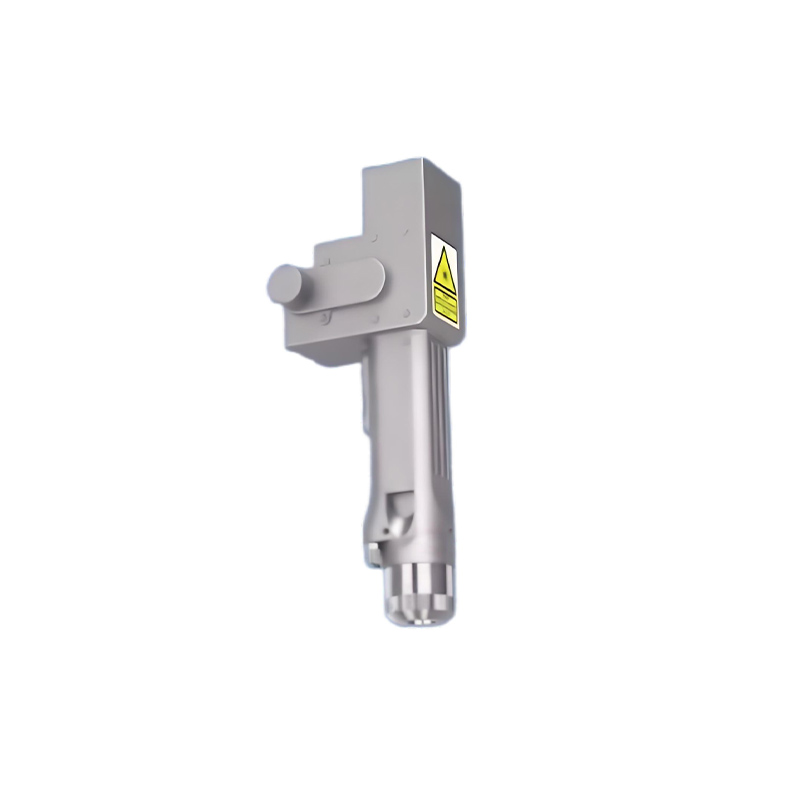

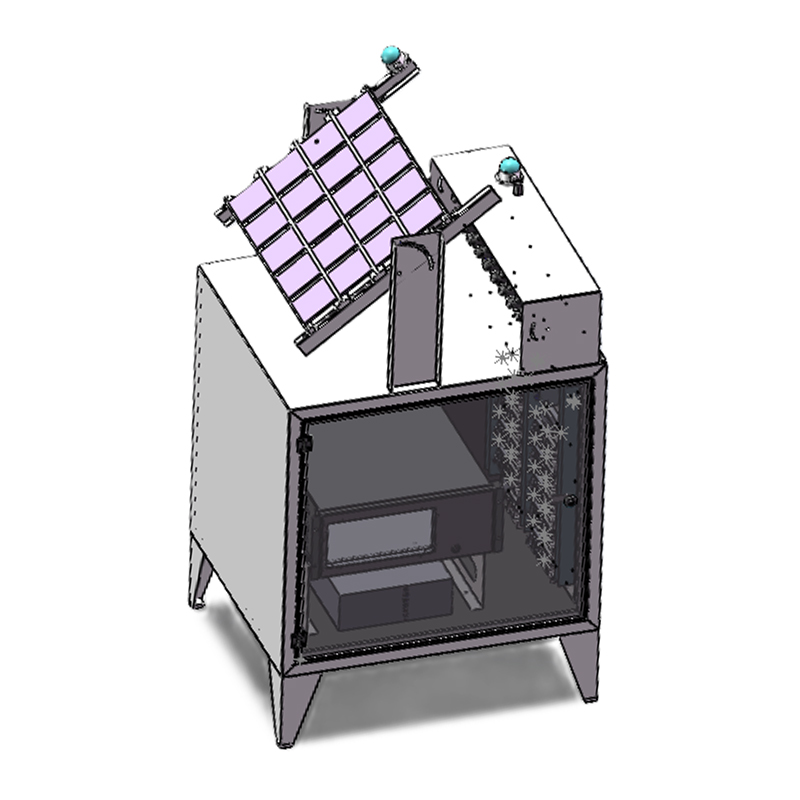
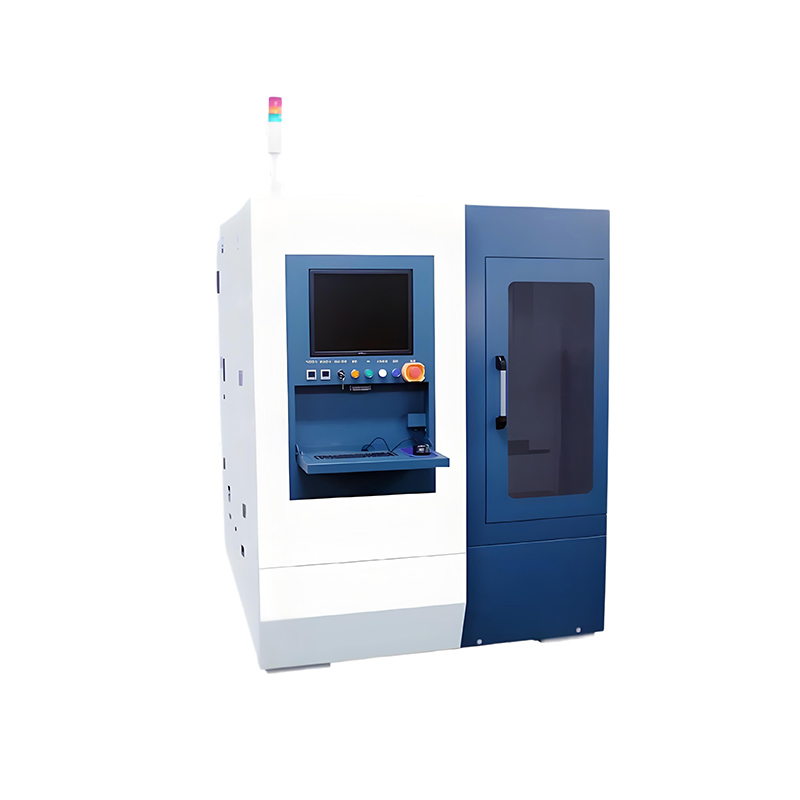
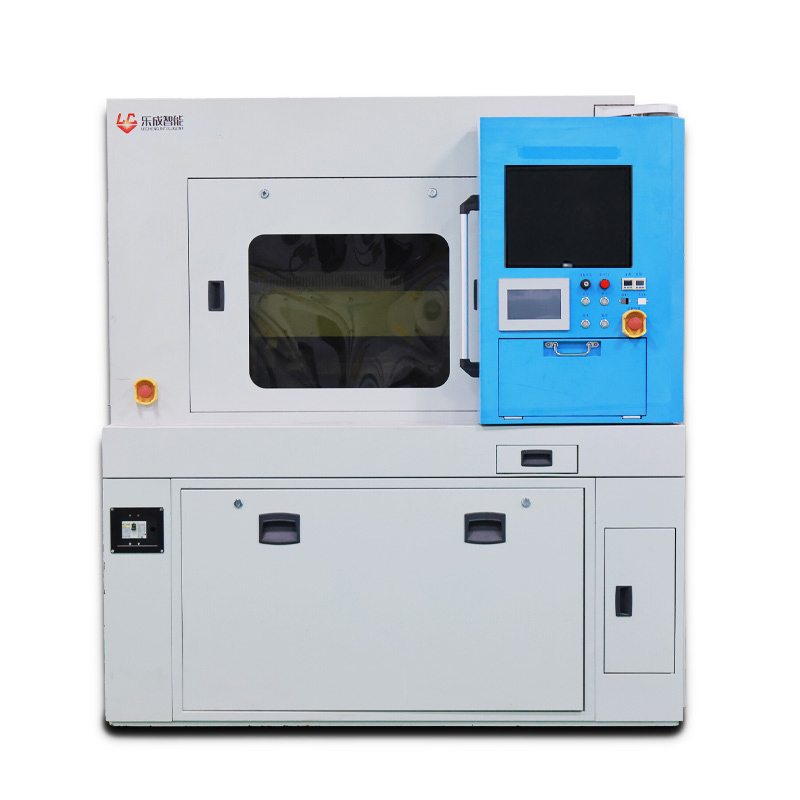

P2 Laser Scribing for Perovskite Solar Cells
A process-focused application page for precise P2 laser scribing in perovskite solar cell manufacturing.
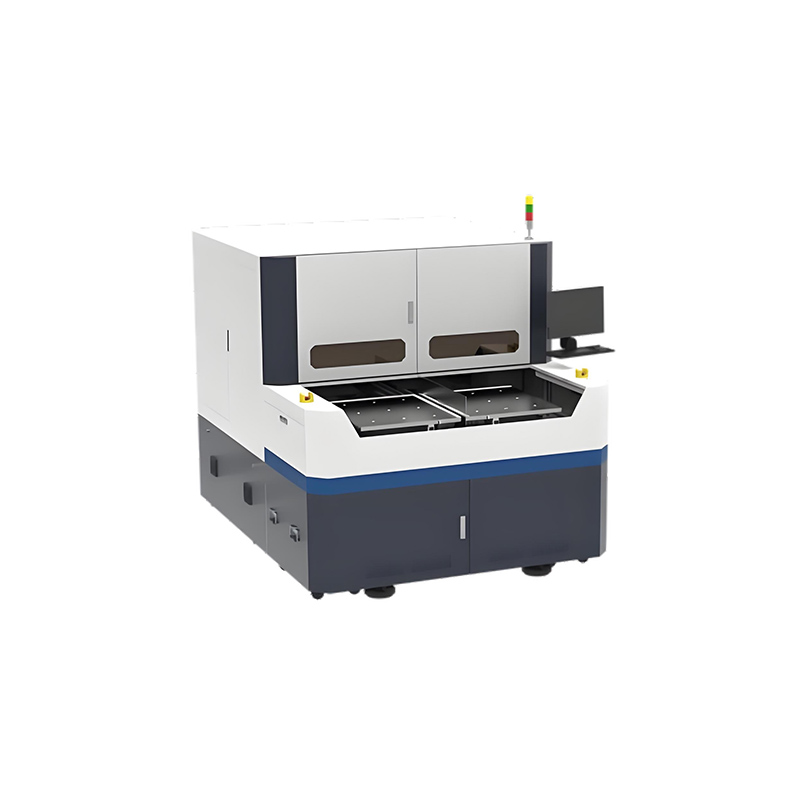
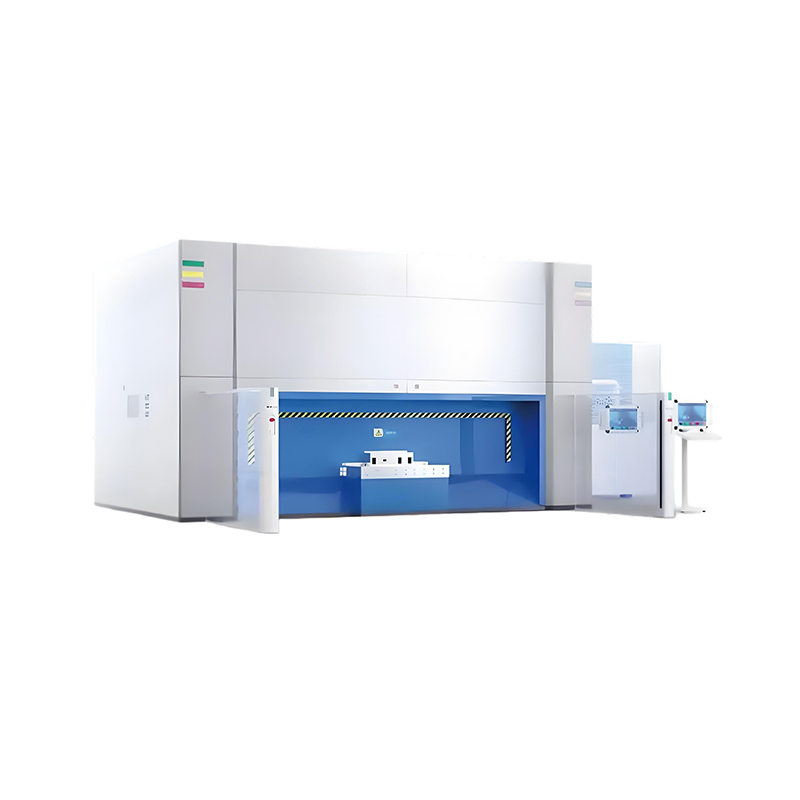
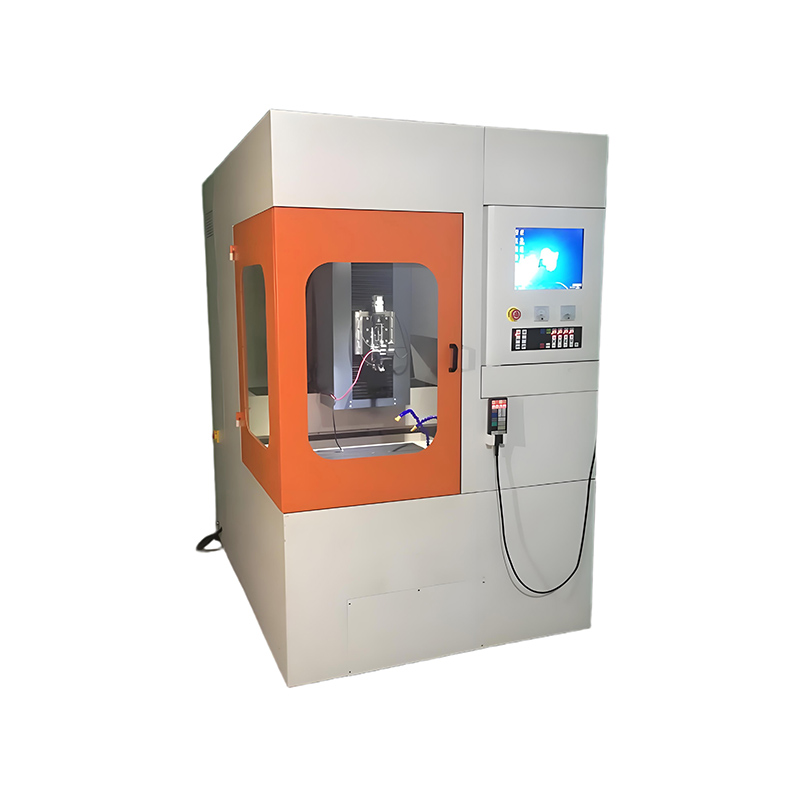
Lecheng Intelligent provides a stable P2 laser scribing solution for perovskite solar cells, helping customers achieve controlled interlayer opening, cleaner selective removal and better process continuity for laboratory research, pilot lines and future mass production. This page highlights how Lecheng approaches P2 laser processing in perovskite photovoltaic manufacturing with stronger attention to layer selectivity, alignment consistency and downstream electrical interconnection performance.
Project Background
In perovskite solar cell production, P2 laser scribing is a critical step that creates the interconnection path between functional layers and the back electrode structure. Compared with P1, P2 requires stronger control over selective layer removal because the laser process must open the required path while preserving the integrity of underlying conductive layers as much as possible.
This application page is built around a common demand in perovskite laser processing: how to achieve clean and stable P2 scribing with better selectivity, controlled ablation behavior and stronger alignment consistency for later P3 and module interconnection steps.
Lecheng approaches this challenge with a process-oriented engineering mindset, helping customers build a more reliable P2 laser scribing system for perovskite solar cells instead of relying on a simple stand-alone patterning concept.
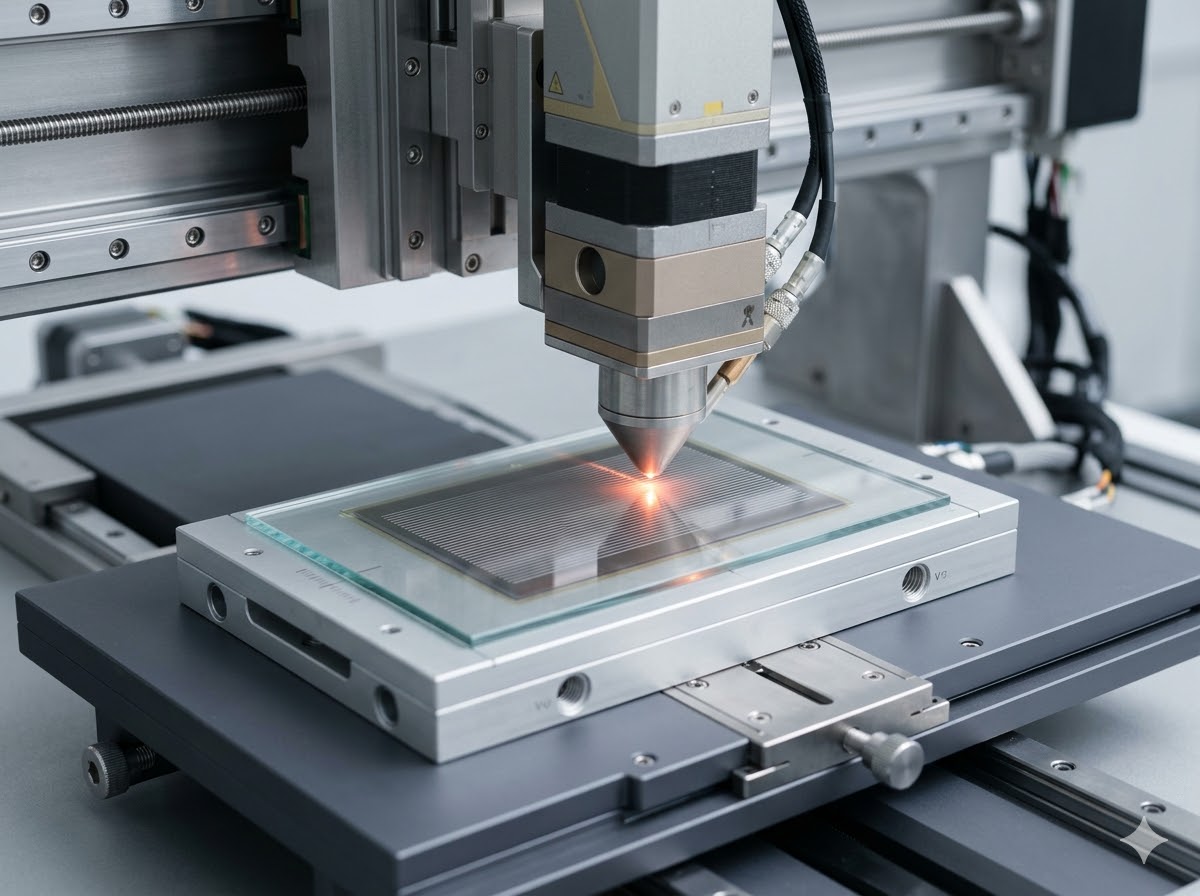
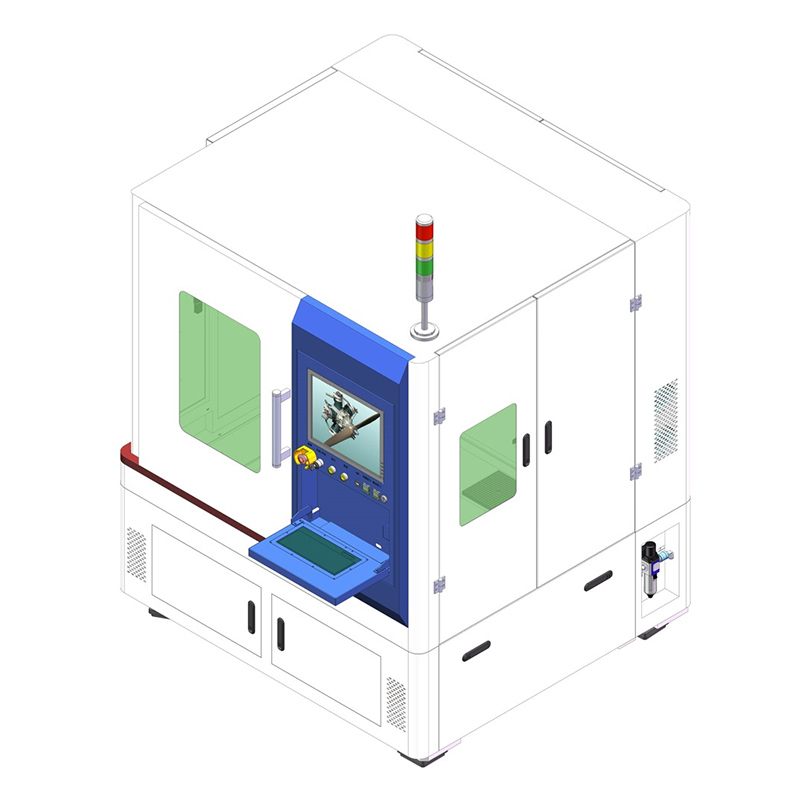
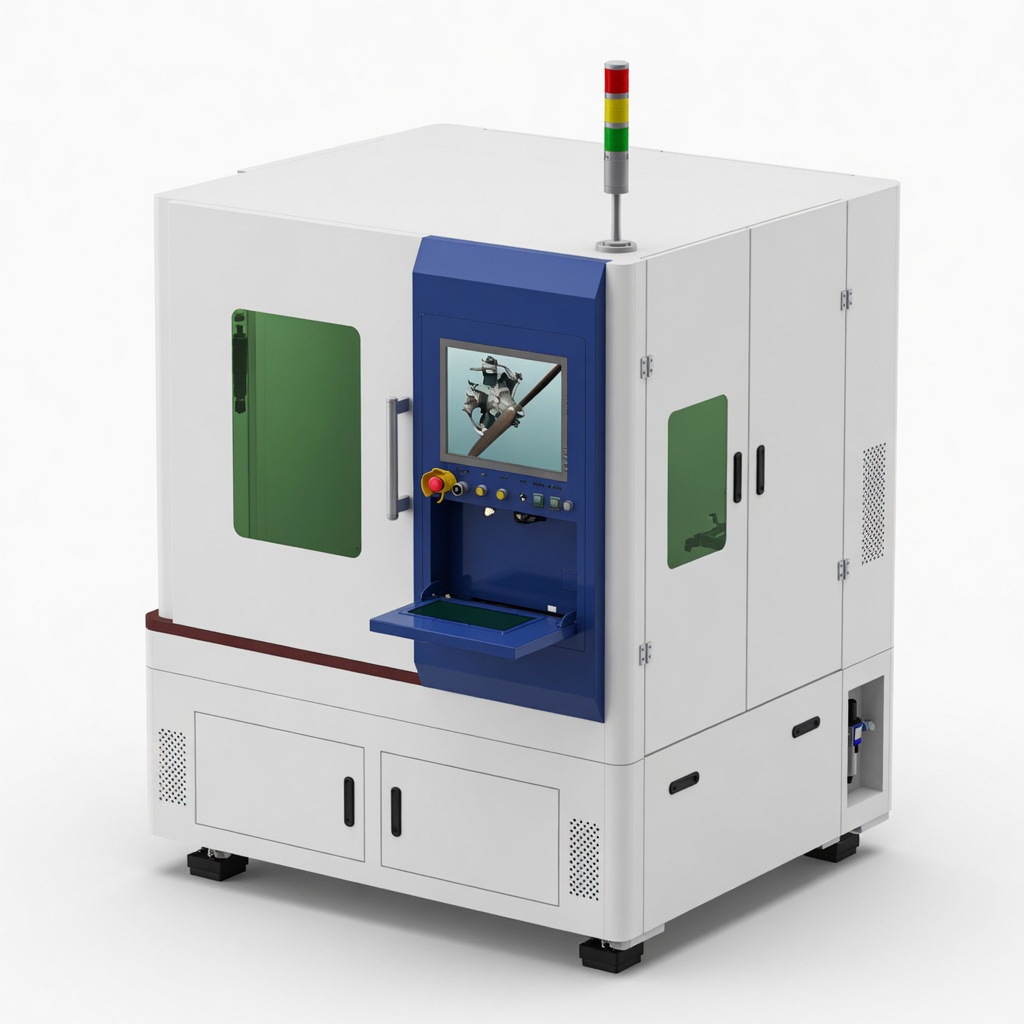
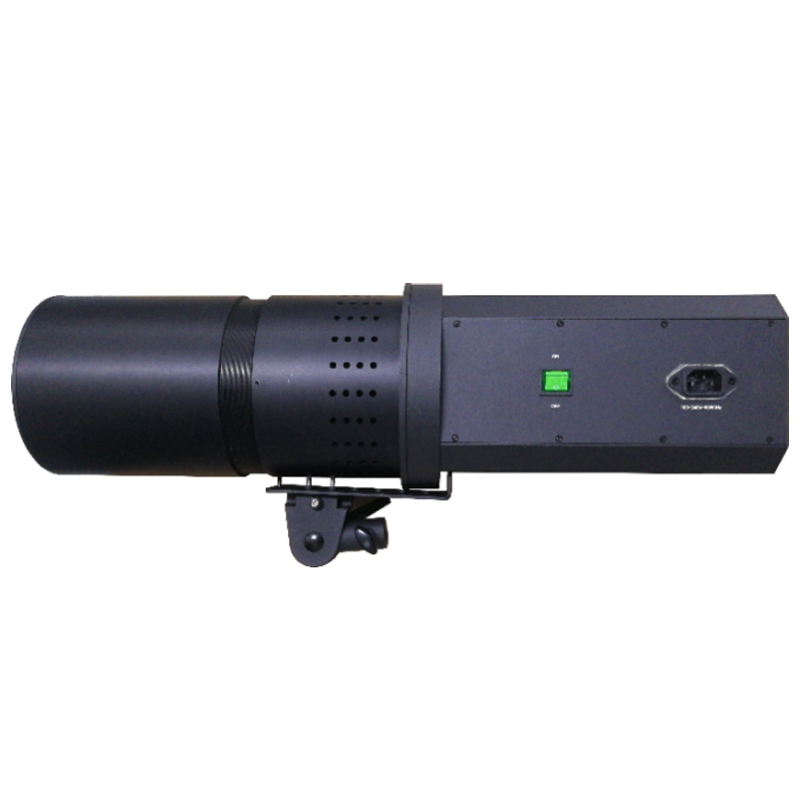
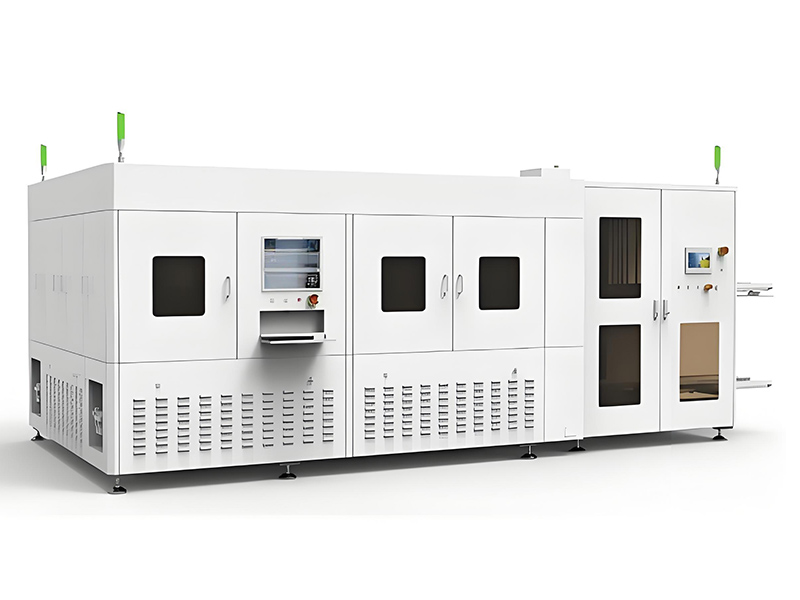
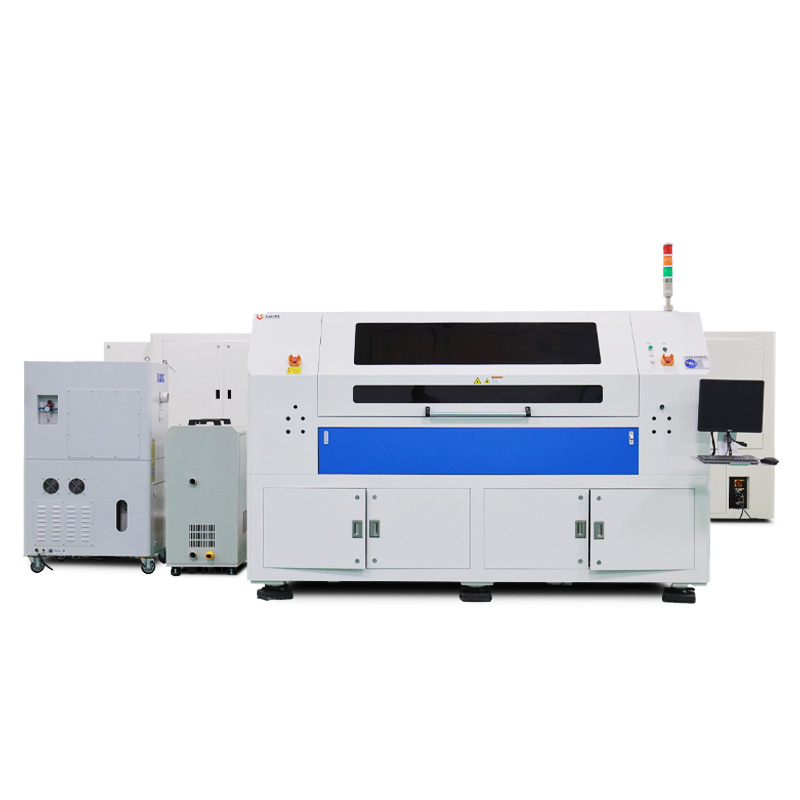
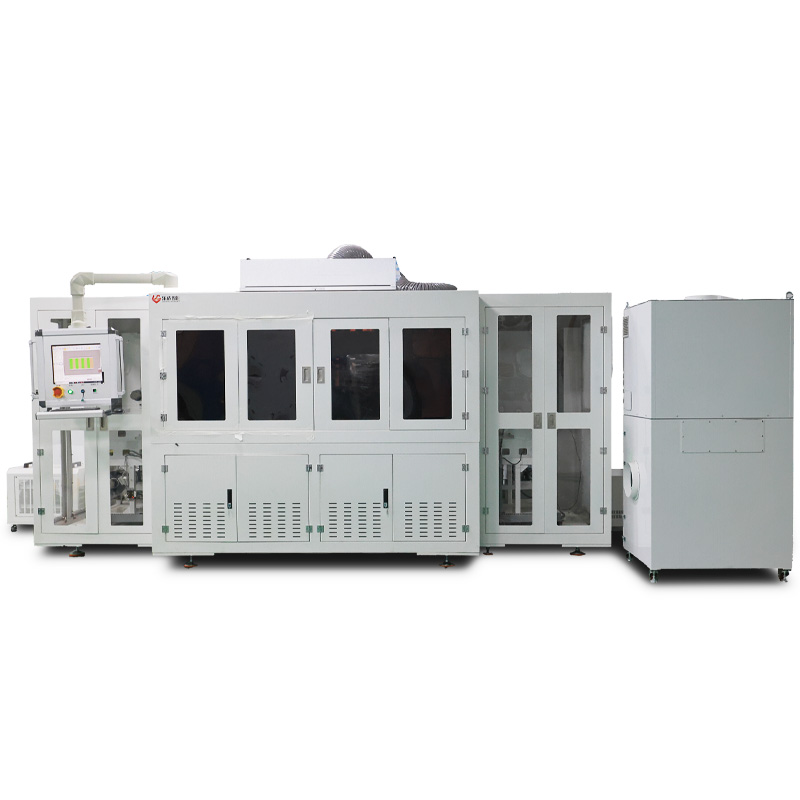
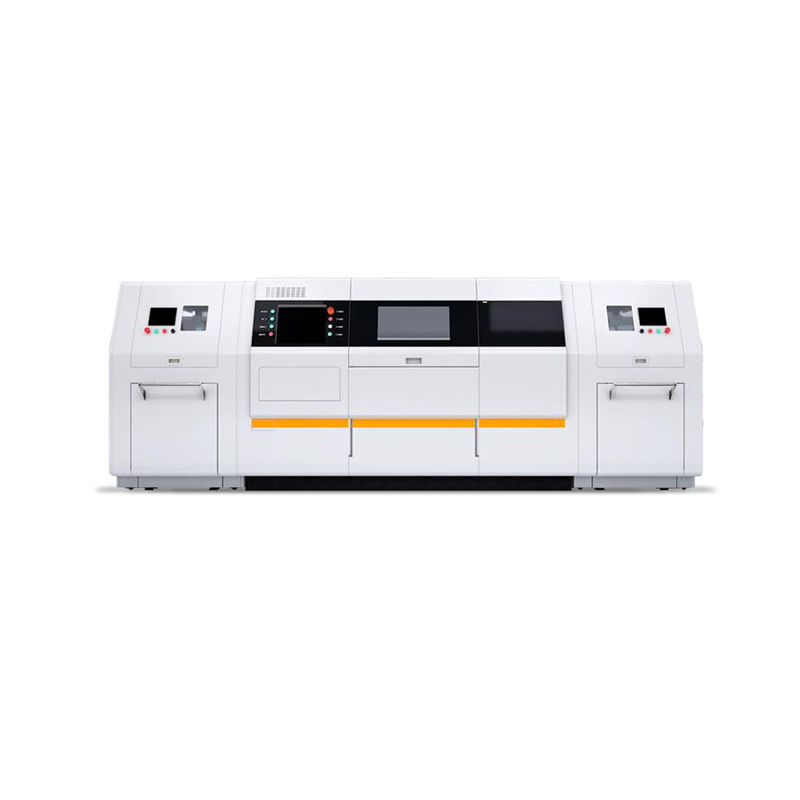
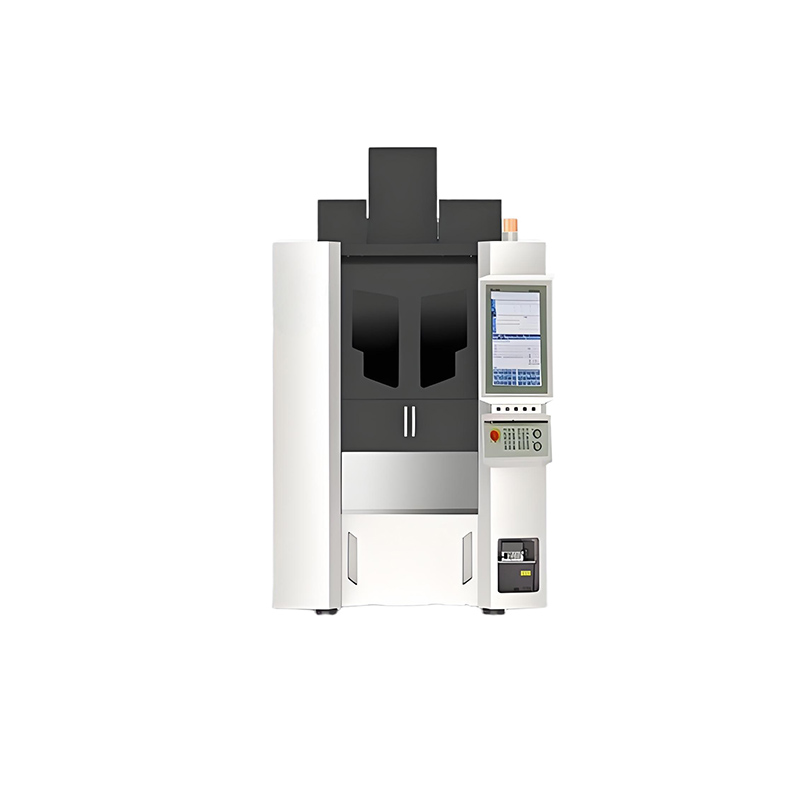
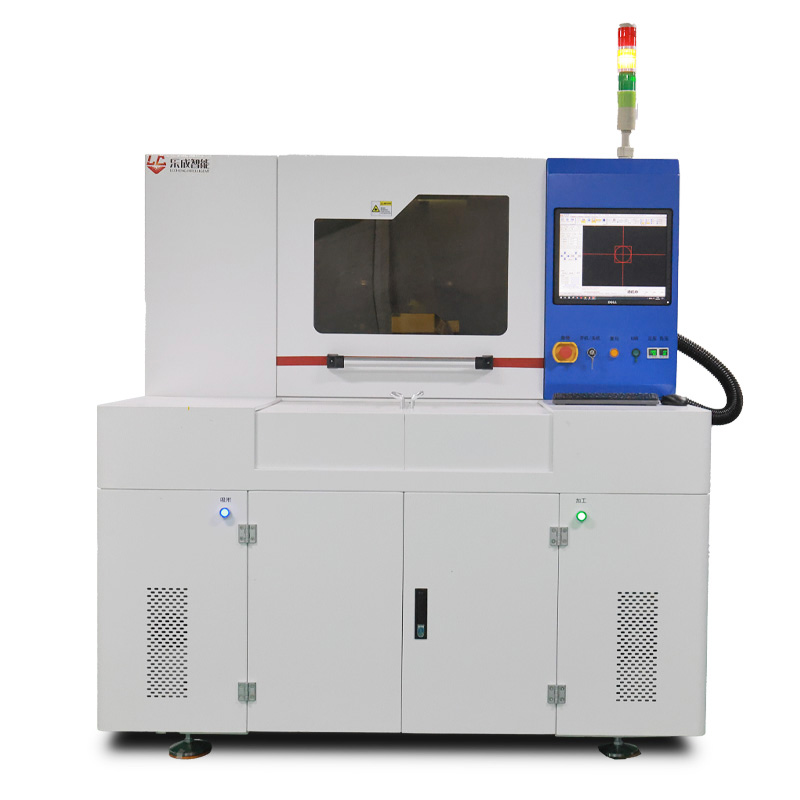
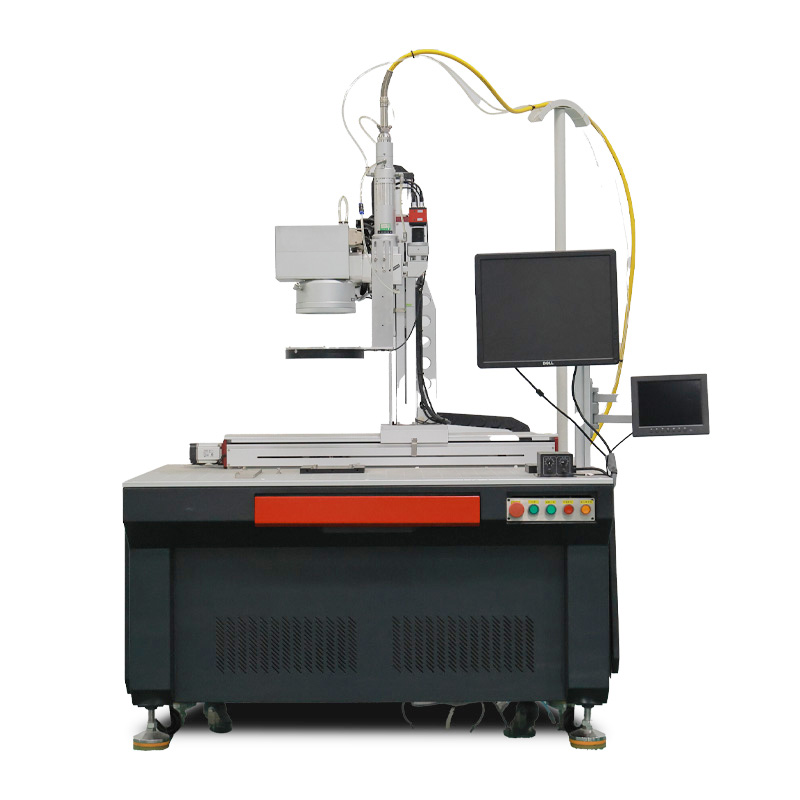
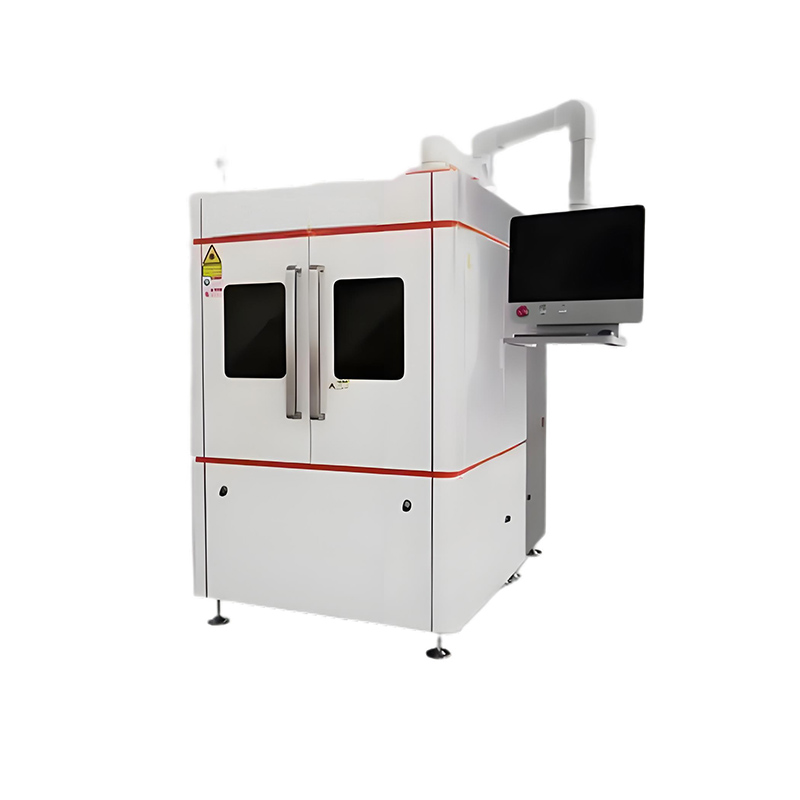
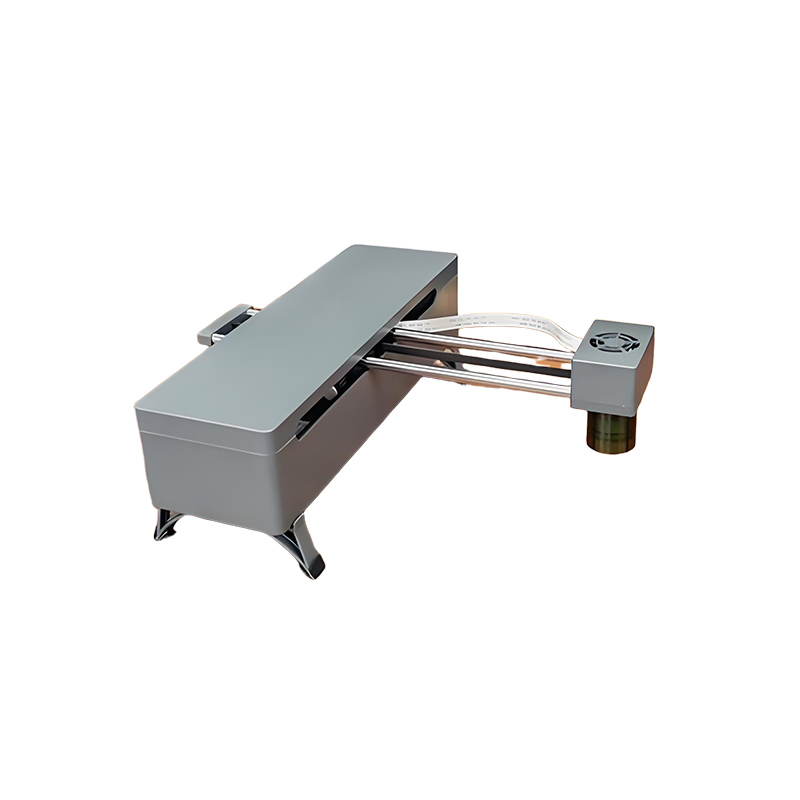
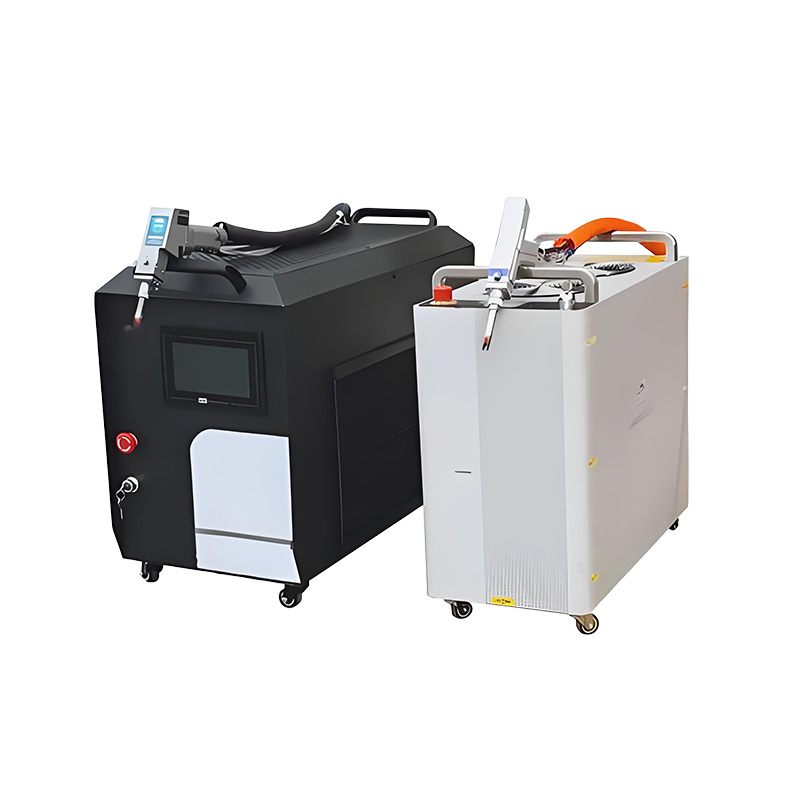
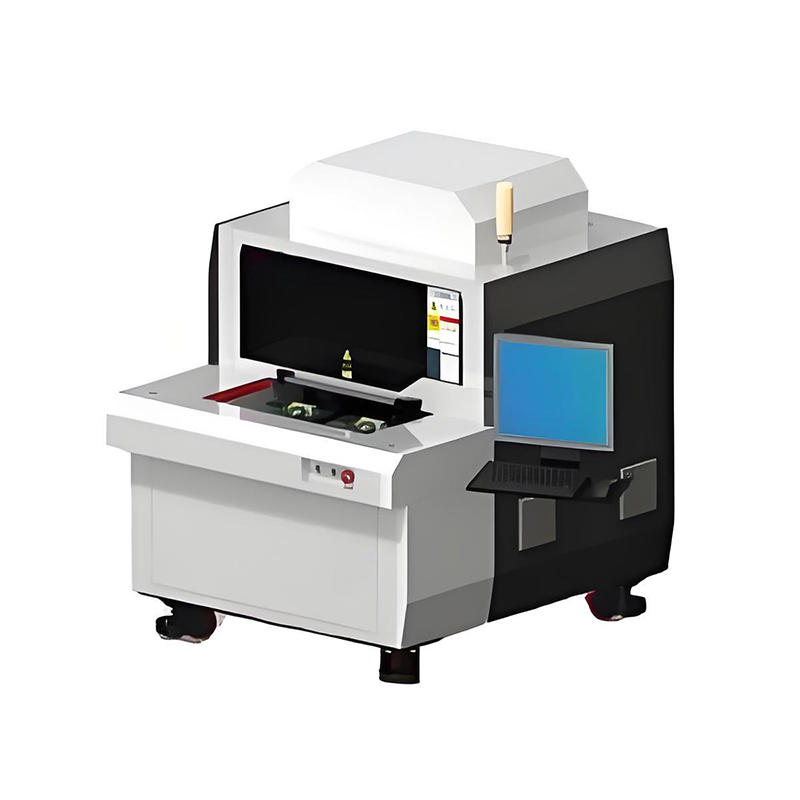
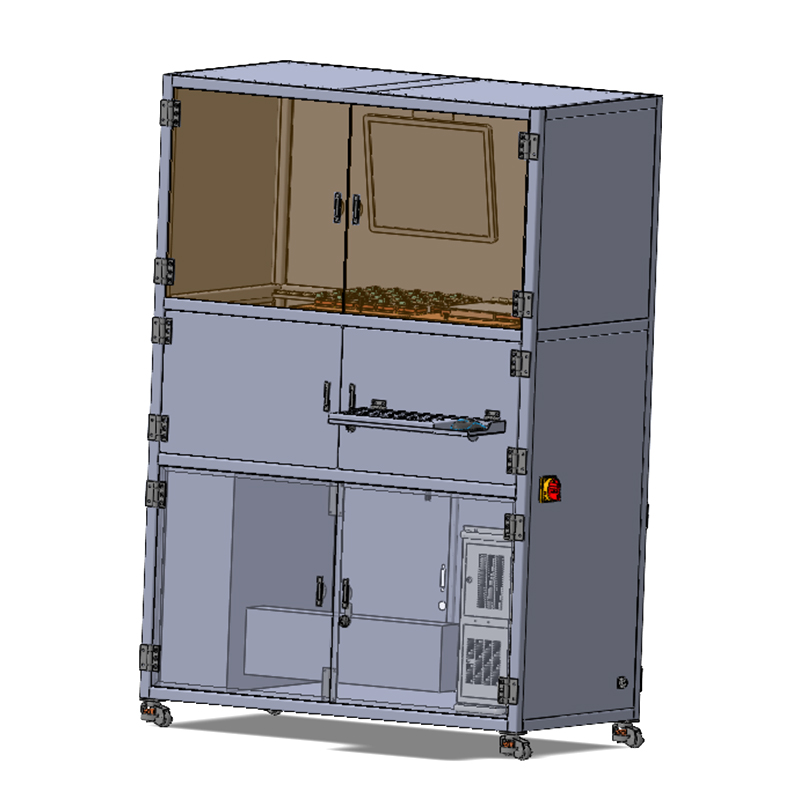
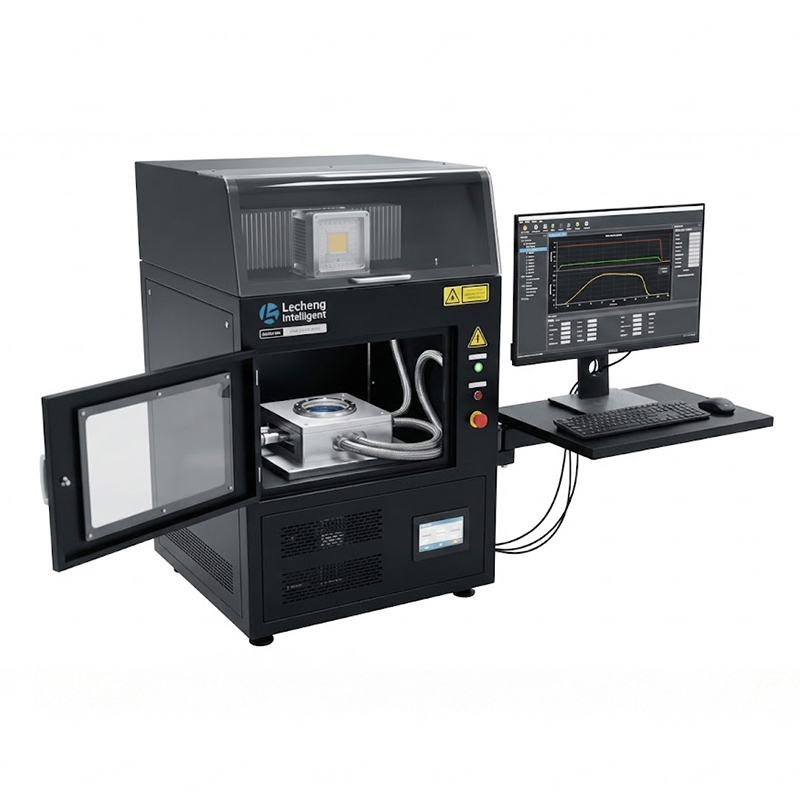
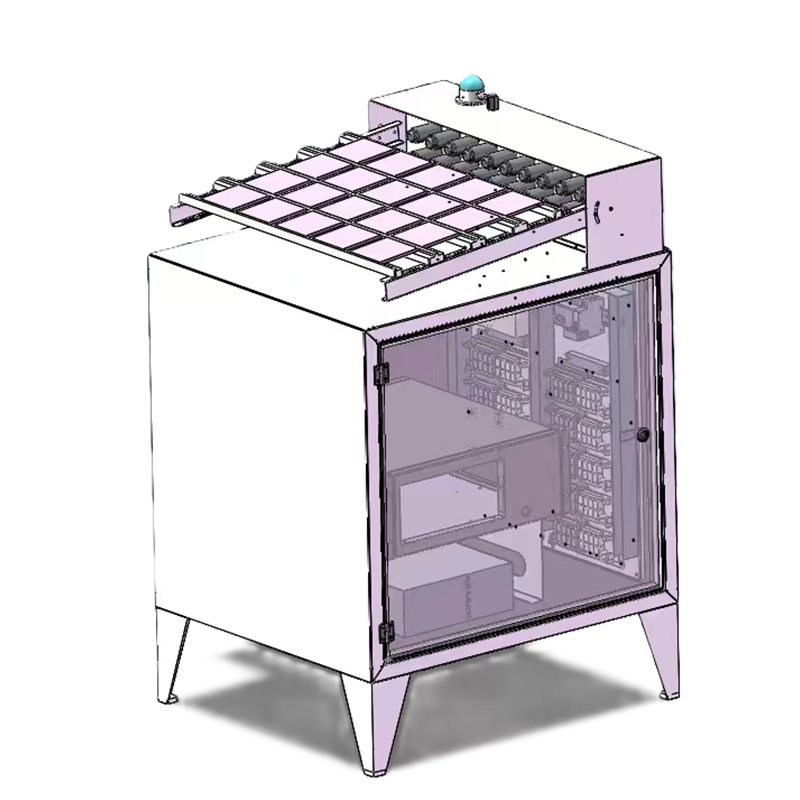
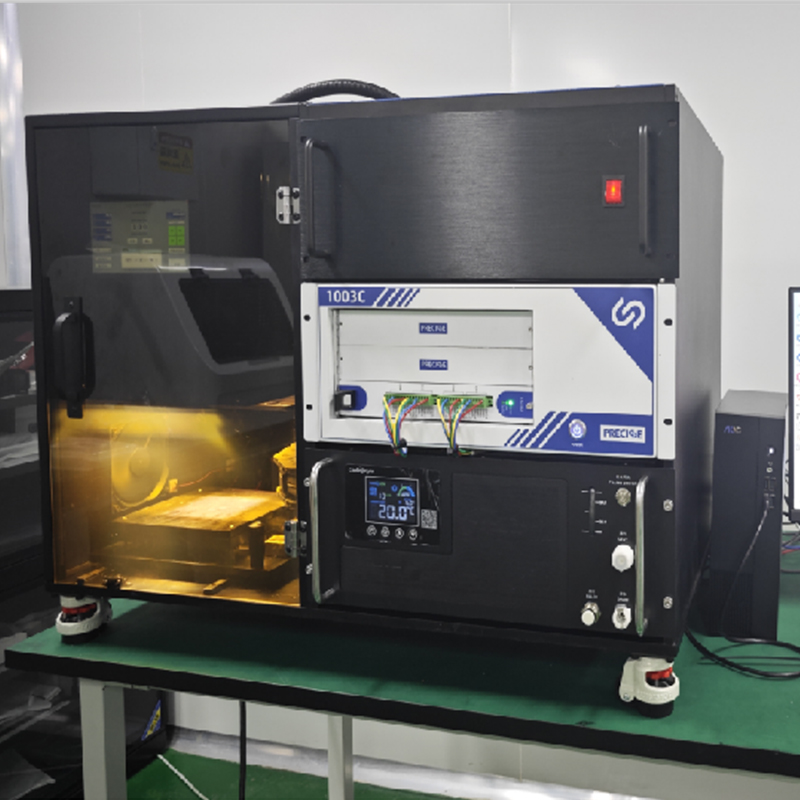
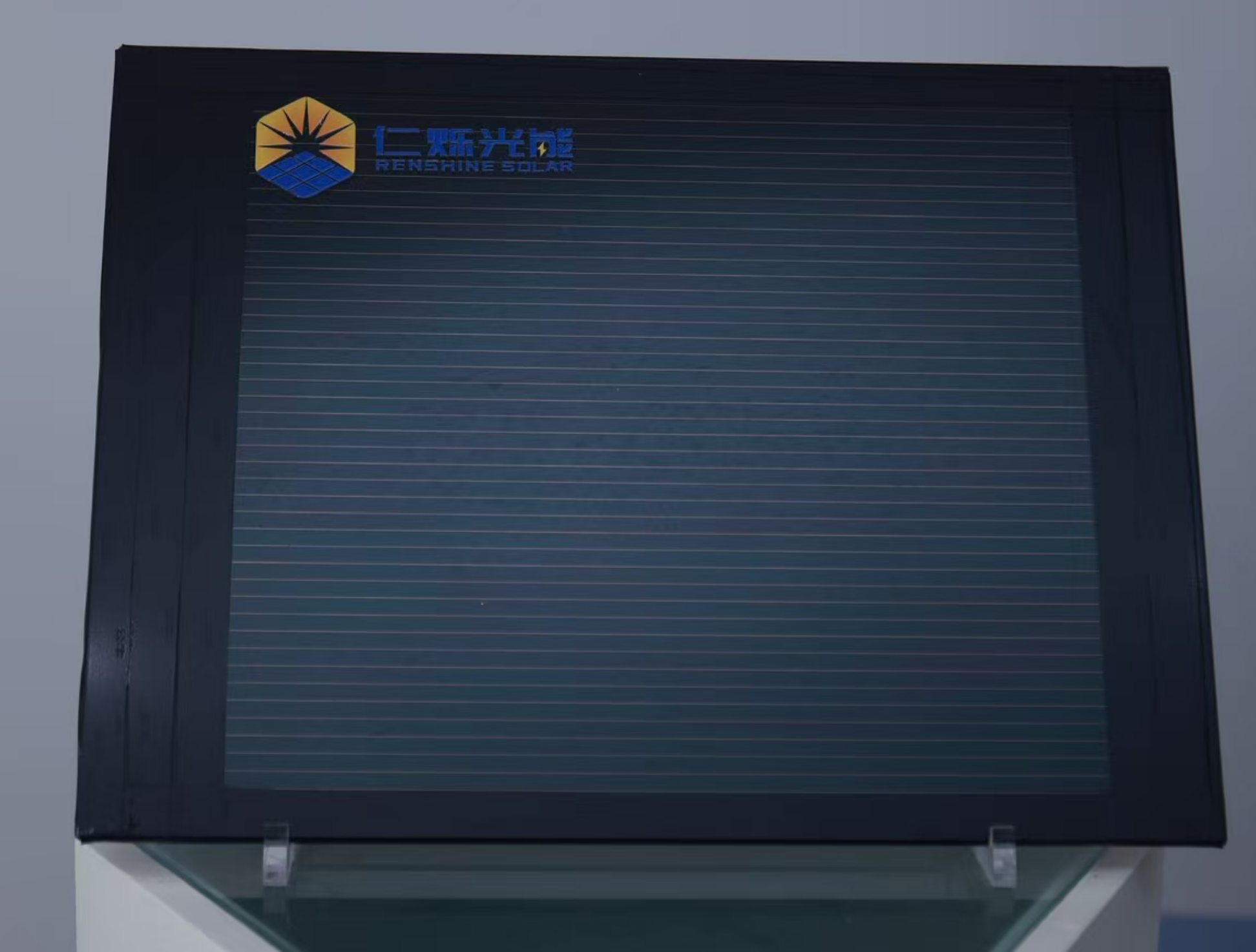
close-up of P2 laser scribing path on perovskite sample, laser head working image, or schematic diagram showing selective layer opening structure.
Customer Challenge
In practical P2 laser scribing for perovskite solar cells, customers usually care about process selectivity and electrical connection quality, not just whether the line can be opened. Typical challenges include:
Selective Layer Removal: P2 needs to open the required layer stack while keeping damage to the underlying conductive layer under control.
Stable Interconnection Quality: Inconsistent opening may affect later electrode connection and module electrical performance.
Alignment Consistency: P2 needs better positional consistency with earlier and later laser patterning steps.
Controlled Thermal Influence: Process energy must be managed carefully to reduce unnecessary thermal impact on adjacent functional layers.
Scale-Up Readiness: Customers often need a solution that can move from process verification toward pilot line and future manufacturing conditions.
Lecheng Solution Approach
1. Process Logic Built Around Selective Opening
Lecheng develops the P2 laser scribing solution around the actual function of P2 in the perovskite process route. The focus is not only on opening a path, but on doing so with better selective removal logic and stronger compatibility with later electrical interconnection requirements.
2. Better Control of Layer Integrity
A professional P2 laser processing solution for perovskite solar cells should help customers improve layer opening consistency while controlling unnecessary damage to surrounding structures. Lecheng emphasizes this balance in actual engineering design.
3. Better Alignment with Full Patterning Workflow
P2 cannot be separated from the broader P1 P2 P3 P4 laser processing route. Lecheng supports stronger process continuity so that P2 works more smoothly with upstream conductive layer isolation and downstream electrode separation and edge deletion steps.
4. Suitable for Lab, Pilot and Process Scale-Up
Customers working on perovskite pilot line development need more than isolated process feasibility. Lecheng’s engineering logic supports better repeatability, process transfer and production-oriented system planning.
Application Value
| Focus Area | Common Concern | Lecheng Value |
| Selective Ablation | Need to open the required layer stack with controlled removal | Supports more stable interlayer opening for perovskite photovoltaic processing |
| Layer Protection | Risk of affecting conductive or adjacent functional layers | Improves process control logic for better layer integrity management |
| Electrical Connection Basis | Need reliable opening for later interconnection performance | Helps establish a more stable path for downstream electrical connection design |
| Patterning Continuity | Need stronger consistency with P1, P3 and later process steps | Designed with full patterning integration in mind |
| Scale-Up Capability | Need better transfer from lab verification to pilot line use | Supports broader pilot line and manufacturing-oriented workflows |
Typical Process Position
In a typical perovskite solar cell manufacturing workflow, P2 laser scribing is positioned after functional layer deposition and before back electrode completion, where it serves as a key opening step for cell interconnection.
TCO Conductive Glass → P1 Laser Scribing → Functional Layer Deposition → P2 Laser Scribing → Back Electrode → P3 Laser Scribing → P4 Edge Deletion → Encapsulation → Testing
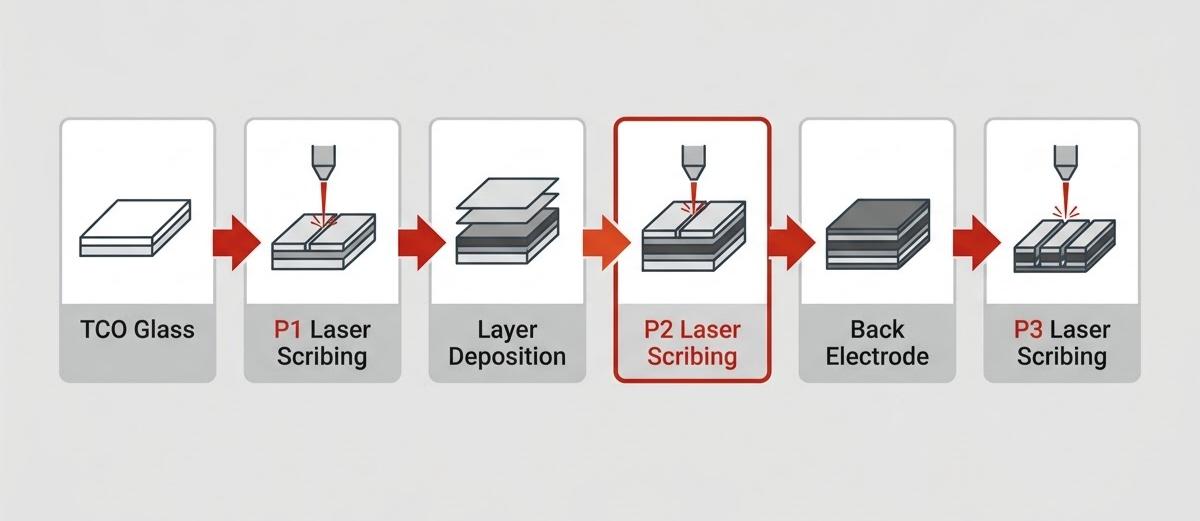
Full process illustration showing where P2 fits in the perovskite production route
Recommended Related Solution Entry
If you want to explore the broader engineering logic behind P1, P2, P3 and P4 integration as well as full line configuration, visit our related Perovskite Laser Production Line page. This internal entry helps strengthen topic relevance around P2 laser scribing for perovskite solar cells, perovskite laser processing and perovskite pilot line solutions.
View Related Production LineTypical Applications
P2 laser scribing for perovskite solar cells
Interlayer opening for perovskite photovoltaic modules
Selective laser processing for functional layer structures
Perovskite photovoltaic pilot line development
Precision process verification for advanced solar cells
Integrated perovskite laser production line planning
Keyword Focus
P2 Laser Scribing for Perovskite Solar Cells
P2 Laser Scribing System for Perovskite Solar Cells
Perovskite P2 Laser Processing Solution
Selective Interlayer Opening for Perovskite Modules
Perovskite Photovoltaic P2 Patterning Equipment
Perovskite Pilot Line P2 Scribing Solution
Thin-Film Solar Cell P2 Laser Patterning
FAQ
What is the purpose of P2 laser scribing in perovskite solar cells?
P2 laser scribing is used to create the required interlayer opening in the perovskite cell structure, helping establish the connection path for later electrode integration and module interconnection design.
Why is selective removal important in P2 processing?
Because P2 needs to open specific functional layers while minimizing unnecessary influence on underlying conductive structures and adjacent areas, which is critical for process quality and electrical performance.
Can this type of solution support pilot line development?
Yes. A strong P2 laser processing solution should support both laboratory verification and pilot line development with better repeatability, alignment consistency and process continuity.
How can I contact Lecheng for project discussion?
You can reach Lecheng through the official contact page for technical consultation, solution discussion and project communication.
Discuss Your P2 Laser Scribing Project
Looking for a reliable supplier of P2 laser scribing solutions for perovskite solar cells, selective interlayer laser processing equipment and perovskite pilot line systems? Contact Lecheng Intelligent for a direct engineering discussion.
Request a Solution View Related Line