

Why Laser Scribing Wins in Perovskite Production
Unmatched Precision and Process Control
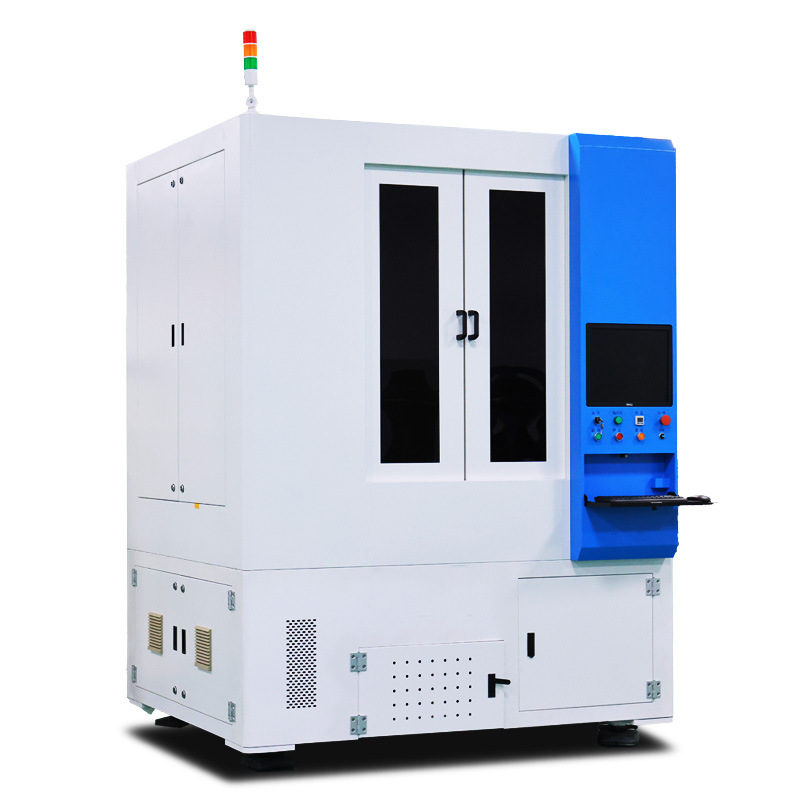
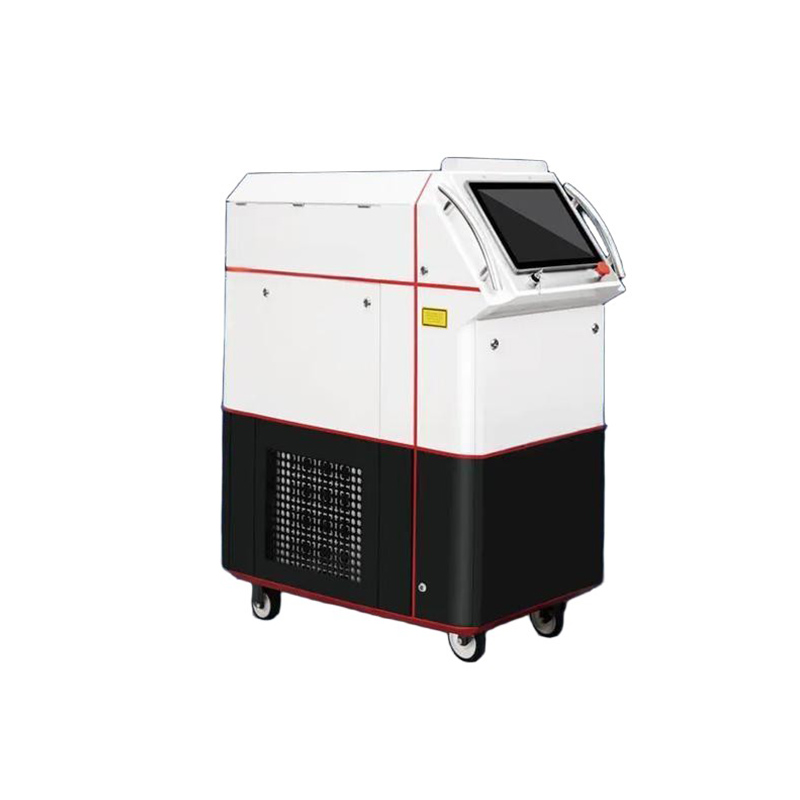
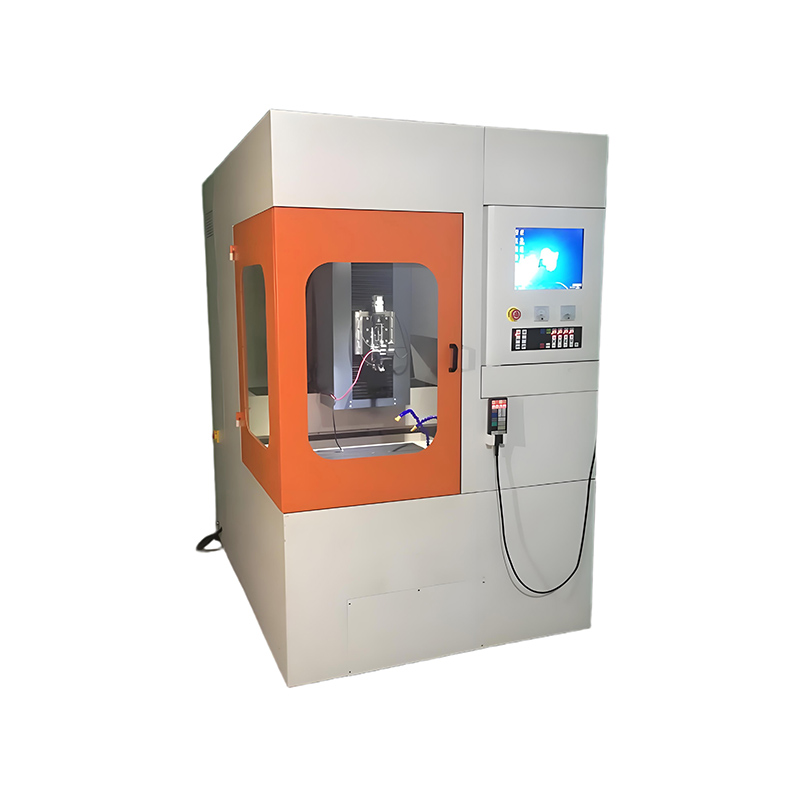
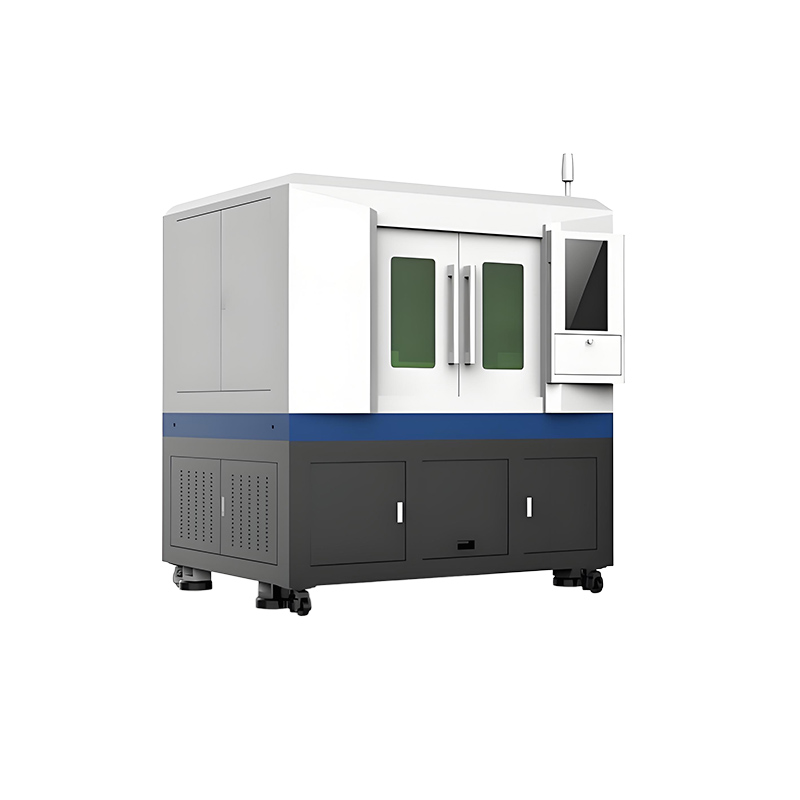
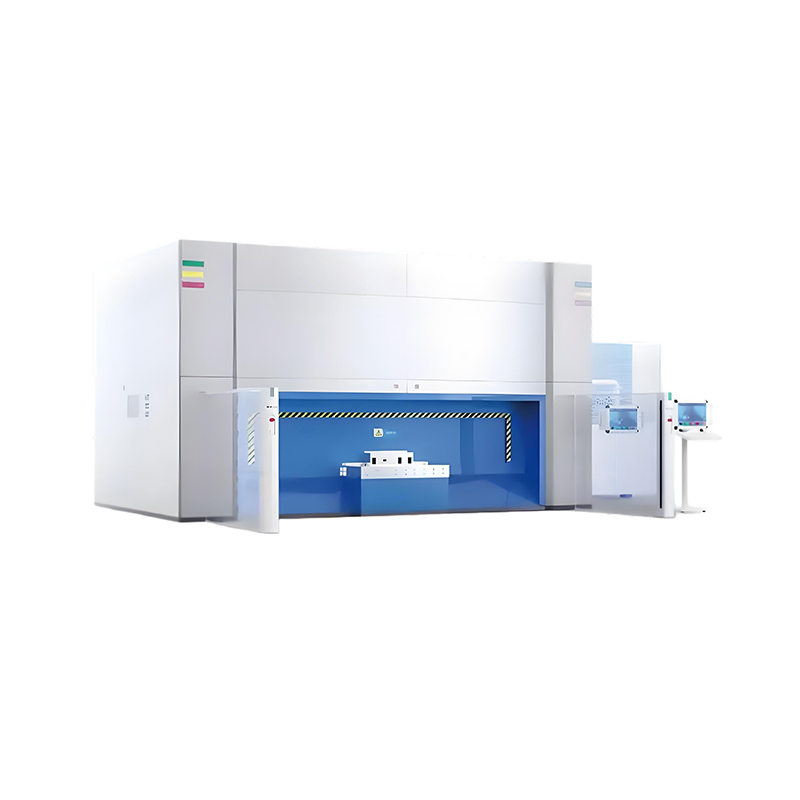
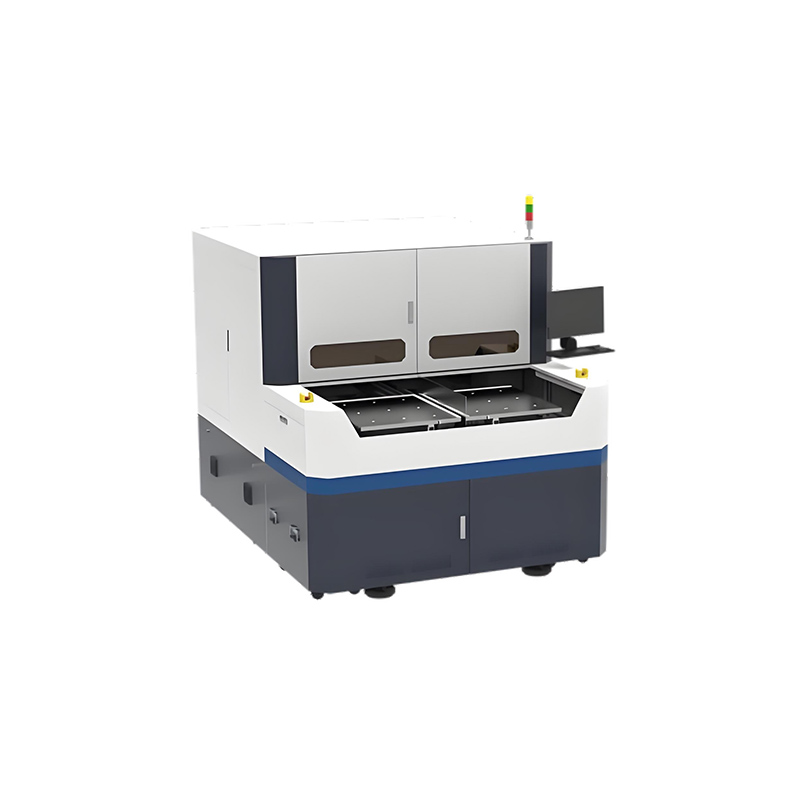
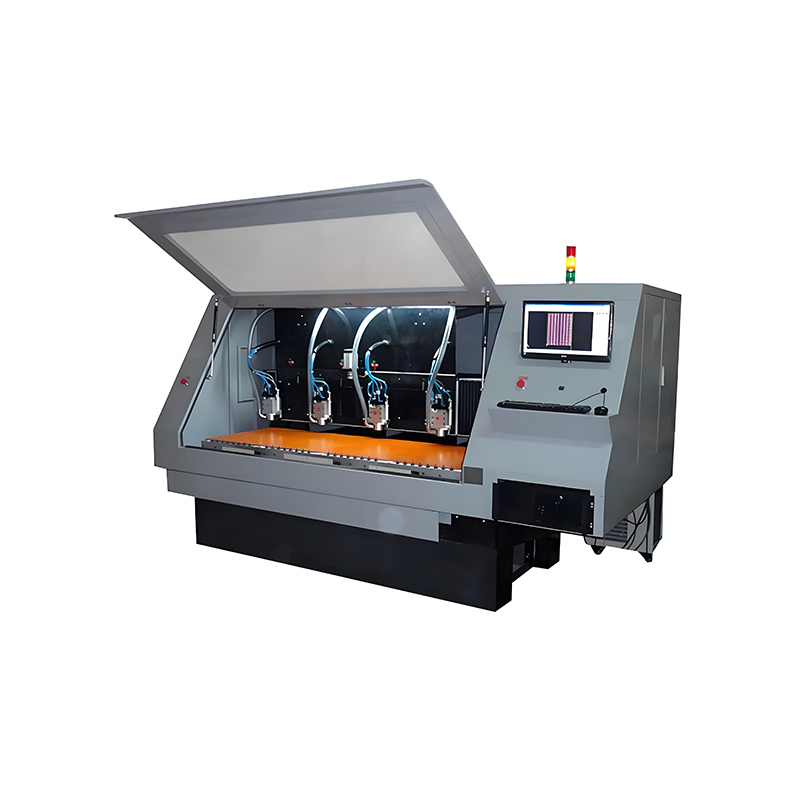
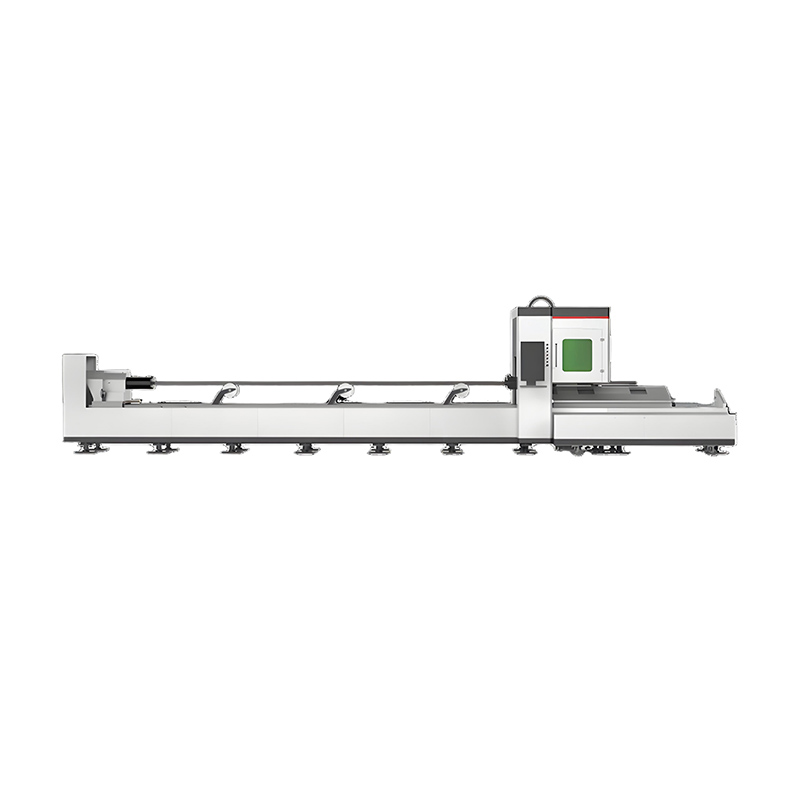
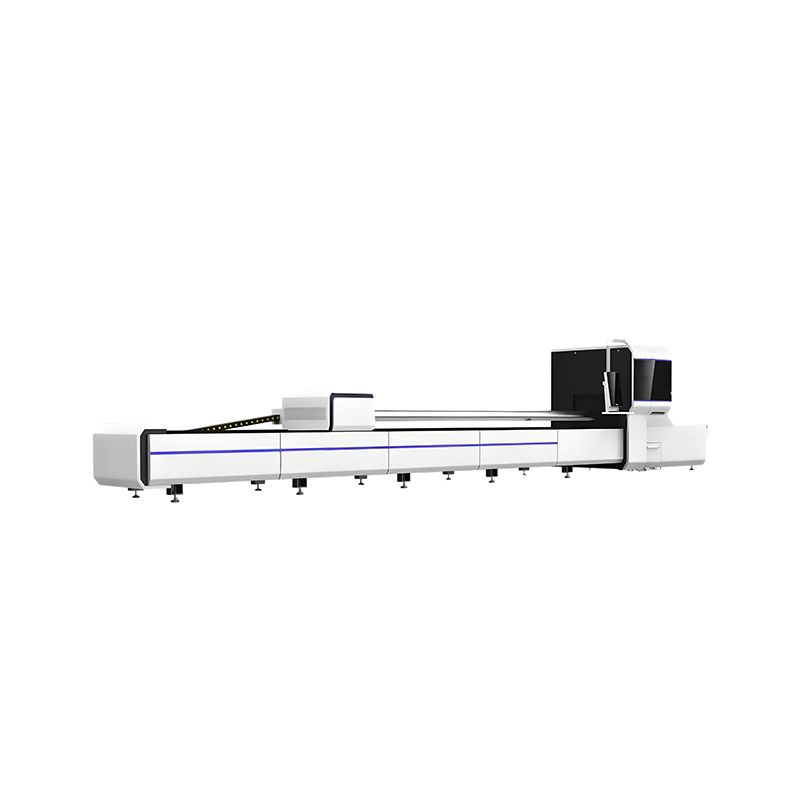
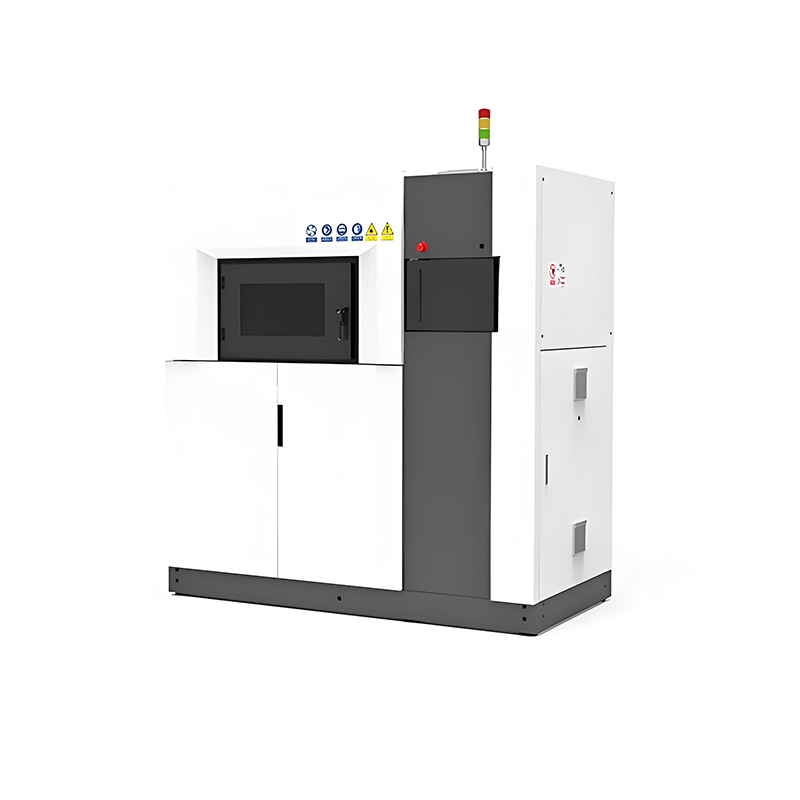
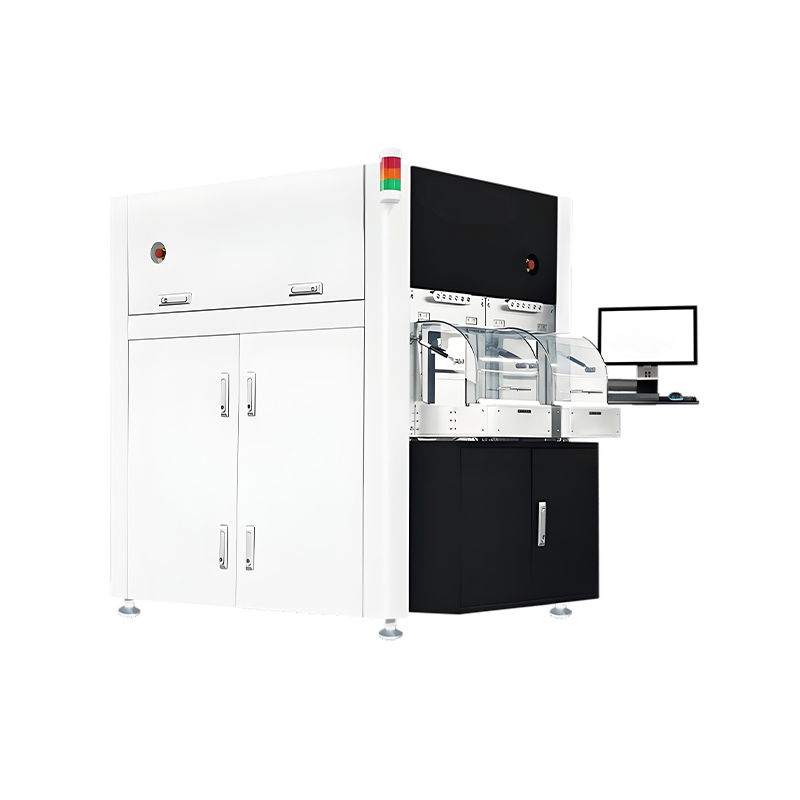
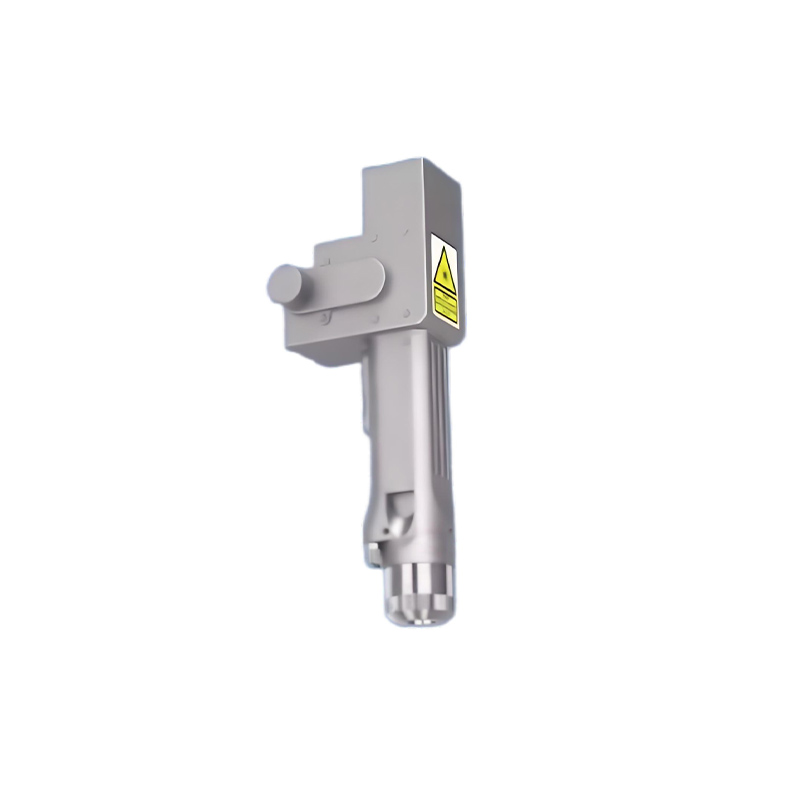
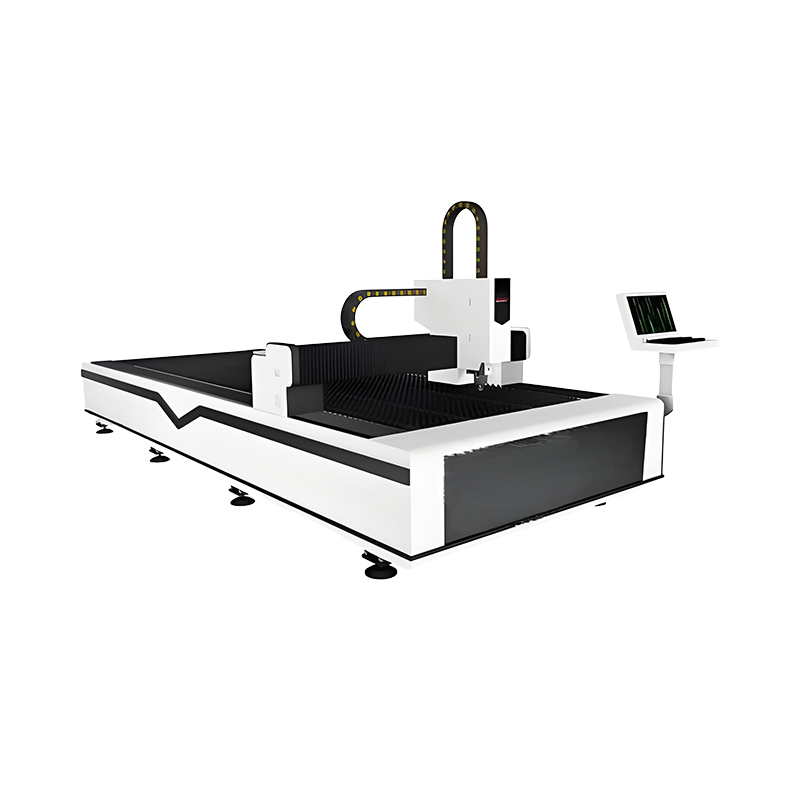
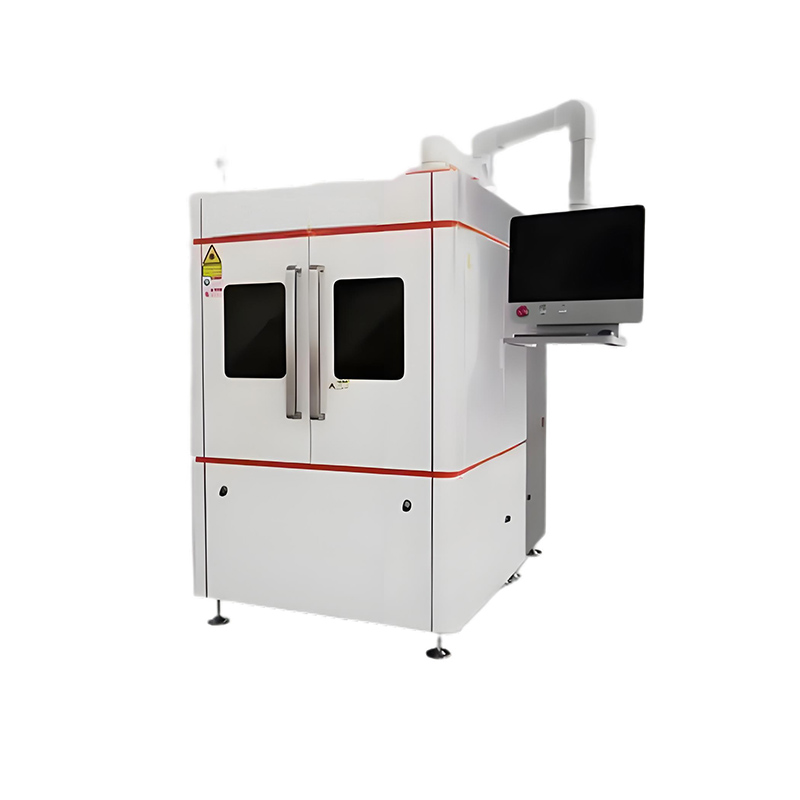
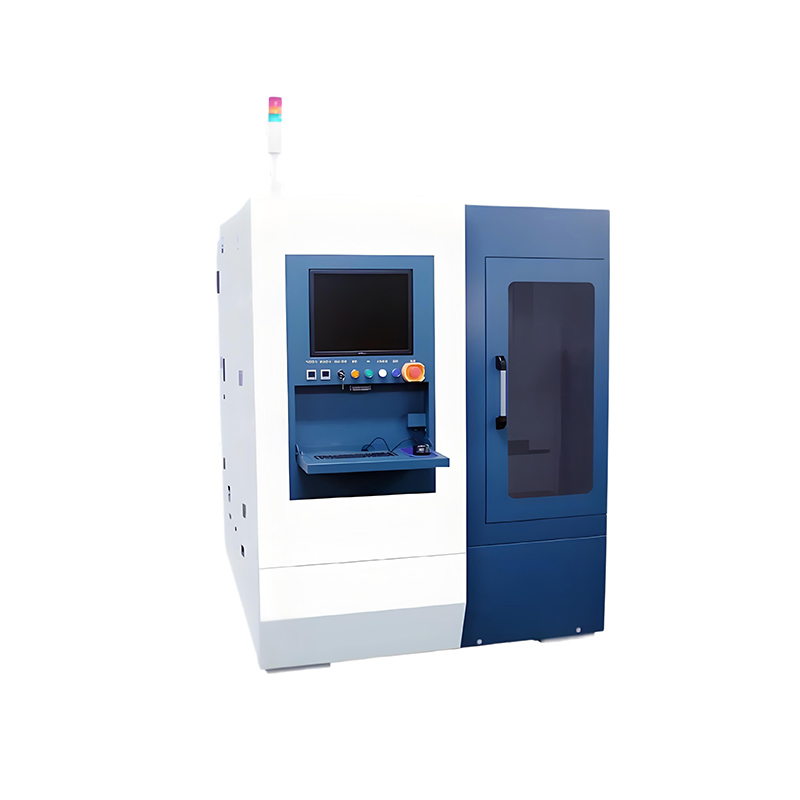
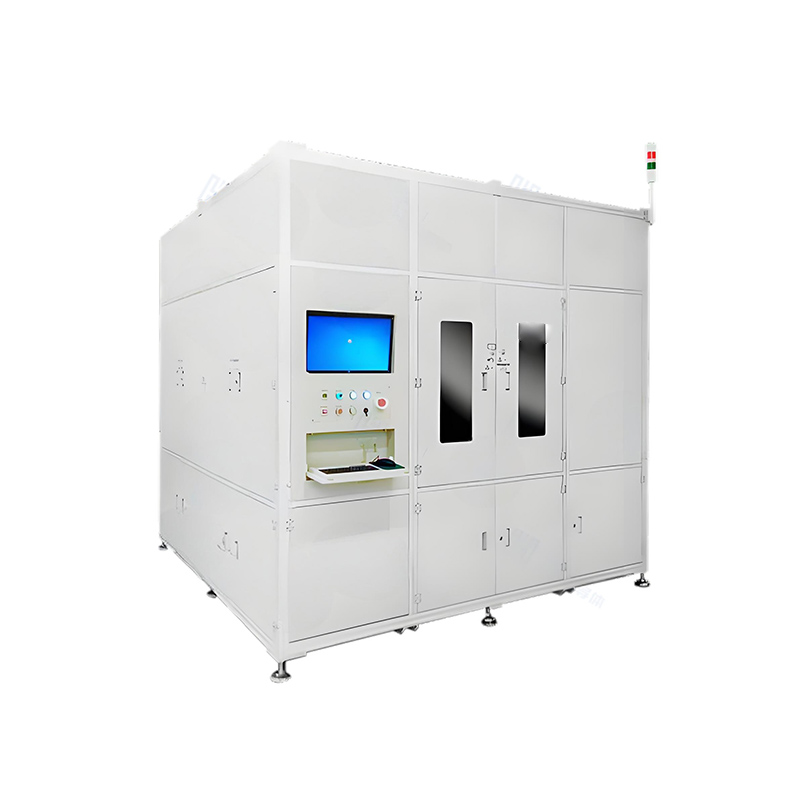
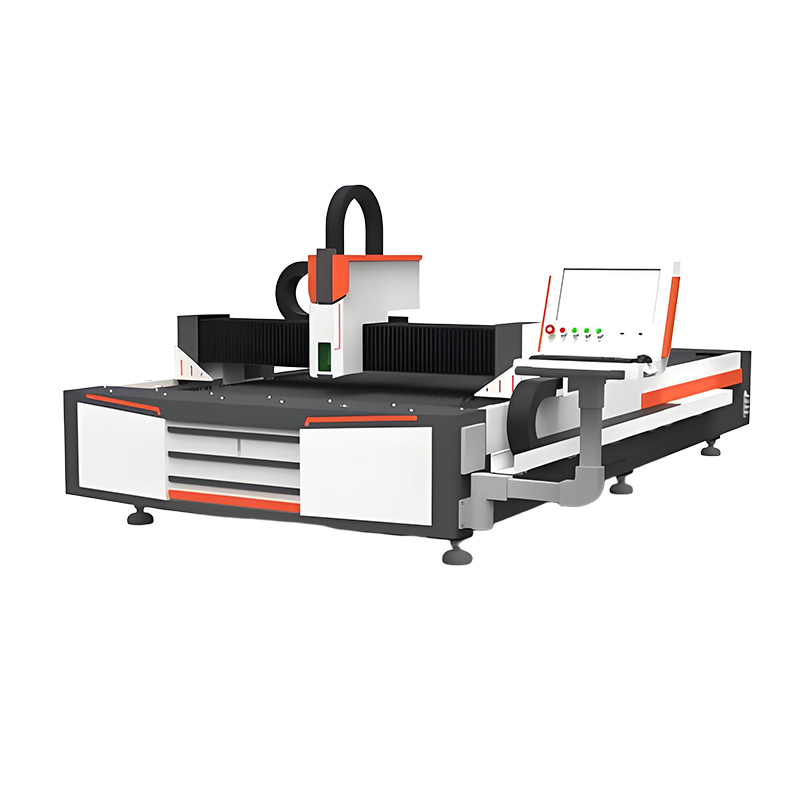
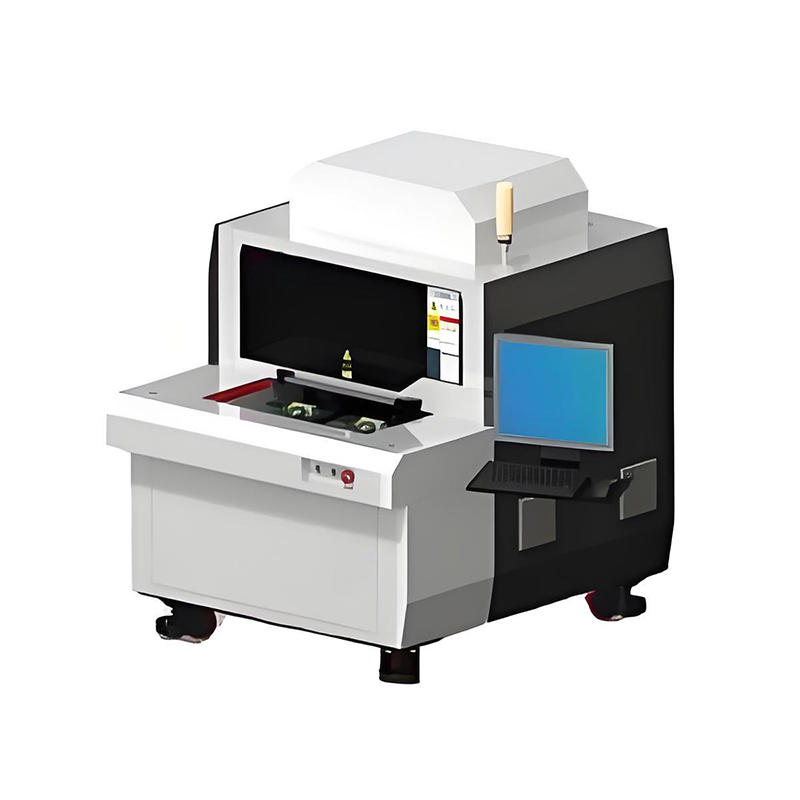
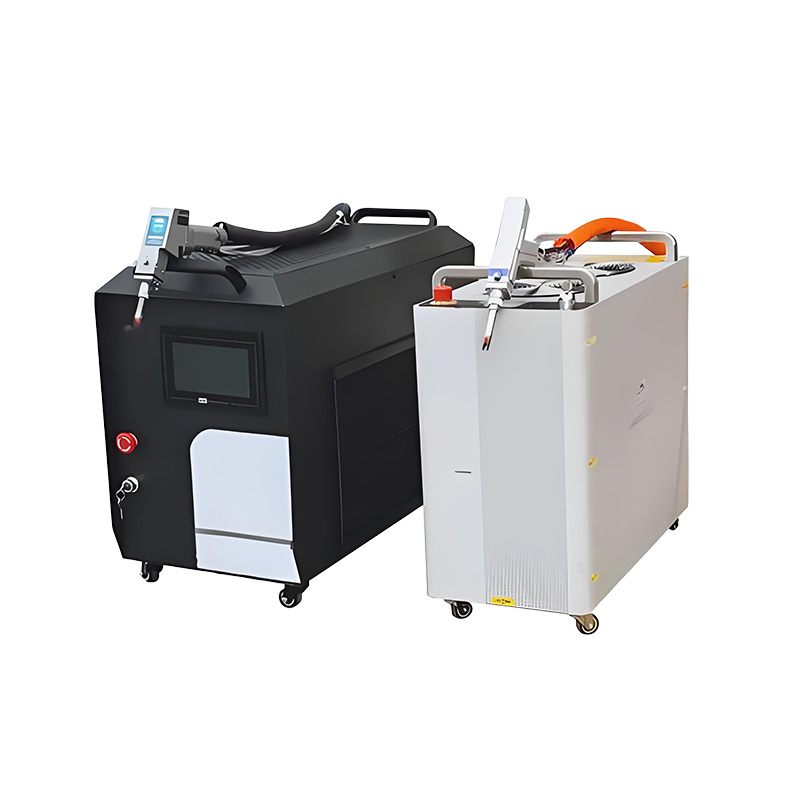
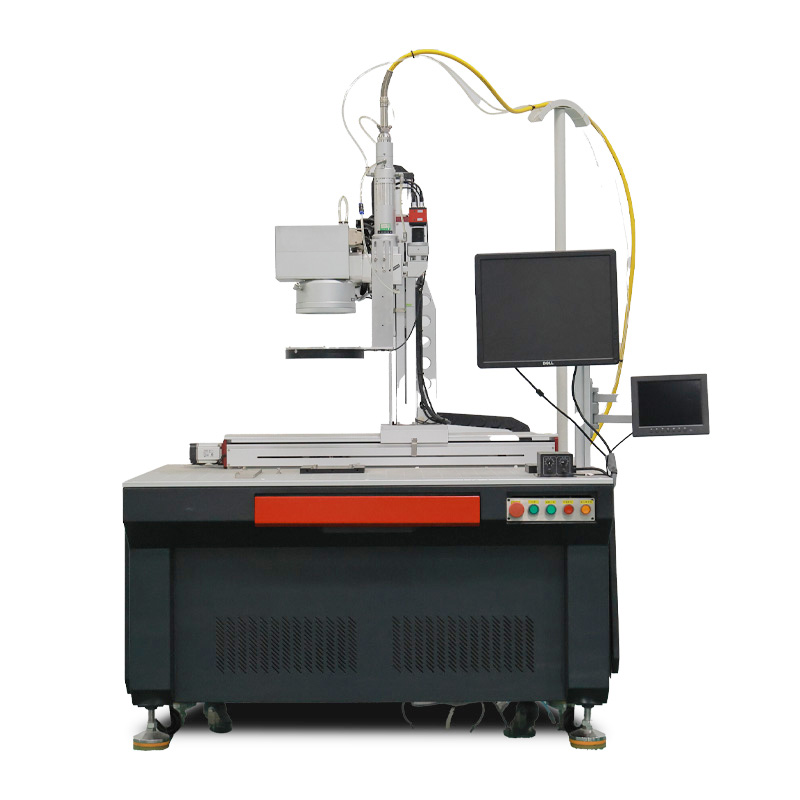
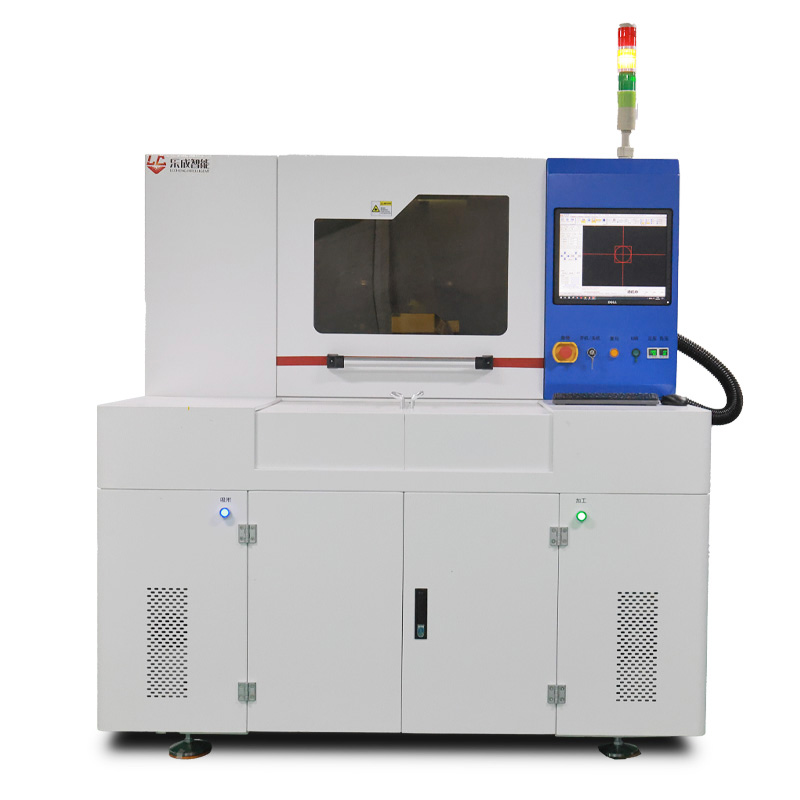
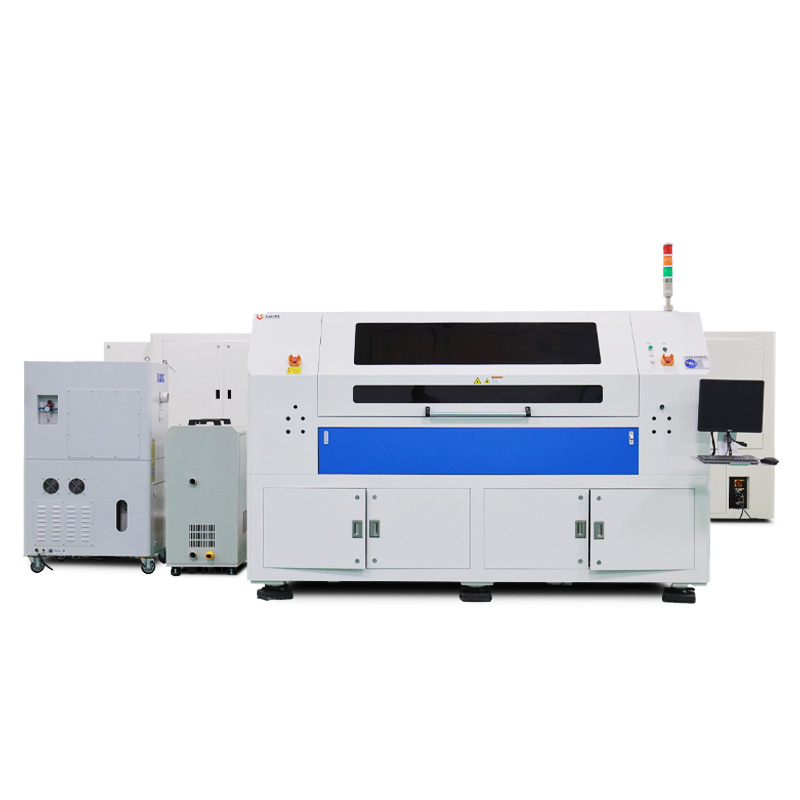
Laser scribing technology delivers micron-level accuracy that is critical for perovskite solar cell manufacturing. Lecheng's systems achieve scribe line widths of 20-50μm with ±5μm positional accuracy, enabling precise P1-P3 patterning that defines the electrical connectivity between cell layers. This precision directly impacts module efficiency by minimizing dead zones - the inactive areas between active cell regions. Traditional mechanical scribing methods struggle to maintain consistent depth control, often damaging fragile perovskite layers or underlying TCO coatings. In contrast, Lecheng's laser systems utilize real-time focus tracking and thermal management to maintain optimal ablation depth while reducing heat-affected zones to less than 1μm. This level of control enables series interconnection of sub-cells with minimal efficiency losses, making laser scribing essential for achieving high-performance perovskite modules.
Scalability and Manufacturing Efficiency
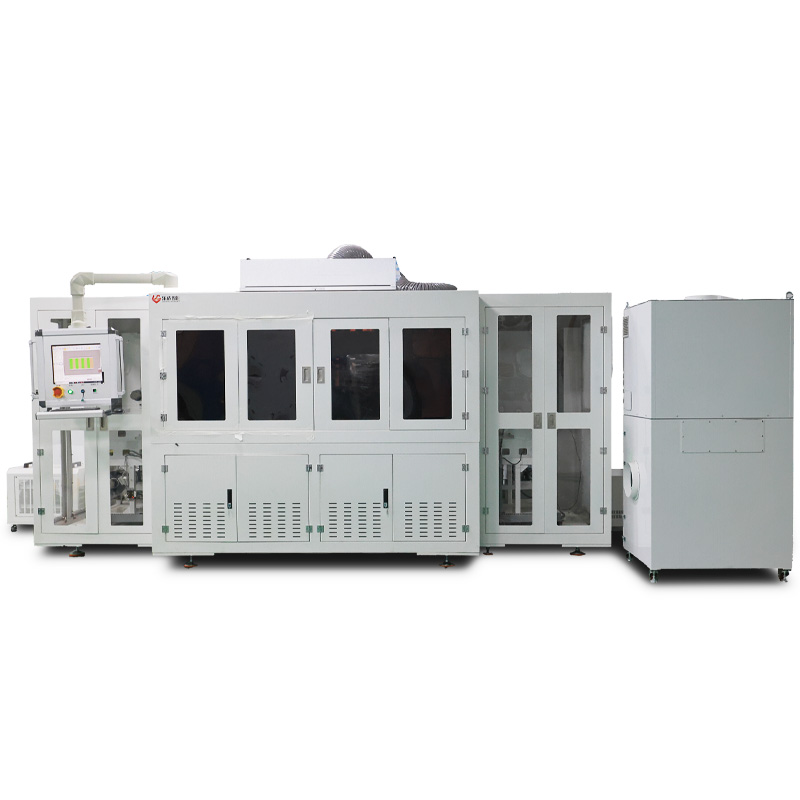
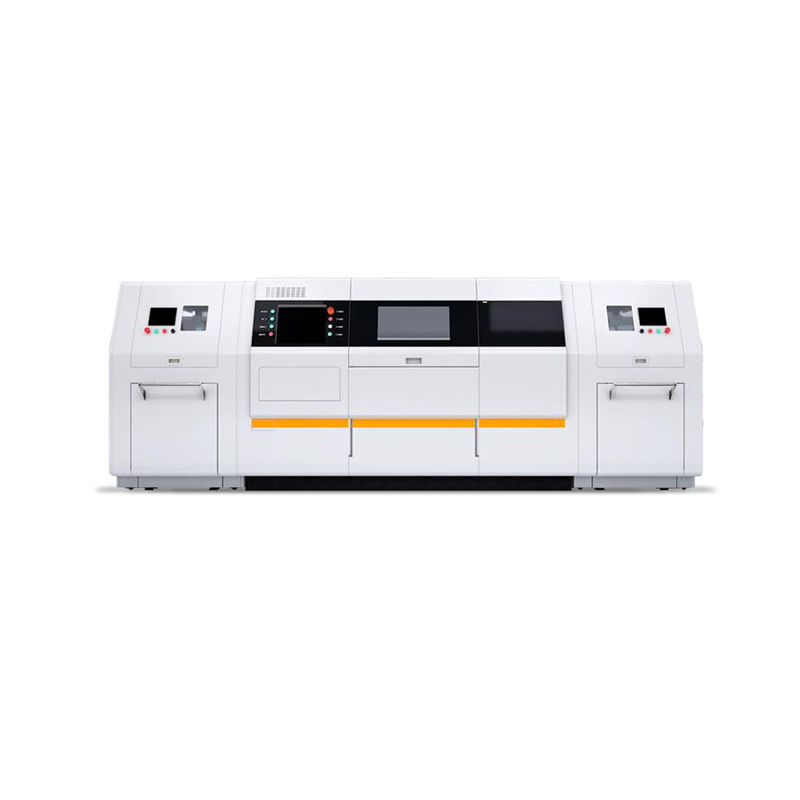
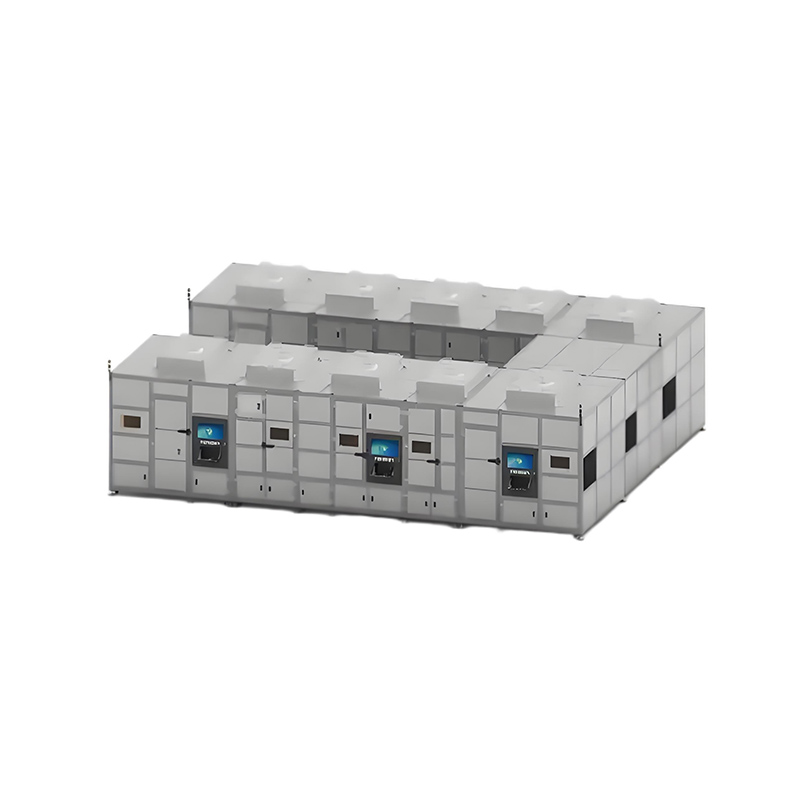
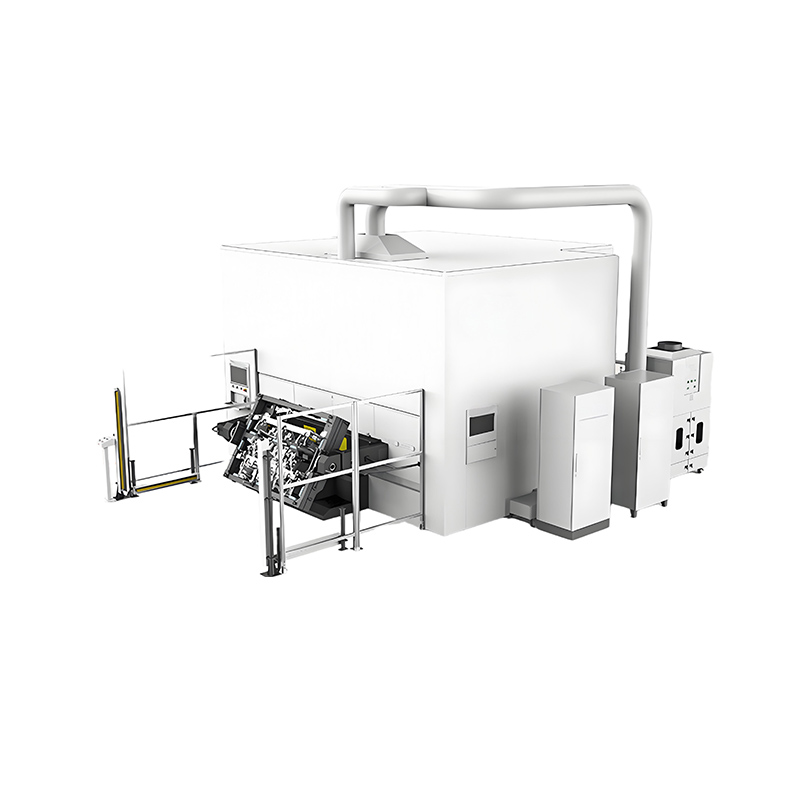
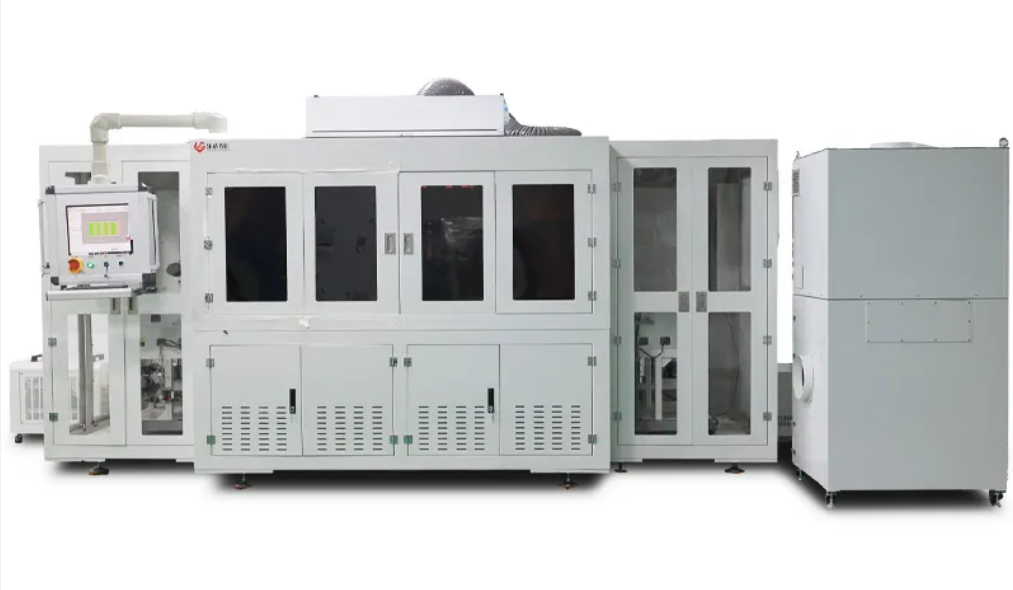
The non-contact nature of laser scribing enables high-speed processing essential for mass production. Lecheng's multi-beam systems can simultaneously process up to 24 scribe lines at speeds exceeding 1000mm/s, significantly outperforming mechanical alternatives. This scalability is particularly valuable for roll-to-roll perovskite production on flexible substrates, where Lecheng's systems maintain 1.5m/min processing speeds while handling 500mm-wide materials. The technology's compatibility with automated production lines reduces manual intervention, with Lecheng's equipment achieving over 95% uptime in continuous operation. Furthermore, laser systems require minimal consumables compared to mechanical scribing tools that need frequent replacement, reducing operational costs by approximately 30% while maintaining consistent quality throughout production runs.
Versatility and Material Compatibility
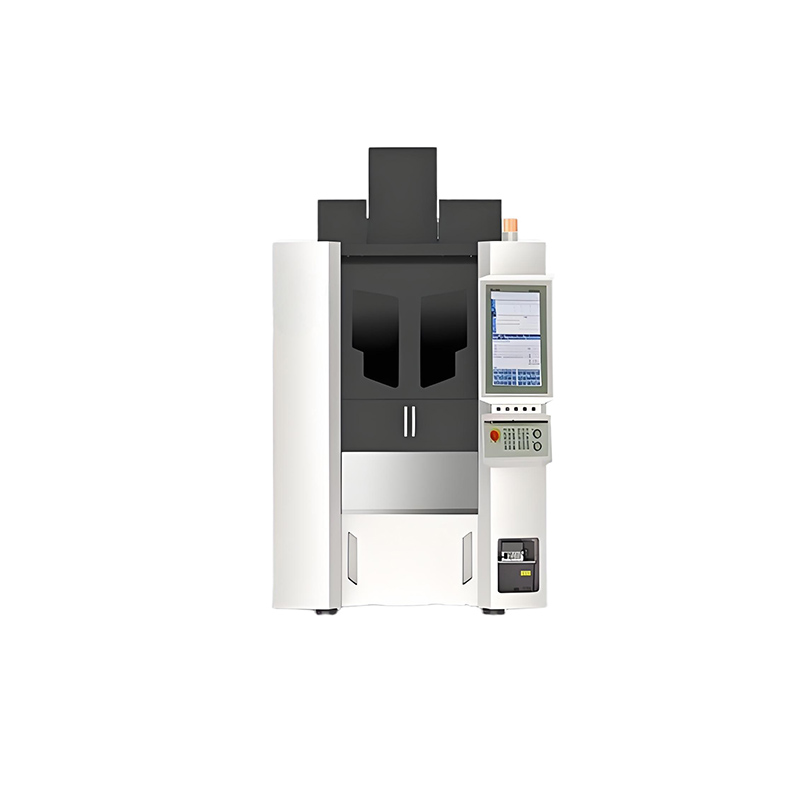
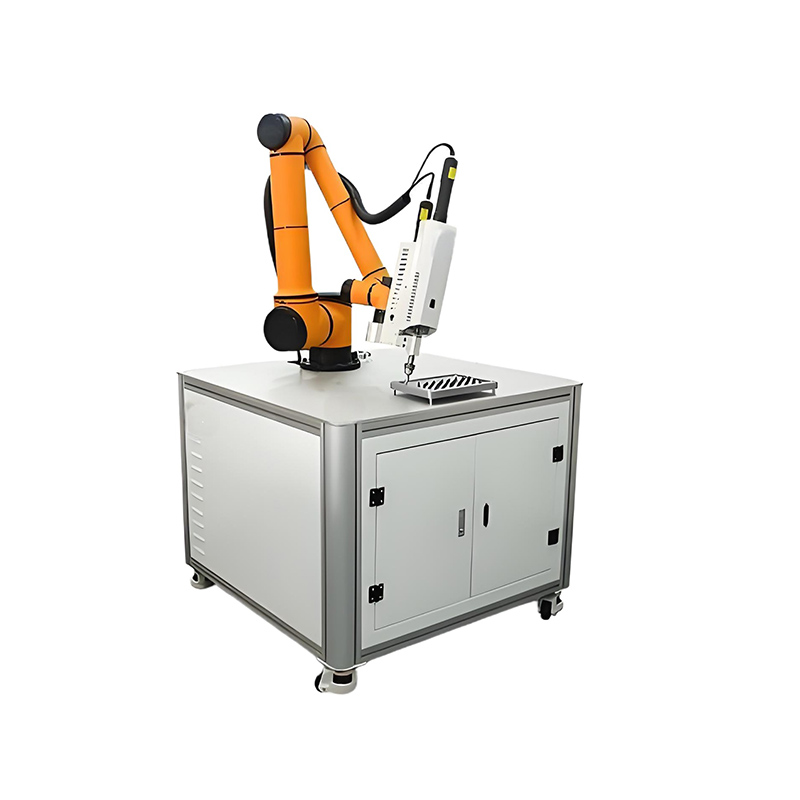
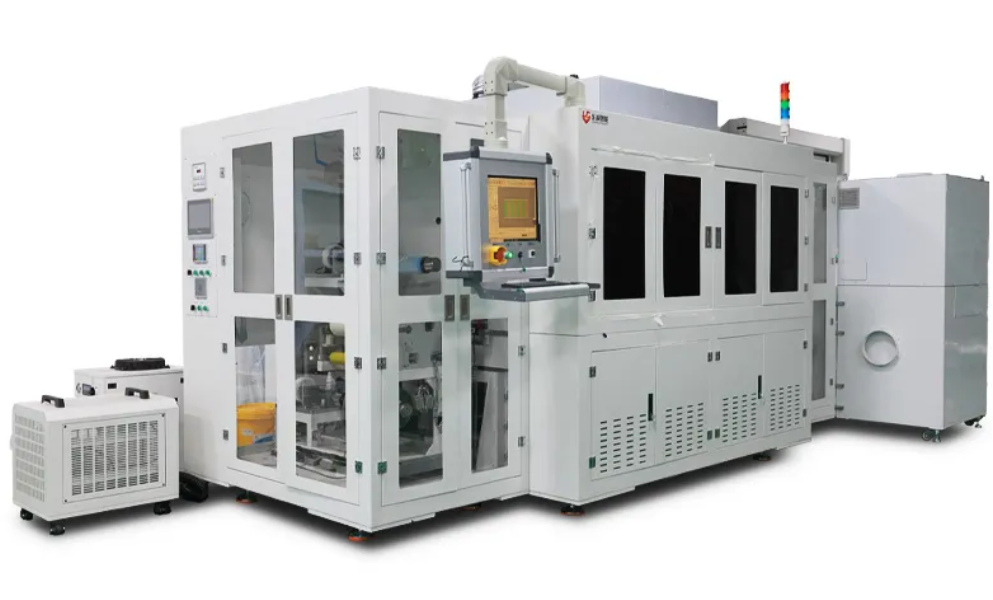
Laser scribing adapts to diverse perovskite architectures and layer stacks without requiring hardware changes. Lecheng's systems can be configured with different laser sources (IR, green, UV) to optimally process various materials from TCO coatings to metal electrodes. This flexibility allows manufacturers to iterate on cell designs quickly - a crucial advantage in the rapidly evolving perovskite technology landscape. The technology also enables innovative processes like trajectory tracking, where P2 and P3 patterns automatically adapt to any irregularities in P1 lines, reducing dead zones by up to 30%. This adaptability extends to different substrate types, from rigid glass to flexible polymers, making laser scribing the only technology capable of supporting both current and future perovskite manufacturing paradigms.
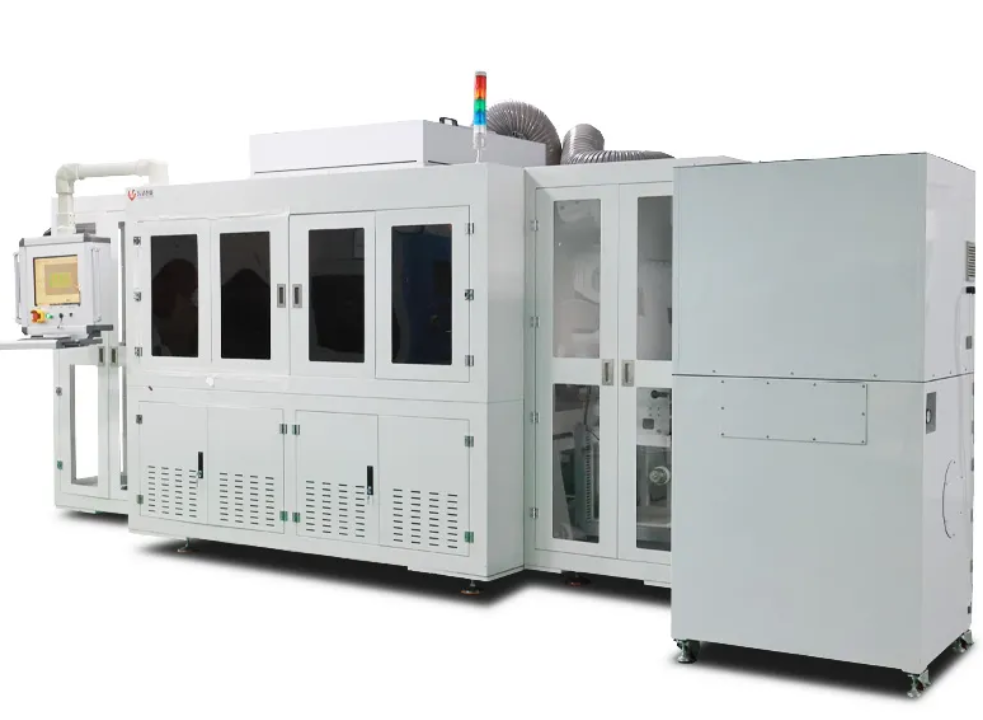
Laser scribing emerges as the definitive solution for perovskite production by combining unparalleled precision, manufacturing scalability, and process flexibility - positioning Lecheng's technology at the forefront of the solar industry's transition to next-generation photovoltaics.