
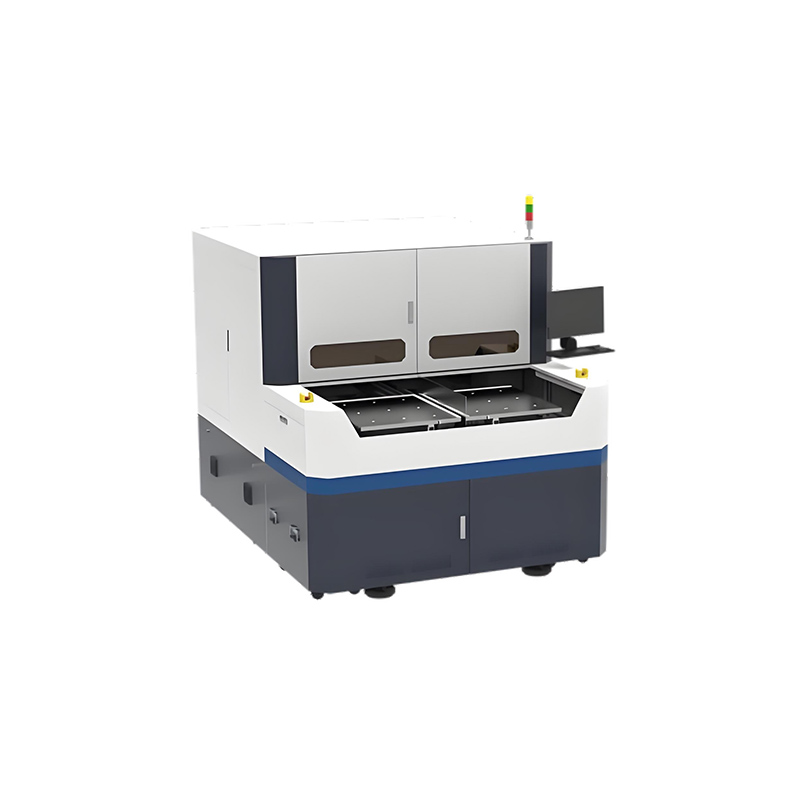
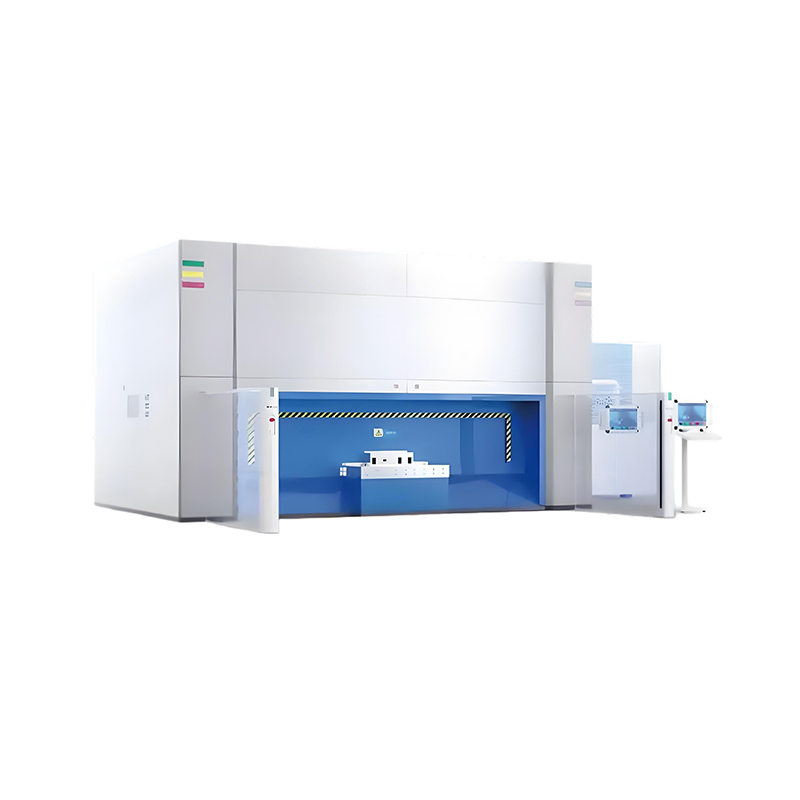
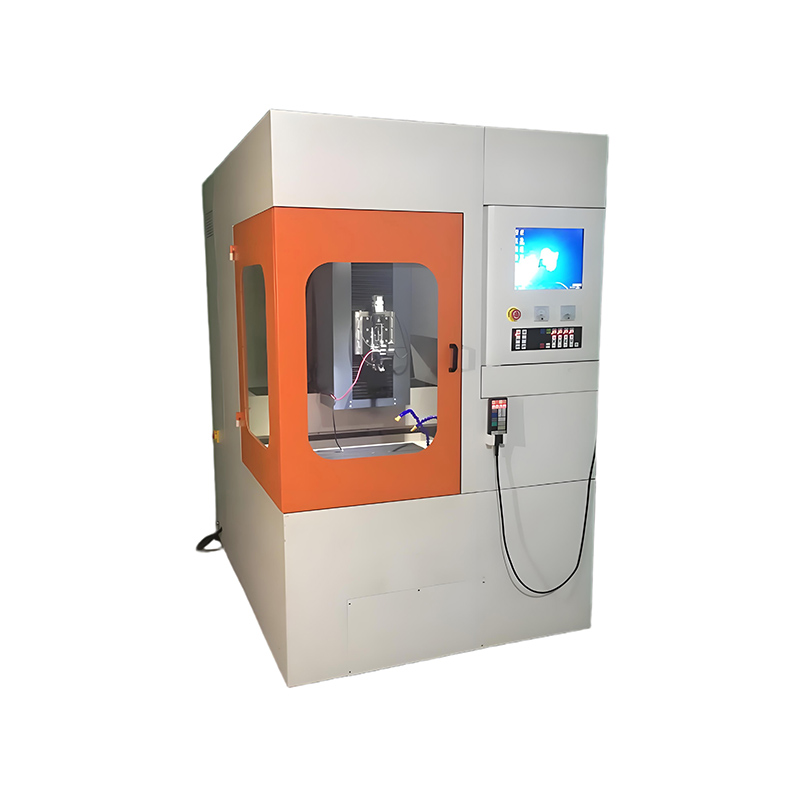
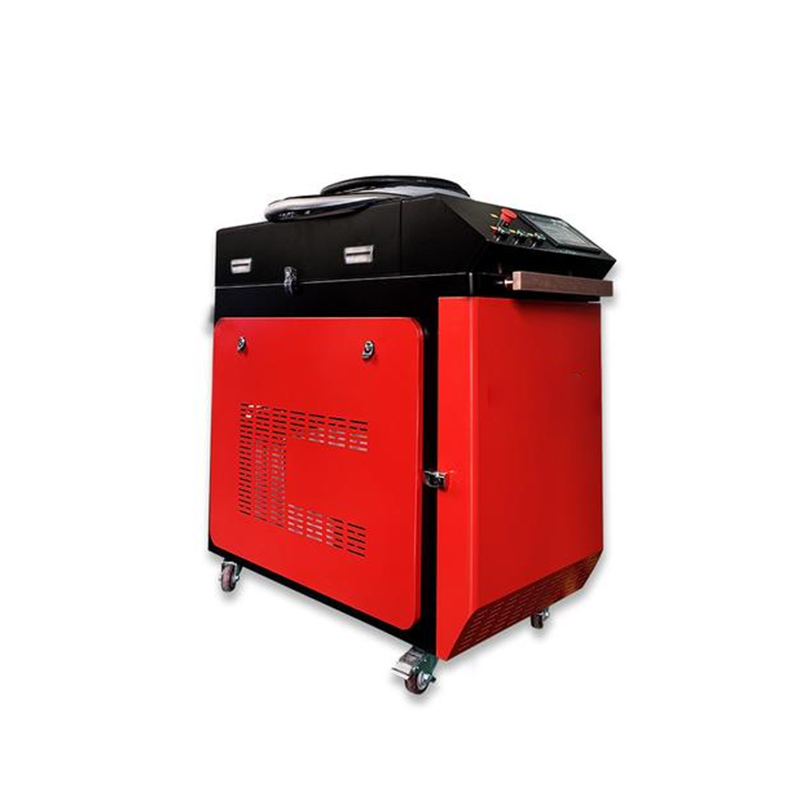


Laser Drilling in the New Era
Introduction
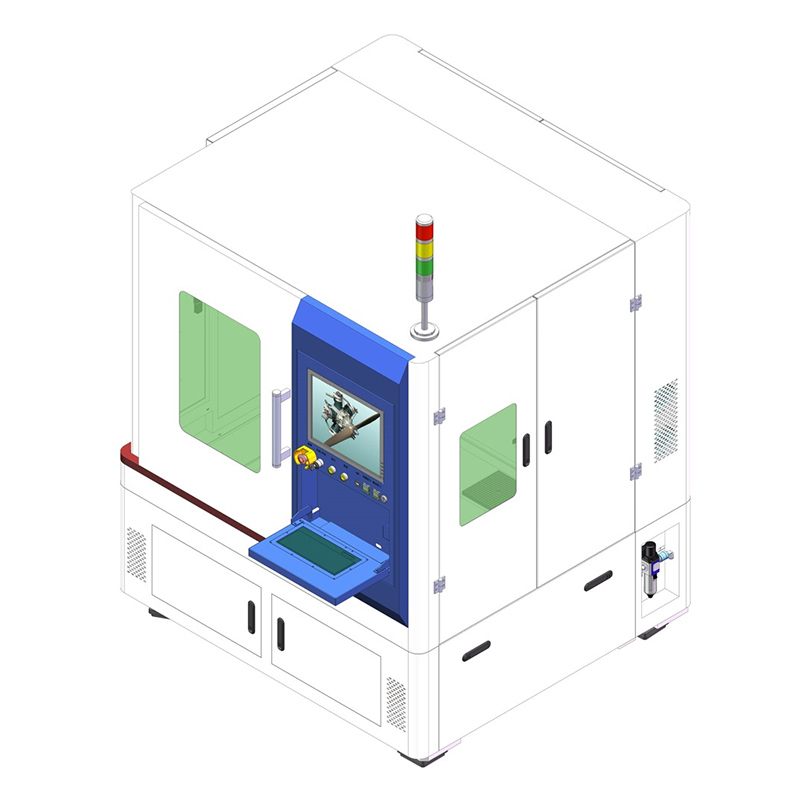
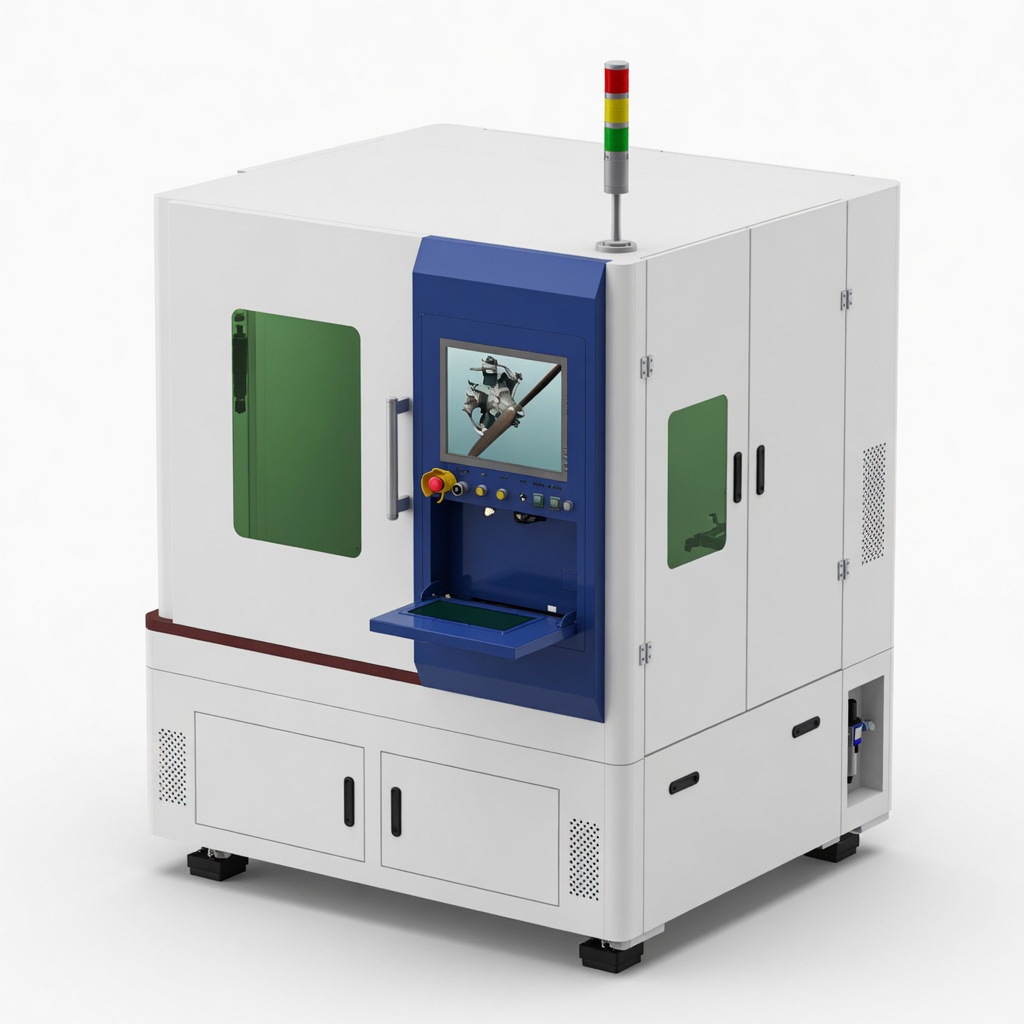
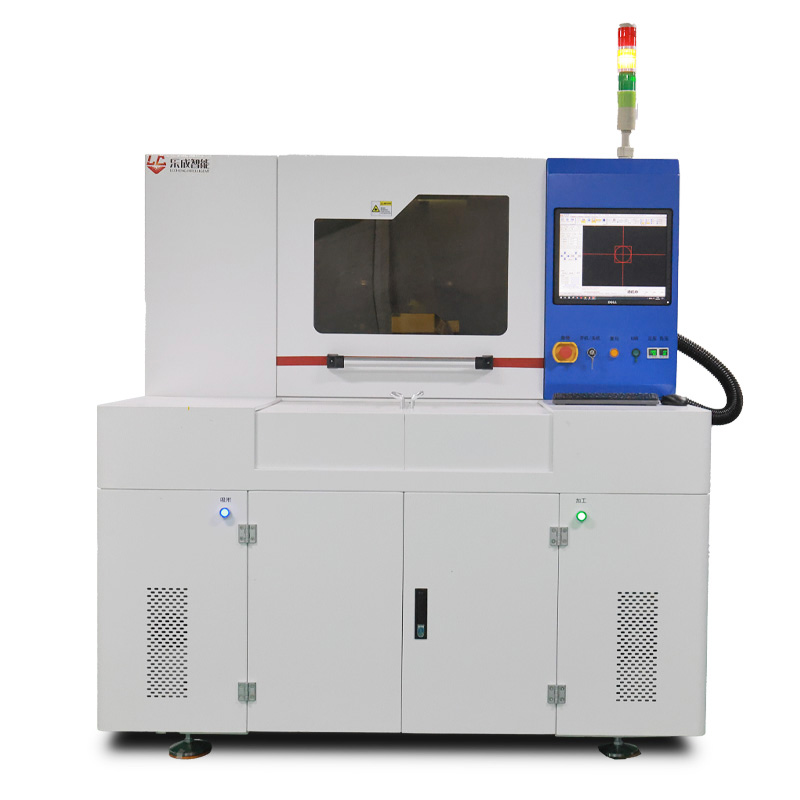
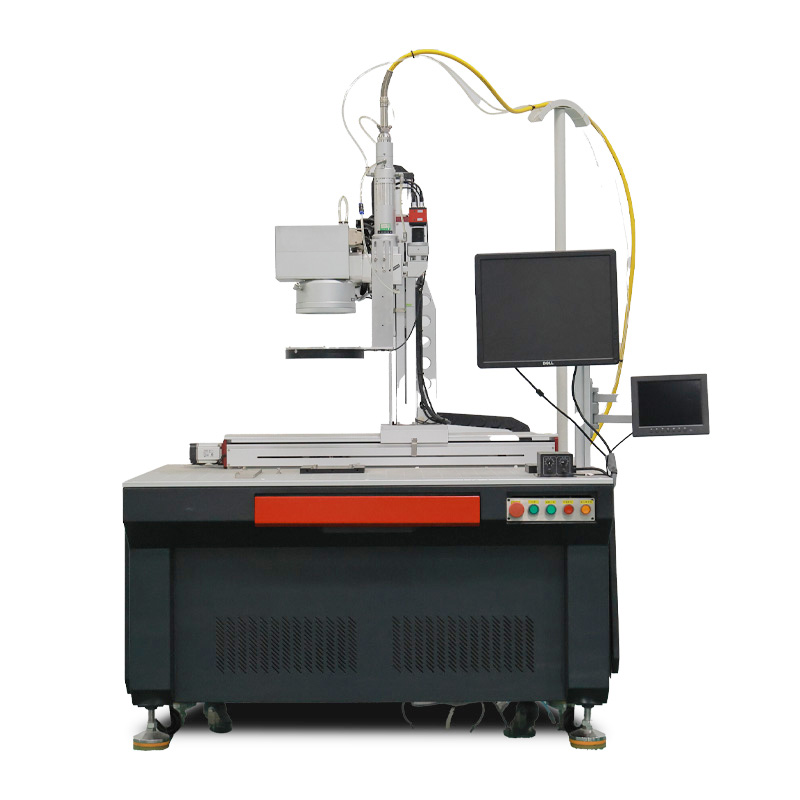
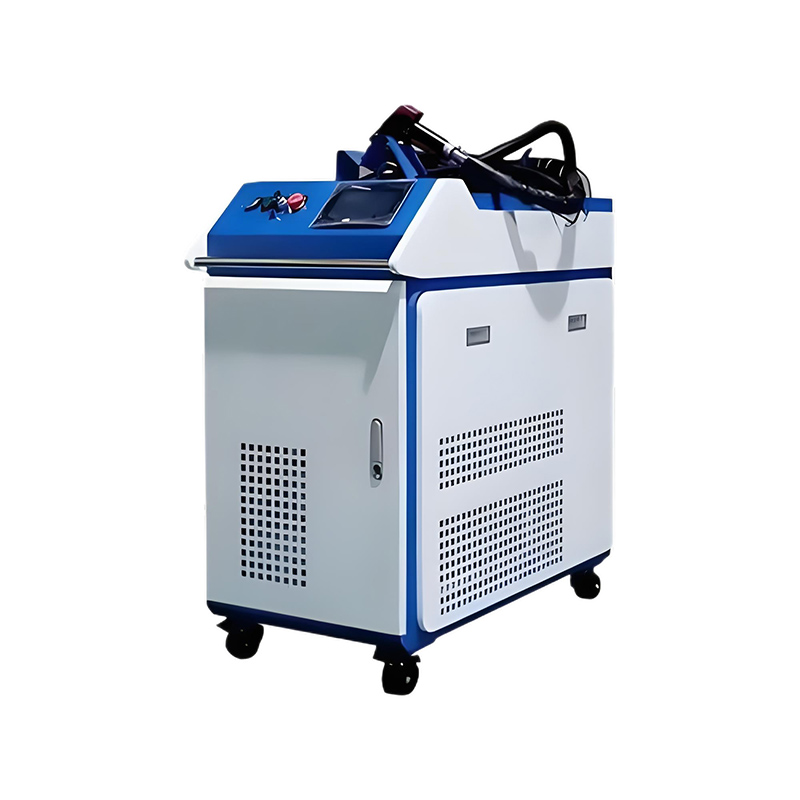
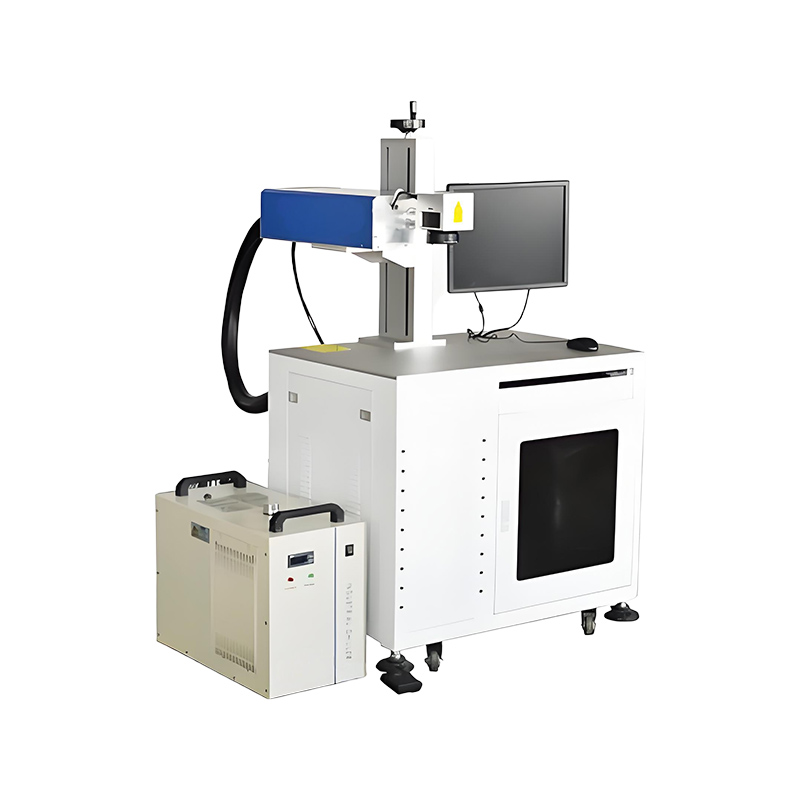
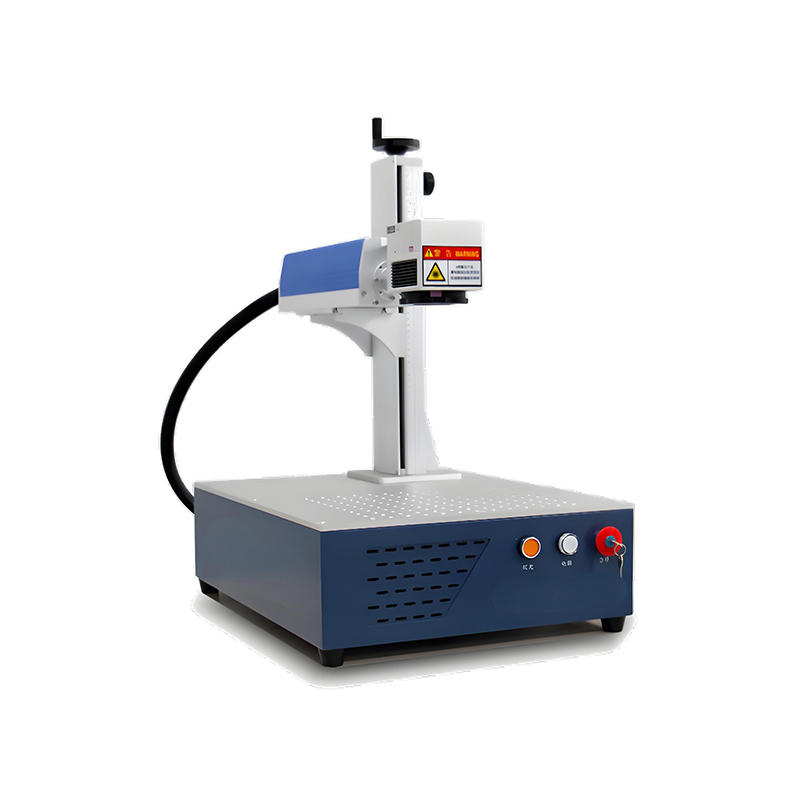
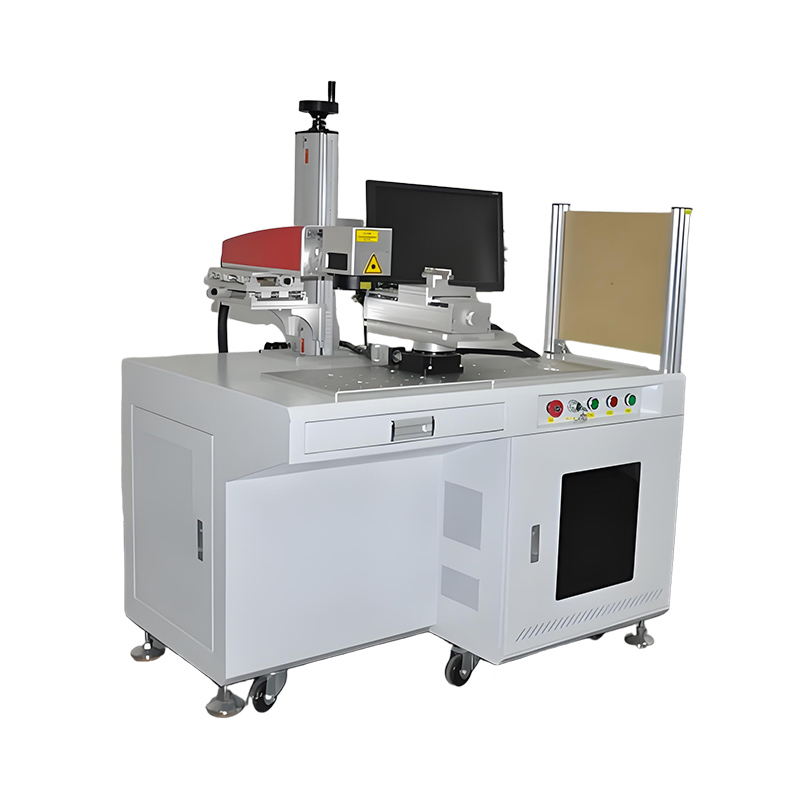
As consumer electronics continue to evolve toward thinner, lighter, and more miniaturized designs, the demand for ultra-precise and efficient manufacturing processeshas never been greater. Laser drilling technologyhas emerged as a critical enabler in this transformation, allowing manufacturers to create micro-sized holesin materials like PCBs, glass, and flexible substrateswith unprecedented accuracy.
Recent optimizations in consumer electronics laser drilling equipmenthave led to significant advancements in precision, speed, and material adaptability, paving the way for next-generation devicessuch as foldable smartphones, ultra-thin laptops, and advanced wearables. This article explores these key improvements and their impact on the future of consumer electronics.
1. Enhanced Precision: Micro-Drilling at the Nanoscale
One of the most critical advancements in laser drilling is improved accuracy, enabling the creation of holes as small as 20–50 microns—essential for high-density interconnects (HDIs) in PCBsand miniaturized components in wearables.
Key Improvements:
✔ Femtosecond & Picosecond Lasers– Ultra-short pulse lasers minimize heat-affected zones (HAZ), reducing material damage and improving hole quality.
✔ Advanced Beam Steering & Focusing– Real-time beam control ensures consistent hole diameter and depth, even on curved or flexible surfaces.
✔ AI-Powered Process Optimization– Machine learning algorithms adjust laser parameters dynamically for zero-defect drilling.
These enhancements allow manufacturers to produce smaller vias, finer pitch components, and more complex circuitry—key drivers of slimmer and more powerful devices.
2. Faster Drilling Speeds: Boosting Production Efficiency
As consumer electronics demand higher volumes with shorter lead times, laser drilling equipment has undergone speed optimizationswithout compromising quality.
Key Advancements:
✔ Galvo-Scanning Systems– High-speed laser beam steering enables rapid hole drilling (up to 100,000 holes/sec)while maintaining precision.
✔ Multi-Beam & Parallel Processing– Advanced systems use multiple laser beamsto drill multiple holes simultaneously, significantly increasing throughput.
✔ Real-Time Quality Inspection– Integrated optical coherence tomography (OCT) and machine visiondetect defects instantly, reducing rework and downtime.
These speed improvements allow mass production of high-density PCBs and micro-perforated displays(e.g., for under-display cameras and foldable screens).
3. Greater Material Adaptability: Drilling Through the Impossible
Modern consumer electronics use a wide range of materials, including glass, ceramics, flexible polymers, and ultra-thin metals. Recent optimizations have expanded laser drilling’s compatibility with these materials.
Key Breakthroughs:
✔ Glass & Sapphire Drilling– Ultrafast lasers now enable clean, burr-free drilling in Gorilla Glass and sapphire(used in smartphone covers and wearables).
✔ Flexible & Stretchable Substrates– Improved laser control allows drilling on polyimide (PI) and ultra-thin copper foilswithout cracking or delamination.
✔ Multi-Material Stacks– Advanced systems can drill through multi-layer PCBs, metal-coated glass, and hybrid compositesin a single pass.
These capabilities support innovations like foldable phones, transparent displays, and implantable medical electronics.
4. Driving the Future: Thinner, Smarter, and More Connected Devices
The optimizations in laser drilling technology are directly contributing to the development of next-gen consumer electronics, including:
📱 Foldable & Rollable Smartphones– Micro-holes for flexible hinges and under-display sensors.
💻 Ultra-Thin Laptops & Tablets– High-density interconnects for lighter yet more powerful devices.
🎧 Advanced Wearables– Miniaturized vias for biometric sensors and energy-efficient circuits.
🚗 Smart Glasses & AR/VR Headsets– Precision drilling for micro-displays and lightweight frames.
Conclusion
The transformative optimizations in consumer electronics laser drilling—including higher precision, faster speeds, and broader material compatibility—are redefining what’s possible in device design. As manufacturers push the limits of miniaturization, flexibility, and performance, laser drilling will remain at the forefront of next-generation electronics manufacturing.
Key Takeaways:
✅ Femtosecond lasers & AI optimizationenable nano-scale precision.
✅ Multi-beam & galvo-scanningboost drilling speeds for mass production.
✅ Advanced material handlingsupports glass, flexibles, and multi-layer stacks.
✅ These advancements drivefoldable phones, wearables, and ultra-thin devices.
The future of consumer electronics is smaller, smarter, and more connected—thanks to laser drilling innovation.
Google SEO Keywords:
laser drilling consumer electronics, micro drilling PCB, femtosecond laser PCB, ultra-thin device manufacturing, high-speed laser drilling, flexible substrate drilling, AI in laser manufacturing, next-gen electronics, foldable phone technology, wearables manufacturing