
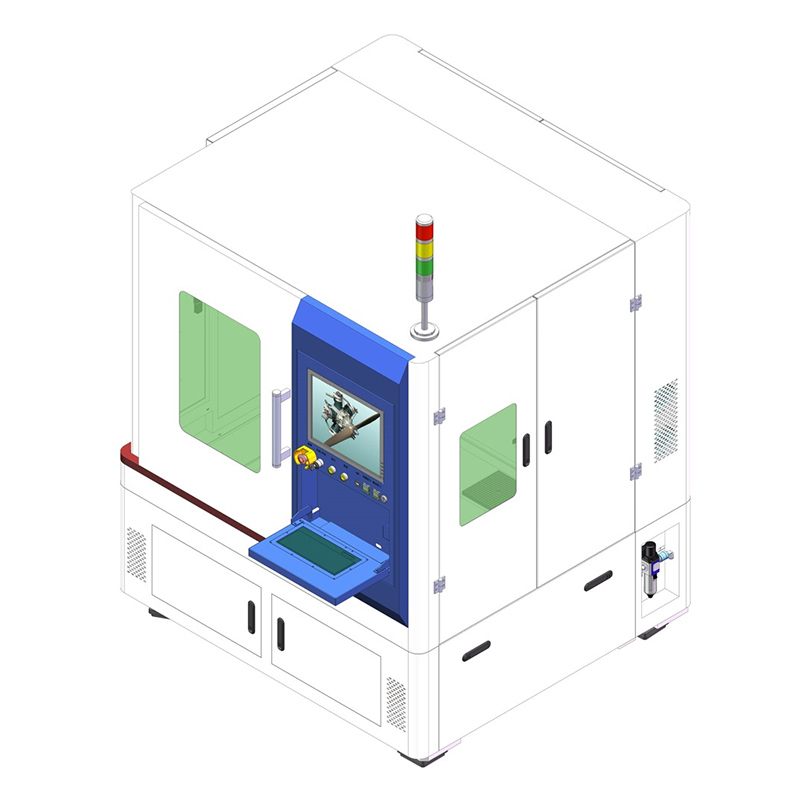
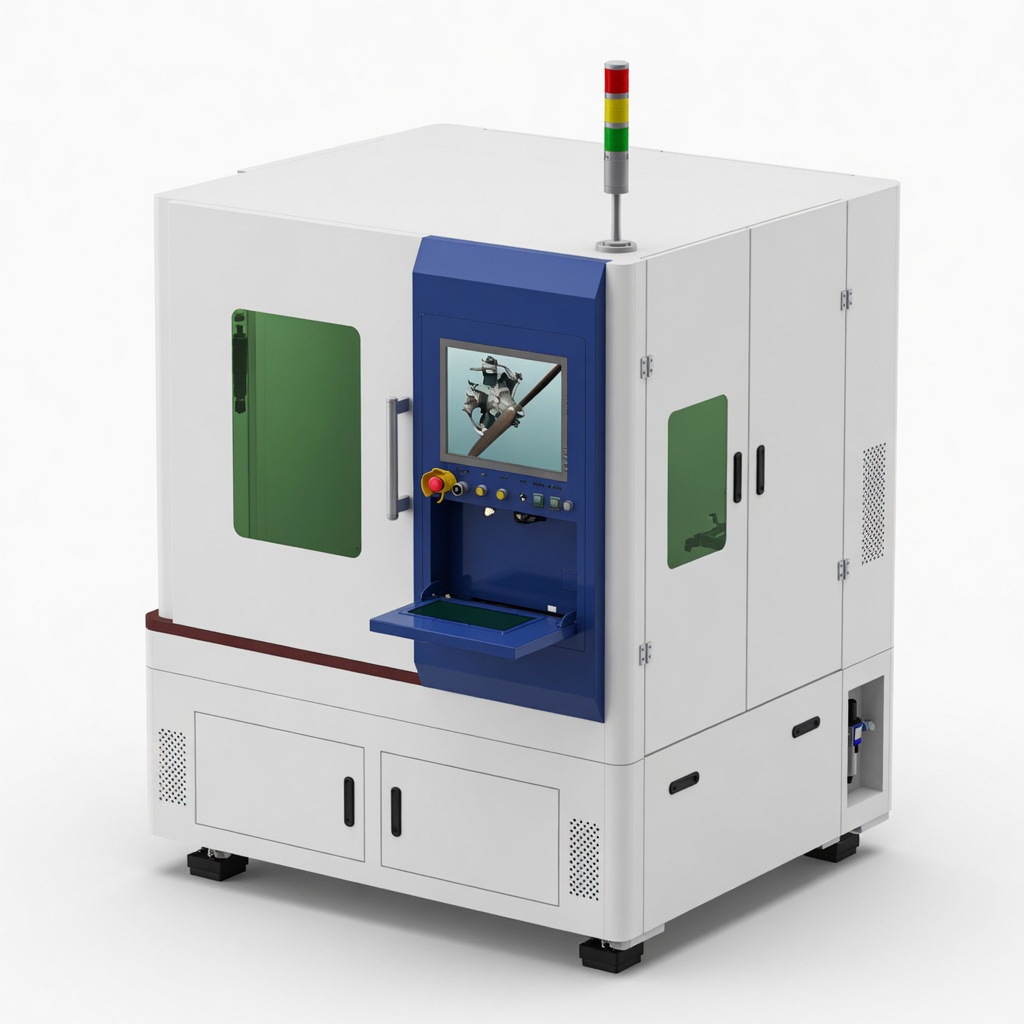
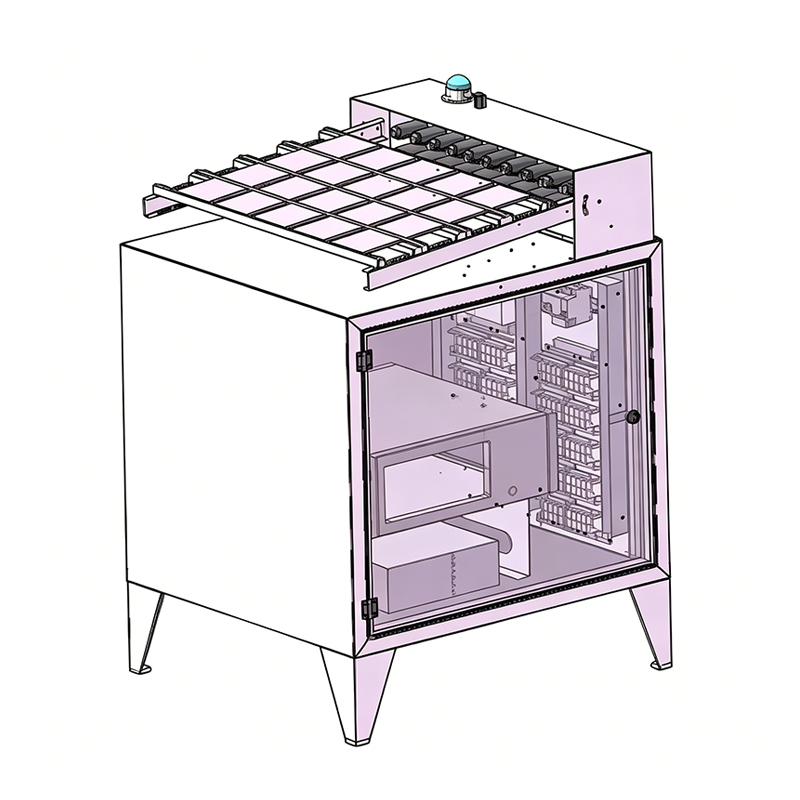
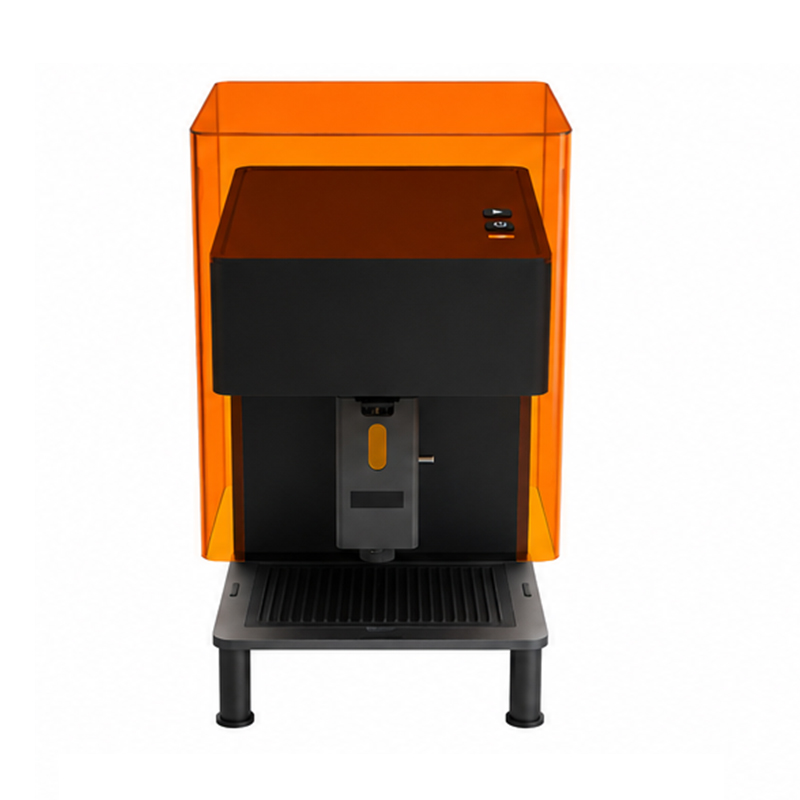
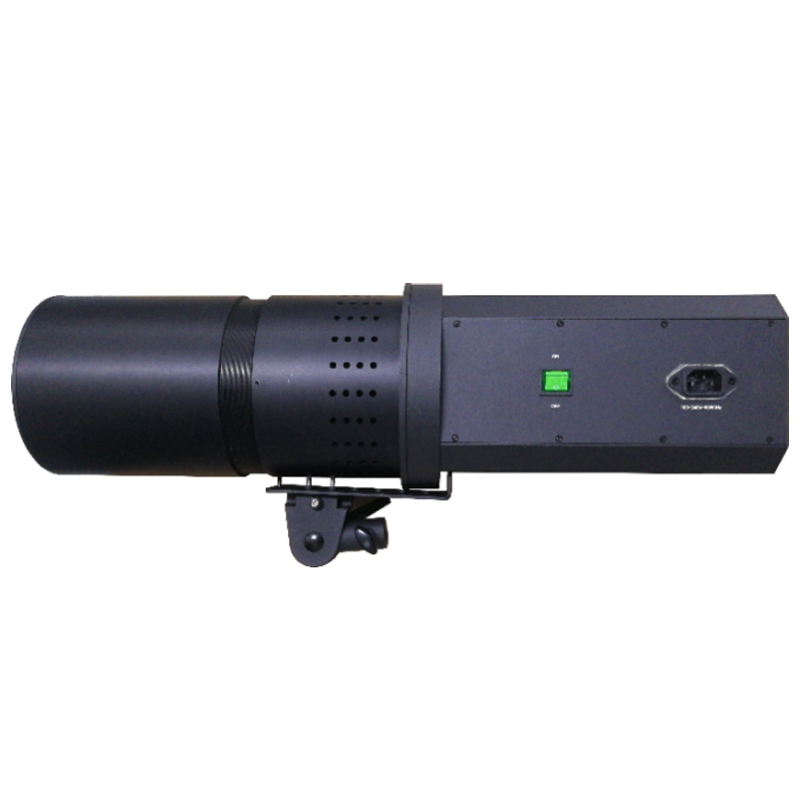
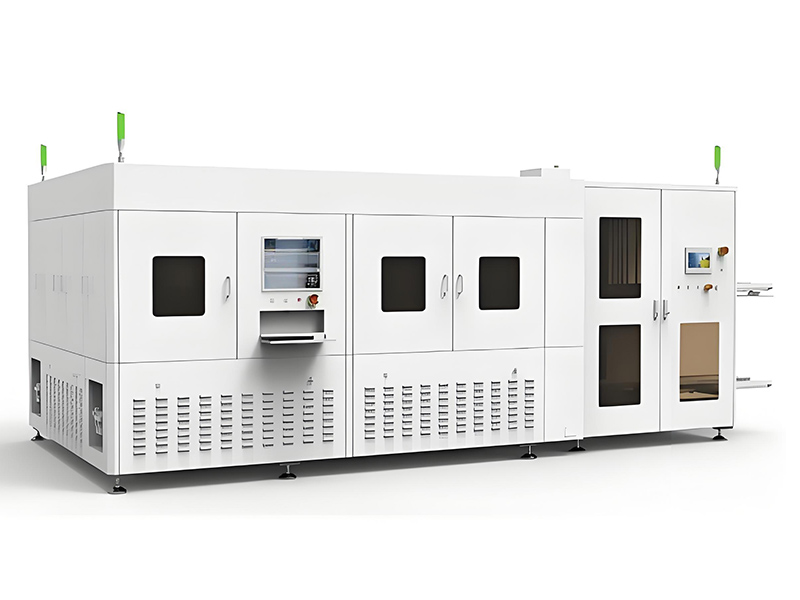
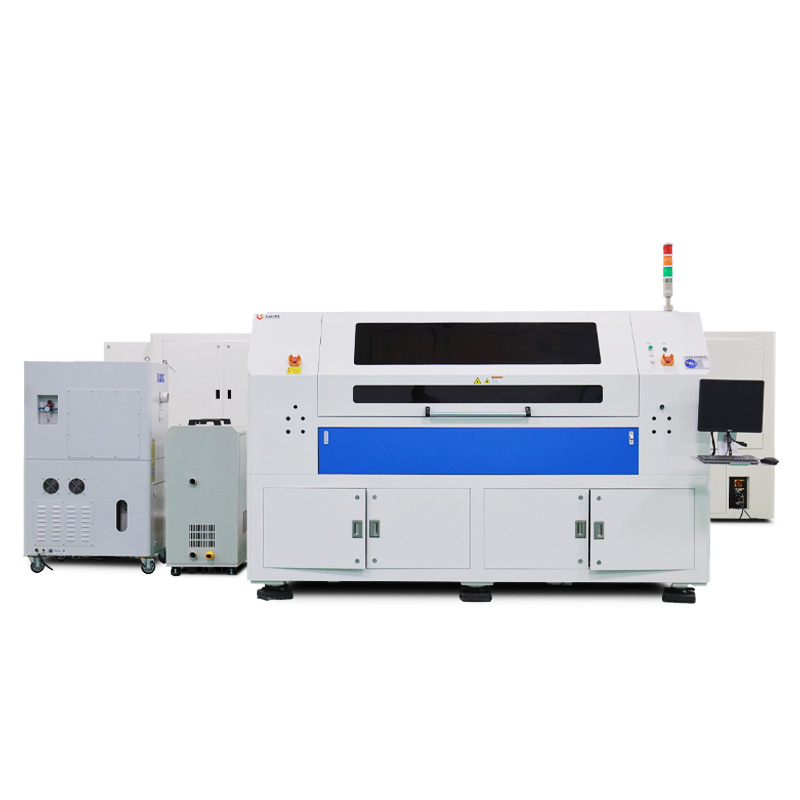
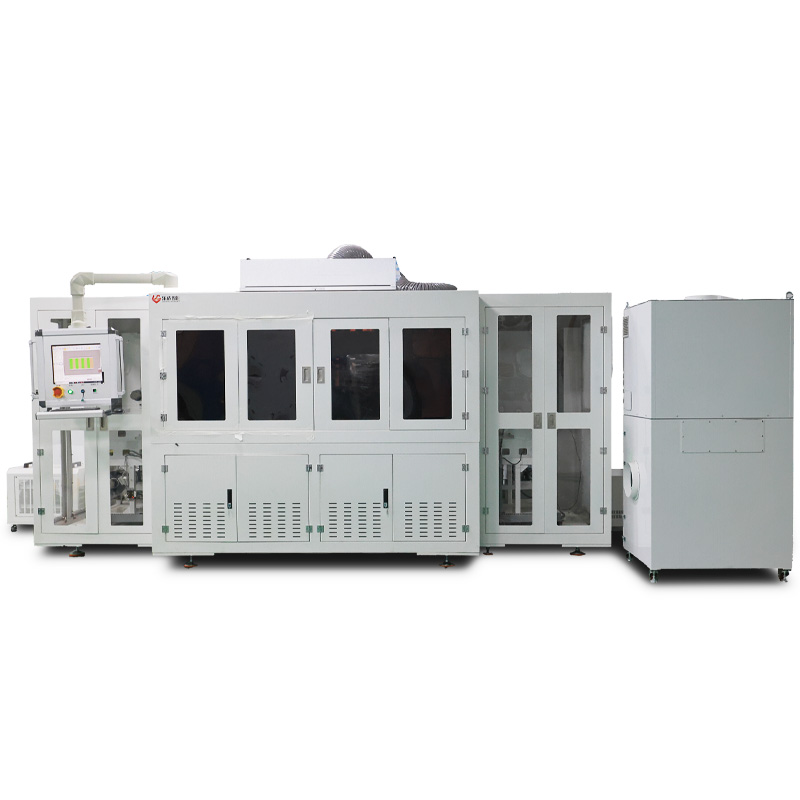
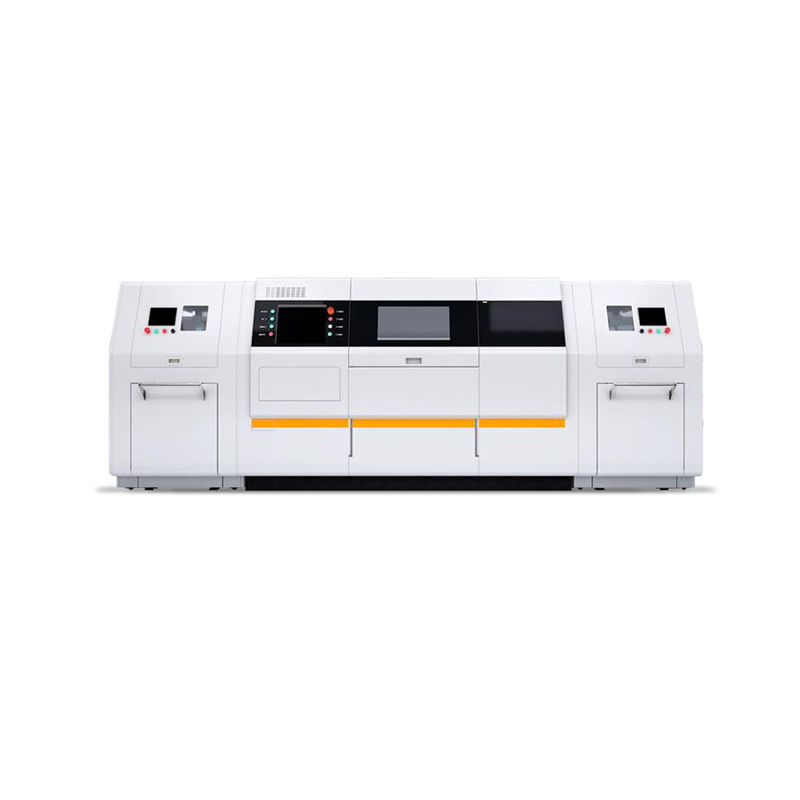
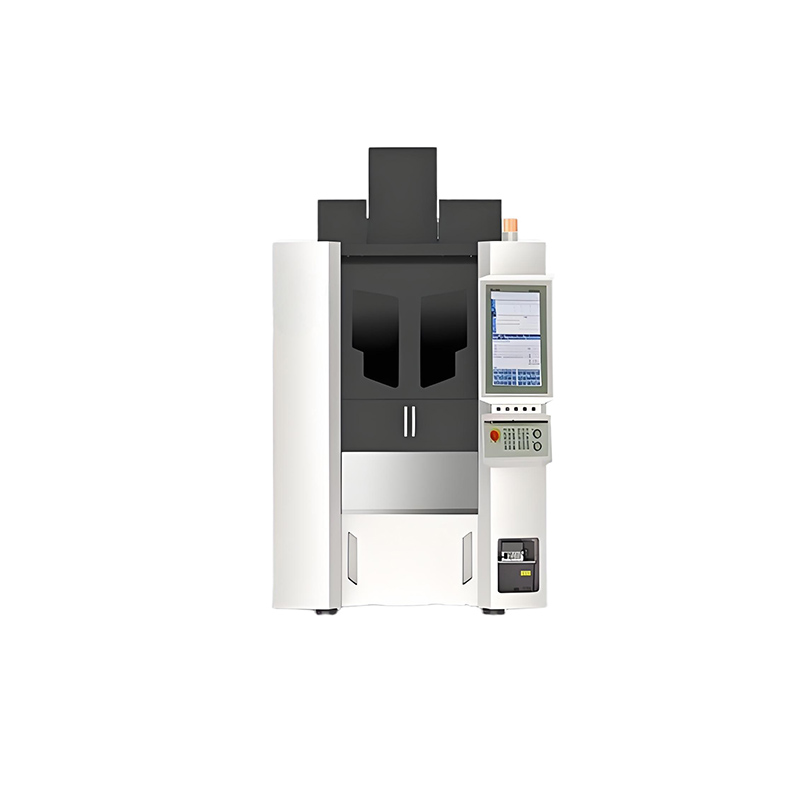
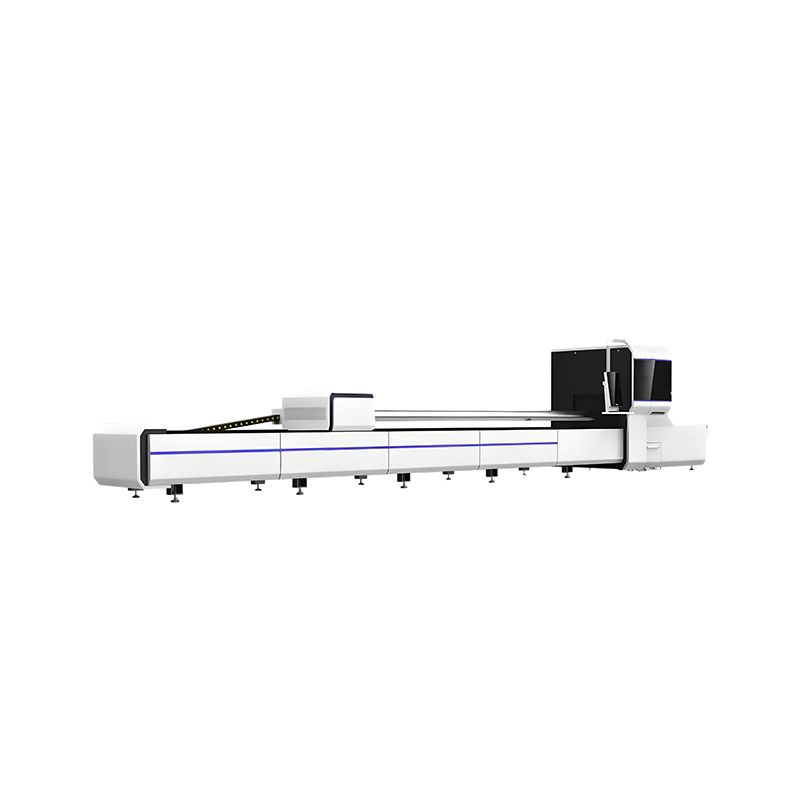
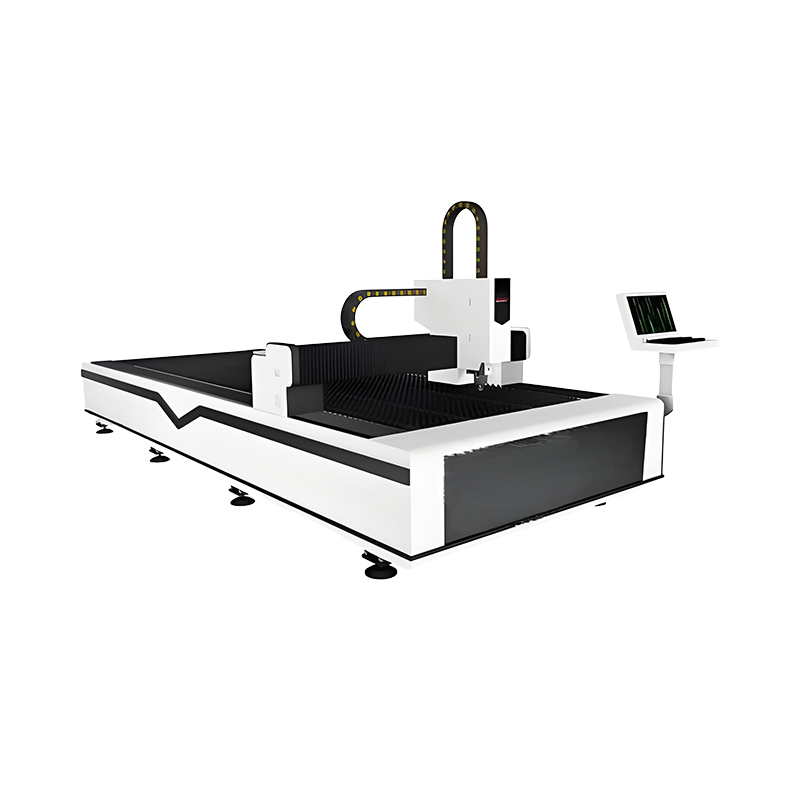
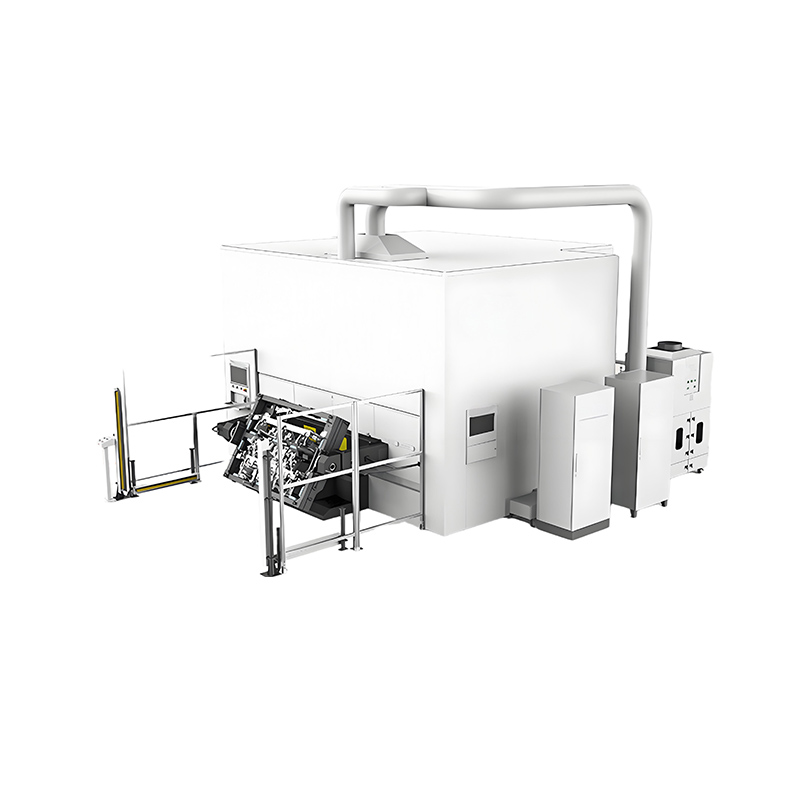
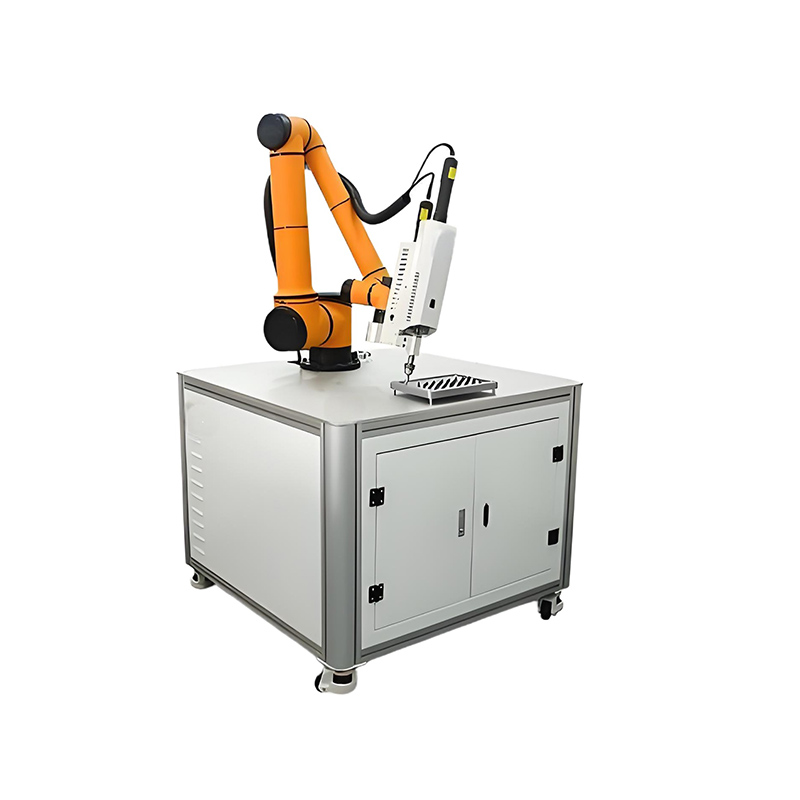
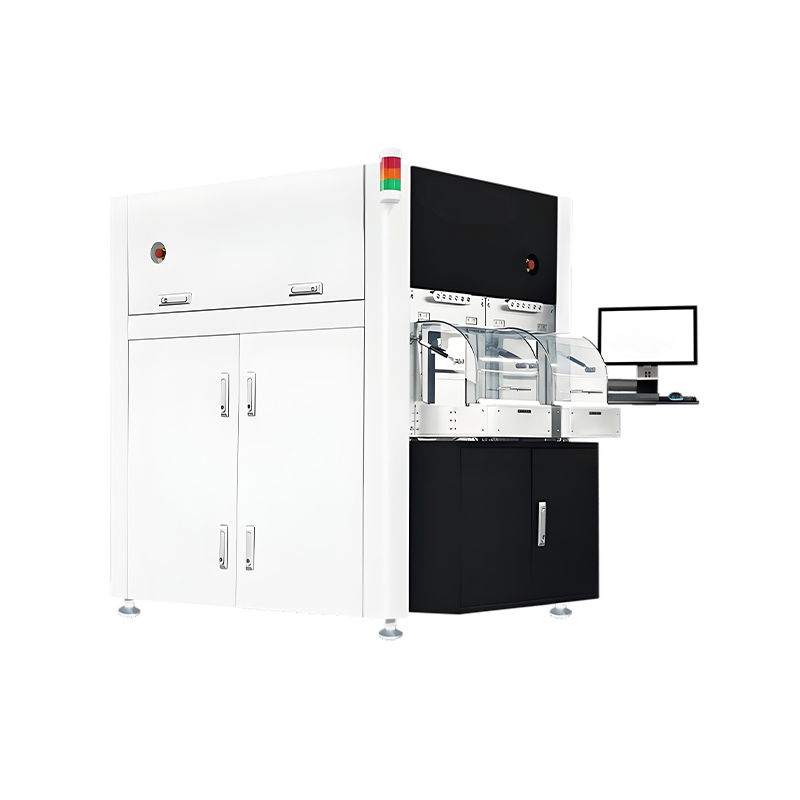
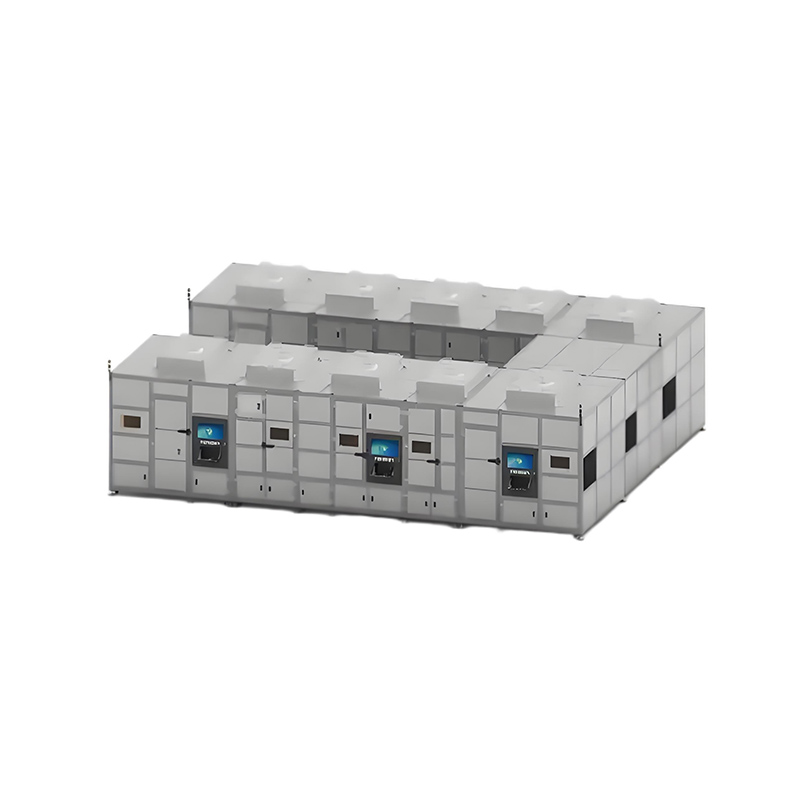
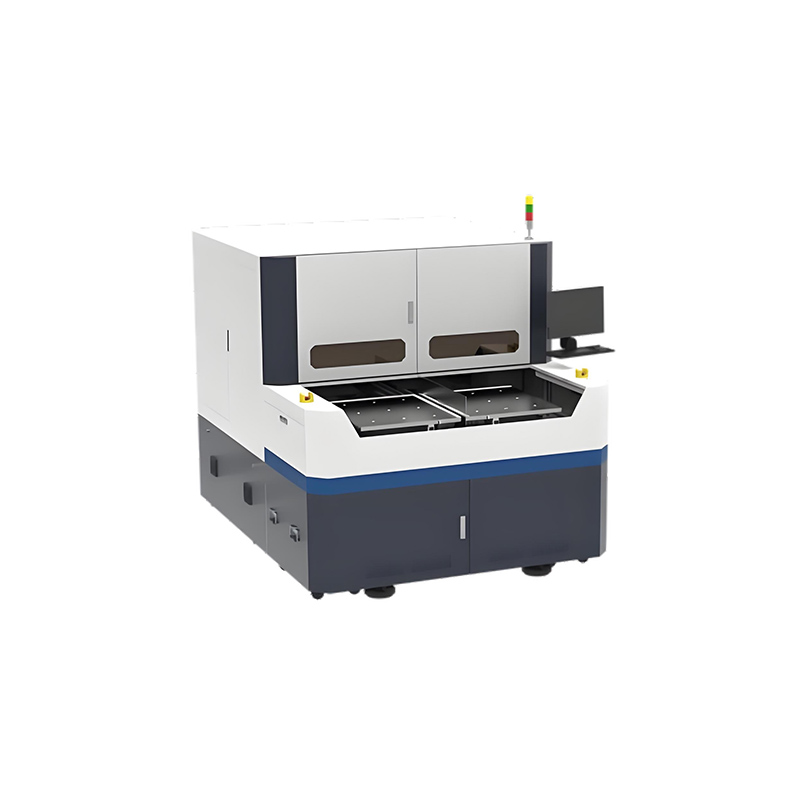
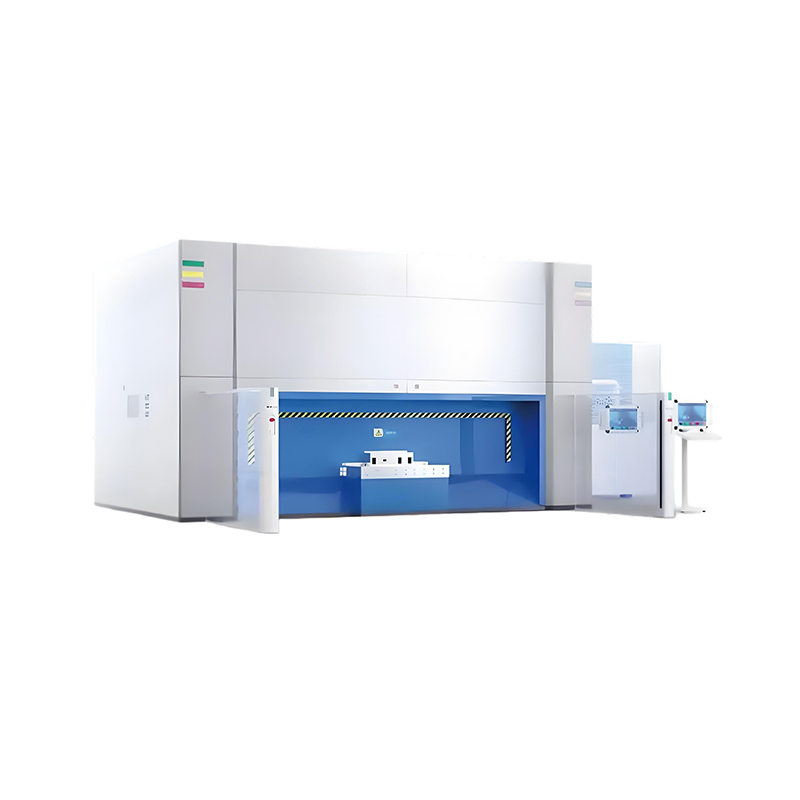
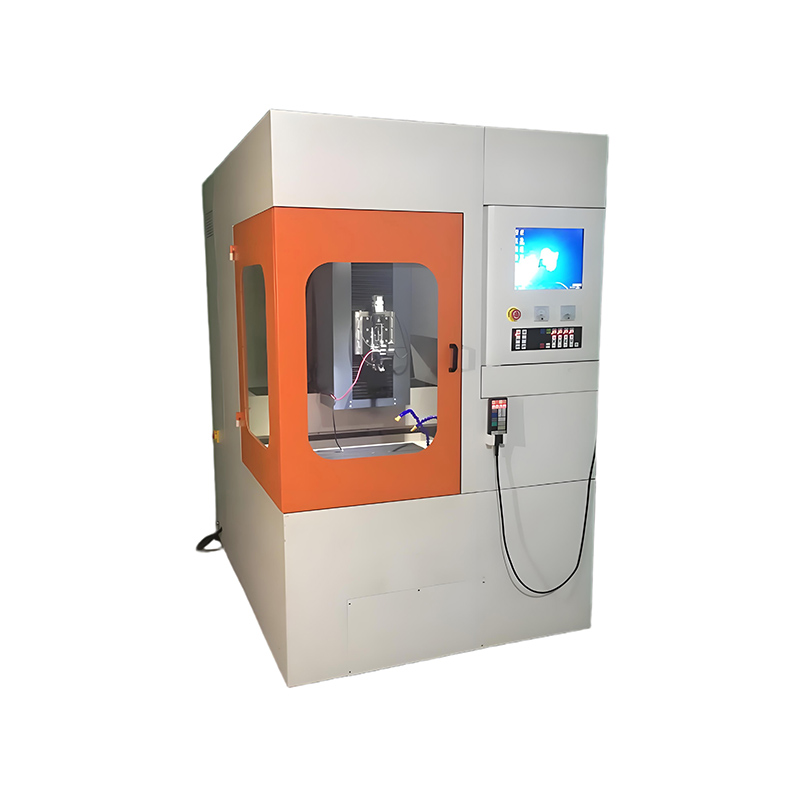
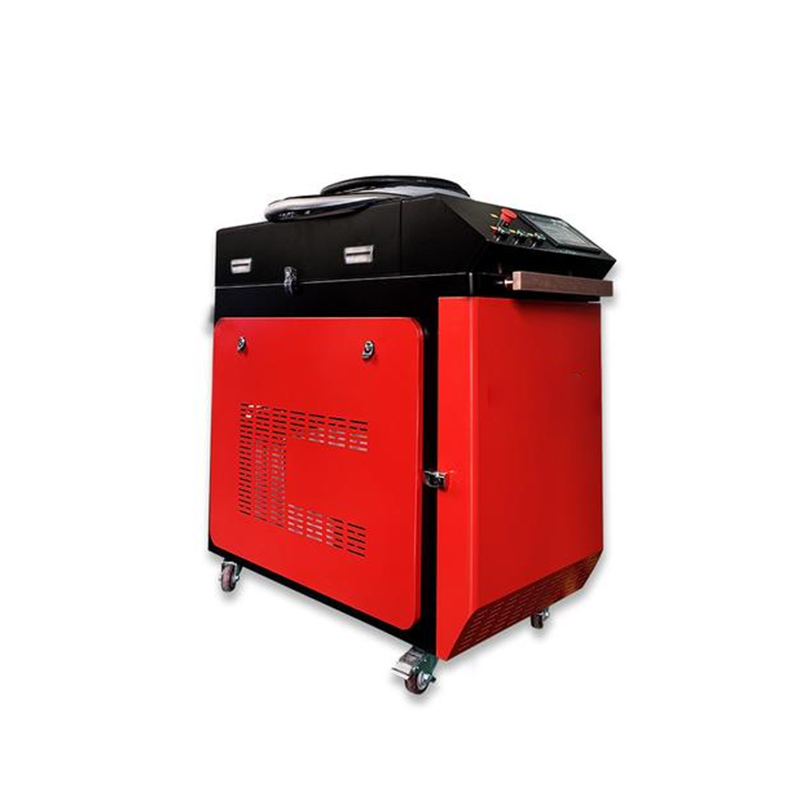
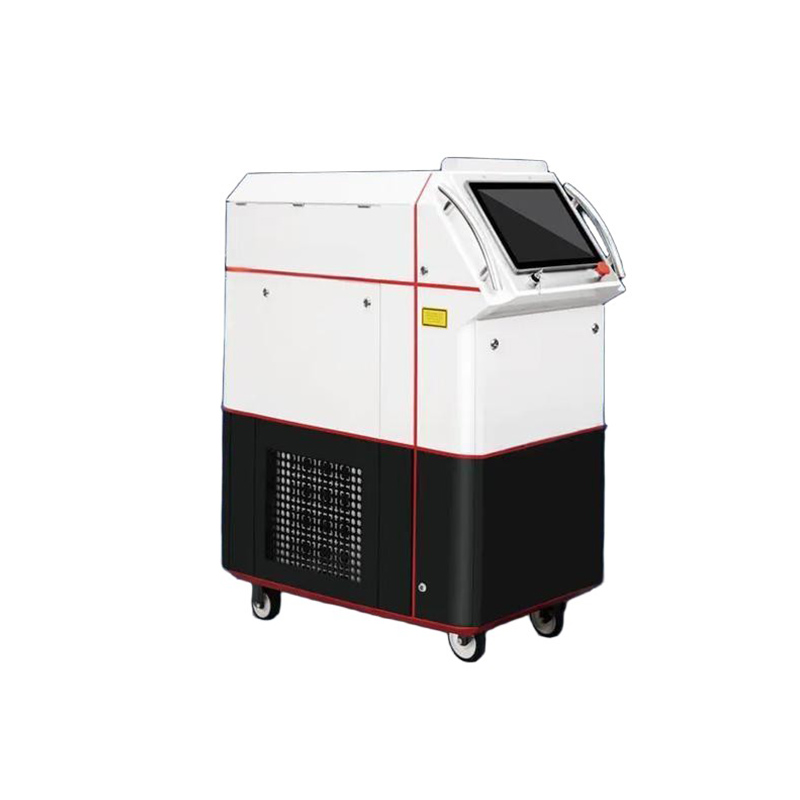
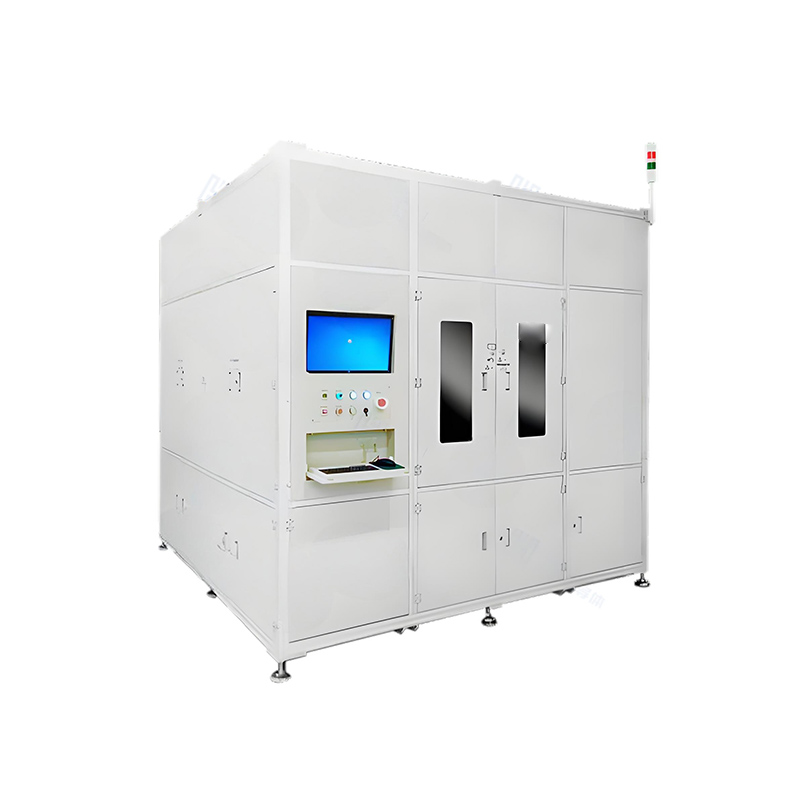
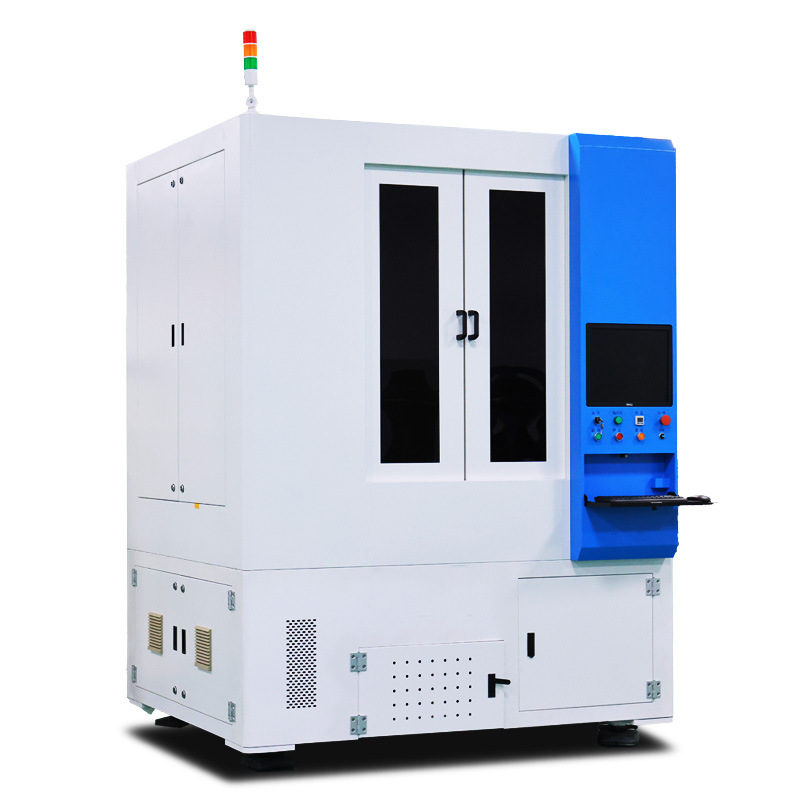
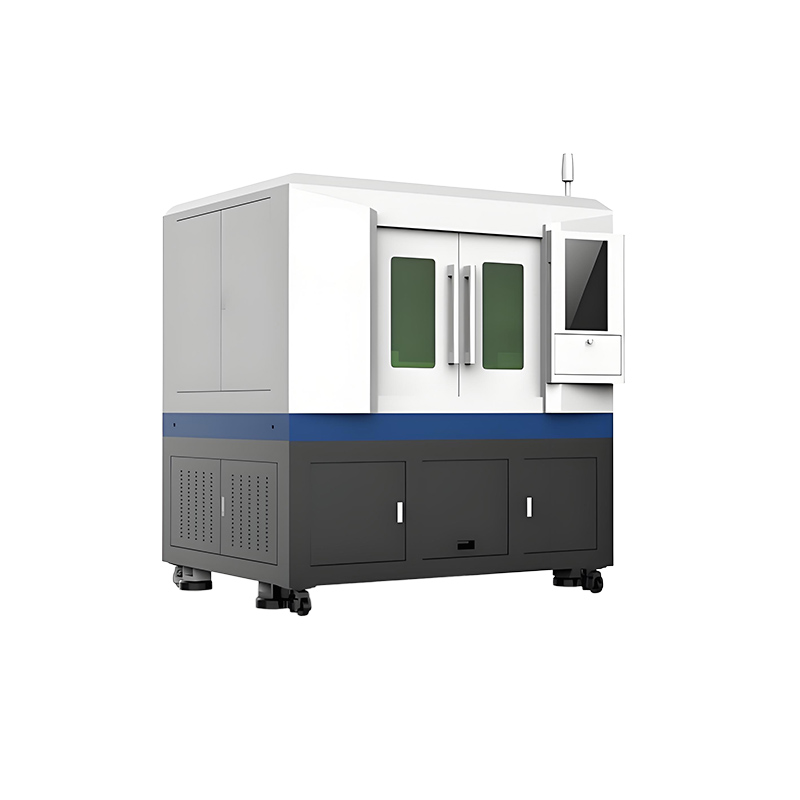
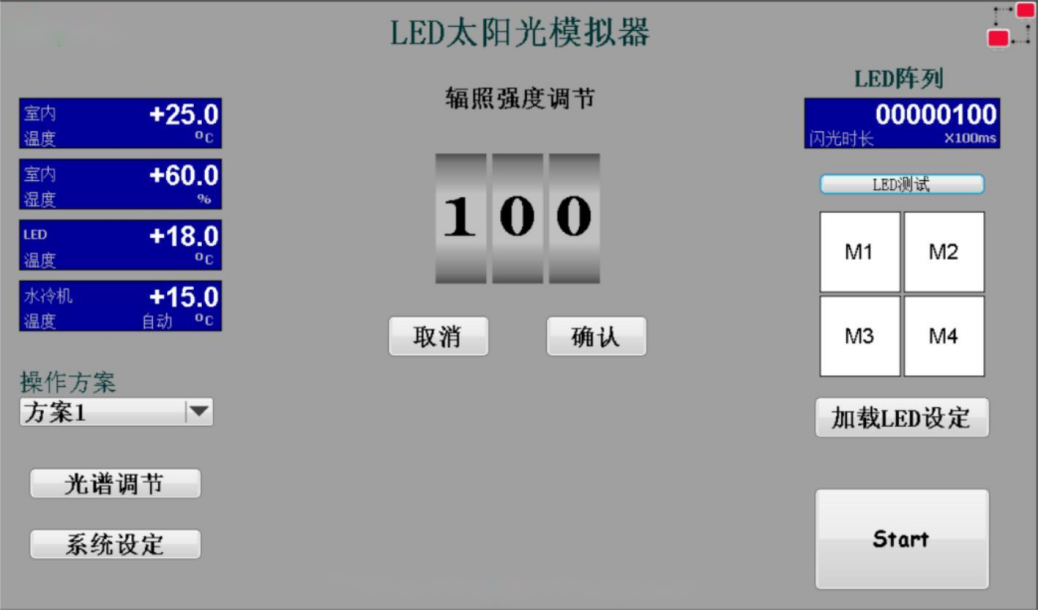
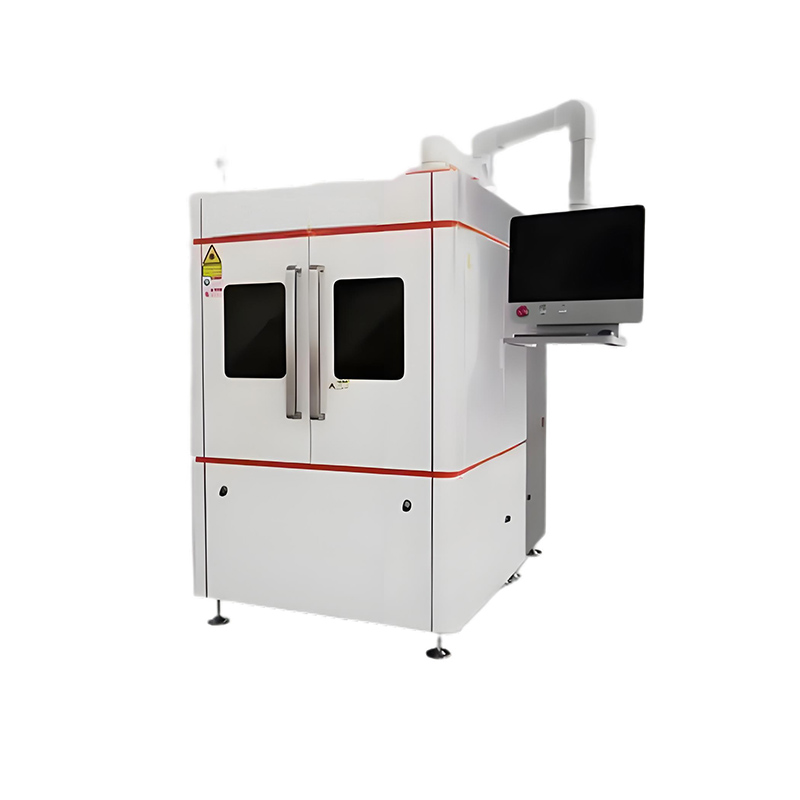
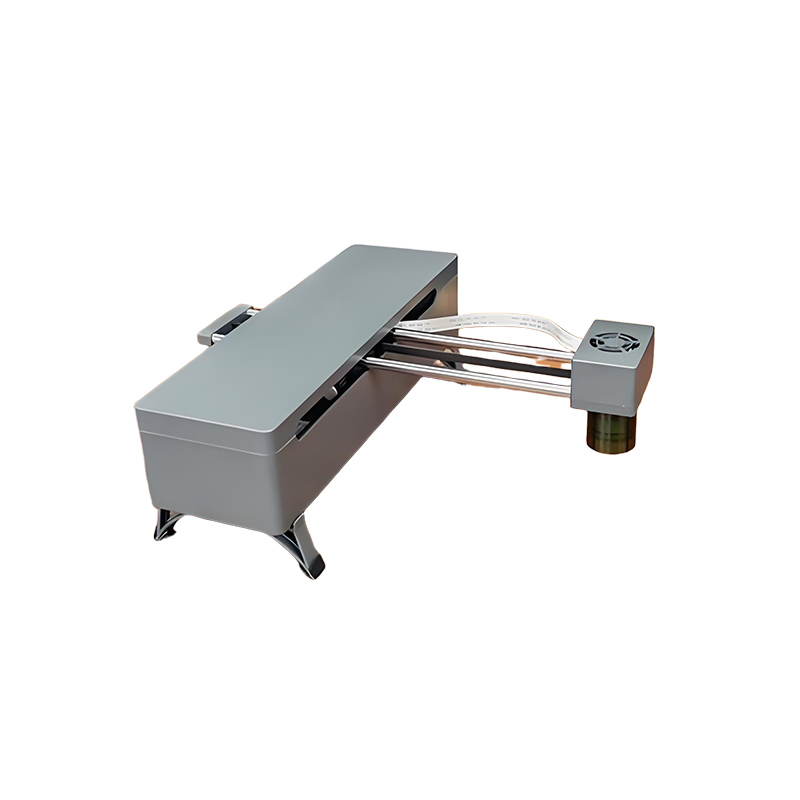

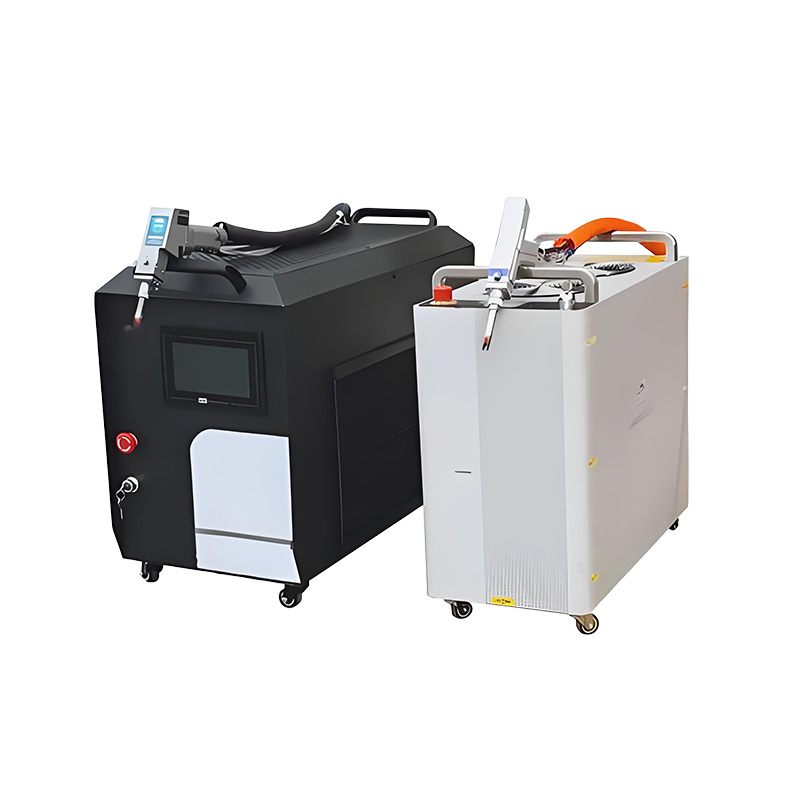
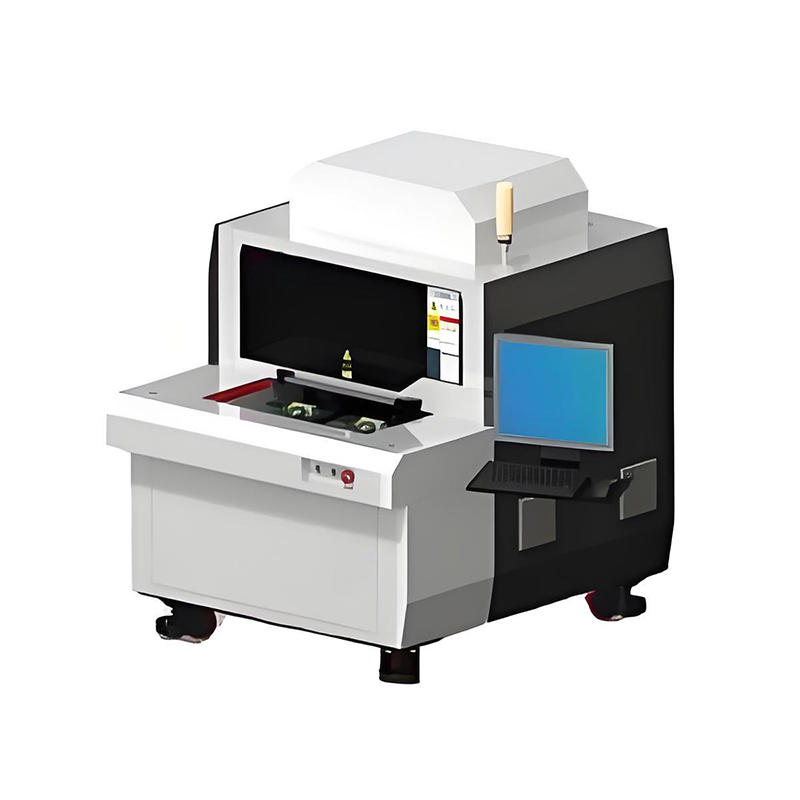
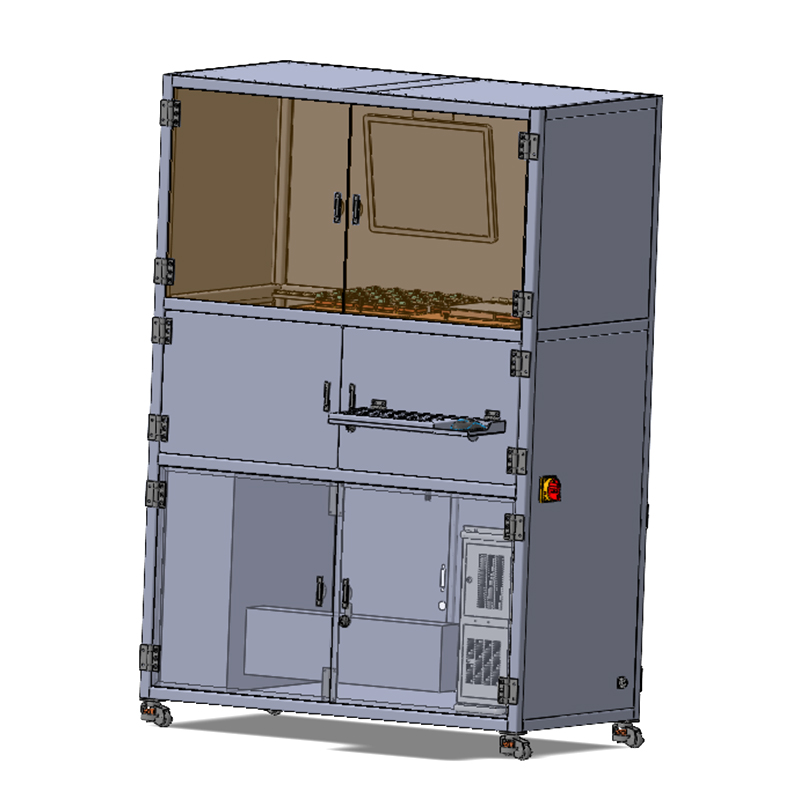
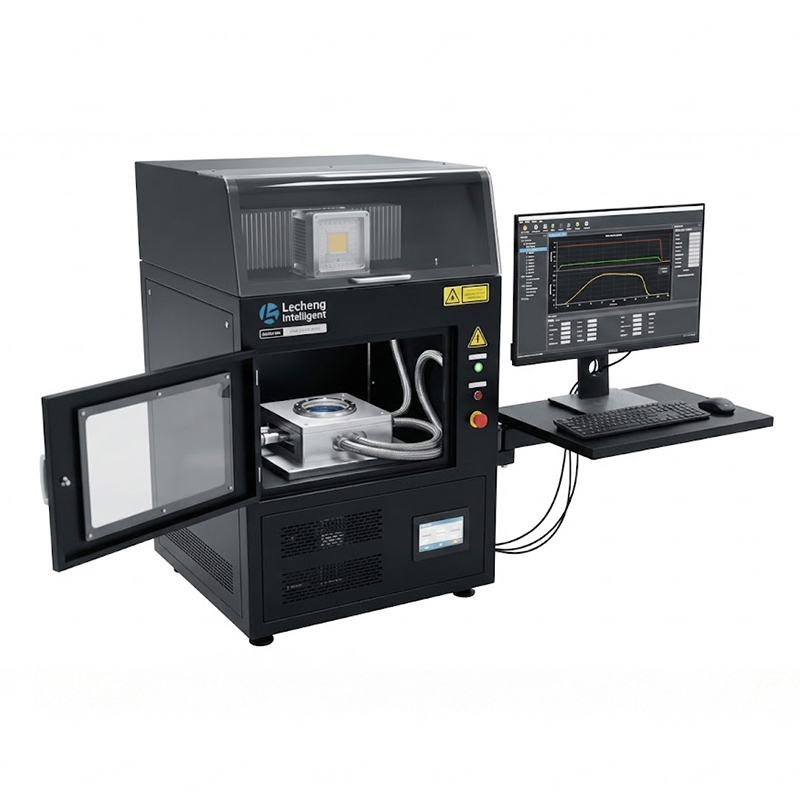
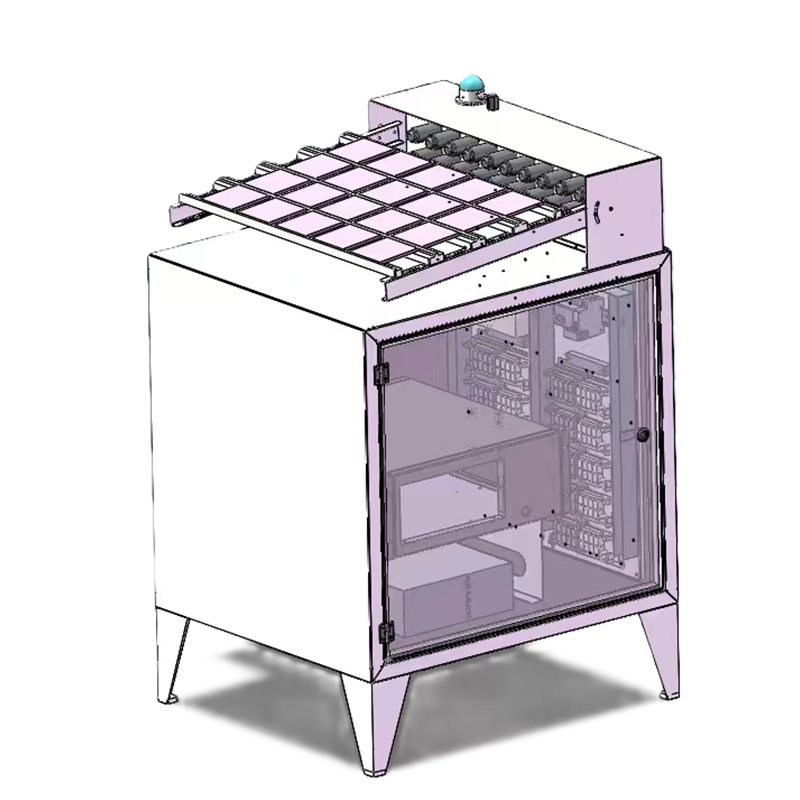
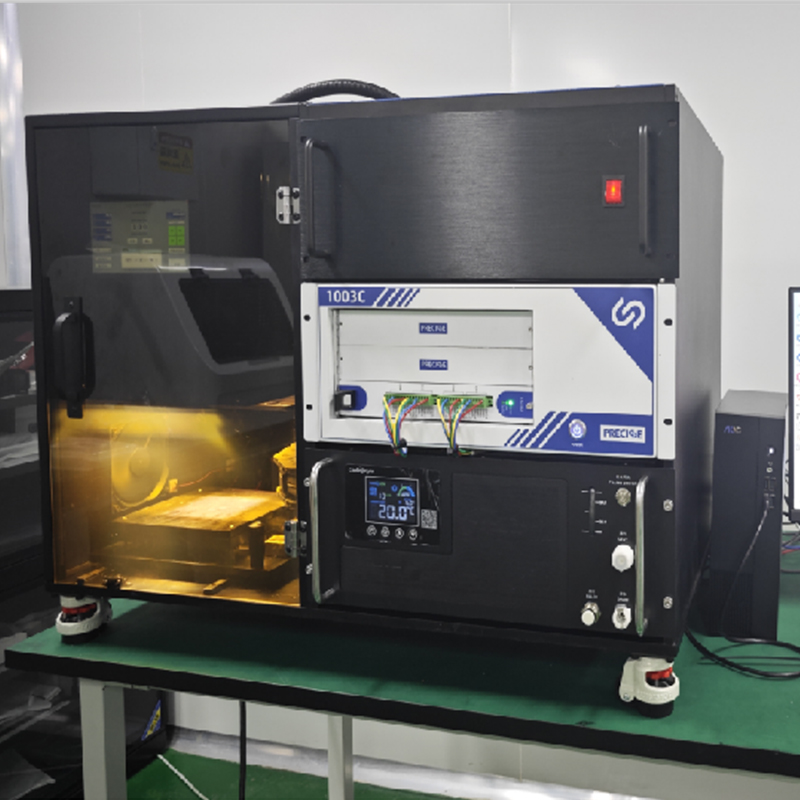
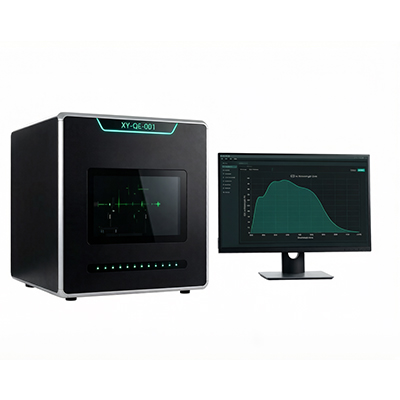
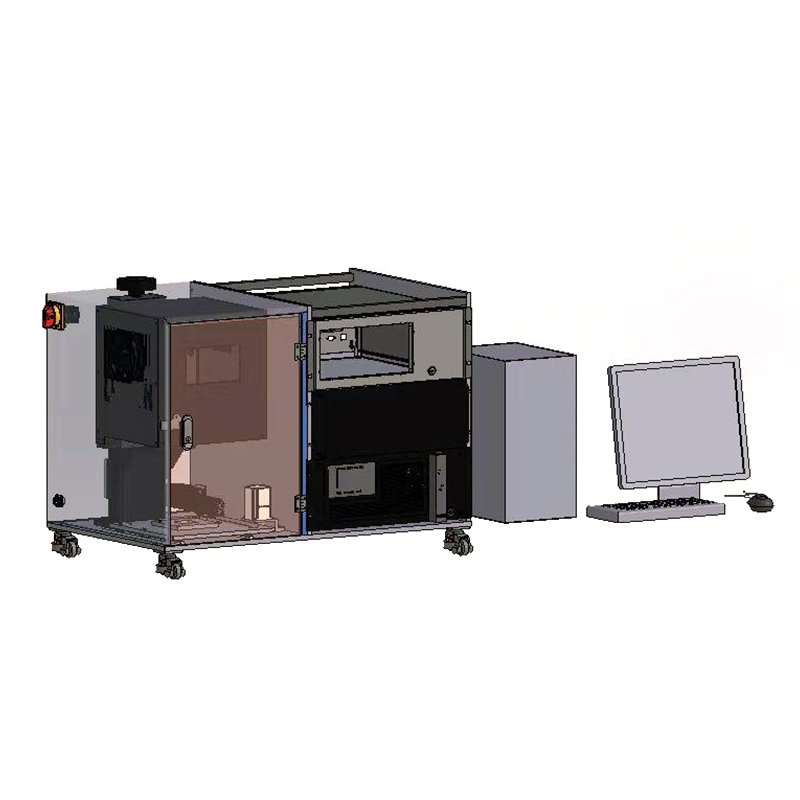
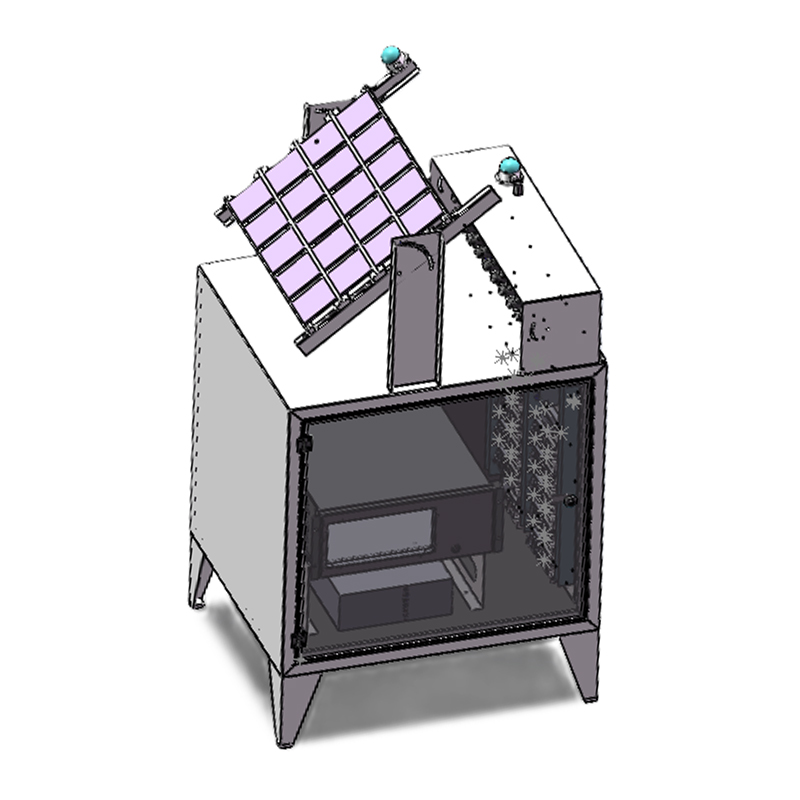
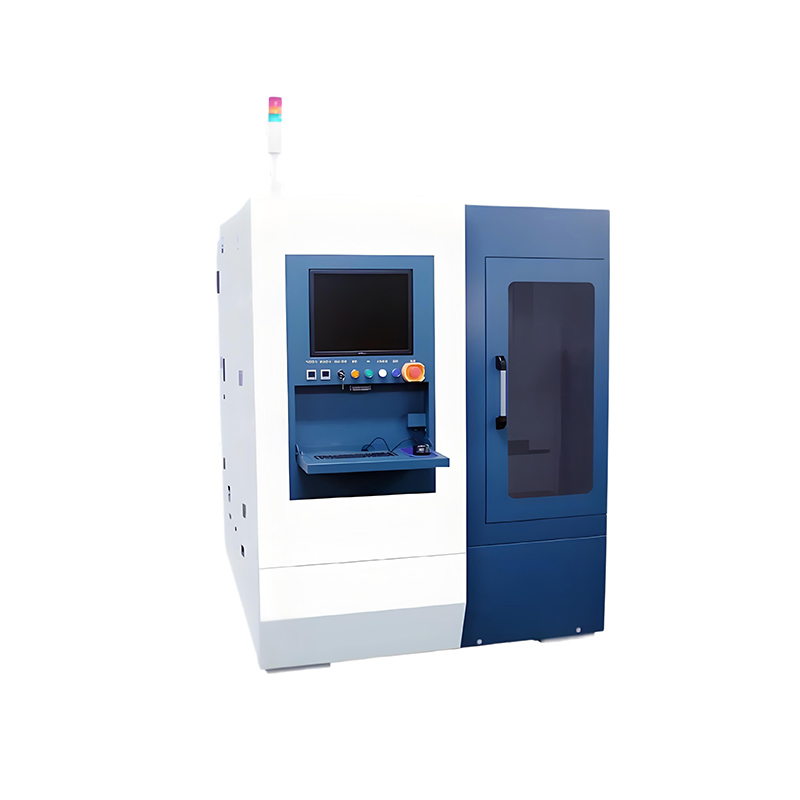
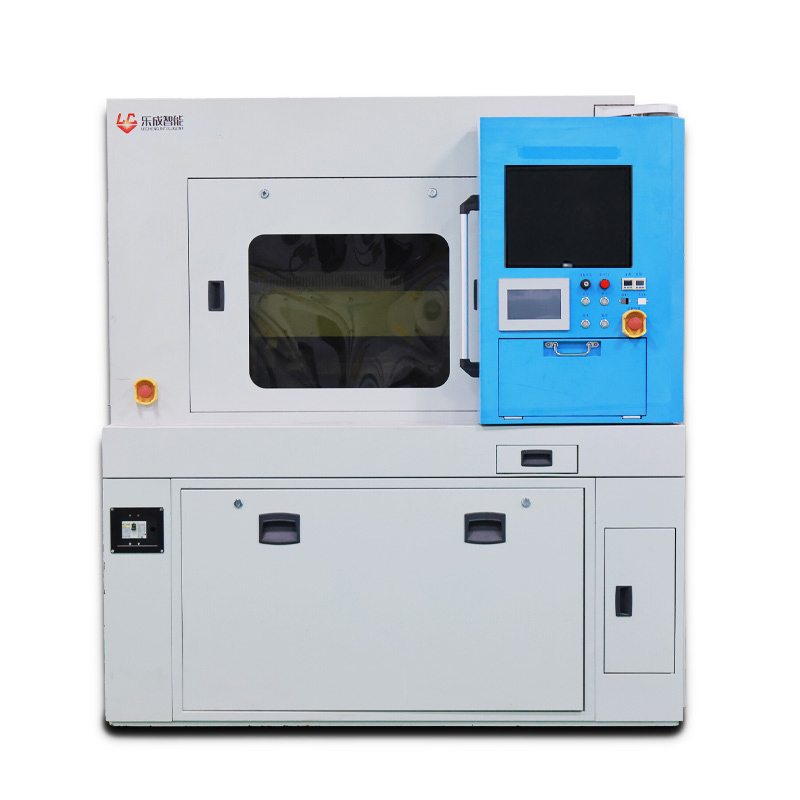

In today’s fast-growing solar energy market, the performance and reliability of PV modules can make or break a project’s success. Even a minor defect or inefficiency in a solar panel can lead to significant energy losses and higher operational costs over time. That’s where LE-LASER’s PV Module Steady-State Testing System comes in—a proven, cutting-edge solution designed to maximize solar module efficiency and ensure peak performance.
Unlike traditional testing methods, steady-state testing evaluates solar panels under consistent lighting and environmental conditions, providing accurate, real-world performance data. With multi-channel testing capabilities, this system allows manufacturers and research labs to test multiple modules simultaneously, saving time, reducing errors, and improving overall productivity.
Whether you are a solar panel manufacturer, research lab, or EPC project manager, understanding the true performance of your PV modules is critical. LE-LASER’s advanced testing equipment not only detects hidden defects but also guarantees compliance with international standards, ensuring that every module delivered performs flawlessly.
In this article, we’ll uncover the secret to achieving unmatched PV module efficiency, explore the key features of multi-channel testing equipment, and explain why LE-LASER is the best choice for modern solar testing.
The solar energy revolution is accelerating, and ensuring the maximum efficiency of PV modules is no longer optional—it’s essential. Imagine a world where solar panels perform at their peak potential, reducing energy losses and skyrocketing ROI. This is not a futuristic dream—it's now possible with LE-LASER’s PV Module Steady-State Testing System, the proven solution for multi-channel solar testing.
In this guide, we’ll reveal everything you need to know about solar module testing, why steady-state testing is a game-changer, and how LE-LASER’s advanced technology can dramatically improve your solar project outcomes.
Why PV Module Testing is Critical for Solar Efficiency
When it comes to solar panels, not all modules are created equal. Even the smallest defects can lead to significant energy losses. PV module testing ensures:
Accurate measurement of electrical performance
Detection of manufacturing defects
Compliance with industry standards (IEC, ISO, etc.)
Optimization for long-term durability
According to recent studies, improperly tested solar modules can lose up to 10% of their efficiency—a shocking figure when scaled across a solar farm. With LE-LASER’s multi-channel testing equipment, you can catch these issues before installation, saving thousands in operational costs.
What is Steady-State Testing for PV Modules?
Steady-state testing evaluates a solar module under constant lighting and environmental conditions, simulating real-world performance. Unlike flash testing, which measures instantaneous output, steady-state testing provides a realistic performance curve over time, allowing engineers to understand:
True power output under various loads
Performance at different irradiance levels
Module thermal stability
Long-term energy yield predictions
LE-LASER’s system takes this to the next level with multi-channel capabilities, enabling simultaneous testing of multiple modules for unmatched efficiency and accuracy.
Key Features of LE-LASER PV Module Steady-State Testing System
Here’s why LE-LASER stands out in the solar testing market:
Multi-Channel Testing
Test multiple PV modules simultaneously, reducing testing time and increasing throughput. Perfect for large-scale solar manufacturers.High Precision & Accuracy
Advanced sensors and calibration ensure repeatable, industry-compliant results.Automated Data Acquisition
Capture real-time voltage, current, and power curves automatically, reducing human error and streamlining reporting.User-Friendly Interface
Modern software makes it easy to analyze results, generate reports, and track module performance over time.Scalable Design
Whether you test a few modules or hundreds, the system scales to your production and lab needs.IEC and International Standards Compliant
Ensure global market acceptance for all tested modules.
Benefits of Multi-Channel Solar Testing Equipment
Investing in LE-LASER’s steady-state testing system comes with undeniable benefits:
Time Efficiency: Test multiple PV modules at once, saving hours or even days.
Cost Savings: Early detection of defects reduces returns and warranty claims.
Data-Driven Decisions: Detailed insights allow engineers to optimize module selection and installation.
Reliability Assurance: Confidence that modules will perform as expected under real-world conditions.
Competitive Edge: Deliver higher-quality solar modules faster than competitors.
How LE-LASER Outperforms Competitors
Unlike traditional PV module testers, LE-LASER offers cutting-edge multi-channel technology combined with automated precision measurement, making it the best choice for solar manufacturers, labs, and research facilities.
Other systems often struggle with:
Single-module testing
Manual data entry errors
Long testing times
Limited compatibility with modern PV module sizes
LE-LASER eliminates these issues with innovative engineering and intuitive software, delivering faster, more reliable results.
Proven Applications in the Solar Industry
LE-LASER PV Module Testing Systems are trusted in:
Solar Manufacturing Facilities: Ensure quality before shipping.
Research & Development Labs: Test new PV technologies under controlled conditions.
Solar EPC Projects: Optimize module selection for maximum energy output.
Quality Assurance Departments: Maintain compliance with global standards.
Whether you’re building the next mega solar farm or innovating in PV tech, steady-state testing is the secret to higher efficiency and reliability.
Choosing the Right System for Your Needs
When selecting a PV module steady-state testing system, consider:
Number of Channels: How many modules will you test simultaneously?
Module Sizes: Ensure compatibility with mono- and poly-crystalline modules.
Software Capabilities: Look for automation, data logging, and reporting features.
Compliance Standards: Must meet IEC, ISO, or regional testing regulations.
Support & Maintenance: Reliable vendor support reduces downtime.
LE-LASER meets all these criteria, offering a future-proof investment for your solar operations.
FAQs About PV Module Steady-State Testing
Q1: What is the difference between flash testing and steady-state testing?
A: Flash testing measures a module’s instantaneous output under a short light pulse, while steady-state testing evaluates real-time performance under constant lighting. Steady-state testing provides more accurate long-term performance data.
Q2: How many modules can be tested simultaneously?
A: LE-LASER multi-channel systems support testing of multiple modules, typically up to 8 or more channels, depending on the model.
Q3: Why is multi-channel testing important?
A: It dramatically reduces testing time, allows batch quality control, and improves data reliability across multiple modules.
Q4: Are the test results compliant with international standards?
A: Yes, LE-LASER systems adhere to IEC 61215, IEC 61730, and other major international standards.
Q5: Can this system detect micro-defects in PV modules?
A: Absolutely. High-precision sensors and automated software detect minor electrical inconsistencies, enabling early intervention.
Conclusion:
In the rapidly evolving solar industry, every watt of energy matters, and the efficiency of PV modules directly affects your bottom line. LE-LASER’s PV Module Steady-State Testing System is not just a testing tool—it’s a game-changing solution that ensures your solar panels perform at their absolute best. By combining precision measurement, automated data analysis, and multi-channel testing, it allows manufacturers, research labs, and EPC project managers to detect hidden defects, optimize performance, and guarantee long-term reliability.
Steady-state testing delivers real-world performance insights, far beyond what traditional flash testing can provide. With LE-LASER, you gain time efficiency, cost savings, and unmatched quality assurance, empowering you to make data-driven decisions and stay ahead of the competition. Every module tested with this system meets international standards, giving you the confidence to deliver high-quality solar solutions worldwide.
Choosing LE-LASER means investing in the future of solar efficiency—a system that accelerates testing, minimizes risks, and maximizes ROI. For anyone serious about quality, reliability, and cutting-edge performance, this is the proven, ultimate solution. Don’t settle for ordinary testing—unlock the full potential of your PV modules with LE-LASER.