

Products

Featured products

Contact us

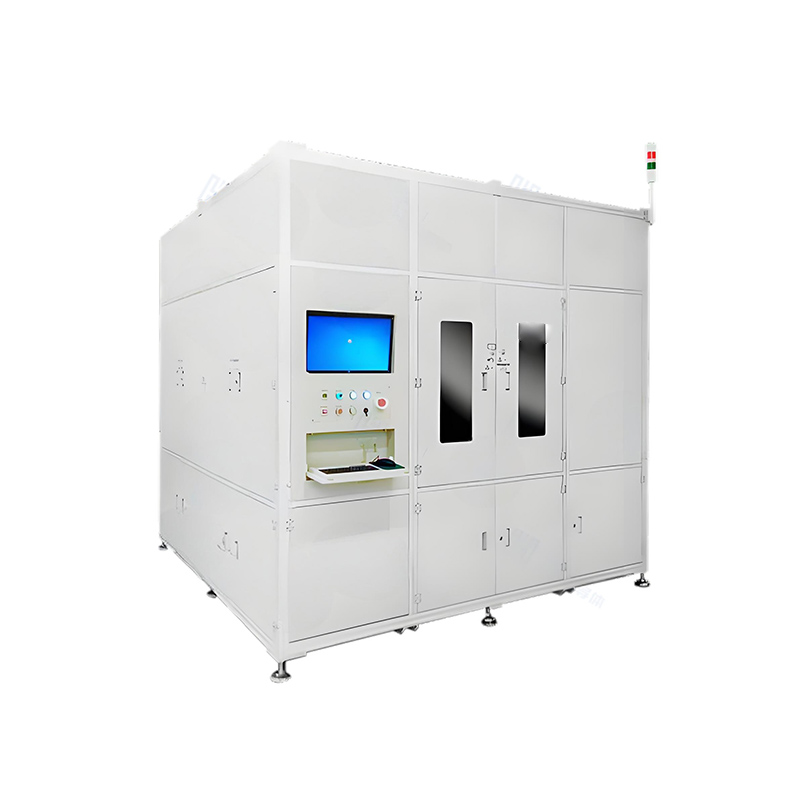
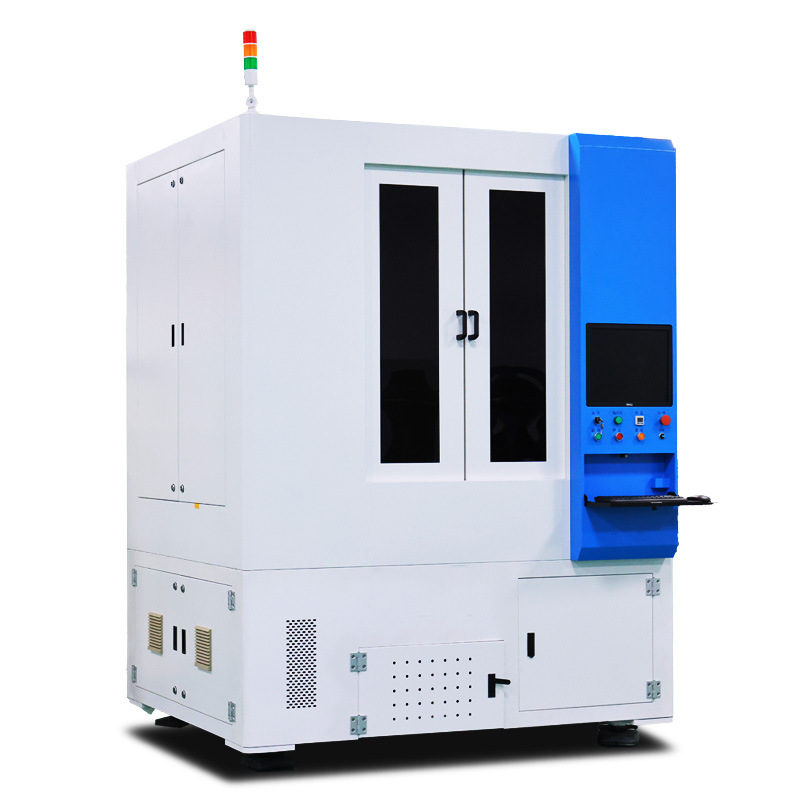
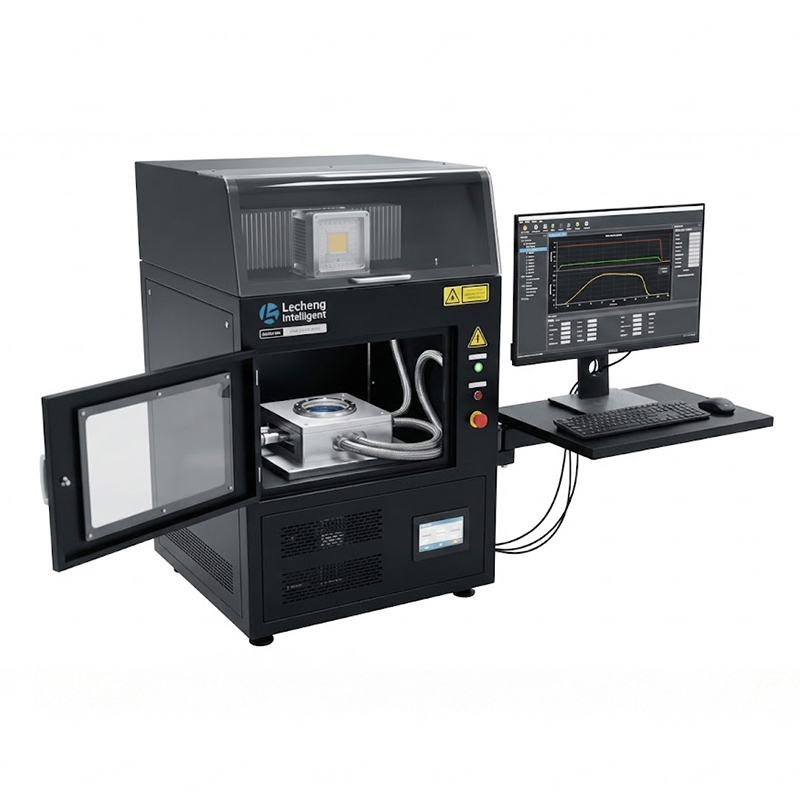
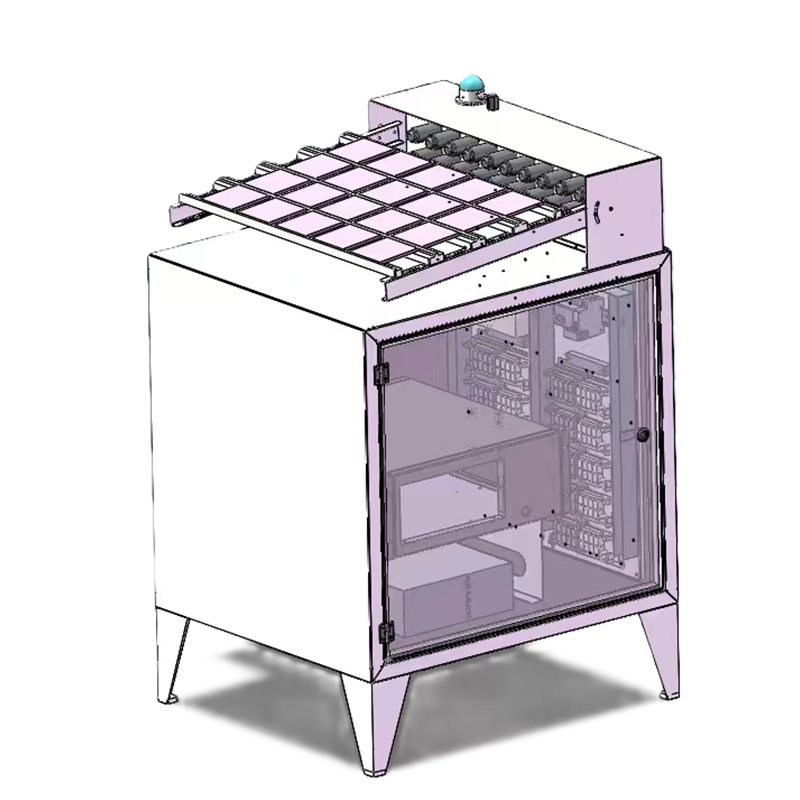
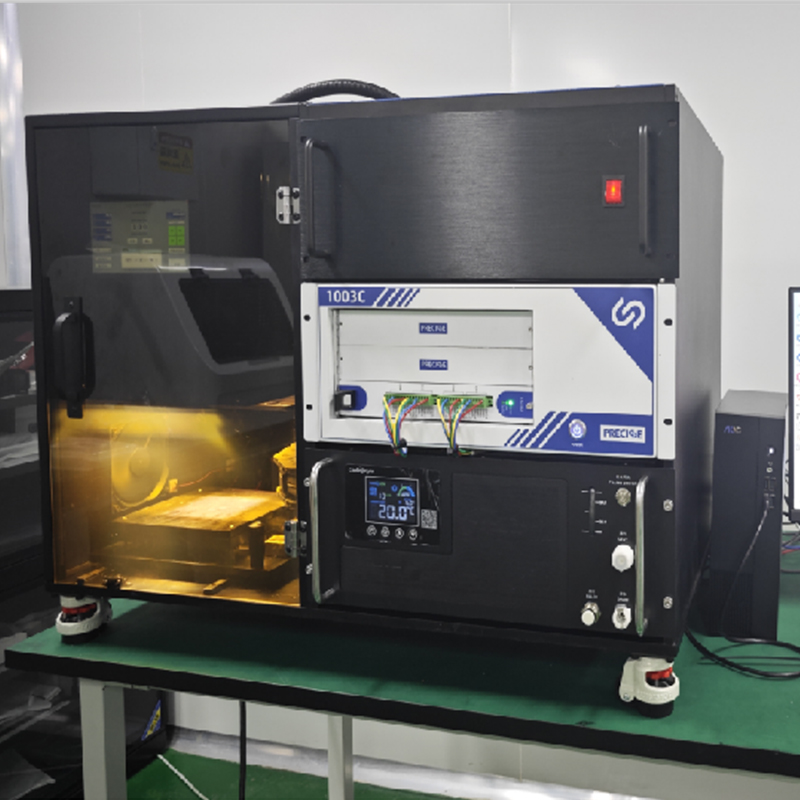
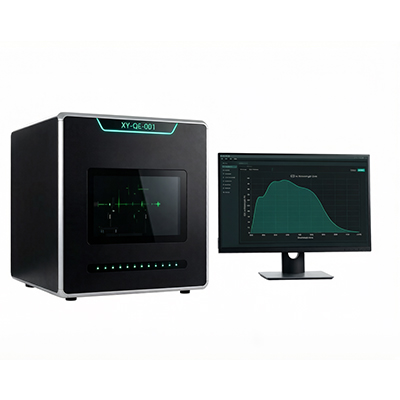
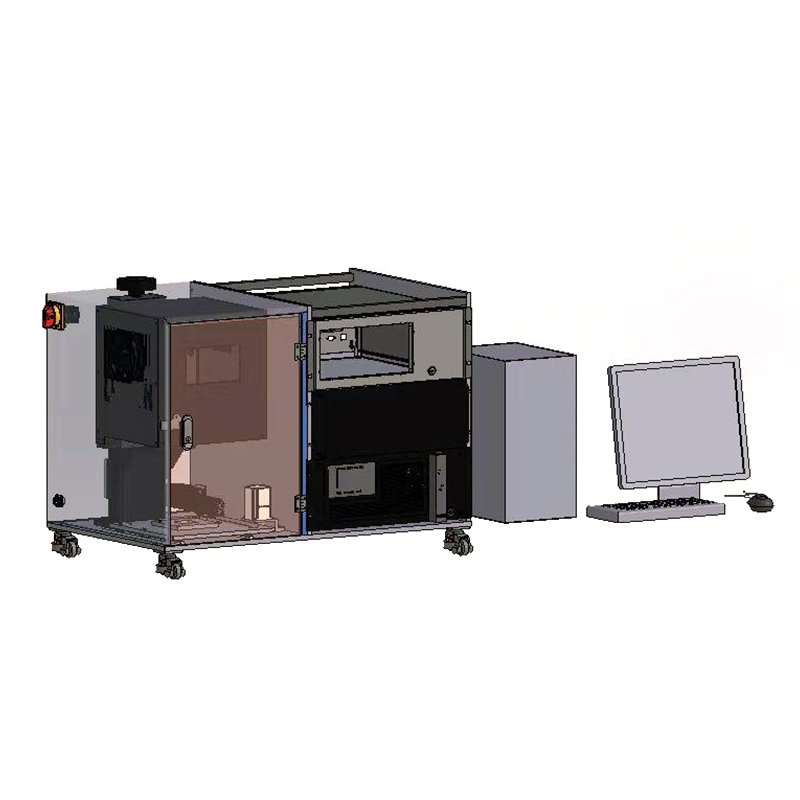
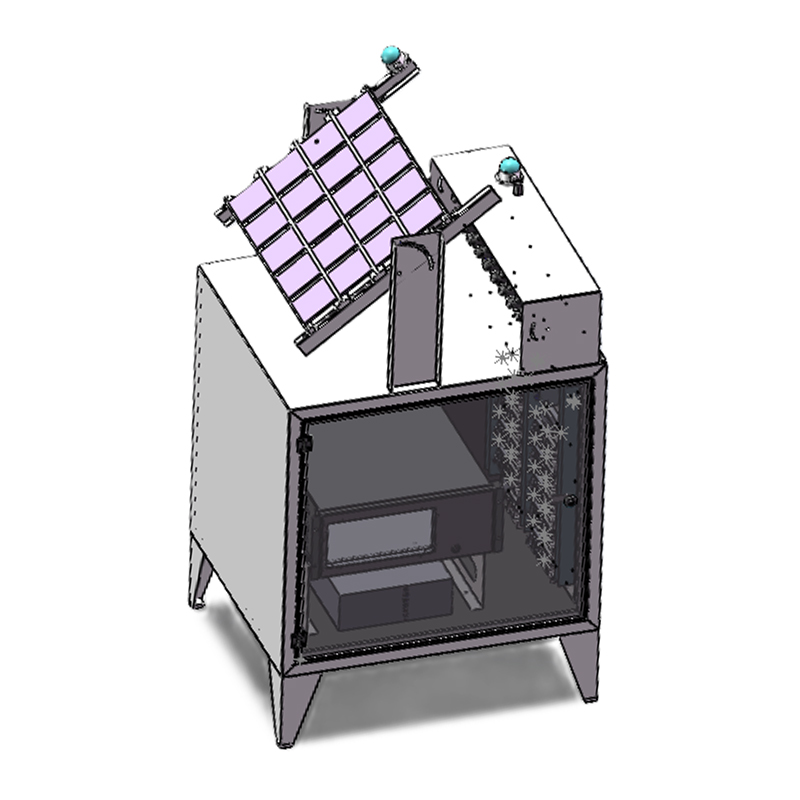
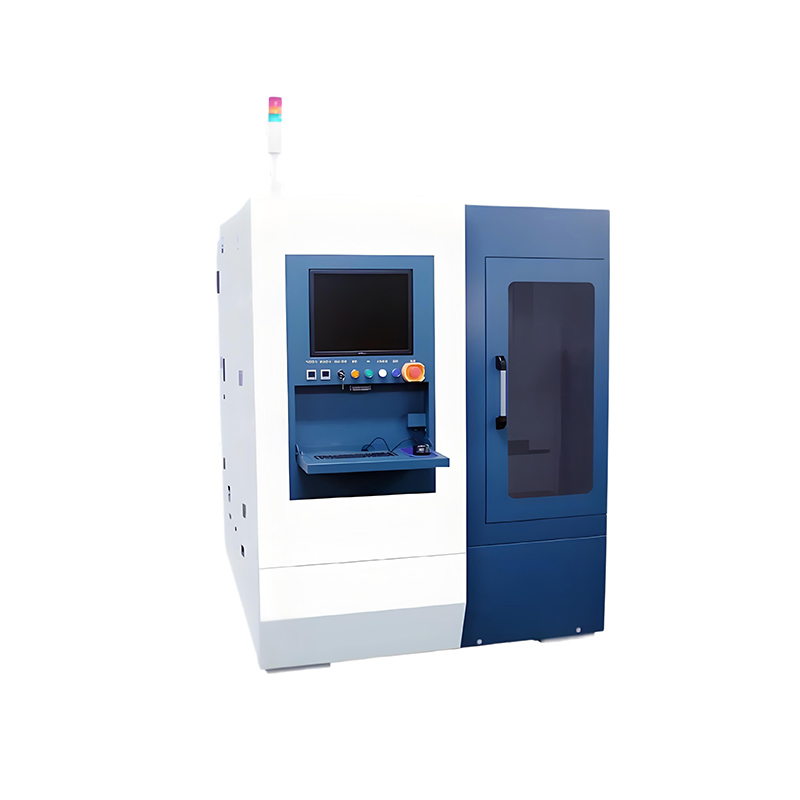
Multichannel Photovoltaic Module Steady-State Testing System Series

2025-12-18

拖拽到此处即可上传

最多可上传50个文件(每个100MB以内)或10张图片(每张30MB以内),

支持jpg、xls、ppt、doc、pdf等常用格式。

Hunyuan
多通道光伏组件稳定性测试系统产品介绍.pptx
PPTX25.67M
根据这个内容,提炼英文简介。1200字左右。末尾给出谷歌热门核心关键词

Multichannel Photovoltaic Module Steady-State Testing System Series


Multichannel Photovoltaic Module Steady-State Testing System Series

1. Introduction

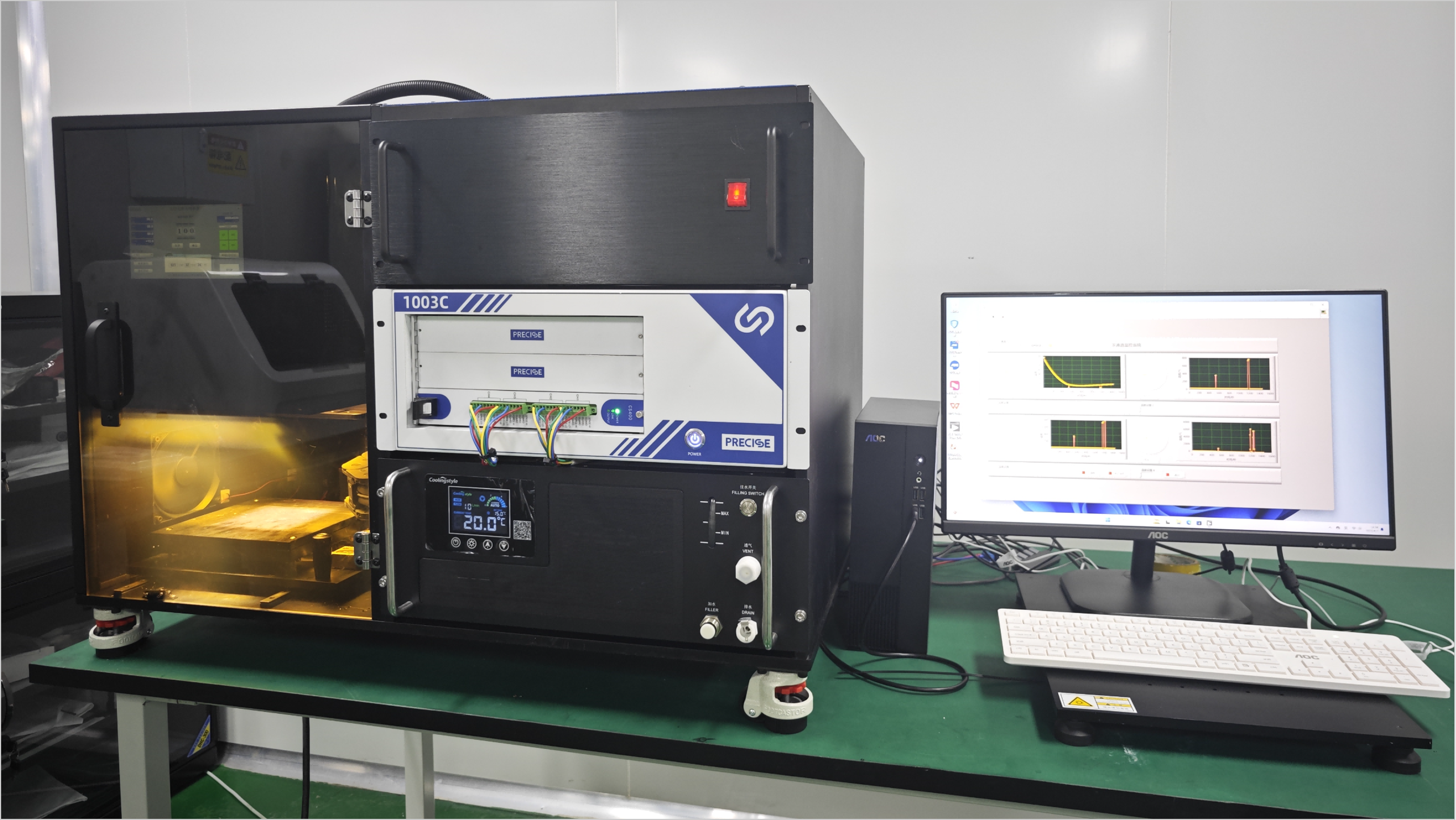
The Multichannel Photovoltaic (PV) Module Steady-State Testing System series (MCT series) is an advanced high-throughput platform designed for evaluating the performance and stability of perovskite, tandem, and crystalline silicon PV modules. By integrating optical, electrical, thermal, and software technologies, the system enables simultaneous testing of multiple modules under controlled conditions, accelerating R&D and quality control processes.

2. Core Technologies

2.1 Multidisciplinary Integration

The system combines expertise in optics, electronics, temperature control, and software algorithms to deliver comprehensive testing solutions. Key components include:

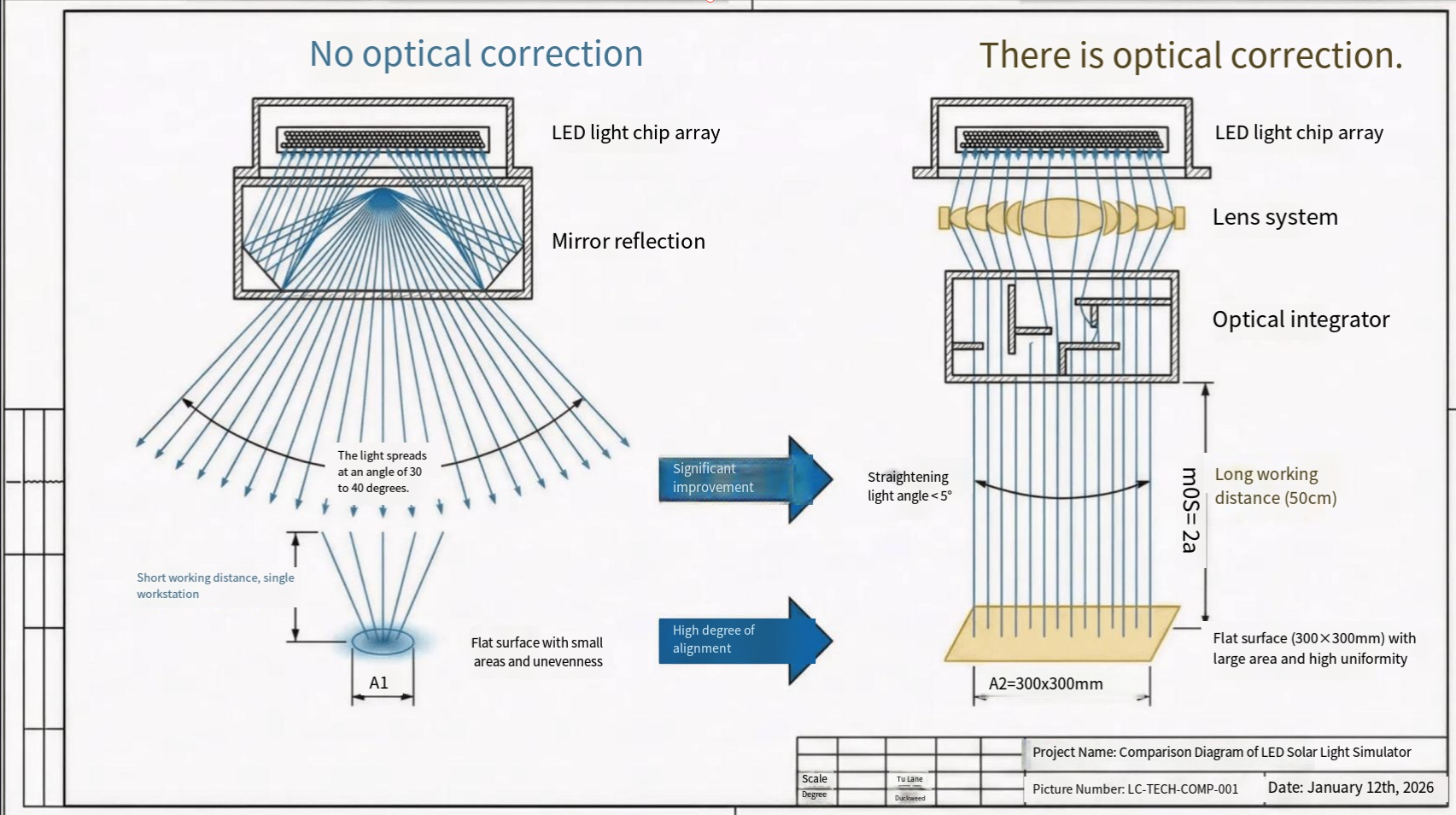
Steady-State Light Source:

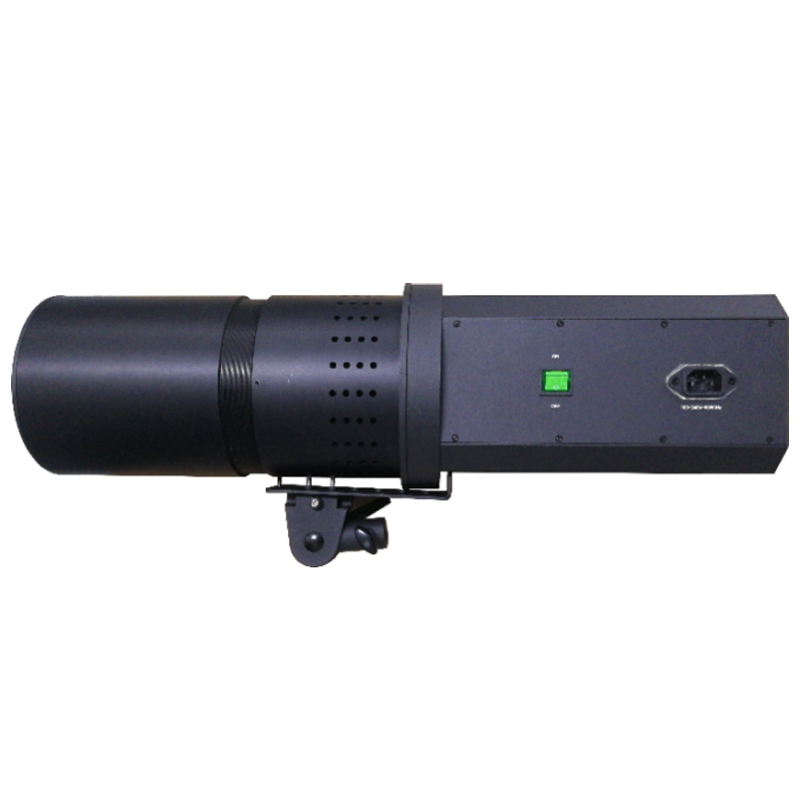
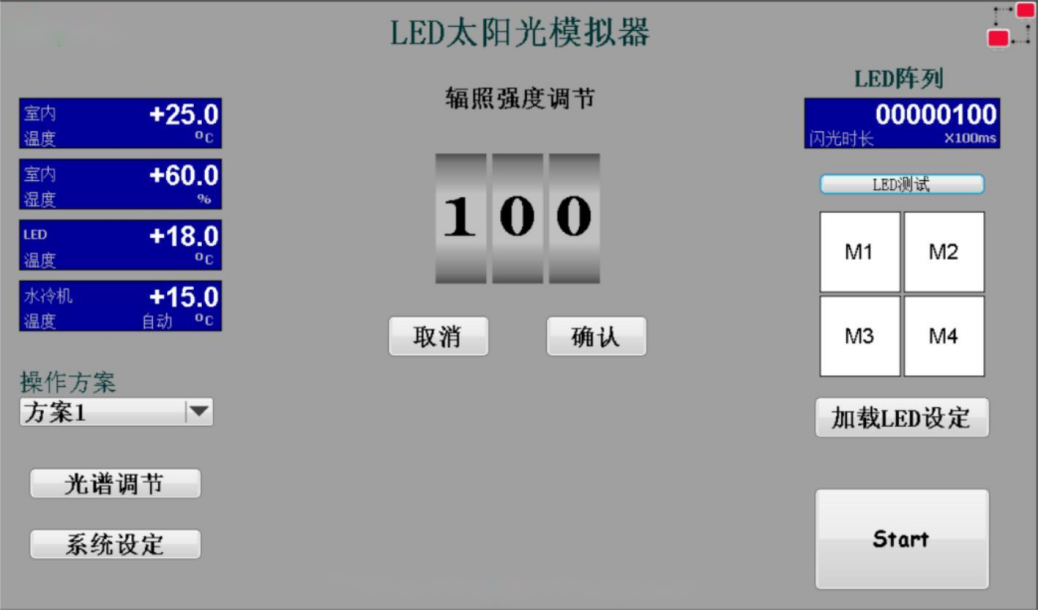
Equipped with a Class 3A LED steady-state simulator (300–1200 nm spectrum, AM1.5G spectral match), offering a light spot uniformity of ≤2% and adjustable power density (100–1100 W/m²).


Multichannel Electrical Testing Unit:

Supports forward/reverse I-V scanning, 9-point fitting, and dynamic I-V testing with high precision (0.1% voltage/current accuracy).


Independent Temperature Control Modules:

Each channel maintains temperatures between 20–100°C with ±2°C stability, ensuring consistent testing conditions.


Software System:

Features customized interfaces, real-time data monitoring, automated naming/storage, and support for MPPT algorithms (e.g., Perturb and Observe, Conductance Increment).


2.2 Dynamic Testing Algorithms

The system employs advanced MPPT tracking and dynamic I-V testing to accurately characterize module performance under varying conditions, ensuring reliable data for material and process optimization.

3. Product Series and Specifications

The MCT series offers flexible configurations to accommodate diverse testing needs:

Model

MCTA-100-4T

MCTA-300-25T

Channels

4 channels (supports 8-point cycling)

25 channels (switchable between single/25-channel modes)

Sample Size

20×20 mm to 50×50 mm

50×50 mm to 250×250 mm

Light Area

100×100 mm / 250×250 mm (optional)

300×300 mm

Current Range

0.5A/1A

Up to 25A (compatible with large modules)

Temperature Control

±2°C, 20–100°C

±2°C, 20–100°C

Modular Design: Compatible with glass/flexible substrates, supporting samples from 25×25 mm to 250×250 mm.


High-Throughput Testing:

Enables parallel testing of 4 or 25 modules without cross-interference.

4. Key Differentiators

High-Throughput Flexibility:

Configurations from 4 to 25 channels allow simultaneous testing of multiple modules, drastically reducing R&D cycles.


Precision Temperature Control:

Maintains ±2°C stability across a 20–100°C range, critical for reliability validation.


Spectral Adaptability:


Class 3A LED光源 with AM1.5G spectral matching ensures accurate simulation of real-world conditions.


Broad Compatibility:

Supports rigid/flexible substrates and sizes from mini-cells to large modules.

5. Application Scenarios

  • Production Line Quality Control: Rapid screening of process defects in manufacturing.


  • Component Reliability Validation: Degradation analysis under high temperature/humidity.


  • Perovskite Material Development: Long-term light stability testing for durability studies.


  • Tandem Cell R&D: Parallel testing accelerates optimization of layer-specific processes.

6. Conclusion

The MCT series provides a robust, scalable solution for high-throughput PV testing, combining precision hardware with intelligent software. Its modularity and customization capabilities make it ideal for research institutions and industrial labs focused on next-generation photovoltaic technologies.

Google Trending Core Keywords

  1. Photovoltaic module testing


  2. Perovskite solar cell stability


  3. High-throughput PV characterization


  4. MPPT algorithm for solar cells


  5. Multichannel temperature control system


  6. I-V curve testing equipment


  7. Steady-state solar simulator


  8. PV reliability assessment


  9. Calcium titanium ore material testing


  • Demystifying Beam Splitting Technologies in Perovskite Photovoltaic Laser Processing
    Demystifying Beam Splitting Technologies in Perovskite Photovoltaic Laser Processing
    The transition to gigawatt-scale perovskite solar production hinges on precision laser processing, where beam splitting technology plays a pivotal role. By dividing a single laser source into multiple beams, this technique enables simultaneous scribing of P1-P3 patterns and edge isolation (P4), directly impacting throughput, dead zone control, and production costs. Current industrial approaches primarily include mechanical beam splitting and diffractive optical elements (DOEs), each with distinct advantages for perovskite’s thermal sensitivity and scalability requirements.
    More
  • The Application of Laser Technology in the Industrialization of Perovskite Solar Cells
    The Application of Laser Technology in the Industrialization of Perovskite Solar Cells
    Perovskite solar cells (PSCs) represent the third generation of thin-film solar technology, renowned for their high efficiency, low cost, and flexibility. As industrialization progresses, laser technology has emerged as a critical enabler, addressing key challenges in precision processing and scalability. This article explores the multifaceted role of lasers in PSC manufacturing.
    More
  • Roll-to-Roll (R2R) Laser Scribing System for Thin-Film Solar Cells
    Roll-to-Roll (R2R) Laser Scribing System for Thin-Film Solar Cells
    The equipment utilizes a high-energy-density laser beam, precisely controlled by a computer system, to process roll-to-roll thin-film solar cell materials according to pre-programmed scribing patterns. Through laser thermal or cold processing effects, the thin-film material is instantaneously vaporized, separated, or modified, achieving precise scribing to either segment the cells or create specific circuit patterns on them.
    More
  • Perovskite Photovoltaic Module
    Perovskite Photovoltaic Module
    Lecheng's laser scribing equipment, equipped with a high-precision laser control system, achieves micron-level patterning accuracy with smooth, thermally damage-free edges. This significantly reduces internal resistance losses in solar cells, pushing power conversion efficiency to industry-leading levels—perfectly meeting the high-power output demands of mass production.
    More
  • High-Precision Laser Micromachining Equipment
    High-Precision Laser Micromachining Equipment
    Laser high-precision micromachining technology achieves material processing through precise control of core parameters such as wavelength, pulse width, and energy density, utilizing either thermal or cold processing mechanisms. This induces instantaneous material vaporization, melting, or modification, enabling operations such as cutting, drilling, engraving, and surface treatment. It stands as a pivotal technology in high-precision manufacturing.
    More
  • Customer Acclaim
    Customer Acclaim
    This prestigious accolade has significantly elevated Lecheng Intelligent's industry visibility and reputation, distinguishing it as a trusted leader among suppliers. The recognition solidifies its competitive edge and lays a robust foundation for market expansion.
    More

40px

80px

80px

80px

Get Quote