
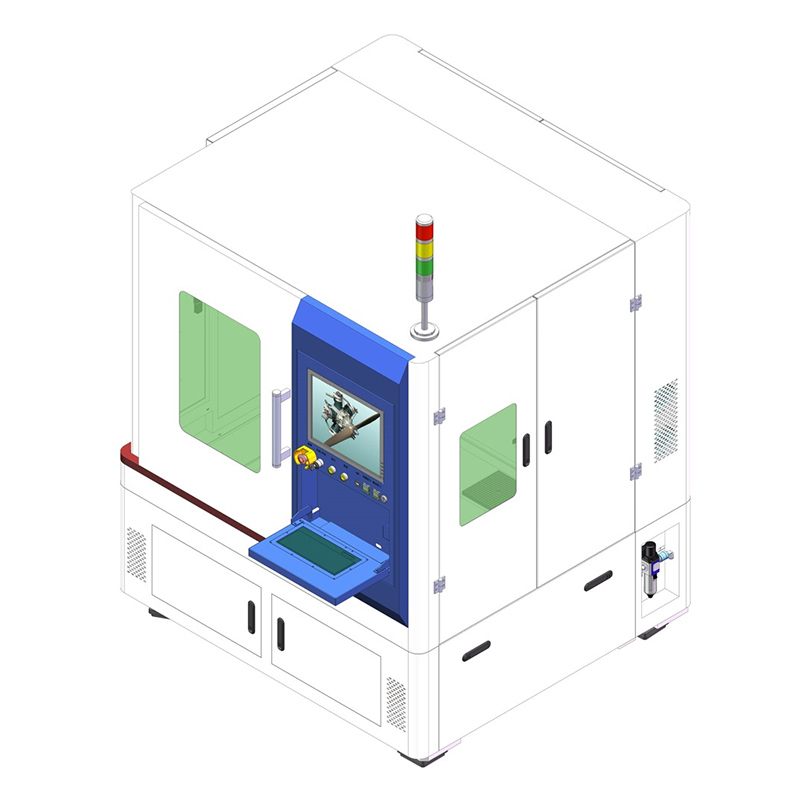
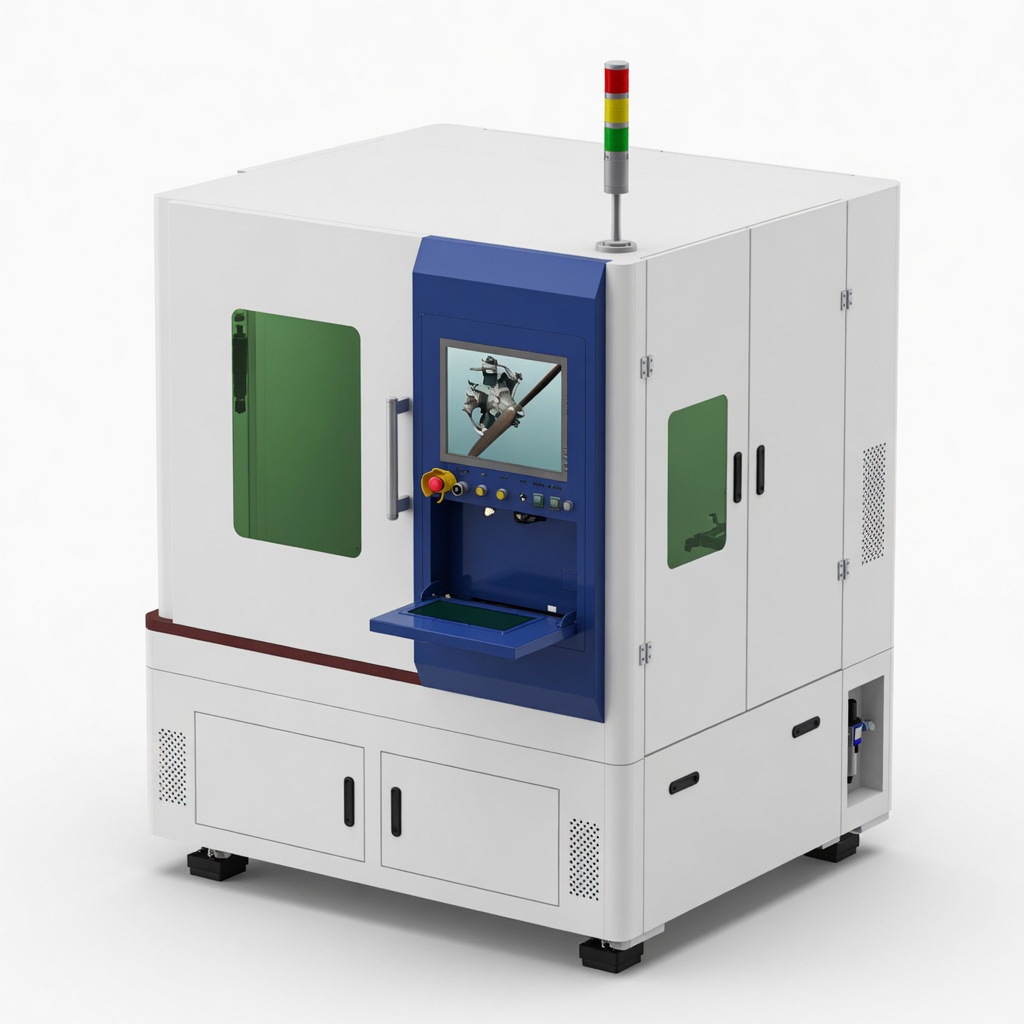
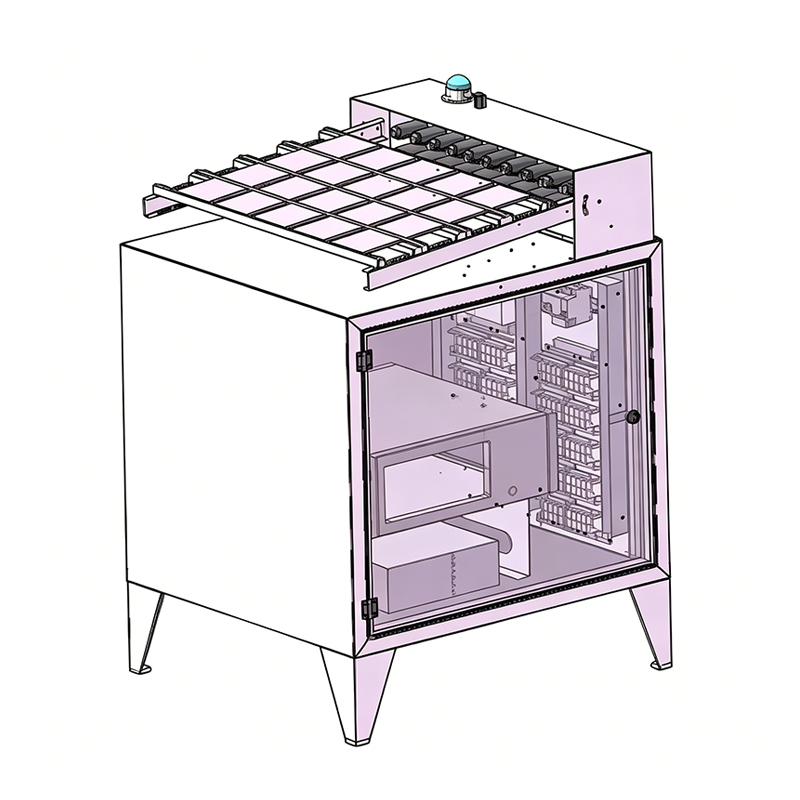
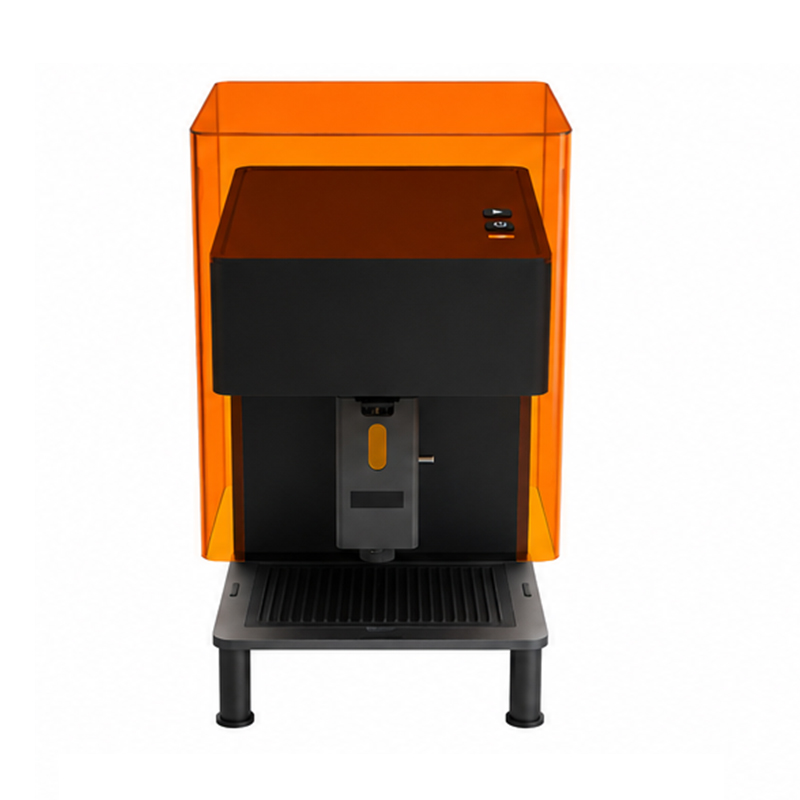
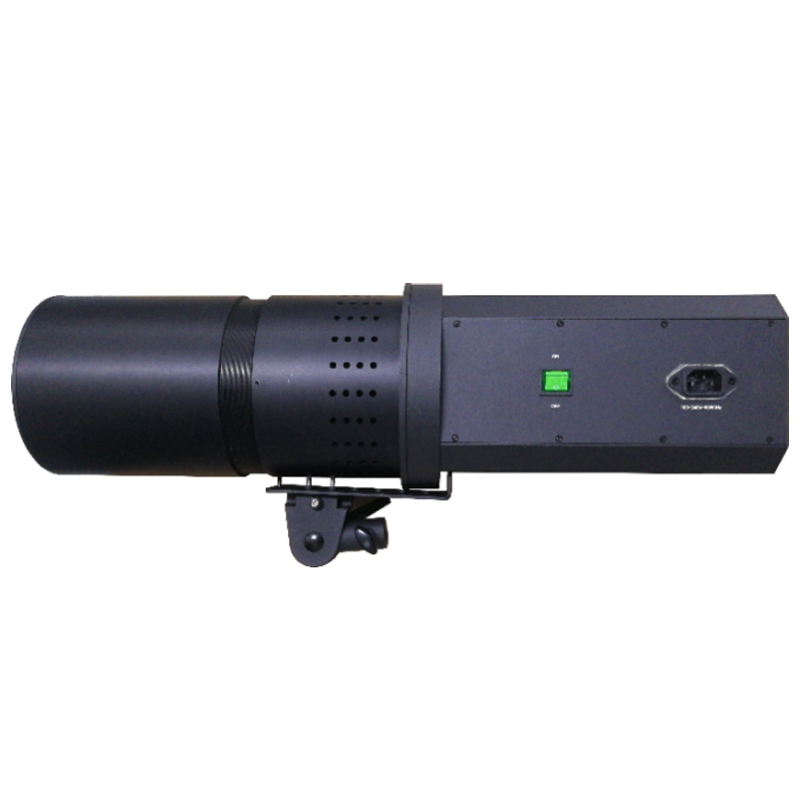
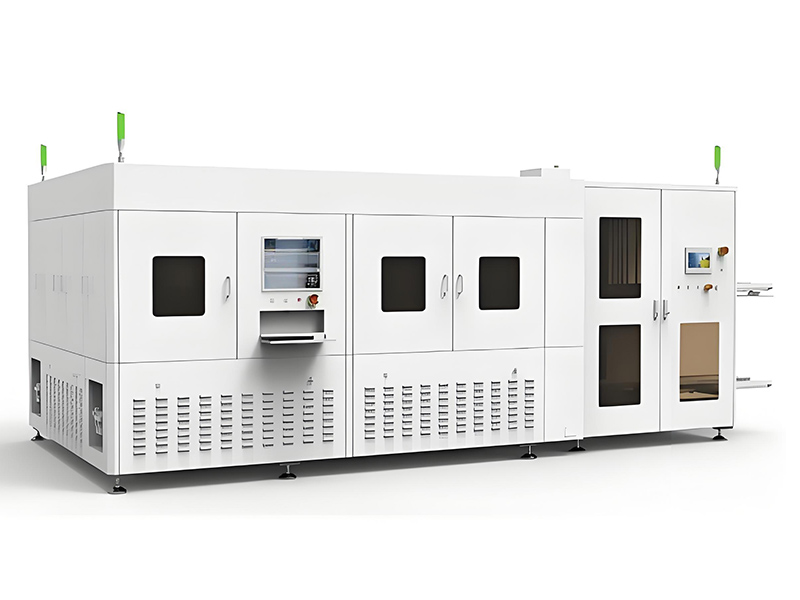
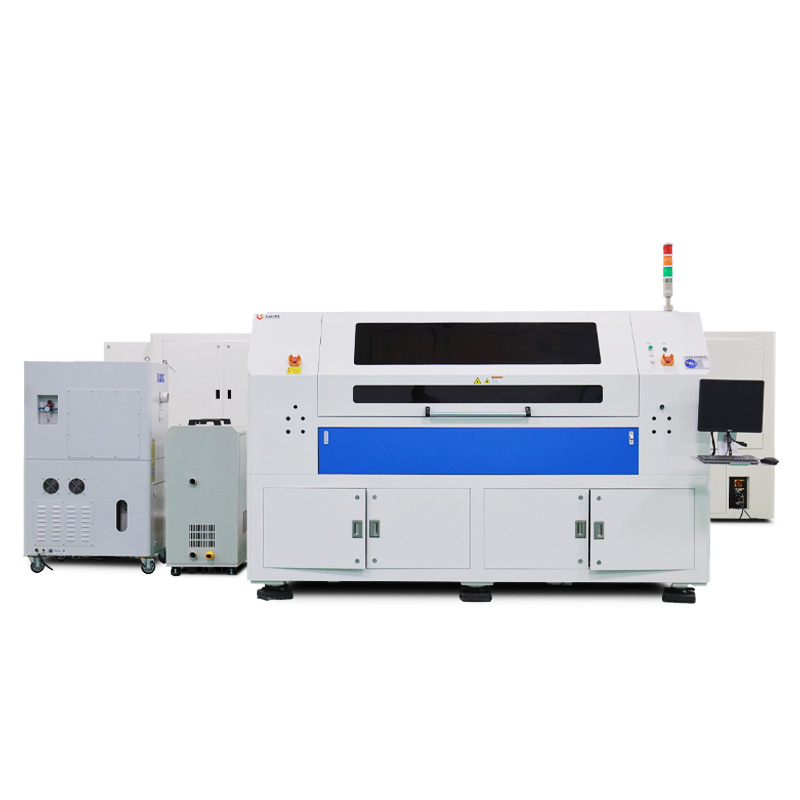
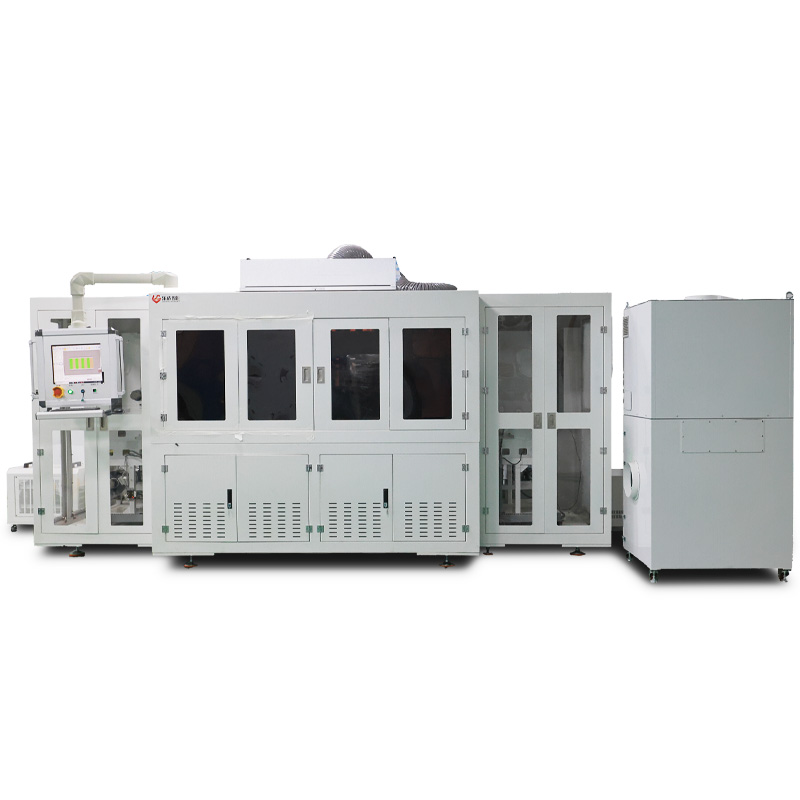
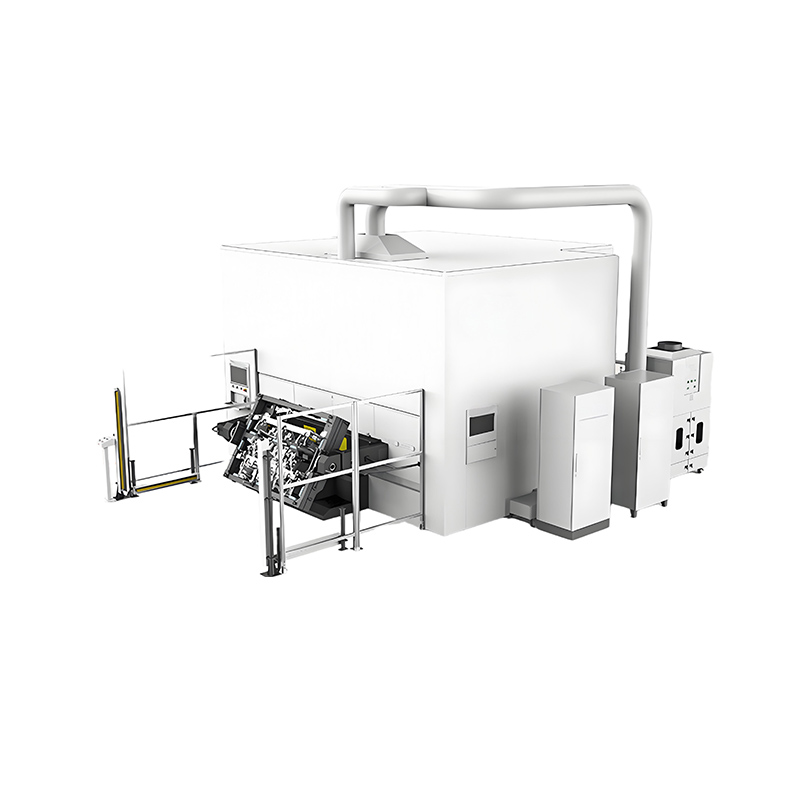
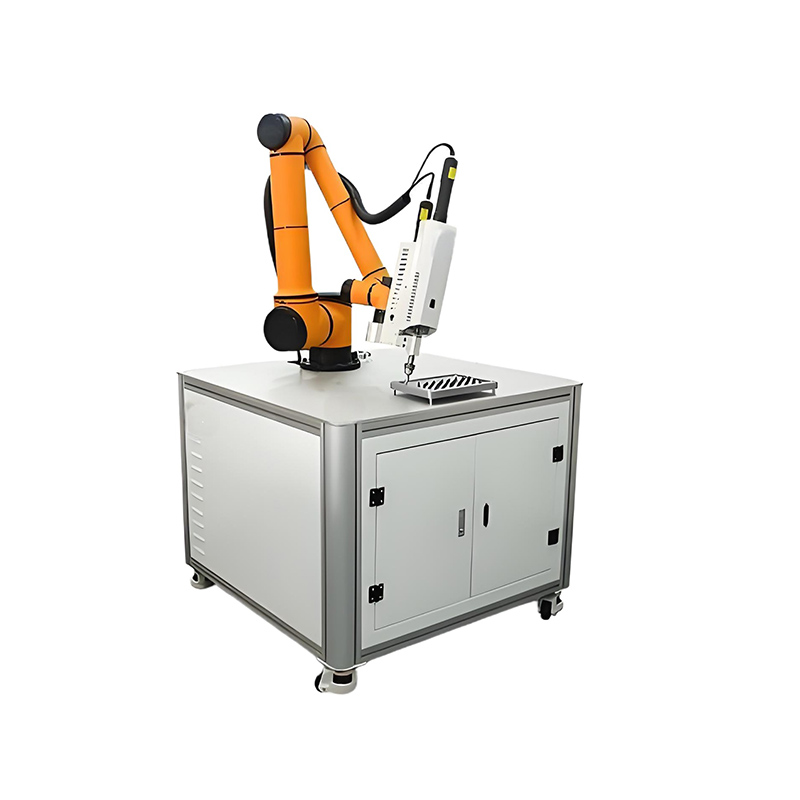
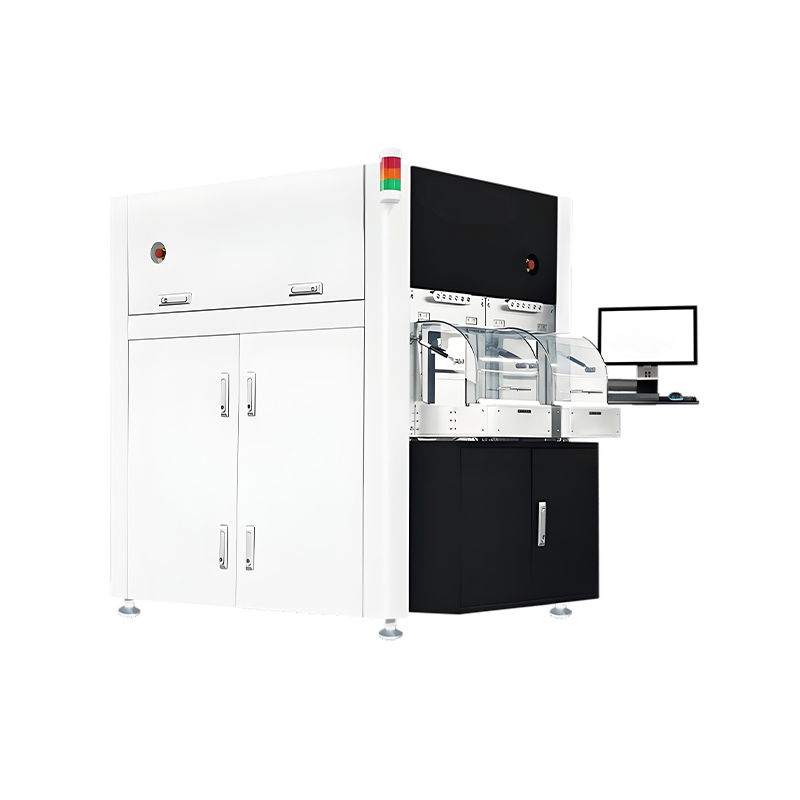
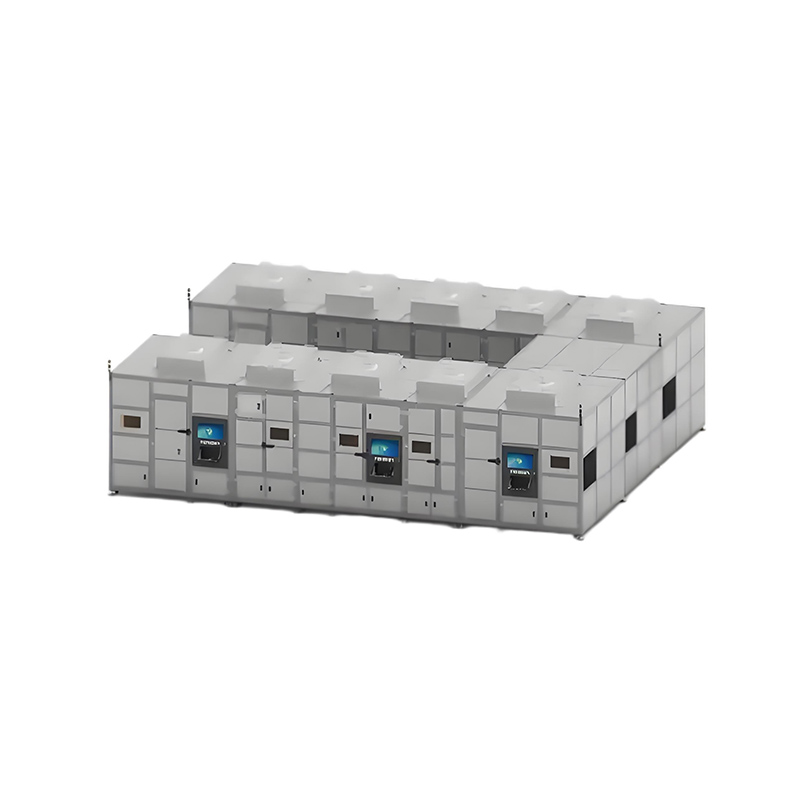
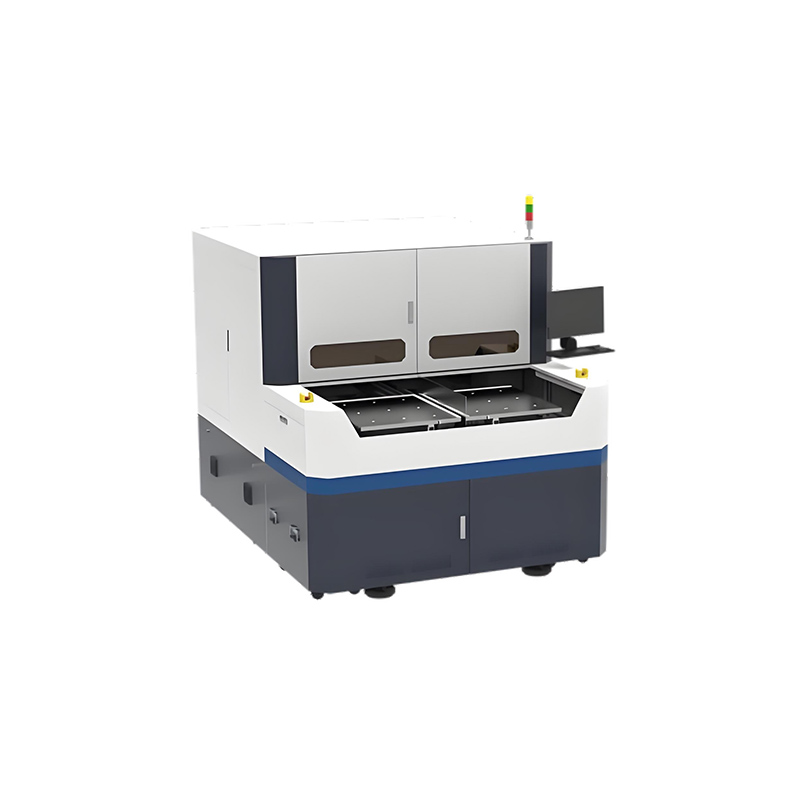
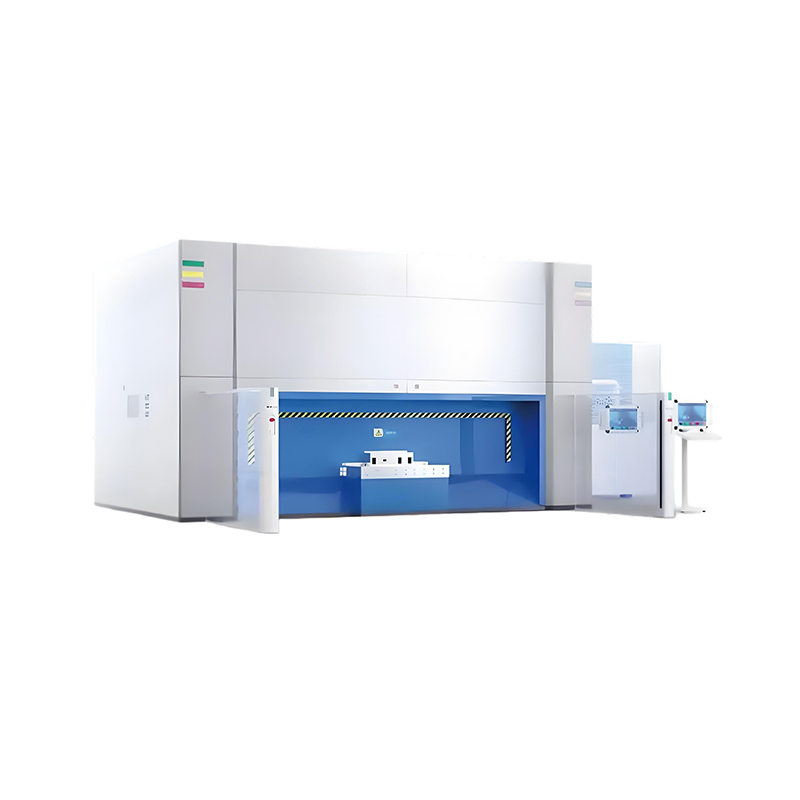
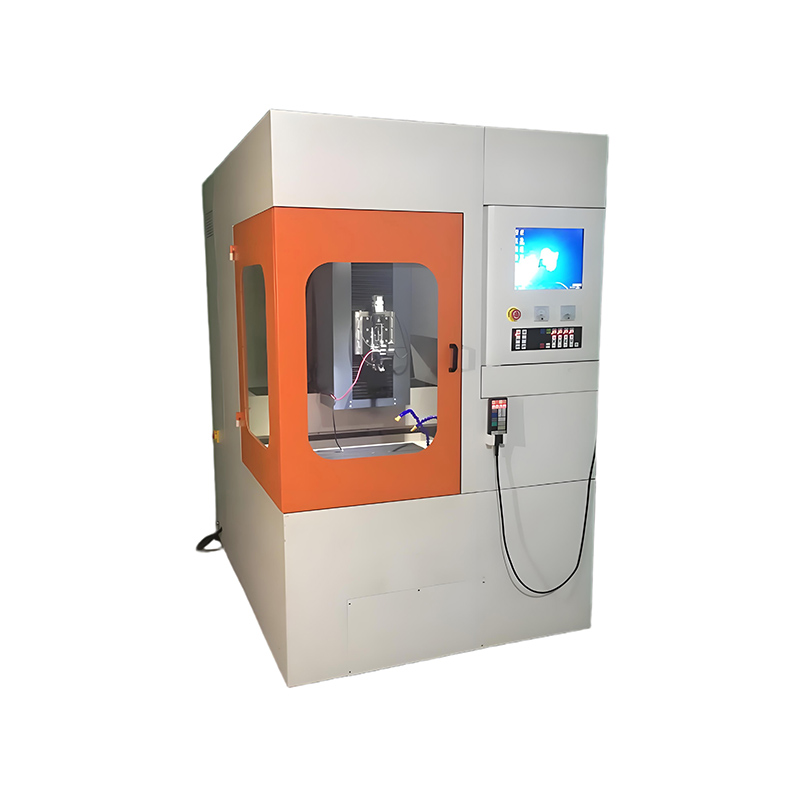

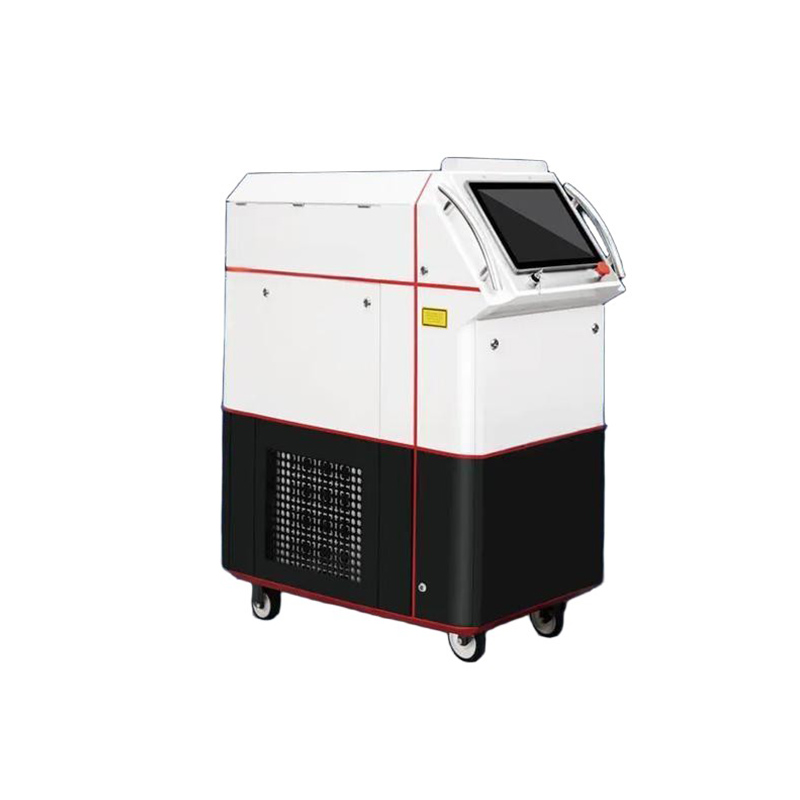
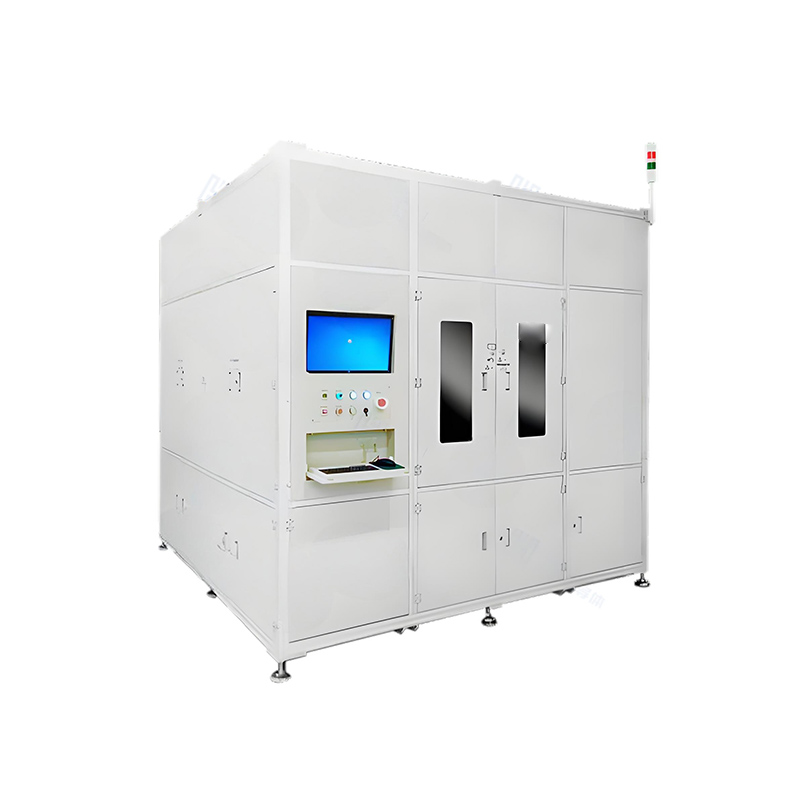

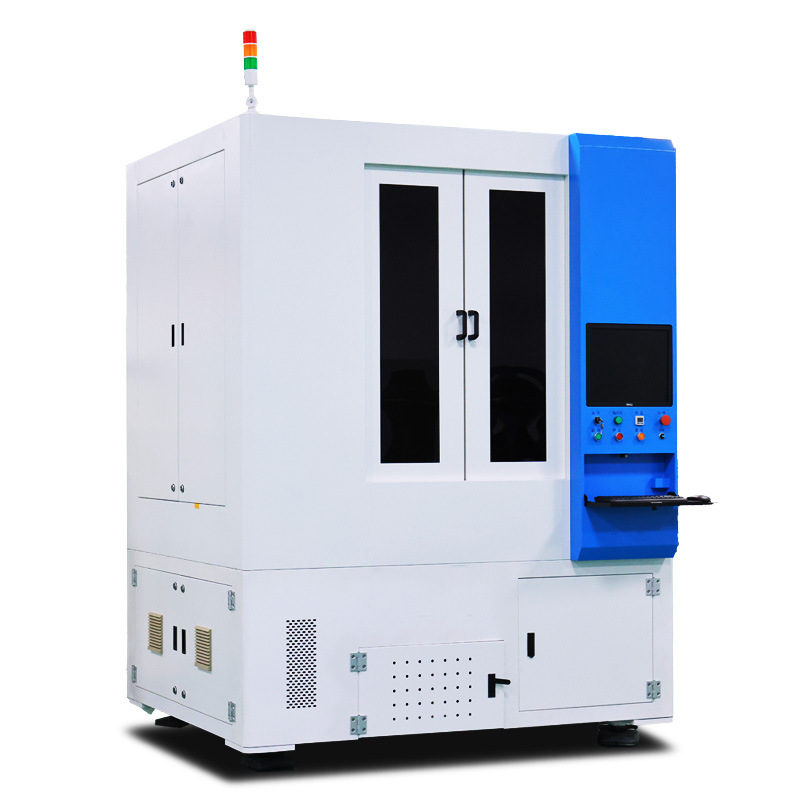
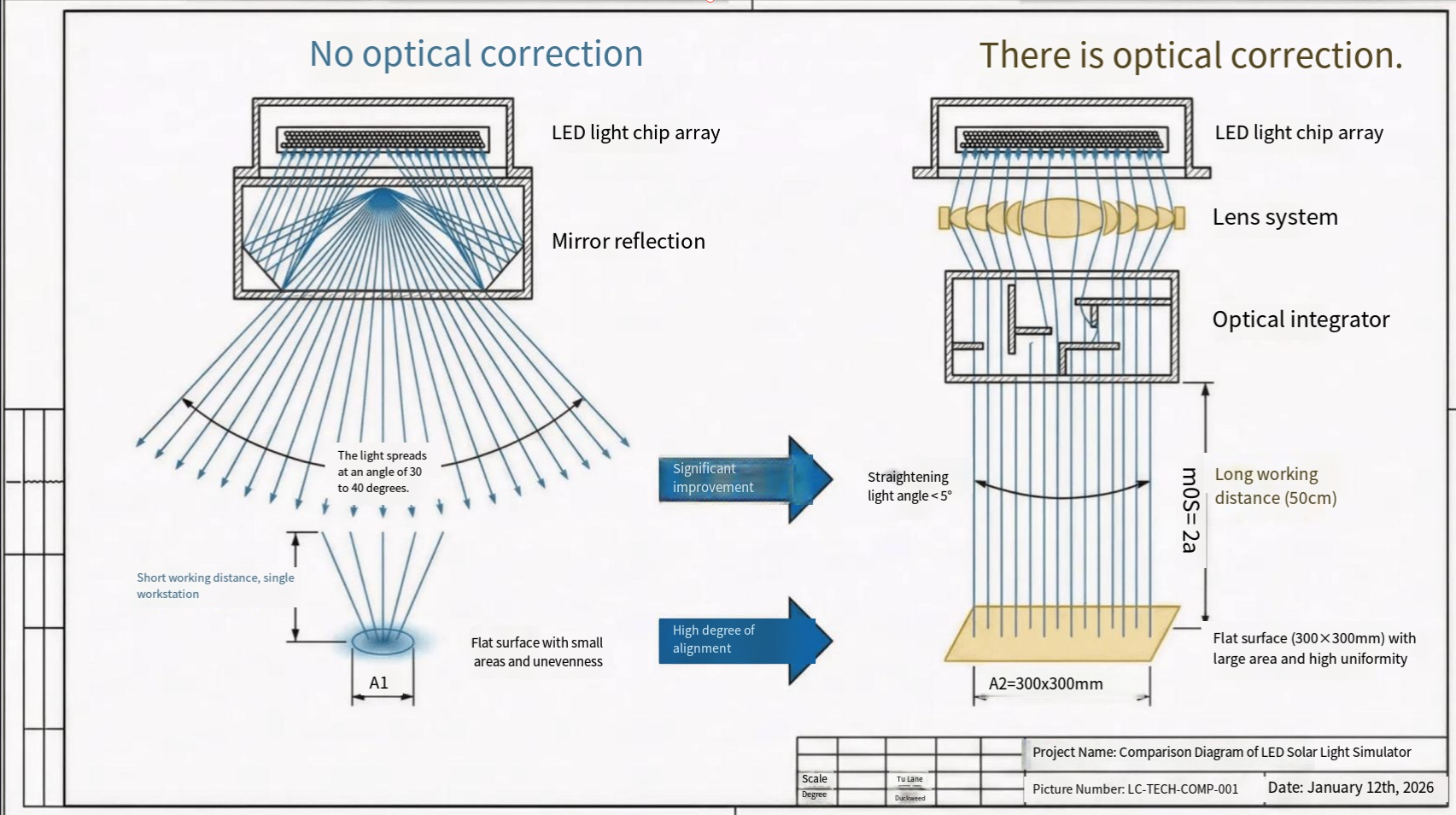
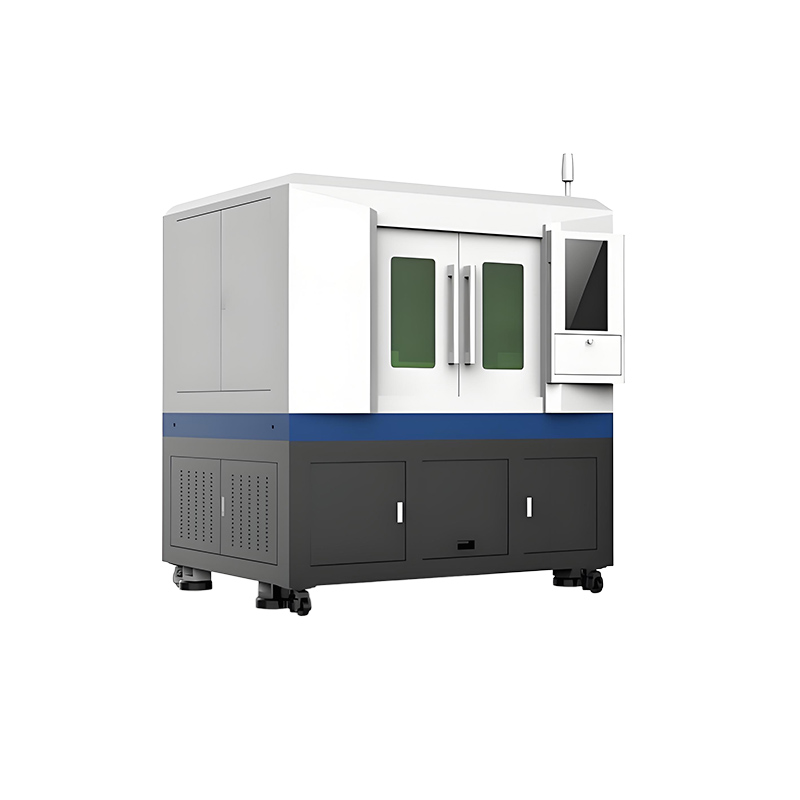
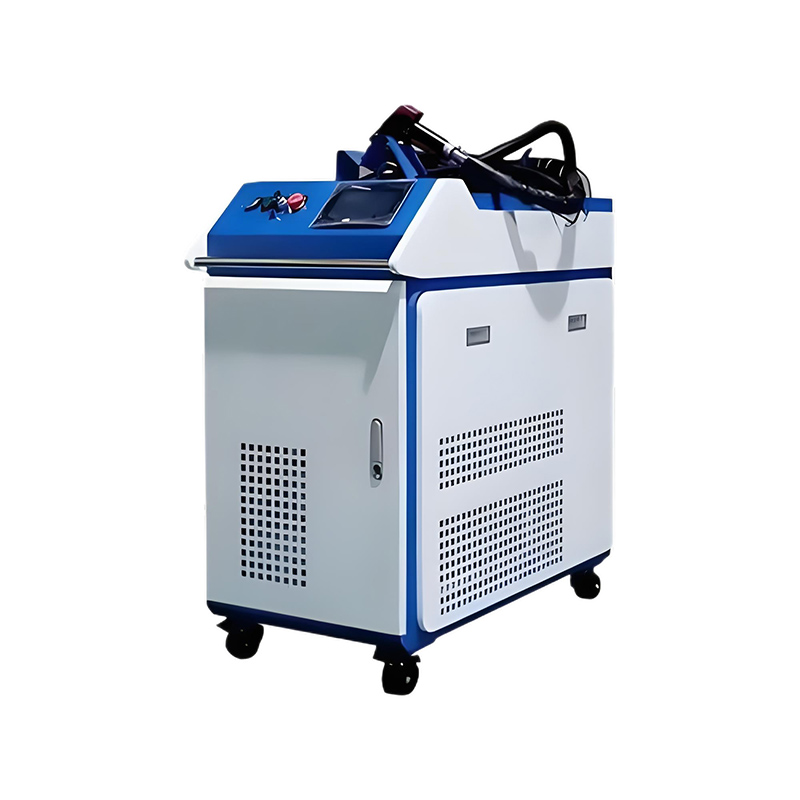
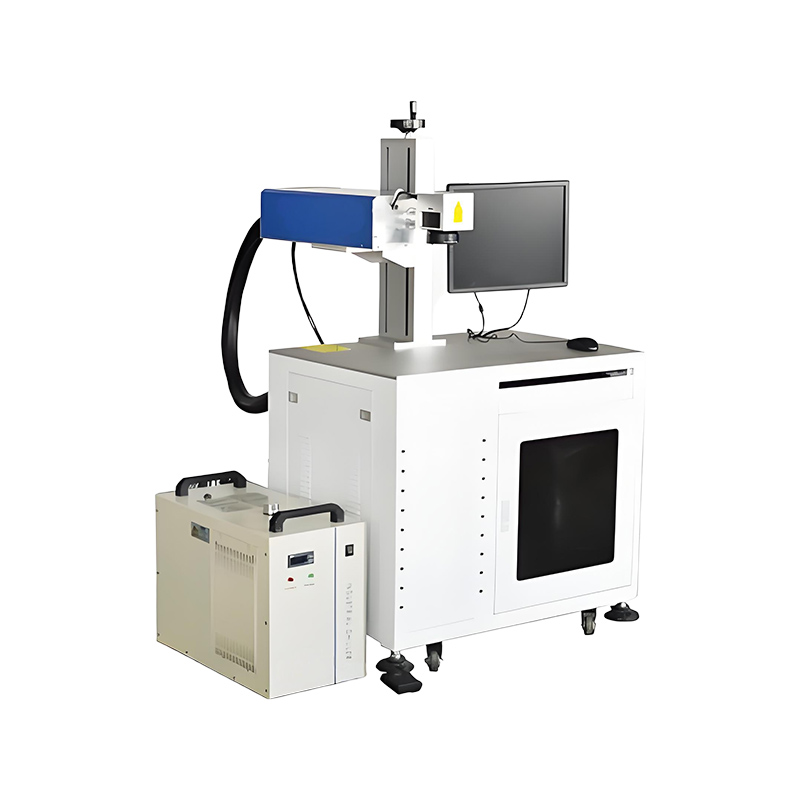

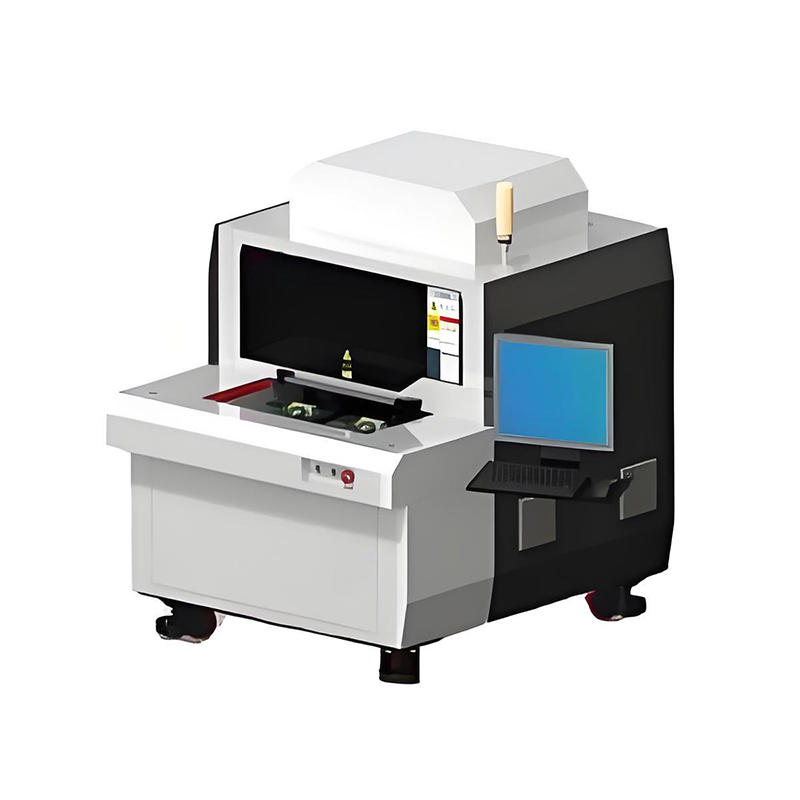
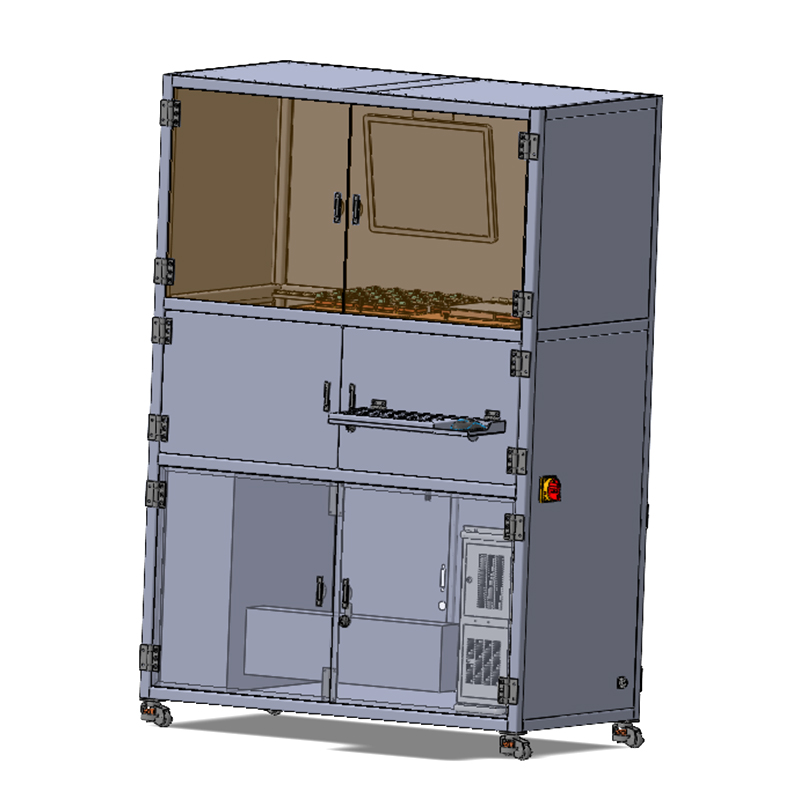
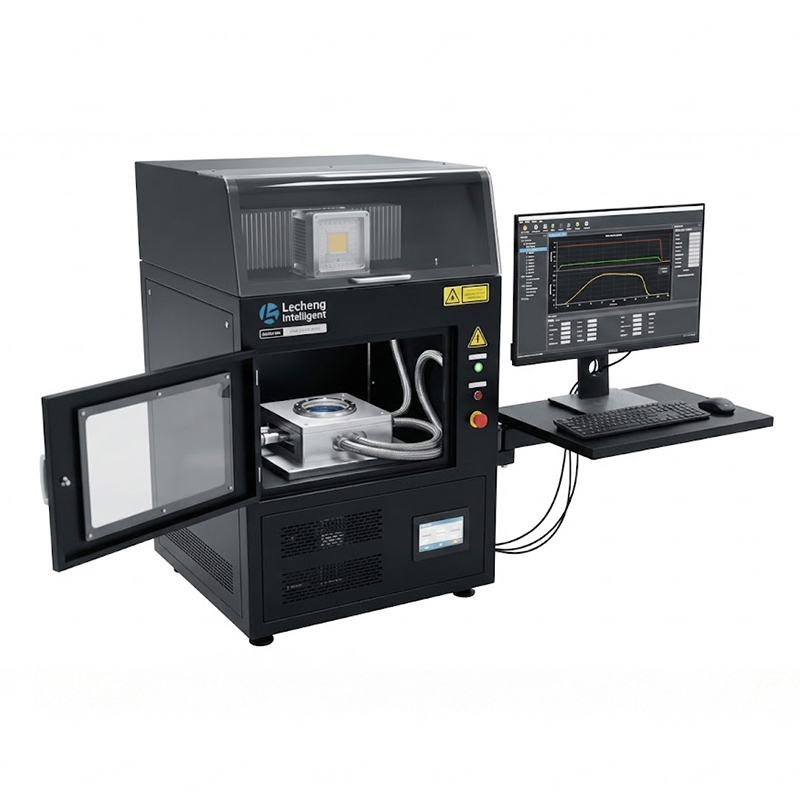
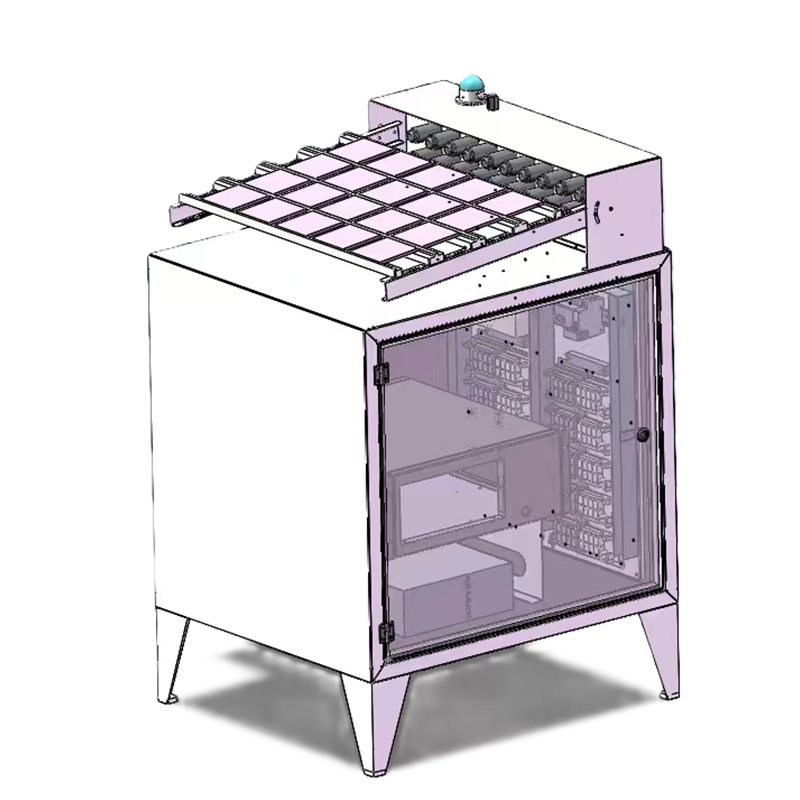
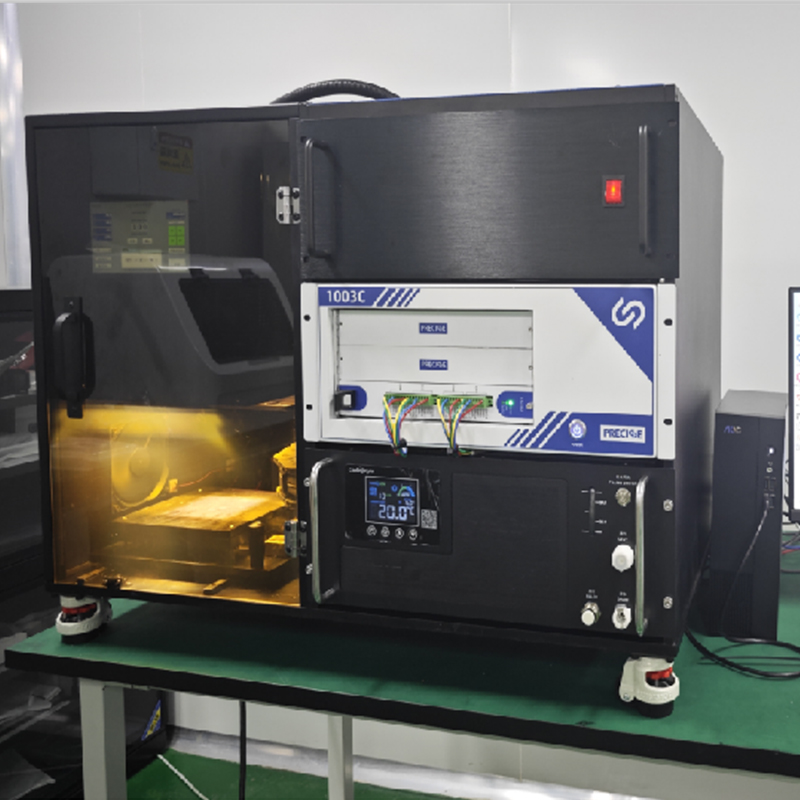
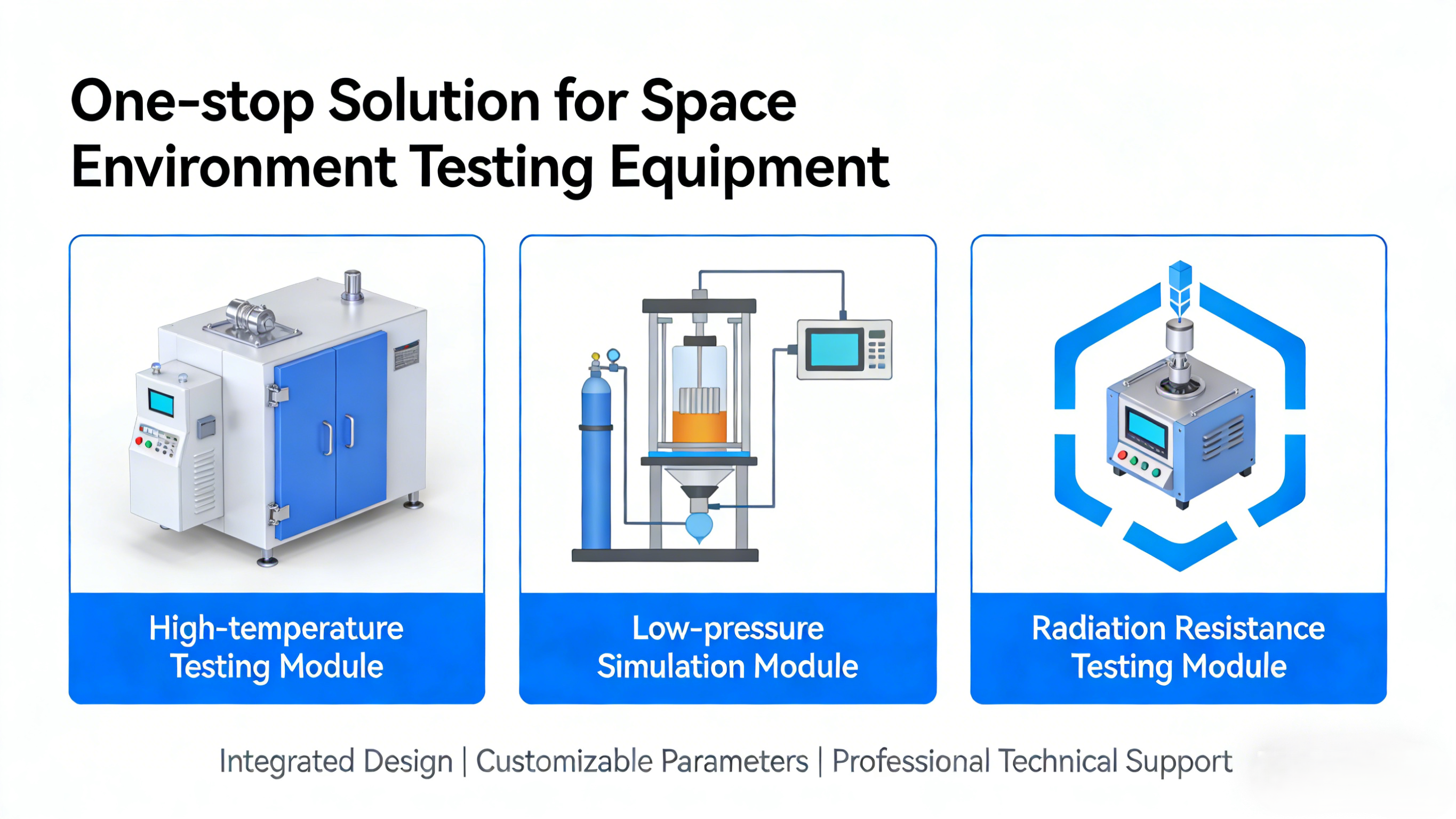
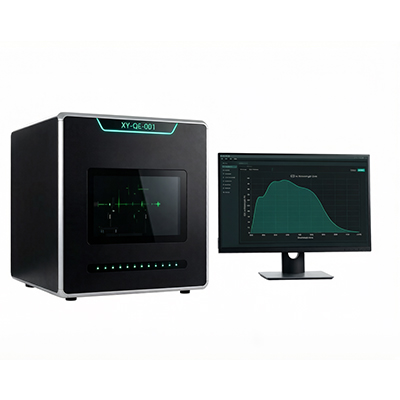
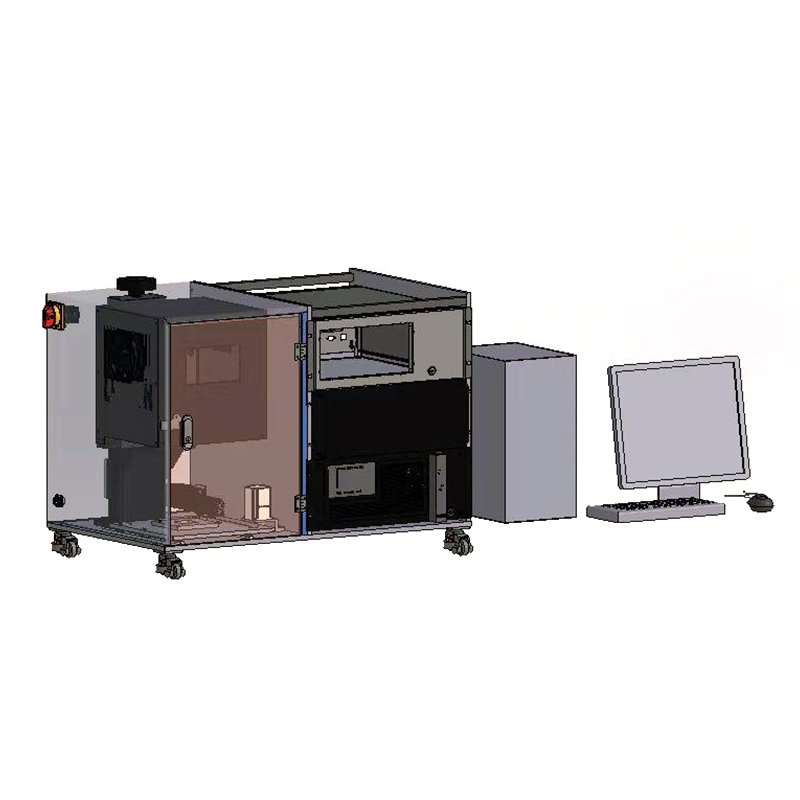
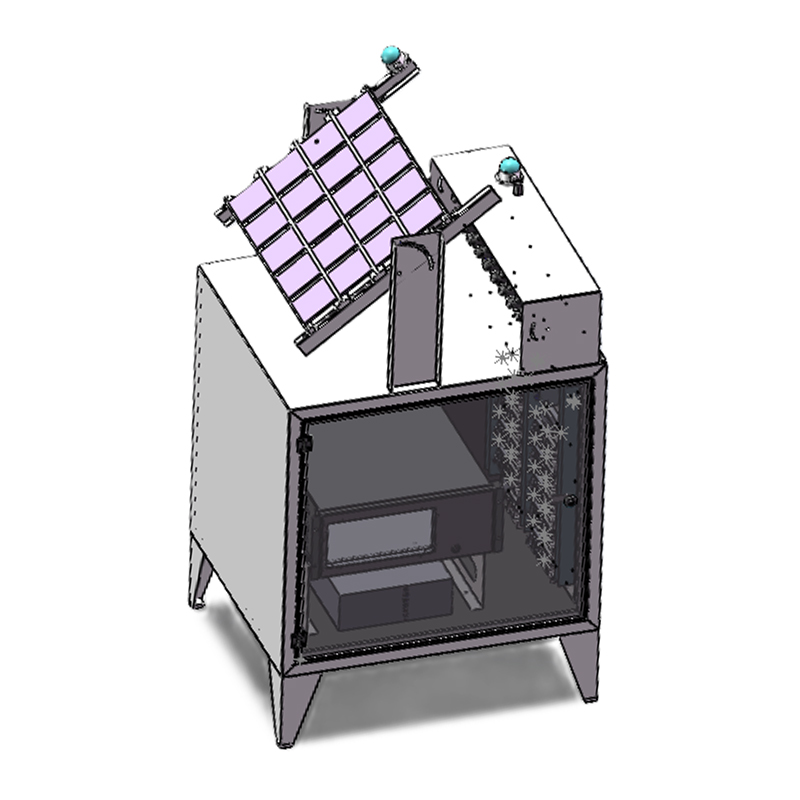
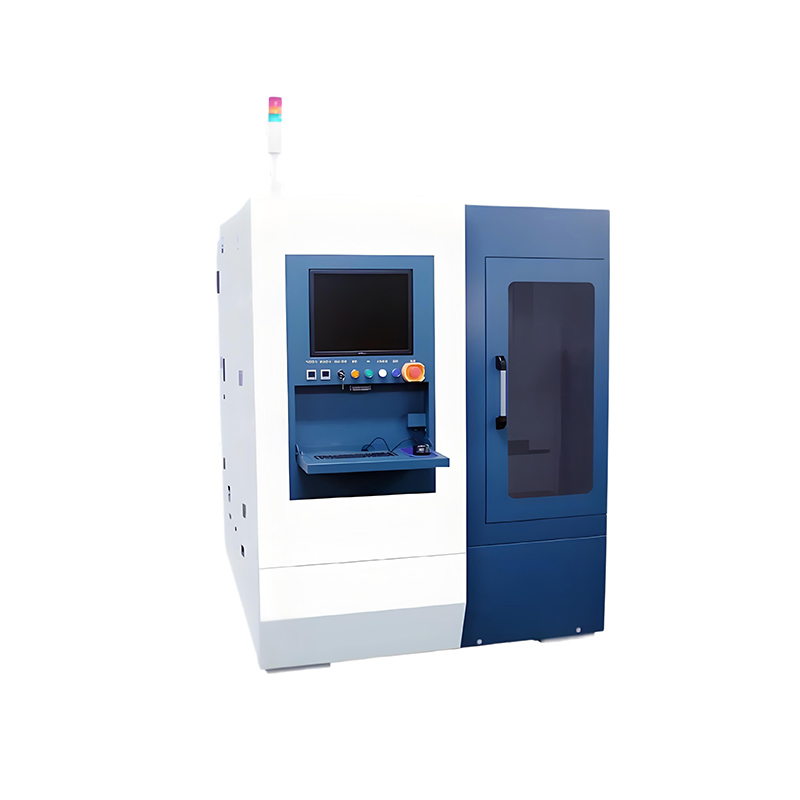
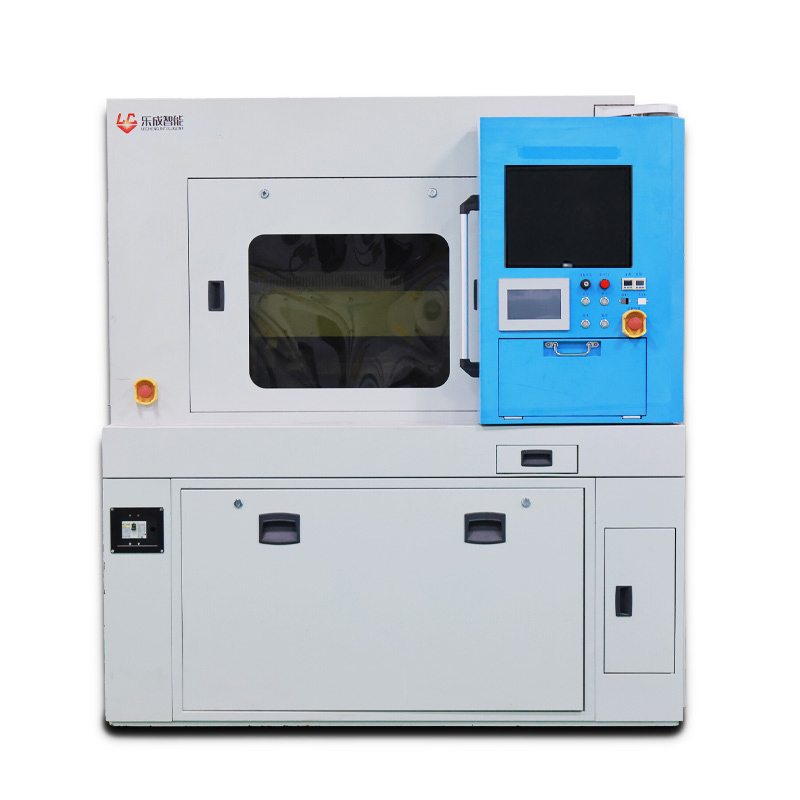

In today’s rapidly evolving solar energy industry, precision and reliability are non-negotiable. Manufacturers and researchers are constantly seeking ways to ensure that every solar module performs at peak efficiency, under real-world conditions. This is where the Multi-Channel PV Testing System comes into play—a revolutionary solution designed to deliver accurate, high-speed, and reliable testing for photovoltaic modules. Unlike traditional single-channel testers, a multi-channel system allows simultaneous evaluation of multiple modules, drastically improving testing efficiency and reducing production downtime.
By providing steady-state measurement of voltage, current, and power, these advanced systems uncover hidden defects such as micro-cracks, shading effects, and cell mismatch, which often go undetected with conventional testing methods. Equipped with intelligent data acquisition and analysis software, a Multi-Channel PV Testing System not only generates detailed performance reports but also enables manufacturers to make data-driven decisions that enhance module quality and durability. For solar businesses aiming to maximize energy output, reduce operational costs, and maintain a competitive edge, adopting a Multi-Channel PV Testing System is no longer optional—it’s a proven necessity for success.
Solar modules are the backbone of solar energy solutions. But even the tiniest performance deviations can lead to massive energy losses. Traditional testing methods often fail to capture real-world conditions, leaving manufacturers exposed to inefficiencies.
This is where steady-state PV testing systems come in. By simulating real-life irradiance and temperature conditions in a controlled environment, these systems allow for accurate characterization of multi-channel PV modules, ensuring each module delivers peak performance.
Key advantages include:
High Accuracy: Captures precise voltage, current, and power data for every module.
Multi-Channel Testing: Test multiple modules simultaneously, saving time and boosting productivity.
Data Reliability: Reduces measurement errors that plague traditional testing setups.
Durability Analysis: Evaluates long-term performance, identifying weak points before deployment.
These benefits are not just theoretical—they are proven to reduce solar energy losses, increase ROI for solar projects, and accelerate innovation in photovoltaic technology.
How Multi-Channel PV Module Testing Works: A Step-by-Step Breakdown
Understanding the mechanics of these systems gives insight into why they are a game-changer for the solar industry.
1. Simultaneous Multi-Channel Measurement
Unlike single-module testers, these systems can evaluate dozens of modules at once. Each channel operates independently, ensuring that module-specific variations are captured with pinpoint accuracy.
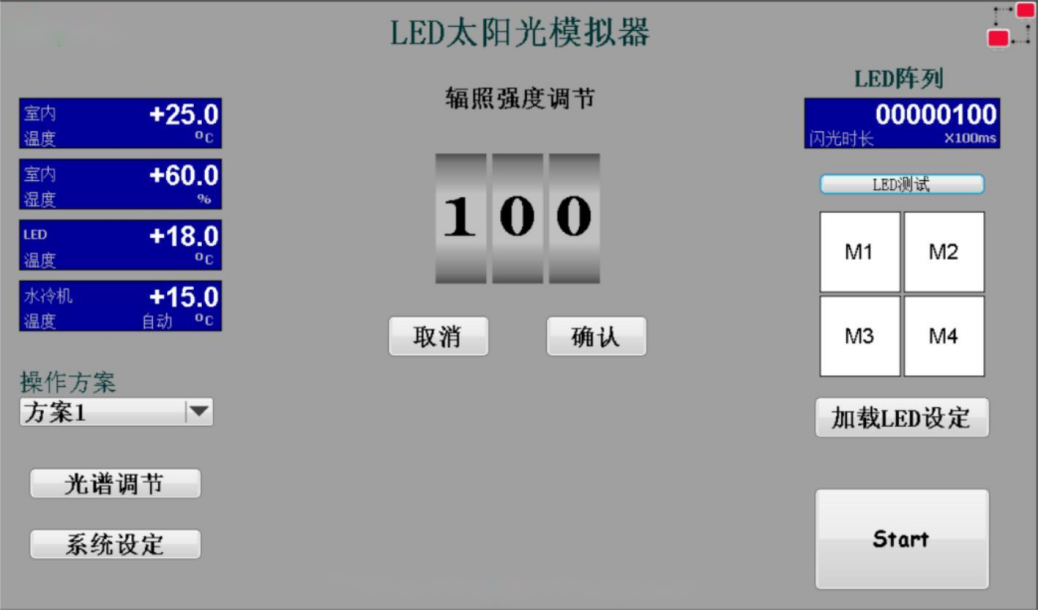
2. Steady-State Simulation
Modules are subjected to controlled light and temperature conditions until they reach a stable performance state. This eliminates transient effects and provides reliable, repeatable results.
3. Real-Time Data Acquisition
Advanced digital sensors and data loggers record current-voltage (I-V) curves, power output, and efficiency metrics in real time. This allows engineers to make instant, data-driven decisions about module quality.
4. Intelligent Analysis & Reporting
Sophisticated software integrates with the testing system to generate detailed performance reports, highlighting issues like hot spots, shading sensitivity, or cell mismatch, helping manufacturers optimize production.
The Shocking Truth About Solar Module Failures
Many solar modules underperform or fail prematurely due to undetected flaws during production. Studies show:
Up to 15% of PV modules delivered to the field contain defects affecting energy output.
Hidden issues like micro-cracks, soldering faults, or shading effects can go unnoticed without advanced testing.
A multi-channel steady-state PV testing system uncovers these hidden defects, ensuring every module meets international standards, including IEC 61215 and IEC 61730.
Proven Benefits of Investing in Multi-Channel PV Testing Systems
Investing in this technology is not just about quality assurance—it’s about gaining a competitive edge. Here’s why:
Maximized Production Efficiency
Test multiple modules simultaneously, dramatically reducing testing time.Improved Energy Output
Detect performance anomalies before deployment to ensure peak solar yield.Enhanced Product Reliability
Provide customers with proven module durability, building brand trust.Cost Savings
Catch defects early, reducing warranty claims and minimizing costly recalls.Advanced Data Insights
Leverage detailed analytics for research and development, accelerating innovation.
Key Features to Look for in a Multi-Channel PV Module Testing System
When choosing a system, focus on features that offer precision, scalability, and automation:
High-Resolution I-V Measurement: Captures subtle performance variations.
Temperature-Controlled Chambers: Simulates real-world operating conditions.
Automated Data Logging: Eliminates manual errors and ensures accurate reporting.
User-Friendly Interface: Simplifies operation and reduces training time.
Scalability: Handles small labs and large manufacturing lines with ease.
Why LE-Laser’s PV Testing System Stands Out
Among competitors, LE-Laser’s multi-channel PV module testing system is recognized for cutting-edge precision and robust performance. Key highlights include:
Multi-Channel Capability: Test multiple modules simultaneously for efficiency.
Stable Light Source Technology: Provides consistent irradiance for reliable results.
Advanced Software Integration: Generates comprehensive reports and analytics.
Modular Design: Adaptable to labs of any size.
This system isn’t just a tool—it’s a game-changing investment that enhances quality assurance and drives innovation.
Industry Insights: How Top Solar Manufacturers Are Leveraging This Technology
Leading solar companies are using multi-channel steady-state testing systems to:
Identify underperforming cells before assembly.
Optimize module design for maximum efficiency.
Reduce energy losses through precision testing.
Streamline production processes, saving time and money.
The result? Higher-quality modules, better customer satisfaction, and stronger market positioning.
LSI Keywords for SEO Boost
Incorporating semantic and LSI keywords naturally throughout your content boosts search rankings. Examples for this topic:
Solar module I-V curve measurement
PV module quality testing equipment
Photovoltaic module performance analysis
Multi-channel solar tester
Steady-state PV test system benefits
Solar panel efficiency measurement
FAQs: Everything You Need to Know About Multi-Channel PV Module Testing
Q1: What is a steady-state PV module testing system?
A: It’s a specialized device that evaluates solar modules under stable light and temperature conditions, providing accurate performance data.
Q2: How does multi-channel testing save time?
A: By testing multiple modules simultaneously, engineers can collect large datasets quickly, reducing manual testing and increasing throughput.
Q3: Can this system detect micro-cracks in solar cells?
A: Yes. Advanced sensors and software detect hidden defects, including micro-cracks, shading effects, and cell mismatch issues.
Q4: Is steady-state testing better than flash testing?
A: Flash testing is fast but often misses long-term performance issues. Steady-state testing provides reliable, real-world insights.
Q5: How does this technology improve solar ROI?
A: By ensuring modules are defect-free and high-performing, energy yield is maximized, reducing operational costs and increasing return on investment.
In conclusion, the Multi-Channel PV Testing System represents a transformative leap in solar module testing, combining precision, efficiency, and reliability in a single solution. As the solar industry grows more competitive, ensuring that every photovoltaic module delivers maximum performance is critical—not just for energy output, but also for long-term durability and customer satisfaction. By enabling simultaneous testing of multiple modules under steady-state conditions, these advanced systems detect hidden defects, optimize production processes, and provide actionable insights that traditional testing methods often miss.
Investing in a Multi-Channel PV Testing System is more than just a quality control measure—it’s a strategic move that enhances operational efficiency, reduces costly errors, and drives higher ROI for manufacturers. With real-time data acquisition, intelligent analysis, and robust reporting capabilities, these systems empower solar businesses to make informed, data-driven decisions that boost module reliability and energy efficiency. Ultimately, adopting this technology is not just about keeping up with industry standards—it’s about setting a new benchmark for excellence in solar module performance and staying ahead in a rapidly evolving energy landscape.