


Laser Texturing Systems for Molds, Dies, and Surface Functionalization
Beyond Aesthetics: The Functional Power of Laser Surface Texturing
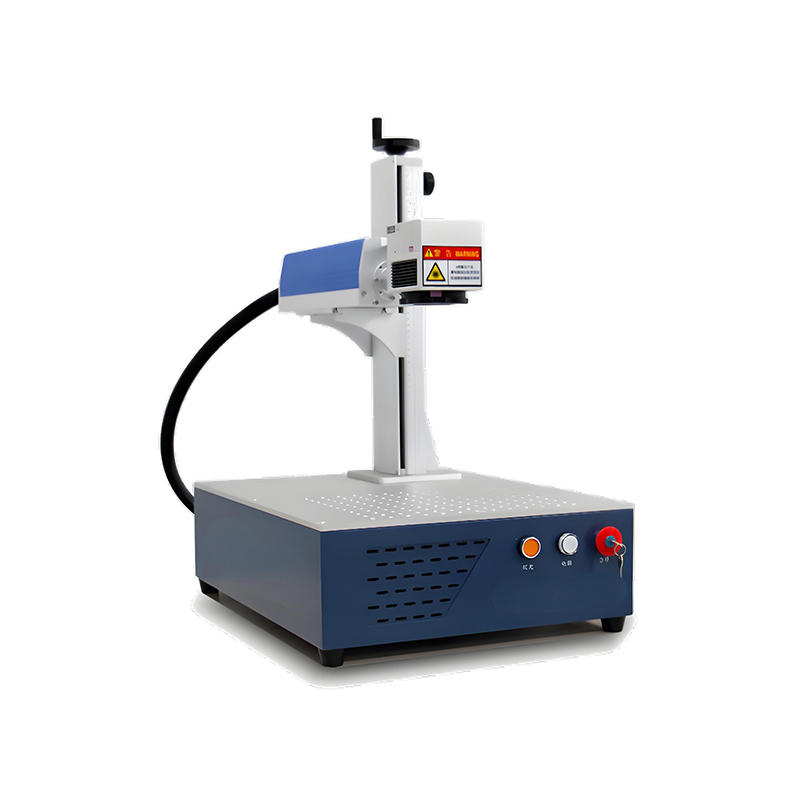
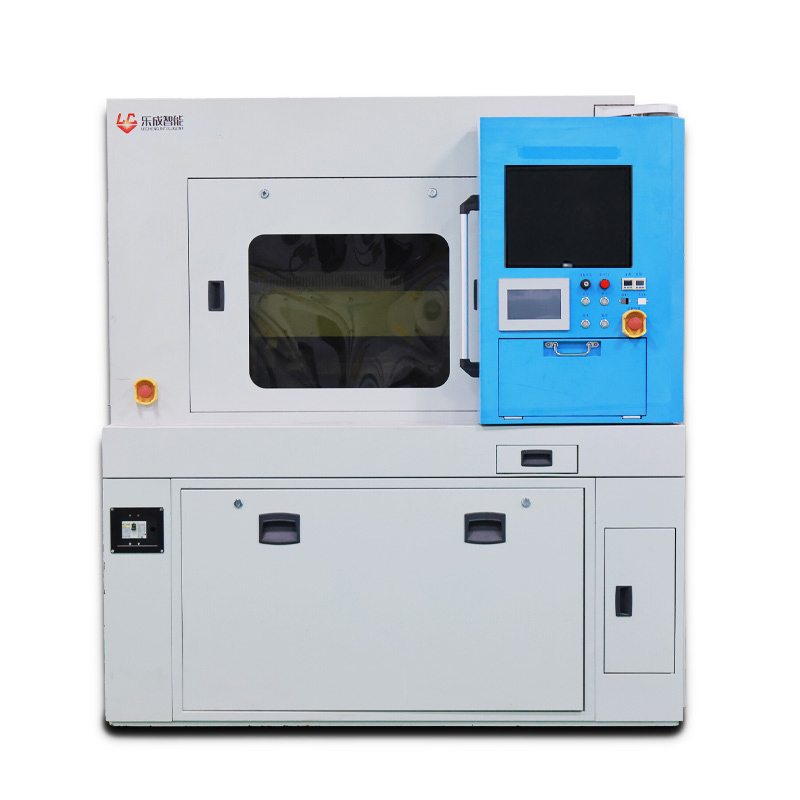
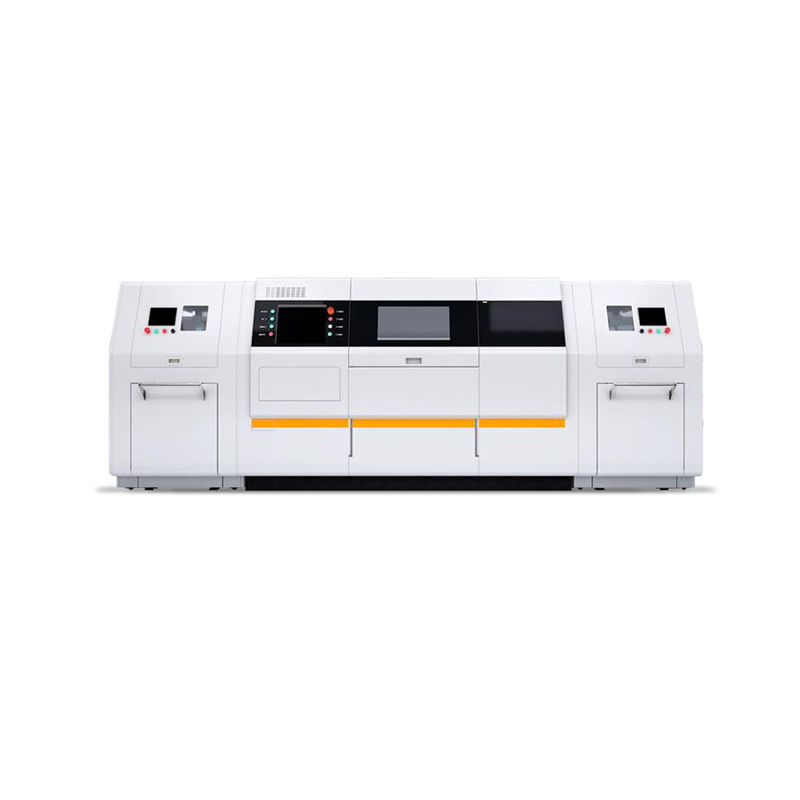
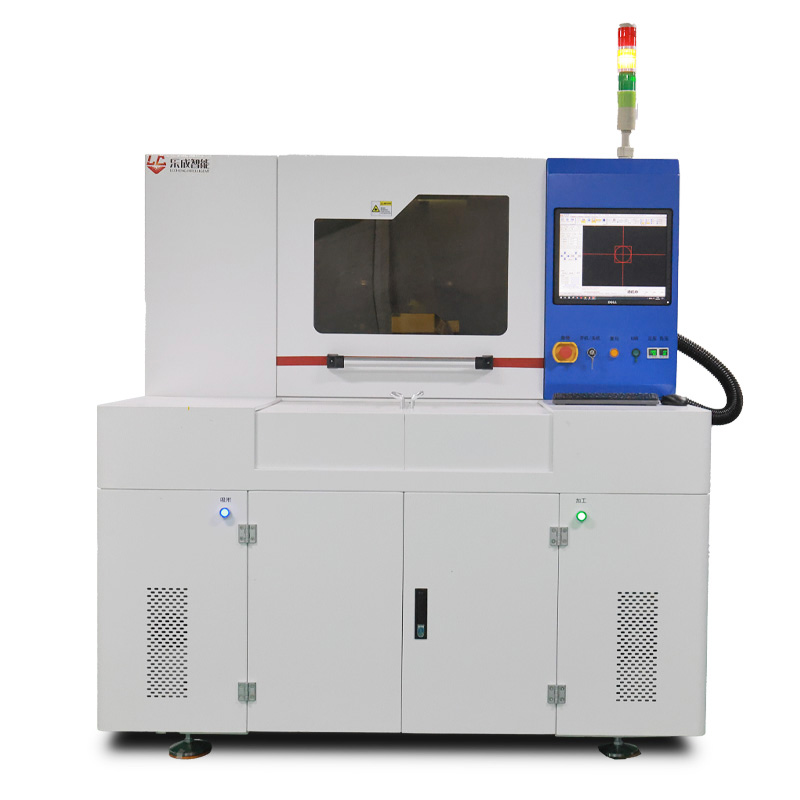
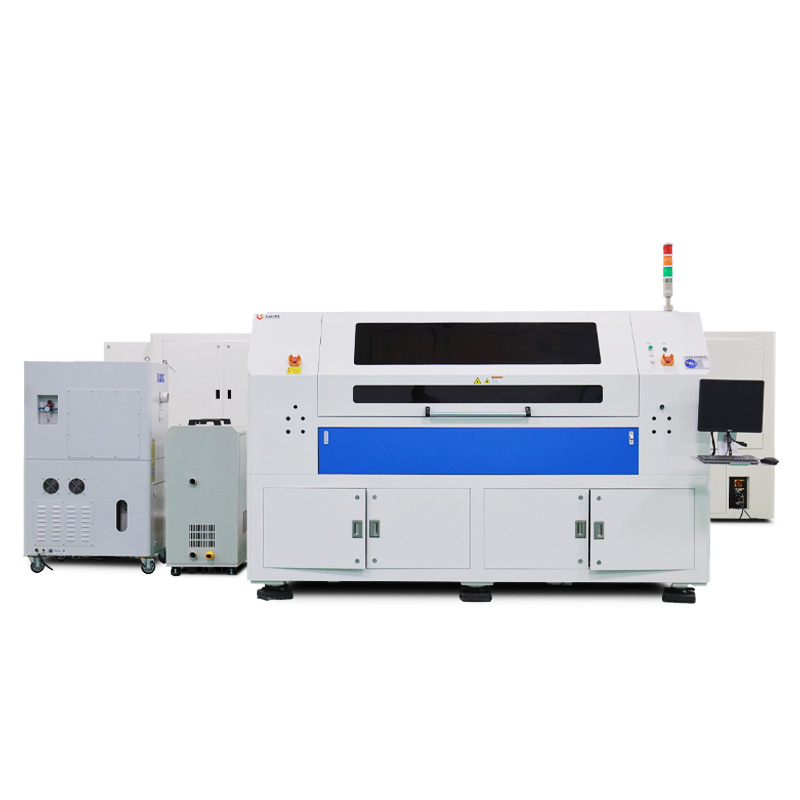
Moving far beyond simple decoration, modern laser texturing technology is a powerful engineering tool that directly manipulates a material's surface at a microscopic level to impart specific, functional properties. This is particularly transformative in the manufacturing of injection molds and stamping dies, where the texture applied to the tool surface is inversely replicated onto millions of plastic, metal, or composite parts. Traditional texturing methods like chemical etching (photo-etching) or Electrical Discharge Texturing (EDT) are limited in precision, repeatability, and design flexibility. In contrast, laser ablation texturing offers a digital, non-contact, and highly precise alternative. By using a focused laser beam—typically from a nanosecond or picosecond pulsed laser—to selectively vaporize material, it can create intricate patterns, micro-dimples, and controlled roughness with micron-level accuracy. This capability, as provided by systems from Lecheng Intelligent, allows manufacturers to engineer surfaces for purposes such as reducing friction coefficients, improving lubricant retention, enhancing paint adhesion, or creating specific visual effects like matte finishes. This transition from an artisanal craft to a digitally controlled engineering process unlocks new possibilities for part performance and manufacturing efficiency.
Precision Engineering for Mold & Die Applications: From Design to Reality
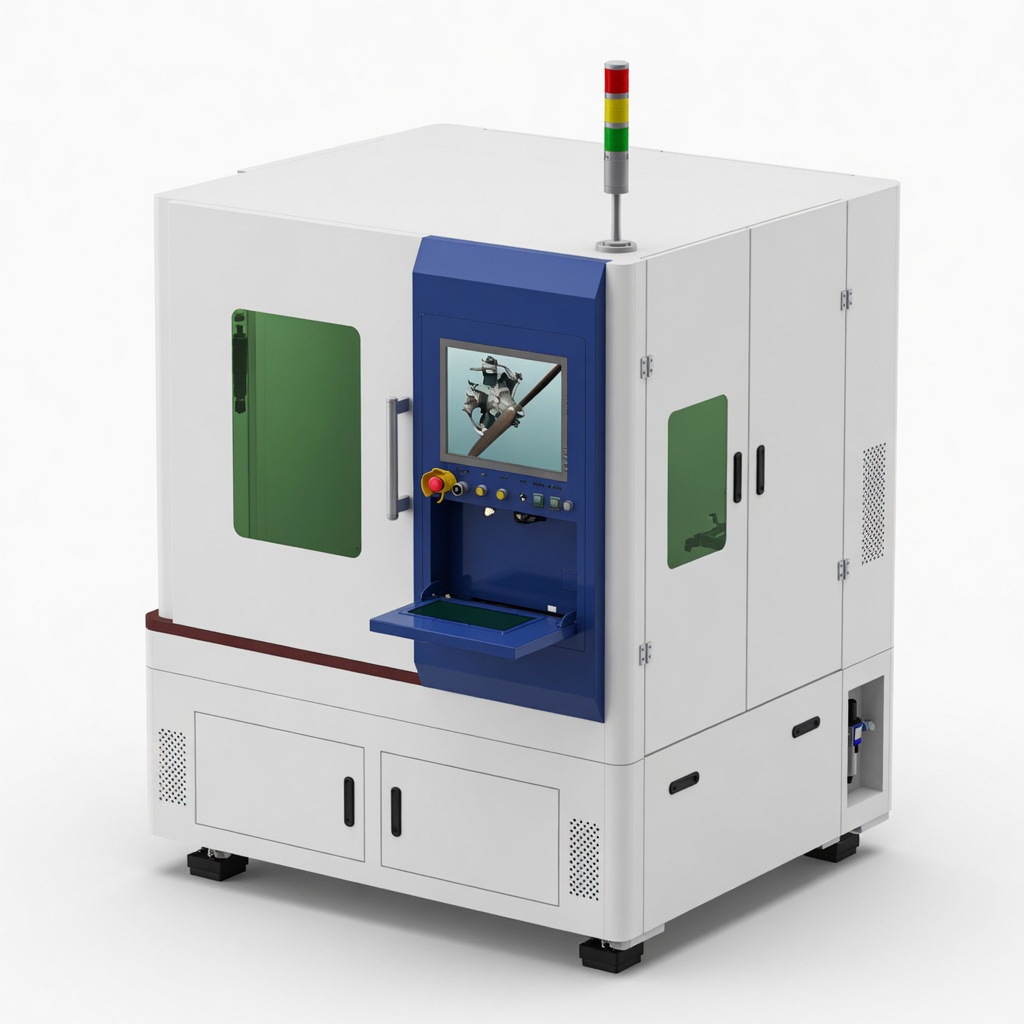
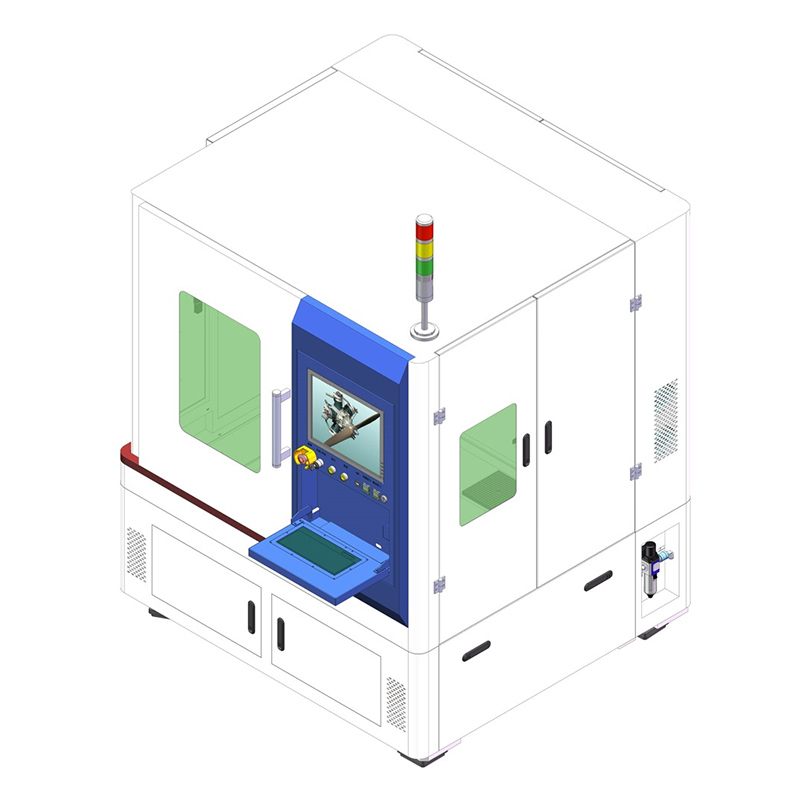
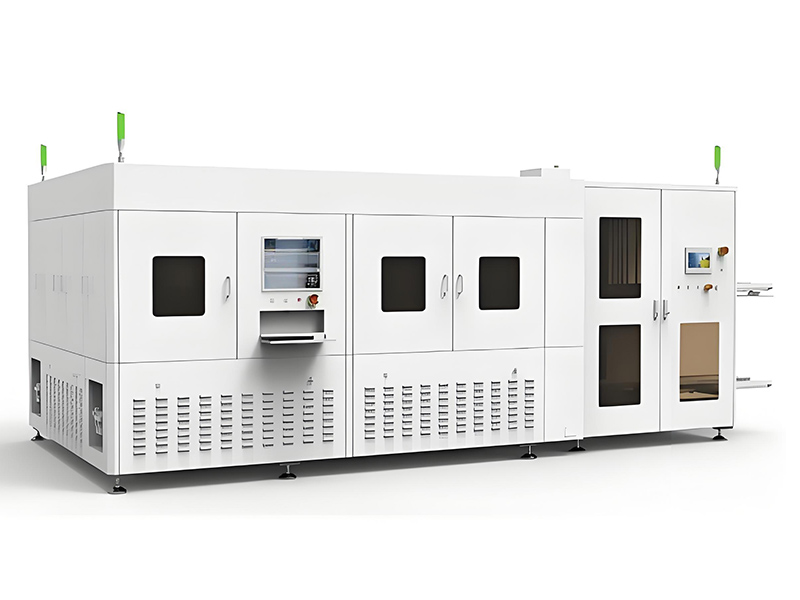
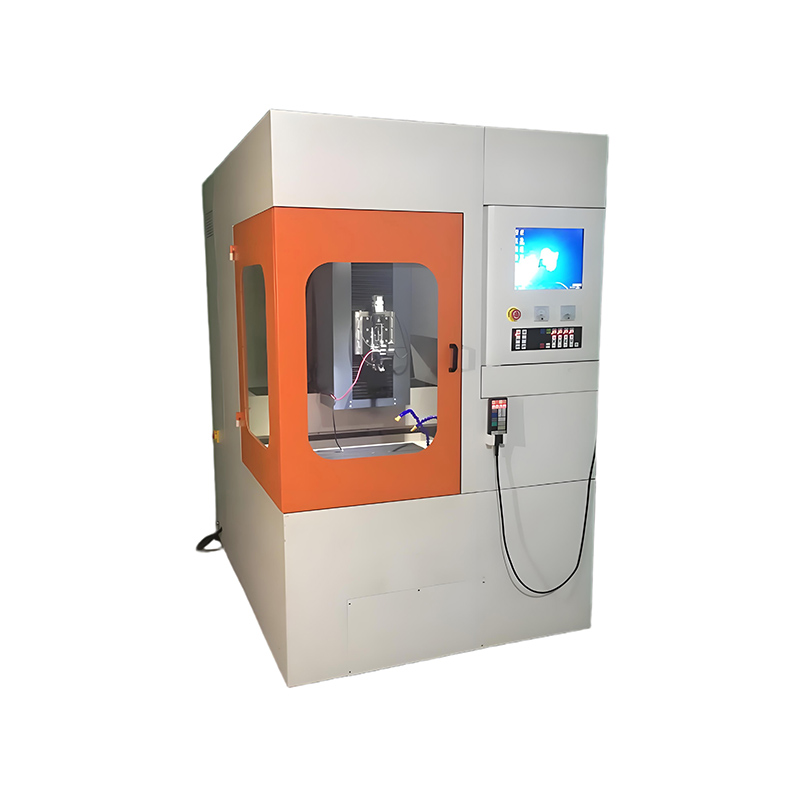
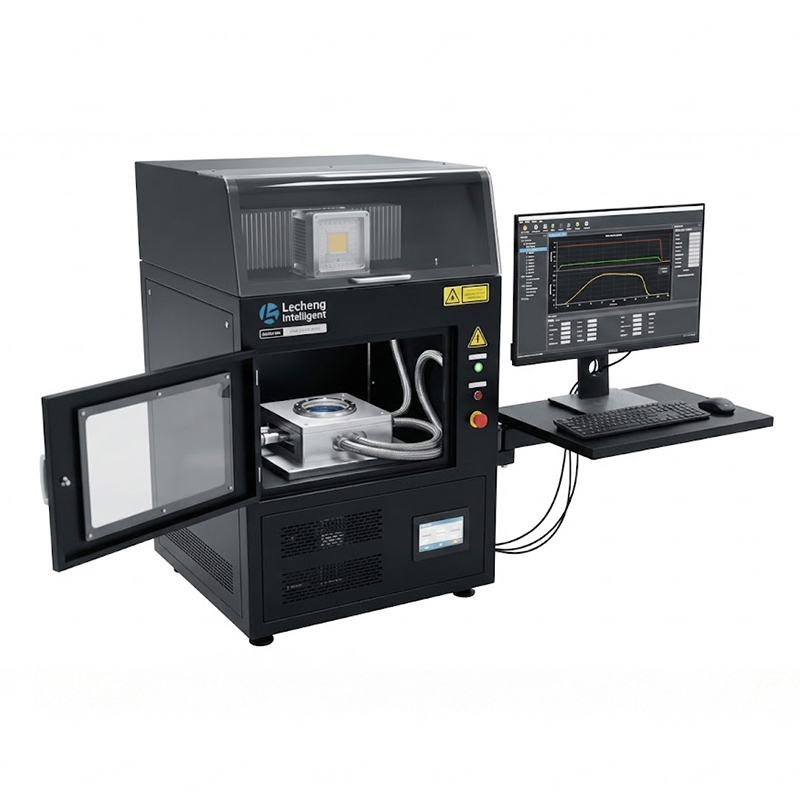
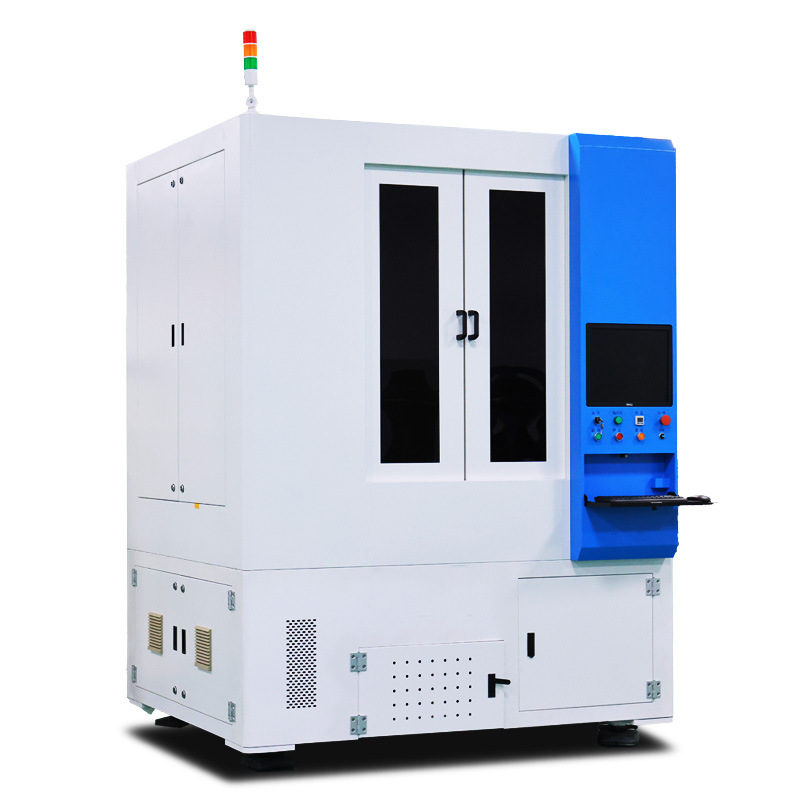
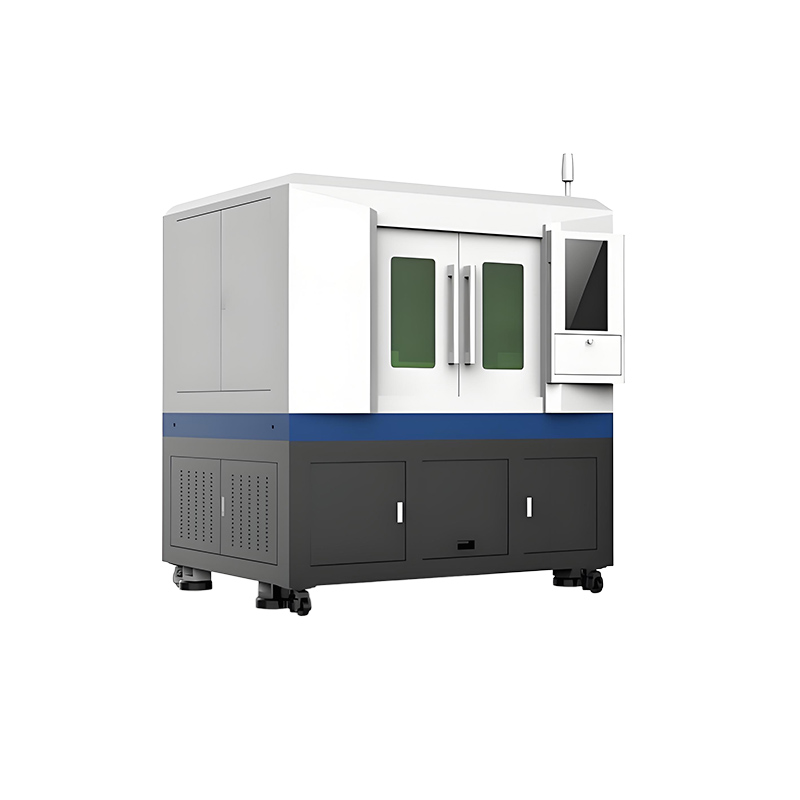
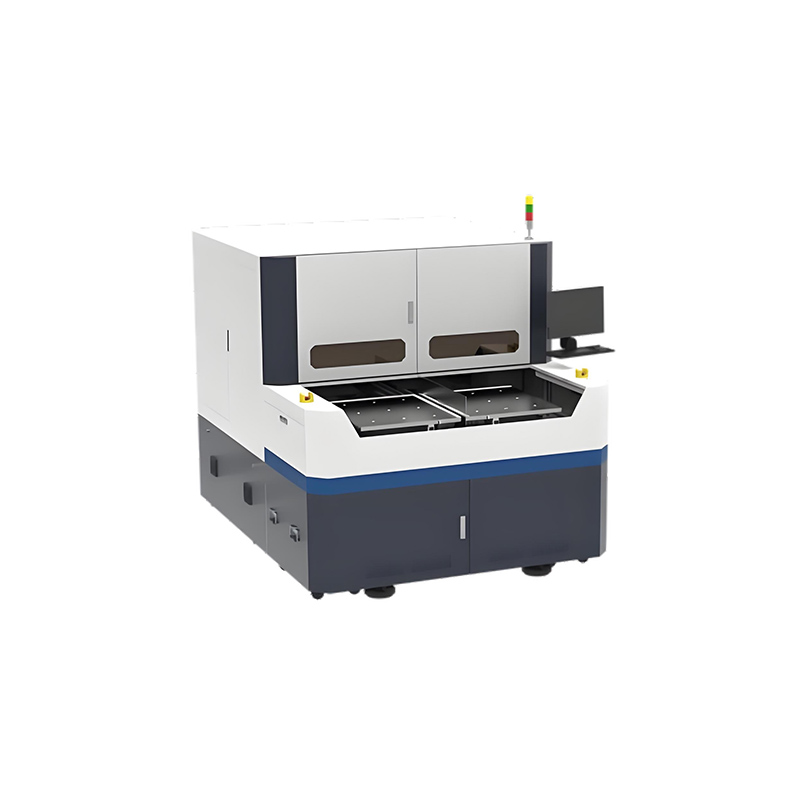
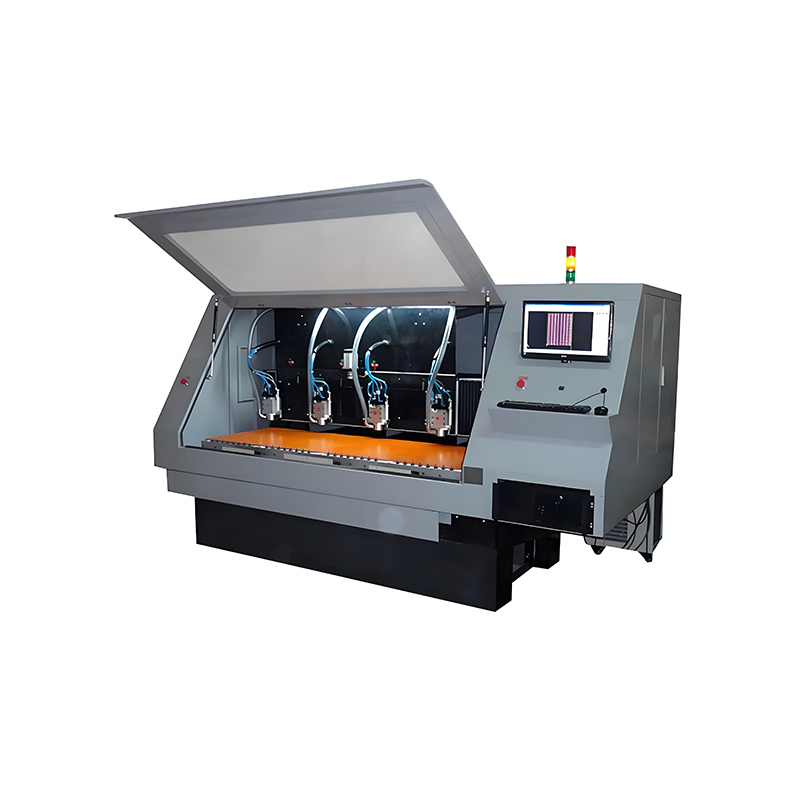
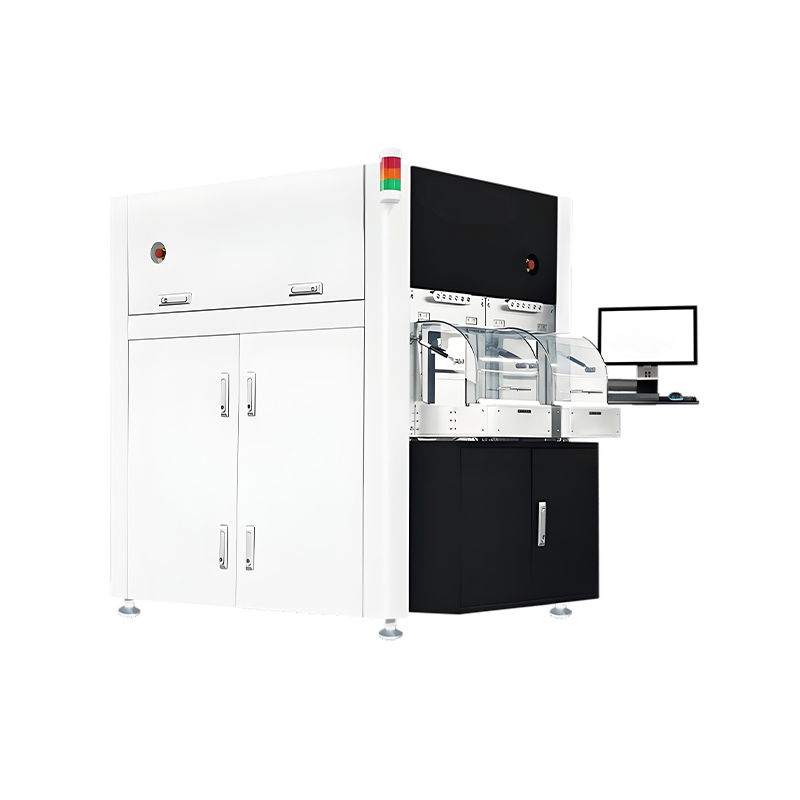
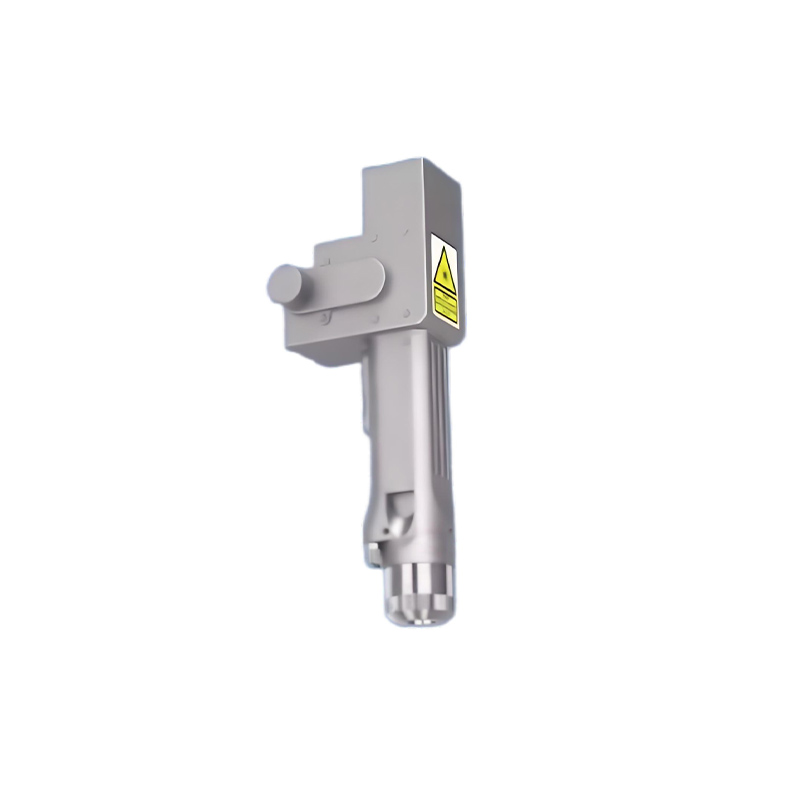
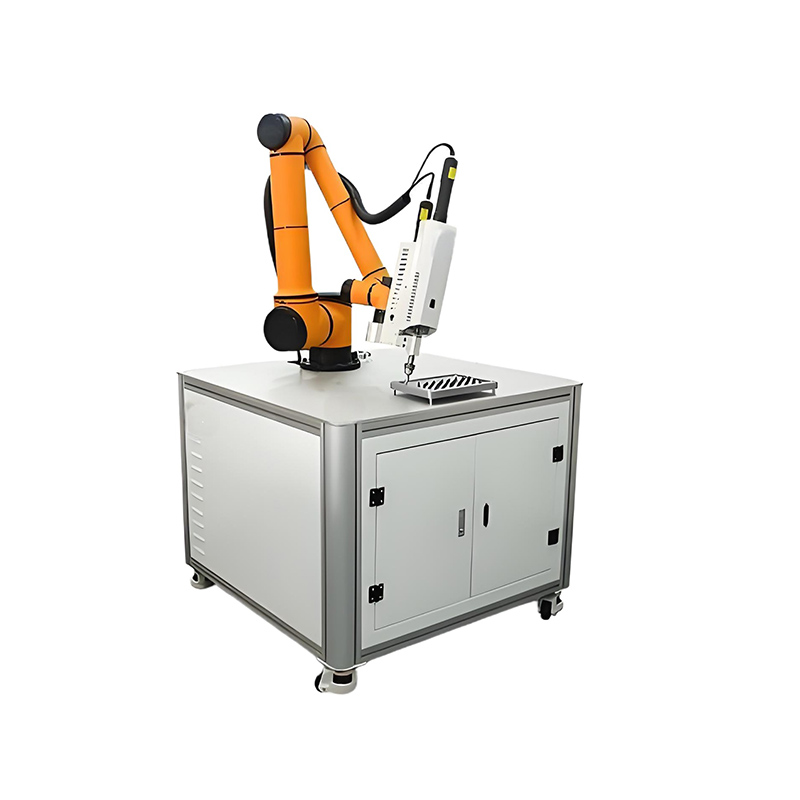
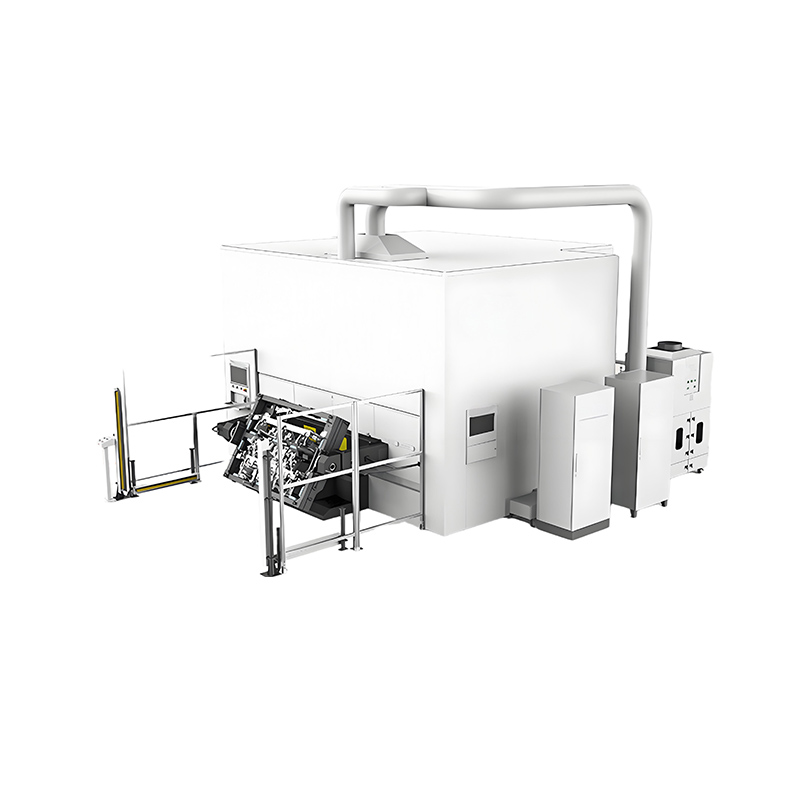
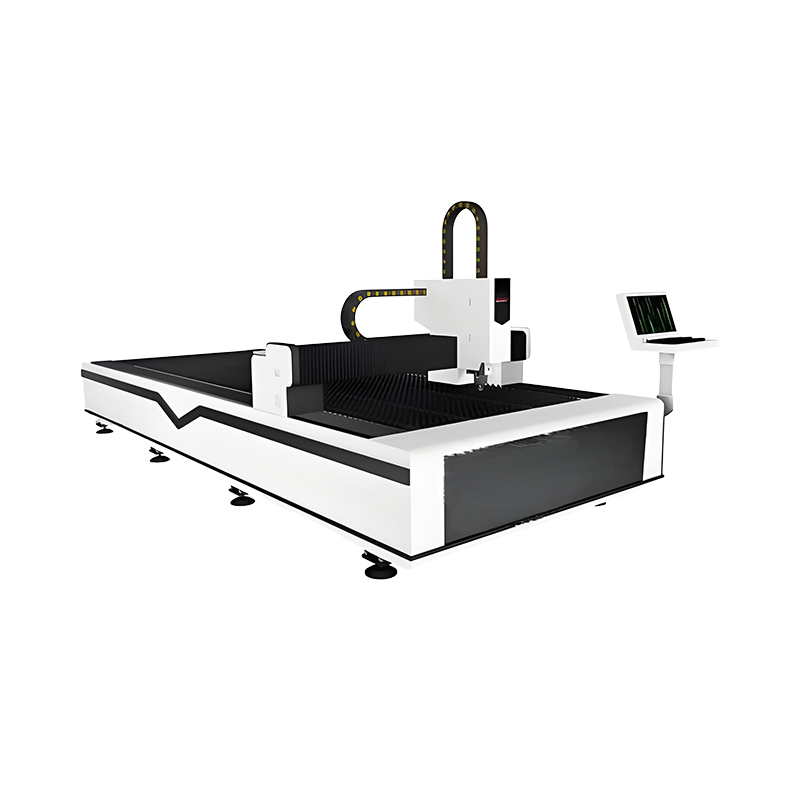
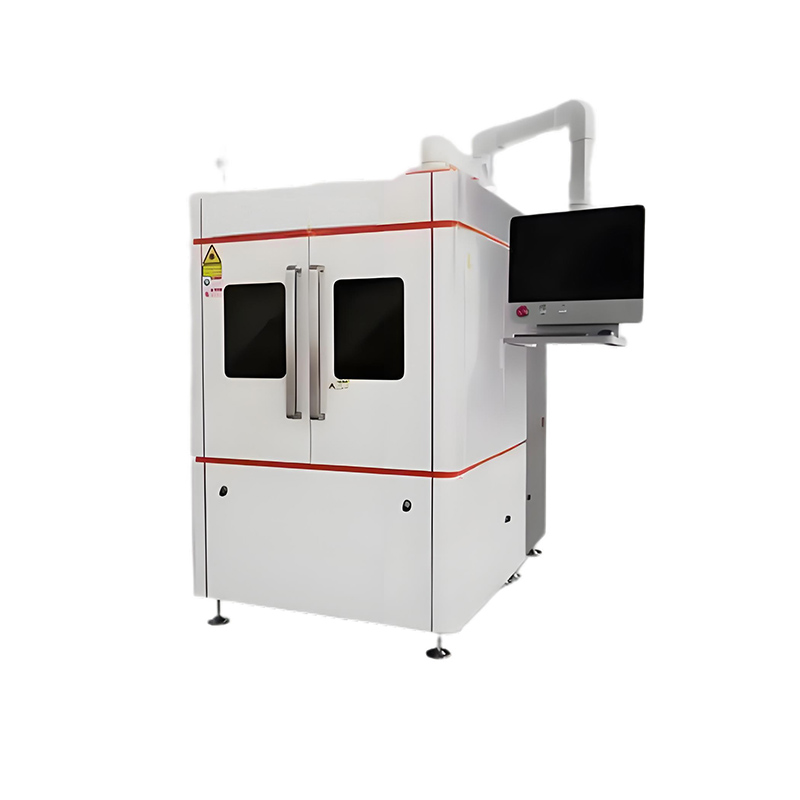
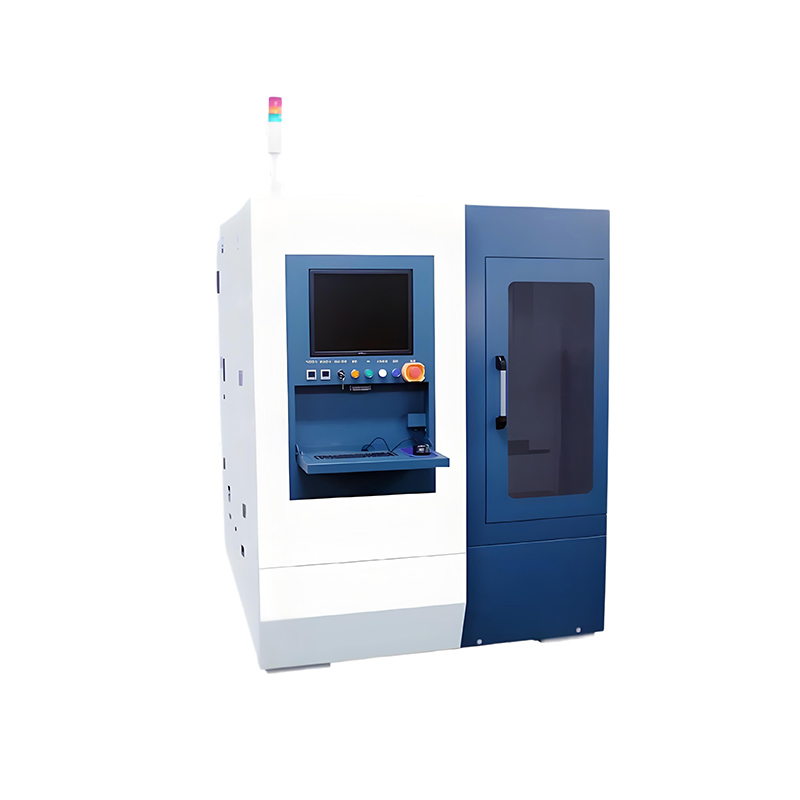
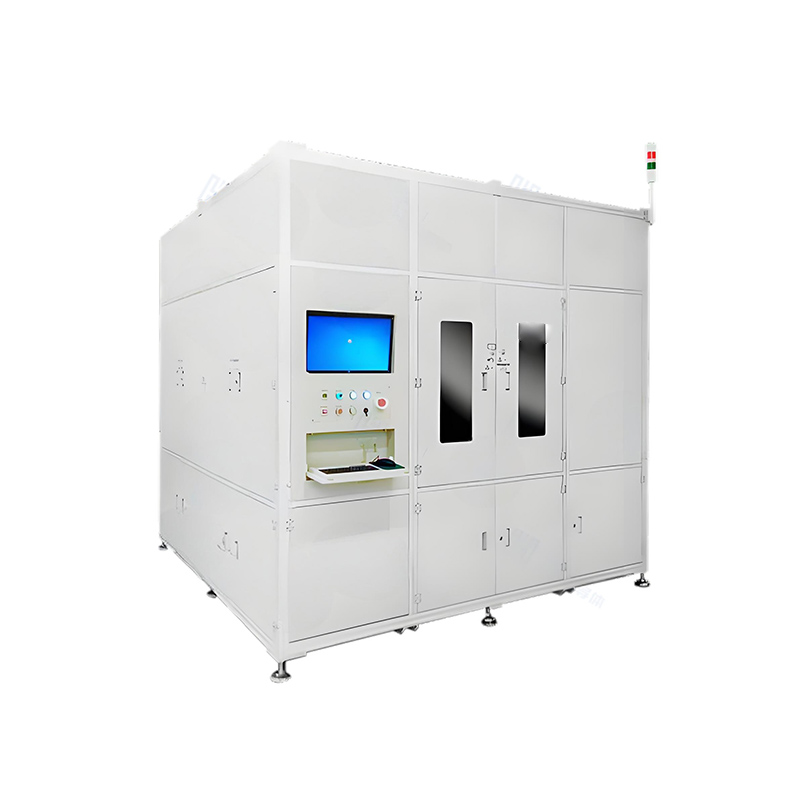
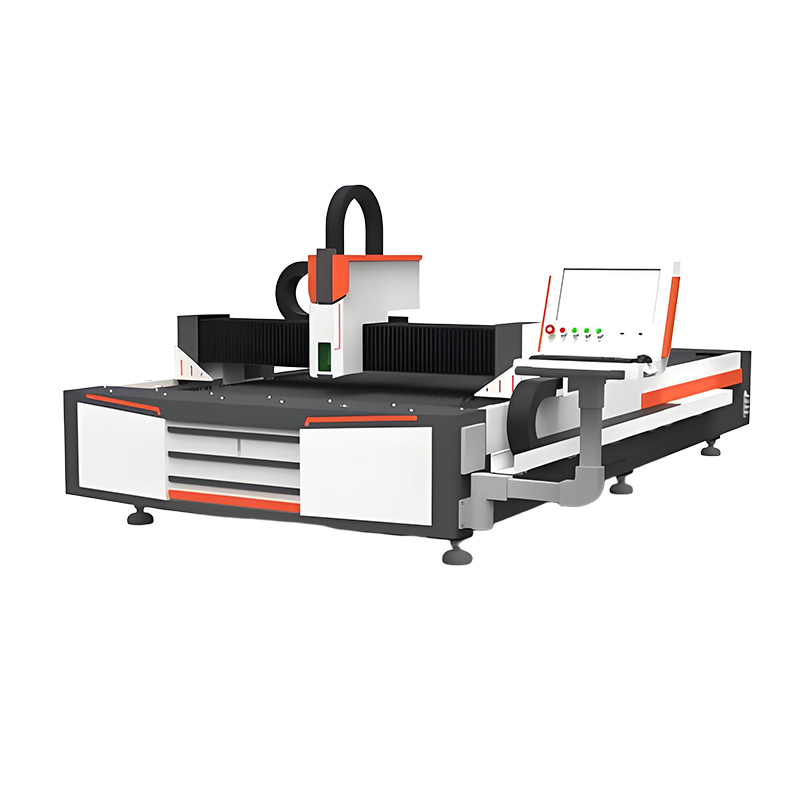
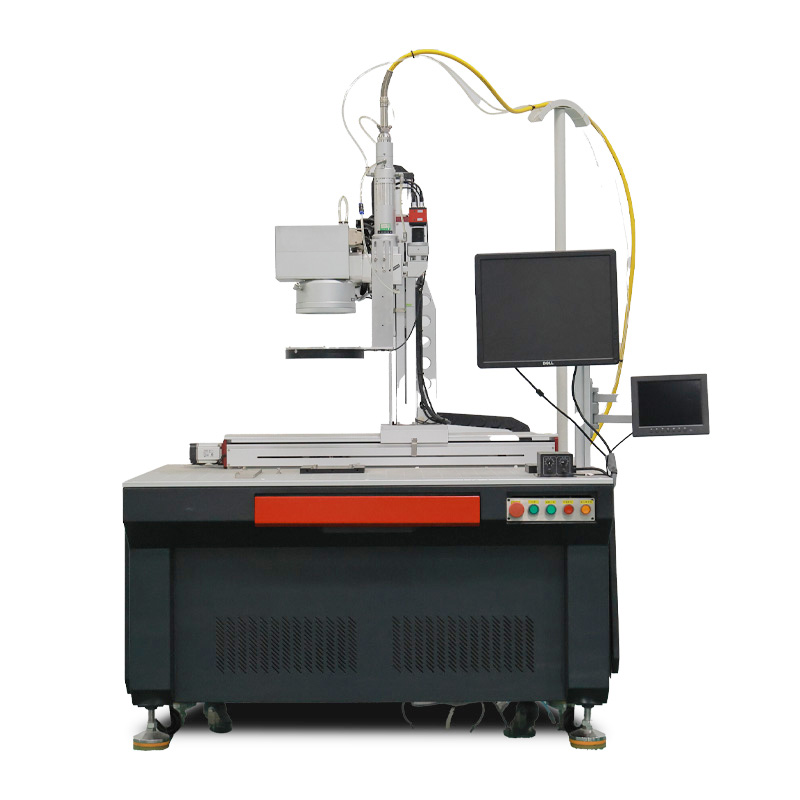
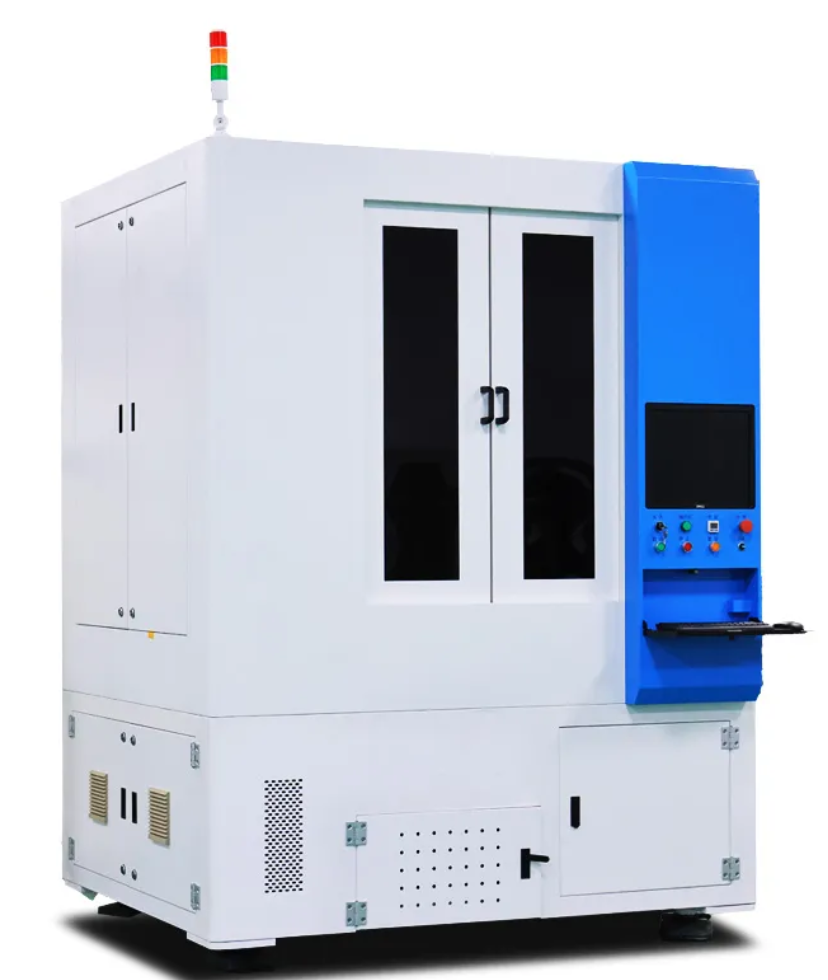
The application of laser texturing in tool and die making demands the highest levels of precision and reproducibility. A texturing system must faithfully translate a complex digital design—often a 3D relief pattern—onto the often curved and complex geometry of a mold cavity. Lecheng's systems achieve this through an integration of key technologies. High-precision 3D scanning galvanometers guide the laser beam across the surface with exceptional speed and accuracy, following the intricate contours of the tool. This is synchronized with a multi-axis motion system (often incorporating rotary axes) that positions the bulky mold or die, ensuring the laser beam maintains a consistent focal distance and incident angle across the entire surface. The heart of the process is the laser ablation strategy, which is meticulously programmed. By controlling parameters like pulse overlap, hatch distance, and laser fluence, operators can achieve a vast range of surface finishes, from deterministic dimple patterns that reduce drag in plastic flow, to stochastic roughness profiles that aid in part ejection or create a soft-touch feel on consumer products. This digital approach ensures that the exact same texture can be applied to multiple cavities within a mold or reproduced perfectly on a replacement die, guaranteeing consistency across production runs that can span years.
Enabling Advanced Surface Functionalization Across Industries
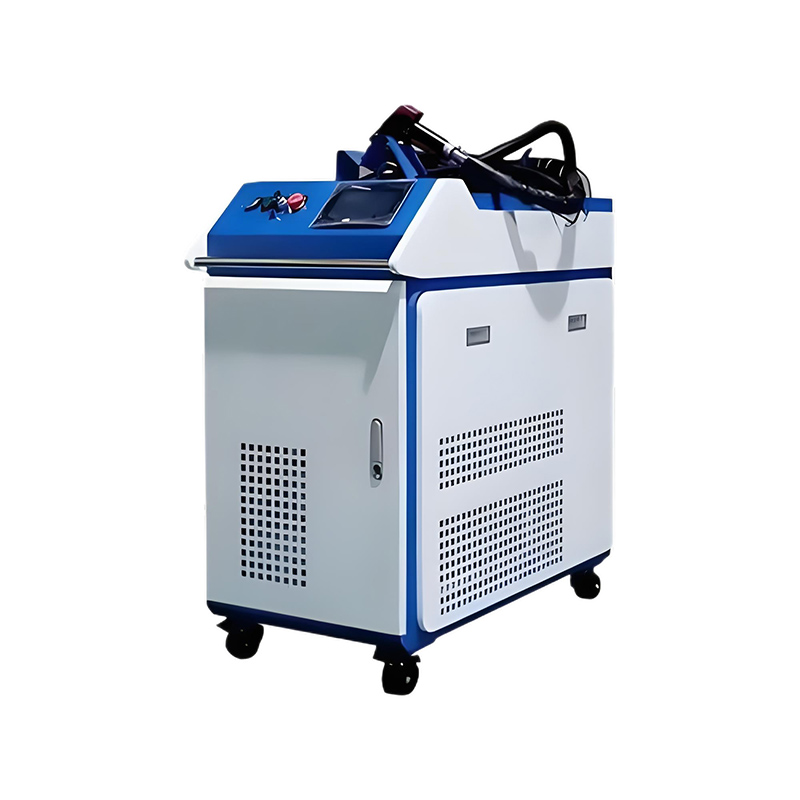
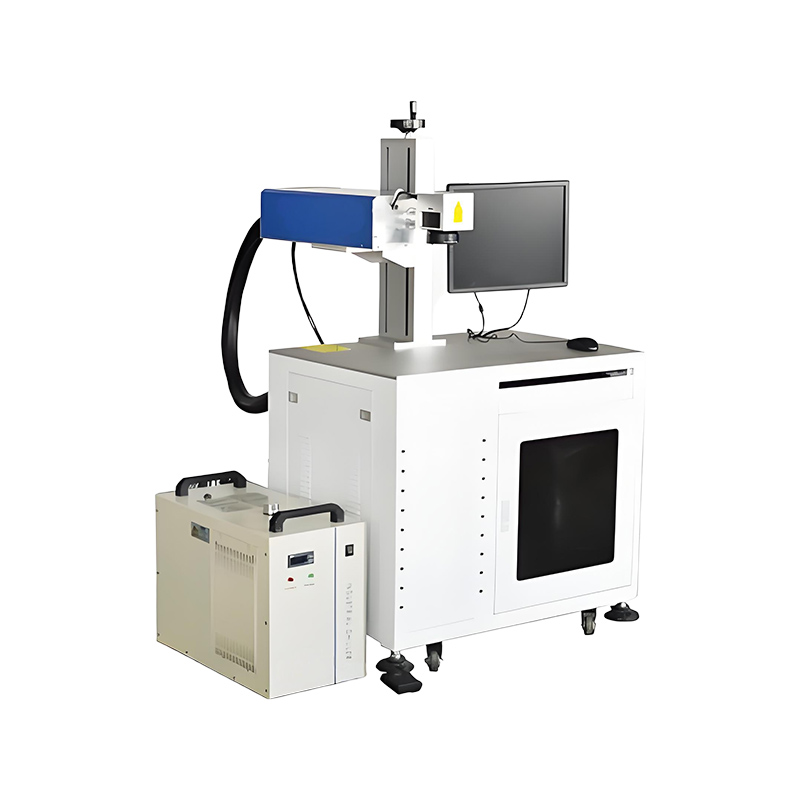
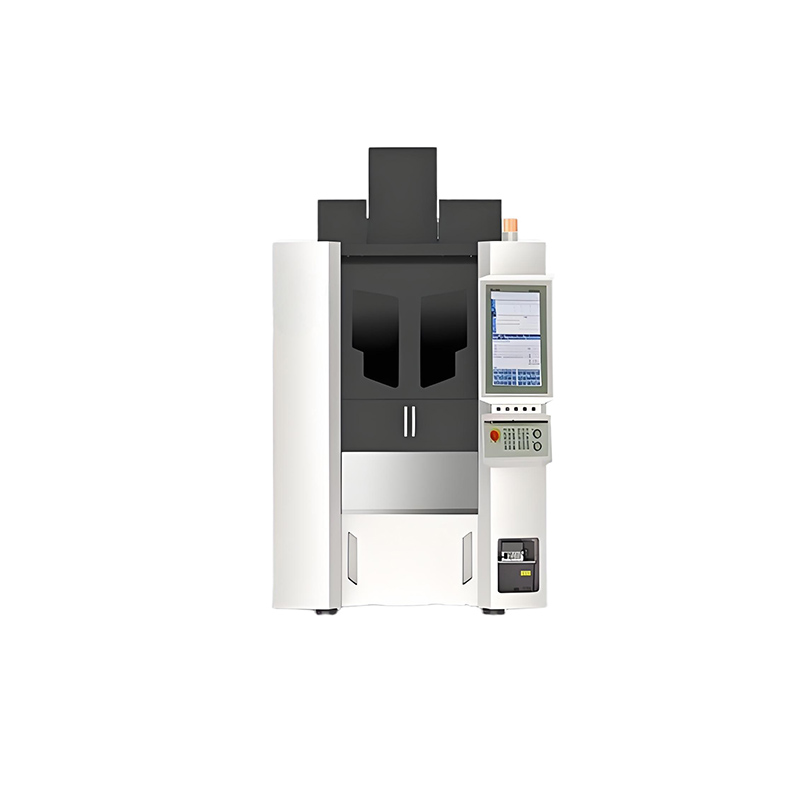
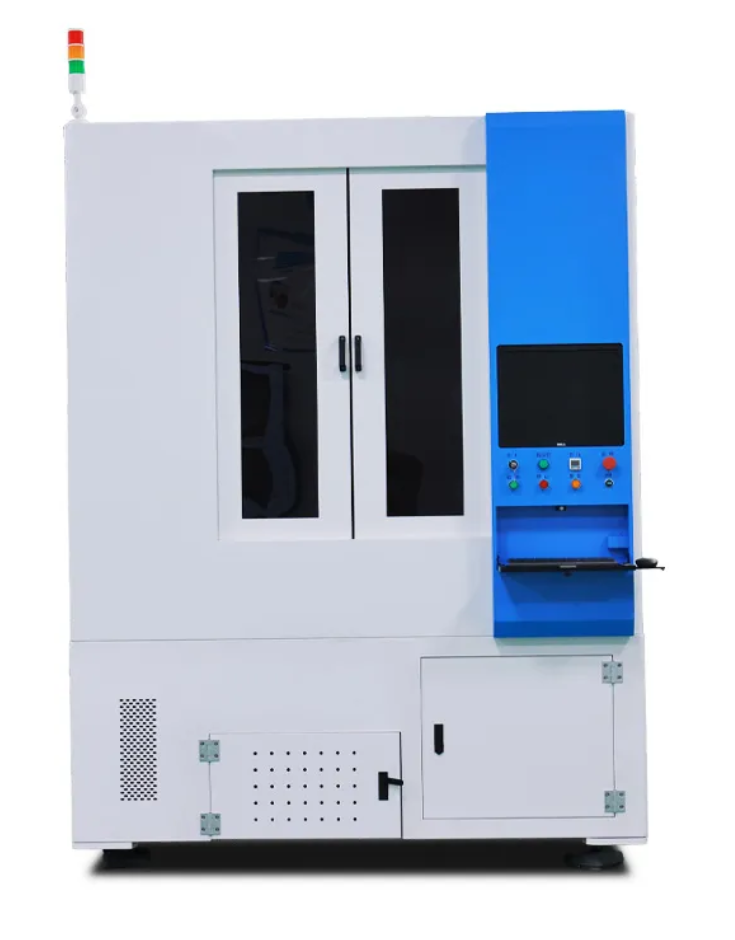
The impact of laser texturing extends far beyond traditional mold and die shops, enabling surface functionalization for a wide spectrum of industrial applications. By creating micro- or nano-scale features on a surface, engineers can fundamentally alter how that surface interacts with its environment. For example, in the automotive industry, texturing piston skirts or cylinder liners can significantly reduce engine friction and wear. In aerospace, specific textures can manage boundary layer airflow or reduce ice adhesion on critical surfaces. For medical implants, such as titanium hips or dental abutments, laser texturing can create osseointegration-promoting surfaces that enhance bone cell attachment and implant stability—a process far superior and more controllable than traditional grit-blasting. Lecheng's versatile laser platforms are designed to handle this diversity. They can be equipped with different laser sources (fiber, UV, ultrafast) to optimally process metals, ceramics, polymers, and composites. This flexibility makes laser texturing a cornerstone technology for surface engineering, allowing manufacturers to add value, improve performance, and solve complex tribological, biological, or optical challenges by designing the surface itself.
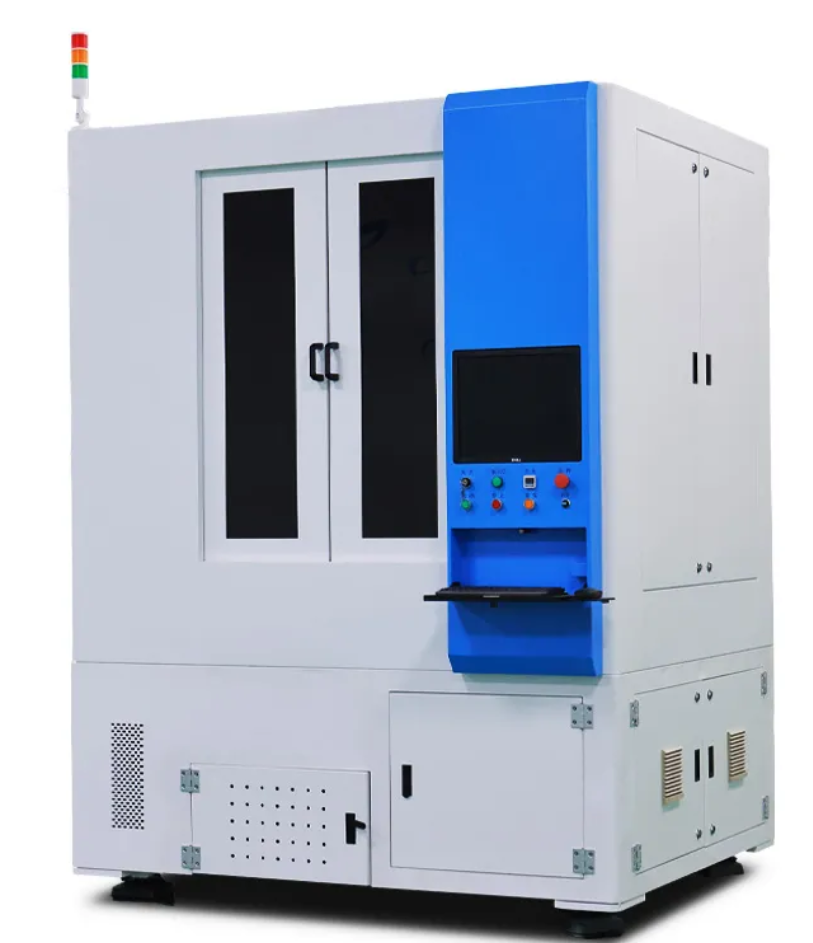
Laser texturing systems represent a paradigm shift in surface engineering, transforming passive surfaces into active, performance-defining components. By offering unprecedented precision, digital control, and versatility, this technology empowers manufacturers in the mold and die industry to produce higher-quality, more consistent parts. Simultaneously, it unlocks revolutionary capabilities for functional surface creation across automotive, aerospace, medical, and consumer goods sectors. Companies like Lecheng are at the forefront of this shift, providing the advanced tools that turn intricate surface designs into reliable, high-performance industrial reality, proving that the future of manufacturing is not just shaped, but precisely textured.