Products

Featured products

Contact us

Innovation in Laser Technology and Application Expansion

2025-09-11

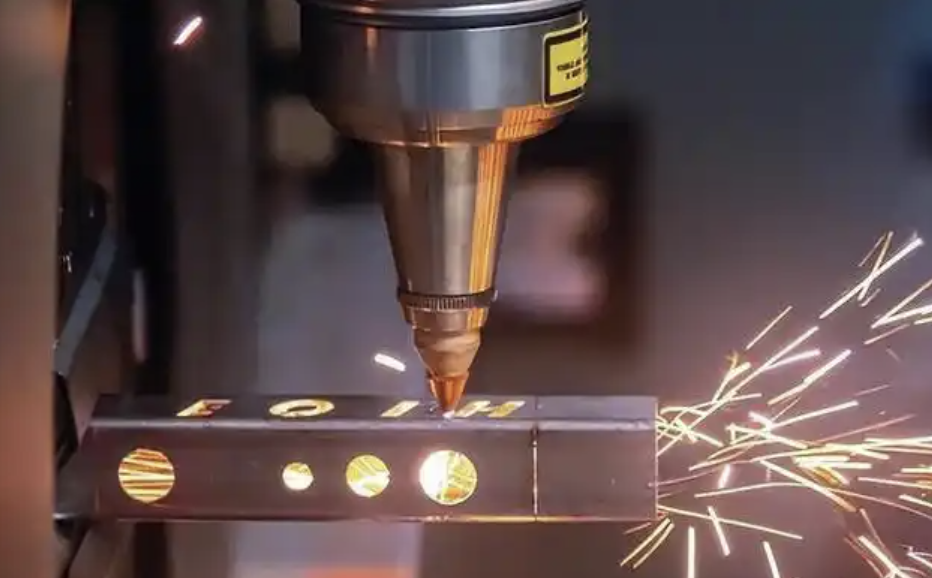
Laser technology, characterized by its non-contact processing, high precision, and exceptional flexibility, is rapidly replacing traditional mechanical methods across industries. From ultra-fast lasers to novel applications in composite materials and electric vehicles, advancements are driving efficiency and enabling breakthroughs in fields like medical devices and renewable energy.
Innovation in Laser Technology and Application Expansion

1. Advancements in Laser Sources

Ultrafast lasers, such as picosecond and femtosecond lasers, have achieved nanoscale processing precision, revolutionizing semiconductor and New energy battery manufacturing by significantly improving production yields. Recent innovations include on-chip picosecond mid-infrared laser pulse generators, which integrate resonators, laser sources, and filters on a single chip. These devices enable high-sensitivity gas sensing for environmental monitoring and medical imaging without external components
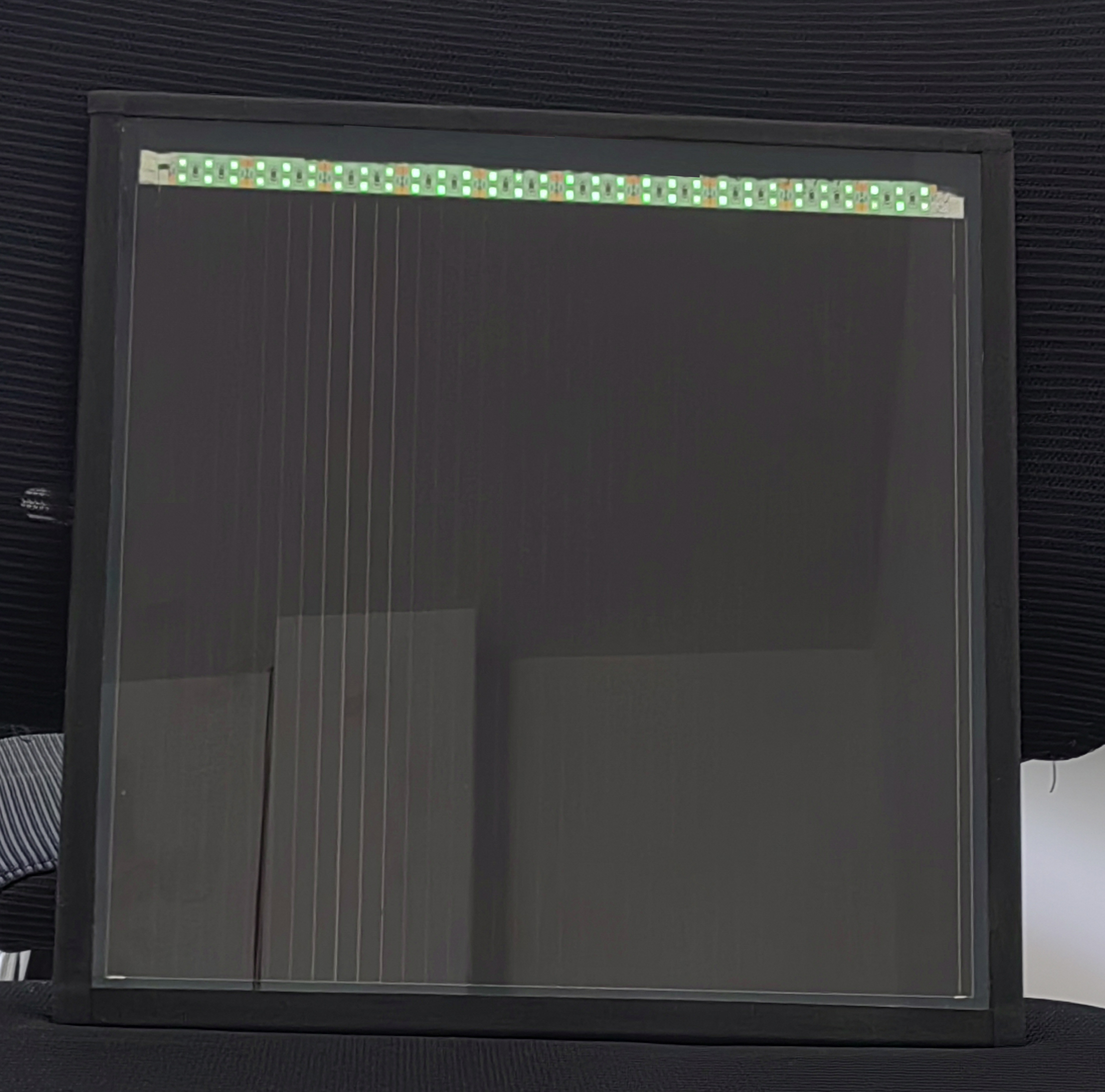
. Additionally, the world’s first electrically driven perovskite laser, developed by Zhejiang University, features a dual-microcavity design that combines low-threshold perovskite crystals with high-power microcavity LEDs. This breakthrough offers energy-efficient, stable laser output with modulation speeds up to 36.2 MHz, promising applications in optical data transmission and wearable devices.

Innovation in Laser Technology and Application Expansion

2. Processing New Materials

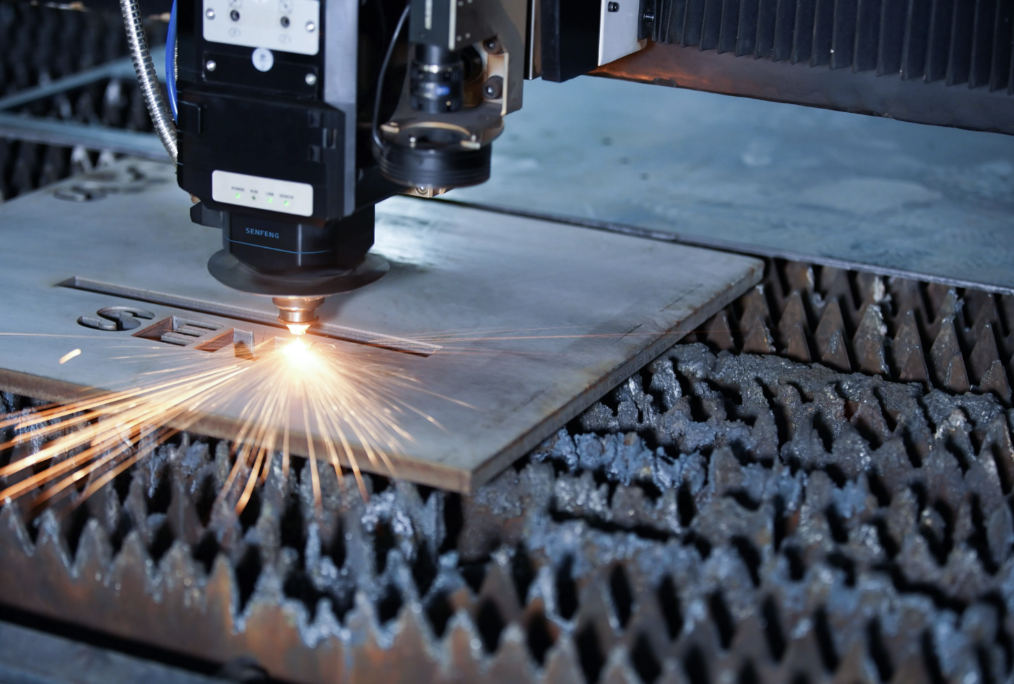
Laser technology is increasingly applied to composites and brittle materials. For instance, laser transmission welding reliably joins fiber-reinforced thermoplastics without mechanical stress, while laser surface treatment prepares composites for bonding and repair. Precision cutting and drilling of CFRP (carbon fiber-reinforced polymers) and GFRP (glass fiber-reinforced polymers) are now achievable with minimal damage.Blue laser technology (400–500 nm) also addresses challenges in processing high-reflectivity metals like copper and gold, offering spatter-free, pore-free welding critical for aerospace and electric vehicle battery manufacturing.
Innovation in Laser Technology and Application Expansion

3. Expanding Applications in New Energy and Medical Devices

In new energy vehicles, lasers are essential for battery welding (e.g., cell caps, tabs, and modules) and lightweight body manufacturing. Laser welding of aluminum and steel composites enhances structural strength while reducing weight. Solar and hydrogen energy sectors benefit from laser processing in photovoltaic panel manufacturing and fuel cell component fabrication.

In medical devices, ultrafast lasers enable minimally invasive surgeries, precision cutting of stents, and personalized aesthetic treatments. Laser-based optical frequency combs facilitate high-resolution imaging and diagnostics, while miniaturized perovskite lasers could soon integrate into lab-on-chip devices for real-time health monitoring.


4. Future Trends and Challenges

The future of laser technology emphasizes higher power, shorter pulses, and smarter integration. Trends include:

•Solar-powered laser systems for off-grid applications.

•AI-driven adaptive control for real-time process optimization.

•Miniaturization of laser sources for portable medical and electronic devices.

Challenges remain in standardizing processes for new materials and reducing costs for high-power systems. However, with ongoing research in semiconductor laser chips and quantum cascade technologies, laser applications will continue to expand into emerging fields like quantum computing and advanced sensing.

Innovation in Laser Technology and Application Expansion

Conclusion

Laser technology’s evolution from a specialized tool to a cross-industry solution underscores its transformative impact. As innovations in sources, materials, and applications accelerate, lasers will remain at the forefront of precision manufacturing, medical advancements, and sustainable energy solutions.
Innovation in Laser Technology and Application Expansion


  • Demystifying Beam Splitting Technologies in Perovskite Photovoltaic Laser Processing
    Demystifying Beam Splitting Technologies in Perovskite Photovoltaic Laser Processing
    The transition to gigawatt-scale perovskite solar production hinges on precision laser processing, where beam splitting technology plays a pivotal role. By dividing a single laser source into multiple beams, this technique enables simultaneous scribing of P1-P3 patterns and edge isolation (P4), directly impacting throughput, dead zone control, and production costs. Current industrial approaches primarily include mechanical beam splitting and diffractive optical elements (DOEs), each with distinct advantages for perovskite’s thermal sensitivity and scalability requirements.
    More
  • The Application of Laser Technology in the Industrialization of Perovskite Solar Cells
    The Application of Laser Technology in the Industrialization of Perovskite Solar Cells
    Perovskite solar cells (PSCs) represent the third generation of thin-film solar technology, renowned for their high efficiency, low cost, and flexibility. As industrialization progresses, laser technology has emerged as a critical enabler, addressing key challenges in precision processing and scalability. This article explores the multifaceted role of lasers in PSC manufacturing.
    More
  • Roll-to-Roll (R2R) Laser Scribing System for Thin-Film Solar Cells
    Roll-to-Roll (R2R) Laser Scribing System for Thin-Film Solar Cells
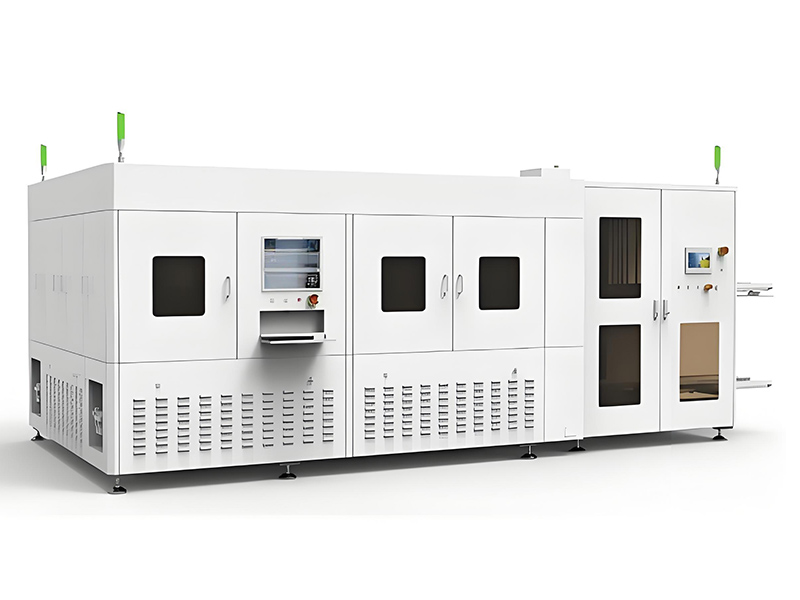
    The equipment utilizes a high-energy-density laser beam, precisely controlled by a computer system, to process roll-to-roll thin-film solar cell materials according to pre-programmed scribing patterns. Through laser thermal or cold processing effects, the thin-film material is instantaneously vaporized, separated, or modified, achieving precise scribing to either segment the cells or create specific circuit patterns on them.
    More
  • Perovskite Photovoltaic Module
    Perovskite Photovoltaic Module
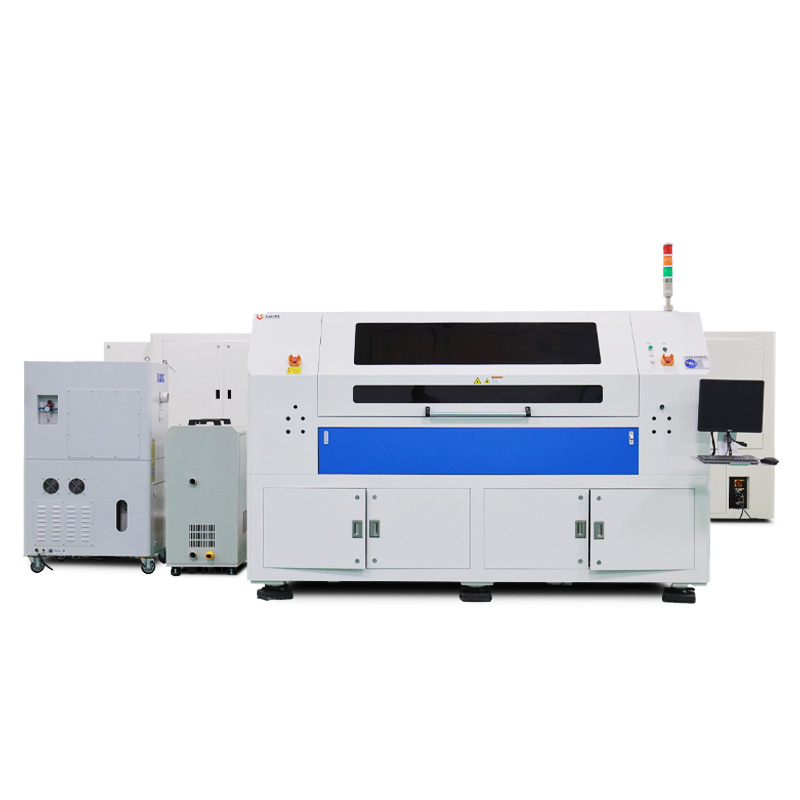
    Lecheng's laser scribing equipment, equipped with a high-precision laser control system, achieves micron-level patterning accuracy with smooth, thermally damage-free edges. This significantly reduces internal resistance losses in solar cells, pushing power conversion efficiency to industry-leading levels—perfectly meeting the high-power output demands of mass production.
    More
  • High-Precision Laser Micromachining Equipment
    High-Precision Laser Micromachining Equipment
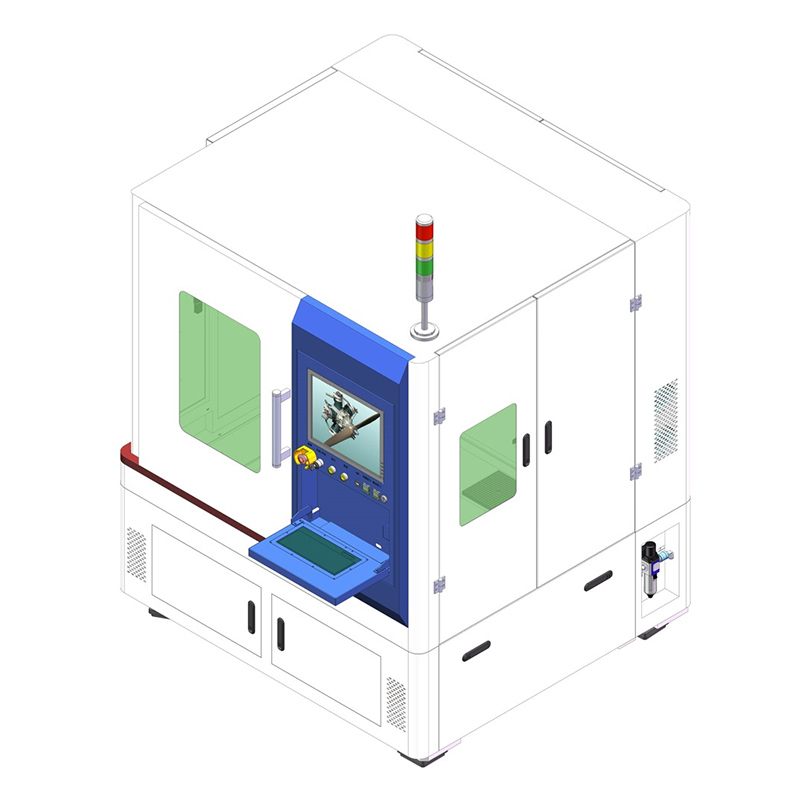
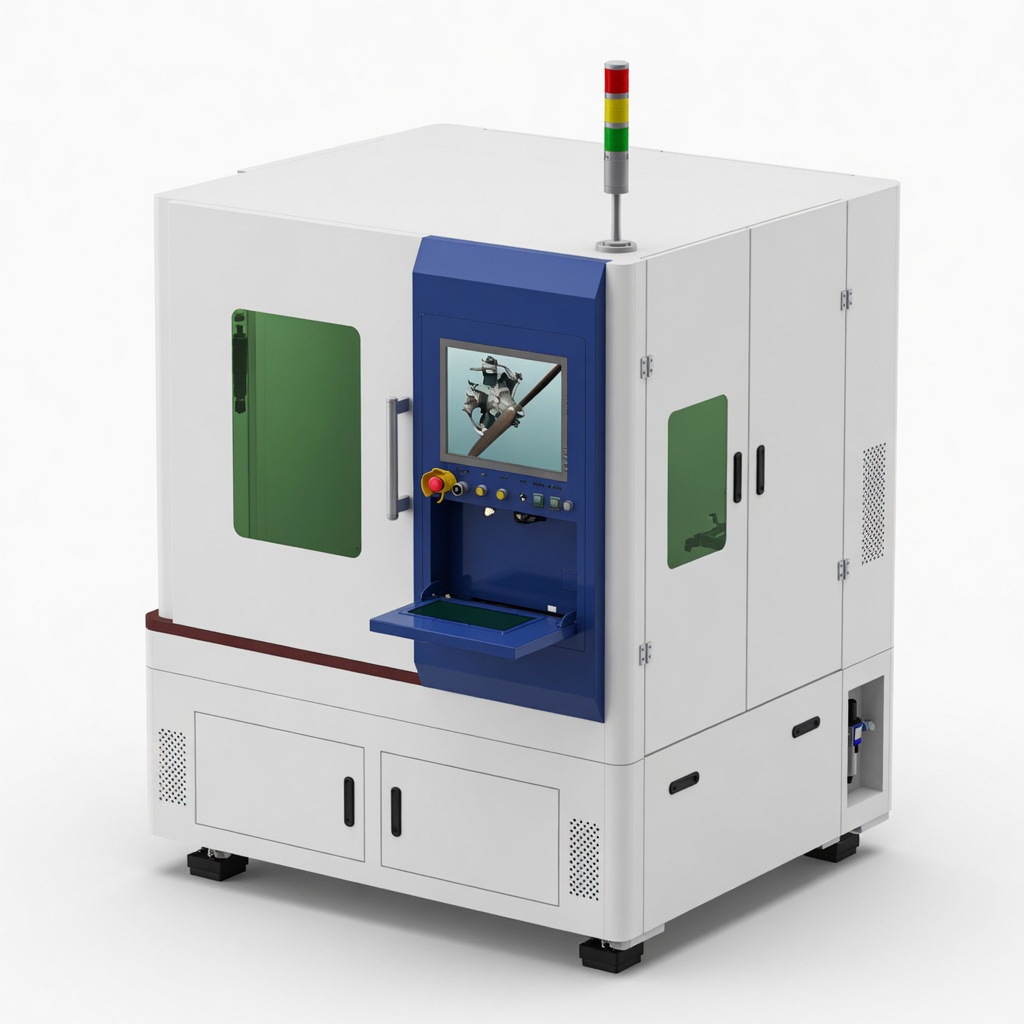
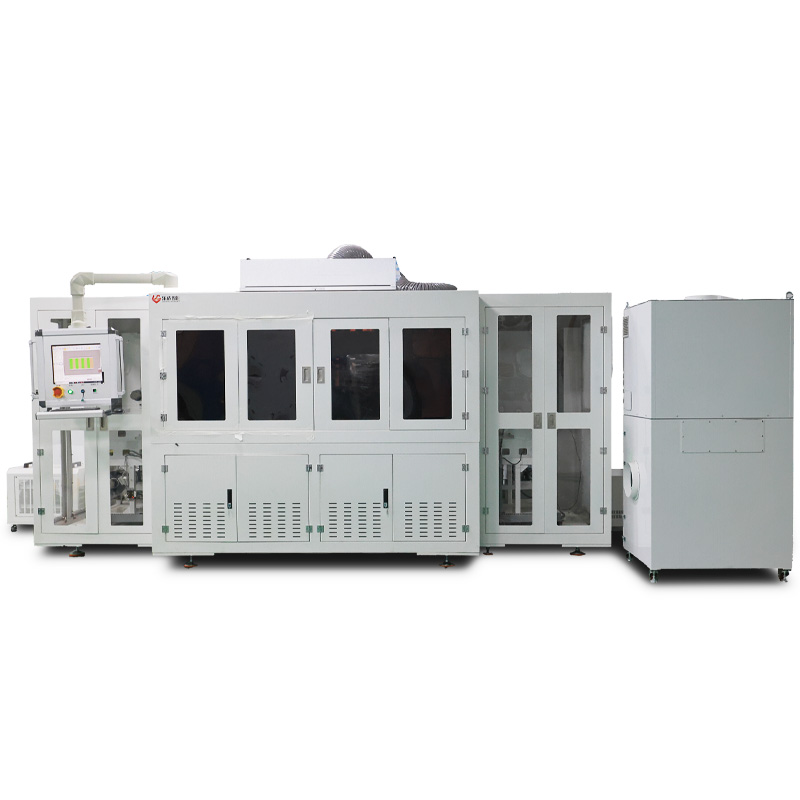
    Laser high-precision micromachining technology achieves material processing through precise control of core parameters such as wavelength, pulse width, and energy density, utilizing either thermal or cold processing mechanisms. This induces instantaneous material vaporization, melting, or modification, enabling operations such as cutting, drilling, engraving, and surface treatment. It stands as a pivotal technology in high-precision manufacturing.
    More
  • Customer Acclaim
    Customer Acclaim
    This prestigious accolade has significantly elevated Lecheng Intelligent's industry visibility and reputation, distinguishing it as a trusted leader among suppliers. The recognition solidifies its competitive edge and lays a robust foundation for market expansion.
    More

40px

80px

80px

80px

Get Quote