


Hydrogen Fuel Cell Bipolar Plate Welding
Precision Sealing for Optimal Fuel Cell Performance
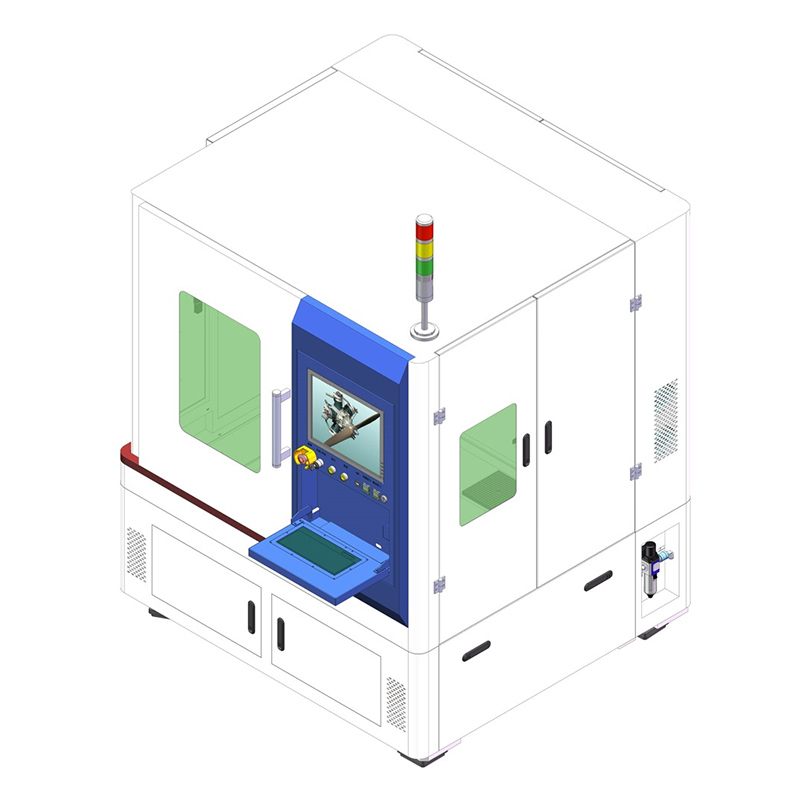
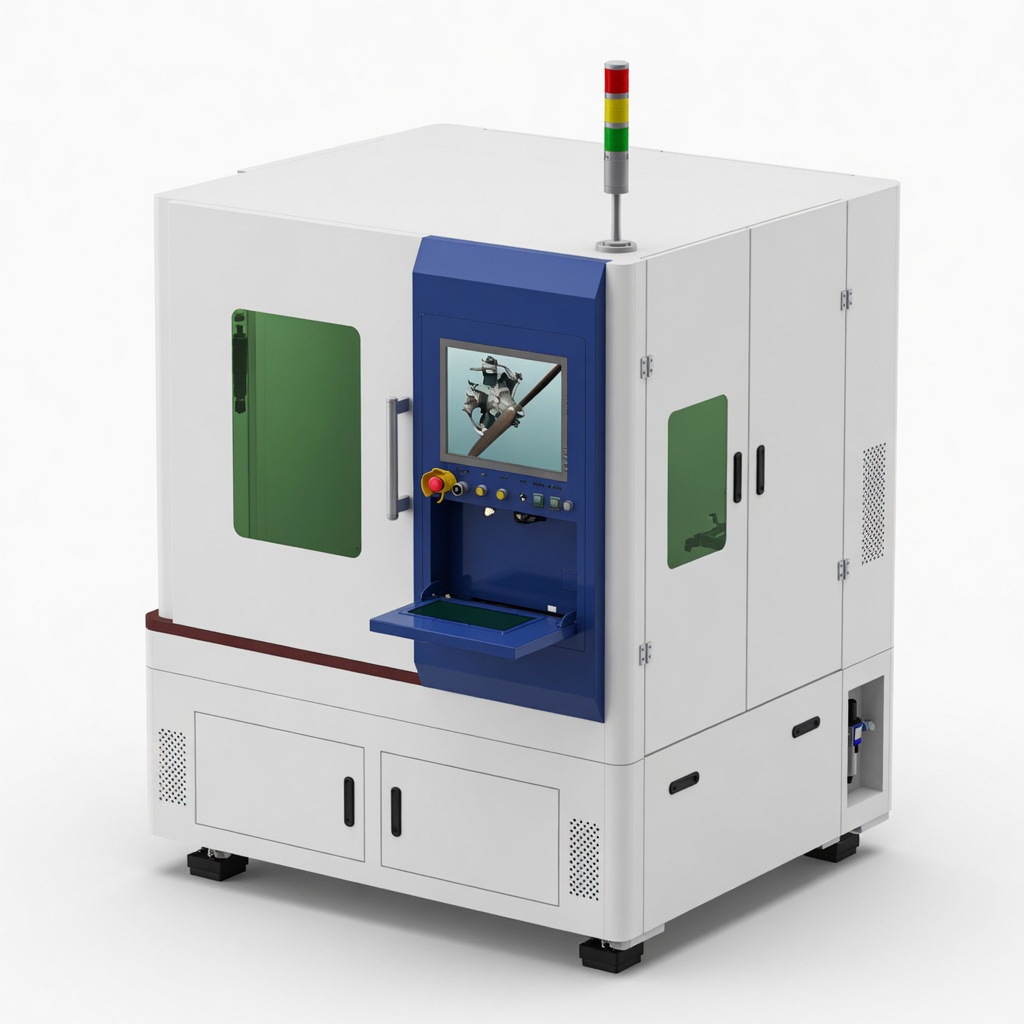
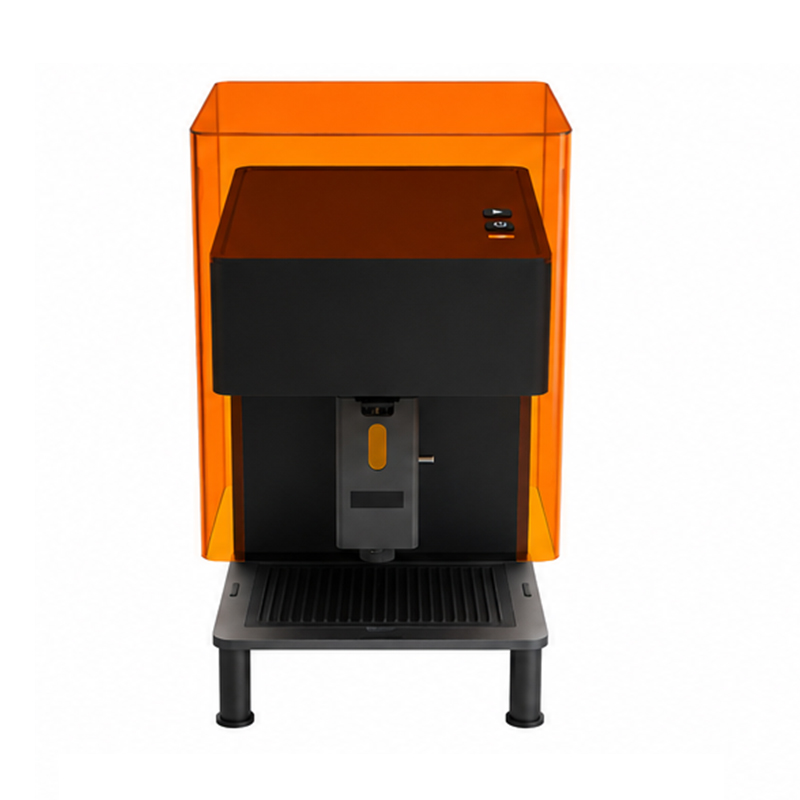
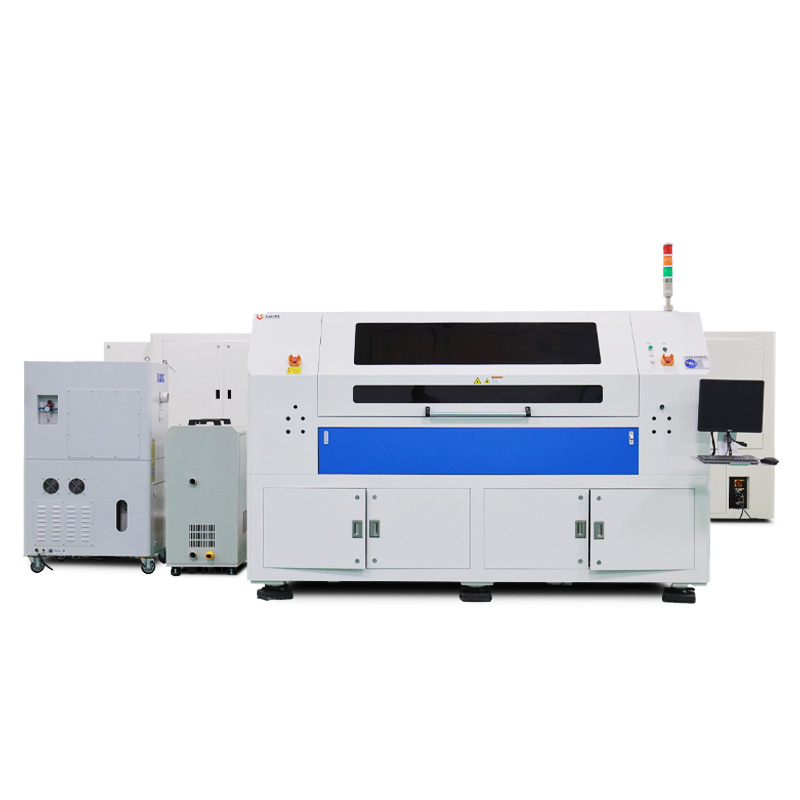
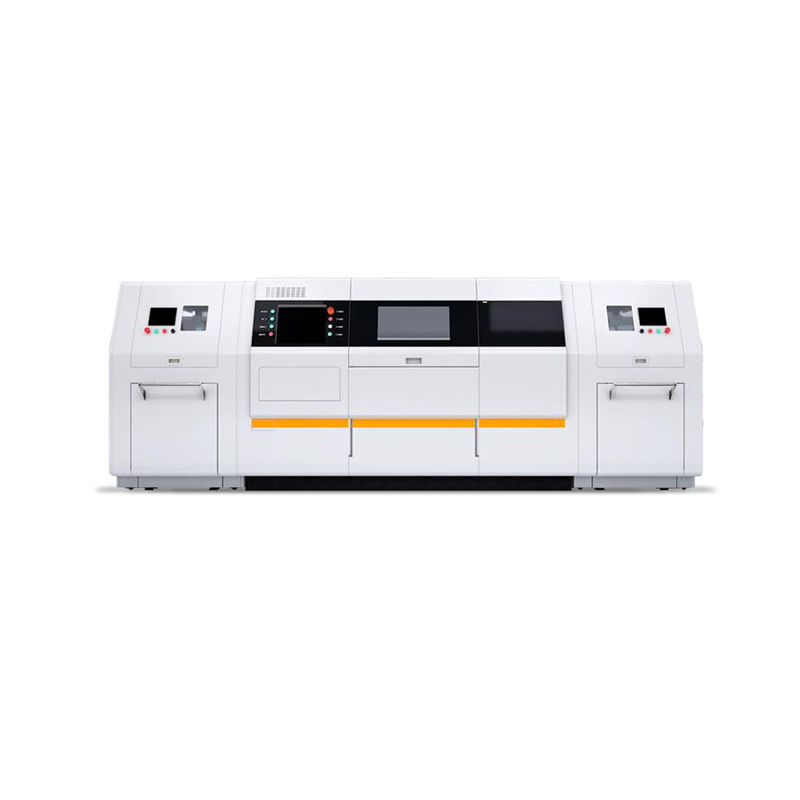
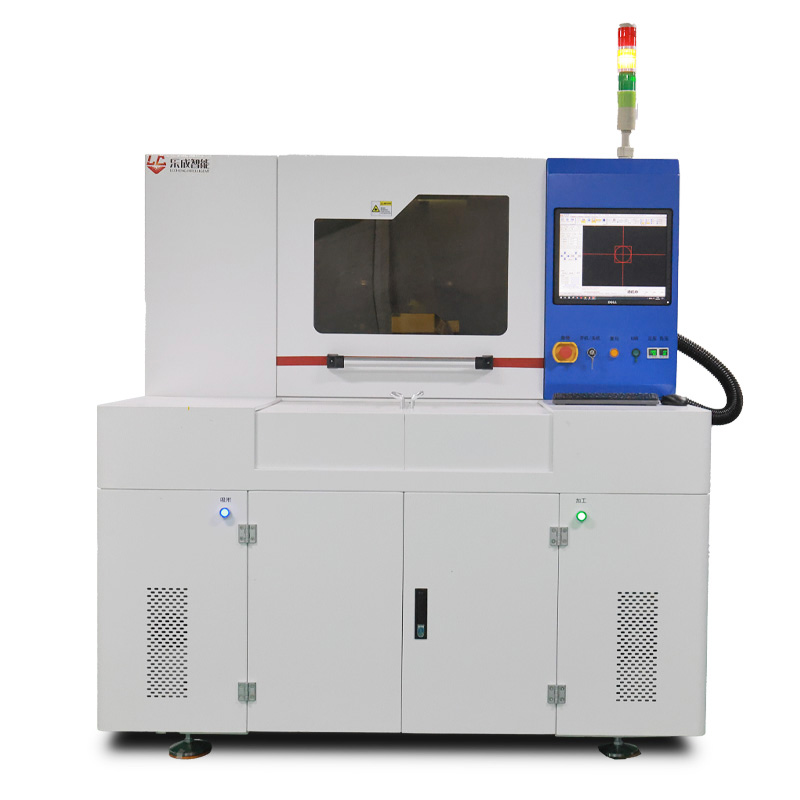
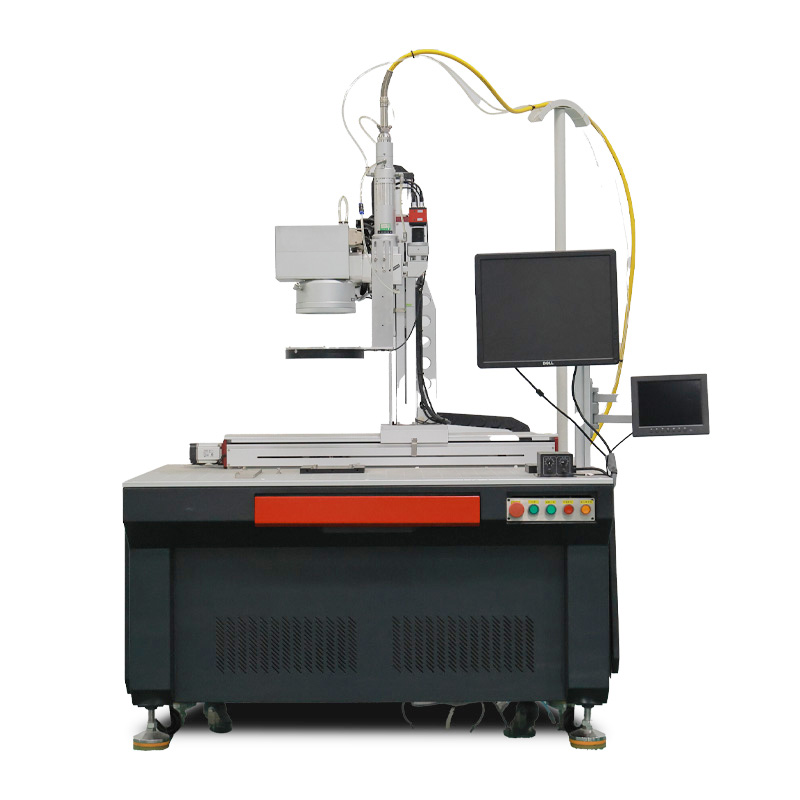
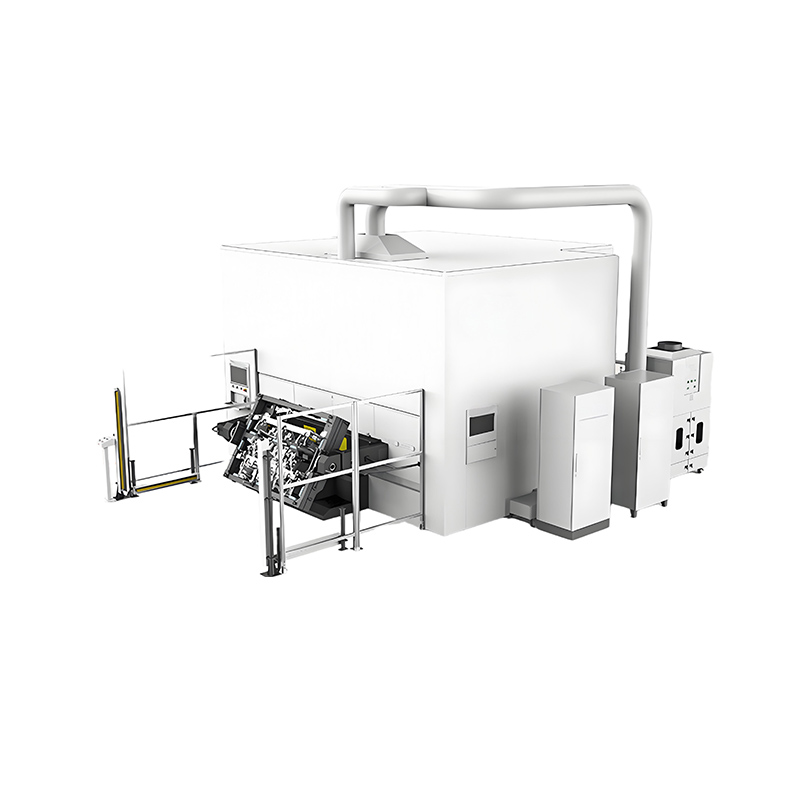
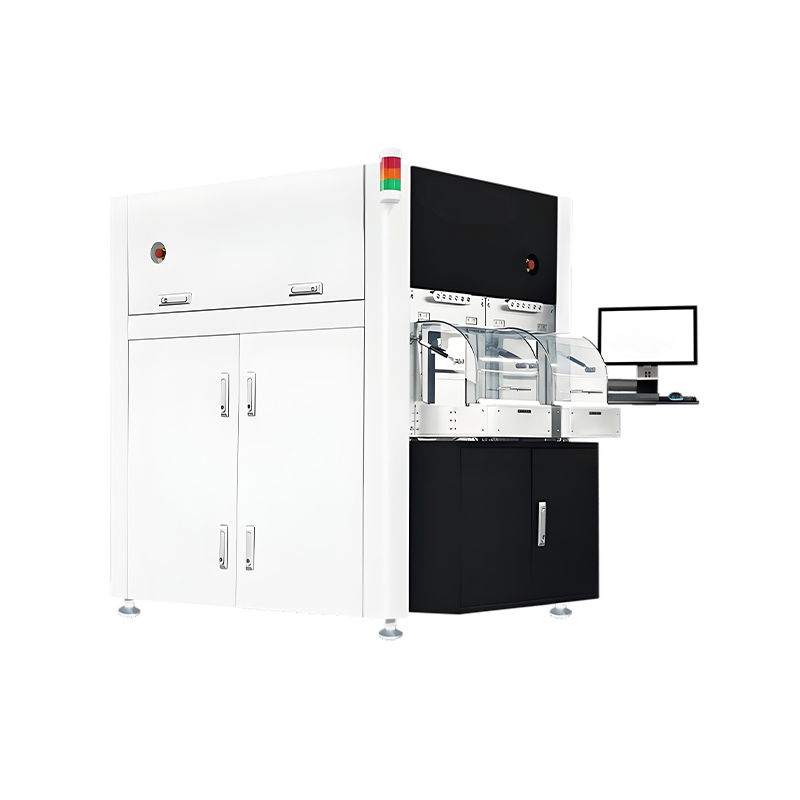
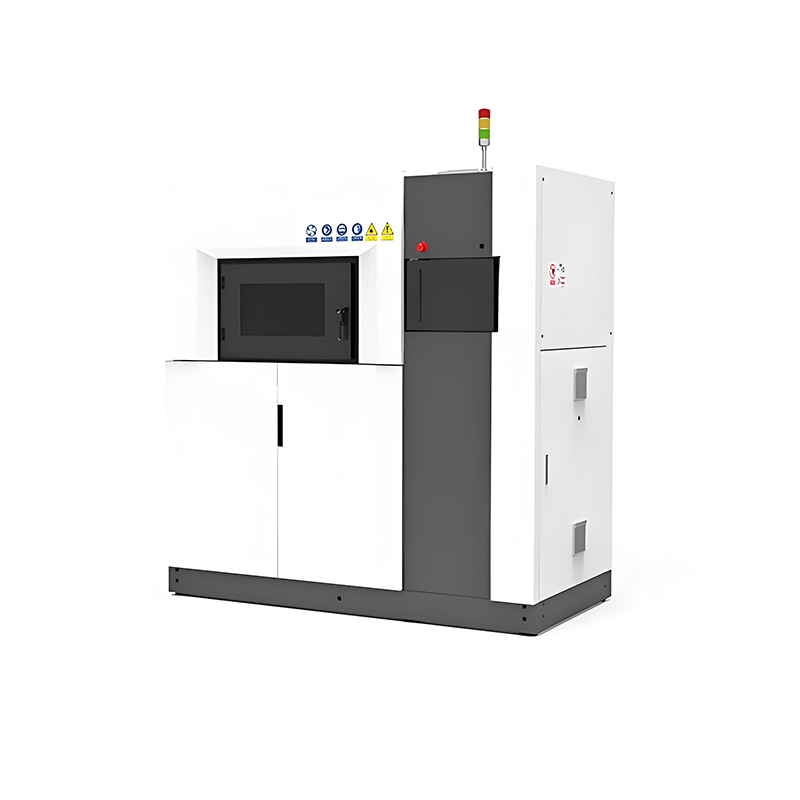
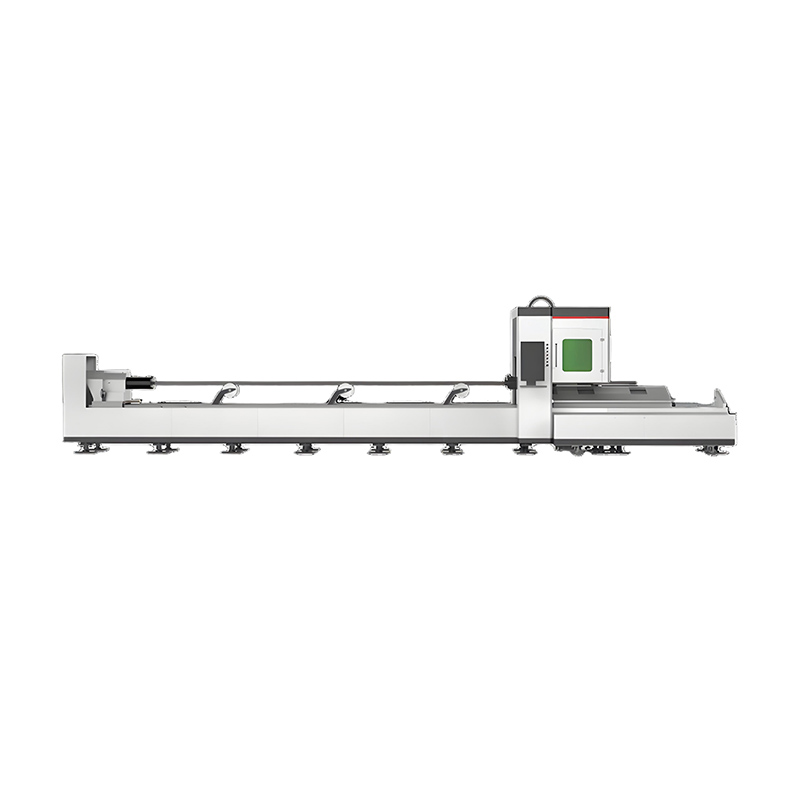
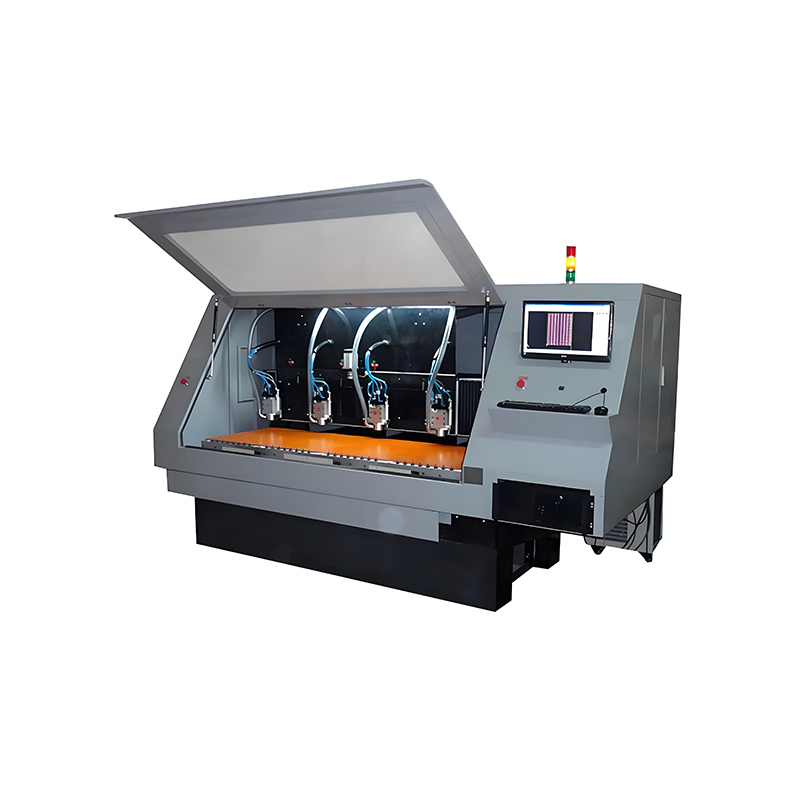
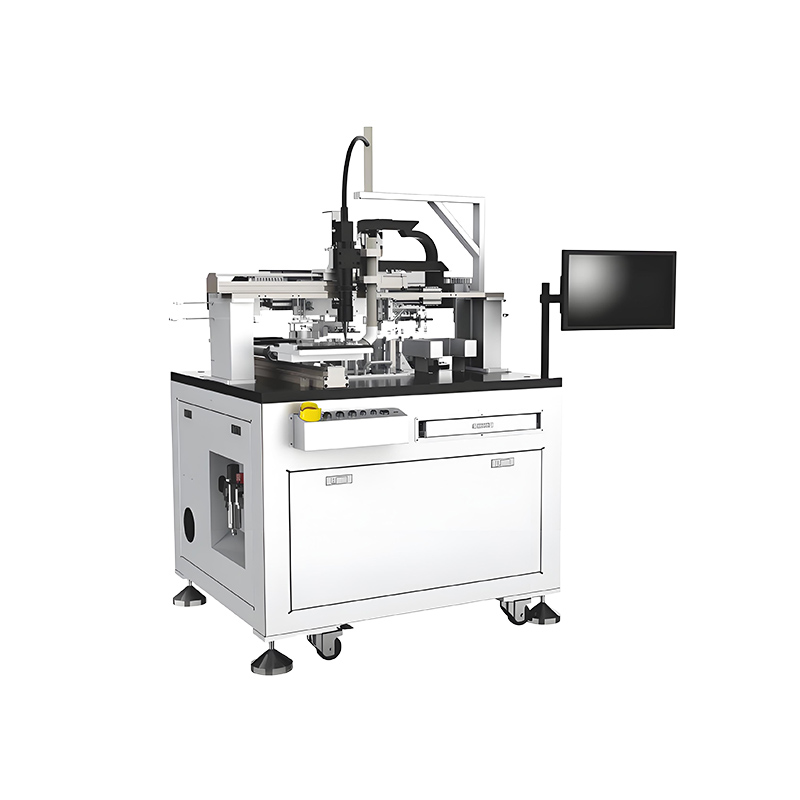
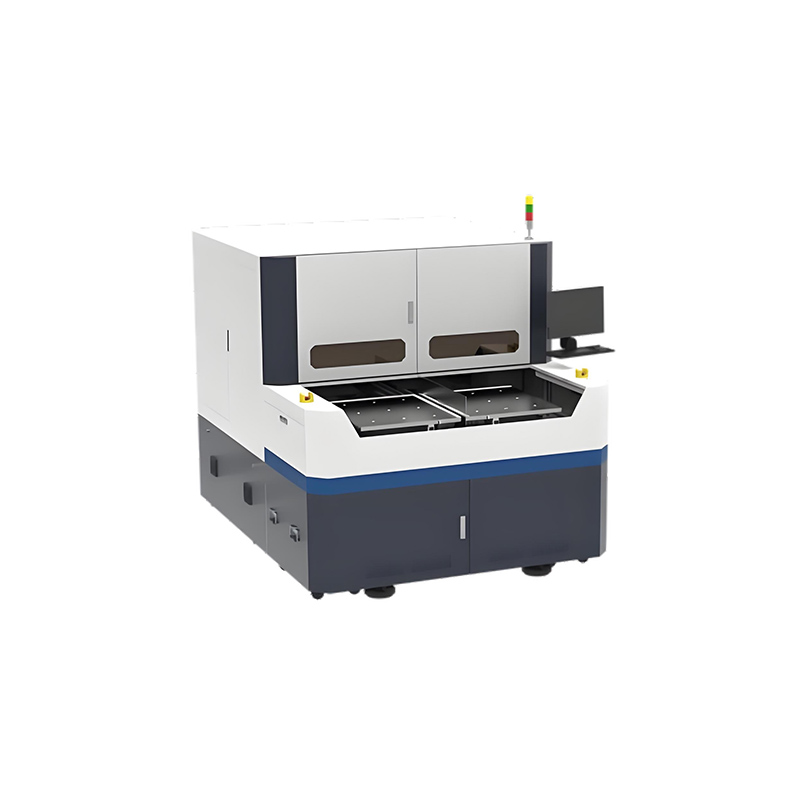
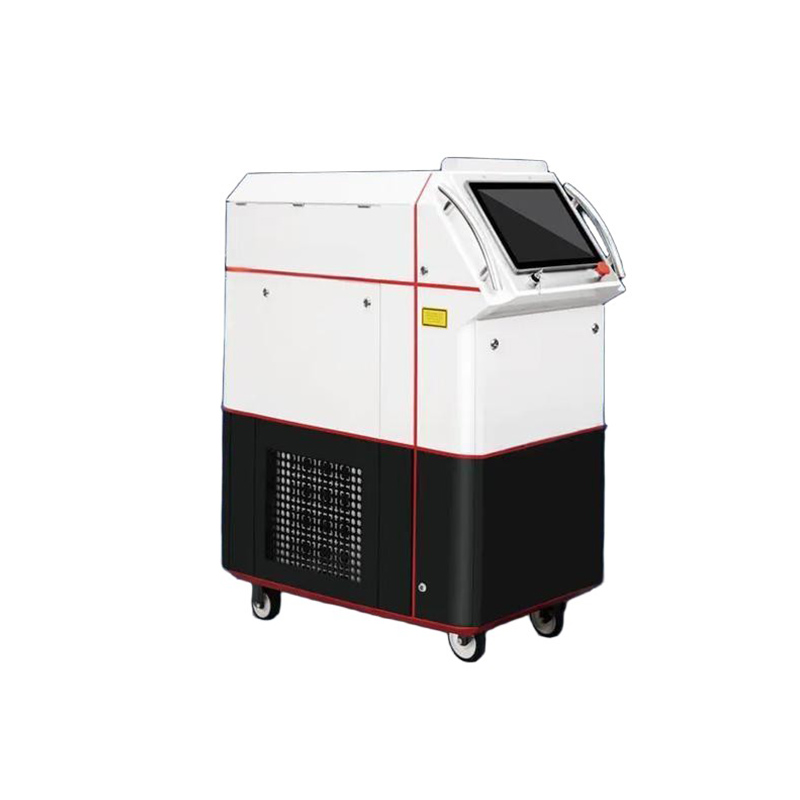
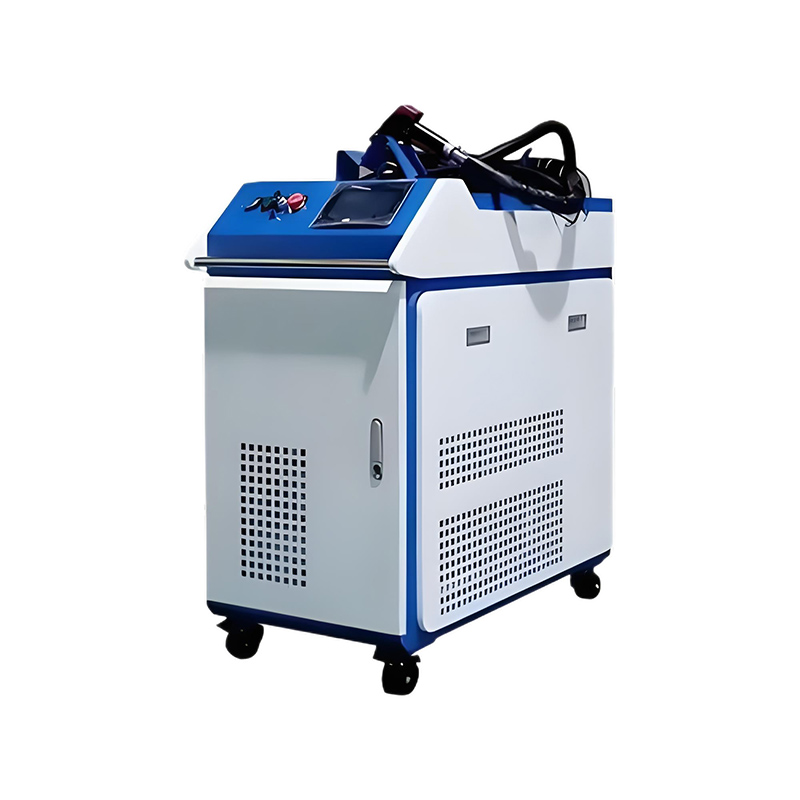
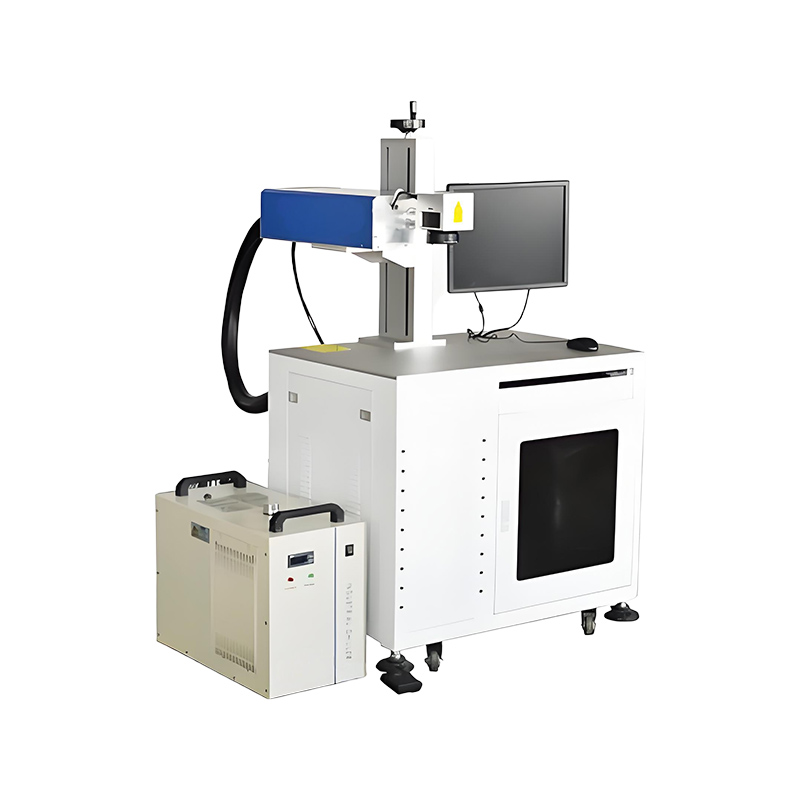
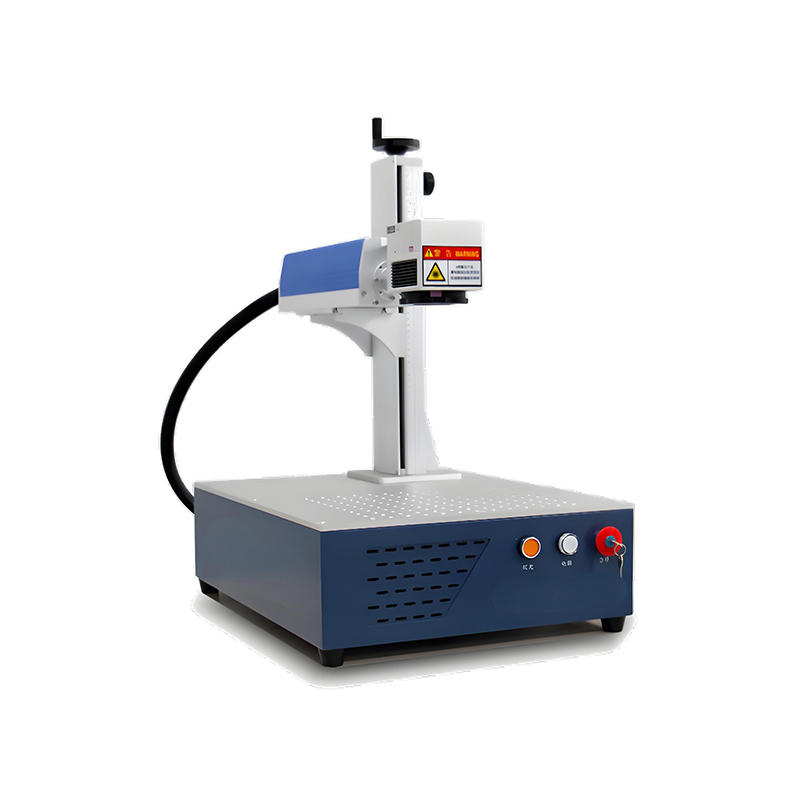
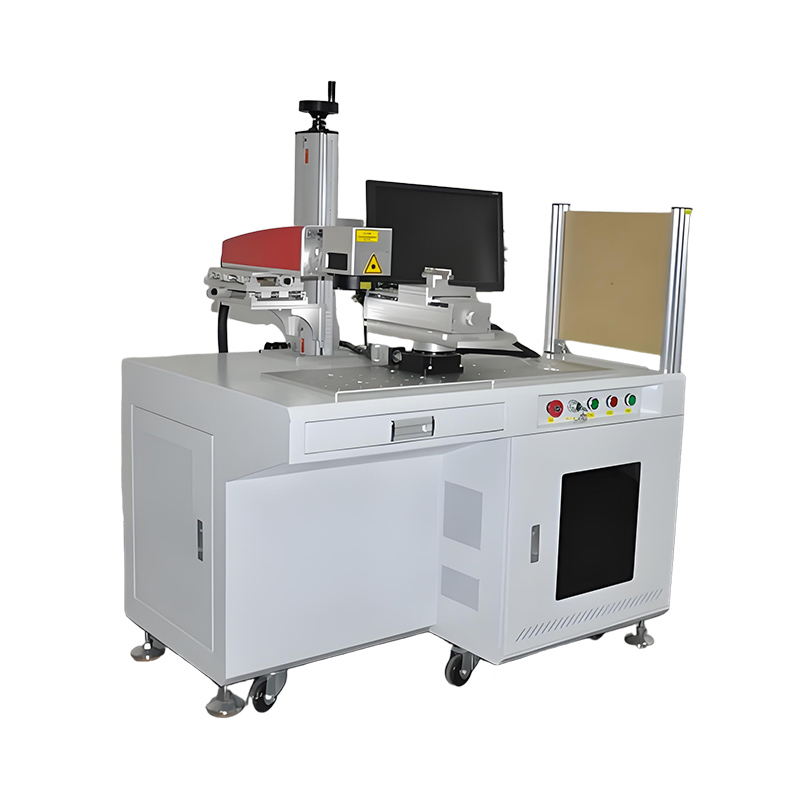
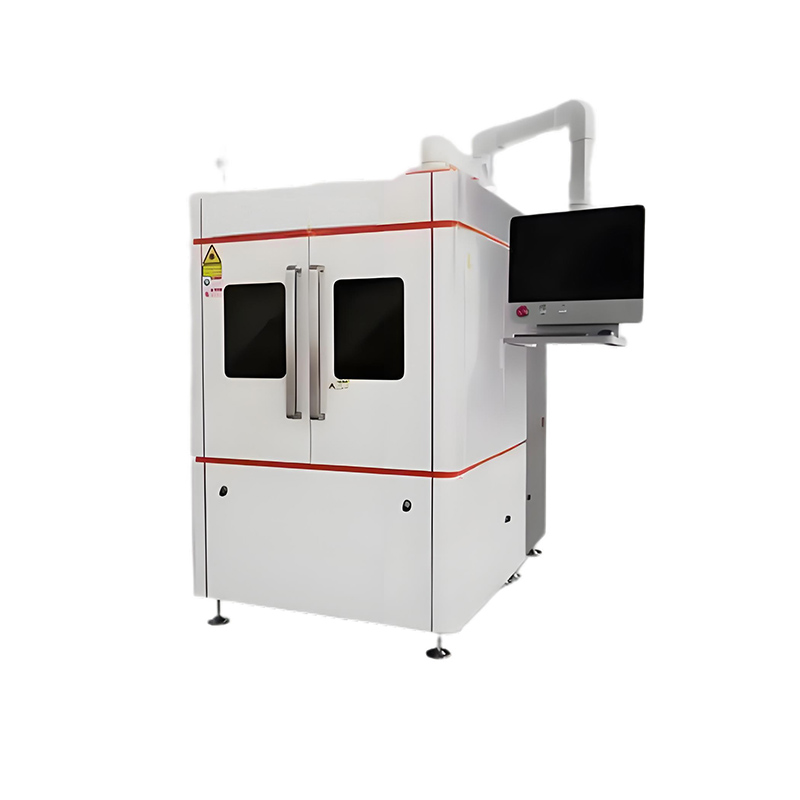
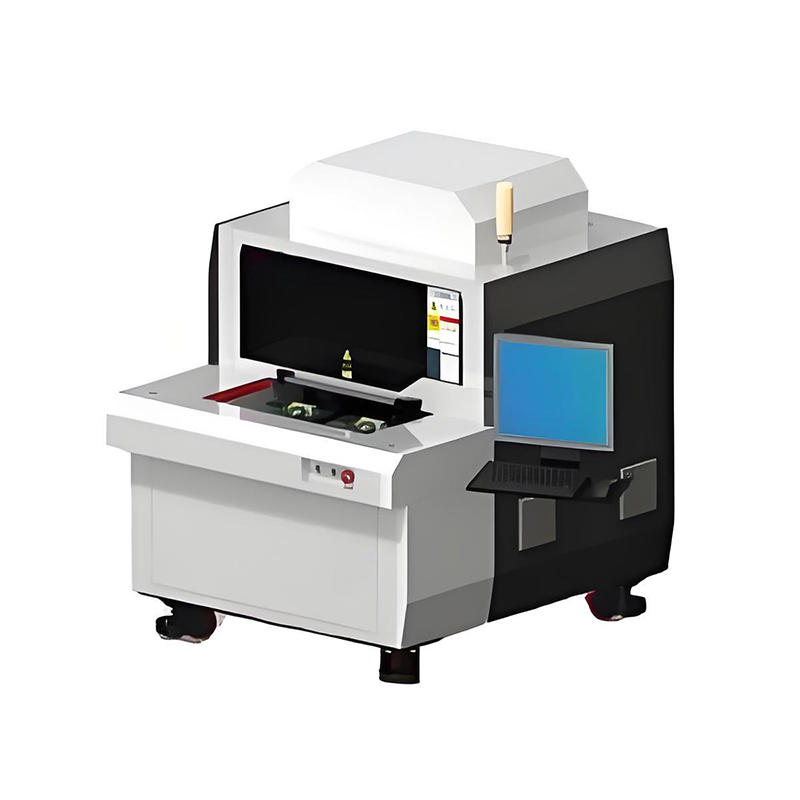
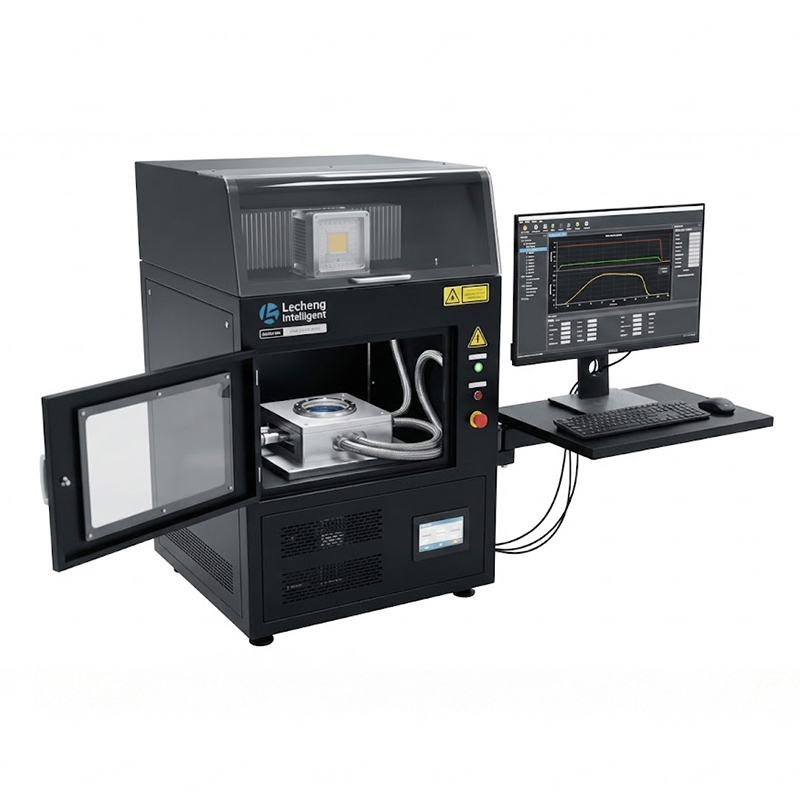
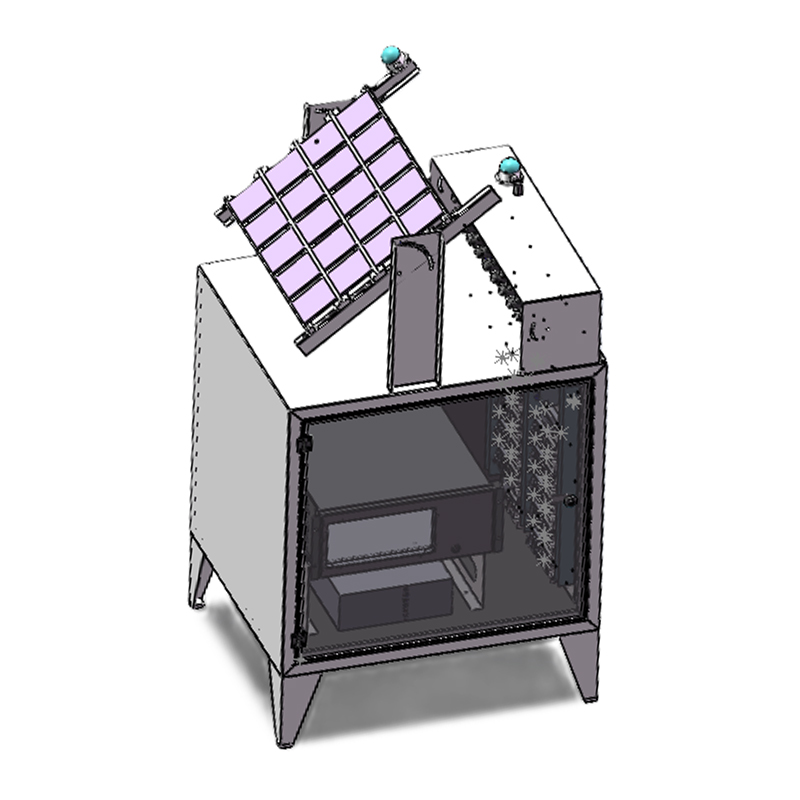
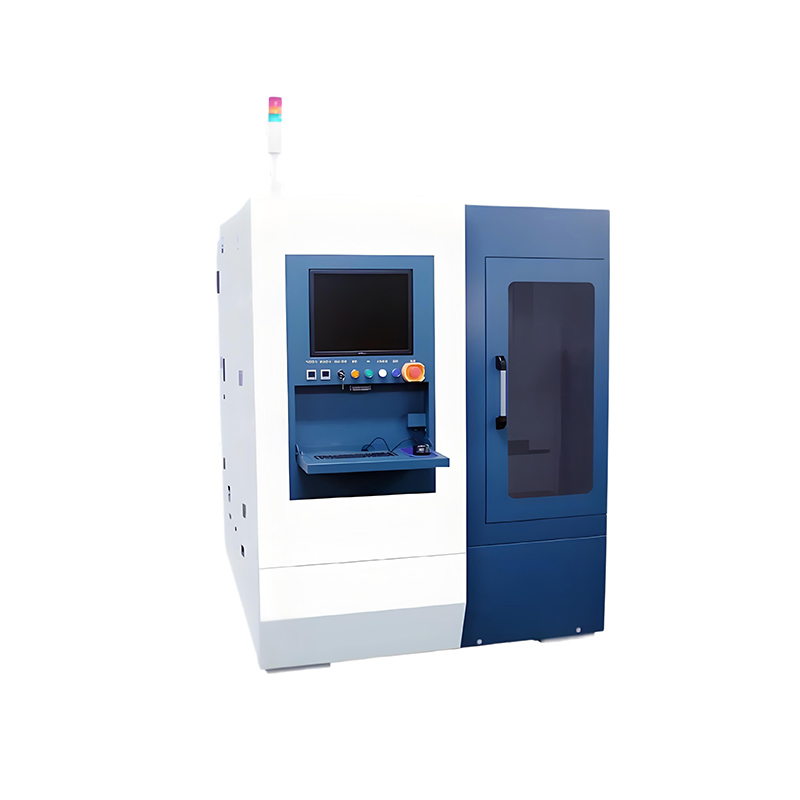
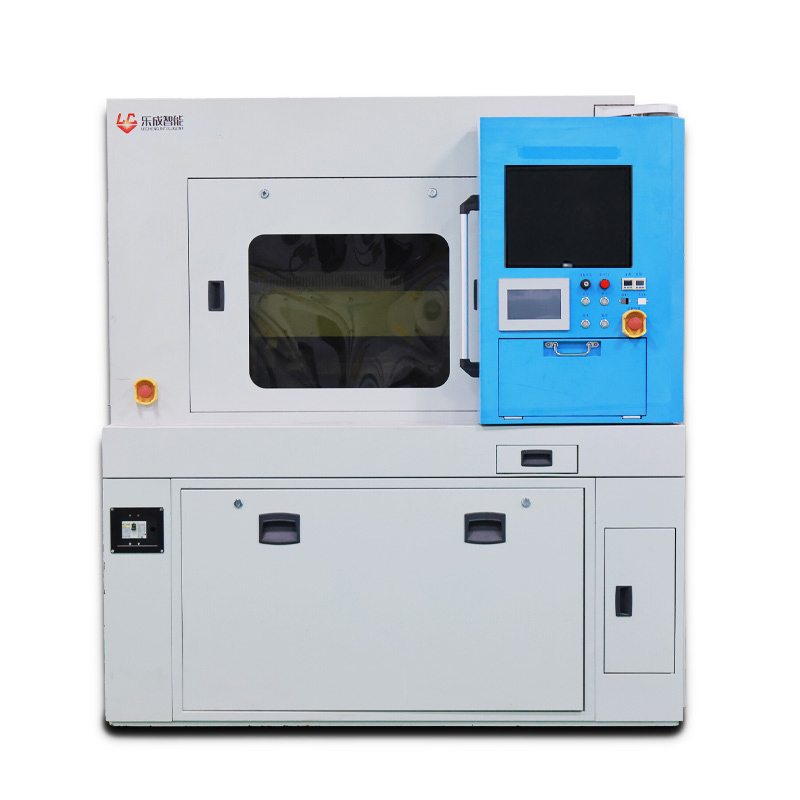
Hydrogen fuel cell bipolar plates require hermetic sealing to prevent gas crossover and ensure efficient power generation. Lecheng's laser welding systems achieve weld seams with 0.08mm width and 0.02mm positional accuracy, creating gas-tight seals that withstand operating pressures up to 3bar. The dual-station automated equipment processes both anode and cathode plates simultaneously, utilizing real-time thermal sensors to maintain consistent weld depth across complex flow field patterns. This precision prevents reactant leakage while maintaining electrical conductivity between cells - a critical factor for stack efficiency. The non-contact welding process eliminates particulate contamination that could poison catalyst layers, ensuring long-term reliability in automotive and stationary fuel cell applications.
Advanced Automation for High-Volume Manufacturing
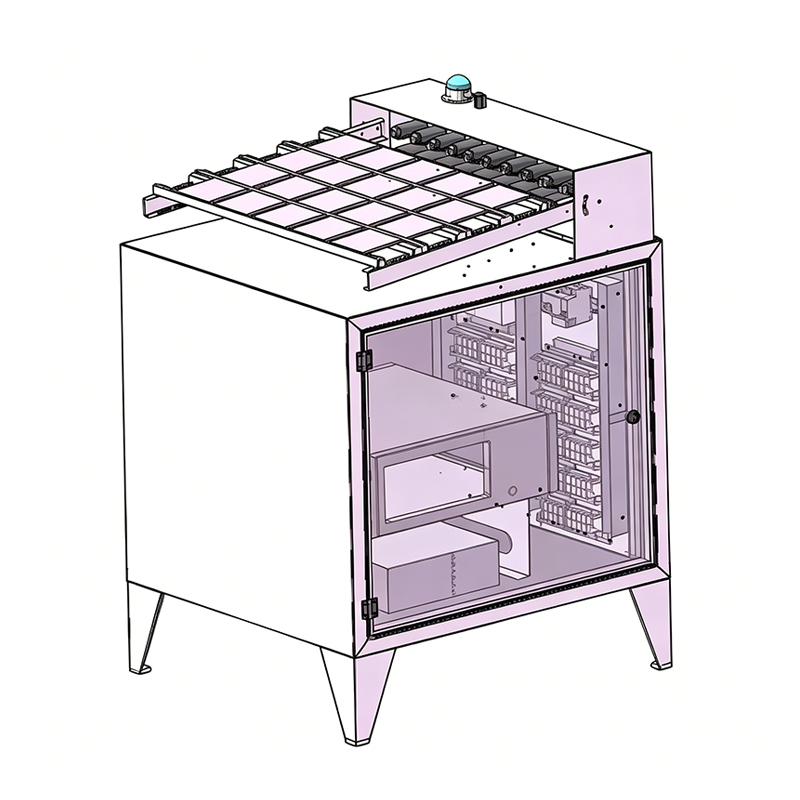
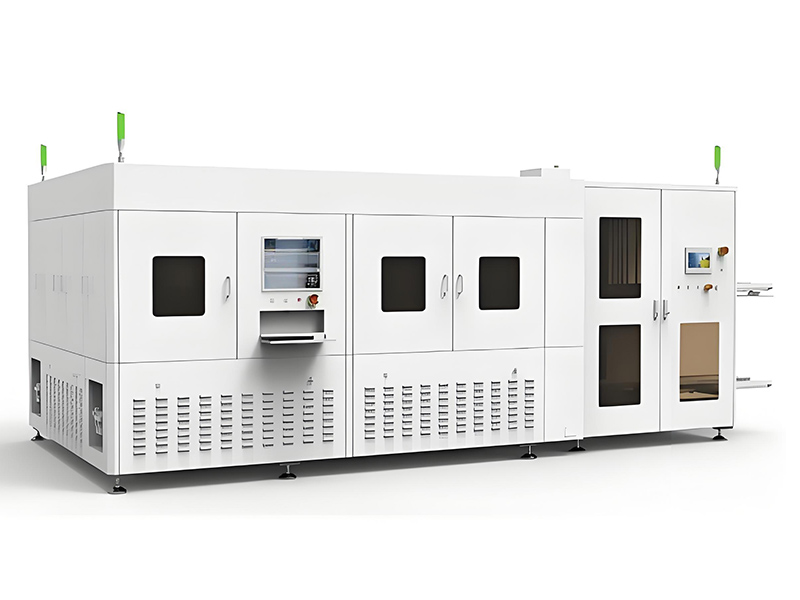
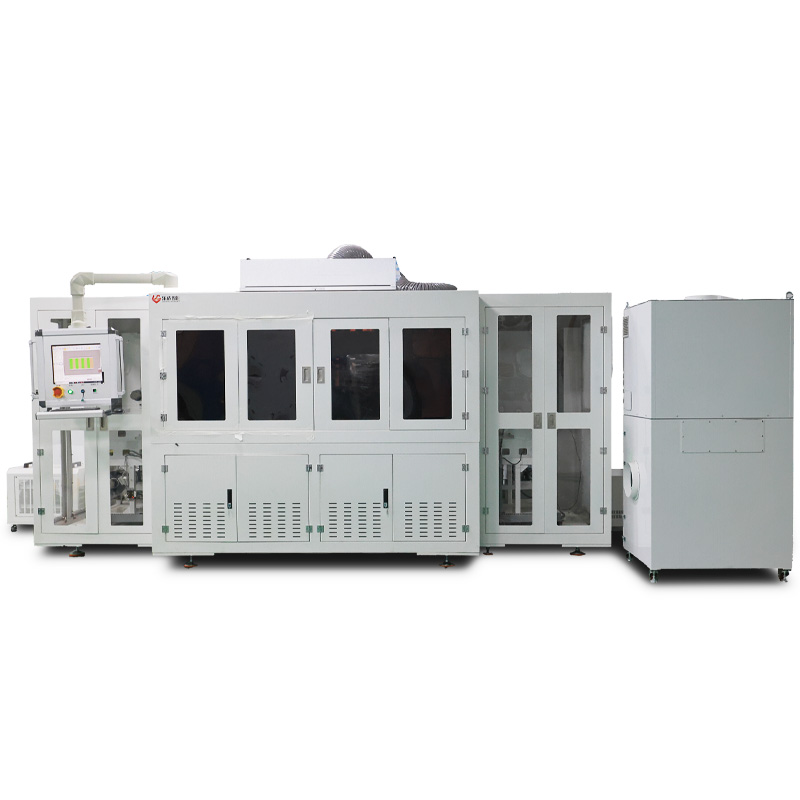
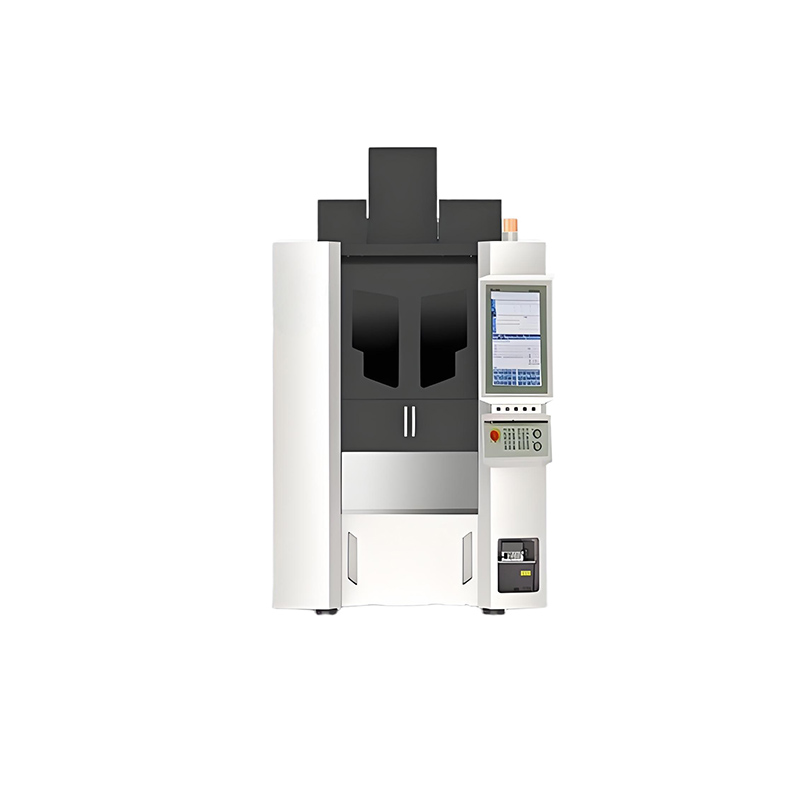
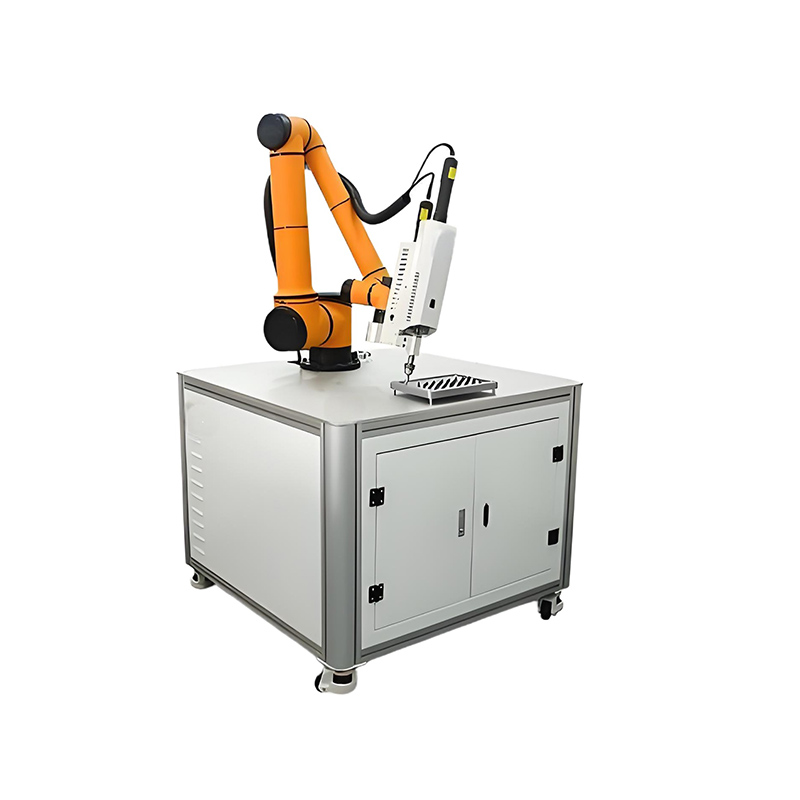
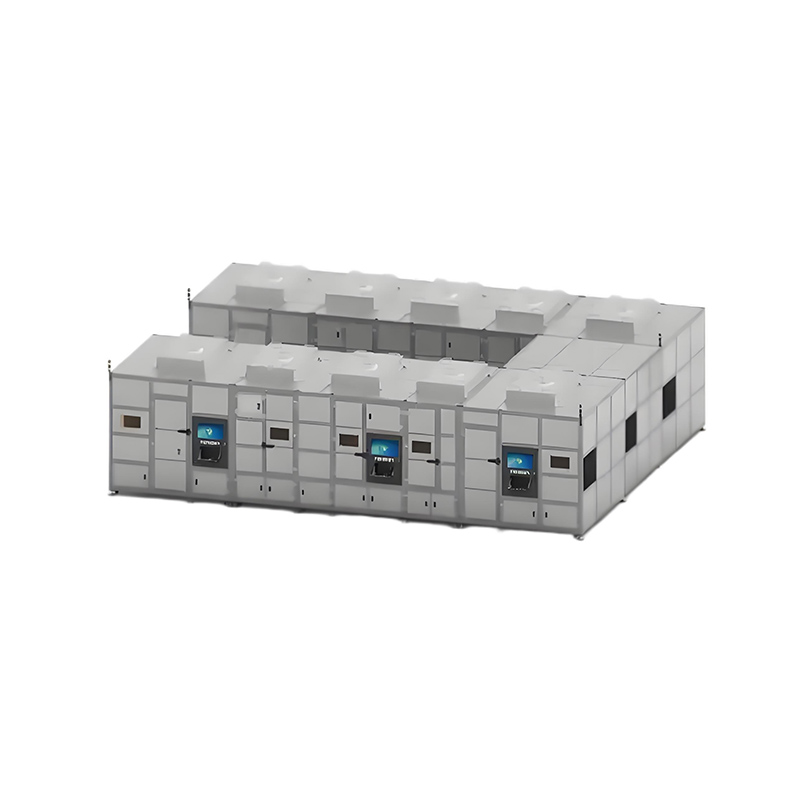
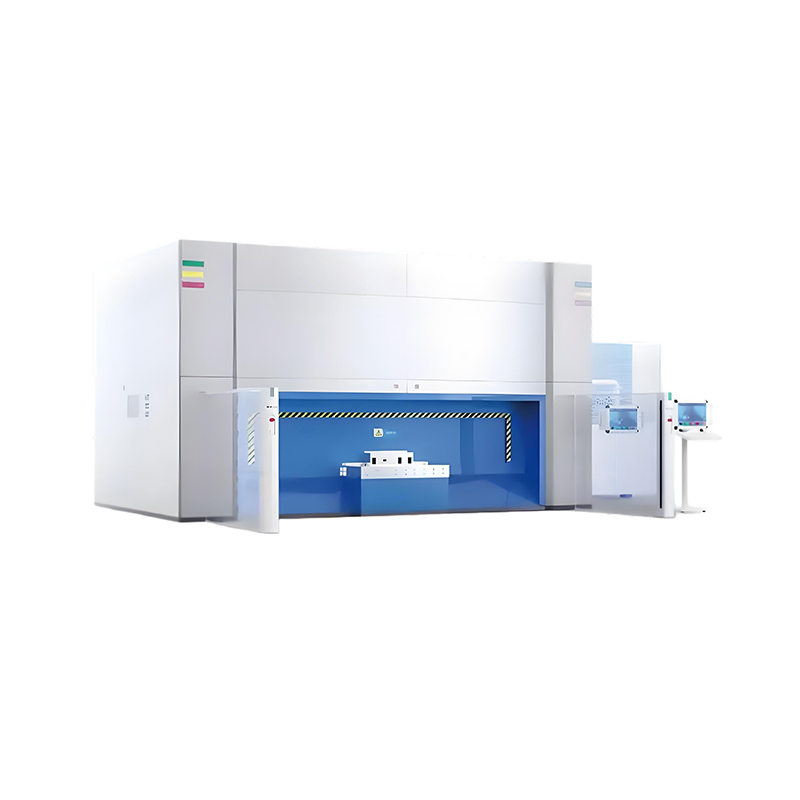
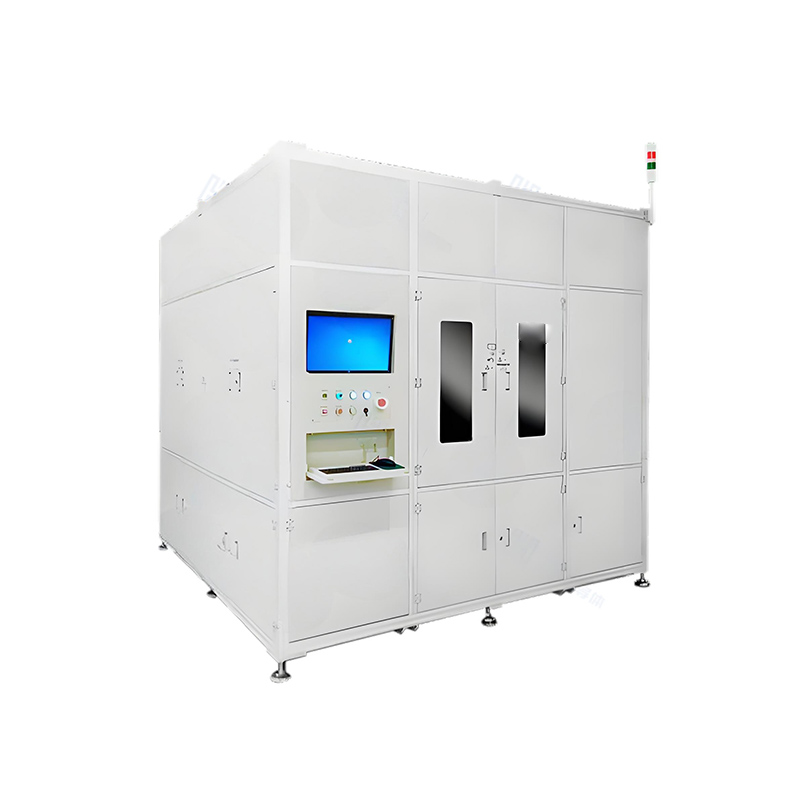
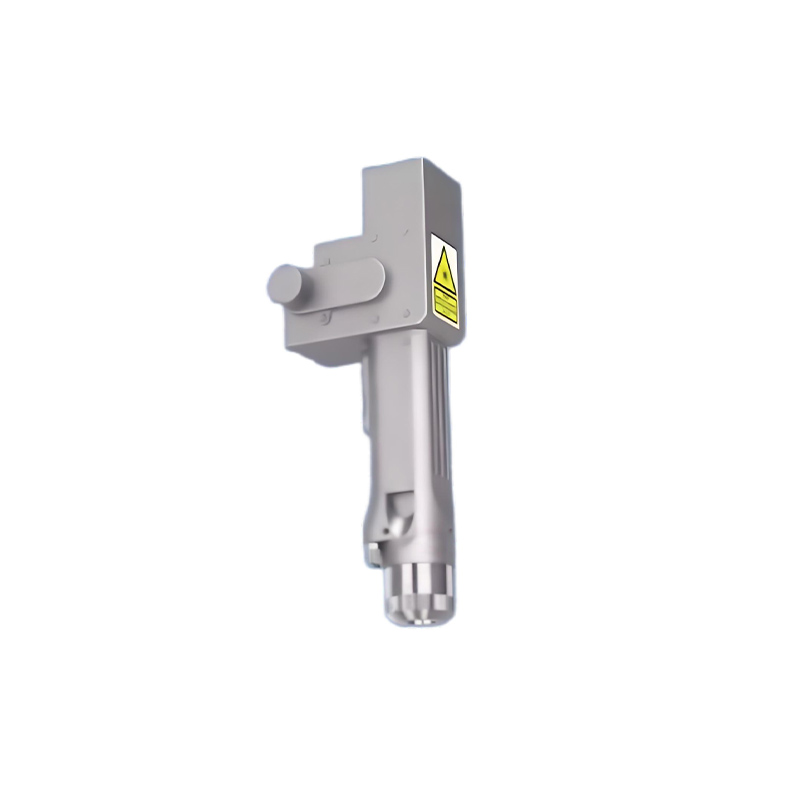
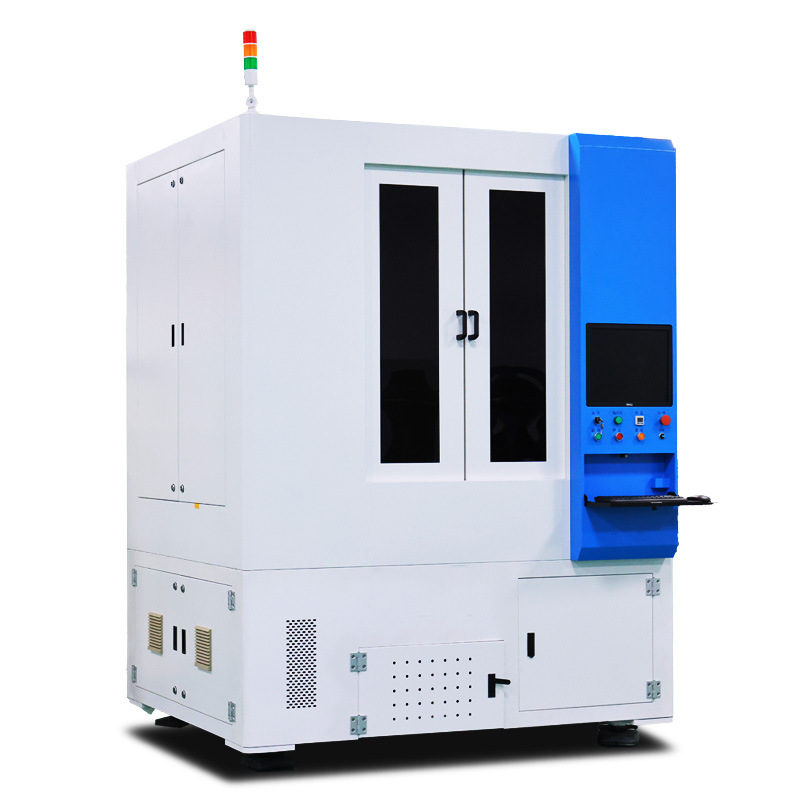
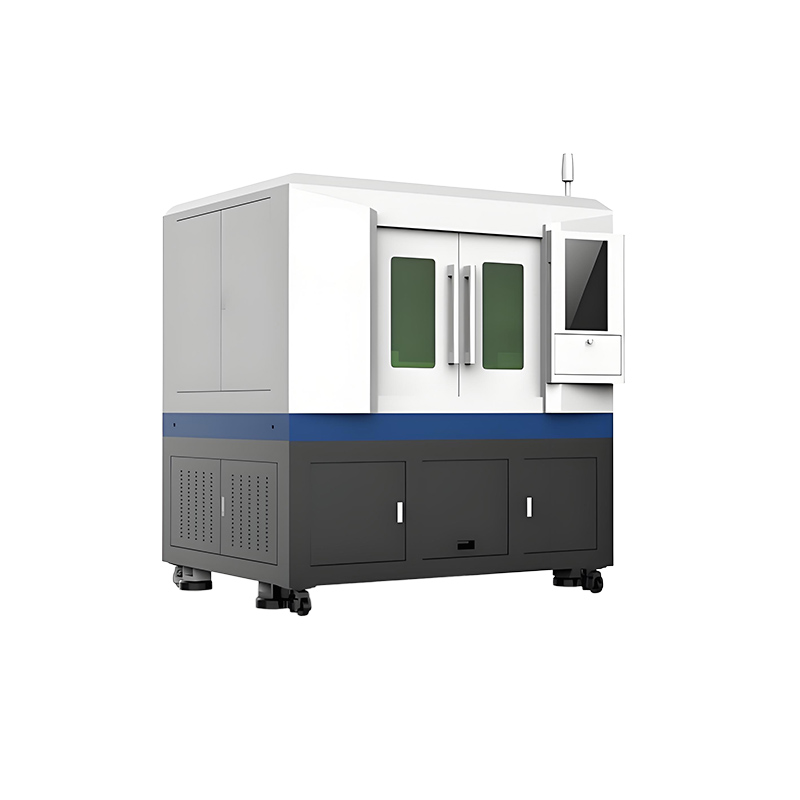
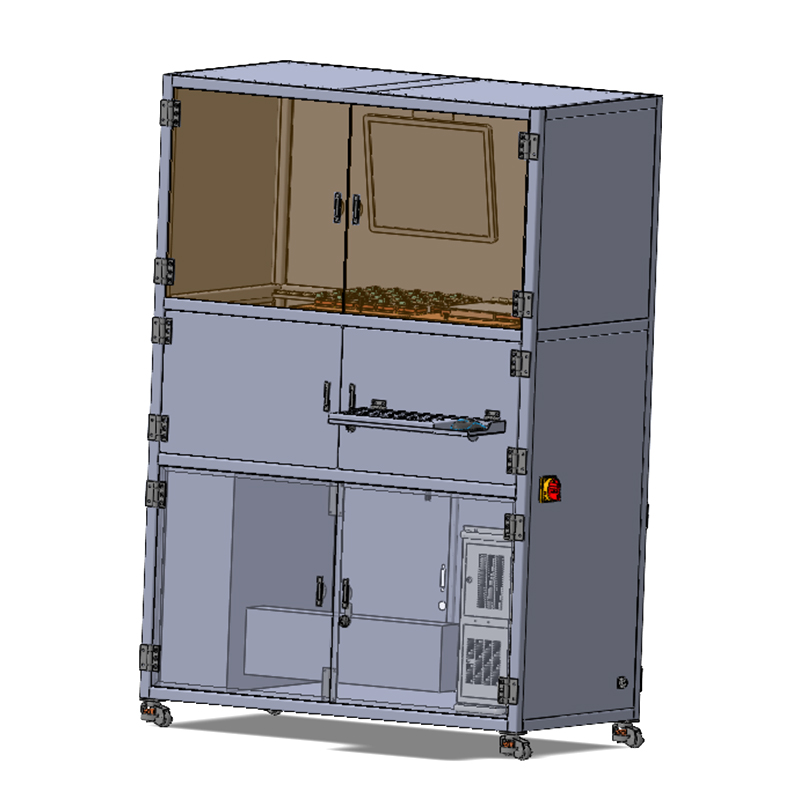
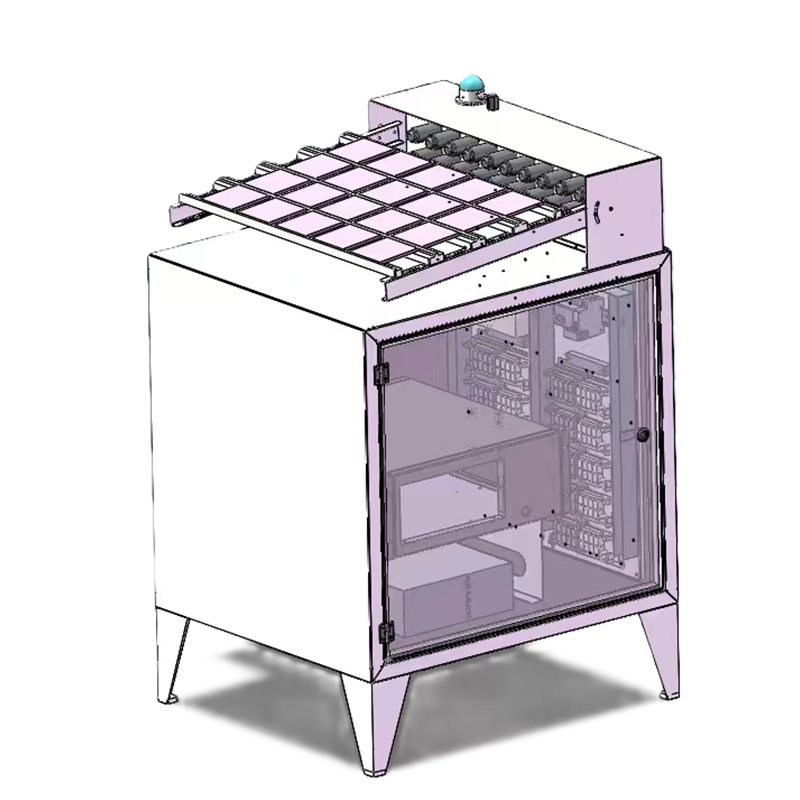
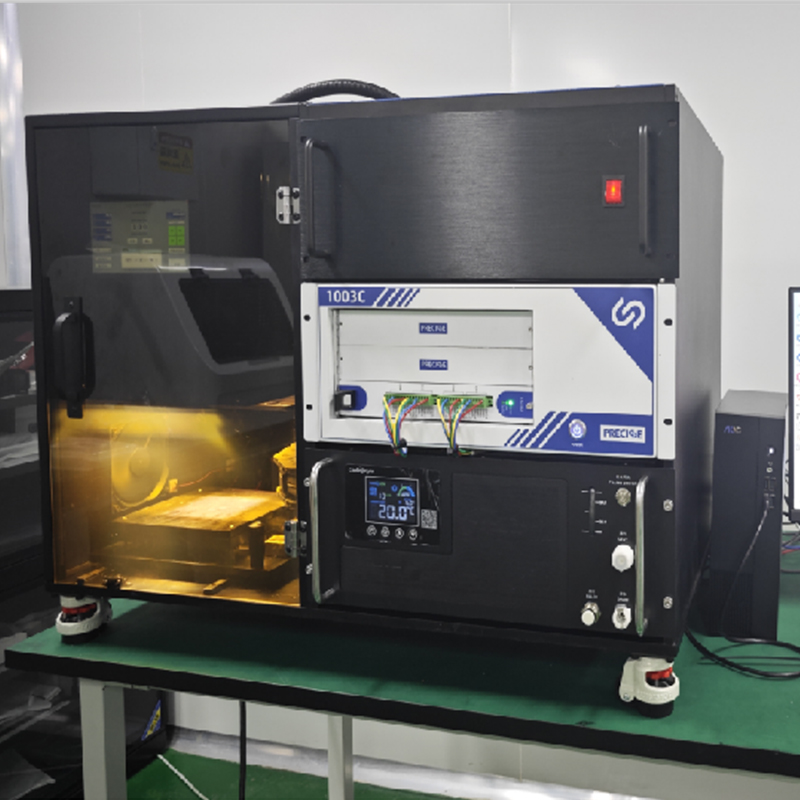
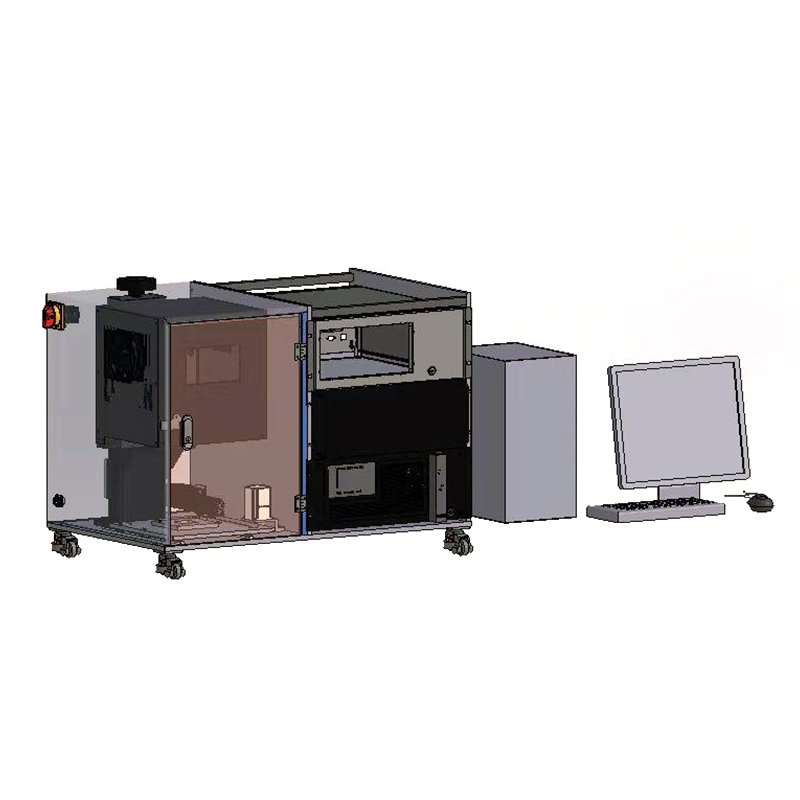
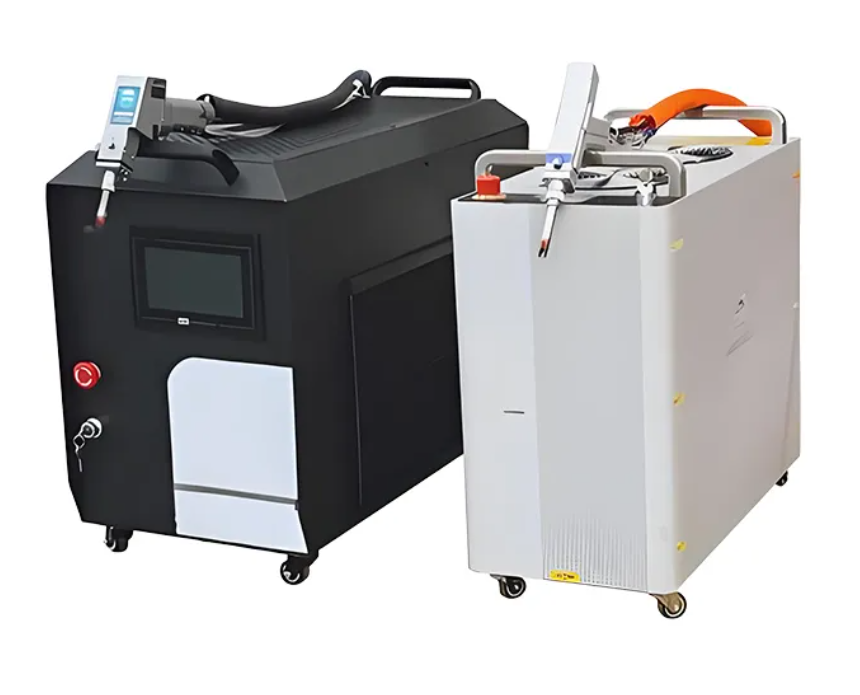
Lecheng's fully integrated production cell features robotic loading/unloading systems that handle bipolar plates with micron-level precision. The dual-laser welding heads operate concurrently, reducing cycle time to under 30 seconds per complete plate set. Vision systems automatically align welding paths with flow field geometries, compensating for dimensional variations in stamped or formed metal plates. The enclosed workstation maintains inert gas atmosphere during welding, preventing oxidation that could compromise interface resistance. This automated approach enables 24/7 operation with minimal operator intervention, supporting production volumes required for commercial fuel cell vehicle manufacturing while maintaining defect rates below 0.1%.
Material Compatibility and Quality Assurance
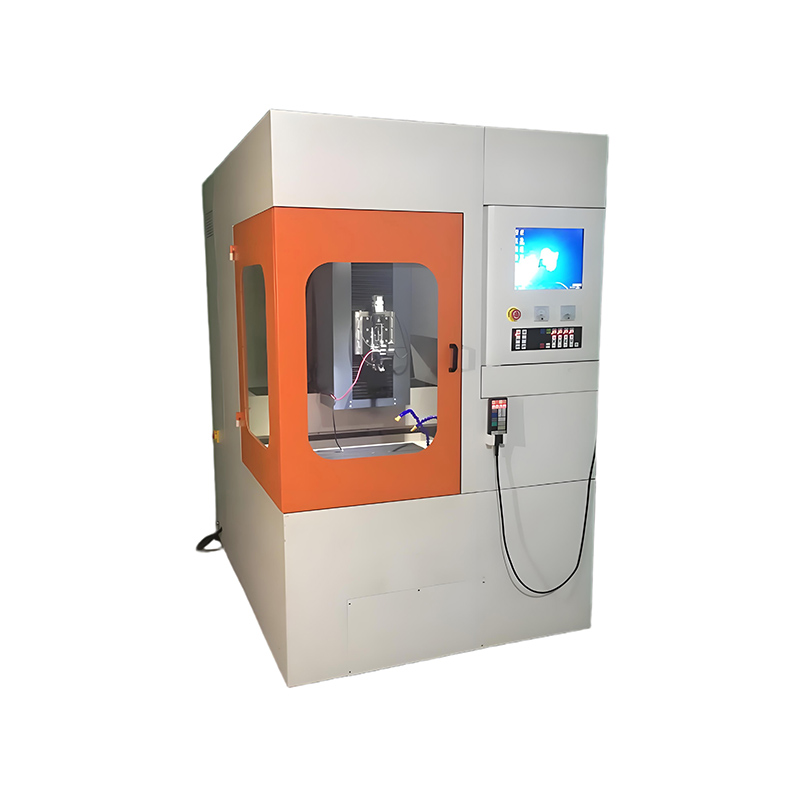
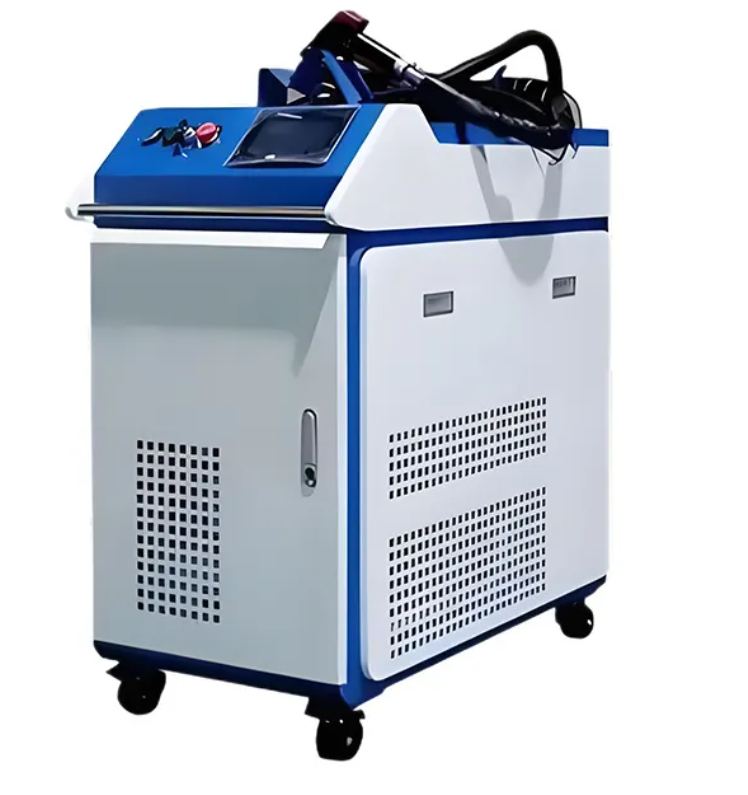
The welding systems accommodate various bipolar plate materials including stainless steel, titanium, and composite coatings. Lecheng's proprietary parameter libraries optimize laser settings for each material combination, preventing issues like carbide precipitation in stainless steel or hydrogen embrittlement in titanium alloys. Integrated non-destructive testing (NDT) modules perform 100% inspection using ultrasonic and pressure decay tests, validating seal integrity before plates enter stack assembly. All process data is recorded in manufacturing execution systems (MES), providing complete traceability for automotive quality standards. This comprehensive approach has enabled Lecheng's clients to achieve >99.8% welding yield in mass production environments.
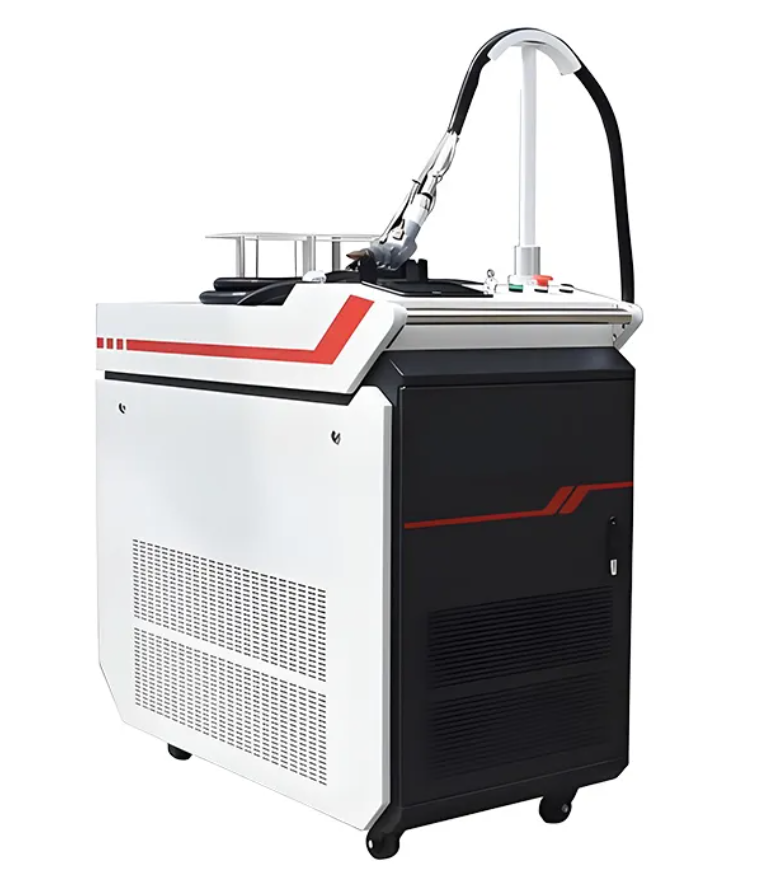
Lecheng's laser welding technology sets new benchmarks for bipolar plate manufacturing by combining sub-millimeter precision with industrial-scale automation, directly supporting the hydrogen economy's transition to mass production.