Products

Featured products

Contact us

How to Validate Laser Processing Results with Microscopy and Profilometry​

2026-02-01

How to Validate Laser Processing Results with Microscopy and Profilometry

Precision Measurement with Digital Microscopy

Digital microscopy provides the first-line validation for laser processing quality, enabling direct visualization of critical features such as scribe line width, edge straightness, and surface morphology. Lecheng's laser systems produce P1-P3 patterns with ≤30μm line widths, which require high-resolution microscopy (up to 1000× magnification) to verify conformity to design specifications. For example, in perovskite solar cell manufacturing, microscopy reveals subtle defects like micro-cracks or uneven ablation depths that could cause electrical leakage. Advanced software tools measure dimensional accuracy against CAD designs, while automated image analysis flags deviations exceeding ±5μm tolerances. This non-destructive method is essential for quality control in high-volume production, where rapid inspection cycles maintain throughput without compromising precision.
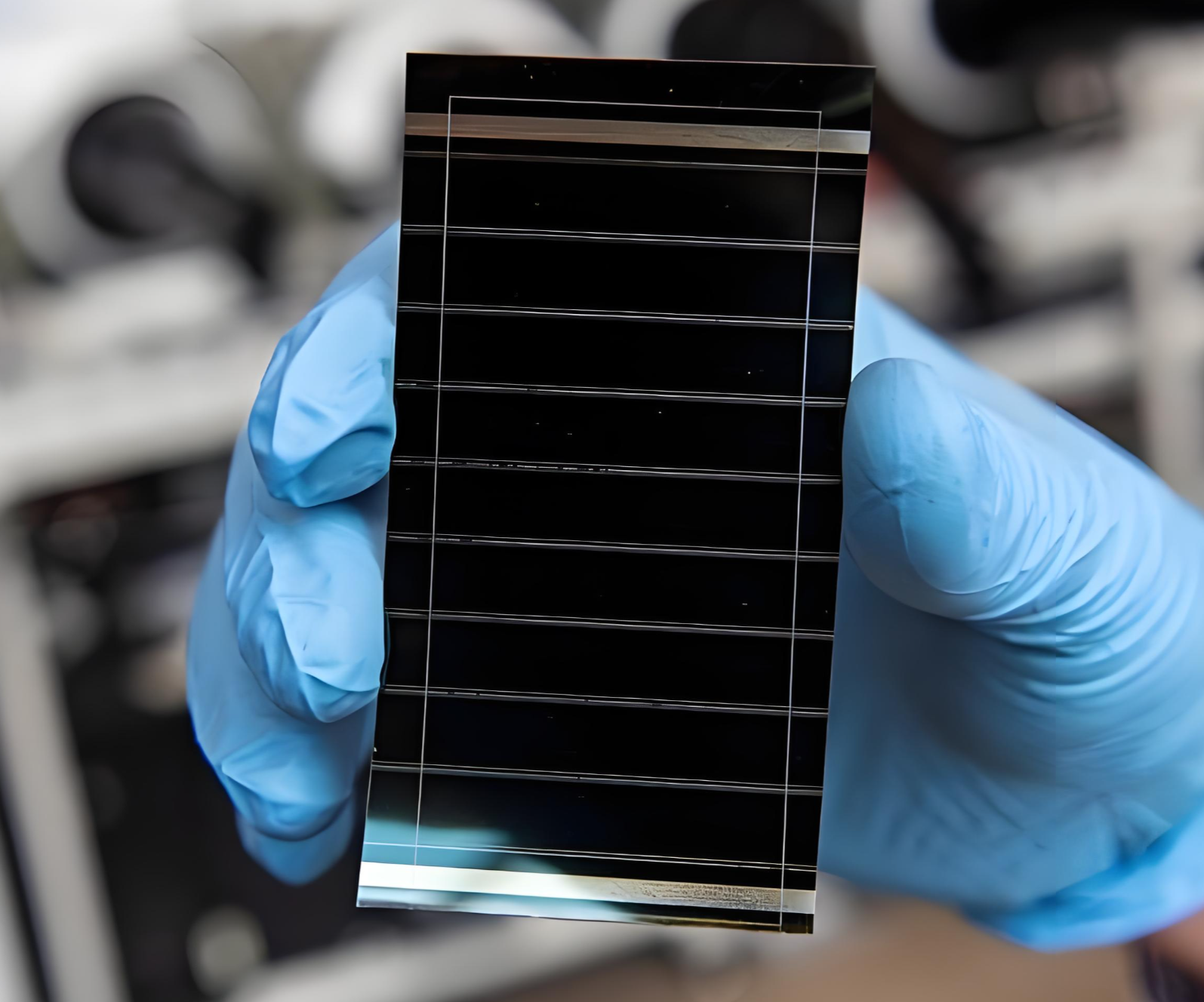
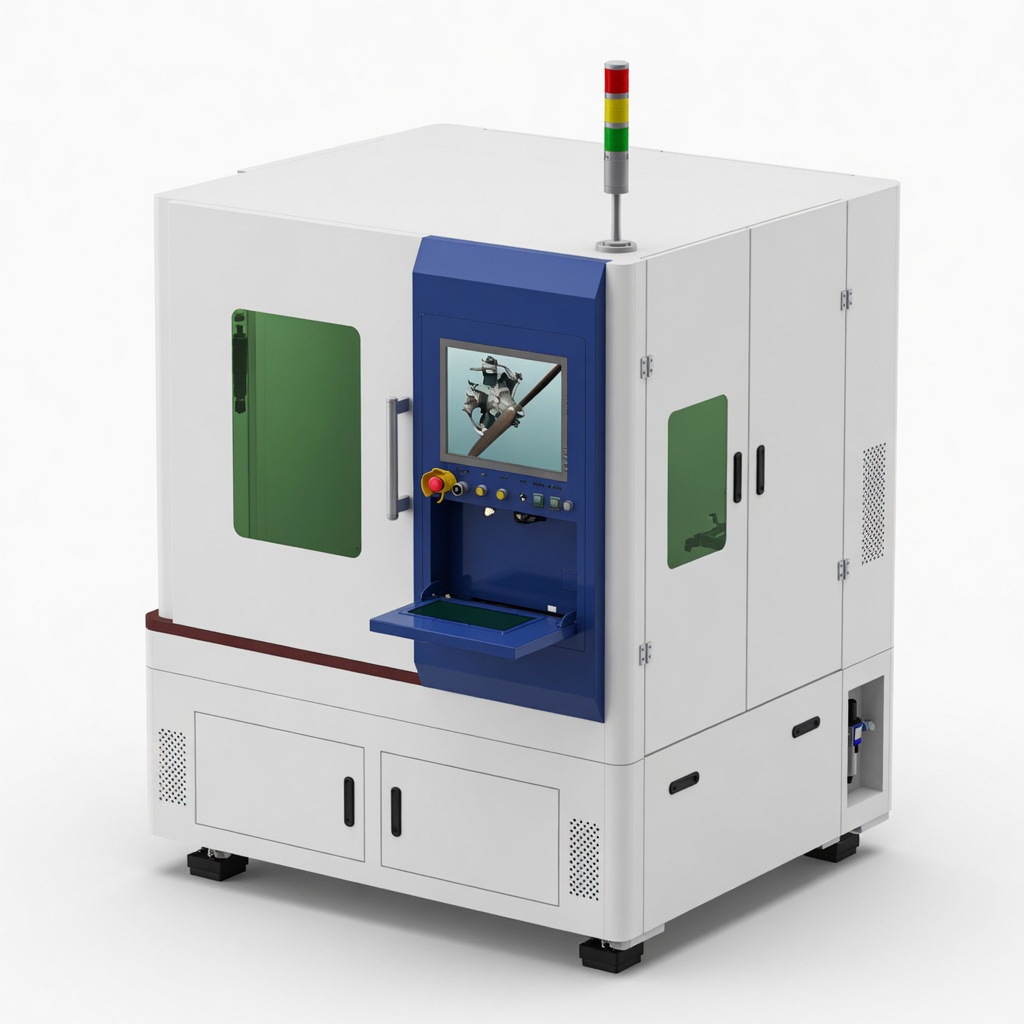
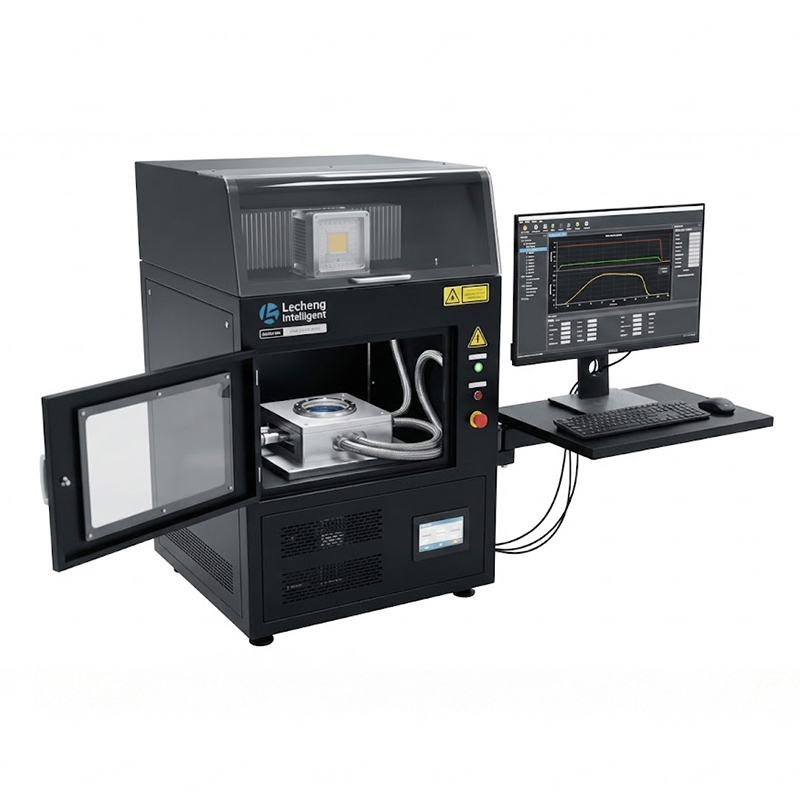
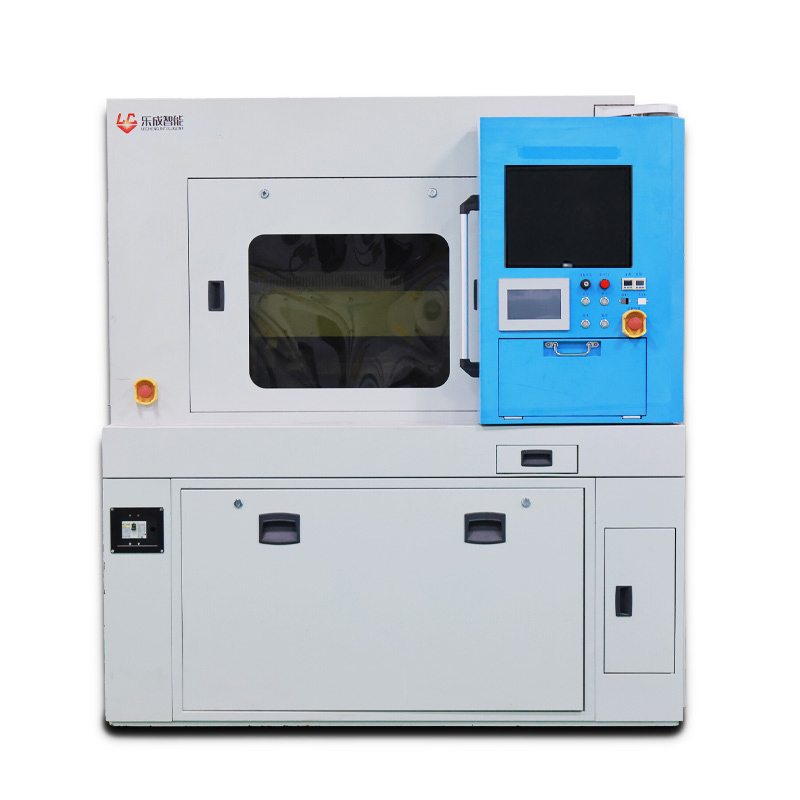
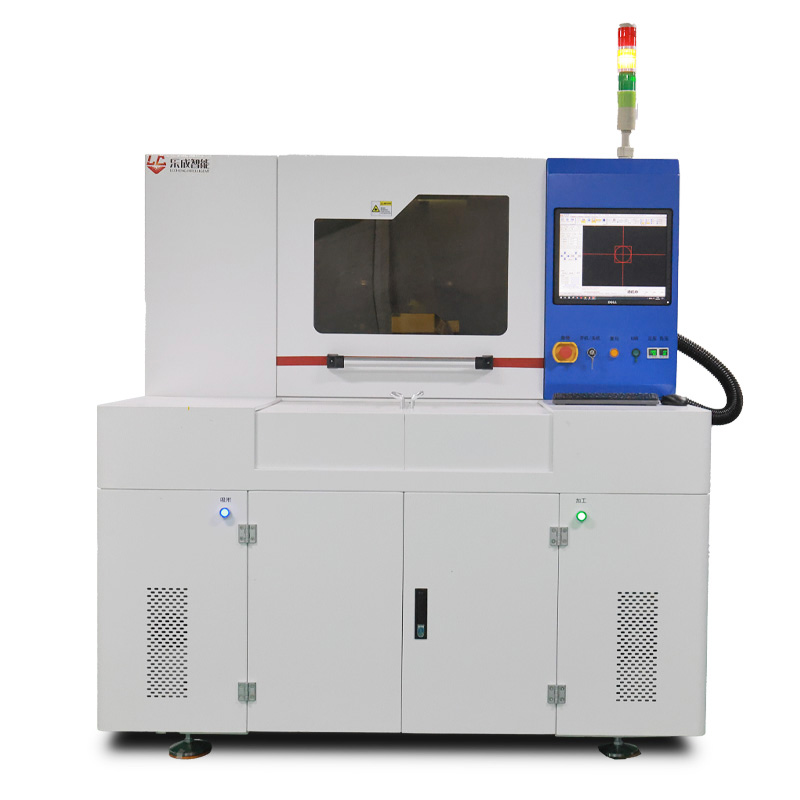
Lecheng laser equipment

Profilometry for 3D Topography and Depth Analysis

While microscopy assesses 2D characteristics, profilometry captures 3D topography to quantify laser ablation depth, surface roughness, and edge taper angles. Lecheng utilizes white-light interferometry and laser scanning profilometers to measure P1-P3 groove depths with nanometer-scale resolution, ensuring optimal electrical isolation in thin-film solar cells. For instance, profilometry detects depth inconsistencies in P2 scribes that could impede contact between TCO and electrode layers. Cross-sectional profiles also validate the effectiveness of Lecheng’s focus-following technology by demonstrating uniform depth (±0.5μm) across warped substrates. This data correlates with device performance—e.g., dead zone width directly impacts module efficiency—enabling process refinements that boost yield.
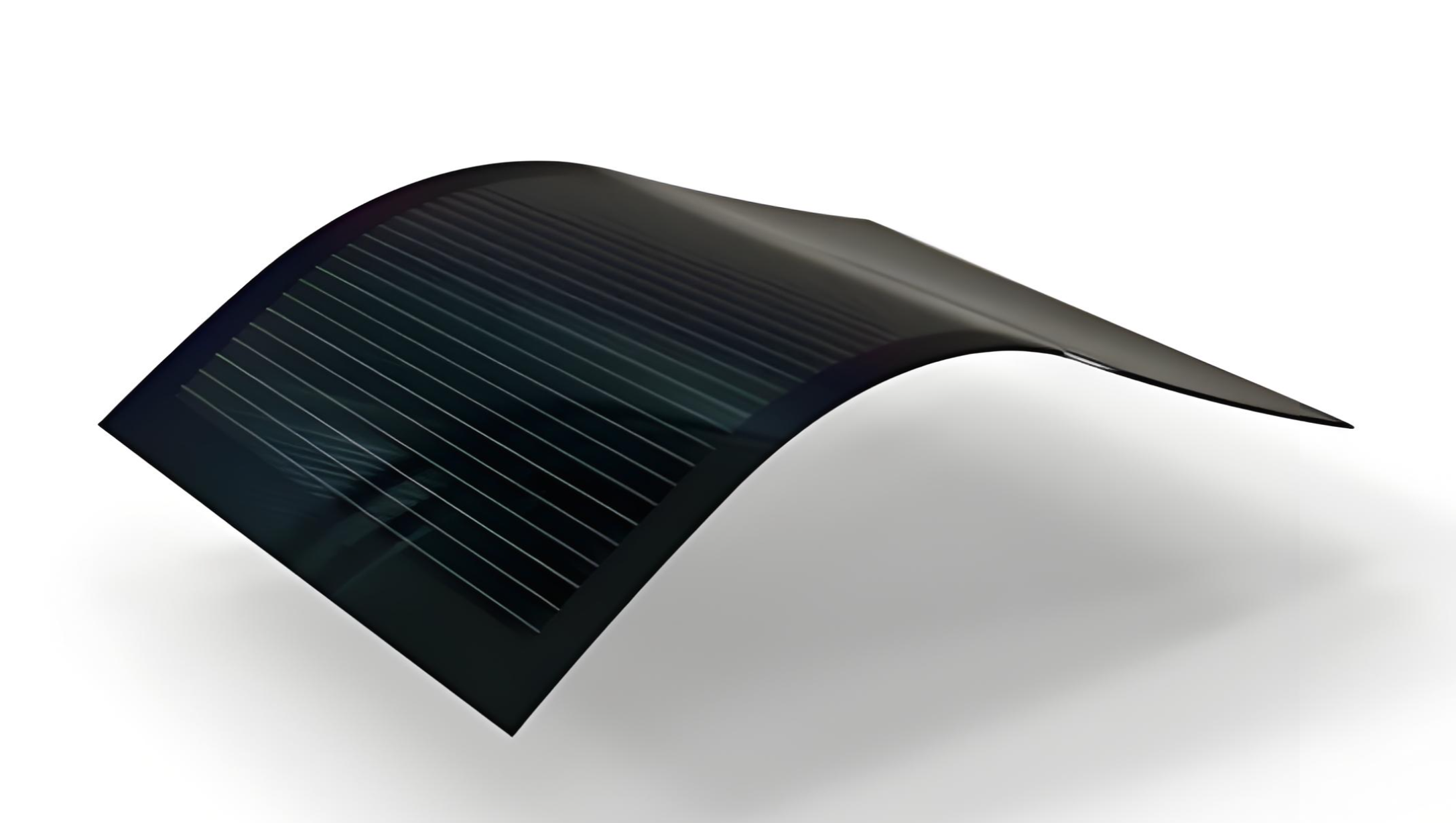
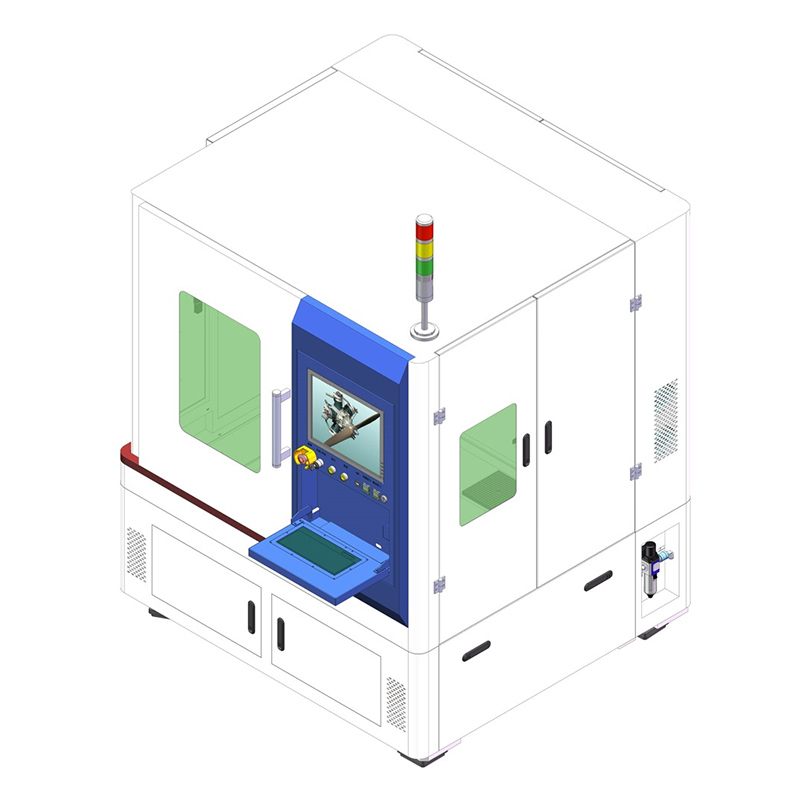
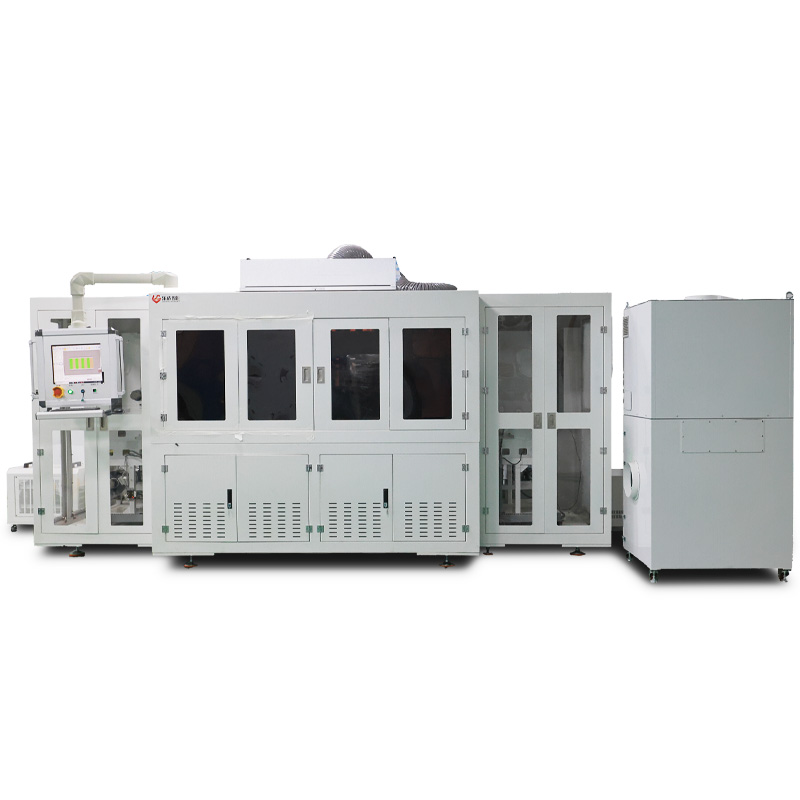
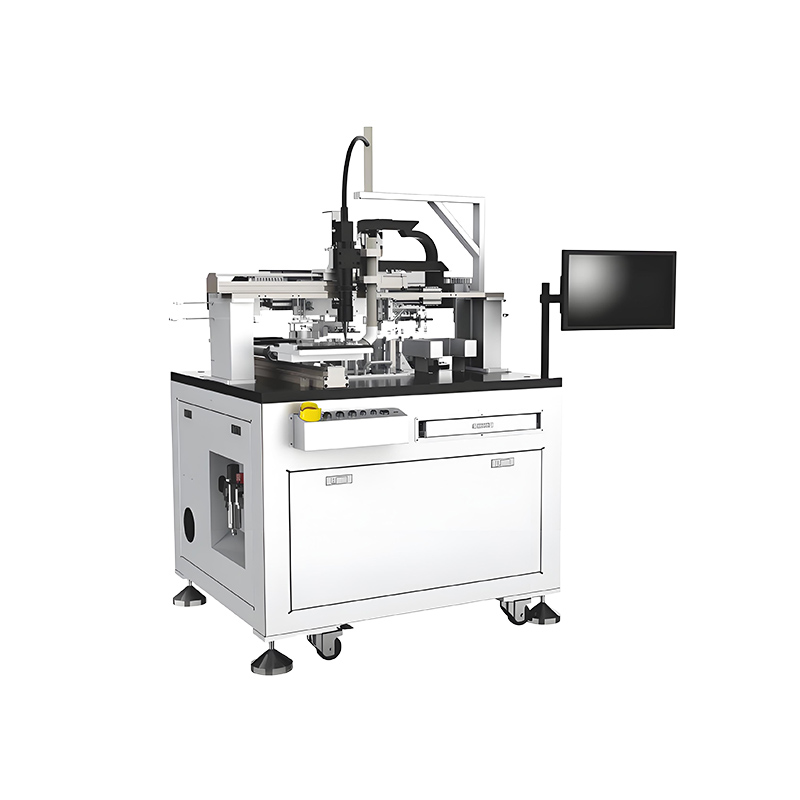
Automated laser

Integrated Validation Workflow for Process Optimization

Lecheng combines microscopy and profilometry into a unified validation workflow, where data from both techniques feeds into AI-driven analytics to predict laser parameter adjustments. For example, if profilometry detects thermal damage exceeding 10μm in glass substrates, the system automatically recommends reducing pulse duration or switching to cold ablation modes. Similarly, microscopy images of P4 edge isolation are analyzed for residue coverage, triggering laser power recalibration if cleanliness falls below 98%. This closed-loop validation is integrated with Lecheng’s IoT platform, allowing real-time correlation between equipment parameters (e.g., galvanometer speed) and quality metrics. The result is a self-optimizing production line that maintains ≤0.1% defect rates in precision applications like medical device welding or display panel cutting.
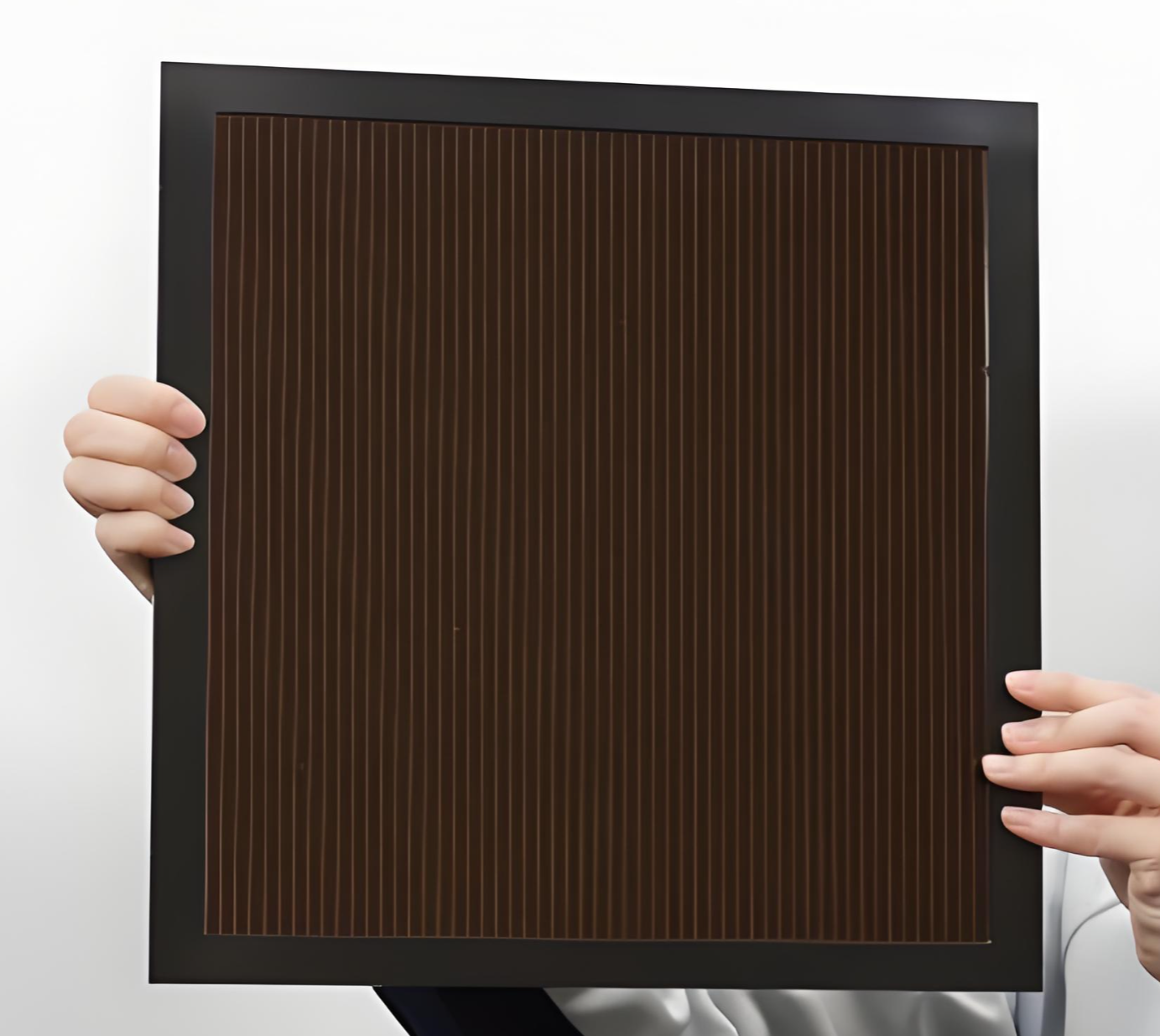
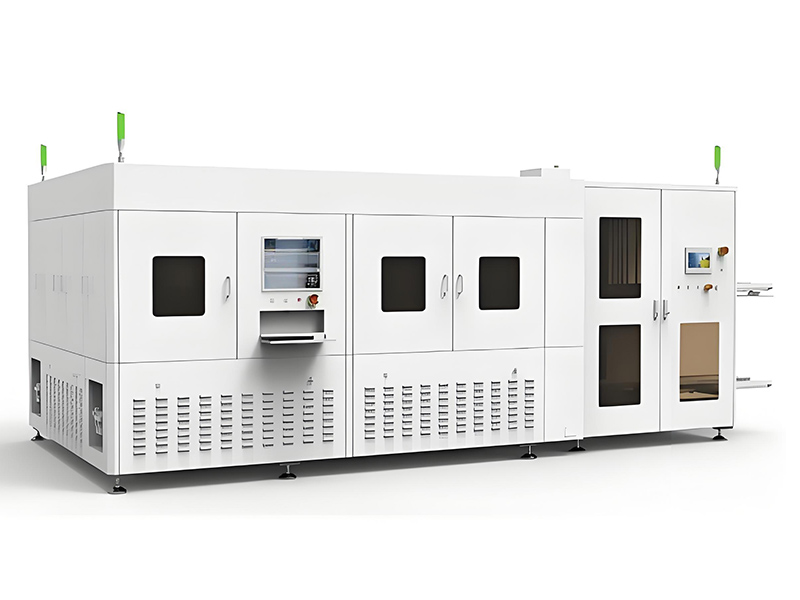
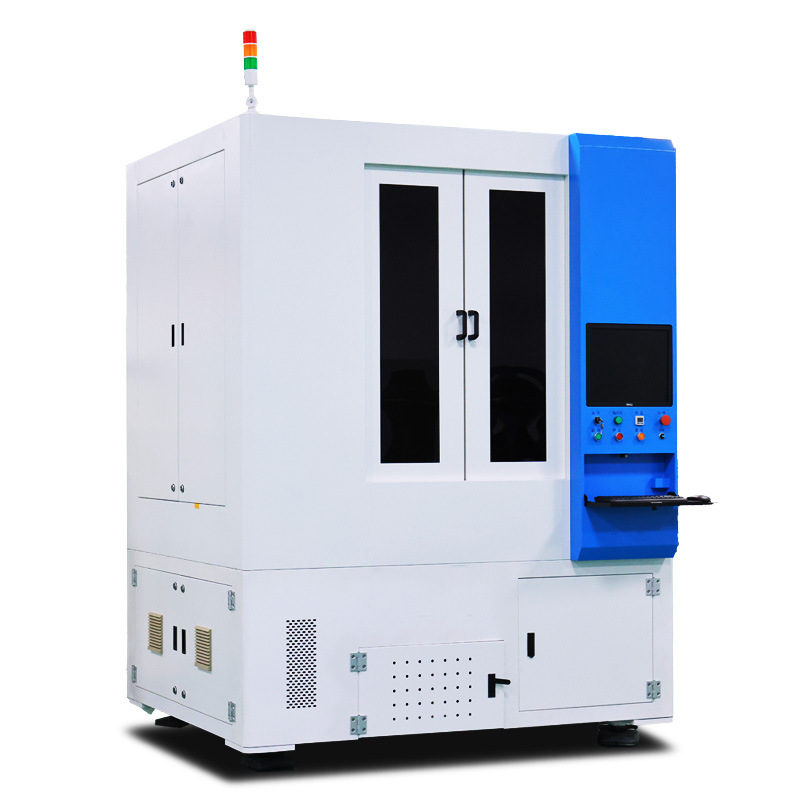
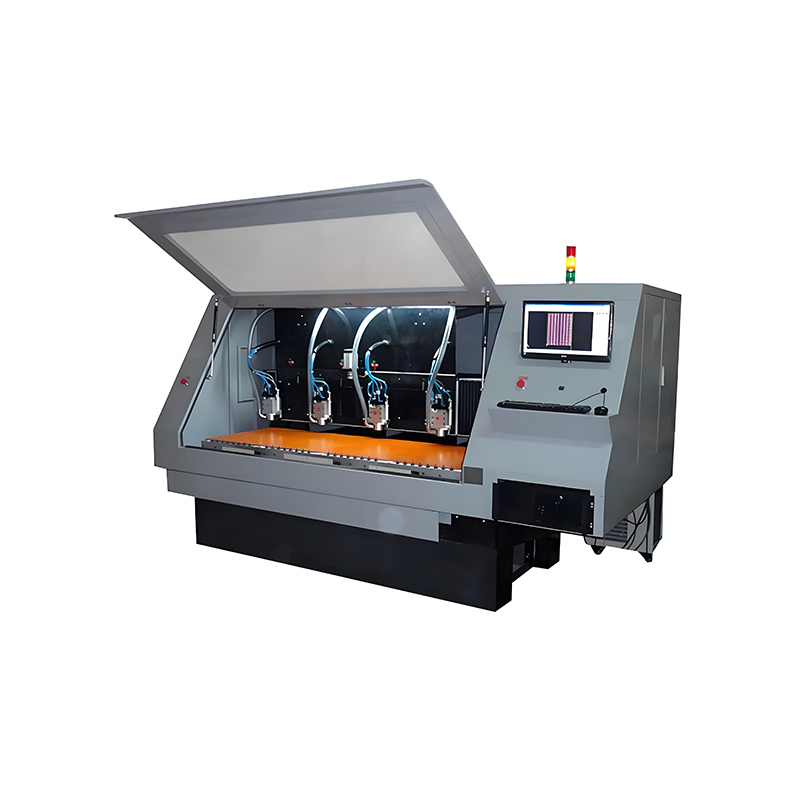
Perovskite solar cell laser

Microscopy and profilometry transform subjective visual checks into quantifiable quality benchmarks, empowering Lecheng’s clients to achieve unprecedented precision in laser processing. By integrating these tools with smart analytics, Lecheng bridges the gap between theoretical design and manufacturable reality.

  • Demystifying Beam Splitting Technologies in Perovskite Photovoltaic Laser Processing
    Demystifying Beam Splitting Technologies in Perovskite Photovoltaic Laser Processing
    The transition to gigawatt-scale perovskite solar production hinges on precision laser processing, where beam splitting technology plays a pivotal role. By dividing a single laser source into multiple beams, this technique enables simultaneous scribing of P1-P3 patterns and edge isolation (P4), directly impacting throughput, dead zone control, and production costs. Current industrial approaches primarily include mechanical beam splitting and diffractive optical elements (DOEs), each with distinct advantages for perovskite’s thermal sensitivity and scalability requirements.
    More
  • The Application of Laser Technology in the Industrialization of Perovskite Solar Cells
    The Application of Laser Technology in the Industrialization of Perovskite Solar Cells
    Perovskite solar cells (PSCs) represent the third generation of thin-film solar technology, renowned for their high efficiency, low cost, and flexibility. As industrialization progresses, laser technology has emerged as a critical enabler, addressing key challenges in precision processing and scalability. This article explores the multifaceted role of lasers in PSC manufacturing.
    More
  • Roll-to-Roll (R2R) Laser Scribing System for Thin-Film Solar Cells
    Roll-to-Roll (R2R) Laser Scribing System for Thin-Film Solar Cells
    The equipment utilizes a high-energy-density laser beam, precisely controlled by a computer system, to process roll-to-roll thin-film solar cell materials according to pre-programmed scribing patterns. Through laser thermal or cold processing effects, the thin-film material is instantaneously vaporized, separated, or modified, achieving precise scribing to either segment the cells or create specific circuit patterns on them.
    More
  • Perovskite Photovoltaic Module
    Perovskite Photovoltaic Module
    Lecheng's laser scribing equipment, equipped with a high-precision laser control system, achieves micron-level patterning accuracy with smooth, thermally damage-free edges. This significantly reduces internal resistance losses in solar cells, pushing power conversion efficiency to industry-leading levels—perfectly meeting the high-power output demands of mass production.
    More
  • High-Precision Laser Micromachining Equipment
    High-Precision Laser Micromachining Equipment
    Laser high-precision micromachining technology achieves material processing through precise control of core parameters such as wavelength, pulse width, and energy density, utilizing either thermal or cold processing mechanisms. This induces instantaneous material vaporization, melting, or modification, enabling operations such as cutting, drilling, engraving, and surface treatment. It stands as a pivotal technology in high-precision manufacturing.
    More
  • Customer Acclaim
    Customer Acclaim
    This prestigious accolade has significantly elevated Lecheng Intelligent's industry visibility and reputation, distinguishing it as a trusted leader among suppliers. The recognition solidifies its competitive edge and lays a robust foundation for market expansion.
    More

40px

80px

80px

80px

Get Quote