


How Solar Cells Enter Daily Life? Lecheng’s flexible thin-film laser technology enables bendable solar cells for backpacks, tents, and outdoor gear.
1. The Rise of Bendable Solar Solutions
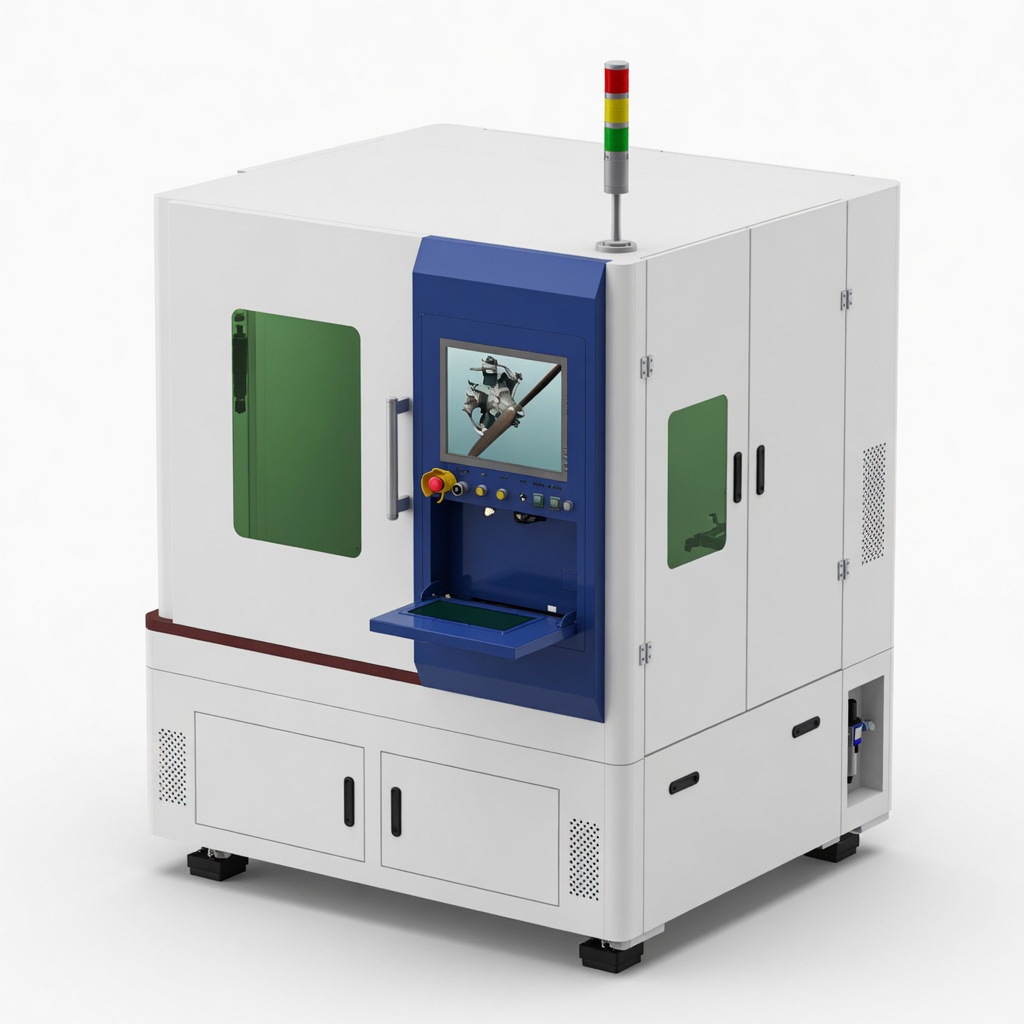
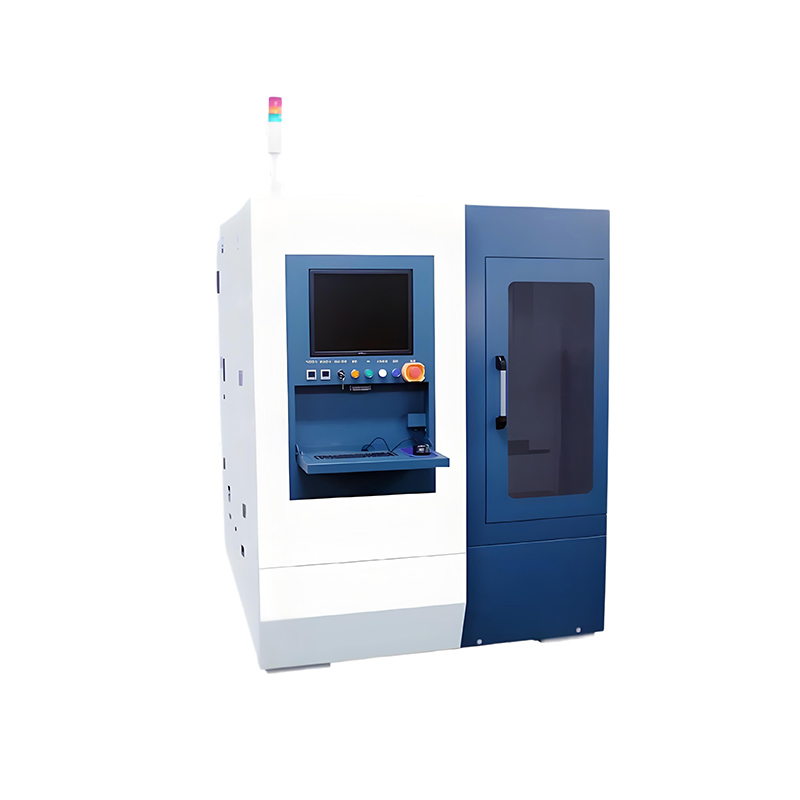
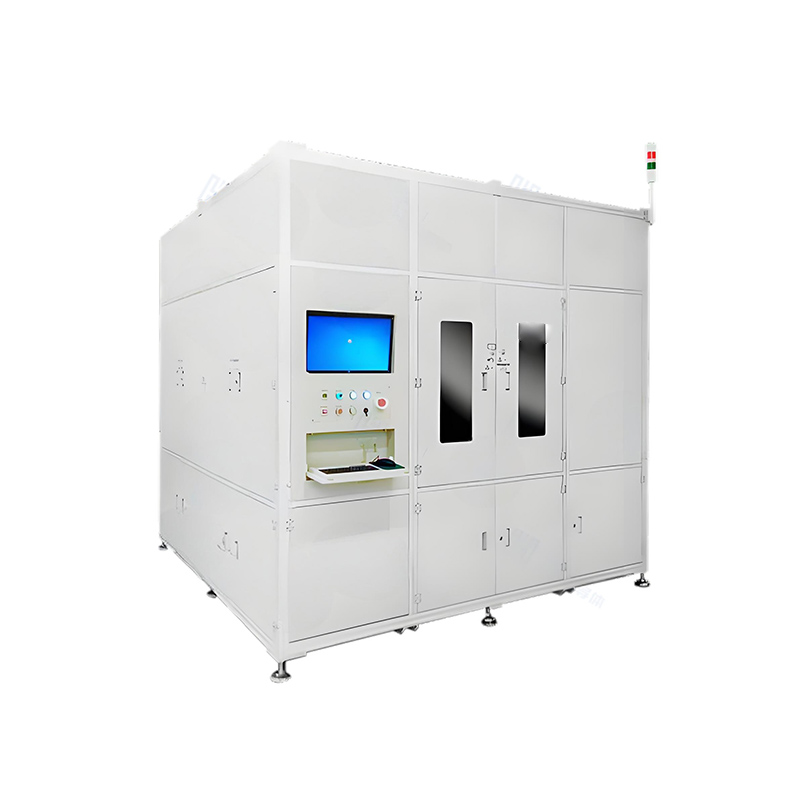
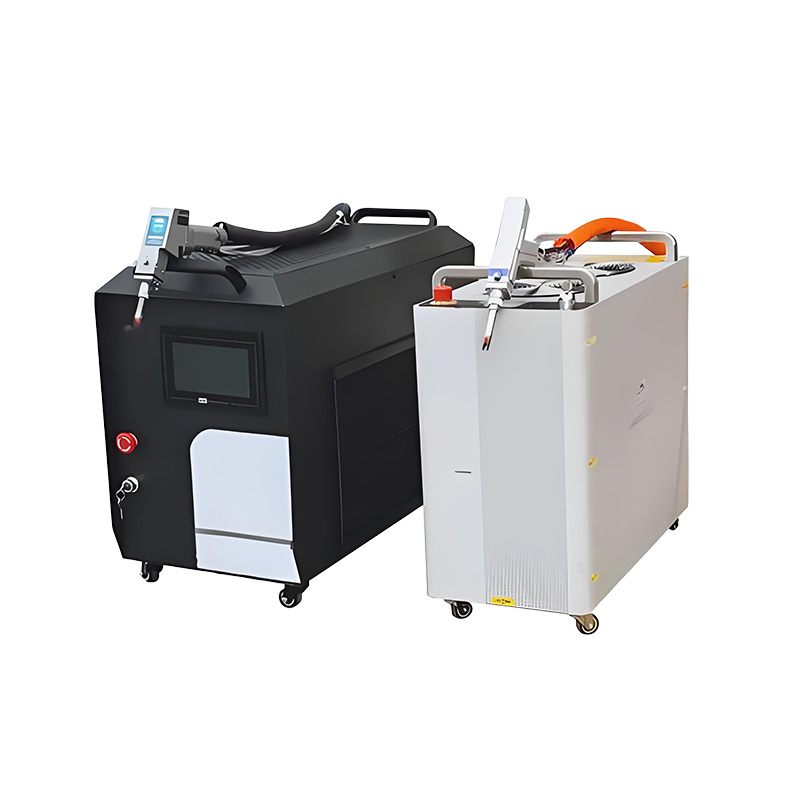
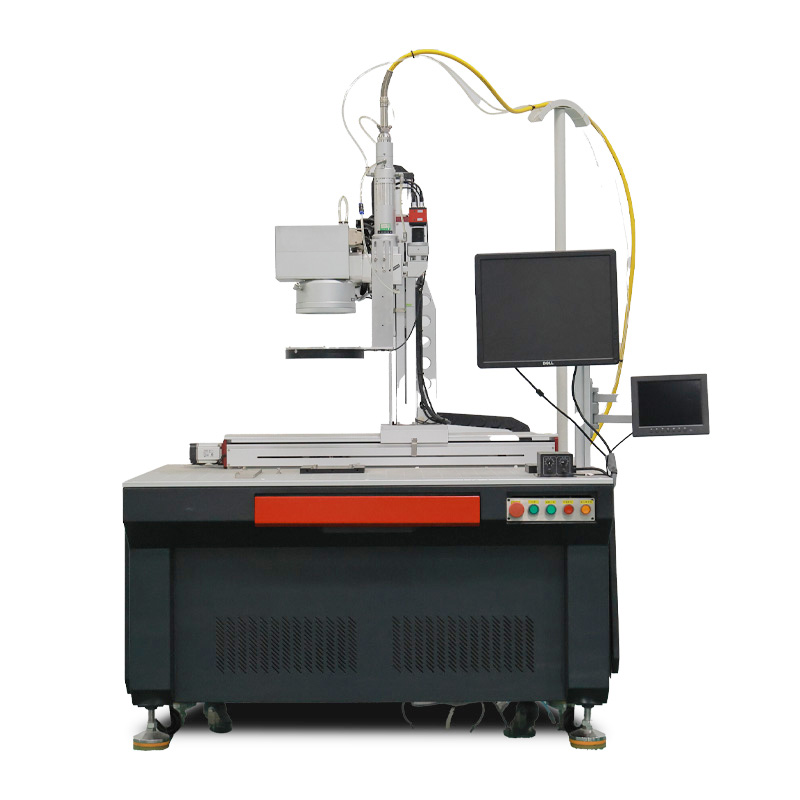
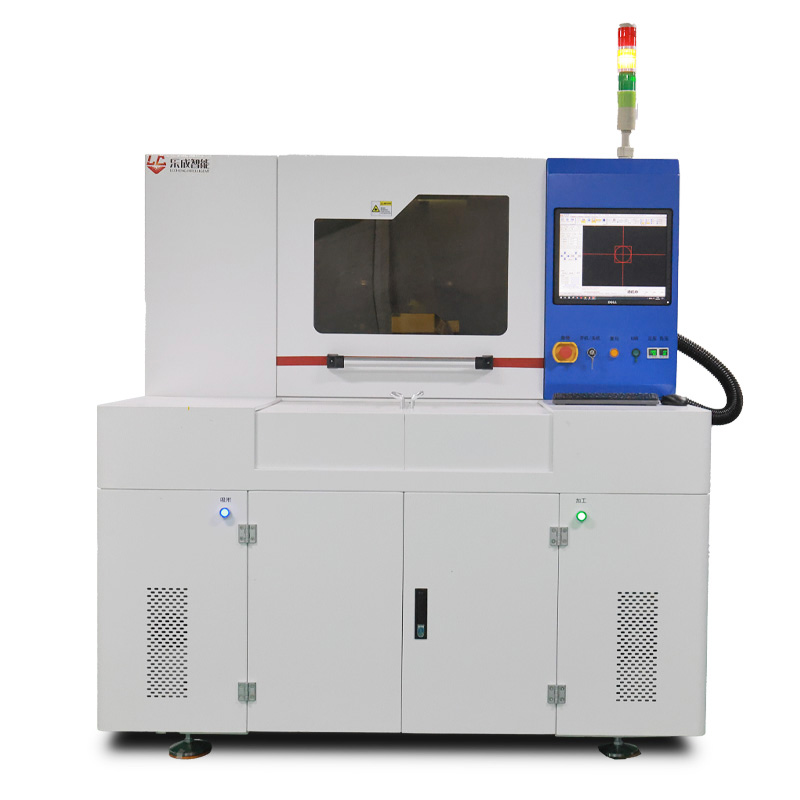
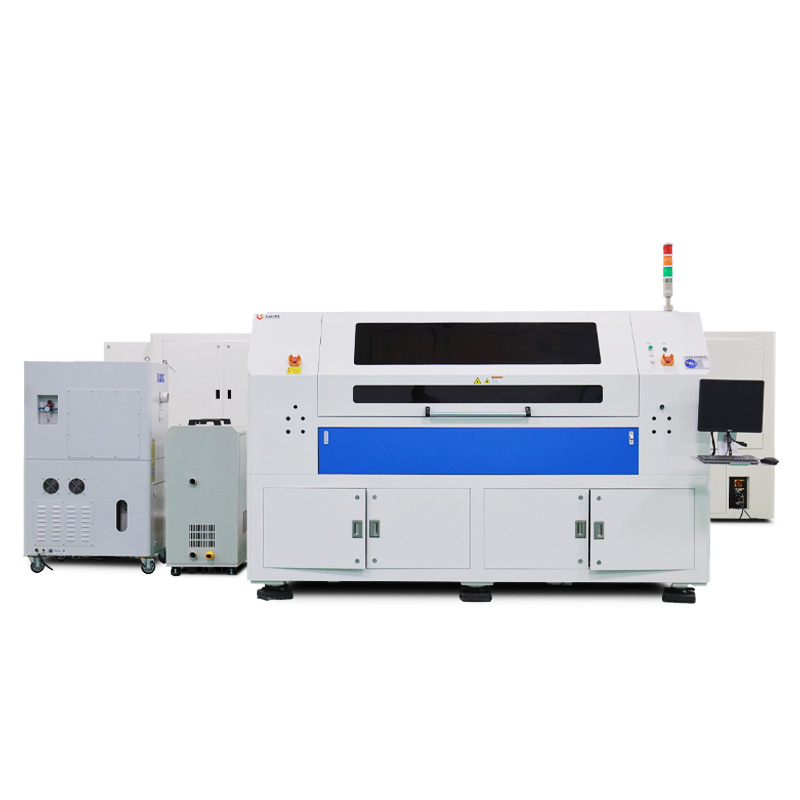
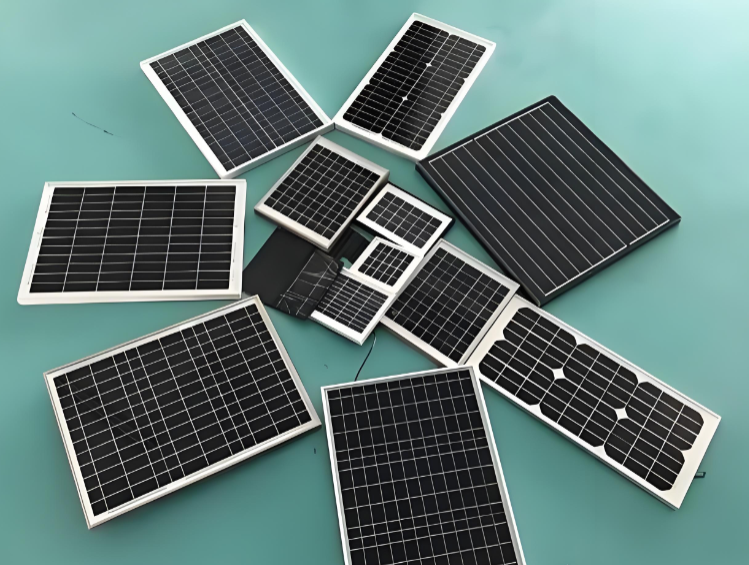
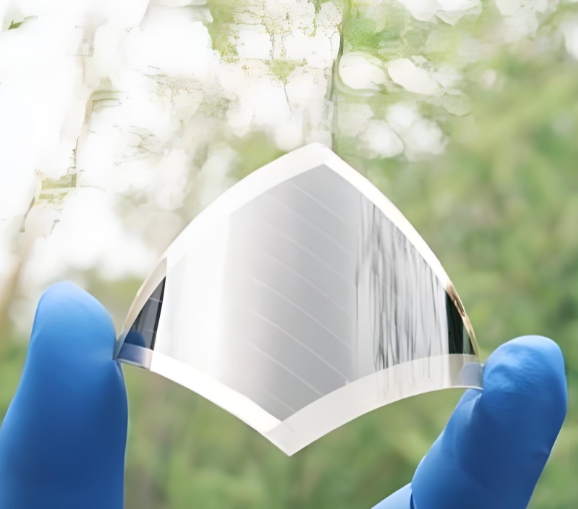
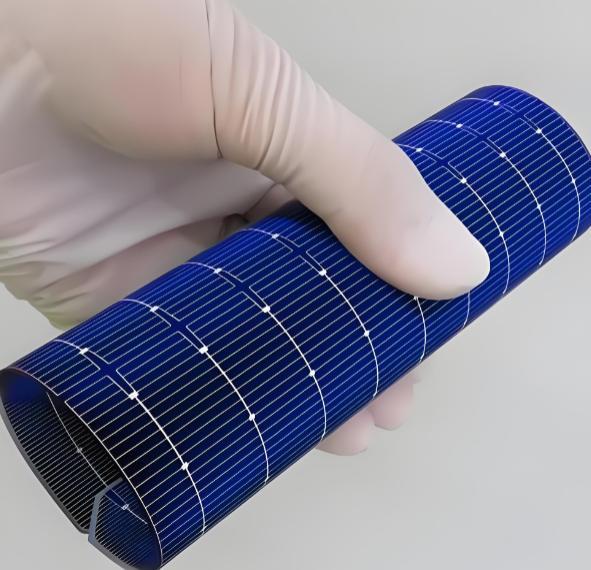
Solar energy is no longer confined to rigid panels on rooftops. With breakthroughs in perovskite thin-film technology, companies like Lecheng Intelligent are revolutionizing how we harness sunlight. Their advanced laser processing systems enable the production of flexible, lightweight solar cells that can be integrated into everyday items. By using ultra-precise laser scribing and cutting techniques, Lecheng’s equipment ensures that these thin-film cells maintain high efficiency even when bent or curved. This innovation opens doors to solar-powered backpacks that charge devices on the go, energy-generating tents for outdoor adventures, and even wearable gear for hikers and campers. The key lies in Lecheng’s ability to minimize dead zones and heat damage during manufacturing, maximizing energy output from compact, flexible surfaces.
2. Laser Precision: The Engine Behind Flexible Solar Cells
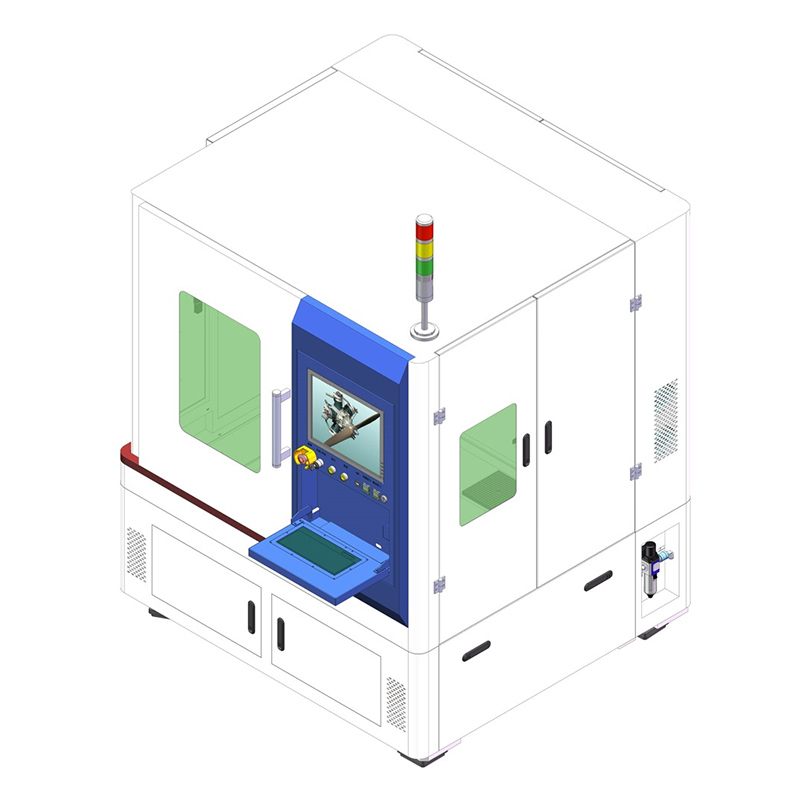
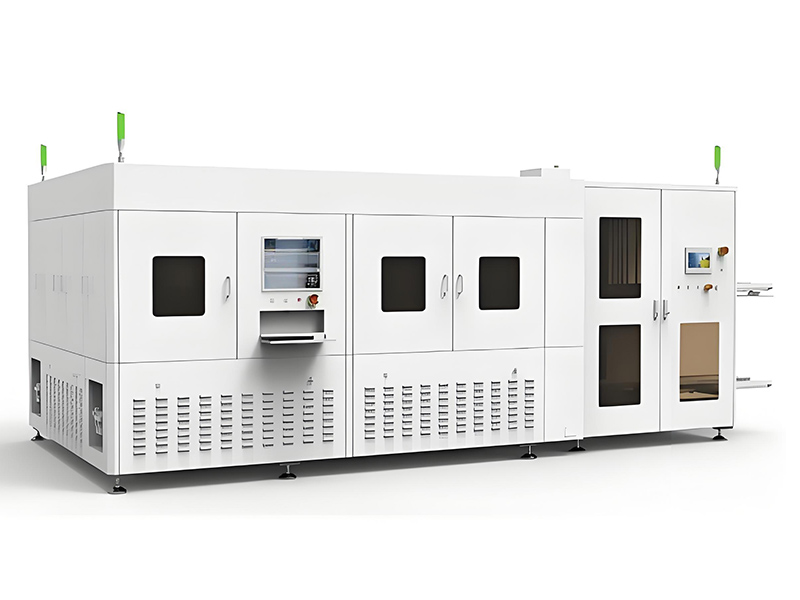
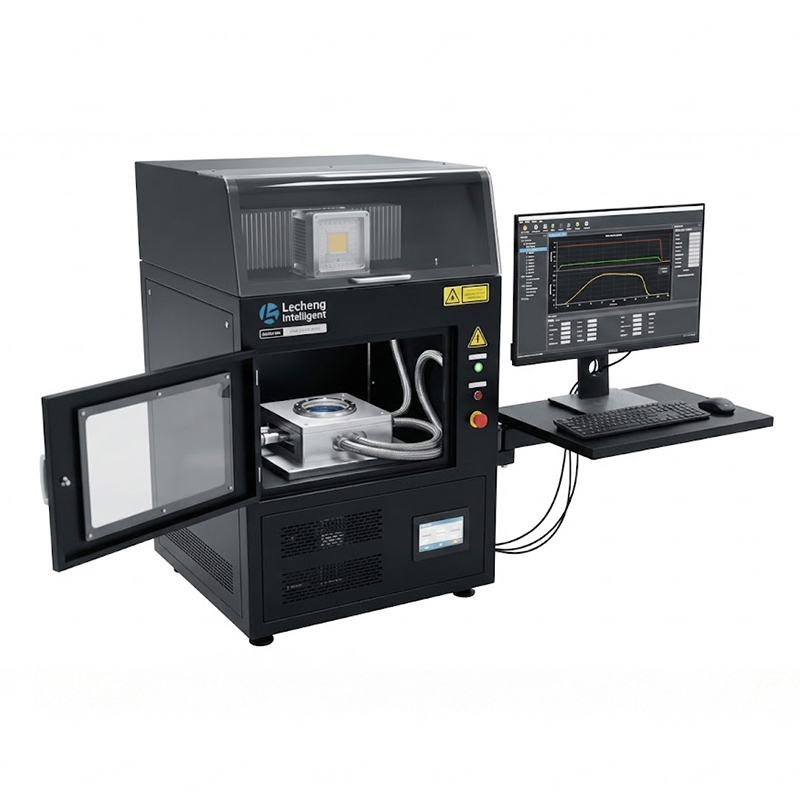
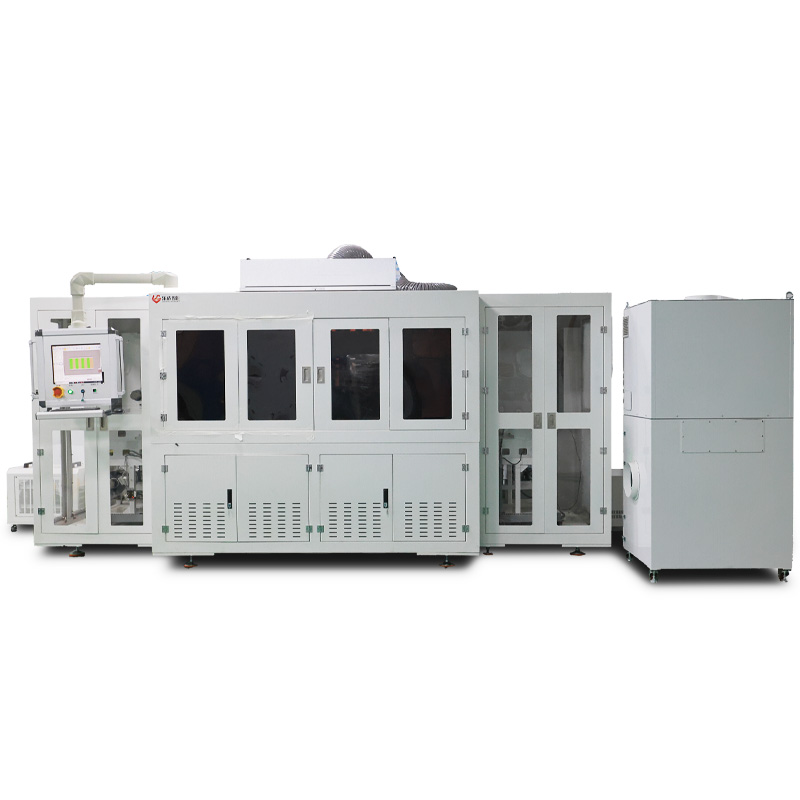
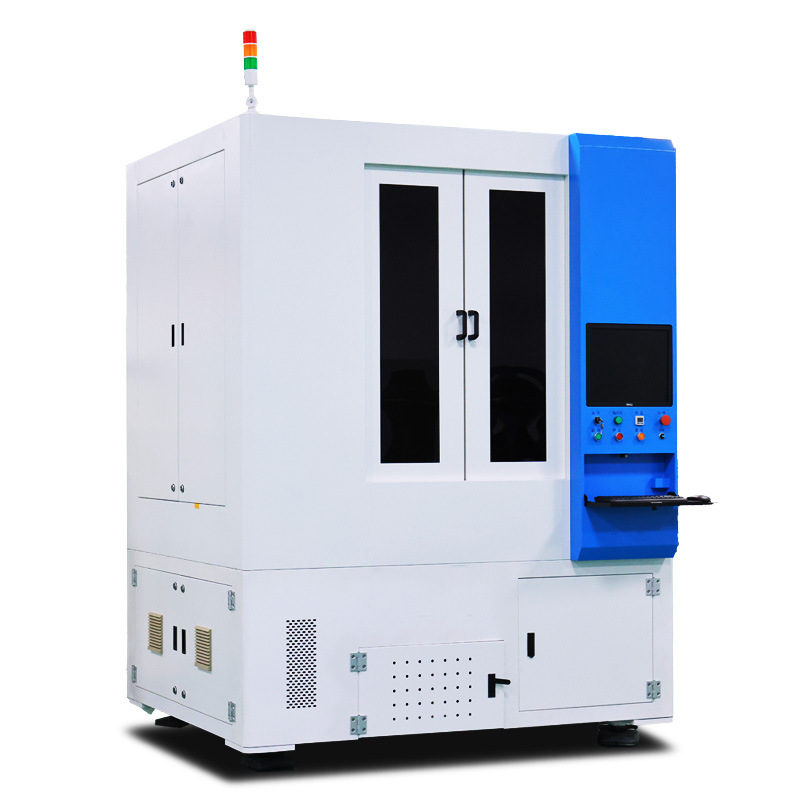
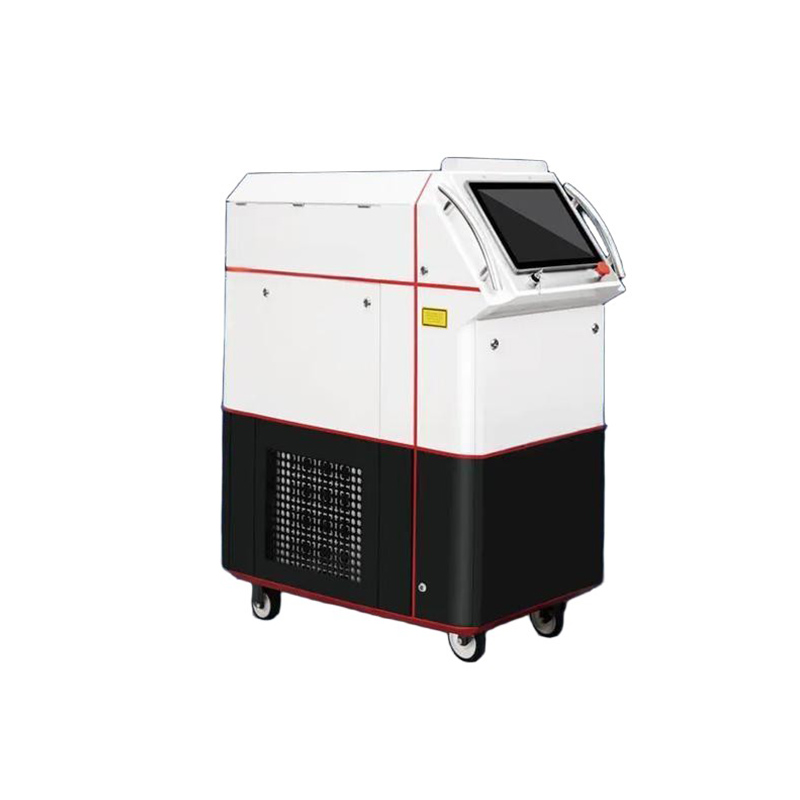
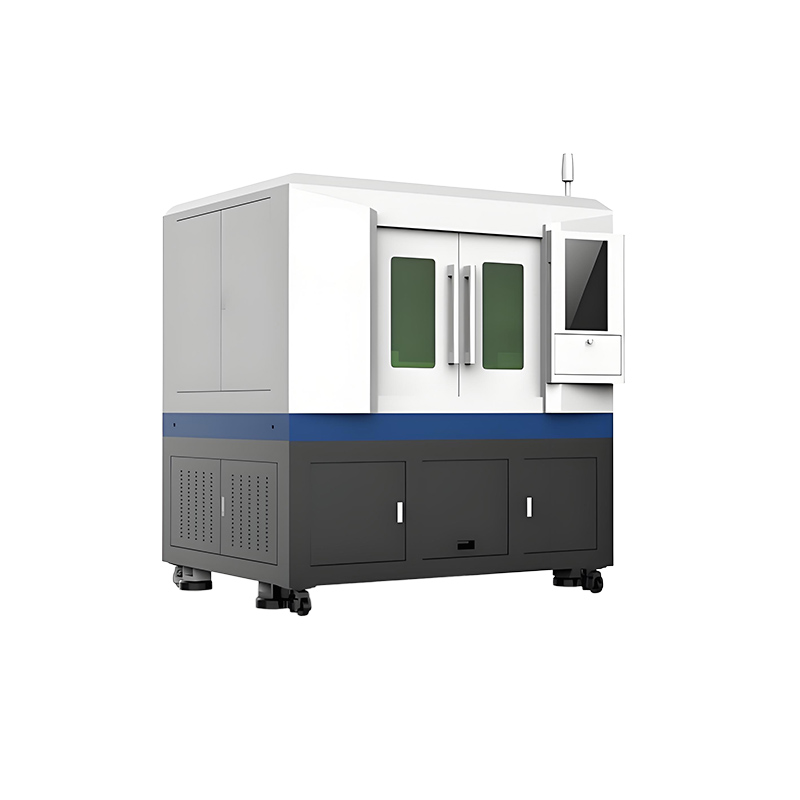
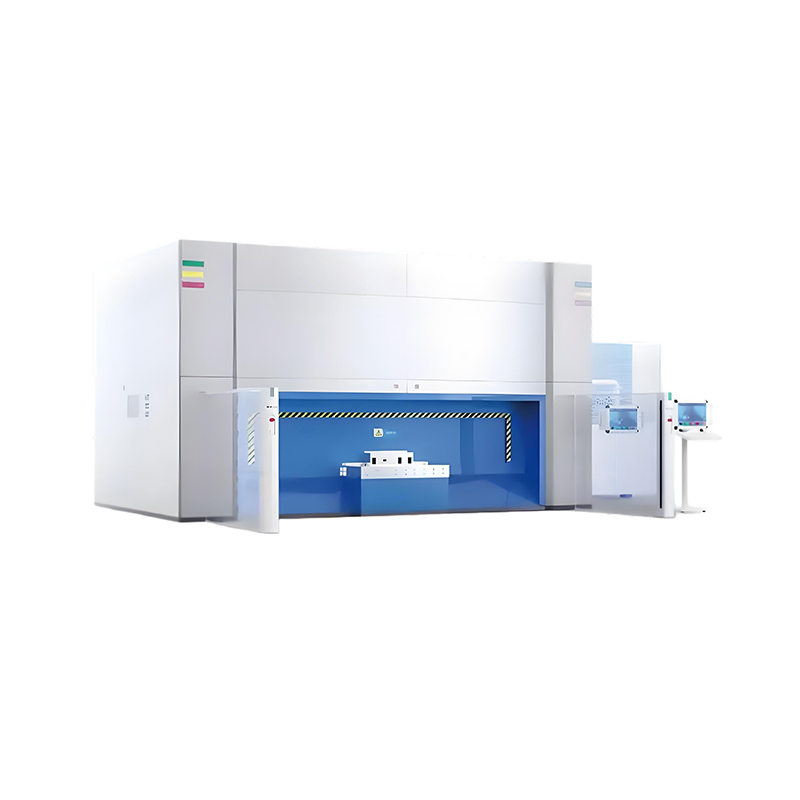
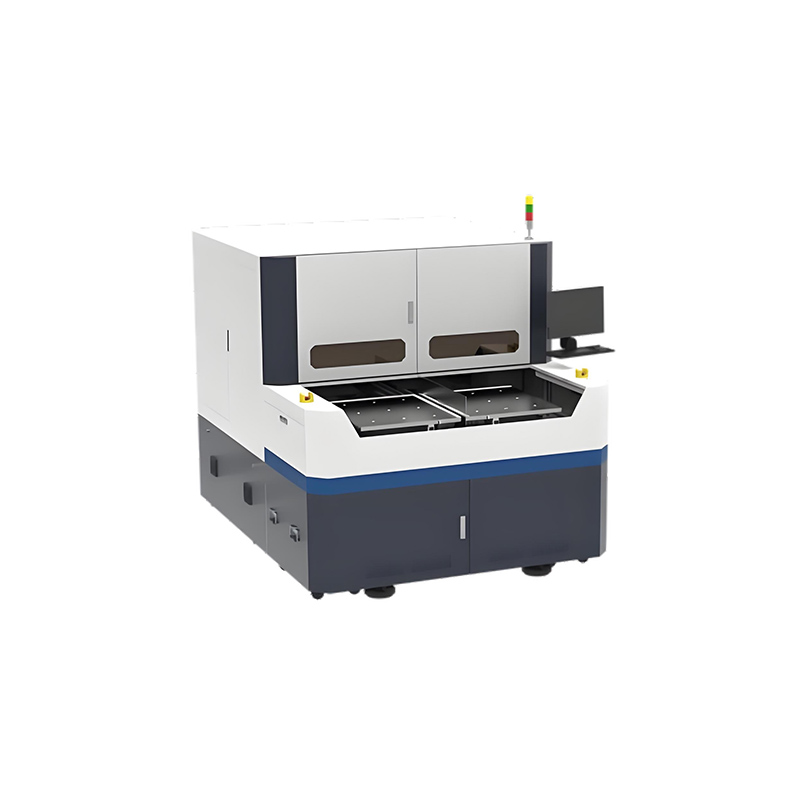
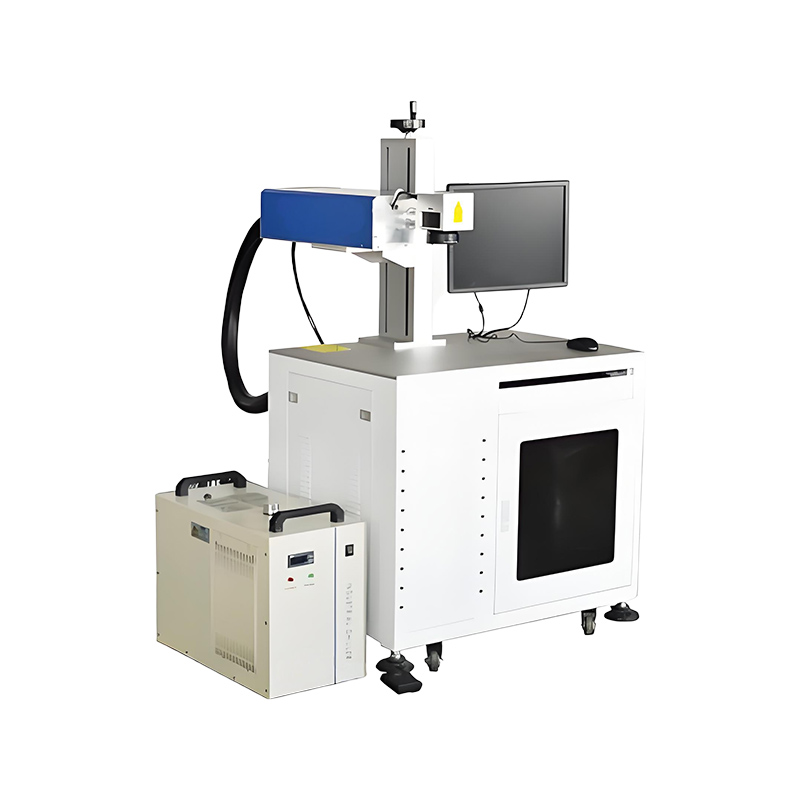
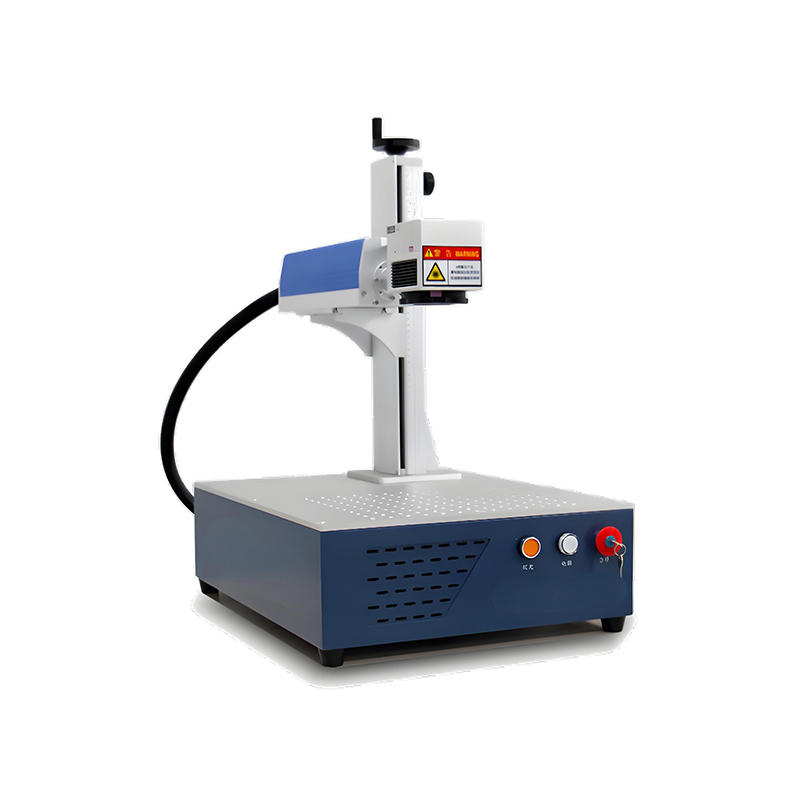
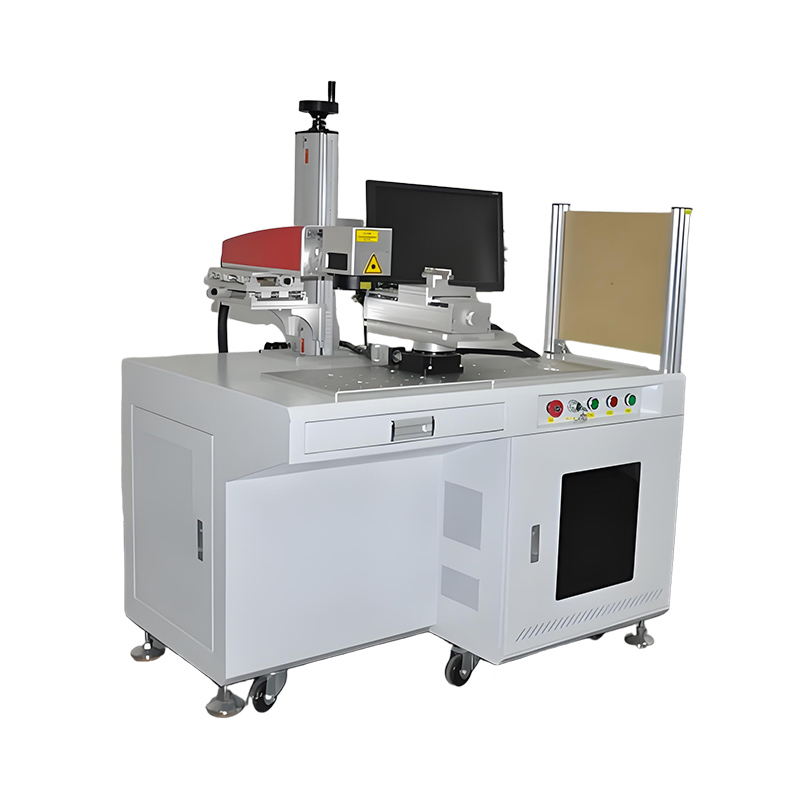
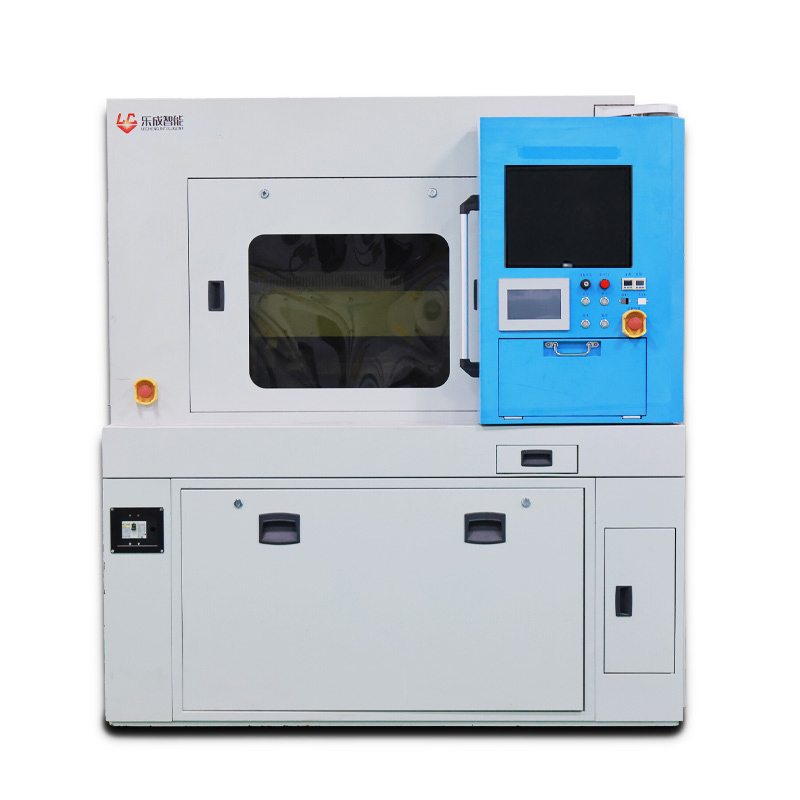
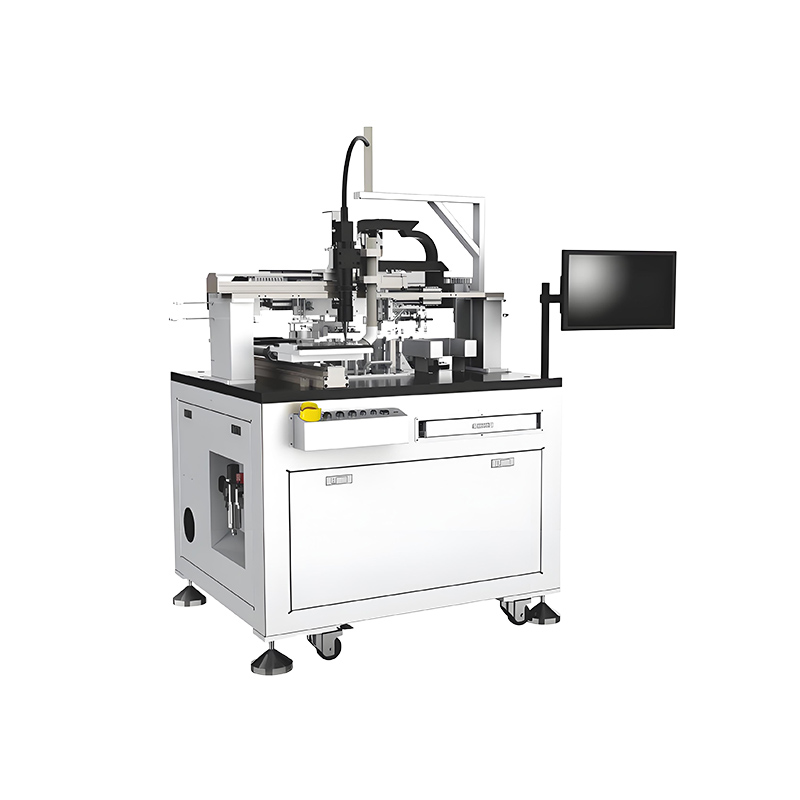
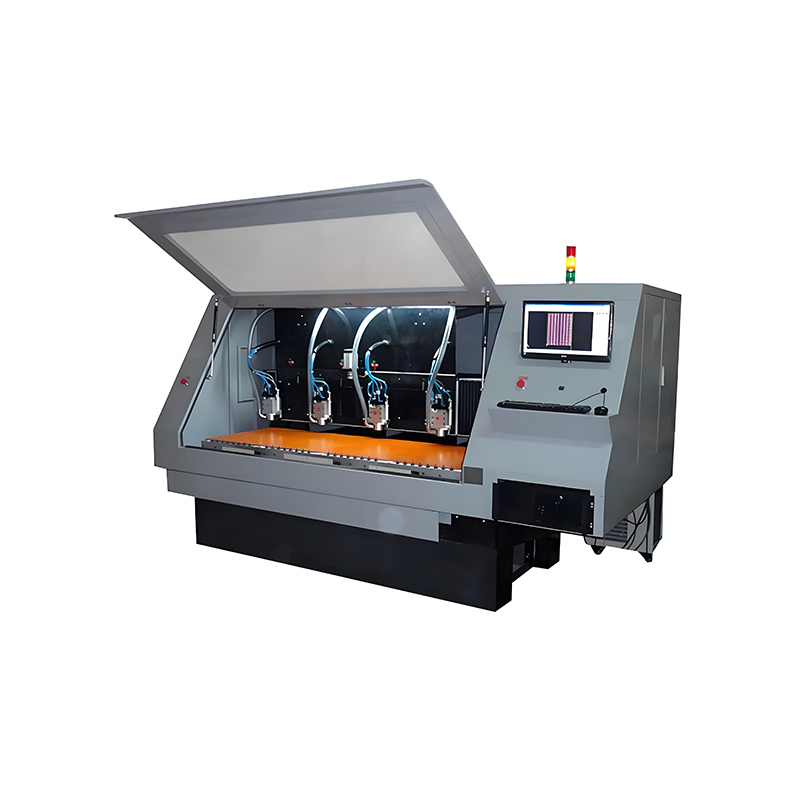
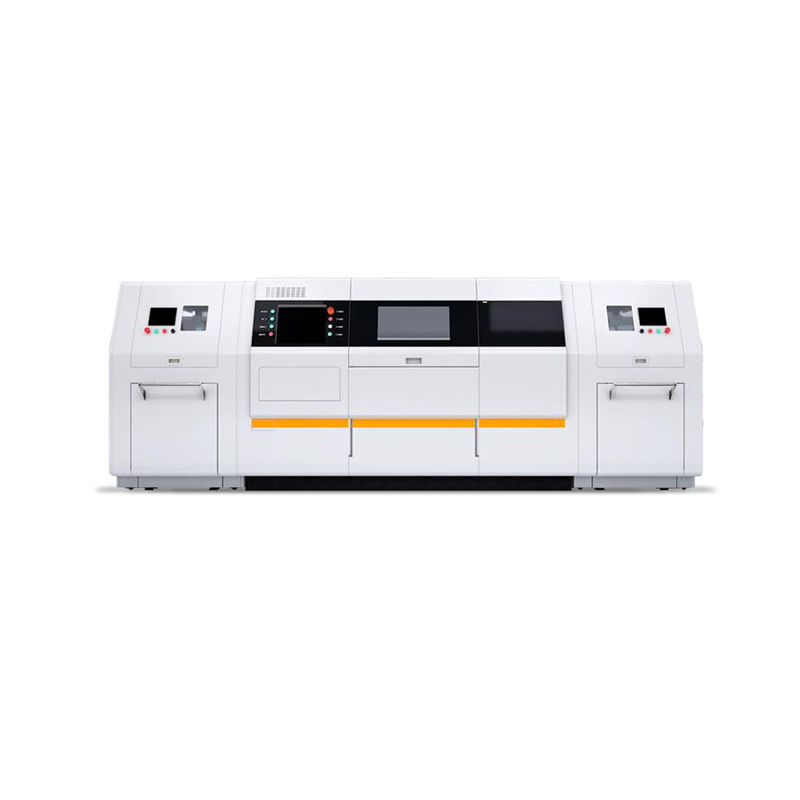
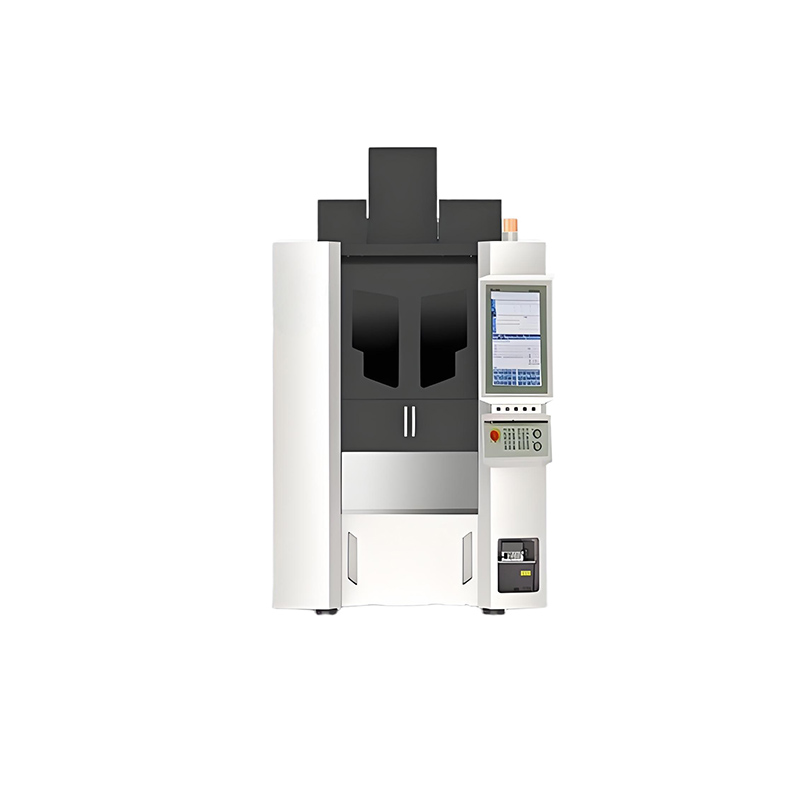
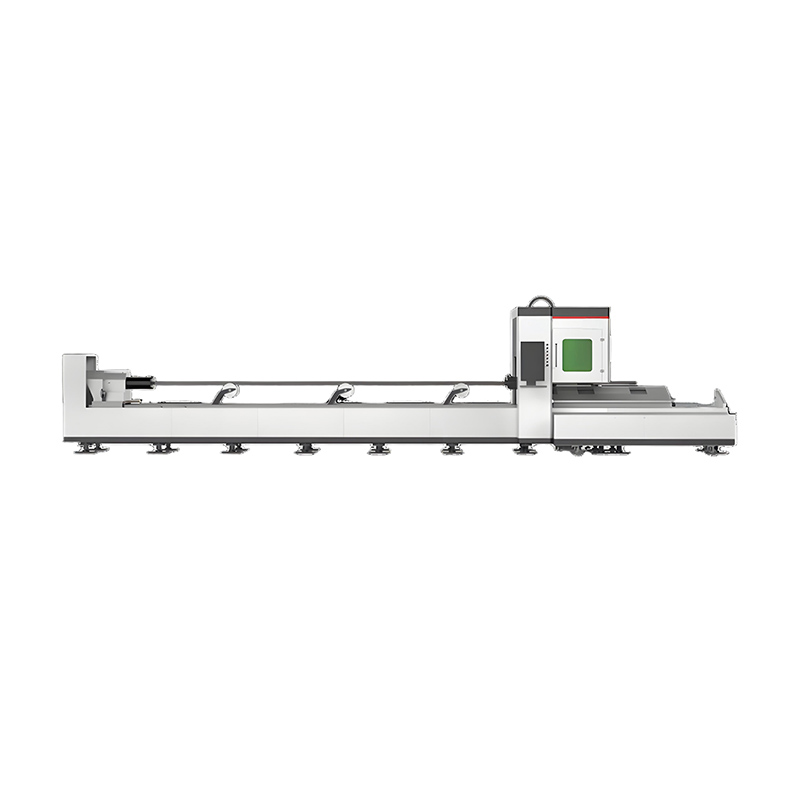
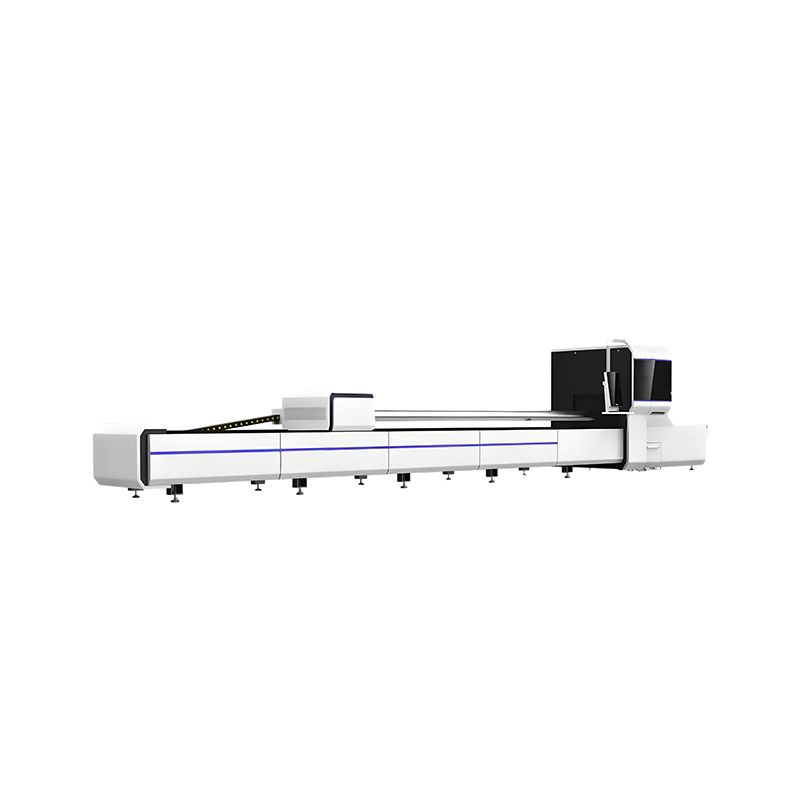
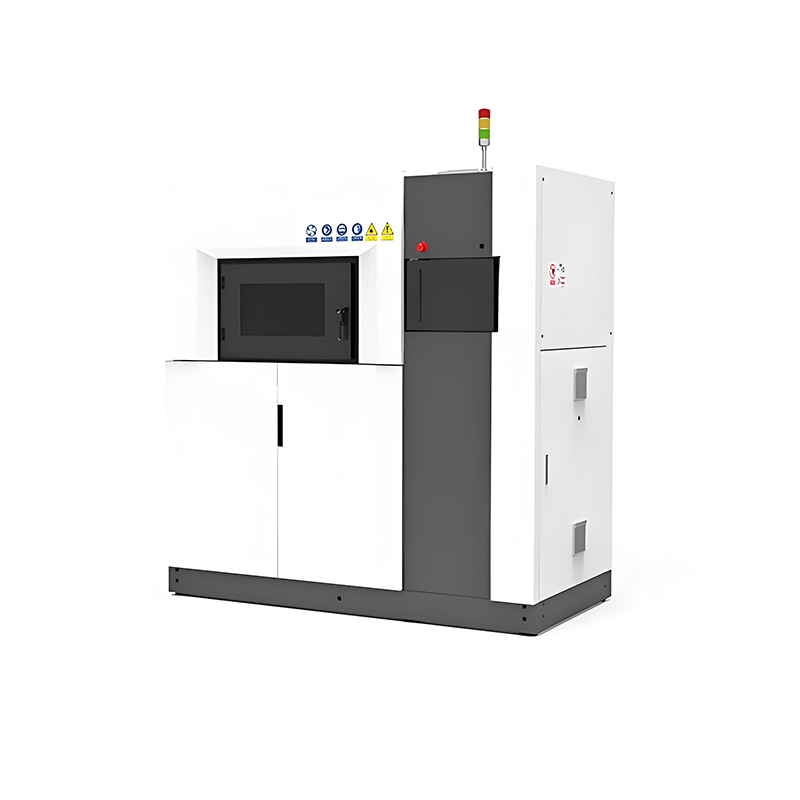
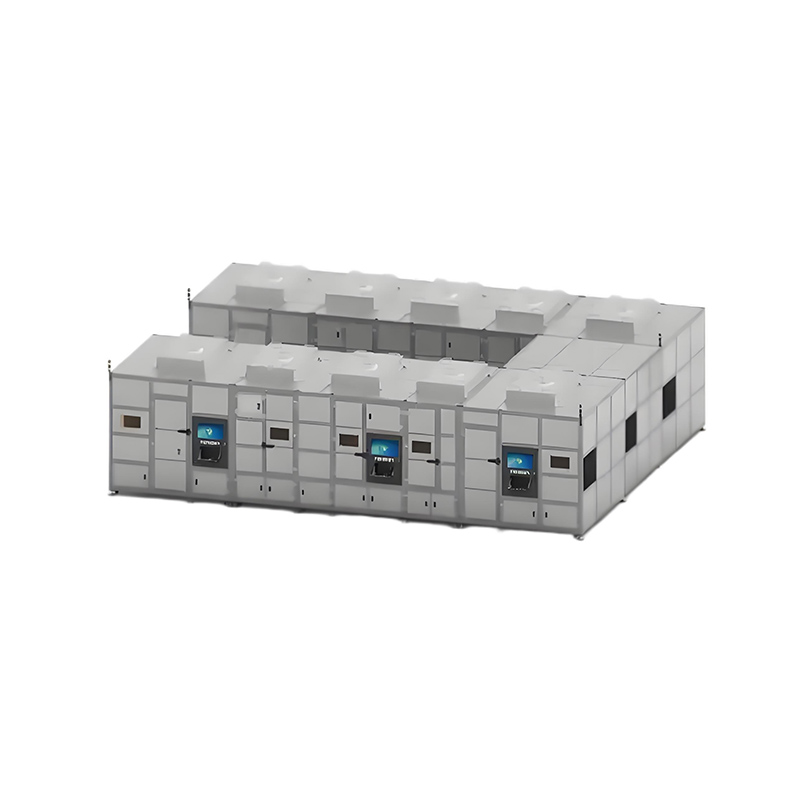
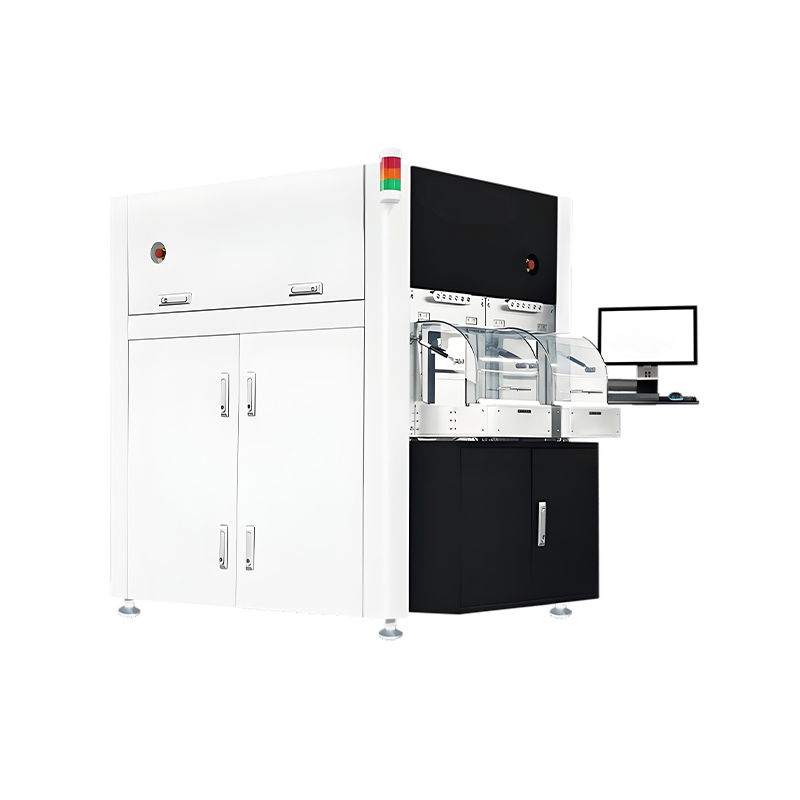
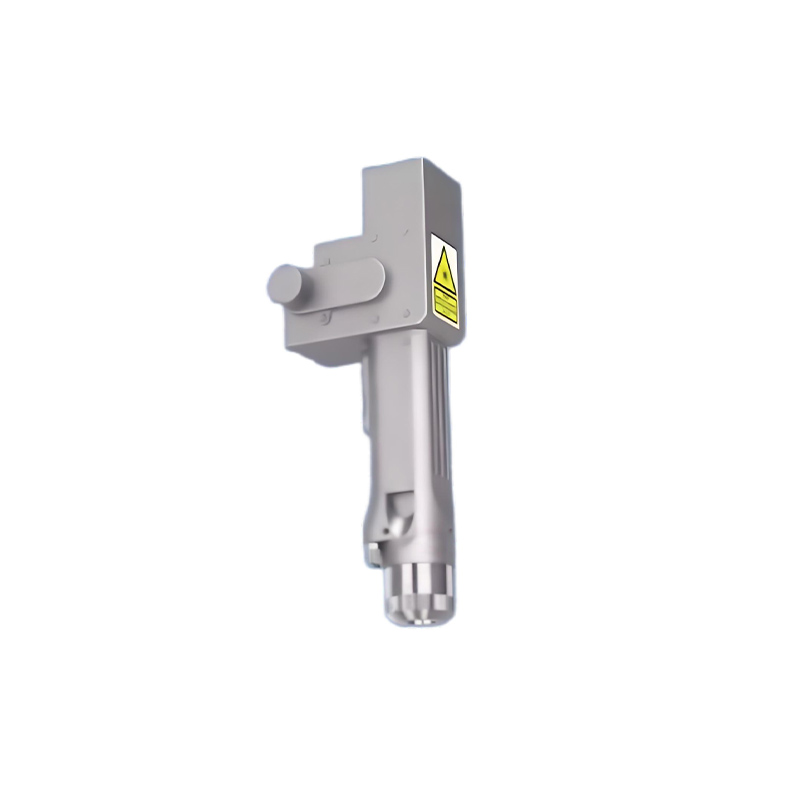
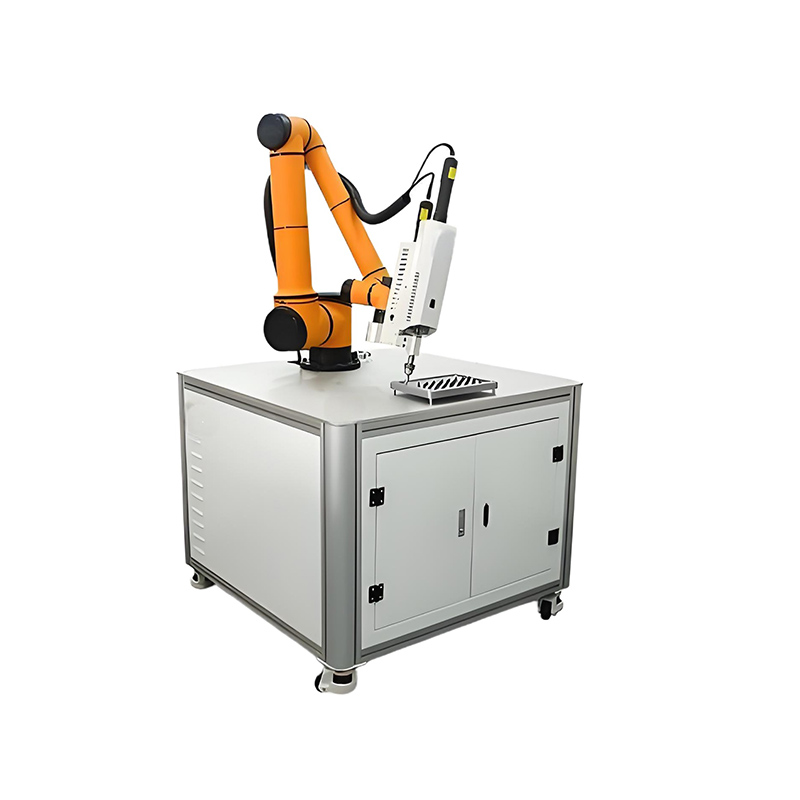
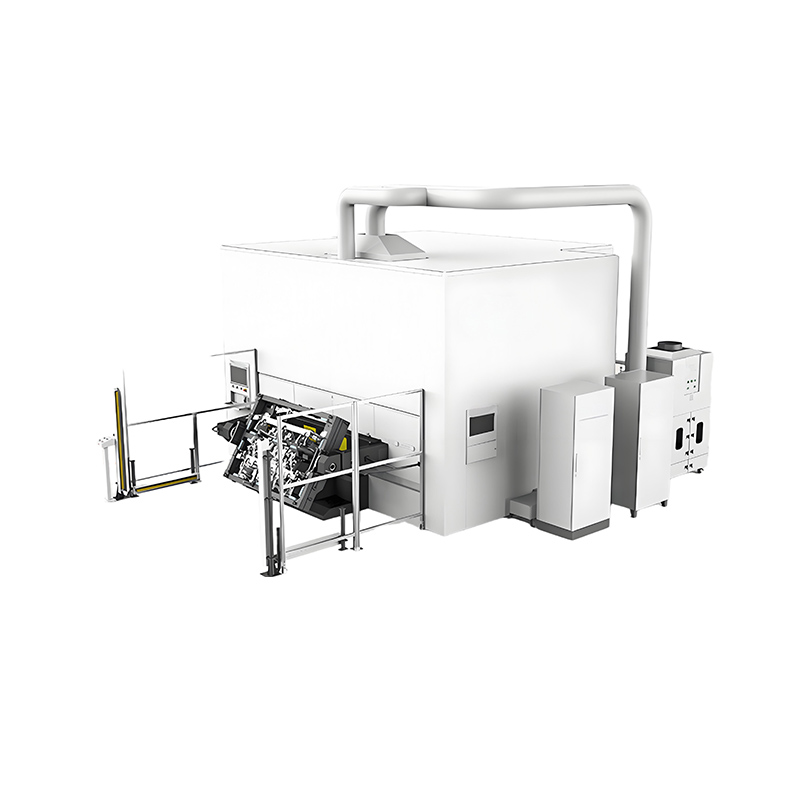
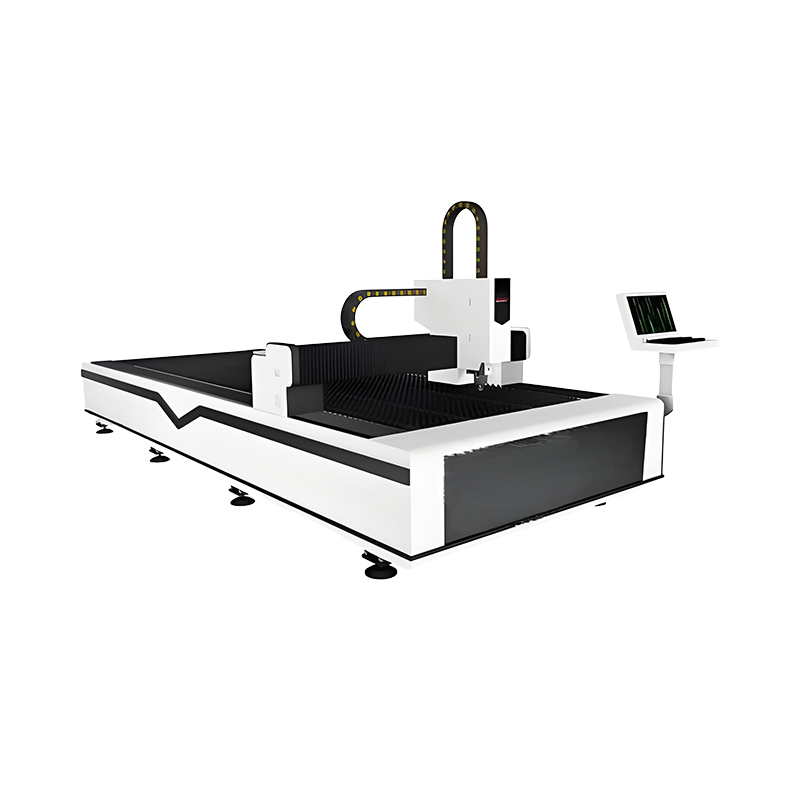
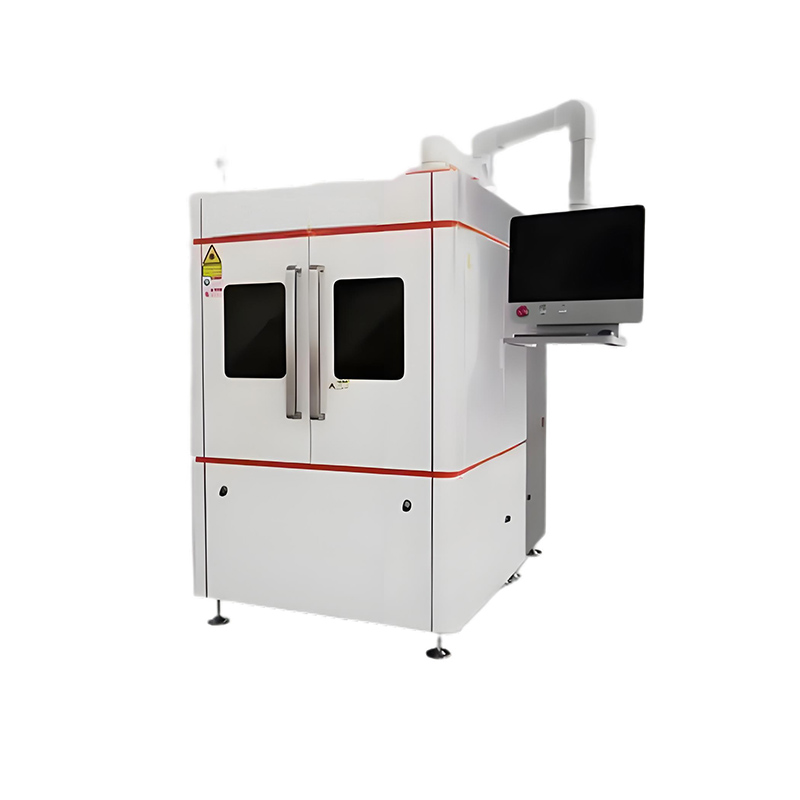
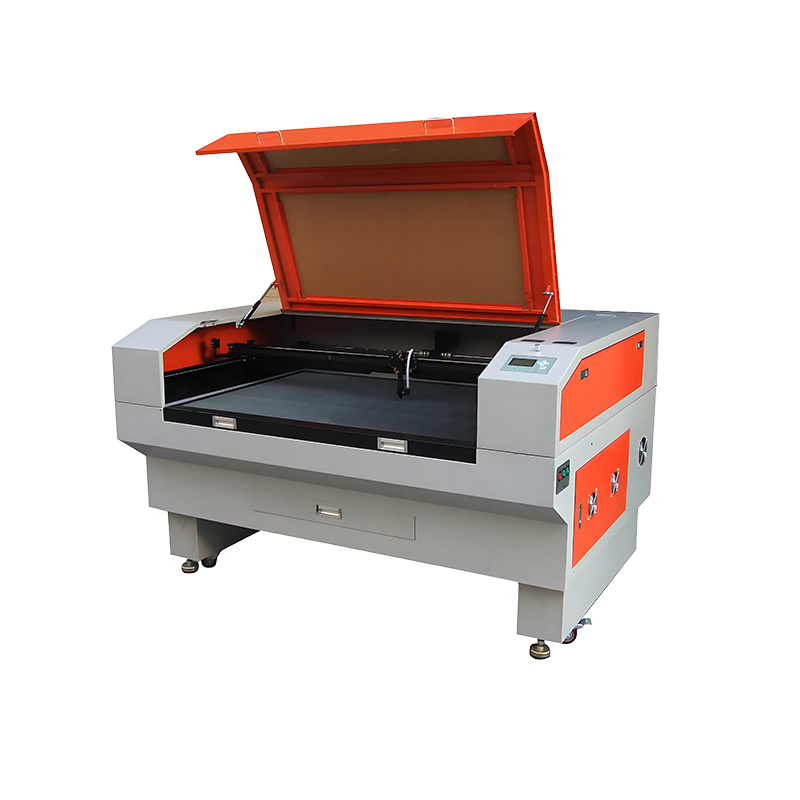
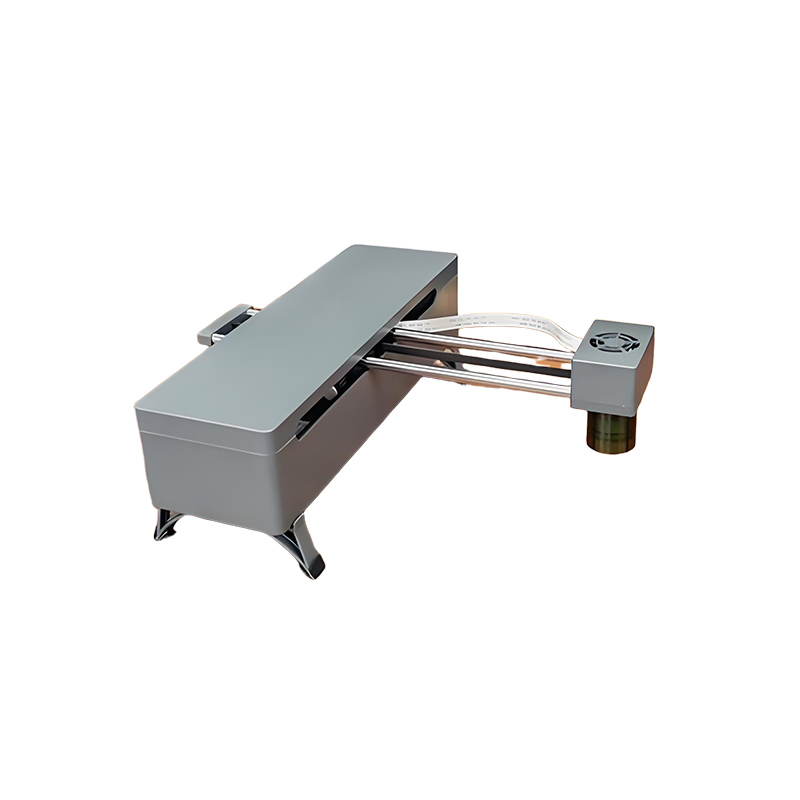
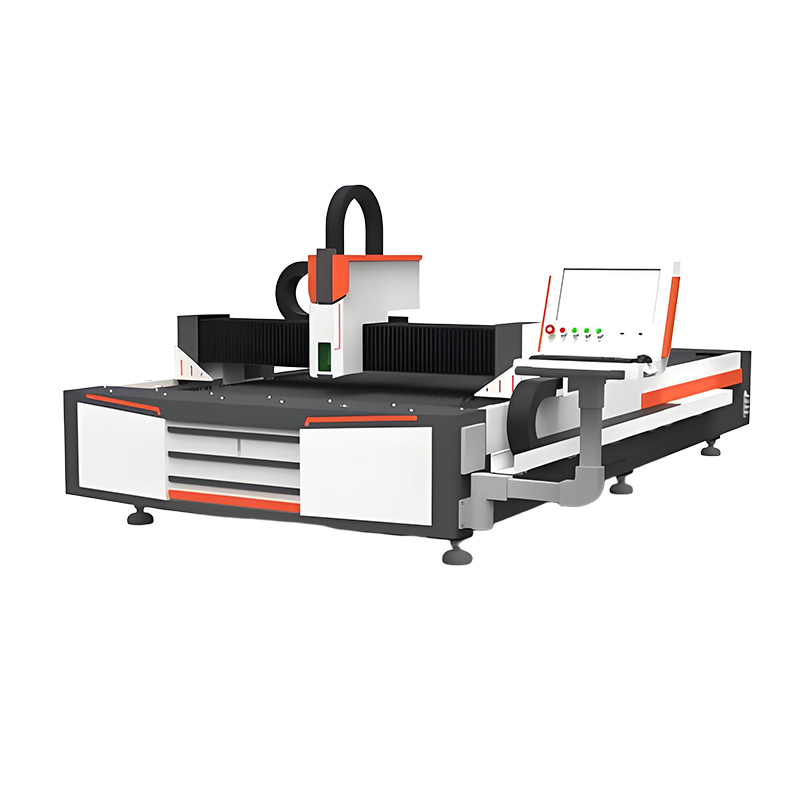
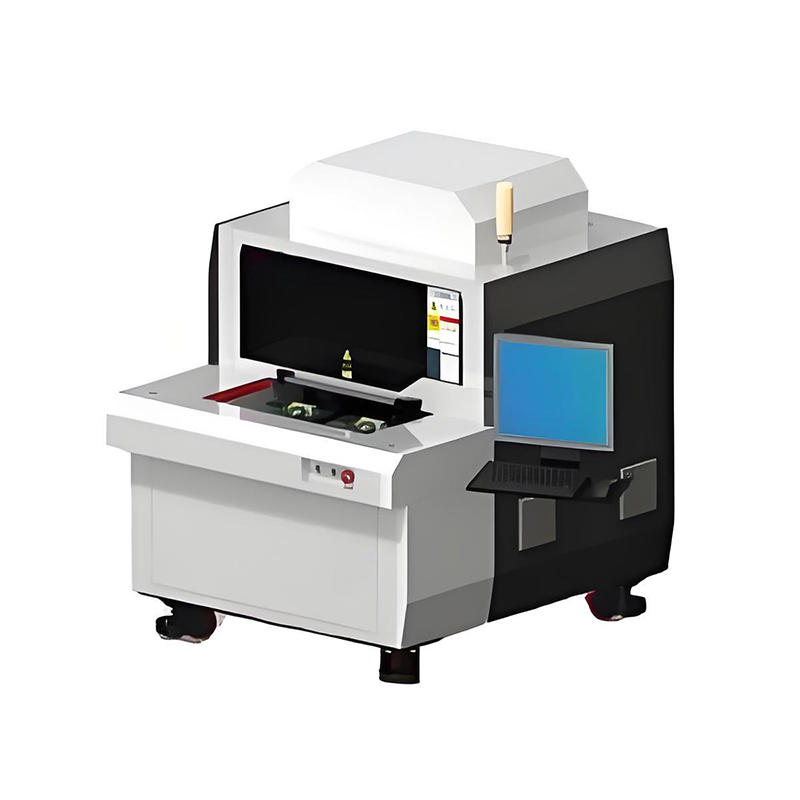
At the heart of this transformation is Lecheng’s proprietary laser technology. Their roll-to-round laser systems support processing of flexible substrates up to 500mm in width, with multi-beam splitting (up to 12 paths) enabling simultaneous patterning of P1-P3 scribes and P4 edge-cleaning. This allows for continuous, high-speed production at rates of 1.5 meters per minute—critical for scaling affordable consumer products. For example, Lecheng’s green picosecond lasers achieve scribe widths under 20μm with ±5μm accuracy, ensuring minimal material waste and optimal electrical isolation in each cell. Such precision is vital for maintaining energy conversion efficiency above 18% in bendable perovskite modules, making them viable for commercial use.
3. Real-World Applications: From Outdoor Gear to Smart Cities
The practical impact of this technology is already emerging. Outdoor brands are testing solar-lined backpacks that power GPS devices and phones during extended trips. Military and emergency response units use lightweight solar tents to operate communications equipment in remote areas. Looking ahead, Lecheng’s laser-processed flexible cells could be embedded in building facades, vehicle roofs, and even clothing—turning urban infrastructure into decentralized power sources. With Lecheng’s technology, solar energy becomes seamlessly woven into daily life, reducing reliance on grids and fossil fuels.
Conclusion
Lecheng Intelligent’s laser innovations are bridging the gap between lab-scale solar technology and mass-market applications. By enabling efficient, flexible, and durable perovskite cells, they are empowering a future where energy generation is integrated into the fabric of our lives—making sustainability portable, accessible, and inevitable.