


Laser Engraver Selection Guide
Desktop vs Industrial Laser Engraver: Which One Should Buyers Choose
Laser engraving machines range from compact desktop models to fully industrial systems. Choosing the right one depends on material type, marking accuracy, workpiece size, production volume, software features and budget. Buyers should evaluate long-term needs to select the appropriate model.
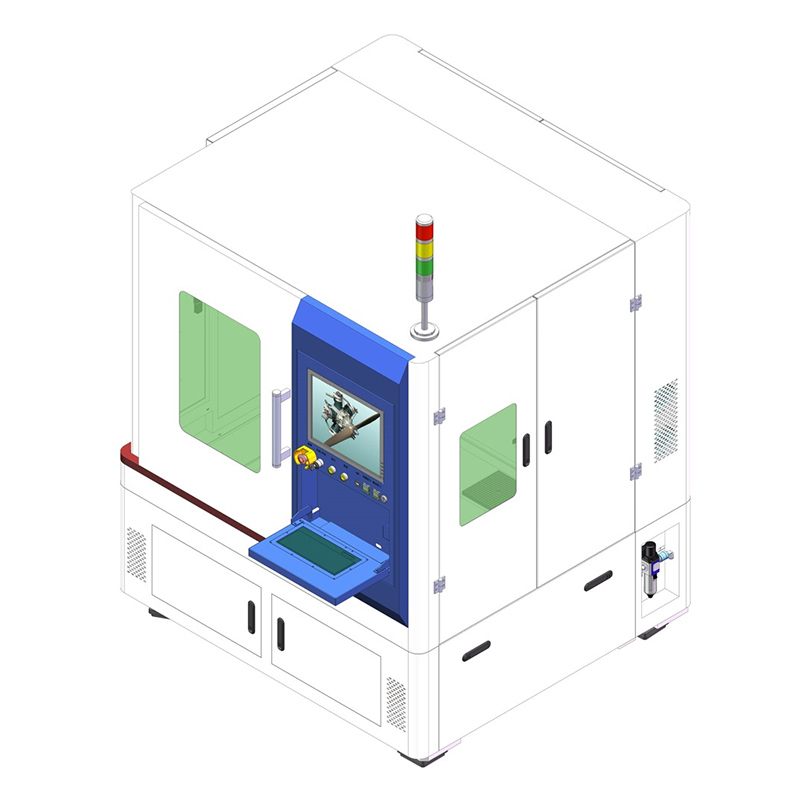
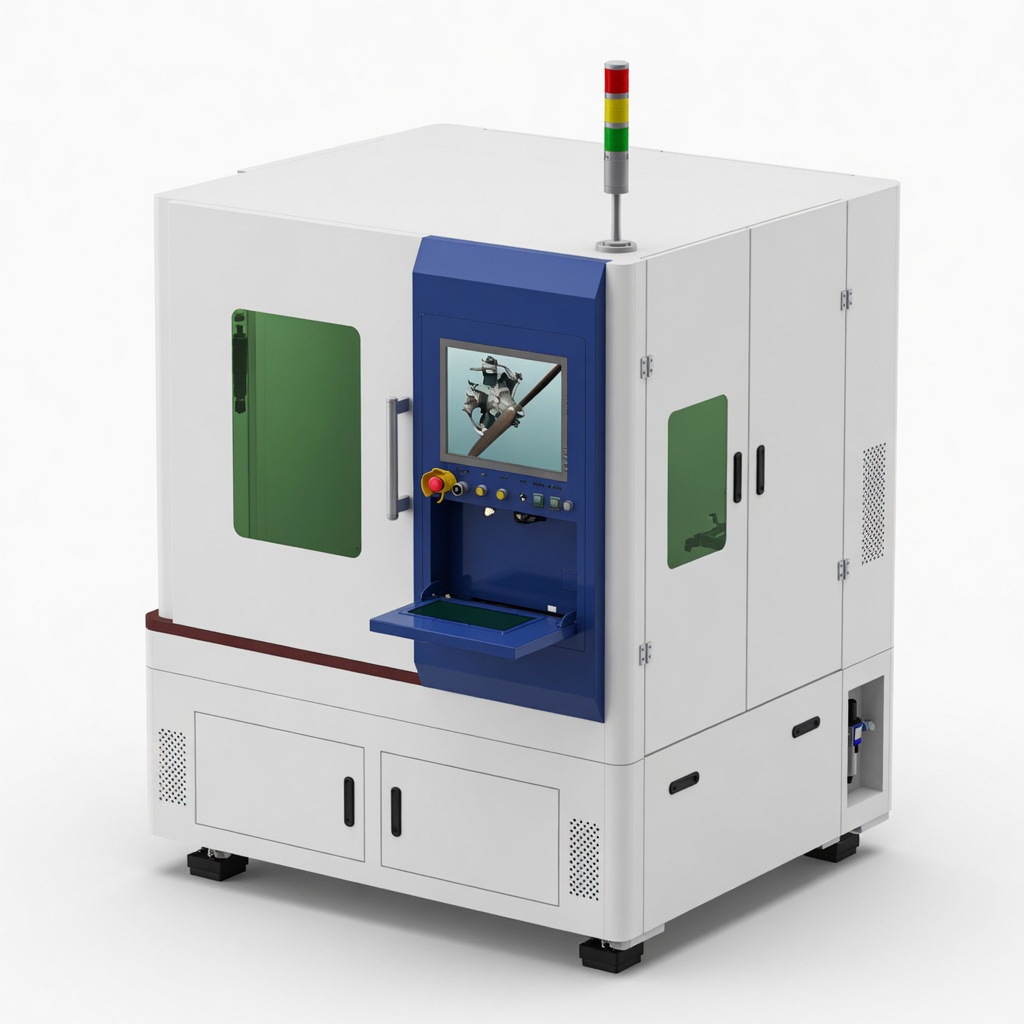
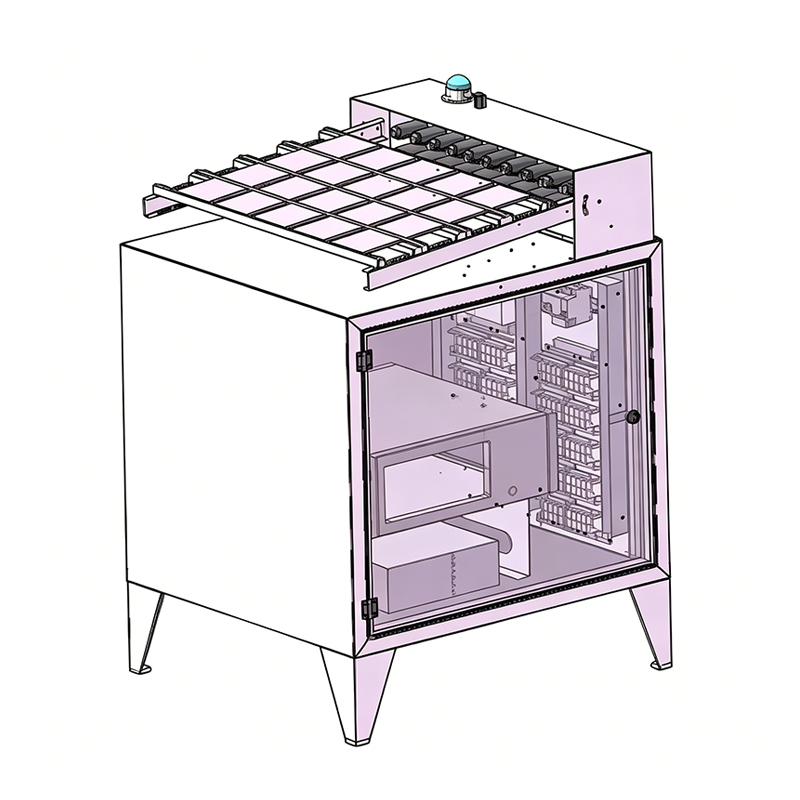
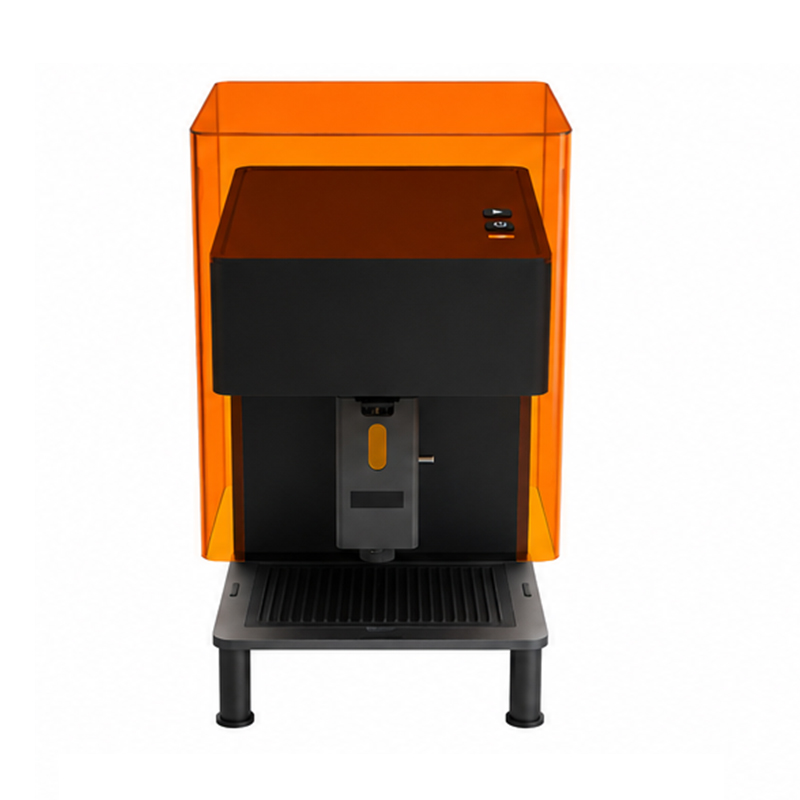
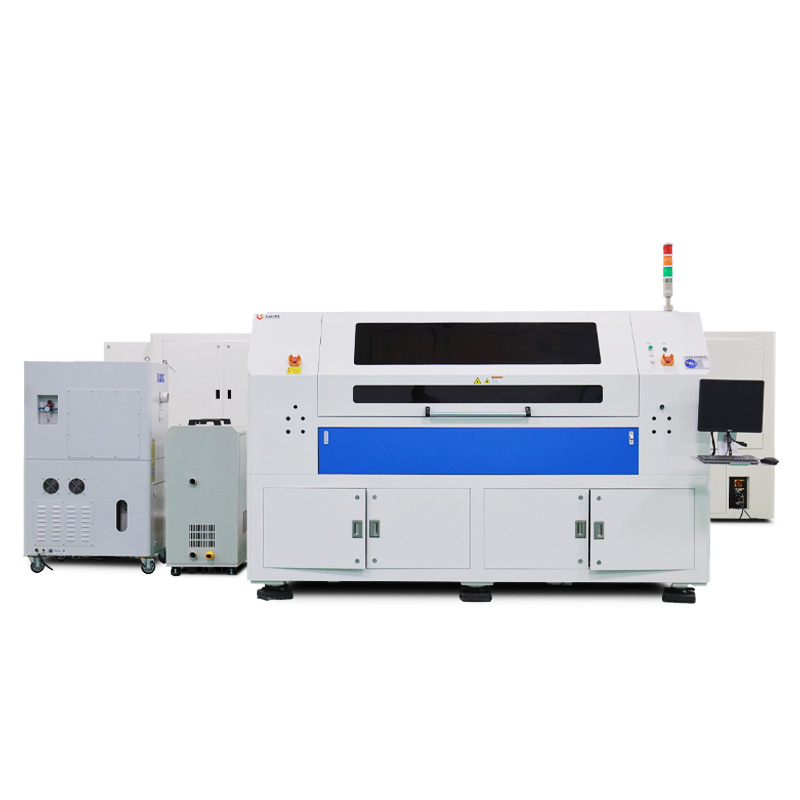
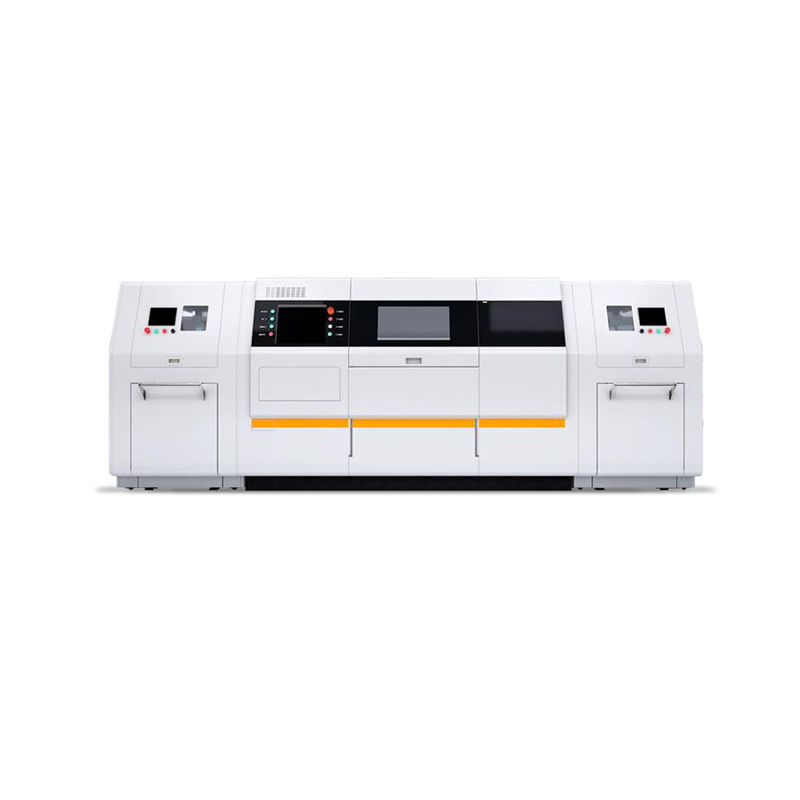
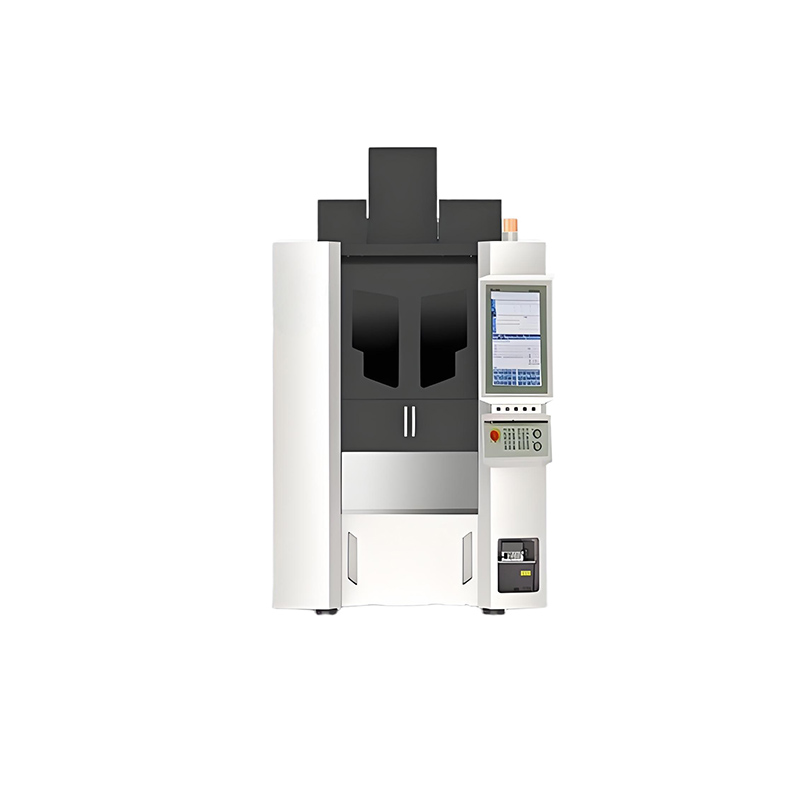
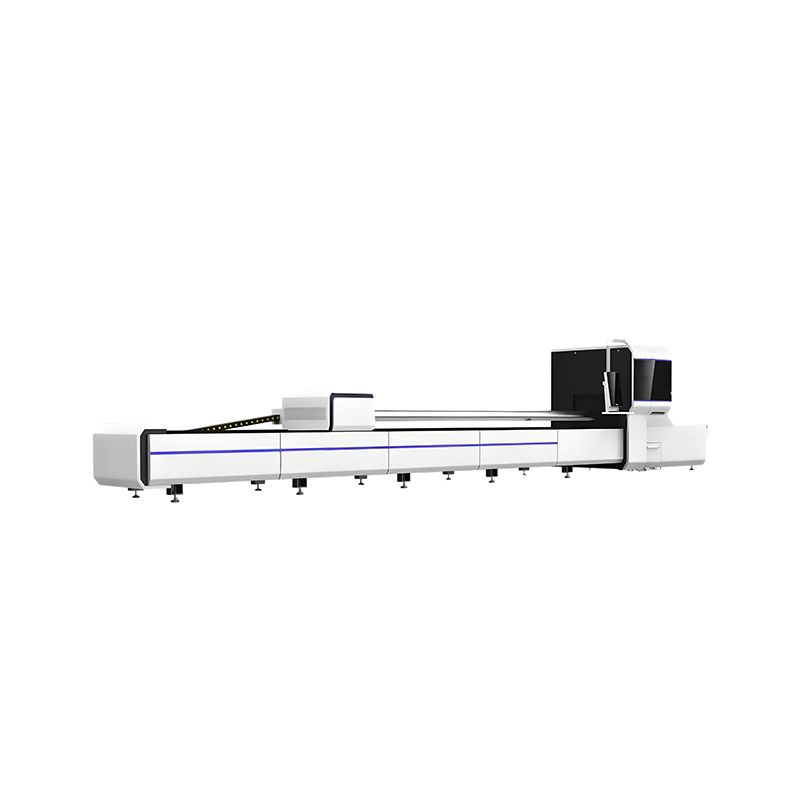
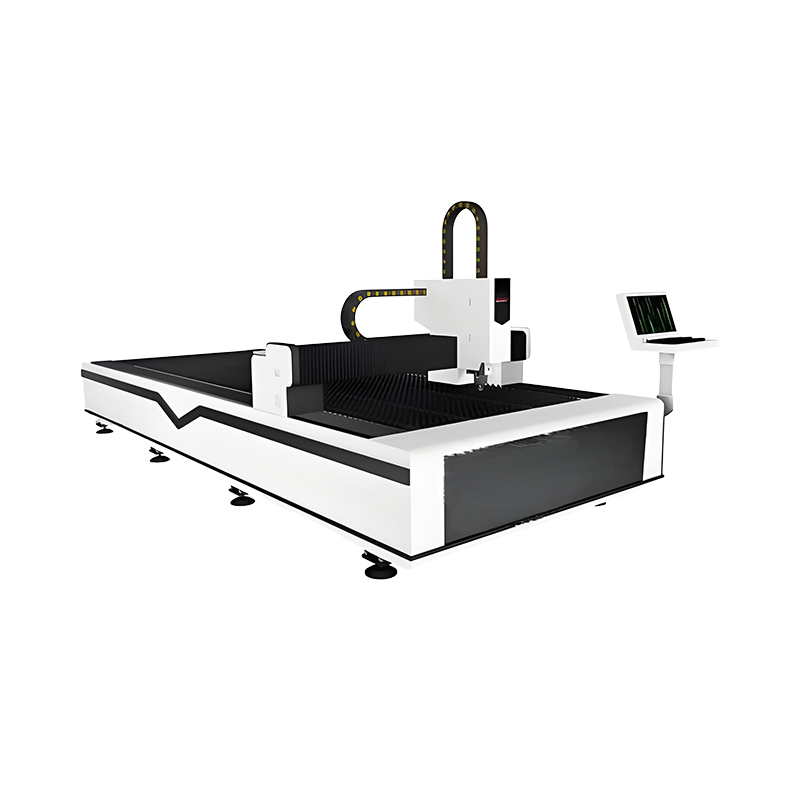
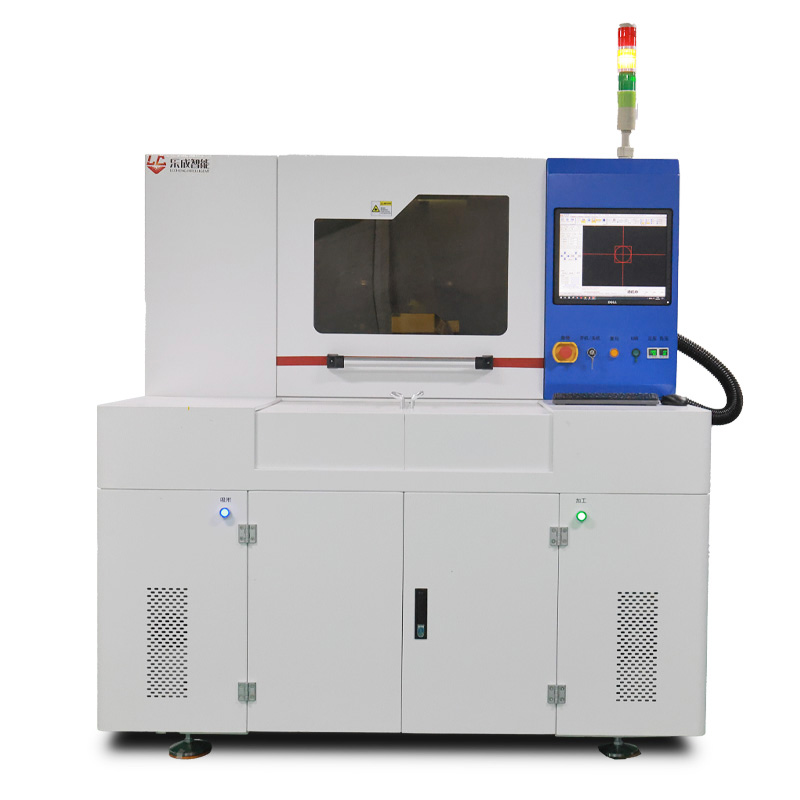
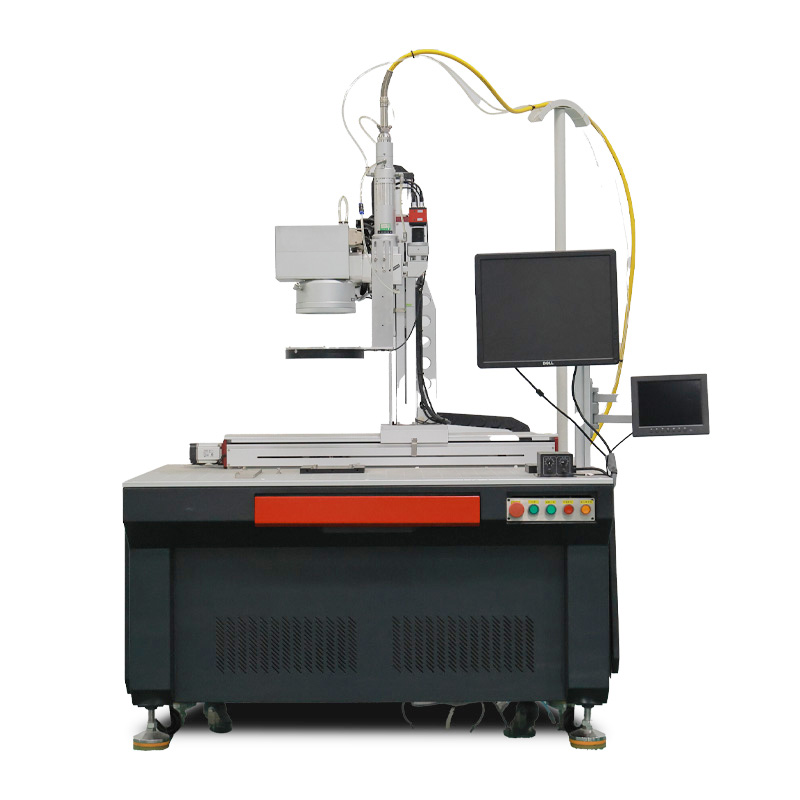
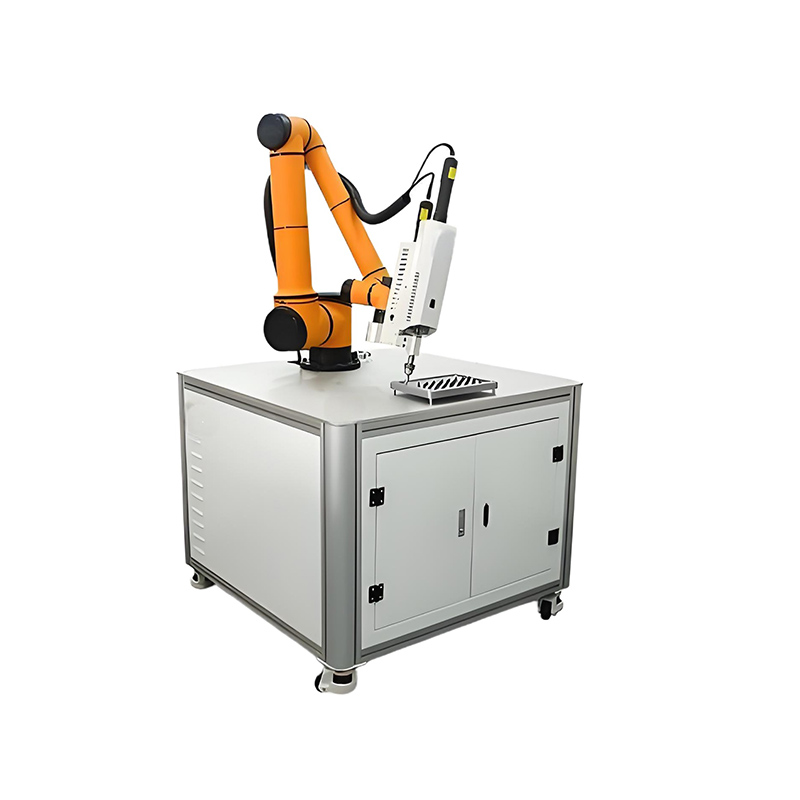
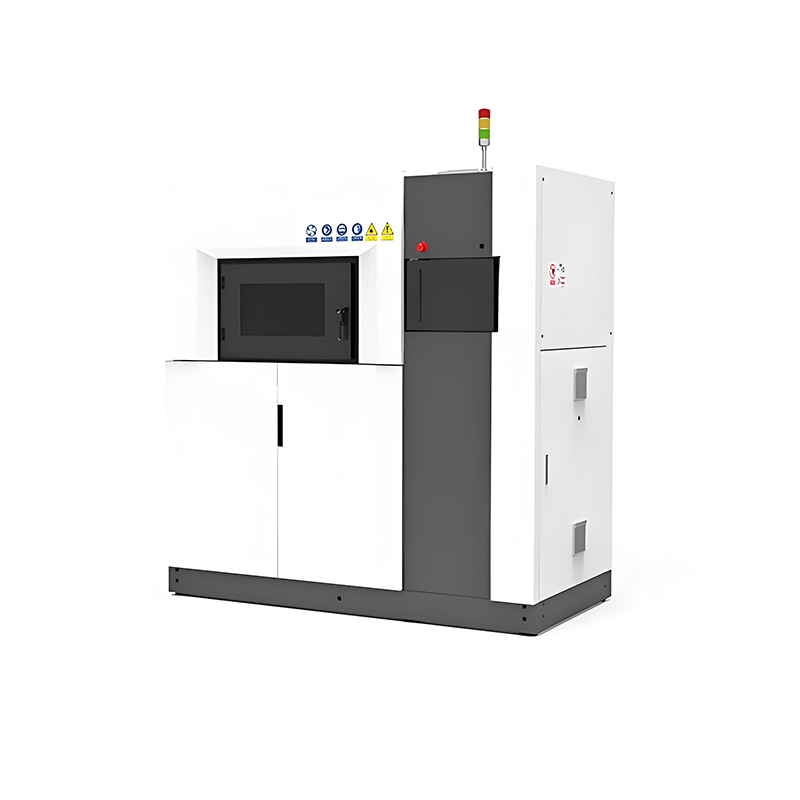
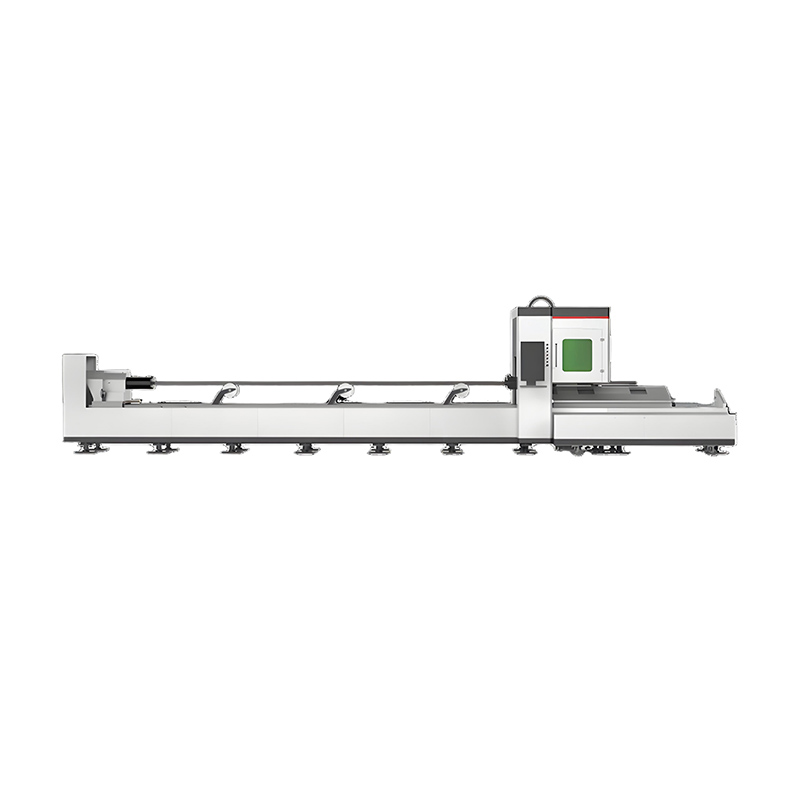
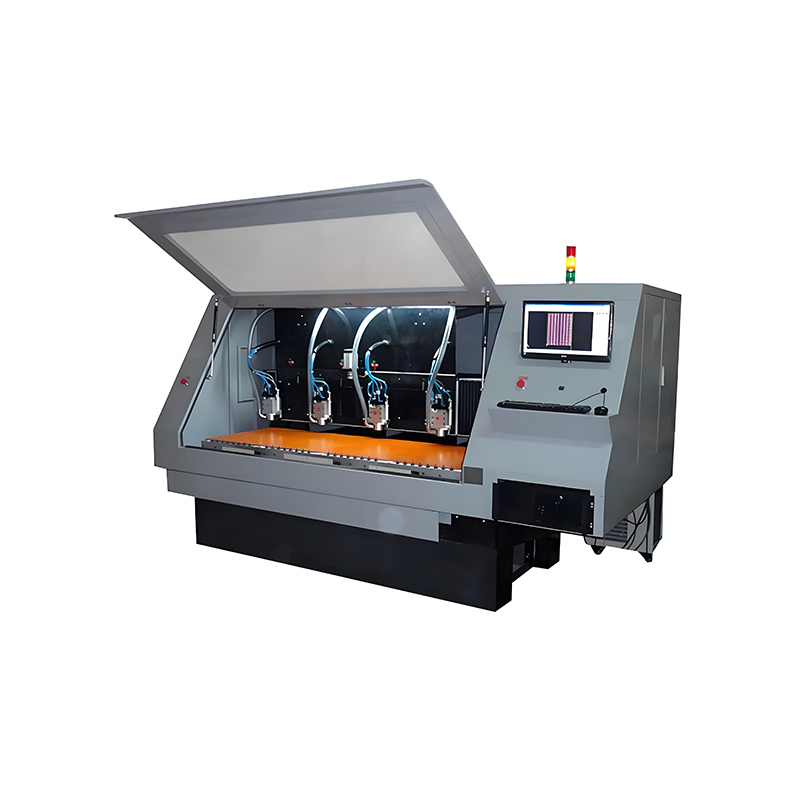
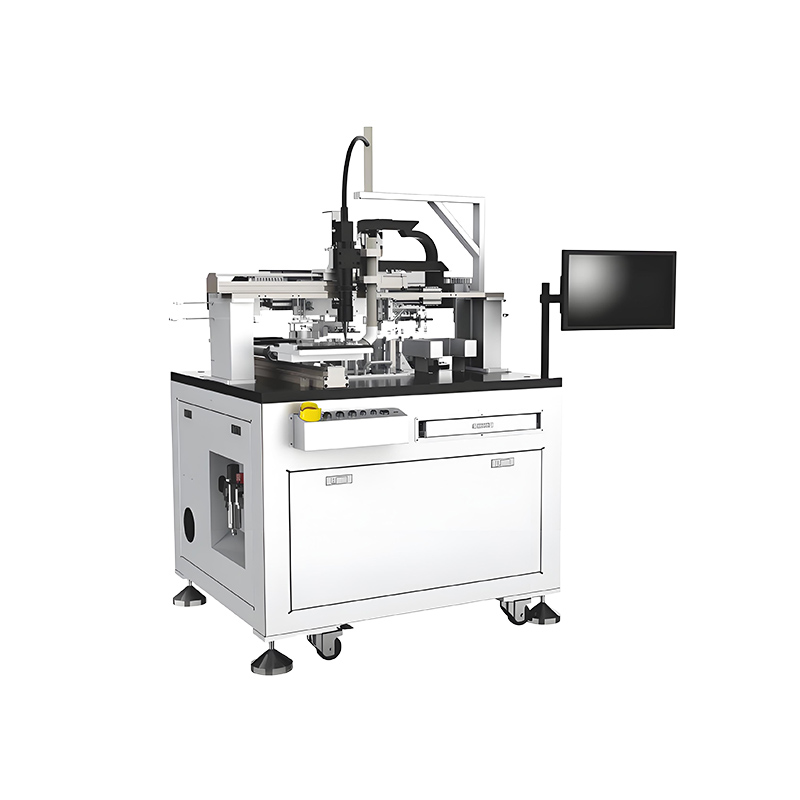
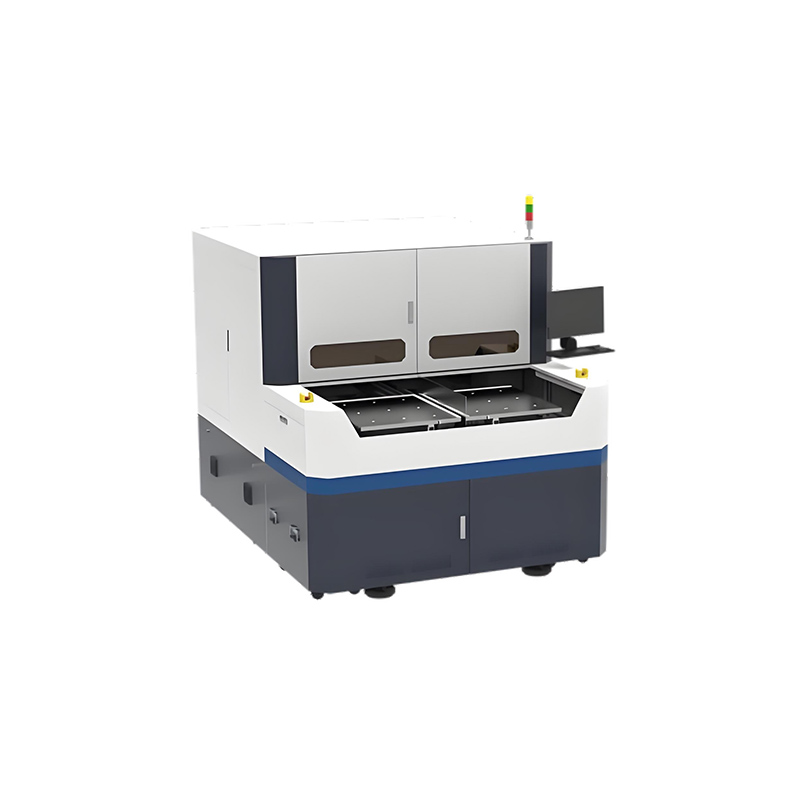
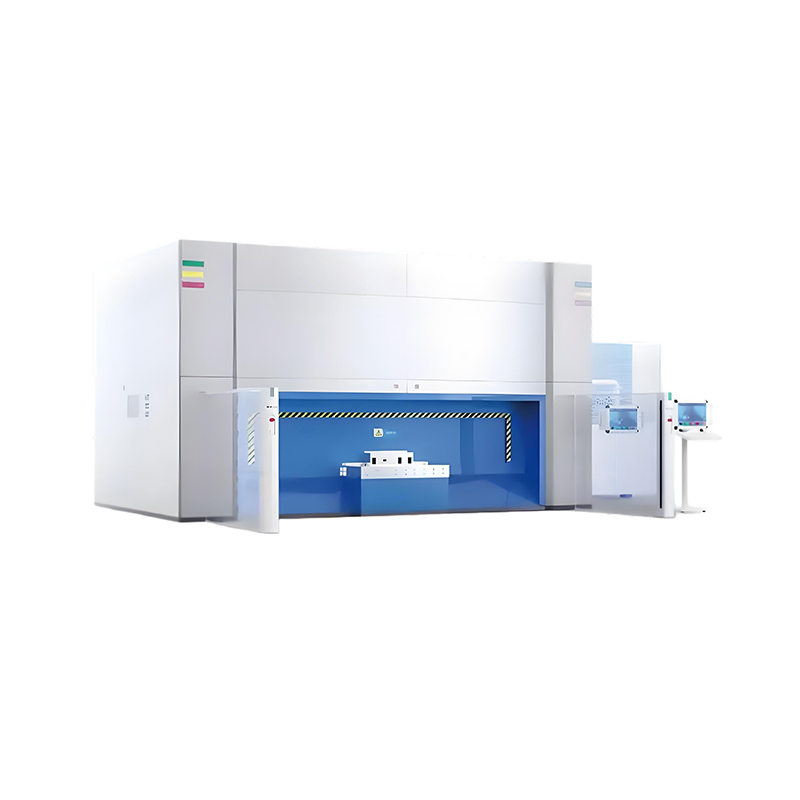
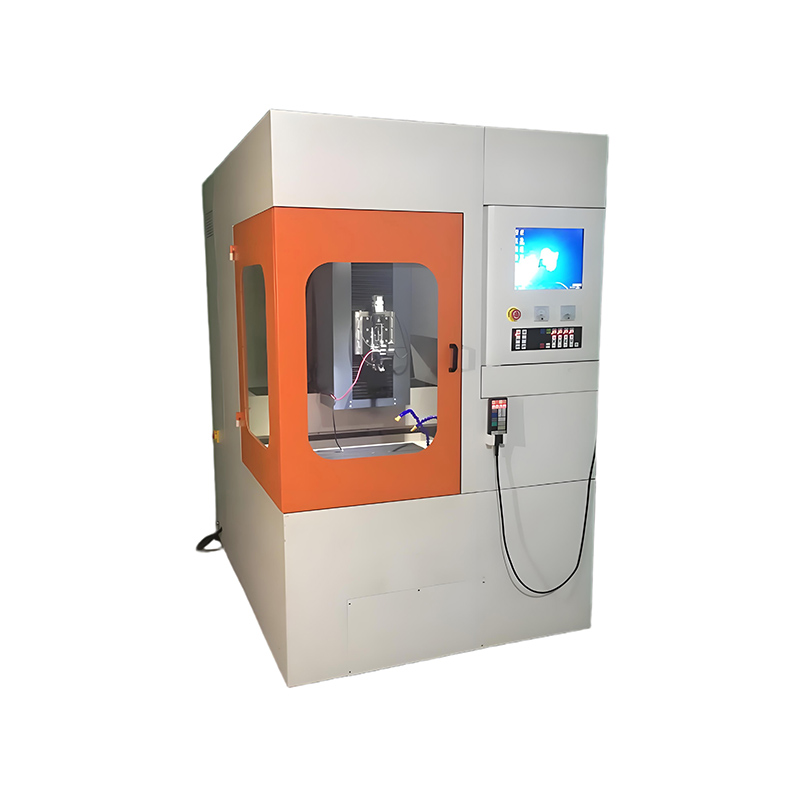
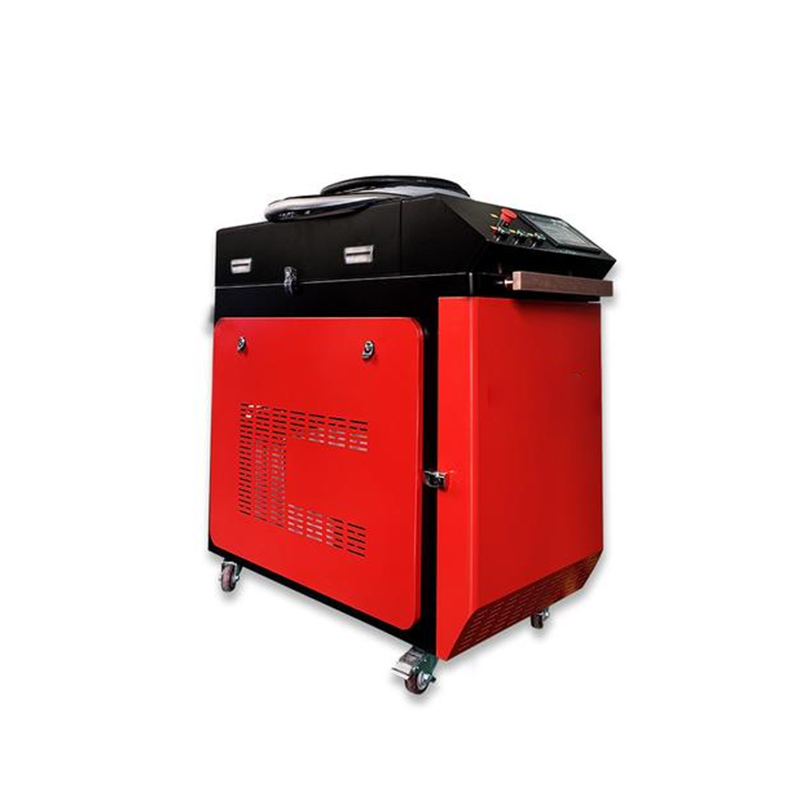
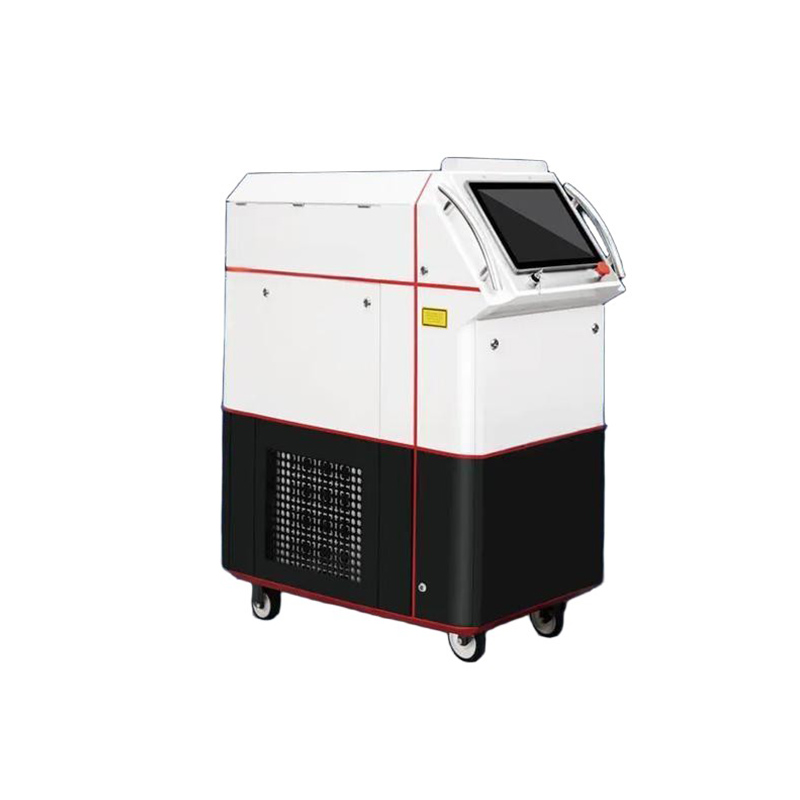
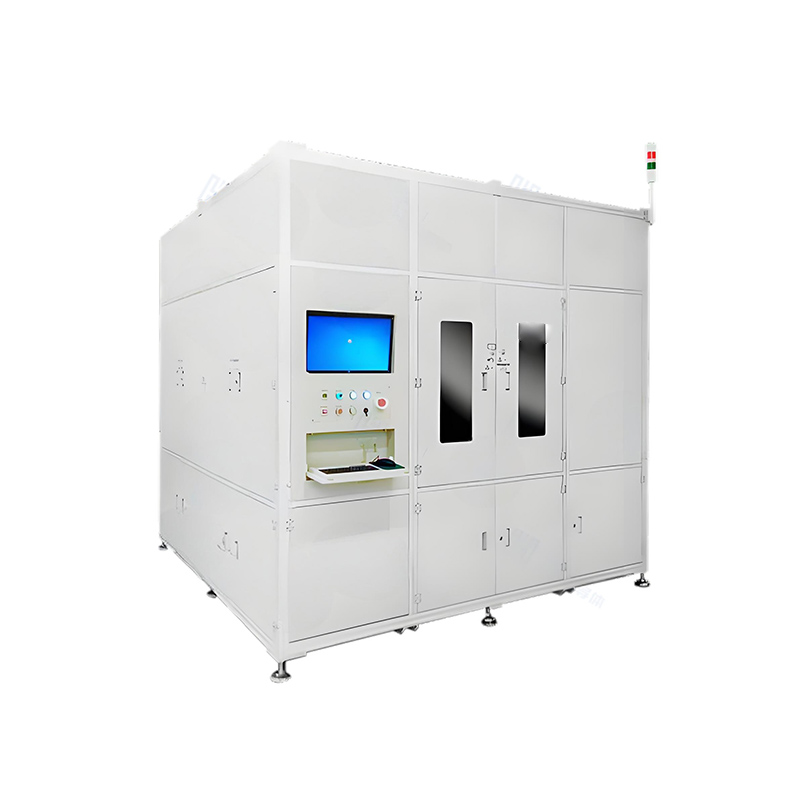
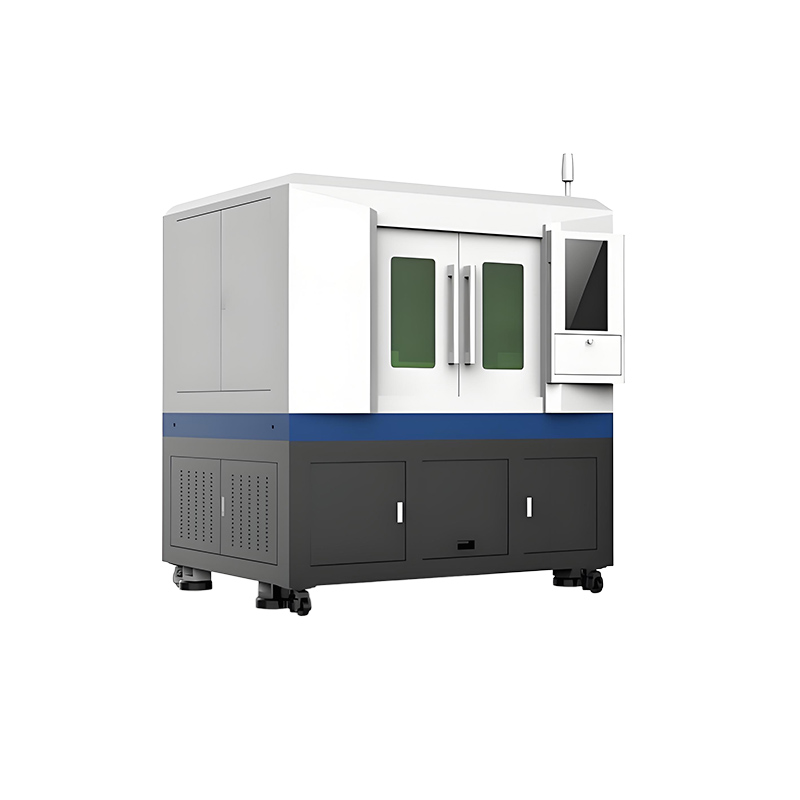
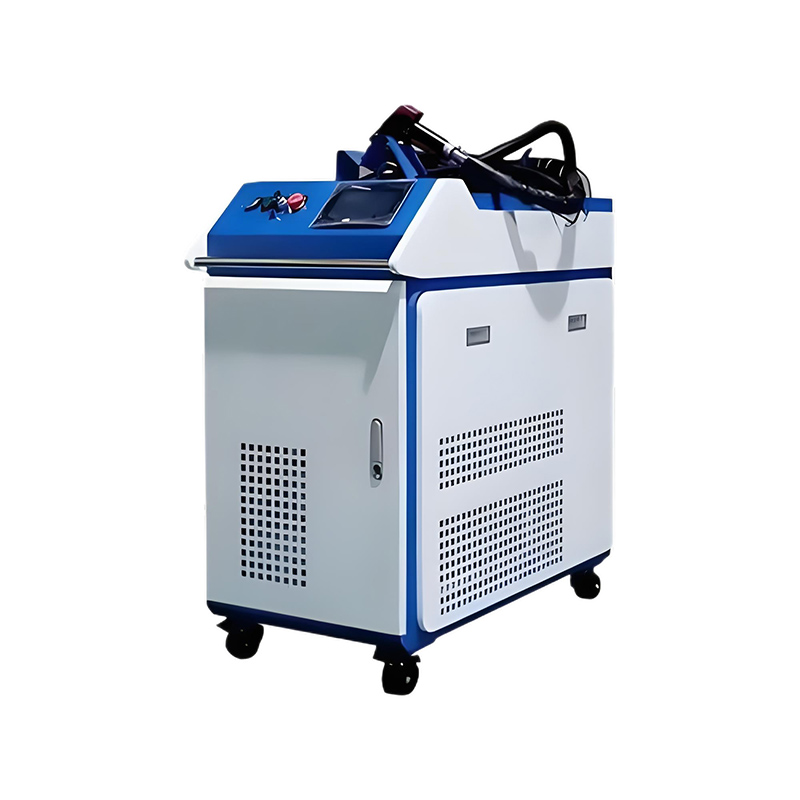
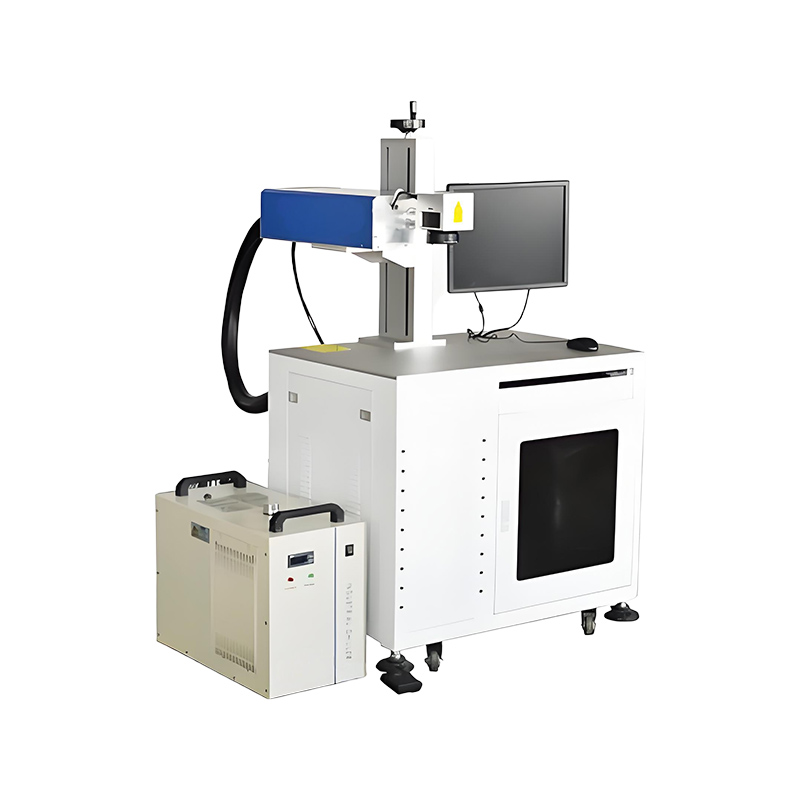
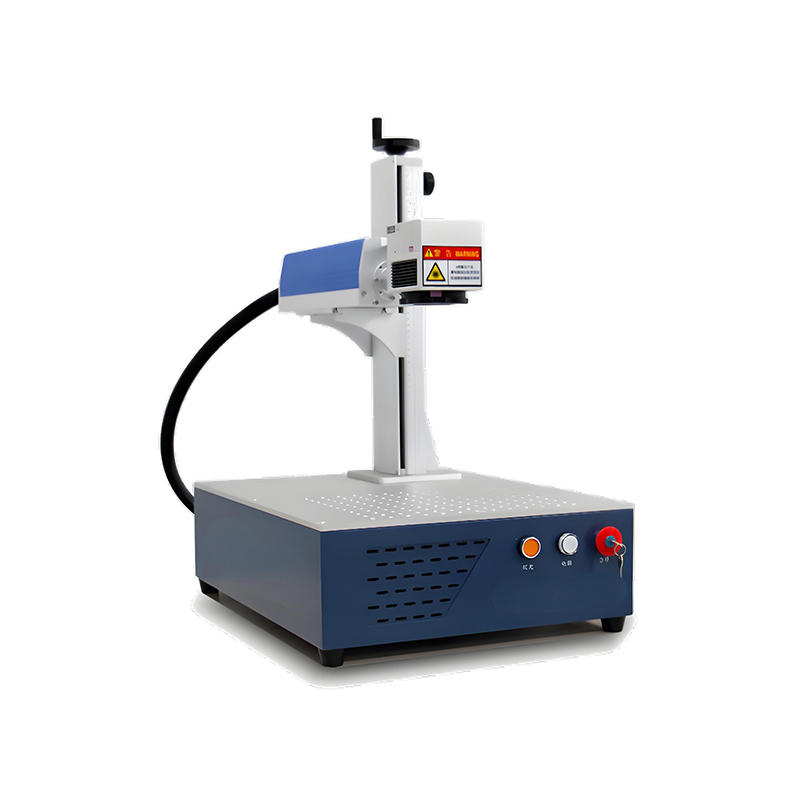
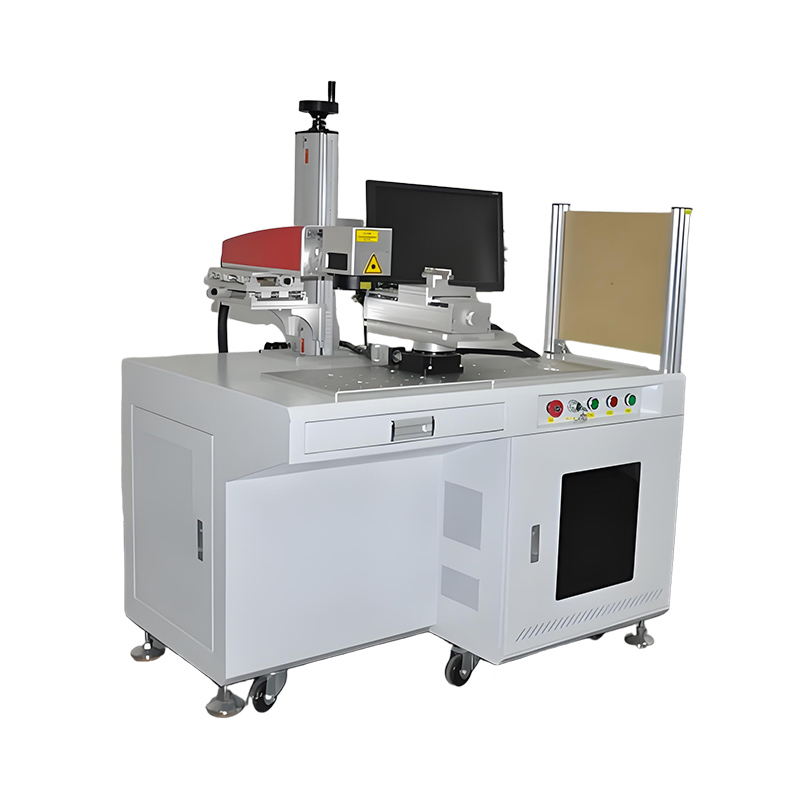
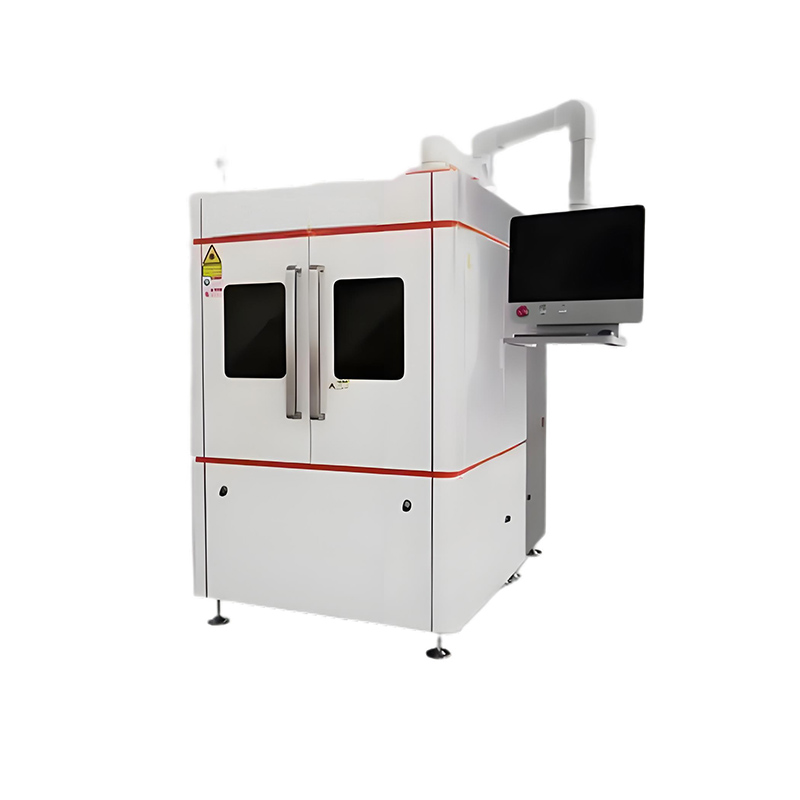
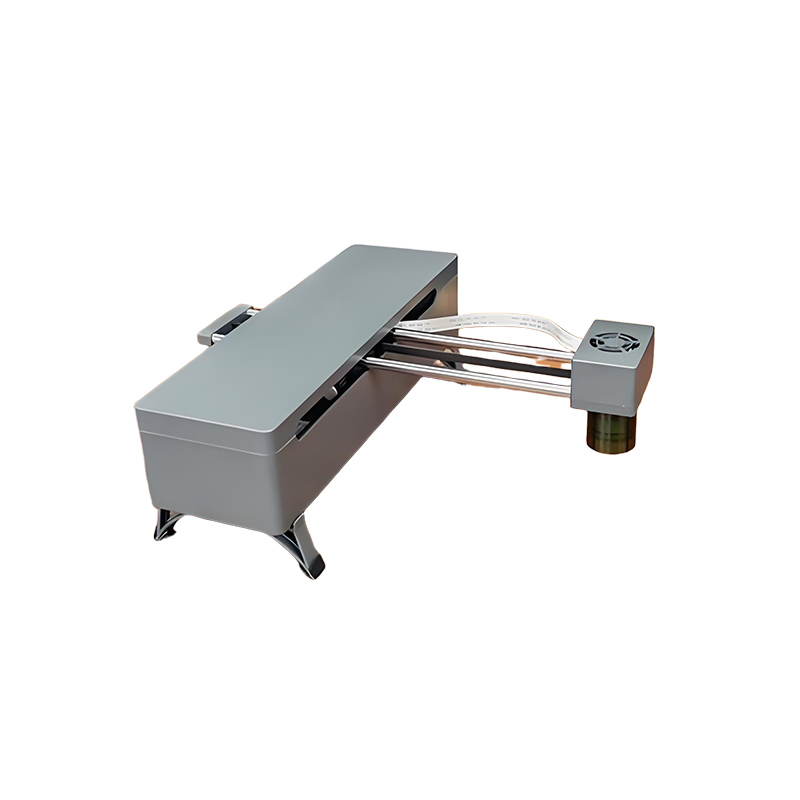
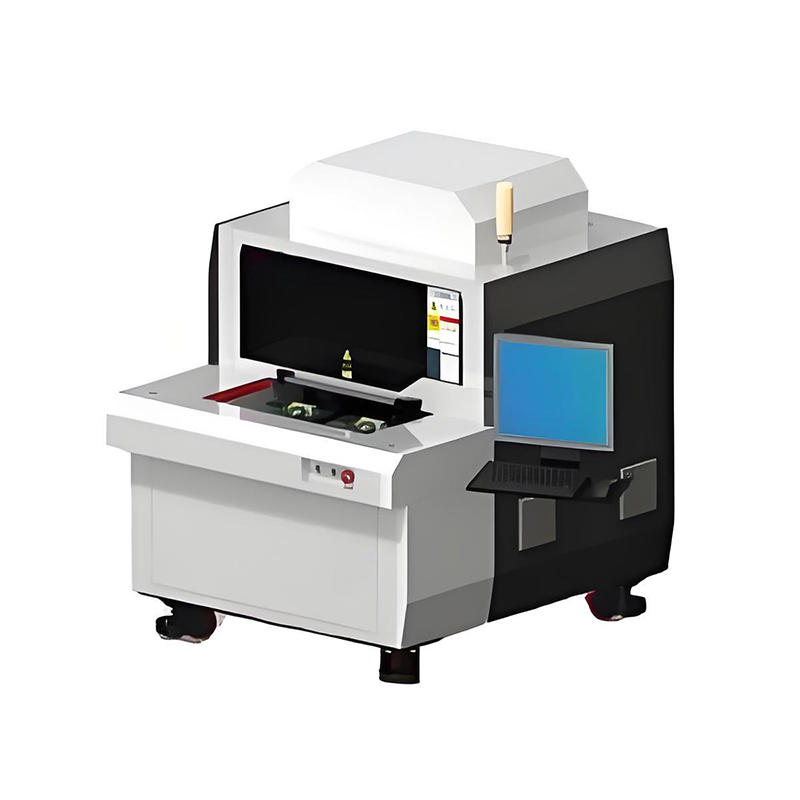
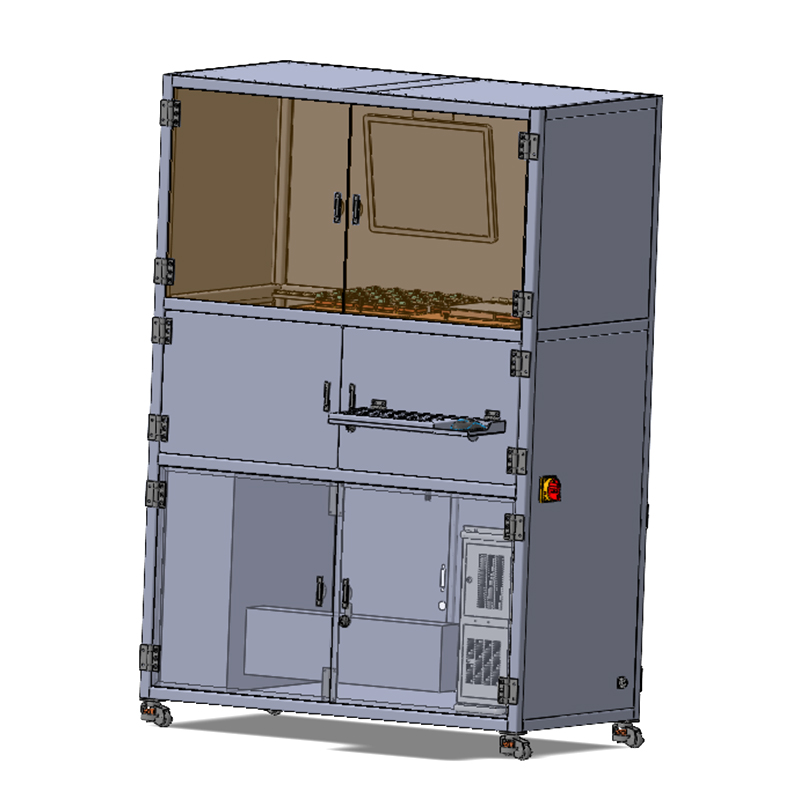
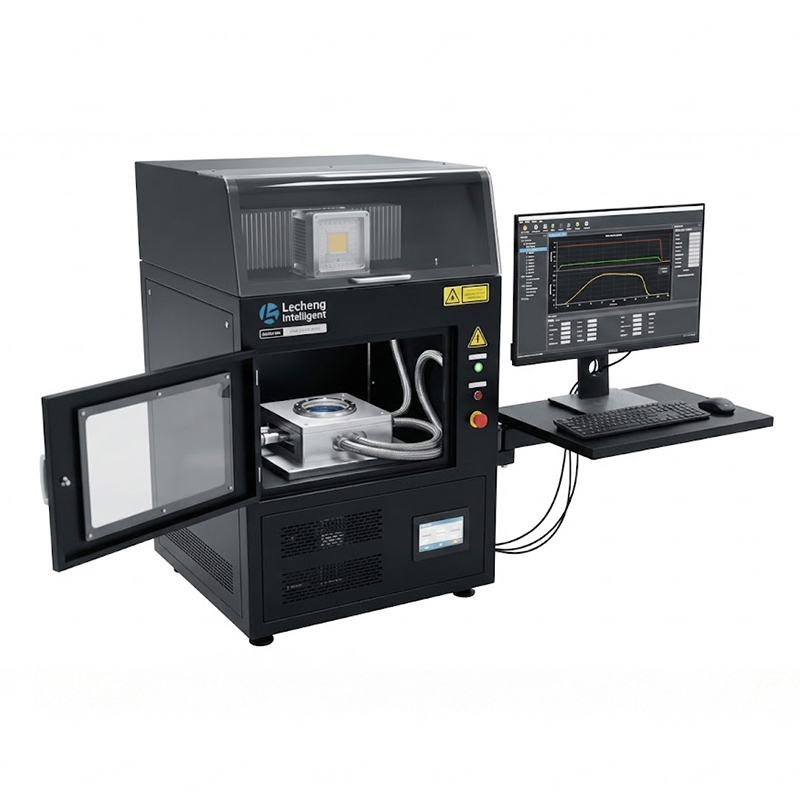
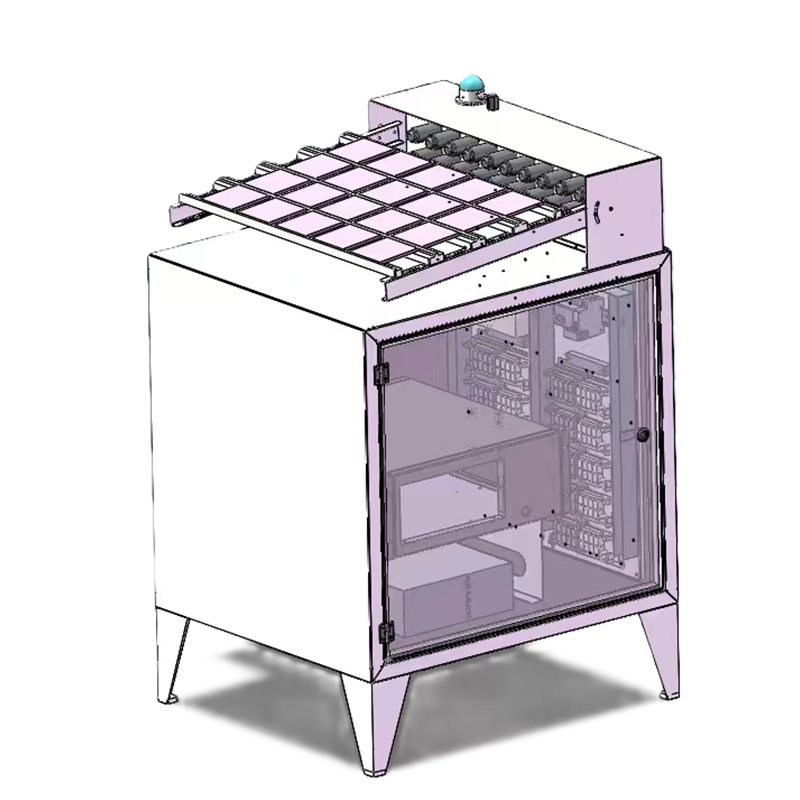
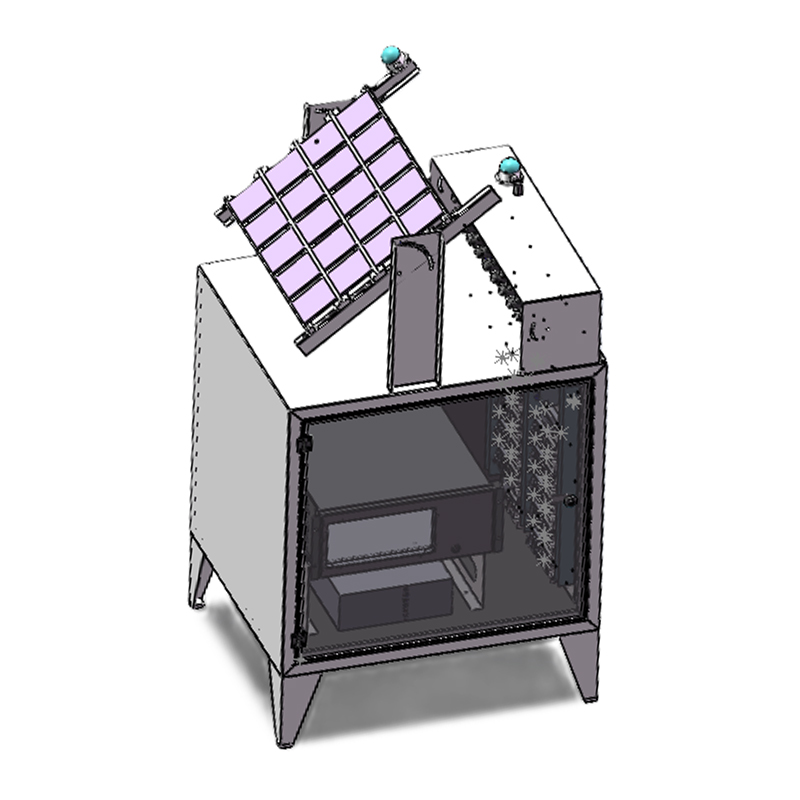
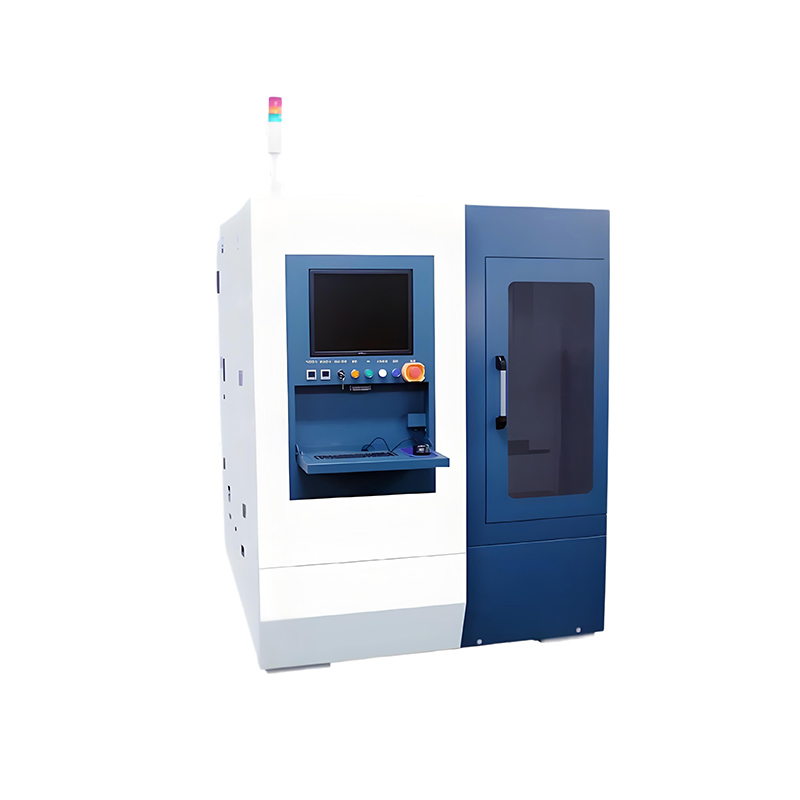
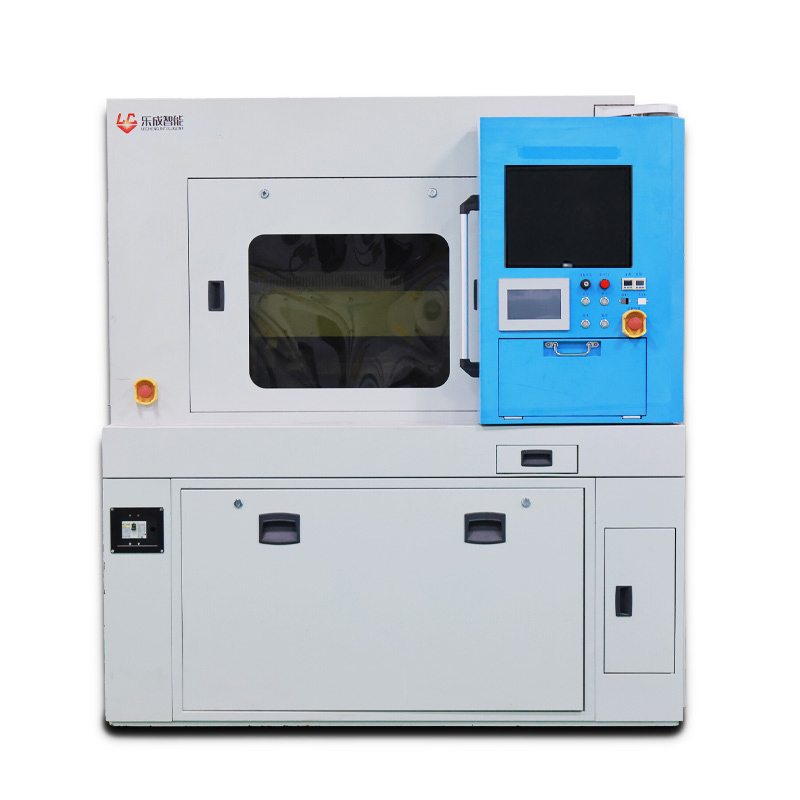
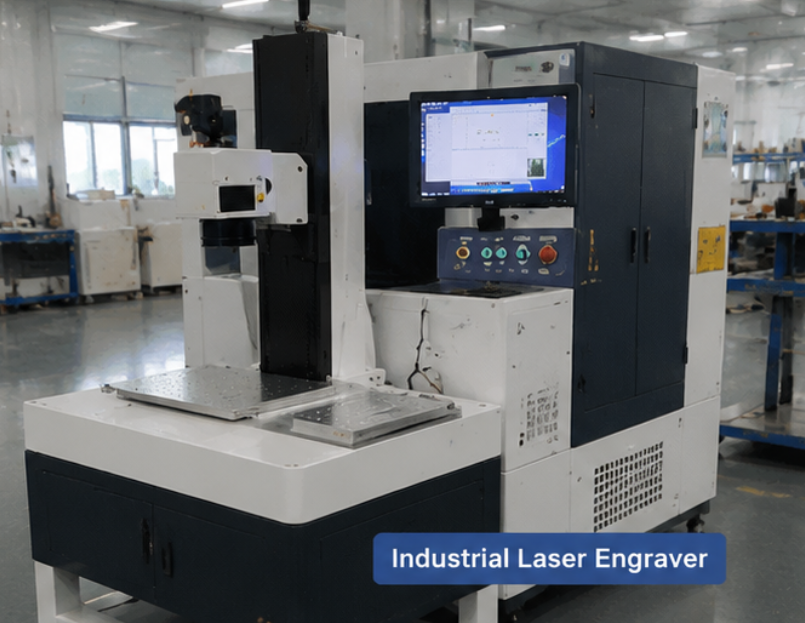
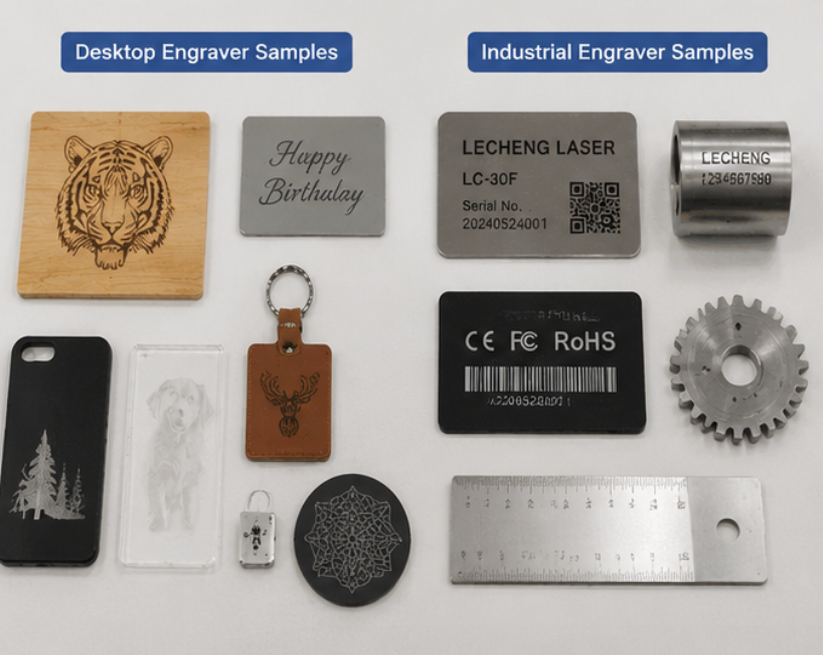
Get QuoteDesktop laser engravers are compact, low-cost, and suitable for hobby, lab or small workshop use. Industrial laser engravers support higher throughput, larger work areas, continuous operation, and advanced features for mass production. Buyers should consider material types, required accuracy, production scale and software features to make the right choice. Desktop machines often use lower power and basic fiber or CO2 lasers, sufficient for small parts or occasional marking. Industrial machines have higher power, better beam quality, and UV or hybrid laser options for fine or deep marking on diverse materials. Desktop engravers are limited in work area, usually 100x100mm to 400x400mm, and require manual operation. Industrial machines can handle larger areas, automated loading/unloading, rotary fixtures, and integration into production lines, which increases cost but improves efficiency. Industrial engravers offer higher repeatability, fine resolution (down to microns), and stable operation for long runs. Desktop units are suitable for low-volume or prototype work but may have larger deviation and lower stability under continuous operation. Desktop machines typically include basic design software. Industrial units provide advanced marking software, batch processing, variable data, barcode/QR code integration, network connectivity and integration with production tracking systems. Desktop laser engravers are ideal for labs, small workshops, prototyping, and occasional marking, while industrial machines are suitable for high-volume production, large parts, and precise, repeatable marking. Buyers should evaluate material type, workpiece size, production volume, and software needs before making a decision. Contact Lecheng Laser to review your desktop or industrial laser engraver requirements, materials, and application needs.Key Differences Between Desktop and Industrial Laser Engravers
1. Power and Laser Type
2. Work Area and Automation
3. Accuracy and Repeatability
4. Software Features
Conclusion
Need Help Choosing A Laser Engraver?
Buyer Focus For Desktop Versus Industrial Laser Engraver Which One Should Buyers Choose
Desktop Versus Industrial Laser Engraver Which One Should Buyers Choose should be useful for factories that compare laser marking, engraving, cutting, cleaning, or welding equipment. Buyers usually arrive with a material, an accuracy target, a speed target, and a budget, but they may not know which laser source, optical path, fixture, control software, and service package fit the job. The article should therefore translate product features into application decisions and send readers to the right Lecheng equipment category.
Selection Checklist
- confirm material type, thickness, surface coating, and required mark or cut depth before choosing a machine
- ask for sample testing rather than relying only on catalogue power and speed numbers
- check fixture design, smoke extraction, cooling method, software compatibility, and operator training
- compare long term maintenance cost, spare parts, and service response along with the purchase price
- keep photos and sample records from trial production so acceptance is based on visible results
Project Workflow Notes
A practical laser equipment page should explain the working scene in plain language. Electronics, glass, metal, plastic, photovoltaic materials, and precision components all require different beam control and process parameters. If the article connects the problem with product pages, visitors can move from troubleshooting to equipment selection without needing to search the website again. That improves both user experience and internal link value.
Common Risks To Avoid
Typical buying mistakes include overspecifying power while ignoring beam quality, using a desktop machine for industrial duty cycles, underestimating fixture cost, or choosing a supplier that cannot support sample verification. The related Lecheng pages below give readers a clearer path into marking, engraving, cutting, welding, cleaning, glass cutting, factory capability, and testing center information.
Related Lecheng Equipment And References
Use these internal pages to continue comparing machines, cases, testing capacity, and factory capability within the same Lecheng website.
- Laser Marking Equipment
- Laser Engraving Machine
- Laser Cutting Equipment
- Laser Welding Equipment
- Laser Cleaning Equipment
- Glass Laser Cutting And Breaking Machine
- Laser Integrated Processing
- Lecheng Products
- Lecheng Factory
- Product Testing Center
Extra RFQ Notes For Serious Buyers
When buyers send a request, the fastest way to get a useful answer is to include sample drawings, material photos, target capacity, current pain points, preferred delivery time, and acceptance standards. For Lecheng, this also helps the technical team decide whether a standard model is enough or whether a customized fixture, software workflow, loading method, or optical configuration is needed. This paragraph is intentionally written for procurement readers who are close to contacting a supplier, because those visitors are more valuable than general traffic. Clear RFQ information can shorten quotation time, reduce repeated emails, and make the project discussion more specific.
For SEO, this article now gives search engines more context around equipment selection, process verification, testing, factory capability, and related products. For users, the added content makes the page less thin and gives them practical questions to ask before buying. The goal is not to add filler text, but to make the page answer the next question a real engineer or purchasing manager would ask after reading the original article.
Implementation Details For Laser Equipment Projects
Before confirming a laser equipment order, buyers should prepare material samples, drawings, target cycle time, fixture requirements, workshop environment, and acceptance standards. A clear sample test can reveal whether the selected laser source, optical path, motion platform, cooling method, and software workflow are suitable for daily production. This is especially important for glass cutting, metal marking, plastic engraving, electronic components, and photovoltaic materials, because each material reacts differently to heat and beam energy.
For a serious factory project, the quotation should not stop at machine price. It should also explain installation space, dust or smoke extraction, spare parts, training, maintenance, remote support, and the record format used during sample verification. Adding these points makes the article more useful for procurement readers and keeps visitors moving toward Lecheng equipment pages, factory capability, and product testing information.

