


Perovskite Equipment Buying Guide
Common Mistakes When Buying Perovskite Laser Processing Equipment
Buying perovskite laser processing equipment is not only about machine price, laser power or delivery time. Many buyers make mistakes in process definition, laser source selection, alignment accuracy, substrate size planning, automation level and testing requirements. These mistakes can lead to poor scribing quality, delayed pilot line validation and higher long-term costs.
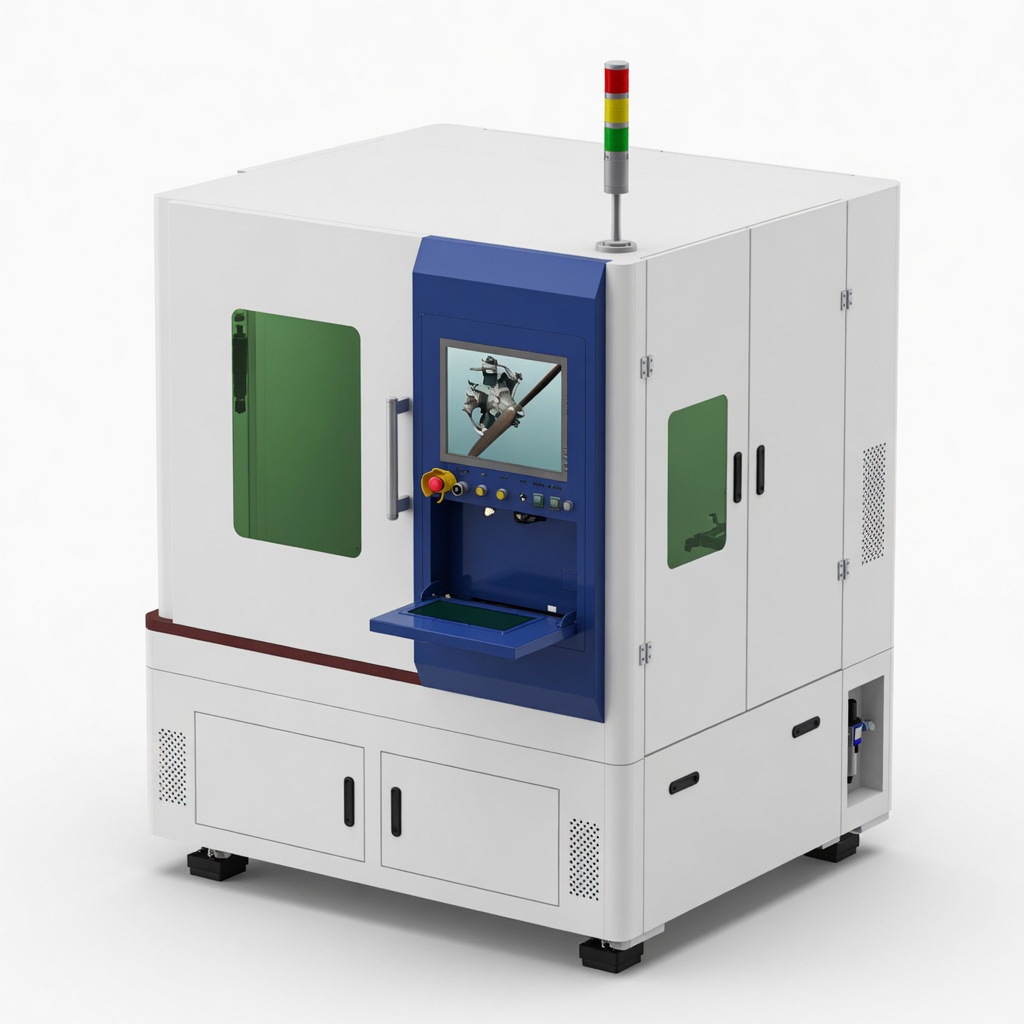
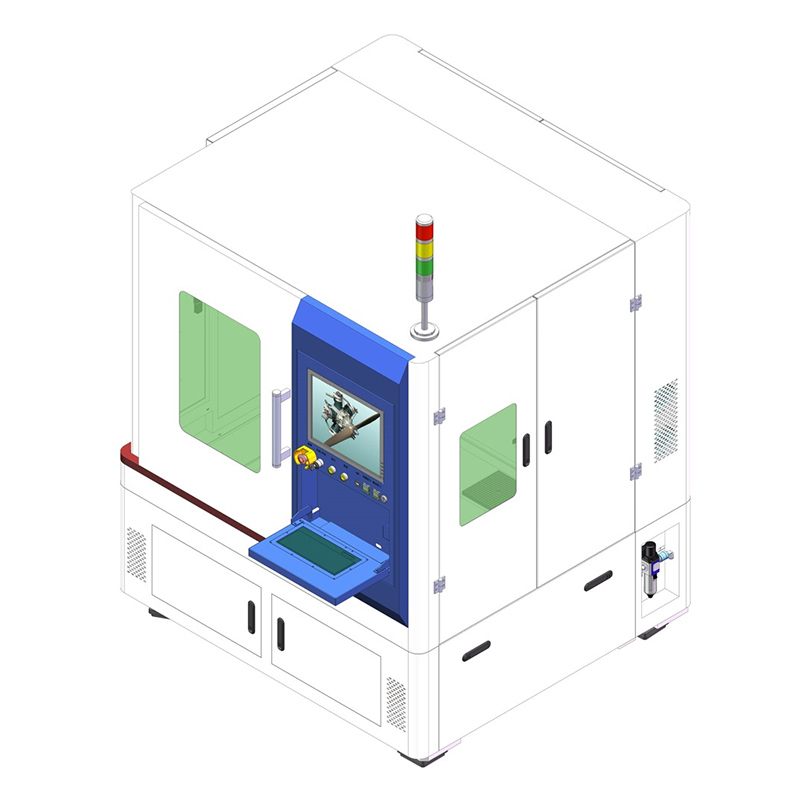
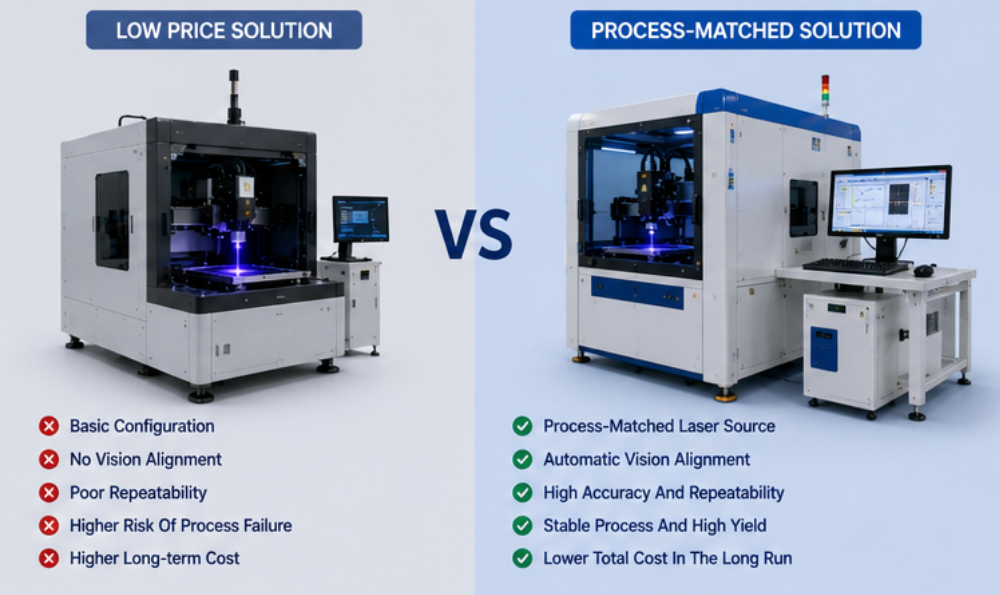
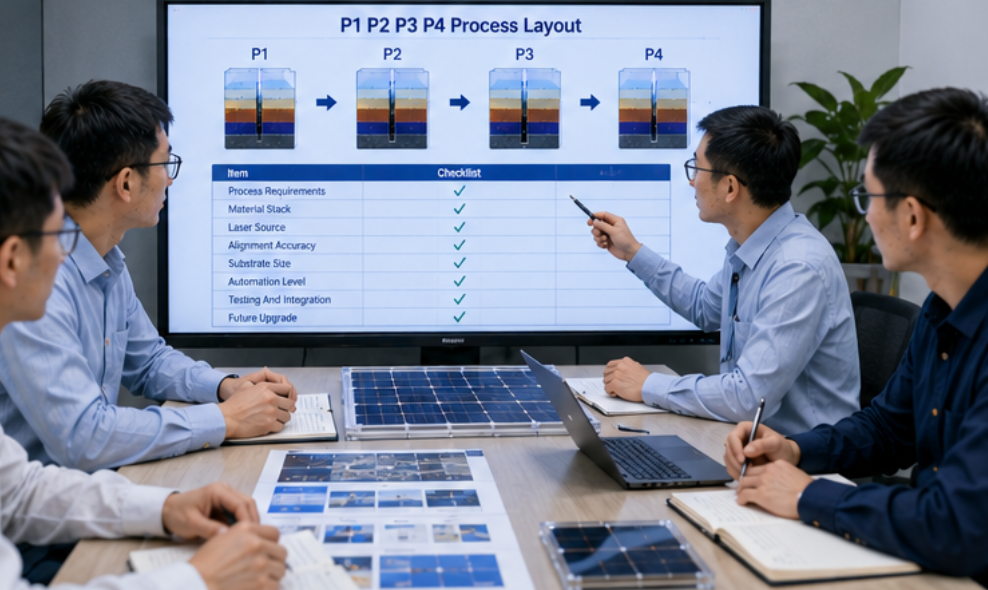
Get QuotePerovskite solar cell manufacturing is highly process-sensitive. The same laser machine may produce very different results when used with different material stacks, substrate sizes or module layouts. If buyers focus only on hardware specifications, they may overlook the real process risks. A suitable perovskite laser processing system should match P1, P2, P3 and P4 requirements, support stable alignment, reduce heat affected zone and leave room for future pilot line or production integration. The lowest quotation is not always the lowest total cost. A cheaper machine may lack automatic alignment, process testing, suitable laser source options, stable motion control or future upgrade capability. For perovskite projects, wrong equipment selection can cause repeated process trials, poor sample quality, additional modification costs and delayed commercialization. Buyers should compare total value, not only initial price. Many buyers ask for a general laser scribing machine without confirming which process steps they need. However, P1, P2, P3 and P4 target different layers and require different process strategies. P1: TCO layer isolation P2: Interconnection channel opening P3: Back electrode and functional layer isolation P4: Edge deletion for encapsulation reliability Without clear process requirements, the supplier cannot recommend the right laser source, platform size or optical configuration. Different perovskite stacks may use different TCO layers, transport layers, absorber layers and electrode materials. These materials respond differently to laser wavelength, pulse width and energy density. If the equipment is not matched with the actual material stack, buyers may face incomplete layer removal, excessive thermal damage, poor insulation or unstable interconnection. Sample testing is strongly recommended before final configuration. Perovskite modules rely on precise P1, P2 and P3 alignment to form reliable series connections. Poor alignment increases dead area, reduces active area utilization and may cause leakage or short circuits. For pilot lines and scalable manufacturing, buyers should prioritize automatic vision alignment, precision motion platforms and repeatable process recipes. A system that works for small lab samples may not support larger pilot modules later. Buyers should consider future substrate size, automation level, line integration and testing requirements before placing an order. Good equipment planning can reduce repeated investment and make the transition from R&D to pilot line much smoother. Does the system support the exact P1, P2, P3 and P4 processes we need? Has the supplier tested similar perovskite material stacks? Which laser wavelength and pulse width are recommended? What scribing width and alignment accuracy can be achieved repeatedly? Does the equipment include automatic vision alignment? Can the platform support future substrate size upgrades? Can the machine integrate with coating, encapsulation or testing equipment? Can the supplier provide sample testing images and process data? The most common mistakes when buying perovskite laser processing equipment are focusing only on price, unclear process requirements, ignoring material stack compatibility, underestimating alignment accuracy and forgetting future upgrade needs. A better buying decision starts with clear process information, sample testing, accurate equipment configuration and a supplier that understands both laser processing and perovskite module manufacturing. Contact Lecheng Laser to discuss your material stack, P1/P2/P3/P4 process needs, substrate size and pilot line planning.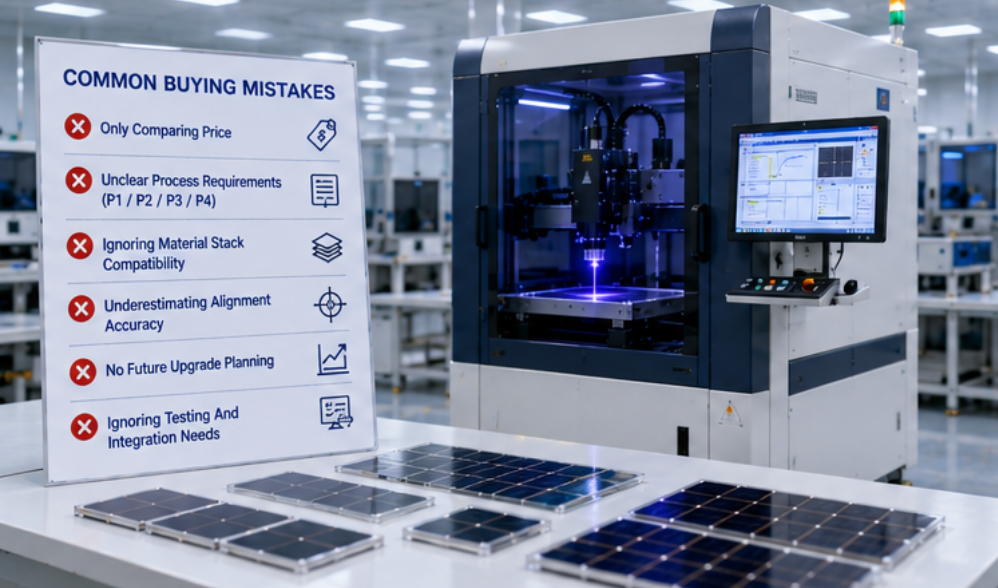
Why Buyers Need To Avoid These Mistakes
Mistake 1: Comparing Only Machine Price
Mistake 2: Not Defining P1, P2, P3 And P4 Requirements Clearly
Mistake 3: Ignoring Material Stack Compatibility
Common Mistakes And Better Buying Decisions
Common Mistake Possible Risk Better Decision Only comparing price Low configuration, poor process stability Compare total process value and upgrade ability Unclear P1/P2/P3/P4 requirements Wrong laser configuration Define exact process steps before quotation Ignoring material stack Layer damage or incomplete removal Provide sample structure and request testing Underestimating alignment accuracy Low active area, poor yield Choose vision alignment and stable motion control No future size planning Machine becomes outdated quickly Plan current and future substrate sizes together Ignoring testing equipment No reliable process validation Plan solar simulator, IV, MPPT or QE testing if needed 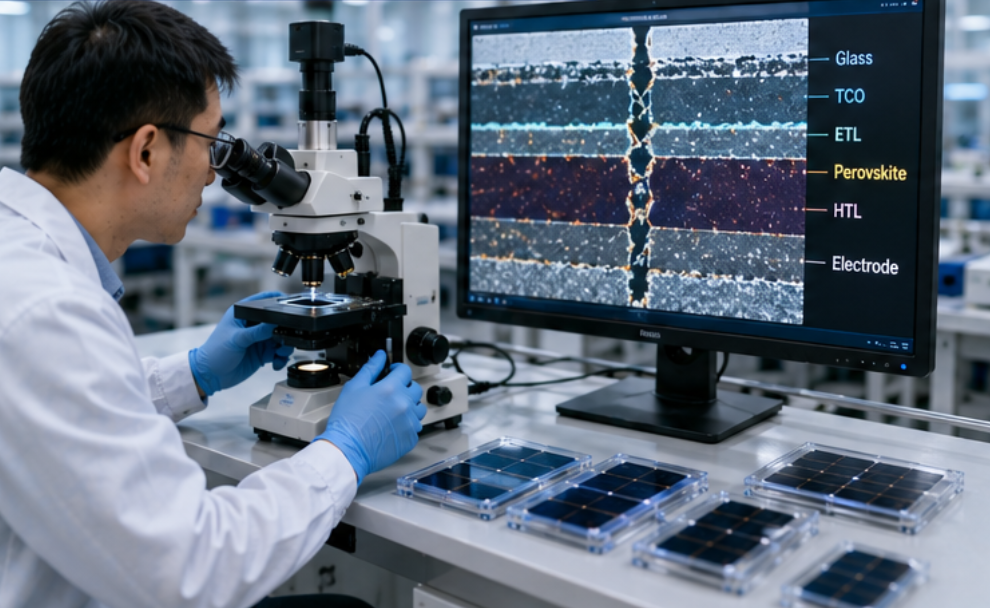
Mistake 4: Underestimating Alignment Accuracy
Mistake 5: Choosing Equipment Without Future Upgrade Planning
Questions Buyers Should Ask Before Ordering
Conclusion
Need Help Choosing Perovskite Laser Processing Equipment?