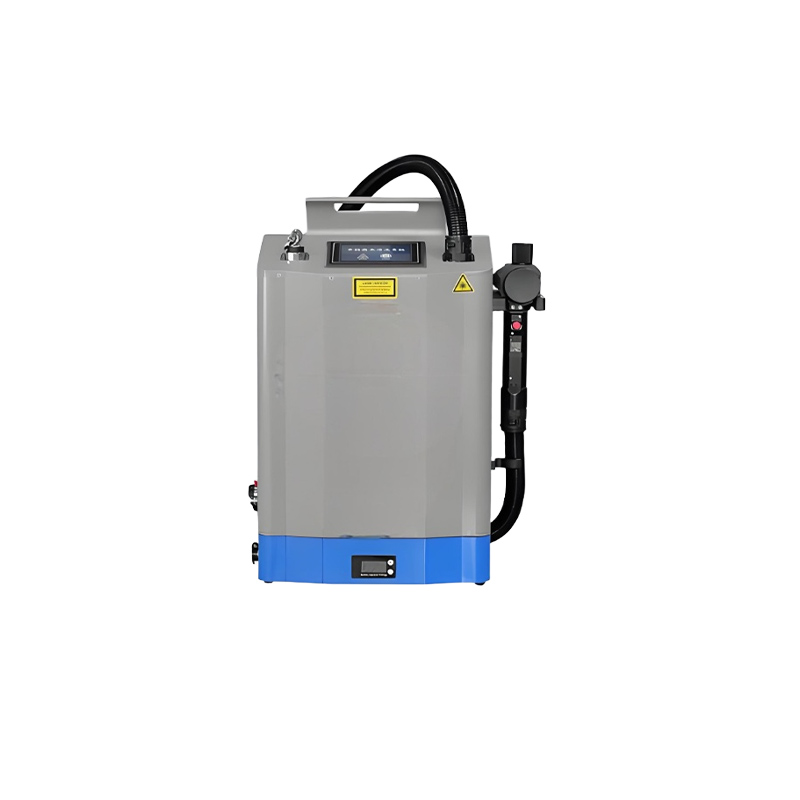
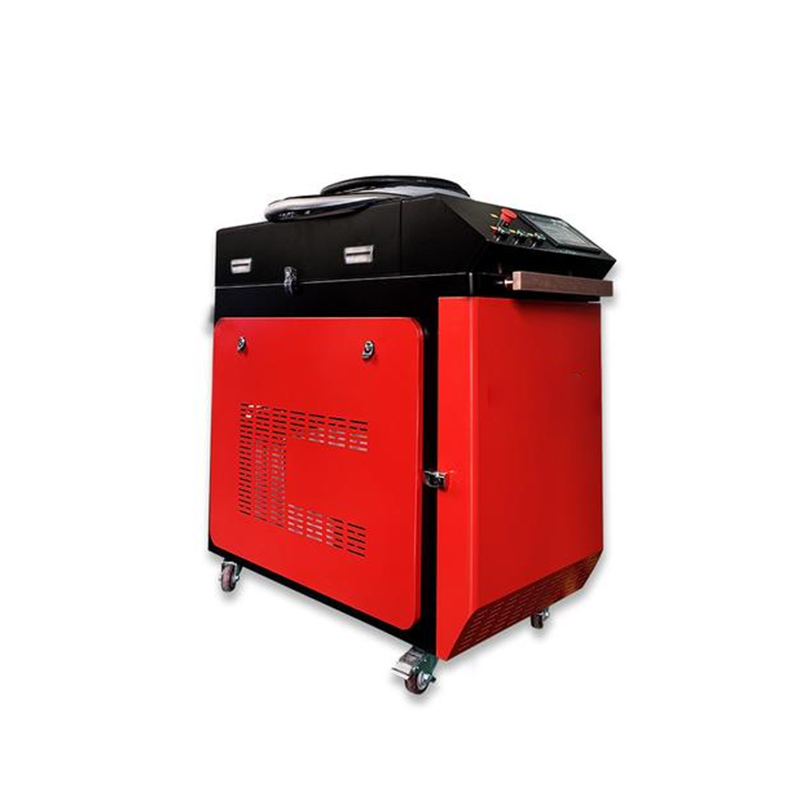
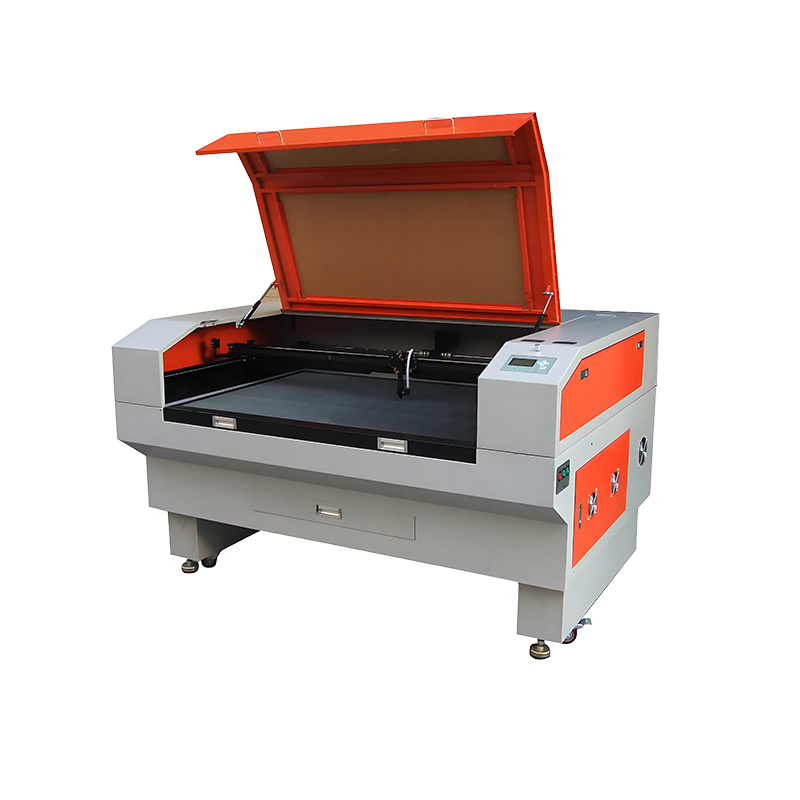
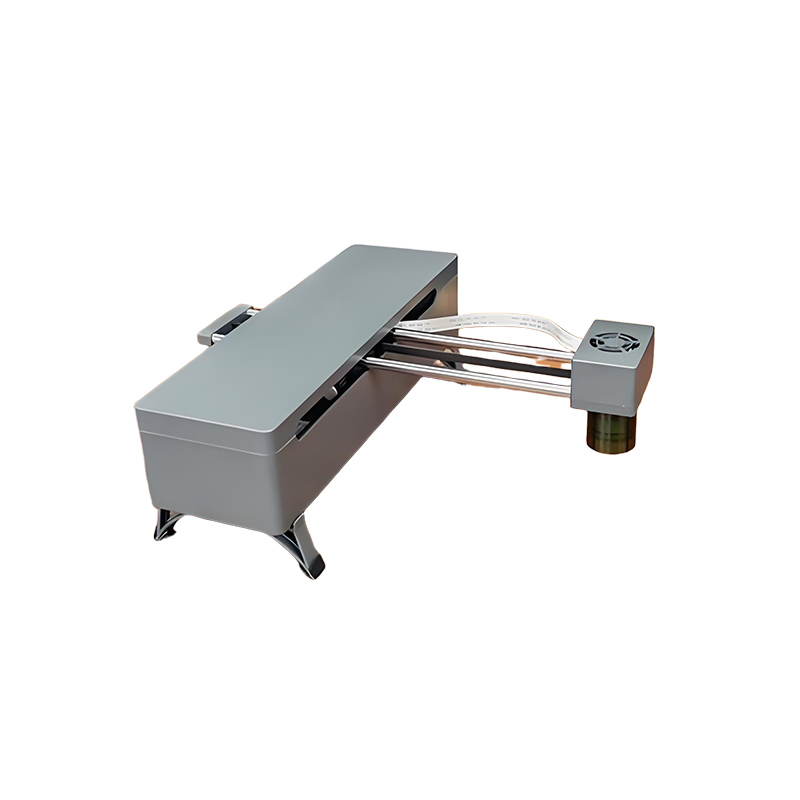
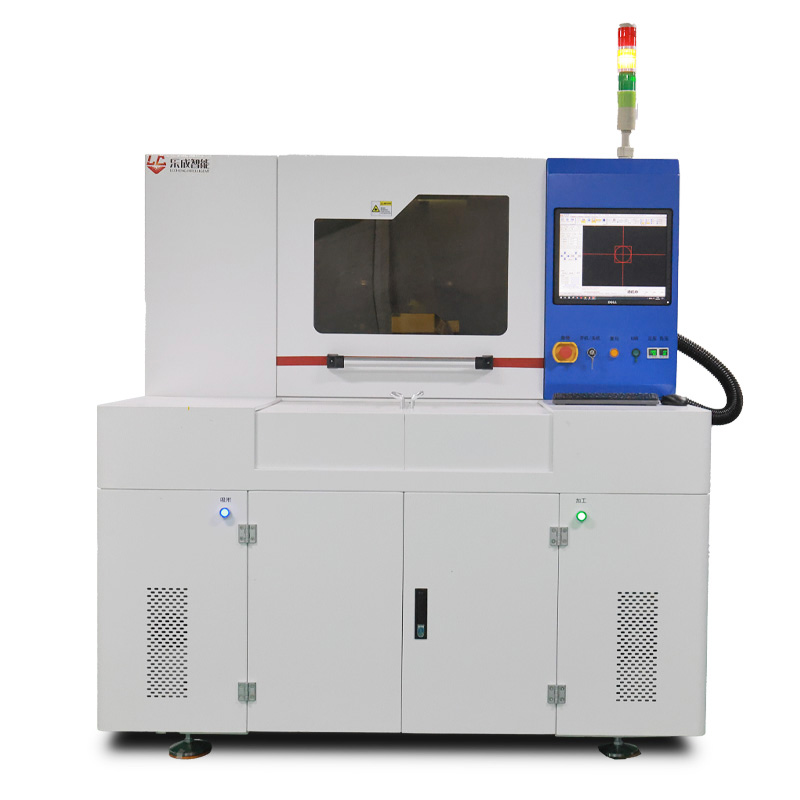
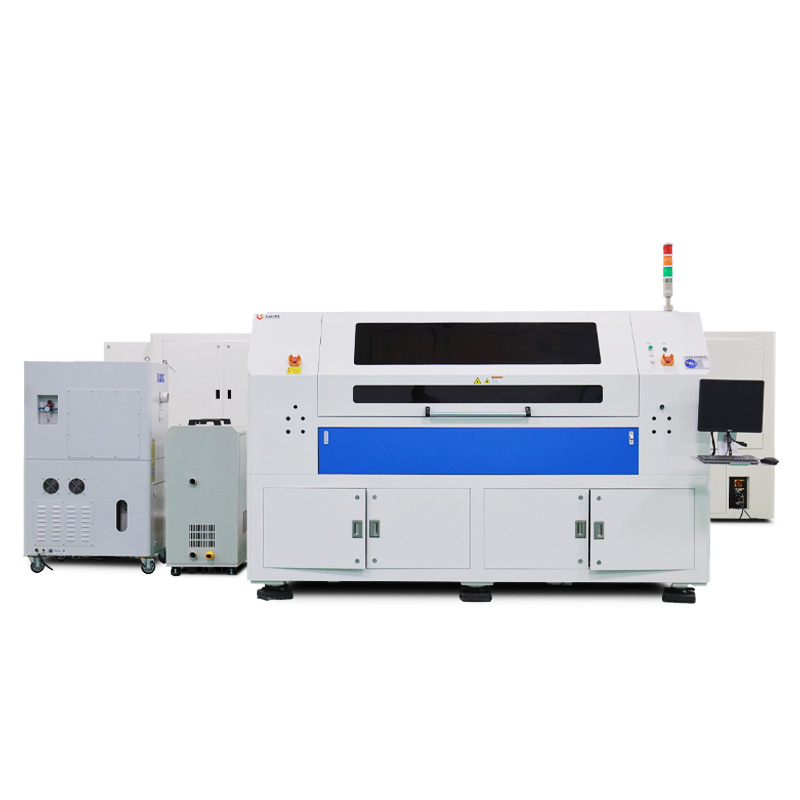
The rapid advancement of perovskite technology has transformed the landscape of modern photovoltaics and optoelectronics, offering a powerful combination of high efficiency, low manufacturing cost, and material flexibility. However, behind every high-performing perovskite device lies a critical manufacturing process that determines its final quality and commercial success: laser scribing. Without precise and controlled patterning, even the most advanced perovskite materials fail to deliver consistent performance at scale.
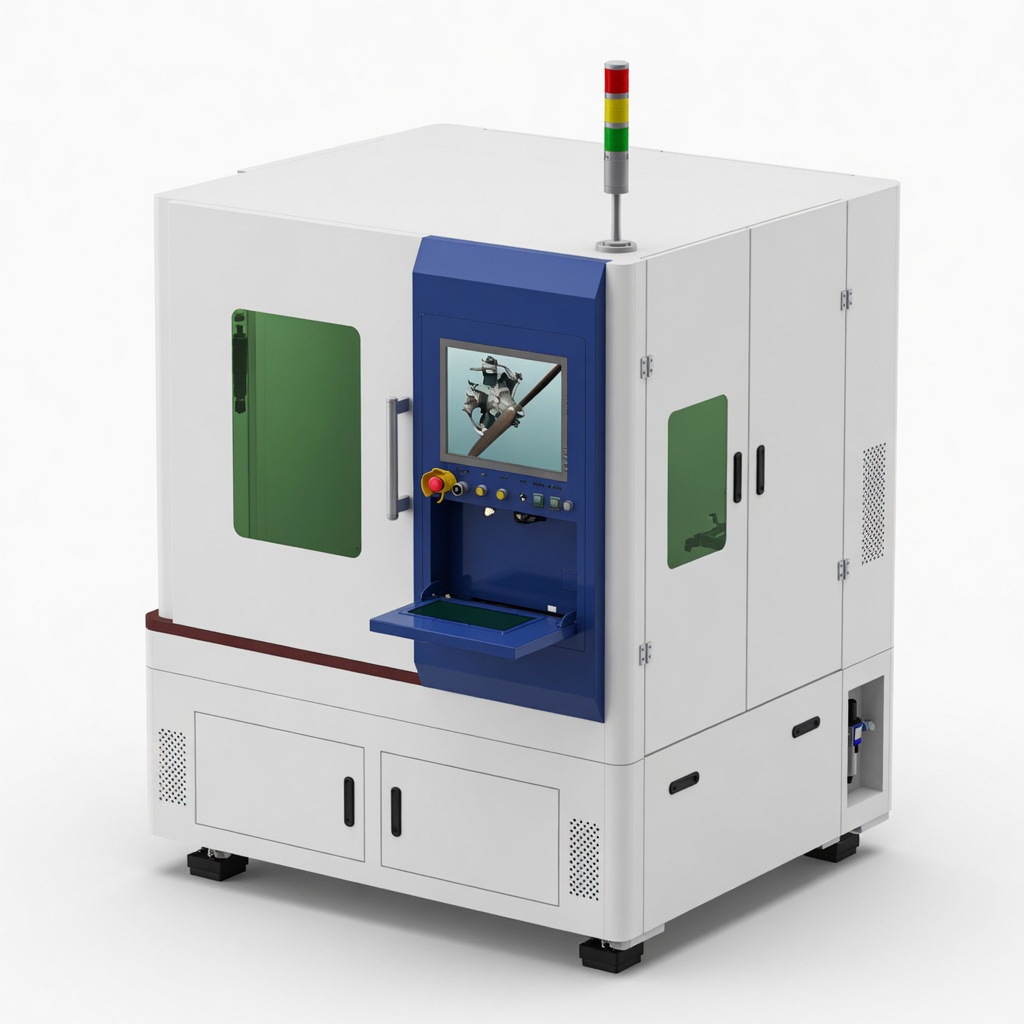
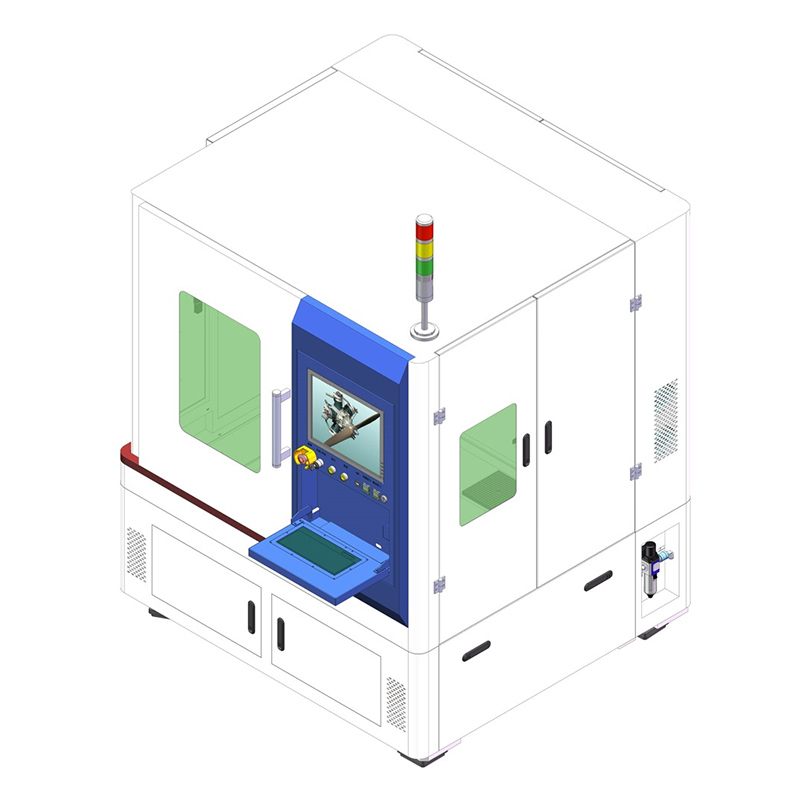
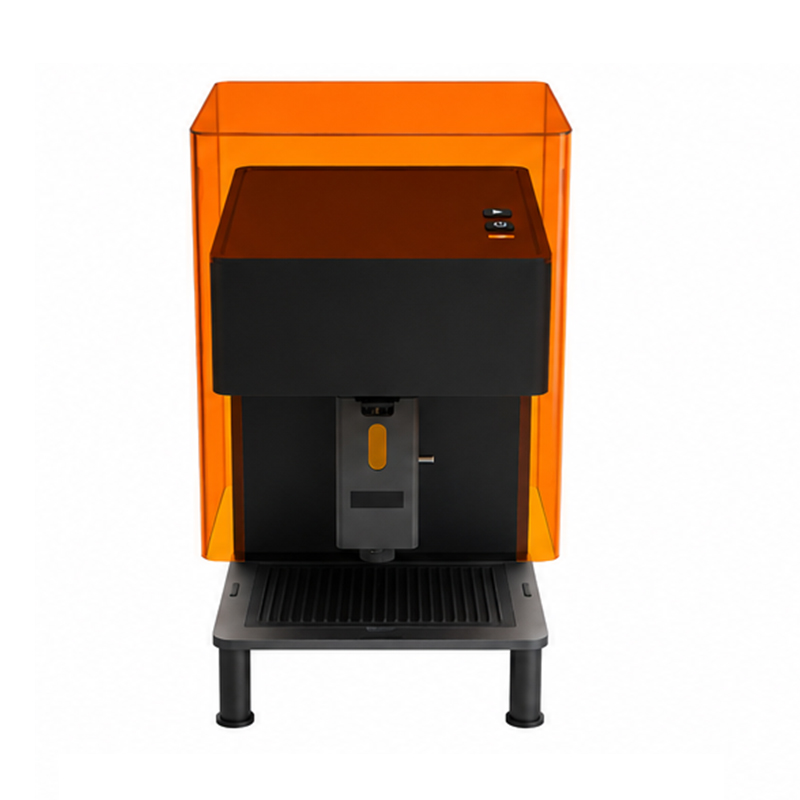
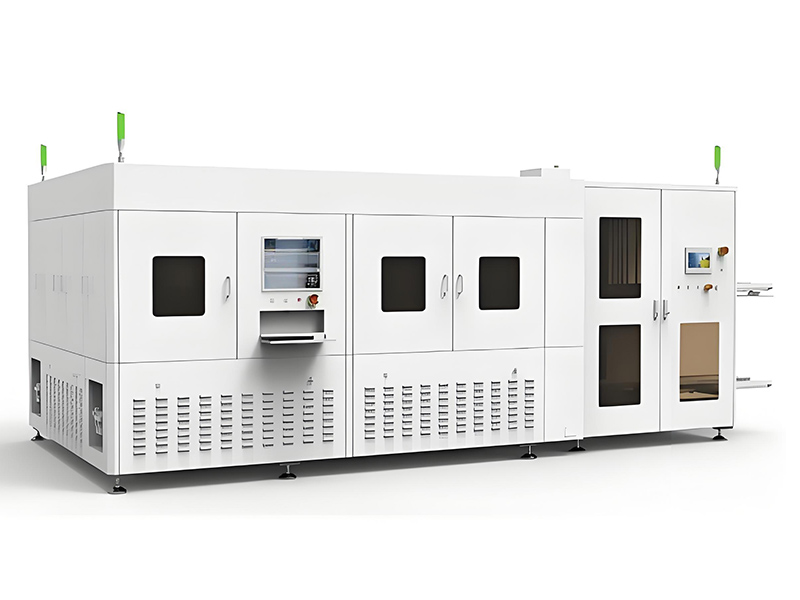
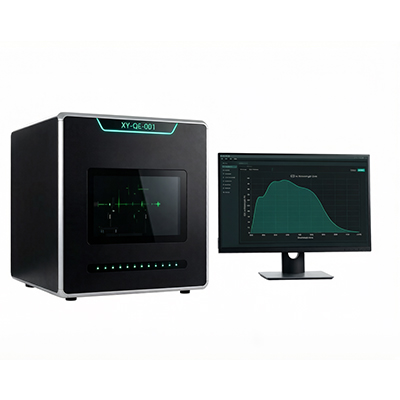
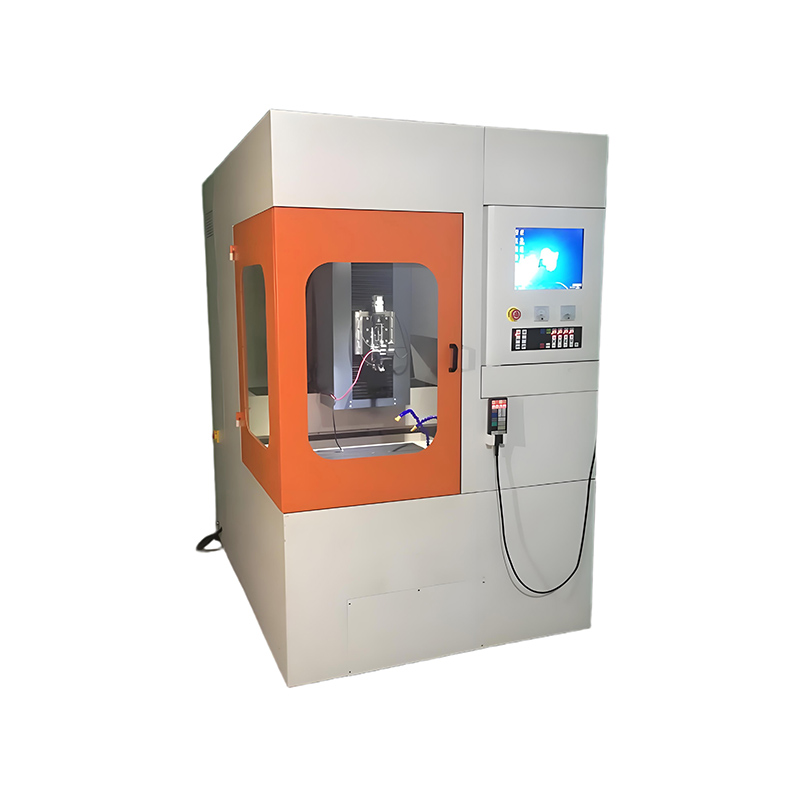
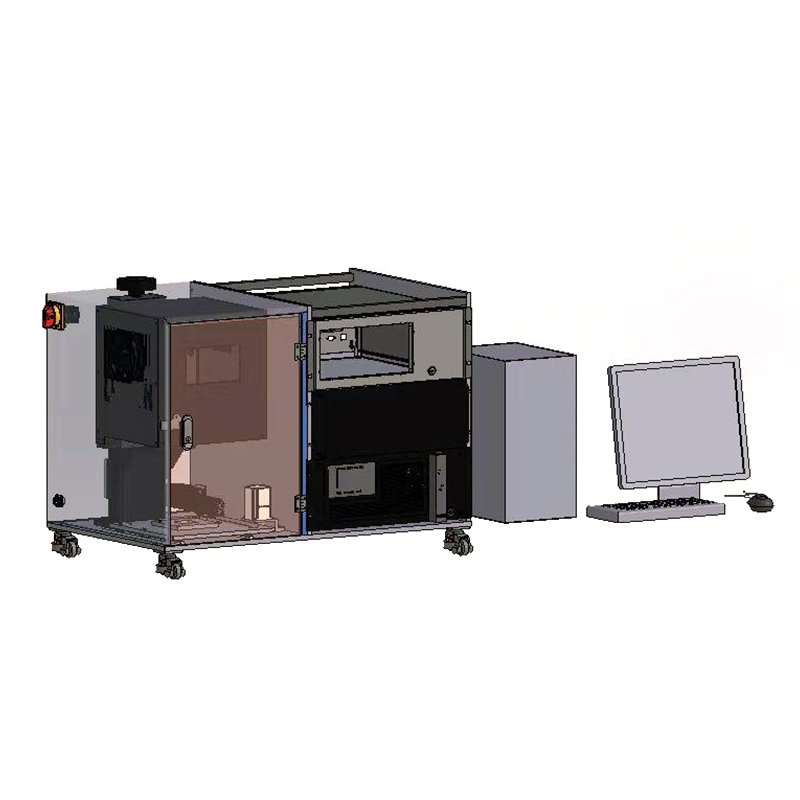
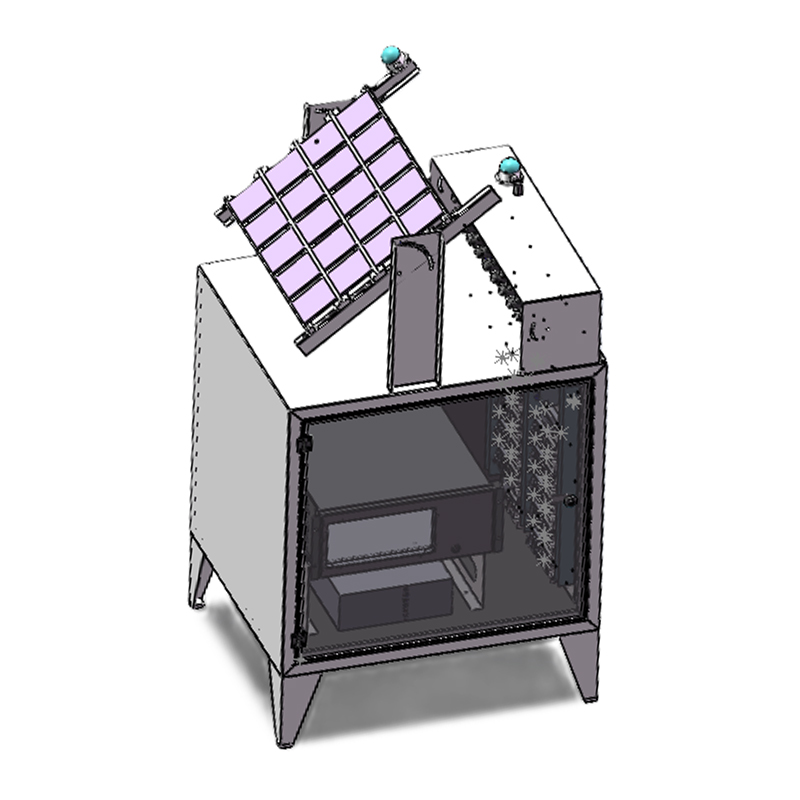
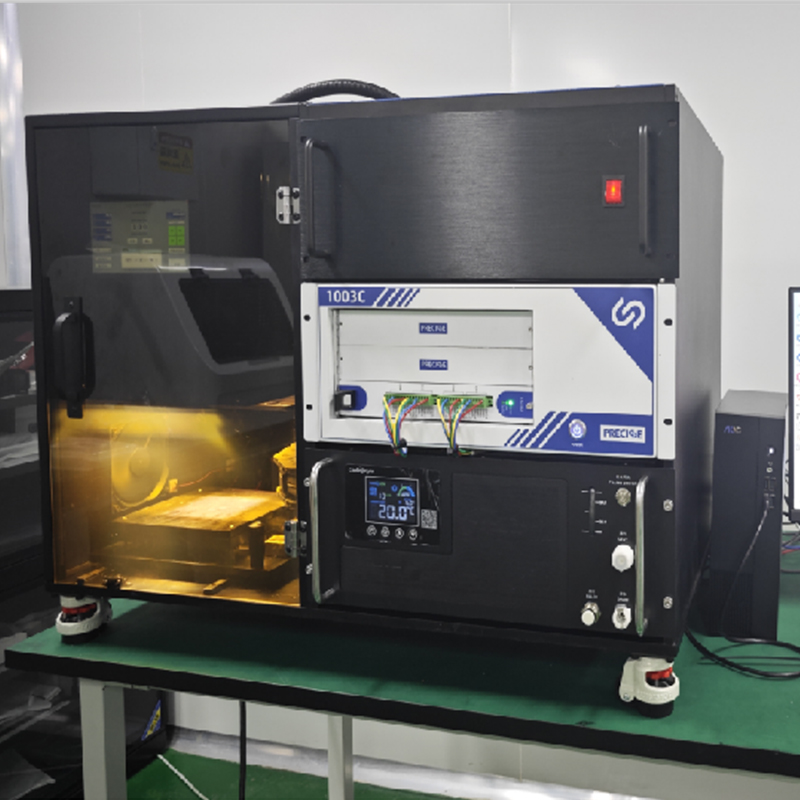
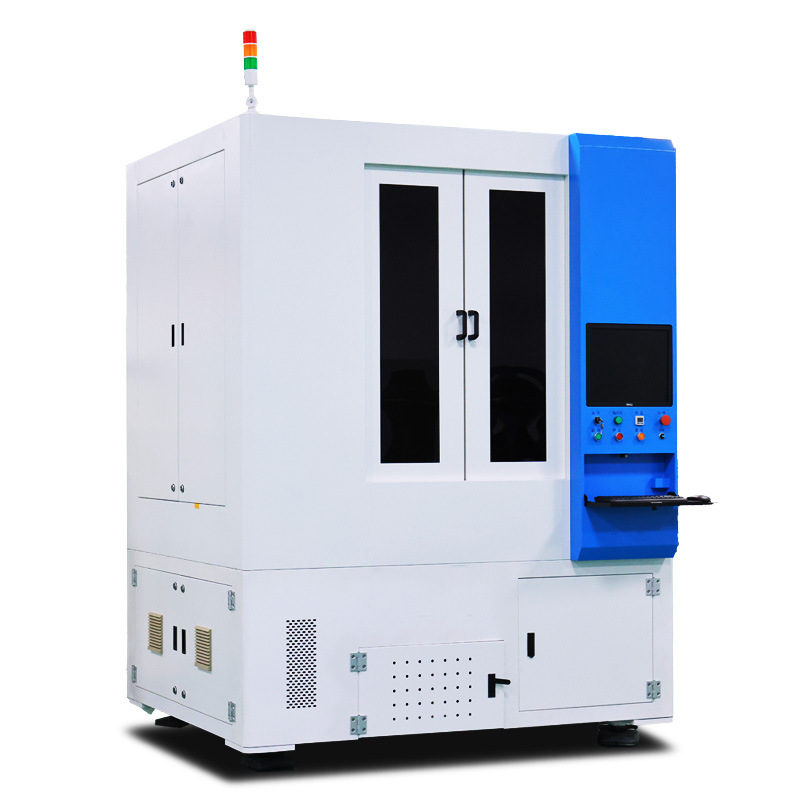
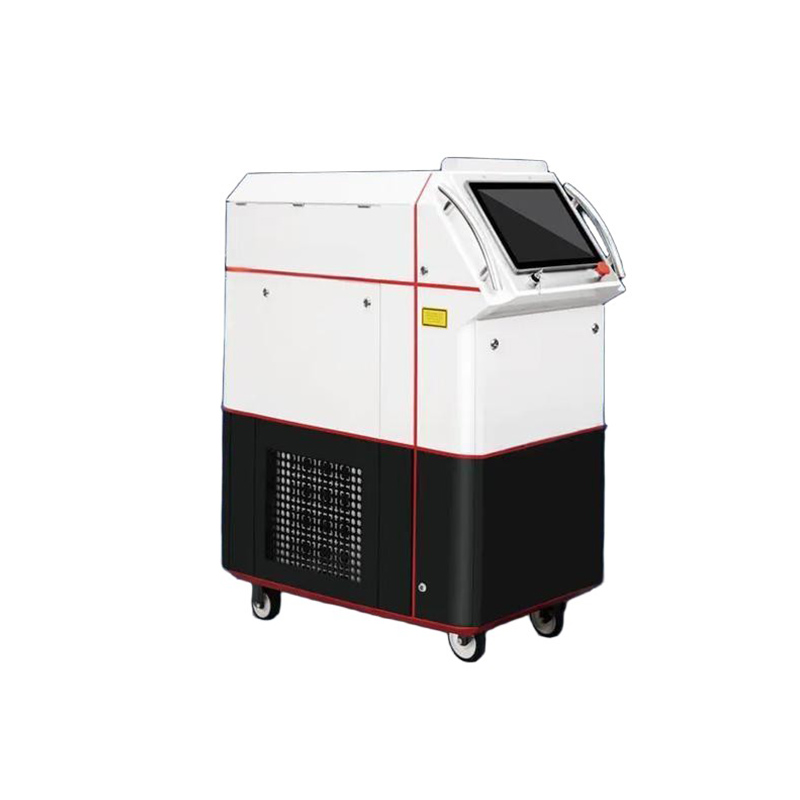
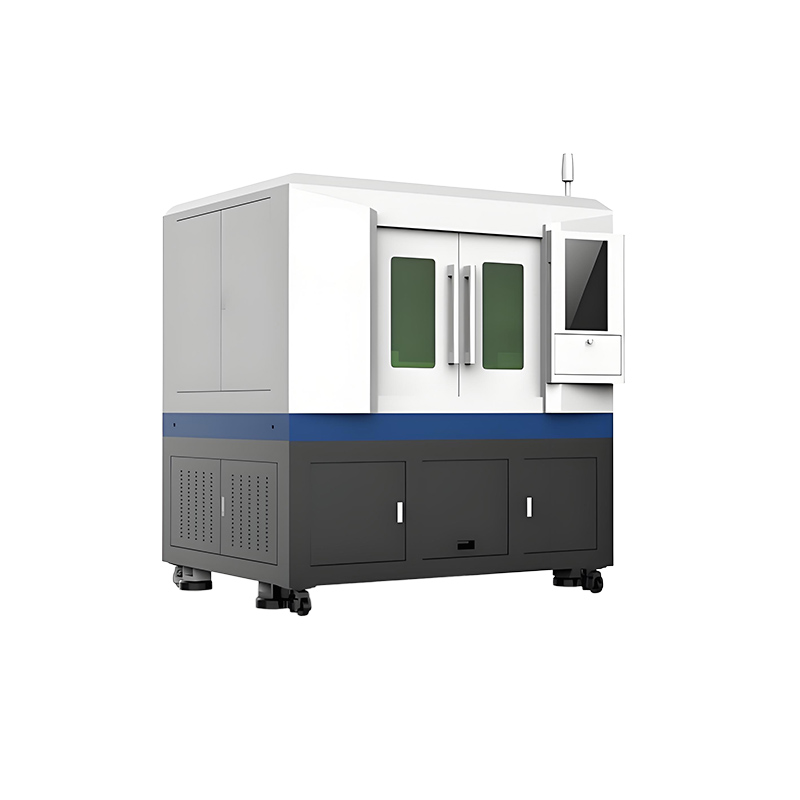
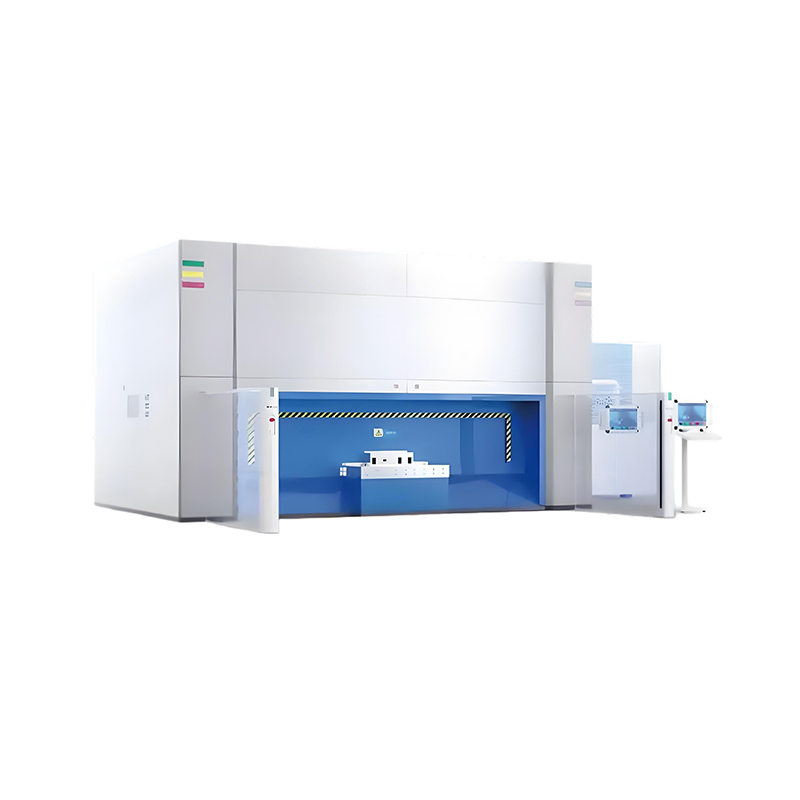
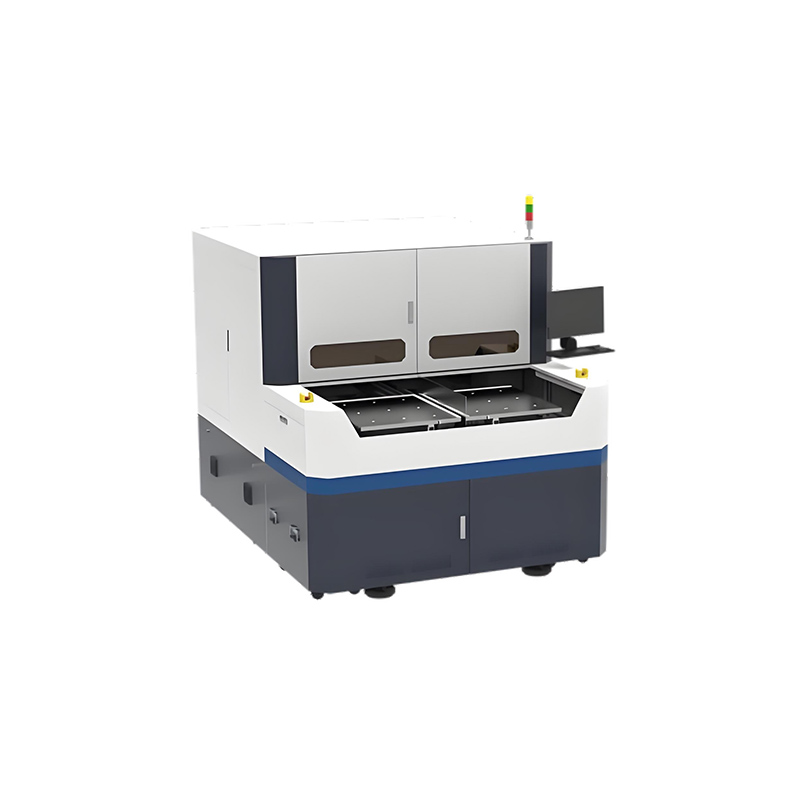
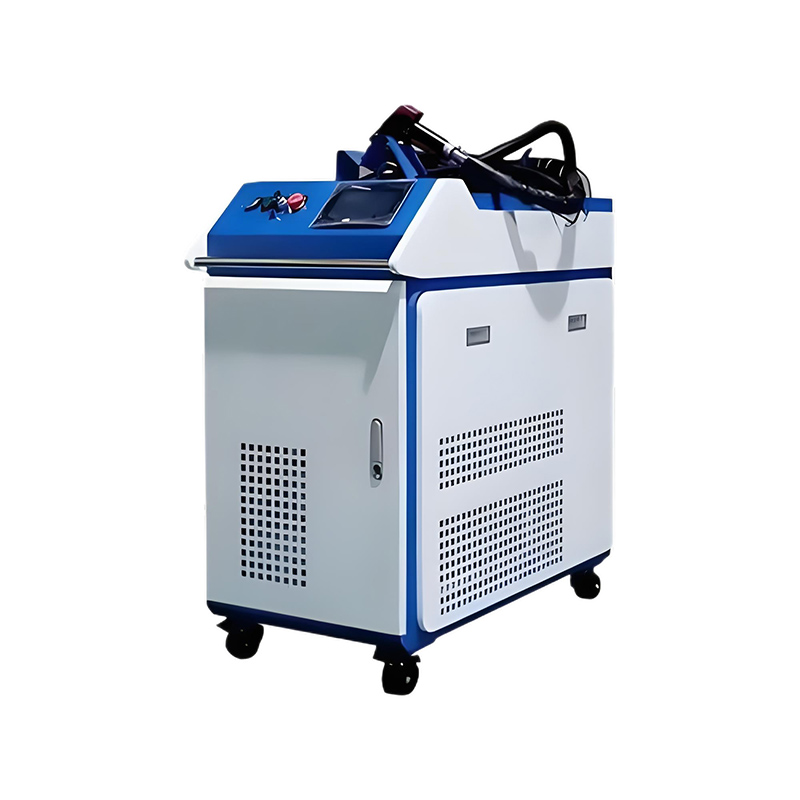
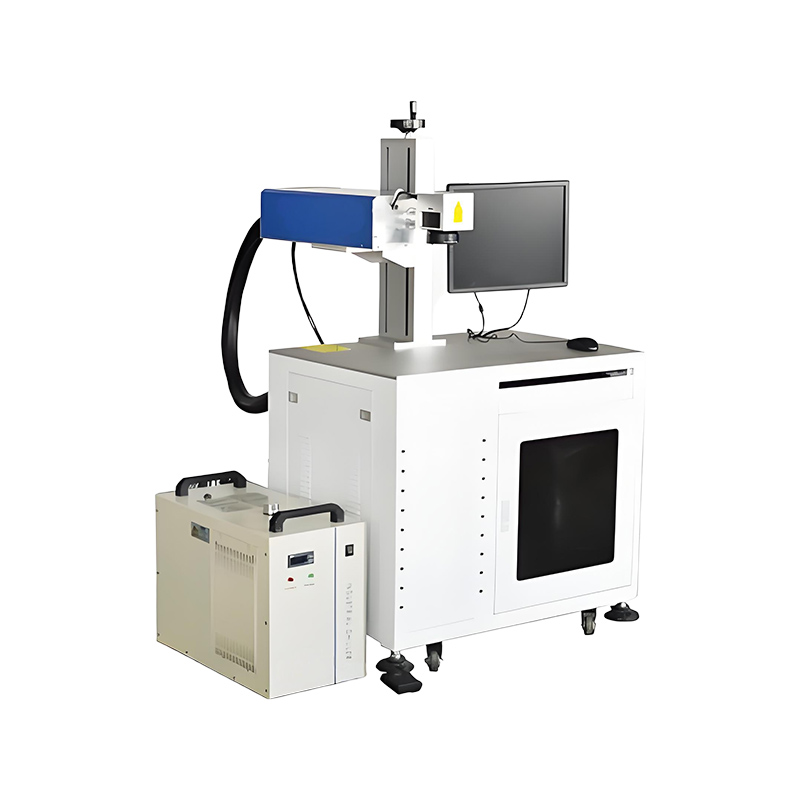
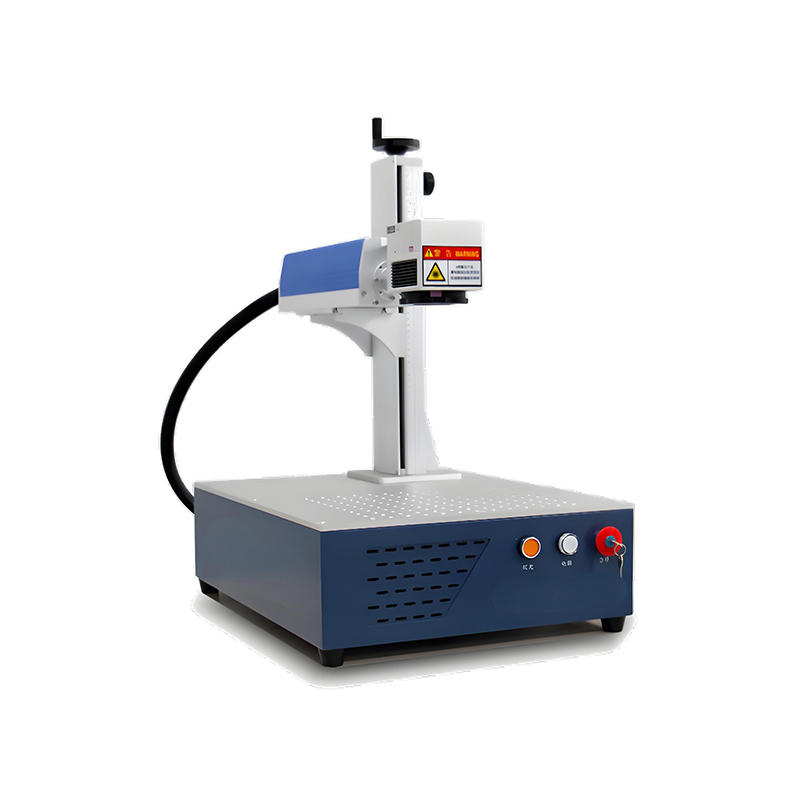
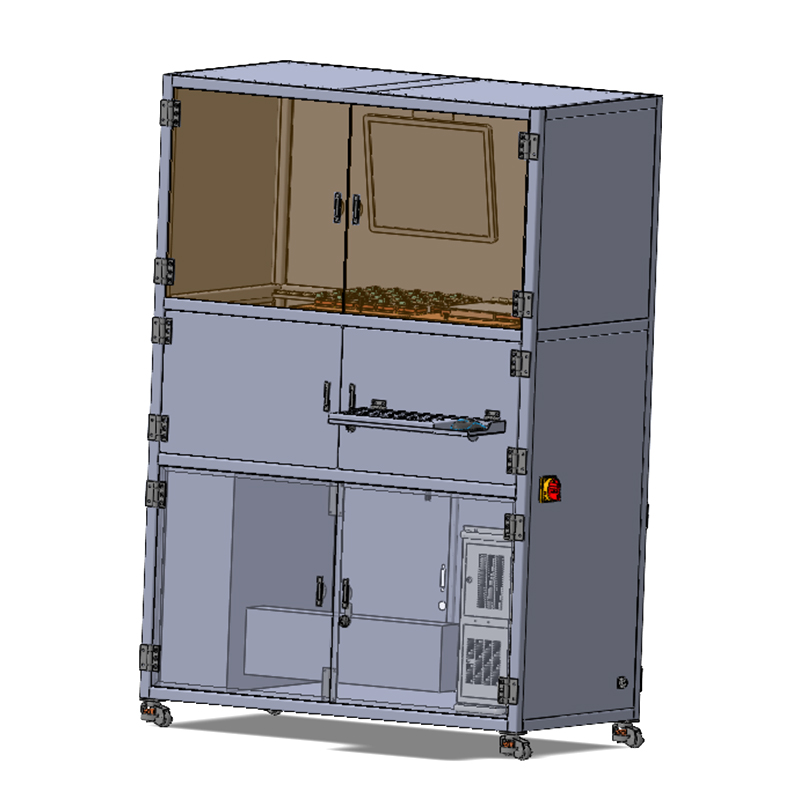
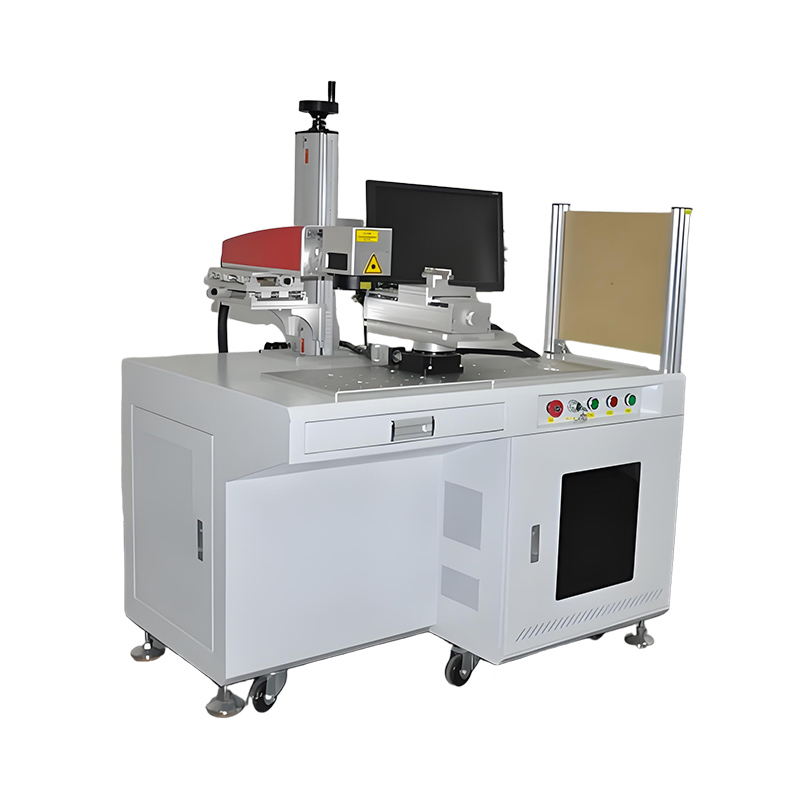
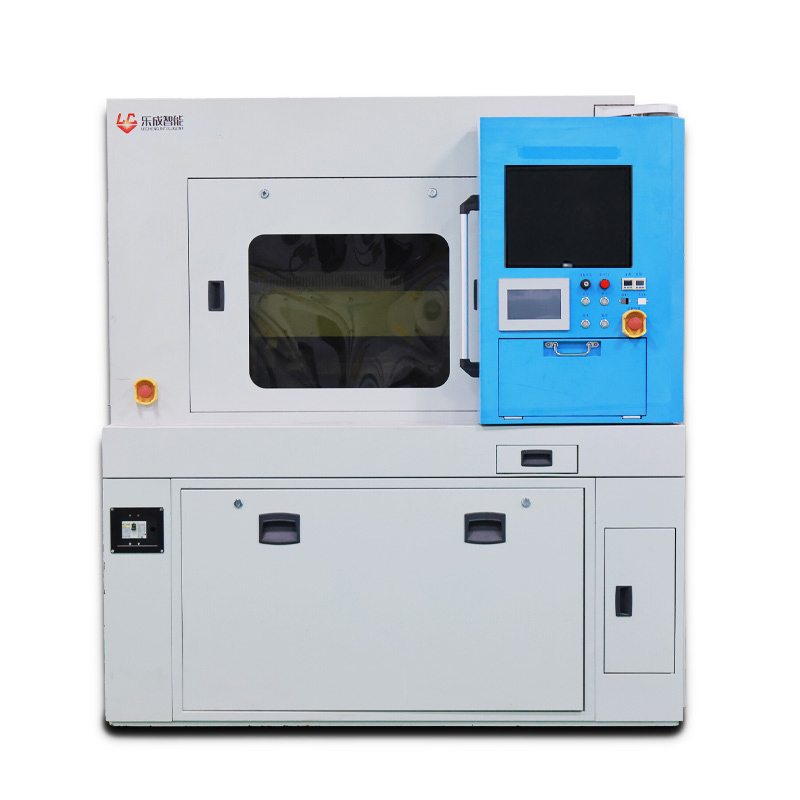
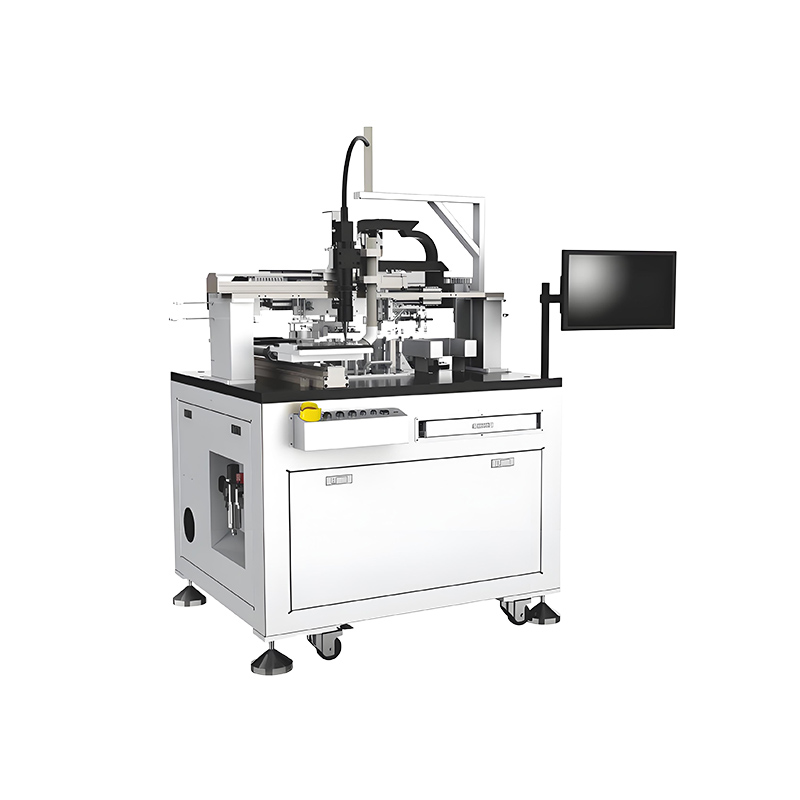
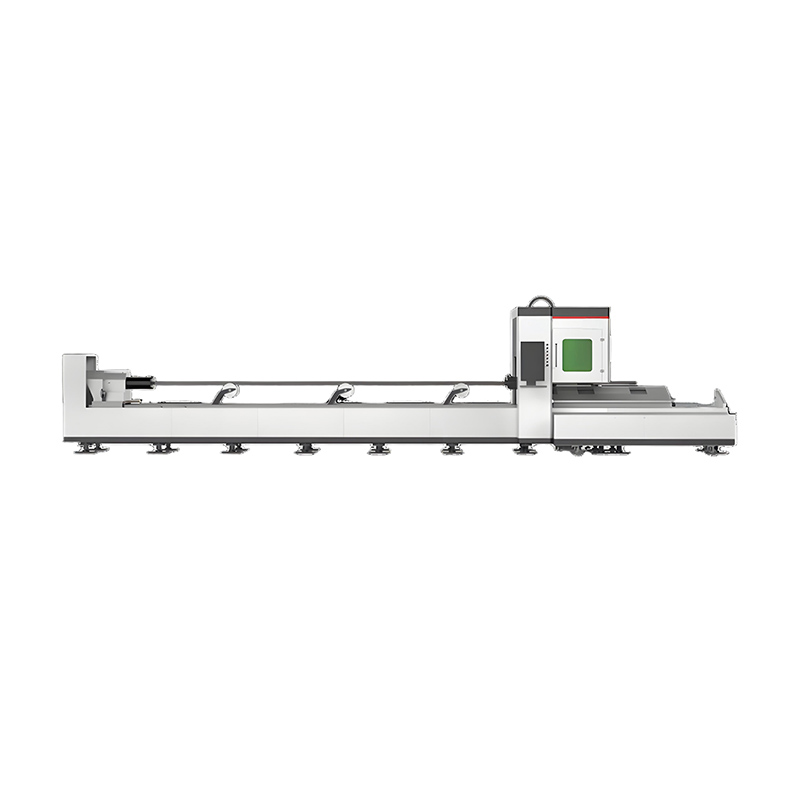
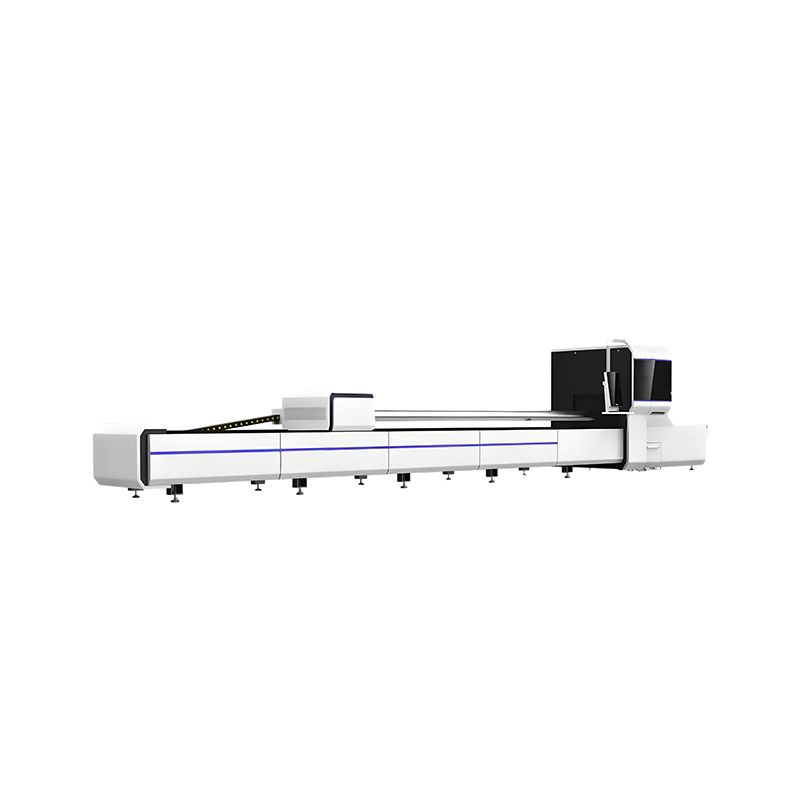
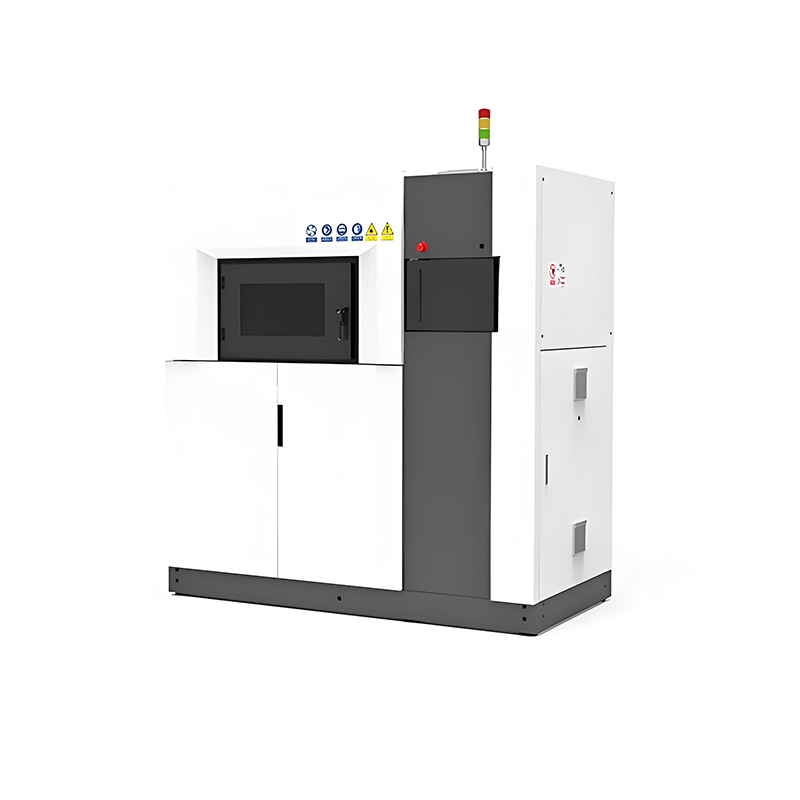
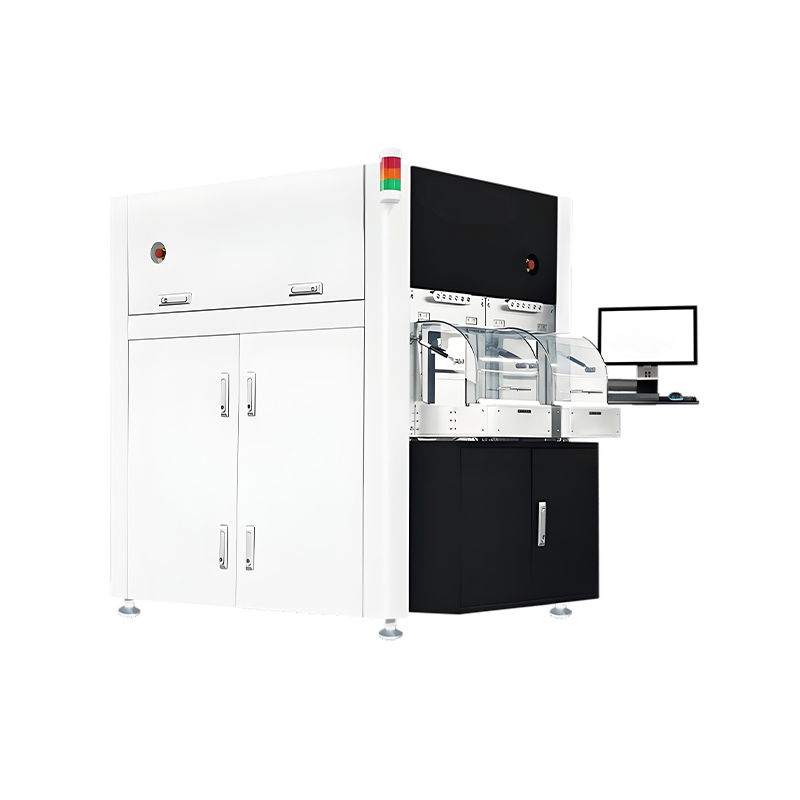
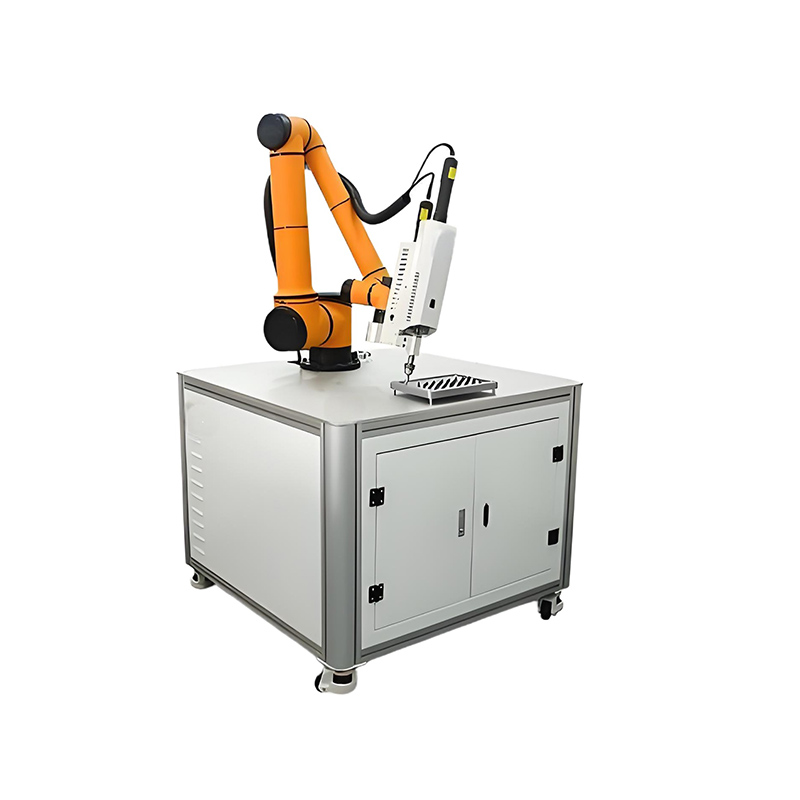
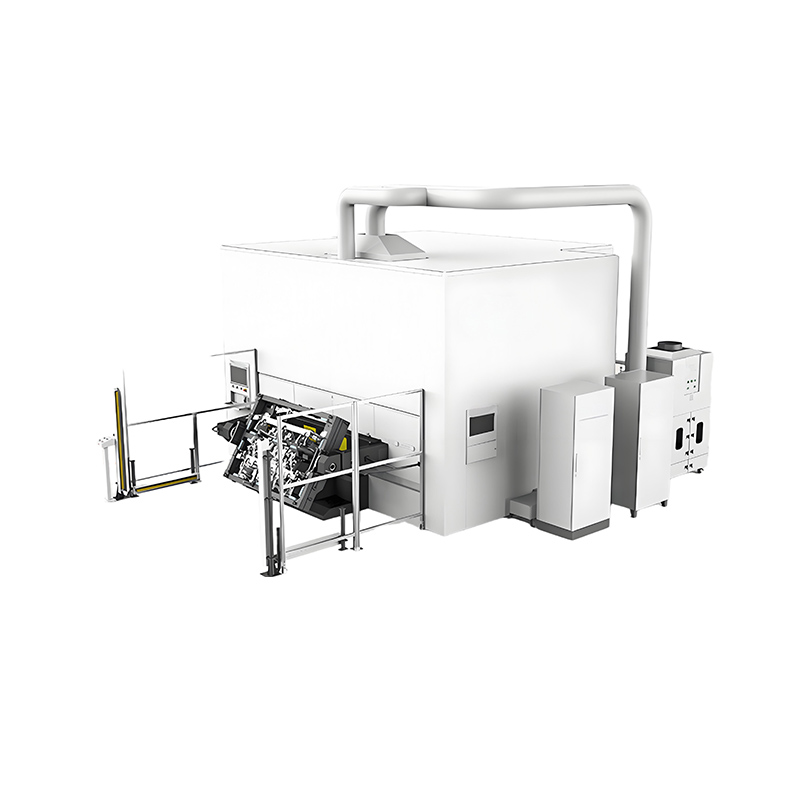
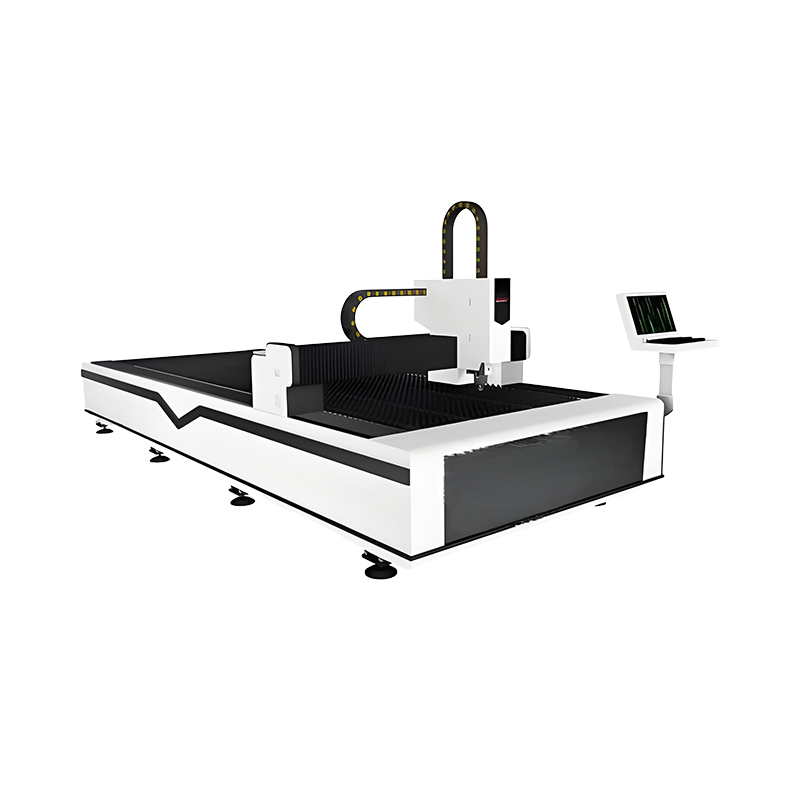
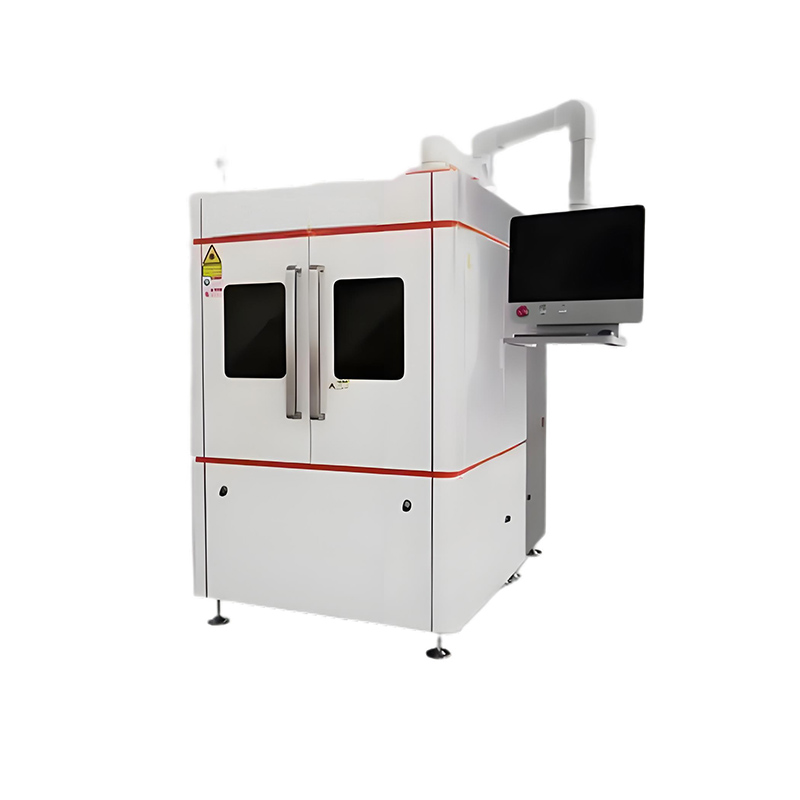
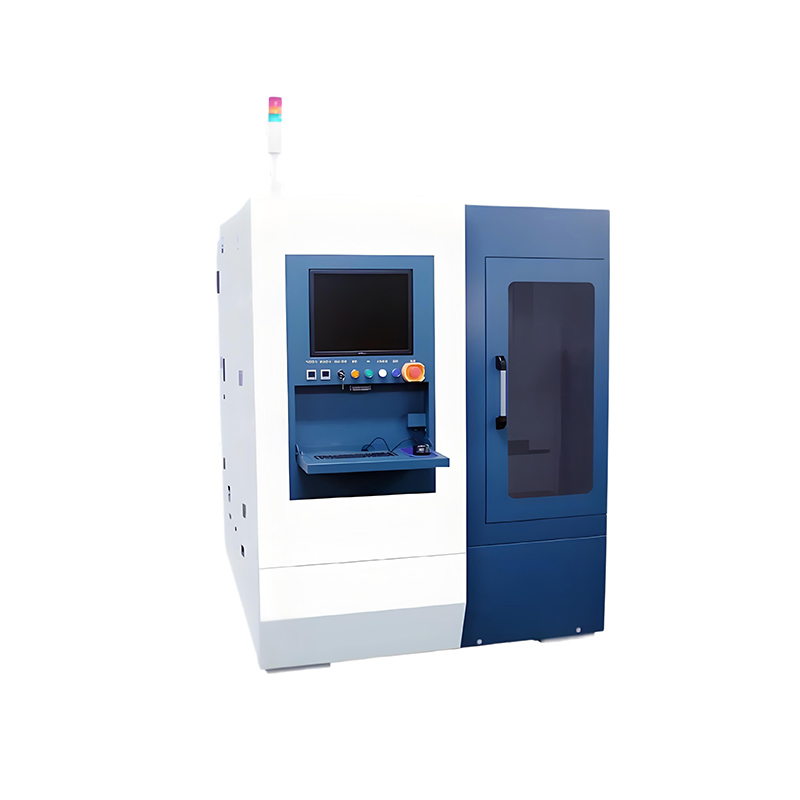
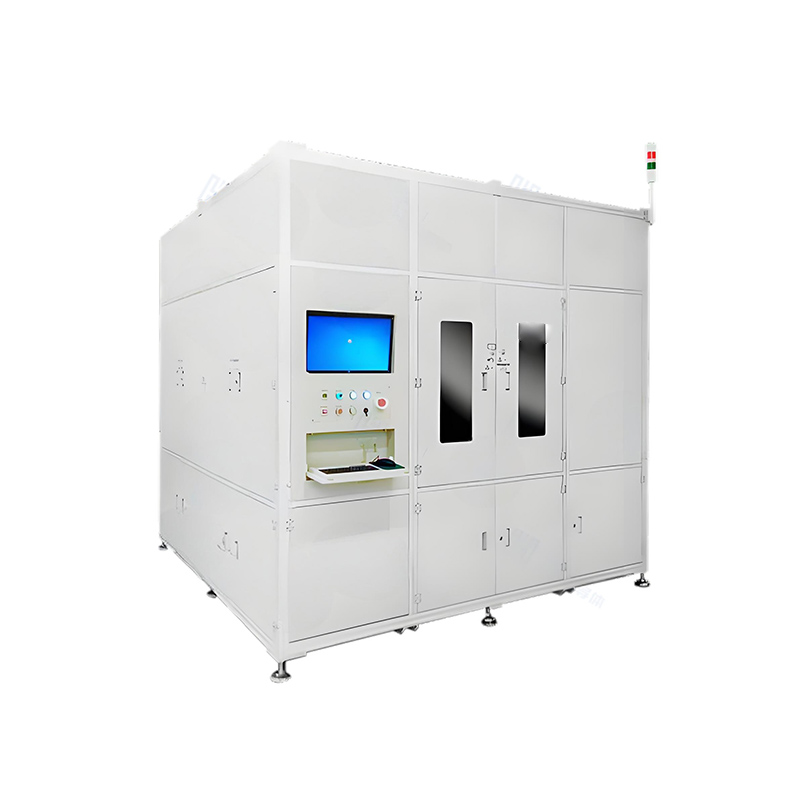
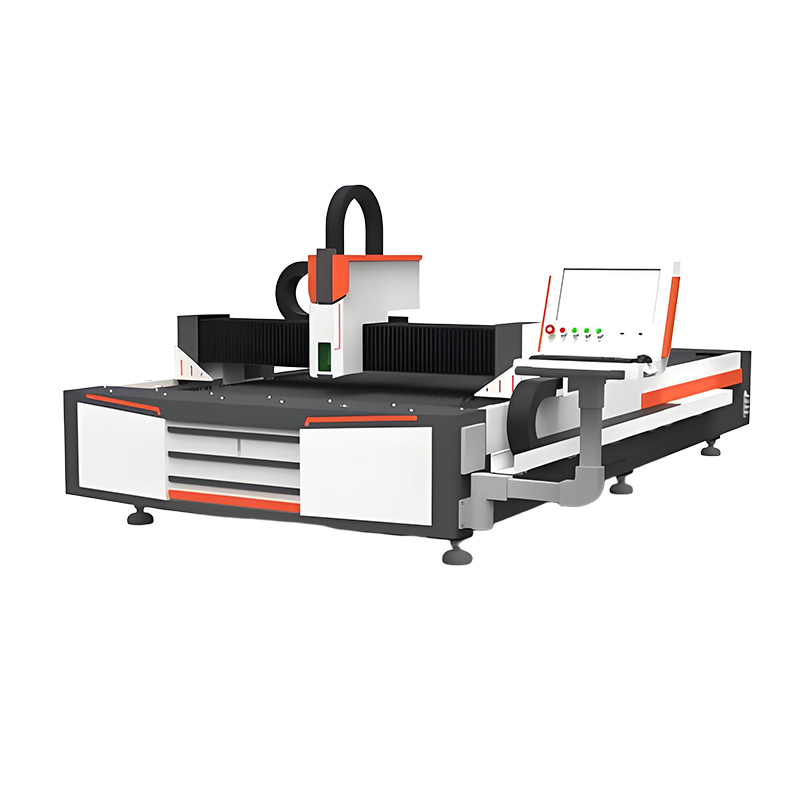
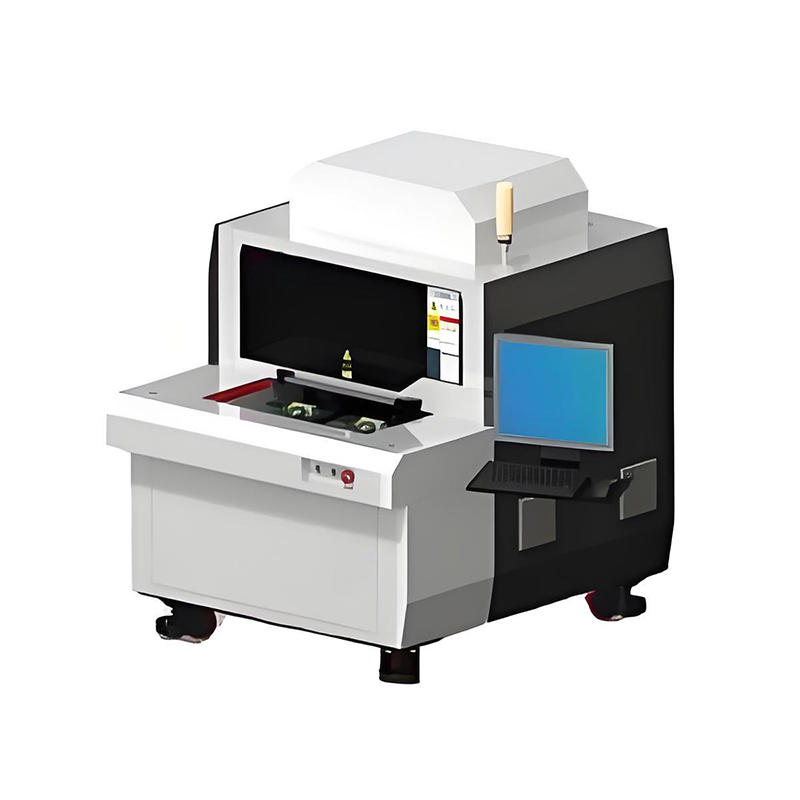
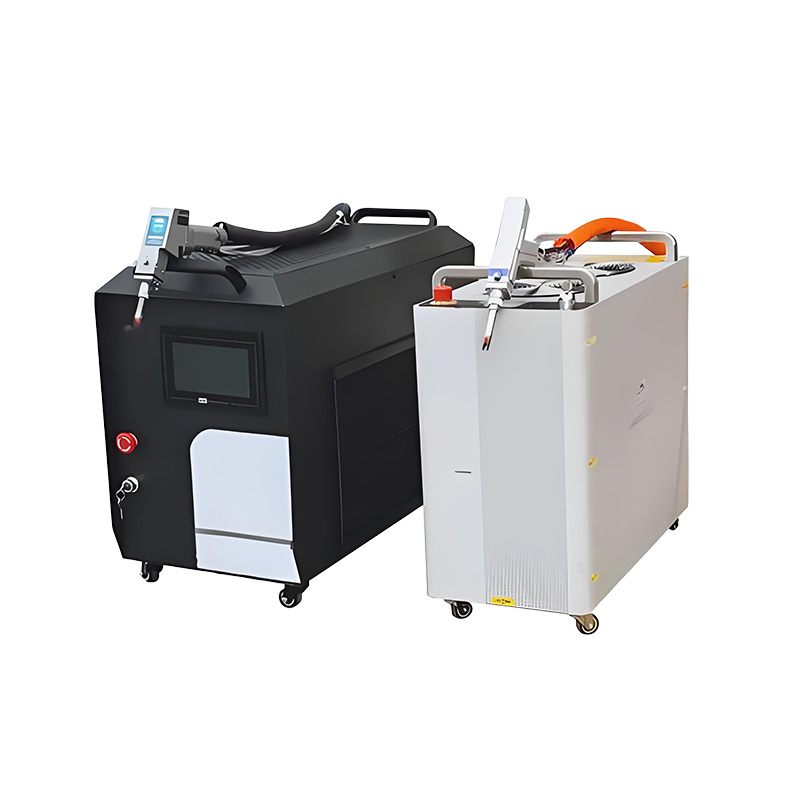
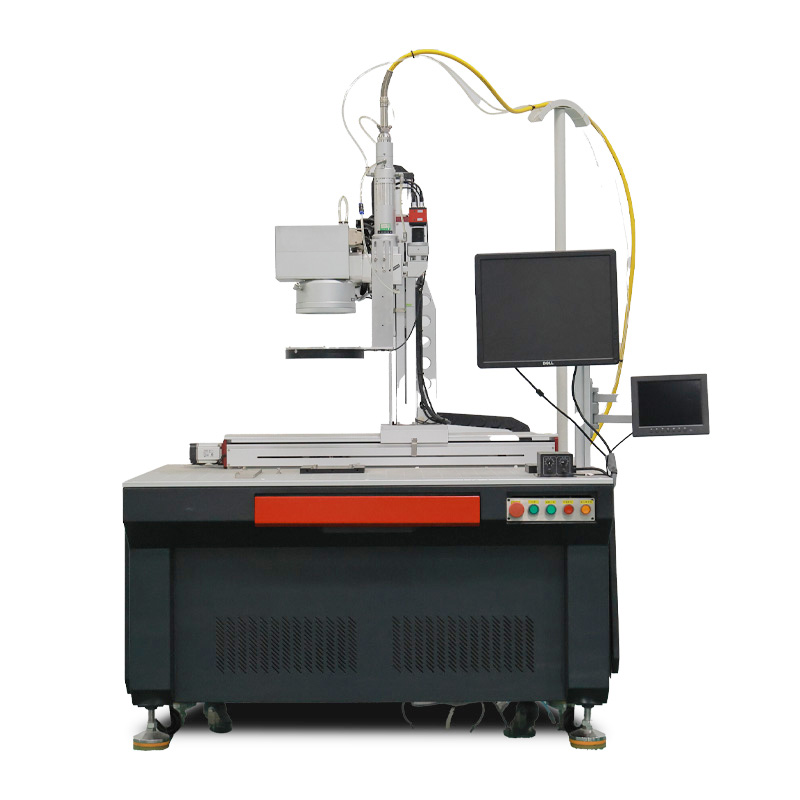
Advanced perovskite laser scribing equipment plays a vital role in enabling high-precision laser machining for thin-film devices. Designed specifically for delicate, multilayer perovskite structures, this technology ensures accurate electrical isolation, minimal thermal impact, and repeatable results across large production volumes. As manufacturers move from laboratory research to industrial-scale production, the demand for reliable, automated, and high-speed laser scribing systems continues to grow.
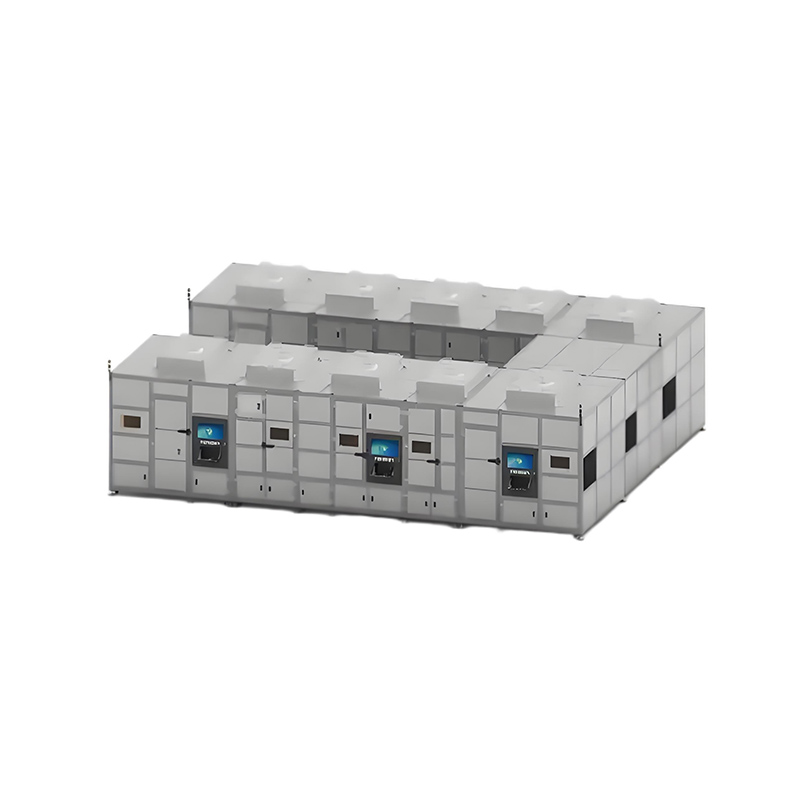
By integrating cutting-edge laser sources, intelligent control software, and precision motion platforms, modern perovskite laser production lines provide the foundation for higher yield, improved module efficiency, and long-term manufacturing stability. For companies aiming to stay competitive in the fast-evolving perovskite market, investing in advanced laser scribing technology is no longer optional—it is essential for sustainable growth and technological leadership.
Perovskite solar cells and optoelectronic devices are known for high conversion efficiency, low production cost, and compatibility with flexible substrates. Their thin and sensitive structure requires micron-level accuracy during patterning.
Laser scribing provides the precision required to process delicate perovskite layers without physical contact or material damage.
What Is Laser Scribing in Perovskite Manufacturing?
Laser scribing is a non-contact laser machining process used to pattern thin films accurately. In perovskite production, it includes:
P1 scribing for transparent conductive layer isolation
P2 scribing for perovskite absorber layer patterning
P3 scribing for back electrode isolation
Each step demands extremely high accuracy, minimal thermal impact, and repeatable results.
The Hidden Cost of Low-Precision Laser Equipment
Using generic or low-grade laser systems leads to:
High defect rates
Micro-cracks in perovskite layers
Reduced module efficiency
Poor scalability
Increased production waste
Precision laser scribing equipment directly impacts product quality, yield, and long-term profitability.
Key Advantages of Advanced Perovskite Laser Scribing Equipment
Micron-Level Precision
Advanced systems achieve sub-micron accuracy, producing clean and narrow scribe lines while protecting surrounding layers. This increases active area utilization and improves overall module efficiency.
Non-Contact Processing
Laser scribing eliminates mechanical stress, surface contamination, and tool wear. This is especially important for flexible perovskite substrates and thin-film devices.
Minimal Thermal Damage
Optimized pulse duration and wavelength control significantly reduce heat-affected zones. This preserves the perovskite crystal structure and ensures stable electrical performance.
High-Speed Automated Production
Modern laser production lines support automated alignment, vision-based positioning, and real-time process monitoring. This enables consistent quality and scalable mass production.
Components of an Advanced Perovskite Laser Production Line
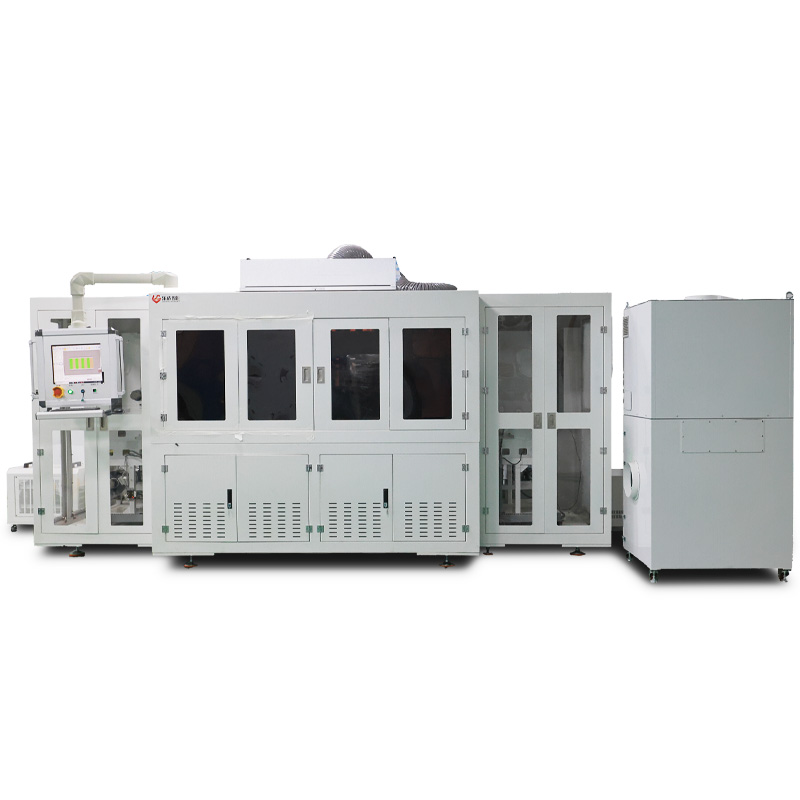
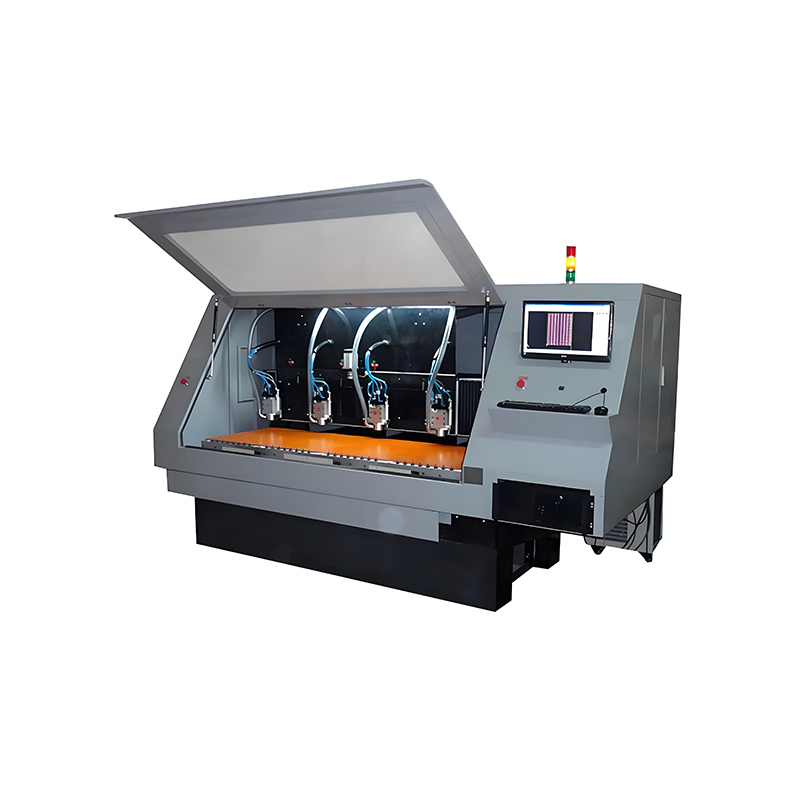
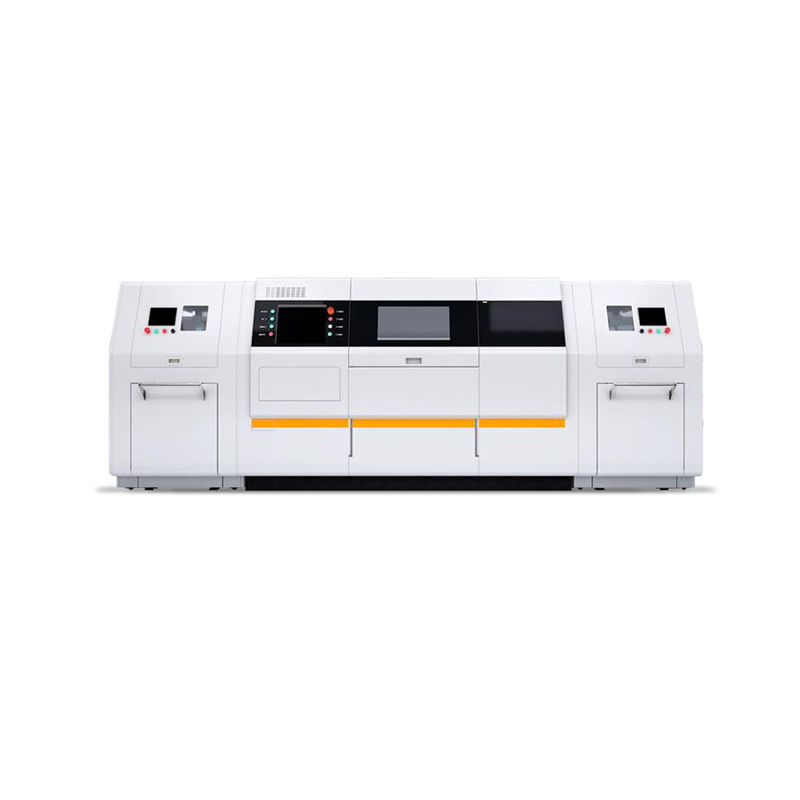
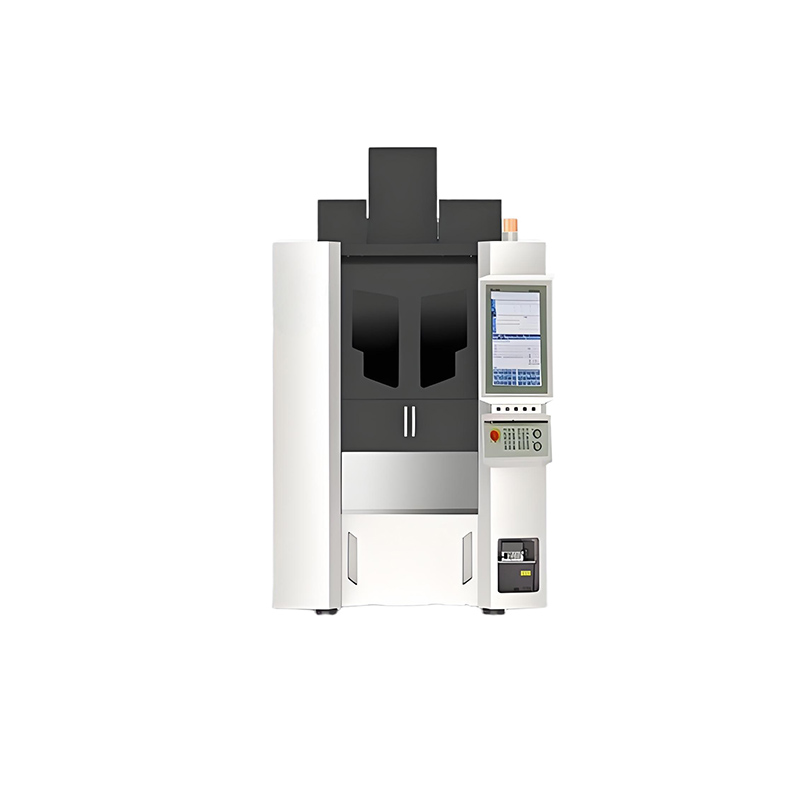
A professional laser scribing production line integrates multiple high-precision systems:
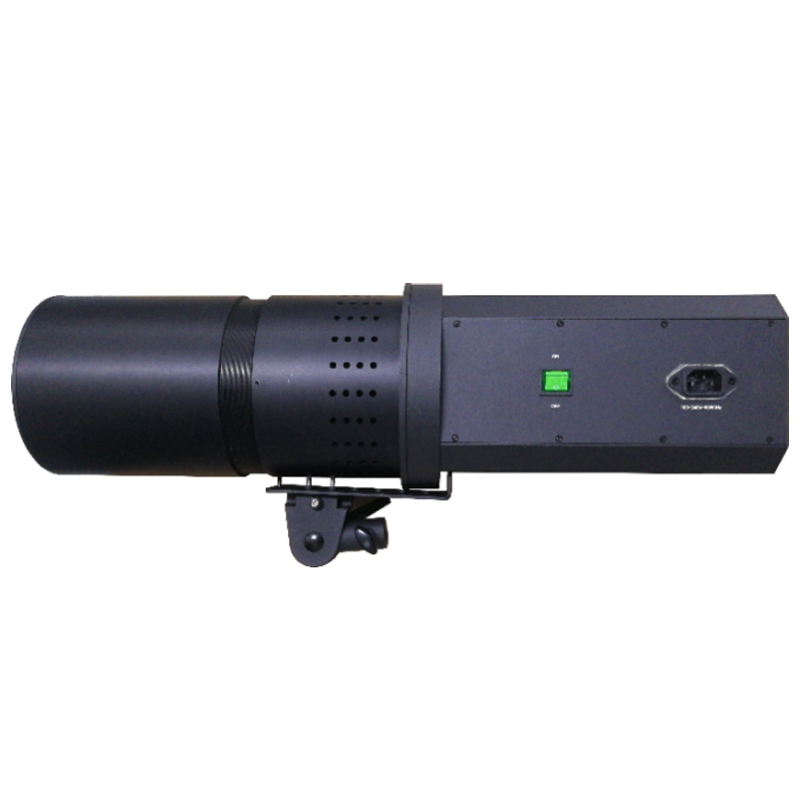
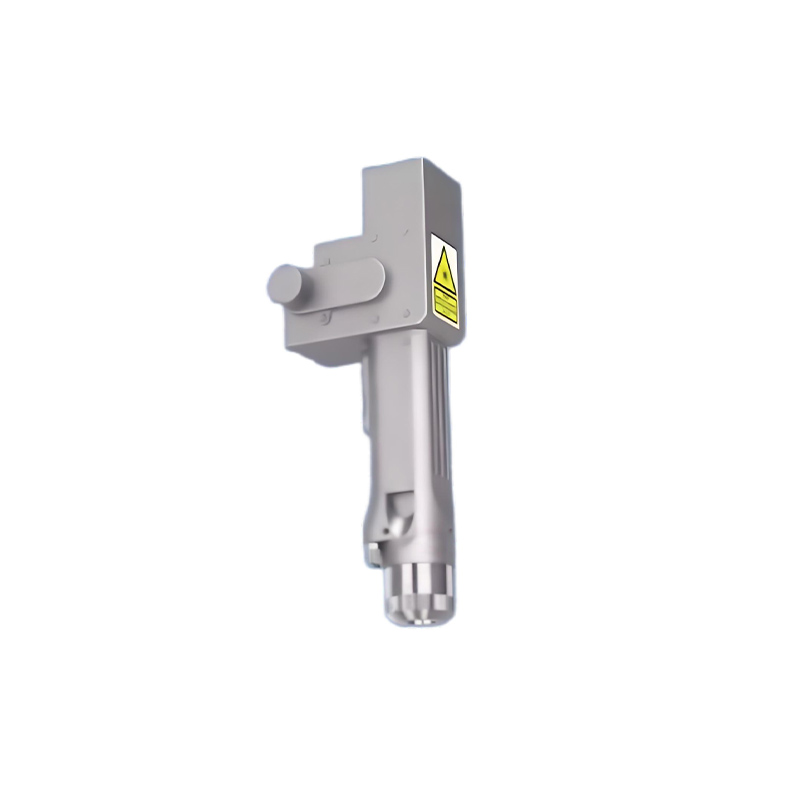
Precision Laser Source
UV, picosecond, or femtosecond lasers optimized for thin-film materials.
High-Accuracy Motion Platform
Nanometer-level linear motion systems ensure stable and repeatable processing.
Intelligent Control Software
Recipe-based operation, adaptive parameters, and real-time quality feedback.
Vision and Alignment System
Automatic layer detection and correction for precise scribing.
Together, these components create a reliable and industrial-grade laser machining solution for perovskite manufacturing.
Laser Scribing vs Traditional Patterning Methods
Laser scribing offers higher precision, non-contact processing, better scalability, full automation, and higher yield compared to mechanical or chemical patterning methods. This is why leading manufacturers are transitioning to laser-based processes.
Applications of Perovskite Laser Machining
Advanced laser scribing equipment is widely used in:
Perovskite solar modules
Tandem perovskite-silicon solar cells
Flexible and wearable electronics
Optoelectronic devices such as LEDs and photodetectors
Proven Manufacturing Benefits
Manufacturers using advanced perovskite laser scribing equipment achieve:
Higher conversion efficiency
Lower defect and scrap rates
Faster production cycles
Reduced operational costs
Stronger competitive positioning
Precision laser machining directly translates into measurable return on investment.
How to Choose the Right Perovskite Laser Scribing Equipment
Key factors to evaluate include:
Laser wavelength and material compatibility
Long-term precision and repeatability
Automation level
Scalability for future expansion
Technical support and process optimization services
Future Trends in Perovskite Laser Manufacturing
As perovskite technology moves toward large-scale commercialization, laser scribing systems will continue to evolve with:
Laser machining is becoming the foundation of next-generation perovskite manufacturing.
Frequently Asked Questions
What makes perovskite laser scribing different from standard laser cutting?
It uses ultra-short pulse lasers with minimal thermal impact, designed specifically for thin and sensitive perovskite layers.
Which laser type is best for perovskite solar cells
UV, picosecond, and femtosecond lasers are preferred due to their high precision and low heat-affected zones.
Can laser scribing improve solar module efficiency?
Yes. Narrow scribe lines reduce inactive areas and electrical losses, increasing overall module efficiency.
Is laser scribing suitable for flexible substrates?
Yes. Non-contact laser processing is ideal for plastic and flexible materials.
How long does laser scribing equipment last?
With proper maintenance, industrial laser systems typically operate reliably for more than ten years.
Is laser scribing environmentally friendly?
Yes. It eliminates chemical etching processes and reduces manufacturing waste.
Conclusion
Advanced perovskite laser scribing equipment has emerged as a critical enabler for high-precision manufacturing in the rapidly evolving fields of photovoltaics and optoelectronics. By delivering micron-level accuracy, non-contact processing, and minimal thermal impact, these systems ensure that delicate perovskite layers are patterned with exceptional precision, maximizing device efficiency and reliability. For manufacturers, this translates directly into higher yield, reduced defects, and lower production waste—factors that are essential for scaling from pilot production to full commercial operations.
Modern perovskite laser production lines combine state-of-the-art laser sources, intelligent motion platforms, and advanced control software to create a fully automated, high-throughput, and repeatable manufacturing process. This integration not only improves quality and performance but also strengthens competitiveness in a market that is increasingly demanding high-efficiency, low-cost, and flexible solutions.
In a sector where every efficiency improvement and defect reduction can impact profitability, advanced laser scribing is no longer a luxury—it is a strategic necessity. Manufacturers who adopt these technologies today position themselves as leaders of the next generation of perovskite-based devices, ensuring long-term growth, market dominance, and sustainable innovation. Investing in precision laser scribing is investing in the future of perovskite manufacturing.