


3D Laser Cutting for Automotive Applications
Precision Engineering for Complex Automotive Components
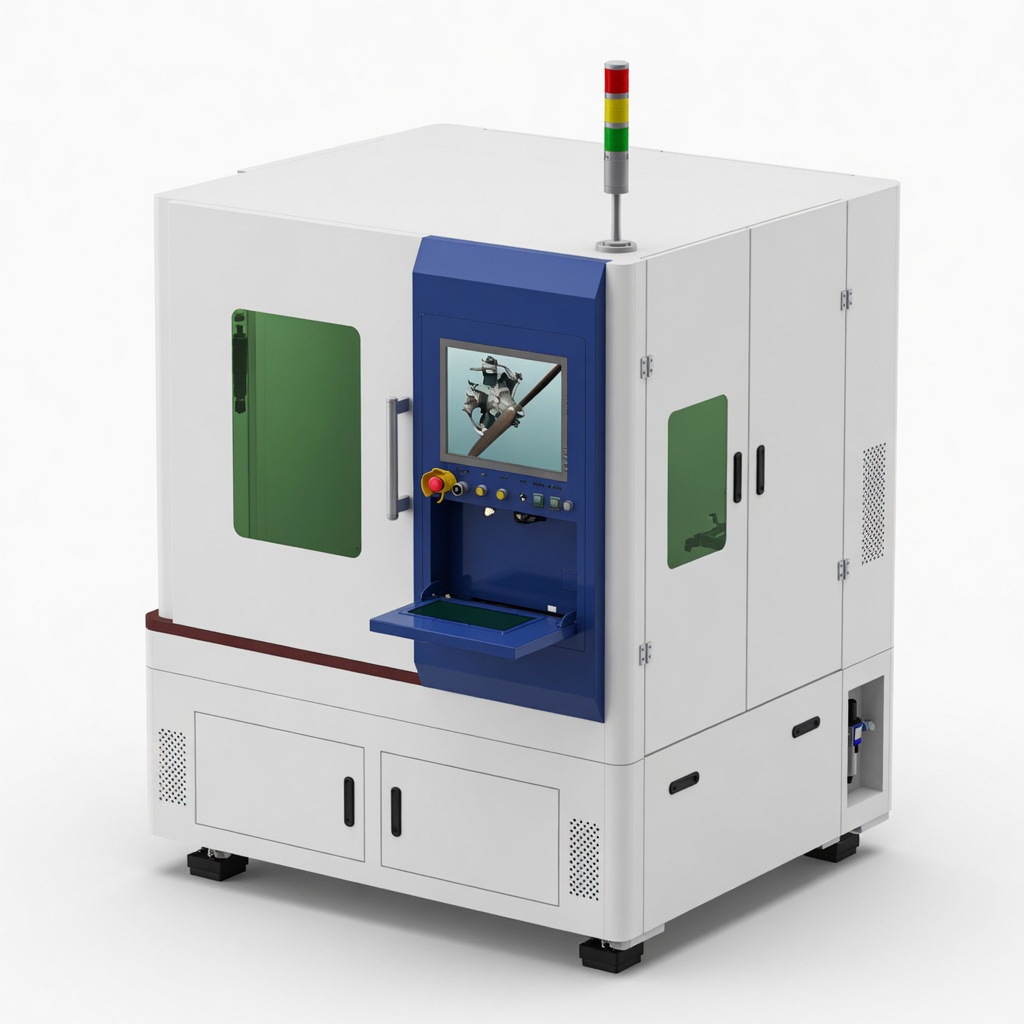
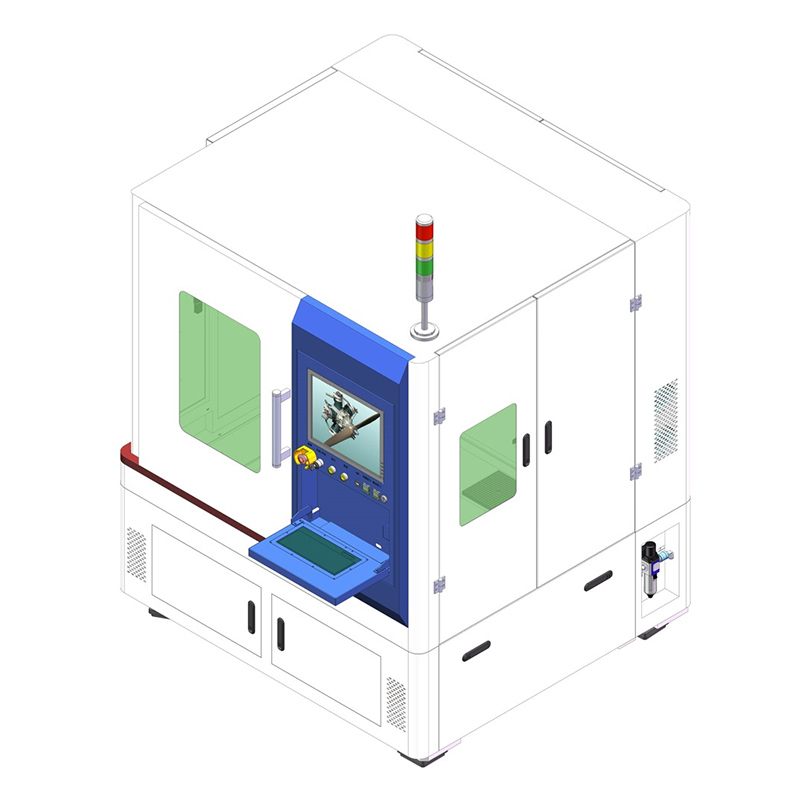
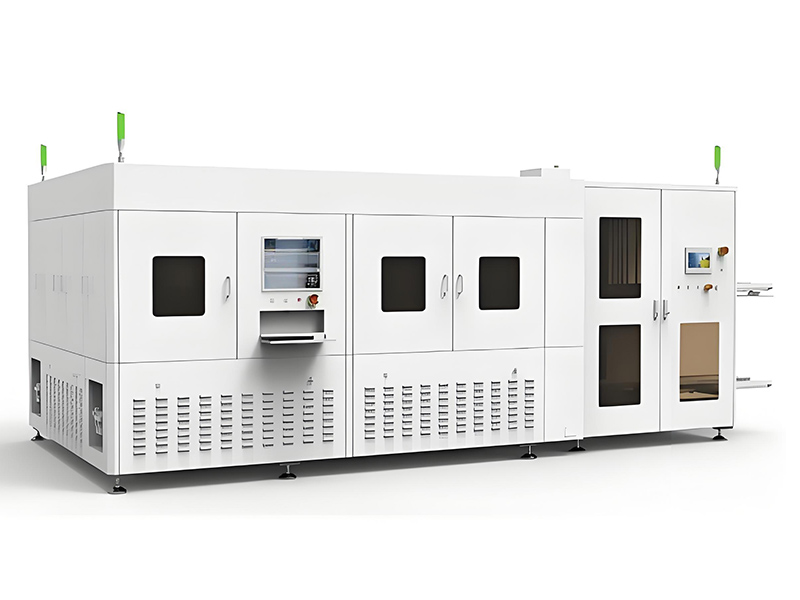
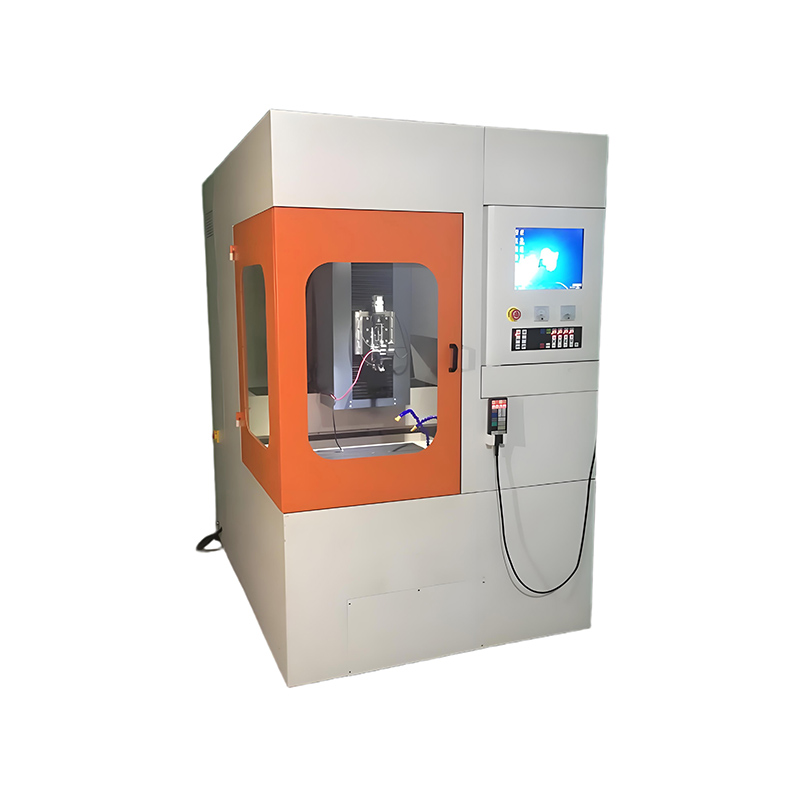
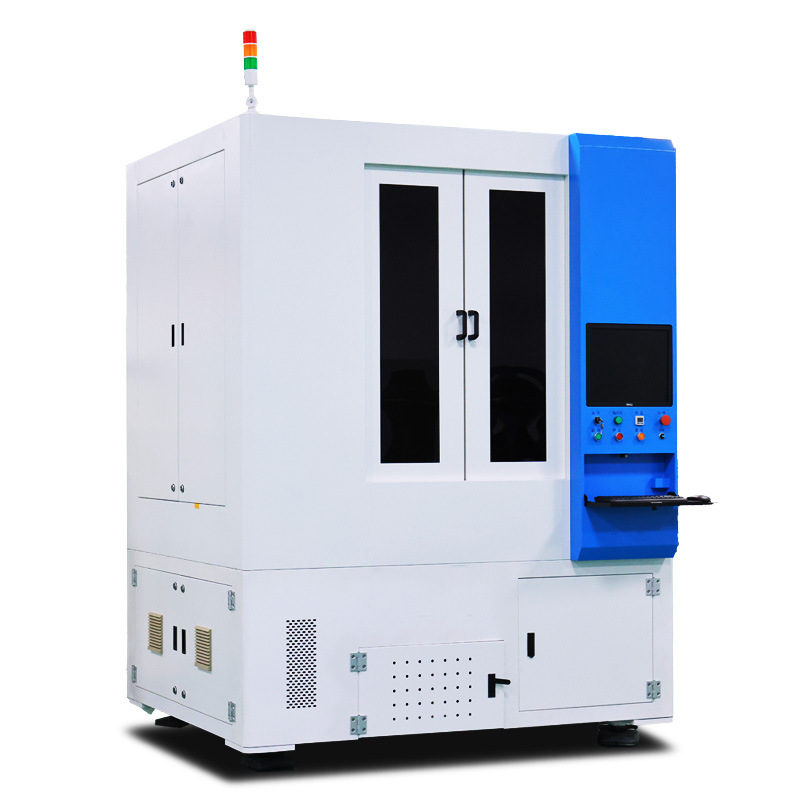
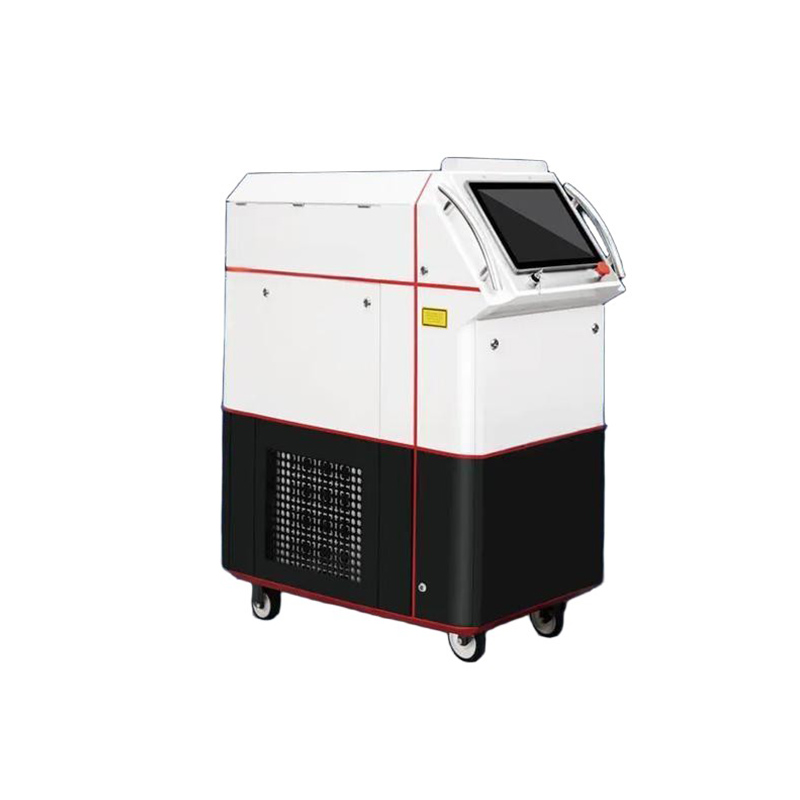
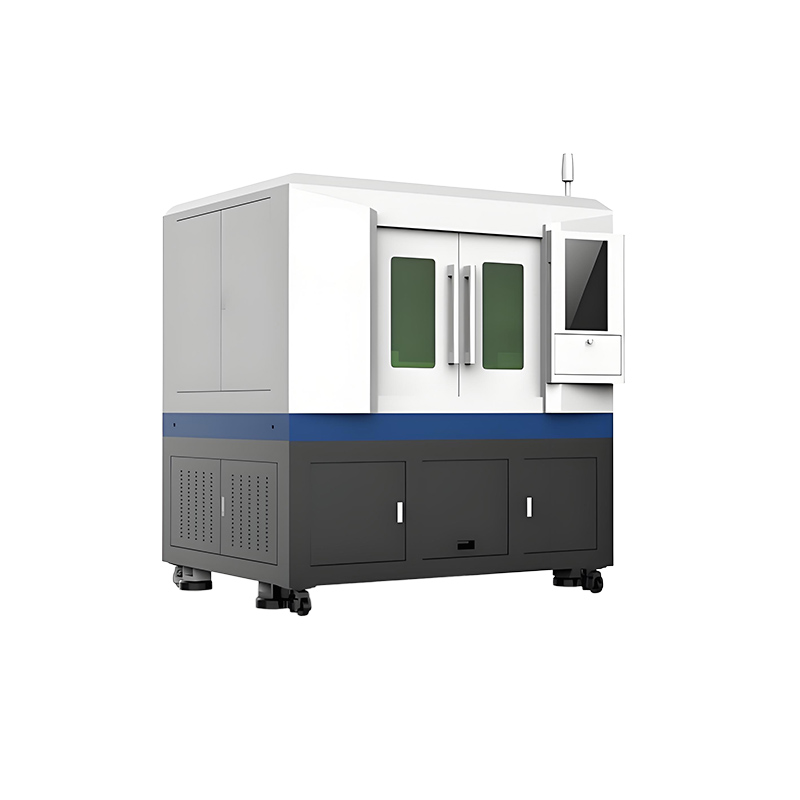
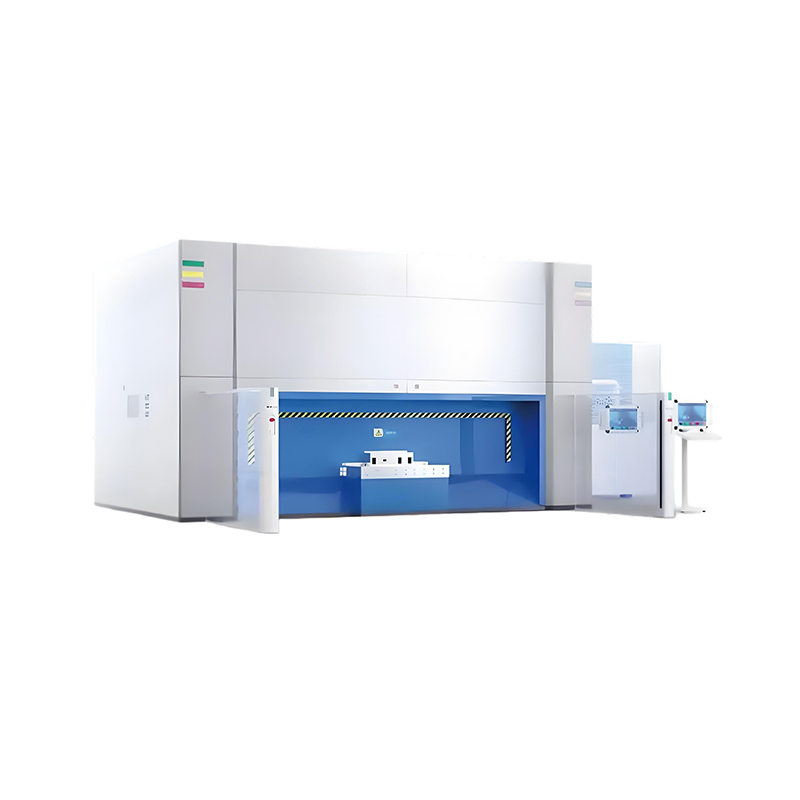
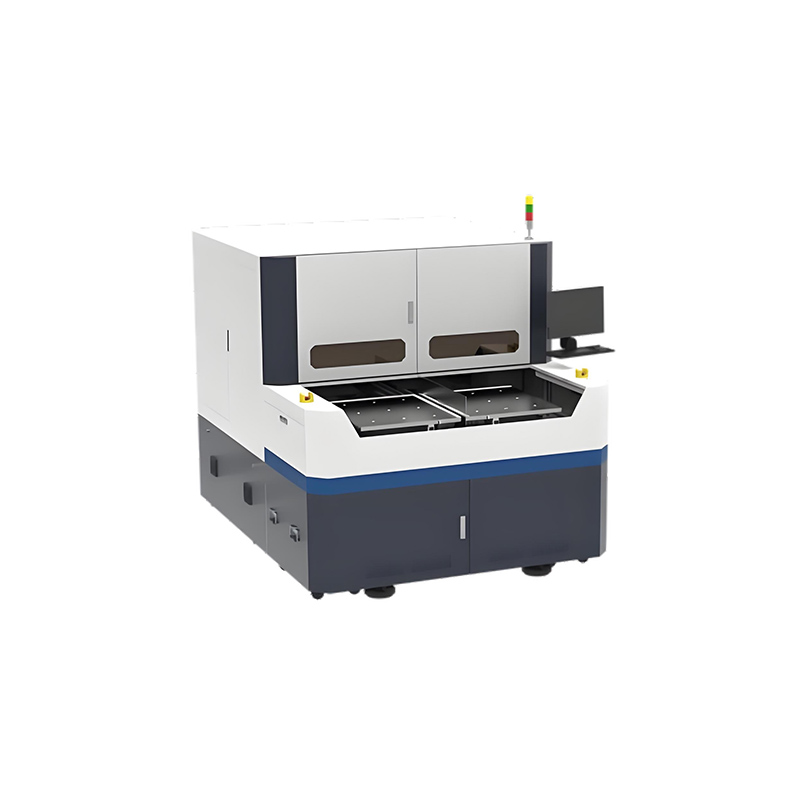
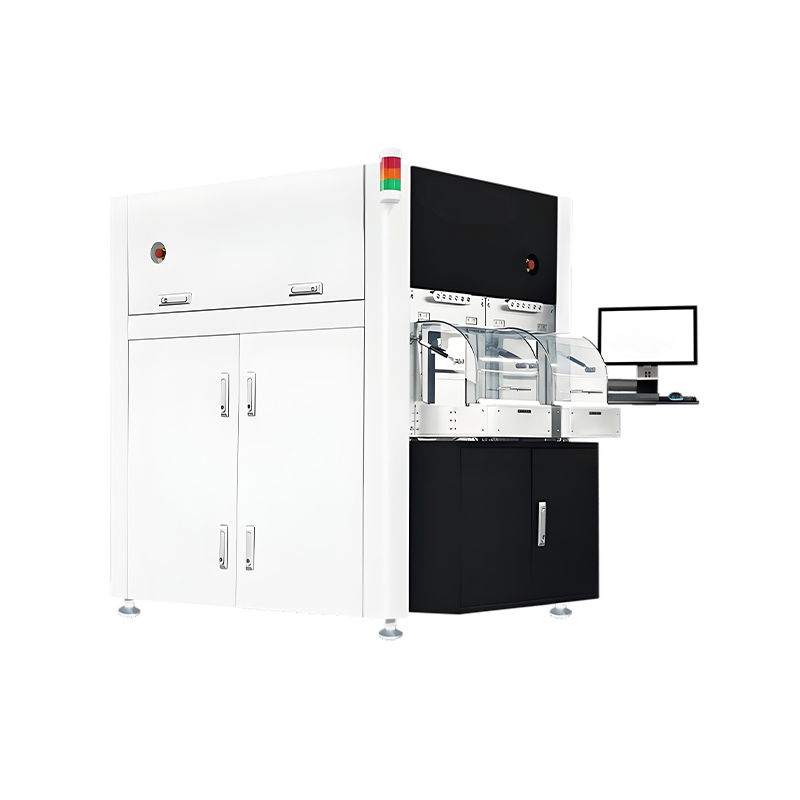
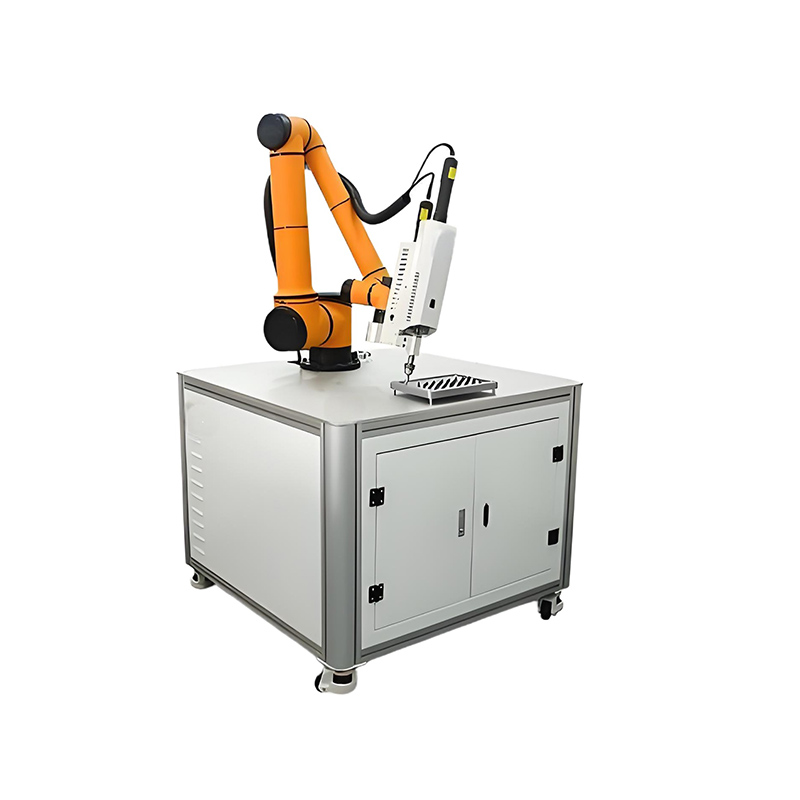
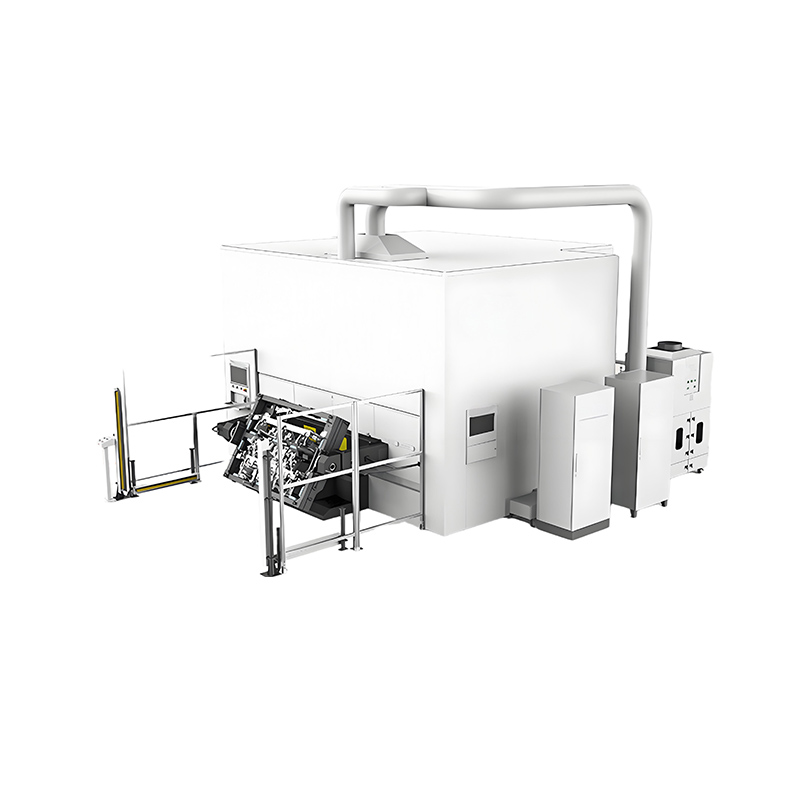
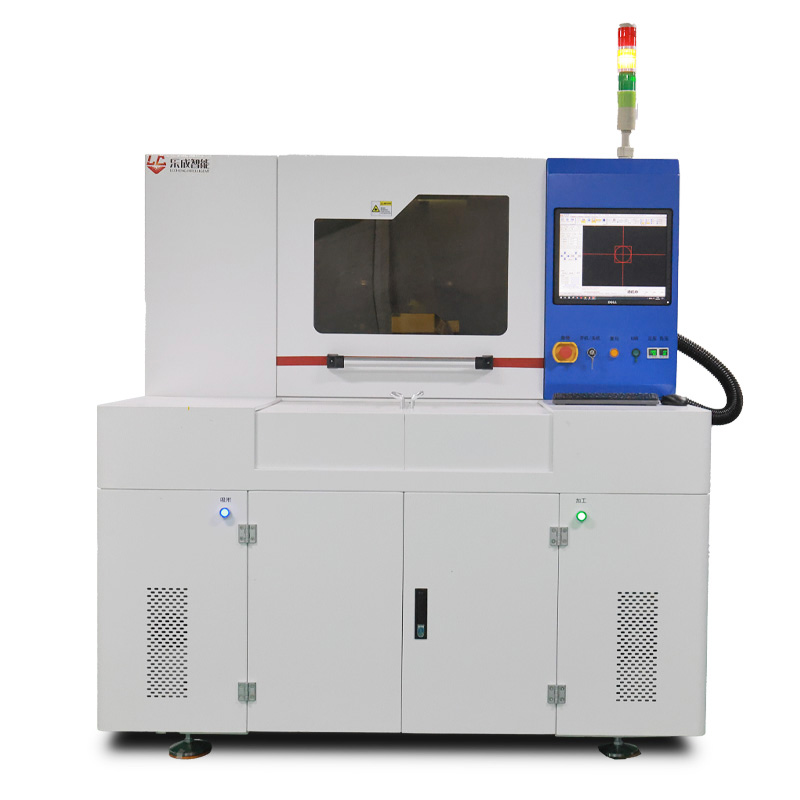
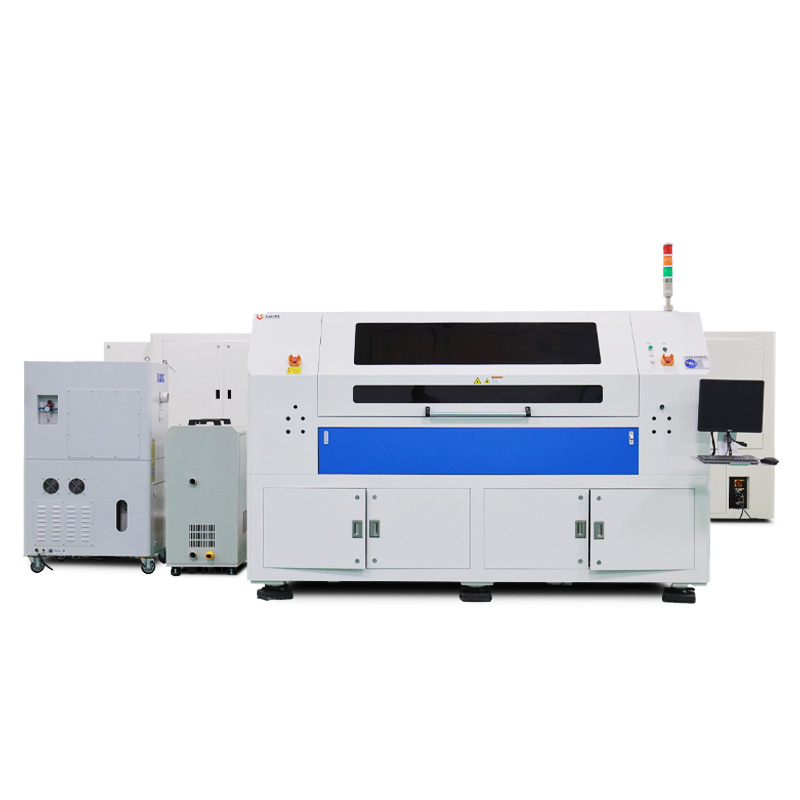
Lecheng's five-axis robotic laser cutting systems revolutionize automotive manufacturing by enabling ±0.05mm precision on complex 3D geometries. These systems integrate high-power fiber lasers (up to 6kW) with dynamic focus control, processing materials from ultra-high-strength steel to aluminum alloys with thicknesses ranging from 0.5mm to 12mm. The patented collision avoidance technology allows uninterrupted cutting of intricate contours in car body panels, chassis components, and battery enclosures, reducing material waste by 30% compared to traditional die-based methods.
Smart Manufacturing Integration and Efficiency Optimization
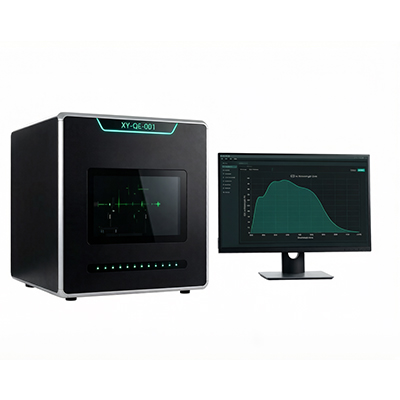
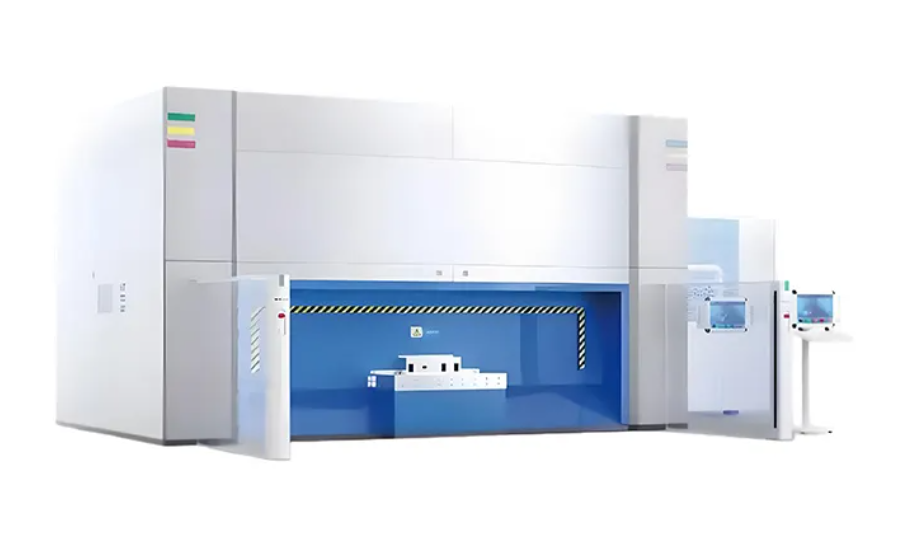
The systems feature AI-powered path planning that analyzes CAD models to automatically generate optimal cutting sequences, reducing programming time by 60%. With integrated IoT sensors, Lecheng’s solutions provide real-time monitoring of laser power, gas pressure, and nozzle condition, predicting maintenance needs before quality deviations occur. This smart integration enables 24/7 unmanned operation, achieving 45% faster production cycles while maintaining >99.5% cutting quality consistency across batch productions.
Versatile Applications Across Automotive Subsystems
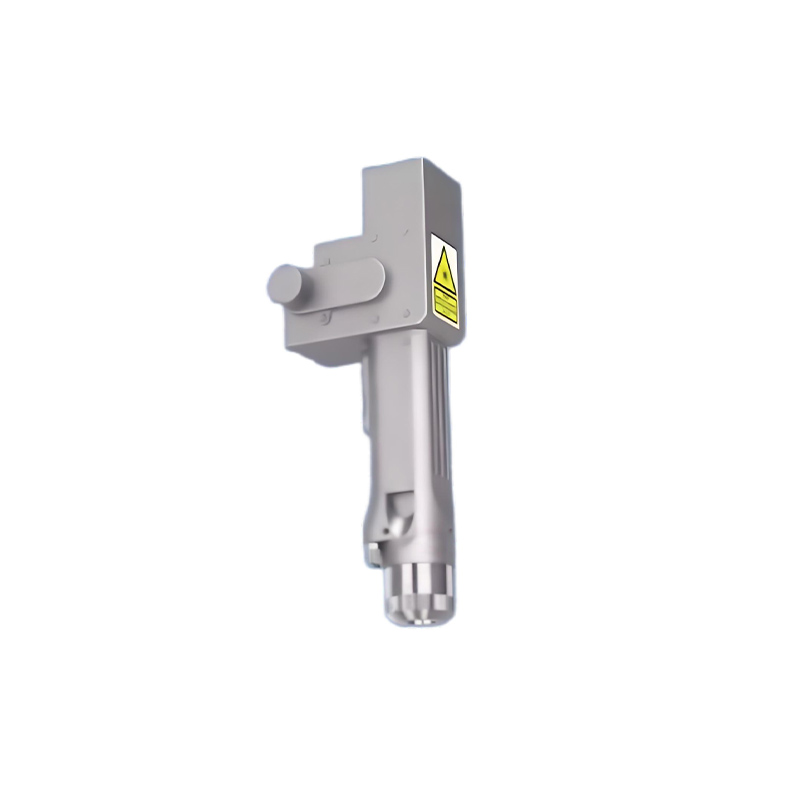
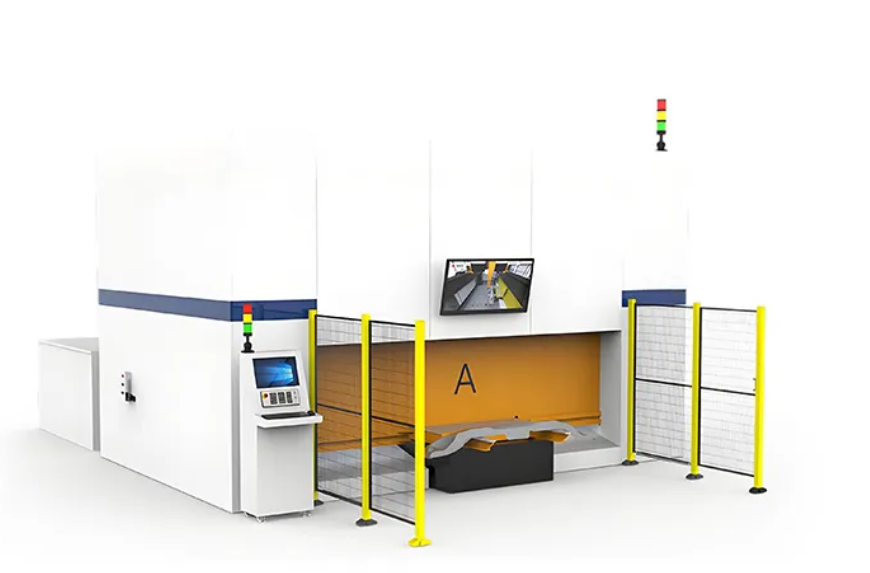
From EV battery thermal management plates to lightweight seat frames, Lecheng’s technology demonstrates remarkable adaptability. The systems’ 360° continuous rotation capability allows complete processing of tubular components like exhaust systems and roll cages without repositioning. For electric vehicles, the non-contact cutting method prevents short-circuit risks in battery component processing while achieving burr-free edges that meet automotive safety standards. The water-cooled cutting head ensures stable performance during extended high-power operations.
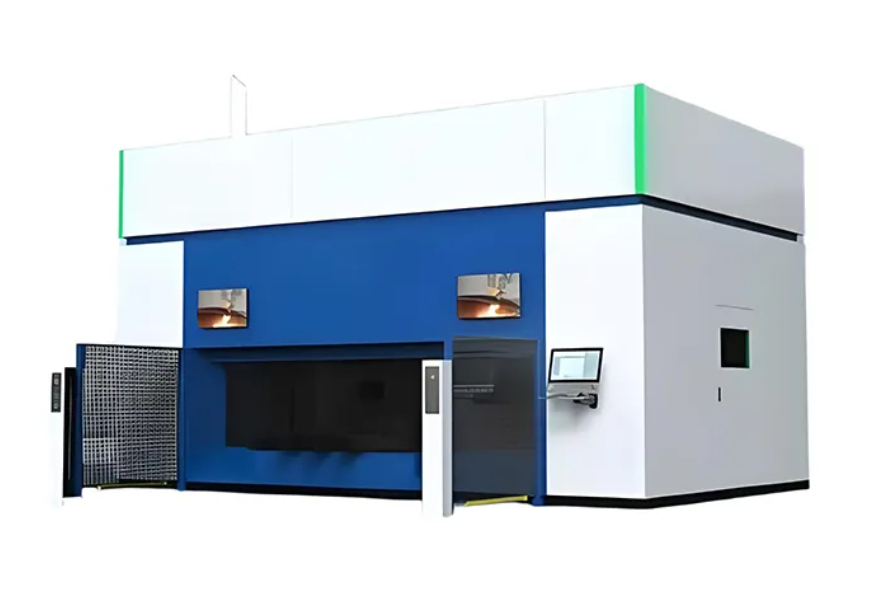
Lecheng's five-axis laser cutting solutions represent the convergence of precision, intelligence, and versatility in automotive manufacturing. By addressing the industry's need for flexible production of complex components while ensuring uncompromised quality and efficiency, these systems are paving the way for next-generation vehicle manufacturing.