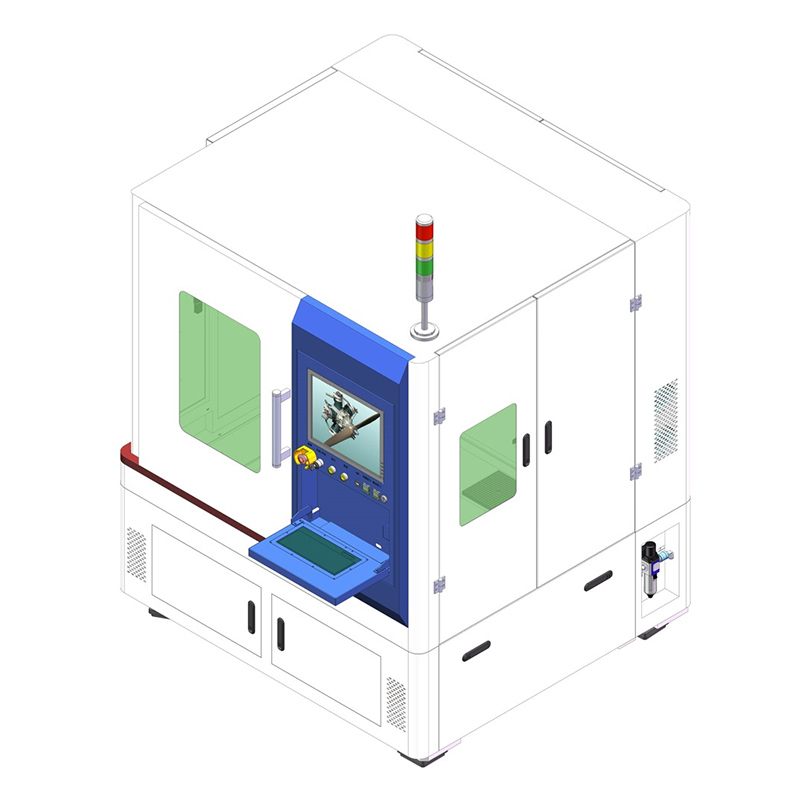
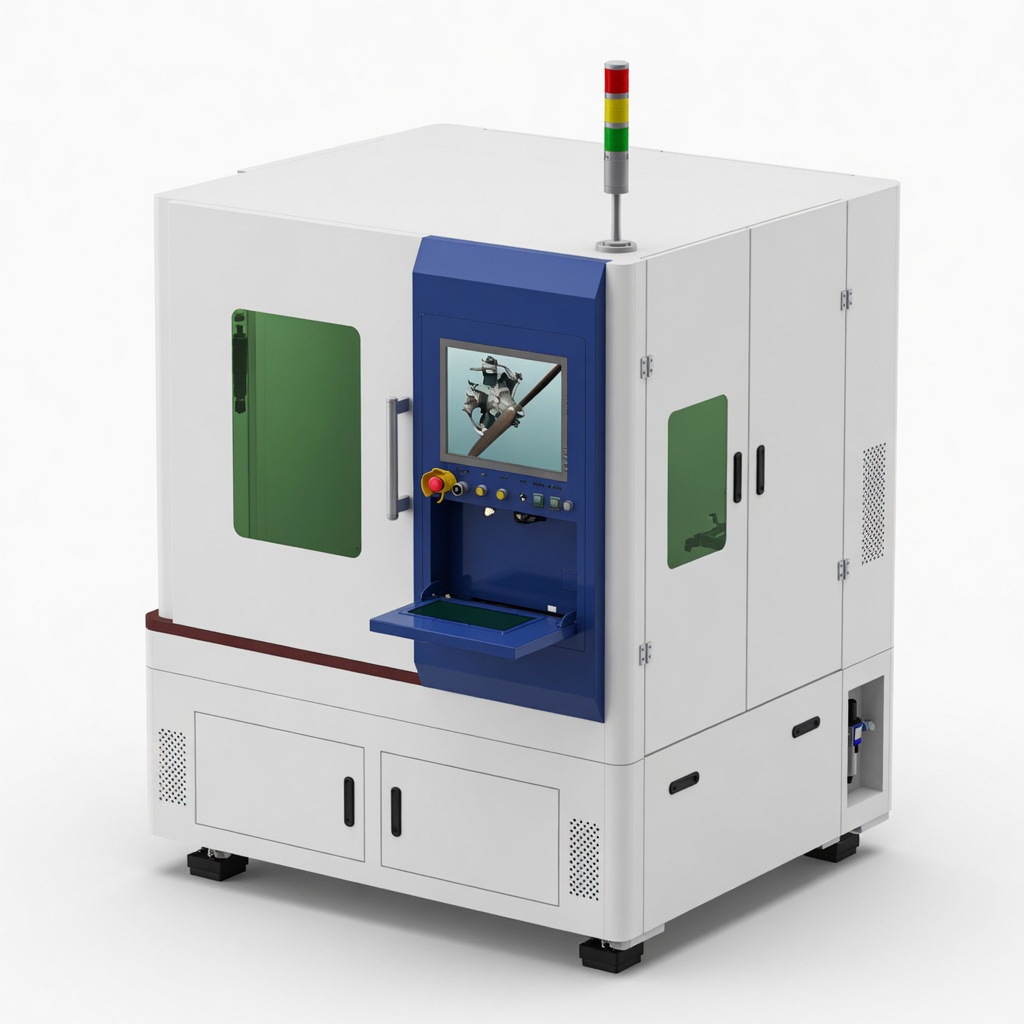
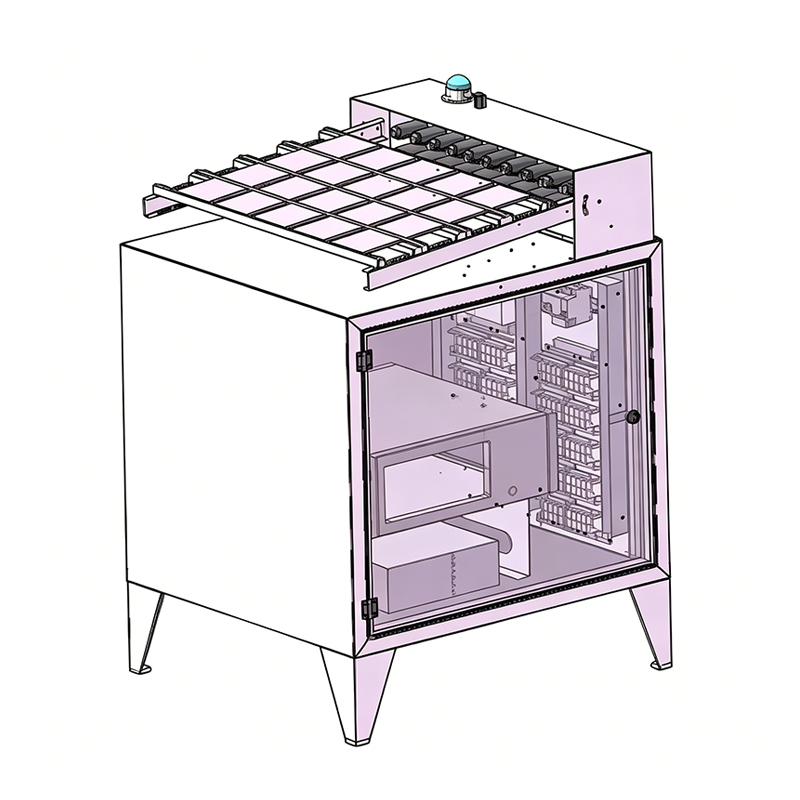
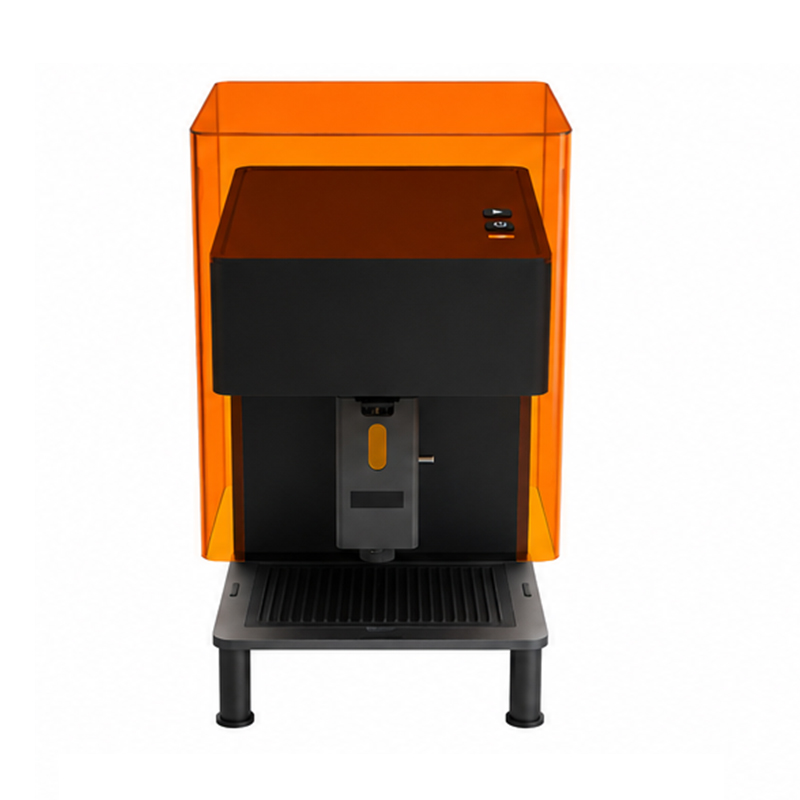
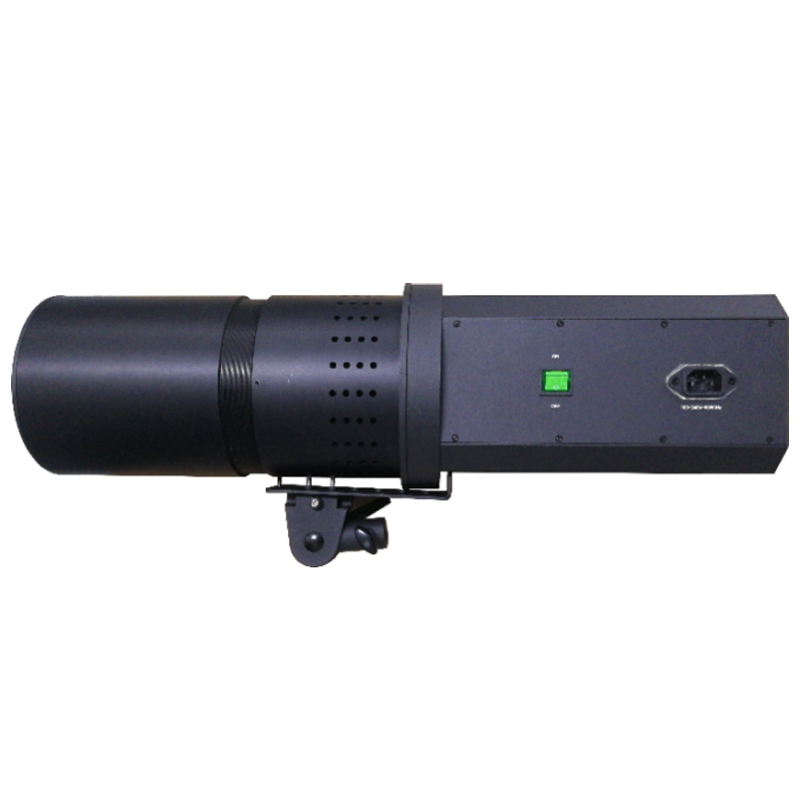
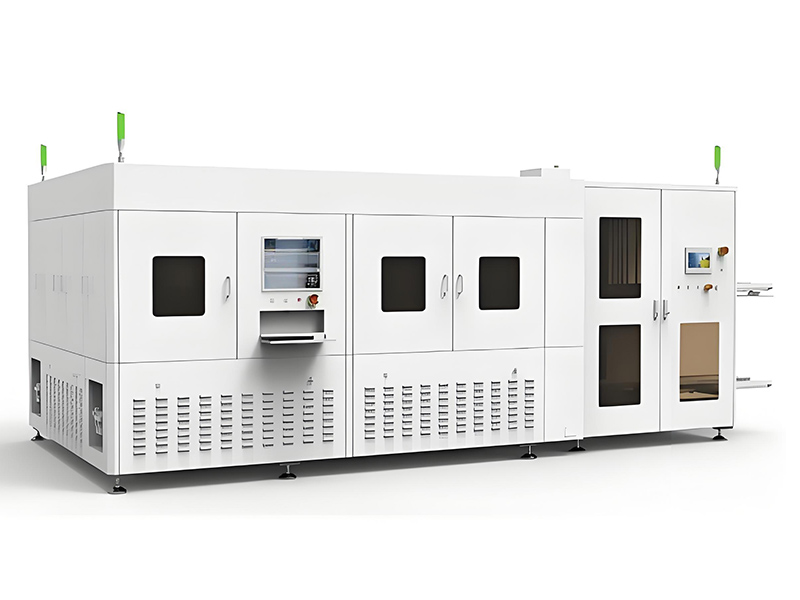
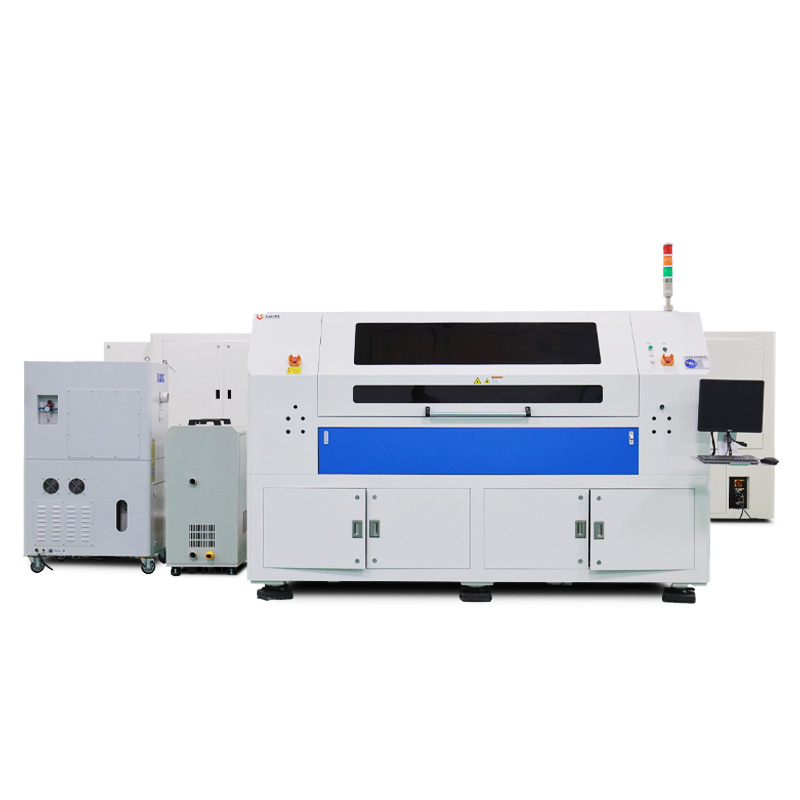
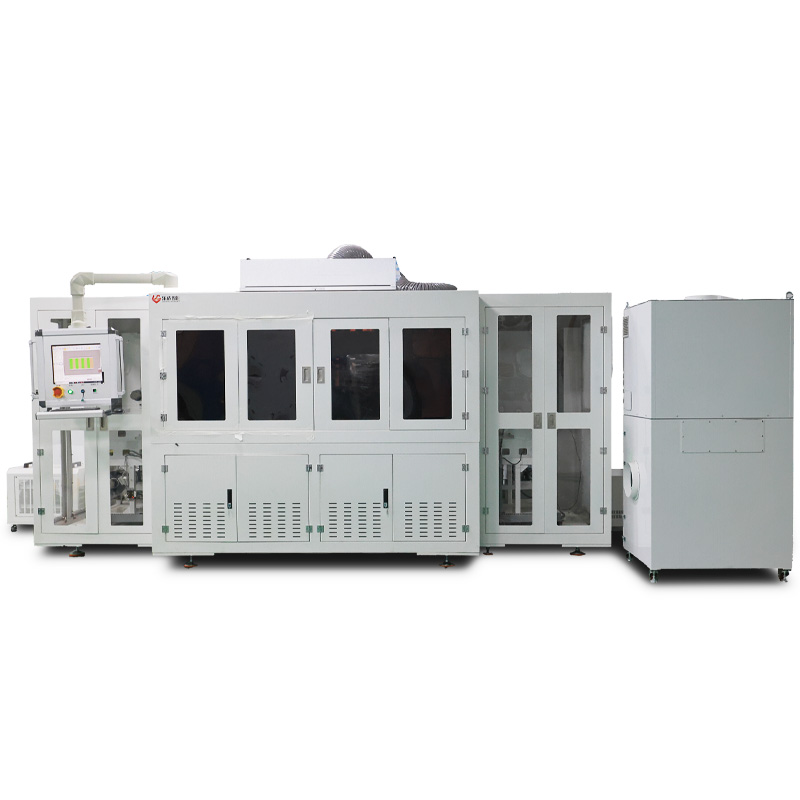
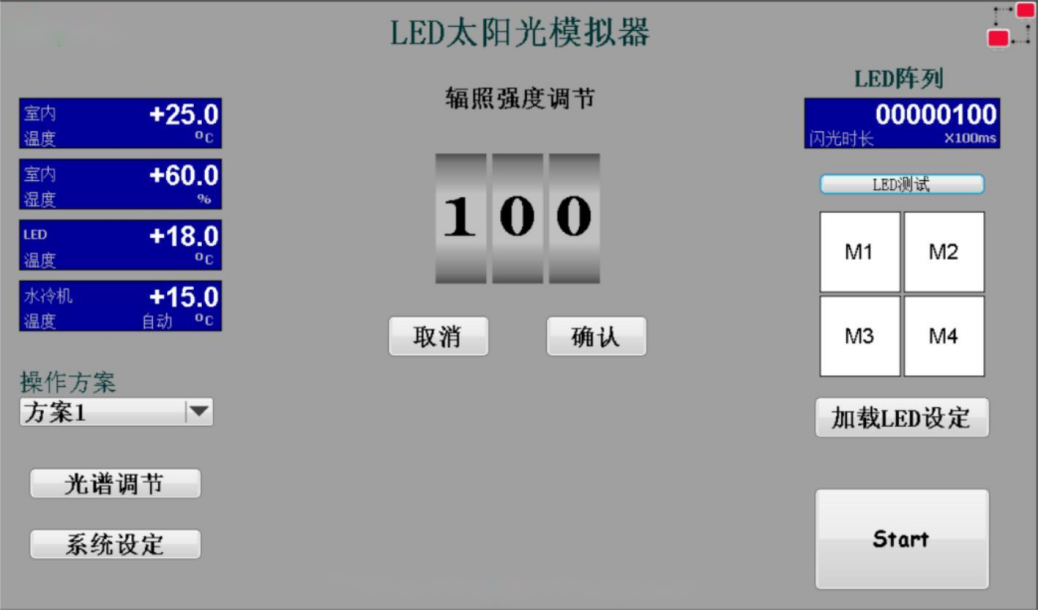
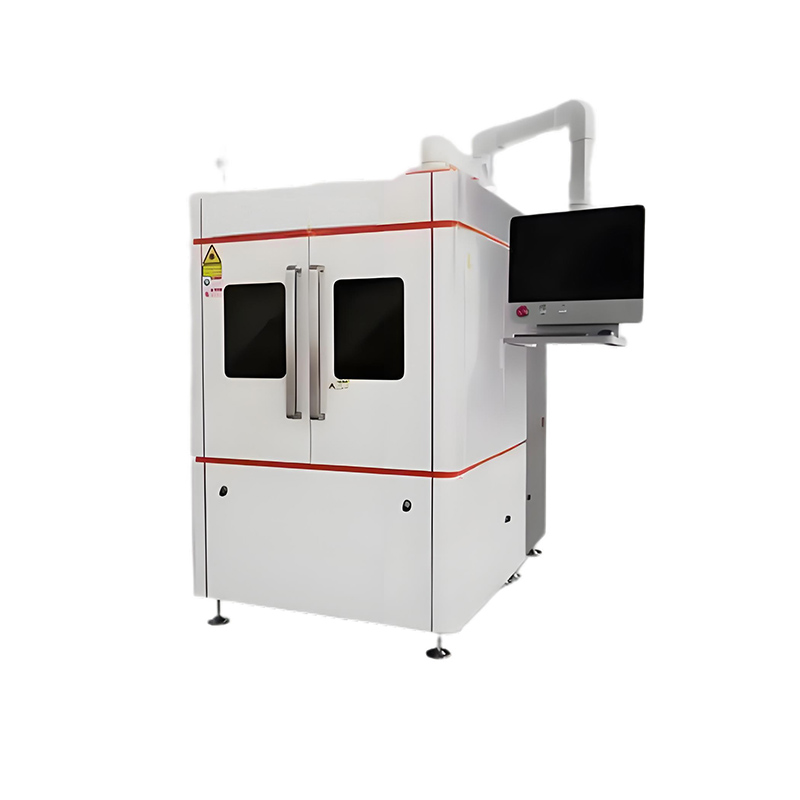
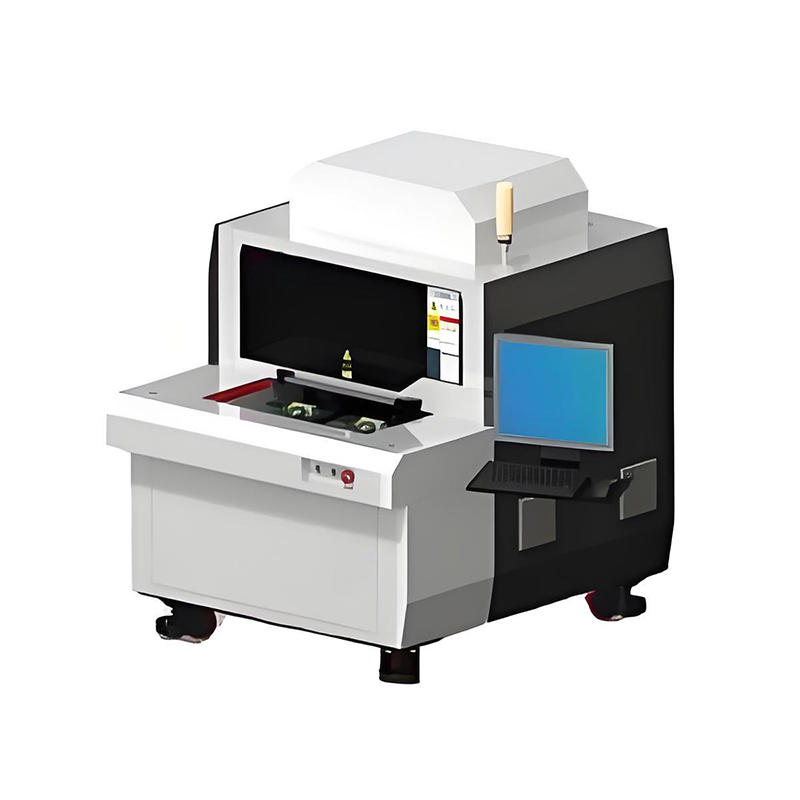
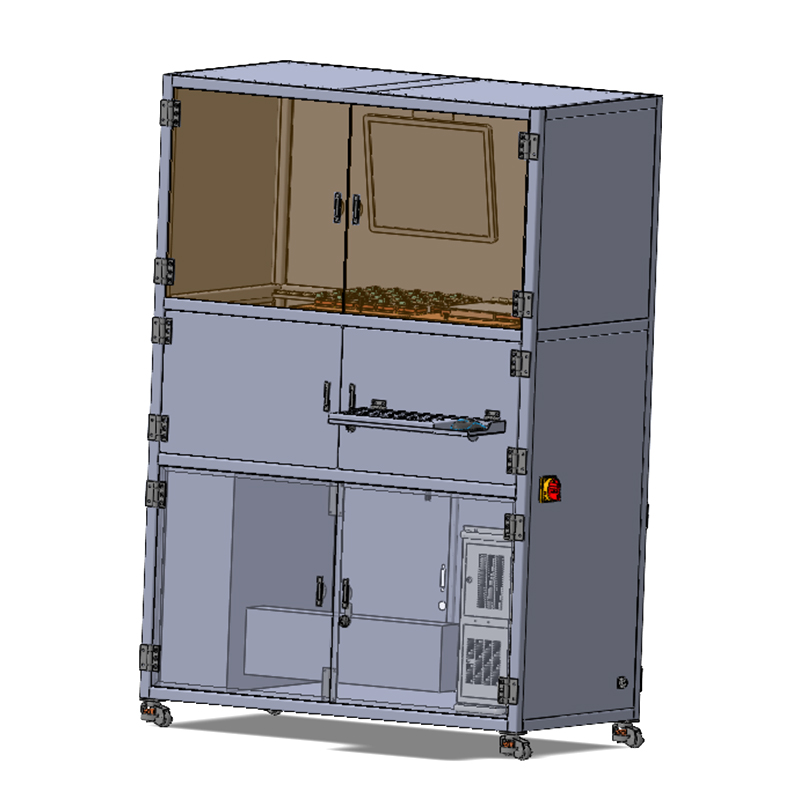
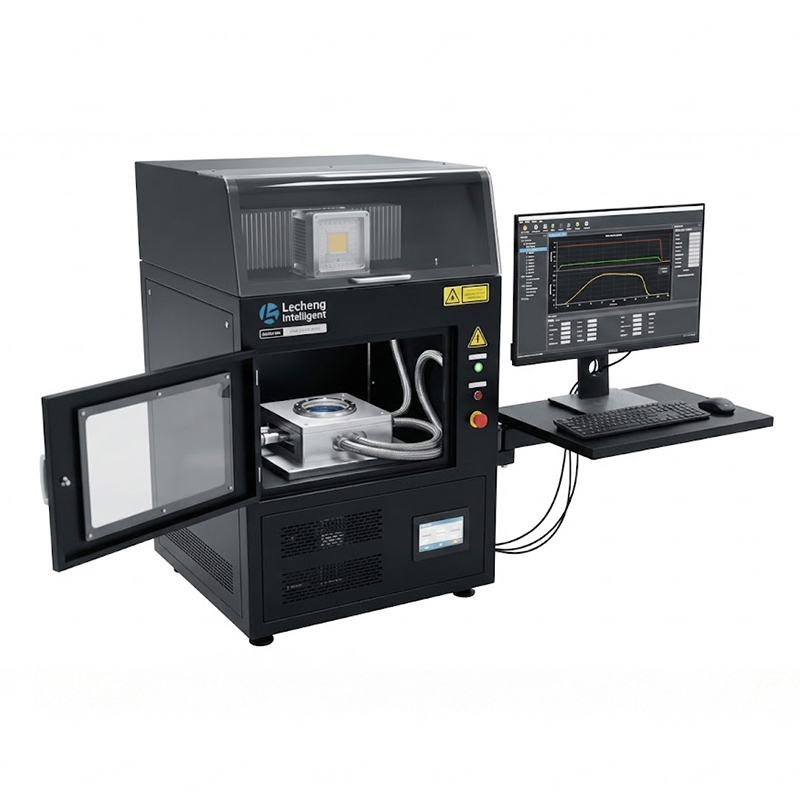
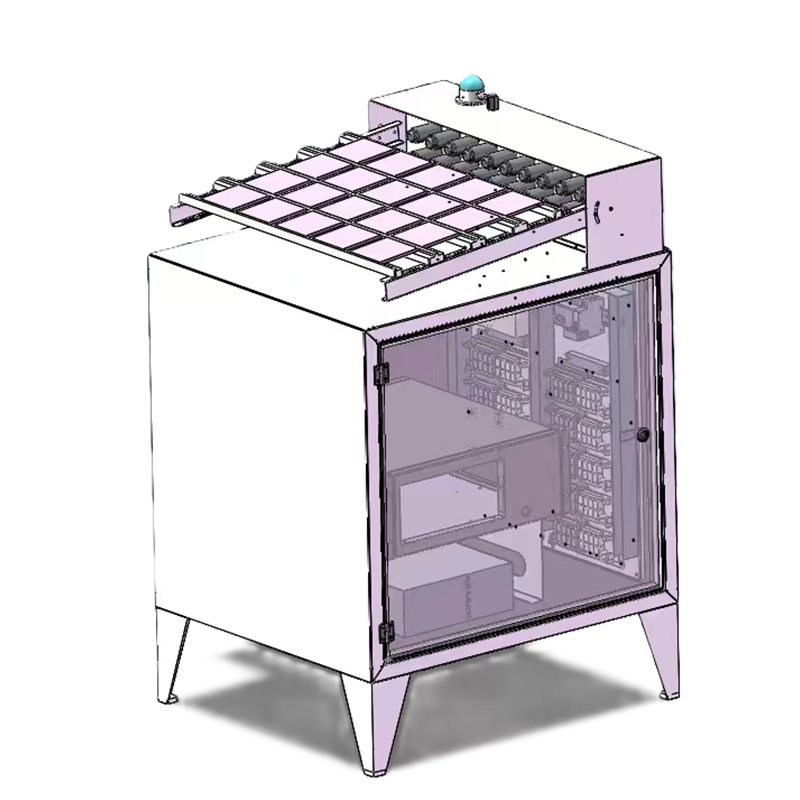
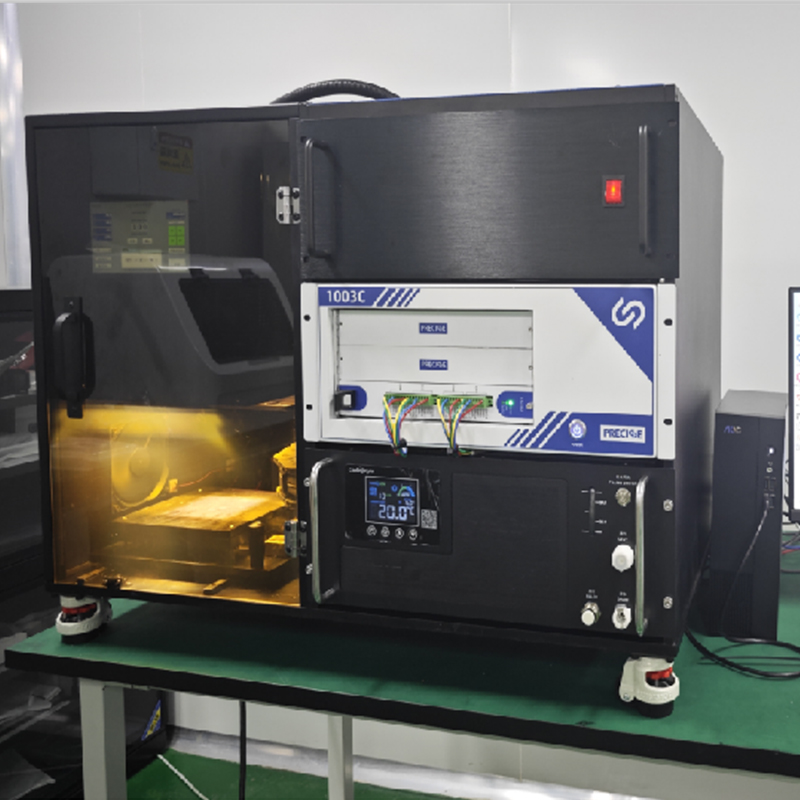
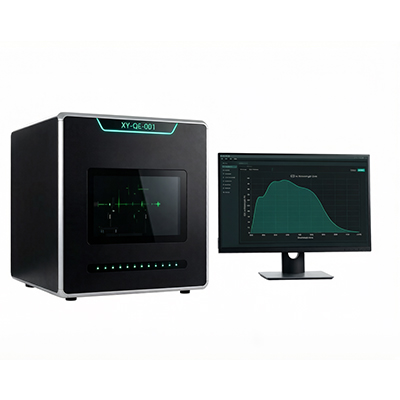
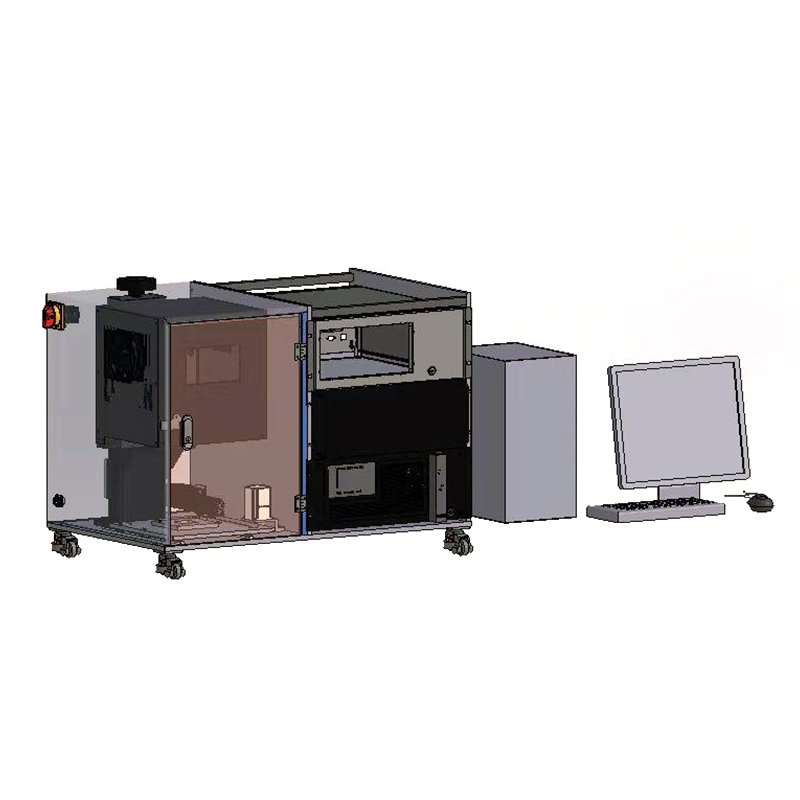
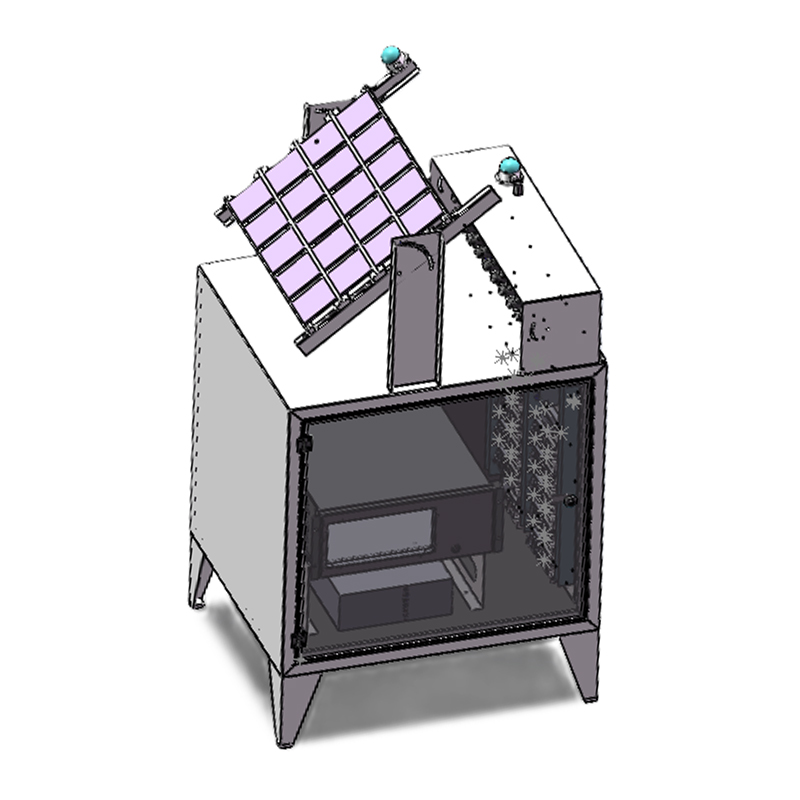
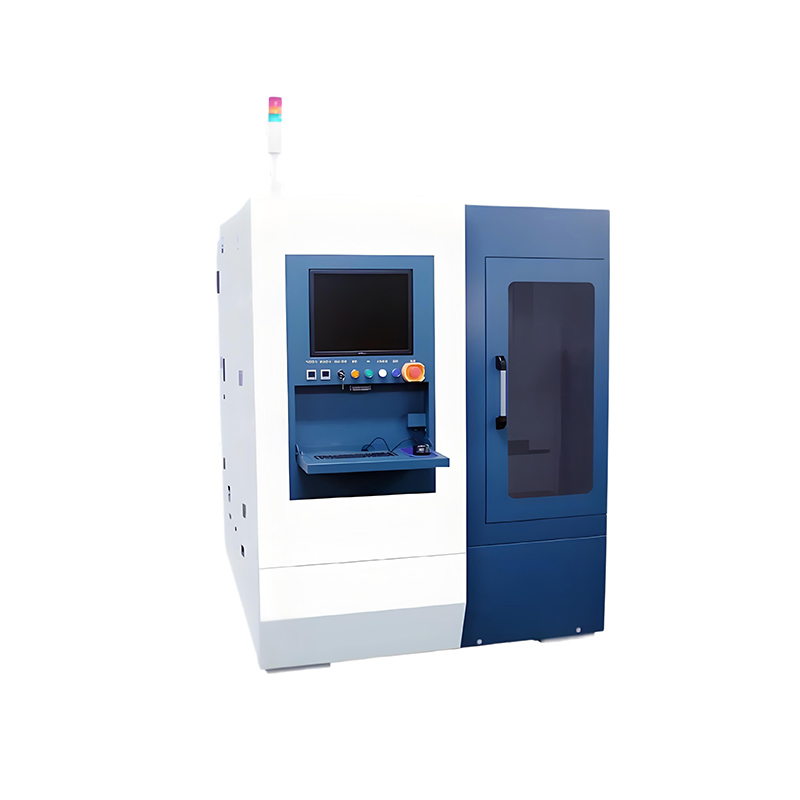
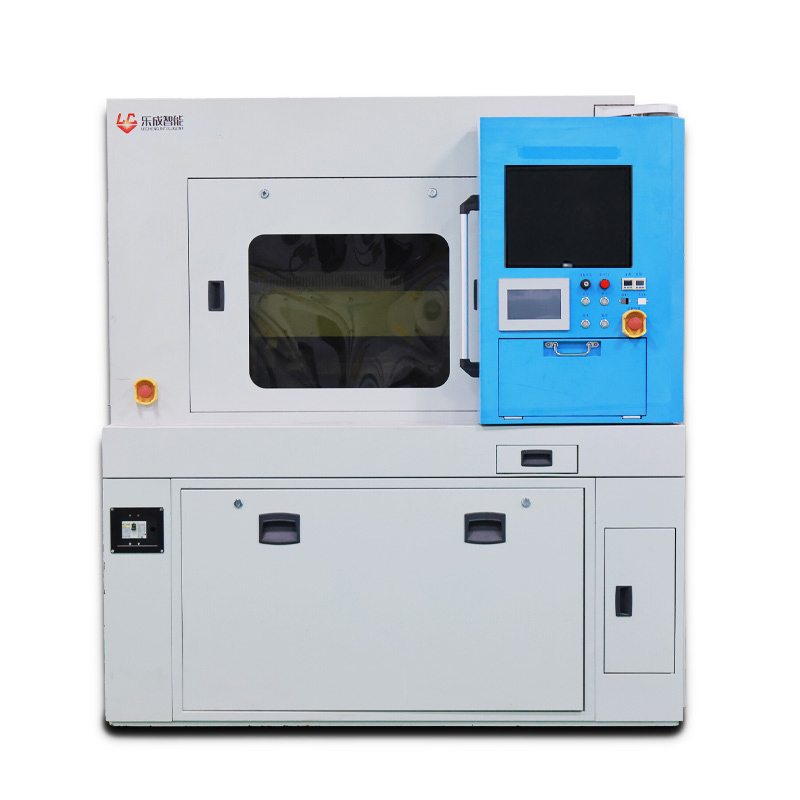
When comparing solar simulator suppliers, buyers should not focus only on machine price. Spectral match, uniformity, stability, test area, IV integration, calibration and after-sales service are all important.
For R&D labs and pilot lines, the best supplier should provide not only equipment, but also testing configuration advice and long-term technical support.
A solar simulator can support both R&D and production testing, but only if its design truly balances flexibility, repeatability, and integration capability. Buyers should define their primary use case first and then judge whether the system’s architecture can grow with their needs. The best investment is not the one that promises everything, but the one that fits the real workflow best.