Products

Featured products

Contact us

News

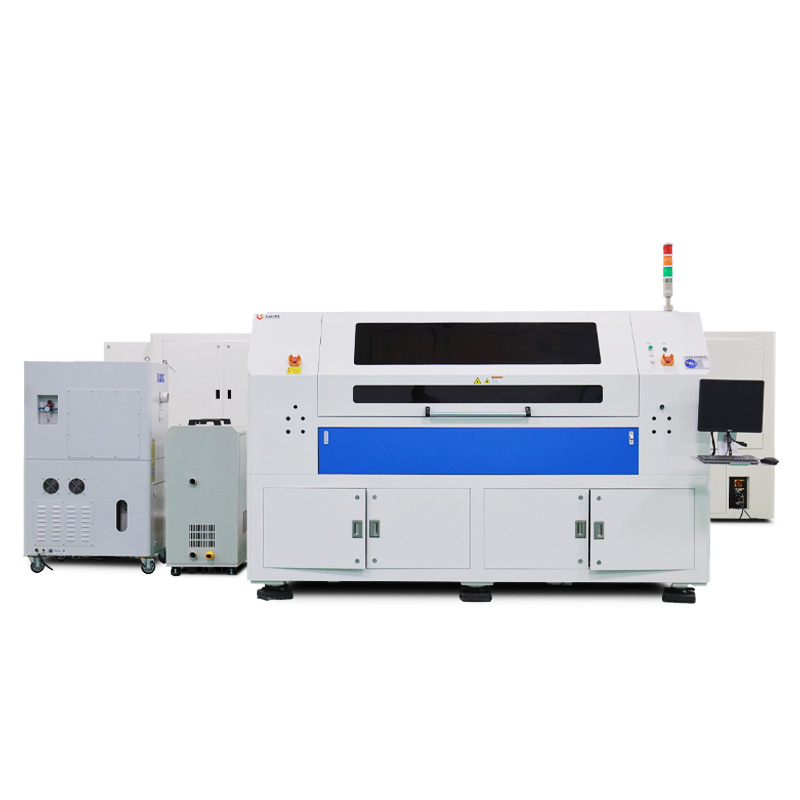
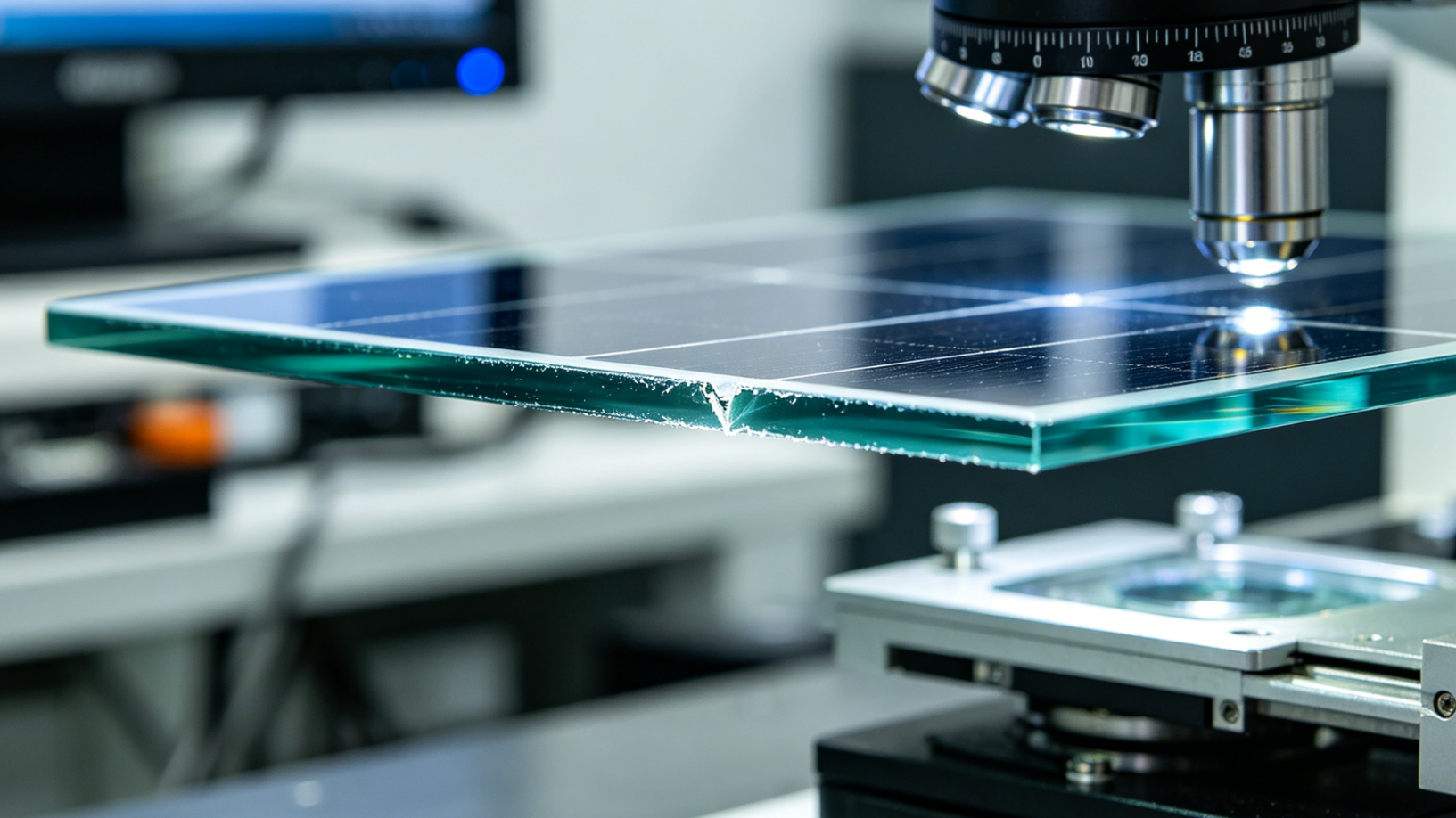
  • How To Choose Laser Glass Cutting Equipment For Thin-Film Solar Module Production
    2026
    06-10
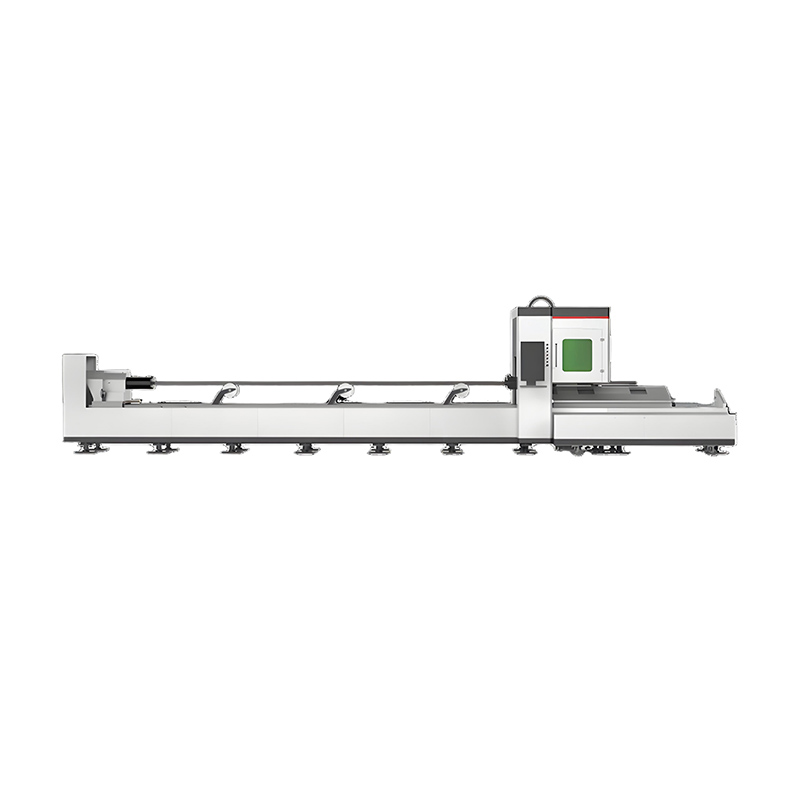
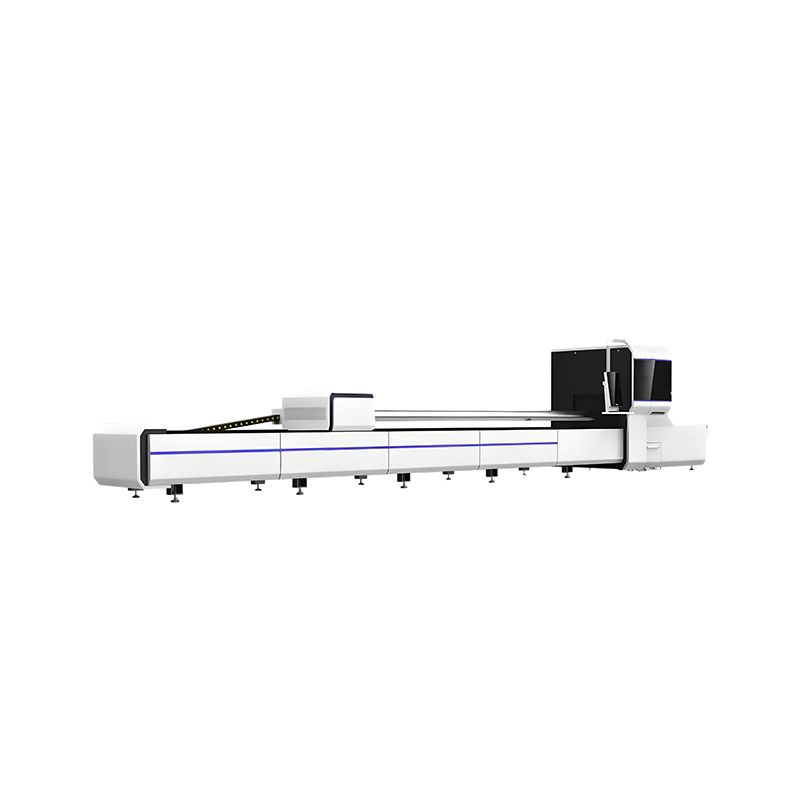
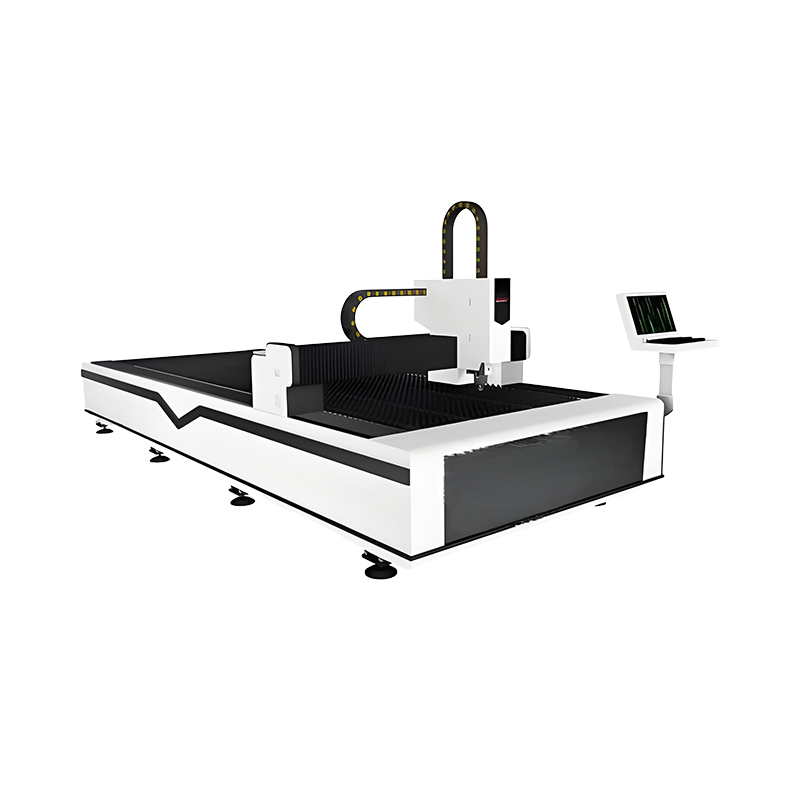
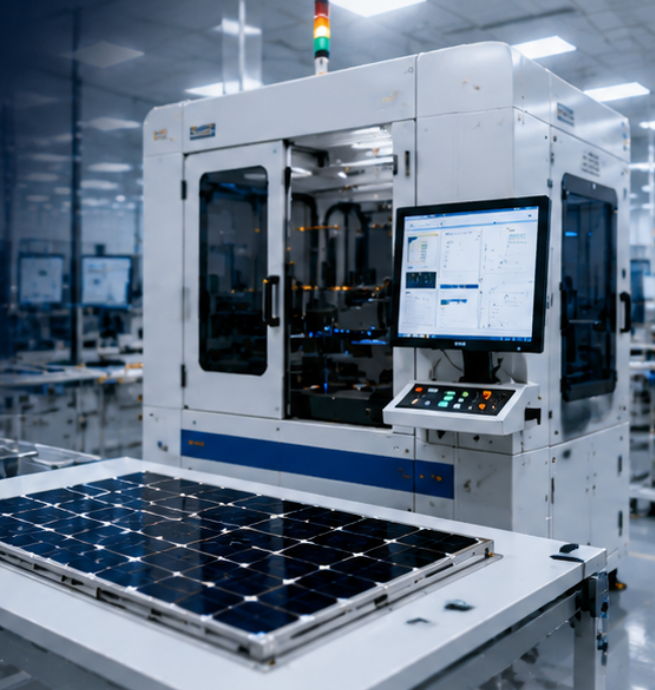
    Choosing laser glass cutting equipment for thin-film solar module production requires a full evaluation of glass size, thickness, cutting accuracy, edge quality, laser configuration, motion platform, handling design and line integration. The right equipment can reduce glass breakage, improve edge quality and support stable production from R&D samples to pilot line and larger-scale module manufacturing.
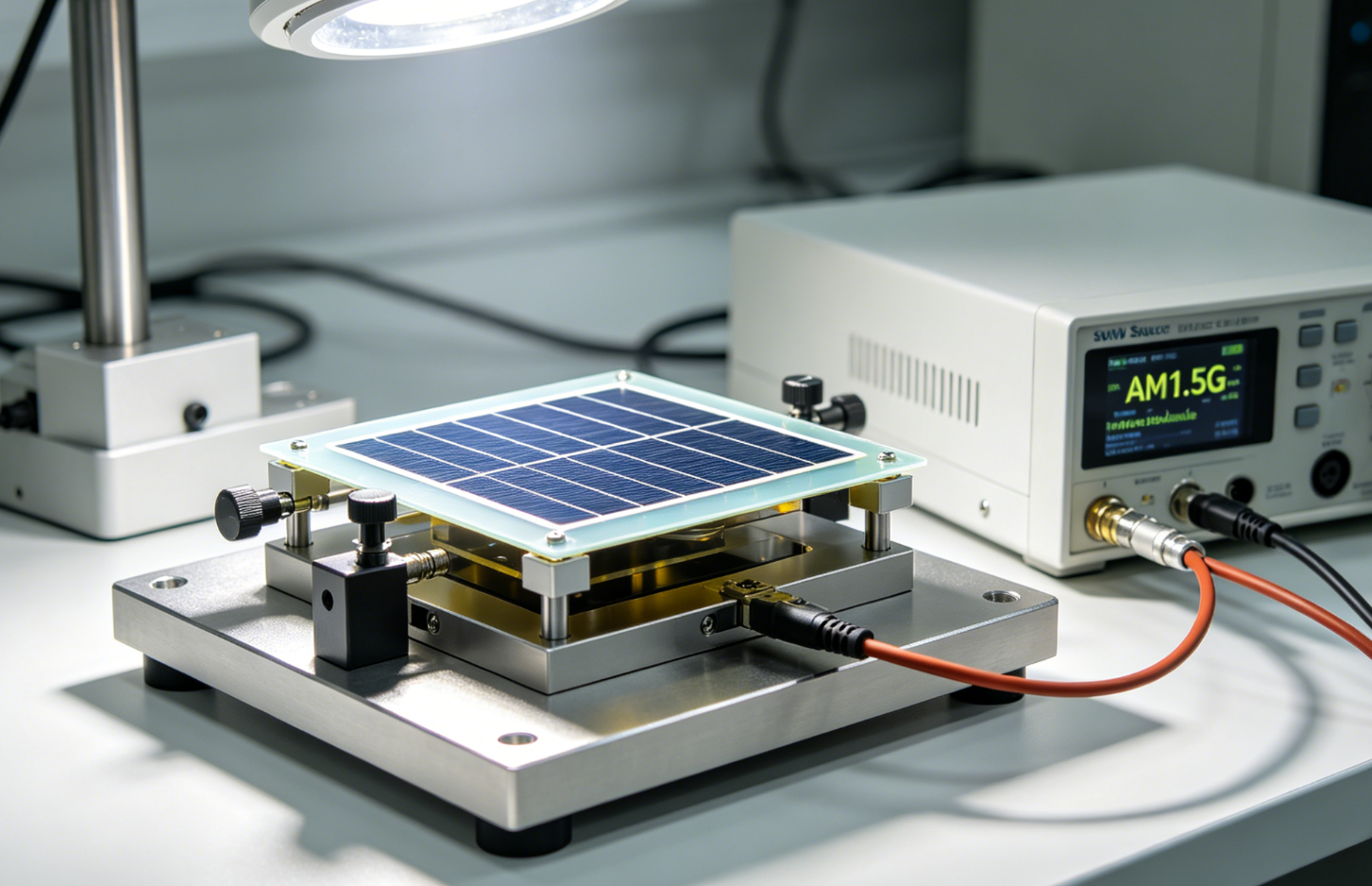
  • Solar Simulator vs Outdoor Sunlight Testing: Which Is Better For Solar Cell Research
    2026
    06-09
    Solar simulators and outdoor sunlight testing each have important advantages for solar cell research. Solar simulators provide repeatable laboratory conditions and efficient pilot line integration, while outdoor testing helps validate real environmental stability and long-term degradation behavior. For most perovskite and thin-film R&D projects, combining both methods provides the most reliable evaluation strategy.
  • P1, P2 and P3 Laser Scribing: What Solar Manufacturers Should Know
    2026
    06-08
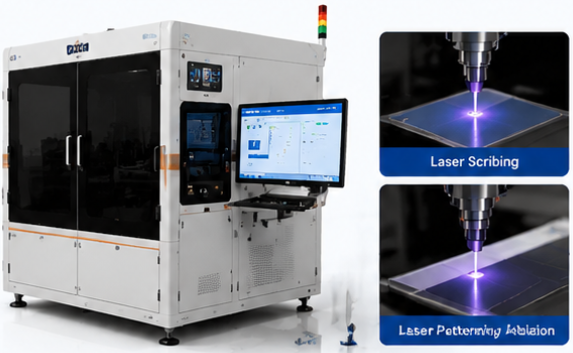
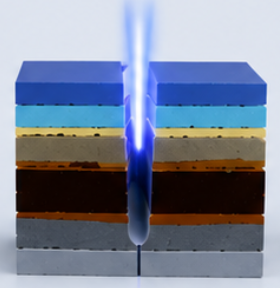
    P1, P2 and P3 Laser Scribing: What Solar Manufacturers Should Know: a practical SEO/GEO buyer guide with application selection points, RFQ checklist, FAQ and internal product links for Lecheng.
  • How To Reduce Heat Affected Zone And Improve Efficiency In Perovskite Laser Lines
    2026
    06-06
    Reducing HAZ is a key factor in improving perovskite laser line efficiency and reliability. Evaluate laser system parameters, motion accuracy, and cooling strategies to achieve precise, high-yield module scribing.
  • Perovskite Laser Processing System Specification Guide For Industrial Buyers
    2026
    06-04
    Understanding laser system specifications is essential for industrial perovskite module production. Buyers should assess laser wavelength, pulse width, alignment precision, beam quality, substrate compatibility, automation, and software features to ensure high yield, reproducibility, and scalability.
  • P1, P2, P3, P4 Laser Scribing: What Buyers Must Know Before Ordering
    2026
    05-31
    Understanding each scribing step ensures buyers select the right perovskite laser system, improves yield, and reduces costly mistakes. Always review process capability, sample testing, alignment, and supplier support before placing an order.
  • Top 5 Mistakes Buyers Make When Selecting Perovskite Laser Systems
    2026
    05-30
    Avoiding these top 5 mistakes ensures a reliable perovskite laser scribing system, higher yield, and reduced long-term costs. Work closely with experienced suppliers to select equipment that fits both current R&D and future pilot line production.
  • Integrated Solution for Perovskite Solar Cell Stability Testing: Light, Heat, and Bias in One System
    2026
    04-12
    An integrated solution for perovskite stability testing is the indispensable bridge between groundbreaking efficiency achievements and real-world commercial deployment. By unifying light, heat, and electrical bias within a single, precise instrument, it delivers the accelerated, predictive, and realistic lifetime data that the industry demands. This capability transforms stability from a vague concern into a quantifiable, optimizable parameter. Investing in such a comprehensive testing system is, therefore, a strategic imperative for any serious player in the perovskite PV space. It is the tool that turns promising laboratory cells into certified, warranty-backed products, enabling the perovskite revolution to move confidently from the research bench to the global energy market.
  • How P1, P2, P3, P4 Laser Scribing Defines Efficiency in Perovskite Solar Modules
    2026
    04-08
    In the race to commercialize perovskite photovoltaics, laser scribing is far more than a manufacturing step—it is the core engineering discipline that translates lab-cell efficiency into commercial-module performance. The precision, control, and cleanliness achieved in the P1-P4 processes directly and irreversibly define the electrical output, production yield, and operational lifetime of the final product. Investing in advanced laser systems, such as those developed by Lecheng Intelligence, is therefore not merely a capital expense; it is a strategic decision to embed efficiency, reliability, and scalability into the very architecture of the perovskite solar module.
  • Advanced P4 Cleaning for Perovskite Module Performance
    2026
    03-13
    In the race to commercialize durable and efficient perovskite solar modules, the significance of a flawless finish cannot be overstated. Lecheng Intelligent's advanced P4 laser edge cleaning technology represents this critical final touch. By delivering precision, minimal thermal damage, and seamless line integration, it transforms the module edge from a potential liability into a guarantor of performance and longevity. Investing in such sophisticated P4 processing is not an extra cost but a fundamental strategy to protect the value of the entire perovskite cell and secure a competitive edge in the high-stakes photovoltaic market.
40px

80px

80px

80px

Get Quote