Products

Featured products

Contact us

News

  • How P1, P2, P3, P4 Laser Scribing Defines Efficiency in Perovskite Solar Modules
    2026
    04-08
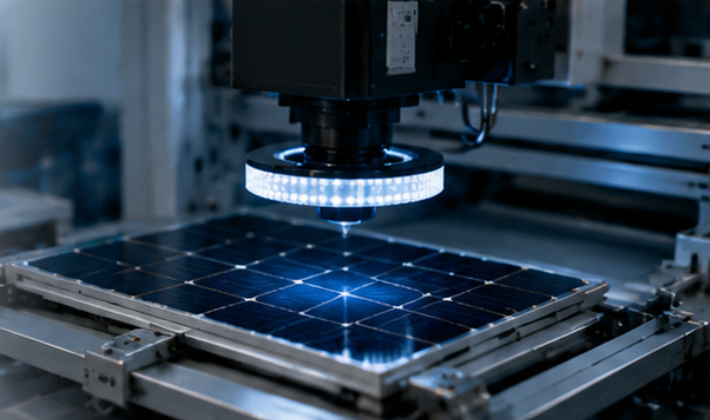
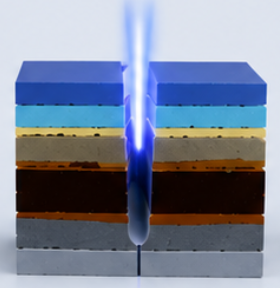
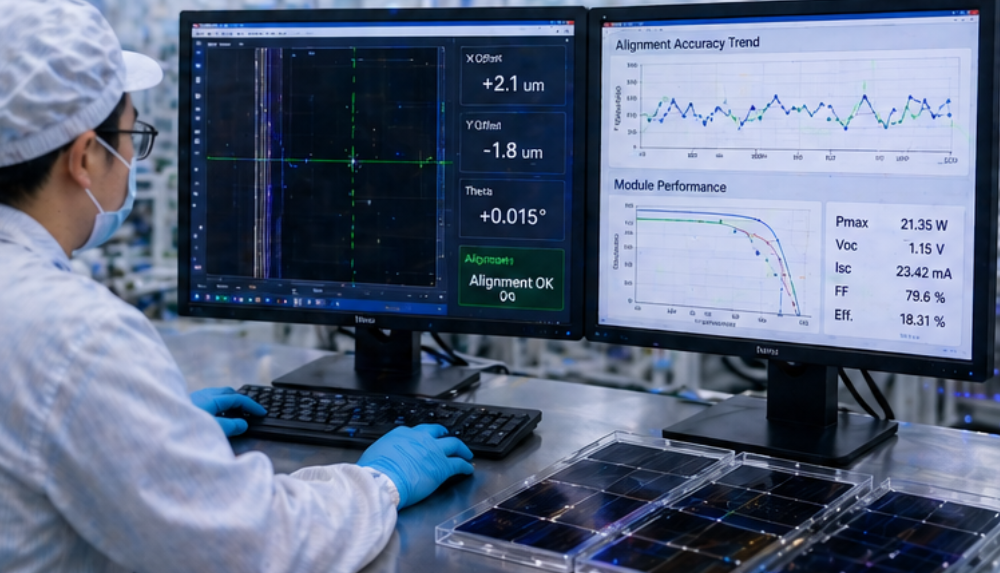
    In the race to commercialize perovskite photovoltaics, laser scribing is far more than a manufacturing step—it is the core engineering discipline that translates lab-cell efficiency into commercial-module performance. The precision, control, and cleanliness achieved in the P1-P4 processes directly and irreversibly define the electrical output, production yield, and operational lifetime of the final product. Investing in advanced laser systems, such as those developed by Lecheng Intelligence, is therefore not merely a capital expense; it is a strategic decision to embed efficiency, reliability, and scalability into the very architecture of the perovskite solar module.
  • The Core Technologies Behind High-Precision Laser Scribing
    2026
    03-21
    High-precision laser scribing is not the result of a single breakthrough, but the meticulous integration of several core technology pillars: the controlled photon energy of advanced lasers, the nanoscale stability of precision mechanics, the adaptive intelligence of machine vision, and the orchestration of sophisticated software. It is the harmonious interplay of the laser source, the motion platform, the vision system, and the control software​ that transforms a powerful beam of light into a reliable, micron-scale manufacturing tool. This integrated technological ecosystem, as embodied in solutions from companies like Lecheng Intelligent, is what enables the manufacturing of today's most advanced thin-film solar cells and electronic devices, where a micron's deviation can mean the difference between high efficiency and failure. In the pursuit of smaller, faster, and more efficient products, mastering these core technologies is not optional—it is the very definition of capability.
  • Laser Integrated Processing System: Combining P1-P4 Scribing and Isolation in One Platform
    2026
    03-20
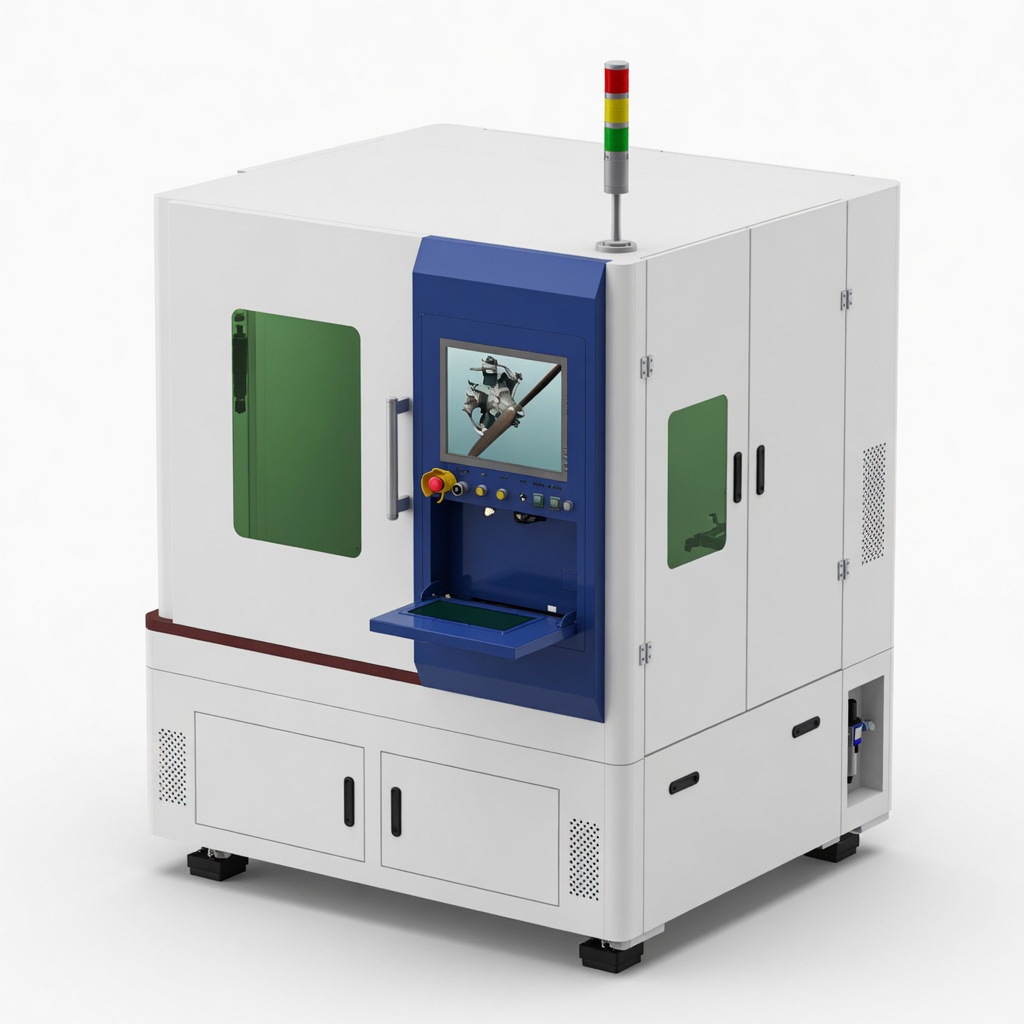
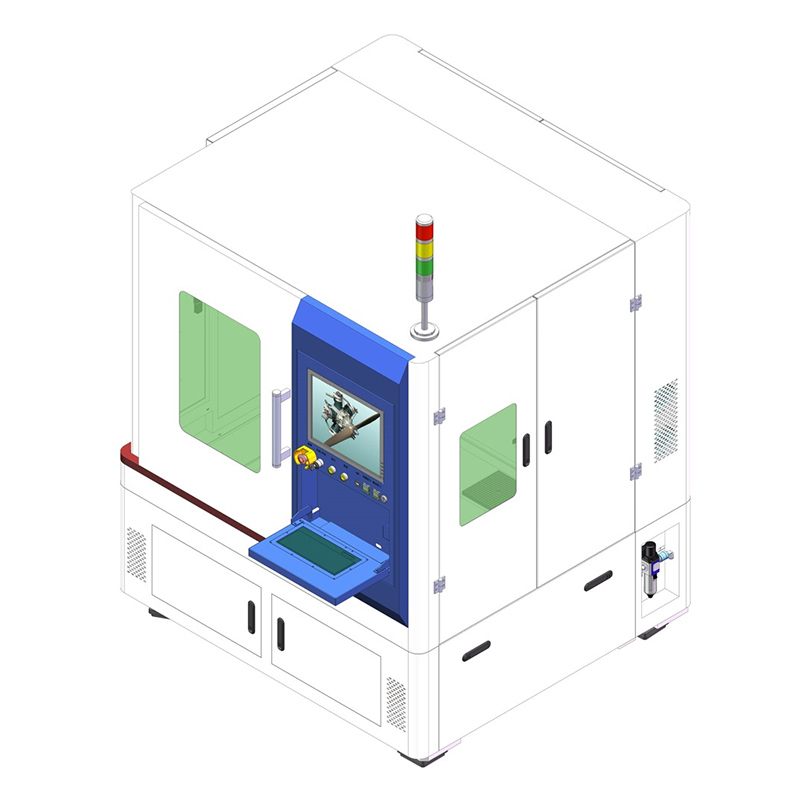
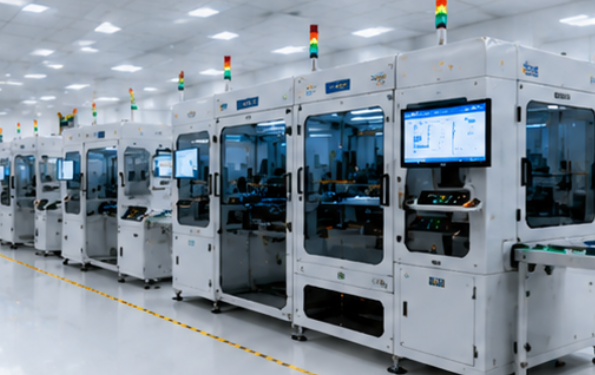
    The Laser Integrated Processing System represents a paradigm shift in thin-film photovoltaic manufacturing. It moves beyond the limitations of sequential, disconnected processing steps by creating a holistic, intelligent, and self-contained manufacturing cell. By unifying P1 through P4 on one platform, it delivers superior precision, higher throughput, and unparalleled process control. More than just a machine, it is a comprehensive ecosystem for process development, pilot production, and knowledge generation. It empowers innovators to compress their time-to-market, de-risk scale-up, and confidently bridge the daunting gap between a promising lab result and a reliable, high-yield commercial product. In the race to commercialize advanced solar technologies, this integrated approach is not merely an advantage—it is becoming a necessity.
  • Ultimate Guide to Laser Scribing Equipment for Thin-Film Solar Cells
    2026
    03-14
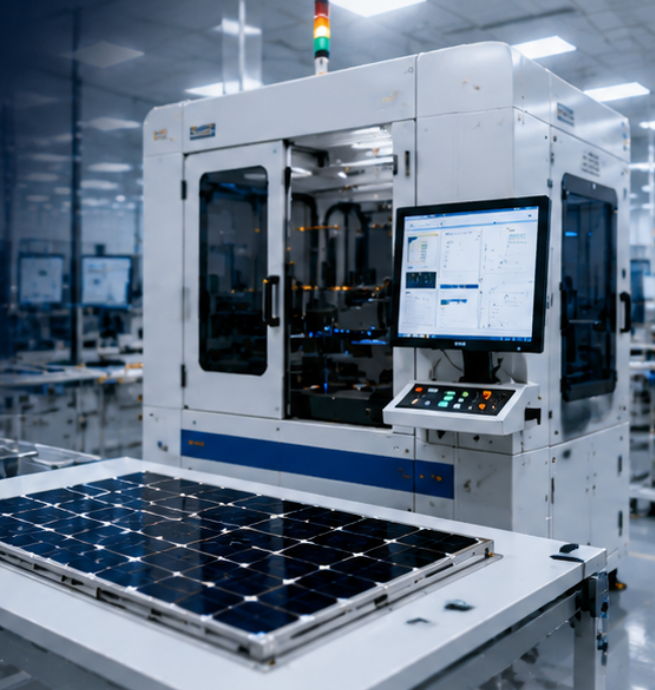
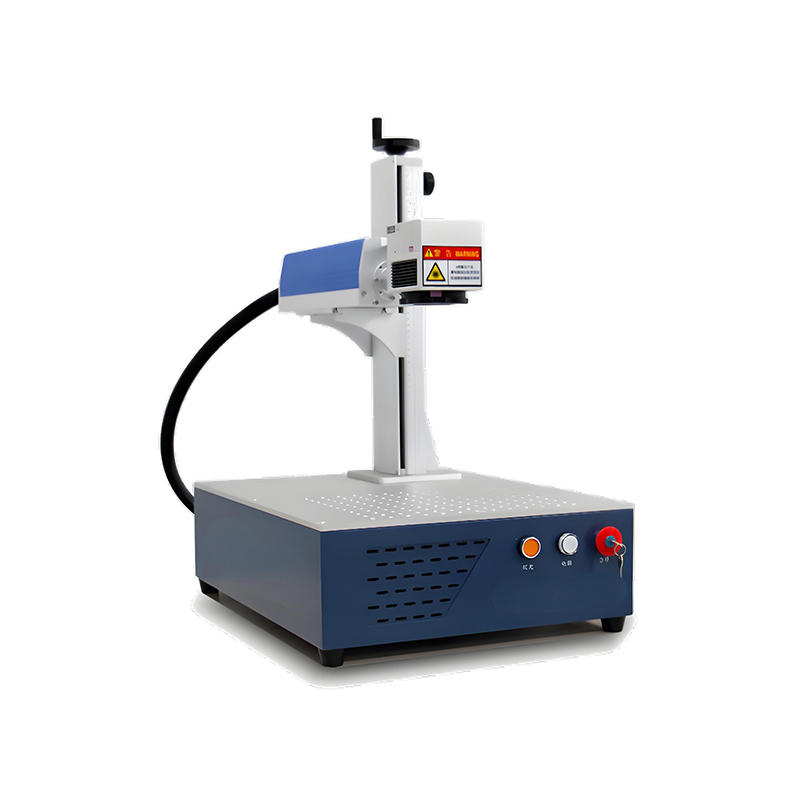
    Laser scribing equipment is the precision scalpel that defines the electrical heart of a thin-film solar module. Its performance dictates efficiency, yield, and ultimately, commercial viability. By understanding the critical role of each component—from the laser source to the vision system—and selecting a technology partner that offers not just hardware but deep process knowledge and integrated solutions, manufacturers can equip themselves to build thinner, faster, and more efficient solar cells, paving the way for the next generation of photovoltaic technology.
  • Dissimilar Metal Welding: Overcoming the Challenges of Copper-Aluminum Joints
    2026
    03-10
    Mastering the laser kerf is mastering a fundamental building block of modern precision manufacturing. In the context of perovskite photovoltaics, achieving a consistent 0.01–0.05mm kerf is synonymous with achieving high efficiency, reliability, and commercial viability. It represents a convergence of advanced laser physics, precision motion control, and process engineering. For manufacturers, investing in technology that delivers such precision, like that from Lecheng, is not merely about making a cut; it's about carving out a competitive edge in the future of solar energy.
  • What Is “Dead Zone” in Solar Cells
    2026
    02-18
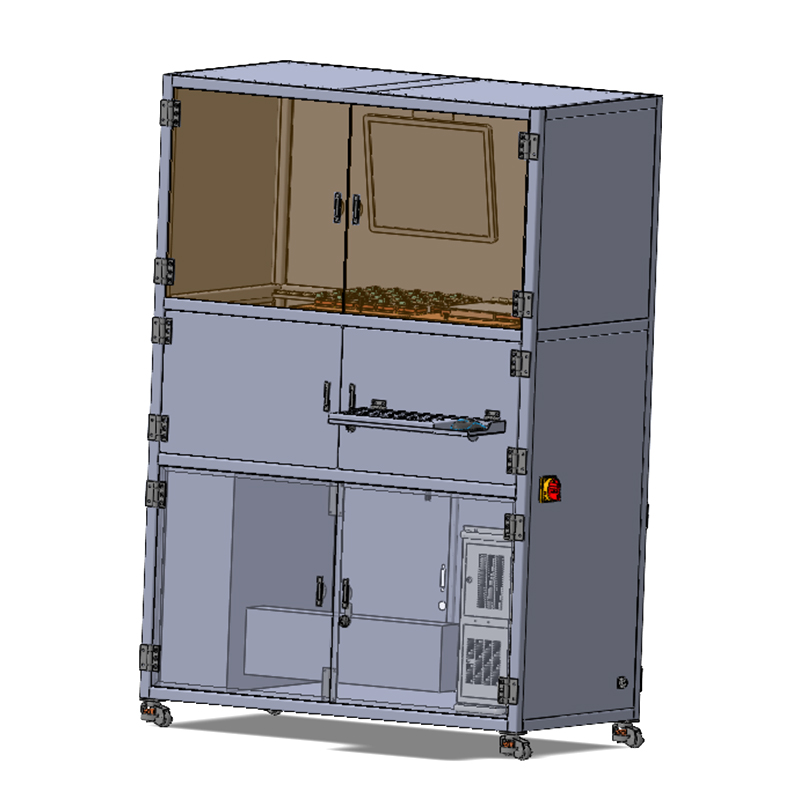
    Dead zone control represents a pivotal factor in perovskite solar commercialization, directly impacting module efficiency and manufacturing costs. Lecheng’s laser technologies—combining precision patterning, intelligent compensation, and scalable automation—provide the industry with practical solutions for maximizing active area utilization. As perovskite technology advances, Lecheng continues to lead in developing laser processes that push dead zones below 100μm, bringing next-generation solar cells closer to their theoretical efficiency limits.
  • P1-P4 Laser Scribing
    2026
    02-12
    P1-P4 laser scribing transforms perovskite solar cells from lab curiosities to commercial products by enabling monolithic integration, efficiency optimization, and reliability assurance. Lecheng's integrated laser solutions—featuring multi-beam processing, real-time tracking, and industry-leading precision—demonstrate how advanced manufacturing technologies accelerate the renewable energy transition.
  • Comparing Perovskite vs Silicon Solar Cells Efficiency and Cost Analysis
    2026
    02-11
    While silicon dominates current markets, perovskite’s combination of rapid efficiency gains, lower manufacturing costs, and laser-enabled scalability positions it as the future of solar. Lecheng’s precision laser solutions are pivotal in bridging perovskite’s reliability gap and accelerating its path to commercialization.
  • Why Laser Processing Is Critical for Perovskite Solar Commercialization
    2026
    02-10
    Laser processing bridges the gap between lab-scale perovskite innovations and industrial commercialization by delivering precision, scalability, and reliability. As Lecheng’s technologies demonstrate, integrated laser solutions are not merely supportive but foundational to achieving $0.10/Watt targets—making them the cornerstone of perovskite’s future in the global energy mix.
  • Top 10 Breakthroughs in Perovskite PV Manufacturing This Year
    2026
    02-09
    The convergence of multi-beam scribing, R2R automation, and AI-driven precision has propelled perovskite PV toward cost-competitiveness with traditional solar technologies. Lecheng’s innovations in laser processing not only address manufacturing scalability but also enhance module reliability and customization capabilities. As the industry advances toward $0.10/Watt targets, these breakthroughs underscore laser technology’s pivotal role in shaping the future of solar energy.

40px

80px

80px

80px

Get Quote