
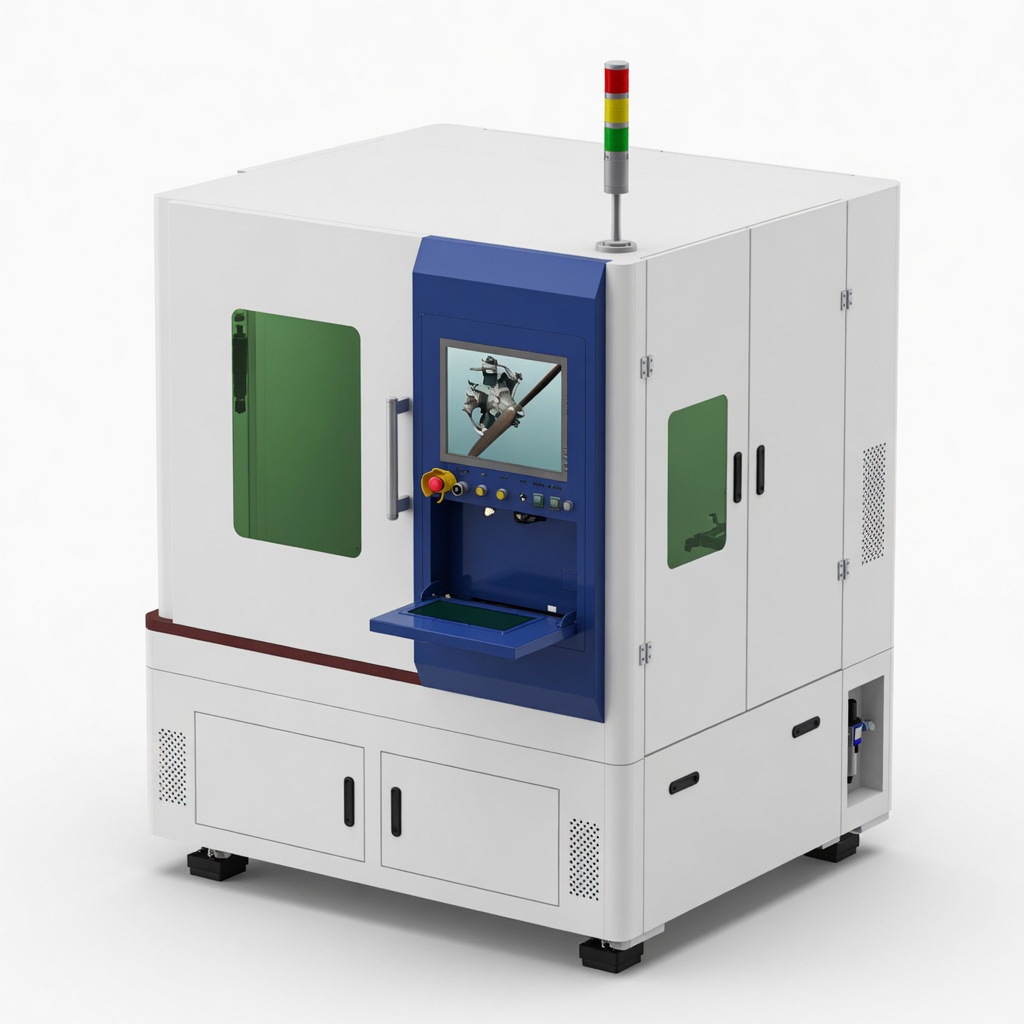
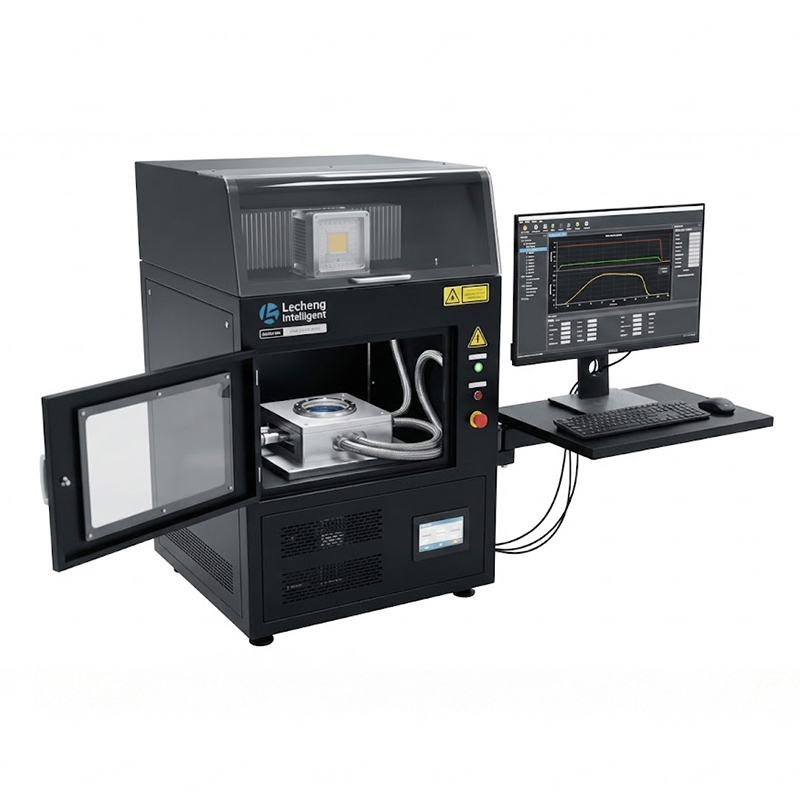
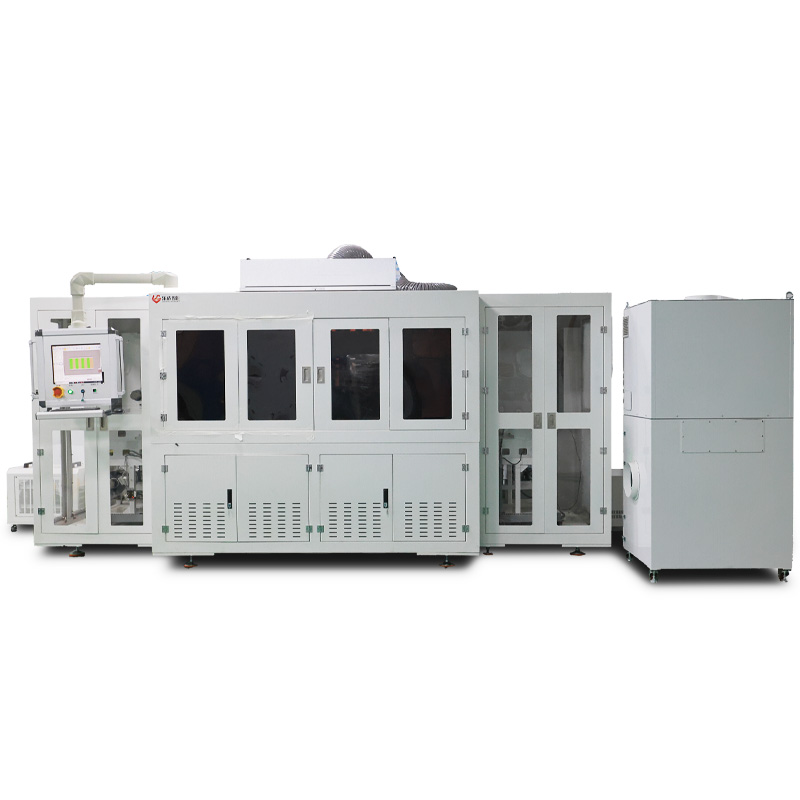
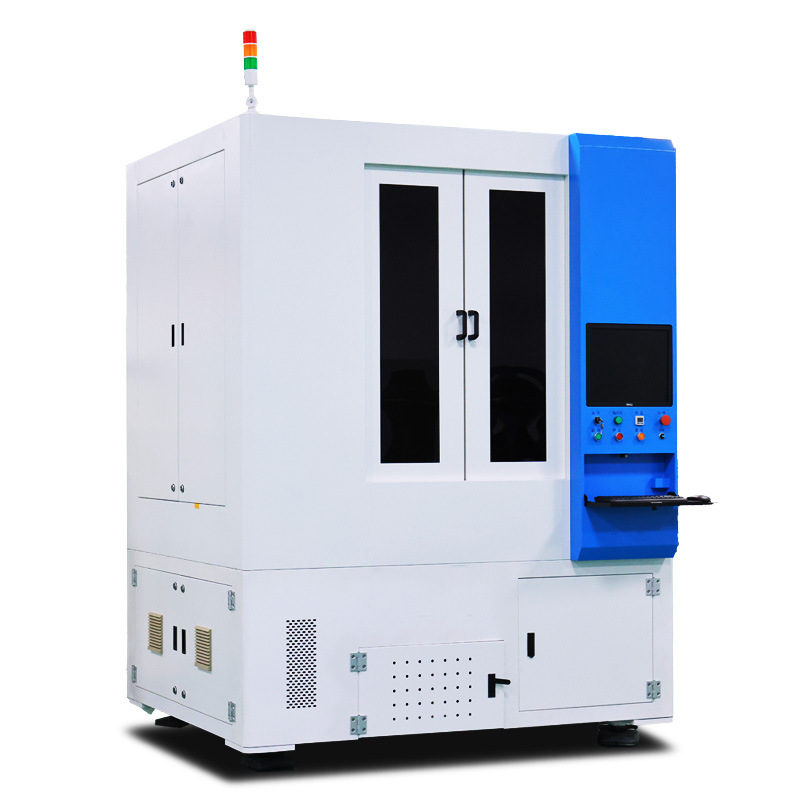
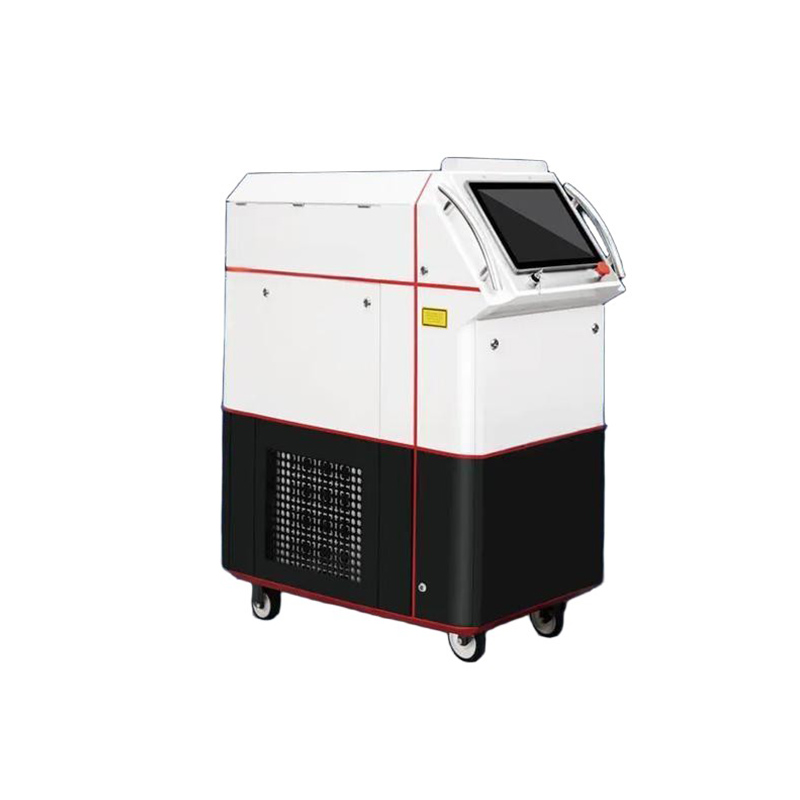
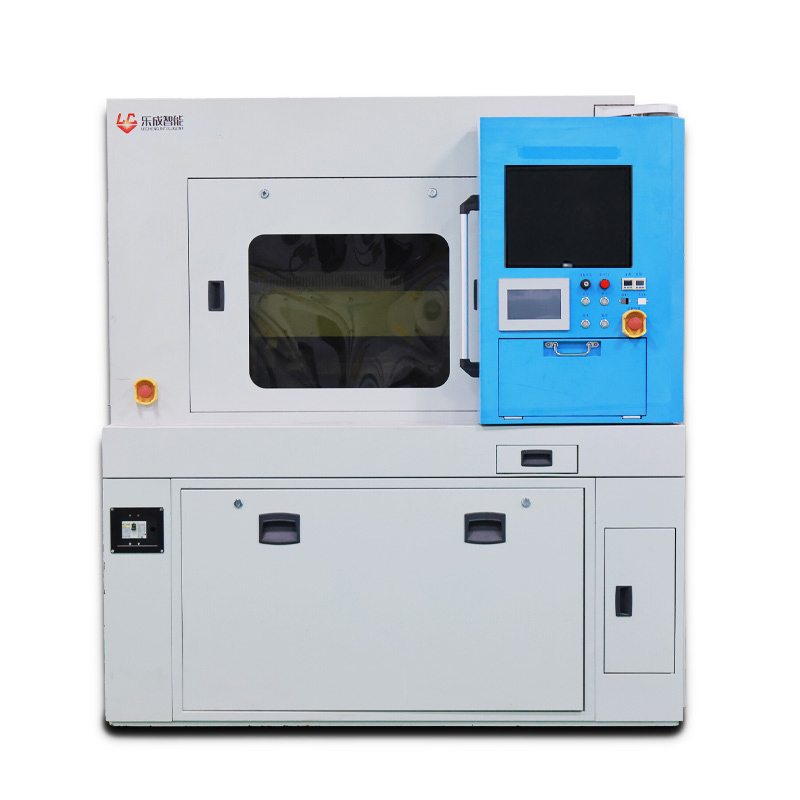
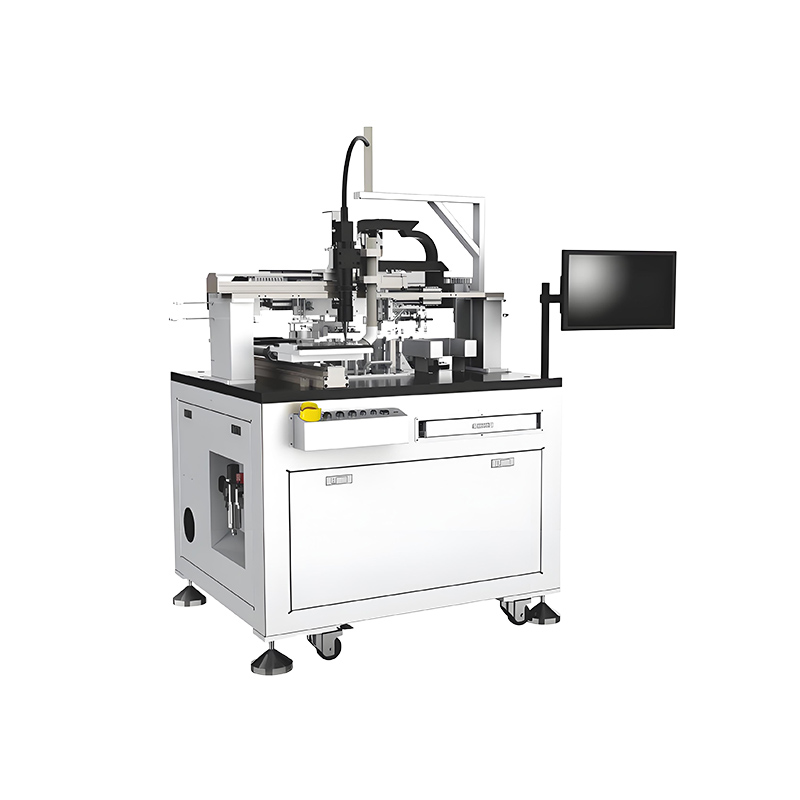
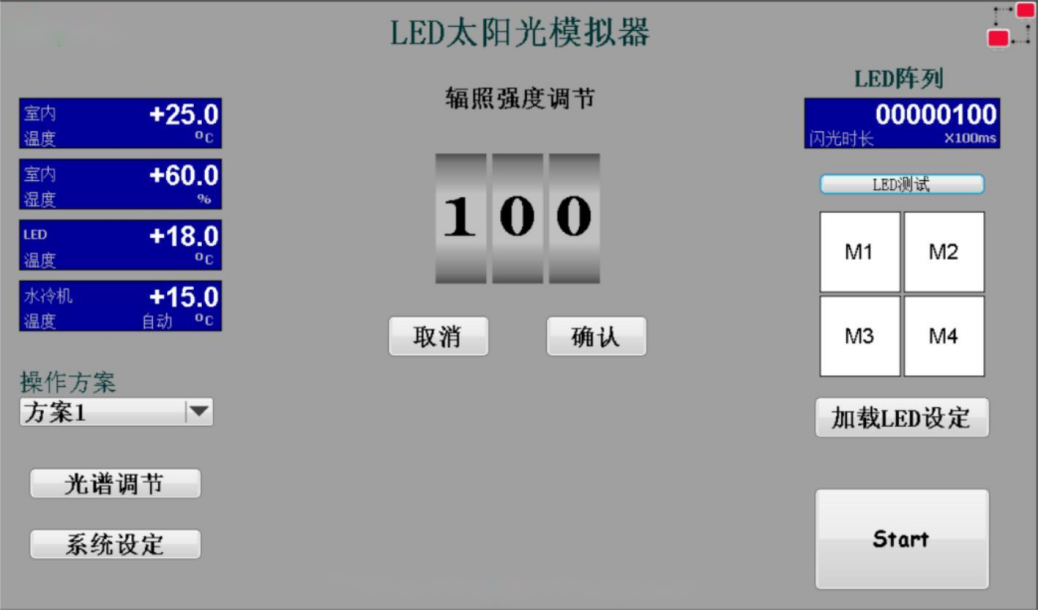
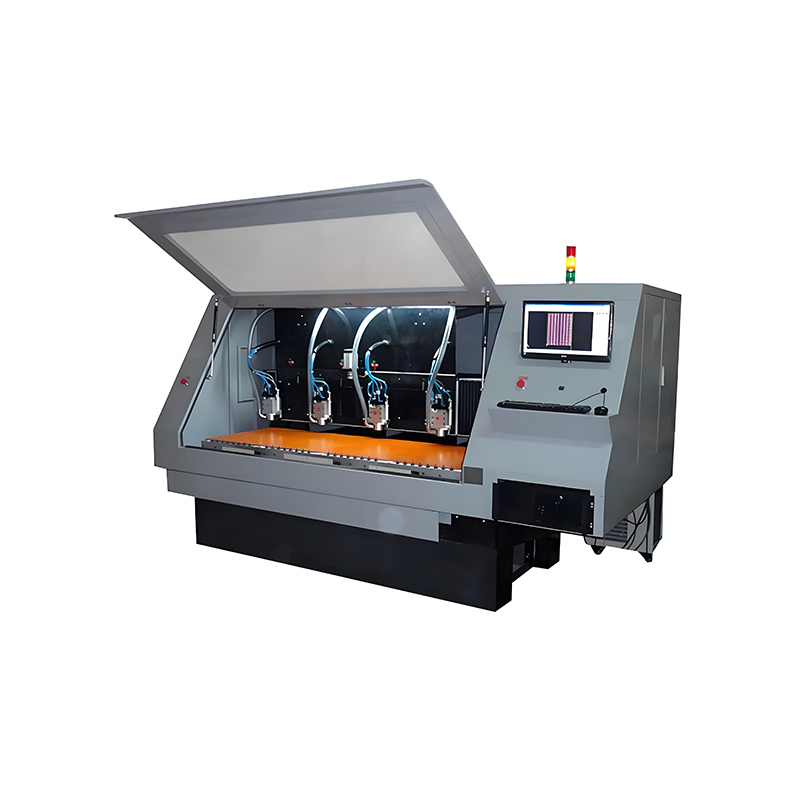
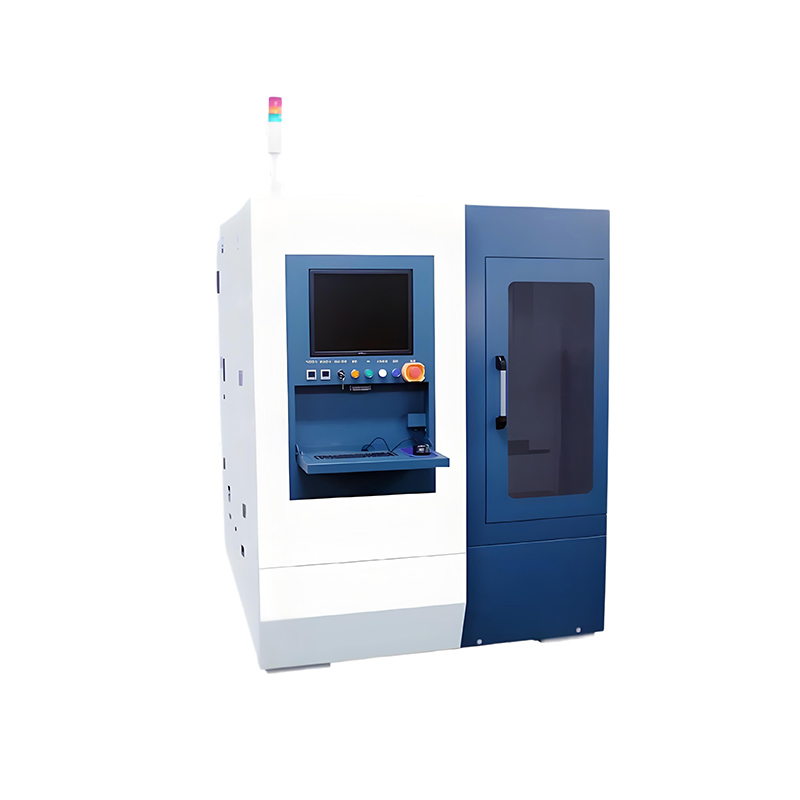
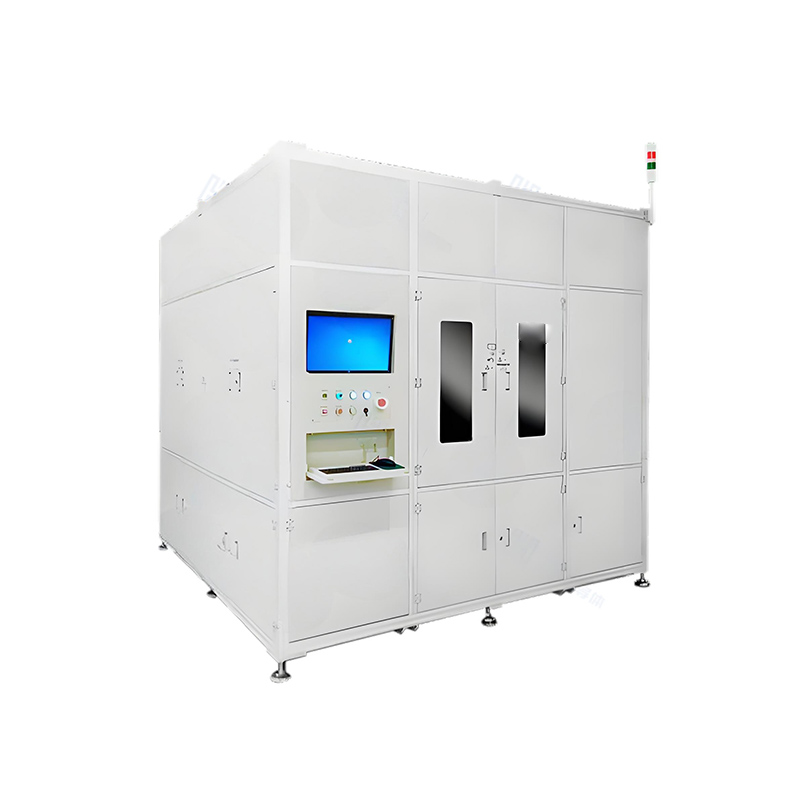


For photovoltaic laboratories and production lines, IV testing and efficiency measurement are two of the most critical evaluation steps. The reliability of these results depends heavily on the solar simulator being used. International buyers do not only need a light source that looks similar to sunlight; they need a testing system that provides accurate spectral matching, stable irradiance, and repeatable results under real operating conditions. Choosing the right solar simulator is therefore not just a purchasing decision, but a decision that directly affects test credibility, product qualification, and long-term production control.
Match The Solar Simulator With Your Testing Goal
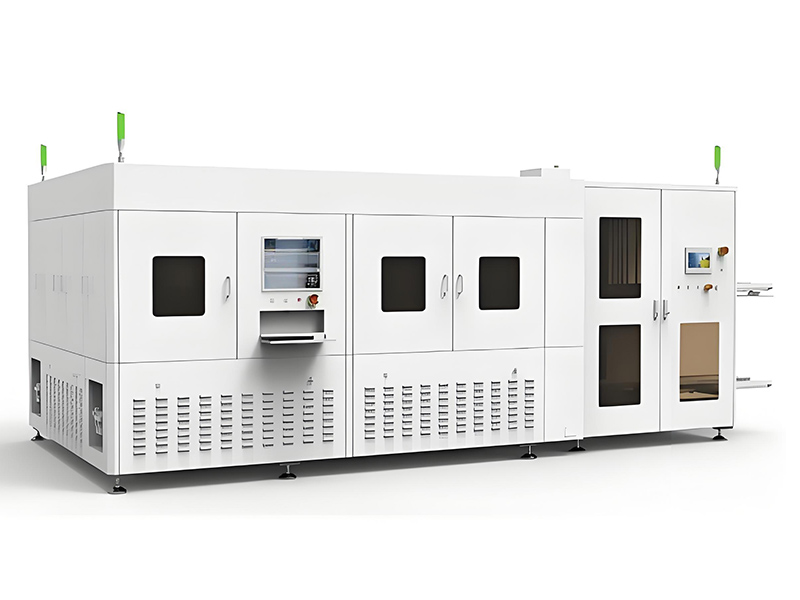
The first step in choosing a solar simulator is to define the actual testing purpose. Some users need the system mainly for laboratory research, where flexibility and parameter adjustment are essential. Others need it for routine IV testing in quality control, where repeatability, speed, and operator convenience are far more important. Still others require it for production-line efficiency measurement, where integration capability and throughput become critical. A solar simulator that performs well in research may not always be the best fit for high-volume production testing.
Buyers should therefore ask practical questions before comparing models. What cell size will be tested? What throughput is required per hour? Will the system be used for single-cell research, module testing, or inline inspection? Will the data need to be connected to other software or MES systems? By answering these questions first, buyers can avoid selecting a system based only on specifications that look attractive on paper but do not match real use conditions.
Focus On Accuracy, Spectral Match, And Stability
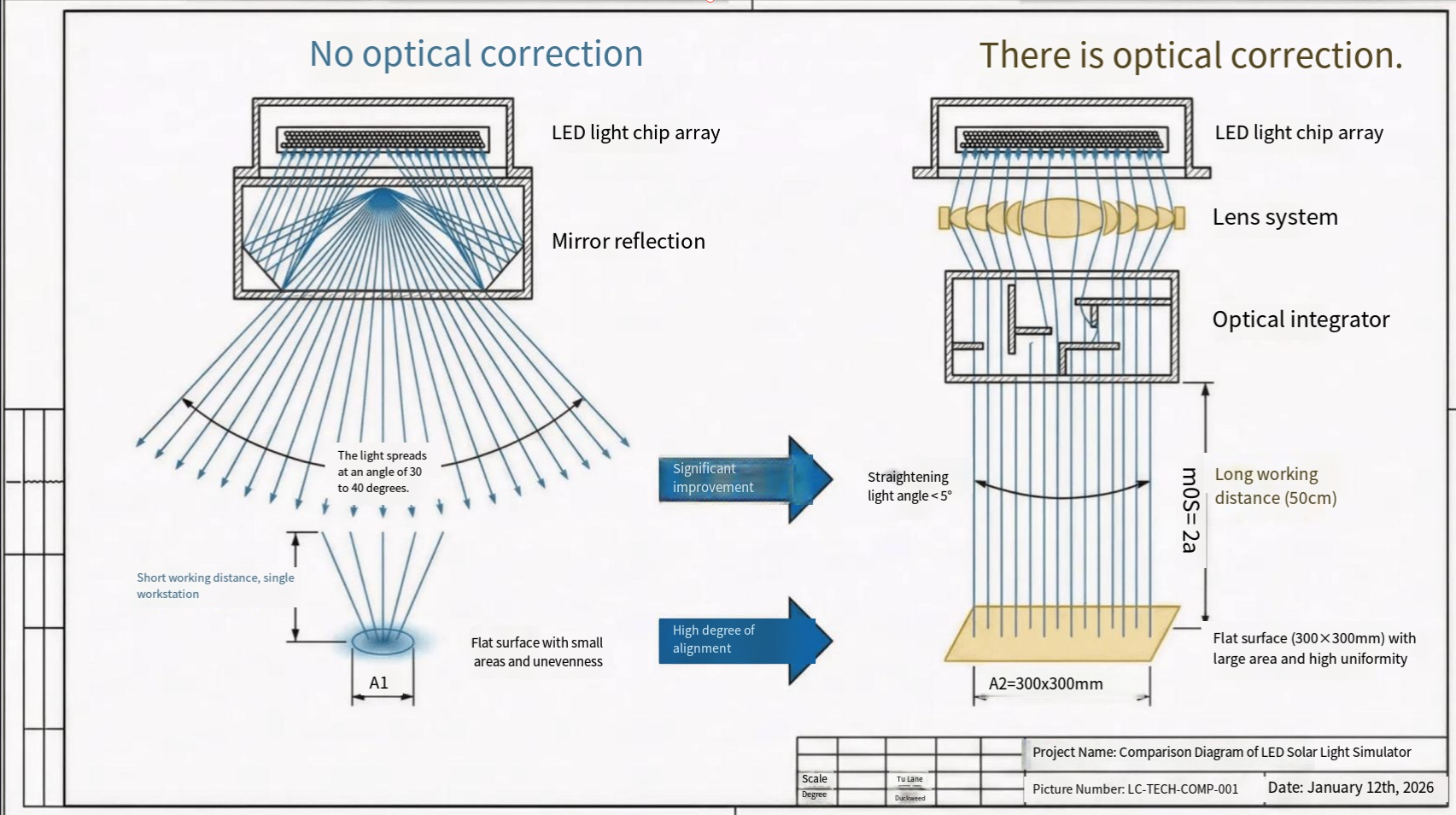
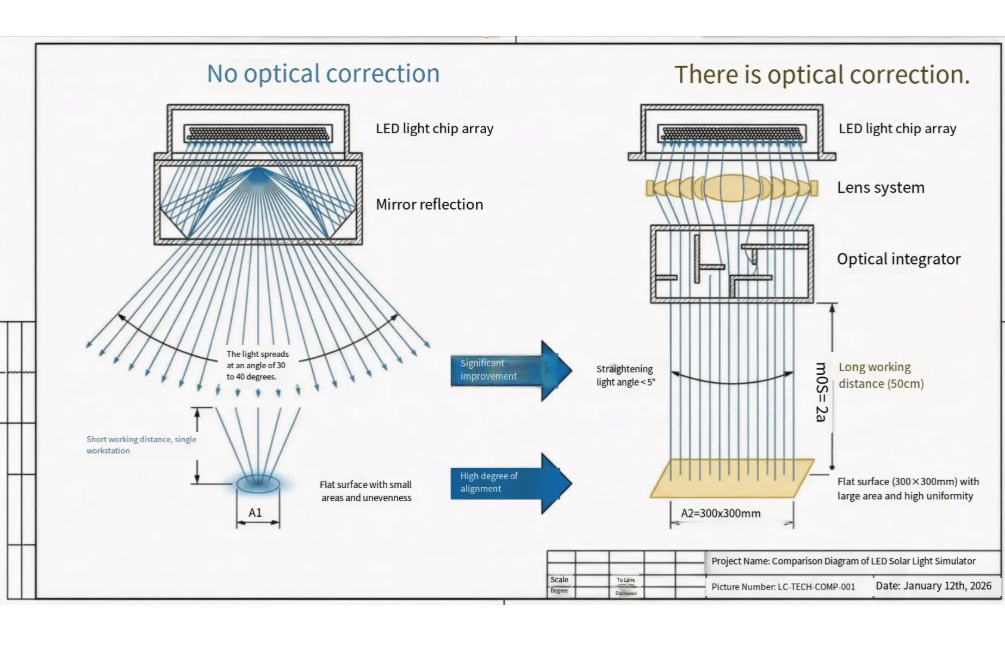
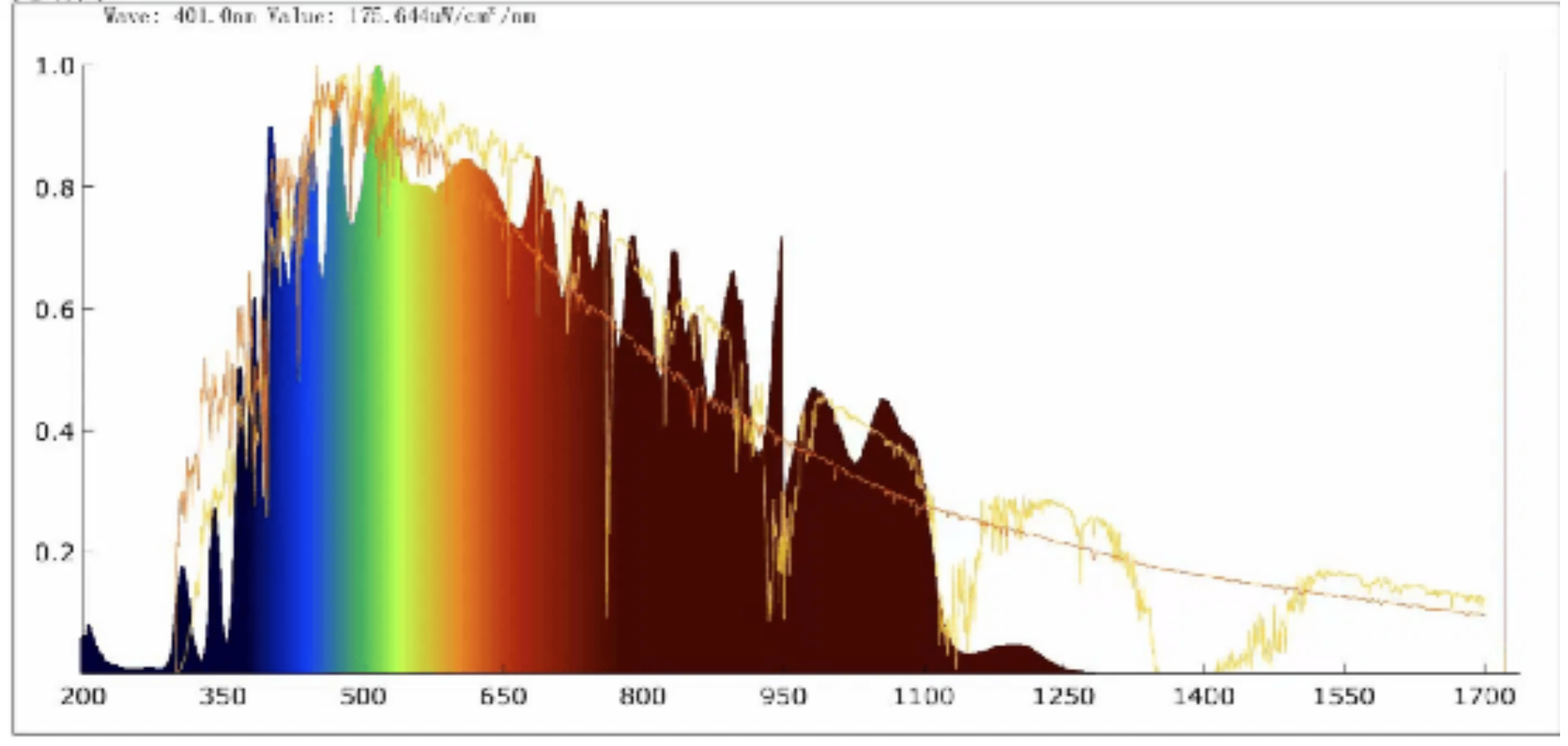
For IV testing and efficiency measurement, the quality of the light source is fundamental. Buyers should pay close attention to spectral match, irradiance uniformity, and temporal stability. These factors determine whether the measured electrical performance truly reflects the solar cell’s behavior under standard conditions. If the spectrum deviates too much from AM1.5, the measured efficiency may be misleading. If the irradiance is not uniform, cells tested at different positions may show inconsistent results. If the light output fluctuates over time, daily data comparison becomes unreliable.
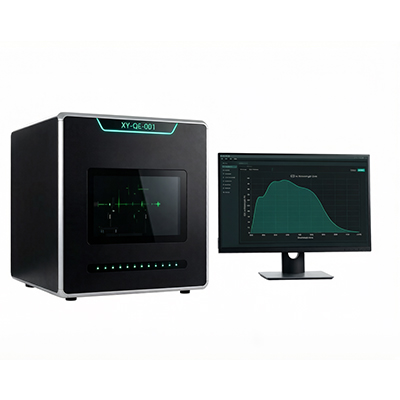
In practical procurement, it is not enough to see a product brochure say “high precision” or “Class AAA.” Buyers should request actual testing data, stability reports, and sample results. A reliable supplier should be able to provide spectral distribution curves, irradiance mapping, repeatability data, and calibration information. These materials allow buyers to judge whether the equipment can support accurate and consistent IV evaluation over time.
Consider Integration, Operation, And Long-Term Value
A good solar simulator should not only perform well in a test report, but also work efficiently in daily use. For production environments, ease of operation, maintenance requirements, and integration capability can be as important as pure optical performance. If operators need complicated setup before every test, or if the system requires frequent recalibration, overall testing efficiency will be reduced. Buyers should therefore evaluate software usability, automation options, fixture compatibility, and service accessibility.
Long-term value should also be considered. A system with better stability, easier calibration, and stronger supplier support may have a higher initial price, but it usually reduces measurement risk, improves productivity, and lowers total operating cost over time. For buyers who need reliable IV testing and credible efficiency data, the right solar simulator is the one that combines technical performance with sustainable daily usability.
Choosing a solar simulator for IV testing and efficiency measurement is not only about selecting a light source, but about building a reliable testing foundation. Buyers should evaluate the system according to testing purpose, optical performance, operational efficiency, and long-term value. A well-matched solar simulator will improve data credibility, reduce measurement risk, and support both laboratory and production-level decision-making.