


How Lecheng's P1-P4 Laser Scribing Boosts Perovskite Module Efficiency
Precision Patterning for Minimized Dead Zones
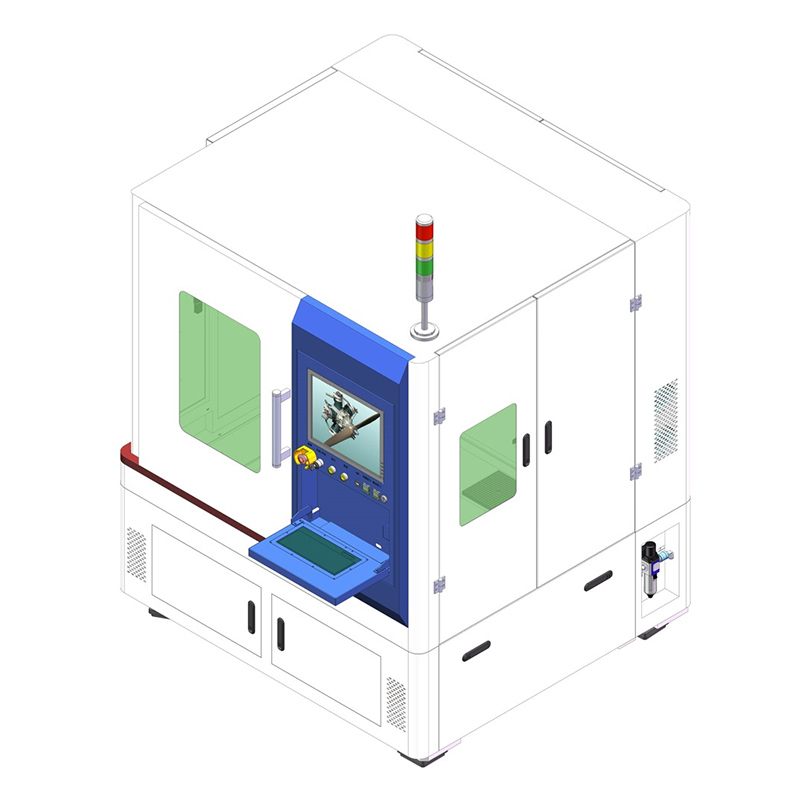
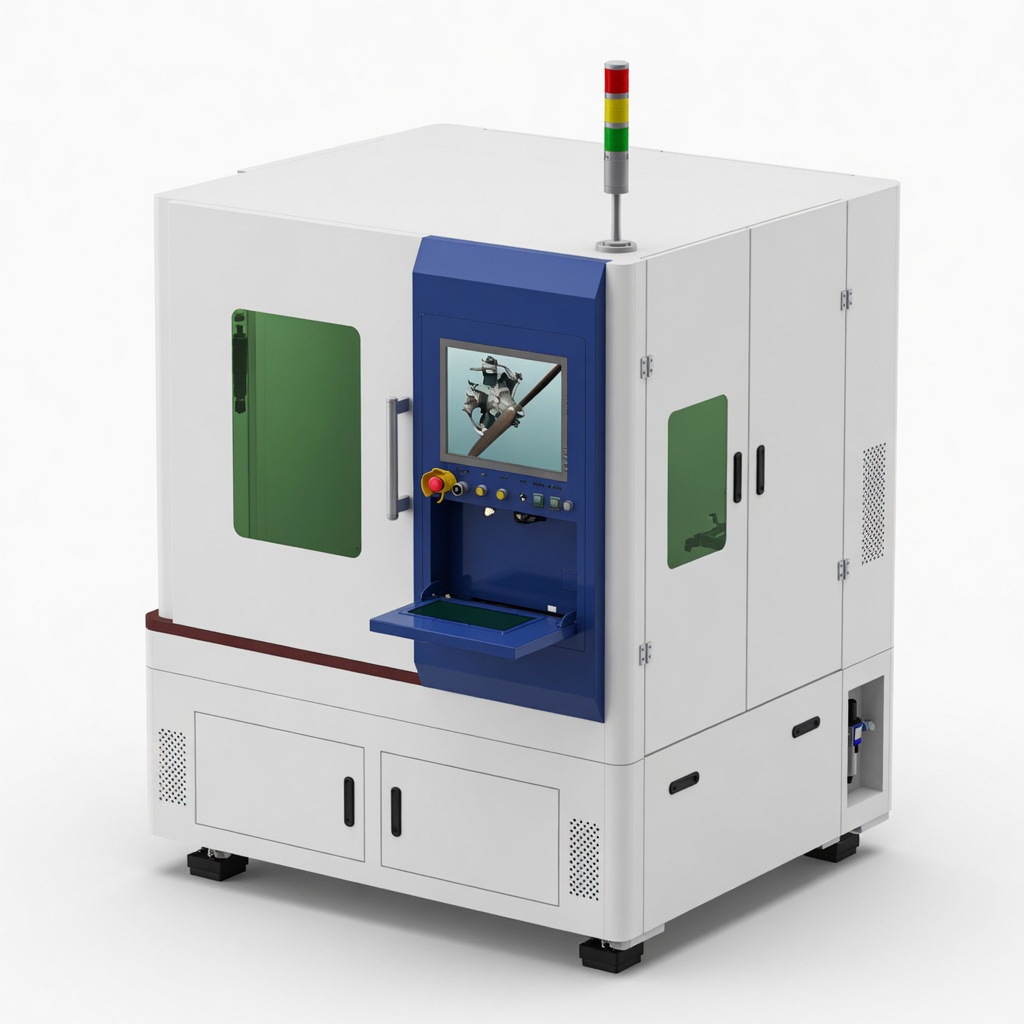
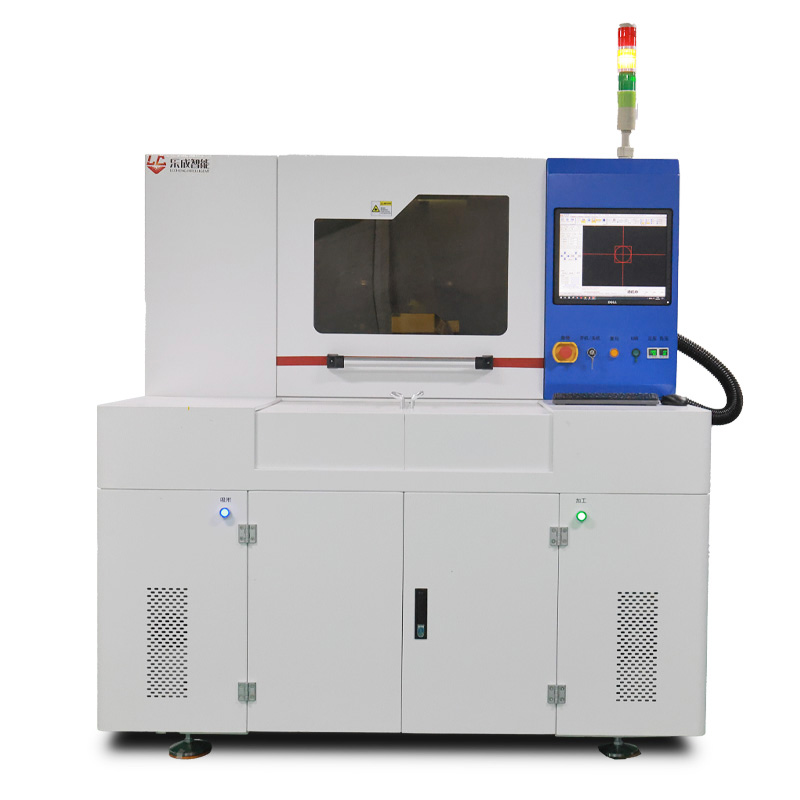
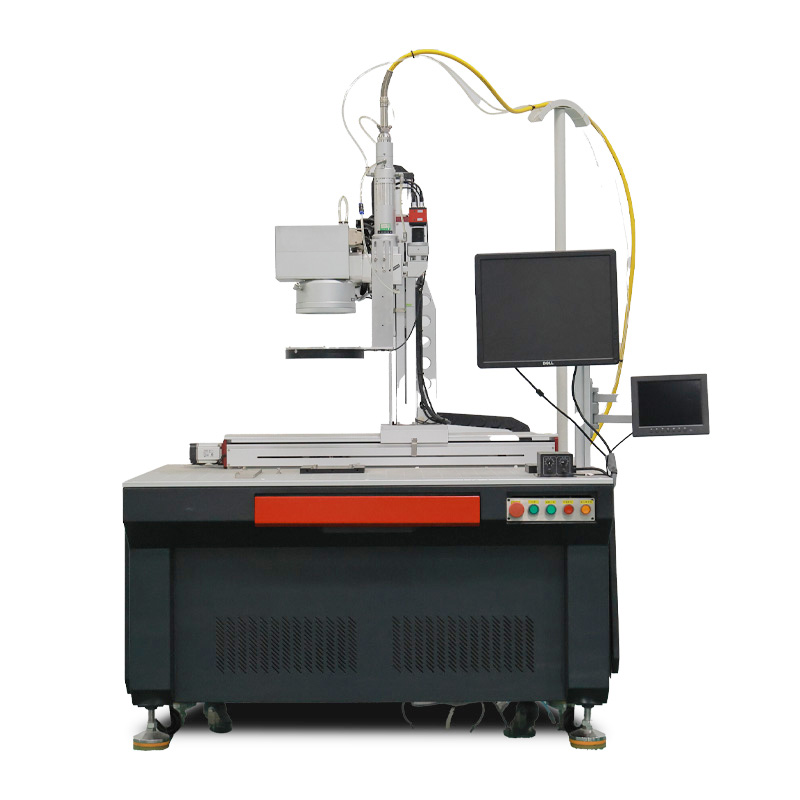
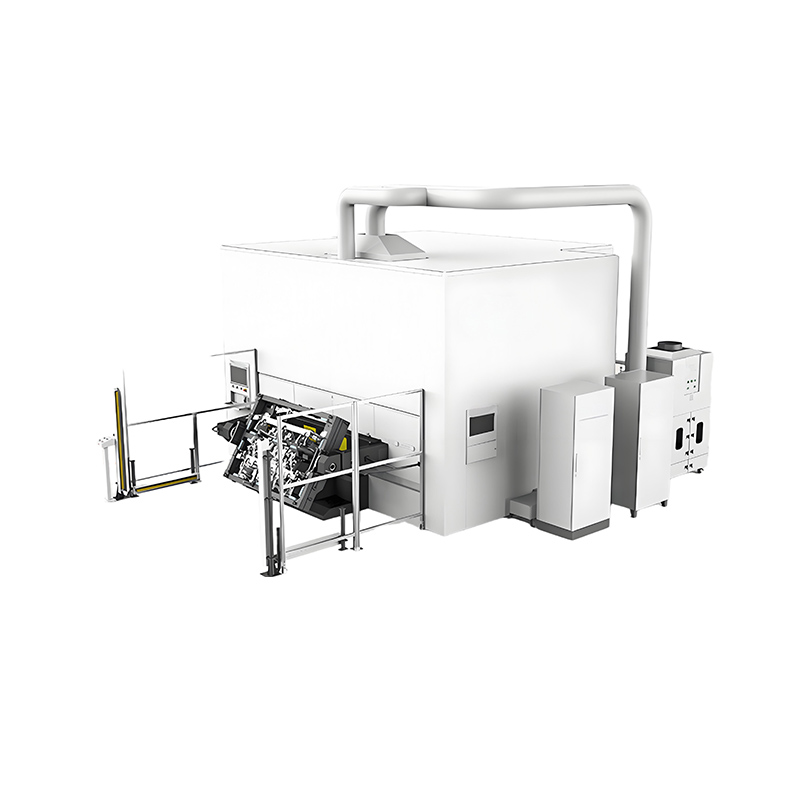
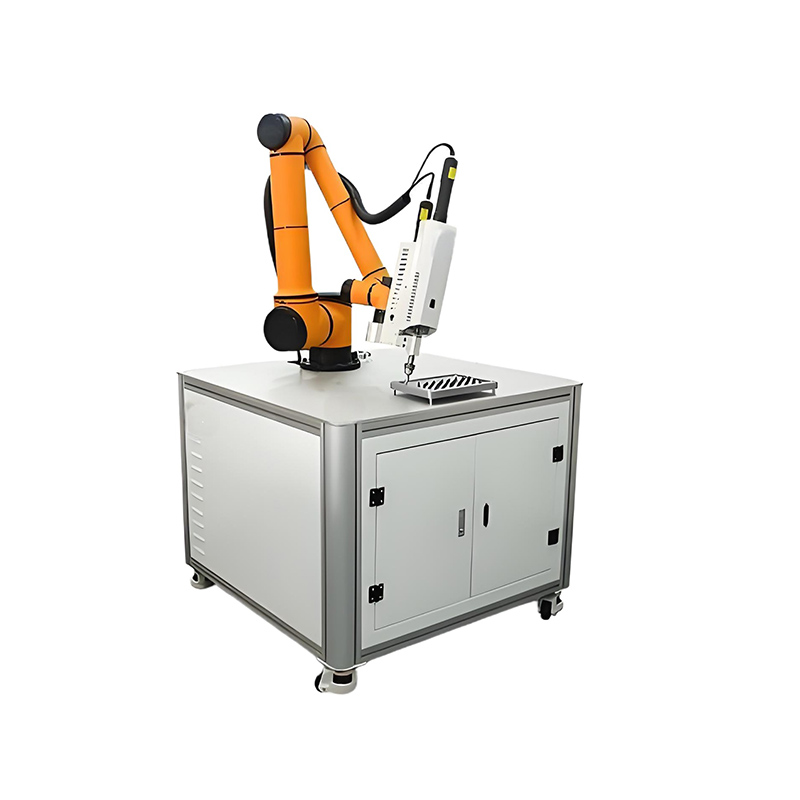
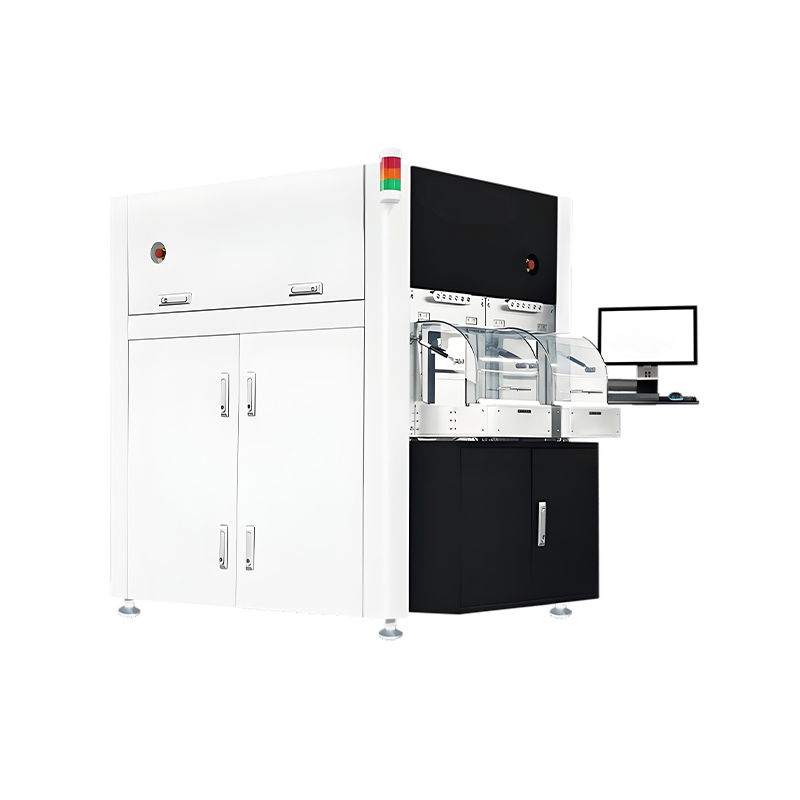
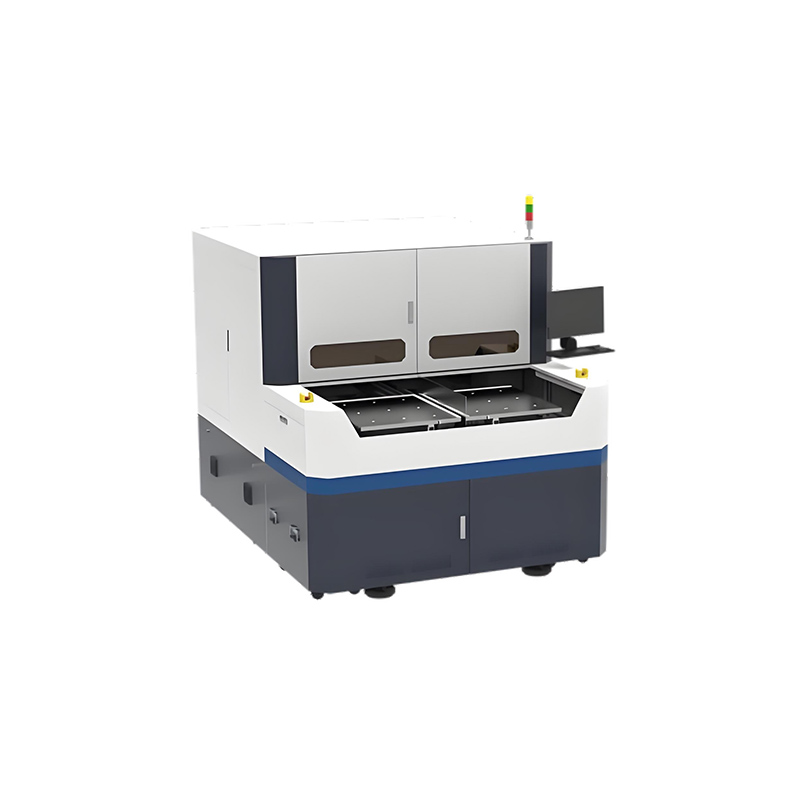
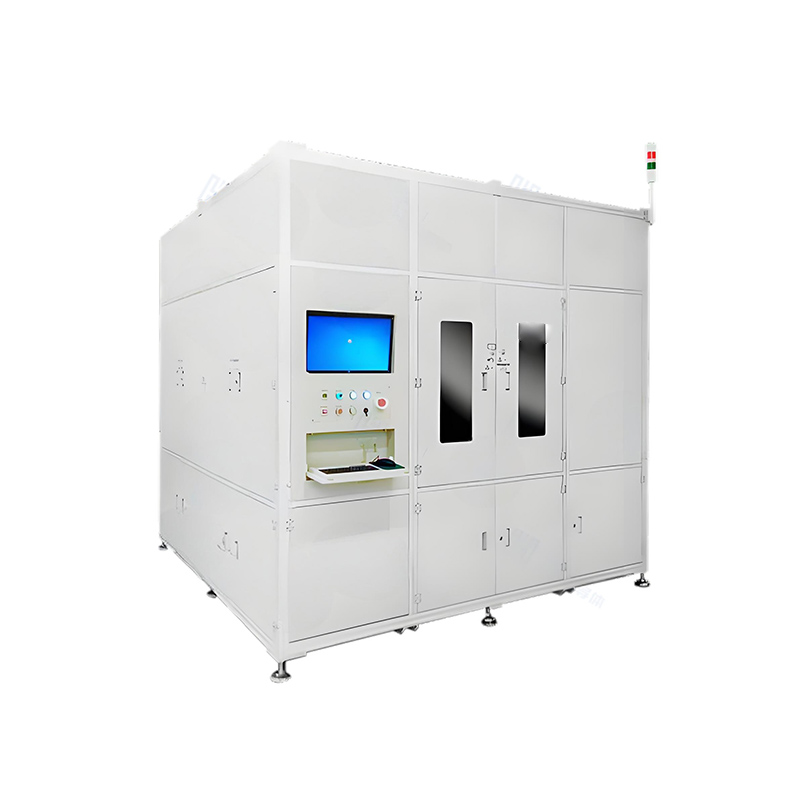
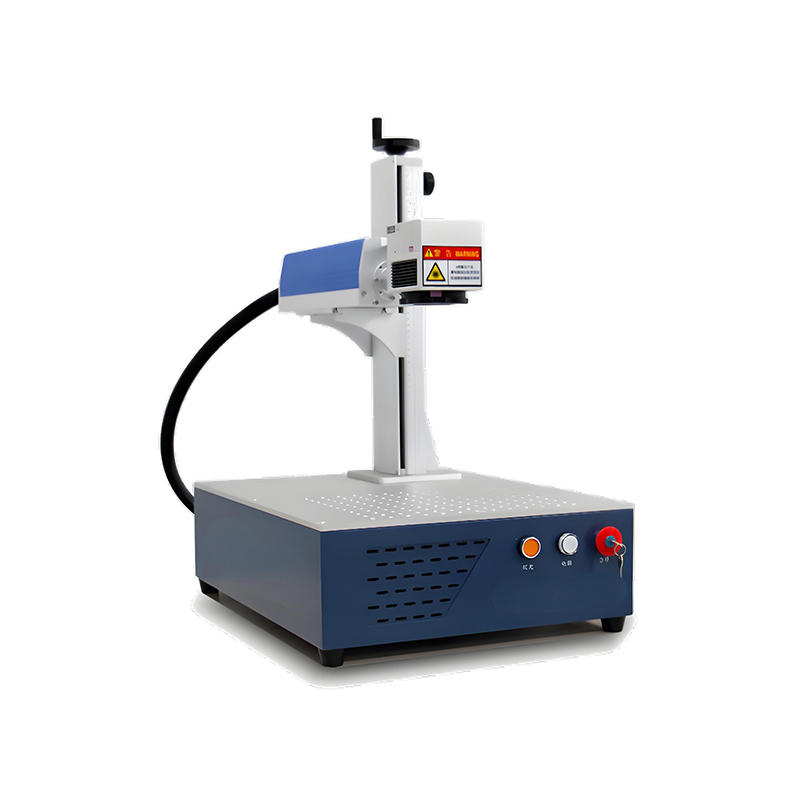
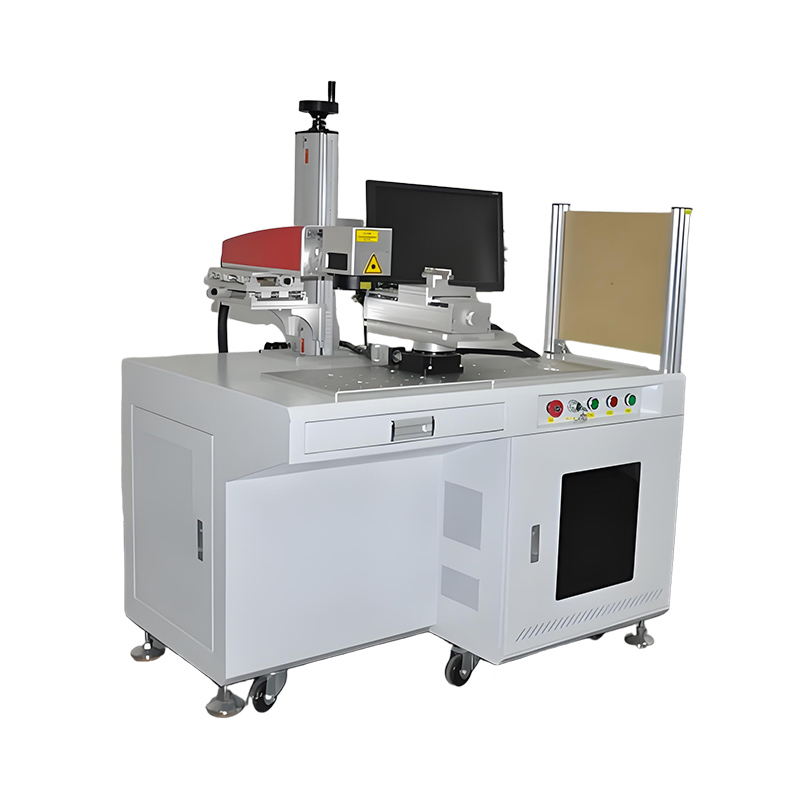
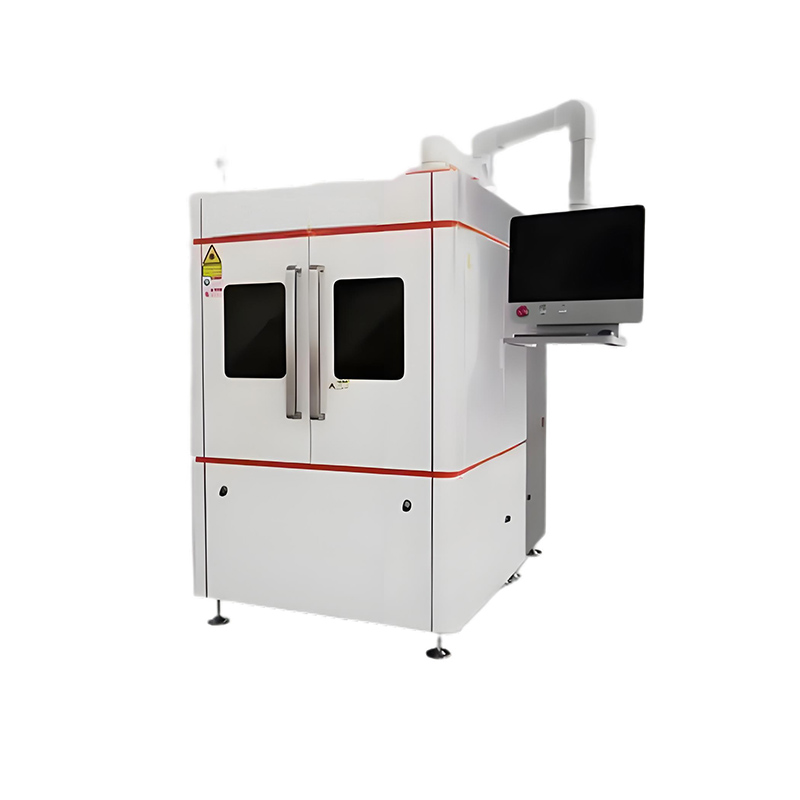
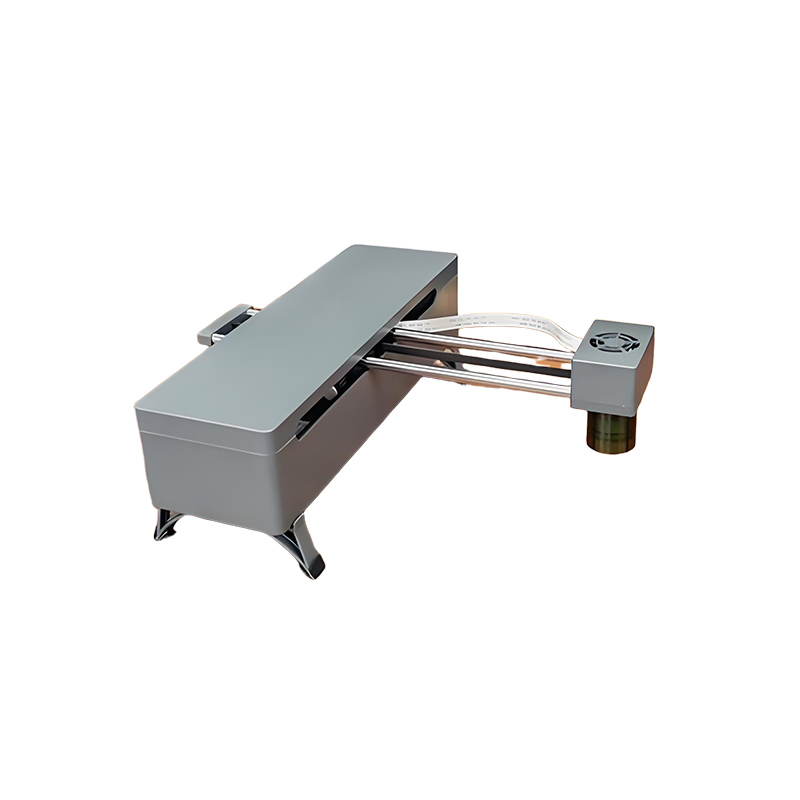
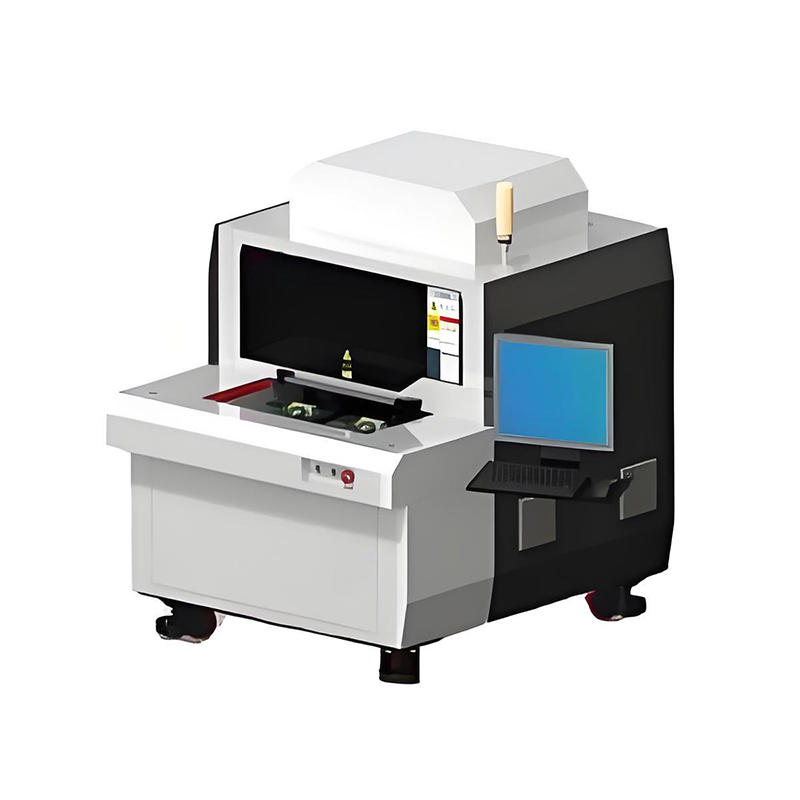
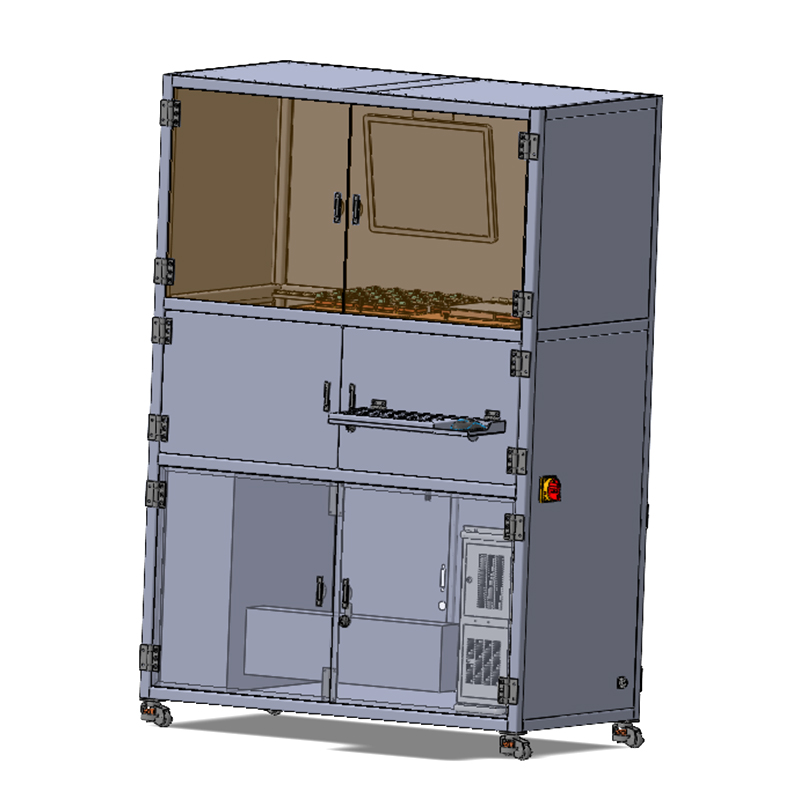
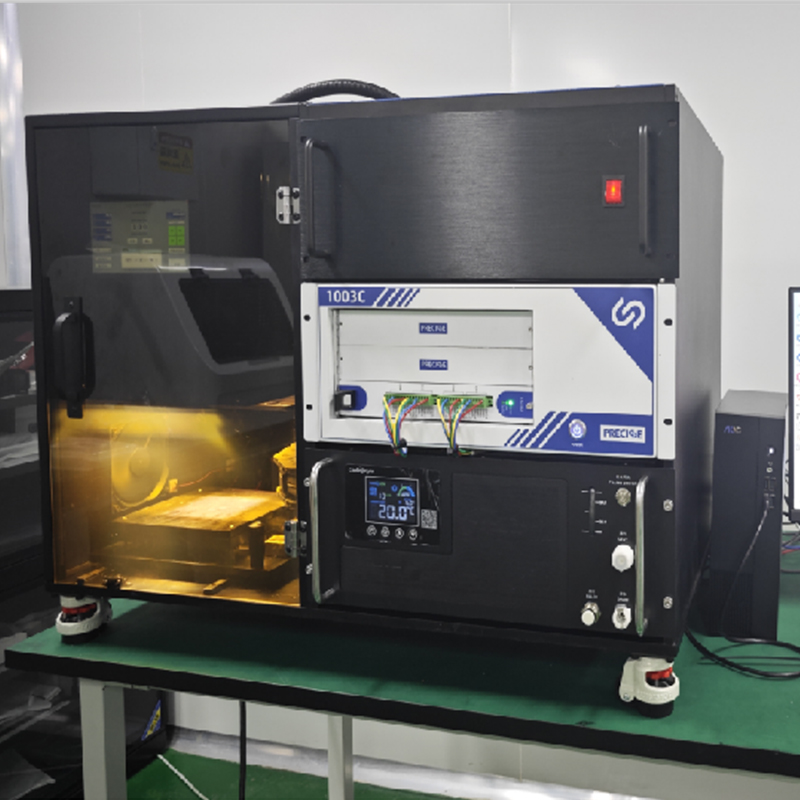
Lecheng's laser scribing systems achieve breakthrough efficiency in perovskite modules through micron-level precision across all four patterning stages. The P1 process creates initial isolation lines with 20-50μm width and ±5μm straightness, cleanly removing TCO layers without damaging glass substrates. This foundational accuracy enables subsequent P2 and P3 processes to maintain consistent 100-150μm interline spacing, reducing dead zones by 30% compared to conventional methods. The company's proprietary trajectory tracking technology dynamically adjusts P2/P3 paths based on actual P1 line positions, compensating for substrate irregularities that typically force manufacturers to increase safety margins. This spatial optimization directly increases active area utilization, translating to 2-3% higher power conversion efficiency in commercial modules.
Thermal Management and Layer Integrity Preservation
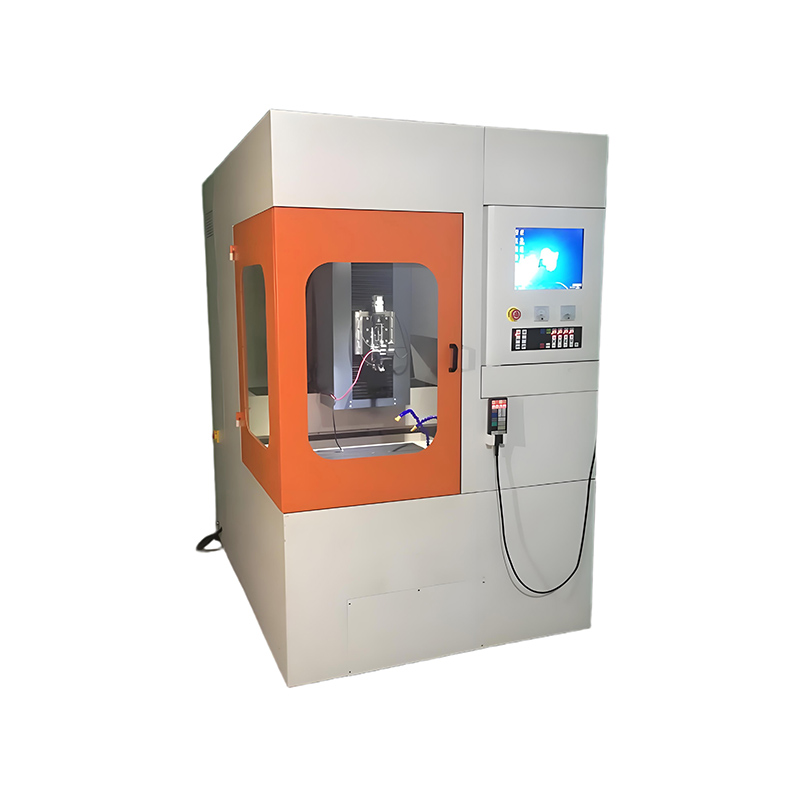
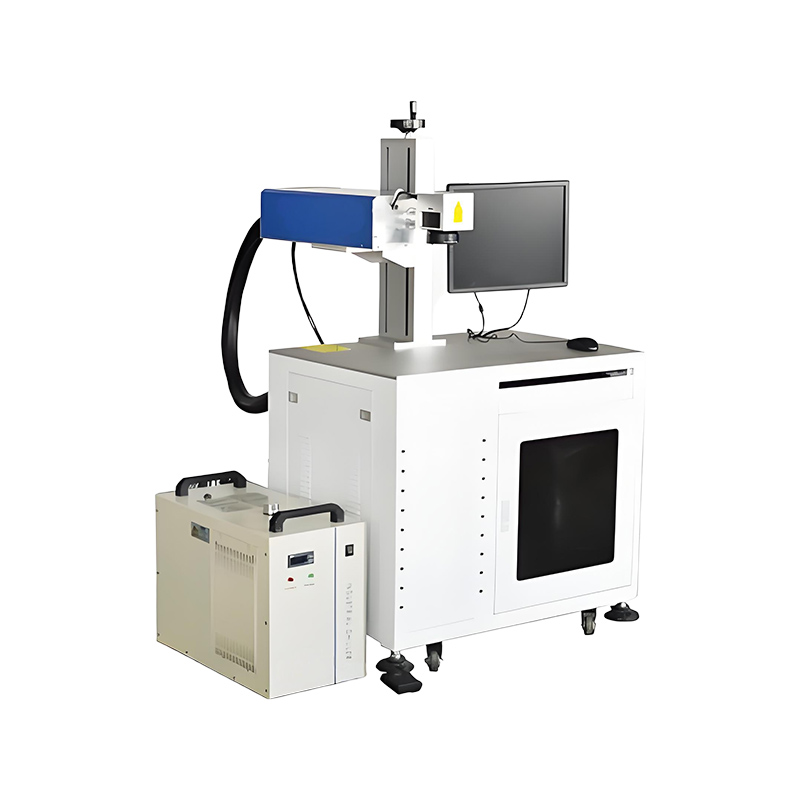
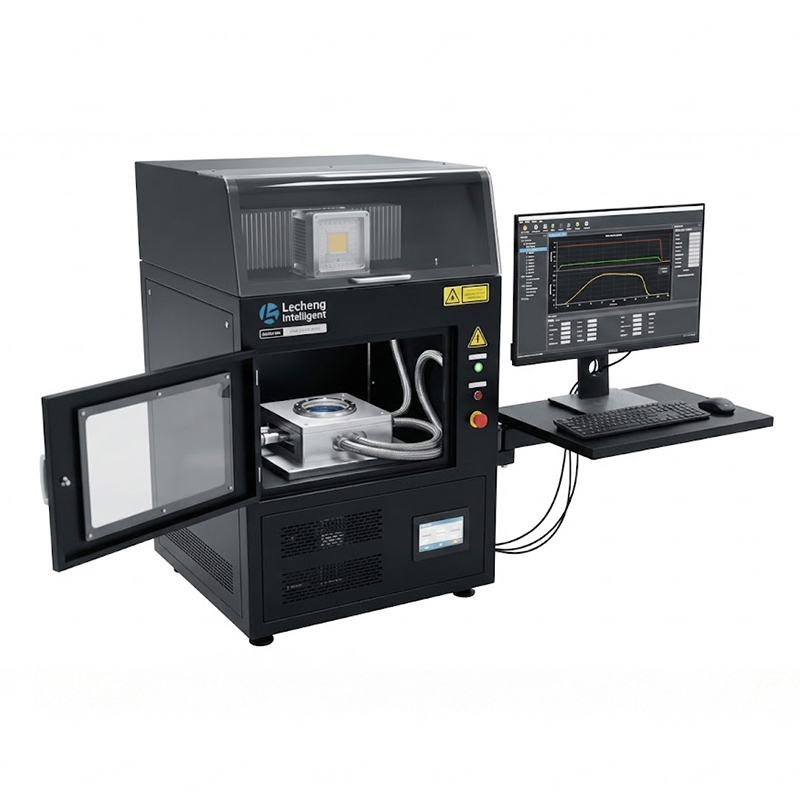
Each scribing stage employs tailored laser parameters to prevent thermal damage to sensitive perovskite layers. For P2 patterning through charge transport and perovskite layers, Lecheng's green picosecond lasers (532nm) limit heat-affected zones to <1μm while ensuring complete material removal without damaging underlying TCO. The P3 process utilizes UV lasers (355nm) for precise metal electrode isolation, achieving <0.5μm thermal diffusion to avoid delamination or micro-cracks. This thermal control is crucial for maintaining interface quality and reducing shunt losses, resulting in >95% fill factor retention throughout module lifespan. The integrated cooling systems maintain ±0.5°C temperature stability during high-speed processing, enabling 24/7 operation without performance degradation.
Integrated P4 Edge Isolation for Enhanced Reliability
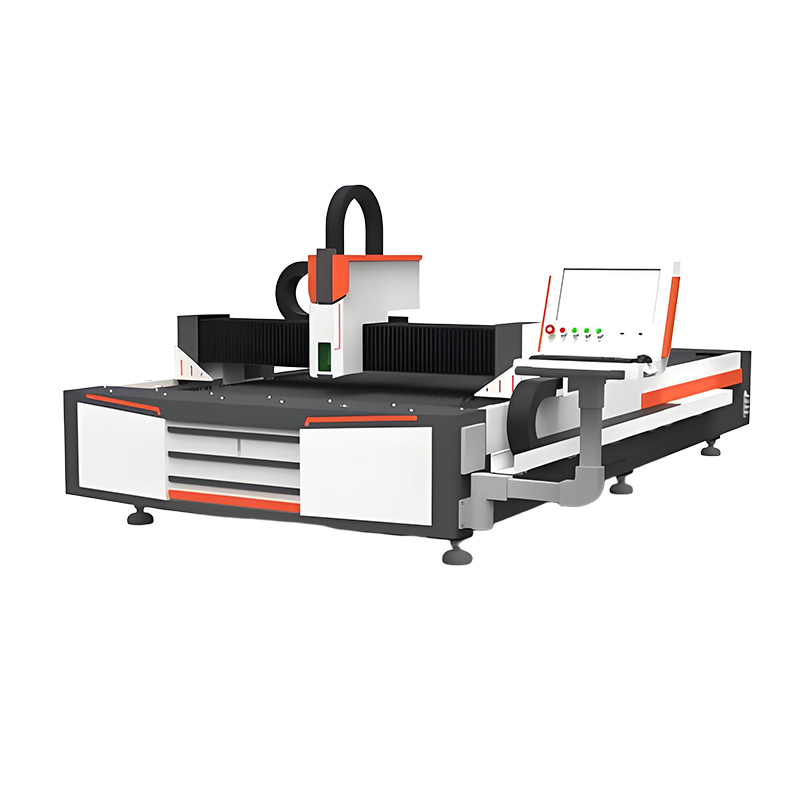
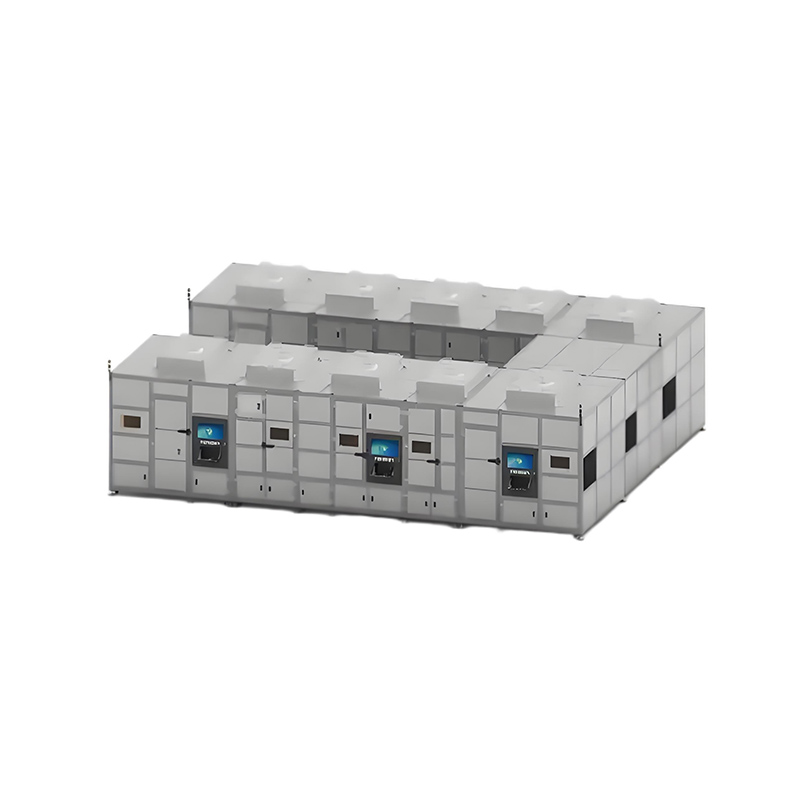
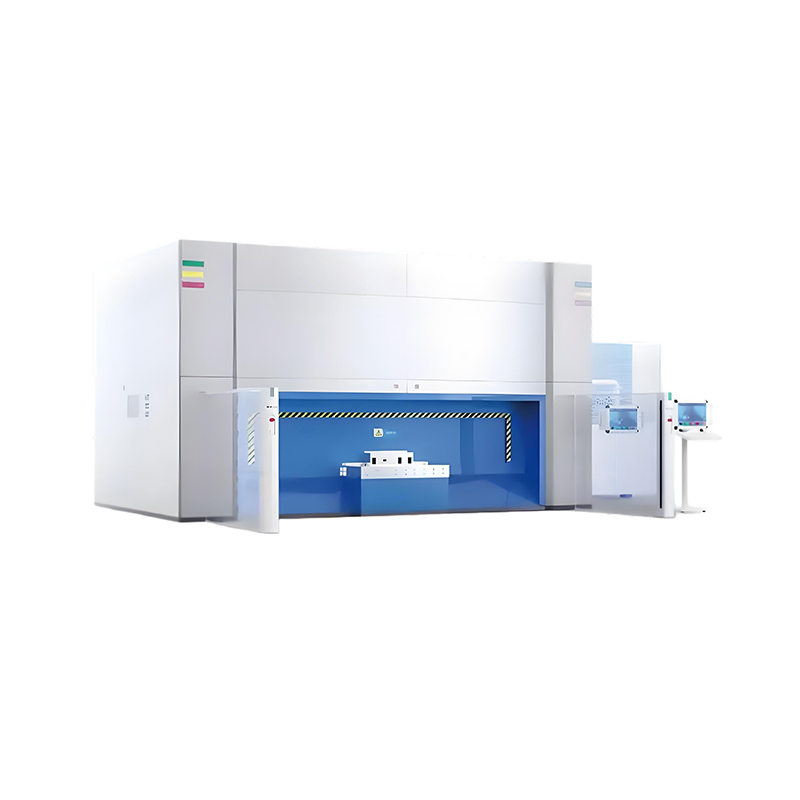
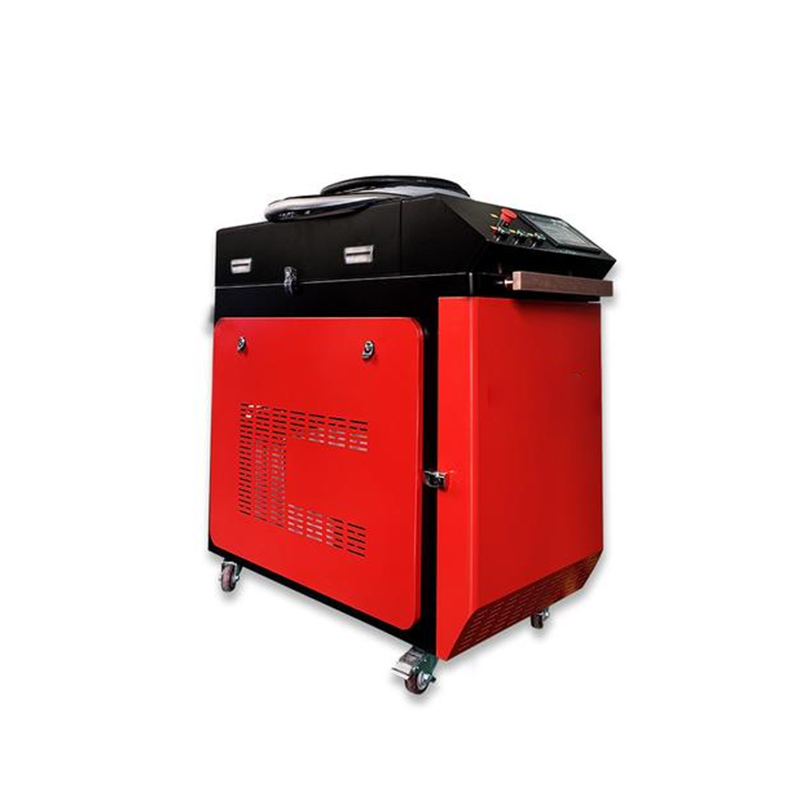
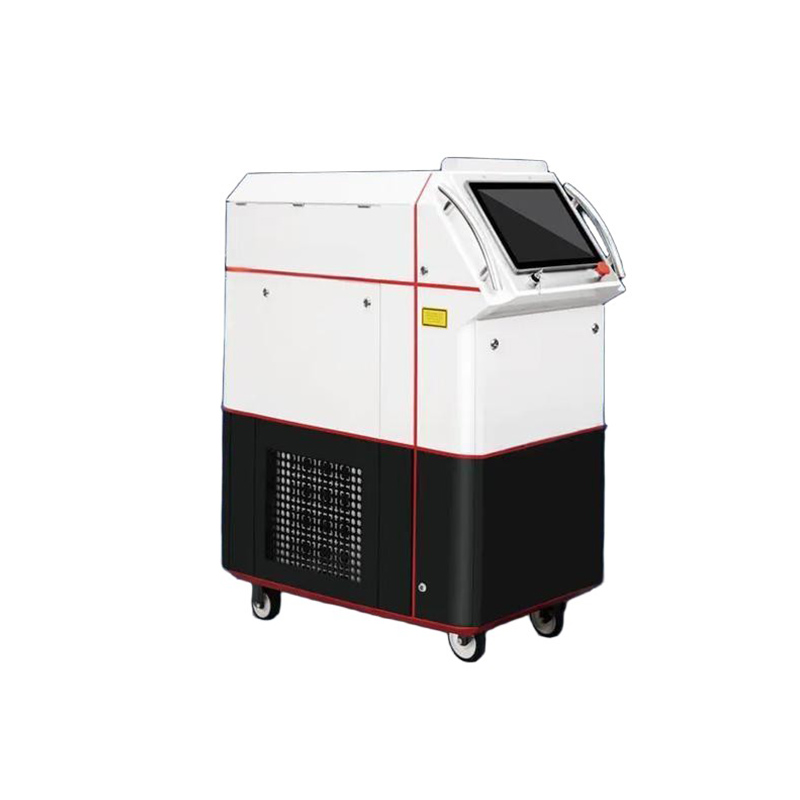
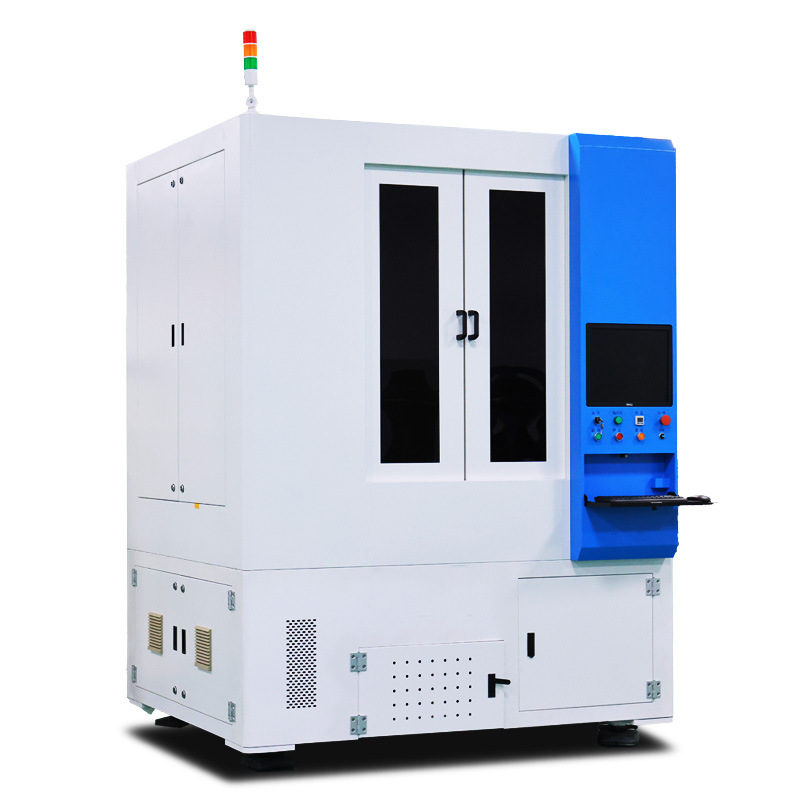
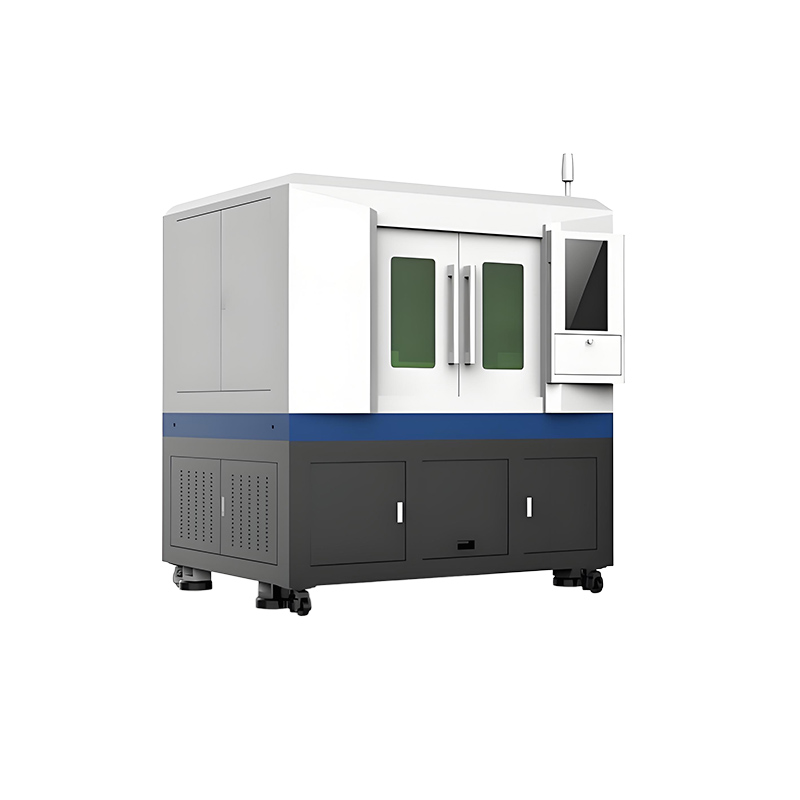
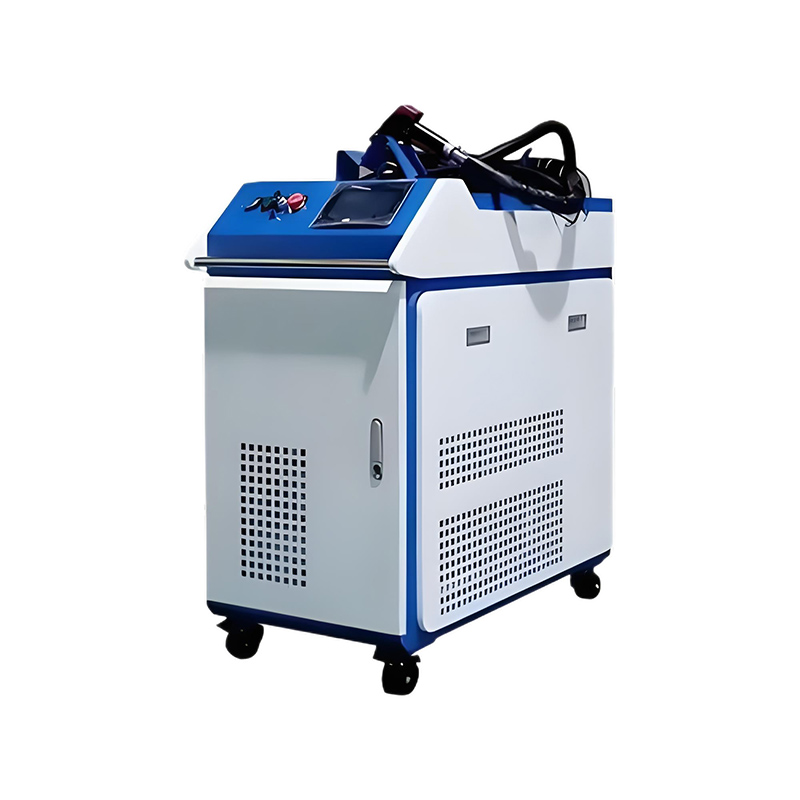
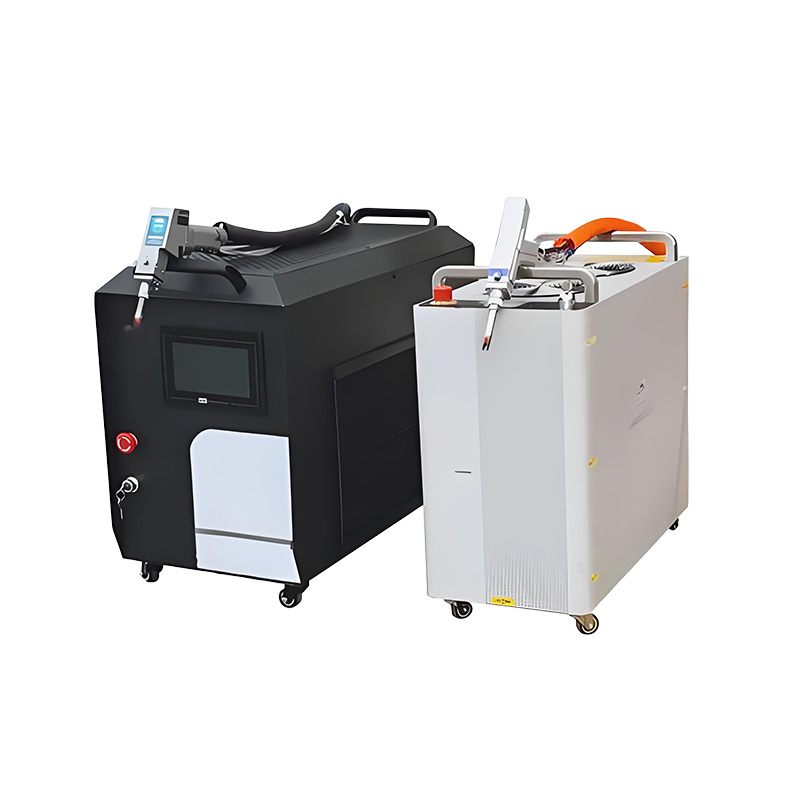
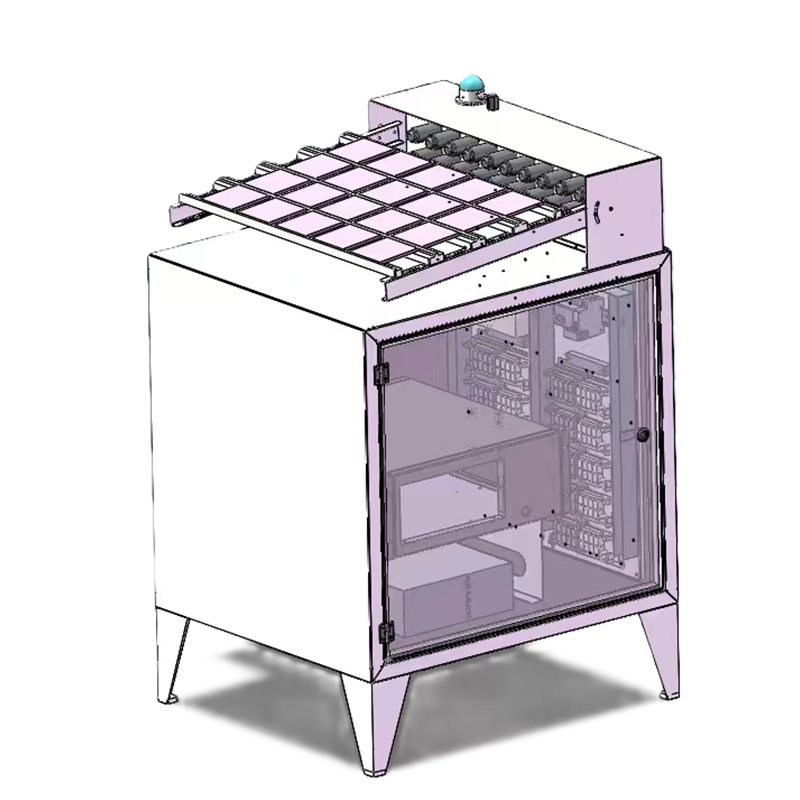
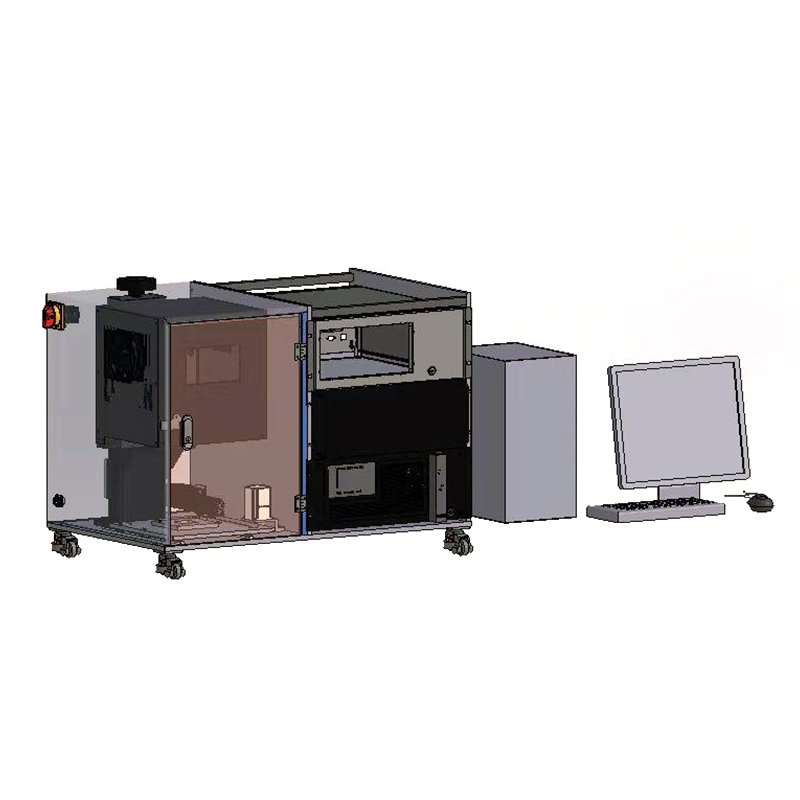
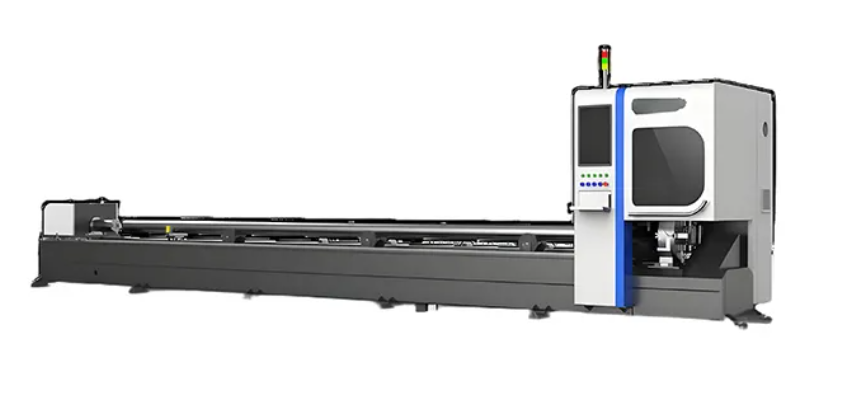
The P4 edge deletion process completes the efficiency optimization cycle by eliminating peripheral shunting paths. Lecheng's high-power fiber lasers (≥1,000W) remove edge deposits with 100μm accuracy, creating insulation barriers that prevent current leakage. The non-contact process avoids mechanical stress-induced microcracks that commonly occur with blade-based methods. This edge sealing combined with the precision P1-P3 patterning results in modules with <5% efficiency variance across production batches, achieving >18% stabilized efficiency for commercial perovskite products. The entire scribing sequence is completed within single automated systems, reducing handling damage and maintaining cleanroom conditions throughout manufacturing.
Related product and article resources
For procurement comparison and technical evaluation, readers can continue with these related product pages and supporting articles.
- Products
- Product catalog
- Contact the sales team
- Contact us
- Laser Scribing Machine RFQ Checklist for PV Cell Production Lines
- Laser Scribing vs Mechanical Cutting in Photovoltaic Production
- P1, P2 and P3 Laser Scribing: What Solar Manufacturers Should Know
- Lecheng Powers Dehu's 100MW Perovskite Pilot Line to Historic First Light
Lecheng's integrated P1-P4 laser scribing methodology represents a holistic approach to perovskite module optimization, where precision patterning, thermal control, and edge management collectively unlock the full potential of third-generation photovoltaic technology.

