


Glass Cutting Without Chipping
Cold Ablation Process for Flawless Edge Quality
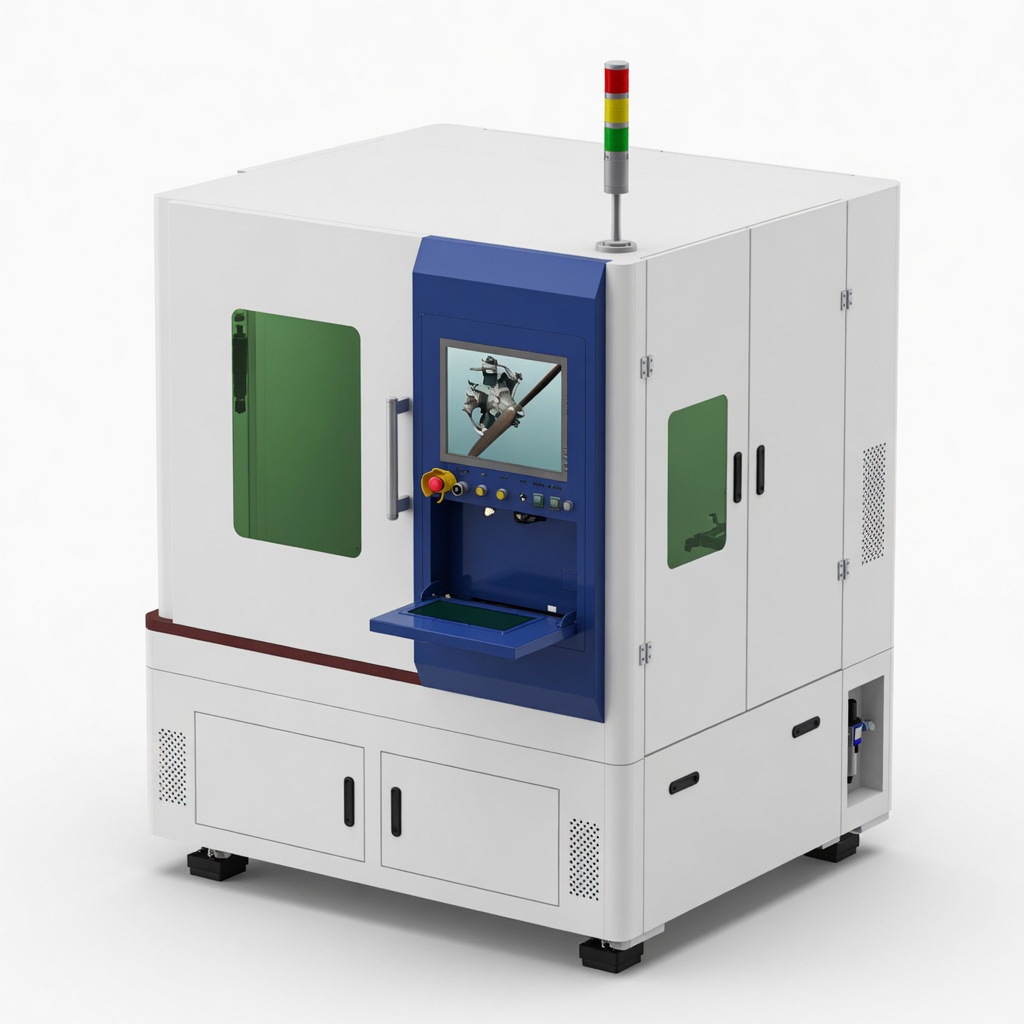
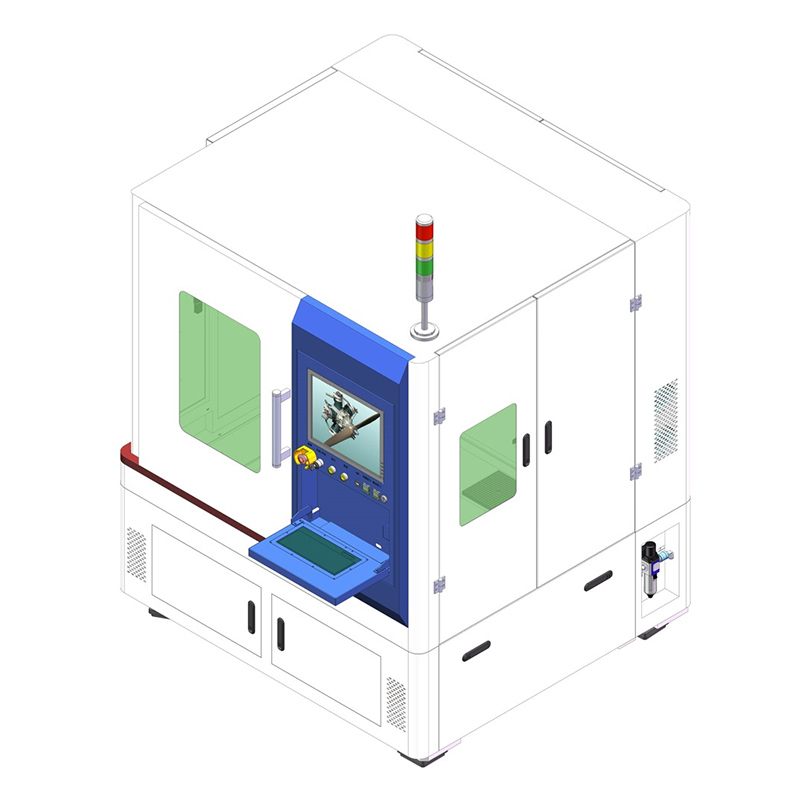
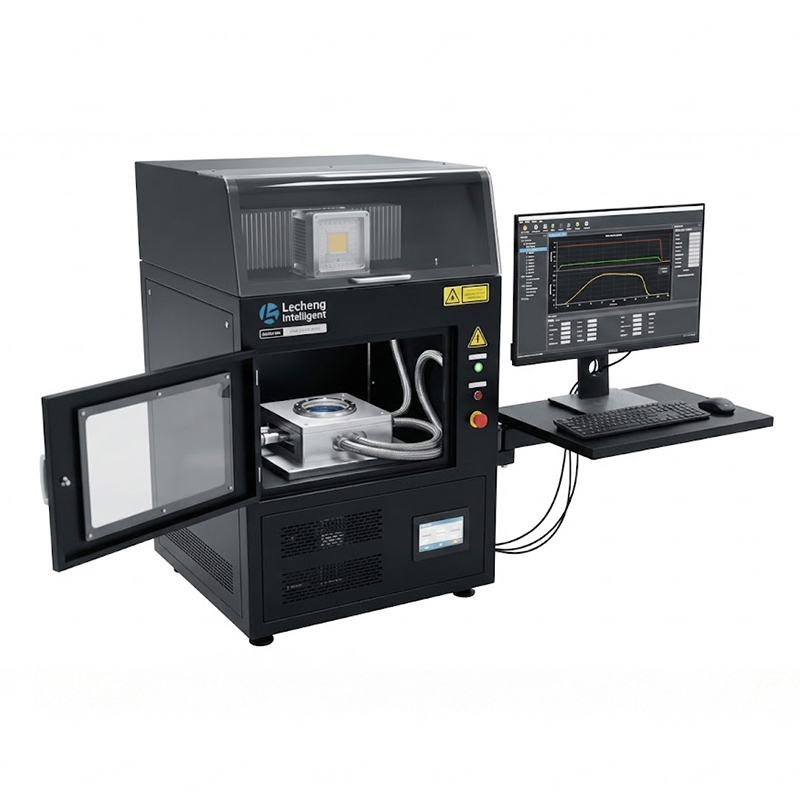
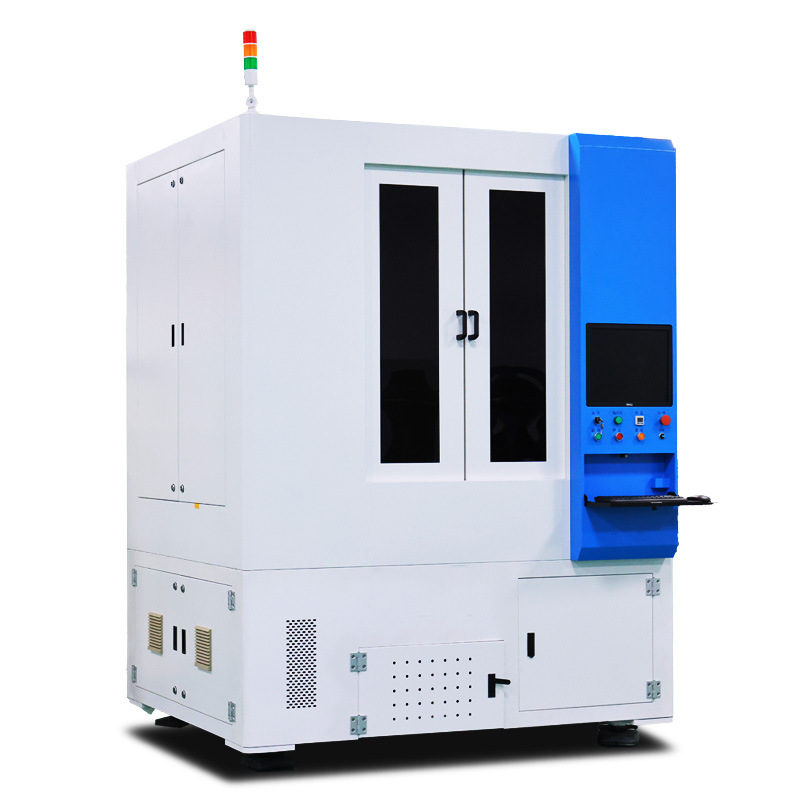
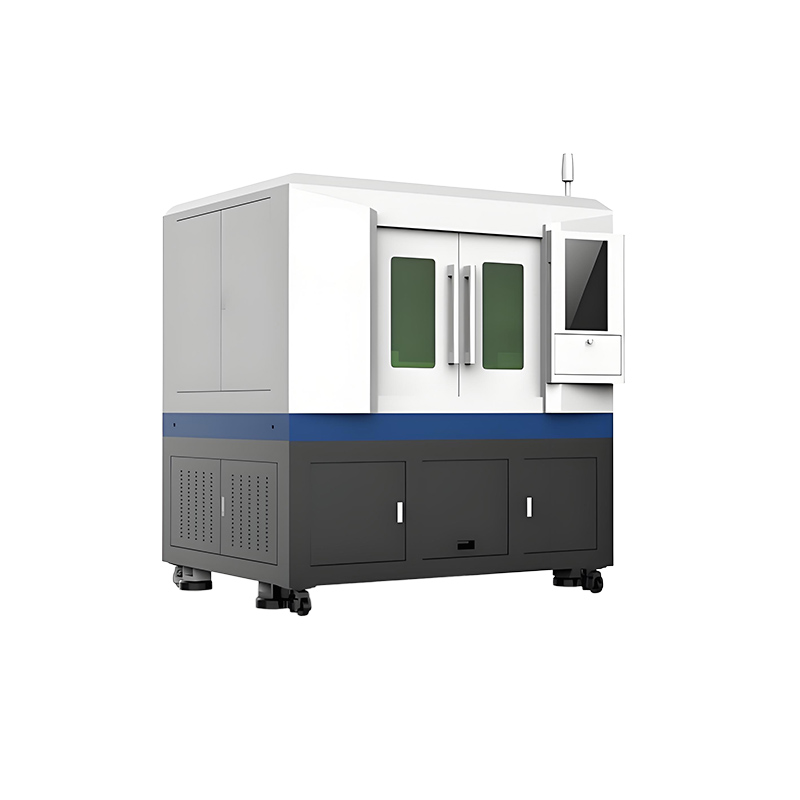
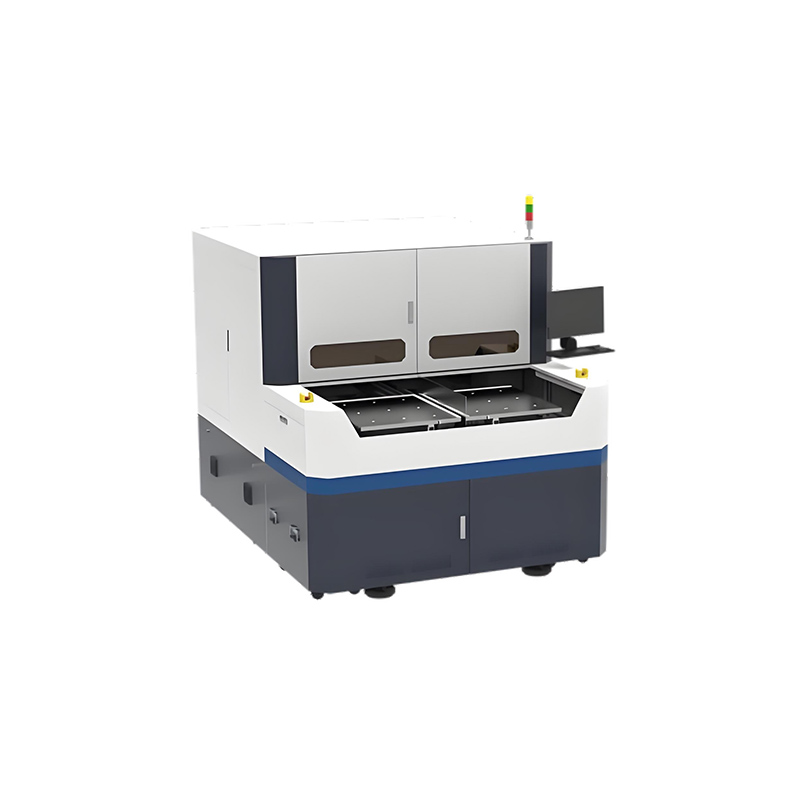
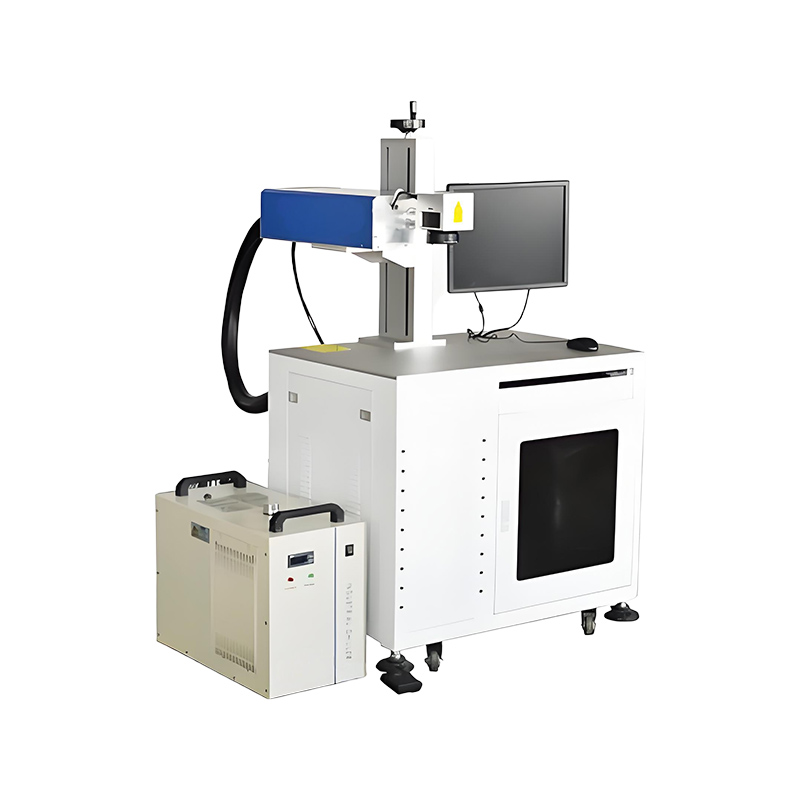
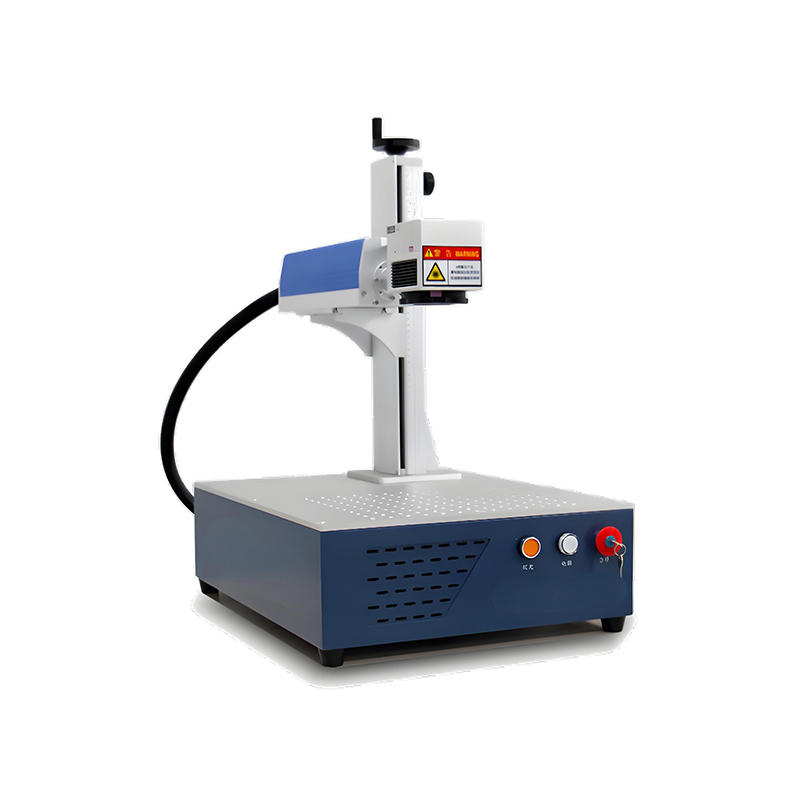
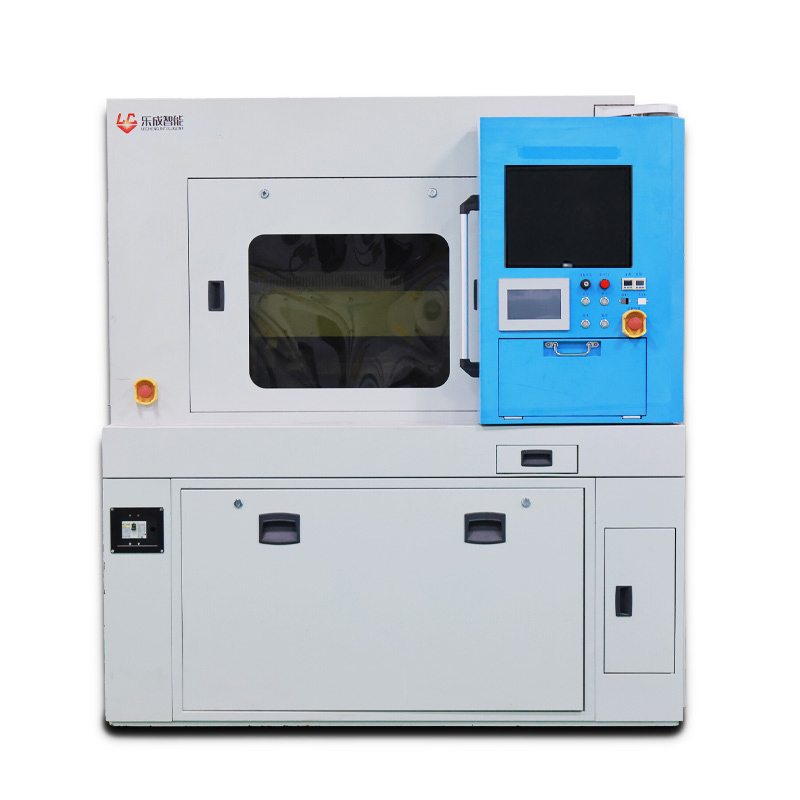
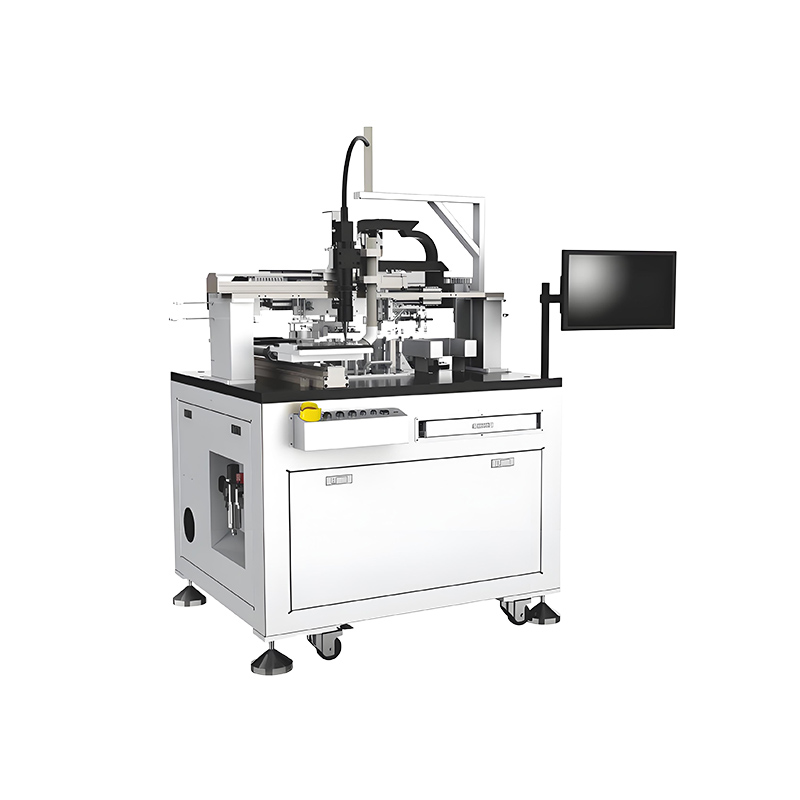
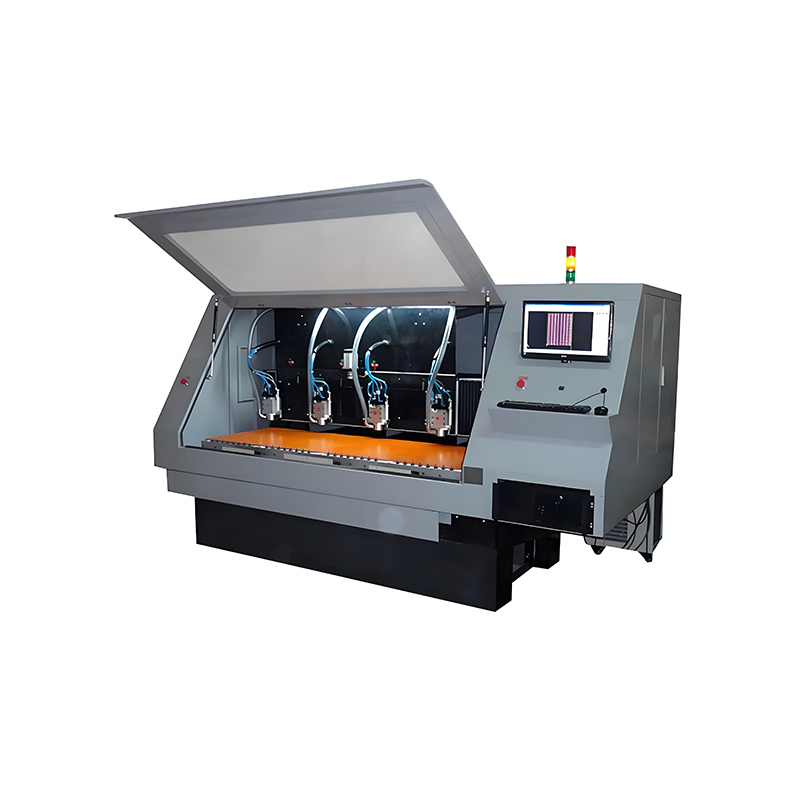
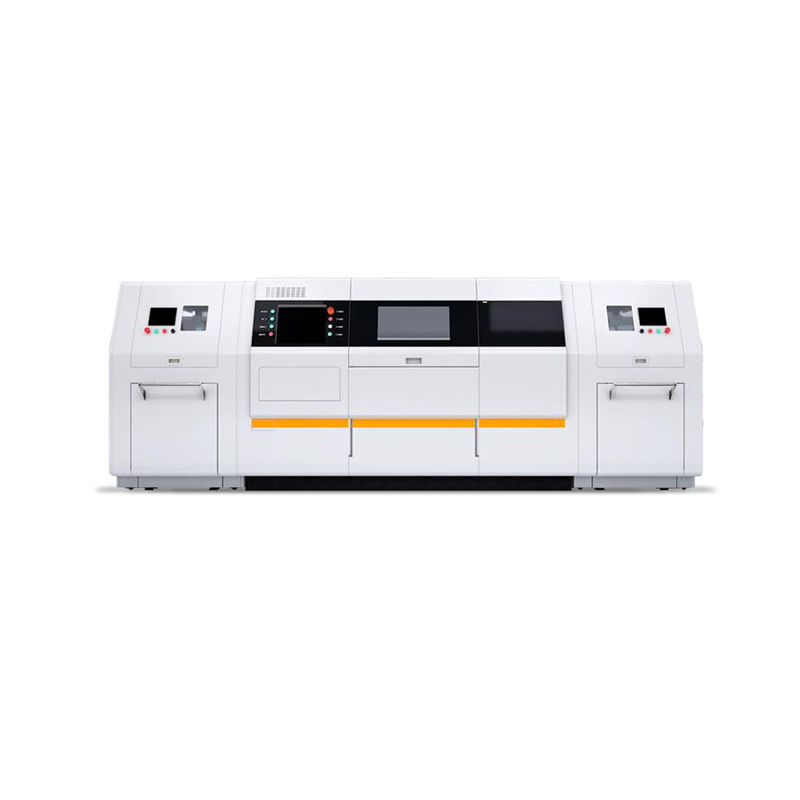
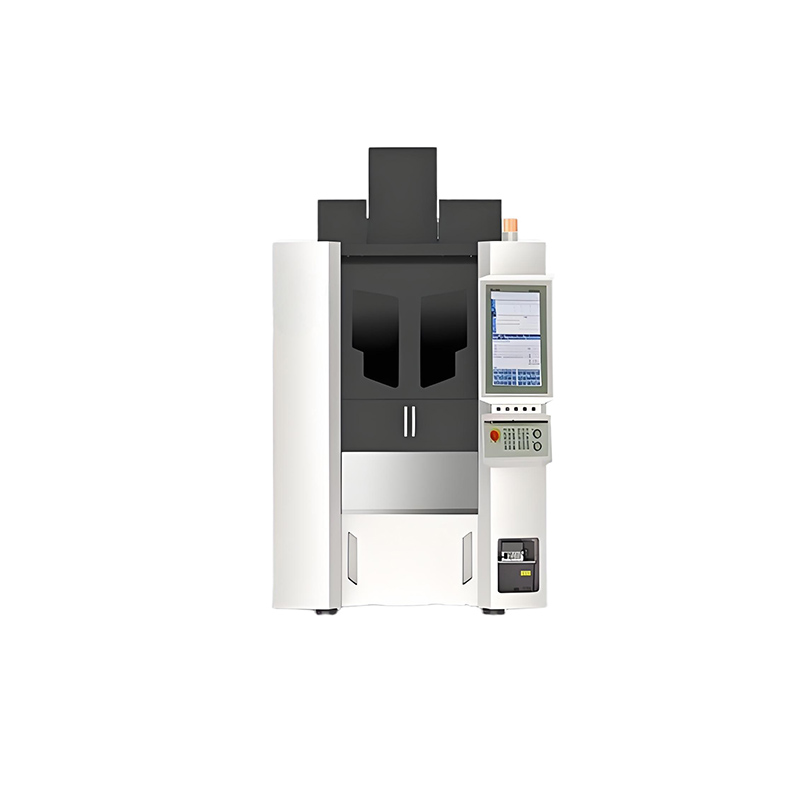
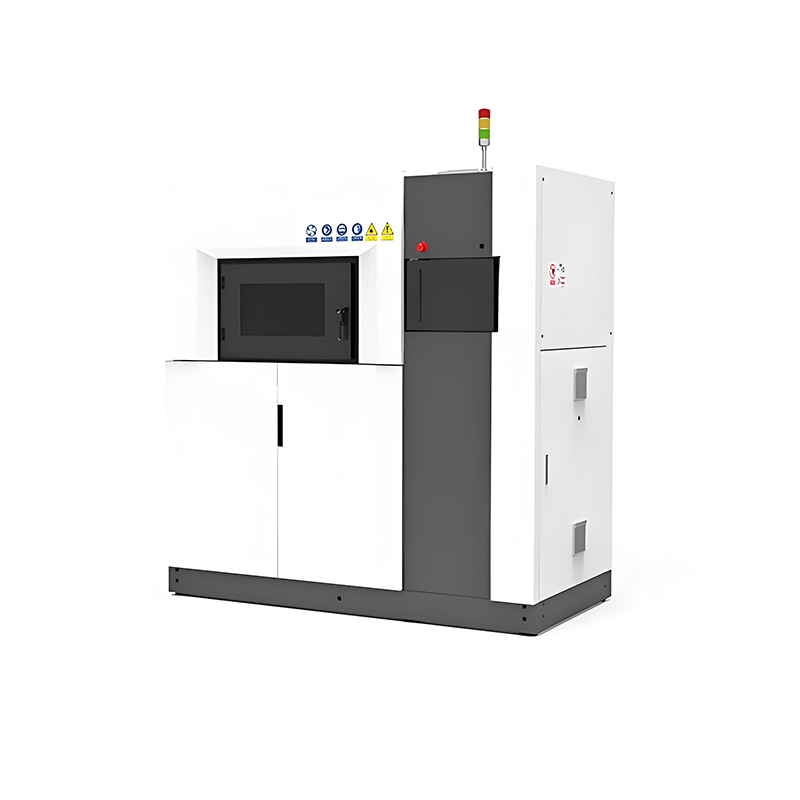
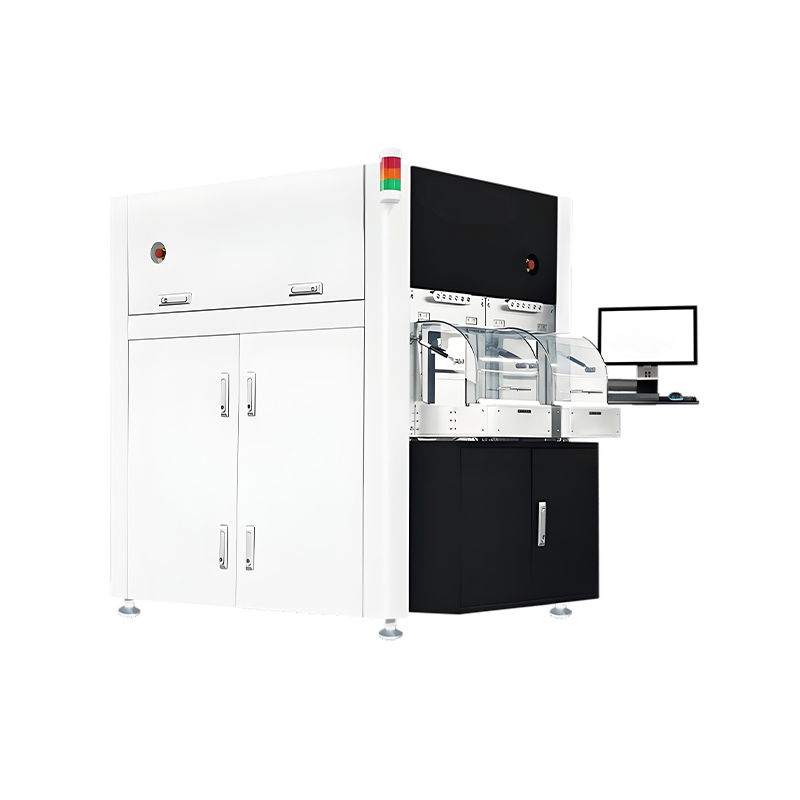
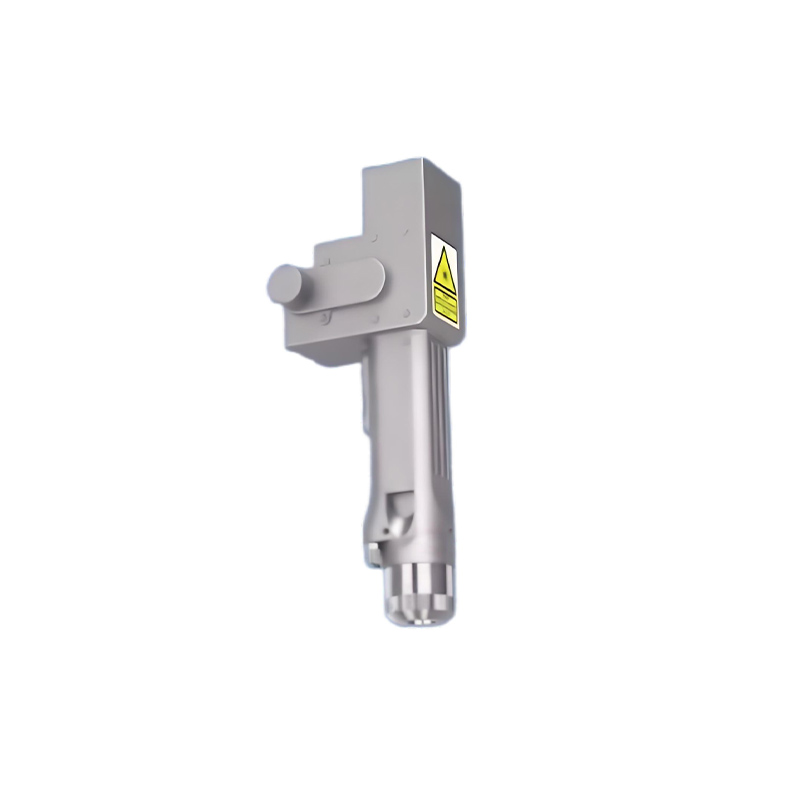
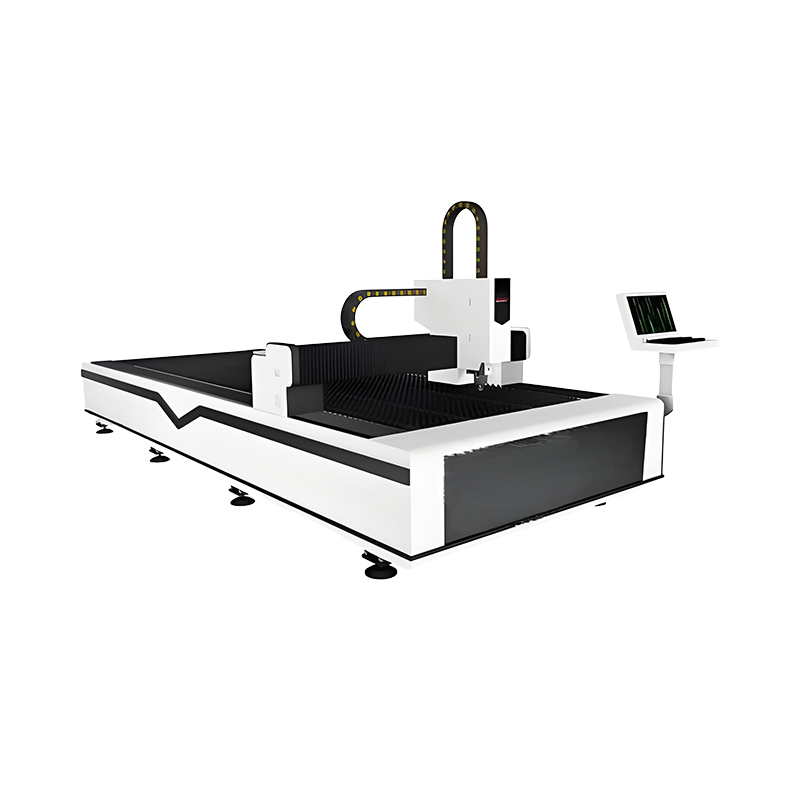
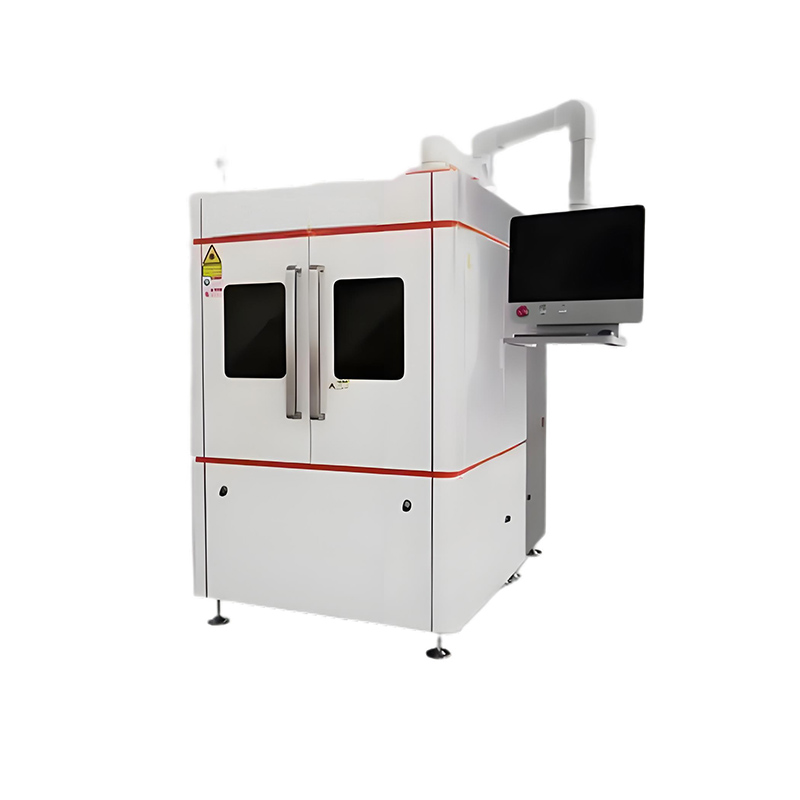
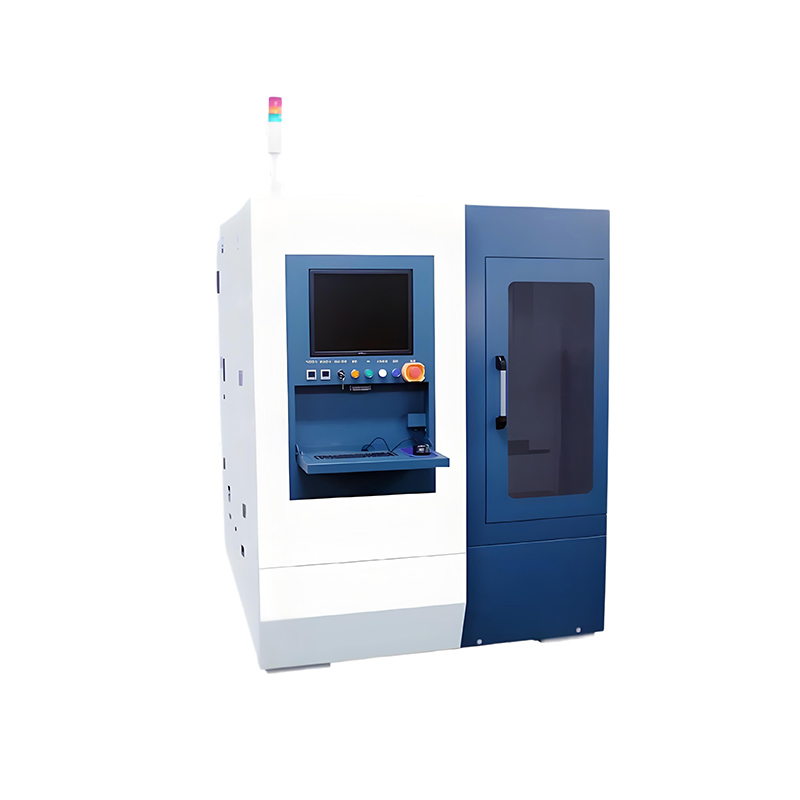
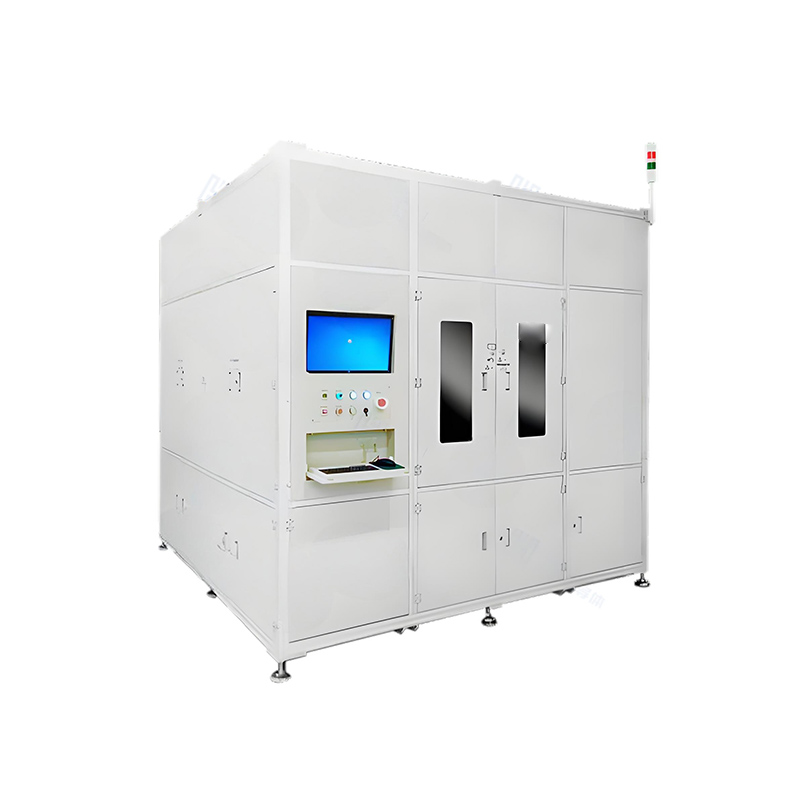
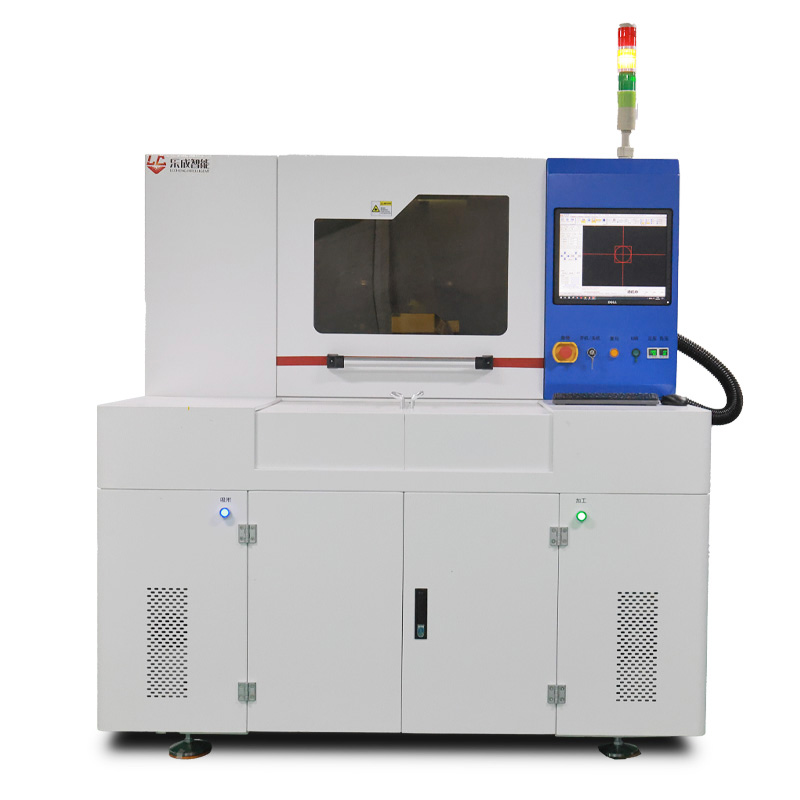
Lecheng's picosecond laser technology revolutionizes glass cutting by leveraging ultra-short pulses (10⁻¹² seconds) that interact with materials through cold ablation. Unlike traditional mechanical or CO₂ laser methods that generate significant heat, this process vaporizes glass molecules directly without thermal stress accumulation. The system achieves cutting accuracy of ≤20μm with edge chipping controlled below 10μm—critical for modern display panels where even micro-cracks compromise structural integrity. By operating at wavelengths optimized for glass transparency (e.g., 355nm UV), the laser ensures clean cuts on materials ranging from 0.05mm ultra-thin glass to 10mm laminated stacks. This capability is particularly valuable for foldable displays and automotive curved screens, where edge strength impacts product lifespan. Lecheng's proprietary beam delivery system further enhances stability, maintaining focus depth consistency across large panels up to 1200×600mm.
Multi-Layer and Curved Surface Adaptability
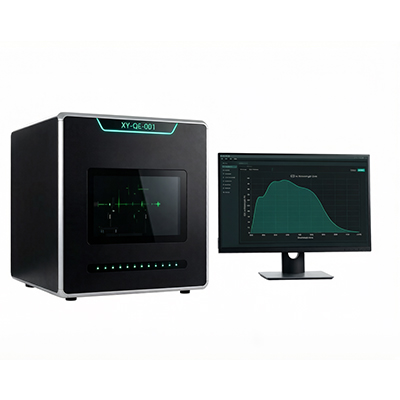
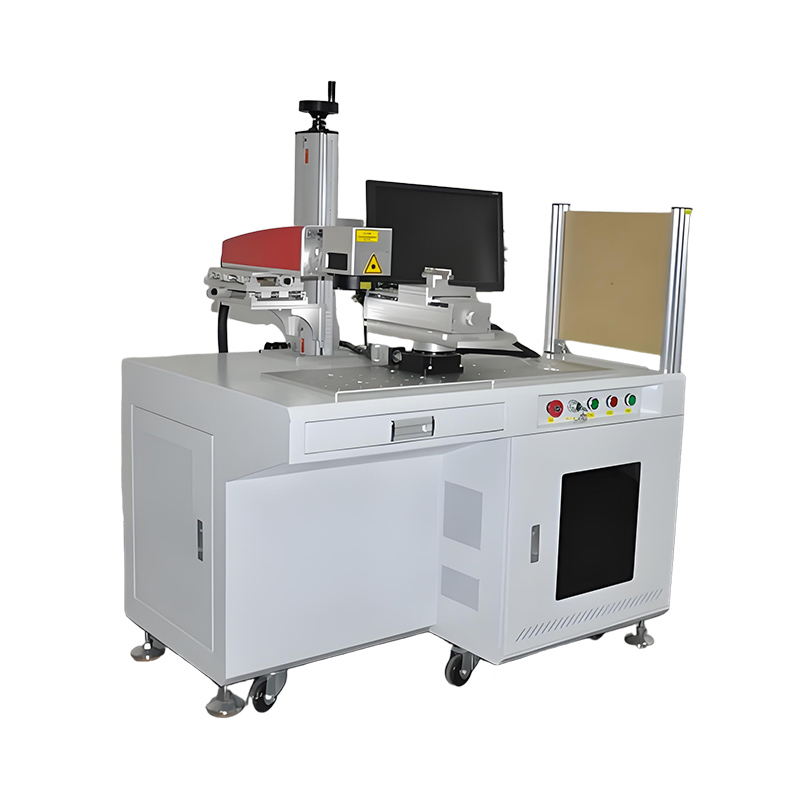
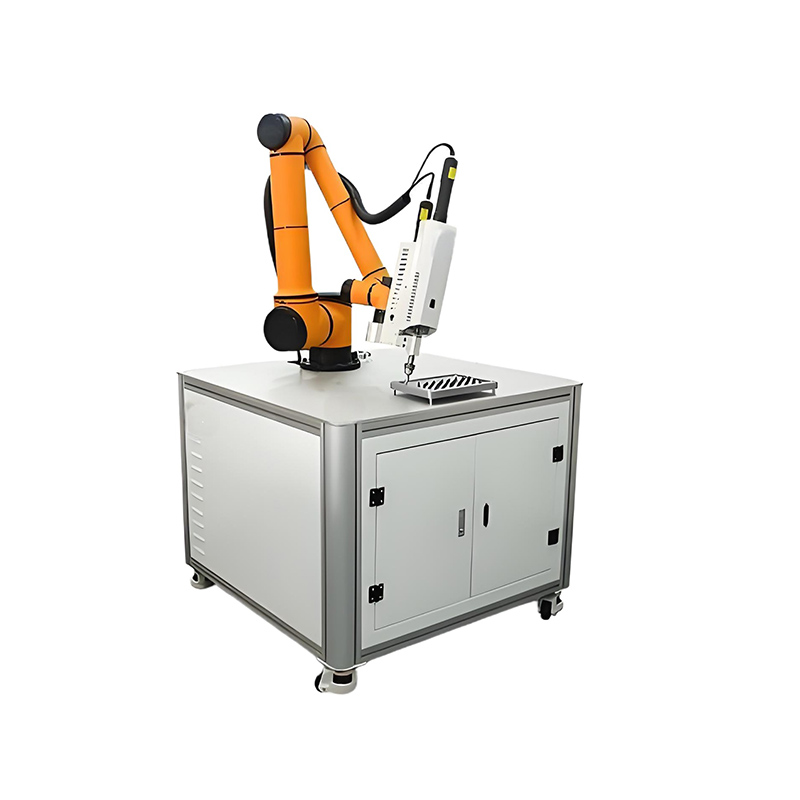
The technology’s true innovation lies in its ability to handle complex glass structures without delamination or subsurface damage. Lecheng’s systems integrate real-time thickness monitoring and adaptive focal length adjustment, enabling seamless cutting of laminated safety glass for automotive displays and tempered cover glass for mobile devices. For curved panels, robotic arm-assisted laser heads maintain perpendicular incidence angles within ±0.5°, ensuring uniform energy distribution across 3D contours. This eliminates the need for secondary polishing—a major cost driver in conventional glass processing. The non-contact nature of the process also prevents micro-scratches that degrade optical clarity, making it ideal for AR/VR device lenses and high-resolution OLED panels where surface perfection is paramount.
Production-Ready Automation and Yield Optimization
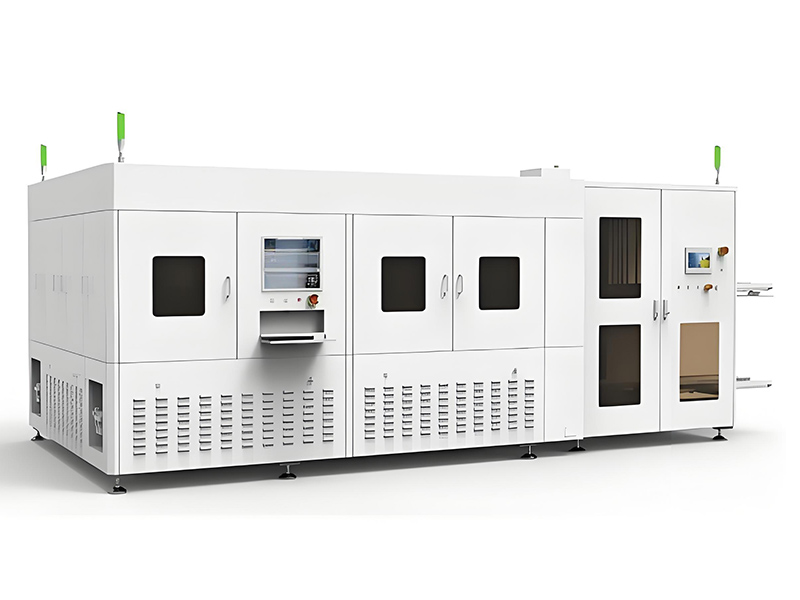
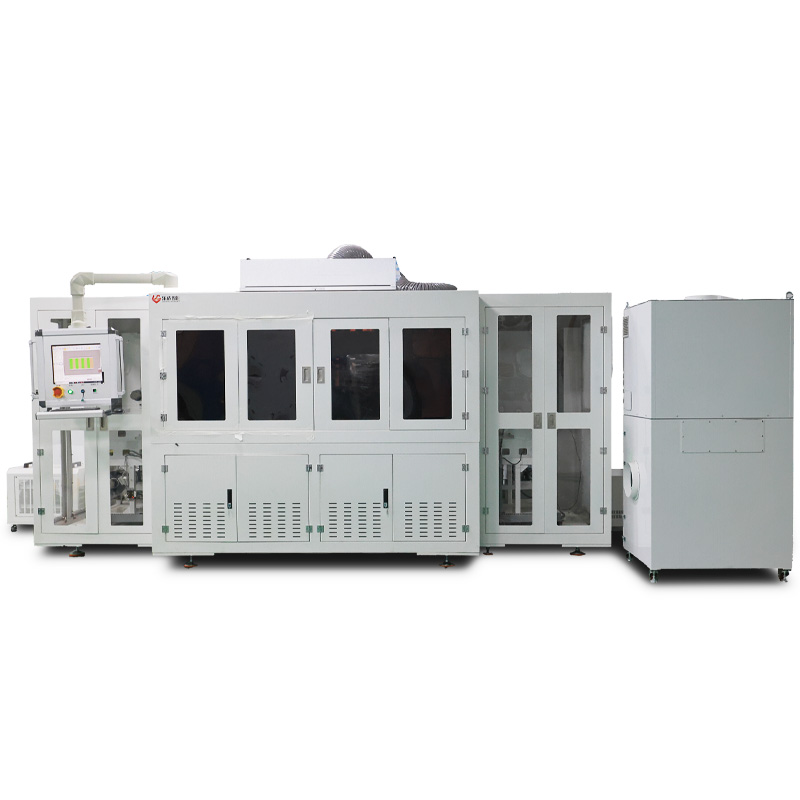
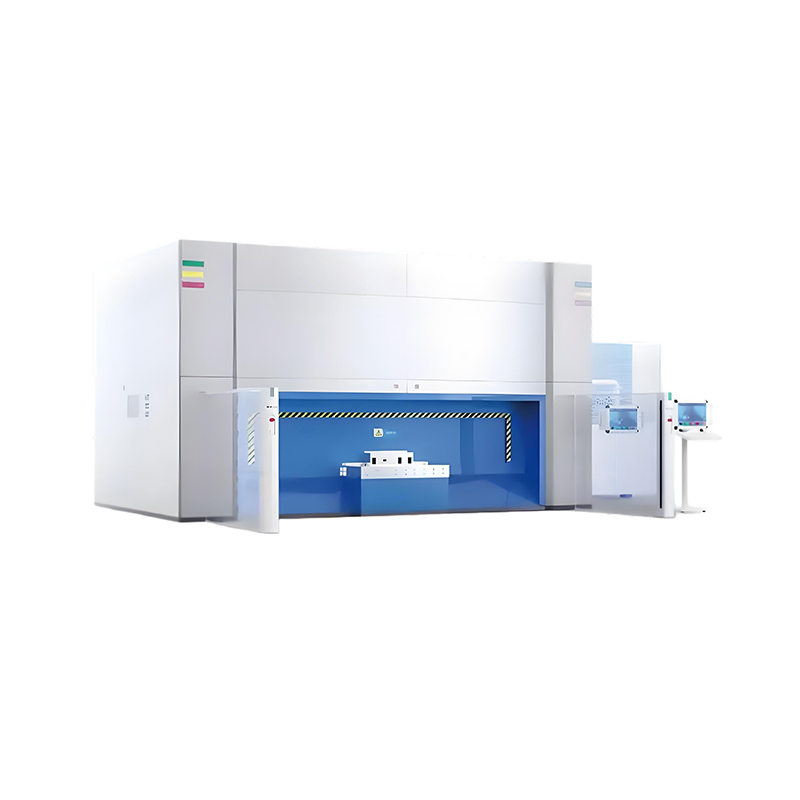
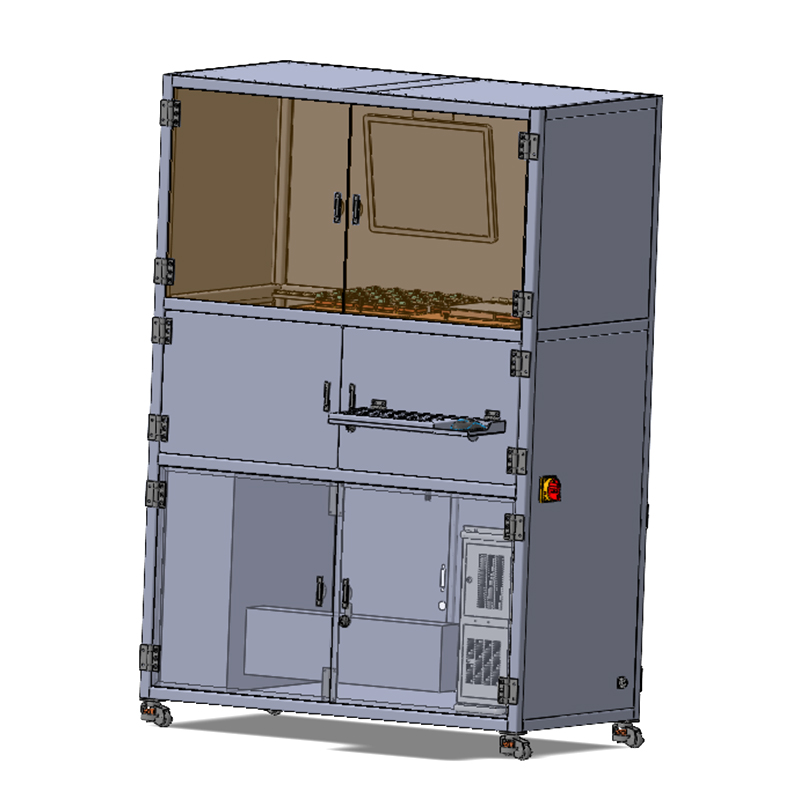
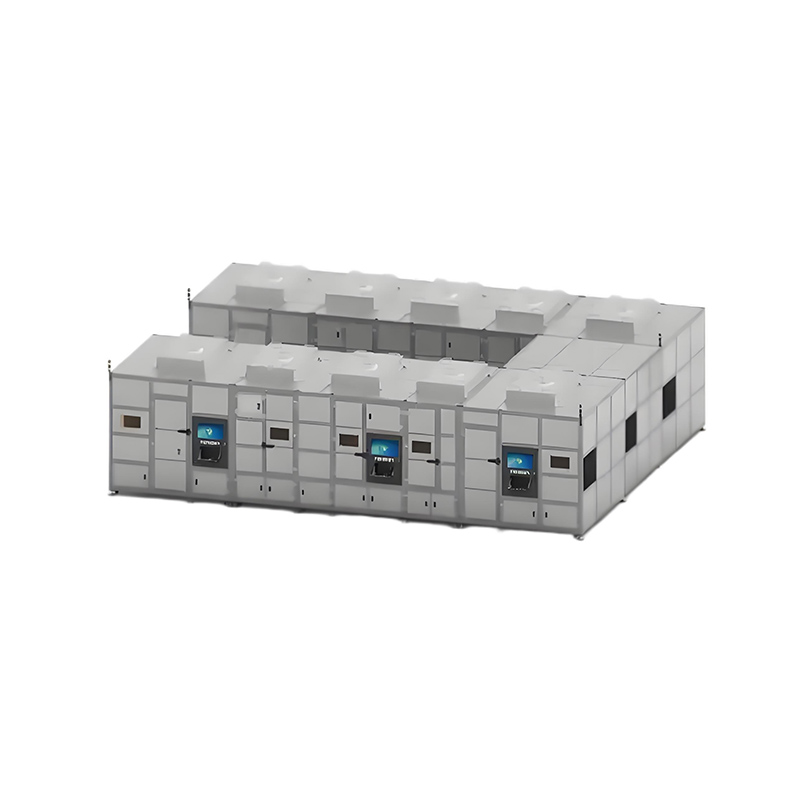
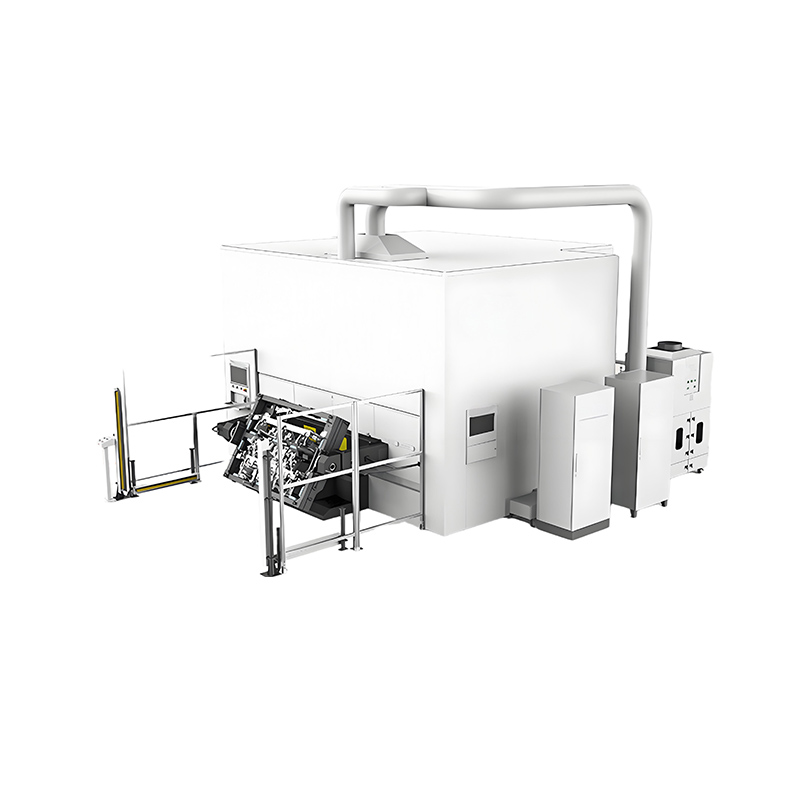
Lecheng's picosecond laser systems are engineered for 24/7 industrial operation, featuring automated loading/unloading modules and AI-based defect detection. The equipment achieves throughputs of 600 panels per hour for standard smartphone sizes while maintaining ≤0.1% breakage rates—a 5x improvement over mechanical scribing. Integrated air flotation stages prevent surface contact during transport, while predictive maintenance algorithms monitor laser diode health, reducing unplanned downtime by 30%. For display manufacturers, this translates to direct cost savings of up to 40% through reduced material waste, lower labor costs, and higher overall equipment effectiveness (OEE). The systems' compatibility with existing production lines allows for seamless upgrades without facility modifications.
Lecheng's picosecond laser technology represents a paradigm shift in display glass cutting, combining sub-micron precision with production-scale robustness. By eliminating chipping and enabling complex geometries, it empowers manufacturers to meet evolving demands for thinner, stronger, and more versatile displays.