


Standard Lead Time And Factors Affecting Delivery
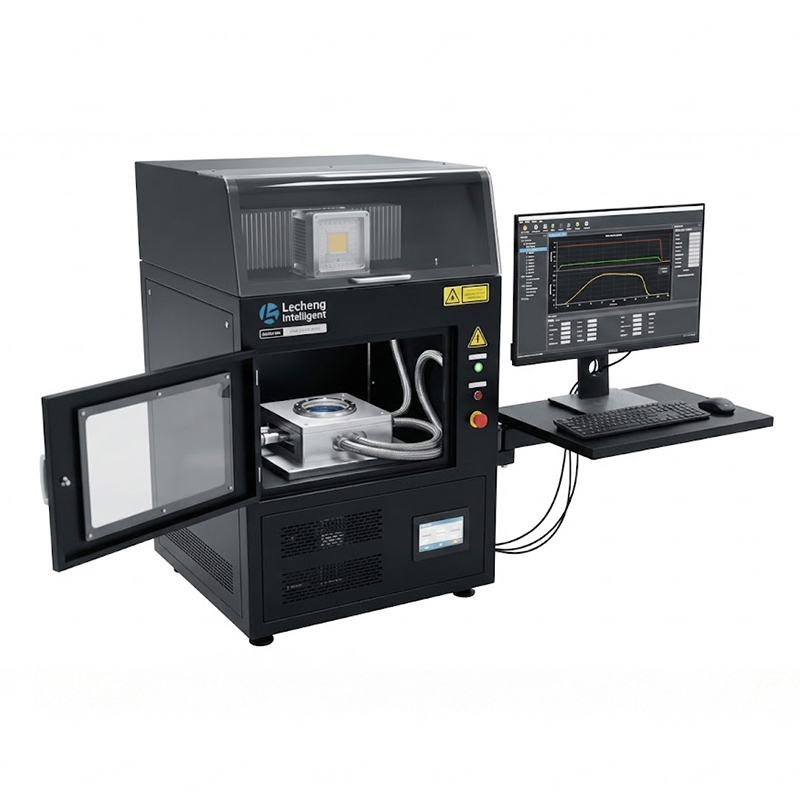
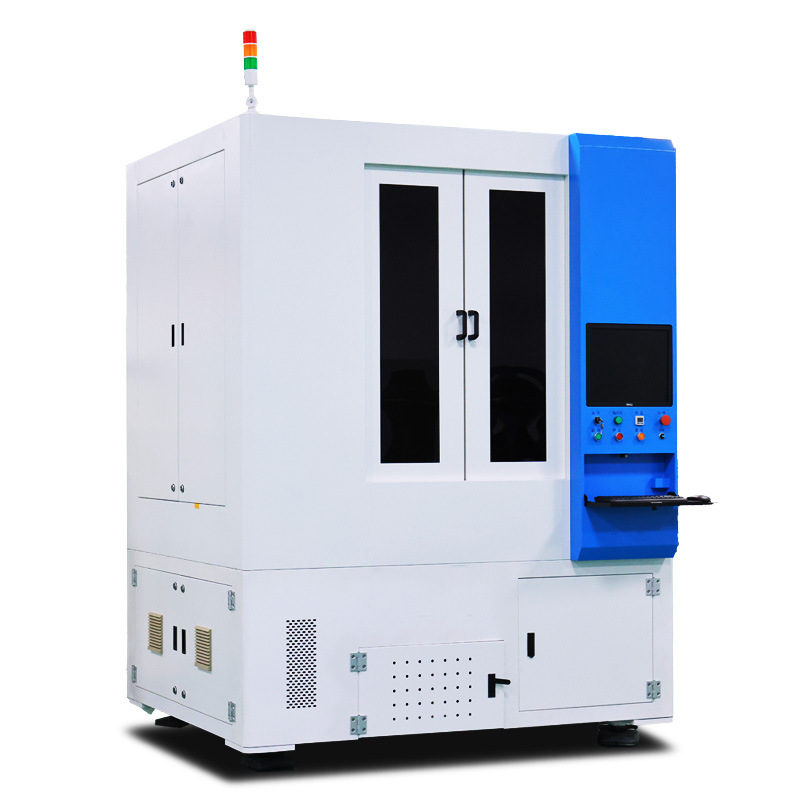
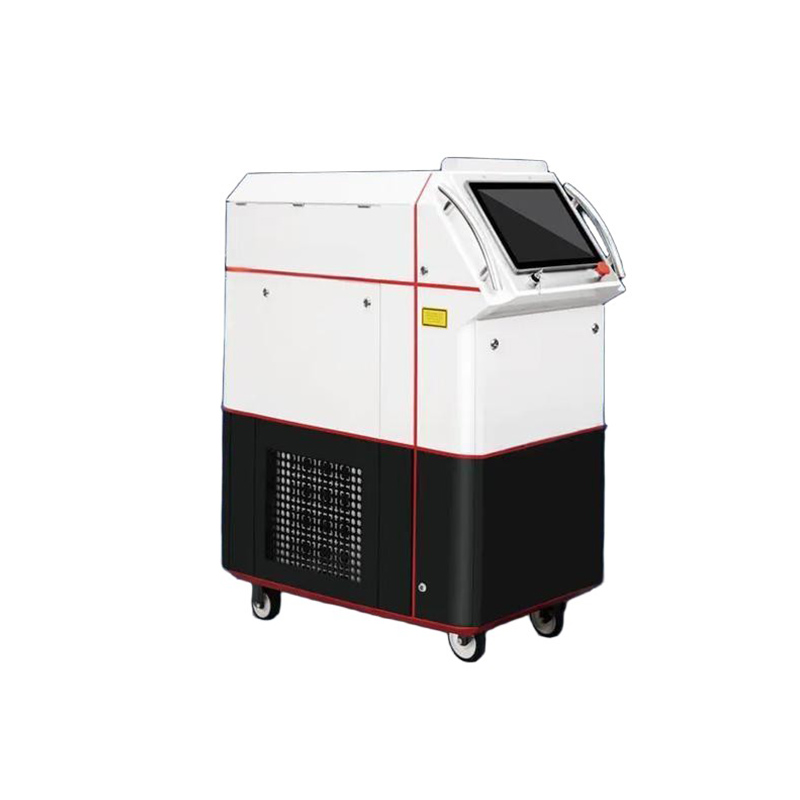
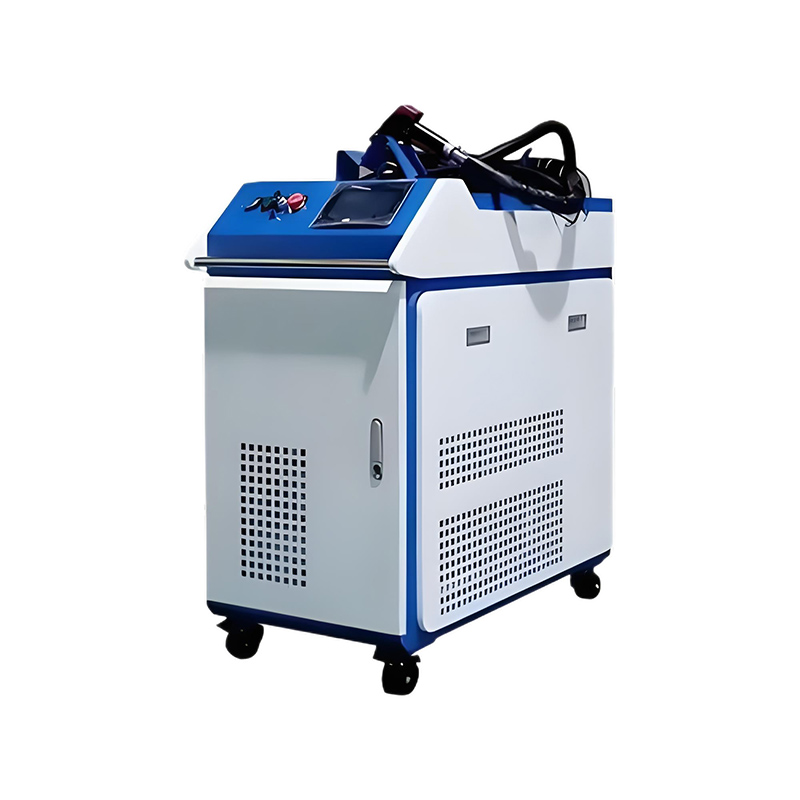
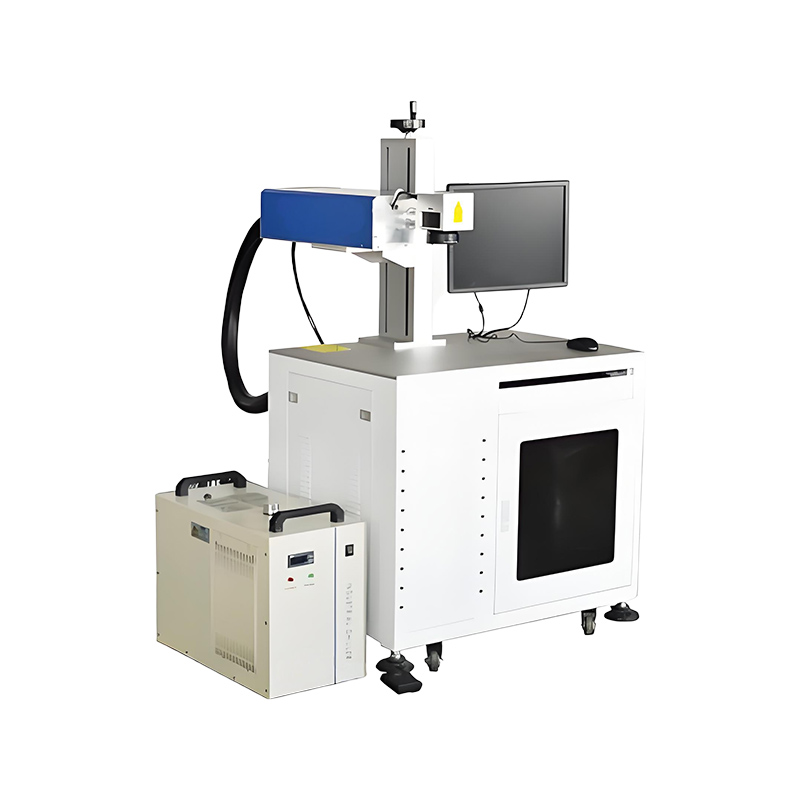
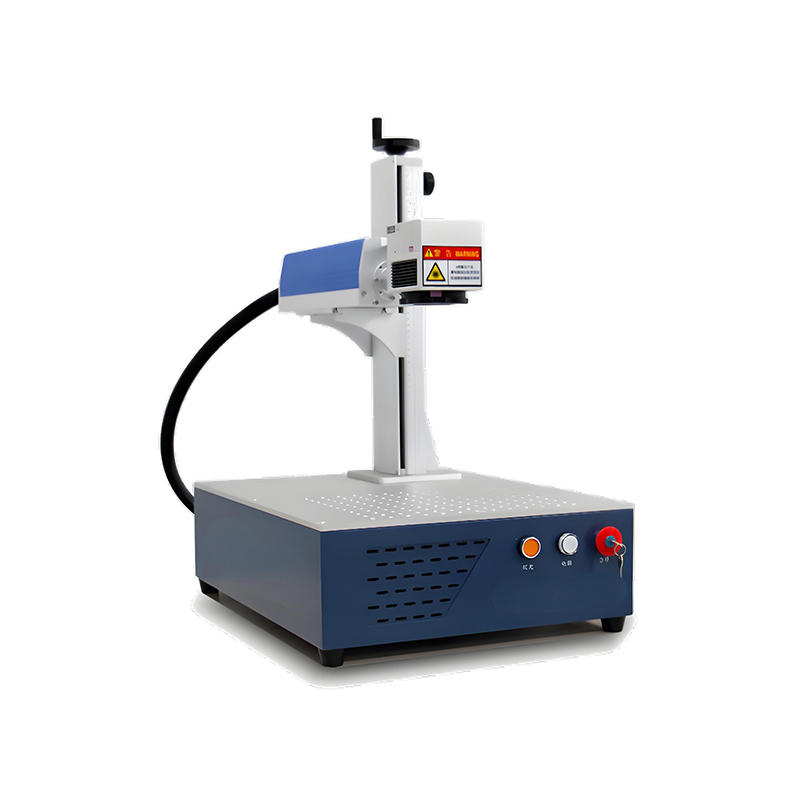
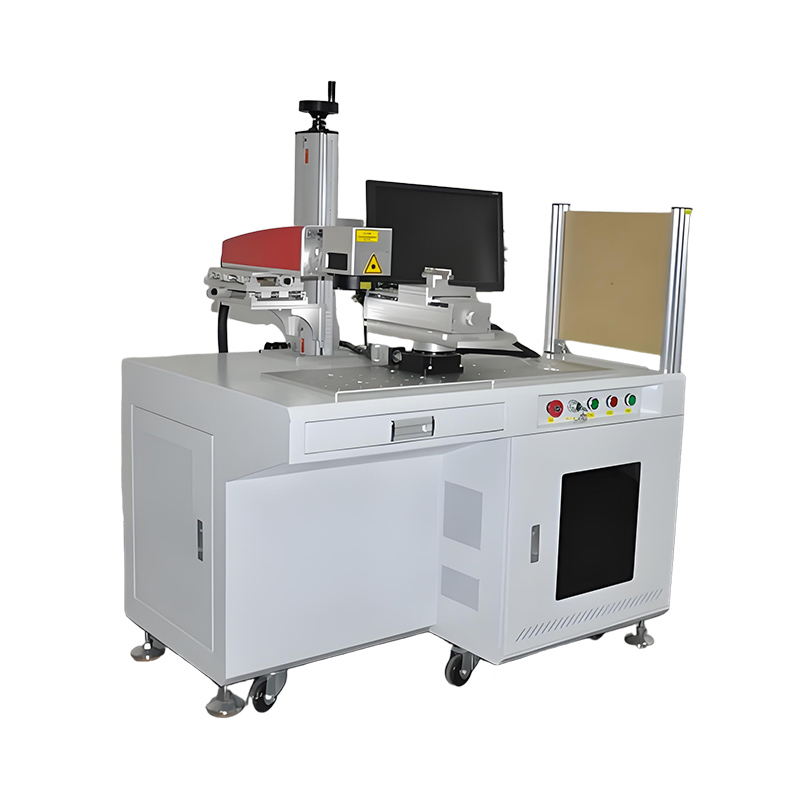
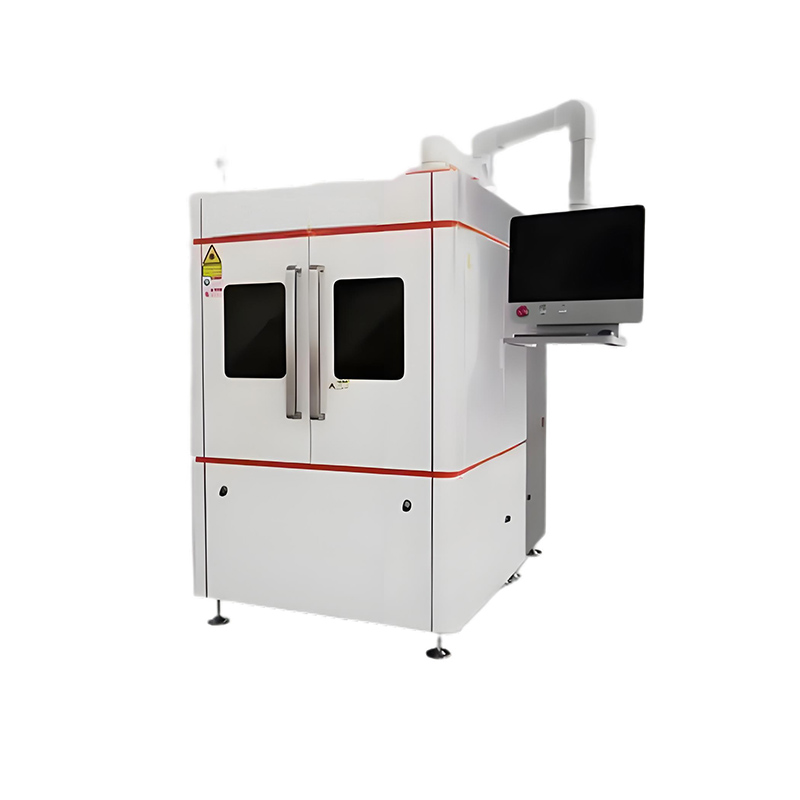
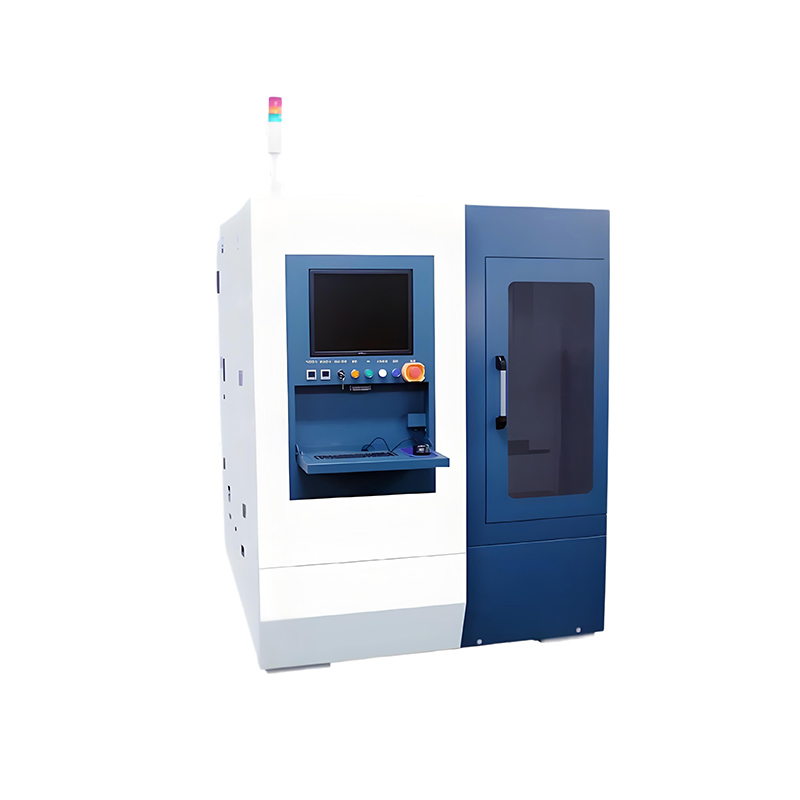
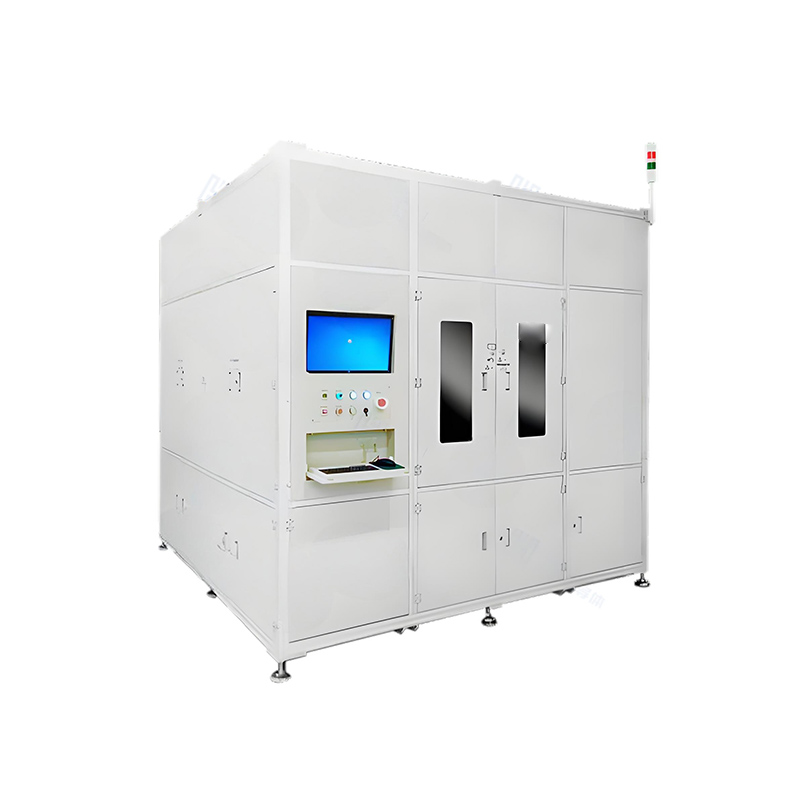
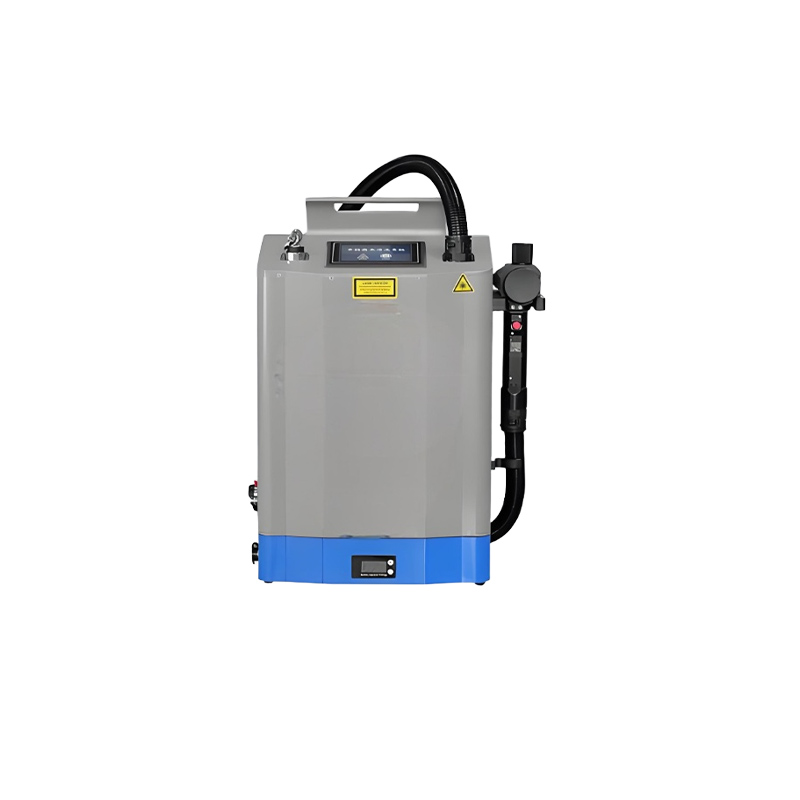
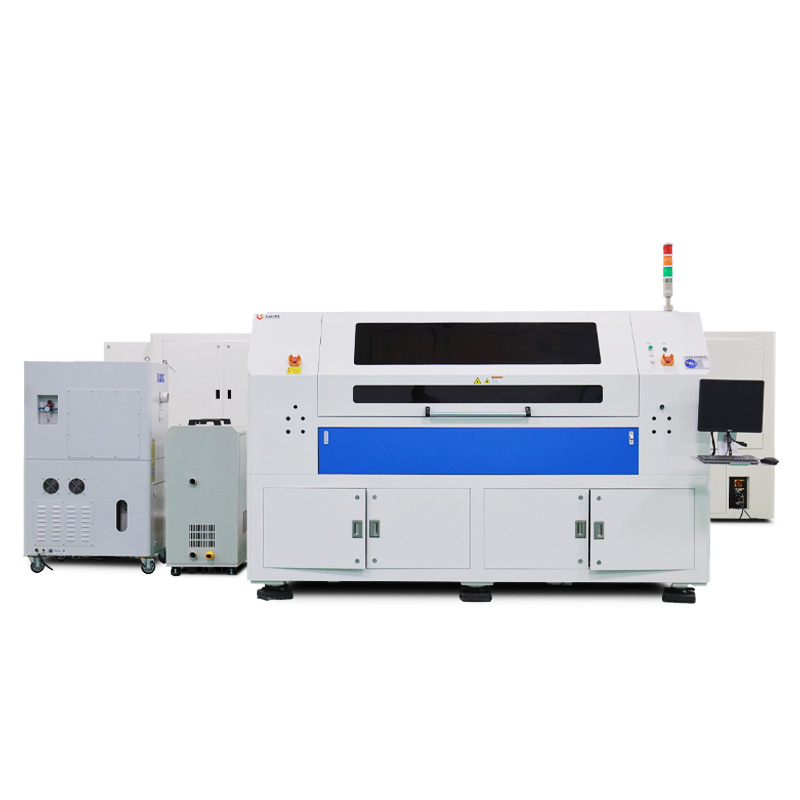
For most laser equipment suppliers, delivery time depends on whether the machine is a standard configuration or a customized solution. Standard laser systems with predefined specifications typically have shorter lead times, often ranging from several weeks to around one to two months. These machines can be assembled quickly because core modules and configurations are already established.
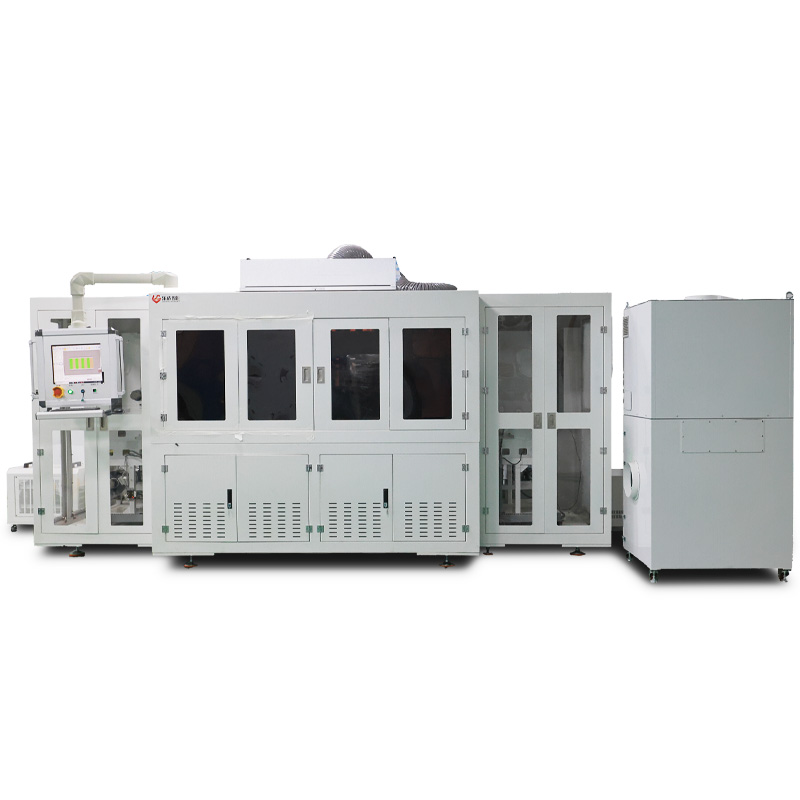
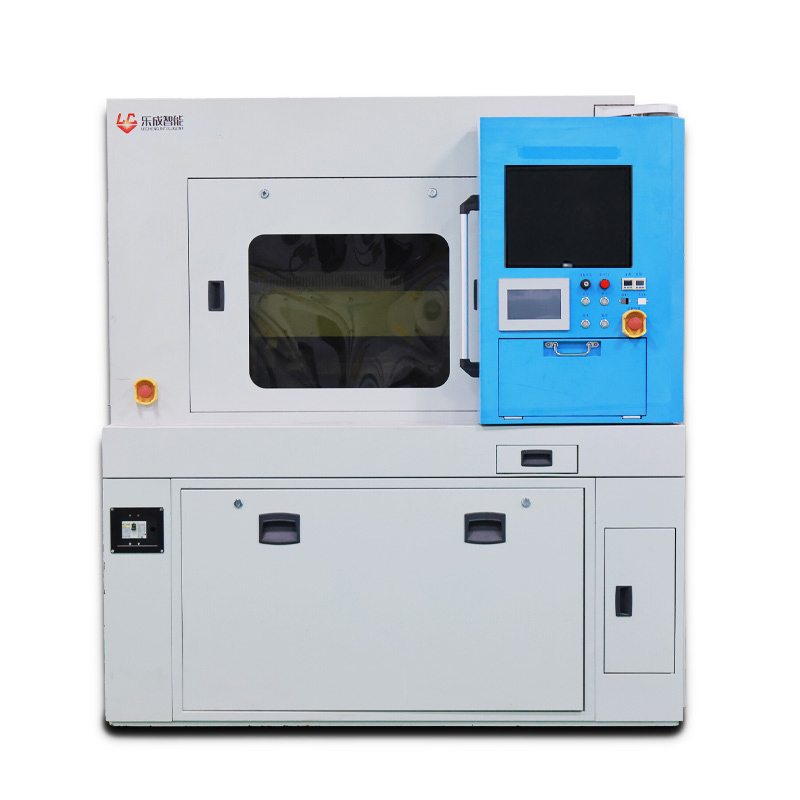
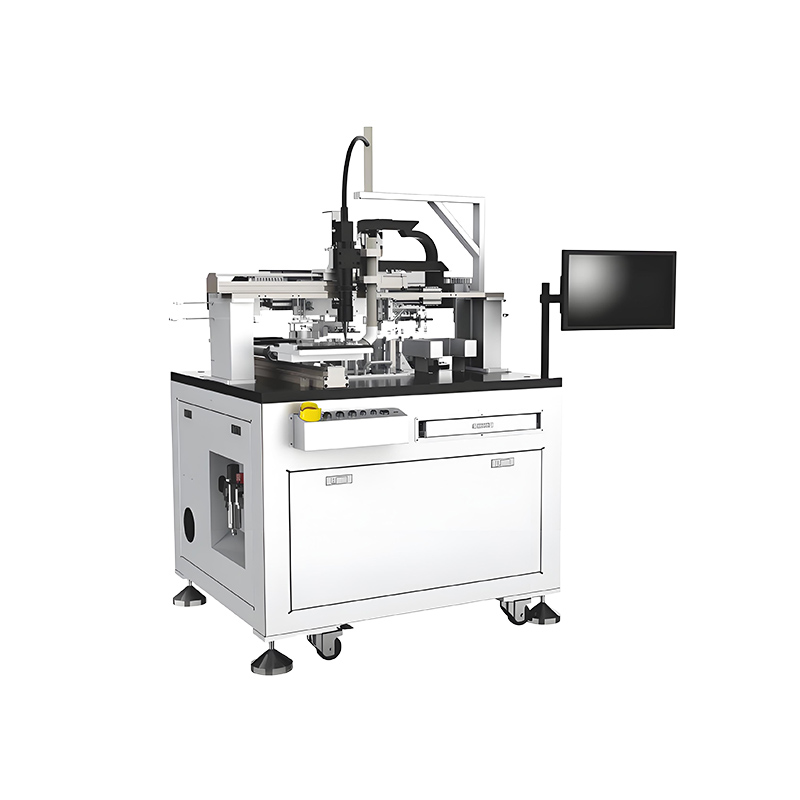
However, for companies like Lecheng Intelligent Technology (Suzhou) Co., Ltd., a large portion of projects involve customized photovoltaic laser solutions or specialized industrial applications. In such cases, delivery time may extend to two to four months or longer, depending on system complexity, integration requirements, and testing procedures. Customization often includes process validation, mechanical redesign, automation integration, and software tuning, all of which require additional time.
From a buyer’s perspective, understanding these differences is essential. The key is not simply how fast the machine can be delivered, but whether the delivery schedule realistically reflects the level of customization and project requirements.
Production Capacity, Project Management, And Delivery Reliability
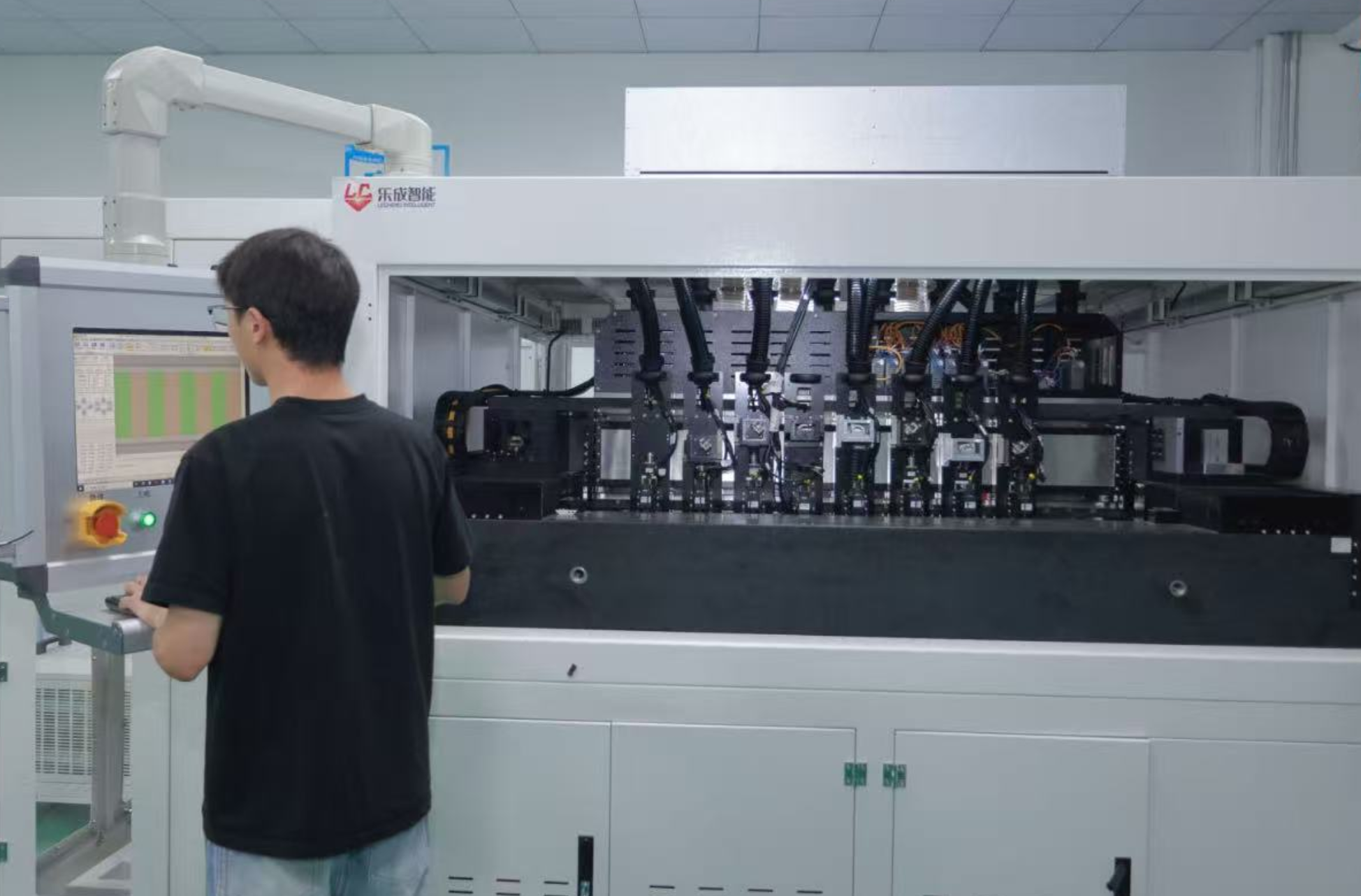
Beyond estimated lead time, buyers are more concerned about delivery reliability. A supplier that promises a short delivery but fails to meet deadlines can cause more damage than one with a slightly longer but reliable schedule. Therefore, procurement teams evaluate not only the timeline, but also the supplier’s production capacity and project management capability.
Companies like Lecheng Intelligent Technology (Suzhou) Co., Ltd. typically handle engineering-driven projects. This means each order is treated as a project rather than a simple product shipment. A structured workflow—including design confirmation, component procurement, assembly, testing, and final inspection—is essential to ensure on-time delivery.
For international buyers, visibility into this process is highly valuable. Suppliers who can provide clear timelines, milestone updates, and transparent communication are considered more reliable partners. This reduces uncertainty and allows buyers to plan installation, training, and production ramp-up more effectively.
Installation, Commissioning, And Total Project Timeline
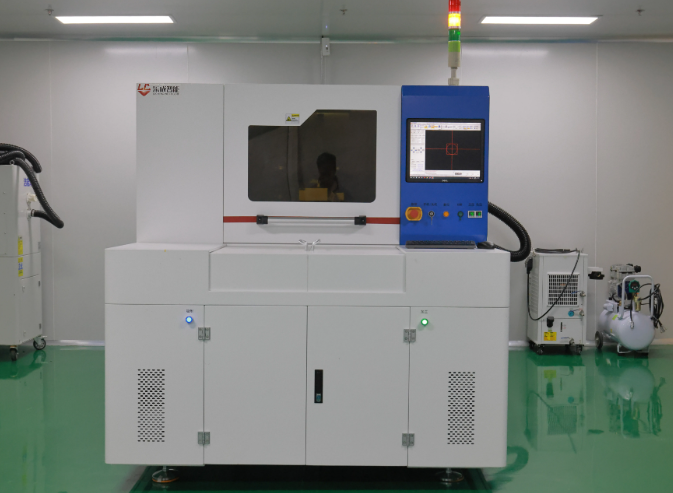
Another important factor is that delivery time does not end when the machine arrives at the customer’s site. Buyers must consider the full project timeline, including installation, commissioning, and production validation. For complex systems such as photovoltaic laser scribing equipment, this phase can take several days to several weeks depending on project requirements.
Suppliers like Lecheng Intelligent Technology (Suzhou) Co., Ltd. often provide on-site or remote support during this phase, ensuring that the machine is fully operational and meets process requirements. Buyers should evaluate how efficiently this stage is handled, as delays in commissioning can offset even a fast delivery.
From a procurement perspective, the true delivery cycle is the time from order confirmation to stable production. Suppliers who can shorten this total cycle—not just shipping time—create significantly more value for the buyer.
The delivery time of laser equipment from Lecheng Intelligent Technology (Suzhou) Co., Ltd. depends on system complexity, customization level, and project requirements. However, for serious buyers, the key is not the shortest delivery time, but the most reliable and realistic one. A supplier that combines clear scheduling, strong production capacity, and efficient commissioning support is far more valuable in ensuring a smooth and successful project launch.

