



Ultimate Guide to Laser Scribing Equipment for Thin-Film Solar Cells
The Engine of Efficiency: Why Laser Scribing is Indispensable
In the manufacturing of thin-film solar cells, such as perovskite, CIGS, or CdTe, creating a monolithic series connection within a single large-format panel is the key to achieving high voltage and usable power. Laser scribing is the non-contact, high-precision tool that makes this possible. It essentially uses a focused laser beam to selectively remove thin layers of material—TCO, absorber, and back-contact—in a precise pattern. This process defines the individual cell strips and interconnects them in series, all on a single substrate. Compared to mechanical scribing or screen printing, laser scribing offers unparalleled advantages: it produces clean, debris-free channels with minimal Heat-Affected Zone (HAZ), prevents micro-cracks that can propagate and cause failure, and enables incredibly fine line widths (down to 20-30µm). This precision directly translates to a larger active area, reduced electrical losses, and ultimately, higher module conversion efficiency. For any manufacturer targeting high performance and yield, understanding and selecting the right laser scribing equipment is the first critical step.
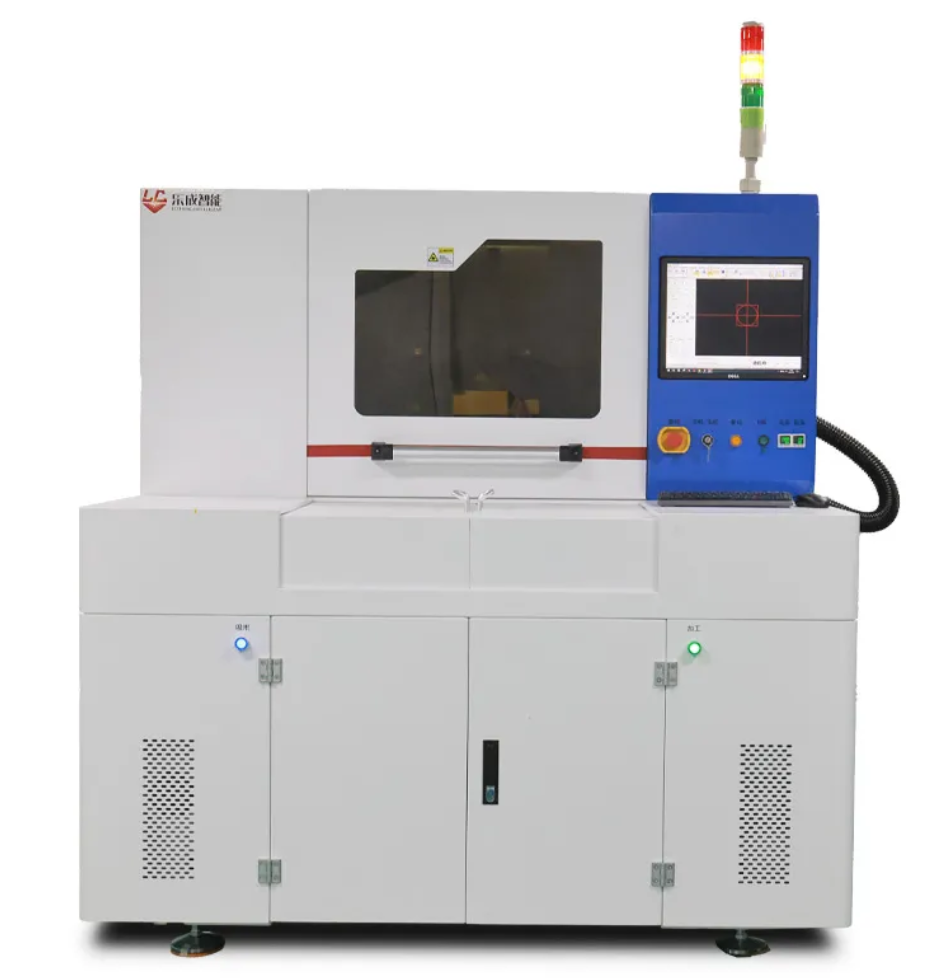
Deconstructing the Tool: Core Components of a High-Performance Scribing System
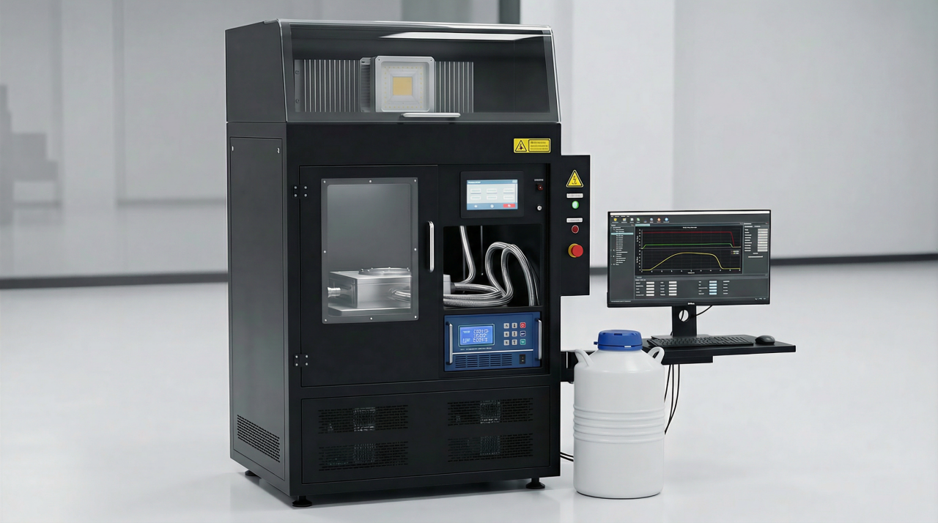
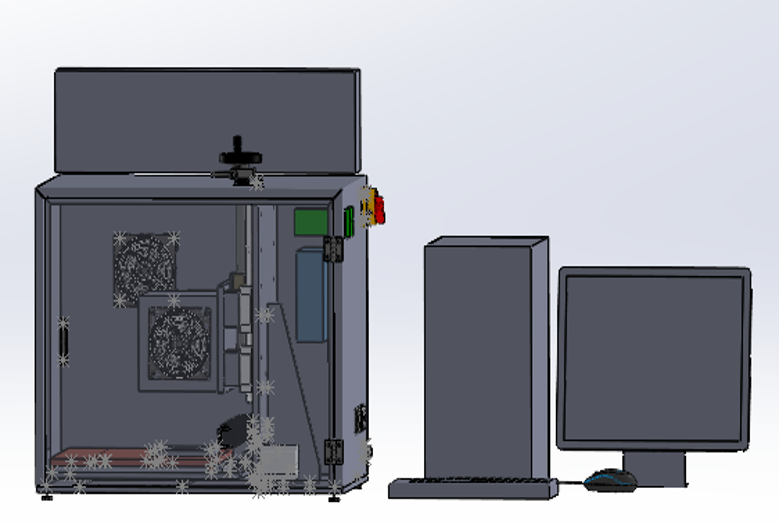
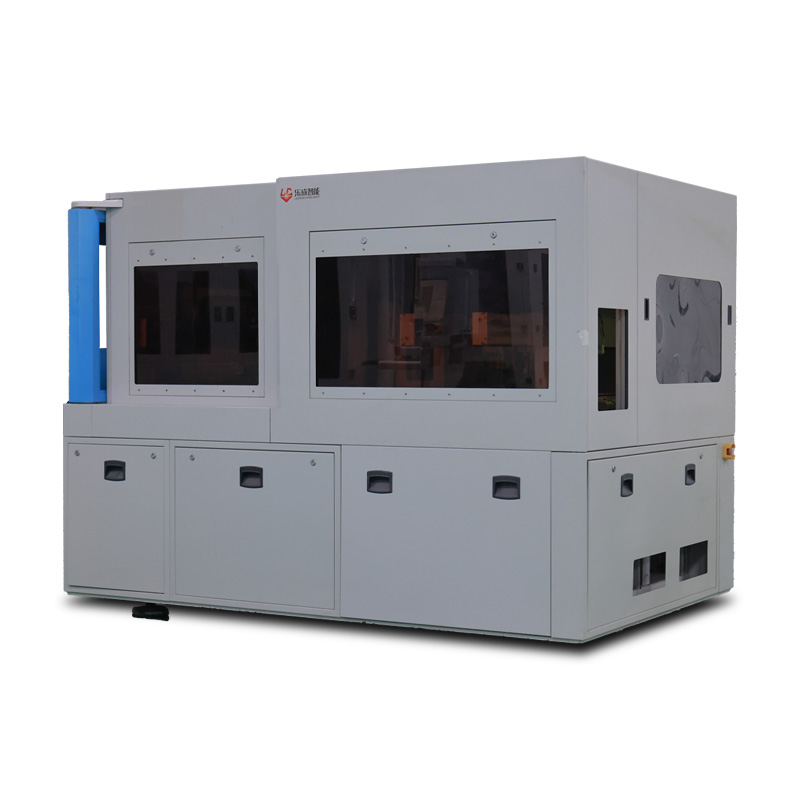
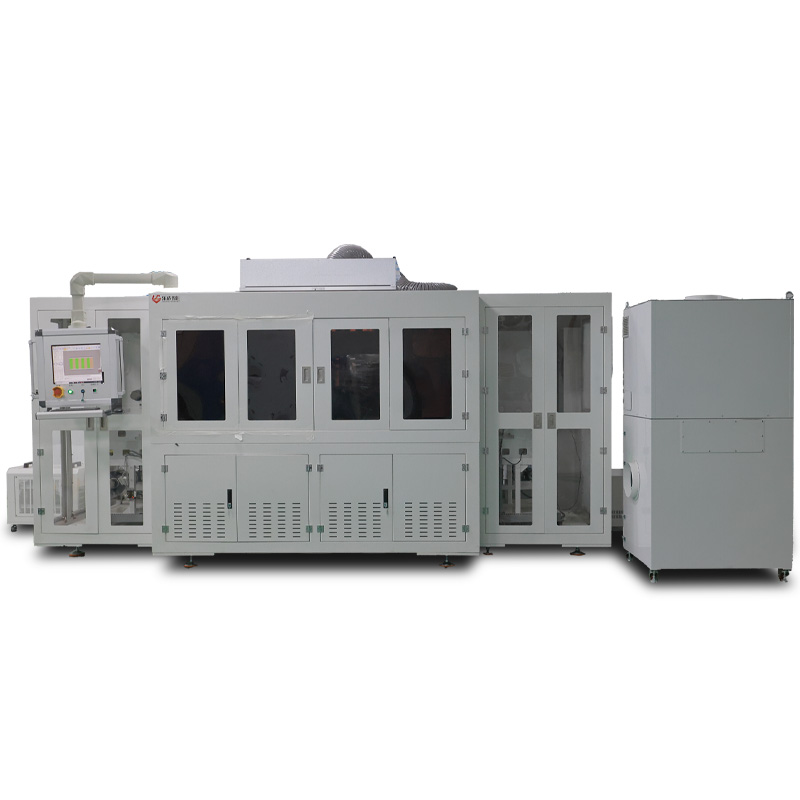
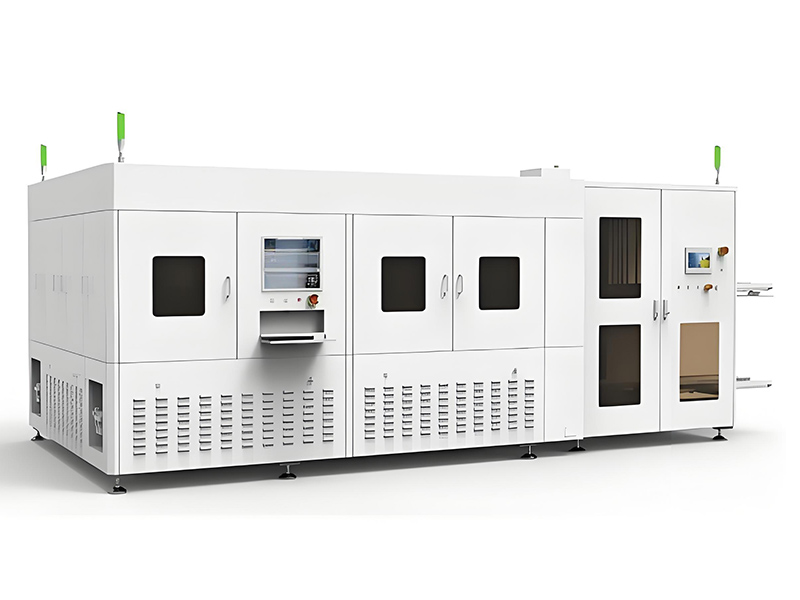
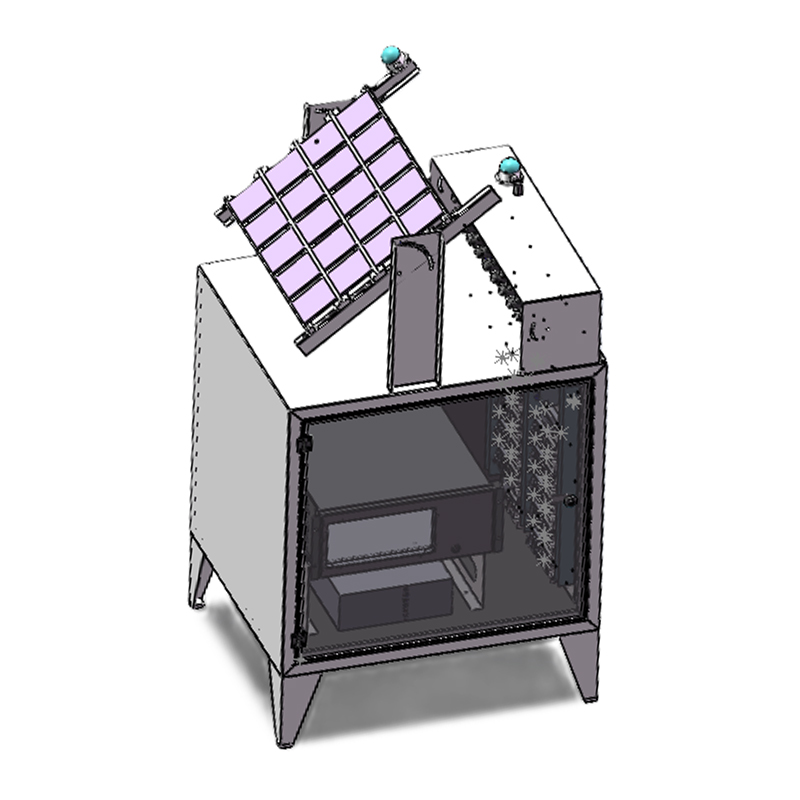
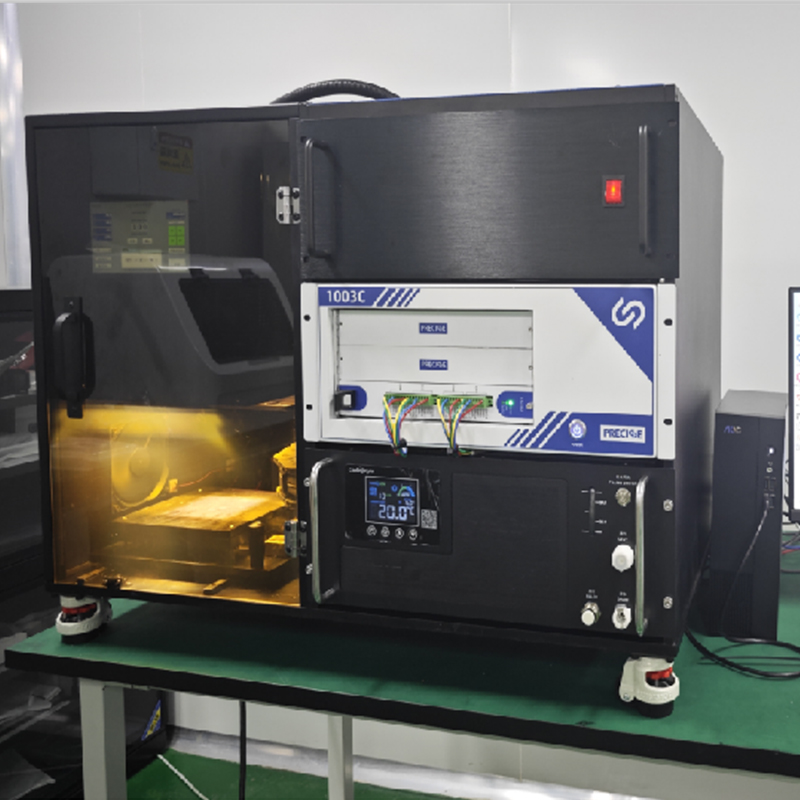
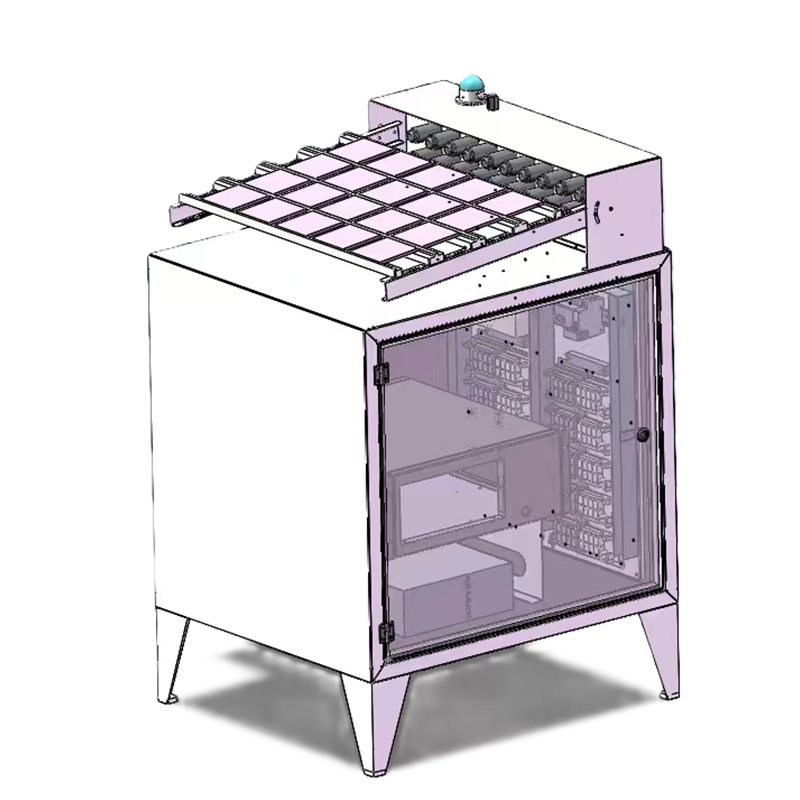
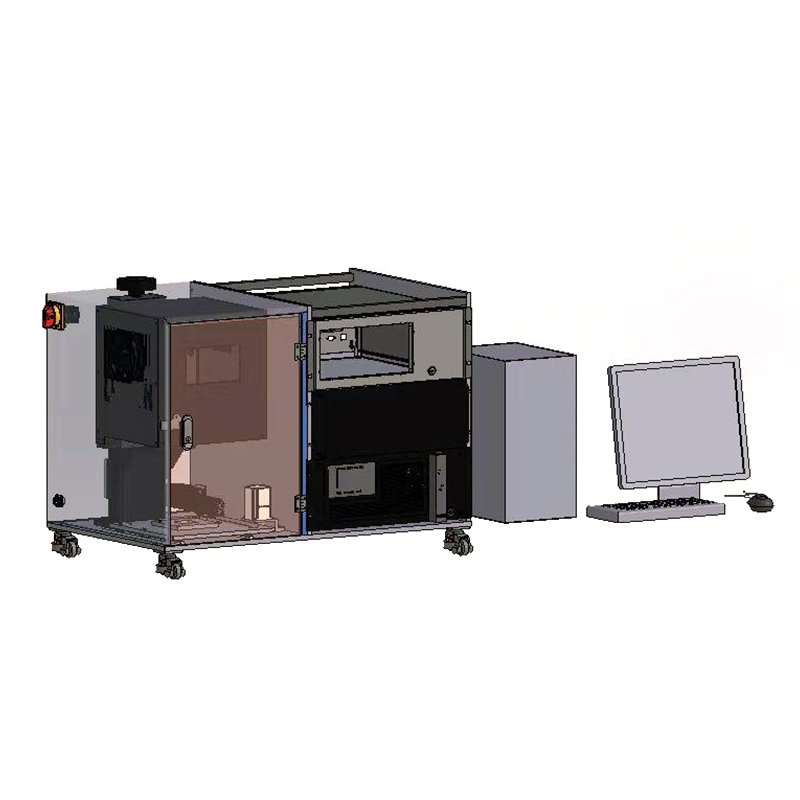
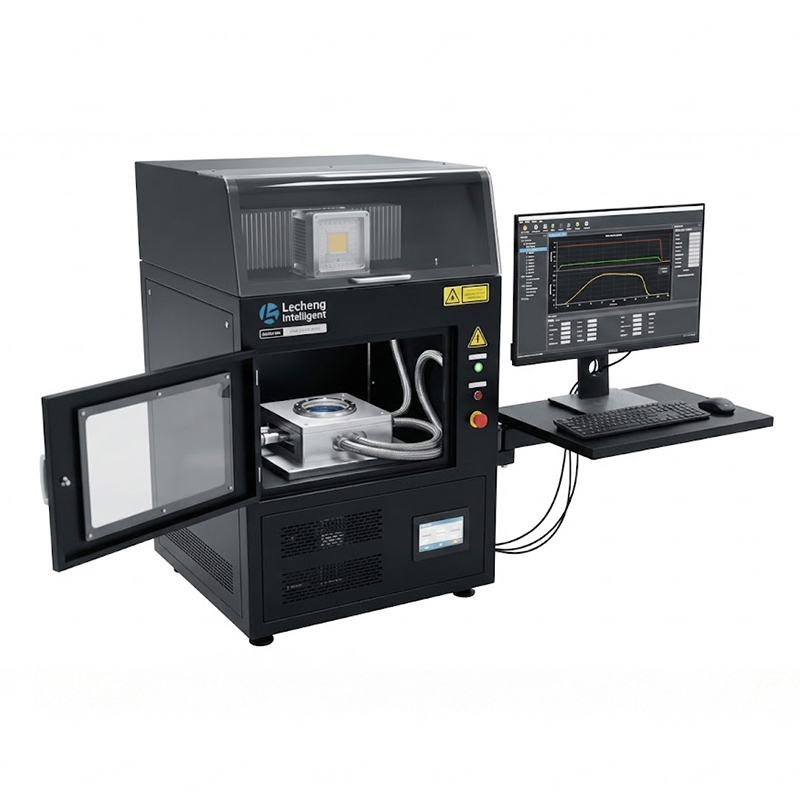
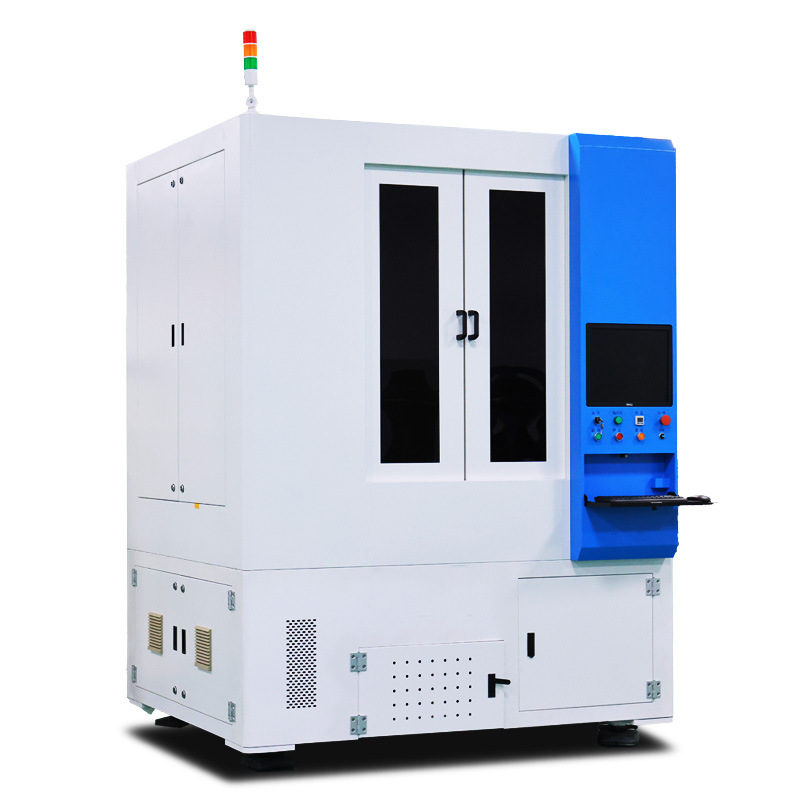
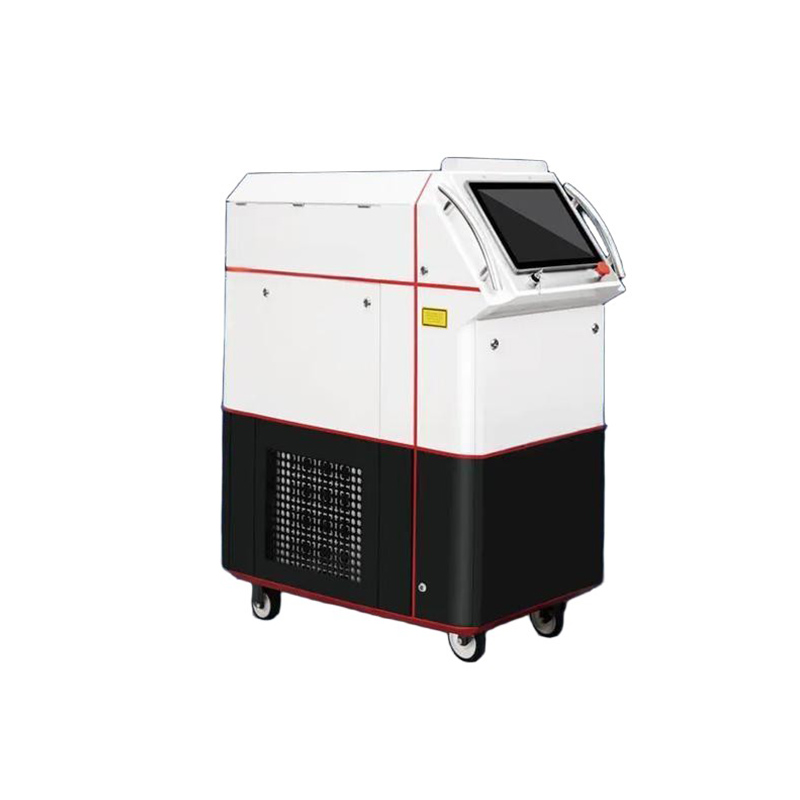
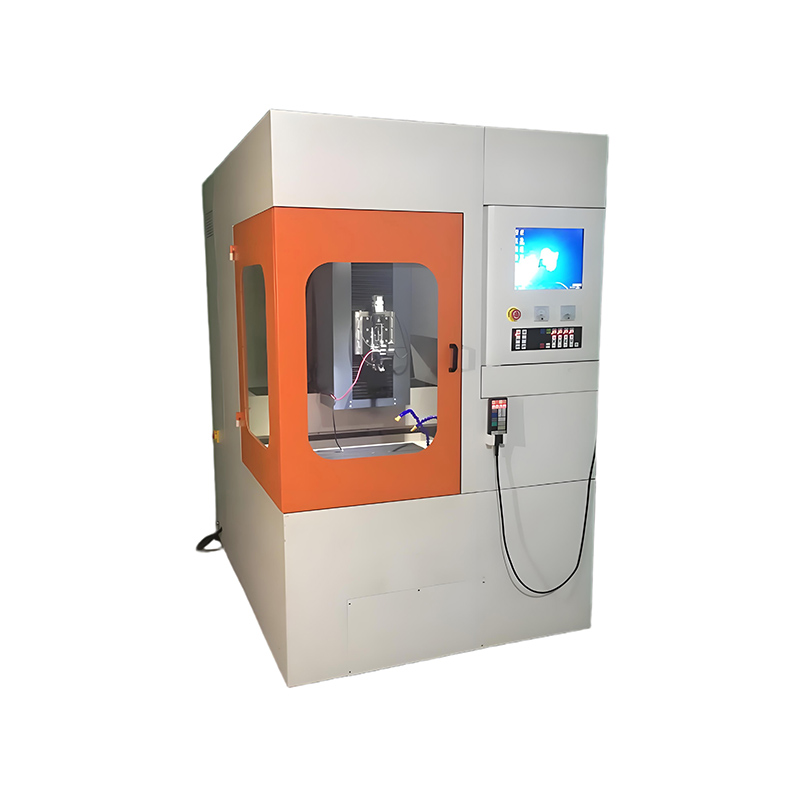
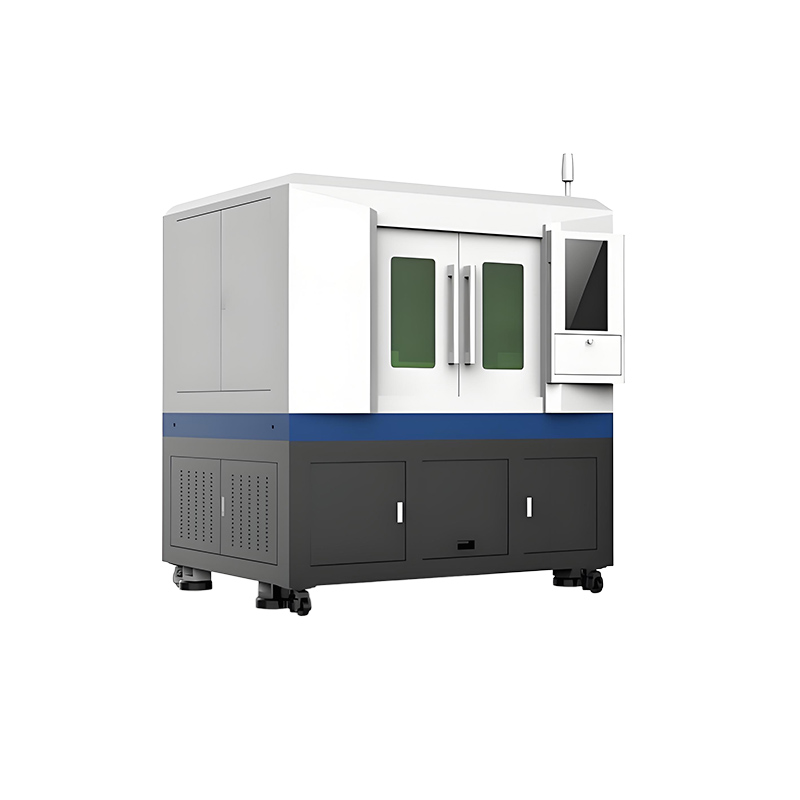
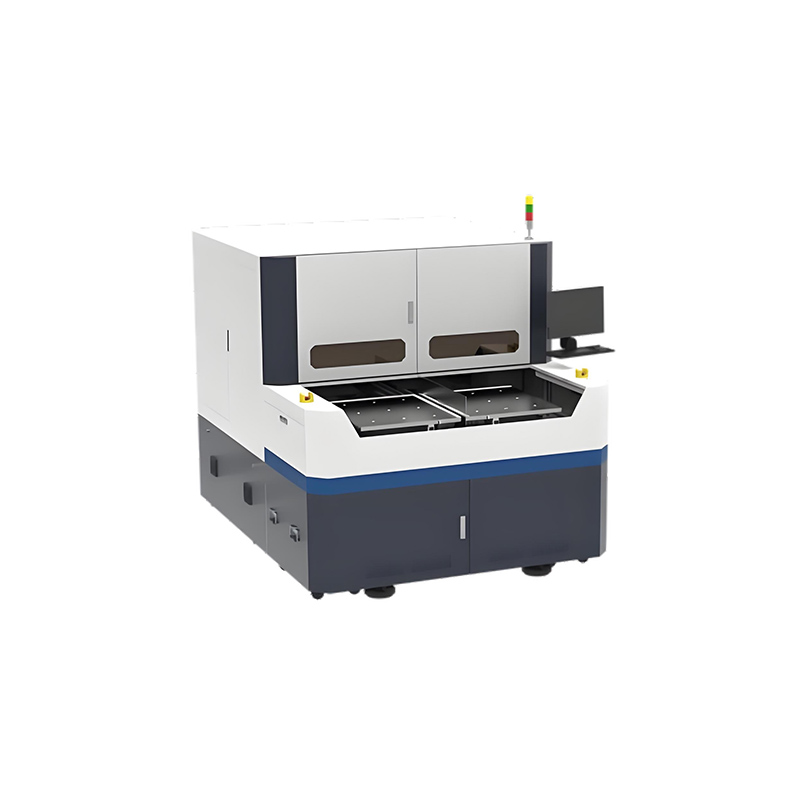
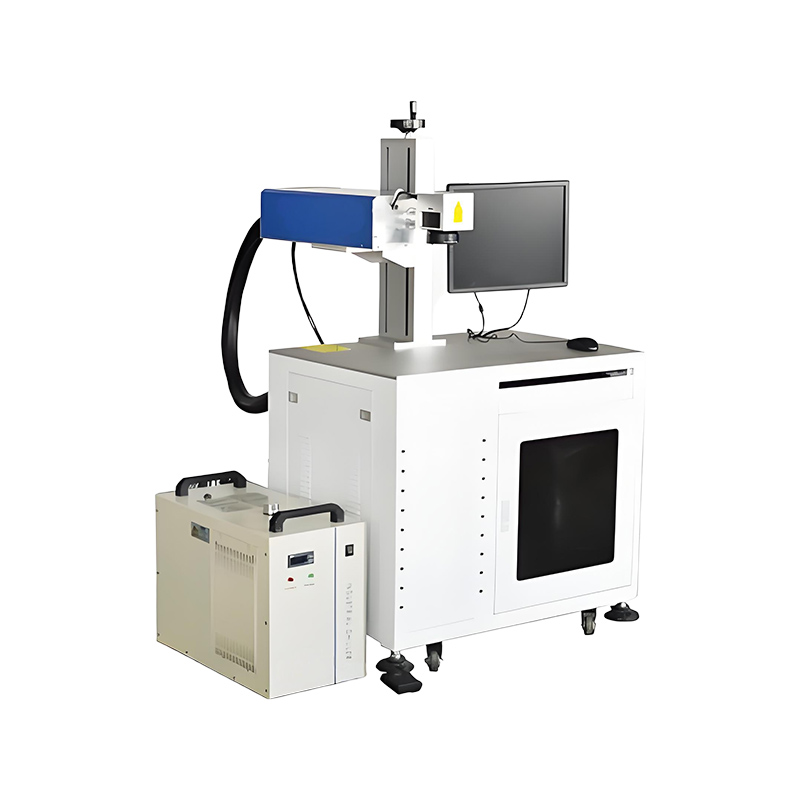
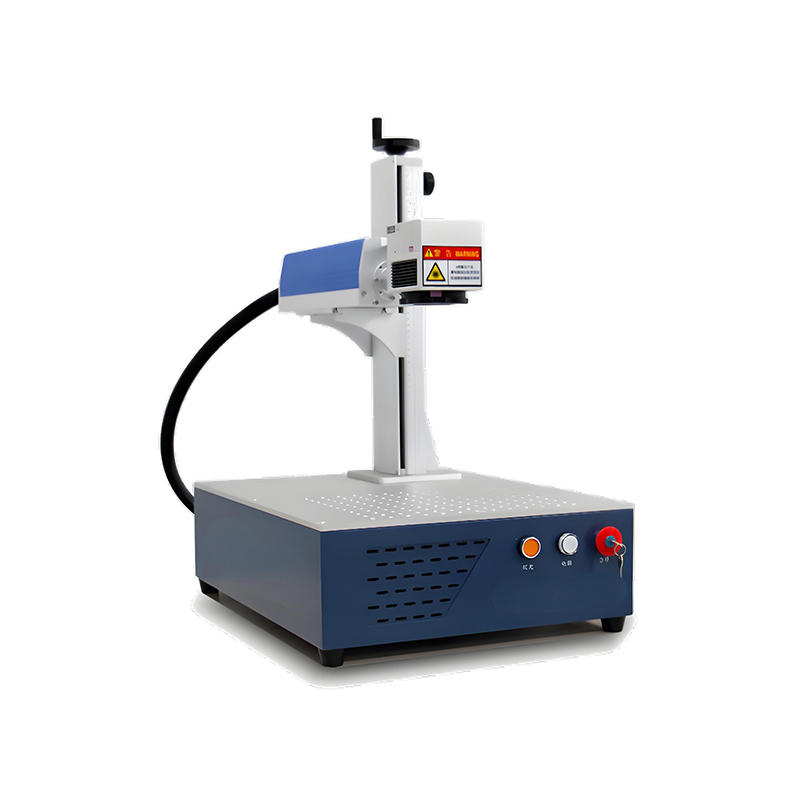
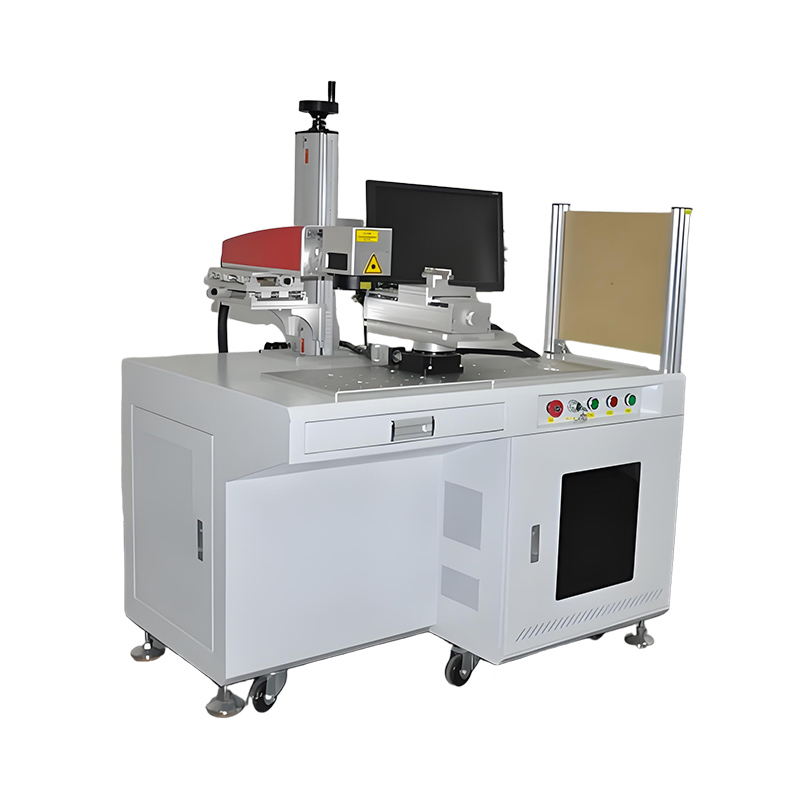
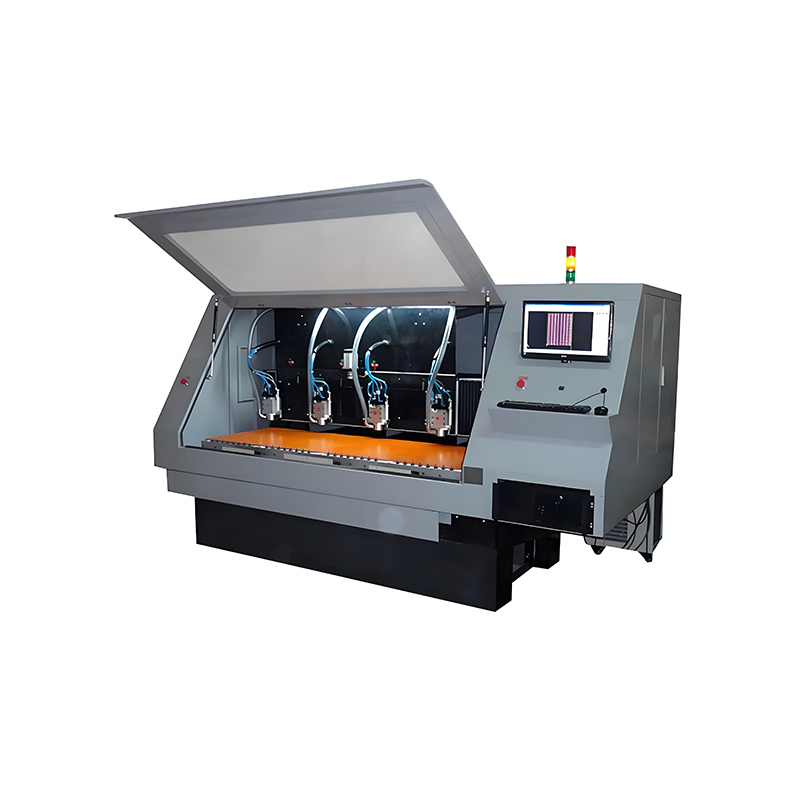
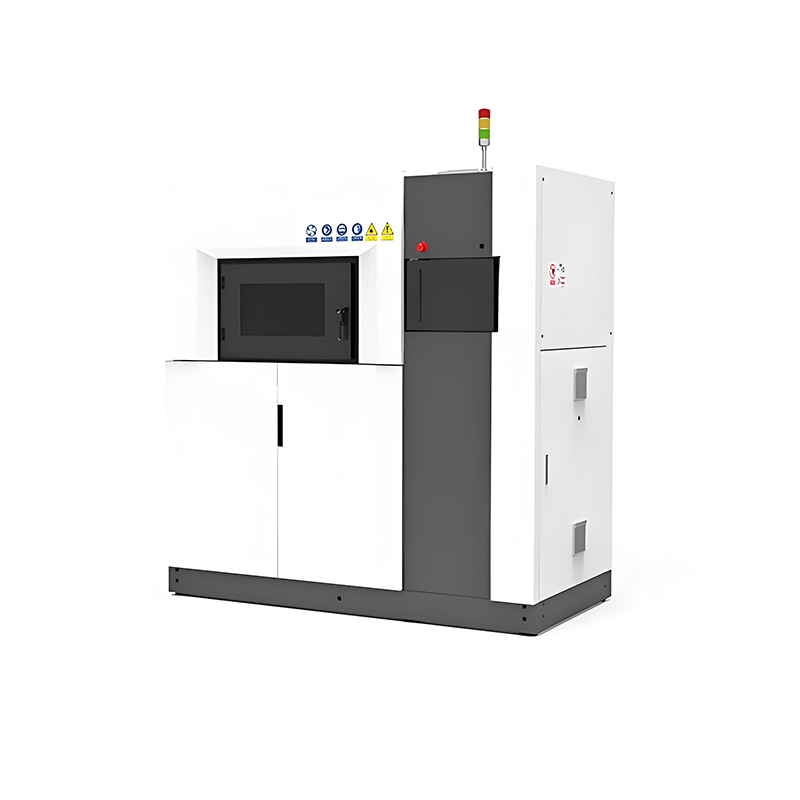
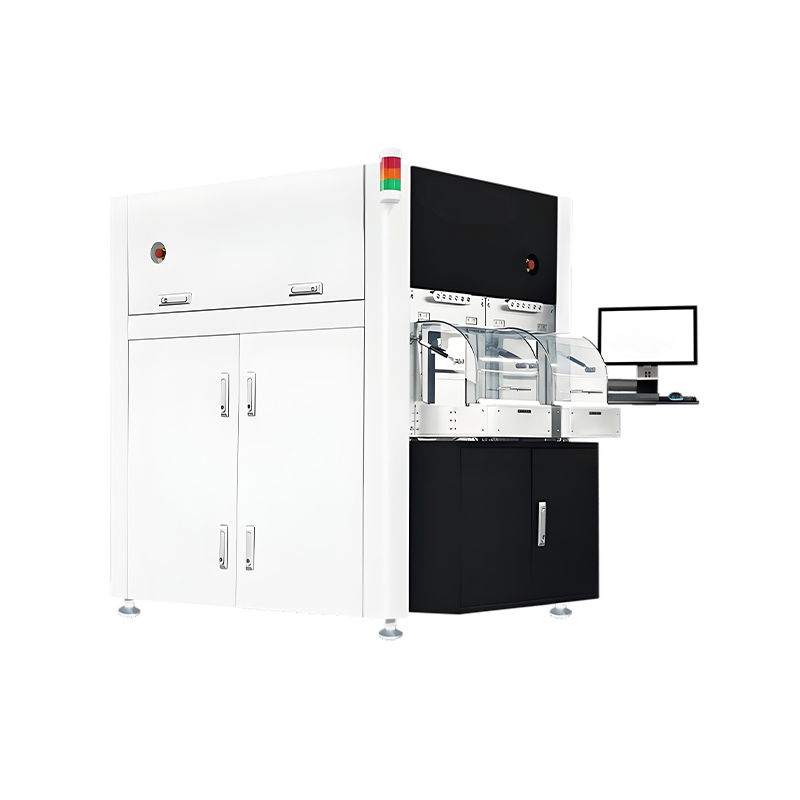
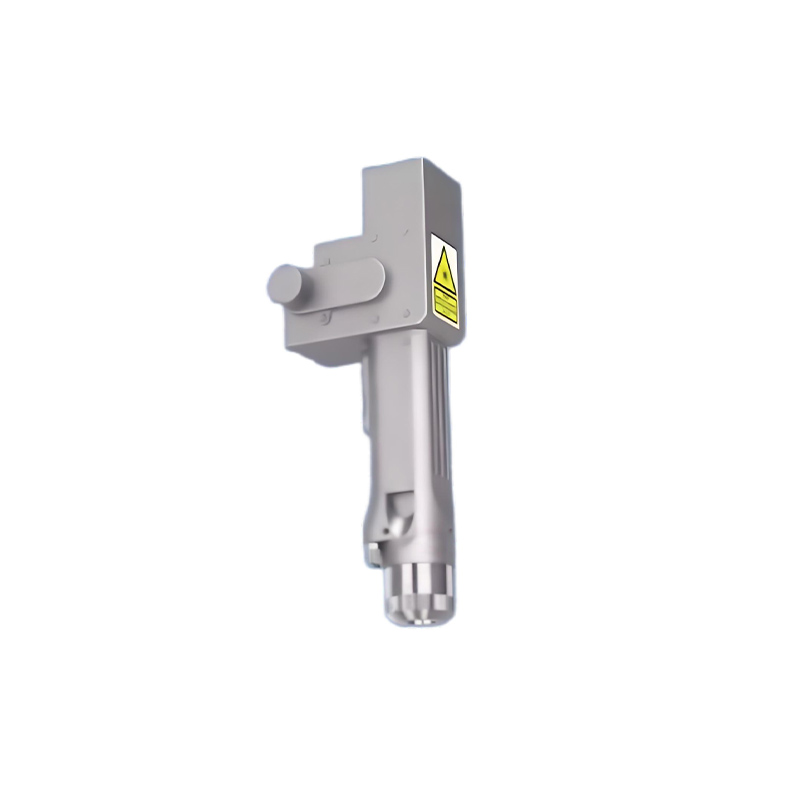
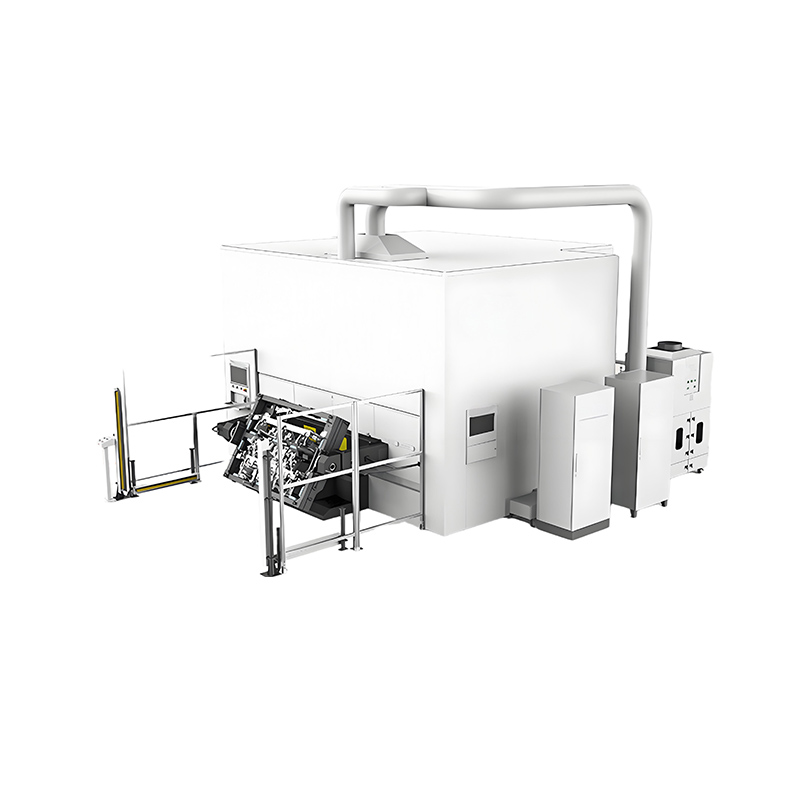
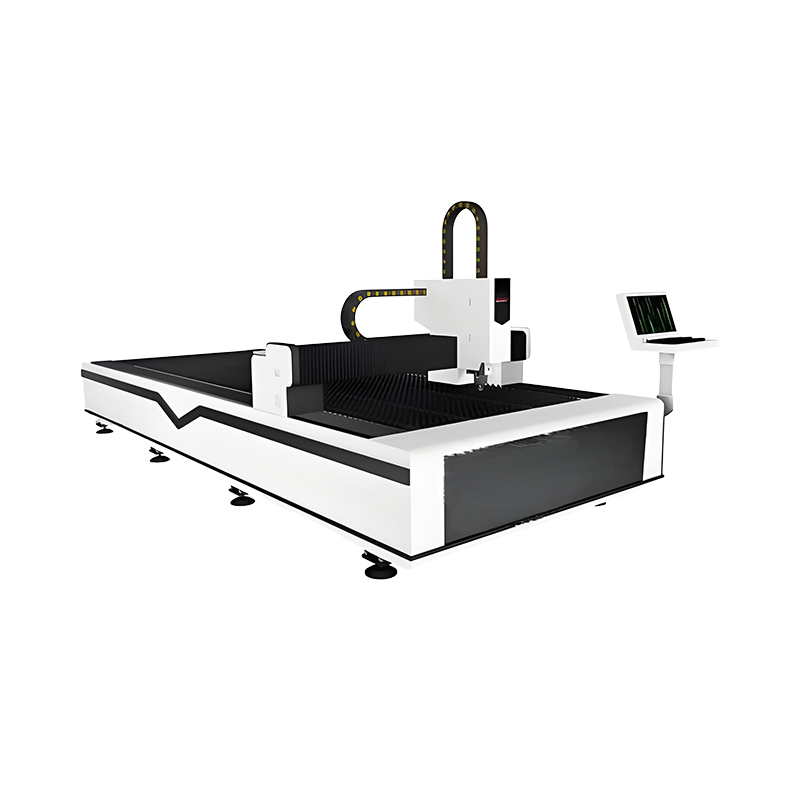
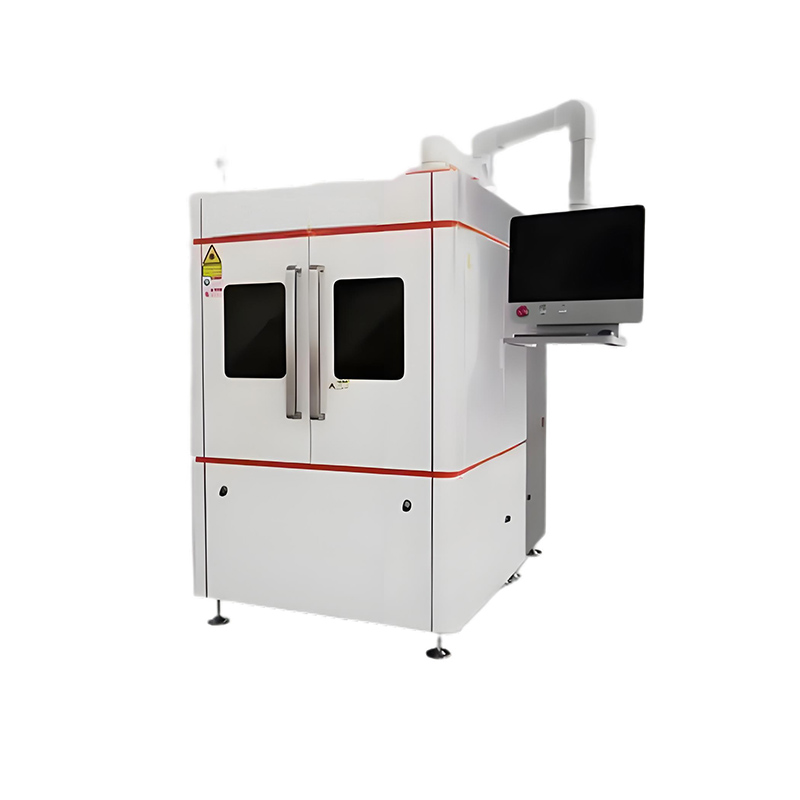
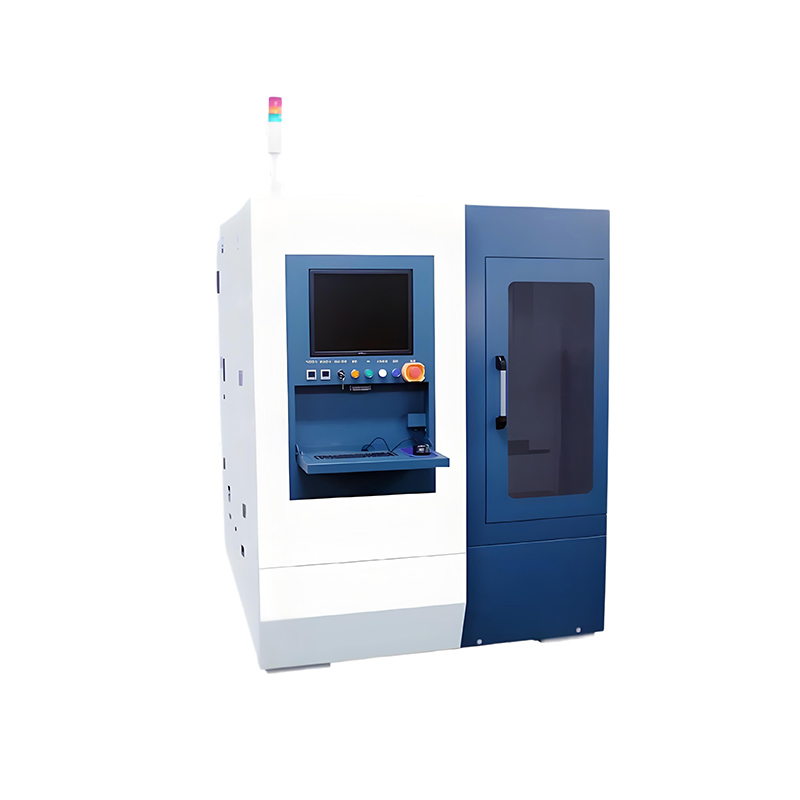
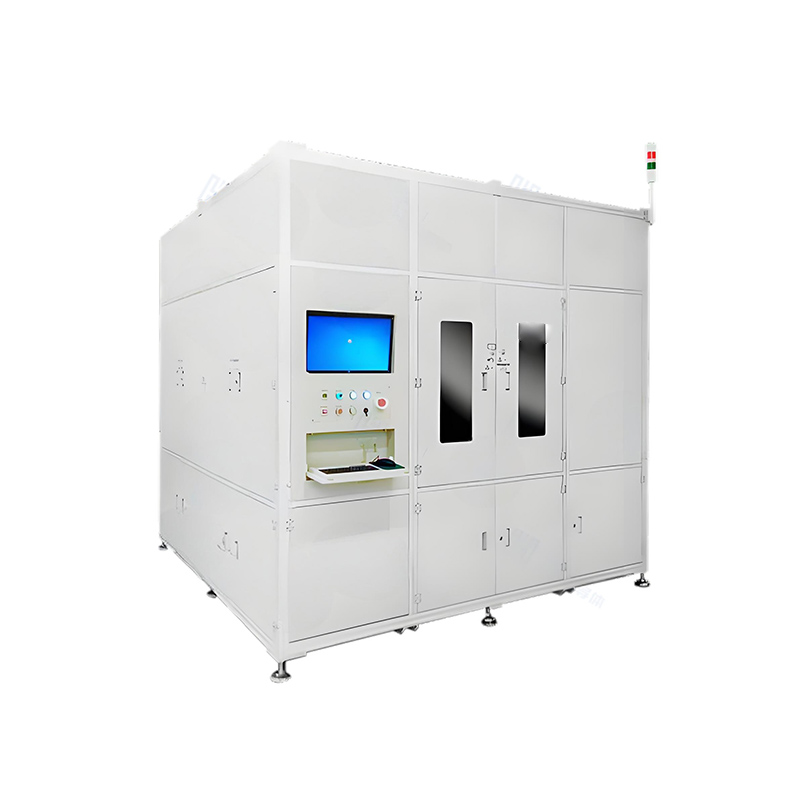
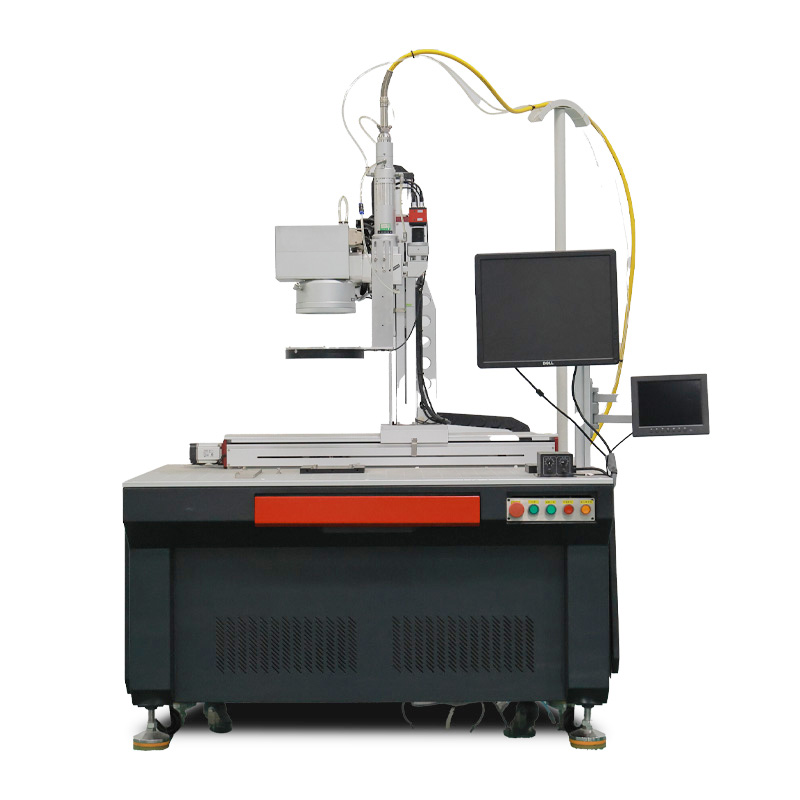
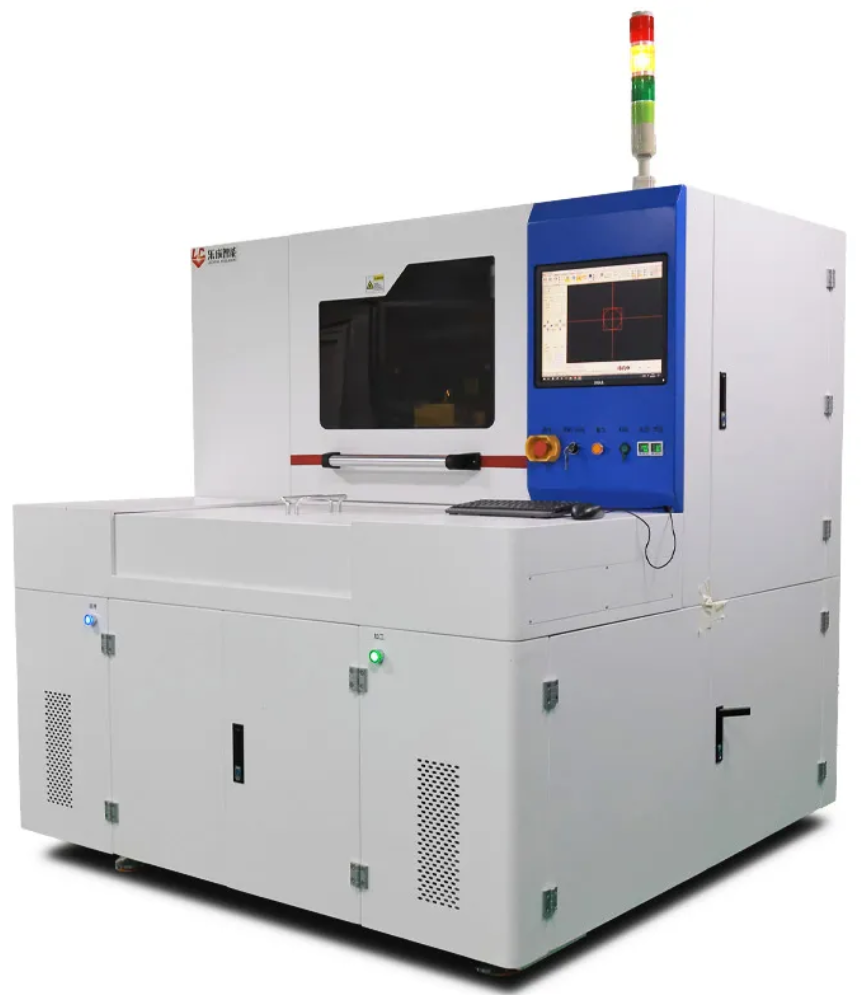
A modern laser scribing system is a sophisticated integration of several key components, each playing a vital role. First is the laser source itself. The choice—fiber, UV, or picosecond—depends on the material stack. UV lasers are often preferred for delicate organic layers in perovskites due to their "cold" ablation, while fiber lasers are robust for TCO and metal layers. The heart of beam delivery is the galvanometer scanner, which uses fast-moving mirrors to steer the laser beam with extreme speed and accuracy across the substrate, enabling high-throughput processing. The substrate rests on a precision vacuum chuck stage, which ensures absolute flatness and eliminates vibration during scribing. Overseeing it all is the vision alignment and compensation system. This high-resolution camera system locates fiducial marks, corrects for any substrate distortion or positional error in real-time, and guarantees perfect registration between the P1, P2, and P3 scribe lines. Finally, integrated fume extraction is critical to remove particulates and maintain a clean processing environment, protecting both the optics and the cell.
Choosing the Right Partner: Key Considerations for Selection and Integration
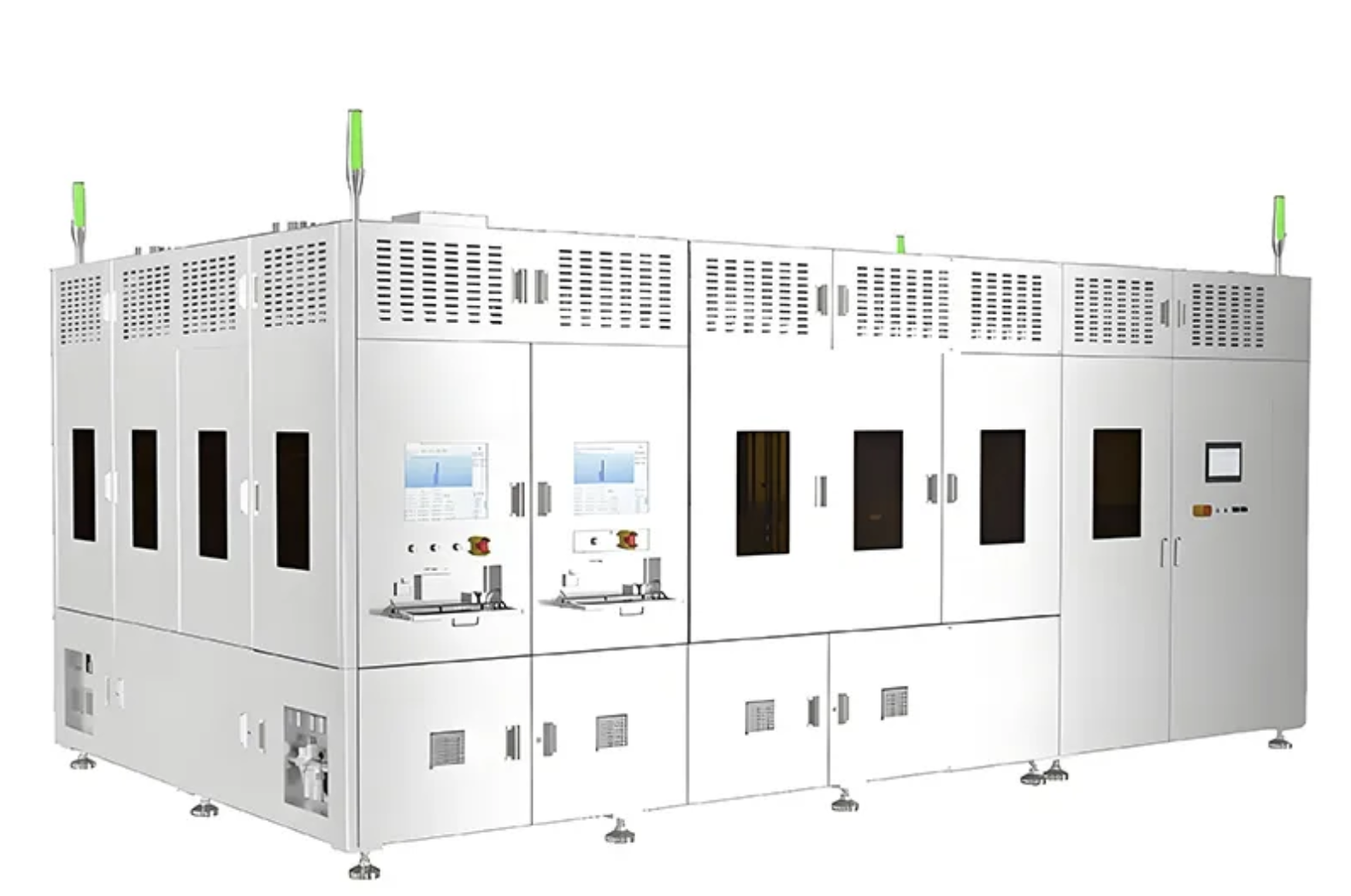
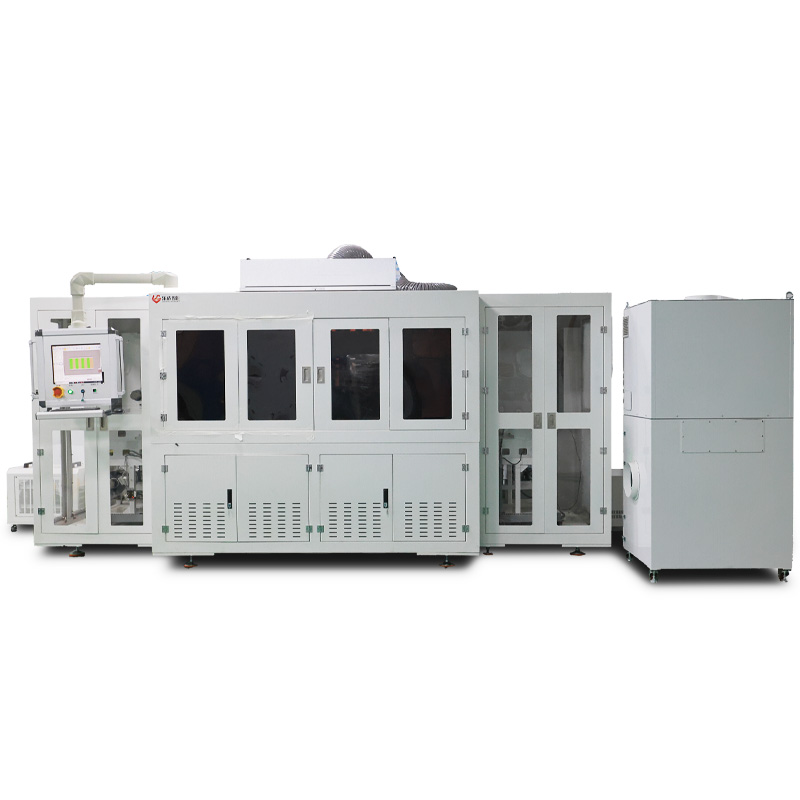
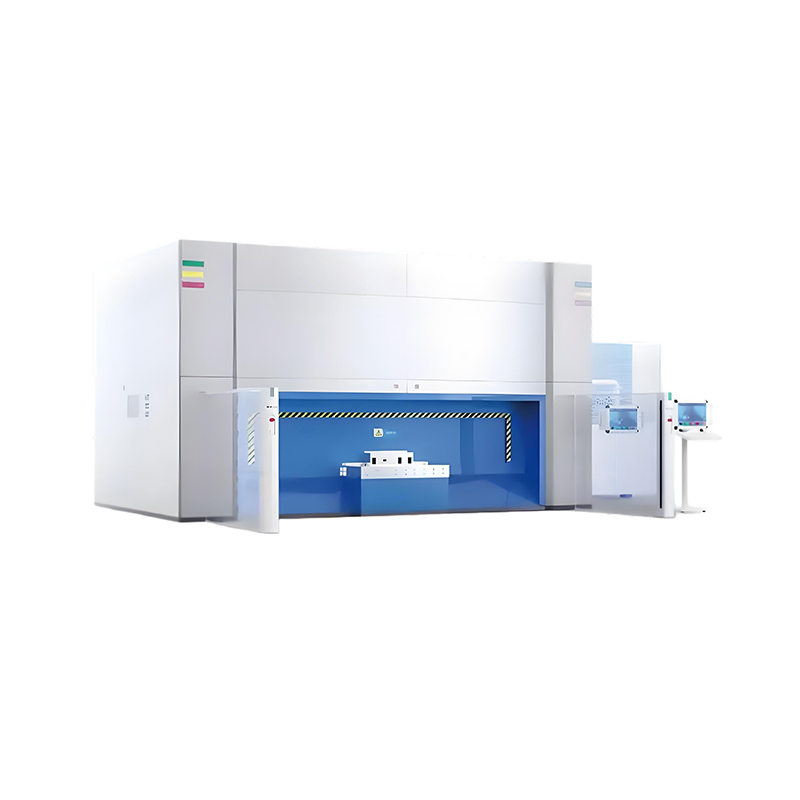
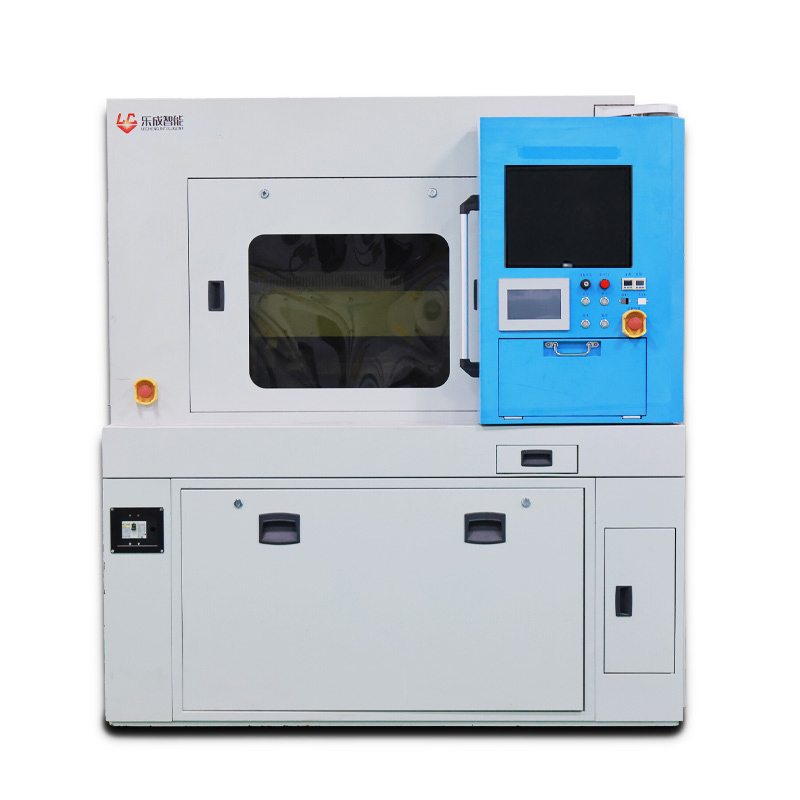
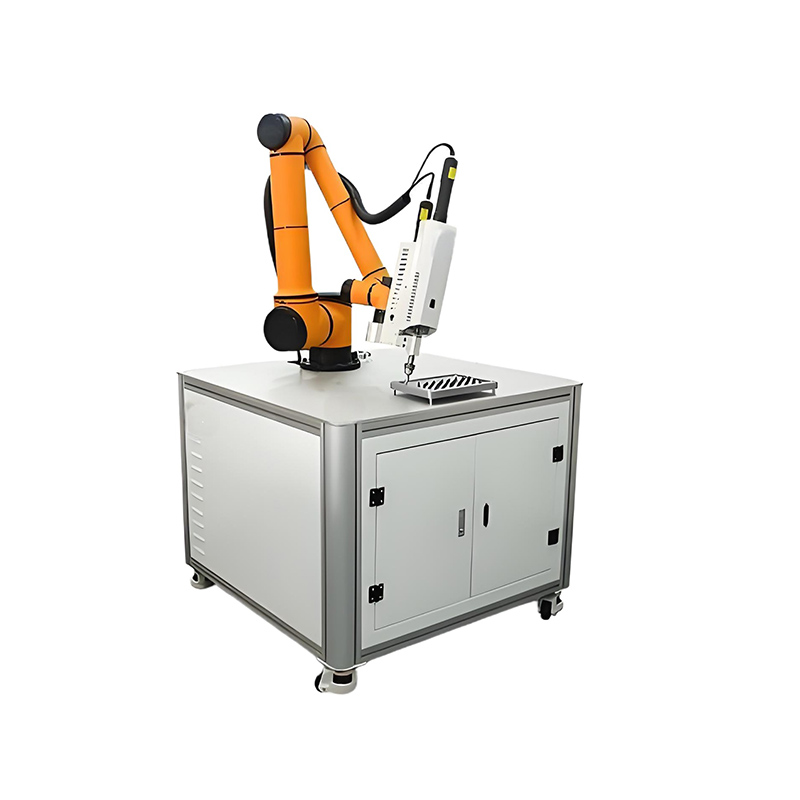
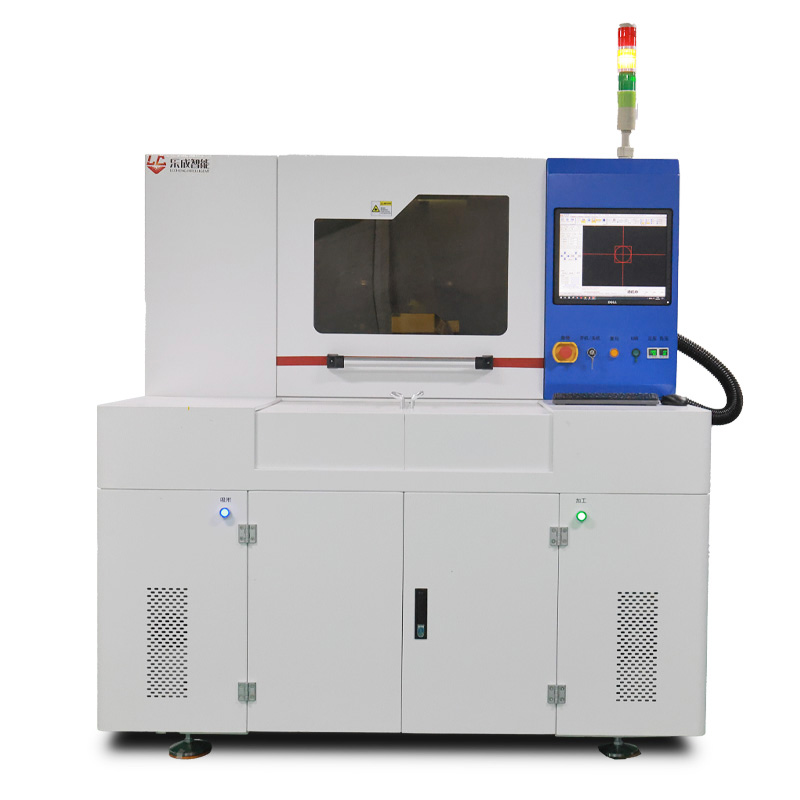
Selecting laser scribing equipment goes beyond comparing specifications. It requires a partner who understands thin-film photovoltaic manufacturing. Key considerations start with process compatibility and development support. Can the supplier provide application expertise to optimize parameters for your specific material stack? Throughput and uptime are economic drivers: evaluate scribing speed, stage movement time, and the system's proven reliability. Precision and repeatability are non-negotiable; look for micron-level accuracy and low long-term drift. The system must be designed for seamless integration into a production line, with standardized interfaces for automation. Scalability is also crucial; the platform should accommodate future R&D needs and upgrades. Finally, consider the total cost of ownership (TCO), which includes not just the initial price but also maintenance costs, consumables (like lenses), energy efficiency, and the supplier's technical support and service network. A partner like Lecheng Intelligent, which offers comprehensive turnkey solutions from individual scribing stations to full P1-P4 production lines, provides invaluable single-point accountability and process harmonization.
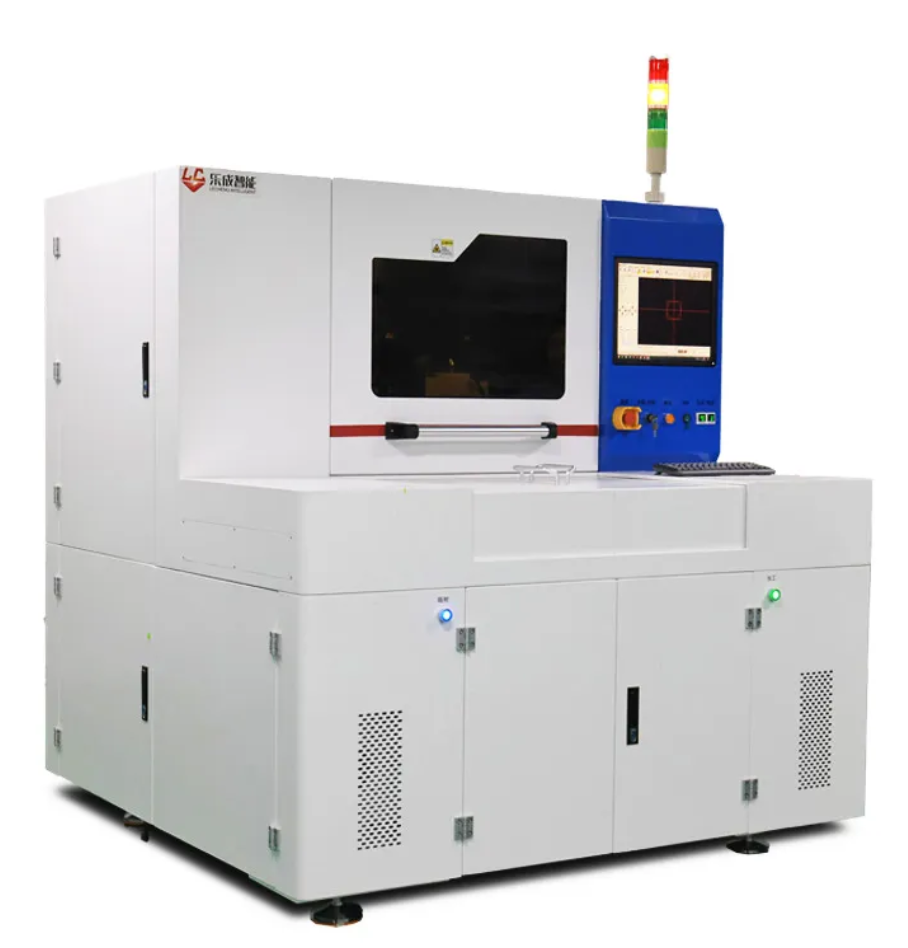
Laser scribing equipment is the precision scalpel that defines the electrical heart of a thin-film solar module. Its performance dictates efficiency, yield, and ultimately, commercial viability. By understanding the critical role of each component—from the laser source to the vision system—and selecting a technology partner that offers not just hardware but deep process knowledge and integrated solutions, manufacturers can equip themselves to build thinner, faster, and more efficient solar cells, paving the way for the next generation of photovoltaic technology.