


UV Laser Marking Machine Guide
UV Laser Marking Machine Supplier And Cost Guide For Metal And Plastic
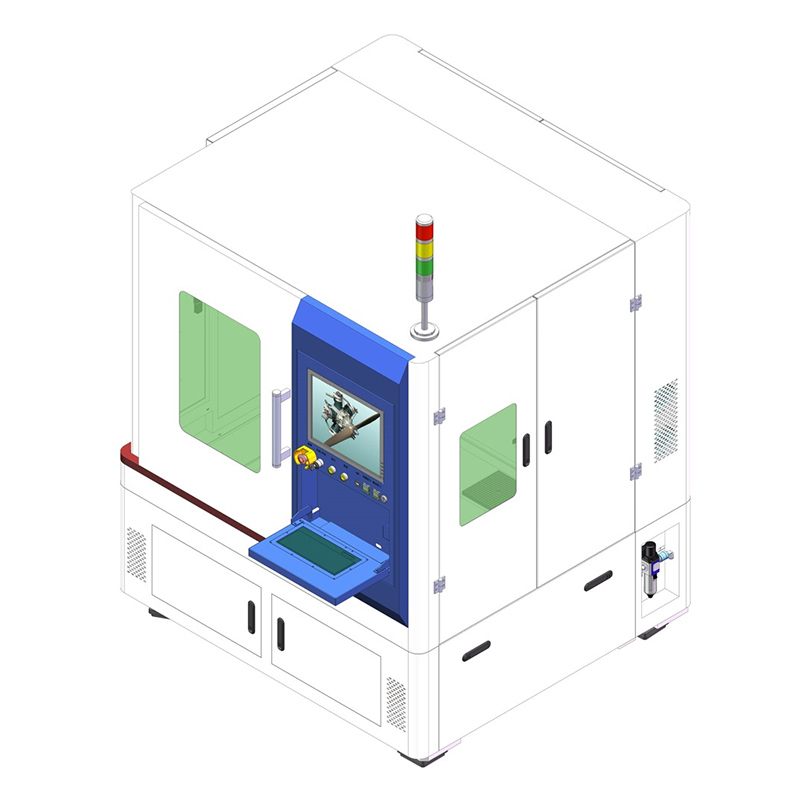
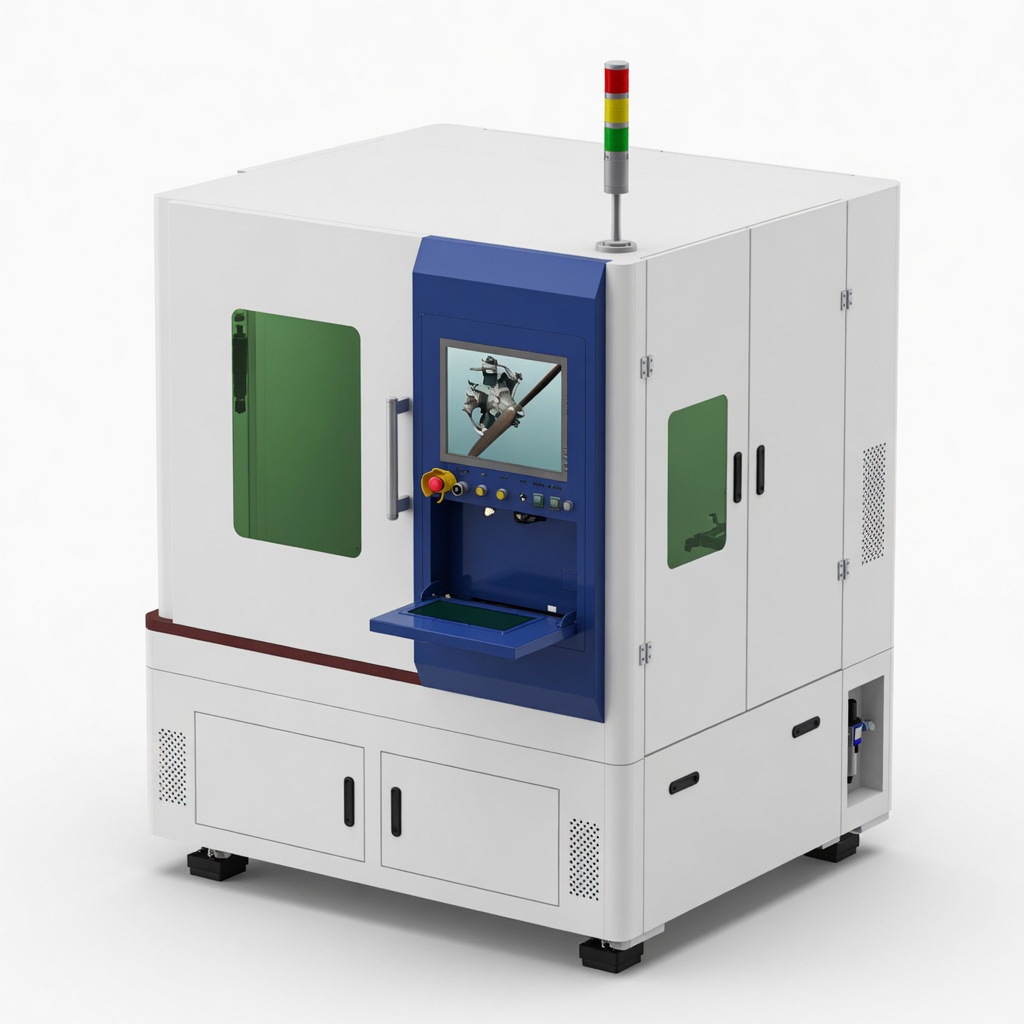
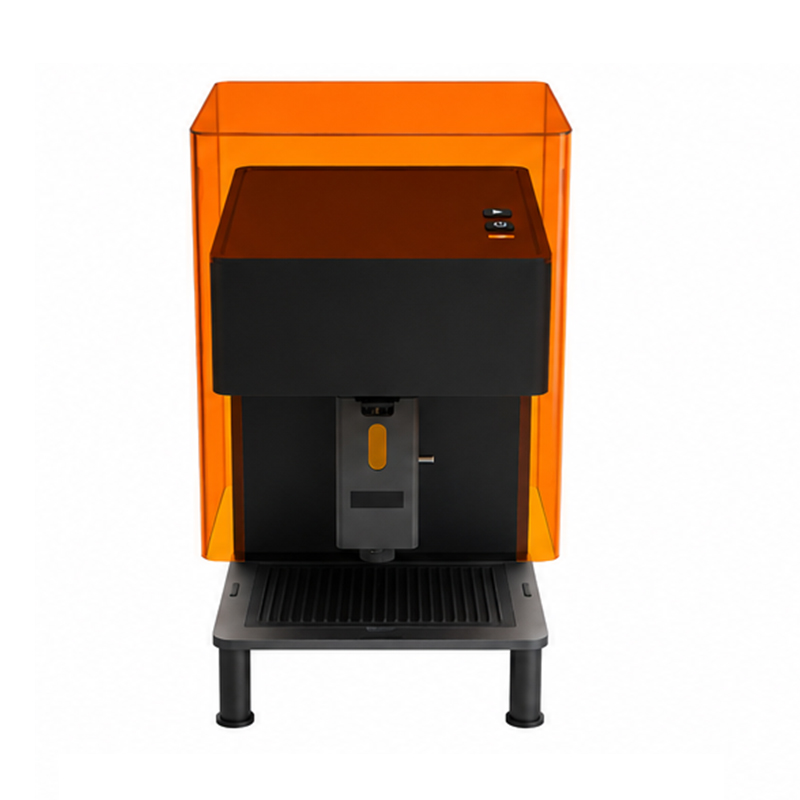
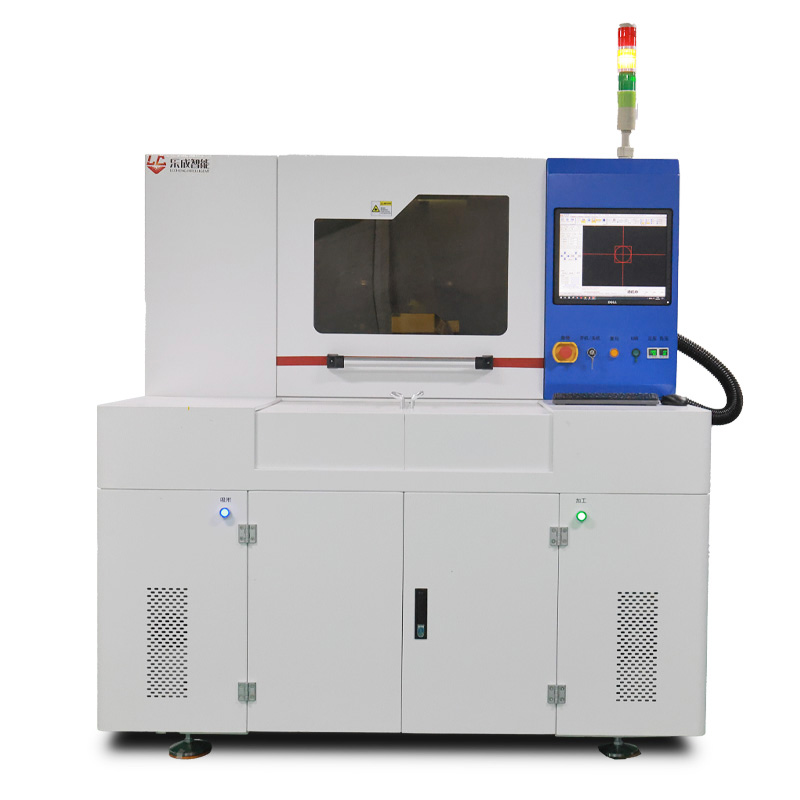
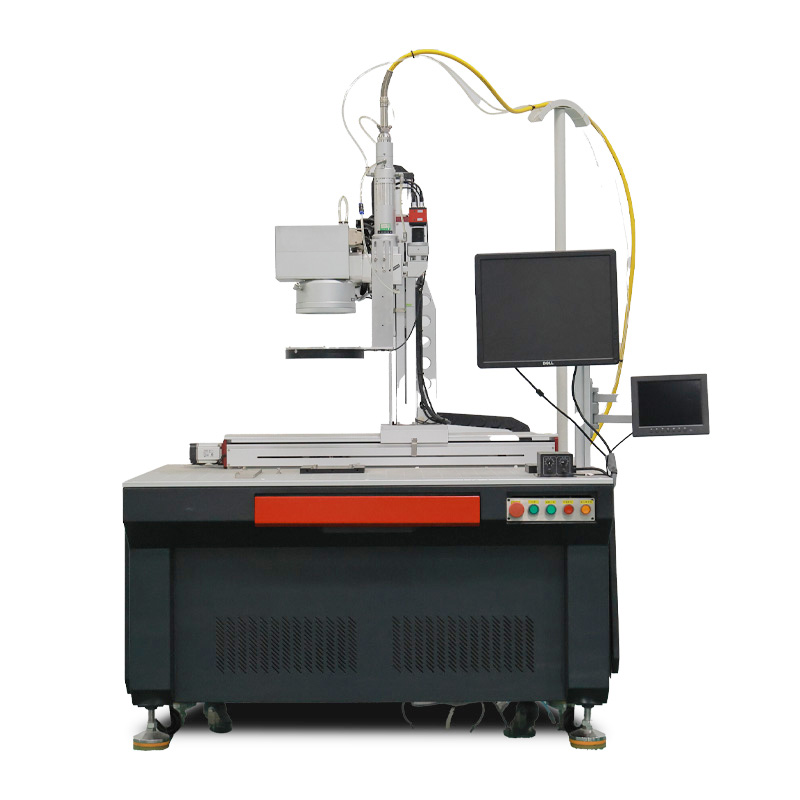
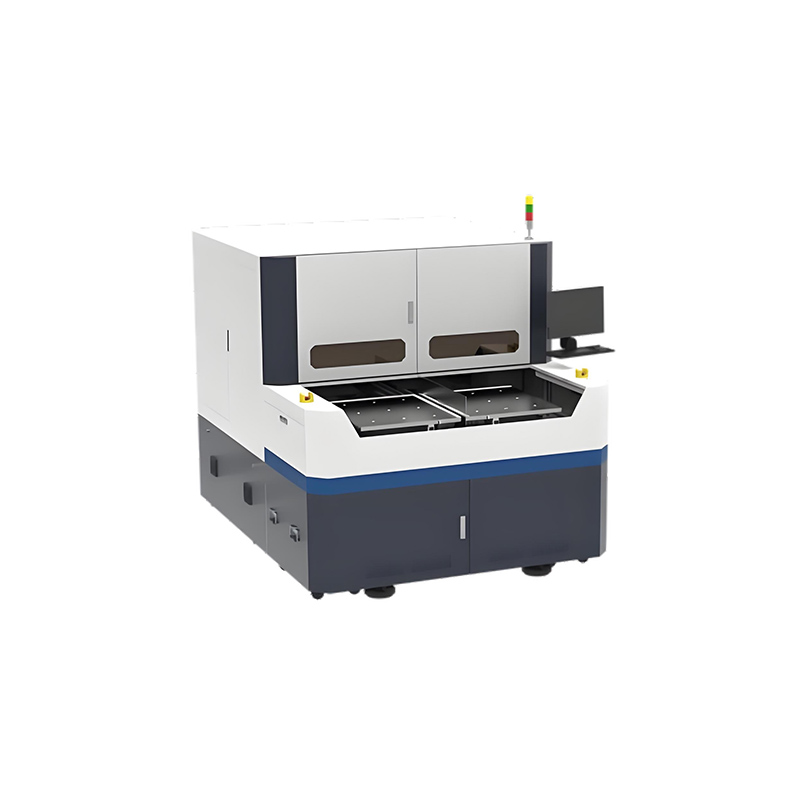
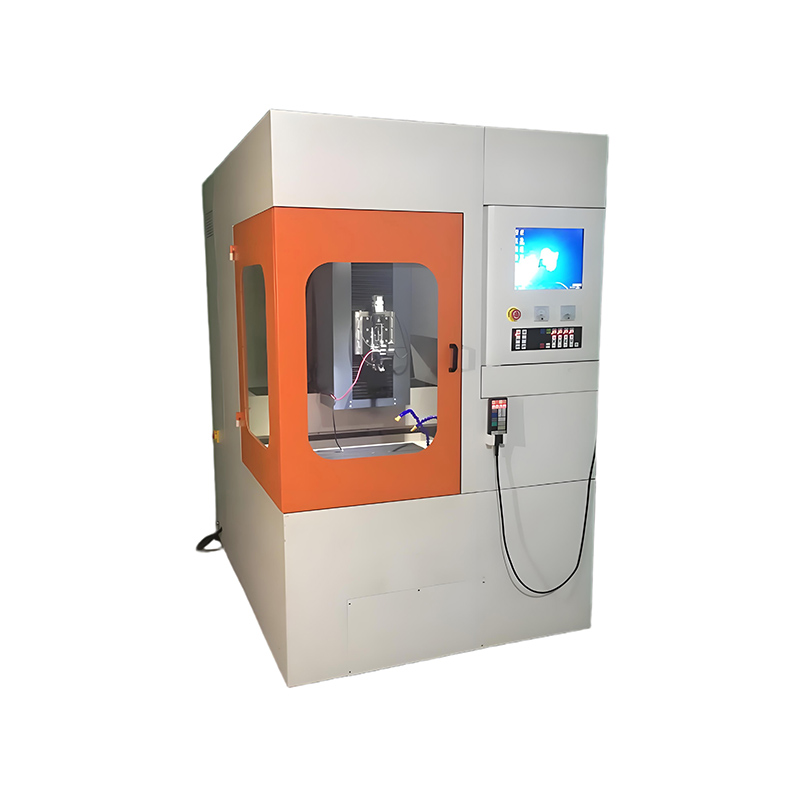
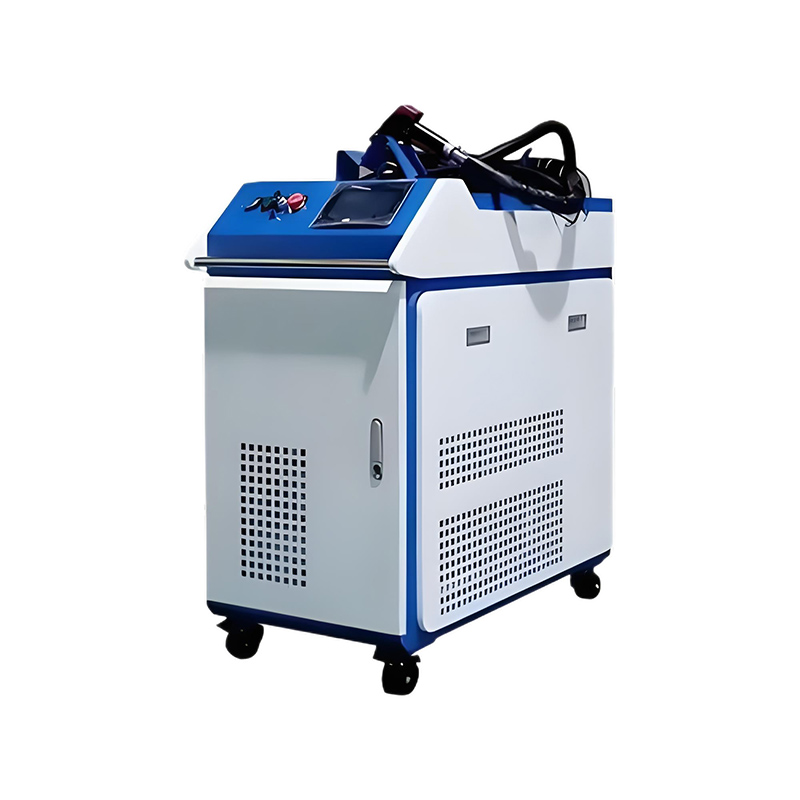
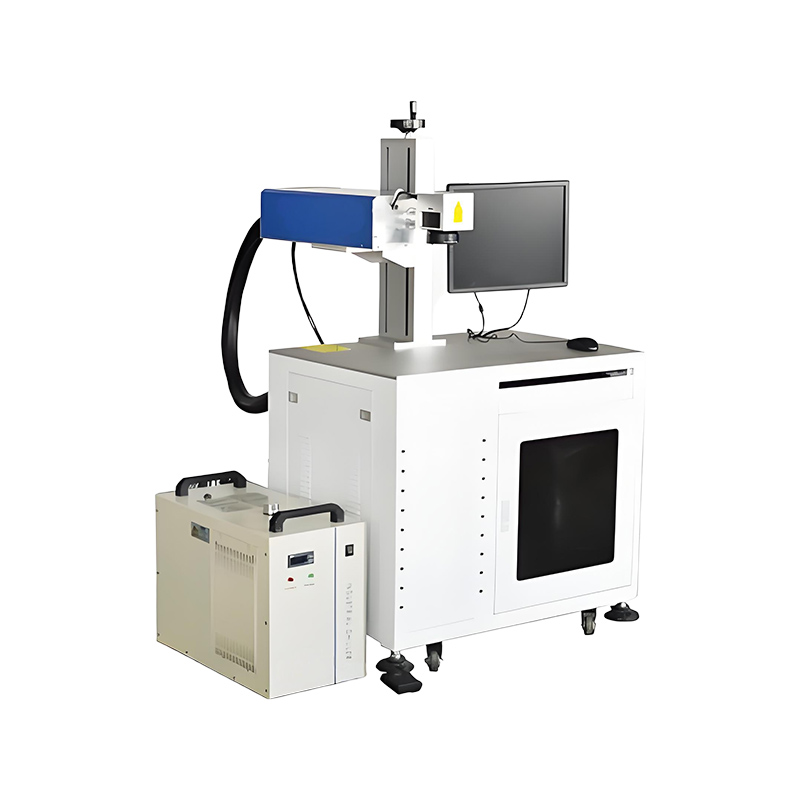
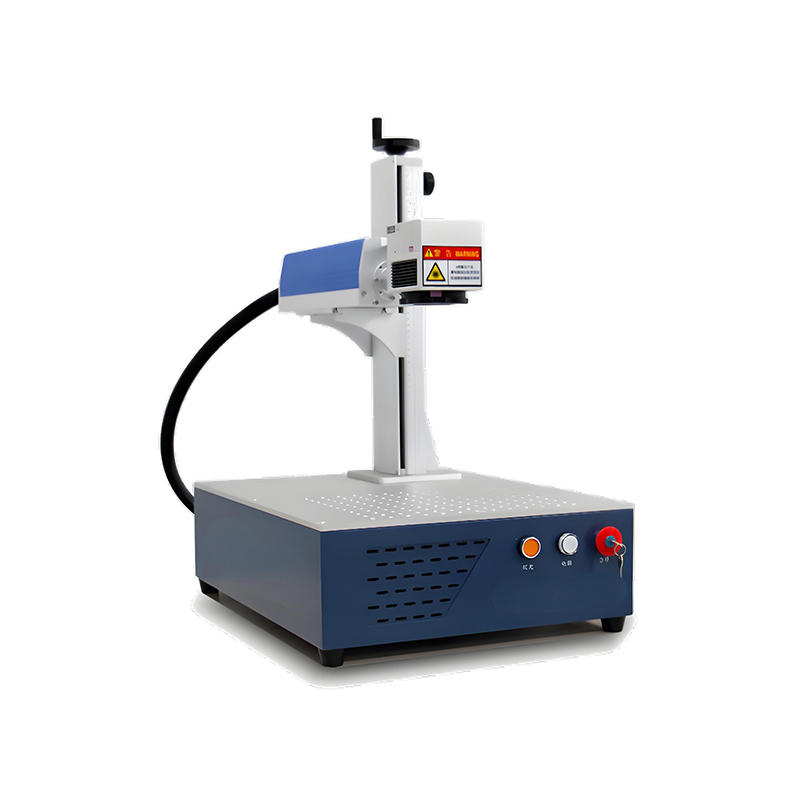
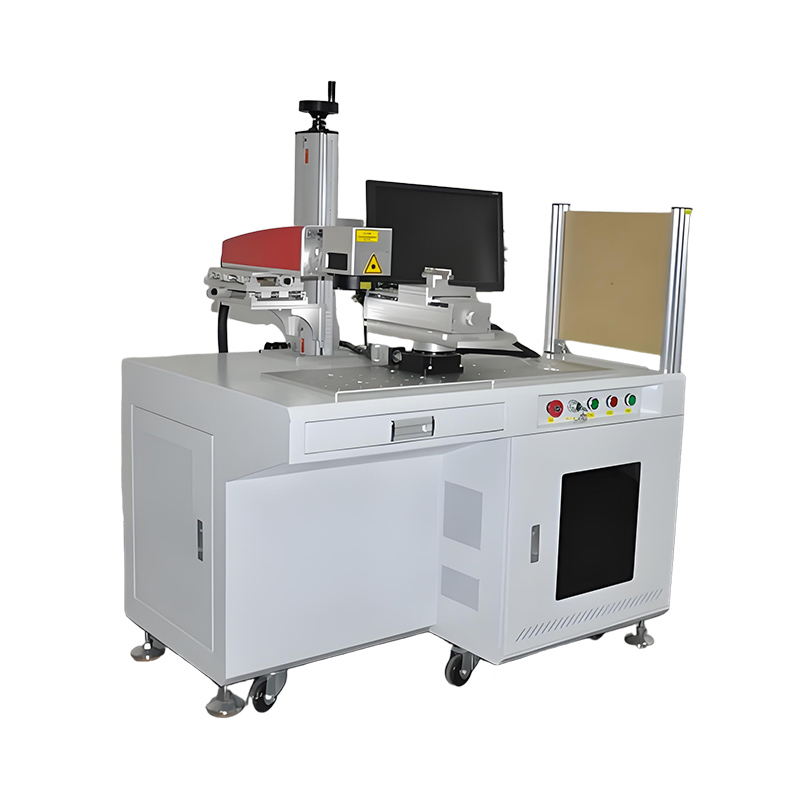
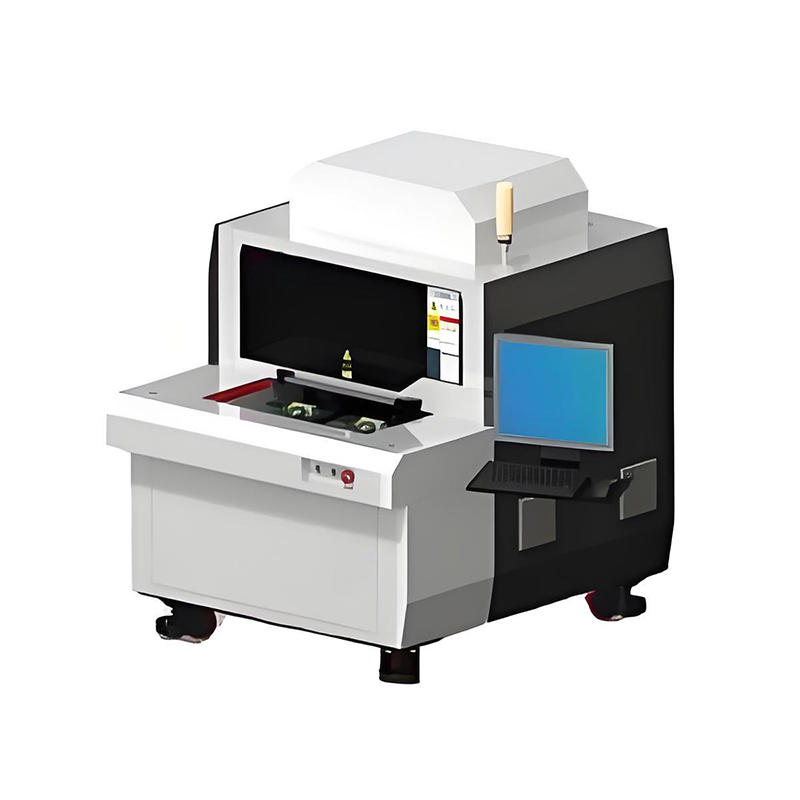
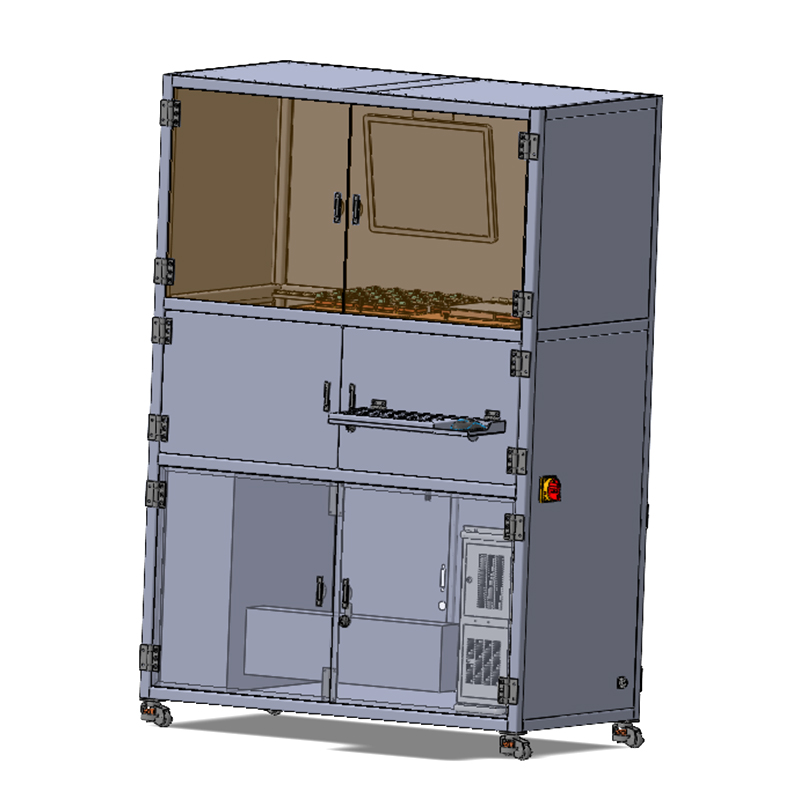
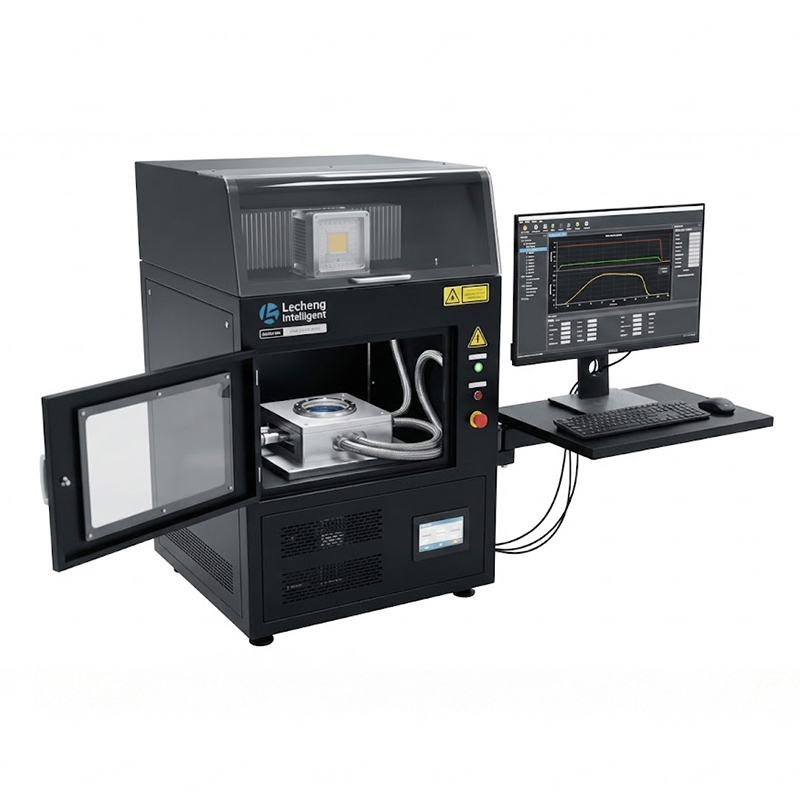
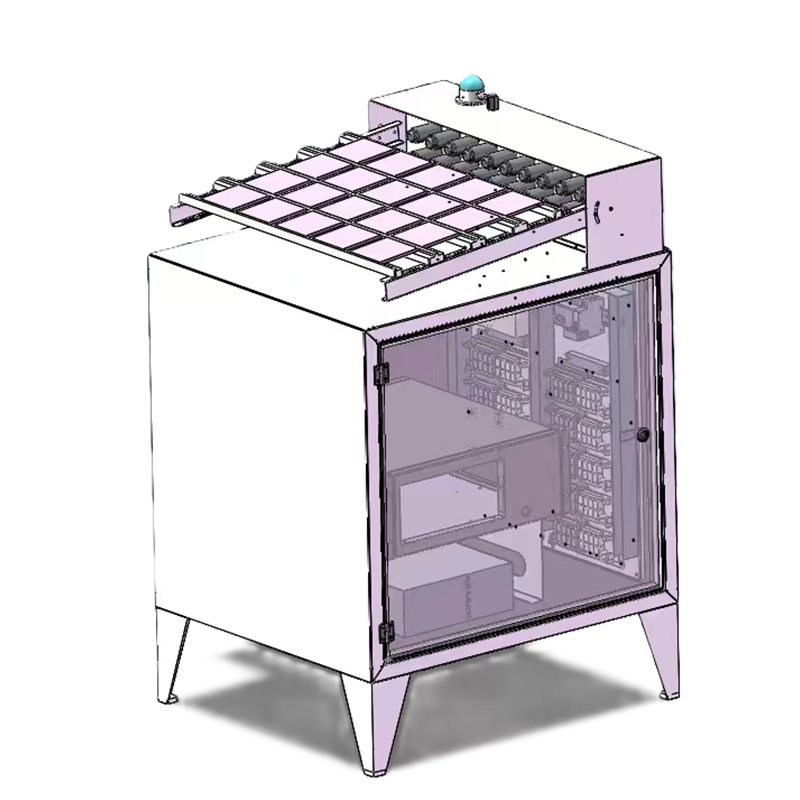
UV laser marking machines are widely used for fine marking on plastic, metal, glass, electronics, packaging and precision components. Buyers should compare supplier experience, laser power, marking accuracy, cooling system, software function, sample testing and after-sales support before ordering.
Get QuoteWhy UV Laser Marking Is Different
UV laser marking is often chosen when buyers need fine marking, low thermal impact and clean surface results. Compared with some traditional laser marking methods, UV laser processing can reduce heat damage on sensitive materials such as plastics, films, glass and electronic components.
For metal and plastic marking projects, buyers should not only compare machine price. The real value depends on marking quality, stability, sample results and supplier support.
1. Check Material Compatibility
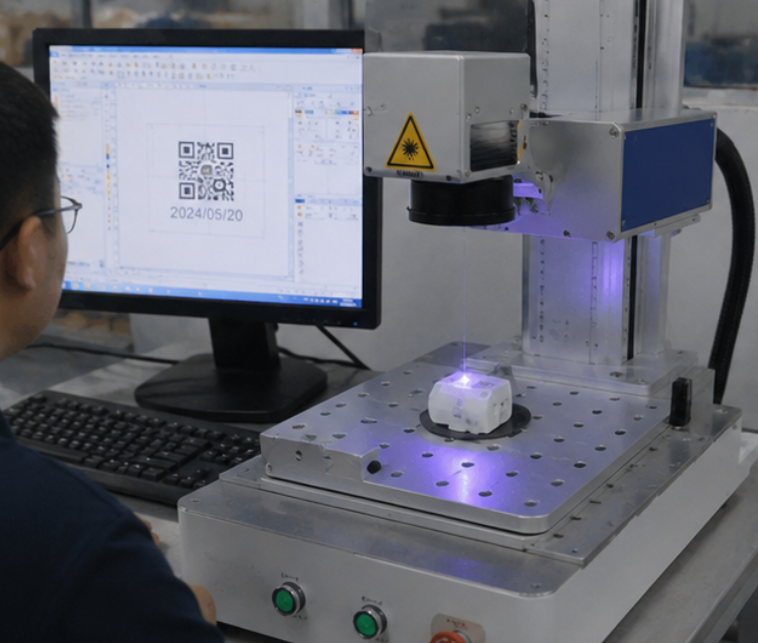
UV laser marking can be used on many materials, but the final marking effect depends on material composition, surface coating, color and required depth.
Plastic housings and electronic parts
Stainless steel and coated metal parts
Glass and transparent materials
Packaging films and labels
Medical and precision components
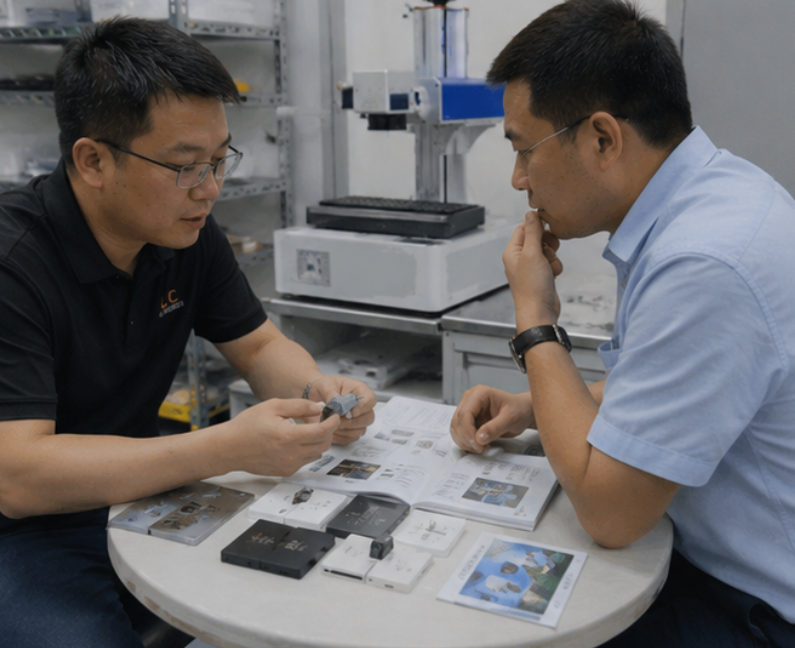
Before ordering, buyers should send real samples for testing whenever possible.
UV Laser Marking Machine Cost Factors
| Cost Factor | Why It Affects Price | Buyer Checkpoint |
|---|---|---|
| Laser Power | Affects marking speed and material range | 3W, 5W, 10W or higher? |
| Marking Area | Determines lens and worktable configuration | What is the maximum part size? |
| Accuracy | Controls small text, QR codes and fine patterns | Do you need micro marking? |
| Cooling System | Improves long-term stability | Air cooling or water cooling? |
| Software | Supports QR code, barcode and serial number marking | Do you need variable data? |
| Supplier Support | Affects installation, training and maintenance | Can they provide sample testing and service? |
2. Compare Supplier Experience
A reliable UV laser marking machine supplier should understand different material reactions and provide real sample testing. For plastic and metal parts, the supplier should recommend proper laser power, lens size, marking speed and cooling configuration.
Buyers should avoid choosing a supplier that only provides a basic machine price without discussing material type, marking effect and production needs.
3. Check Marking Quality Before Ordering
UV laser marking is often used for fine patterns, small characters, QR codes, medical codes, electronic part numbers and anti-counterfeiting marks. Buyers should check whether the marking is clear, stable and resistant to handling.
For plastics, also check whether the surface is burned, yellowed or deformed. For metals, check contrast, line clarity and surface consistency.
Questions Buyers Should Ask Before Ordering
What materials need to be marked: plastic, metal, glass or film?
Do you need surface marking, fine marking or deep engraving?
What laser power is recommended for your application?
What marking area and workpiece size are required?
Can the supplier provide sample marking photos or videos?
Does the software support QR codes, barcodes and serial numbers?
What cooling system and safety protection are included?
What installation, training and after-sales support are provided?
Conclusion
UV laser marking machine cost depends on laser power, marking area, accuracy, cooling system, software function and supplier support. For metal and plastic marking, buyers should focus on real sample results and long-term stability instead of only comparing the lowest price.
A good supplier should help buyers match the right UV laser configuration with actual material samples and production requirements.
Need A UV Laser Marking Machine Quote?
Contact Lecheng Laser to discuss your plastic, metal, glass or precision marking requirements.
Contact Us Get QuoteBuyer Focus For UV Laser Marking Machine Supplier And Cost Guide For Metal And Plastic
UV Laser Marking Machine Supplier And Cost Guide For Metal And Plastic should be useful for factories that compare laser marking, engraving, cutting, cleaning, or welding equipment. Buyers usually arrive with a material, an accuracy target, a speed target, and a budget, but they may not know which laser source, optical path, fixture, control software, and service package fit the job. The article should therefore translate product features into application decisions and send readers to the right Lecheng equipment category.
Selection Checklist
- confirm material type, thickness, surface coating, and required mark or cut depth before choosing a machine
- ask for sample testing rather than relying only on catalogue power and speed numbers
- check fixture design, smoke extraction, cooling method, software compatibility, and operator training
- compare long term maintenance cost, spare parts, and service response along with the purchase price
- keep photos and sample records from trial production so acceptance is based on visible results
Project Workflow Notes
A practical laser equipment page should explain the working scene in plain language. Electronics, glass, metal, plastic, photovoltaic materials, and precision components all require different beam control and process parameters. If the article connects the problem with product pages, visitors can move from troubleshooting to equipment selection without needing to search the website again. That improves both user experience and internal link value.
Common Risks To Avoid
Typical buying mistakes include overspecifying power while ignoring beam quality, using a desktop machine for industrial duty cycles, underestimating fixture cost, or choosing a supplier that cannot support sample verification. The related Lecheng pages below give readers a clearer path into marking, engraving, cutting, welding, cleaning, glass cutting, factory capability, and testing center information.
Related Lecheng Equipment And References
Use these internal pages to continue comparing machines, cases, testing capacity, and factory capability within the same Lecheng website.
- Laser Marking Equipment
- Laser Engraving Machine
- Laser Cutting Equipment
- Laser Welding Equipment
- Laser Cleaning Equipment
- Glass Laser Cutting And Breaking Machine
- Laser Integrated Processing
- Lecheng Products
- Lecheng Factory
- Product Testing Center
Extra RFQ Notes For Serious Buyers
When buyers send a request, the fastest way to get a useful answer is to include sample drawings, material photos, target capacity, current pain points, preferred delivery time, and acceptance standards. For Lecheng, this also helps the technical team decide whether a standard model is enough or whether a customized fixture, software workflow, loading method, or optical configuration is needed. This paragraph is intentionally written for procurement readers who are close to contacting a supplier, because those visitors are more valuable than general traffic. Clear RFQ information can shorten quotation time, reduce repeated emails, and make the project discussion more specific.
For SEO, this article now gives search engines more context around equipment selection, process verification, testing, factory capability, and related products. For users, the added content makes the page less thin and gives them practical questions to ask before buying. The goal is not to add filler text, but to make the page answer the next question a real engineer or purchasing manager would ask after reading the original article.