


Small Laser Engraving Machine Price Guide
Small Laser Engraving Machine Price And Application Differences
Small laser engraving machine prices vary depending on laser type, power, working area, material compatibility, marking accuracy, software function and safety configuration. Buyers should compare the real application needs before choosing between fiber laser, CO2 laser and UV laser engraving systems.
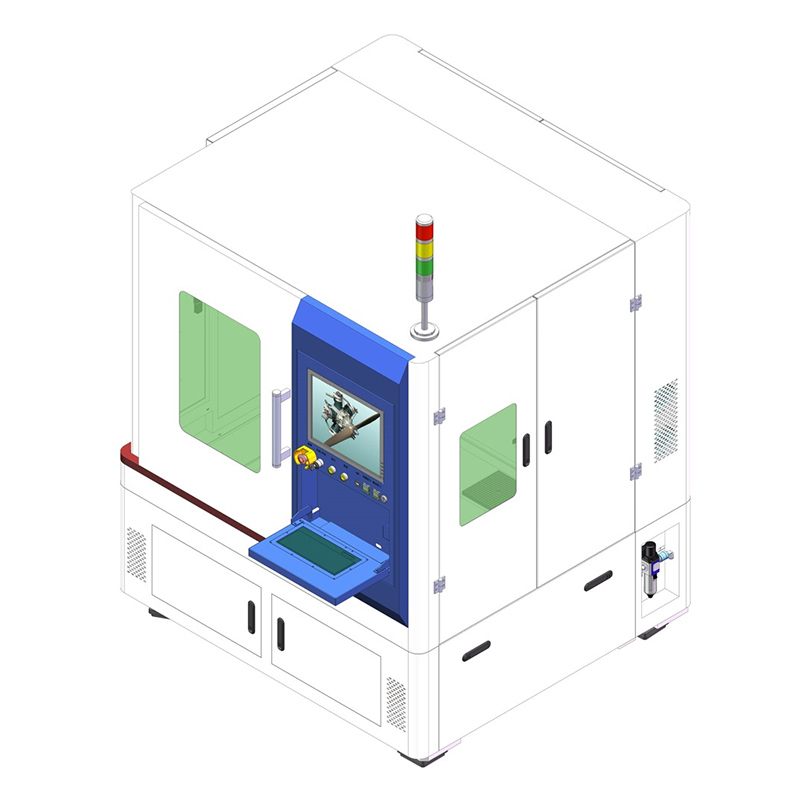
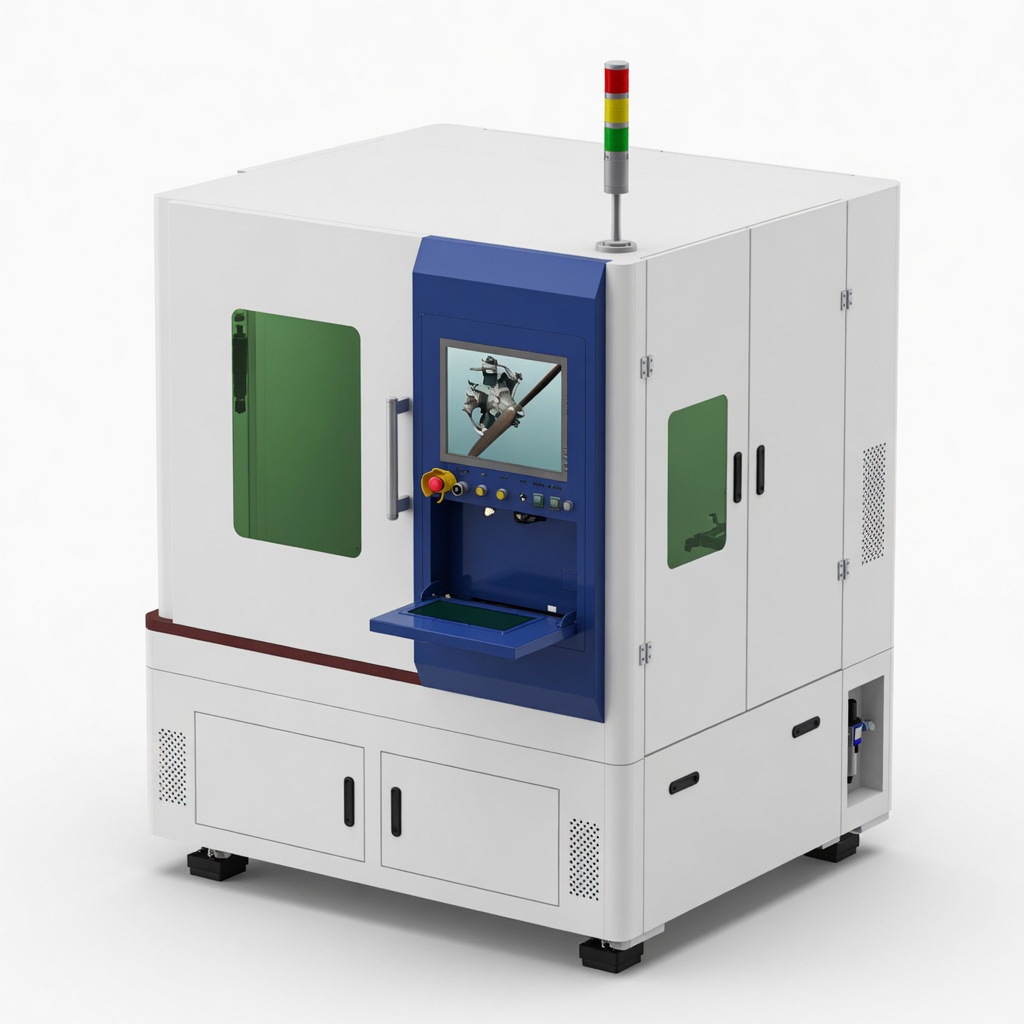
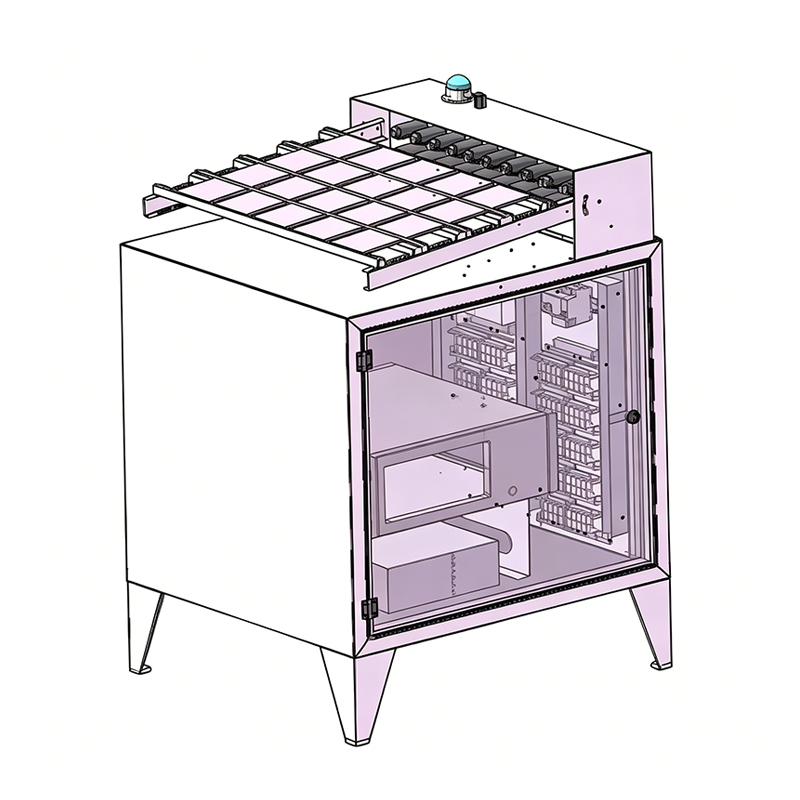
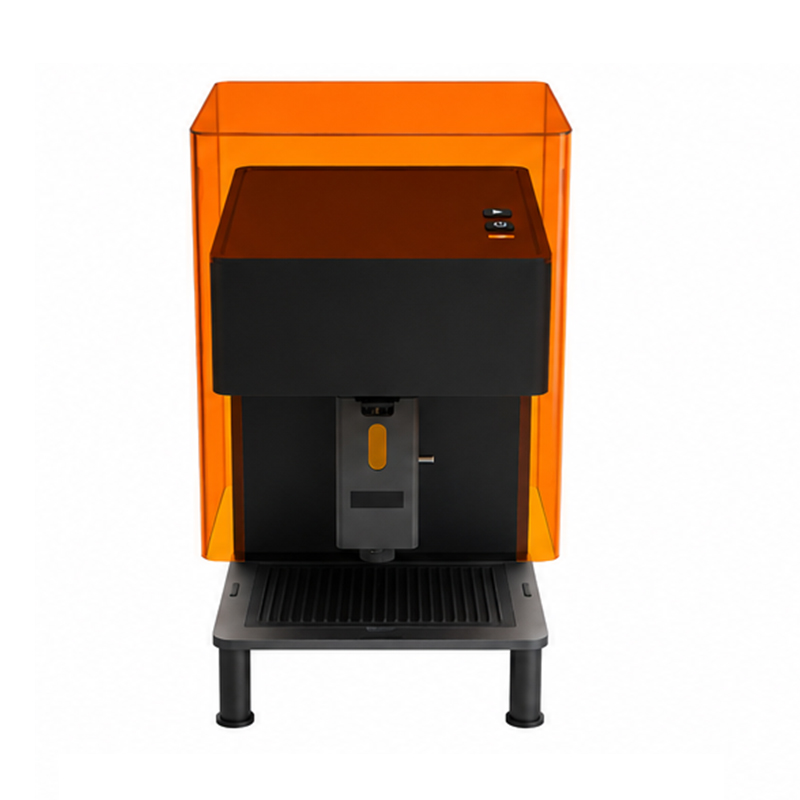
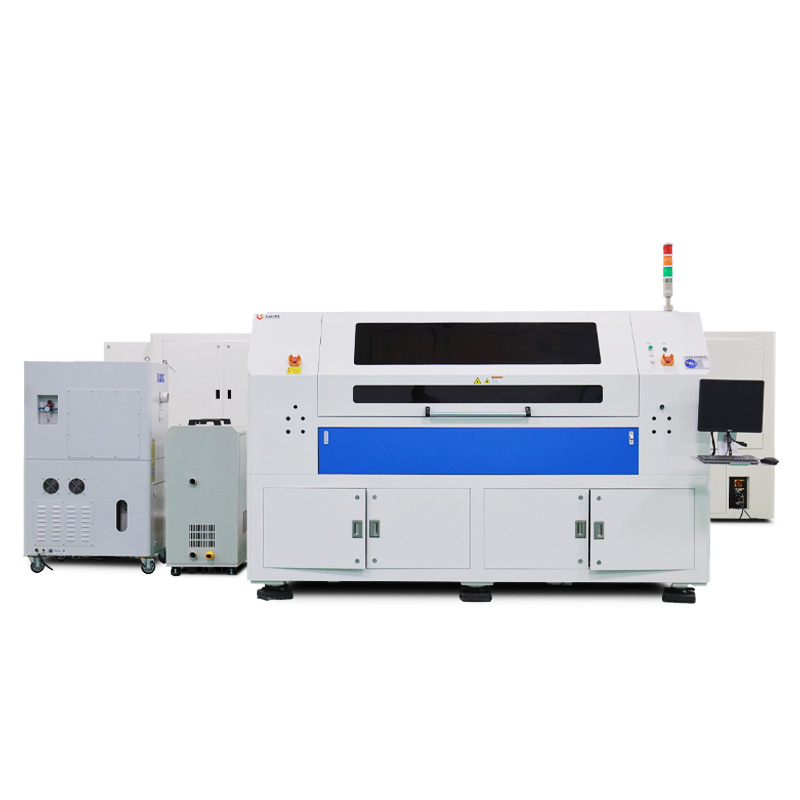
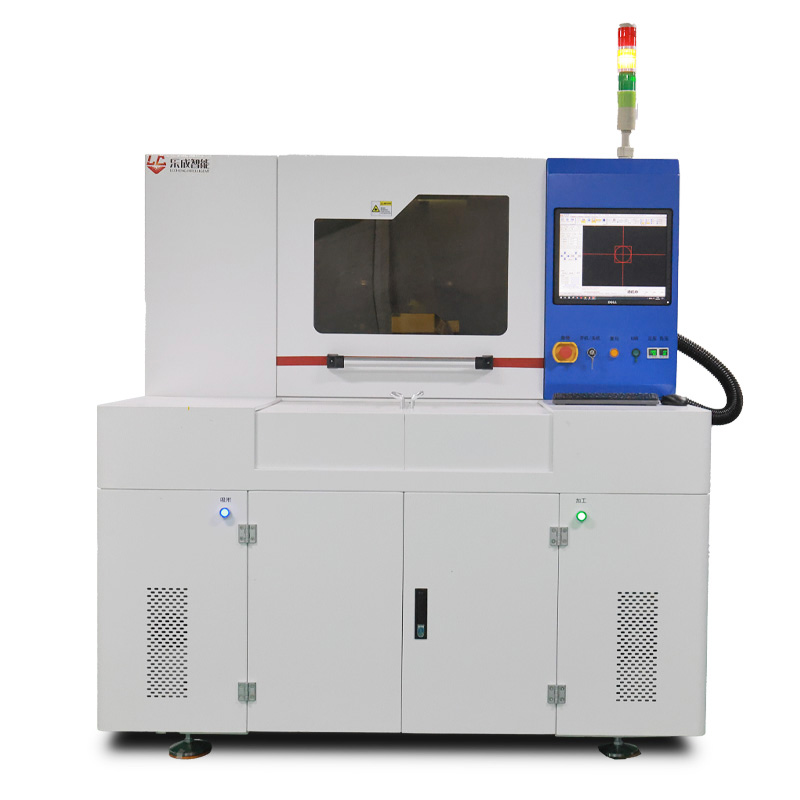
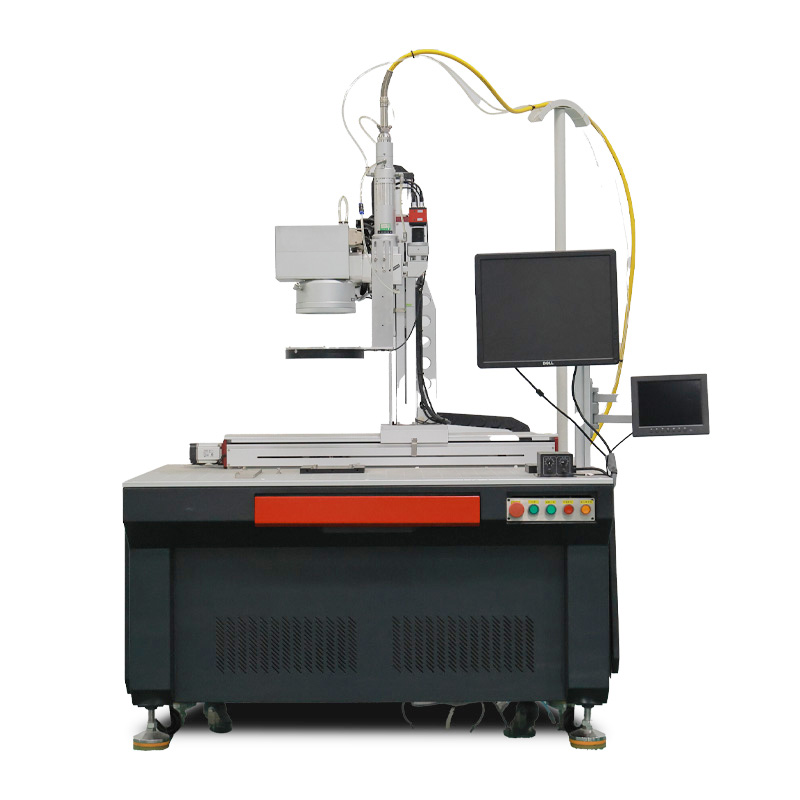
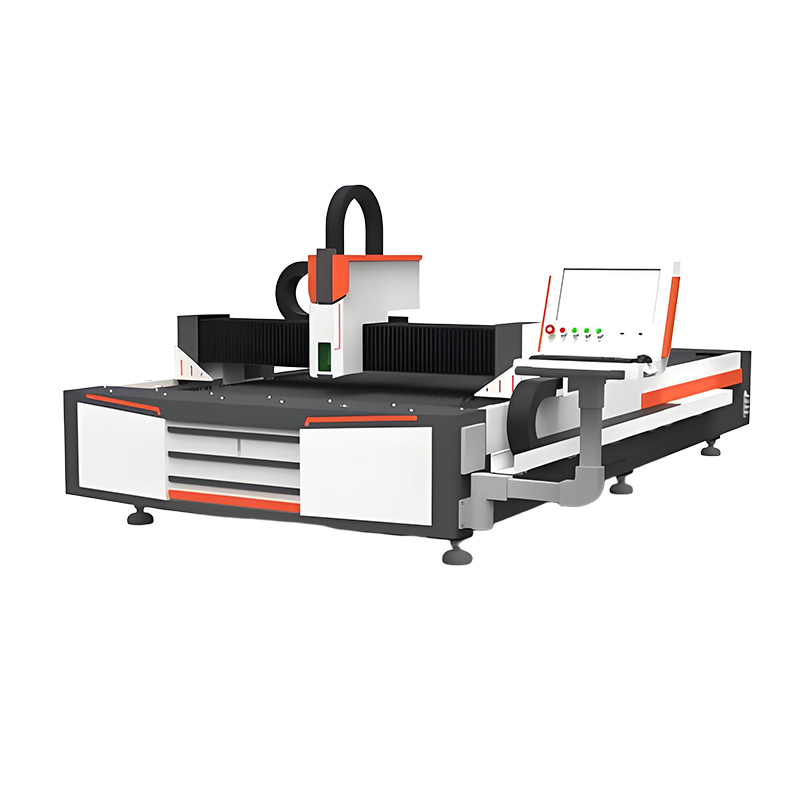
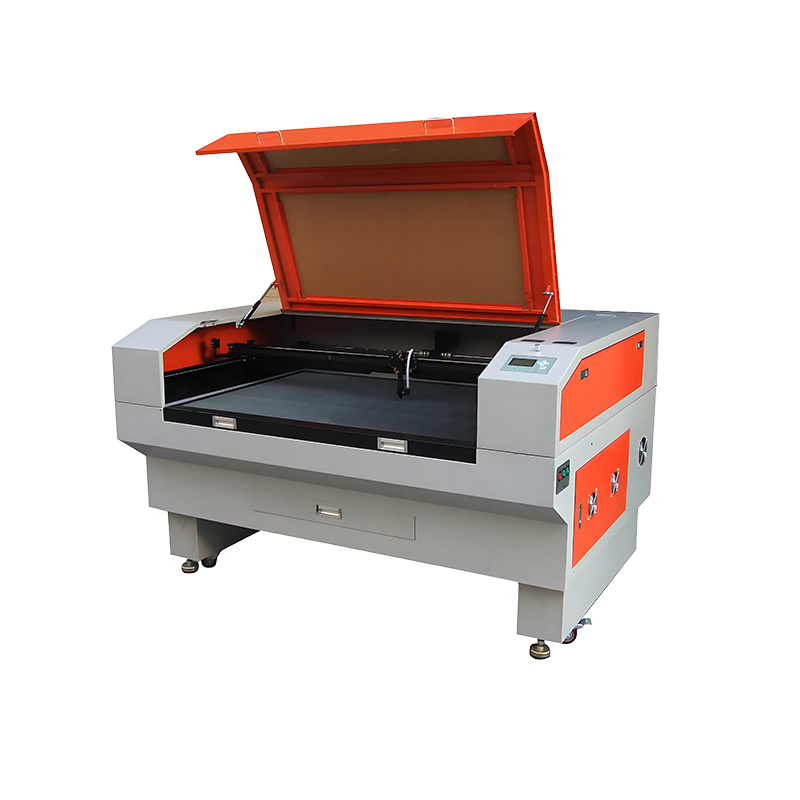
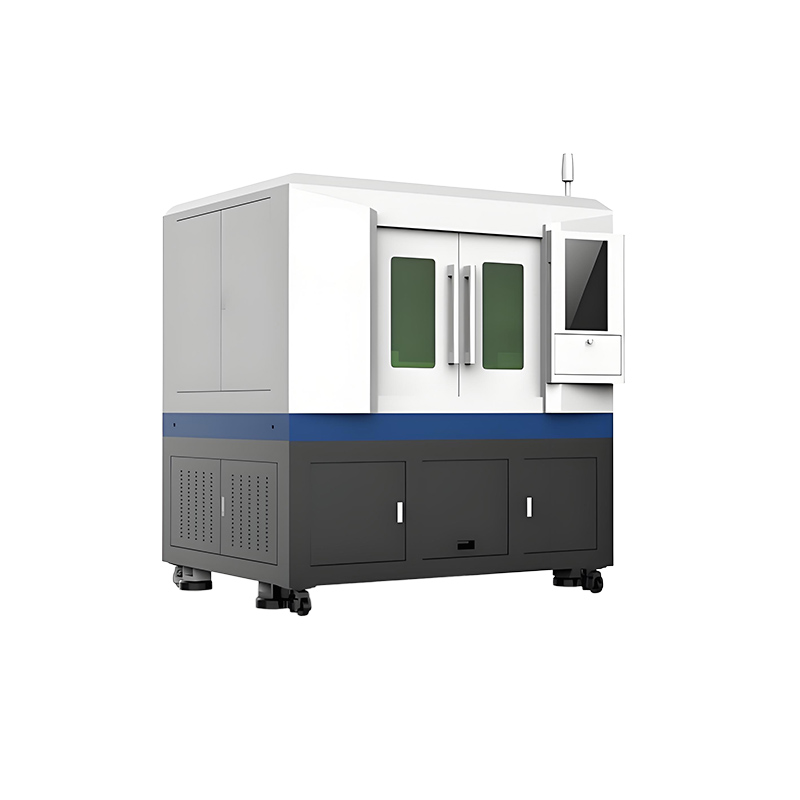
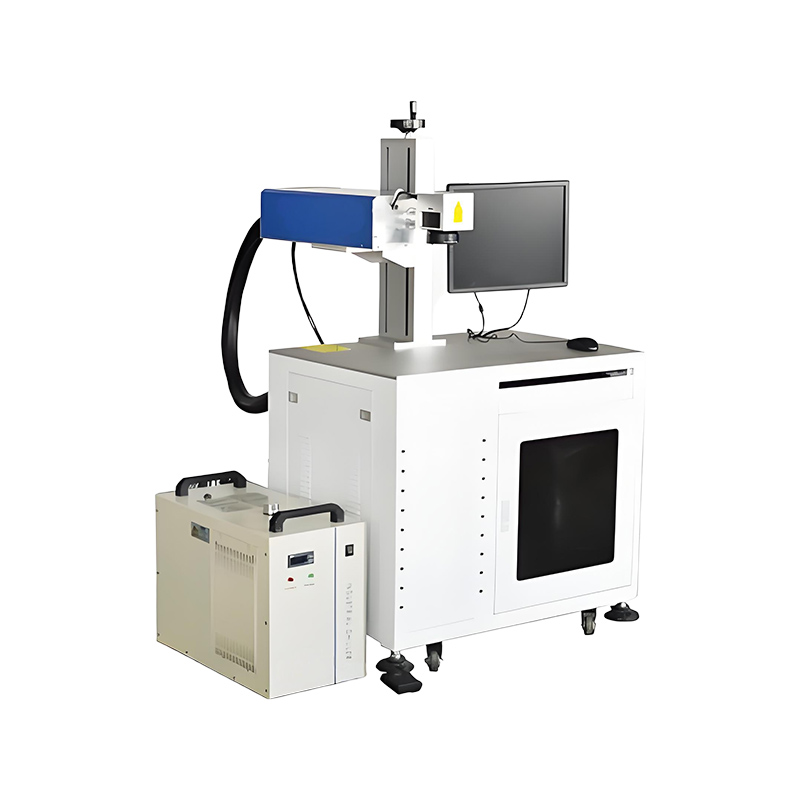
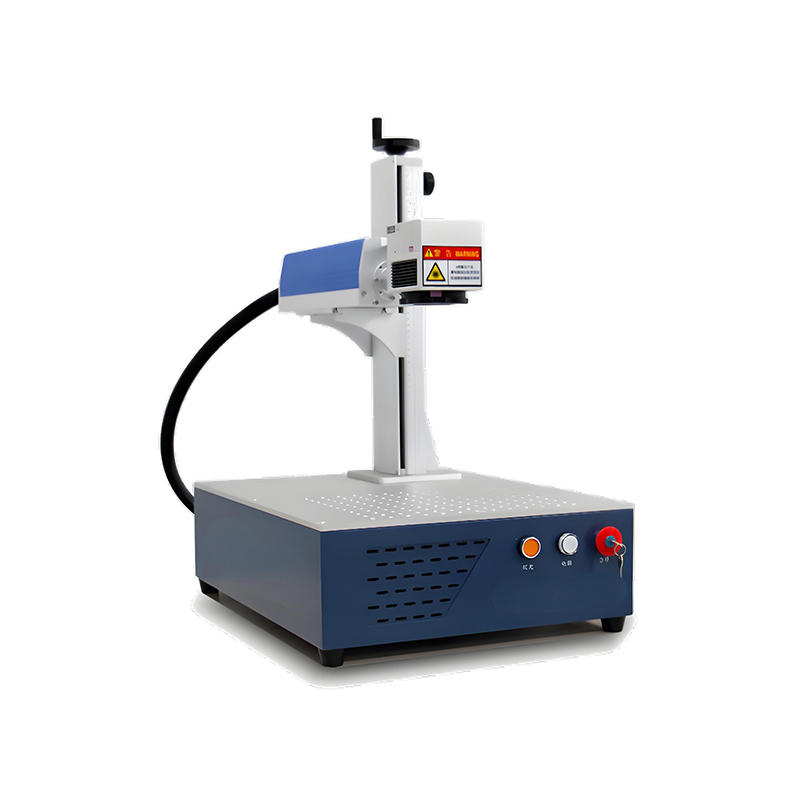
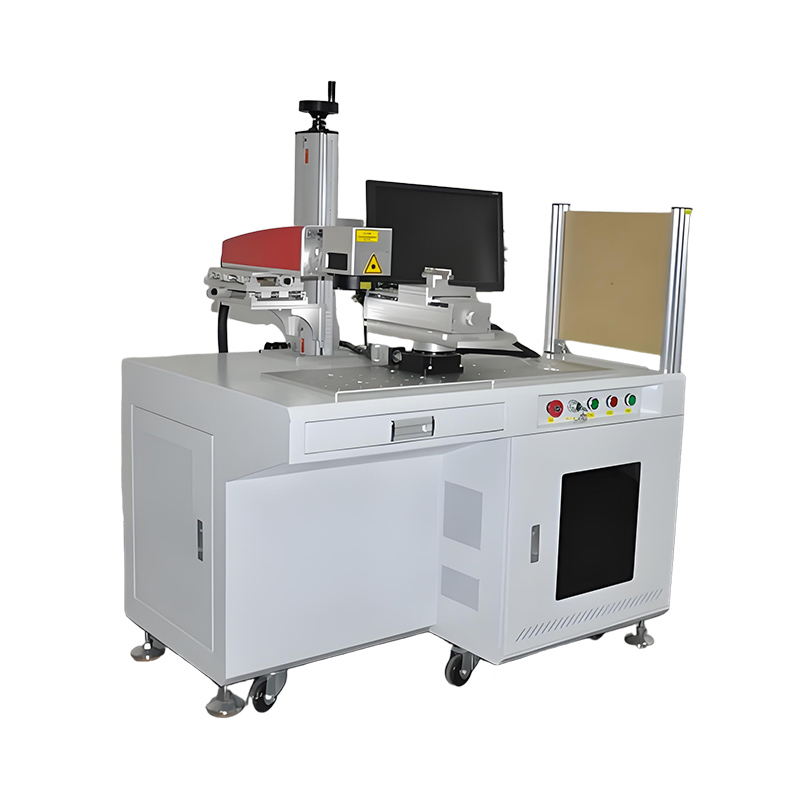
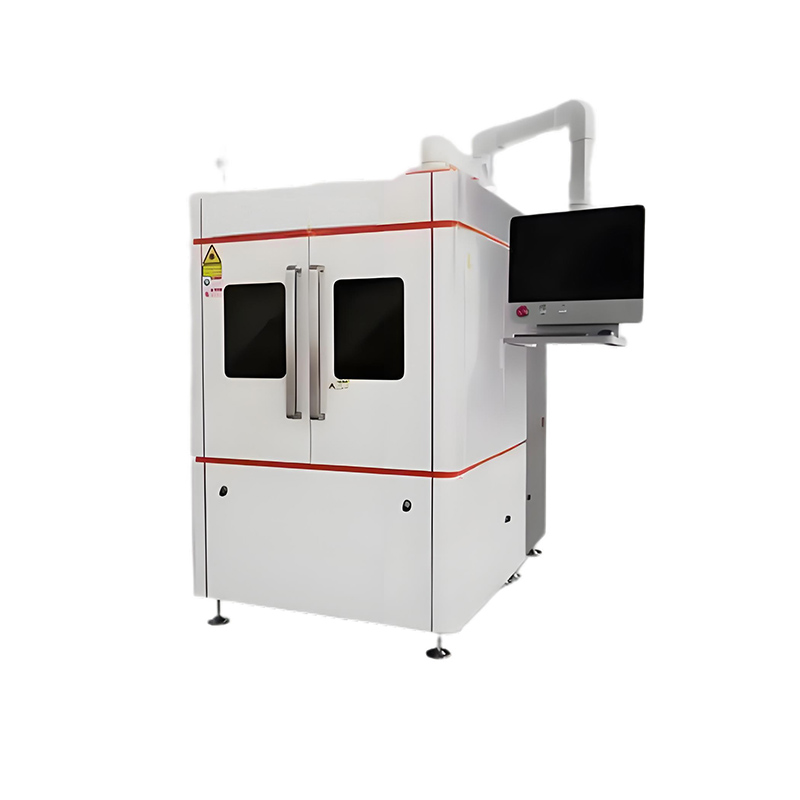
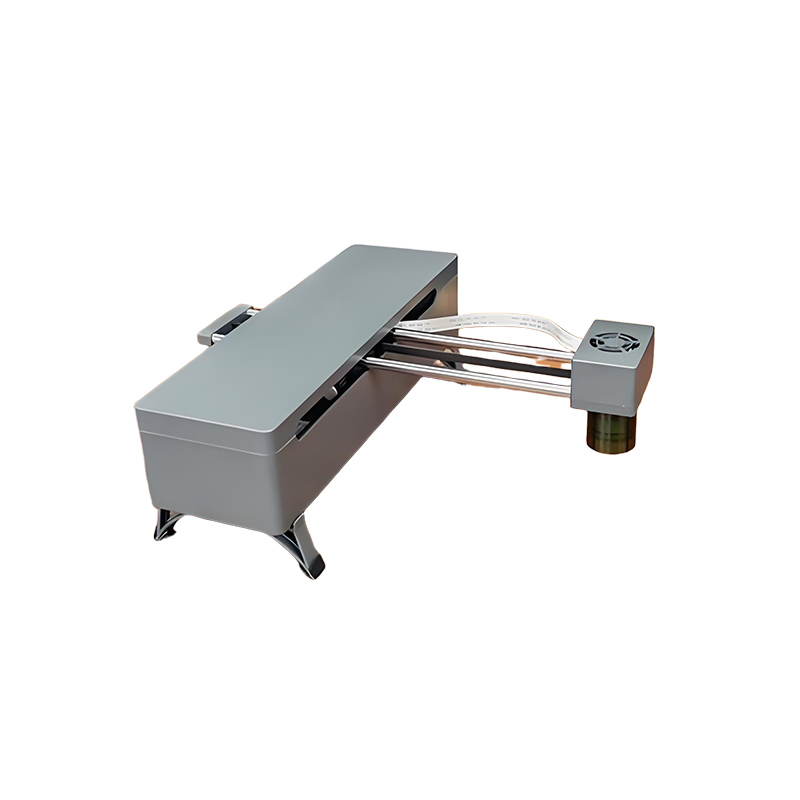
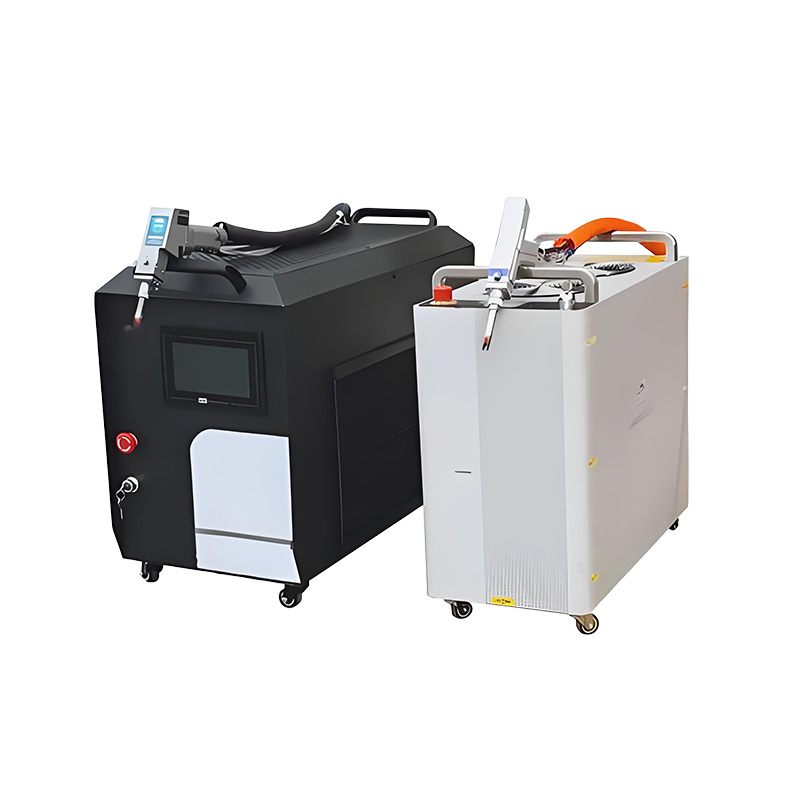
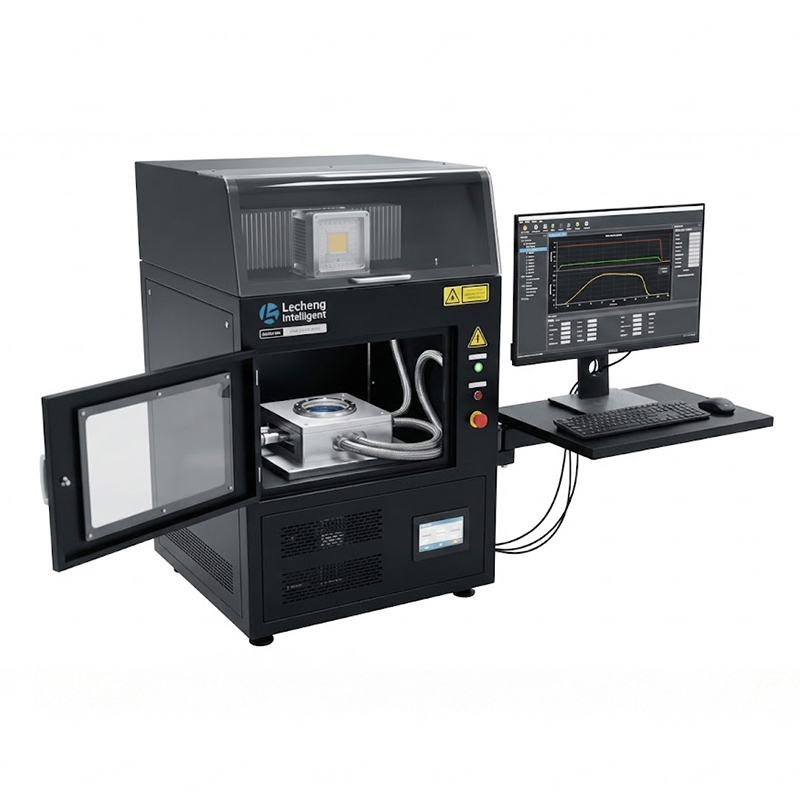
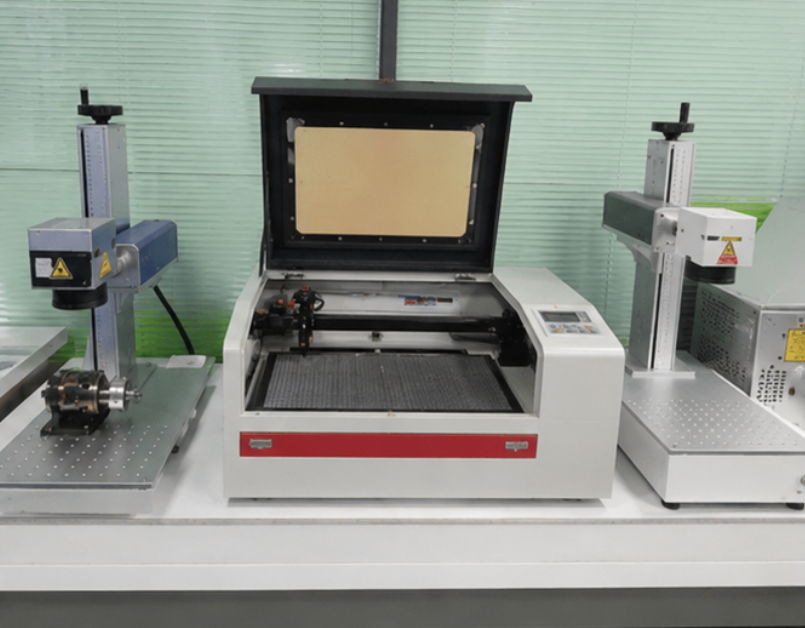
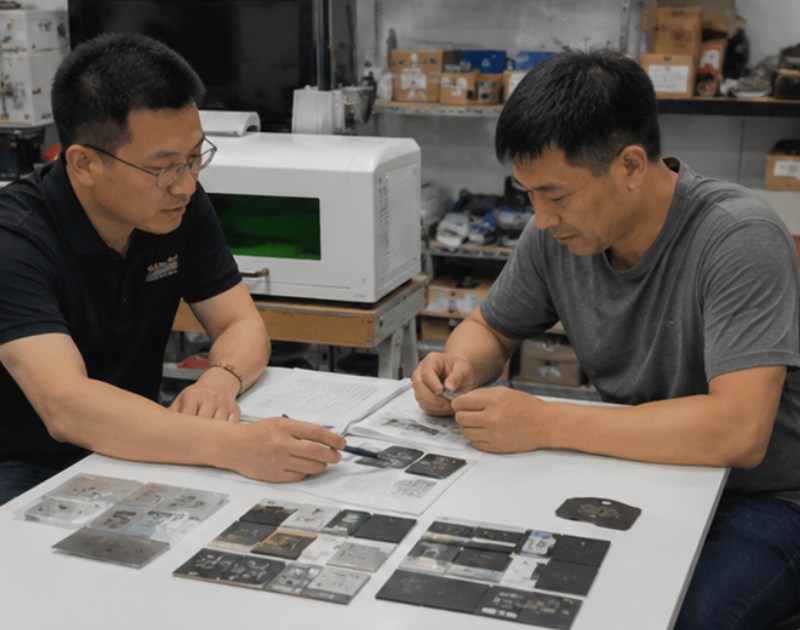
Many small laser engraving machines look similar online, but their internal configuration can be very different. Laser source, lens, control system, machine structure, cooling, safety enclosure and software all affect the final price. A low-cost machine may be suitable for simple hobby engraving, while industrial users may need better accuracy, higher stability and stronger software functions for QR codes, serial numbers and batch marking. The laser type is one of the most important cost factors. Different laser sources match different materials and marking effects. Fiber laser engraving machine: suitable for metals, tools, nameplates and industrial parts. CO2 laser engraving machine: suitable for wood, acrylic, leather, paper, packaging and crafts. UV laser marking machine: suitable for plastics, glass, electronics and fine low-heat marking. Buyers should first confirm the materials they need to process. Choosing the wrong laser type may cause poor marking quality or unnecessary investment. Higher laser power can improve marking speed or engraving depth, but it is not always necessary. For fine marking on plastics or electronics, stable low-heat processing may be more important than high power. Working area also affects price. A small marking area may be enough for serial numbers and logos, while larger workpieces need a bigger lens, platform or customized structure. Different users need different machine configurations. A school or training lab may care more about safety and easy operation. A workshop may need flexible marking on many materials. A factory may need stable serial number marking and traceability. Labs: sample testing, fine marking and flexible experiments. Workshops: gifts, nameplates, signs and custom products. Factories: QR codes, serial numbers and industrial batch marking. Schools: safe structure, simple software and easy training. Very low-cost machines may use weaker laser sources, unstable optics, limited software or poor safety protection. These problems may not be obvious during a short test, but they can affect daily operation, marking consistency and maintenance cost. Buyers should compare total value, including sample marking results, supplier support, spare parts and machine stability. Material type: metal, plastic, wood, acrylic, leather, glass or paper Required marking effect: surface marking, deep engraving, cutting or color marking Maximum workpiece size and marking area Daily production volume or use frequency Need for QR code, serial number, barcode or logo marking Required accuracy for small text or fine patterns Safety needs for lab, school or workshop environment Whether sample testing is required before ordering Small laser engraving machine price depends on laser type, power, working area, accuracy, software, safety design and real application needs. Buyers should avoid choosing only by price and instead select a machine that matches material compatibility, marking quality and long-term use. A clear RFQ with material samples, marking size and production requirements can help suppliers recommend the right machine faster. Contact Lecheng Laser to discuss your materials, laser type, marking area, accuracy and application requirements.Why Prices Are Different
1. Laser Type Affects Price And Application
2. Power And Working Area Change The Cost
Small Laser Engraving Machine Price Comparison Checklist
Price Factor What It Affects Buyer Checkpoint Laser Type Material compatibility and marking effect Fiber, CO2 or UV? Laser Power Speed, depth and application range Surface marking or deep engraving? Working Area Part size and marking layout What is the largest workpiece size? Marking Accuracy Small text, QR code and logo clarity Can it mark fine details clearly? Safety Configuration Lab, school and workshop safety Need enclosure, exhaust or protection? Software Function Batch marking and variable data Need QR code, barcode or serial number? 3. Application Differences Buyers Should Know
4. Why The Cheapest Machine May Not Be The Best Choice
Information To Prepare Before Asking For Price
Conclusion
Need A Small Laser Engraving Machine Quote?
Buyer Focus For Small Laser Engraving Machine Price And Application Differences
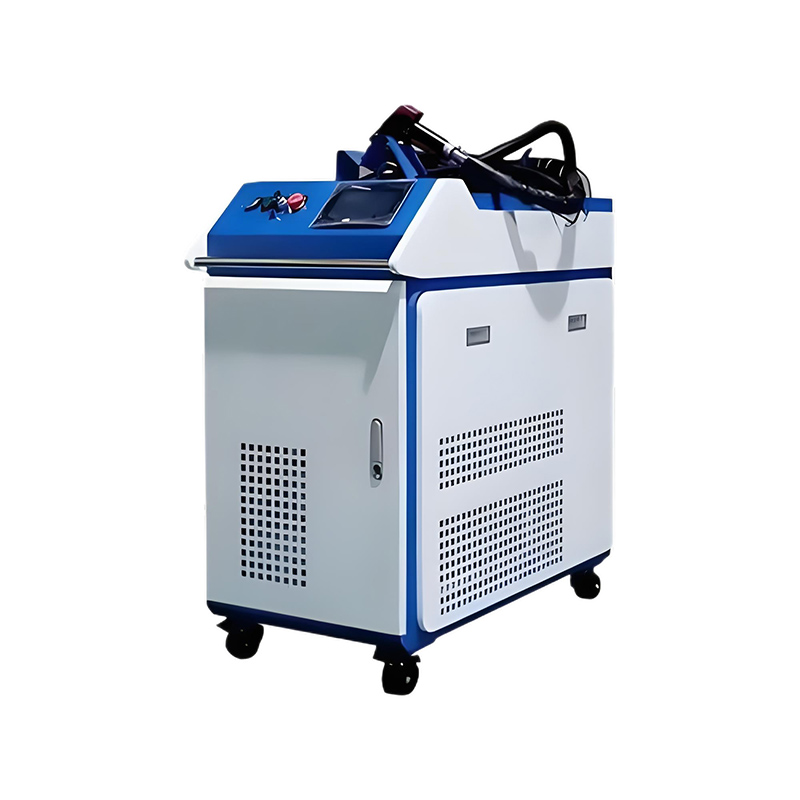
Small Laser Engraving Machine Price And Application Differences should be useful for factories that compare laser marking, engraving, cutting, cleaning, or welding equipment. Buyers usually arrive with a material, an accuracy target, a speed target, and a budget, but they may not know which laser source, optical path, fixture, control software, and service package fit the job. The article should therefore translate product features into application decisions and send readers to the right Lecheng equipment category.
Selection Checklist
- confirm material type, thickness, surface coating, and required mark or cut depth before choosing a machine
- ask for sample testing rather than relying only on catalogue power and speed numbers
- check fixture design, smoke extraction, cooling method, software compatibility, and operator training
- compare long term maintenance cost, spare parts, and service response along with the purchase price
- keep photos and sample records from trial production so acceptance is based on visible results
Project Workflow Notes
A practical laser equipment page should explain the working scene in plain language. Electronics, glass, metal, plastic, photovoltaic materials, and precision components all require different beam control and process parameters. If the article connects the problem with product pages, visitors can move from troubleshooting to equipment selection without needing to search the website again. That improves both user experience and internal link value.
Common Risks To Avoid
Typical buying mistakes include overspecifying power while ignoring beam quality, using a desktop machine for industrial duty cycles, underestimating fixture cost, or choosing a supplier that cannot support sample verification. The related Lecheng pages below give readers a clearer path into marking, engraving, cutting, welding, cleaning, glass cutting, factory capability, and testing center information.
Related Lecheng Equipment And References
Use these internal pages to continue comparing machines, cases, testing capacity, and factory capability within the same Lecheng website.