
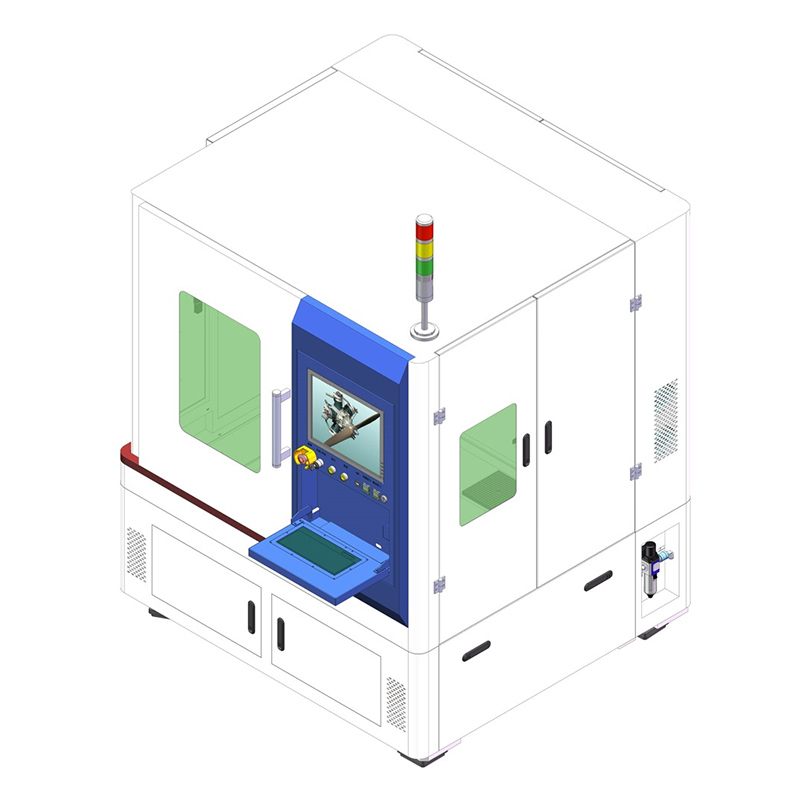
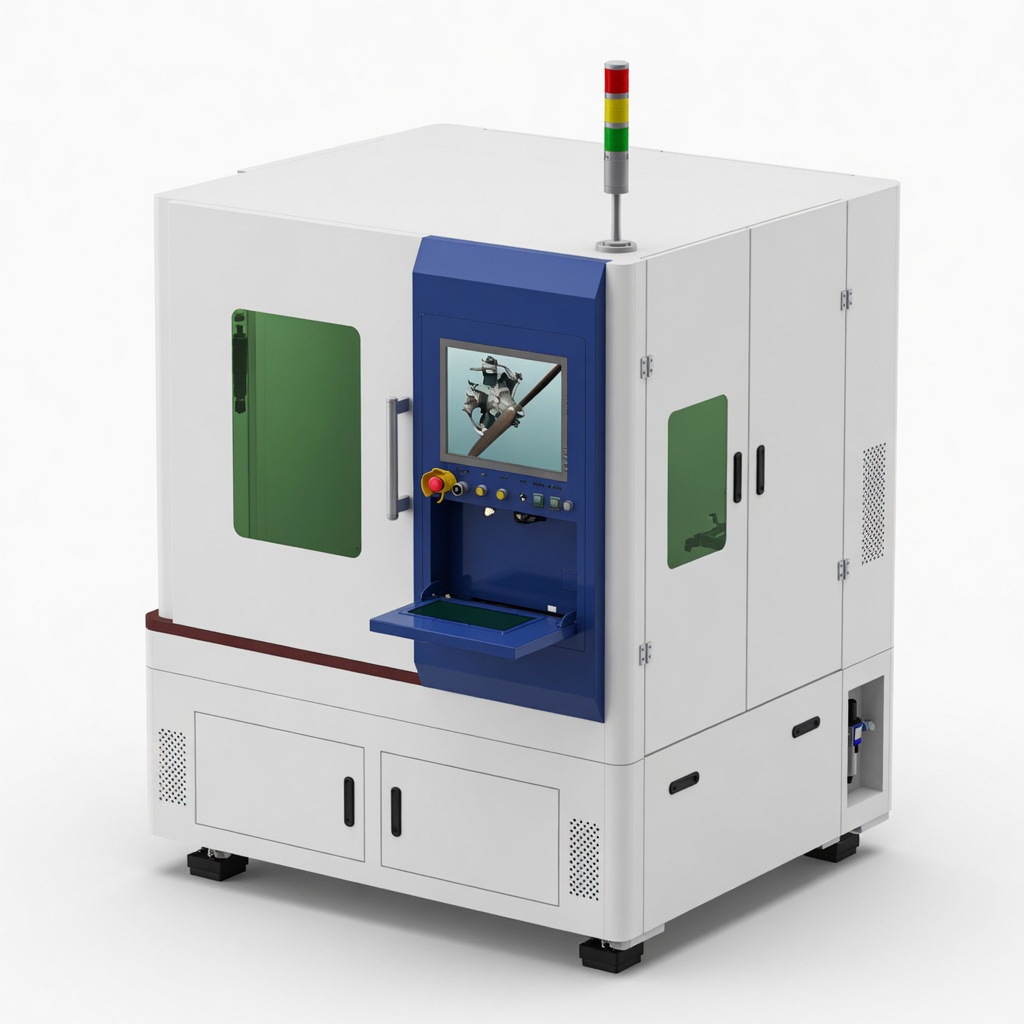
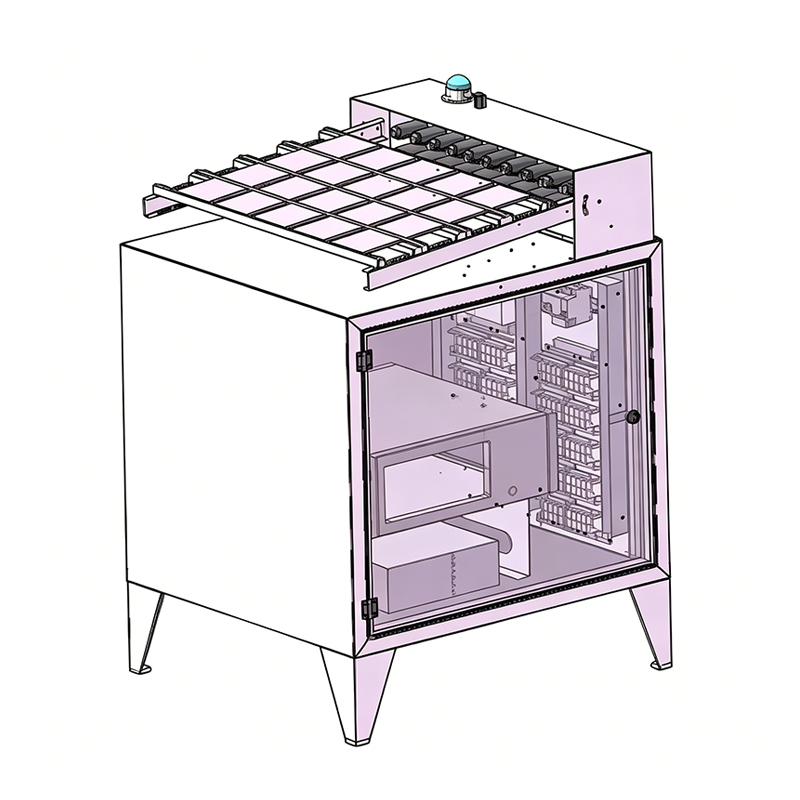
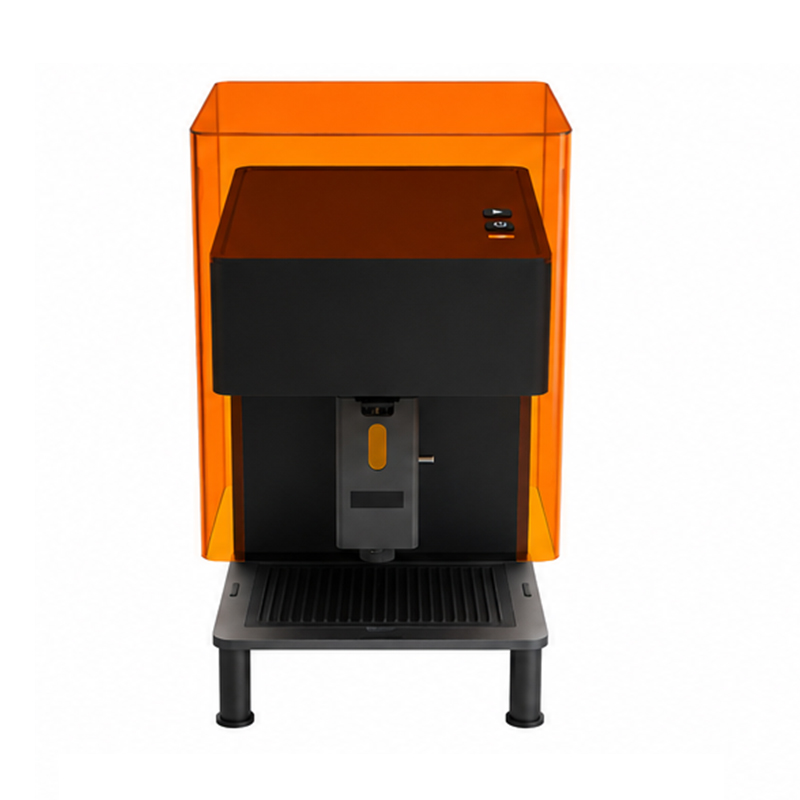


Perovskite Pilot Line RFQ Guide
Perovskite Pilot Line RFQ Guide: What Information Buyers Need To Provide
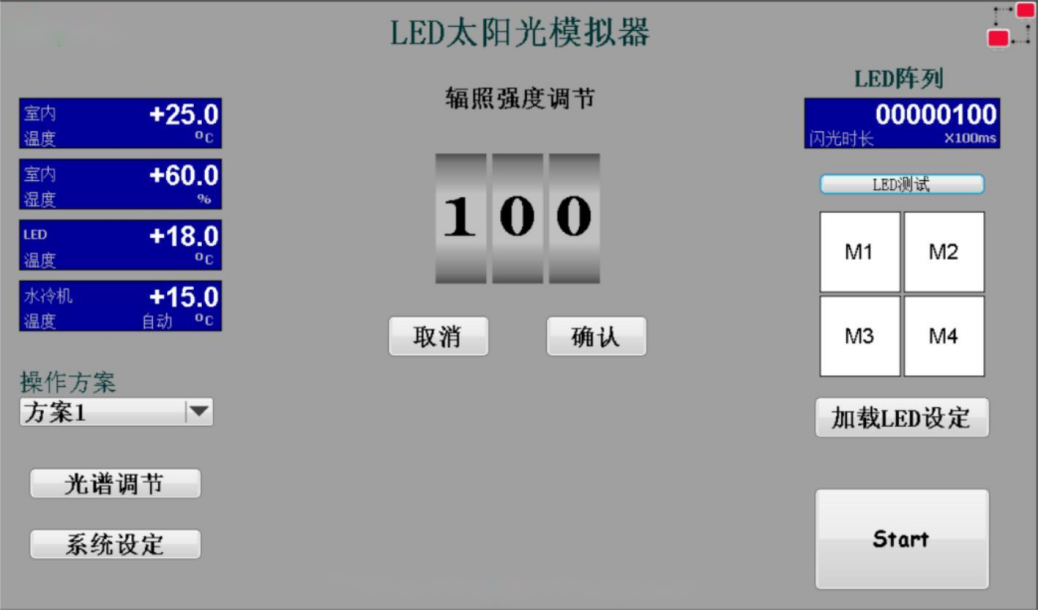
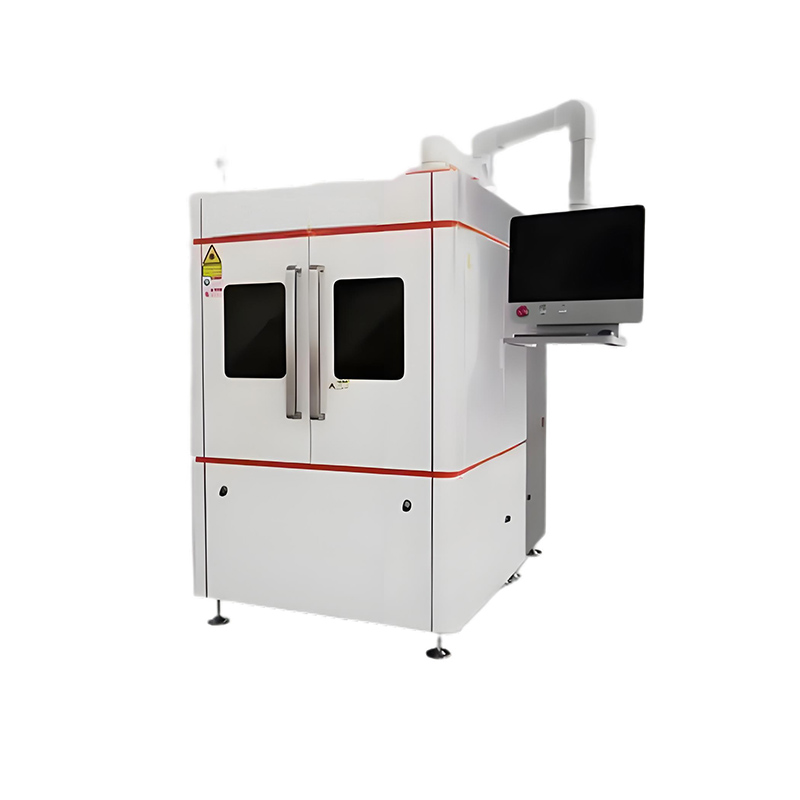
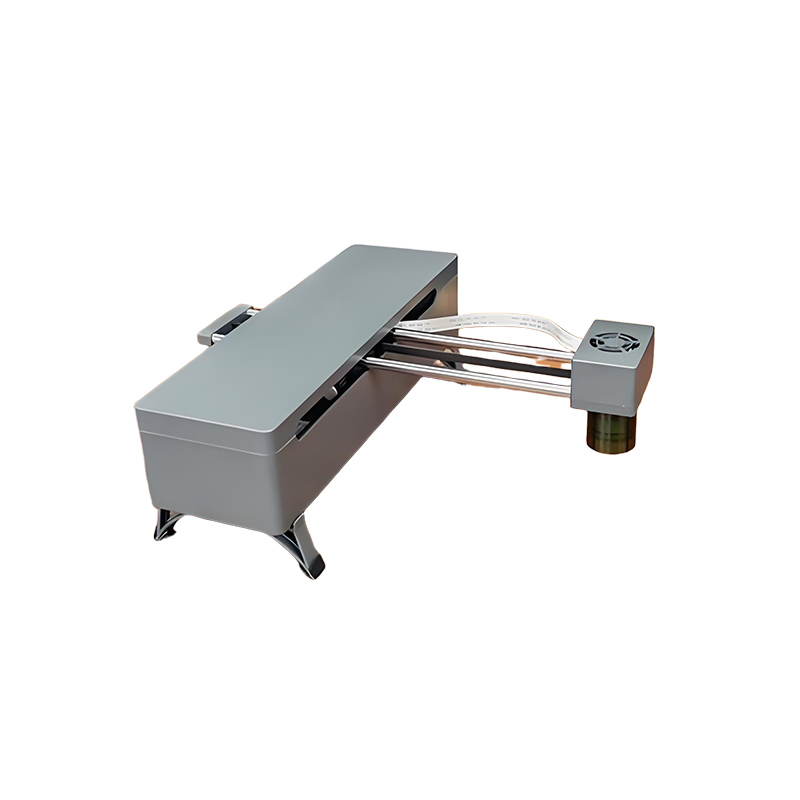
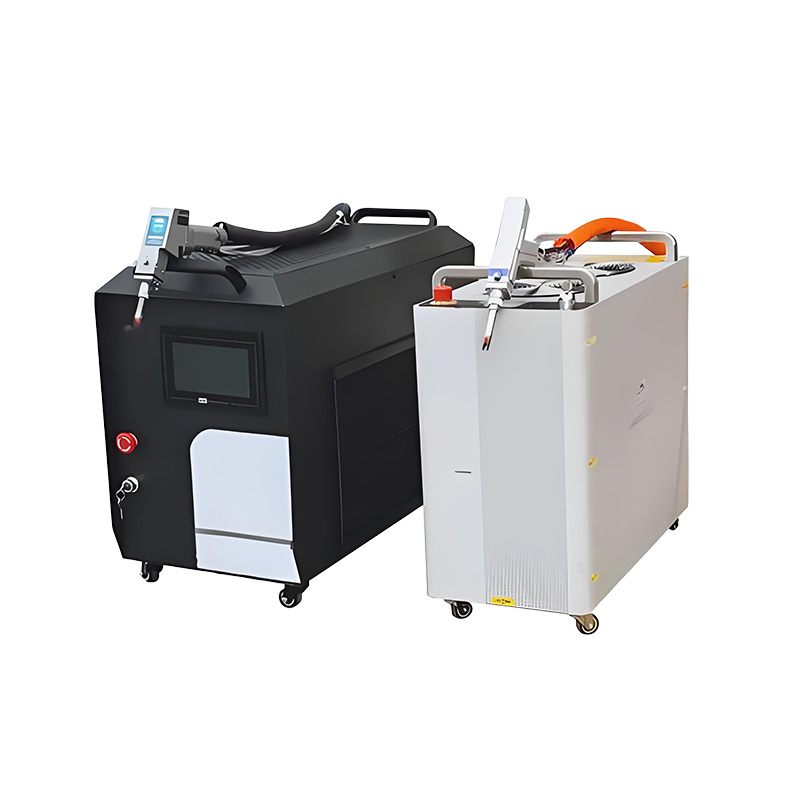
When requesting a quote for a perovskite pilot line, providing detailed information helps suppliers give accurate pricing and configuration recommendations. Buyers should include process route, substrate size, required laser processes, automation level, testing equipment, sample requirements, and future scale-up plans.
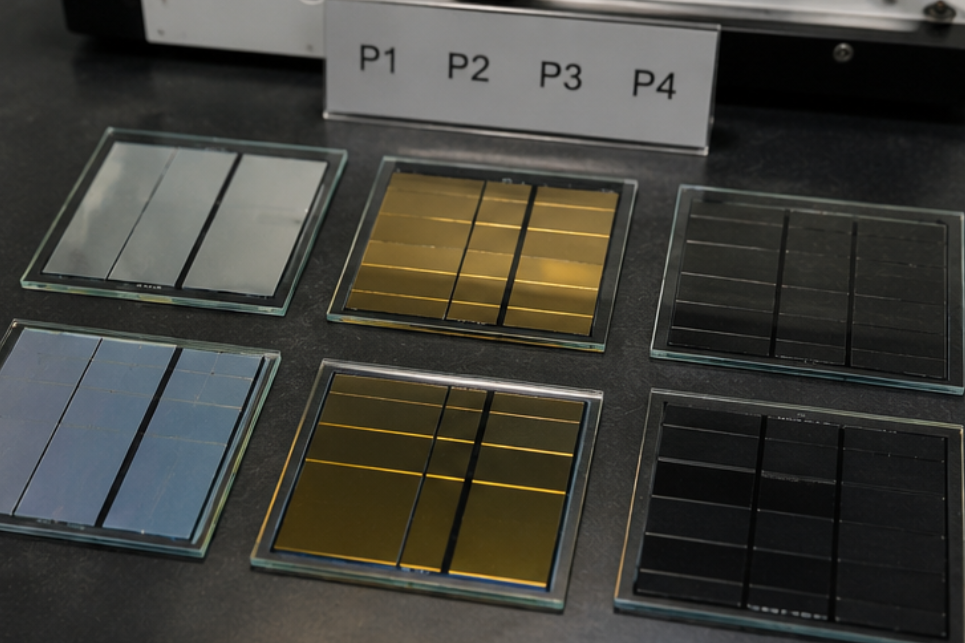
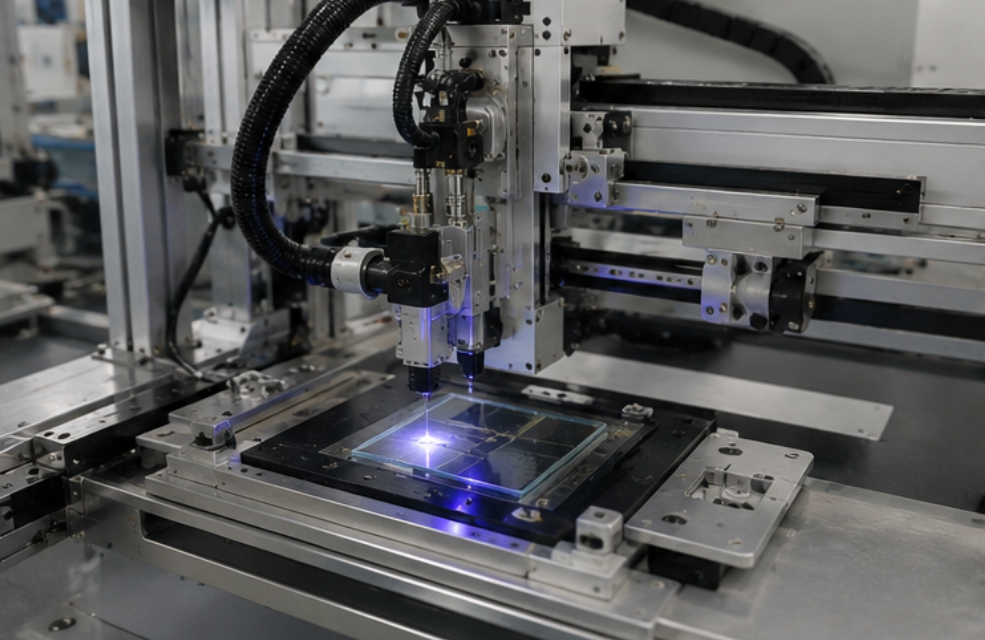
Get QuoteProviding comprehensive RFQ data allows suppliers to evaluate your requirements, avoid misconfigurations, and offer realistic cost estimates. It also reduces delays and ensures that the pilot line meets R&D or small-scale production needs. Specify the coating, deposition, laser scribing (P1/P2/P3/P4), encapsulation and testing process sequence. This helps suppliers understand required laser equipment, motion systems, and integration complexity. Indicate current substrate dimensions, expected module sizes, and the number of samples to be processed. This information influences platform size, laser scanning range, and sample handling equipment. Clarify whether you require manual, semi-automatic, or fully automated handling. Also include testing equipment needs such as solar simulators, IV testers, MPPT, and environmental chambers. This affects machine configuration and supplier recommendations. Provide sample materials or representative modules if possible. Suppliers can run pilot tests to ensure your required laser scribing quality, edge deletion, and overall module integrity. A complete RFQ submission allows suppliers to provide accurate cost and configuration advice, reducing setup errors and ensuring your pilot line meets R&D or small-scale production requirements. Include process route, substrate size, laser steps, automation, testing, and sample info in your request. Contact Lecheng Laser to provide process details, substrate info, laser scribing requirements, and testing needs for an accurate pilot line quotation.Why Detailed RFQ Information Matters
1. Process Route
2. Substrate Size And Sample Quantity
3. Automation Level And Testing Requirements
4. Sample Testing And Validation
Conclusion
Submit Your Perovskite Pilot Line RFQ
Buyer Focus For Perovskite Pilot Line RFQ Guide What Information Buyers Need To Provide
Perovskite Pilot Line RFQ Guide What Information Buyers Need To Provide needs to answer the questions that perovskite cell teams ask before they invest in a pilot line. The important point is not a single machine price. Buyers need to understand how glass size, substrate transfer, P1 P2 P3 P4 scribing, edge isolation, coating compatibility, alignment accuracy, dust control, test equipment, and service support work together. A strong article should guide readers from process planning to equipment selection and make it easy to reach the relevant Lecheng product pages.
Selection Checklist
- define the target substrate size and expected sample quantity before discussing machine models
- separate laboratory verification equipment from pilot line equipment because the acceptance method is different
- ask for scribing edge quality, dead zone control, line width, repeatability, and sample images
- confirm how the laser system connects with coating, encapsulation, inspection, and solar testing steps
- prepare material data and process goals so the supplier can judge whether customization is required
Project Workflow Notes
A good procurement process normally starts with sample structure, then moves to process route, station configuration, automation level, testing method, and final acceptance. For perovskite teams, the supplier should be able to discuss why P1 P2 P3 and P4 are different, what factors affect scribing quality, and how to protect the active layer while keeping production speed realistic. Articles that explain these details are more likely to capture long tail search traffic from engineers and project managers.
Common Risks To Avoid
The main risks are choosing equipment only by initial price, ignoring alignment and thermal influence, leaving no room for future substrate changes, or buying isolated machines without a pilot line plan. Internal links should therefore point readers to Lecheng perovskite laser production line pages, laser scribing equipment, photovoltaic testing equipment, and real case pages. This makes the website look more complete to users and gives search engines clearer topic relationships.
Related Lecheng Equipment And References
Use these internal pages to continue comparing machines, cases, testing capacity, and factory capability within the same Lecheng website.
- Perovskite Laser Production Line
- Laser Scribing Equipment
- P3 Laser Scribing Case
- Roll To Roll Laser Scribing Case
- Photovoltaic Solar Testing Equipment
- Laser Integrated Processing
- Lecheng Products
- Lecheng Factory
- Equipment Display
- Core Technology
Extra RFQ Notes For Serious Buyers
When buyers send a request, the fastest way to get a useful answer is to include sample drawings, material photos, target capacity, current pain points, preferred delivery time, and acceptance standards. For Lecheng, this also helps the technical team decide whether a standard model is enough or whether a customized fixture, software workflow, loading method, or optical configuration is needed. This paragraph is intentionally written for procurement readers who are close to contacting a supplier, because those visitors are more valuable than general traffic. Clear RFQ information can shorten quotation time, reduce repeated emails, and make the project discussion more specific.
For SEO, this article now gives search engines more context around equipment selection, process verification, testing, factory capability, and related products. For users, the added content makes the page less thin and gives them practical questions to ask before buying. The goal is not to add filler text, but to make the page answer the next question a real engineer or purchasing manager would ask after reading the original article.
Implementation Details For Pilot Line Planning
Before confirming a perovskite pilot line order, buyers should describe the target cell structure, glass handling method, expected throughput, scribing sequence, inspection method, and future scale up plan. This helps the supplier evaluate whether the project needs a compact research configuration, a semi automatic pilot line, or a more integrated production solution. It also gives the sales and engineering teams enough information to discuss layout, power supply, safety shielding, dust control, operator access, and maintenance space early in the quotation stage.
A stronger RFQ also includes acceptance samples. For example, the buyer can ask for scribing line images, edge isolation results, repeatability records, and test data after laser processing. These practical details make the article more valuable for engineers who search before contacting a supplier, and they give search engines clearer evidence that the page is about real equipment selection rather than a thin keyword page.