


Laser Etching Equipment: Achieving 5μm Line Widths for Semiconductors
The Frontier of Miniaturization: Why 5μm Line Widths Matter
In the relentless drive towards more powerful, energy-efficient, and compact electronic devices, the semiconductor industry is perpetually pushing the boundaries of miniaturization. Achieving ever-smaller feature sizes is the fundamental engine of Moore's Law. At this advanced node, laser etching equipment capable of producing 5μm line widths is not merely an improvement; it is a critical enabling technology for next-generation applications. This level of precision is essential for creating intricate microfluidic channels in lab-on-a-chip devices for medical diagnostics, defining precise conductive traces on advanced substrates for flexible and 3D electronics, and fabricating delicate MEMS (Micro-Electro-Mechanical Systems) components like sensors and actuators. Traditional methods, such as chemical etching or mechanical milling, struggle with the resolution, edge quality, and lack of heat damage required at this scale. Ultrafast laser etching, however, offers a non-contact, maskless, and highly selective solution, allowing for the direct writing of complex, micron-scale patterns with minimal Heat-Affected Zone (HAZ). This capability opens new frontiers in device architecture and functionality that were previously unattainable.
The Engineering Challenge: Precision, Control, and Thermal Management
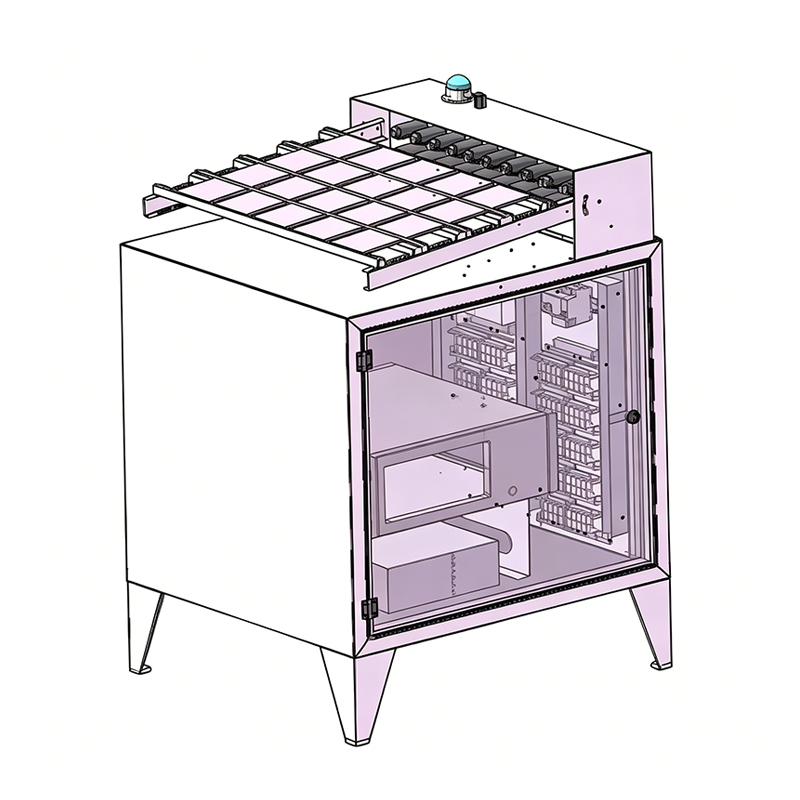
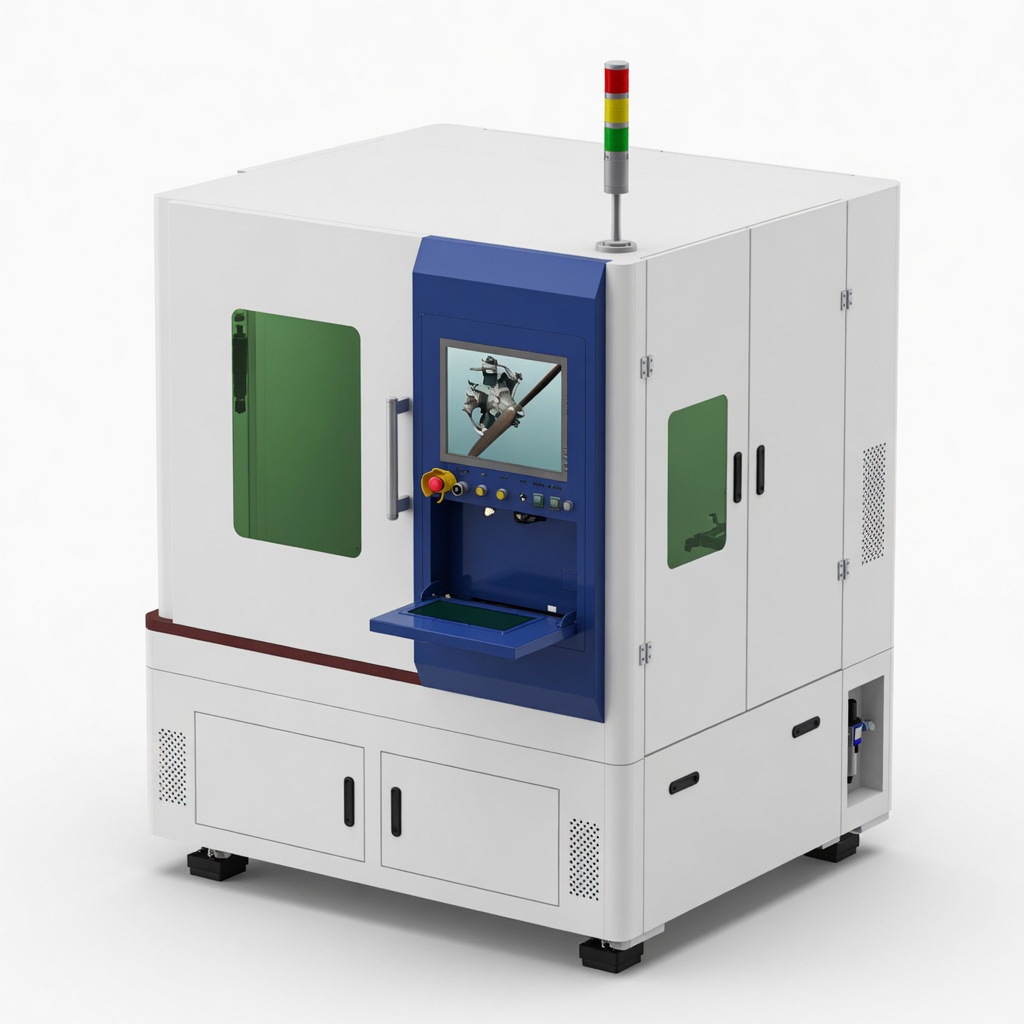
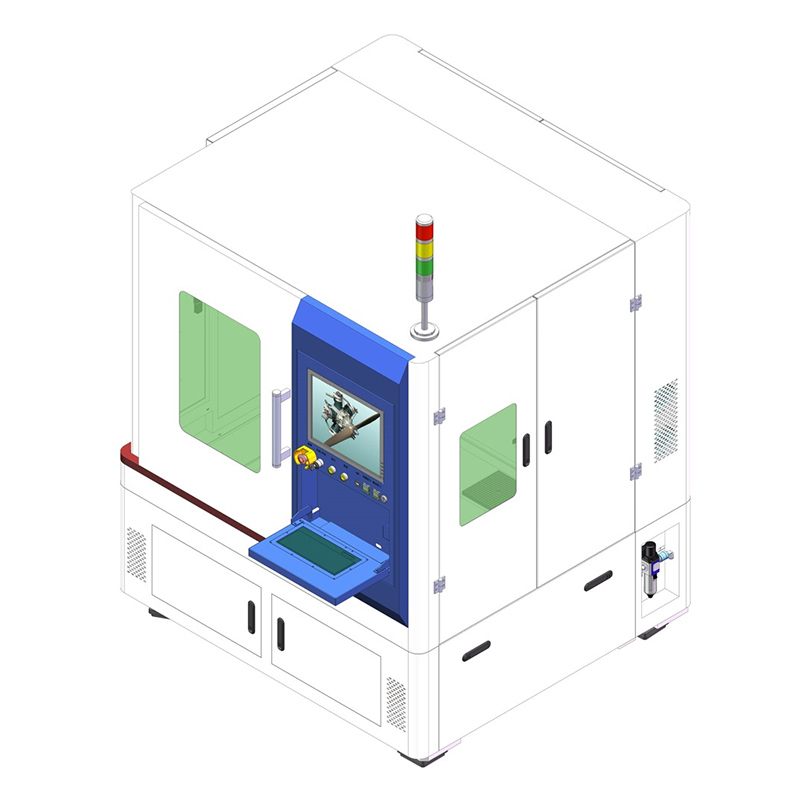
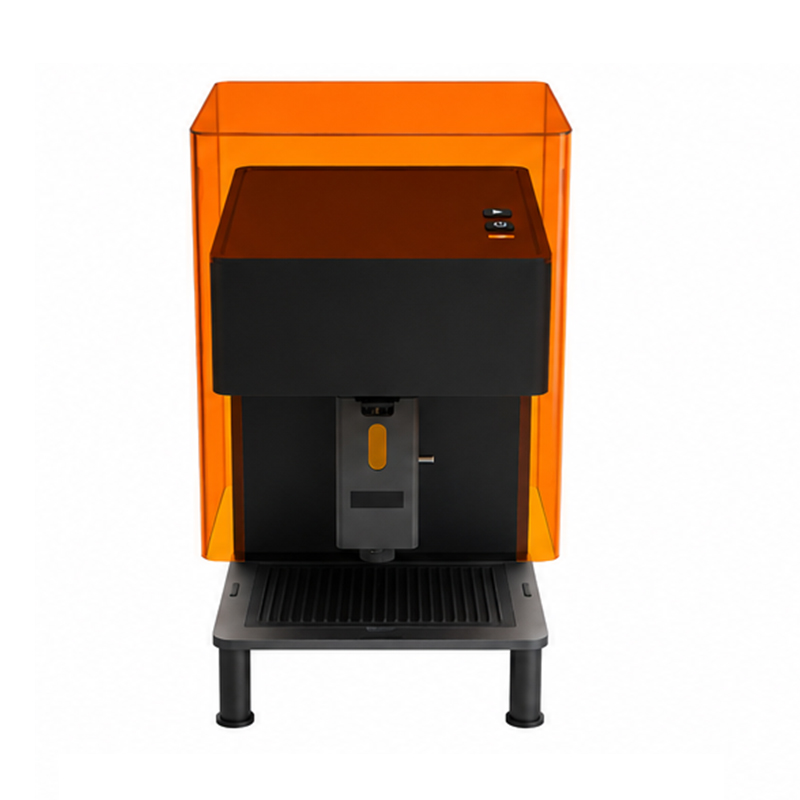
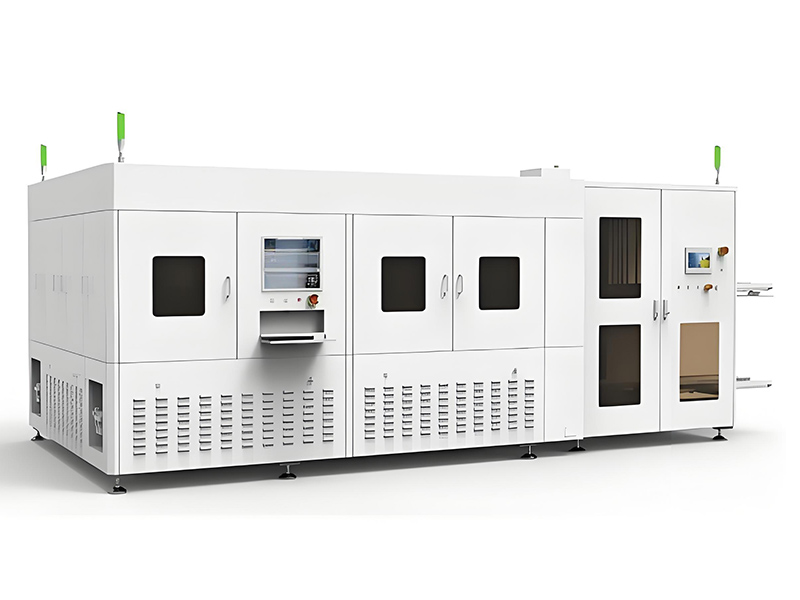
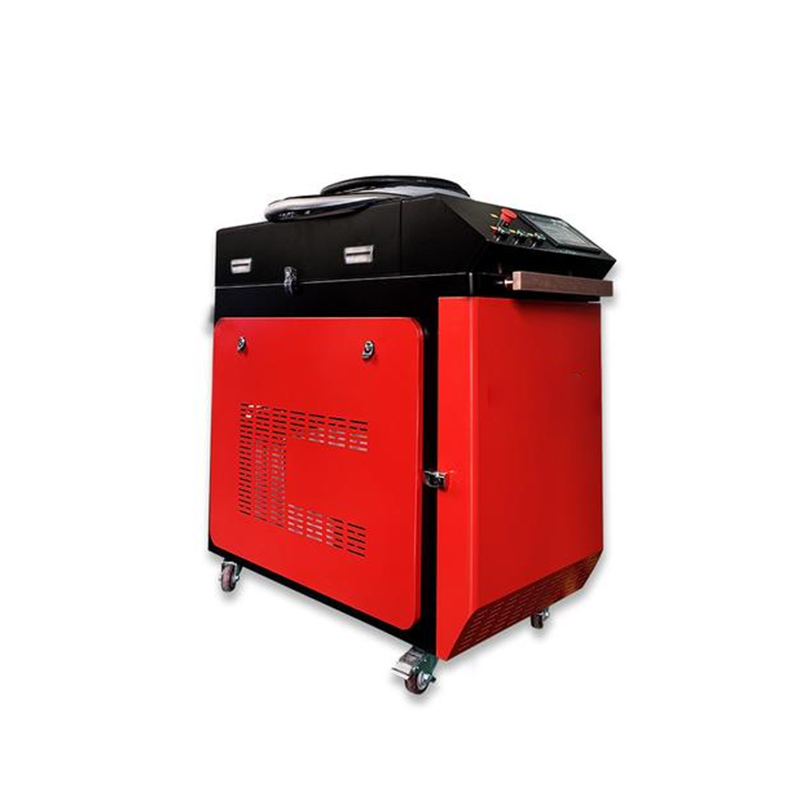
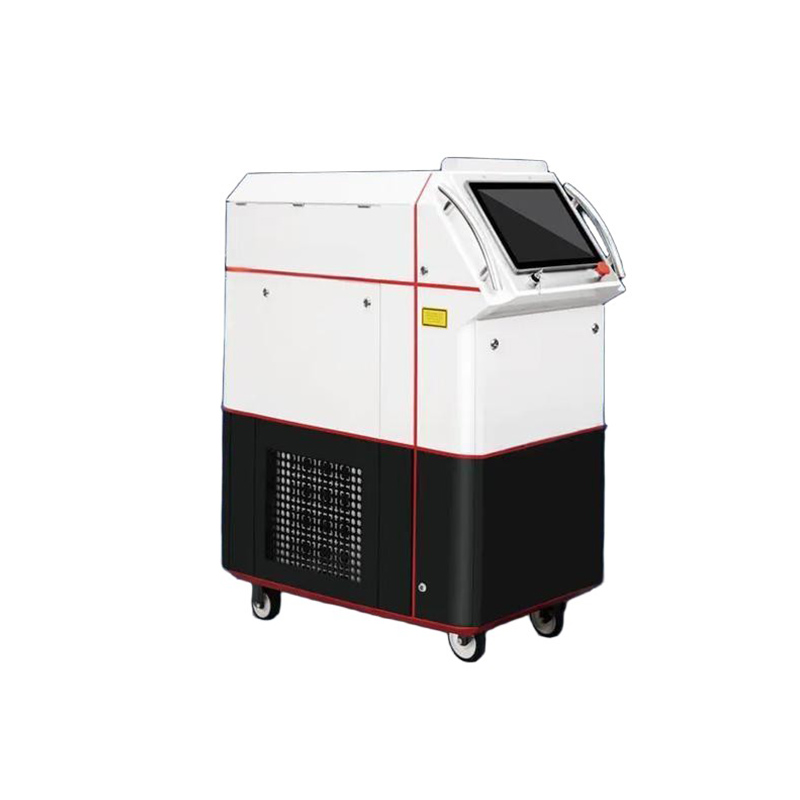
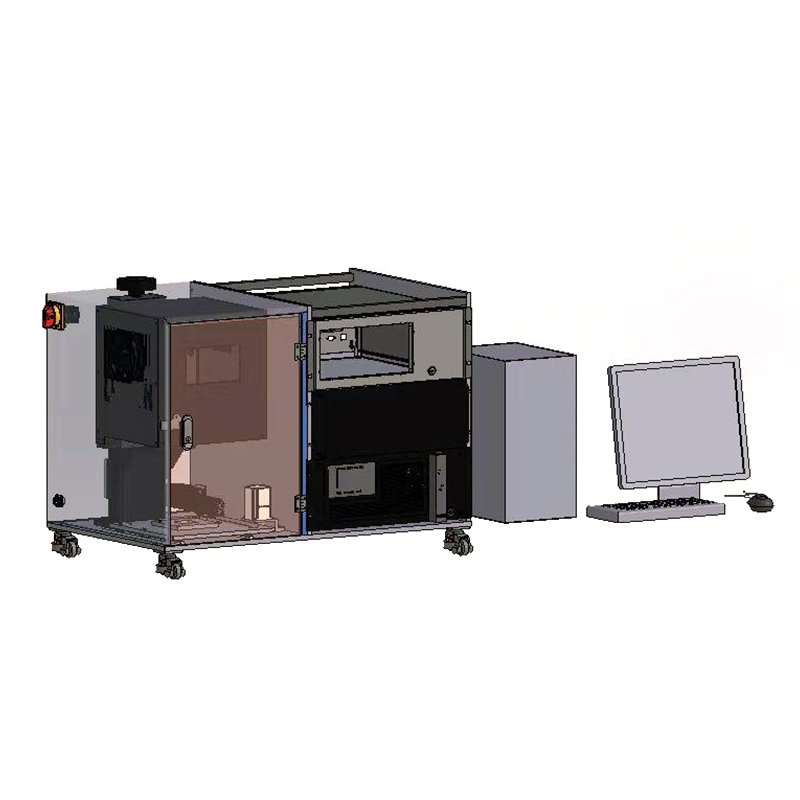
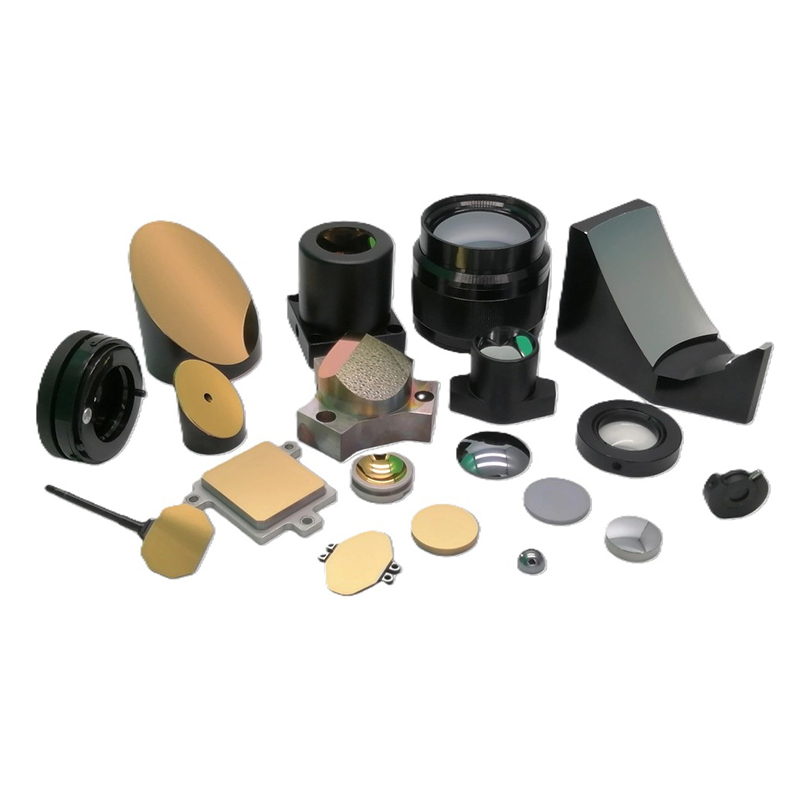
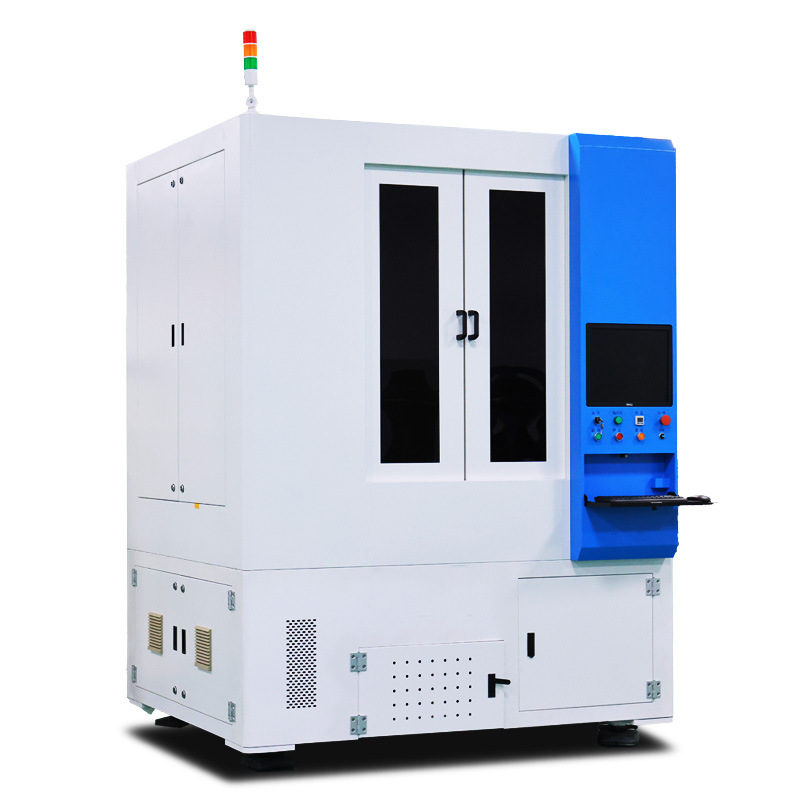
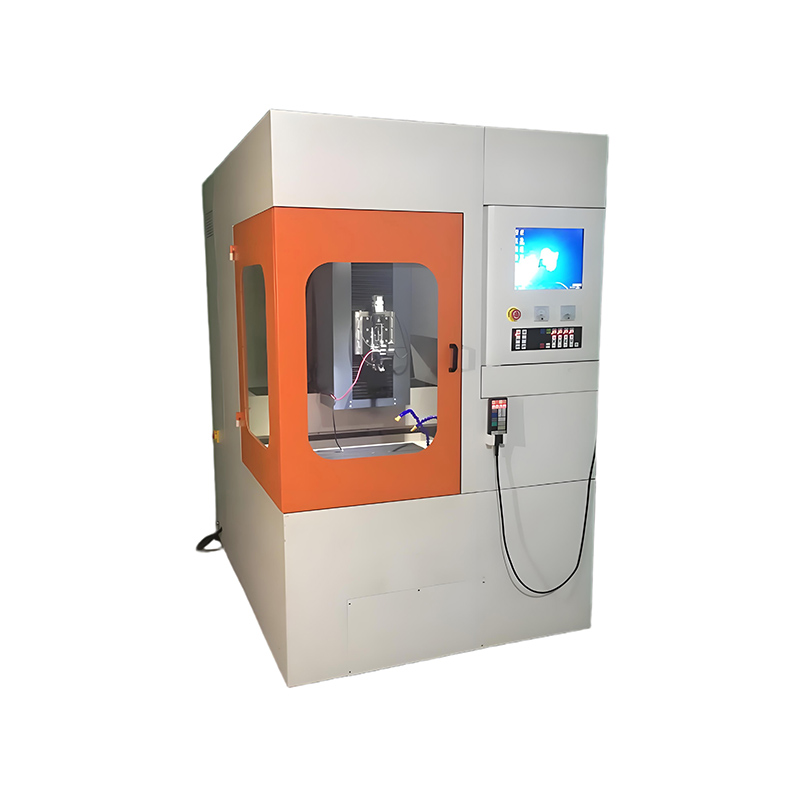
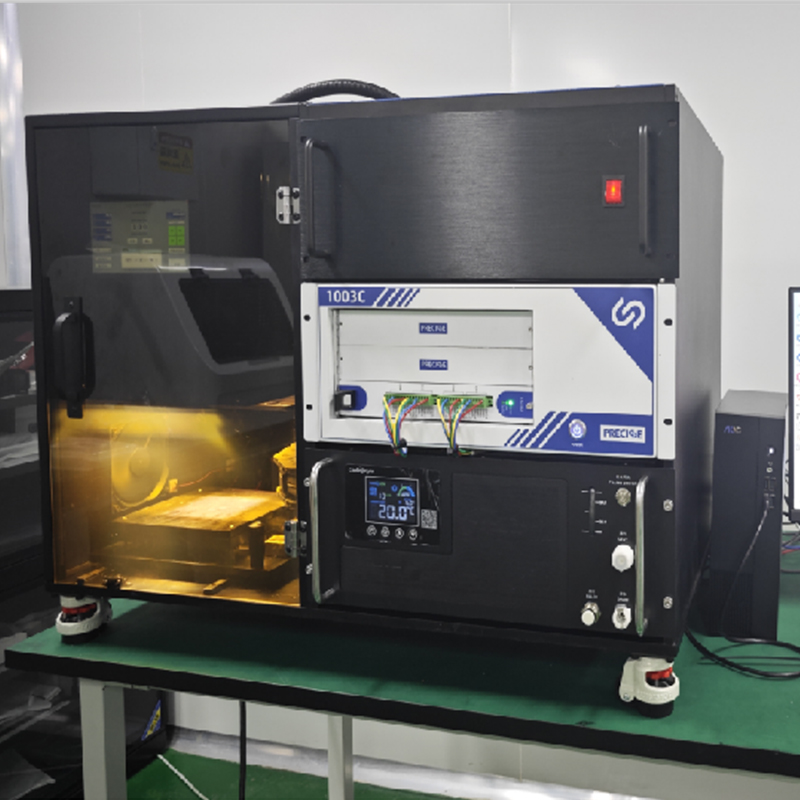
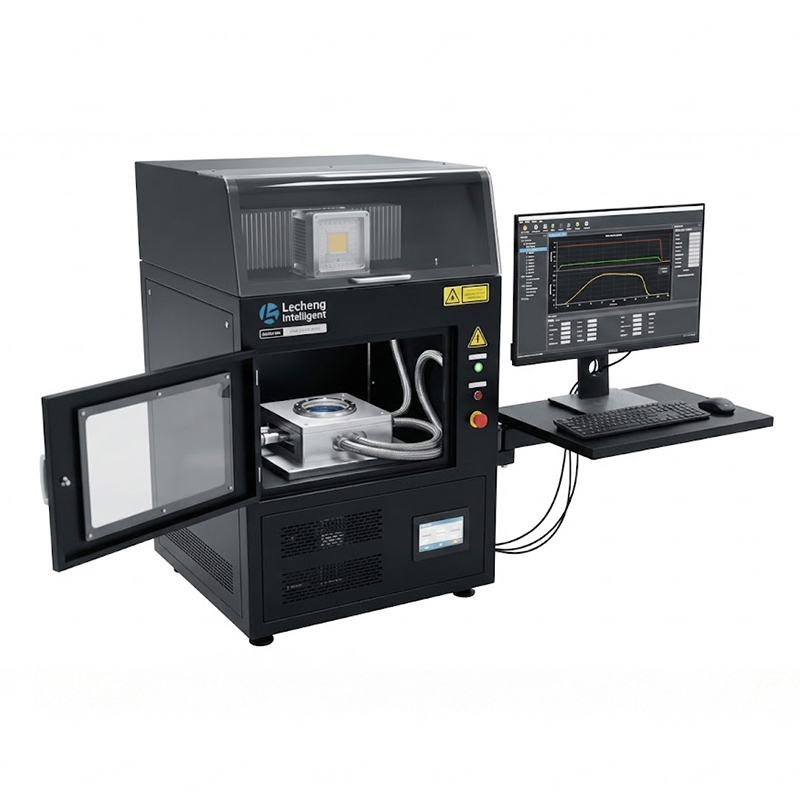
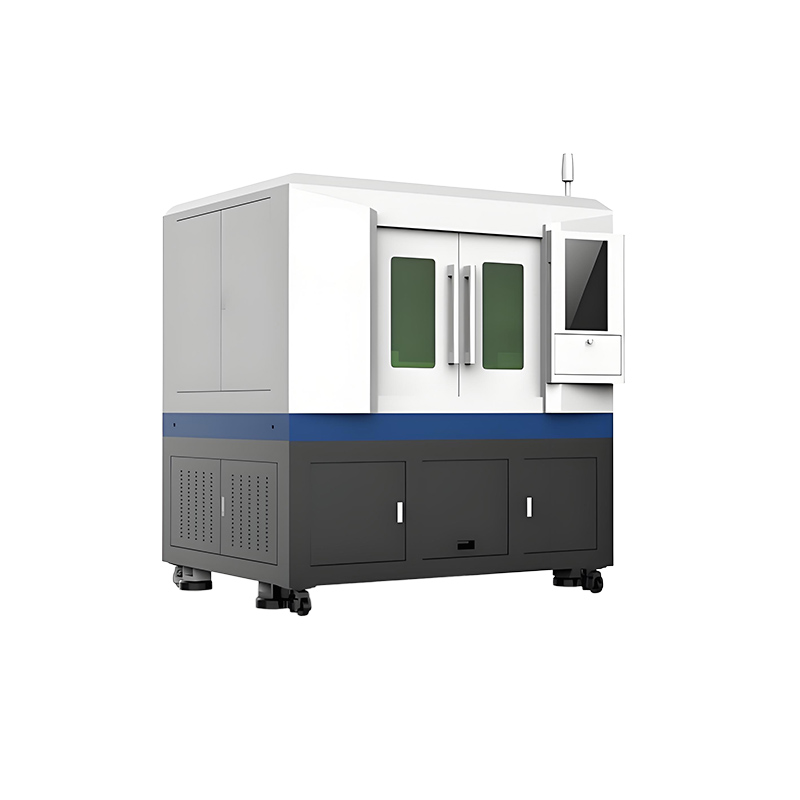
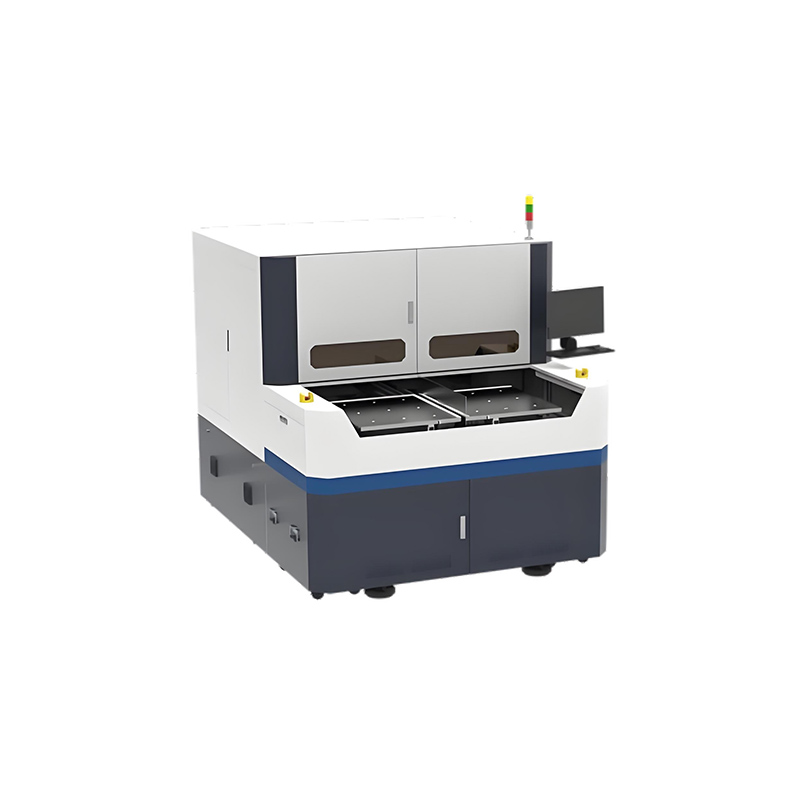
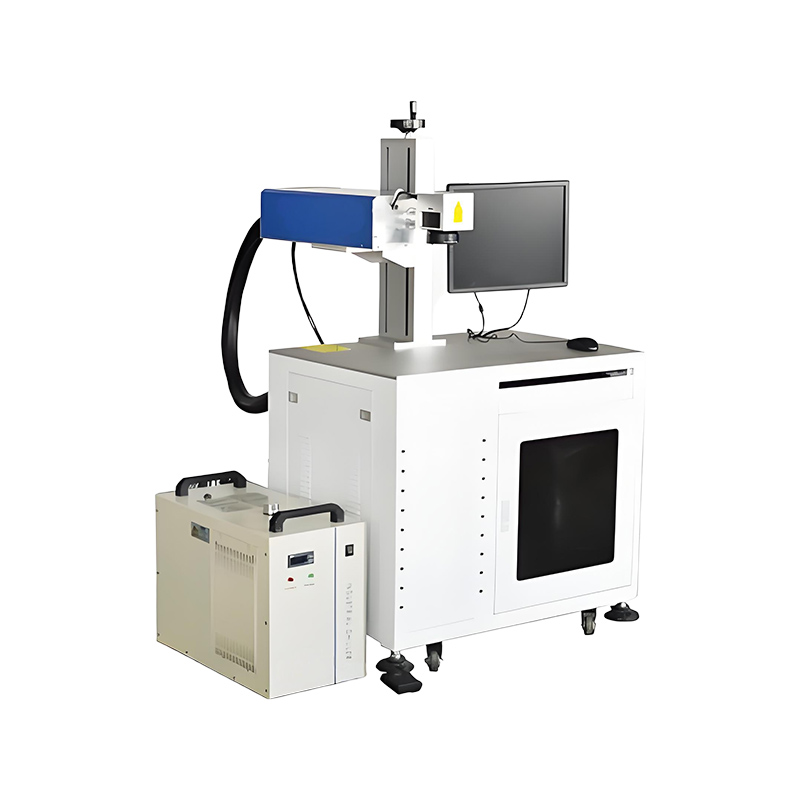
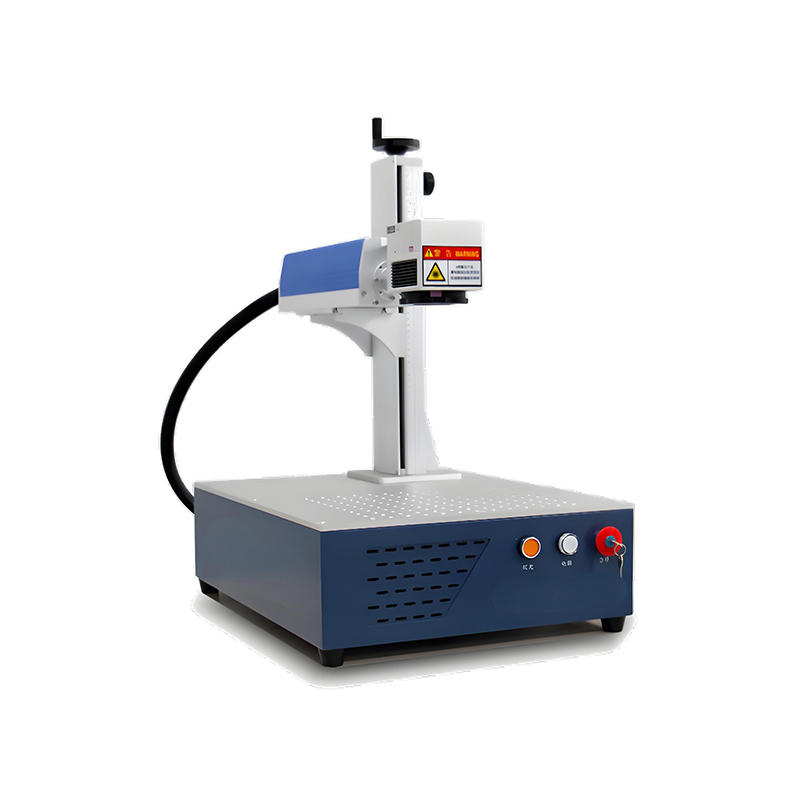
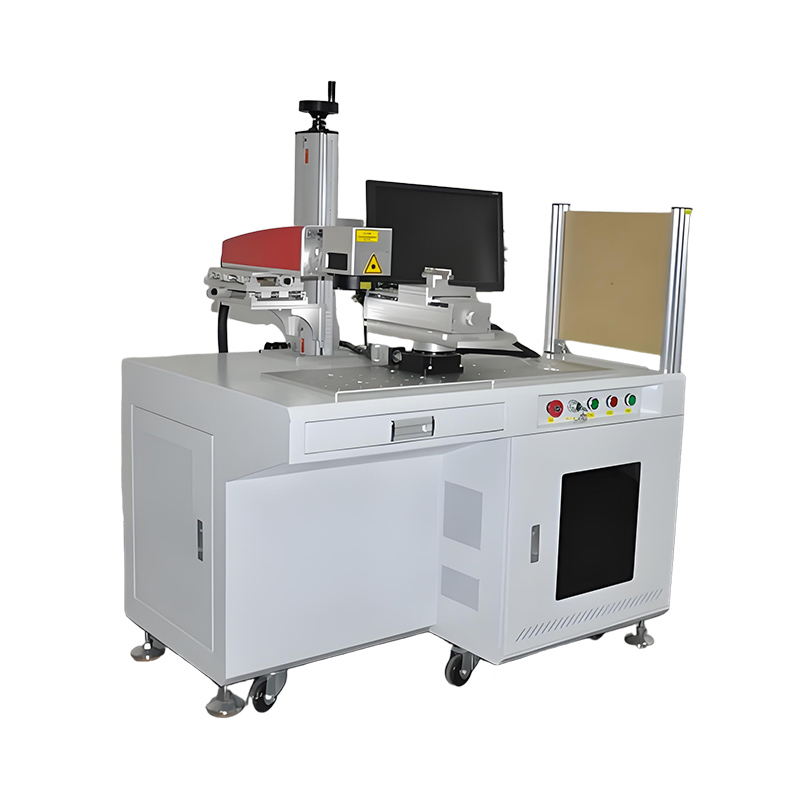
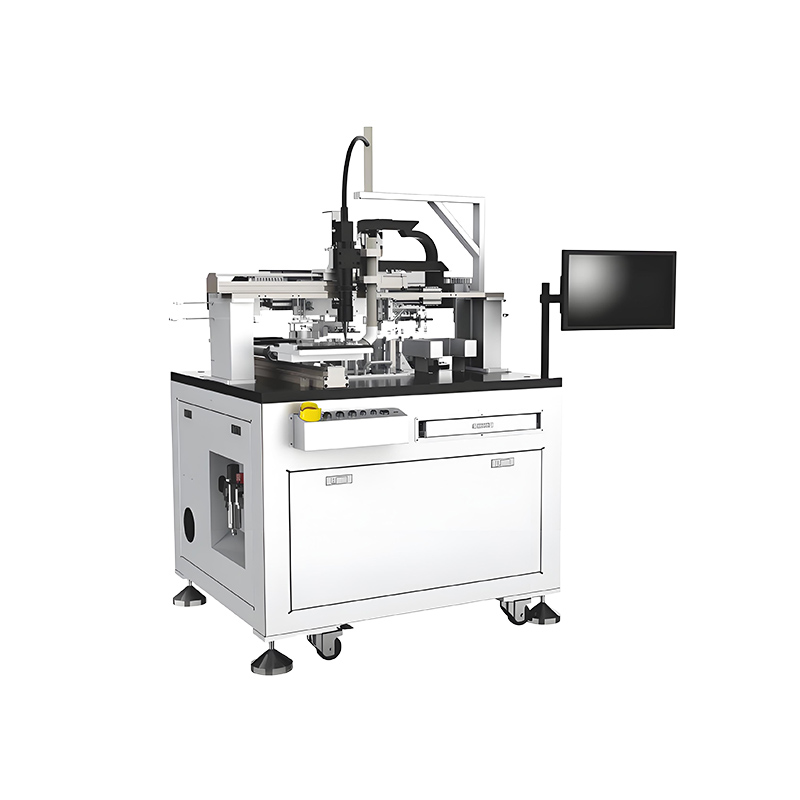
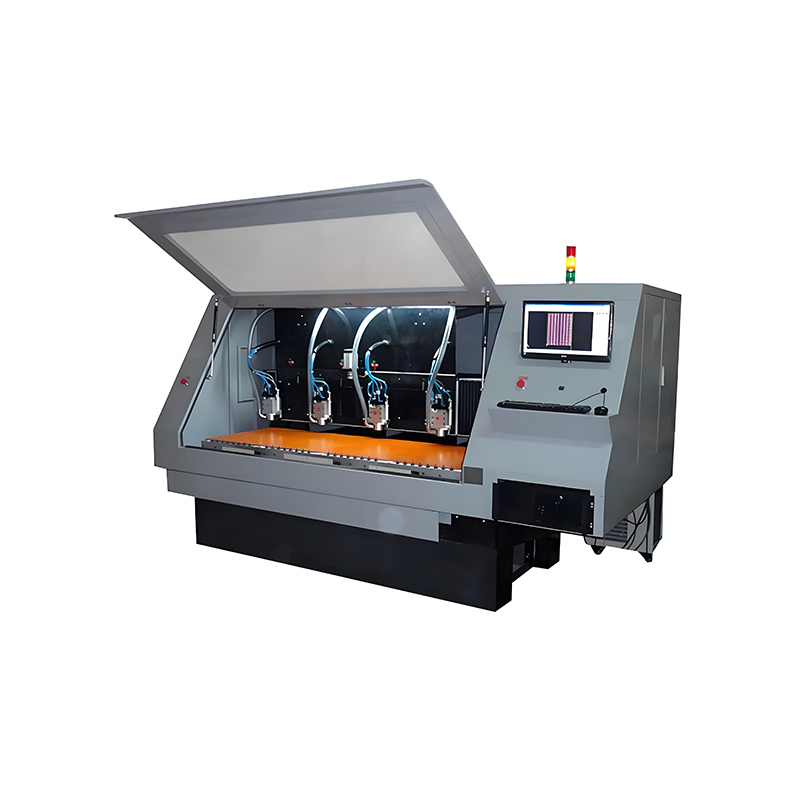
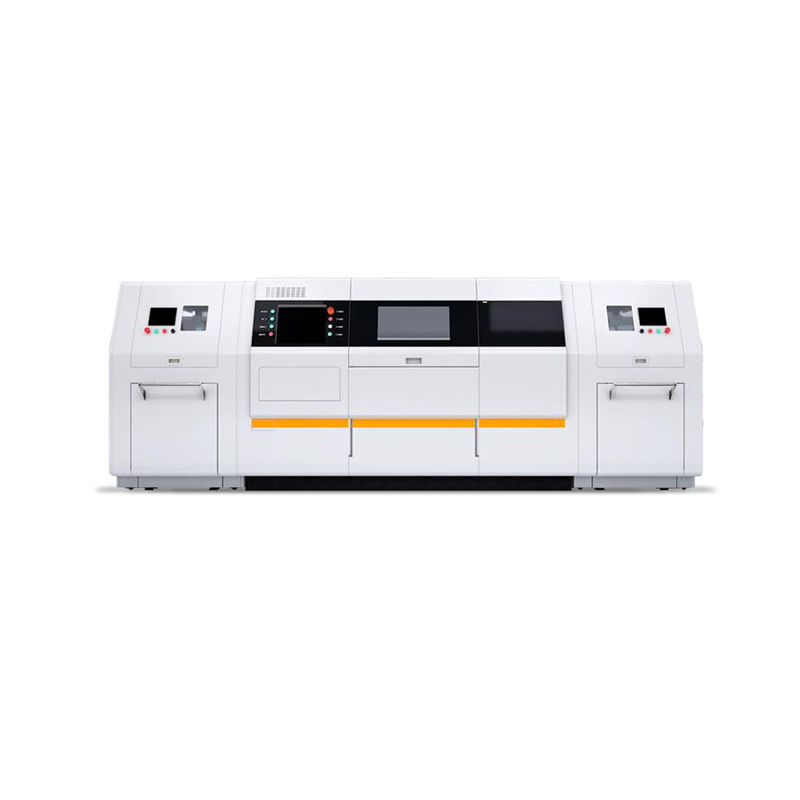
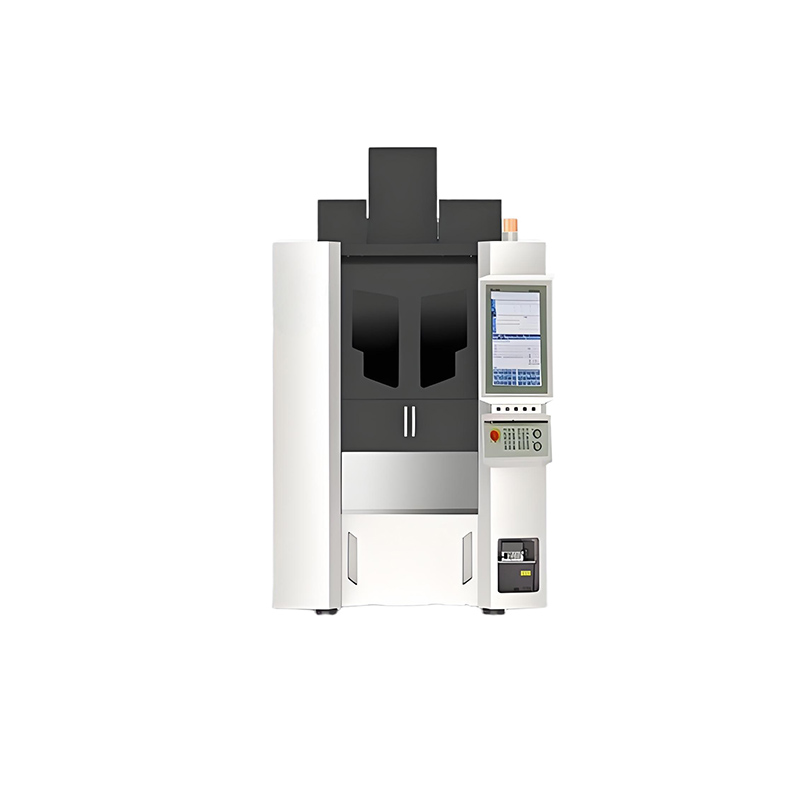
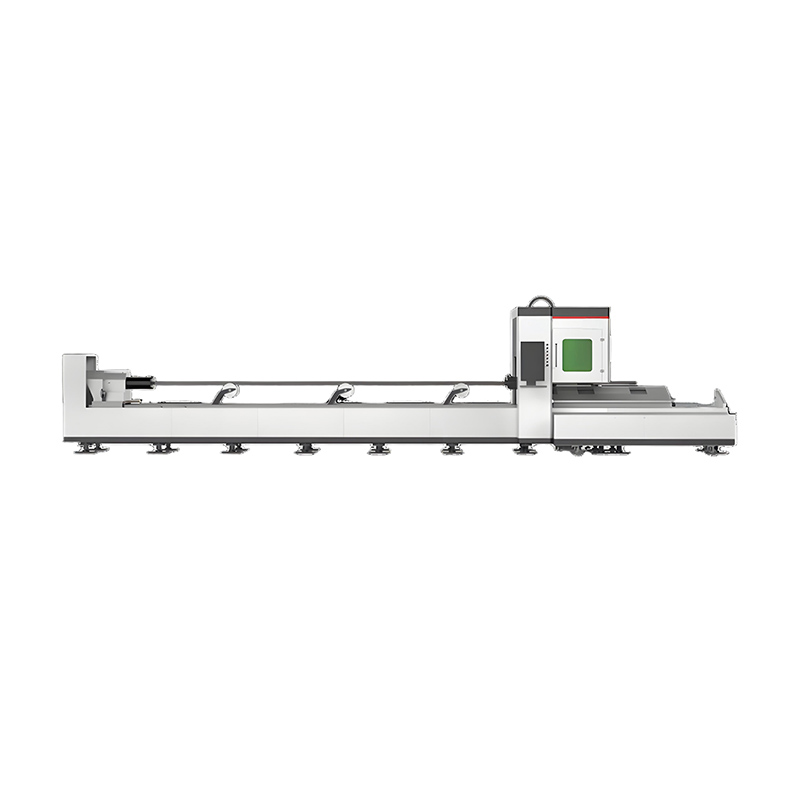
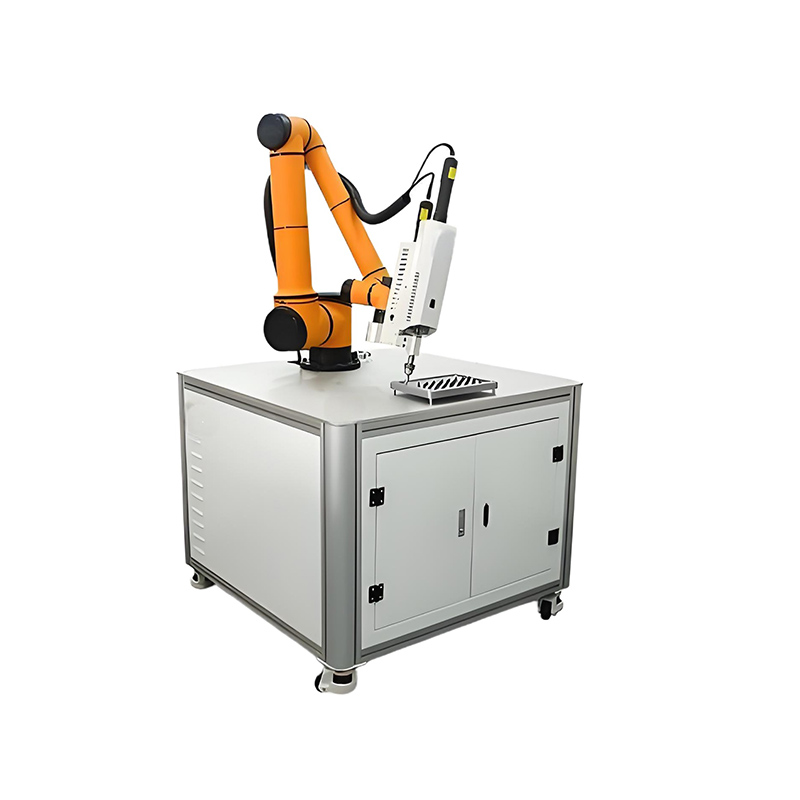
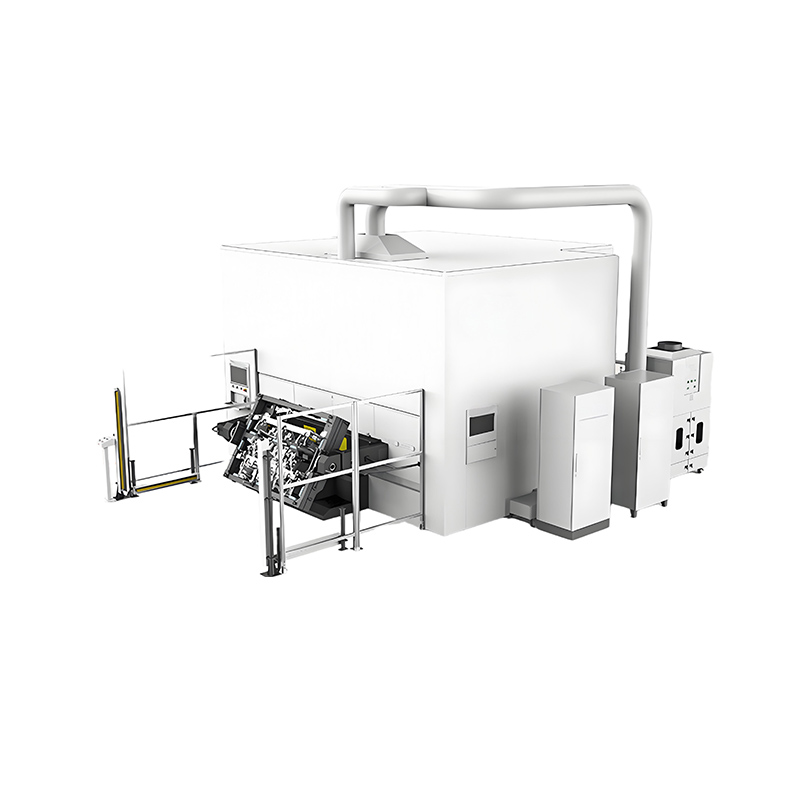
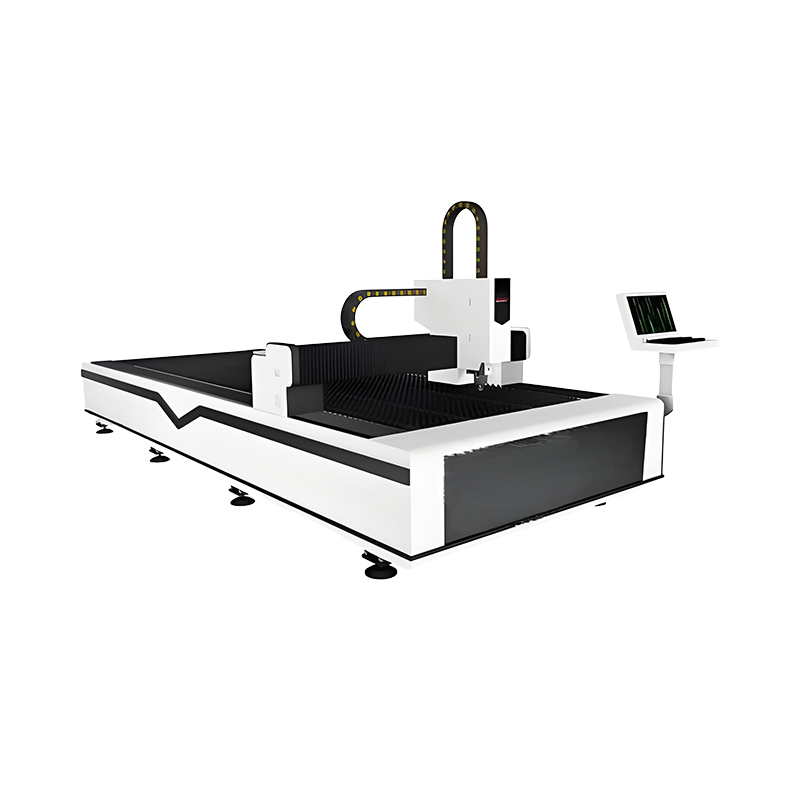
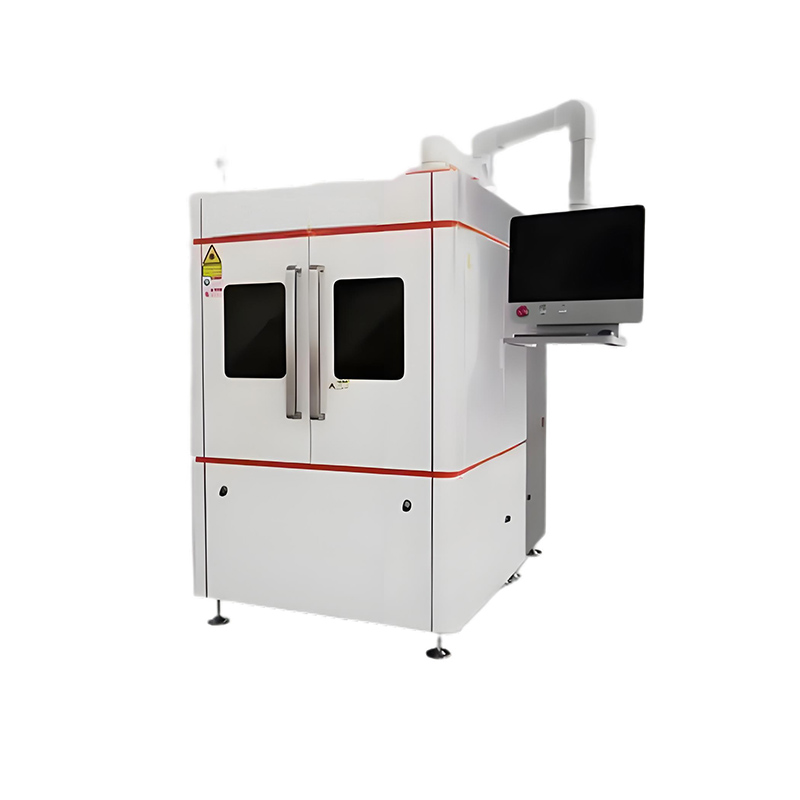
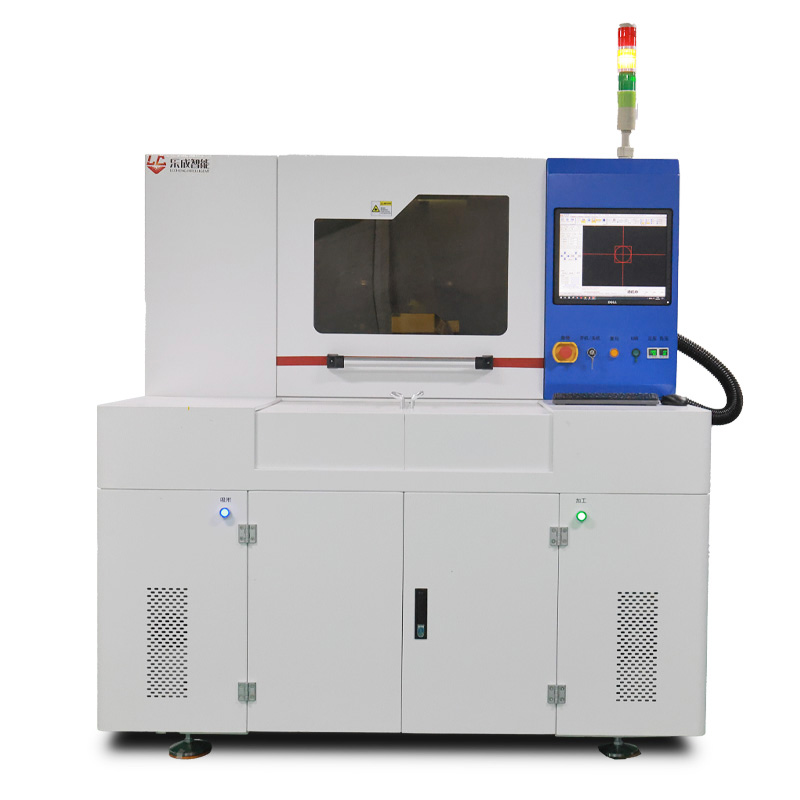
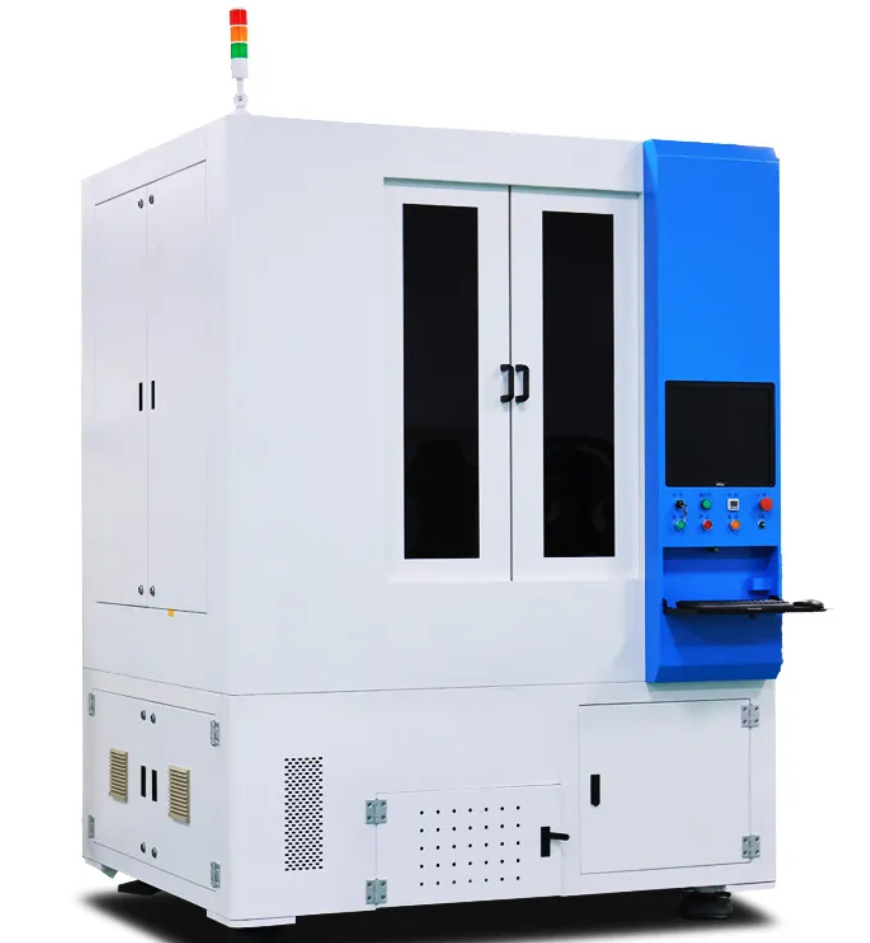
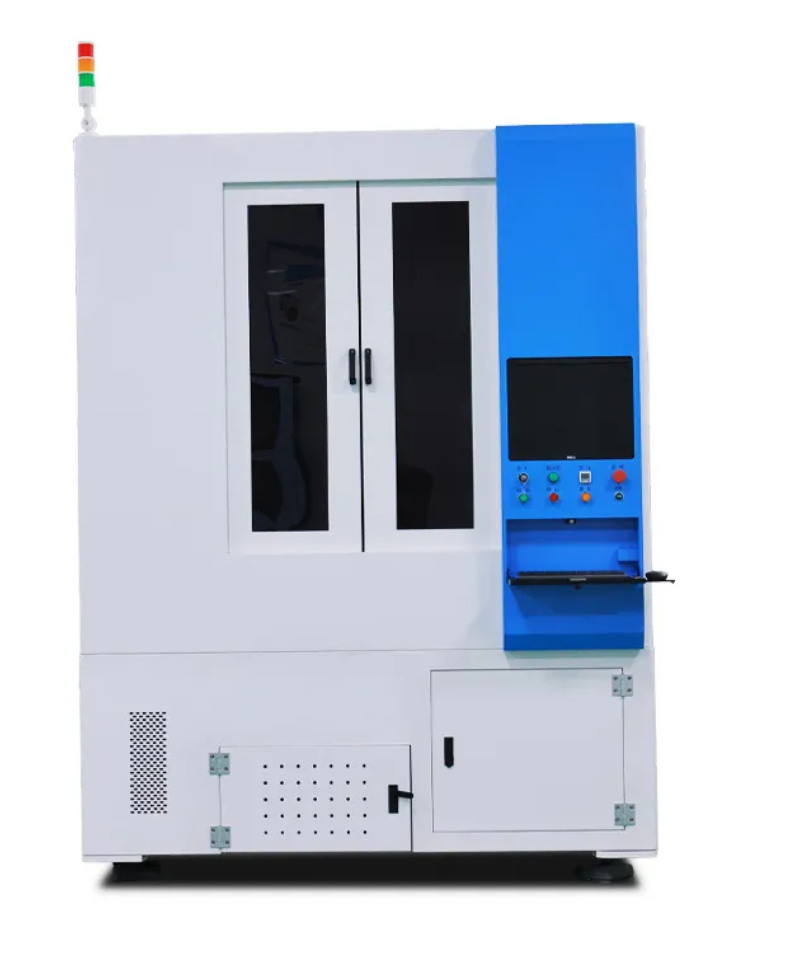
Reaching and consistently maintaining a 5μm line width is a formidable engineering challenge that demands a symphony of precision components. The heart of the system is an ultrafast (picosecond or femtosecond) laser source. These lasers deliver extremely short, high-peak-power pulses. The brief interaction time with the material allows for ablation through direct vaporization with negligible thermal diffusion, which is the key to achieving sharp, clean edges and a near-zero HAZ. This beam must then be delivered and focused with exceptional accuracy. This is achieved through a combination of high-quality beam shaping optics and a high-speed, ultra-stable galvanometer scanner. The scanner's ability to position the beam with sub-micron accuracy and repeatability is paramount. The entire process is overseen by sophisticated computer numerical control (CNC) and real-time focus tracking systems. These systems compensate for any substrate non-flatness, ensuring the laser focal plane remains precisely on the material surface throughout the entire etching path. Even nanometer-level deviations in focus can cause line width variation or insufficient material removal. Furthermore, integrated vision alignment systems are used to precisely register the laser etch pattern to pre-existing features on the substrate, enabling multi-layer device fabrication. Managing these factors in concert is what allows equipment like that from Lecheng Intelligent to transform a theoretical capability into a repeatable, high-yield production process.
Enabling Next-Generation Devices: Applications and Strategic Value
The ability to etch with 5μm precision unlocks innovation across multiple high-tech sectors. In semiconductor advanced packaging, it is used for TSV (Through-Silicon Via) revealing and RDL (Redistribution Layer) fine-line patterning, enabling higher-density interconnects for 2.5D and 3D ICs. In the burgeoning field of photonics and optoelectronics, it fabricates waveguides, gratings, and micro-optical elements on chips. For flexible and wearable electronics, it allows for the patterning of conductive inks and thin films on delicate polymer substrates without causing damage. The medical device industry utilizes it to create ultra-fine features on stents, catheters, and diagnostic sensors. Strategically, investing in such high-precision laser etching equipment moves a manufacturer from a follower to a leader. It provides the capability for rapid prototyping and R&D of novel devices, drastically shortens the time from design to functional sample. In production, it ensures superior yield and device performance, which translates directly to higher product value and a stronger competitive moat. In an industry where capability defines market position, mastering 5μm laser etching is a decisive technological advantage.
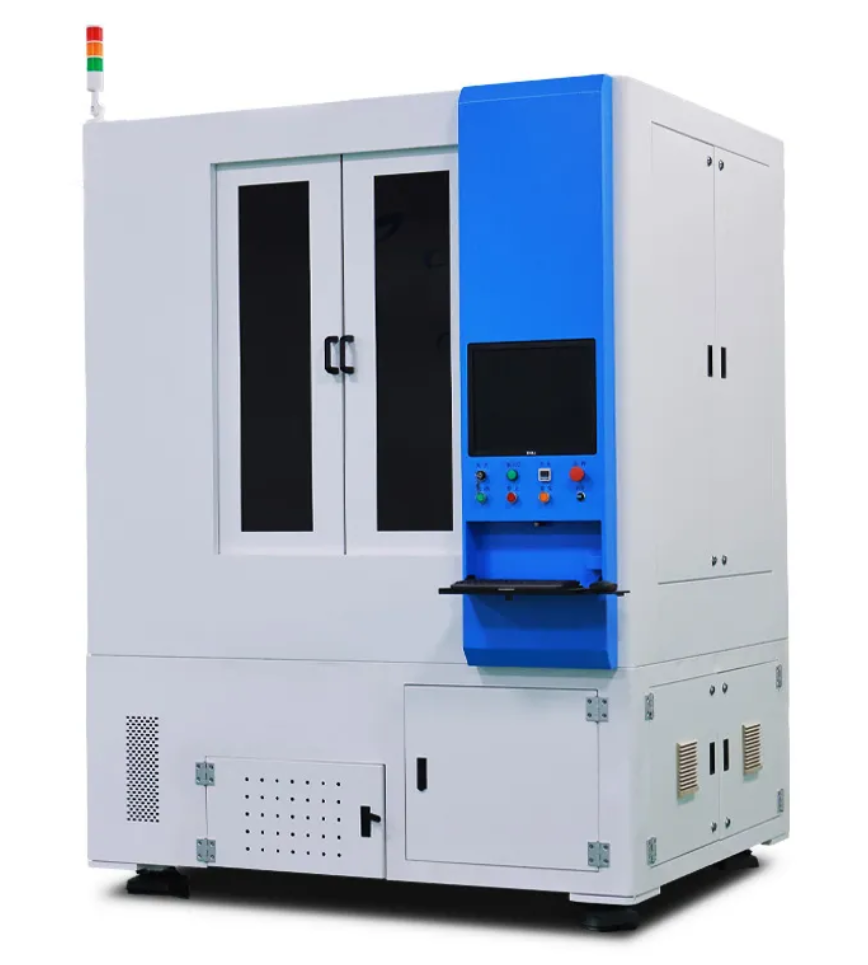
The pursuit of 5μm line widths in laser etching is more than a technical specification; it is a gateway to the next wave of micro-device innovation. It represents the point where laser processing transitions from macro-structuring to true micromachining, enabling the creation of features that define the performance of cutting-edge semiconductors, photonics, and medical devices. This achievement hinges on the integration of ultrafast lasers, nanometer-precise motion control, and intelligent software. For companies like Lecheng Intelligent, developing and providing this capability is about equipping pioneers with the tools to build the future—one meticulously etched micron at a time. In the micro-scale world, precision is not just a metric; it is the foundation of function.