


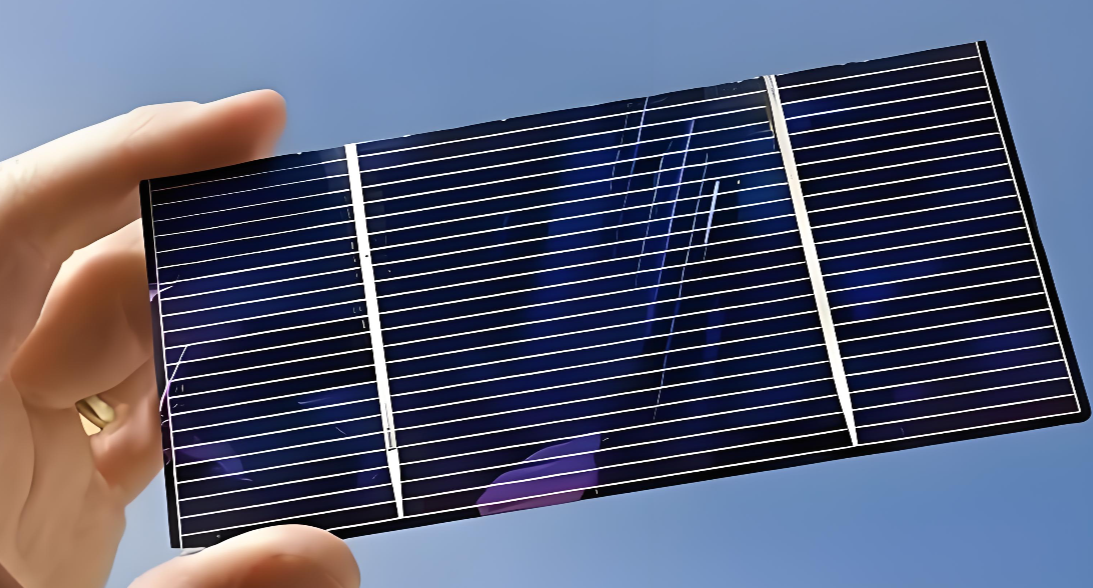
Perovskite solar cells have attracted significant attention due to their high efficiency potential and fast technological development. At the same time, their optical response and material sensitivity make testing conditions especially important. For international buyers and laboratories, the choice of light source in a solar simulator directly affects measurement accuracy, repeatability, and research relevance. Selecting the right source is therefore a key part of building a reliable perovskite testing platform.
The Light Source Must Match The Testing Objective
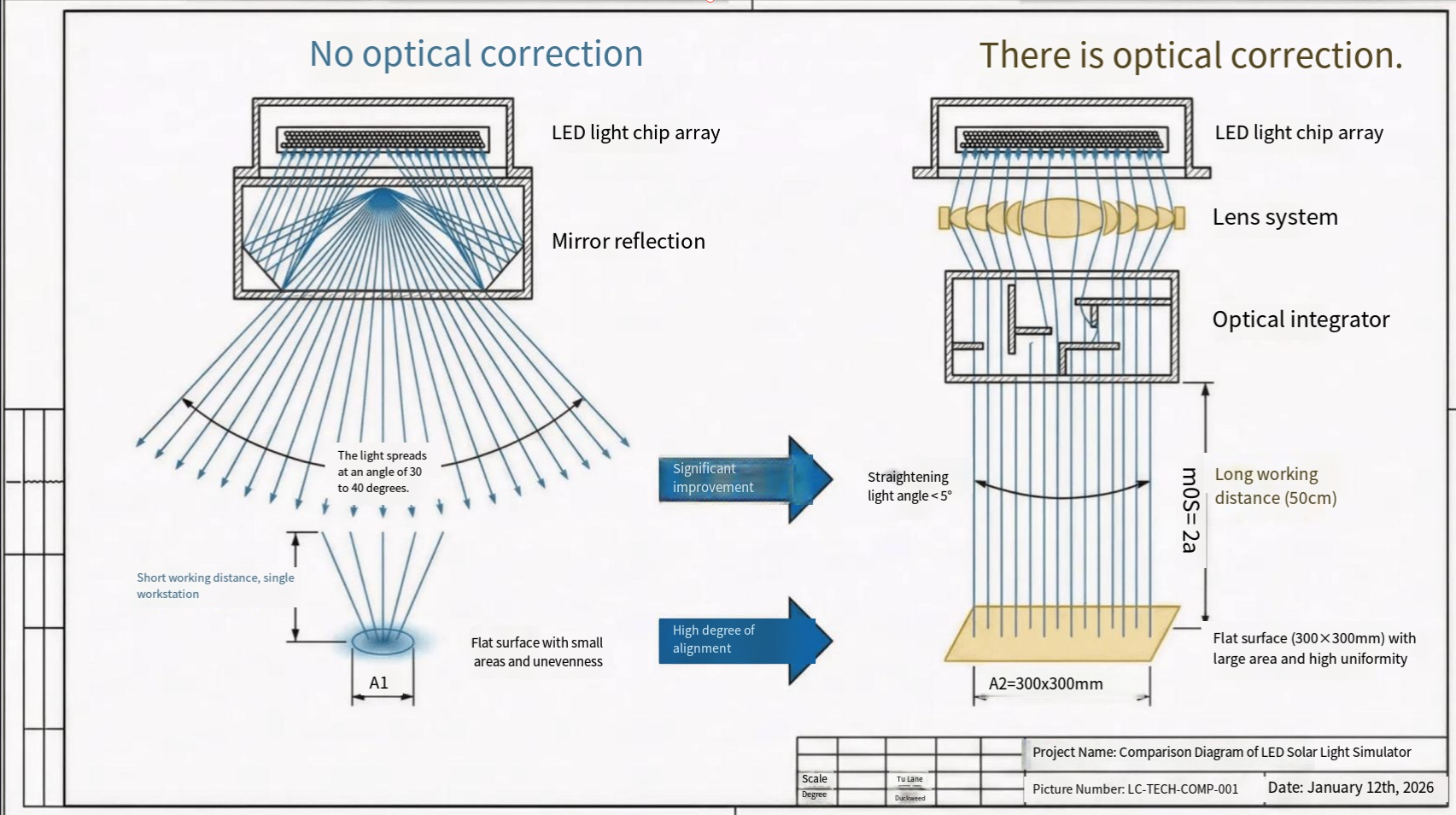
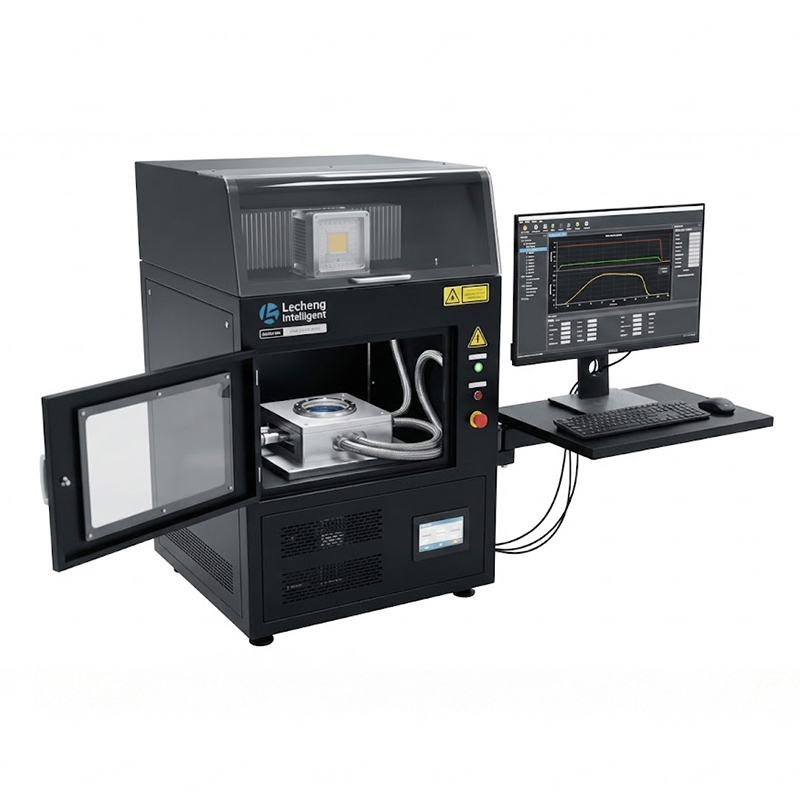
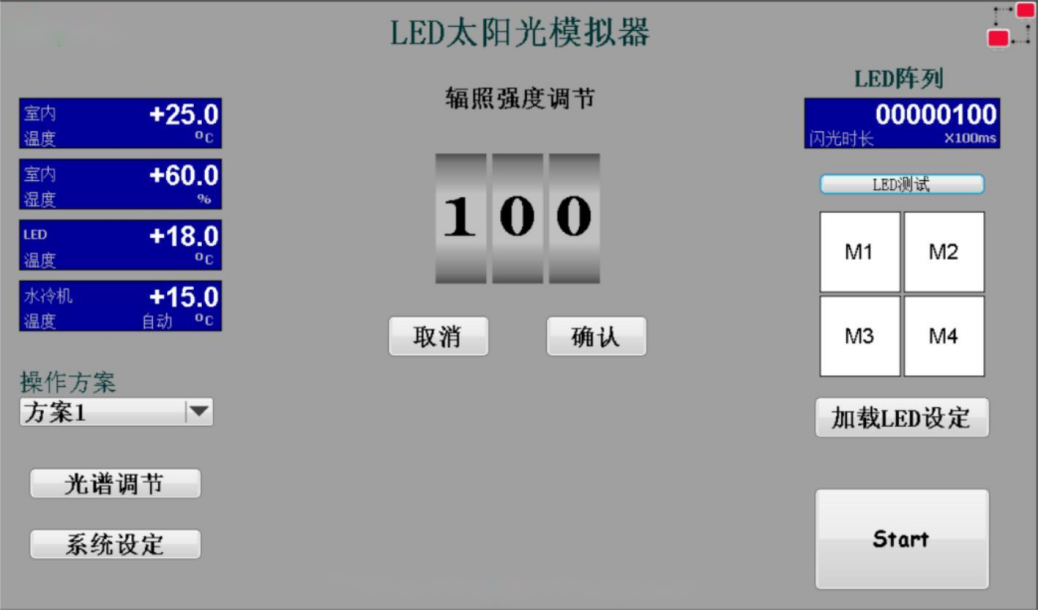
Different testing goals may require different light source priorities. If the goal is to reproduce a solar spectrum as closely as possible for standard efficiency testing, xenon-based systems are often considered because of their broad spectrum and traditional use in photovoltaic testing. If the goal is flexible spectral tuning, lower thermal load, or long-term stability, LED-based solar simulators are increasingly attractive.
For perovskite cells specifically, buyers should consider not only spectrum similarity, but also how the light source affects sample heating and measurement repeatability. Since some perovskite structures are more sensitive to temperature and environmental change, the “best” light source depends on whether the focus is certification-style measurement, laboratory research, or process development.
LED And Xenon Each Have Clear Advantages
LED solar simulators offer strong advantages in spectral tunability, long-term output stability, and lower maintenance frequency. They can be especially useful in research scenarios where users want to investigate spectral effects or perform repeatable testing over long periods. In many cases, LED systems also generate less unwanted heat on the sample, which can be beneficial for temperature-sensitive perovskite materials.
Xenon solar simulators, on the other hand, remain widely recognized because of their ability to produce a broad spectrum close to natural sunlight. For buyers who prioritize traditional standard testing and compatibility with established photovoltaic evaluation workflows, xenon-based systems still hold strong value. However, lamp aging, replacement cost, and stability management should also be carefully considered.
Buyers Should Decide Based On Application, Not Trend
In practical procurement, there is no single light source that is always better for every perovskite testing application. Buyers should define whether they need spectral flexibility, certification-aligned performance, low thermal load, low maintenance, or large-area testing capability. Once the real application is clear, the choice between LED and xenon becomes much more rational.
A good supplier should be able to explain these trade-offs and, ideally, demonstrate testing results on perovskite samples. Buyers who evaluate light source choice through sample data and real use requirements are much more likely to build a testing platform that remains valuable as the technology evolves.
For perovskite solar cell testing, the better light source depends on the testing objective, thermal sensitivity of the sample, required spectral behavior, and long-term workflow needs. LED and xenon systems both have strengths, and the right choice comes from matching the source to the real application rather than following a general preference.