


The Role of EL Testing in PV Module Production
The Invisible Inspector: Revealing Hidden Defects for Ultimate Reliability
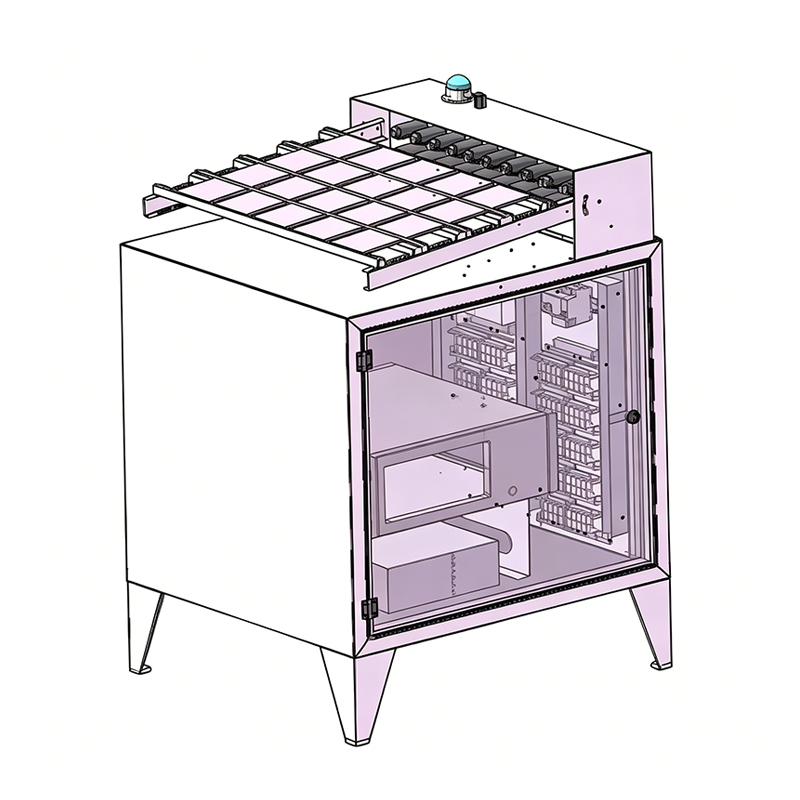
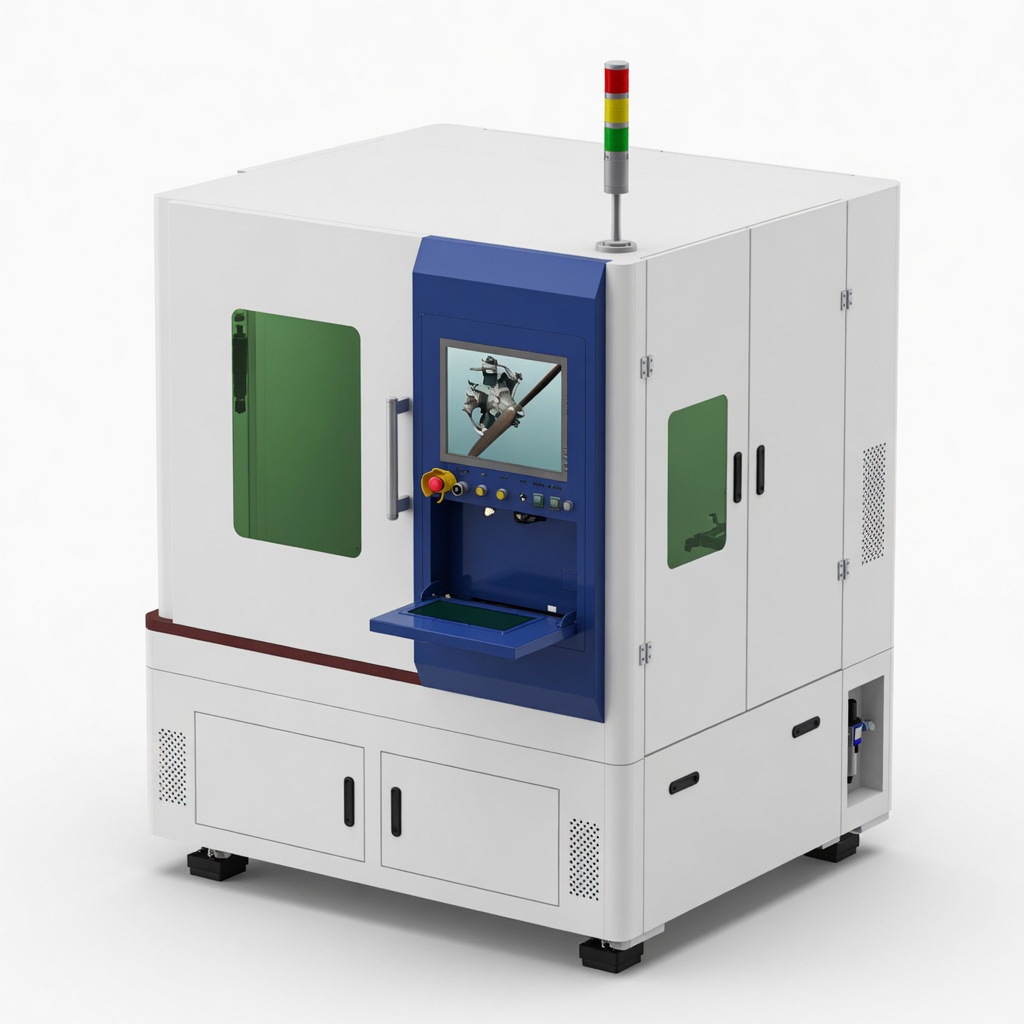
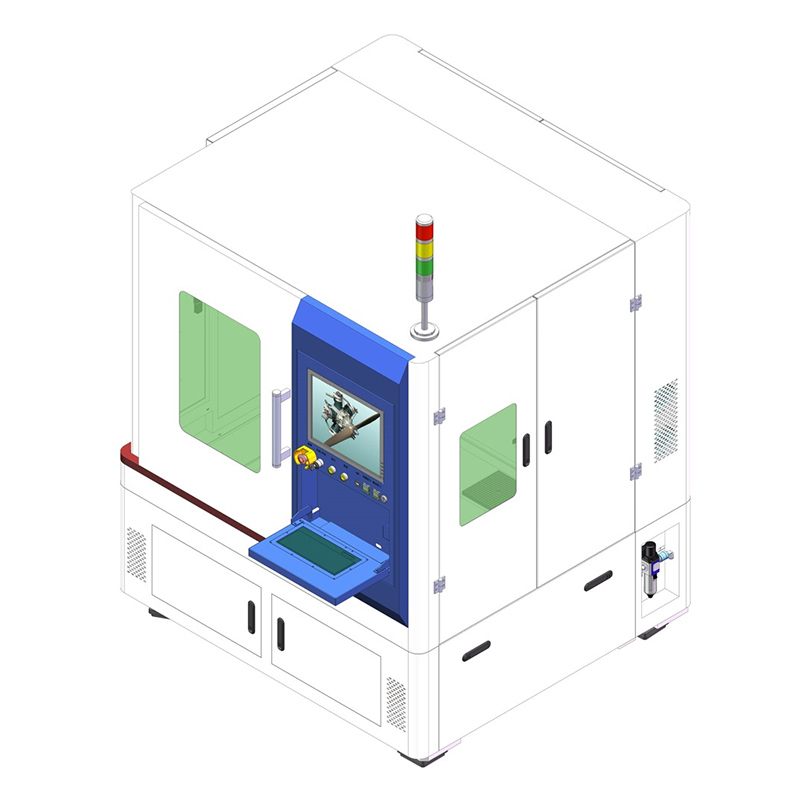
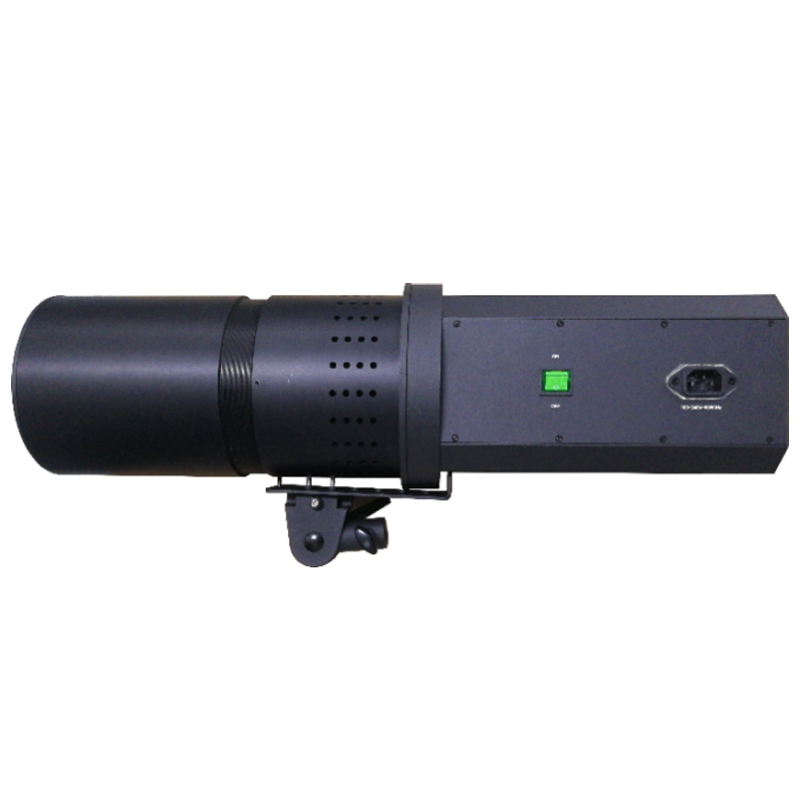
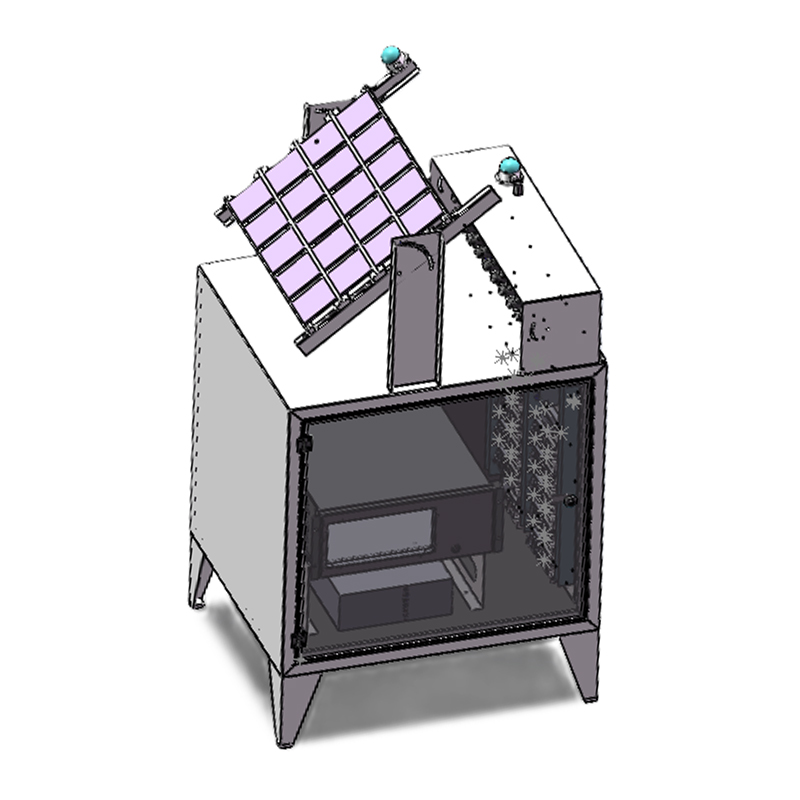
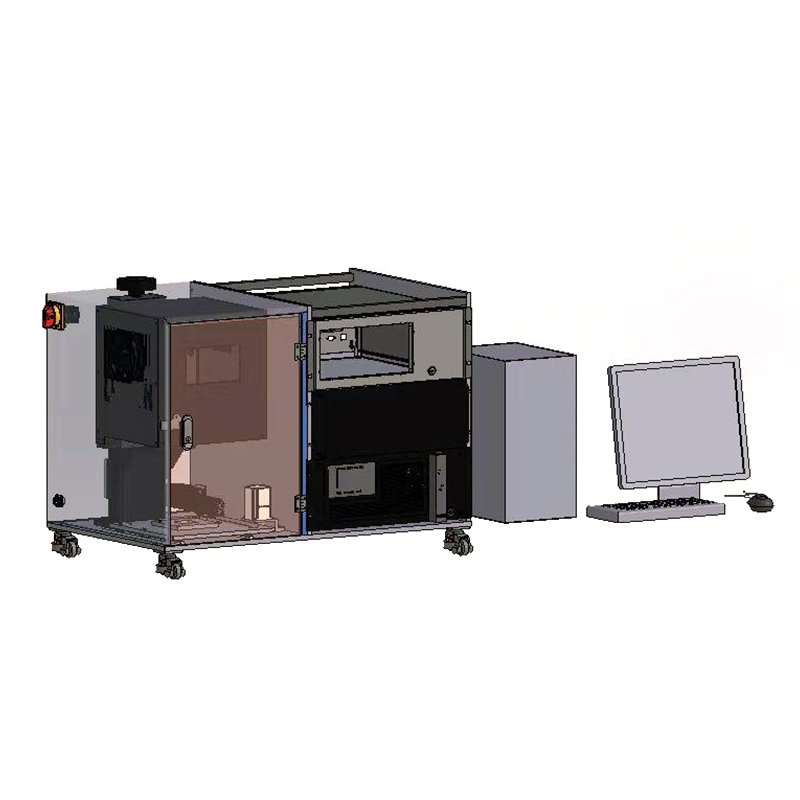
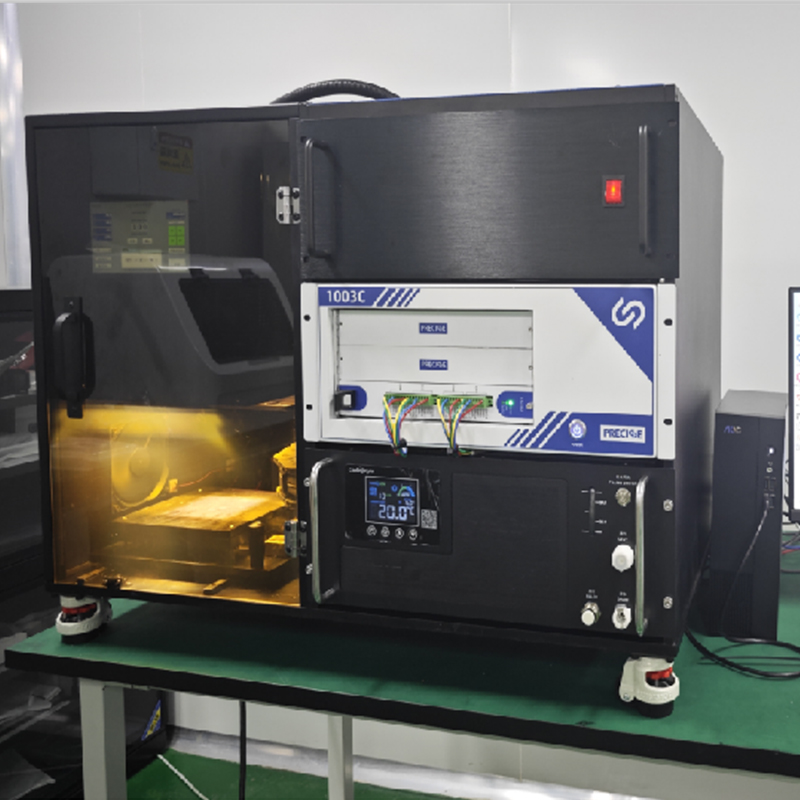
In the high-stakes world of photovoltaic (PV) module manufacturing, ensuring that every panel leaving the factory is free of critical internal flaws is paramount. This is where Electroluminescence (EL) Testing transitions from a quality check to a fundamental guardian of module integrity. Unlike electrical tests that measure overall performance, EL imaging acts as a powerful, non-destructive "X-ray vision" for solar cells. The process involves passing a forward current through the module in a dark environment, causing the silicon cells to emit infrared light. A sensitive camera then captures this emission. Functioning, healthy cells glow brightly and uniformly. However, defects—such as micro-cracks, broken fingers, poor solder joints, or material impurities—act as barriers to current flow and appear as distinctive dark lines, spots, or irregular patterns in the EL image. This capability makes EL testing the most effective tool for detecting latent defects that are invisible to the naked eye but can catastrophically degrade power output and lifespan under real-world thermal cycling and mechanical stress. It is the first and most critical line of defense in guaranteeing that only modules with pristine internal structure proceed to the field.
From Process Control to Predictive Analytics: EL Testing Across the Production Chain
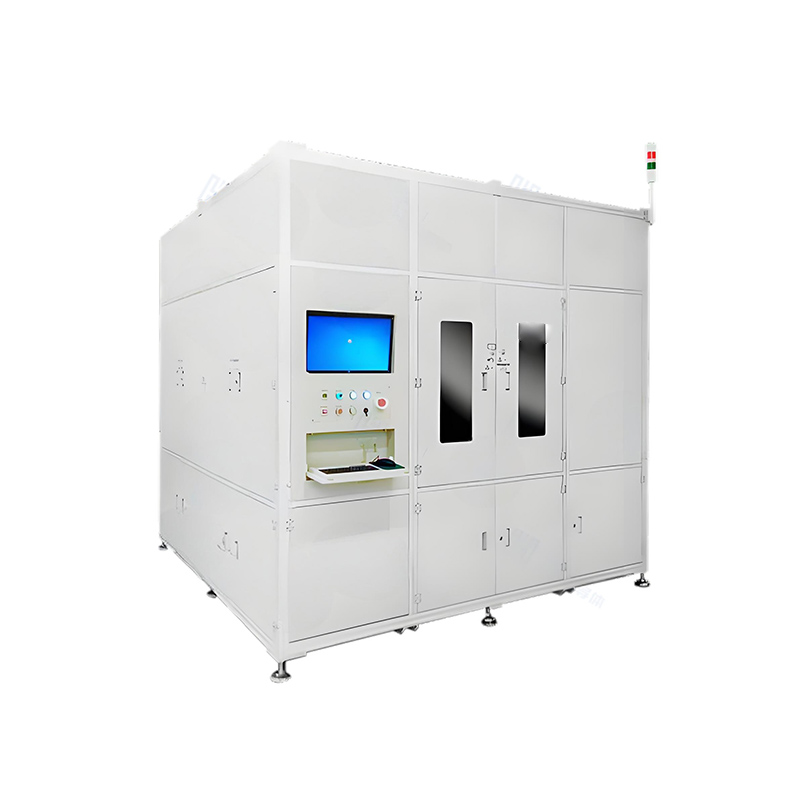
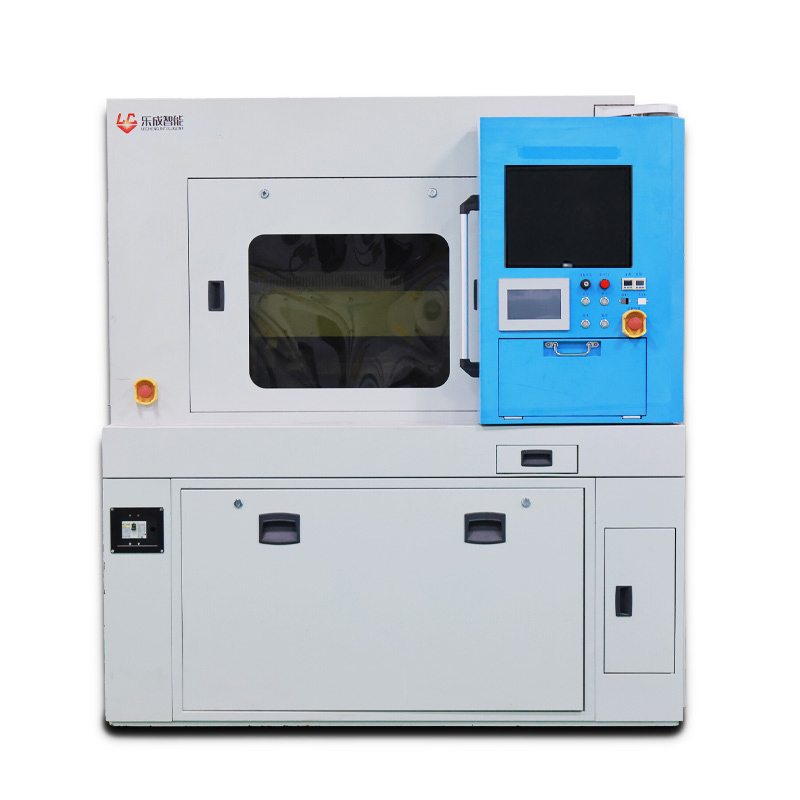
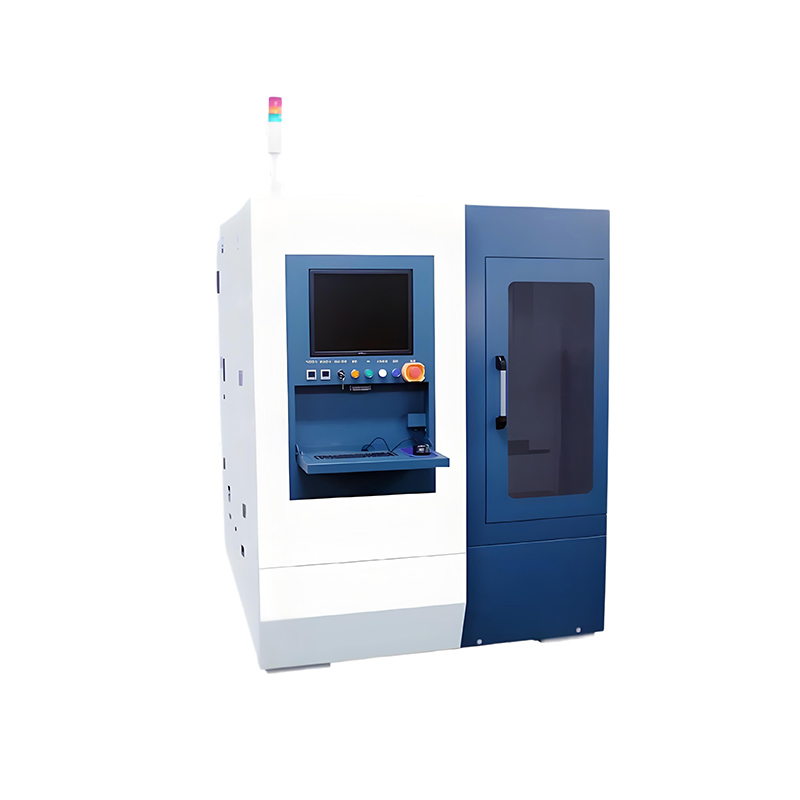
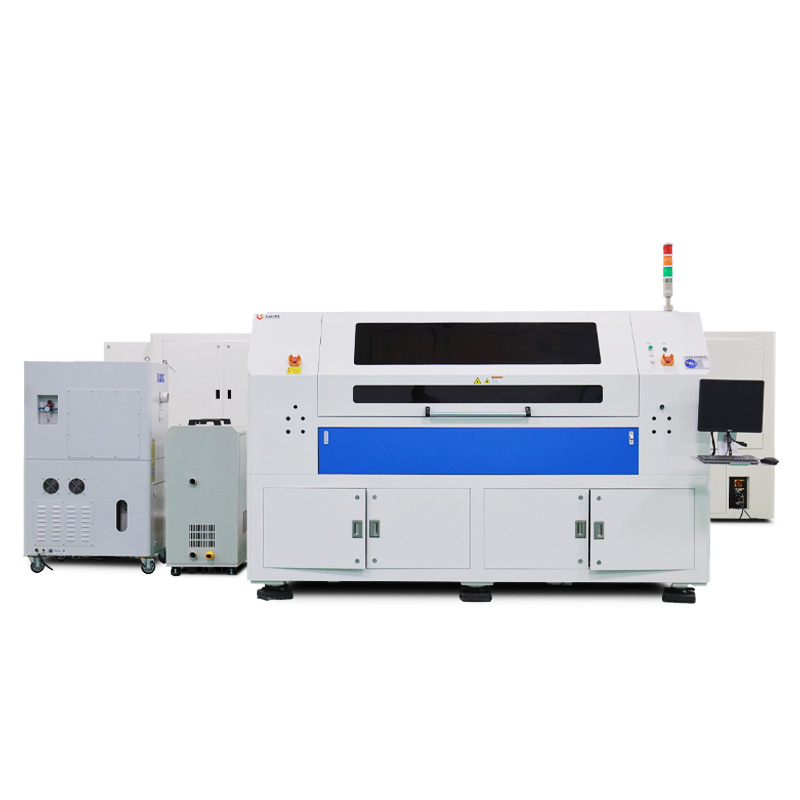
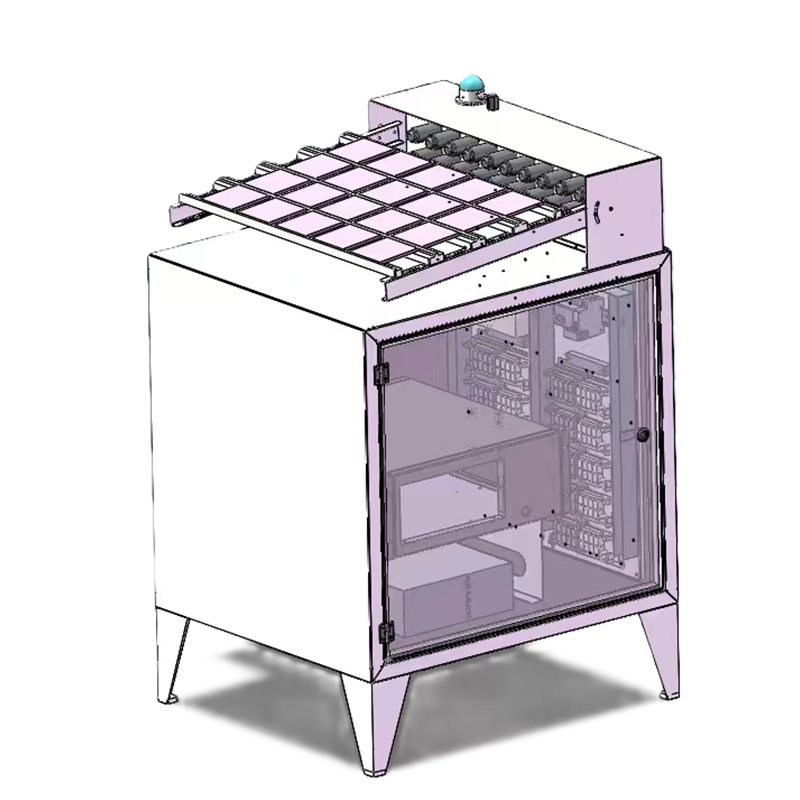
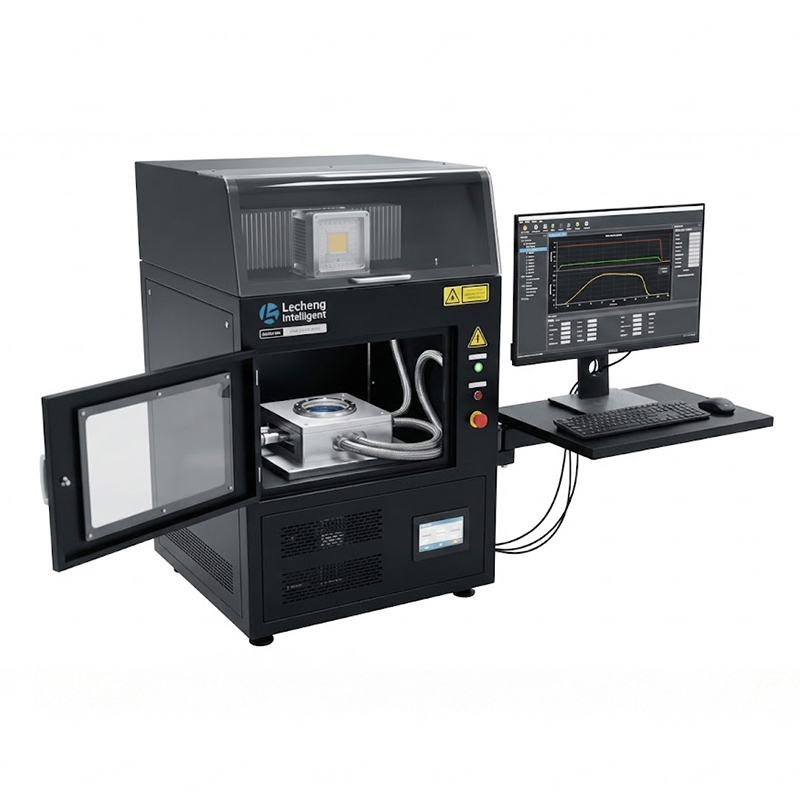
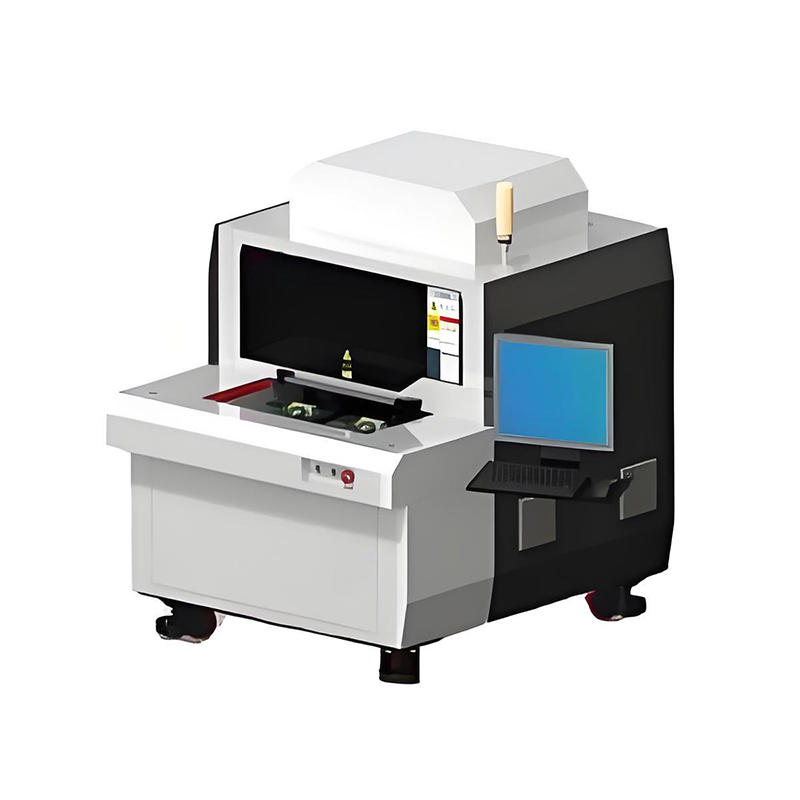
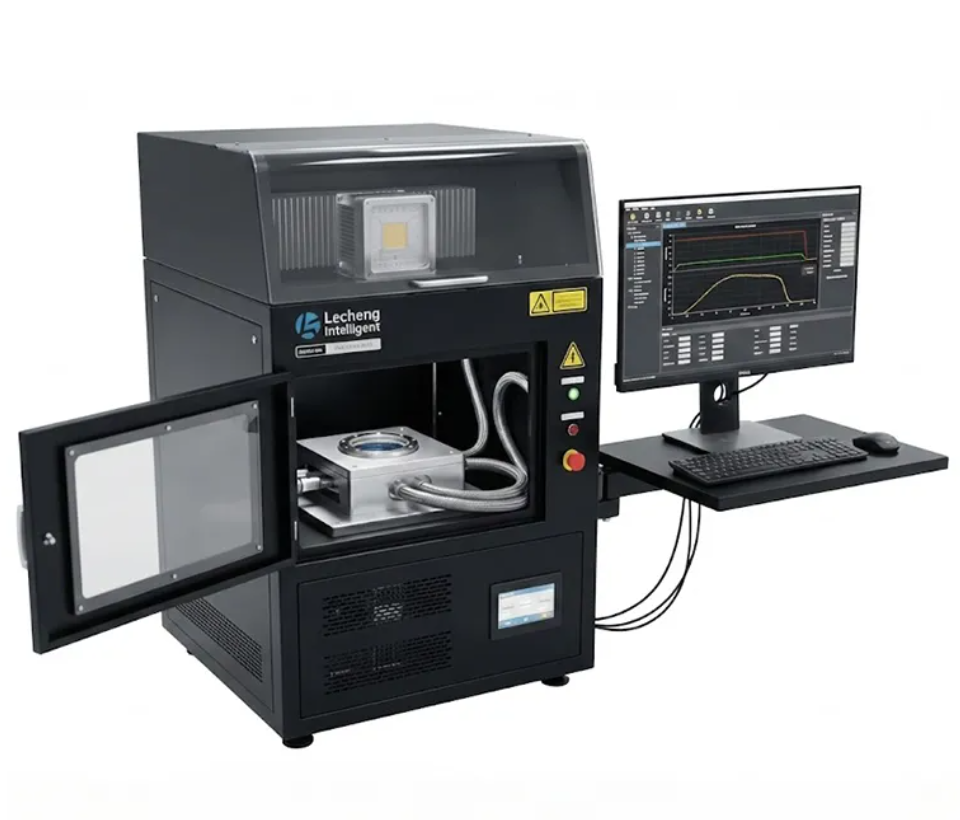
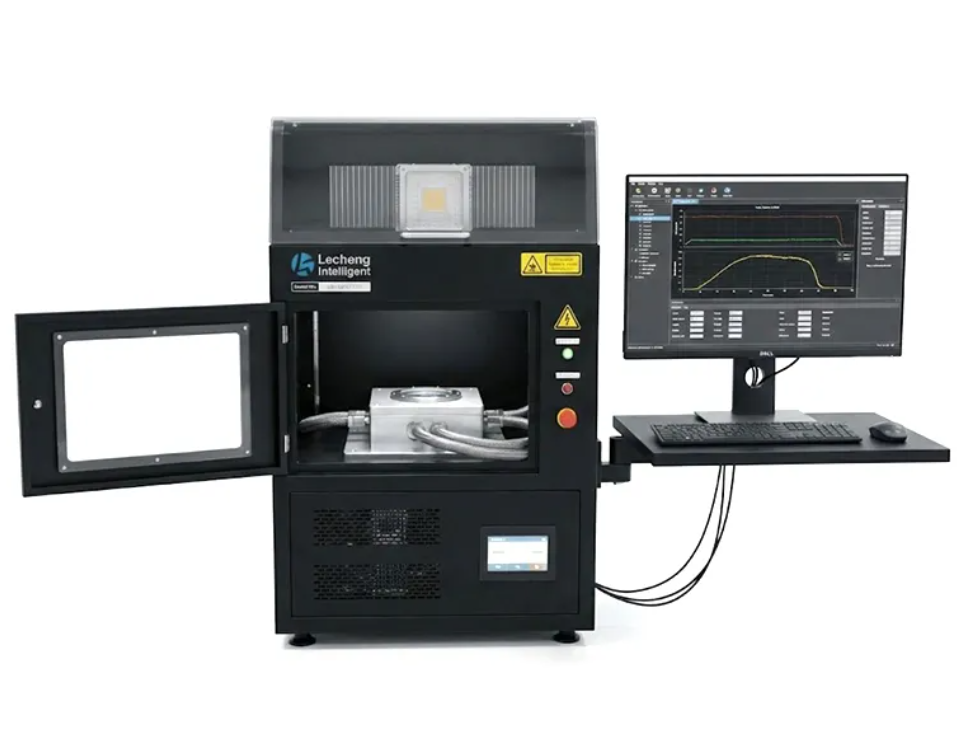
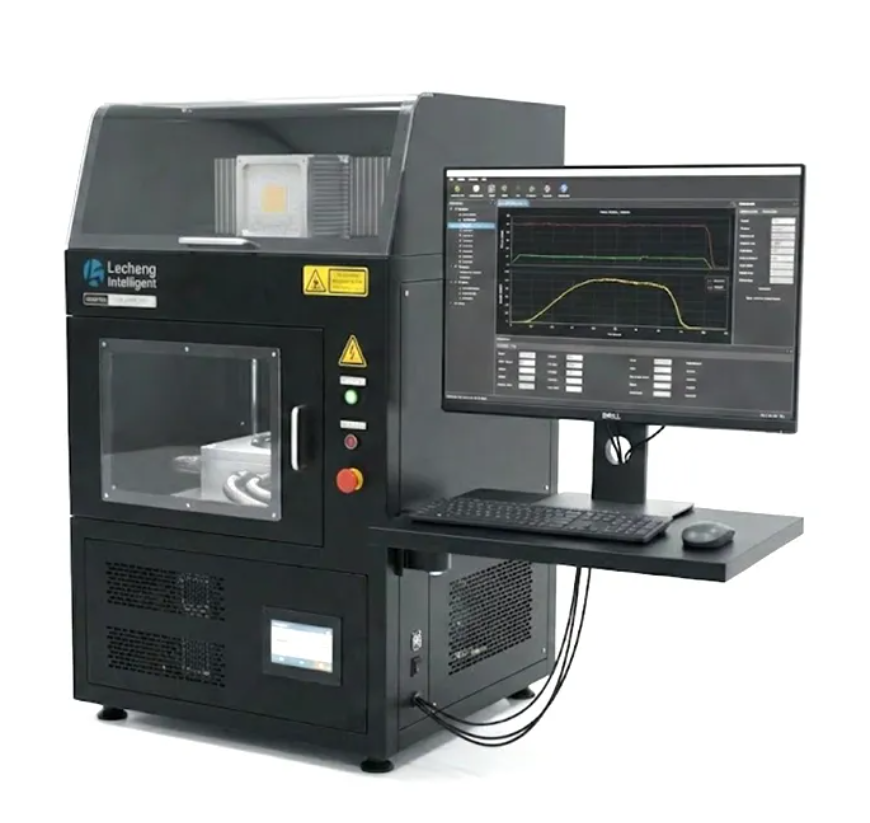
The strategic value of EL testing extends far beyond a simple pass/fail check at the end of the production line. It is a pivotal tool for closed-loop process control and predictive quality analytics. When integrated at key stages—after cell stringing, after lamination, and for final inspection—EL testing provides a diagnostic map of the production process. For instance, dark areas detected after stringing can pinpoint issues with the tabbing and stringing equipment, such as inconsistent soldering temperature or pressure. Defects appearing post-lamination may indicate problems with the lamination process itself, like uneven pressure or temperature causing new cracks. By analyzing the spatial patterns and frequency of these defects, manufacturers can trace them back to specific machines, operators, or material batches. This data-driven insight enables real-time corrections, prevents the mass production of defective modules, and drives continuous process improvement. Modern systems, like those offered by Lecheng Intelligent, can automate this analysis, classifying defect types and quantifying their severity. This transforms EL from a manual inspection task into a core component of a data-intensive smart factory, where every image contributes to a living database of manufacturing health, enabling predictive maintenance and zero-defect production goals.
Ensuring Longevity and Building Trust: The Business Imperative of EL Testing
Implementing rigorous, 100% EL testing is not merely a technical best practice; it is a critical business imperative that protects revenue and builds market trust. The financial argument is clear: rejecting a single defective module during production avoids exponentially higher costs associated with field failure, including replacement, logistics, labor, and severe reputational damage. More importantly, EL testing is the foundation for delivering on the long-term performance warranties (often 25-30 years) that are the cornerstone of solar project financing. Banks, investors, and project developers rely on this data as proof of initial quality and a predictor of long-term reliability. For manufacturers, a robust EL testing protocol provides a defensible quality certificate, differentiating their products in a competitive market. It assures customers that the modules are built to withstand decades of environmental stress. In essence, the small investment in advanced EL testing equipment and its integration into the production flow pays massive dividends by de-risking the entire product lifecycle, ensuring customer satisfaction, and solidifying the manufacturer's reputation as a provider of durable, high-yield solar assets.
Electroluminescence testing is far more than a final quality gate; it is the essential technological sentinel embedded within the PV manufacturing process. By making the invisible visible, it safeguards the intrinsic quality and long-term performance of every solar module. From enabling real-time process control on the factory floor to providing the empirical evidence required for multi-decade financial guarantees, EL testing is indispensable. It transforms manufacturing from a black box into a transparent, data-validated operation, ensuring that the promise of clean, reliable solar energy is built into every panel from the inside out. In the pursuit of sustainable and bankable solar power, EL testing is not optional—it is foundational.