
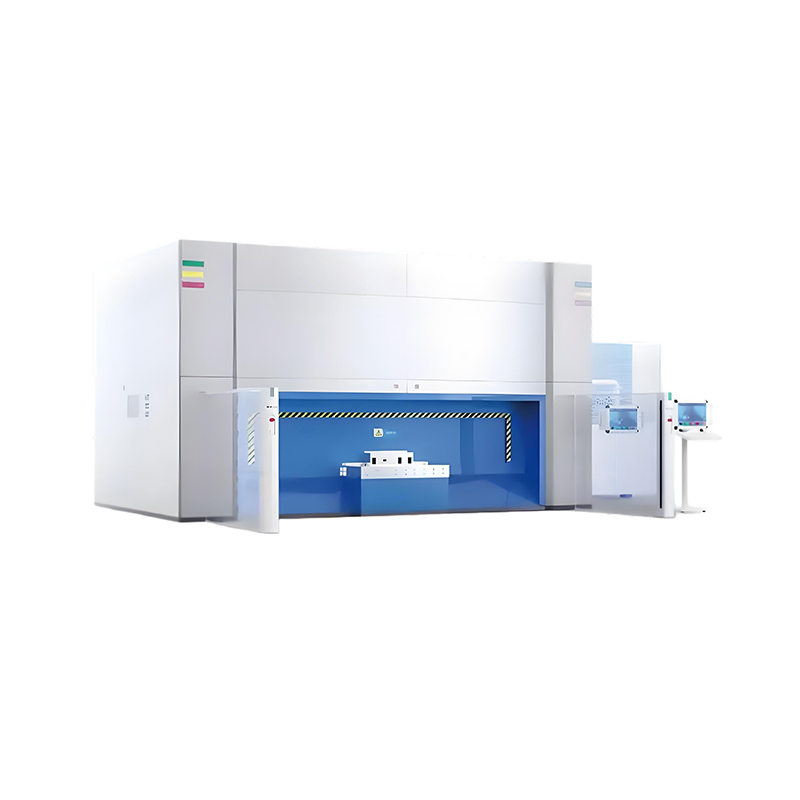
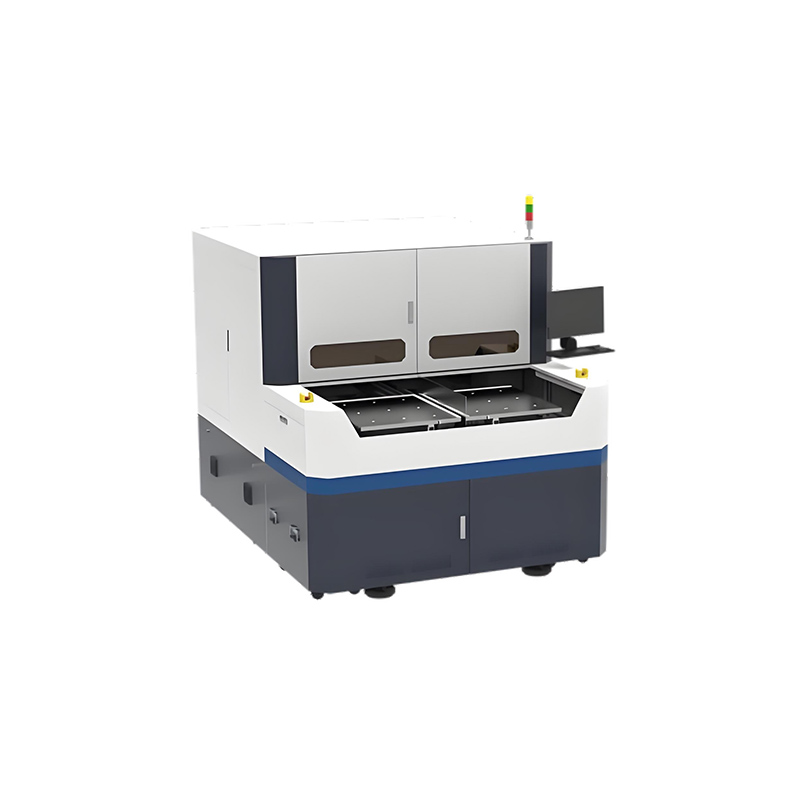
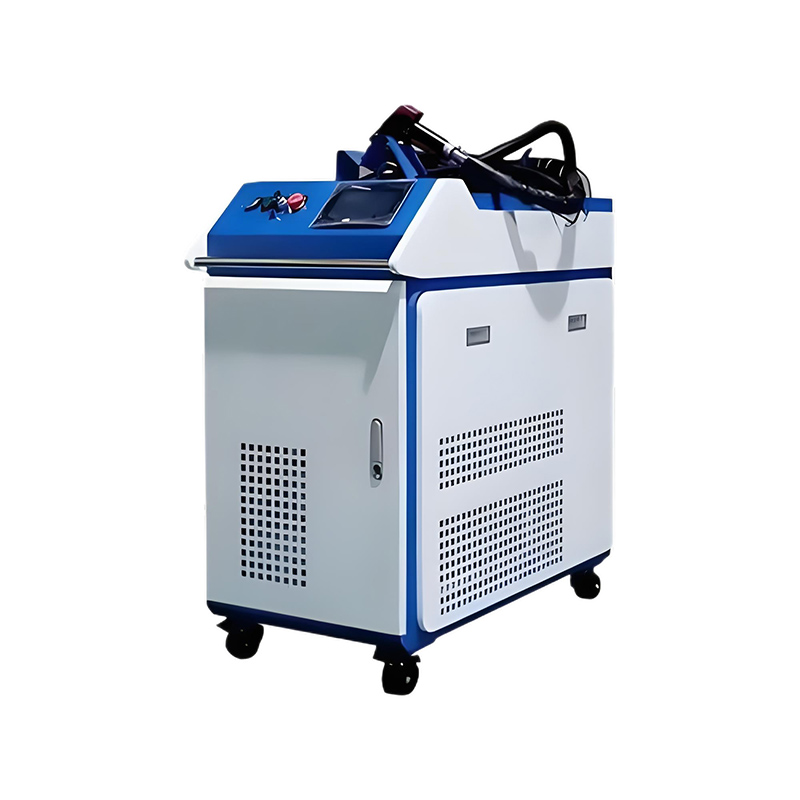
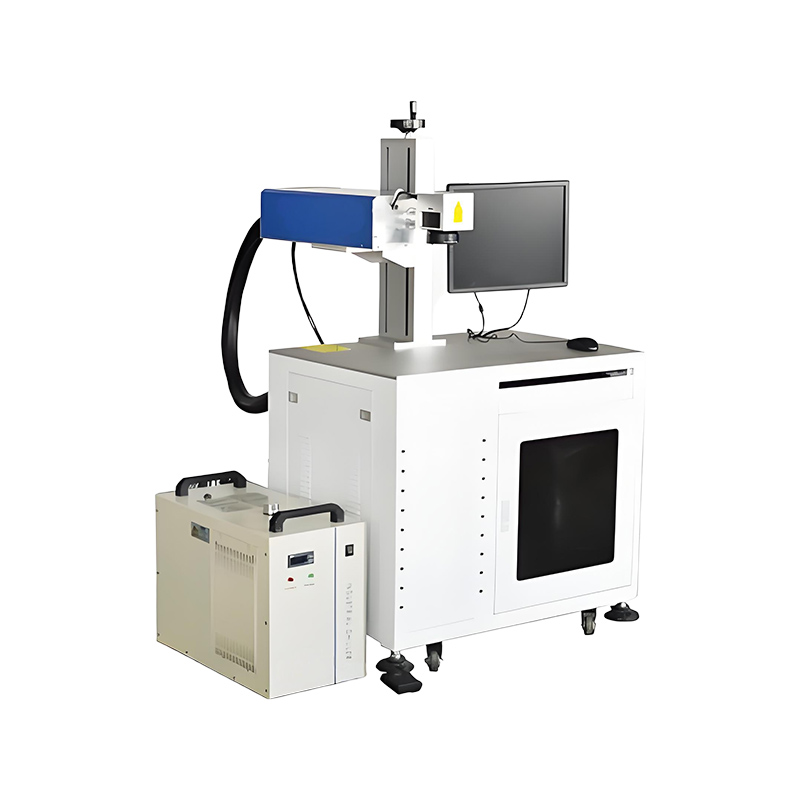
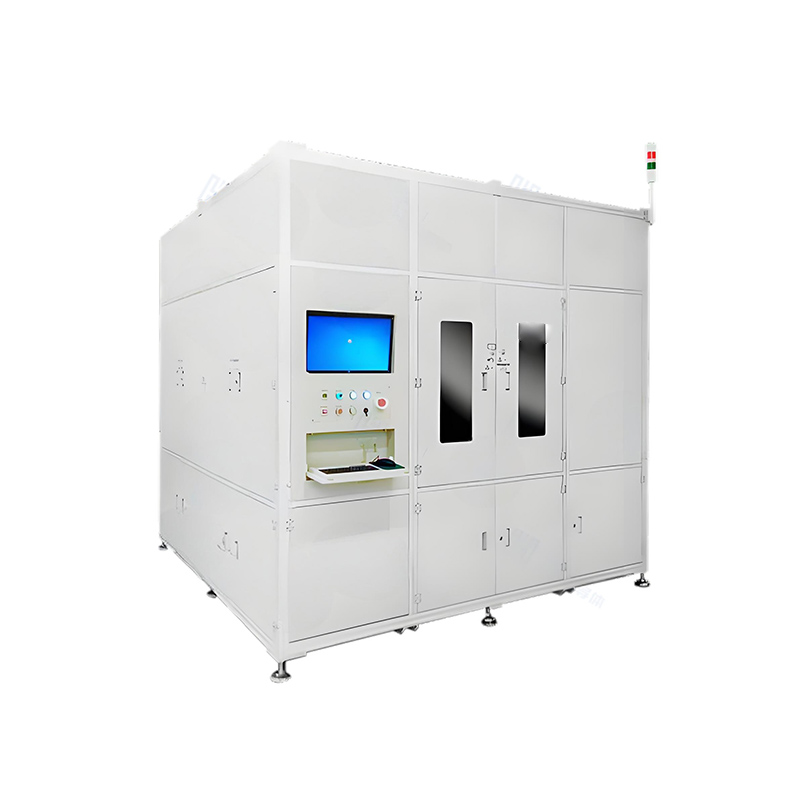
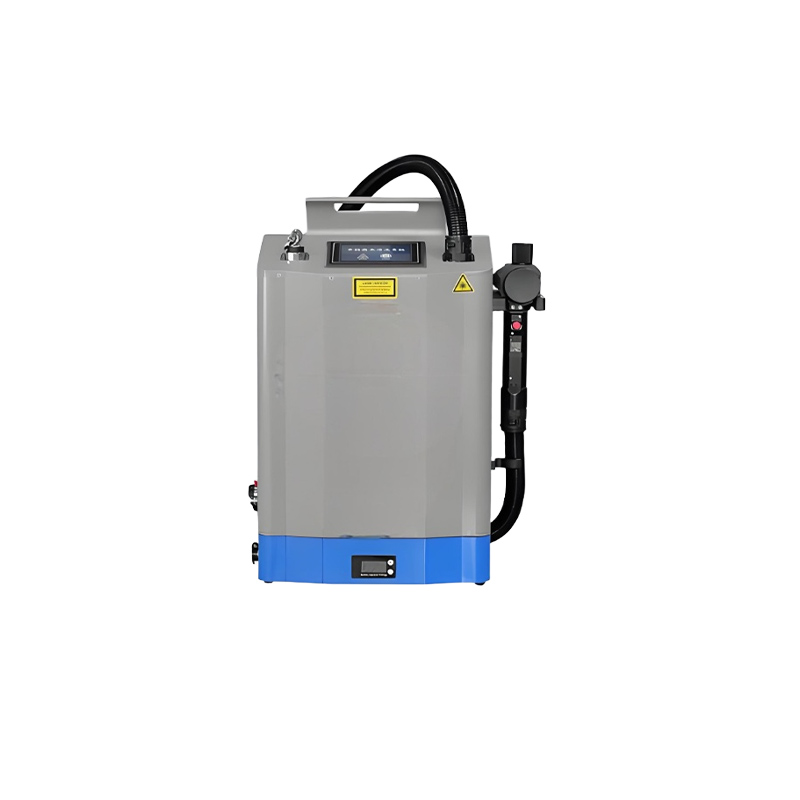
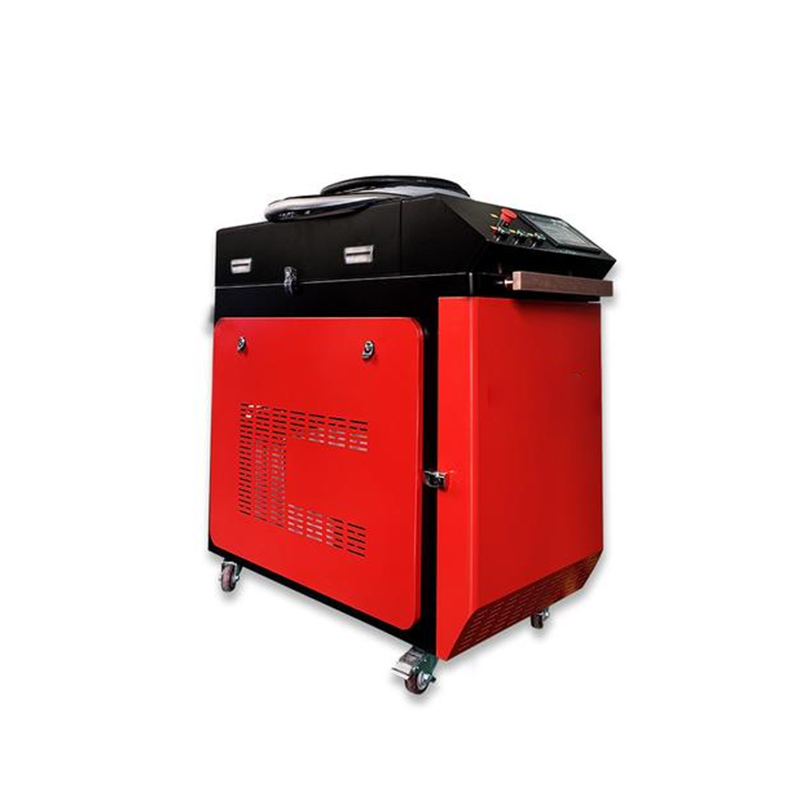
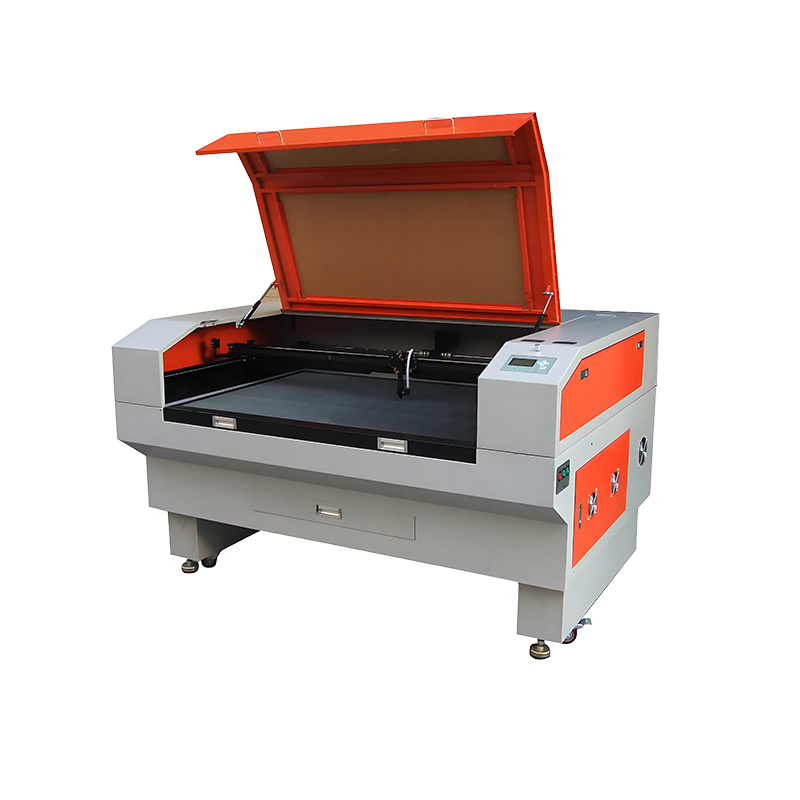
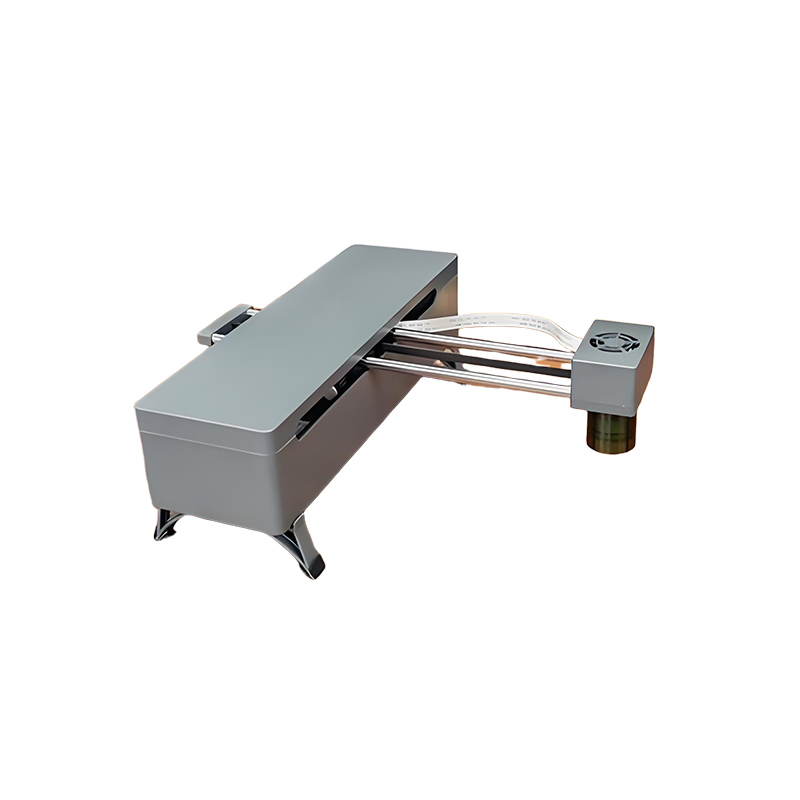
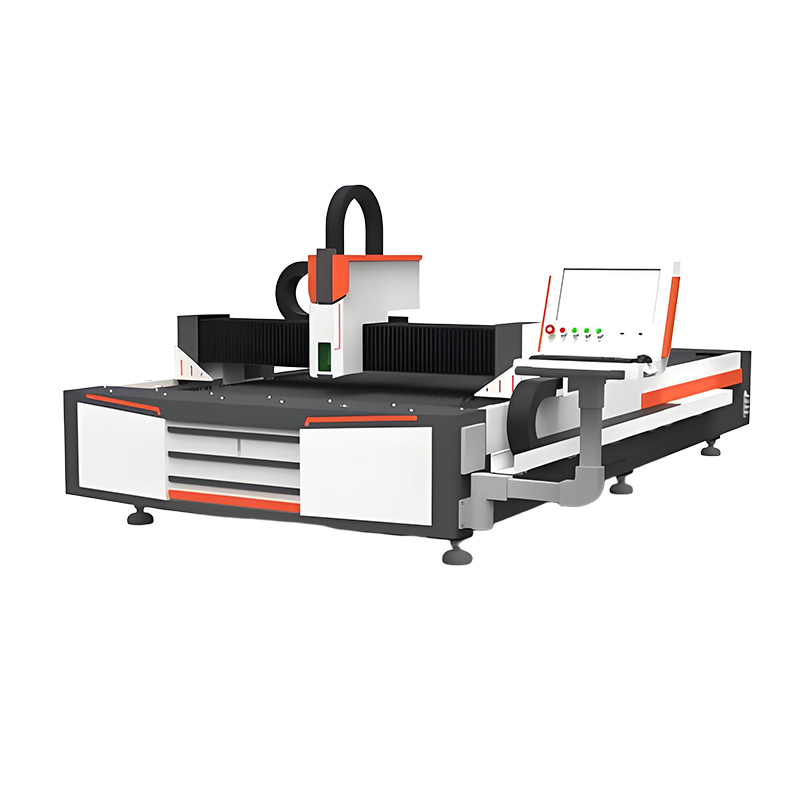
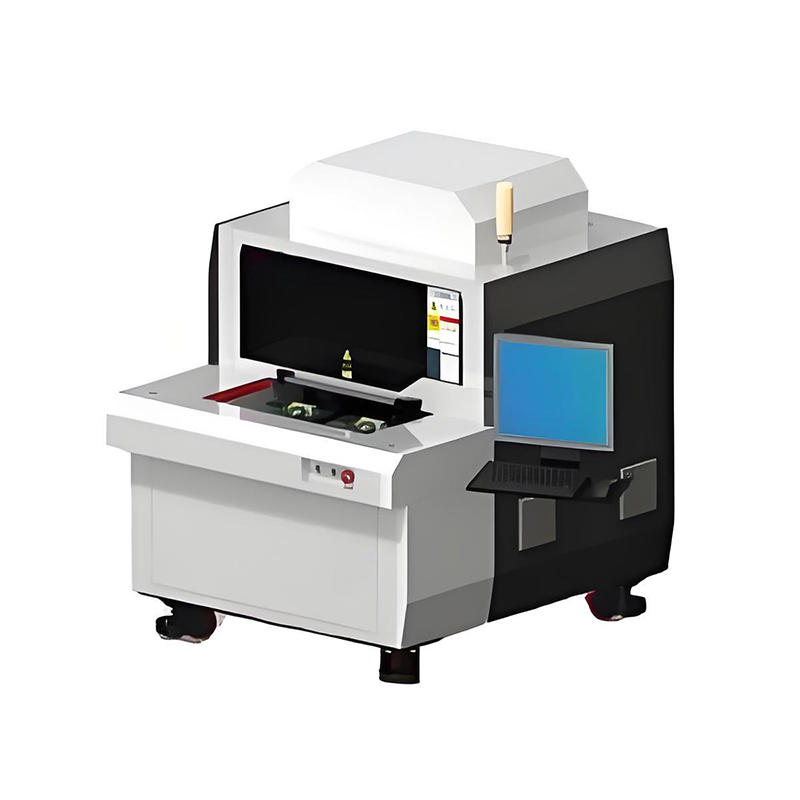
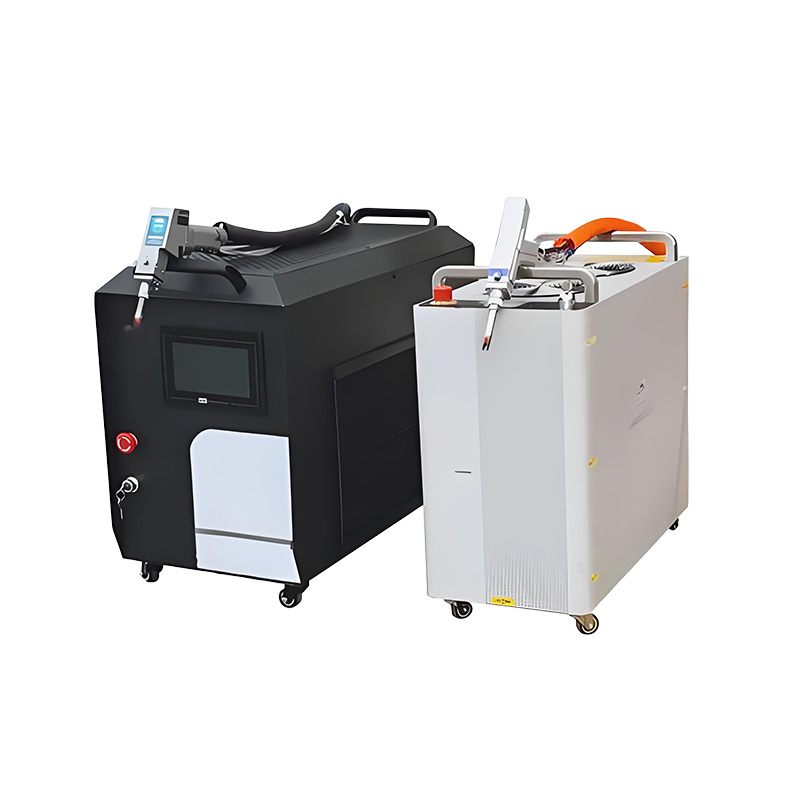


From Art to Industry: Applications of Laser Engraving Machines
The Artisan's Tool: Unleashing Creativity and Personalization
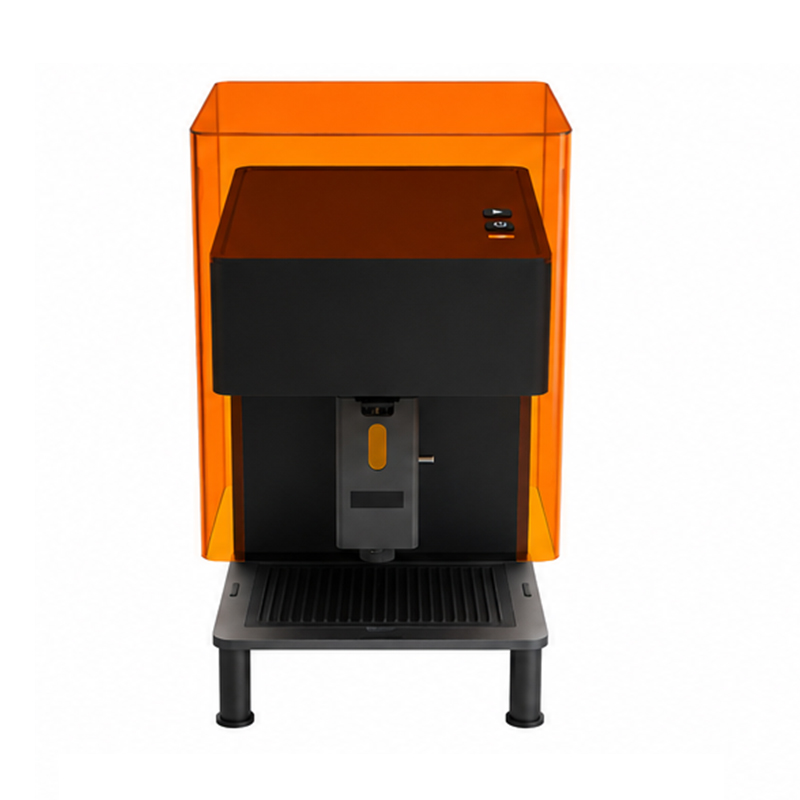
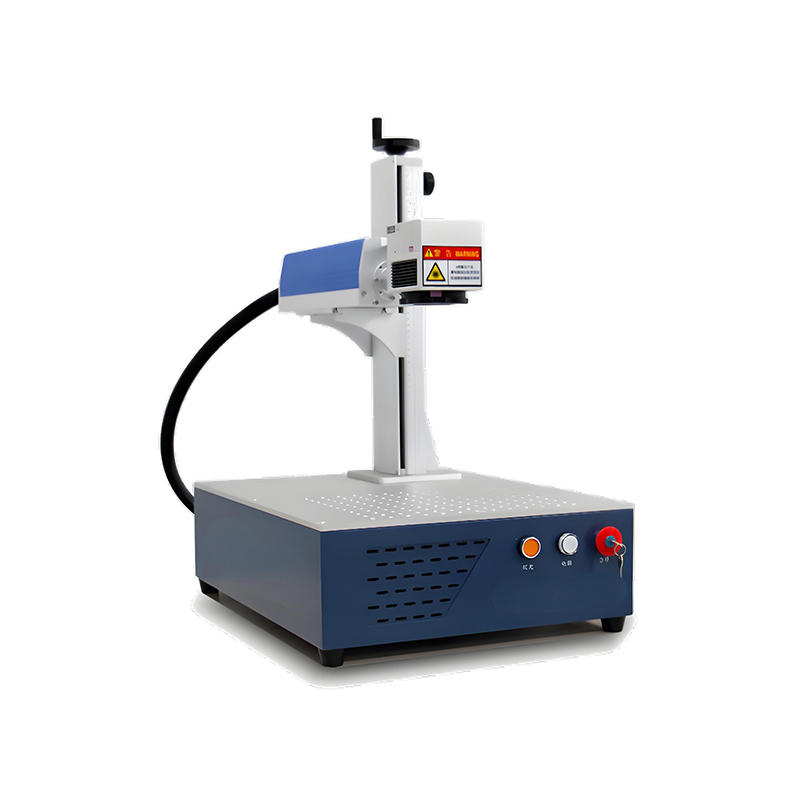
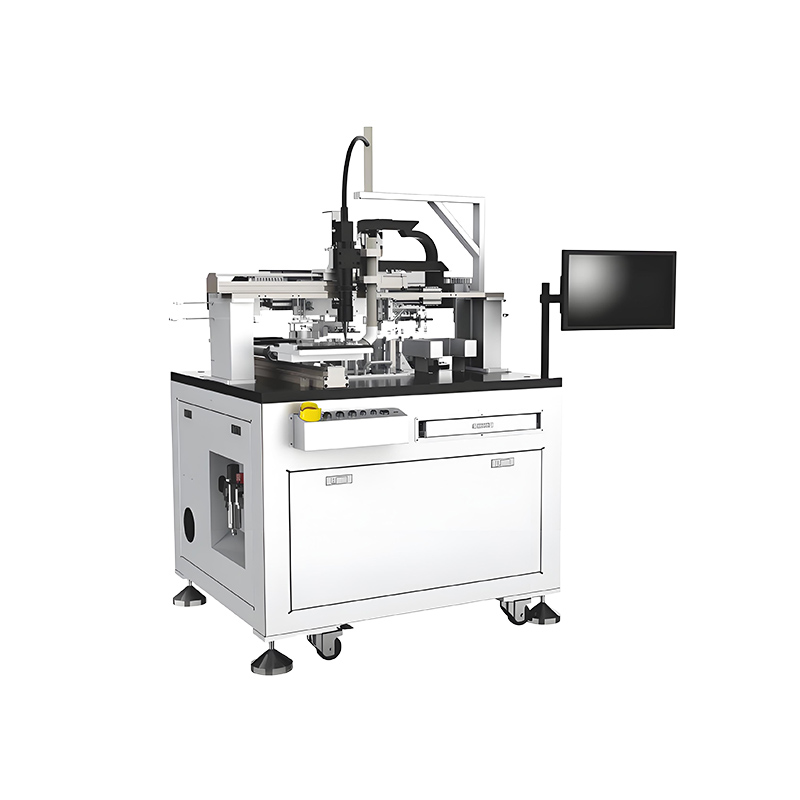
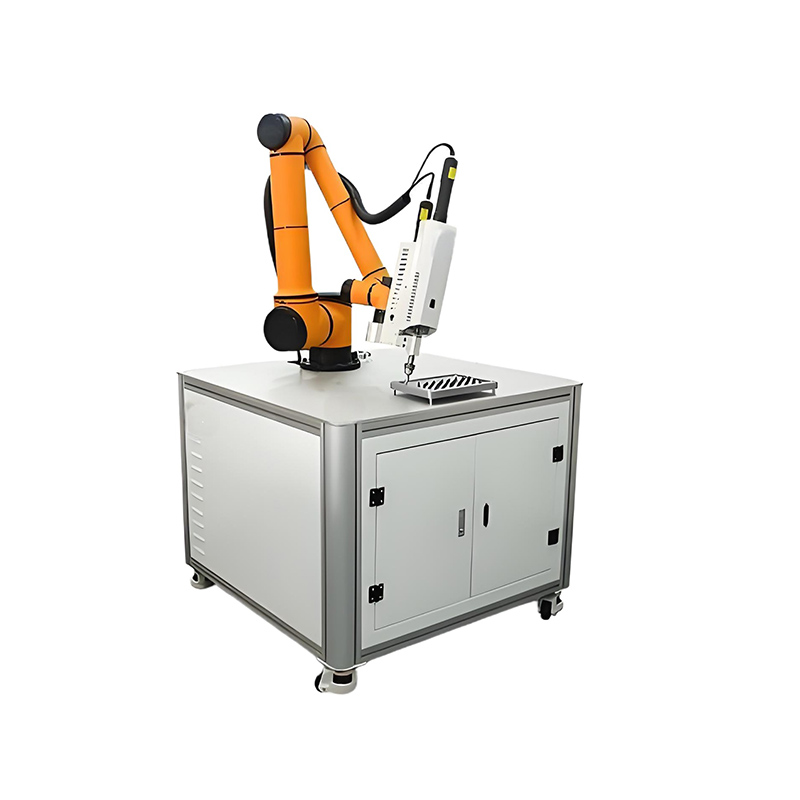
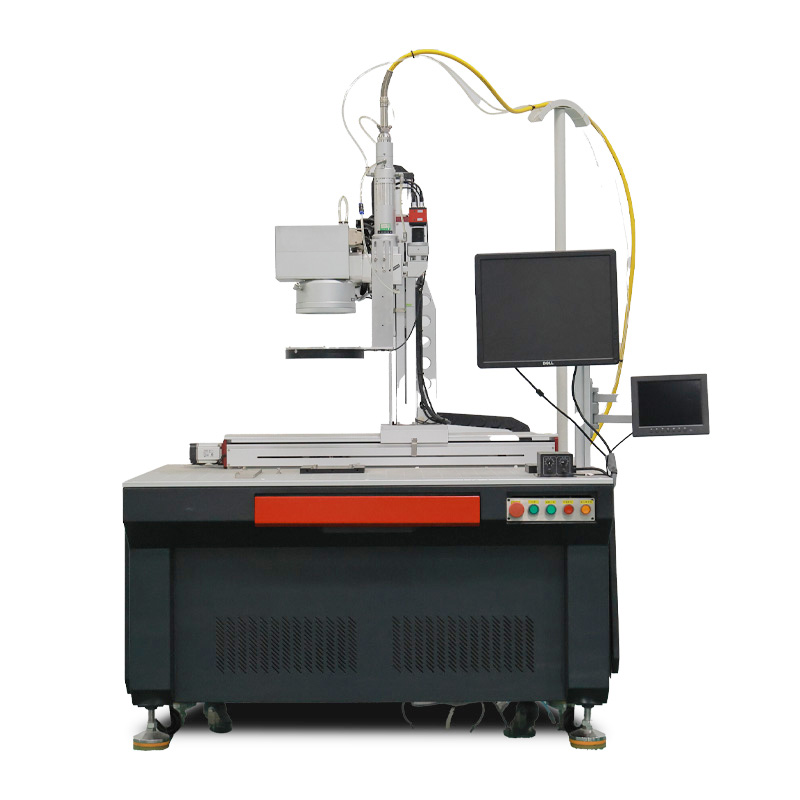
In the realm of art, craft, and personal expression, laser engraving machines have democratized precision and opened a universe of creative possibility. No longer confined to the domain of industrial tooling, modern CO2 laser engravers and fiber laser markers are the brushes of the digital age. They empower artists, makers, and small businesses to etch intricate designs, photographs, and typography onto an astonishing array of materials with micron-level accuracy. Wood, acrylic, leather, glass, coated metals, and stone all become canvases for this non-contact tool. The ability to translate a digital vector file directly into a physical, permanent mark has fueled the boom in personalized gifts, custom signage, detailed architectural models, and bespoke jewelry. The process is clean, fast, and repeatable, allowing for the creation of one-of-a-kind pieces or small-batch production runs with consistent, professional quality. Here, the laser is not just a machine; it is the enabler of mass customization, bridging the gap between creative vision and tangible product without the need for traditional, labor-intensive carving or printing skills.
The Engineer's Ally: Precision, Speed, and Repeatability in Manufacturing
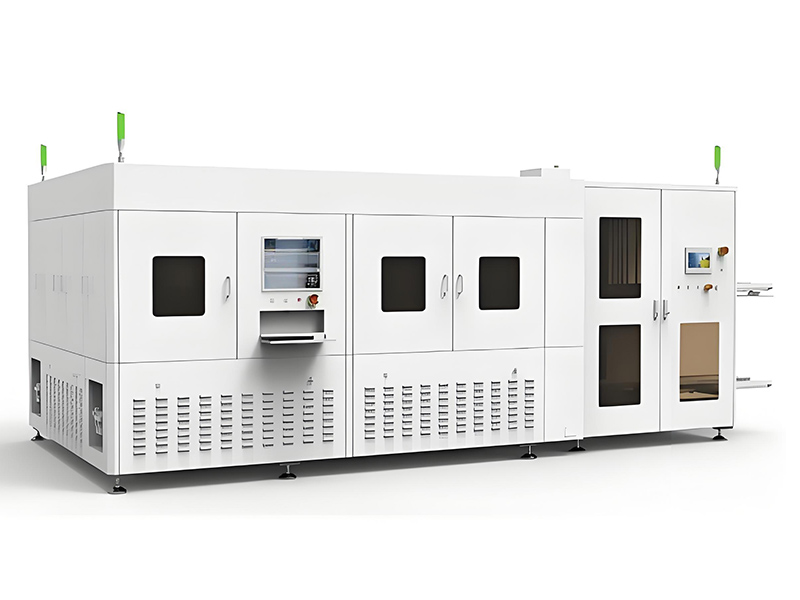
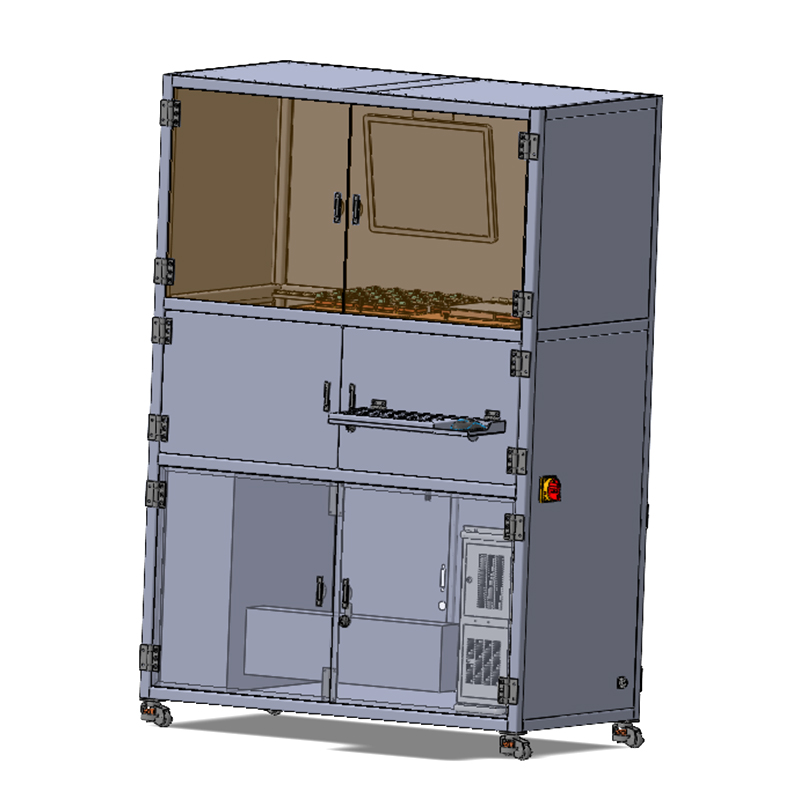
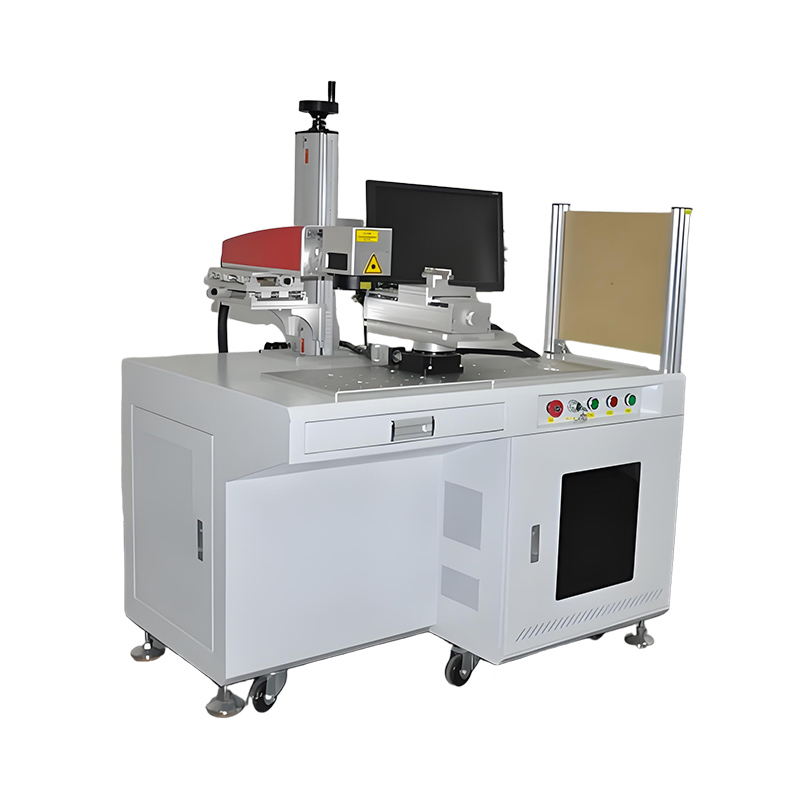
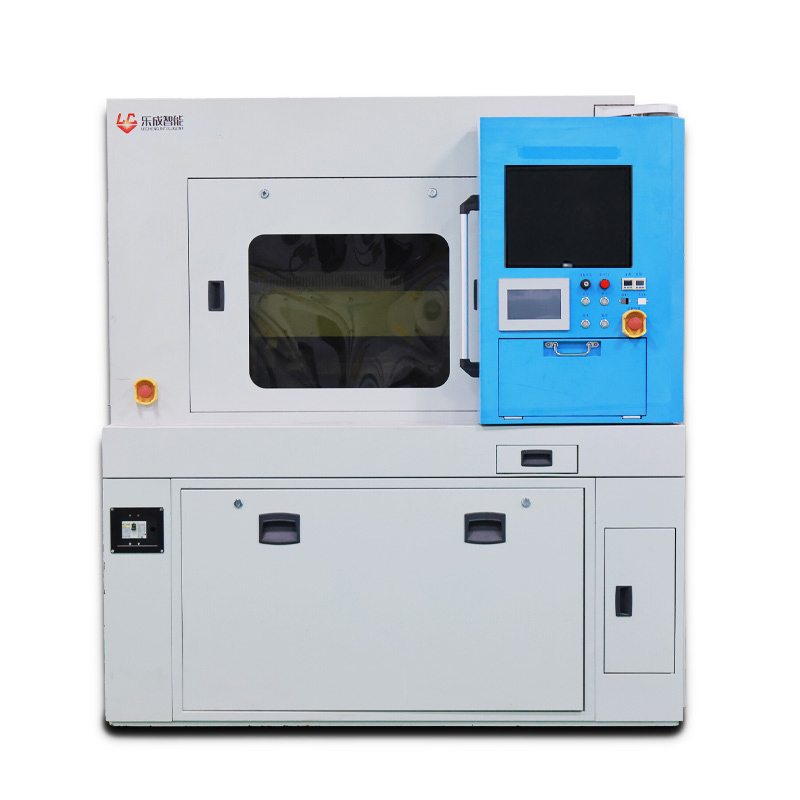
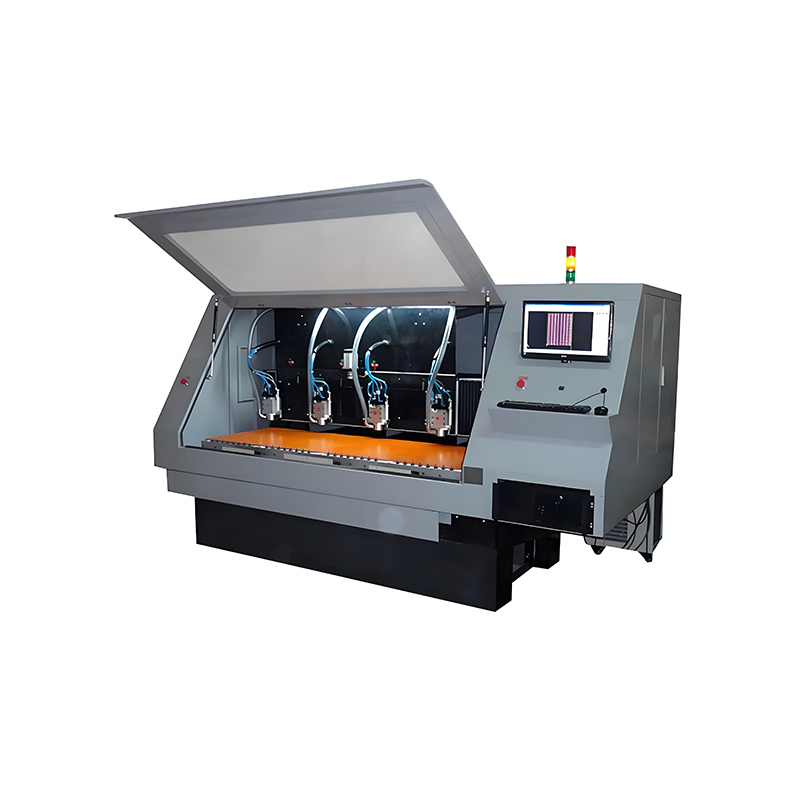
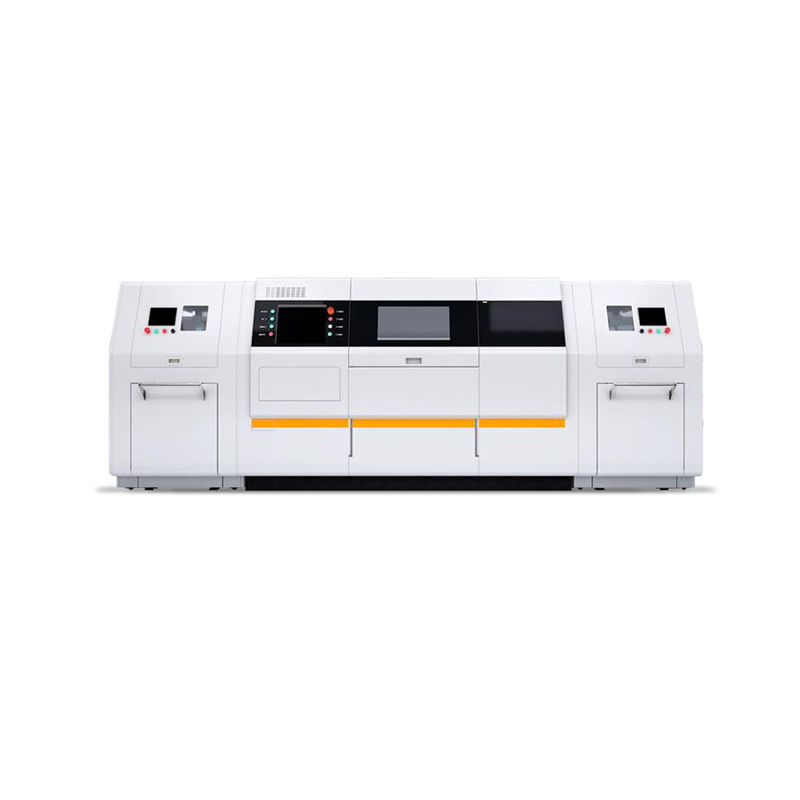
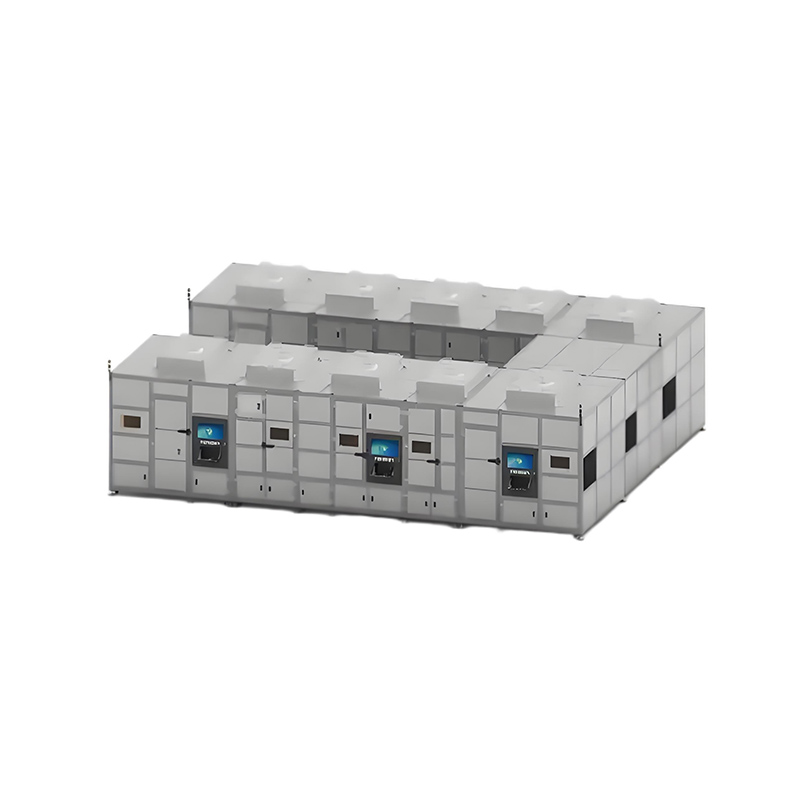
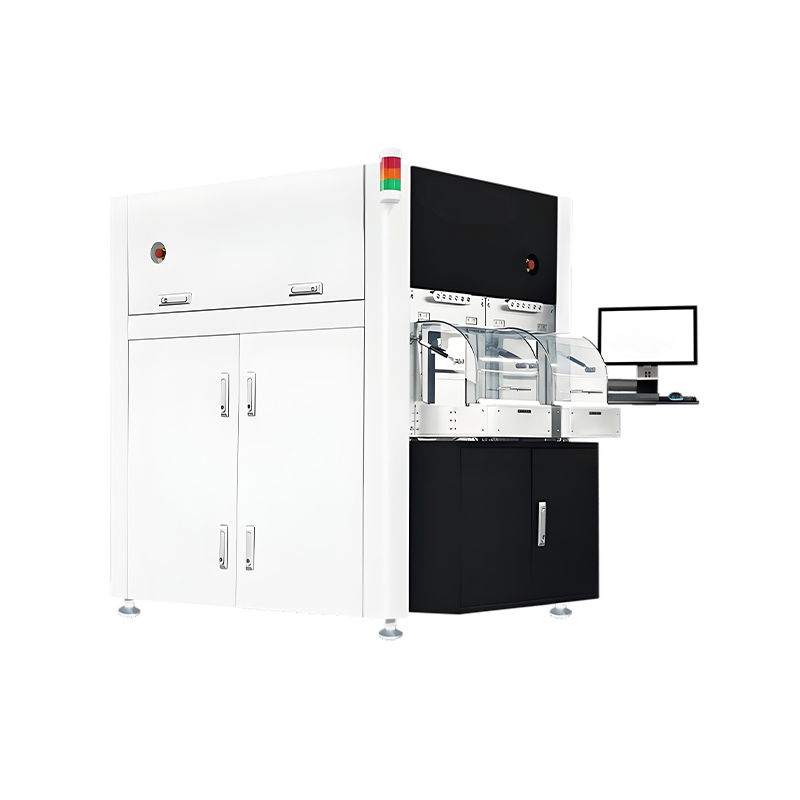
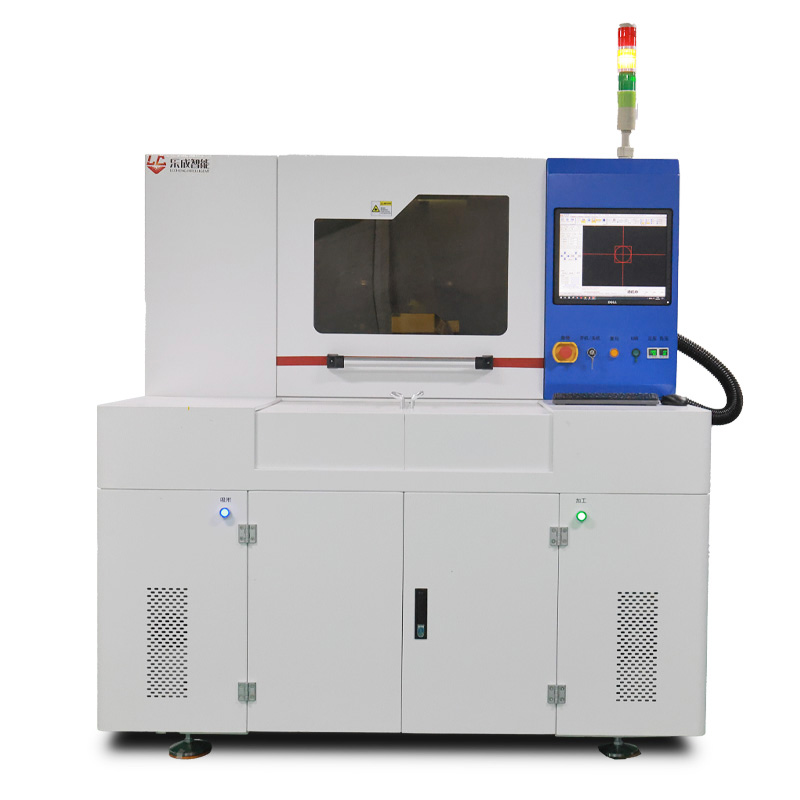
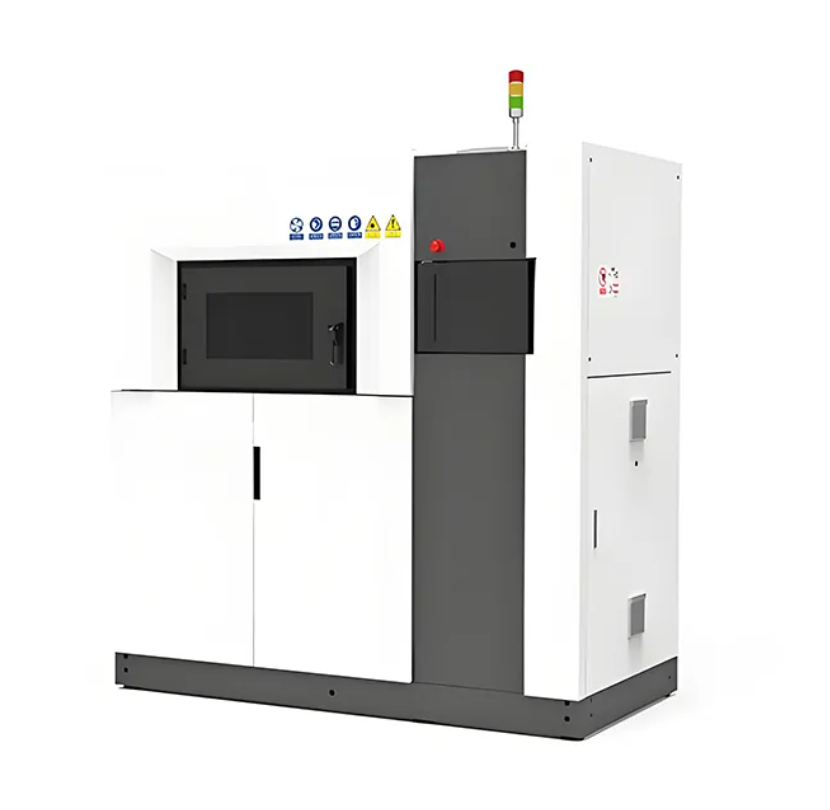
When the same technology transitions from the studio to the factory floor, its core attributes—precision, speed, and consistency—become the bedrock of industrial manufacturing. In this context, laser engraving is a critical non-contact machining process for part identification, branding, and functional texturing. It is indispensable for adding permanent, wear-resistant serial numbers, QR codes, barcodes, and data matrix codes directly onto components. This facilitates flawless traceability throughout the supply chain, from production and assembly to quality control and after-sales service. Beyond marking, laser engraving is used for functional applications like creating precise micro-textures on molds for improved part release, engraving calibration scales on instruments, or etching fluidic channels in lab-on-a-chip devices. The process is computer-controlled, eliminating human error and enabling seamless integration with automated production lines. A single machine can switch between thousands of different engraving jobs instantly, based on digital instructions, making it ideal for high-mix, low-volume manufacturing. The result is enhanced productivity, reduced scrap, and guaranteed part identification that withstands harsh operational environments.
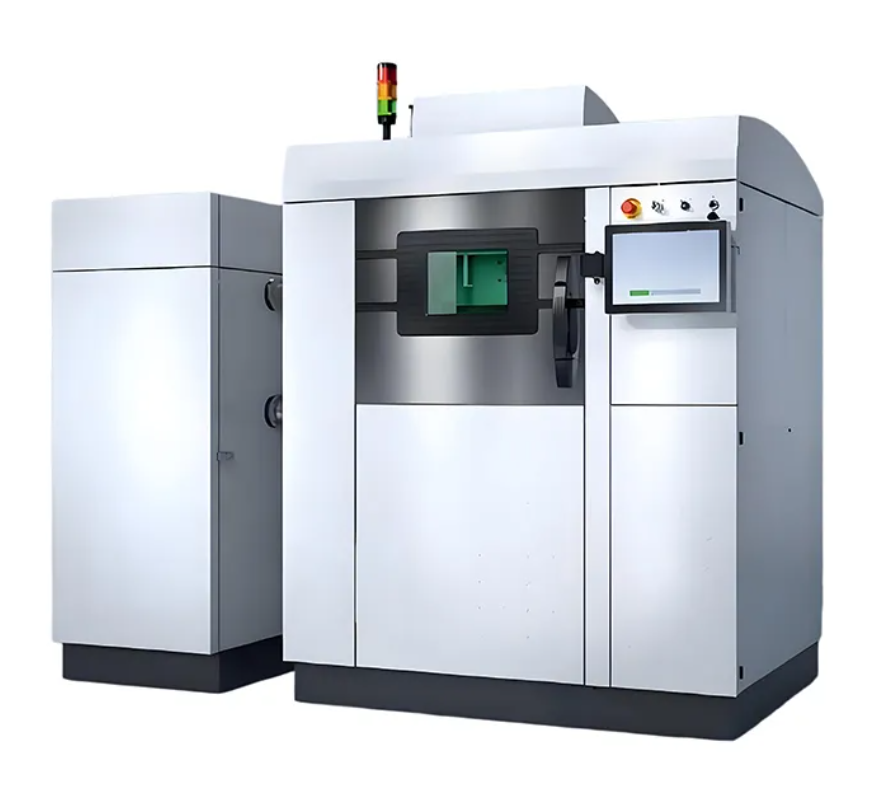
Material Mastery: Versatility Across Substrates and Industries
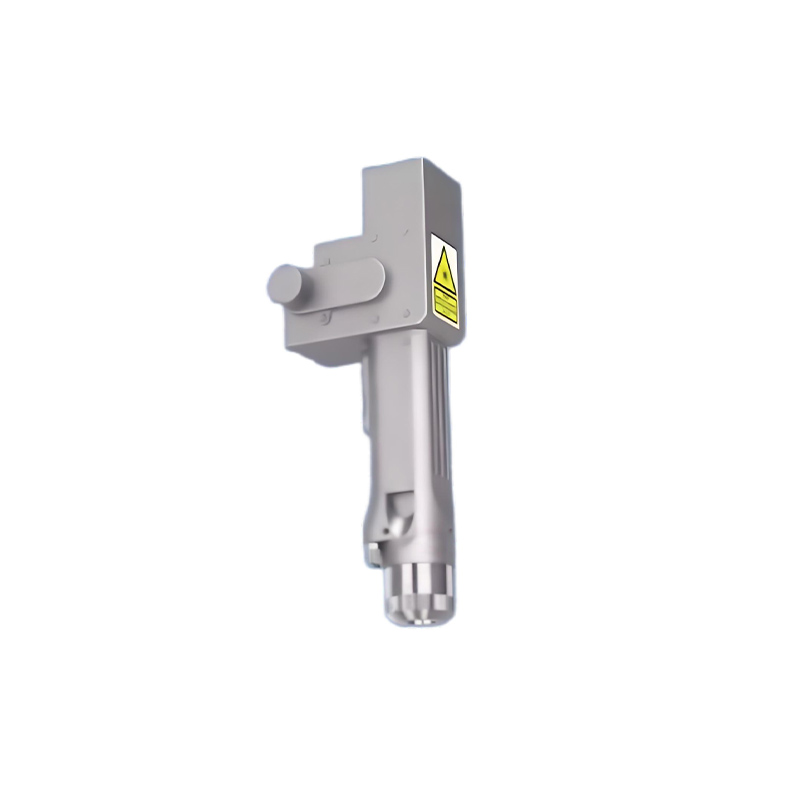
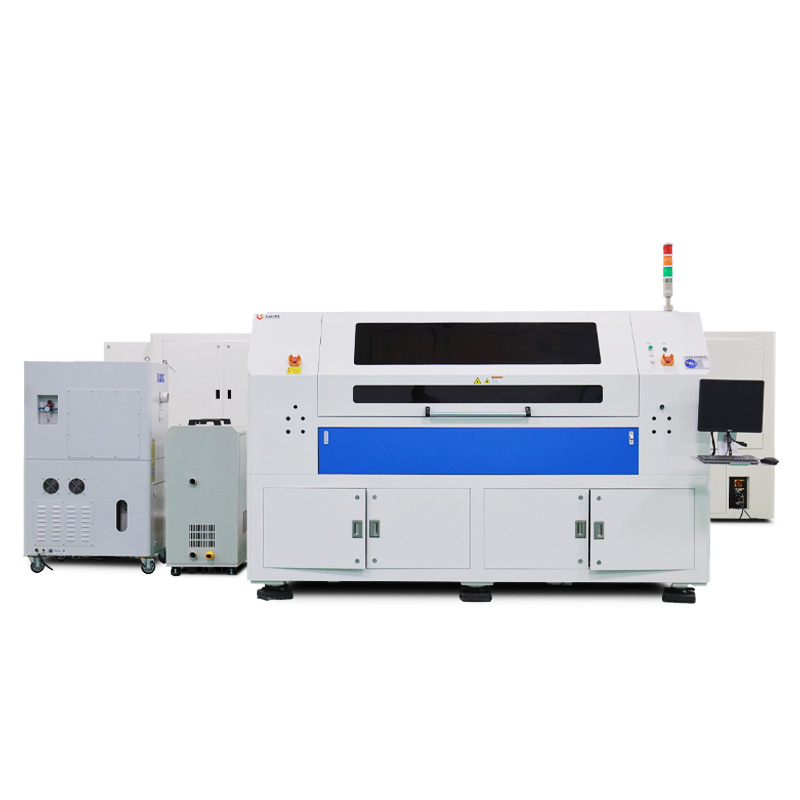
The true power of laser engraving lies in its extraordinary material versatility. By selecting the appropriate laser type and wavelength—such as a CO2 laser for organics (wood, acrylic, leather) or a fiber laser for metals—and fine-tuning parameters like power, speed, and frequency, the same fundamental technology can deliver optimal results across a vast spectrum of industries. In aerospace, it permanently marks flight-critical titanium and composite parts with traceable IDs. The medical device industry relies on it to engrave unique device identifiers (UDIs) and safety information on surgical tools and implants, ensuring compliance and patient safety. Electronics manufacturers use it for labeling circuit boards and microscopic components. In the automotive sector, it marks VIN numbers, part numbers, and safety warnings on everything from engine blocks to dashboard trim. Even in consumer goods, it adds aesthetic details, anti-counterfeit features, and promotional text. This unparalleled adaptability makes the laser engraving machine not a single-purpose tool, but a flexible, high-value manufacturing asset capable of meeting the diverse and evolving marking needs of the modern industrial landscape.
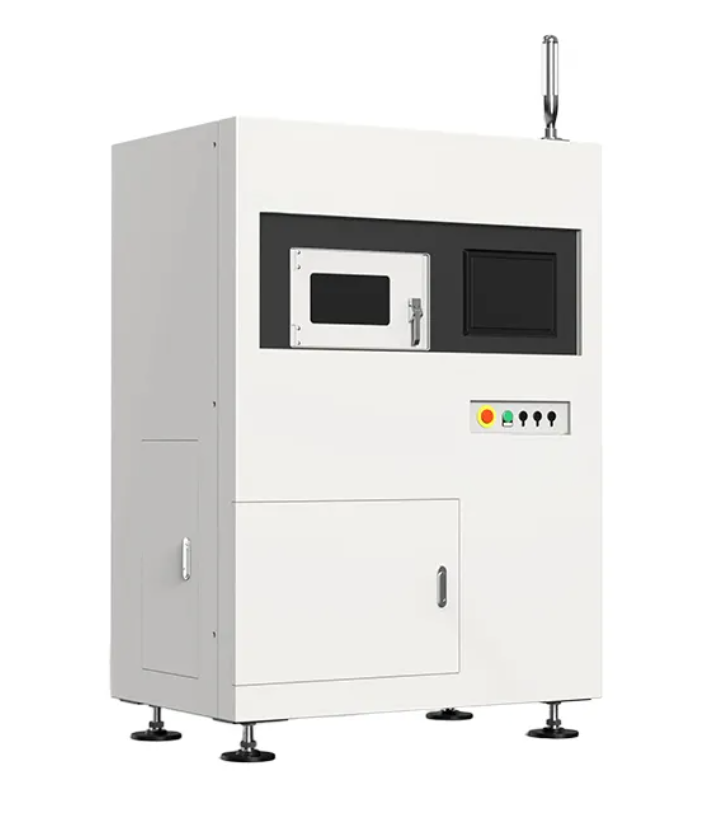
The journey of the laser engraving machine "from art to industry" illustrates a remarkable technological convergence. It is a tool that equally serves the creative entrepreneur seeking to manifest a unique design and the production engineer demanding flawless, permanent part identification at industrial scale. This dual nature stems from its core strengths: digital precision, non-contact processing, material versatility, and permanent results. As manufacturing continues its march towards greater customization, traceability, and automation, the role of the laser engraver as a critical enabler—both for personalized creation and industrial efficiency—will only become more central. It is the bridge between the intangible digital instruction and the tangible, marked world.
Related product and article resources
For procurement comparison and technical evaluation, readers can continue with these related product pages and supporting articles.
- Products
- Product catalog
- Contact the sales team
- Contact us
- Laser Scribing Machine RFQ Checklist for PV Cell Production Lines
- Laser Scribing vs Mechanical Cutting in Photovoltaic Production
- P1, P2 and P3 Laser Scribing: What Solar Manufacturers Should Know
- Lecheng Powers Dehu's 100MW Perovskite Pilot Line to Historic First Light