
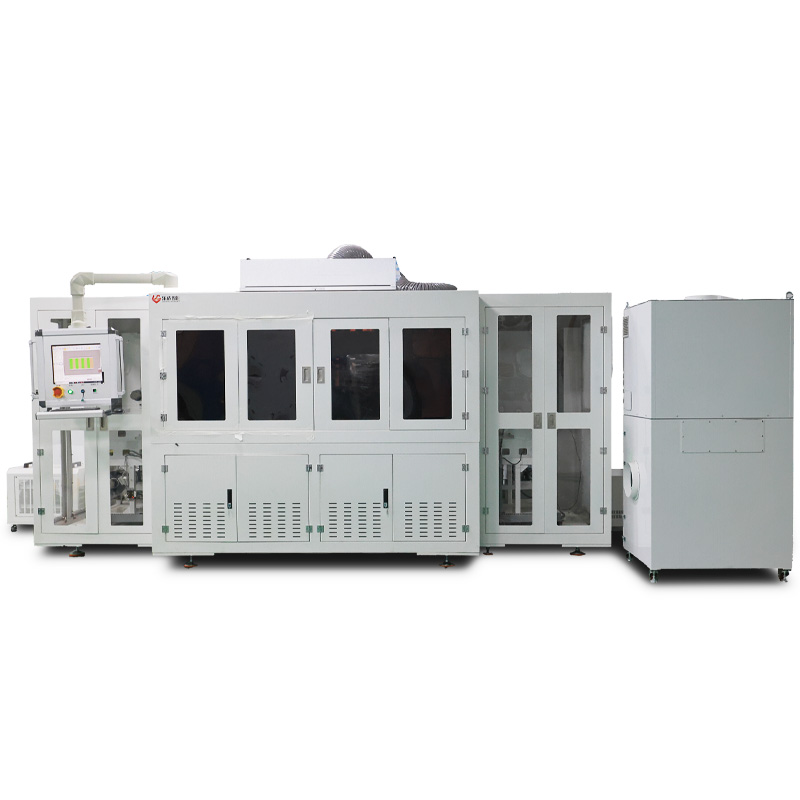
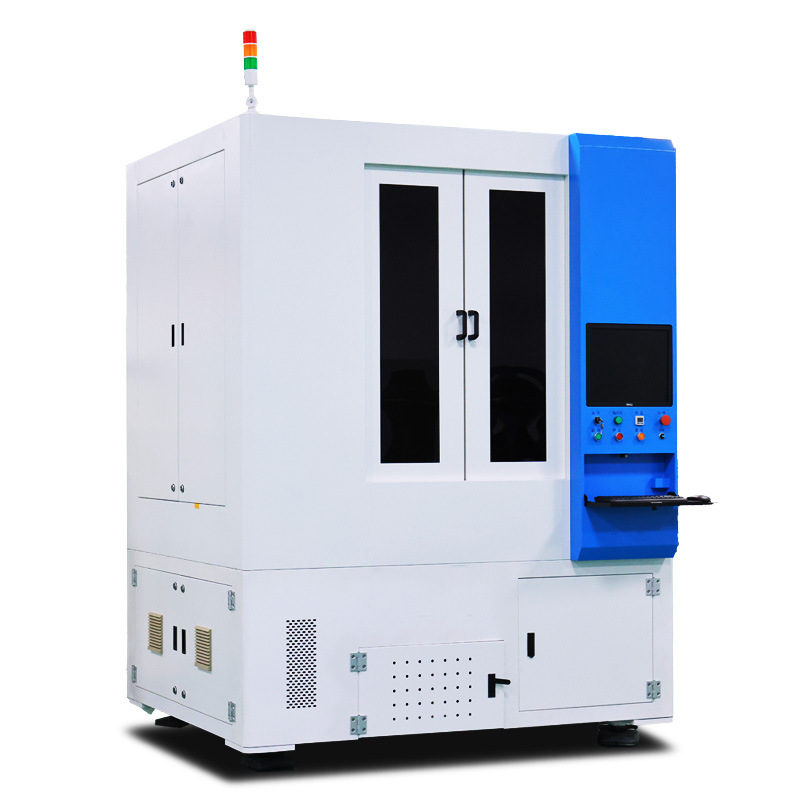
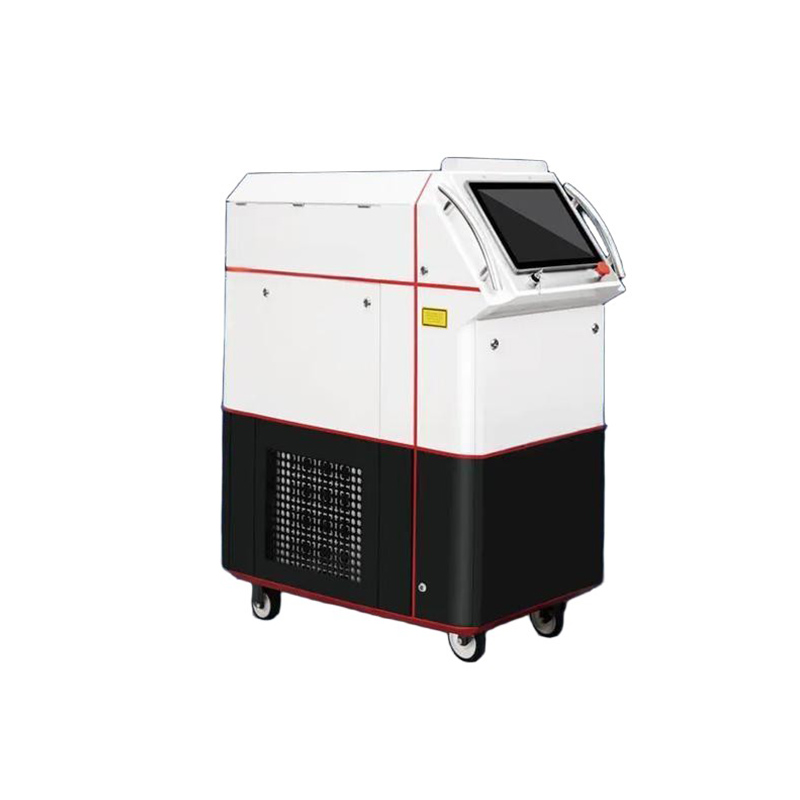
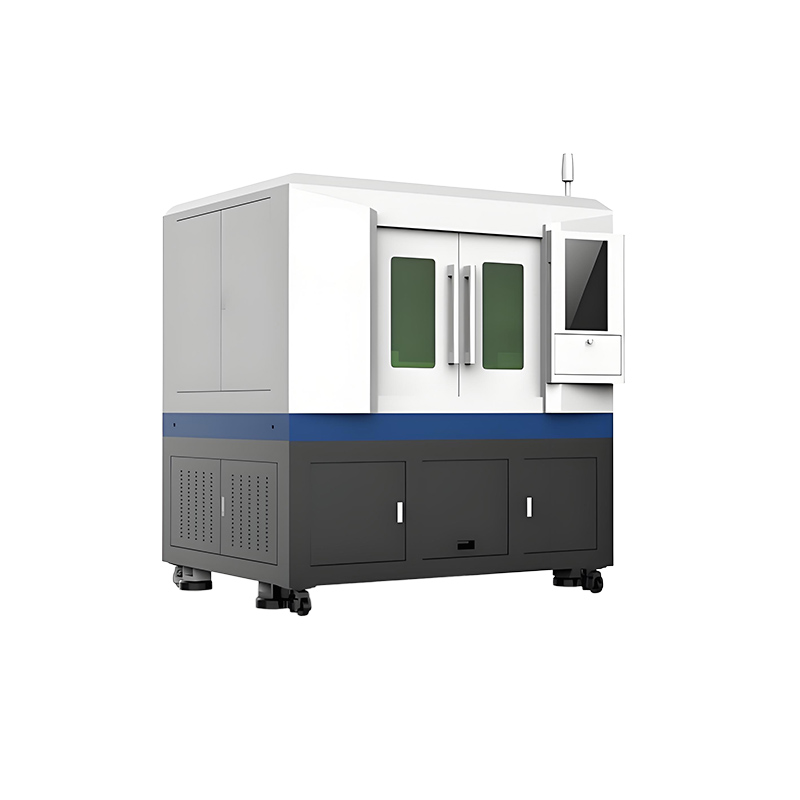


When buyers compare solar simulators, price is often the first visible difference. However, focusing only on the initial quotation can lead to the wrong purchasing decision. In practical testing environments, the true value of a solar simulator depends on performance, stability, serviceability, and long-term operating cost. International buyers need to compare these systems as testing solutions rather than as simple products with different price tags.
Compare Core Optical Performance First
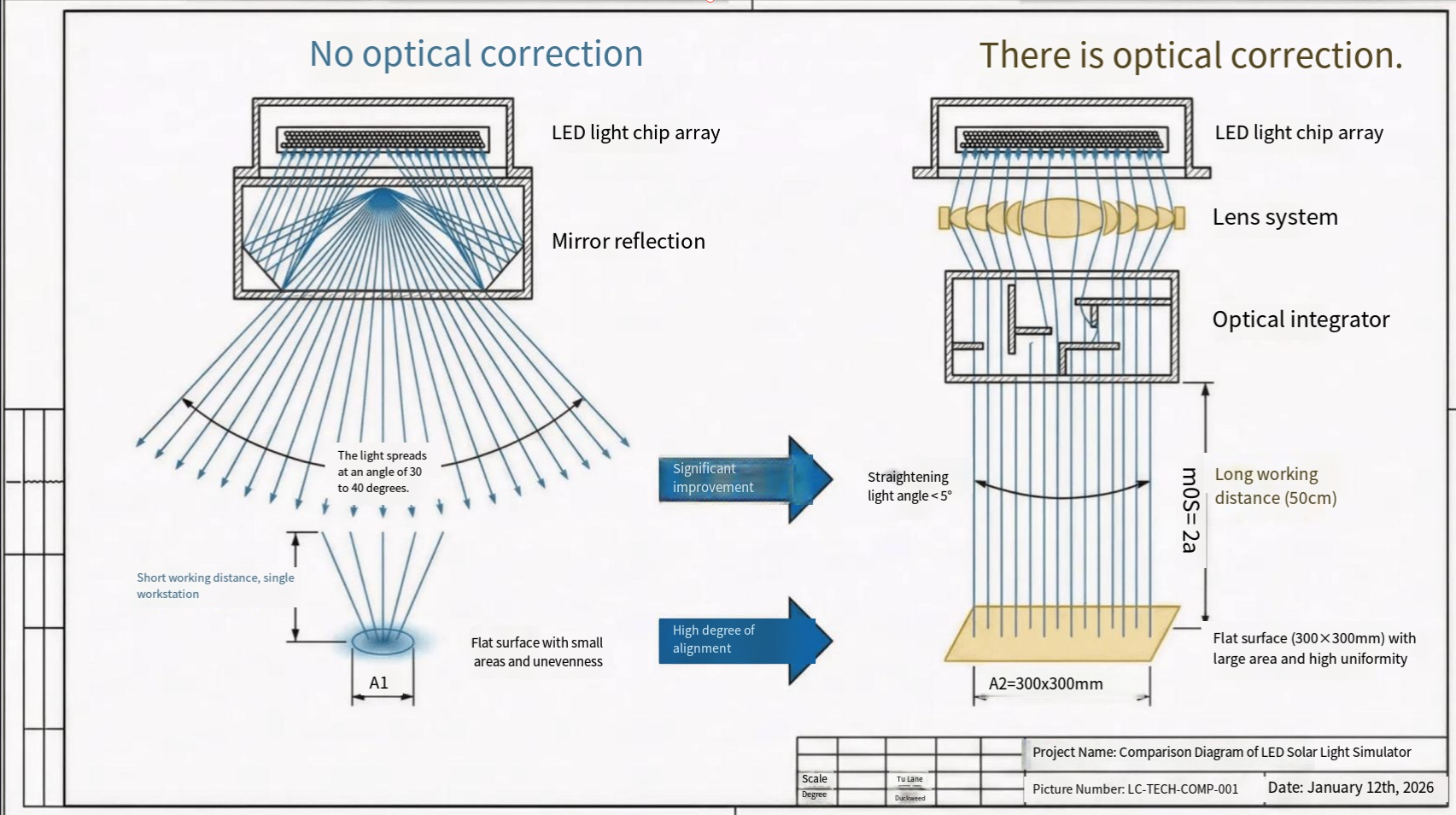
Before looking at cost, buyers should examine the simulator’s core performance, including spectral match, irradiance uniformity, and temporal stability. These metrics define the accuracy of the test results. If a lower-cost simulator cannot provide consistent and standard-compliant illumination, any test result it generates may be less valuable, regardless of purchase savings.
Buyers should also compare repeatability and calibration behavior. Two systems with similar specifications may behave very differently over daily use. One may require frequent recalibration, while the other may maintain accuracy much longer. This difference can strongly affect test efficiency and reliability.
Evaluate Operating Cost And Maintenance Burden
A lower initial price does not always mean lower total cost. Buyers should look at lamp life, replacement cost, calibration interval, energy consumption, and maintenance complexity. A system that is cheaper to buy may be more expensive to operate if it requires frequent servicing or costly consumables.
Operational convenience matters as well. If a simulator takes too much time to set up, needs complex manual alignment, or causes frequent downtime, its real cost to the business increases quickly. This is especially important in production or high-throughput test environments.
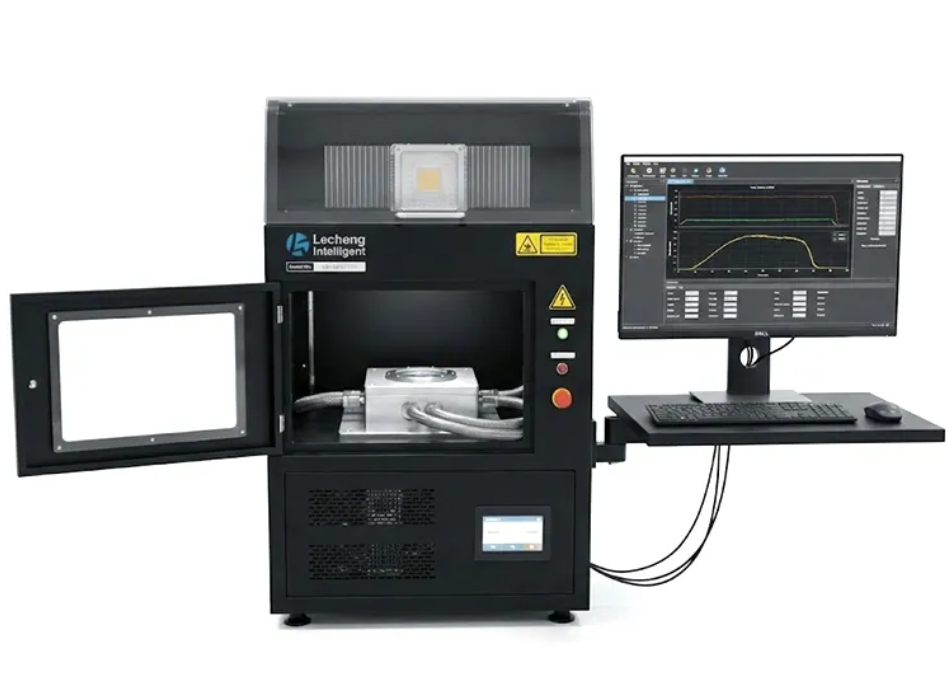
Compare Supplier Support And Long-Term Reliability
The supplier behind the system is part of the value. Buyers should compare technical support response, calibration support, spare parts access, documentation quality, and application guidance. A more expensive simulator from a responsive and experienced supplier may create much less risk over time than a lower-cost option with weak support.
Long-term reliability should also be considered. Buyers should ask whether the system can maintain consistent performance over months or years, not just during an initial demonstration. In many cases, the right comparison is not “which one is cheaper,” but “which one gives more reliable data and less operating risk over time.”
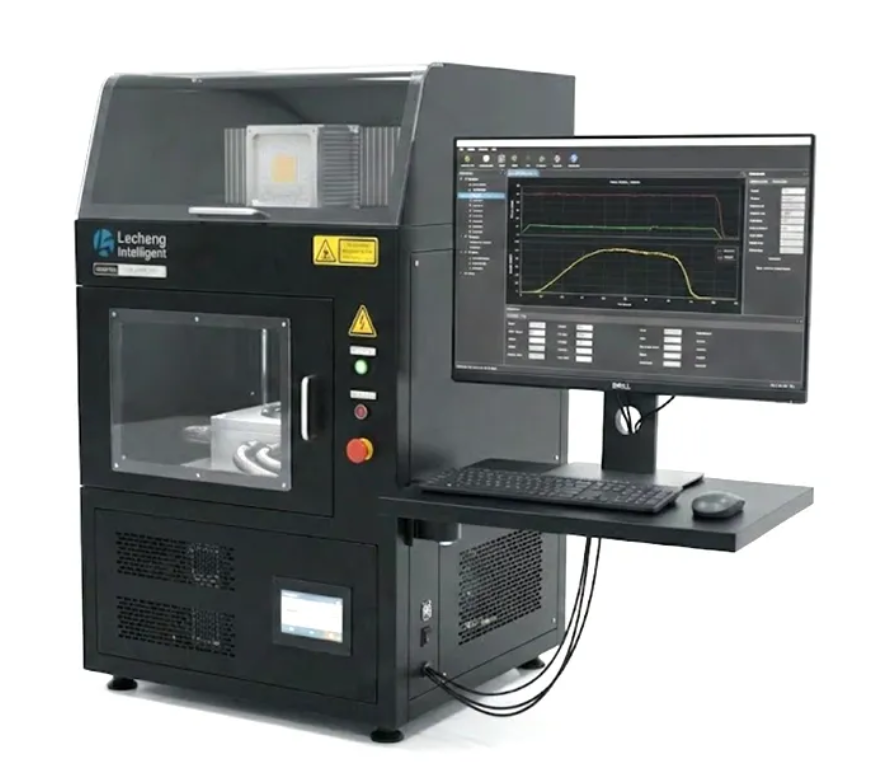
Comparing solar simulators beyond initial price means looking at optical performance, operating cost, maintenance burden, and supplier support together. For serious buyers, the most valuable system is not the lowest-priced one, but the one that delivers accurate testing, efficient daily use, and lower long-term risk.