
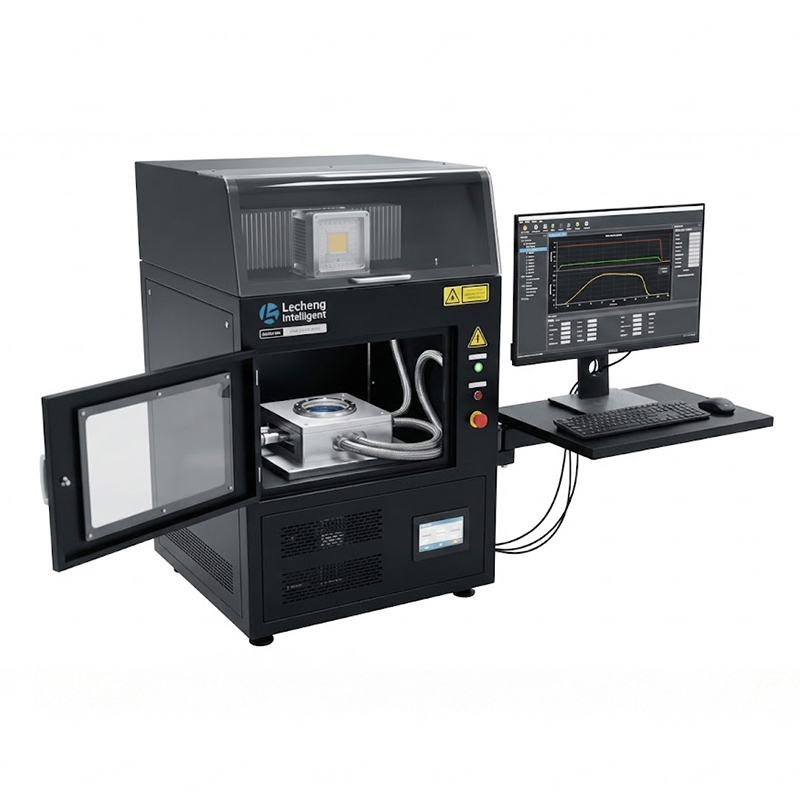
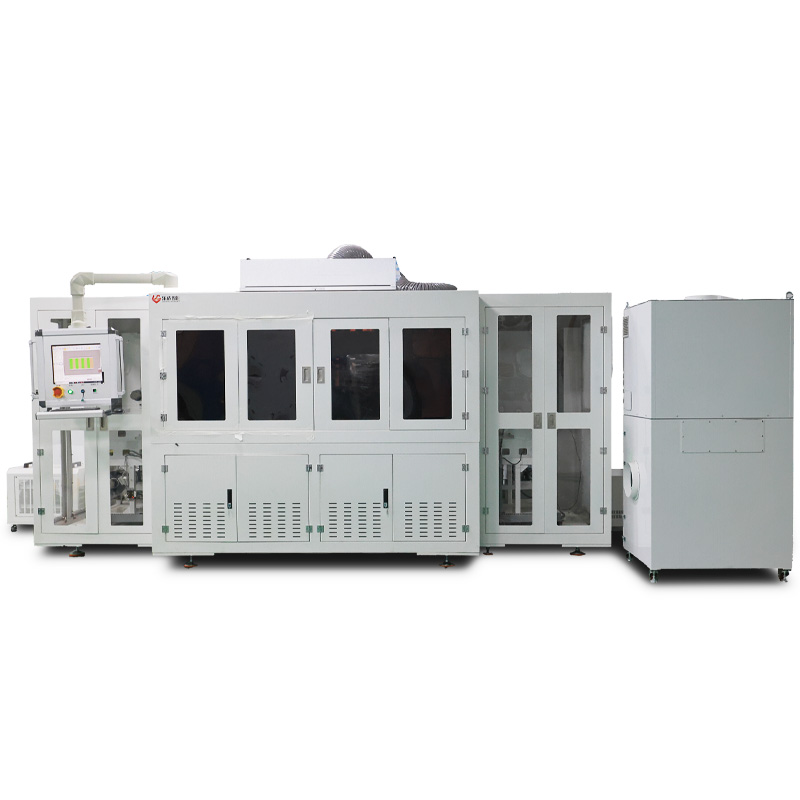
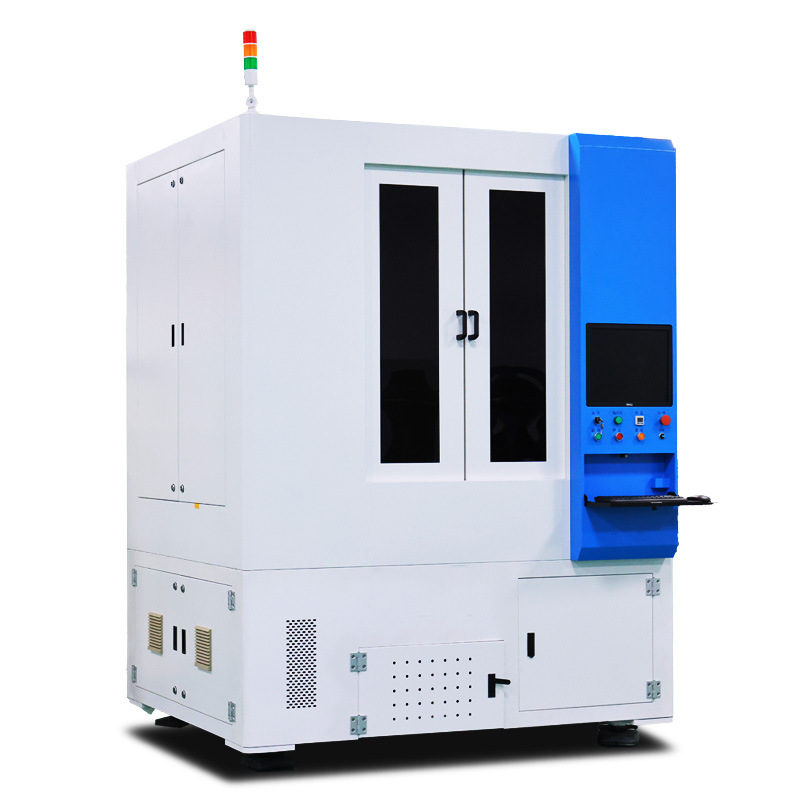
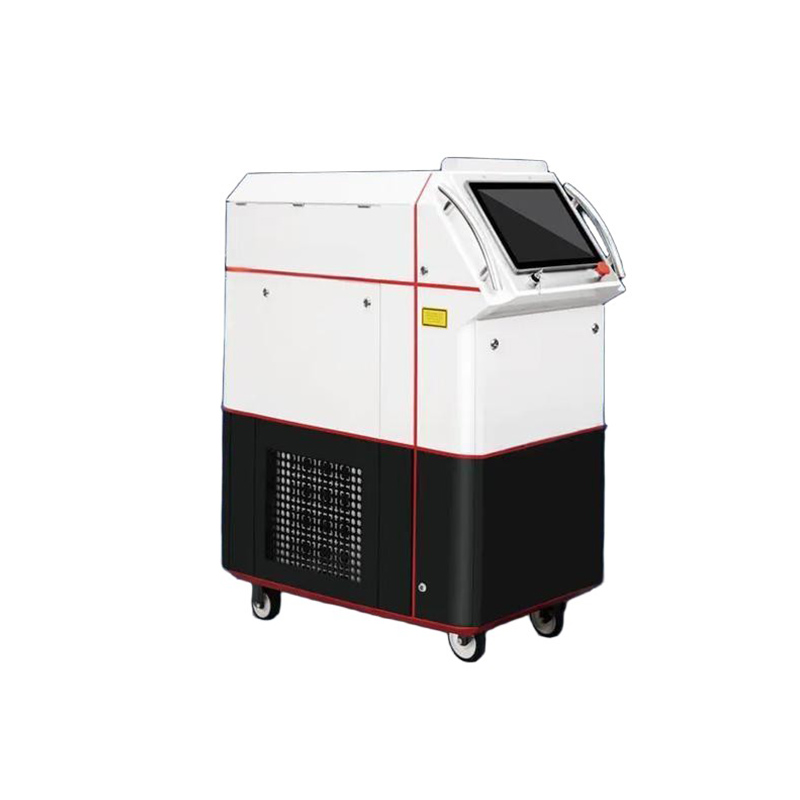


When buyers compare solar simulators, “Class AAA” is one of the most common specifications they see. However, this rating is often misunderstood as a general statement that the equipment is simply “the best.” In reality, Class AAA refers to three specific performance categories in solar simulator evaluation, and understanding these categories is essential for making an informed purchasing decision. For international buyers, knowing what Class AAA really means helps separate marketing language from true technical capability.
Class AAA Covers Three Core Performance Factors
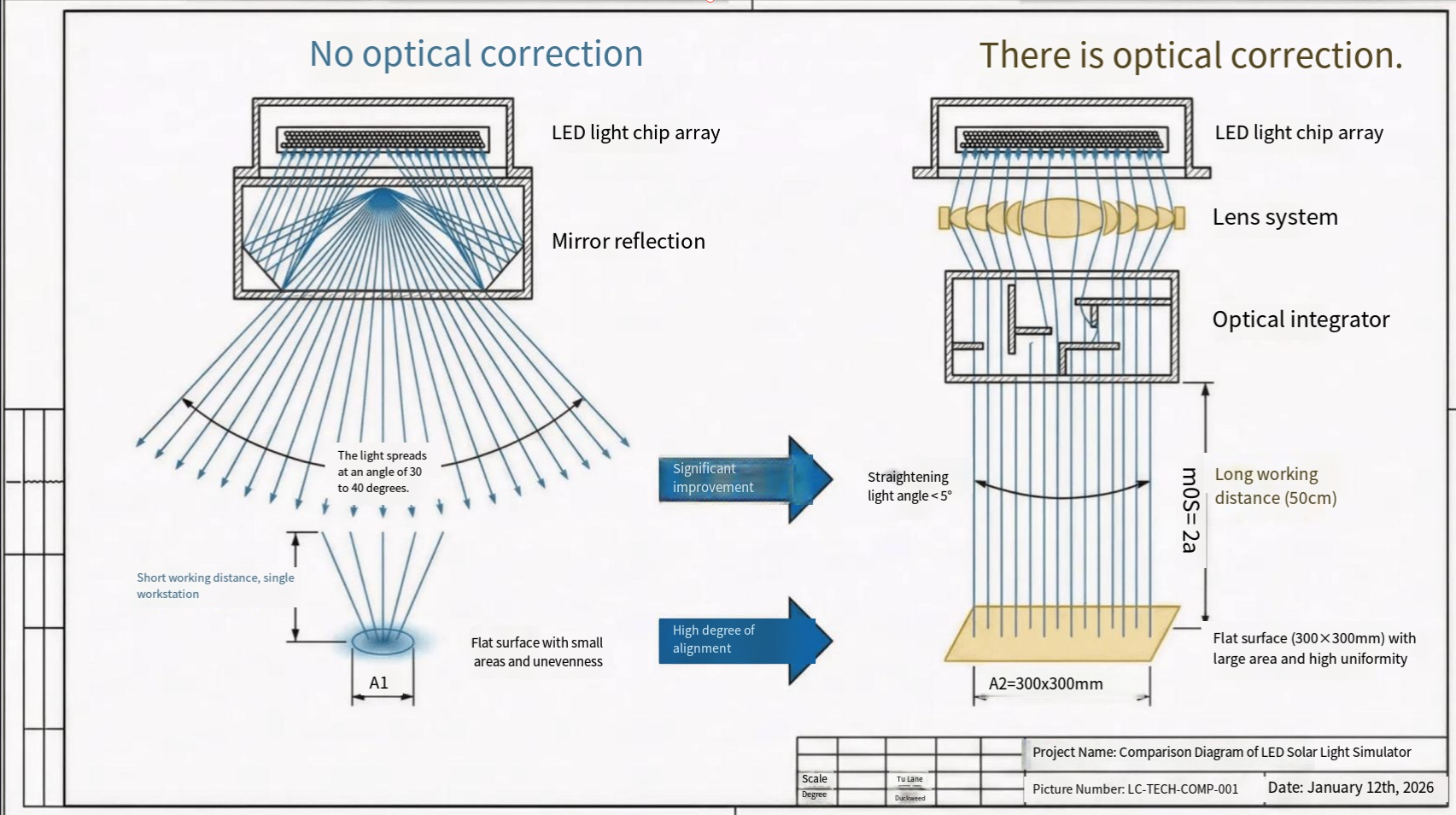
Class AAA refers to top-level performance in three areas: spectral match, irradiance uniformity, and temporal stability. Spectral match shows how closely the simulator reproduces the standard solar spectrum. Irradiance uniformity measures how evenly the light is distributed across the testing area. Temporal stability measures how little the light output changes over time during operation.
A simulator can only be called Class AAA when it performs at the highest level in all three of these categories, not just one or two. This is important because good performance in one area does not guarantee good overall test quality. A system with excellent spectrum but poor stability can still create unreliable data. Likewise, a very stable light source that lacks spectral accuracy may distort efficiency measurement results.
Why Class AAA Matters In Real Testing
For IV testing and efficiency measurement, accurate light simulation is essential. If the spectral match is poor, the solar cell may respond differently than it would under natural sunlight. If uniformity is poor, cells placed in different positions may show different values under the same test. If temporal stability is weak, repeated tests may vary significantly even on the same sample.
That is why Class AAA is widely used as a reference standard. It gives buyers a clear indication that the simulator is capable of high-level optical performance. However, buyers should also understand that Class AAA is a baseline qualification, not a complete evaluation of the full testing system. In other words, a Class AAA solar simulator is an important starting point, but still needs to be judged together with system design, calibration quality, and software integration.
Buyers Should Look Beyond The Label
In real procurement, many buyers make the mistake of treating all Class AAA systems as equivalent. This is not always true. Two simulators may both meet Class AAA requirements, but still differ in repeatability, user convenience, calibration interval, maintenance requirements, and integration capability. These practical factors can make a major difference in long-term testing performance.
A professional supplier should therefore provide not only the Class AAA label, but also detailed reports, actual test data, and application references. Buyers should ask for spectral curves, irradiance distribution maps, stability records, and calibration methods. This deeper review allows them to judge whether the equipment can truly support their testing environment rather than simply satisfy a specification sheet.
Class AAA in solar simulator evaluation means top performance in spectral match, irradiance uniformity, and temporal stability. It is a valuable standard for judging optical quality, but it should not be the only factor in procurement. The best buying decision comes from combining the AAA rating with real data, system design, and application suitability.