


Gas-Tight Laser Welding for High-Precision Sensors and Medical Devices
The Imperative of Impermeability: Why Gas-Tight Seals Are Non-Negotiable
In the realms of high-precision sensors and implantable medical devices, the integrity of an enclosure is not merely a matter of durability—it is a fundamental prerequisite for functionality and safety. These devices often house sensitive electronics, reference atmospheres, reactive chemicals, or sterile environments that must remain utterly isolated from the external world. A hermetic seal, specifically a gas-tight weld, is therefore non-negotiable. It prevents the ingress of moisture, oxygen, and contaminants that can cause corrosion, drift, or catastrophic failure of delicate internal components. For a pressure sensor, a leak compromises calibration and accuracy. For a pacemaker or neurostimulator, it risks biological fluid ingress leading to short circuits and patient harm. Furthermore, it prevents the egress of potentially hazardous materials from within the device. Achieving this level of seal with traditional methods like adhesives or mechanical fasteners is often insufficient due to permeability, outgassing, or long-term degradation. Laser welding emerges as the superior solution, capable of creating a monolithic, metallurgical bond at the joint—a fusion of materials that is as impermeable as the parent material itself, ensuring lifelong isolation and reliability.
The Precision Engineering of a Perfect Seal: Laser Parameters and Control
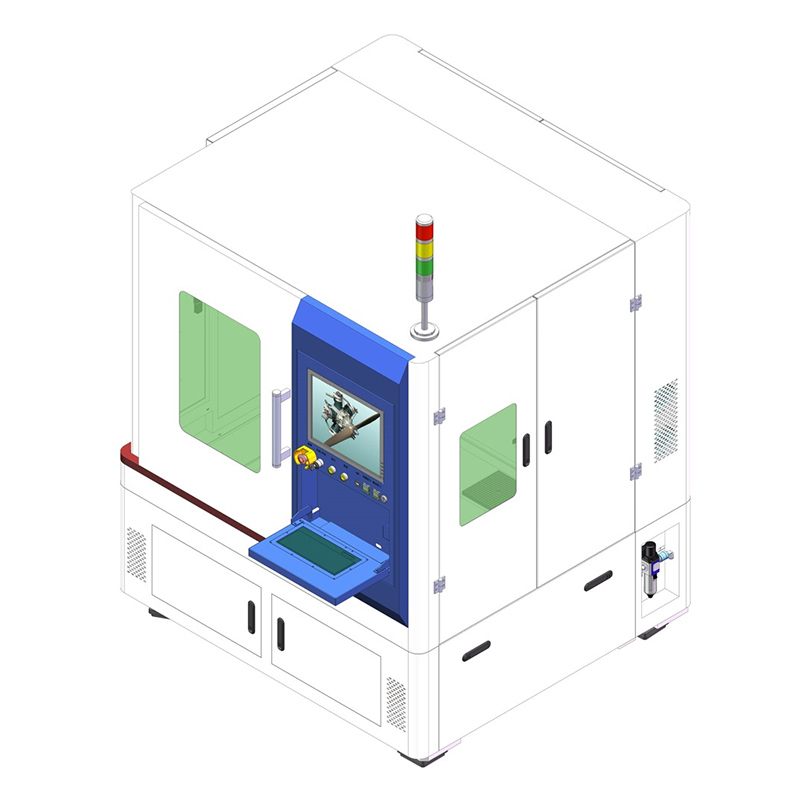
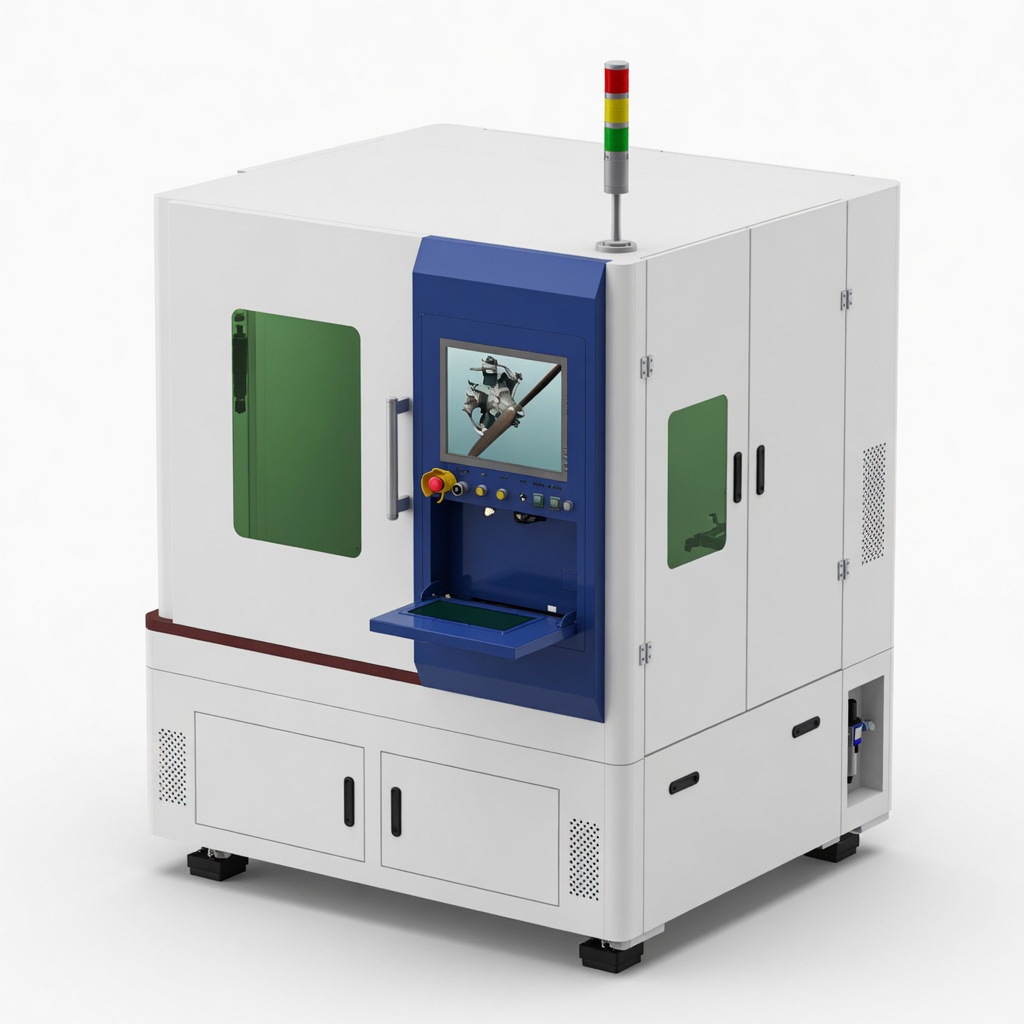
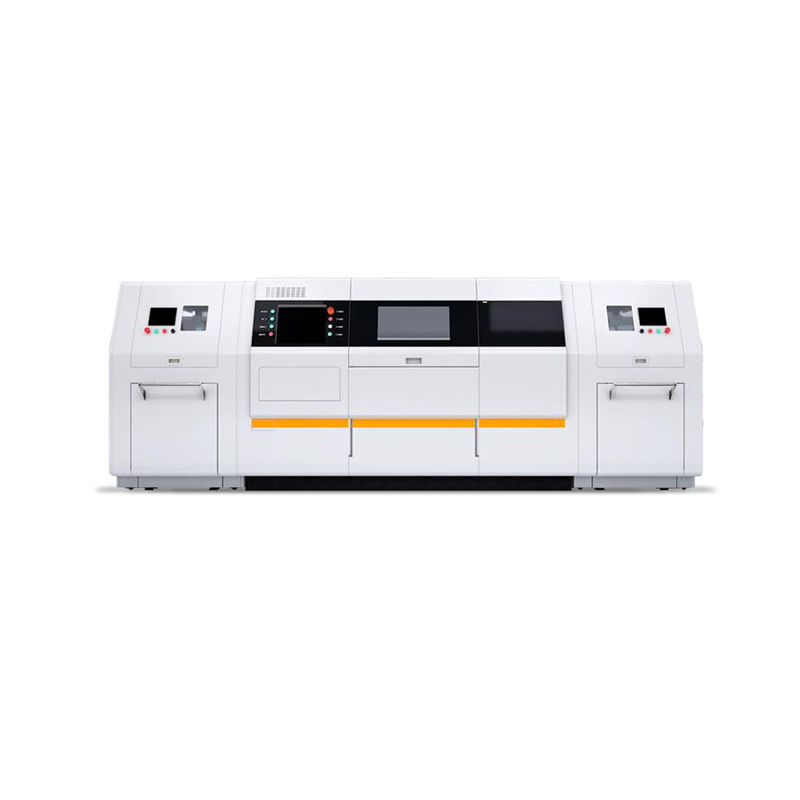
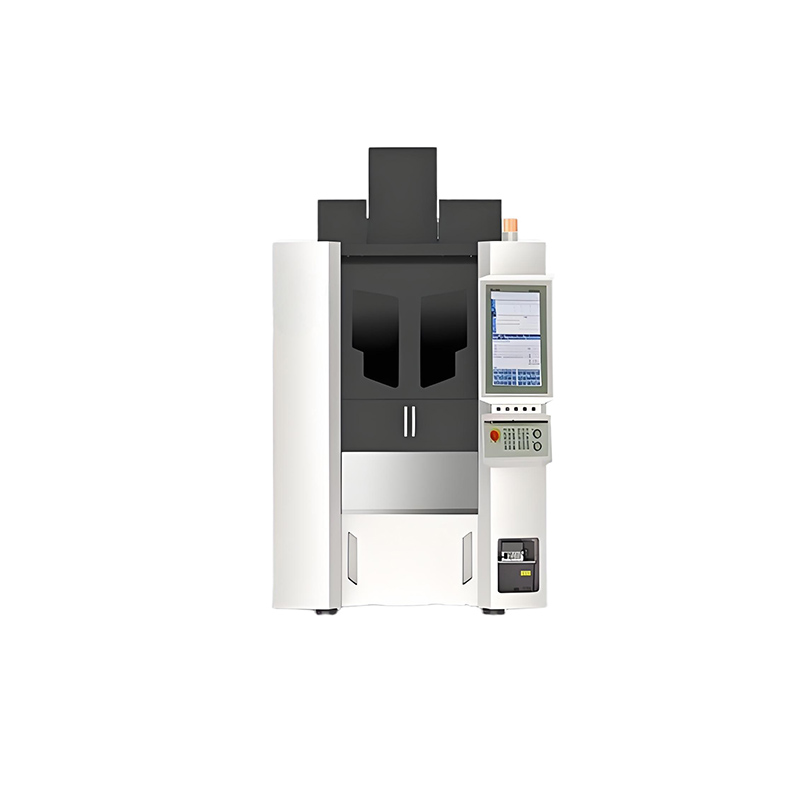
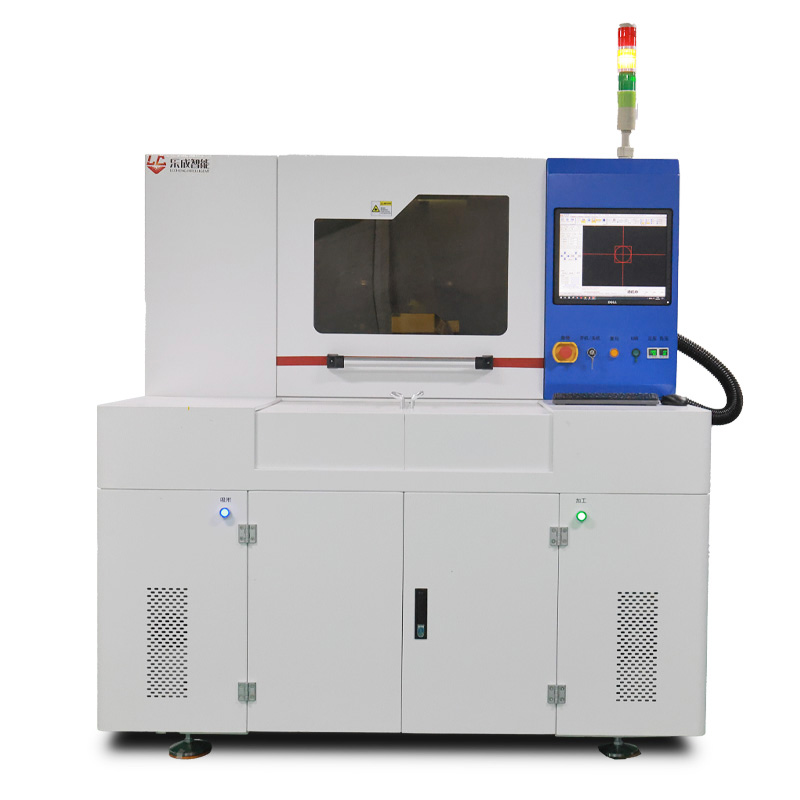
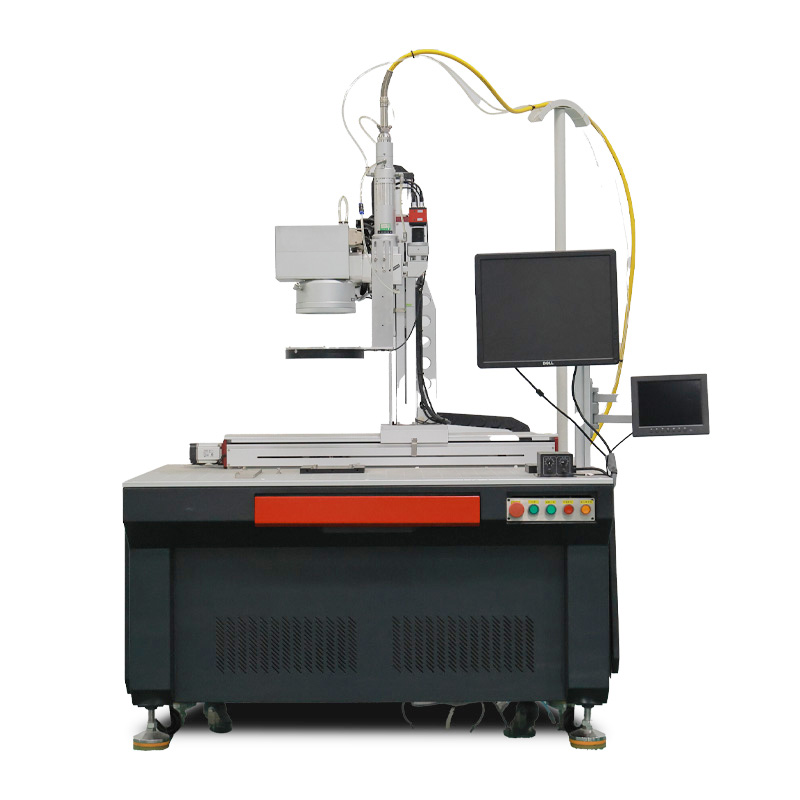
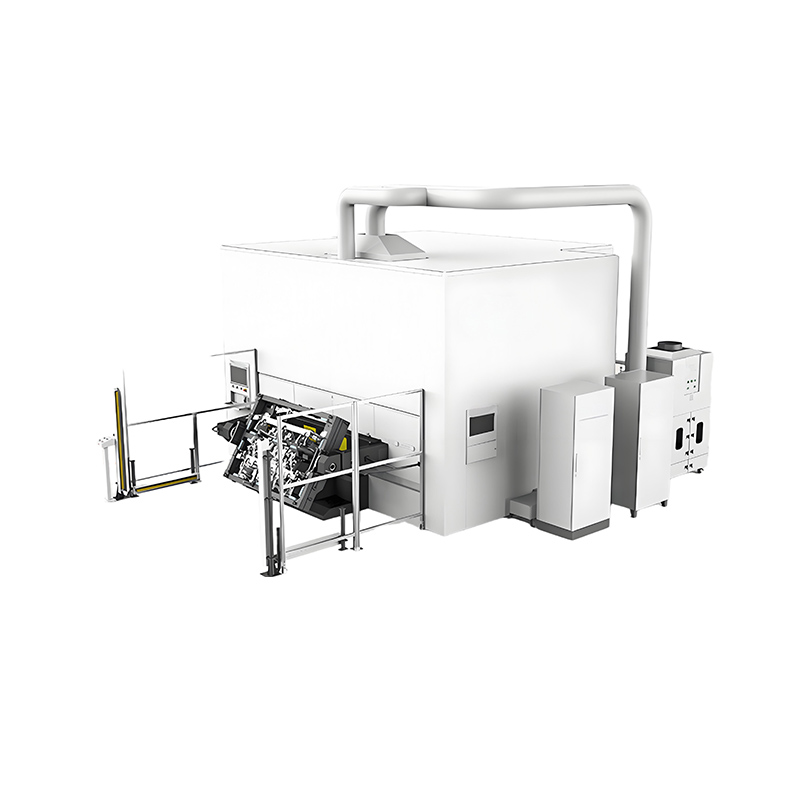
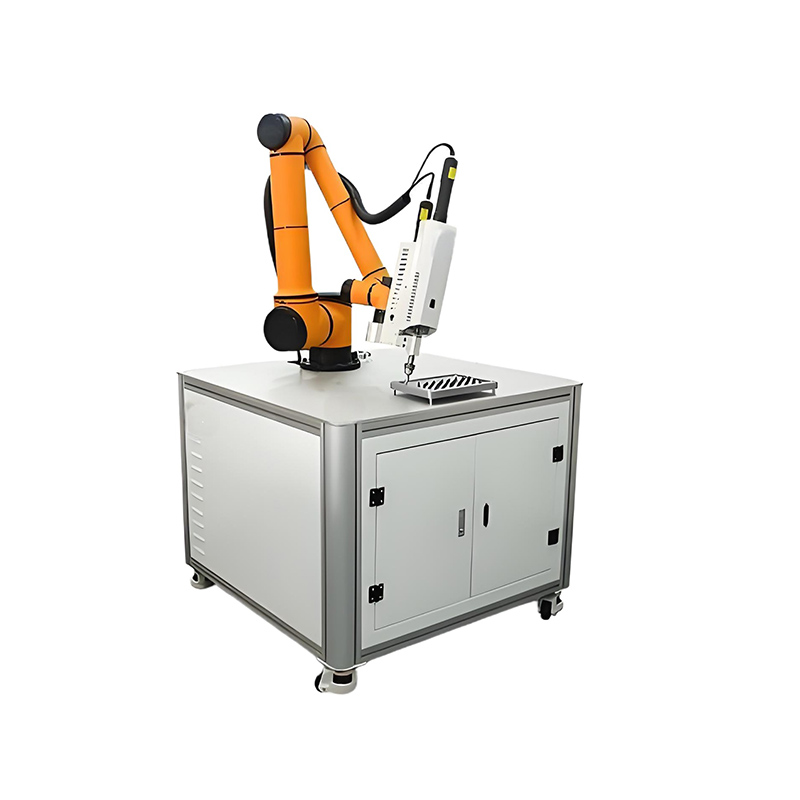
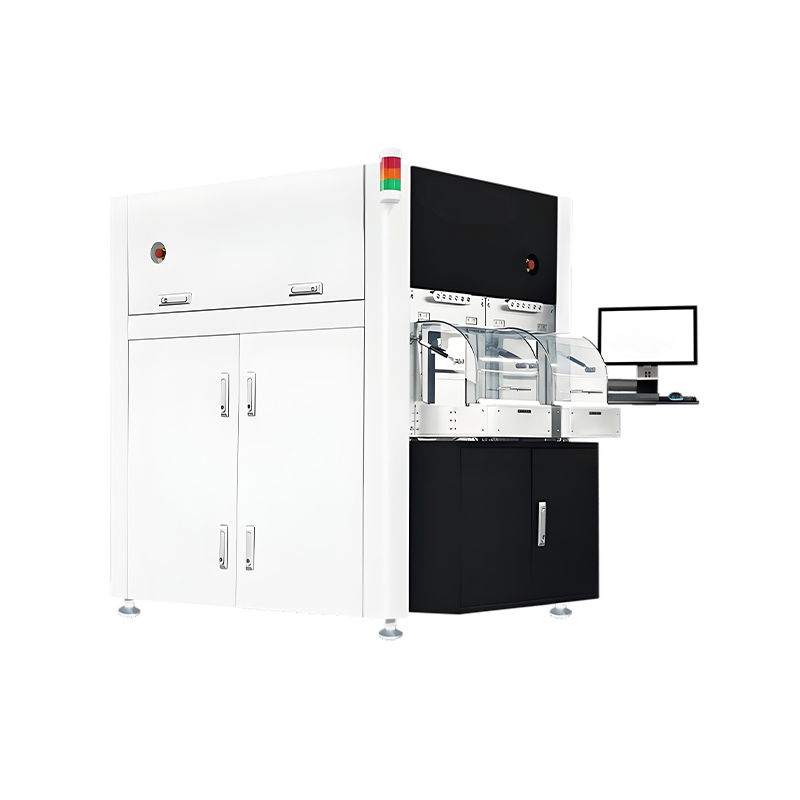
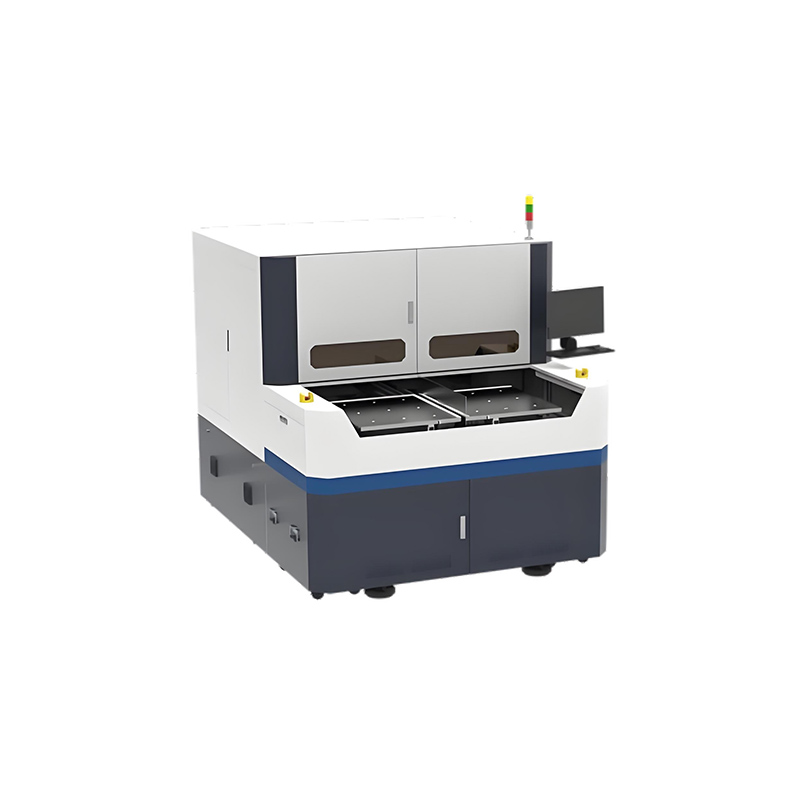
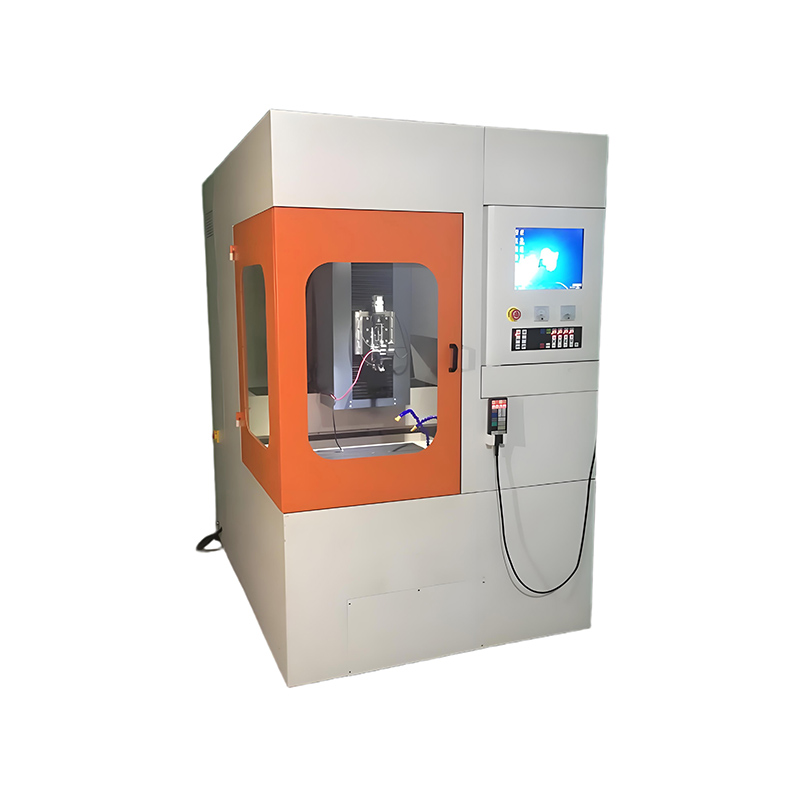
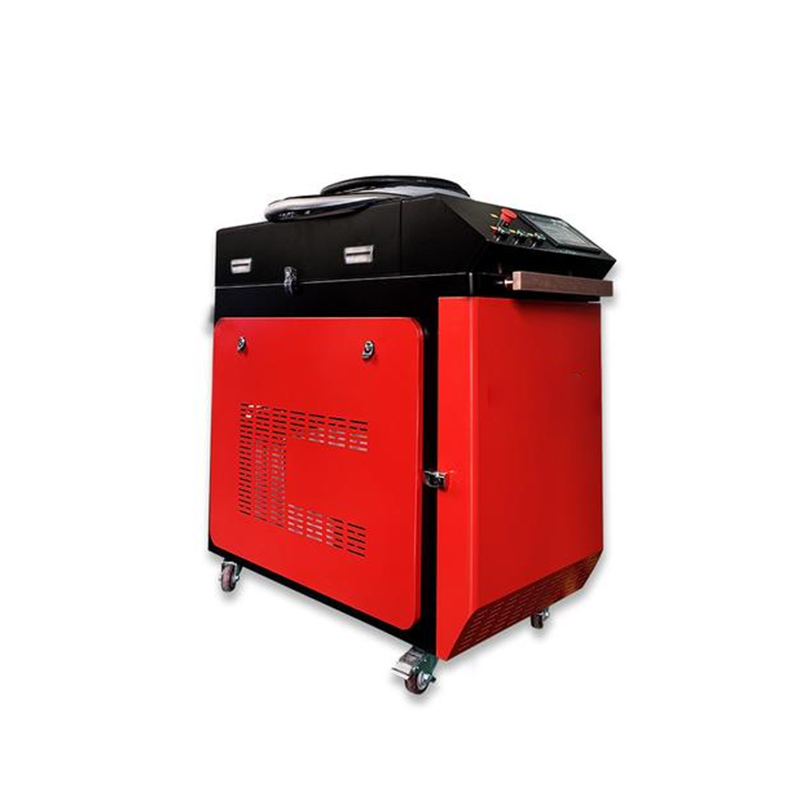
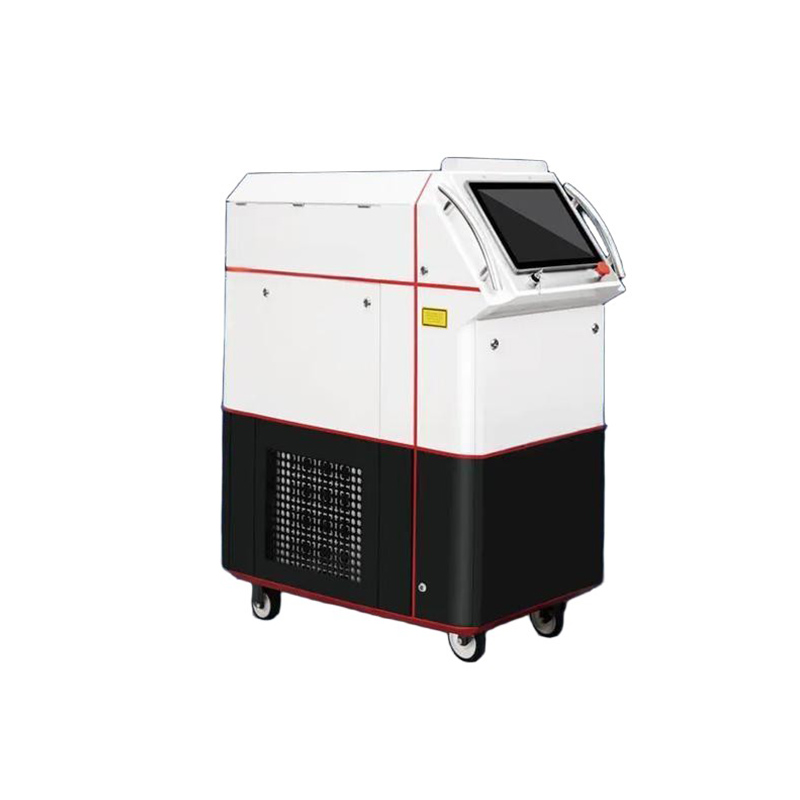
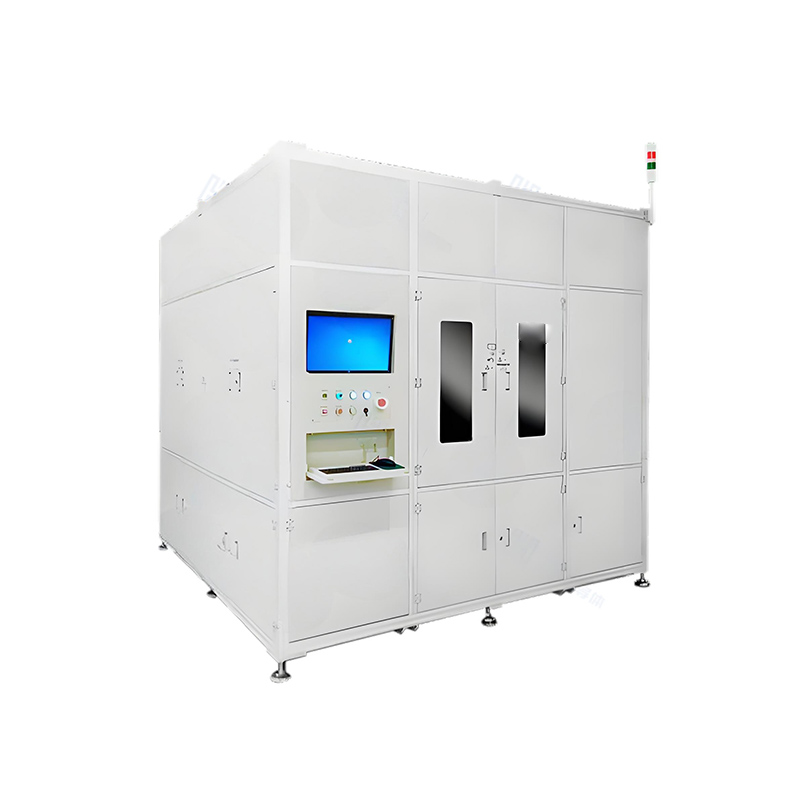
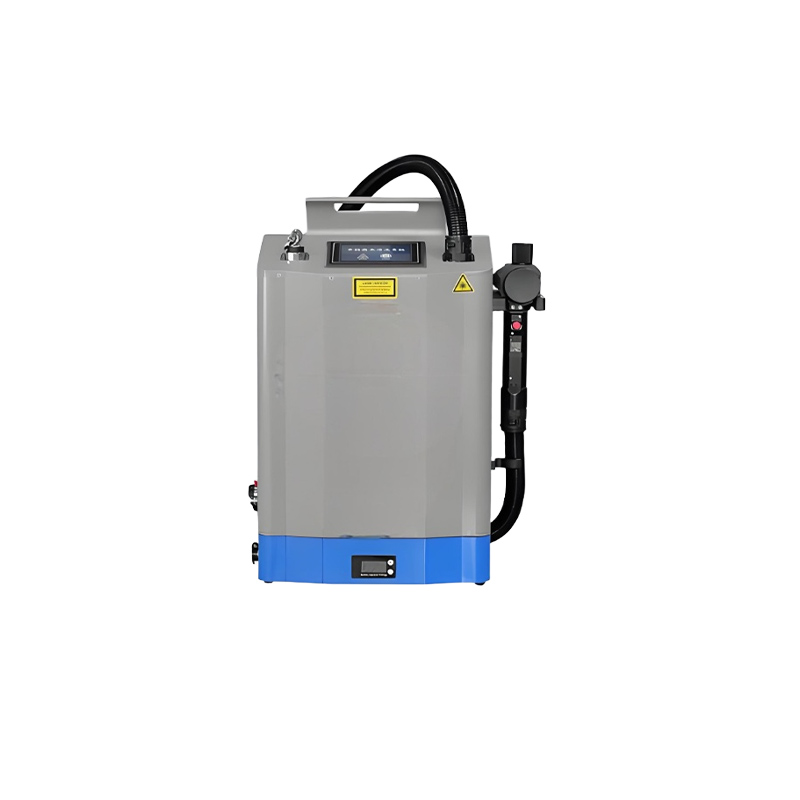
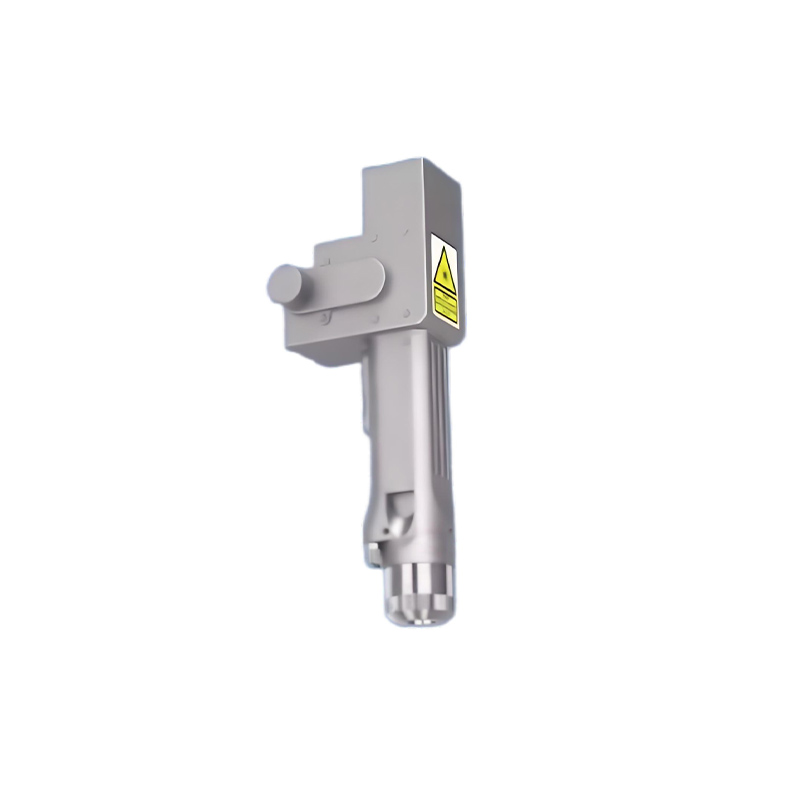
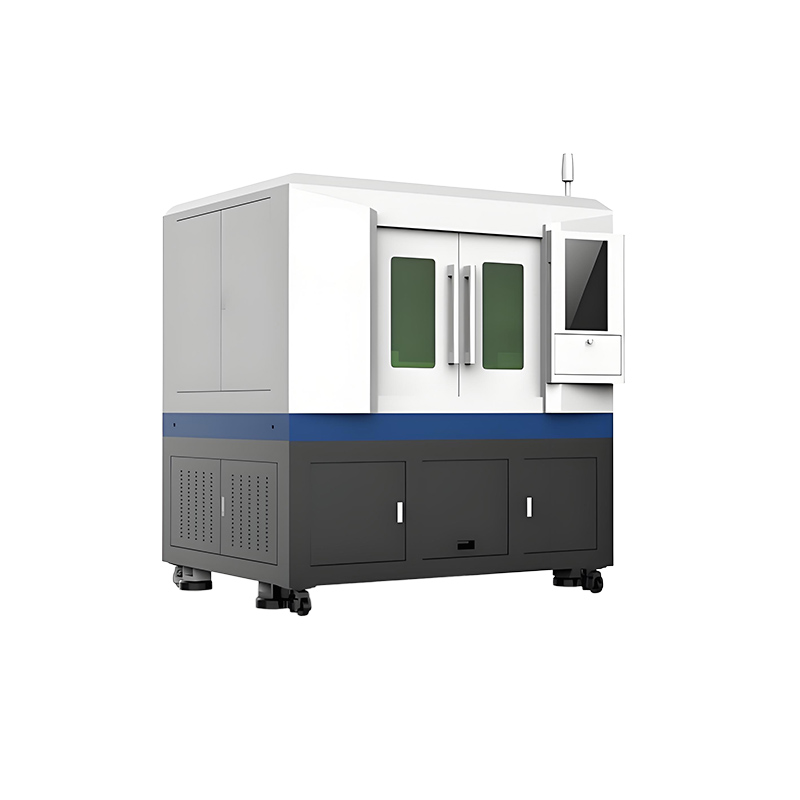
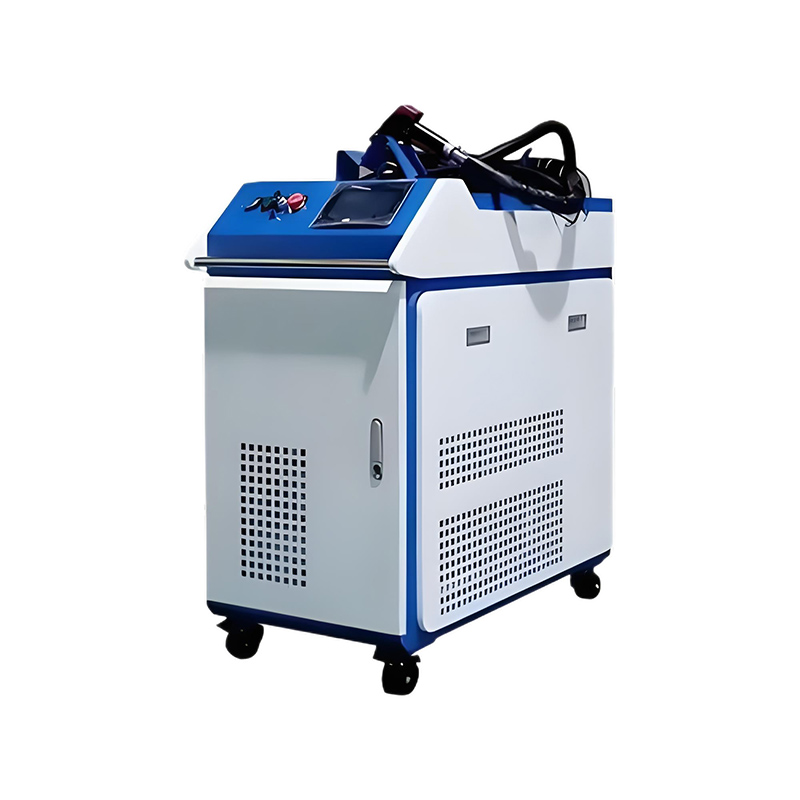
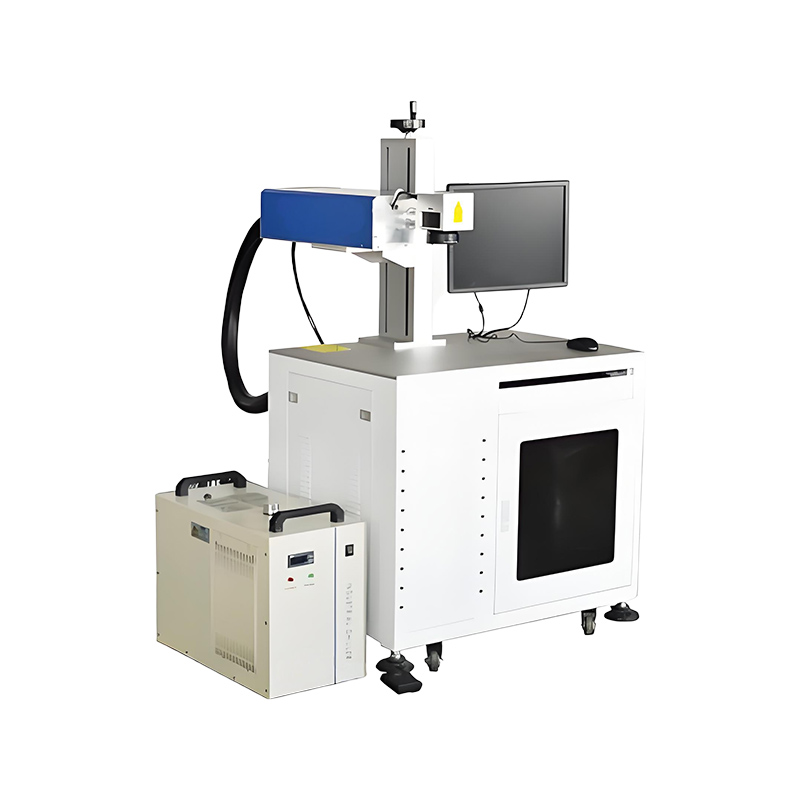
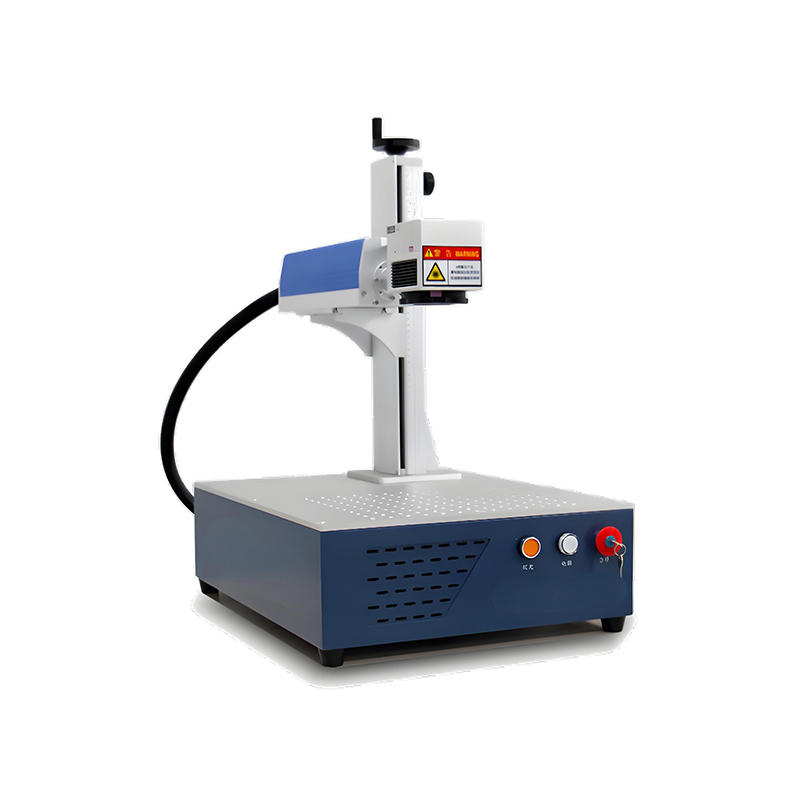
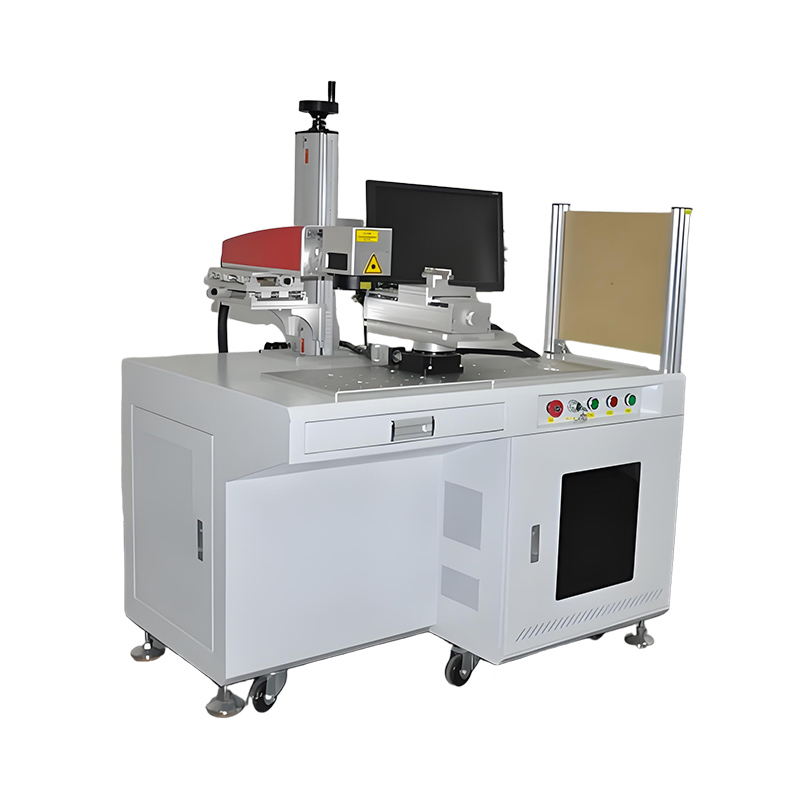
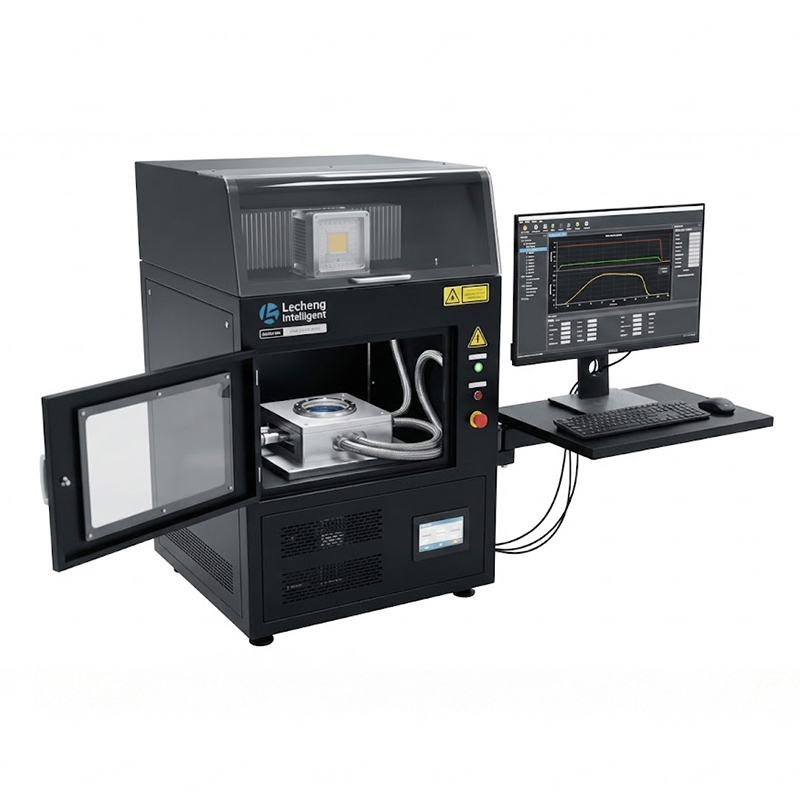
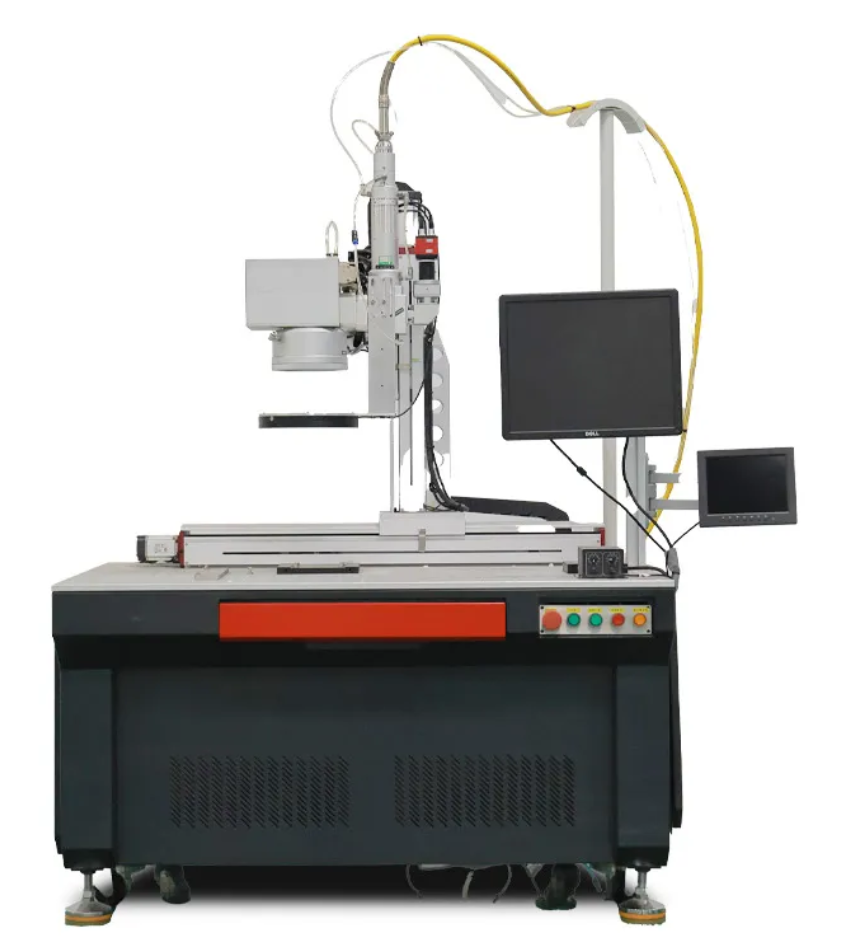
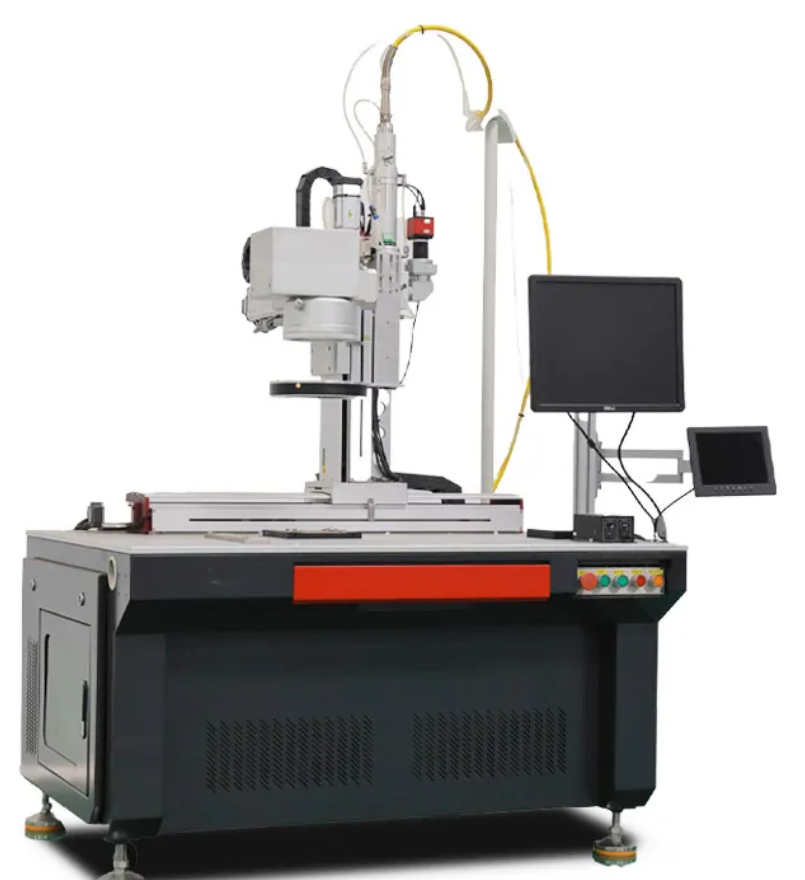
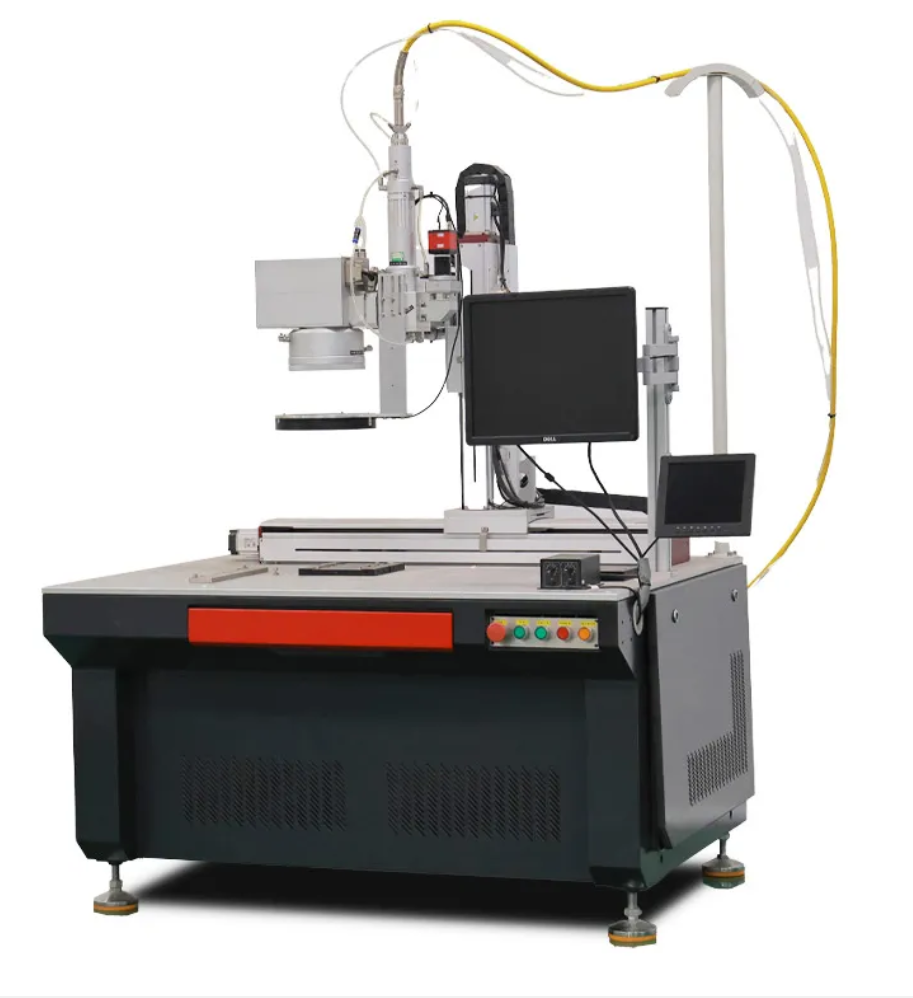
Creating a reliable gas-tight weld on miniature, often dissimilar, metal components is an exercise in extreme precision and control. Lecheng Intelligent's laser welding systems are engineered to master this challenge. The process hinges on the precise delivery of energy. A focused, high-brightness fiber laser beam provides a concentrated heat source, allowing for a small, controlled weld pool. The key is to input just enough energy to achieve deep, consistent fusion without excessive heat input that can cause distortion, cracking, or damage to nearby heat-sensitive sub-components. This is managed through meticulous control of parameters: laser power, pulse duration, frequency, and welding speed. For hermetic seals, techniques like continuous wave (CW) welding with precise overlap or pulsed welding with high overlap are employed to create a seamless, pore-free bead. Advanced systems incorporate real-time seam tracking and adaptive power control to compensate for part fit-up variations. Crucially, the process is executed in a controlled atmosphere, often using argon shielding gas, to protect the molten metal from oxidation, which can create weak points and leaks. The outcome is a weld seam that is not only mechanically strong but also geometrically uniform, free of voids and cracks—the essential characteristics of a true gas-tight barrier.
Enabling Innovation in Critical Applications: From Sensor Housings to Life-Saving Implants
The ability to perform gas-tight laser welding is a key enabler for technological advancement across critical industries. In sensor manufacturing, it is used to hermetically seal housings for MEMS pressure sensors, inertial measurement units (IMUs), and optical sensors used in automotive, aerospace, and industrial automation, ensuring signal stability and longevity in harsh environments. In the medical device sector, its role is even more profound. It is the standard for sealing the titanium or stainless-steel cases of implantable pulse generators (e.g., pacemakers, spinal cord stimulators), drug delivery pumps, and hermetic feedthroughs for neurological implants. The weld must be biocompatible, extremely reliable, and often must preserve the temper of sensitive components inside. Furthermore, the non-contact nature of laser welding minimizes particulate generation, which is critical for cleanroom assembly standards. By providing this capability, manufacturers like Lecheng empower device makers to push the boundaries of miniaturization, complexity, and reliability. It allows for the creation of ever-smaller, more powerful devices that can be safely and permanently implanted in the human body or deployed in extreme conditions, turning innovative designs into viable, life-changing products.
Gas-tight laser welding is the invisible, yet indispensable, guardian at the heart of modern high-reliability technology. It is the process that transforms a mere metal enclosure into a pristine, isolated chamber—a sanctuary for sensitive electronics and a safe interface with the human body. By mastering the interplay of laser energy, material science, and precision motion control, this technology provides the foundational assurance of integrity that allows sensors to measure with unwavering accuracy and medical implants to operate flawlessly for decades. In a world increasingly dependent on precision and reliability, the ability to create a perfect seal is not just a manufacturing step; it is a covenant of trust between the device and its mission.
Related product and article resources
For procurement comparison and technical evaluation, readers can continue with these related product pages and supporting articles.
- Products
- Product catalog
- Contact the sales team
- Contact us
- Laser Scribing Machine RFQ Checklist for PV Cell Production Lines
- Laser Scribing vs Mechanical Cutting in Photovoltaic Production
- P1, P2 and P3 Laser Scribing: What Solar Manufacturers Should Know
- Lecheng Powers Dehu's 100MW Perovskite Pilot Line to Historic First Light