
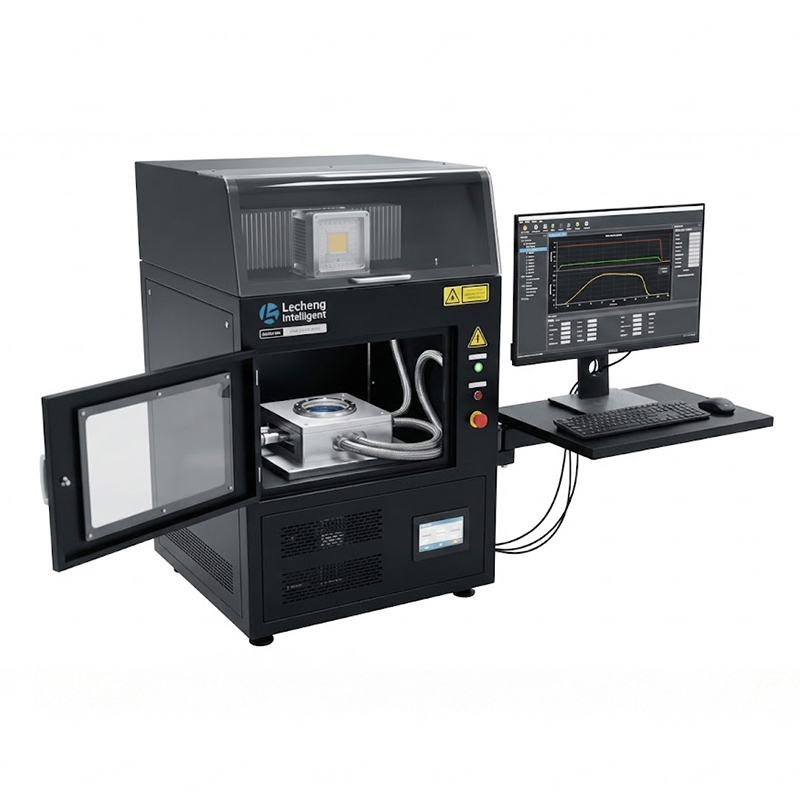




Measurement error is one of the biggest concerns in photovoltaic testing because even small deviations can influence efficiency calculation, IV curve interpretation, and product qualification decisions. In solar simulator testing, error does not come from a single source; it usually comes from the interaction of light quality, calibration, sample handling, and operator workflow. For international buyers, reducing measurement error means building a testing process that is technically accurate and operationally controlled.
Start With A Well-Calibrated And Stable System
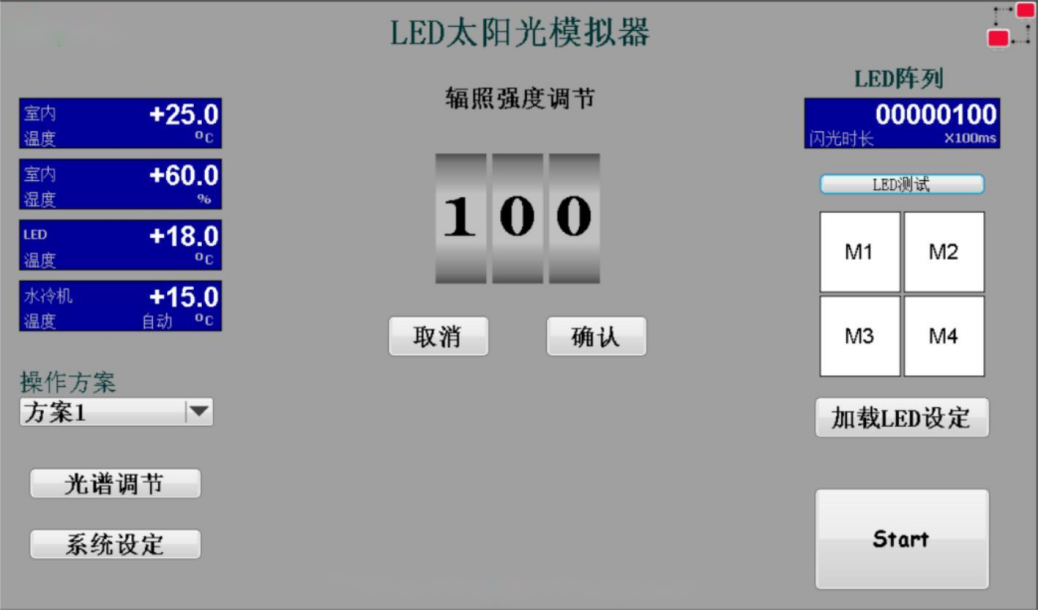
The first step in reducing measurement error is ensuring that the solar simulator itself is properly calibrated and stable. Buyers should verify that the system uses certified reference cells, follows recognized calibration procedures, and can maintain stable irradiance output during testing. If the simulator’s optical conditions drift, even correct software settings cannot guarantee reliable results.
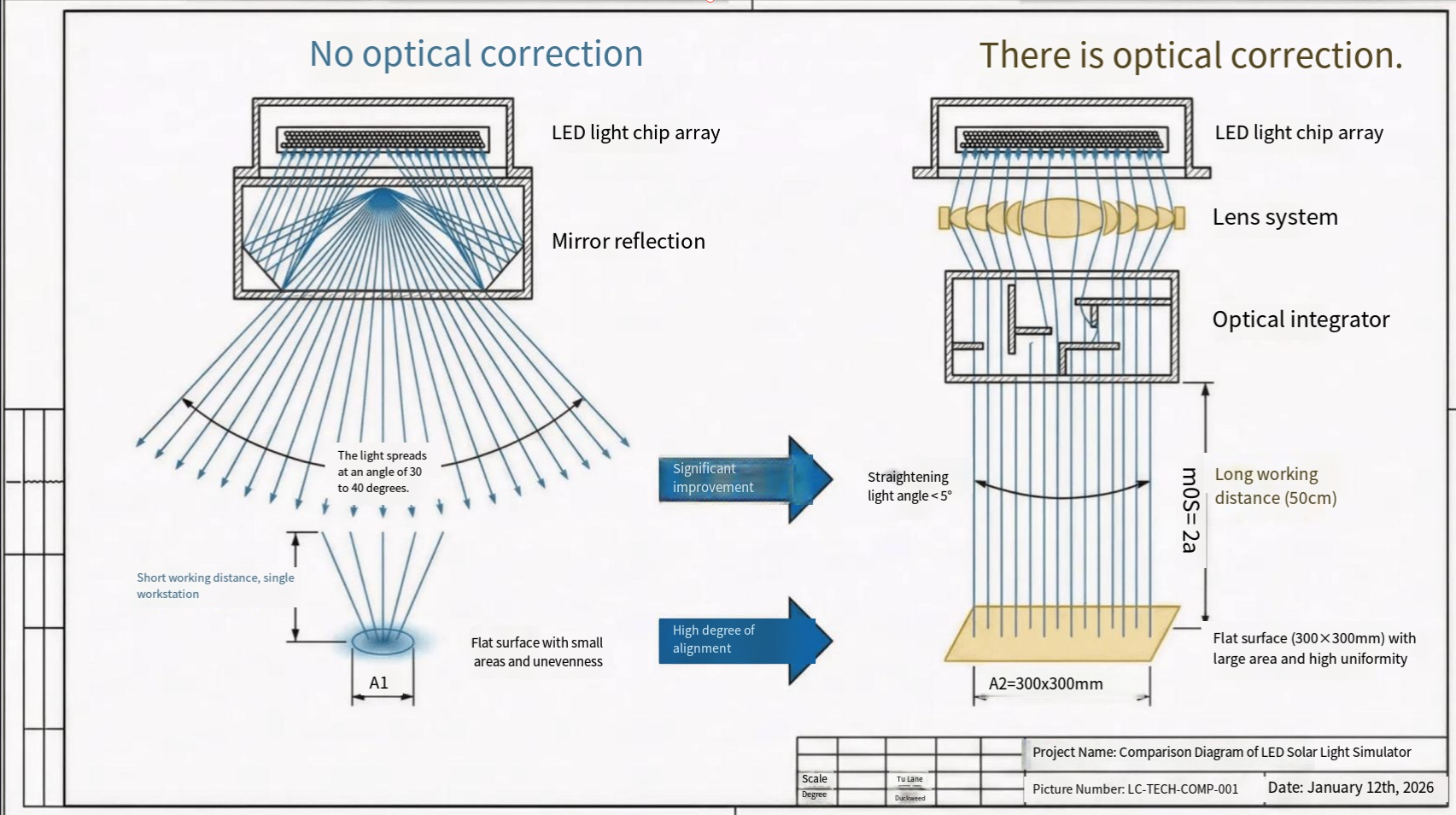
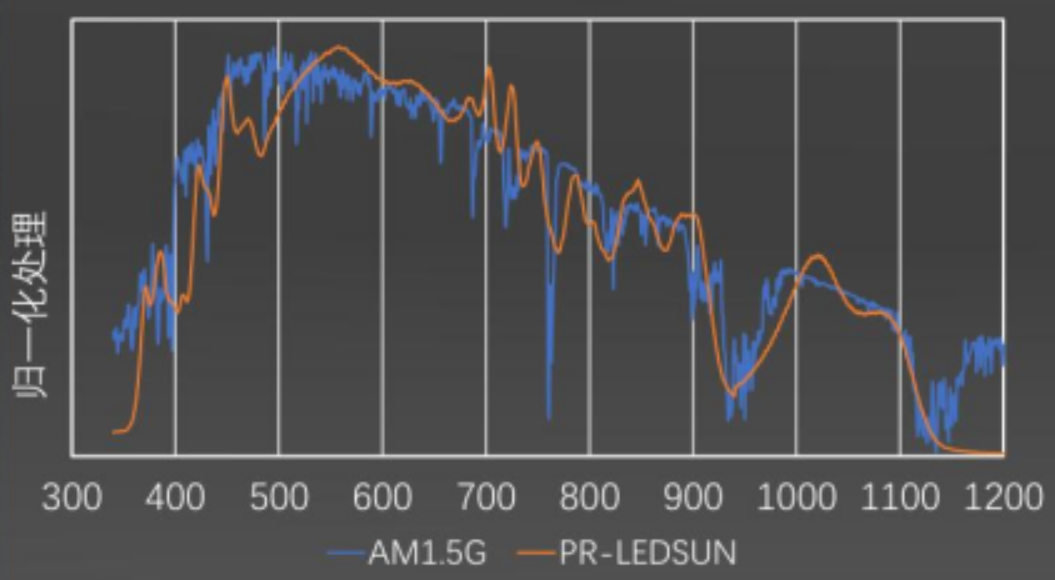
Spectral mismatch should also be considered. If the light source deviates from the intended standard spectrum, the response of the solar cell under test may no longer represent real conditions. This is especially important when testing different technologies, since each cell type responds differently to spectral variation.
Control Sample Positioning And Operator Workflow
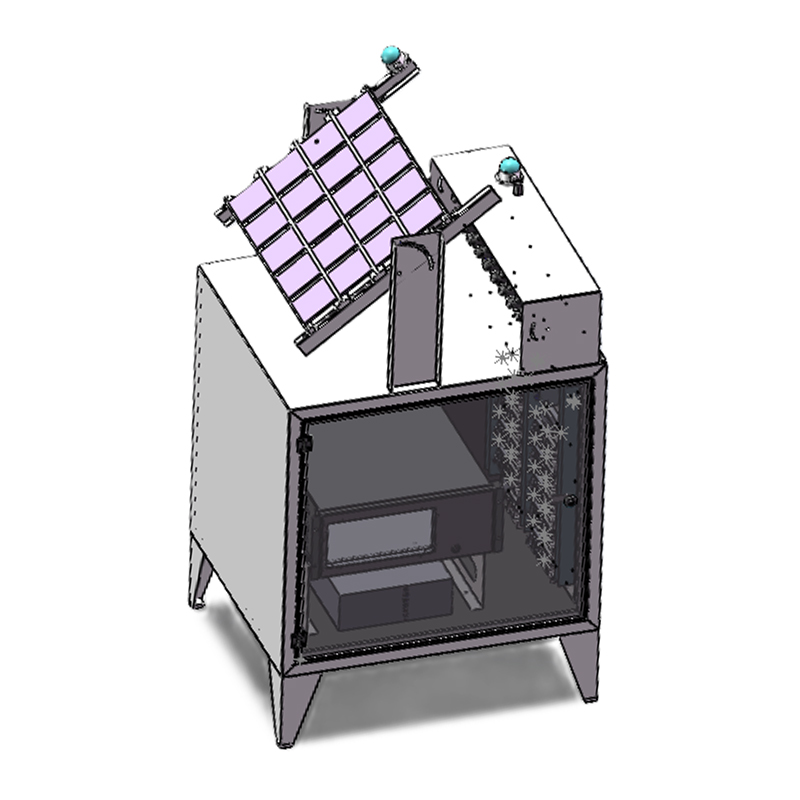
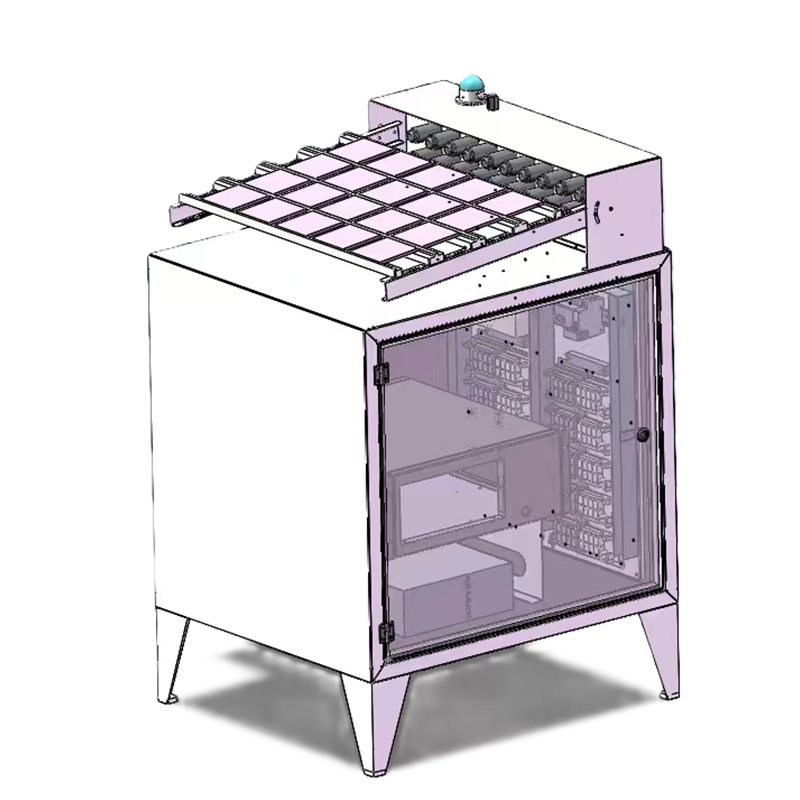
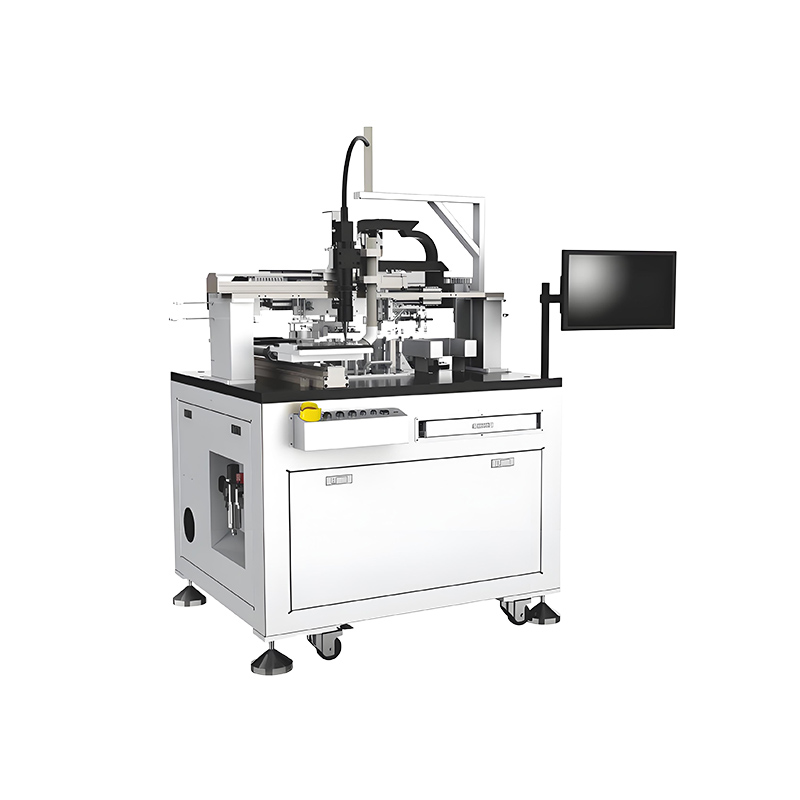
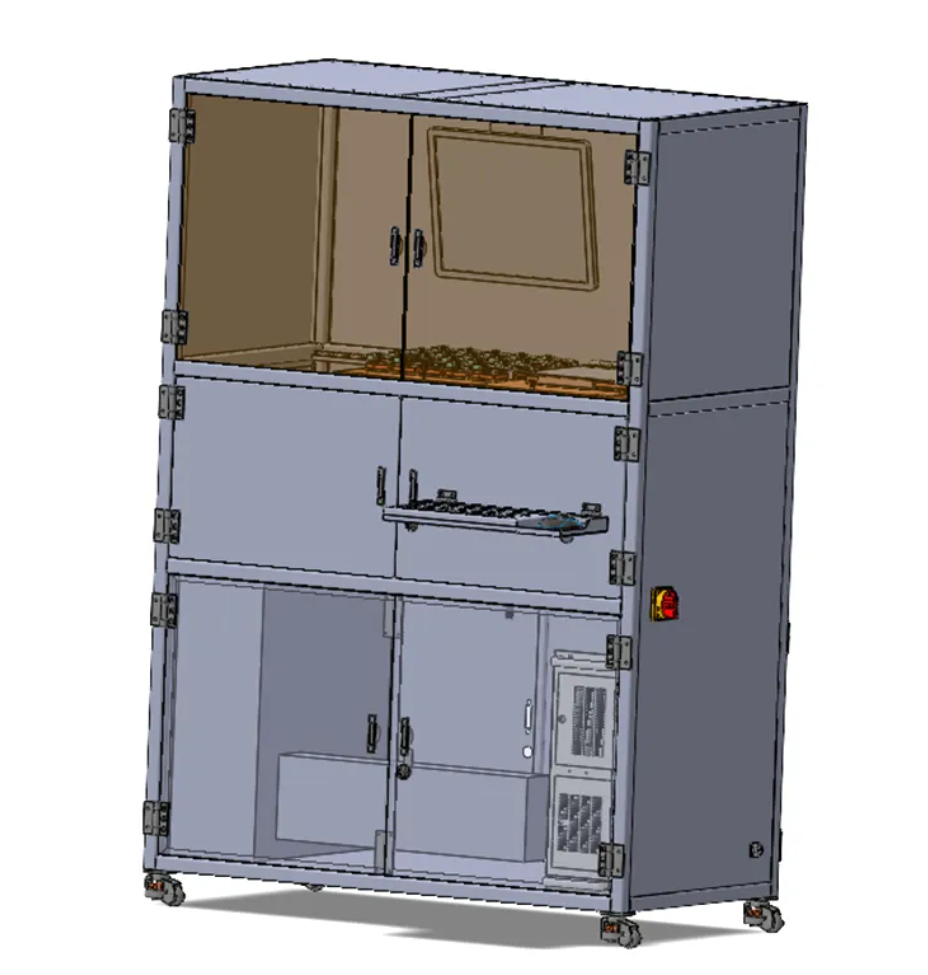
Many measurement errors come not from the simulator itself, but from how the sample is placed and how the test is performed. Inconsistent sample positioning, varying contact pressure, poor fixture design, or uncontrolled temperature conditions can all introduce significant variation. Buyers should therefore pay attention to the mechanical and procedural parts of the testing system as well as the optical parts.
Standardized workflow is essential. A system that supports fixed recipes, automatic alignment, and repeatable fixture positioning can greatly reduce human-induced variation. The more the testing process depends on operator judgment, the more difficult it becomes to maintain low error in daily use.
Use Real Data To Track And Minimize Error Sources
Reducing measurement error is not a one-time task. It requires ongoing verification through real data. Buyers should look for systems that support logging, trend analysis, and comparison against reference standards. These features make it easier to detect gradual drift, unusual variation, or recurring inconsistencies before they become major problems.
A supplier who can explain the major error sources and provide methods for controlling them adds real value. For buyers, the most effective way to reduce measurement error is to combine a high-quality simulator with a disciplined testing process and data-backed control strategy.
To reduce measurement error in solar simulator testing, buyers must focus on calibration accuracy, optical stability, sample handling, operator workflow, and ongoing data verification together. The most reliable testing platform is not just optically strong, but also process-controlled and easy to standardize in daily use.