


This is a flexible perovskite module. It can generate electricity normally even in indoor low-light environments. What happens if we cover the surface of the module? That's right, it can still generate electricity normally. Why is that?
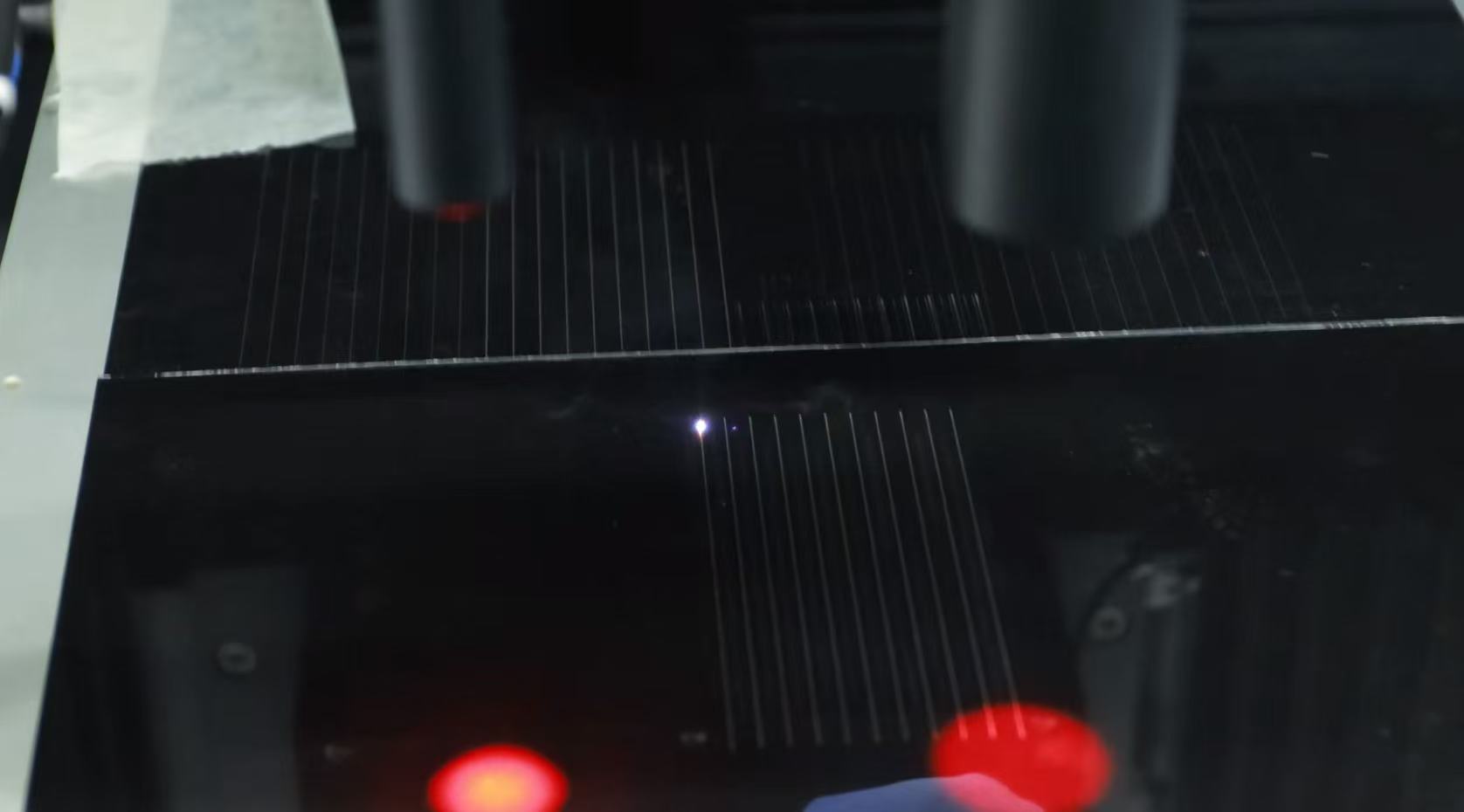
First, why can perovskite solar cells still generate electricity indoors or in low-light environments? It's not generating light itself, but rather converting the faint light into electrical energy, which powers the small light in the circuit. Perovskite material is particularly good at absorbing light; even indoor light or scattered light can be utilized efficiently and normally.

Secondly, which properties of perovskite contribute to its low-light performance?
Broad Absorption Range: It can utilize various light sources, from visible light to near-infrared.
Efficient Charge Separation: After photons generate electron-hole pairs (charge pairs), the electrons and holes separate easily and can move freely, minimizing waste.
Reduced Charge Recombination: Its charges are less prone to being lost (recombining) before being collected, so efficiency remains relatively high even in low light.
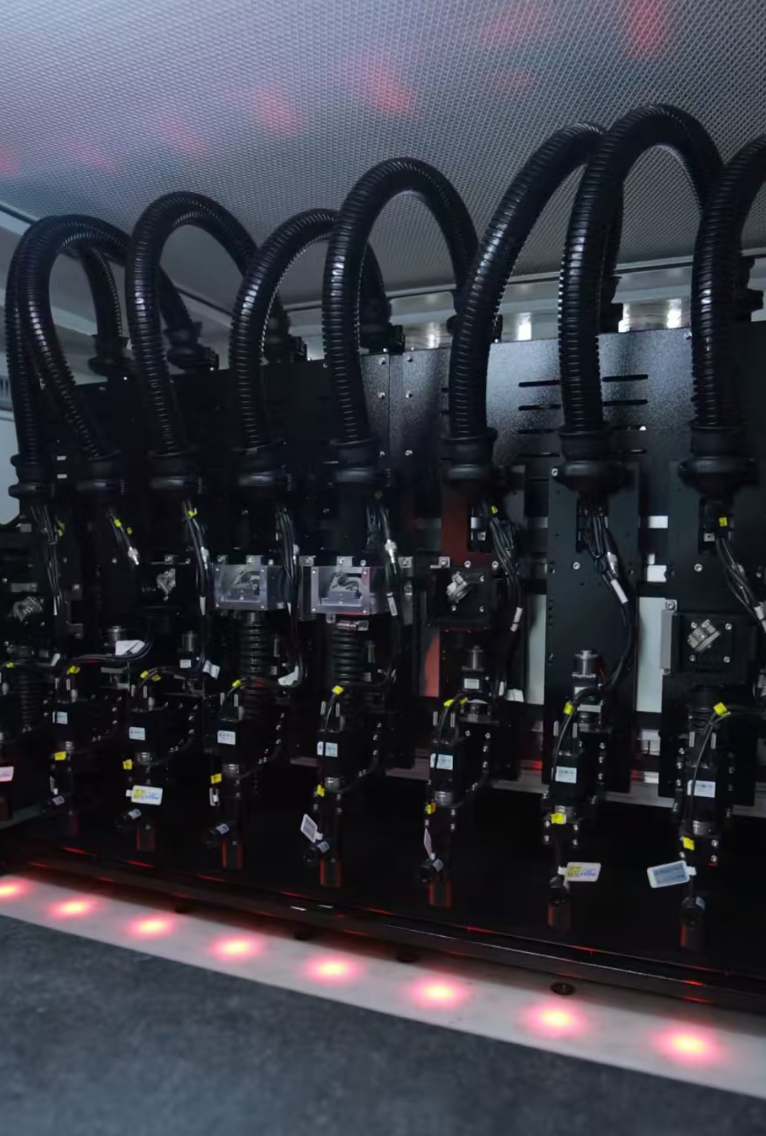

For an intuitive comparison, silicon modules experience a faster drop in voltage and current under low-light conditions, so the small light might not illuminate. In contrast, under the same low-light conditions, the perovskite module, with its superior low-light performance, allows the small light on it to still shine.
Therefore, perovskite solar cells can capture even fainter light, truly achieving the ability to generate electricity wherever there is light. This showcases the immense application potential of perovskite in future scenarios like indoor photovoltaics and wearable devices.
Related product and article resources
For procurement comparison and technical evaluation, readers can continue with these related product pages and supporting articles.
- Products
- Product catalog
- Contact the sales team
- Contact us
- Laser Scribing Machine RFQ Checklist for PV Cell Production Lines
- Laser Scribing vs Mechanical Cutting in Photovoltaic Production
- P1, P2 and P3 Laser Scribing: What Solar Manufacturers Should Know
- Lecheng Powers Dehu's 100MW Perovskite Pilot Line to Historic First Light