


Solar Simulator Buying Guide
Common Mistakes When Buying A Solar Simulator For Solar Cell Testing
Buying a solar simulator may seem straightforward, but many laboratories and solar cell manufacturers make costly mistakes during equipment selection. Choosing the wrong test area, ignoring calibration requirements or focusing only on price can lead to inaccurate testing results, repeated investment and long-term operational problems.
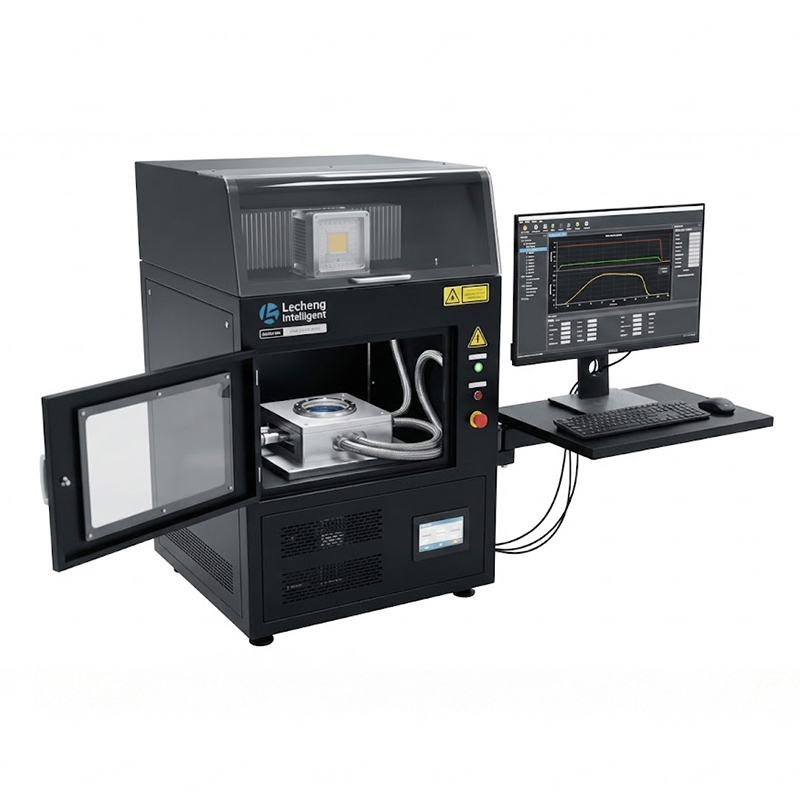
Get QuoteSolar simulators are critical tools for measuring solar cell efficiency, IV curves and long-term performance. Poor equipment selection can lead to unreliable data, calibration issues and limitations when projects expand from small laboratory cells to pilot line modules. Many buyers focus on initial cost instead of evaluating the complete testing requirement, which often creates larger expenses later. One of the most common mistakes is comparing solar simulators only by quotation. A lower-cost machine may have weaker spectral control, limited software functions, poor calibration support or insufficient test area. The true cost of ownership includes maintenance, calibration, software upgrades, spare parts and future expansion requirements. Many laboratories purchase a simulator based only on current cell size. Later, when the project moves to mini-modules or pilot line modules, the illumination area becomes too small. This often forces buyers to purchase a second system or significantly upgrade existing equipment. Planning for future sample size can reduce repeated investment. Some buyers focus on hardware specifications but ignore calibration. Calibration affects irradiance accuracy, spectral match and overall testing reliability. Before purchasing, buyers should confirm calibration methods, reference cell traceability, recalibration intervals and available support services. Modern solar simulators are more than light sources. Software controls IV measurement, calibration, report generation and data export. For pilot lines, automated reporting and batch comparison functions can significantly improve efficiency and quality control. What is the maximum sample size supported? Can the system support future pilot line expansion? How is calibration performed and documented? What software functions are included? Does the simulator integrate with IV testers? What spectral match and uniformity specifications are provided? What after-sales support and training are available? Can the supplier provide sample testing reports? Avoiding common solar simulator buying mistakes can save significant time and money. Buyers should evaluate calibration, future scalability, software capability, supplier support and total ownership cost before making a decision. A properly selected solar simulator provides reliable testing results and supports both current research and future pilot line development. Contact Lecheng Laser to discuss your testing requirements, sample size, calibration needs and future pilot line plans.Why Solar Simulator Selection Matters
Mistake 1: Choosing Based Only On Price
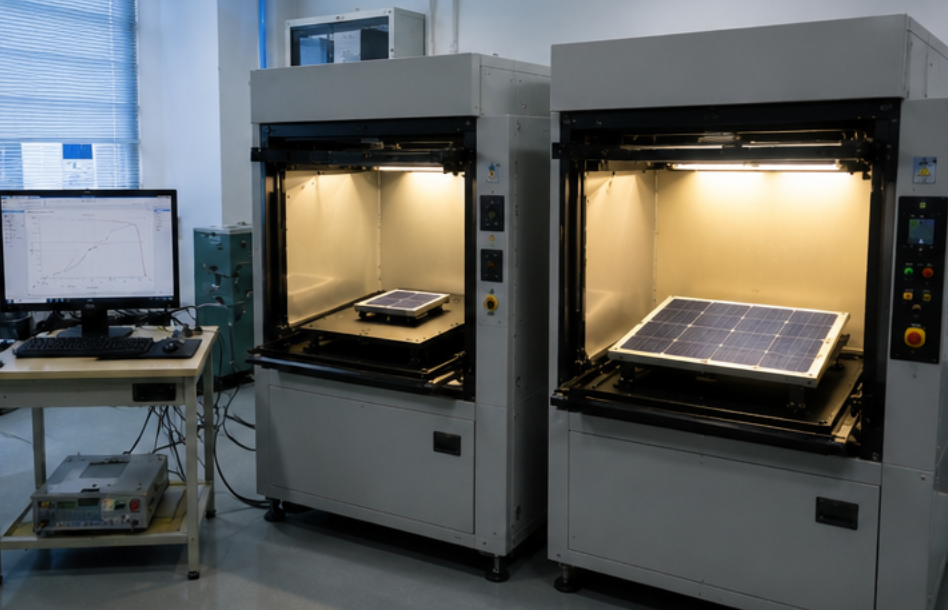
Mistake 2: Ignoring Future Sample Size Requirements
Most Common Solar Simulator Buying Mistakes
Mistake Potential Risk Recommended Action Only Comparing Price Poor performance and limited scalability Compare total ownership cost Ignoring Future Sample Size Need for replacement equipment later Plan for future pilot line testing Overlooking Calibration Unreliable efficiency data Verify calibration procedures and reports Ignoring Software Functions Poor data management Check IV integration and reporting functions No Supplier Support Review Long downtime and maintenance delays Evaluate after-sales service Wrong Light Source Selection Poor spectral matching Compare LED and Xenon options carefully Mistake 3: Overlooking Calibration And Testing Accuracy
Mistake 4: Ignoring Software And Data Management
Questions Buyers Should Ask Before Ordering
Conclusion
Need Help Choosing The Right Solar Simulator?
Buyer Focus For Common Mistakes When Buying A Solar Simulator For Solar Cell Testing
Common Mistakes When Buying A Solar Simulator For Solar Cell Testing should help a buyer move from a general inquiry to a measurable test plan. For photovoltaic laboratories and pilot lines, the value of a solar simulator is not only the lamp type or the advertised class. Buyers usually care about whether the system can keep spectrum, irradiance uniformity, temporal stability, effective test area, fixture repeatability, and IV data acquisition under control during daily use. A practical quotation therefore needs to connect the simulator configuration with the cell format, sample size, throughput expectation, calibration habit, and the downstream data report.
Selection Checklist
- confirm AM1.5G or AM0 spectrum requirements before selecting the light source
- match the illuminated area with the largest cell or module sample rather than the nominal product name
- ask how the reference cell is calibrated and how often the calibration should be checked
- verify whether the IV tester, probe fixture, temperature control, and software report are supplied as one workflow
- request sample acceptance data for uniformity, stability, repeatability, and measurement deviation
Project Workflow Notes
For a research lab, flexibility matters because the same simulator may be used for silicon cells, thin film samples, perovskite cells, space solar cells, or process comparison. For a pilot line, the buyer should also evaluate fixture loading, operator training, spare parts, service response, and whether test reports can be exported in a format that the production team can review. These details make the article more useful for search visitors who are already comparing suppliers and want a checklist before sending an RFQ.
Common Risks To Avoid
Common project risks include buying a system with an undersized test area, ignoring thermal influence during repeated flashes, separating the simulator and IV tester into two disconnected purchases, and accepting vague Class AAA wording without asking for measured data. Lecheng related pages below help visitors continue from the article into product categories, case references, factory capability, and solar testing equipment instead of leaving the site after reading one page.
Related Lecheng Equipment And References
Use these internal pages to continue comparing machines, cases, testing capacity, and factory capability within the same Lecheng website.
- Photovoltaic Solar Testing Equipment
- AM0 Solar Simulator Case
- Perovskite Laser Production Line
- Laser Scribing Equipment
- Roll To Roll Laser Scribing Case
- P3 Laser Scribing Case
- Lecheng Products
- Lecheng Factory
- Core Technology
- About Lecheng
Extra RFQ Notes For Serious Buyers
When buyers send a request, the fastest way to get a useful answer is to include sample drawings, material photos, target capacity, current pain points, preferred delivery time, and acceptance standards. For Lecheng, this also helps the technical team decide whether a standard model is enough or whether a customized fixture, software workflow, loading method, or optical configuration is needed. This paragraph is intentionally written for procurement readers who are close to contacting a supplier, because those visitors are more valuable than general traffic. Clear RFQ information can shorten quotation time, reduce repeated emails, and make the project discussion more specific.
For SEO, this article now gives search engines more context around equipment selection, process verification, testing, factory capability, and related products. For users, the added content makes the page less thin and gives them practical questions to ask before buying. The goal is not to add filler text, but to make the page answer the next question a real engineer or purchasing manager would ask after reading the original article.