
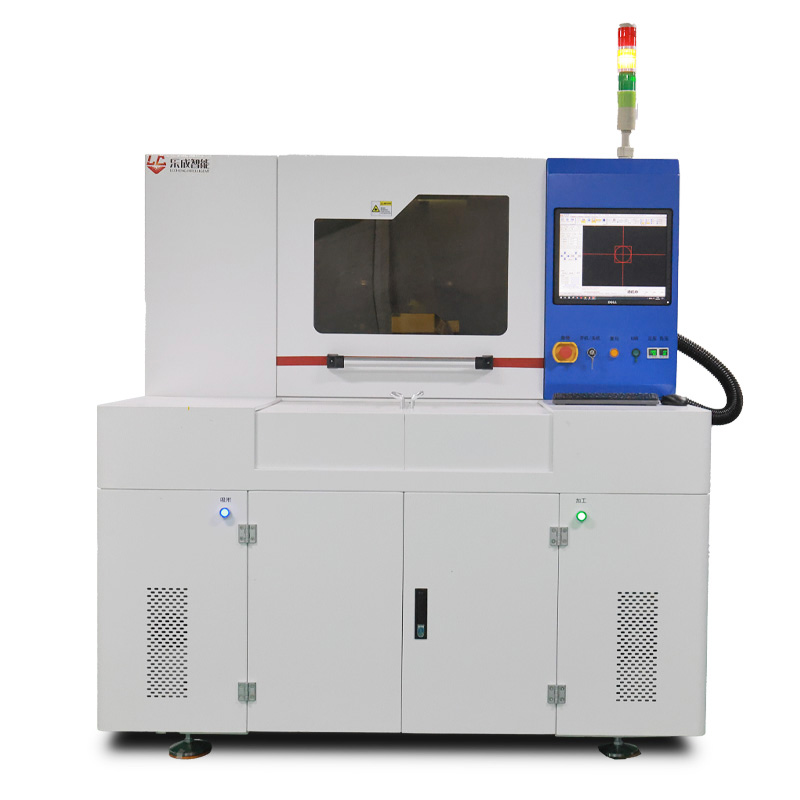
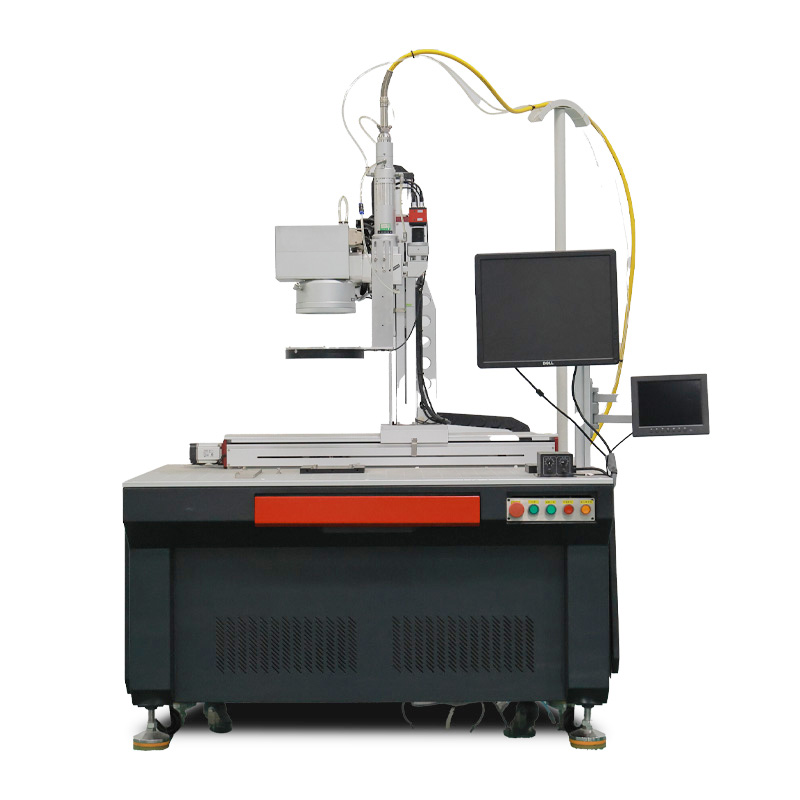
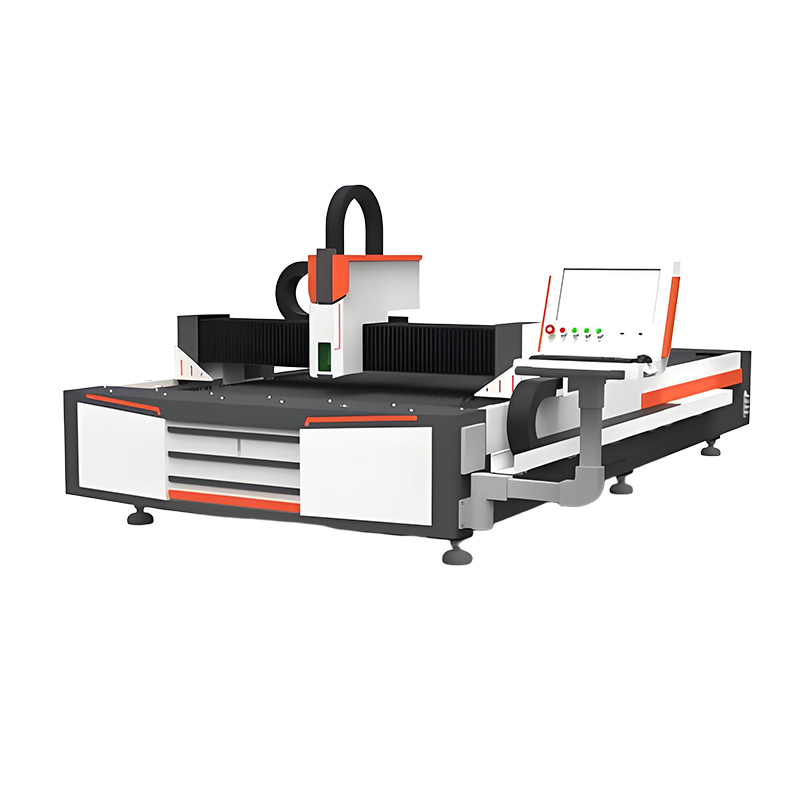
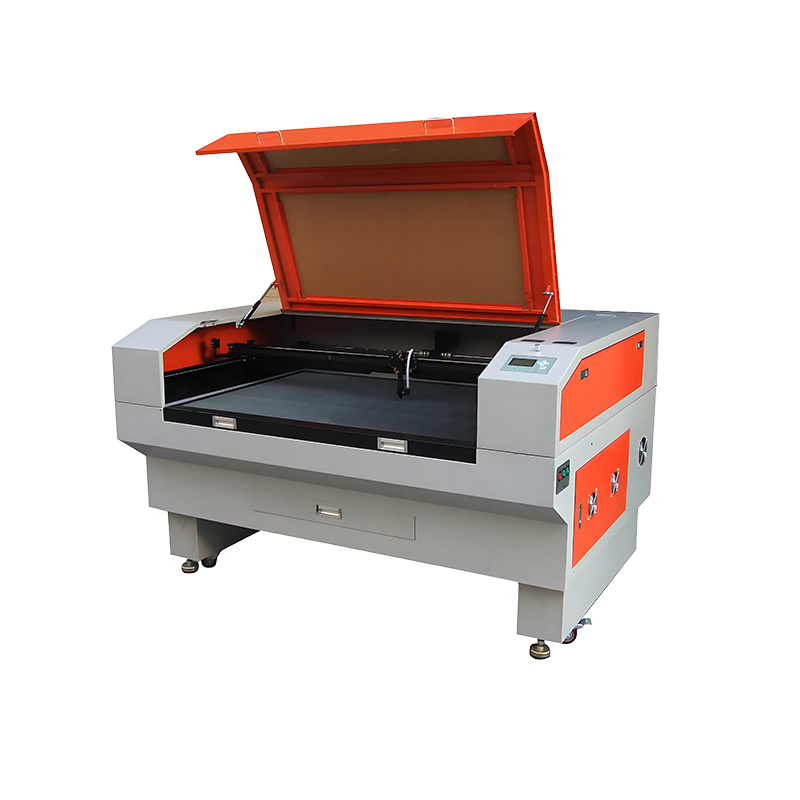
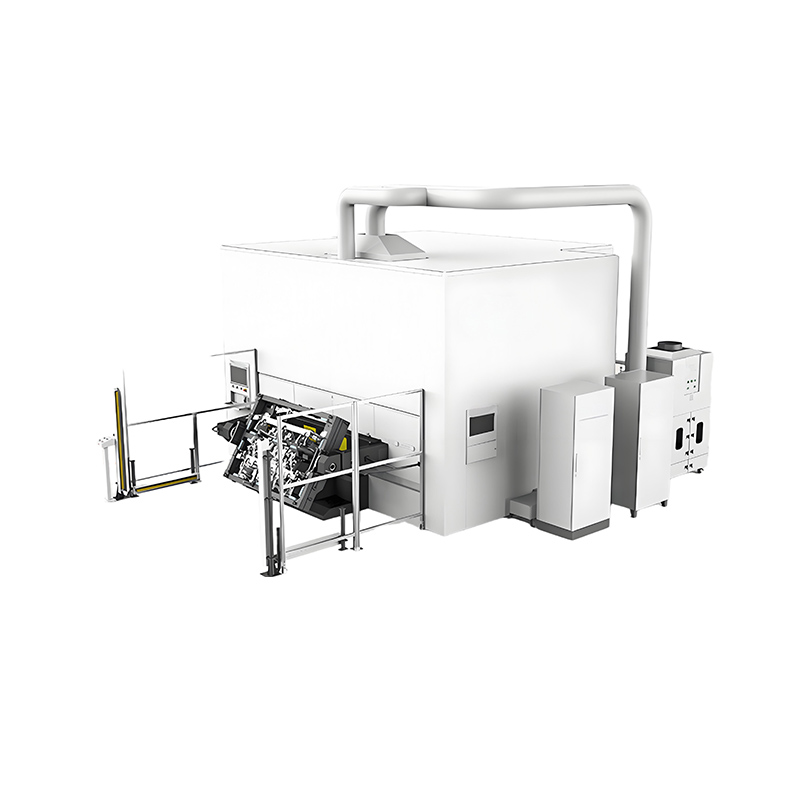
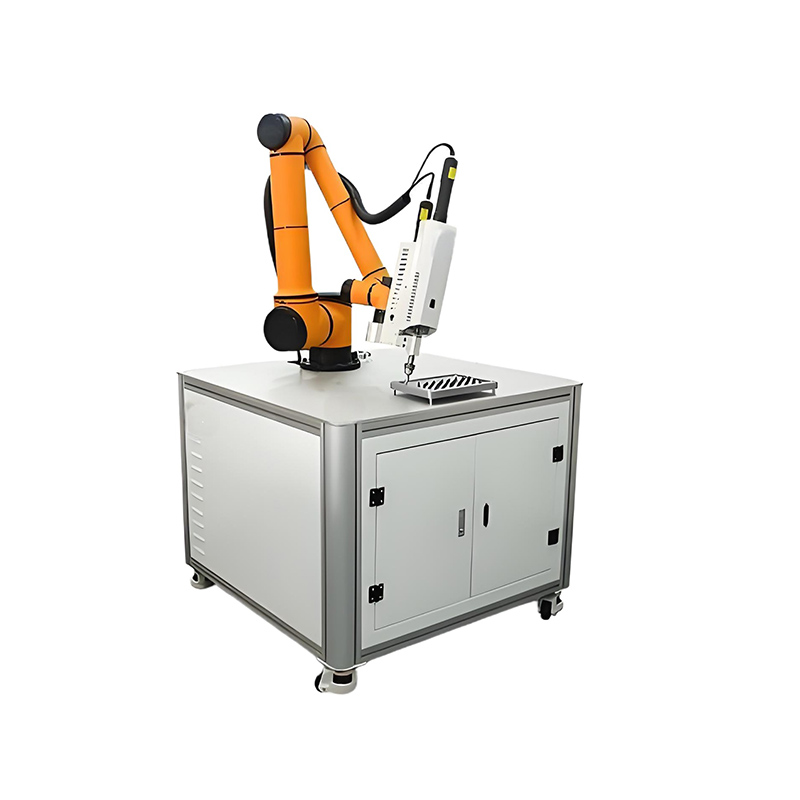
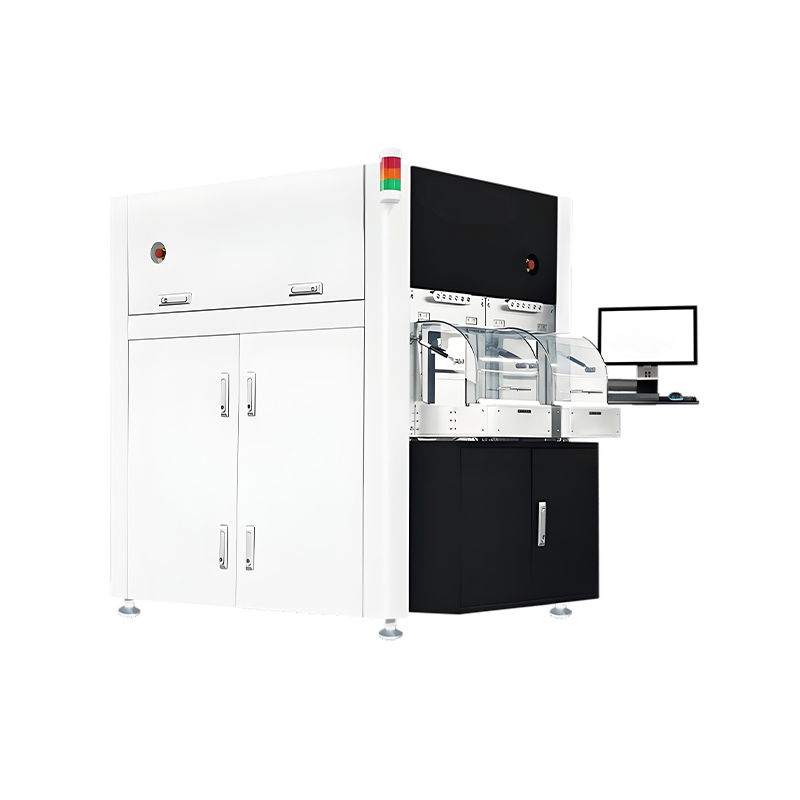
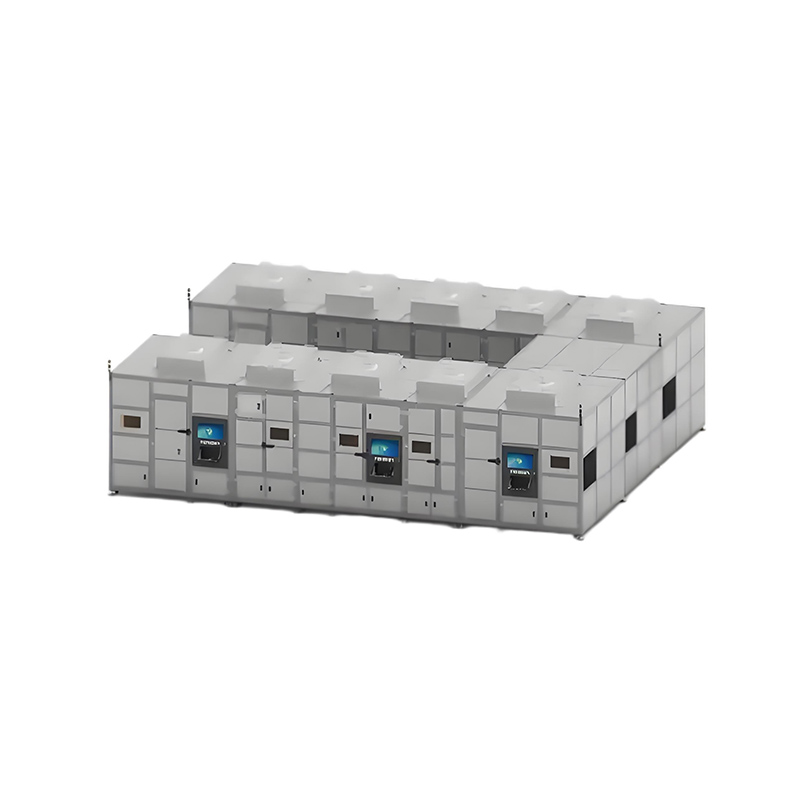
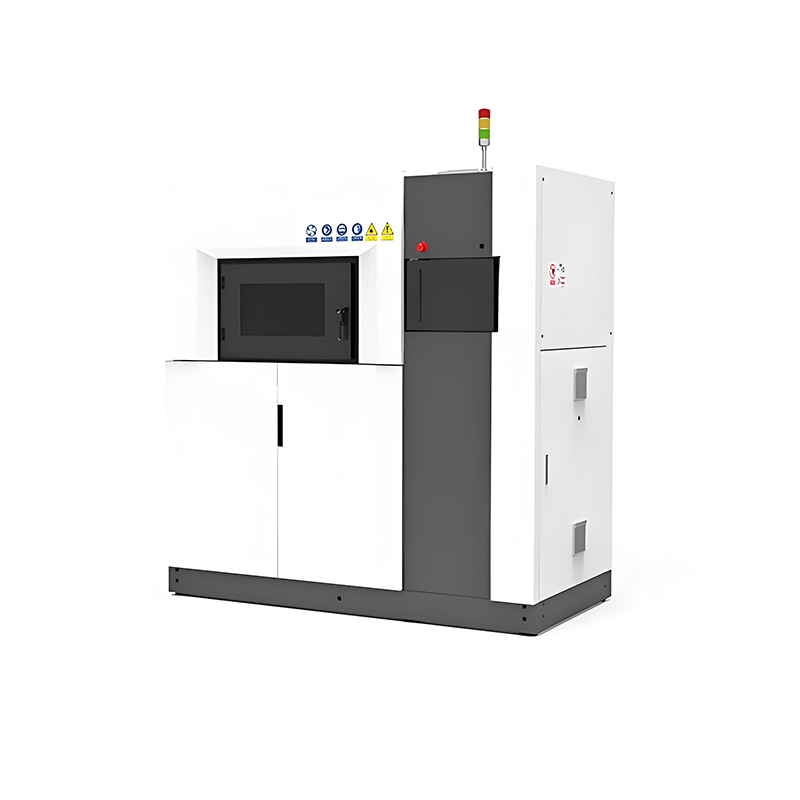
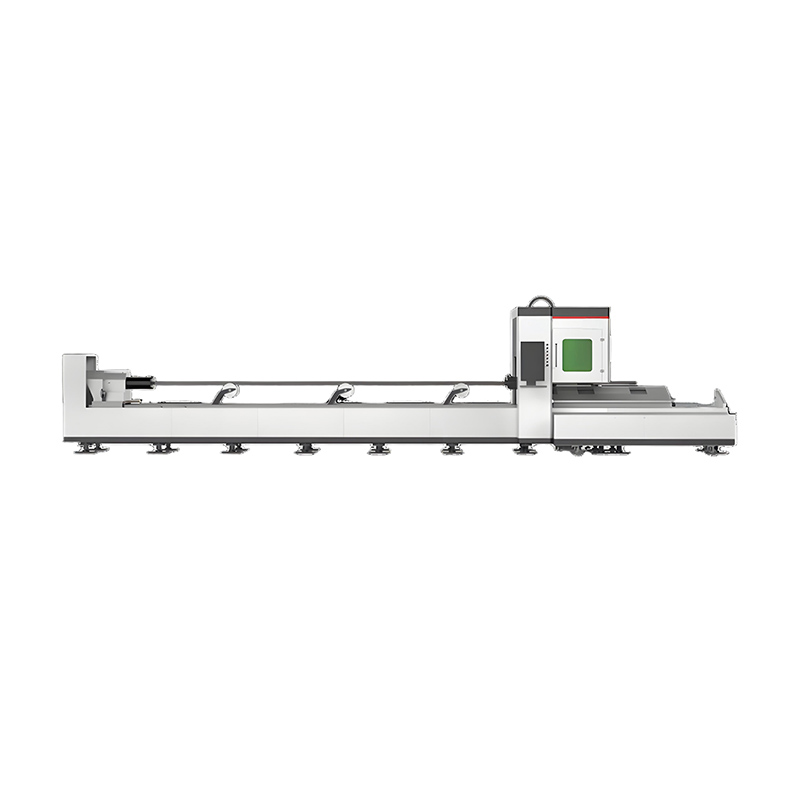
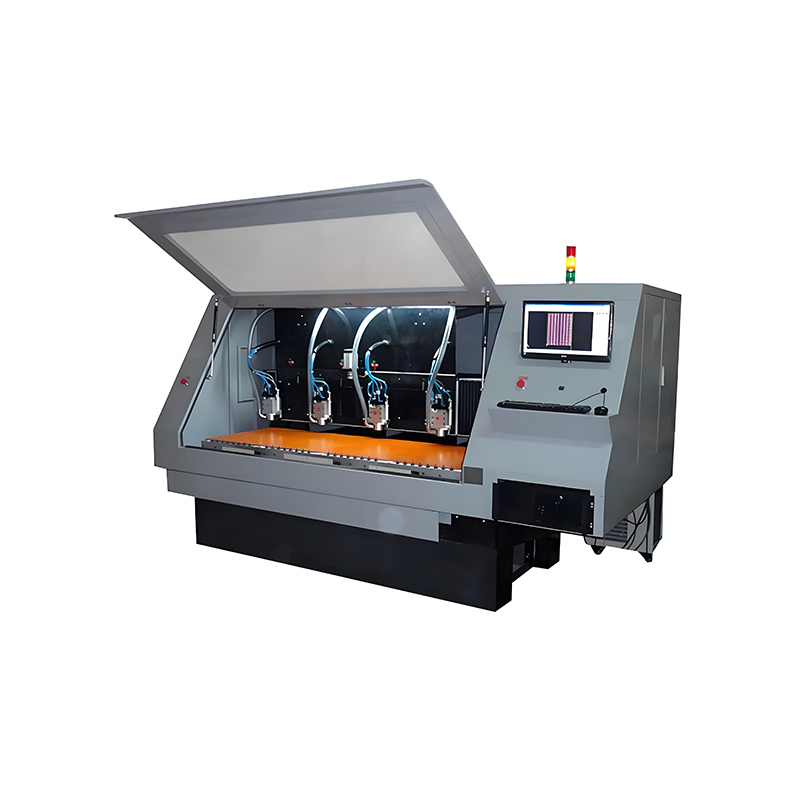
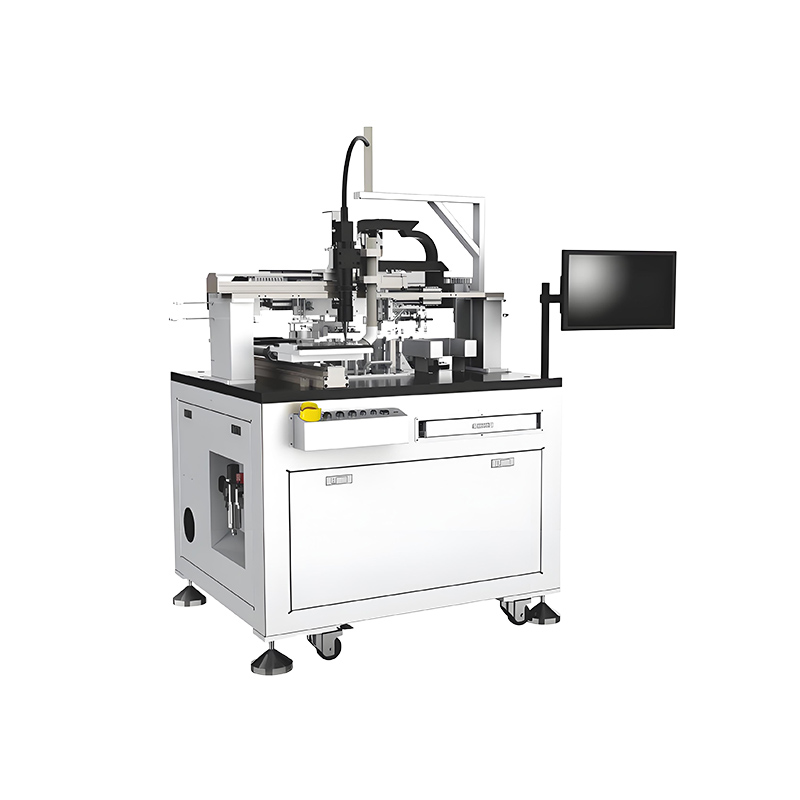
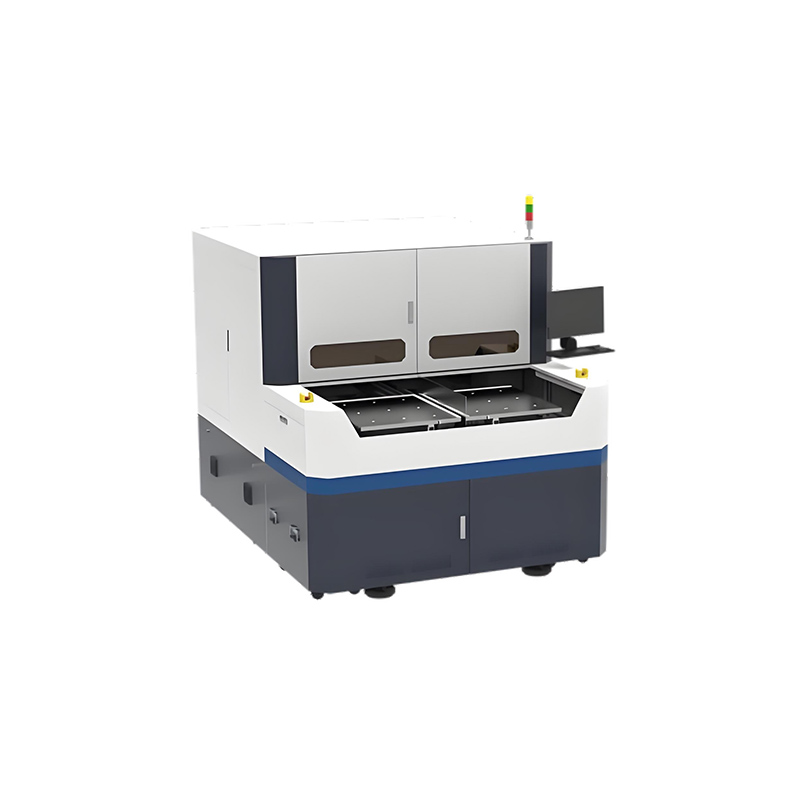
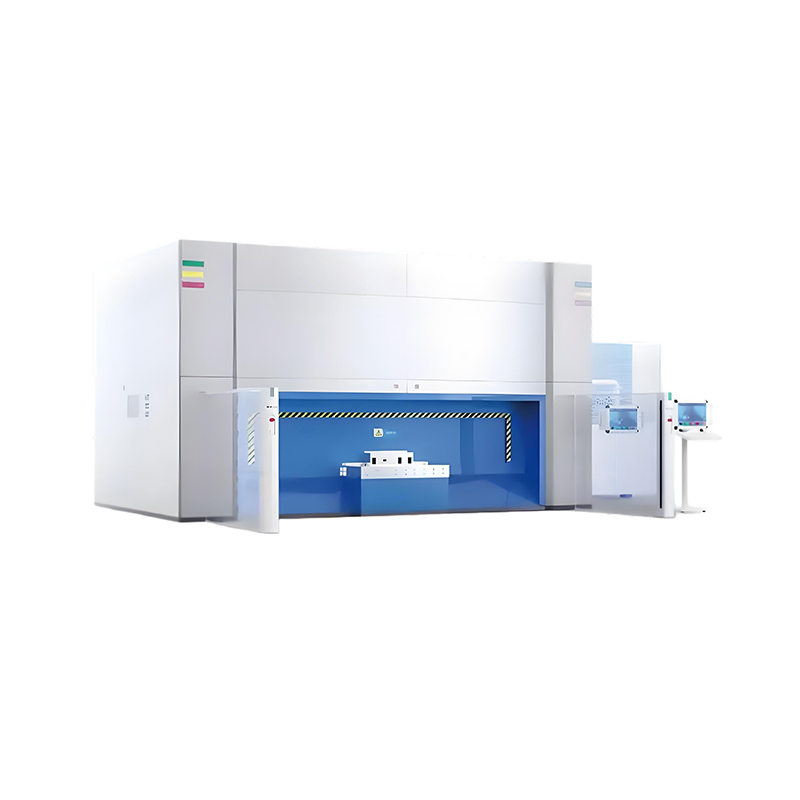
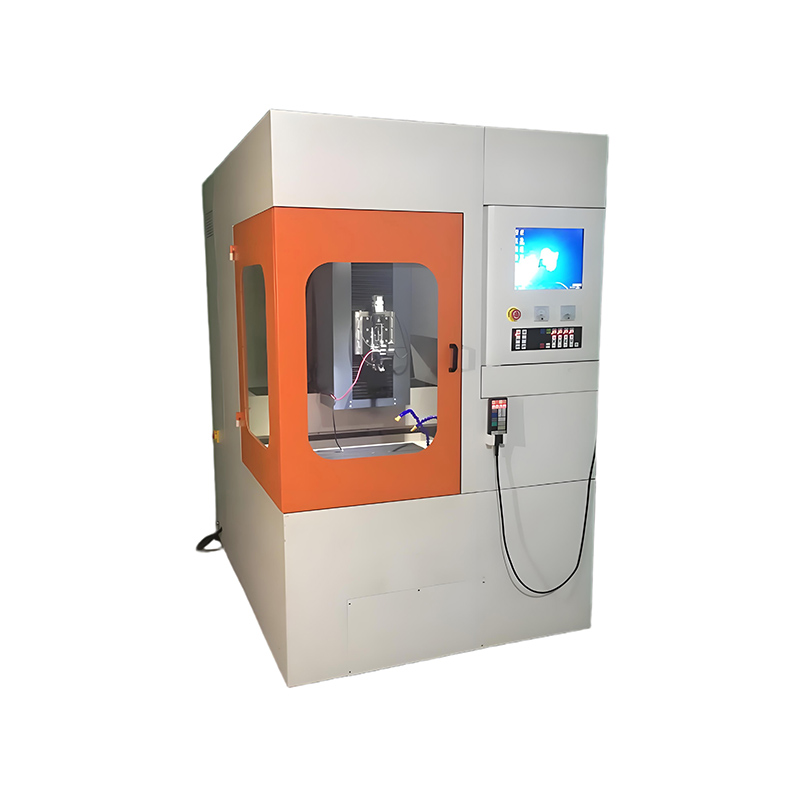
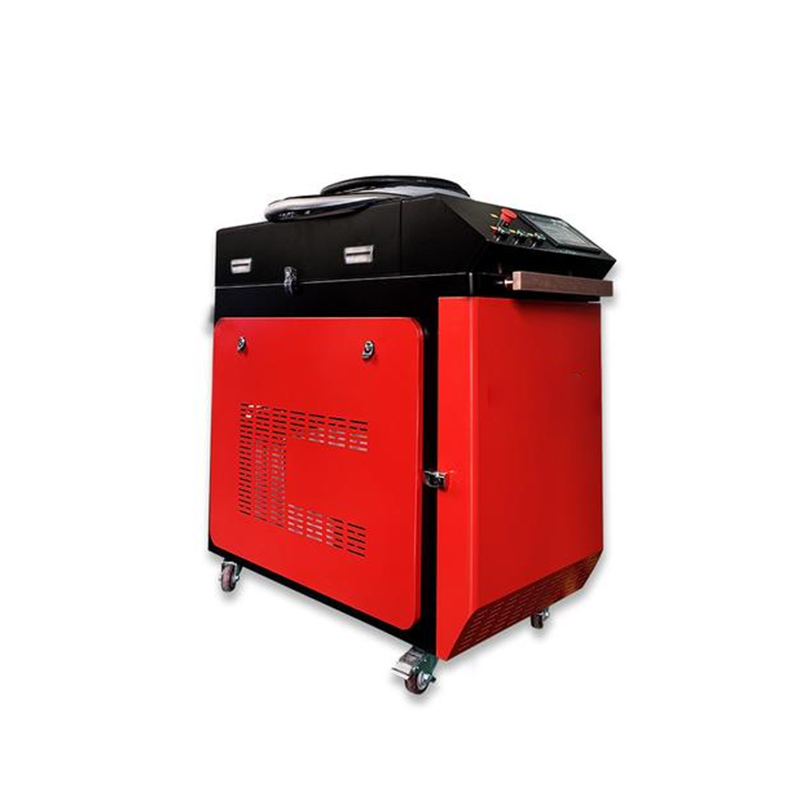
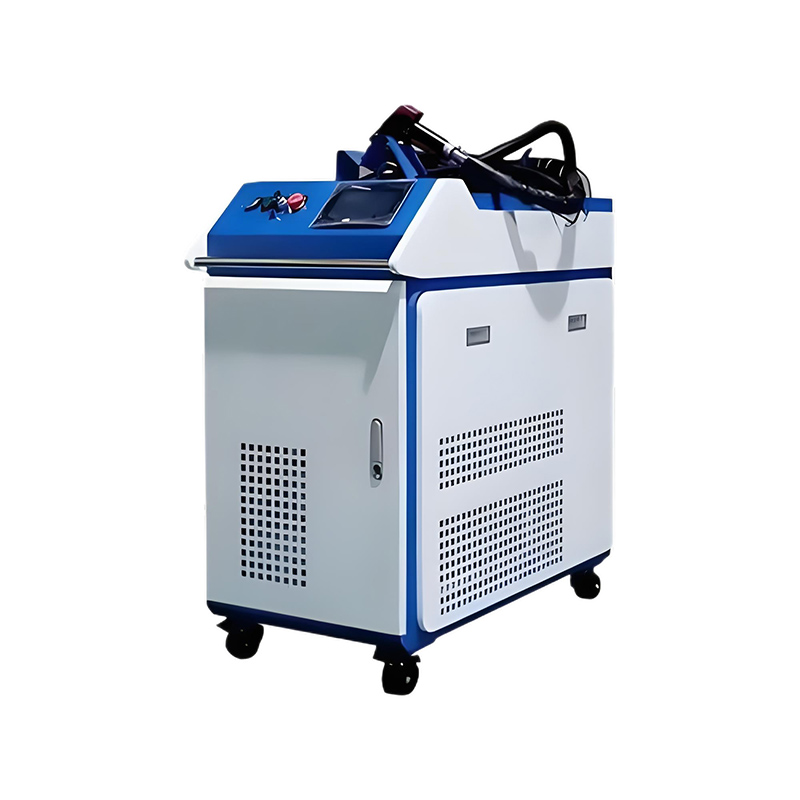
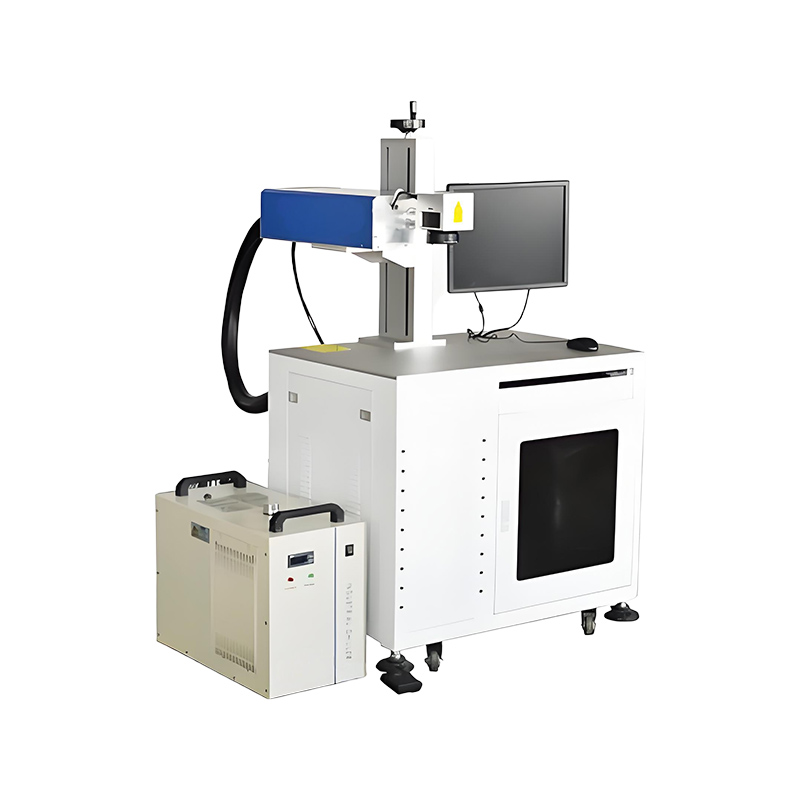
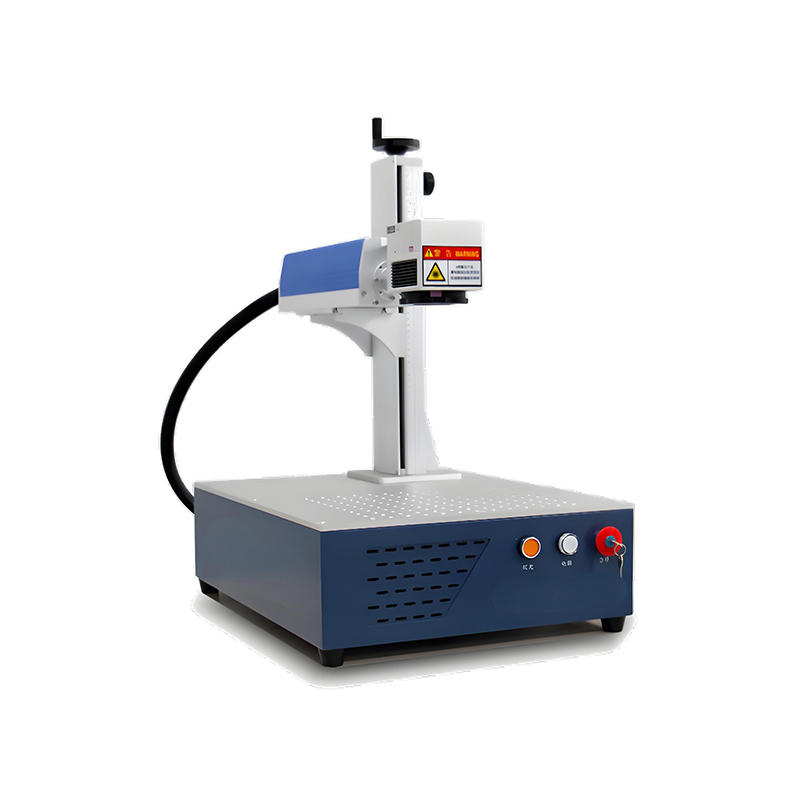
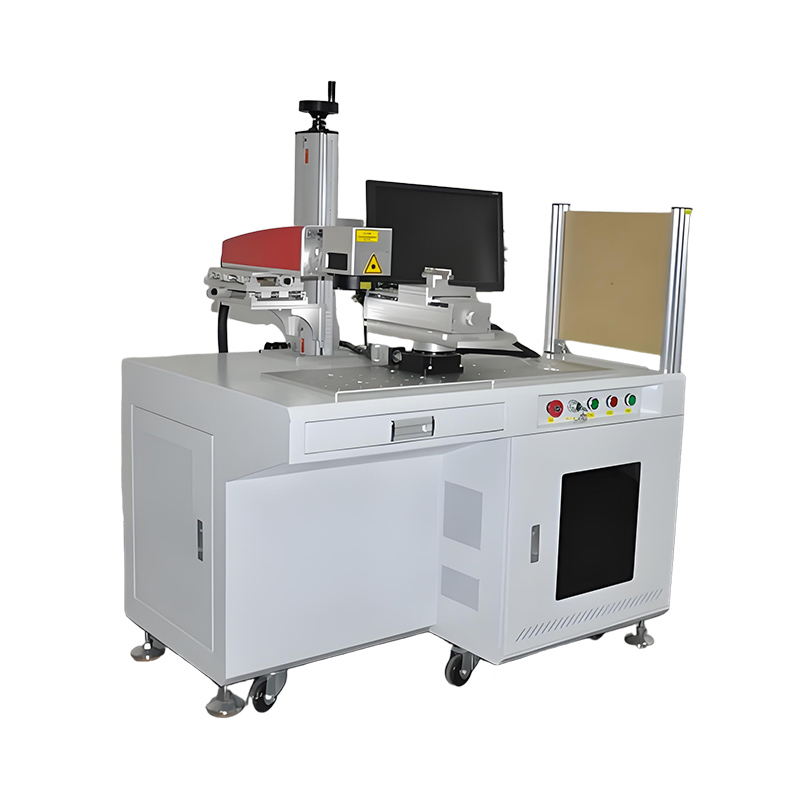

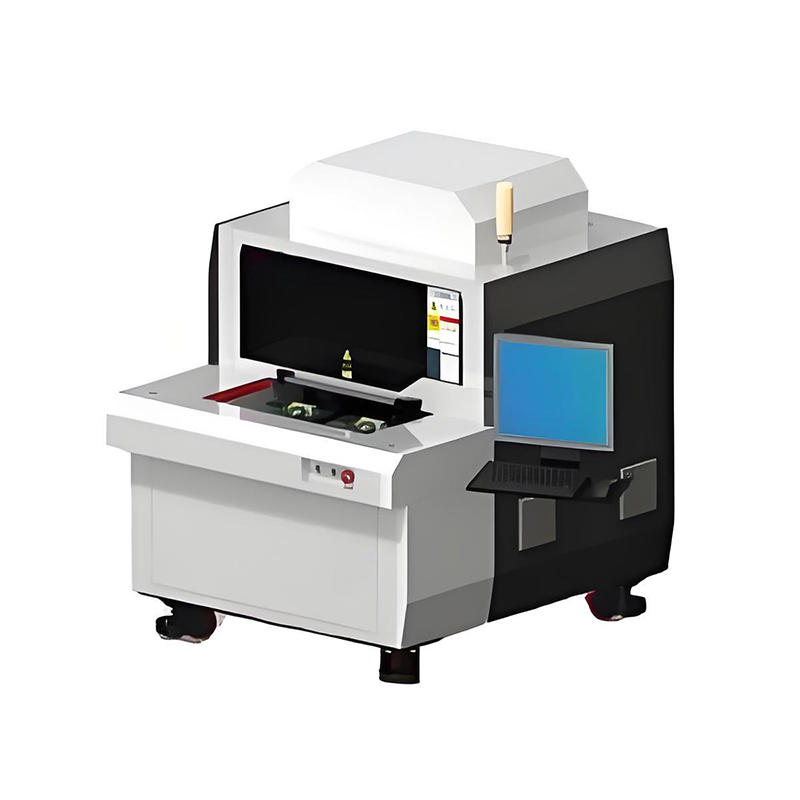
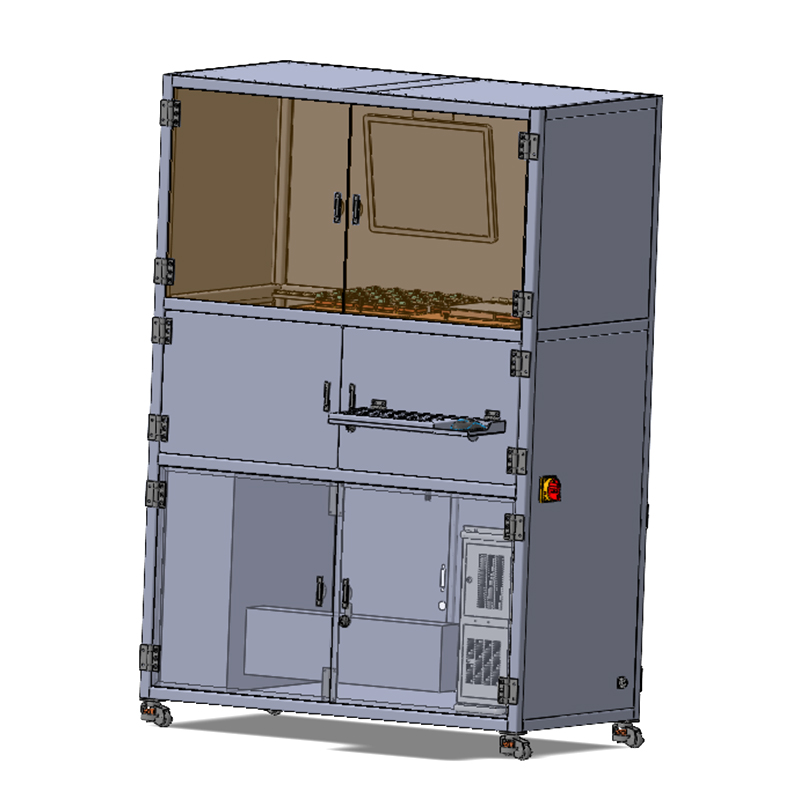
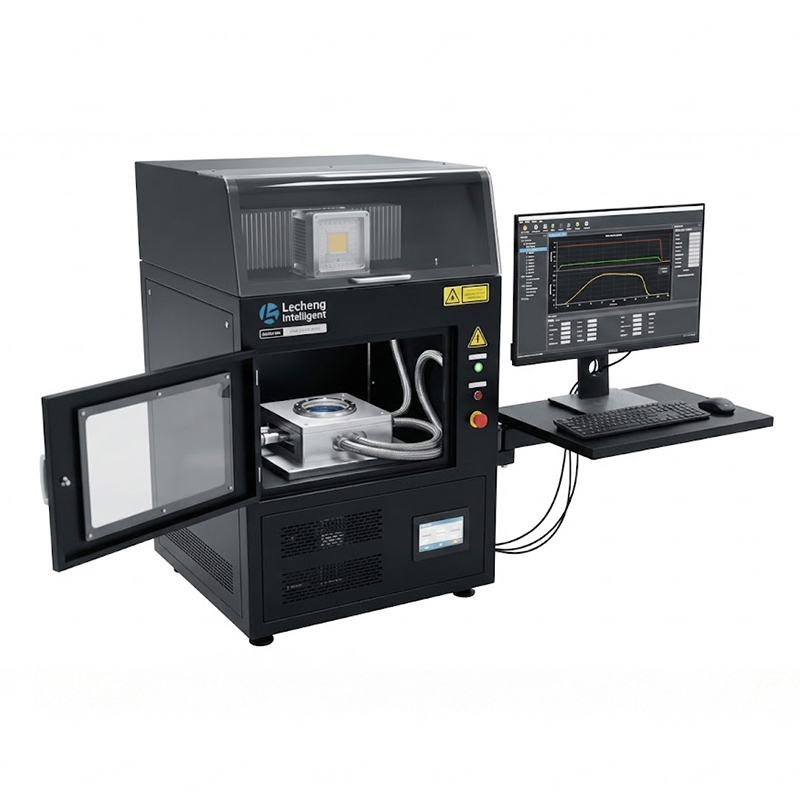
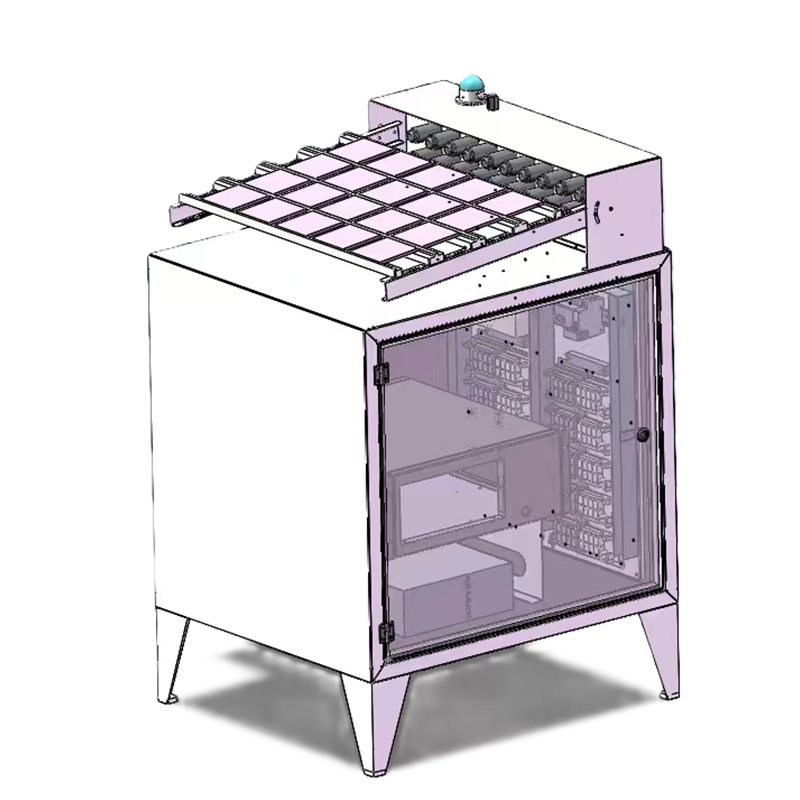
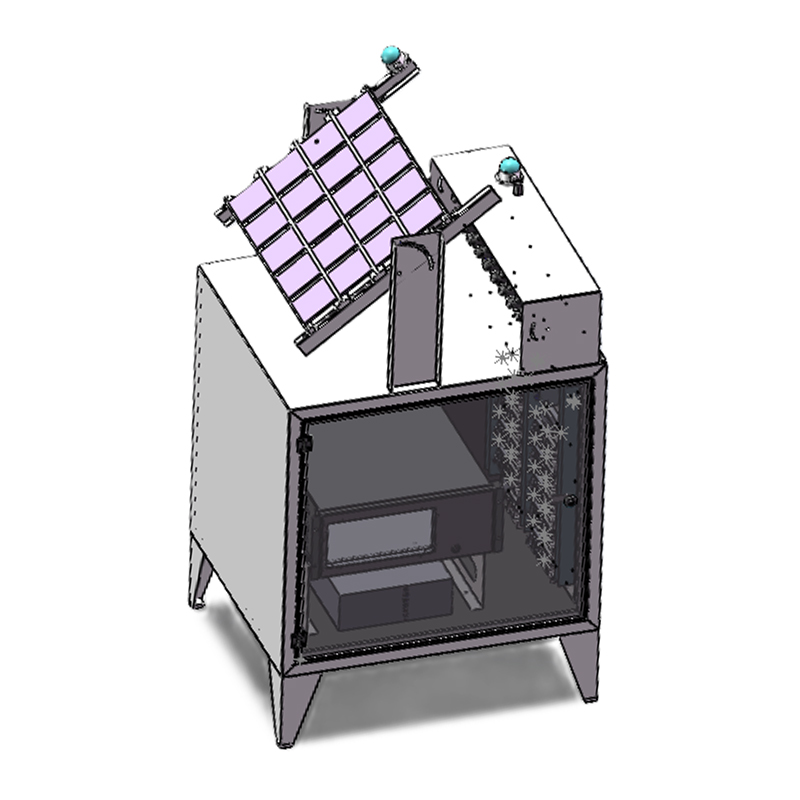
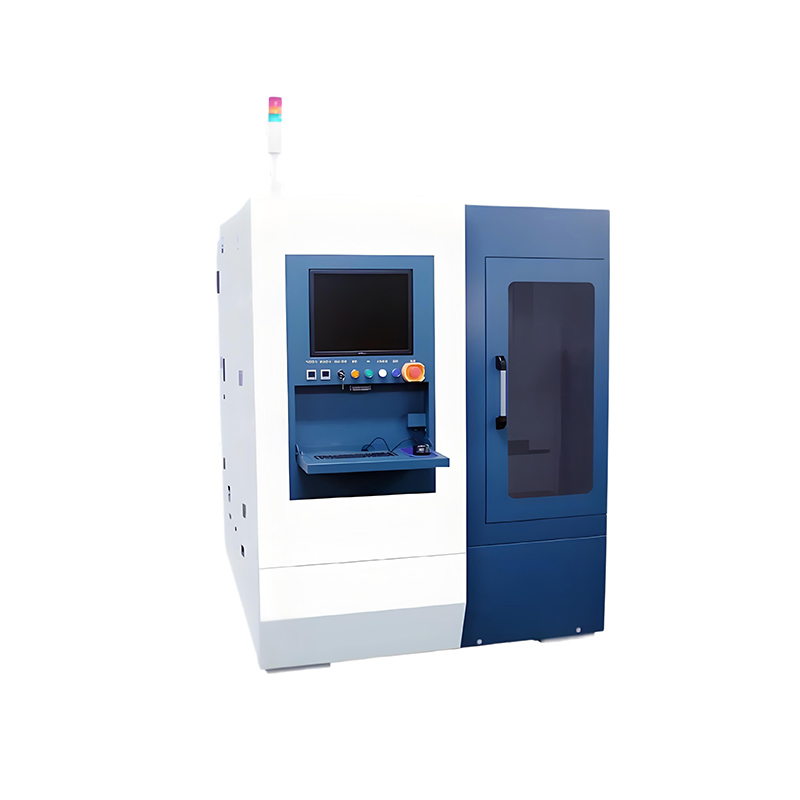
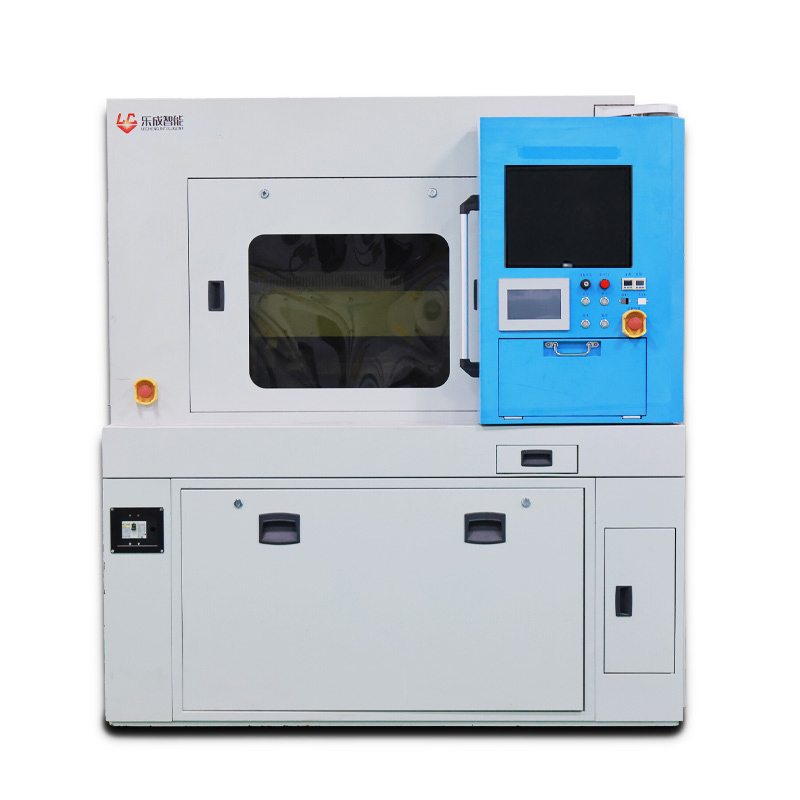

Precision Process Matching For Different PV Technologies
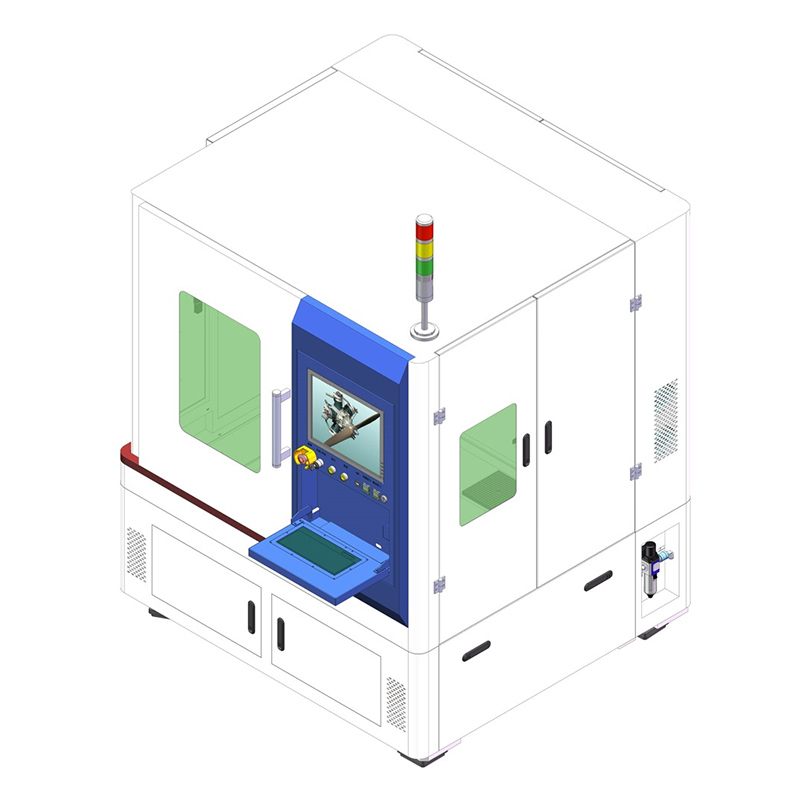
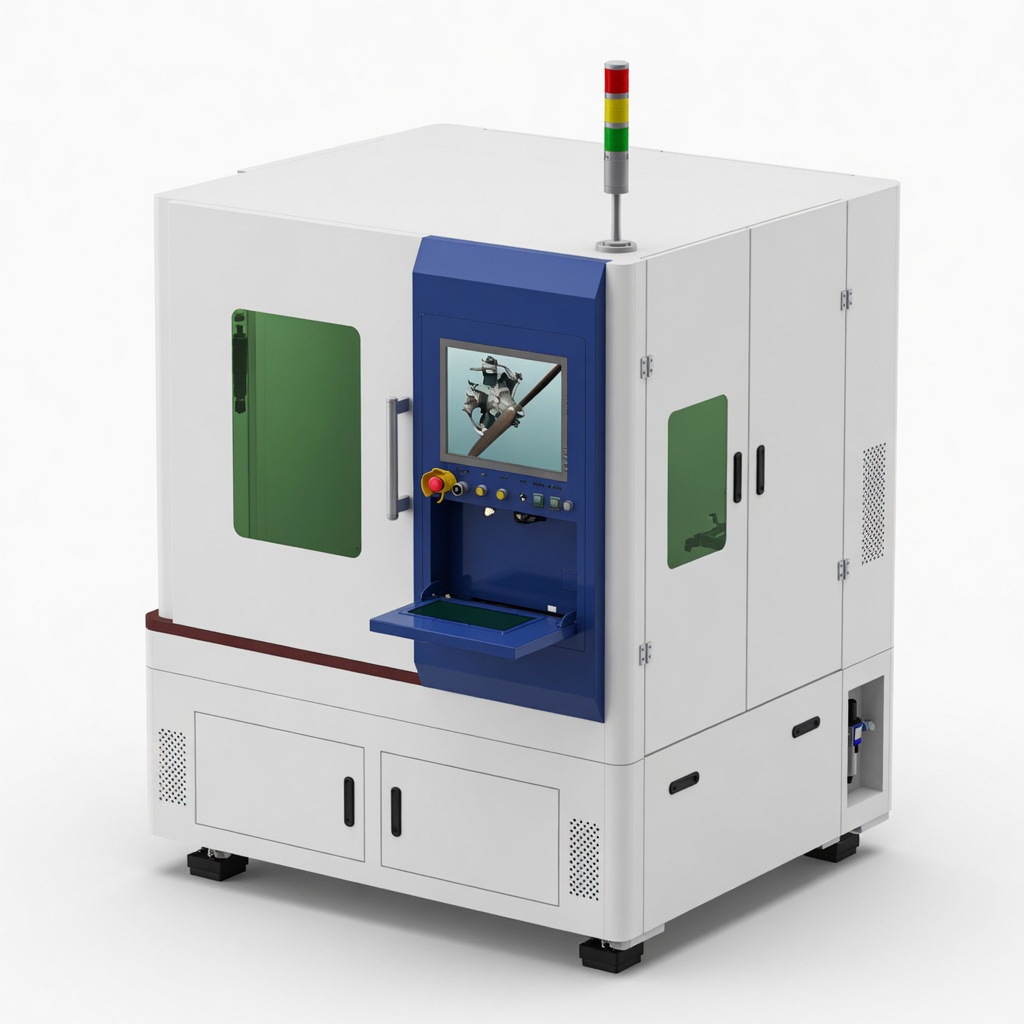
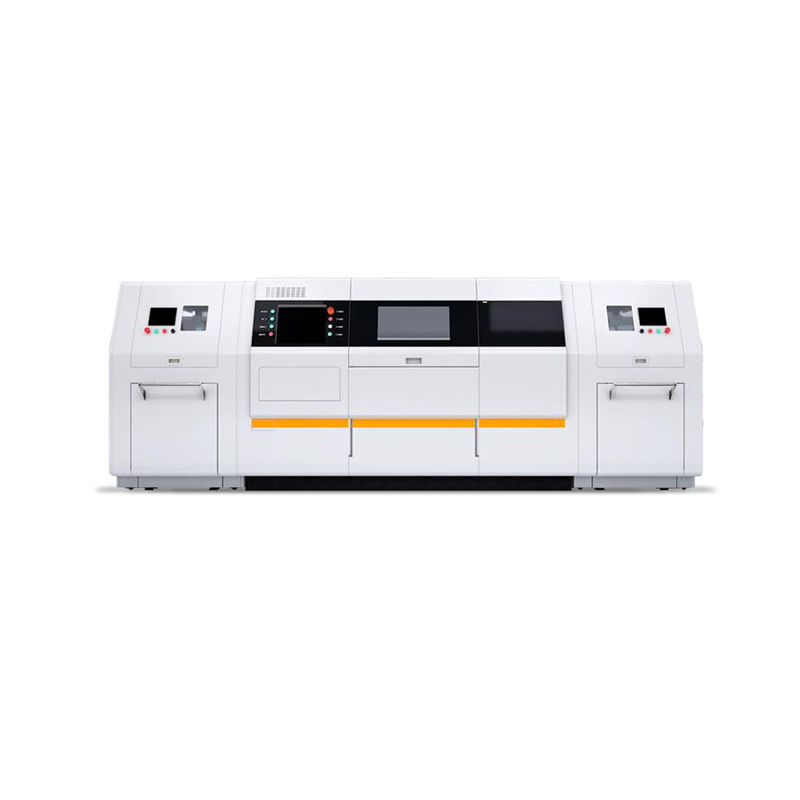
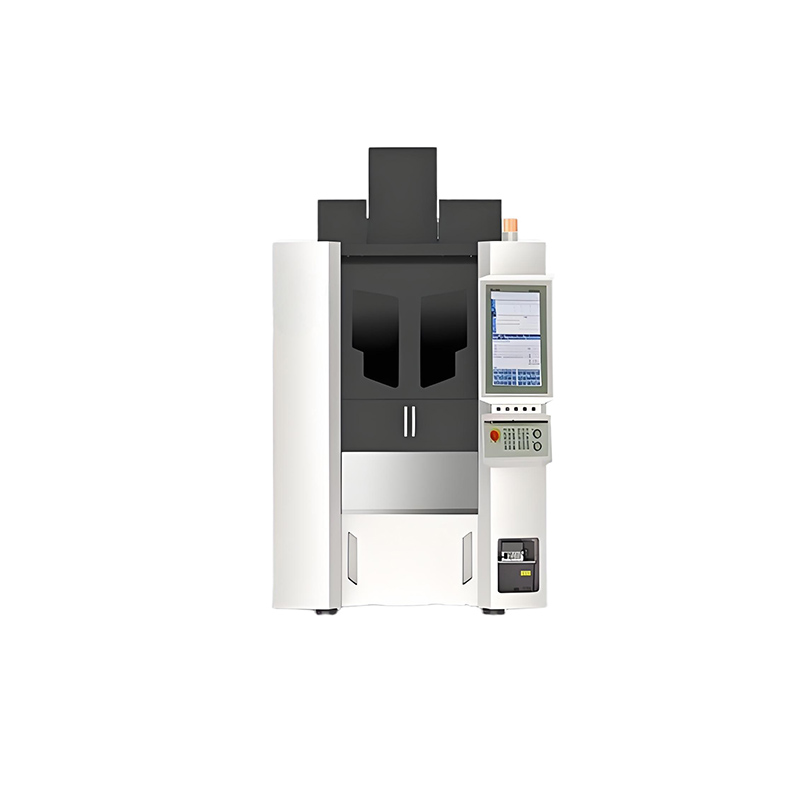
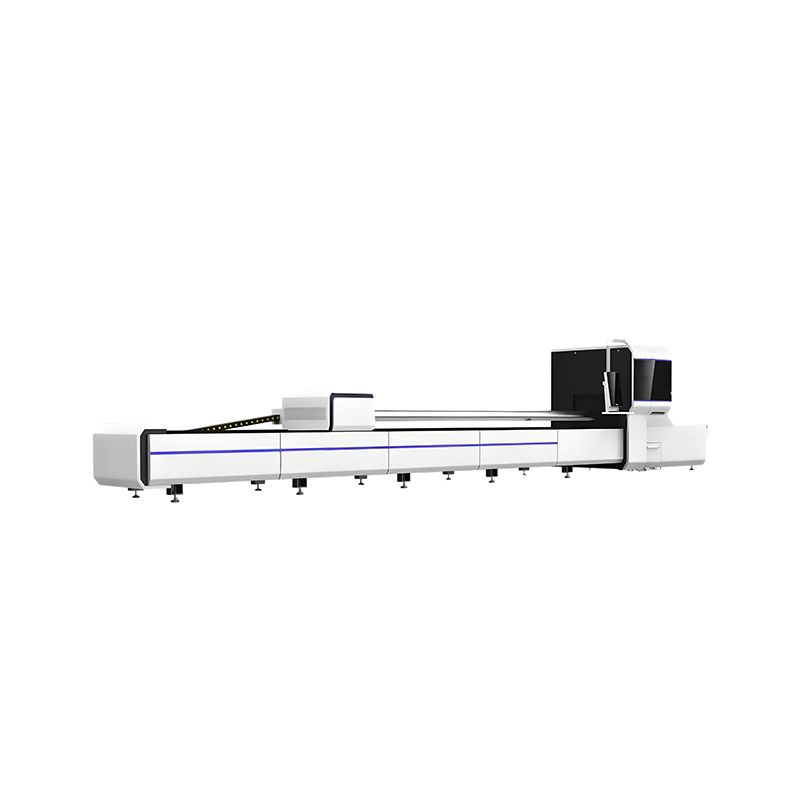
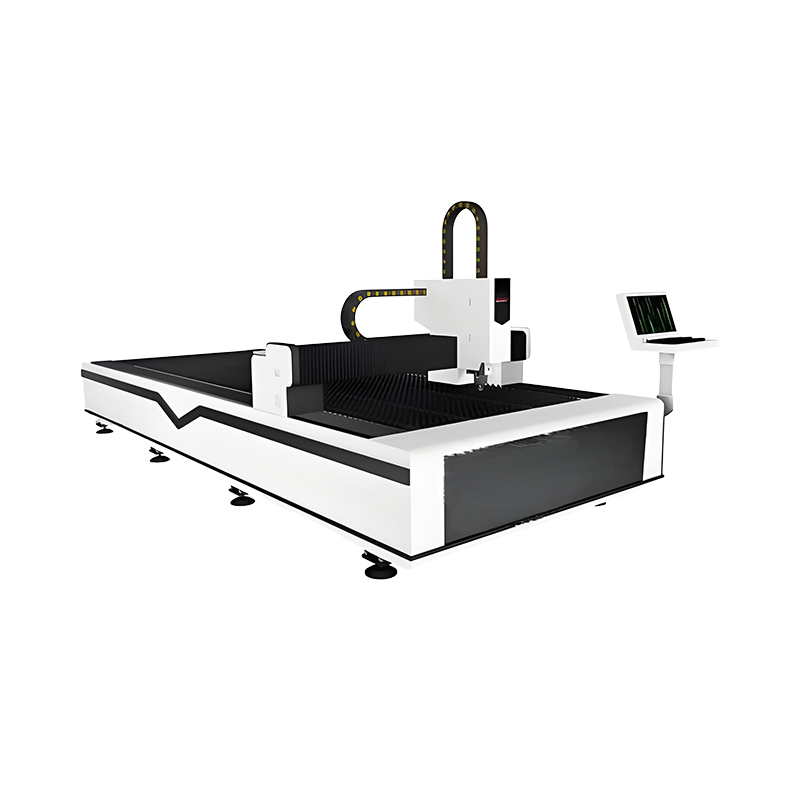
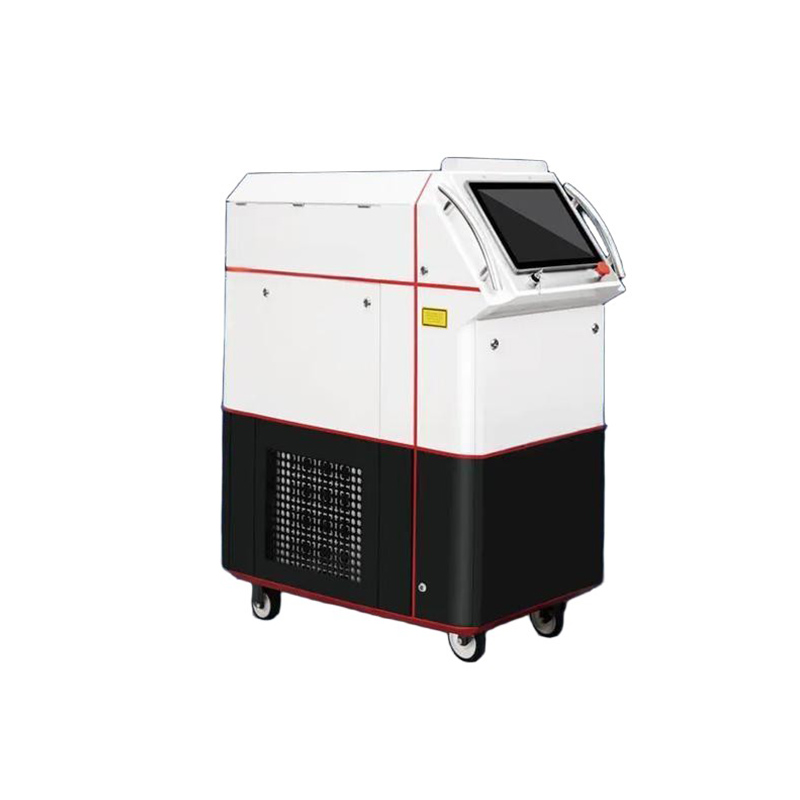
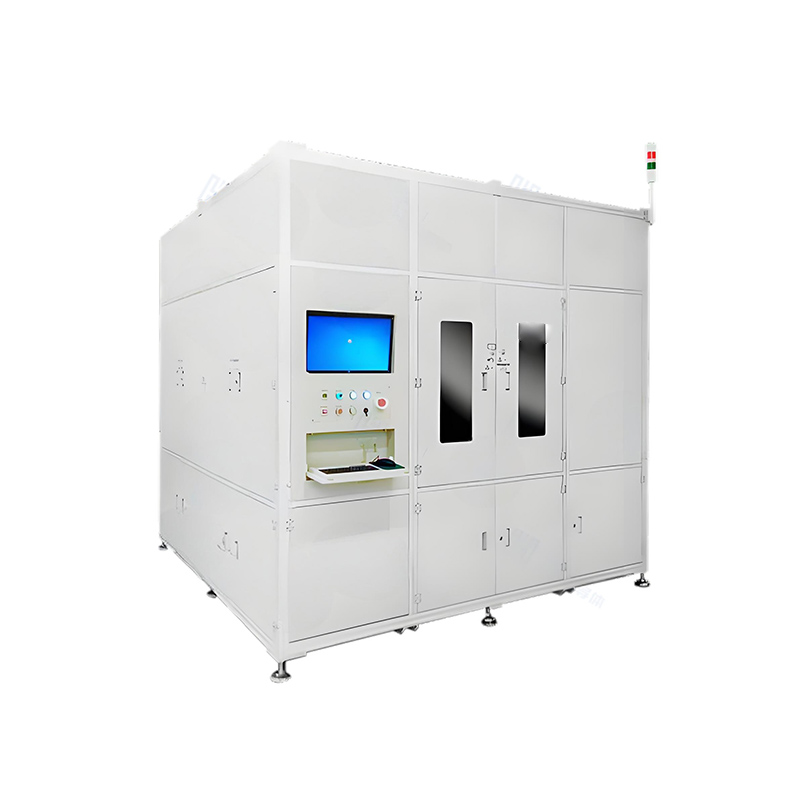
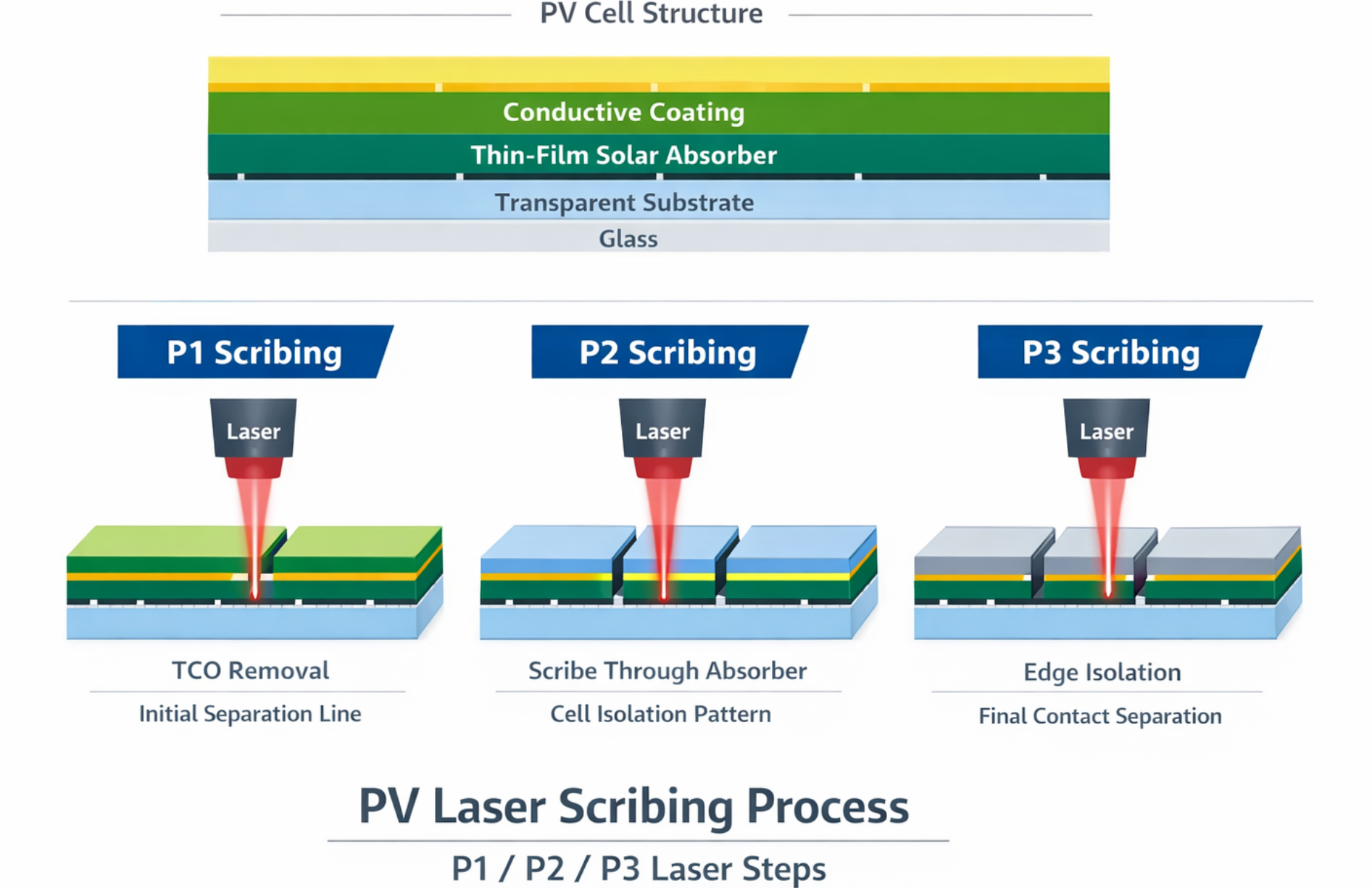
A high-quality photovoltaic cell laser scribing machine should first demonstrate process compatibility across different photovoltaic technologies. Buyers often need to know whether the equipment is suitable for perovskite cells, thin-film solar cells, heterojunction structures, or customized multilayer processes. For many projects, the real concern is whether the machine can support specific scribing steps such as P1, P2, P3, or even more specialized process paths. The value of the equipment lies in its ability to deliver clean edges, controlled heat impact, accurate line width, and stable layer isolation under actual production conditions.
From a procurement perspective, the supplier should clearly explain which materials, substrate thicknesses, conductive layers, and coating structures the machine can process. A professional system should also provide parameter flexibility, allowing adjustment of laser power, pulse frequency, scanning path, focal control, and speed based on the customer’s product design. This is especially important for buyers moving from laboratory validation to pilot production or from pilot lines to mass manufacturing, because process windows become narrower and consistency becomes more valuable than simple machine speed.
For international buyers, the ideal machine is not a standard one-size-fits-all platform, but a process-oriented solution that can be evaluated based on actual samples. If the supplier can support sample testing, process reports, and feasibility analysis before purchase, buyer confidence increases significantly. This type of verification helps reduce risk and gives engineering teams stronger internal support when making investment decisions.
Stability, Yield, And Production Confidence In Real Manufacturing
Even when a laser scribing machine can technically complete the required process, buyers still need to ask a more practical question: can it maintain stable performance over time in real manufacturing conditions? In photovoltaic production, machine stability affects not only the line itself, but also downstream efficiency, scrap cost, and delivery reliability. That is why experienced buyers pay close attention to repeatability, defect control, thermal impact, alignment precision, and long-cycle operating stability.
A reliable supplier should be able to explain how the machine controls process variation and how it supports high yield production. This may include precision motion systems, stable laser sources, optimized optical design, intelligent monitoring, and software-based parameter management. For the buyer, this information is not just technical detail. It directly answers whether the system can reduce production risk, shorten tuning time, and support repeatable manufacturing performance from batch to batch.
International procurement teams also want to know whether the system can be scaled. A good photovoltaic laser scribing machine should not only work for a current project, but also fit future production expansion, automation integration, and data connectivity needs. If the machine supports inline automation, MES connectivity, recipe storage, and quick product switching, its value becomes much stronger from an investment standpoint. Buyers are not simply purchasing a machine; they are investing in a production capability.
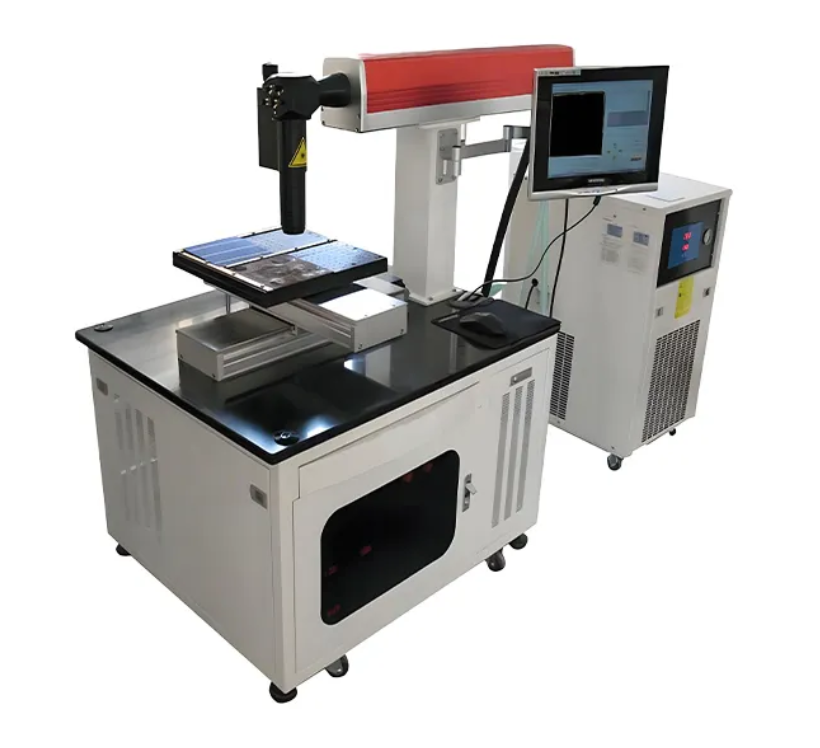
Customization, Delivery Support, And Long-Term Procurement Value
For many photovoltaic equipment buyers, the final decision depends not only on technical performance, but also on how well the supplier can support implementation. Photovoltaic production lines often have unique plant conditions, product structures, capacity targets, and integration requirements. Because of this, a laser scribing machine with customization capability is much more attractive than a rigid standard configuration. Buyers want to know whether the supplier can adapt the platform to their line layout, automation level, software preferences, and future process upgrades.
Delivery and after-sales support are also major decision factors. International buyers need confidence that installation, commissioning, training, spare parts, and remote troubleshooting can all be handled professionally. A supplier that can provide clear project schedules, technical documentation, English support materials, and long-term service response will be seen as a more reliable partner. In capital equipment purchasing, trust is built not only through product capability, but through the supplier’s ability to stay involved after shipment.
Ultimately, a photovoltaic cell laser scribing machine meets the buyer’s process requirements only when it combines process compatibility, production stability, customization flexibility, and dependable service support. This is why procurement teams prefer suppliers who can discuss applications, verify samples, provide data, and communicate like solution partners rather than simple machine sellers. In a competitive photovoltaic market, this difference strongly influences purchasing decisions.
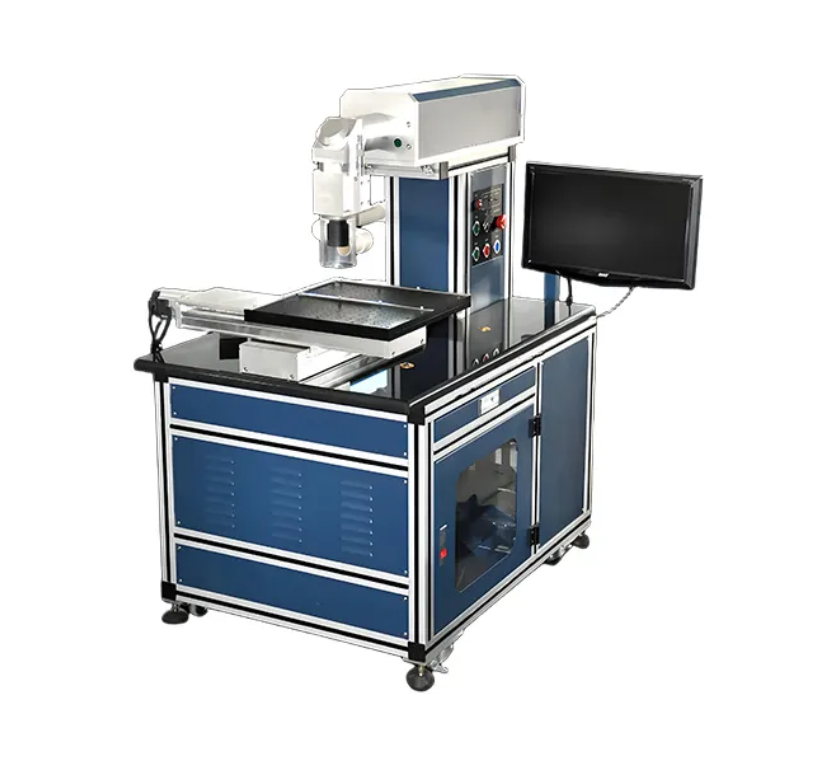
If your photovoltaic project requires more than just laser marking or cutting, and instead demands a machine that can support precise process control, stable yield, future expansion, and professional technical service, then the right laser scribing machine should be evaluated as a complete process solution. For serious buyers, the best supplier is the one who can prove not only what the machine can do, but also how it can help the production line succeed over the long term.
Related product and article resources
For procurement comparison and technical evaluation, readers can continue with these related product pages and supporting articles.
- Products
- Product catalog
- Contact the sales team
- Contact us
- Laser Scribing Machine RFQ Checklist for PV Cell Production Lines
- Laser Scribing vs Mechanical Cutting in Photovoltaic Production
- P1, P2 and P3 Laser Scribing: What Solar Manufacturers Should Know
- Lecheng Powers Dehu's 100MW Perovskite Pilot Line to Historic First Light