

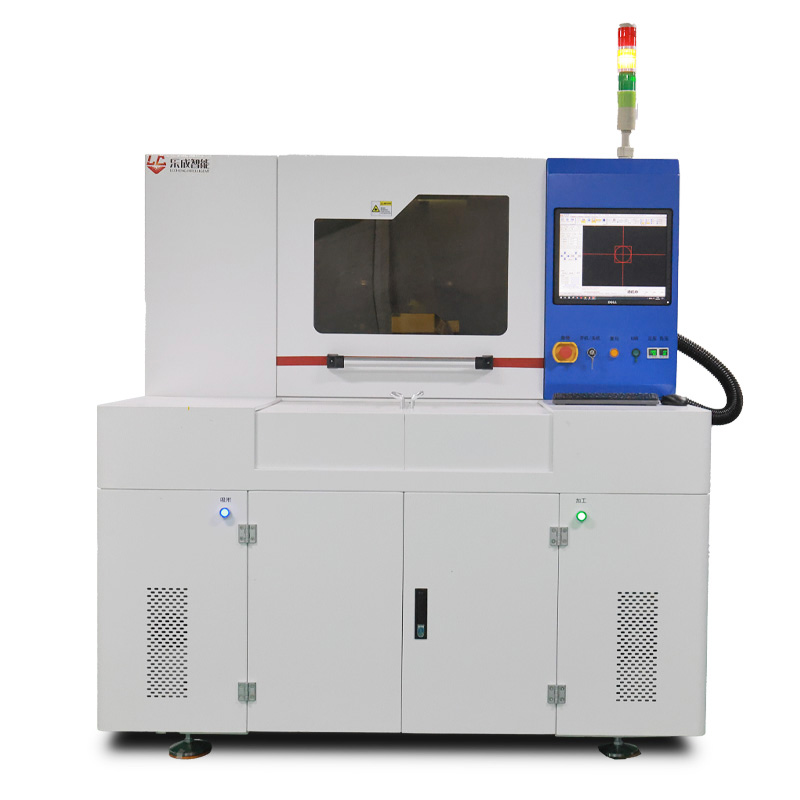
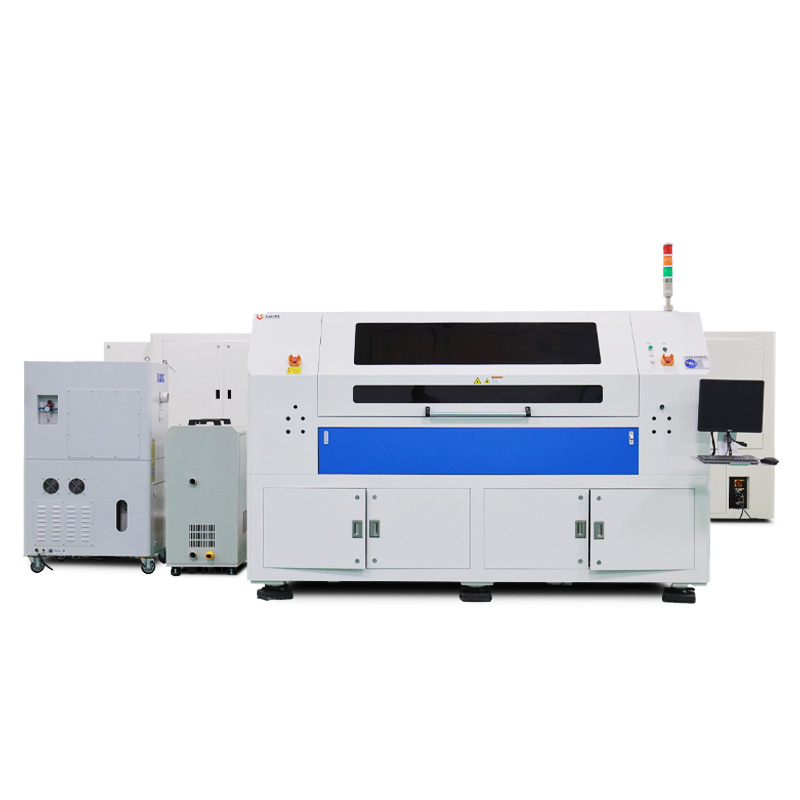

Initial Price Is Only A Small Part Of The Real Investment
The purchase price of industrial equipment typically represents only a fraction of its total lifecycle cost. After installation, buyers must consider operating expenses such as energy consumption, consumables, spare parts, labor, and maintenance. These costs accumulate over time and can easily exceed the initial investment.
For example, a lower-cost machine may use less durable components, require more frequent maintenance, or consume more energy. While the initial price appears attractive, the long-term cost becomes significantly higher. In contrast, a higher-quality machine with stable performance and lower maintenance requirements often delivers better financial results over time.
From a procurement perspective, evaluating only the initial price can lead to misleading decisions. Buyers need to consider the full cost structure to understand the true value of the equipment.
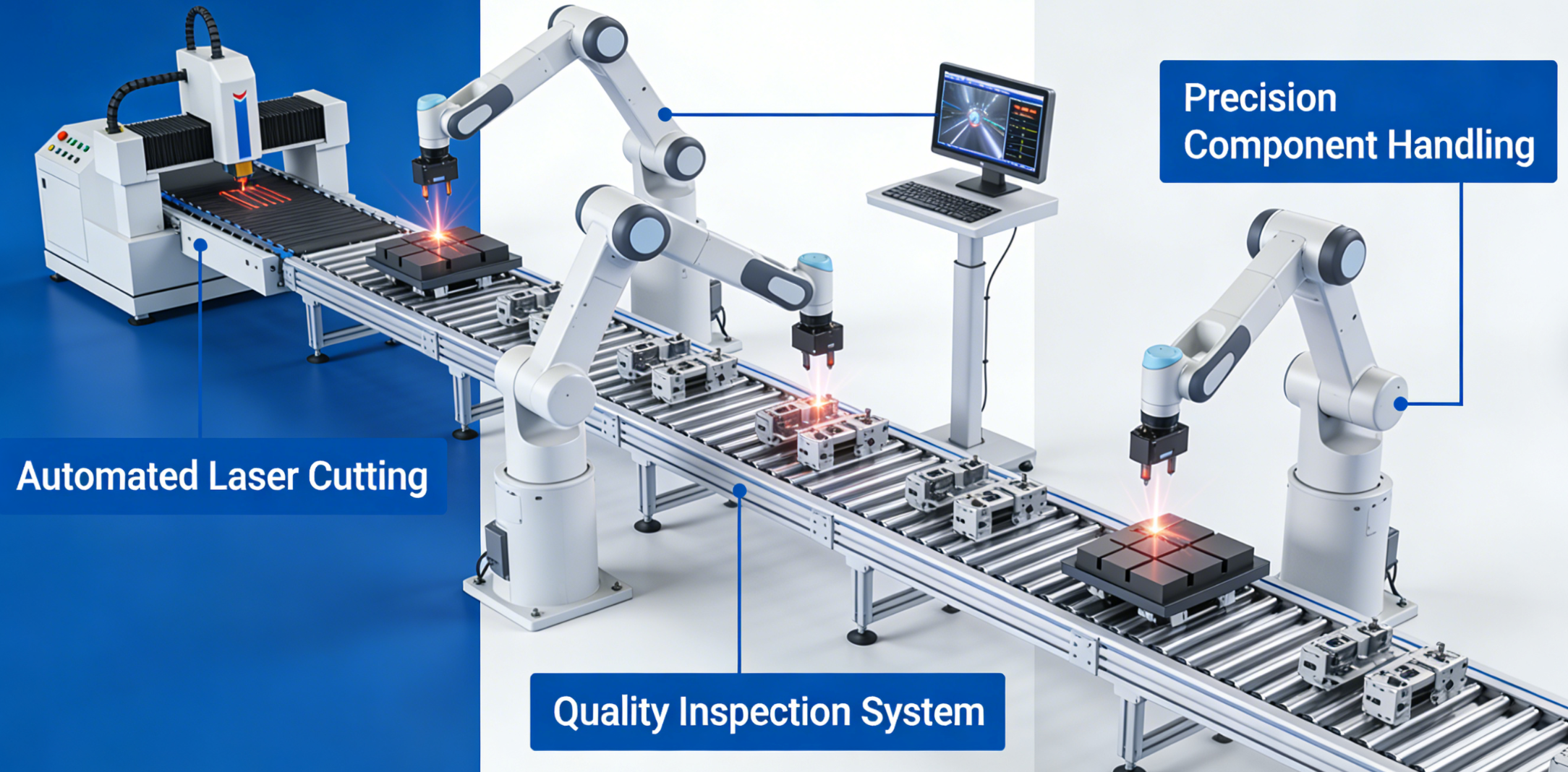
Downtime, Yield Loss, And Hidden Production Costs
One of the most significant factors in Total Cost of Ownership is production stability. Equipment that frequently breaks down or requires recalibration can cause unplanned downtime, which directly reduces productivity and delays delivery schedules.
In addition to downtime, unstable processing quality can lead to yield loss. Defective products, rework, and material waste all contribute to hidden costs that are often overlooked during the initial purchasing stage. For industries such as electronics, photovoltaic manufacturing, and precision components, even small inconsistencies can significantly affect final product performance.
A machine with higher initial cost but better stability can reduce these hidden expenses. By maintaining consistent processing quality and minimizing downtime, such equipment improves overall efficiency and lowers the total cost over its lifecycle.
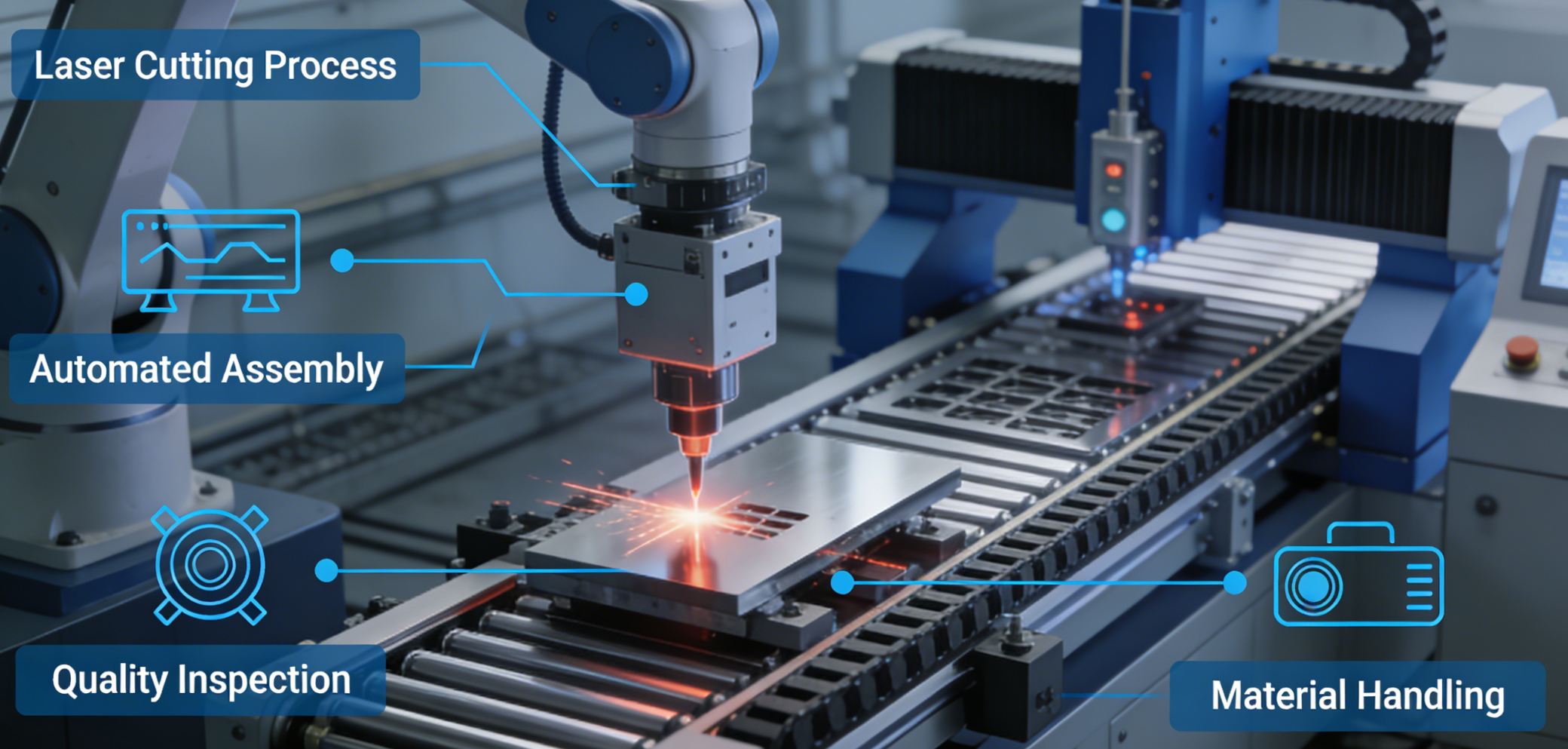
Long-Term Value, Efficiency, And Return On Investment
Total Cost of Ownership is closely linked to return on investment (ROI). Buyers who focus on long-term value consider how quickly the equipment can generate profit and how reliably it supports production over time. A stable, efficient machine can shorten production cycles, reduce manual intervention, and improve throughput.
Advanced equipment often includes automation features, intelligent control systems, and data integration capabilities. These features not only improve efficiency but also make production more predictable and scalable. Over time, this translates into better financial performance and competitive advantage.
For international buyers, the most valuable investment is not the cheapest machine, but the one that delivers consistent performance, low operational risk, and sustainable production efficiency. This is why Total Cost of Ownership is a more meaningful metric than initial purchase price.
Total Cost of Ownership provides a more complete and realistic view of equipment investment. While the initial machine price is important, it should not be the primary decision factor. Buyers who evaluate long-term performance, stability, maintenance cost, and production efficiency are more likely to make successful and sustainable purchasing decisions. In industrial manufacturing, the cheapest option is rarely the most cost-effective one.