
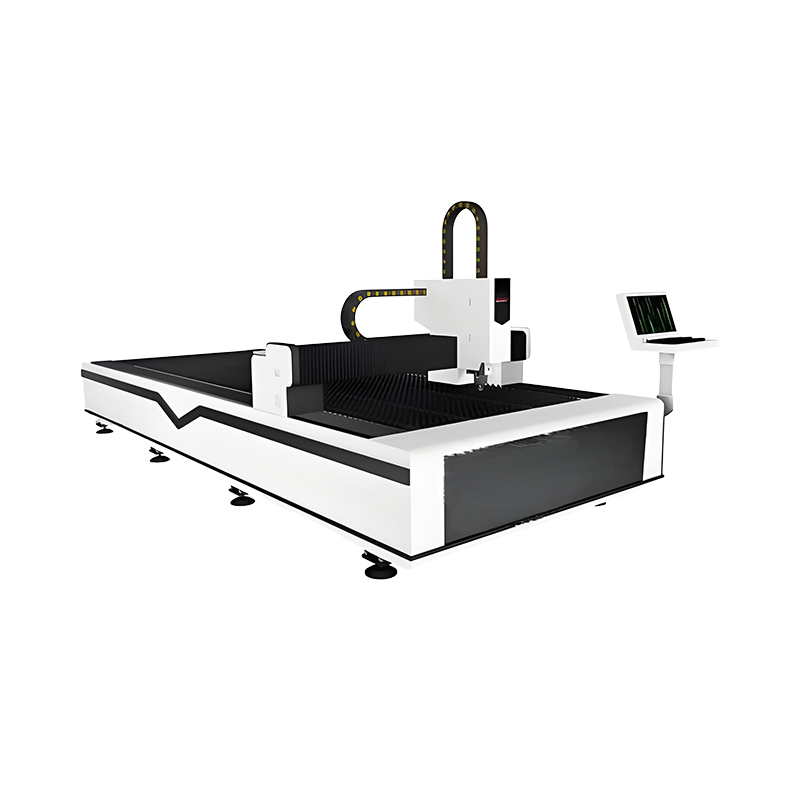
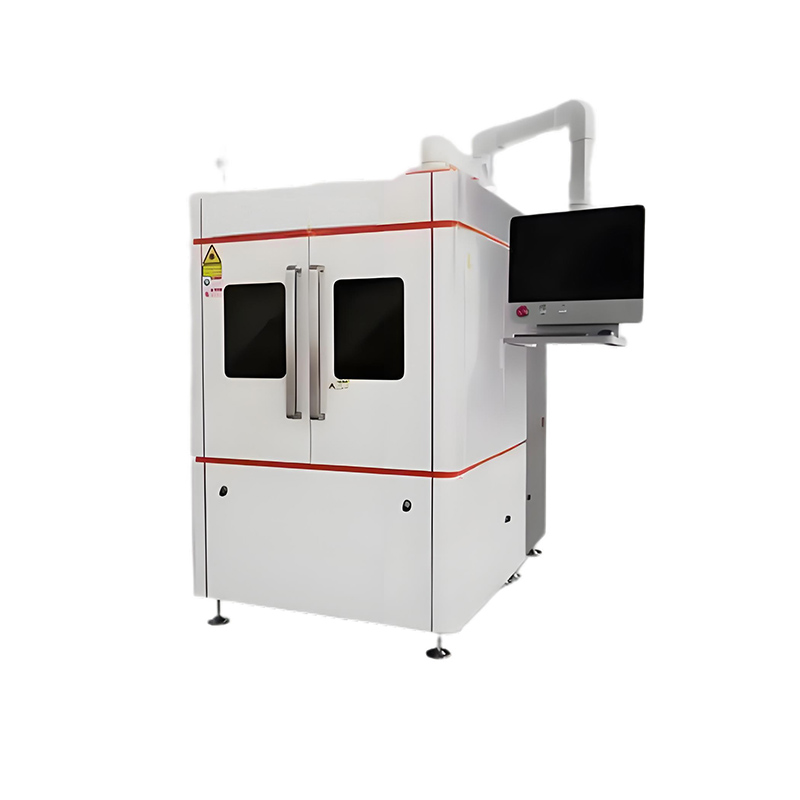
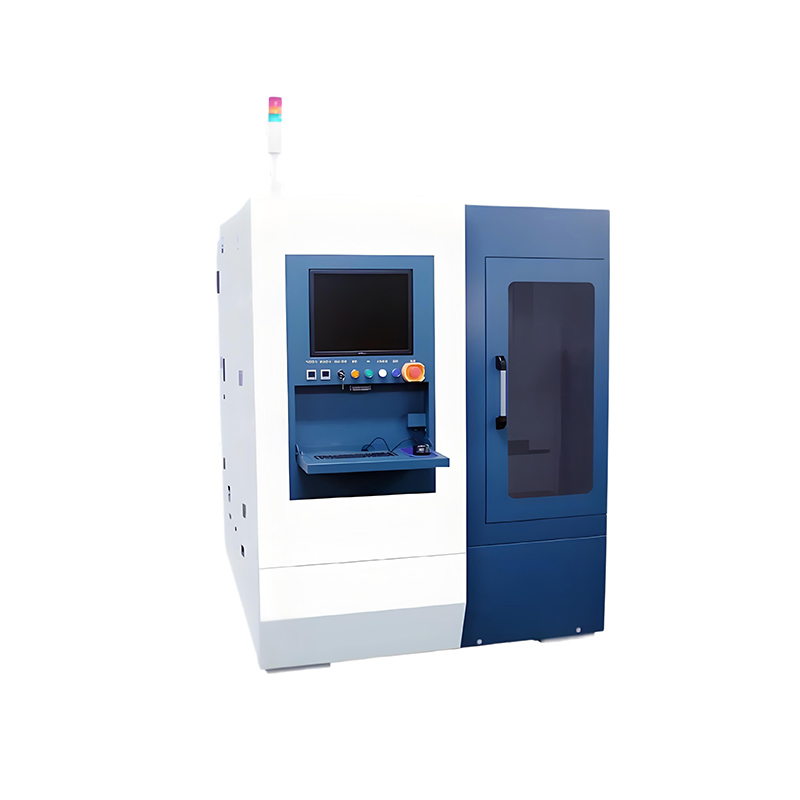
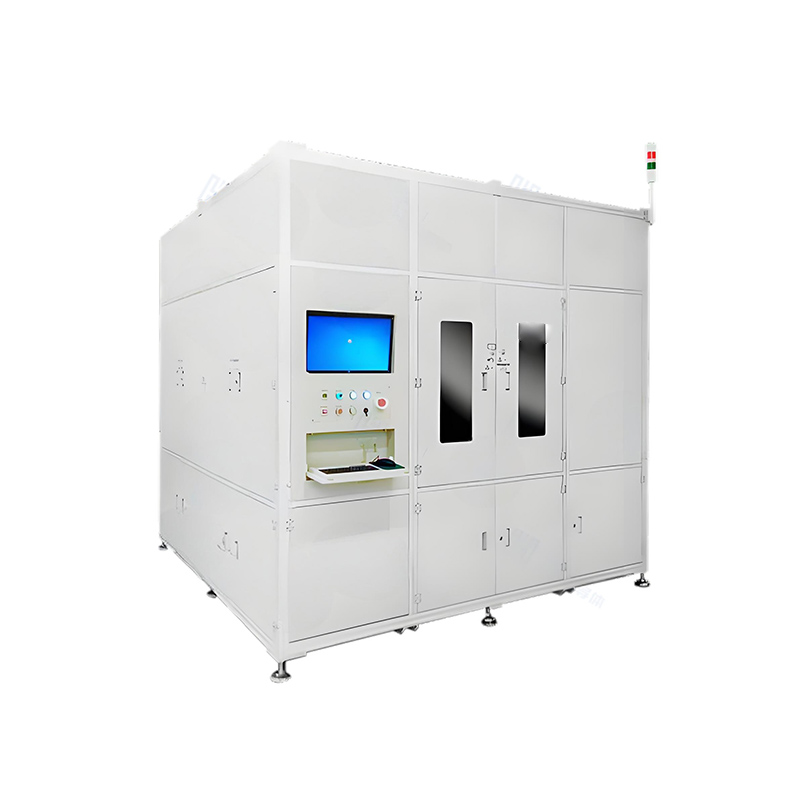


What Defines Precision In Industrial Laser Processing
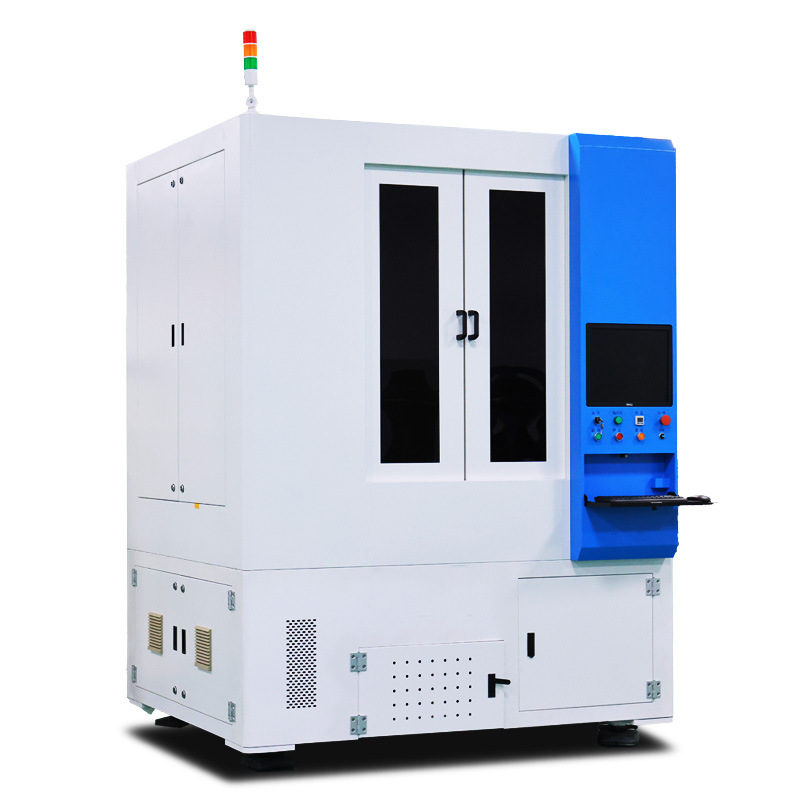
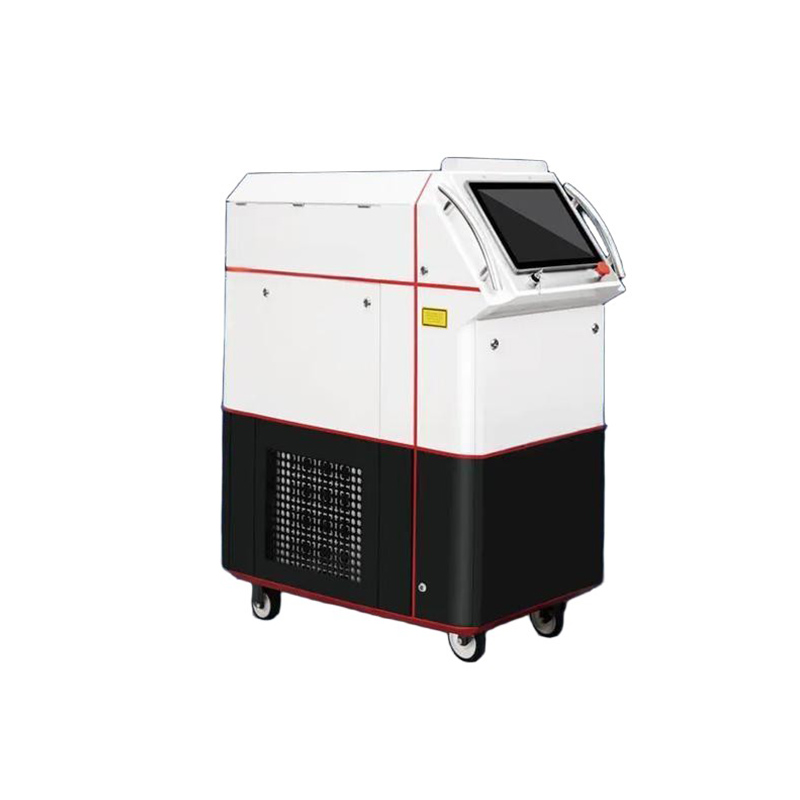
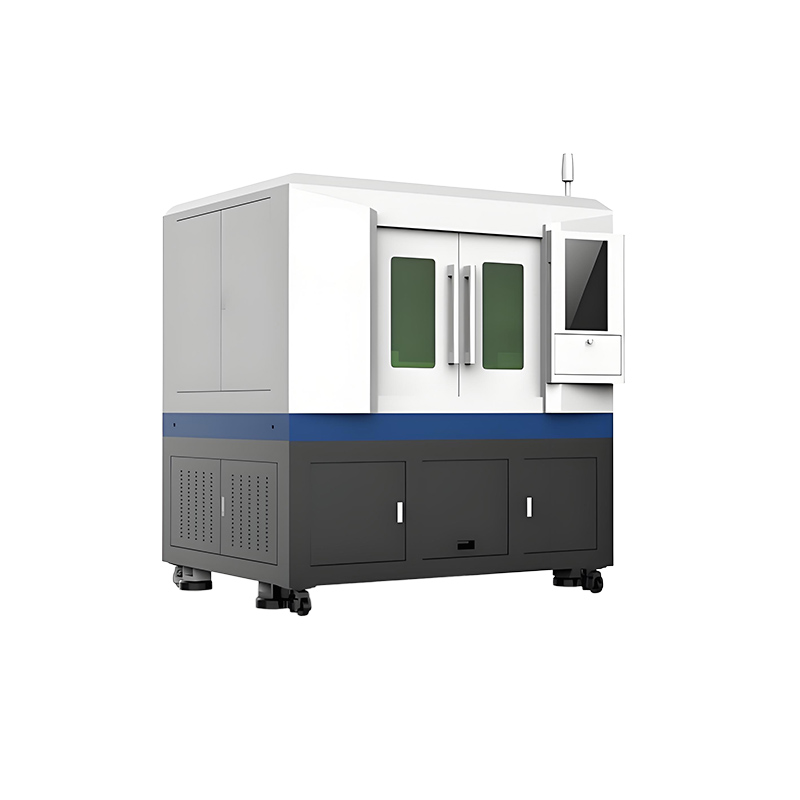
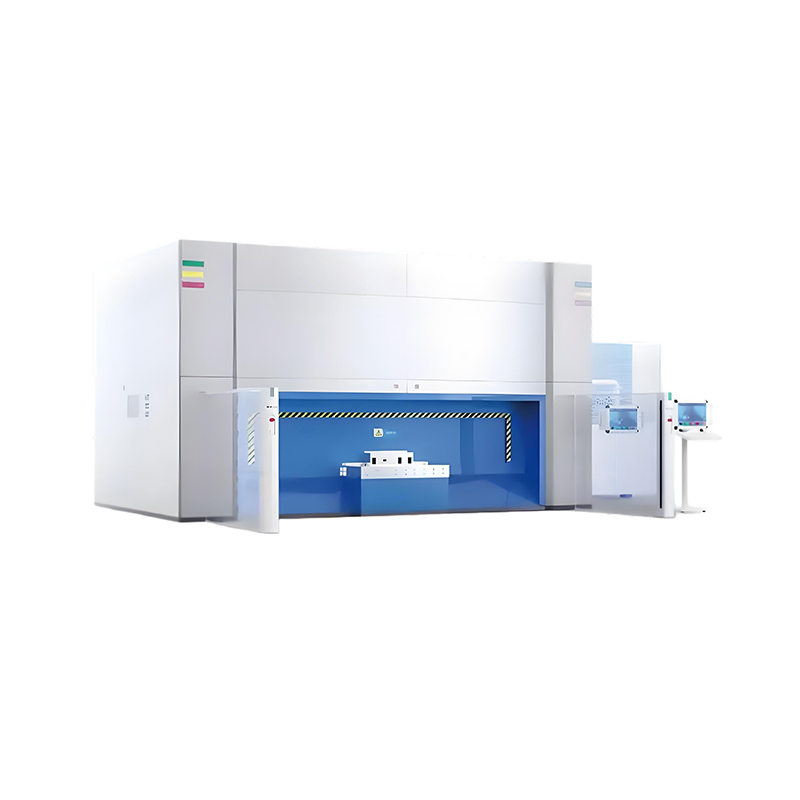
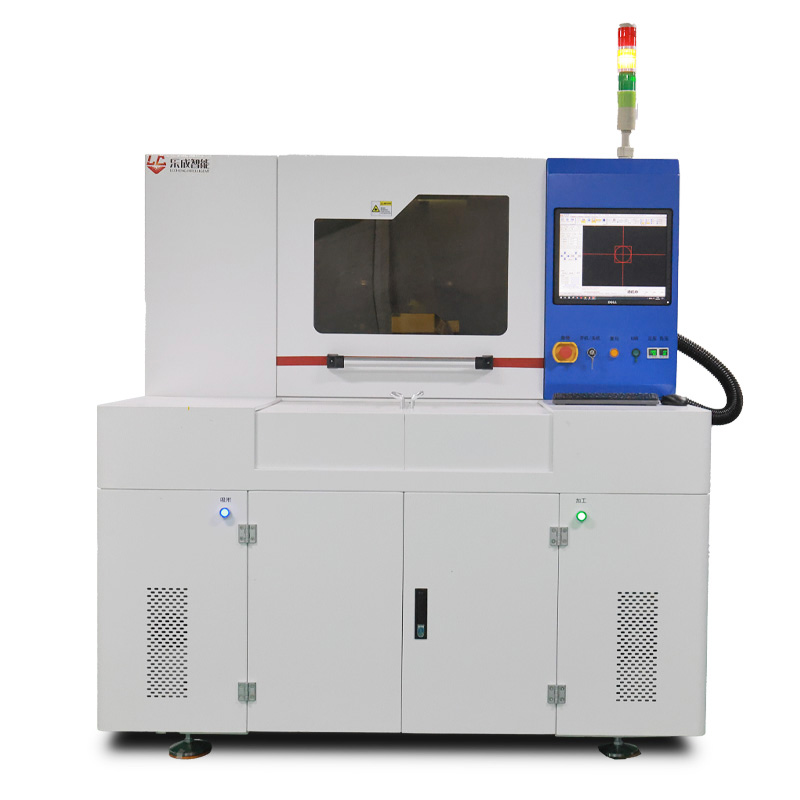
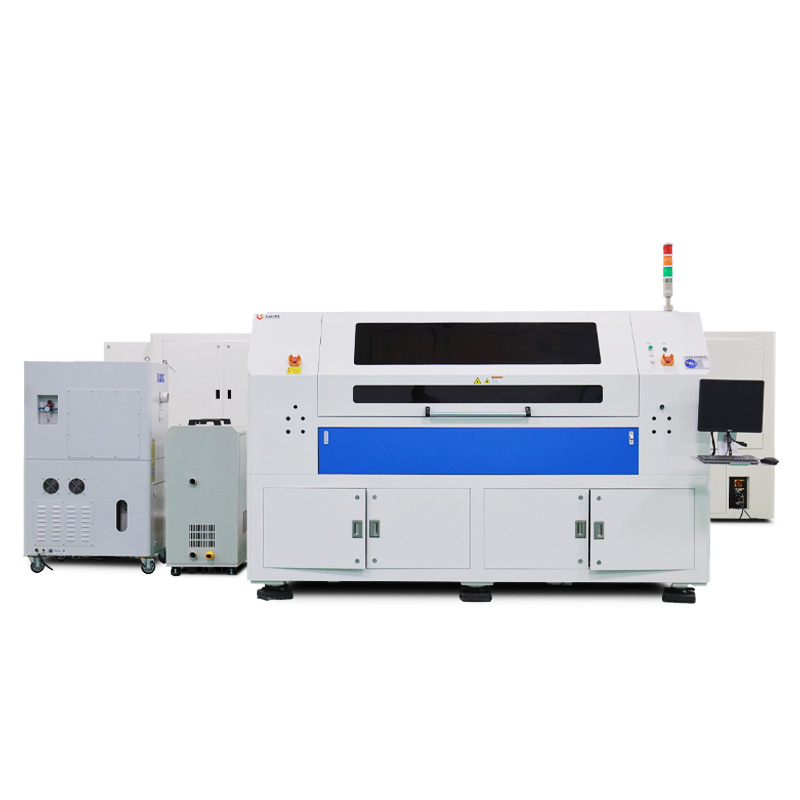
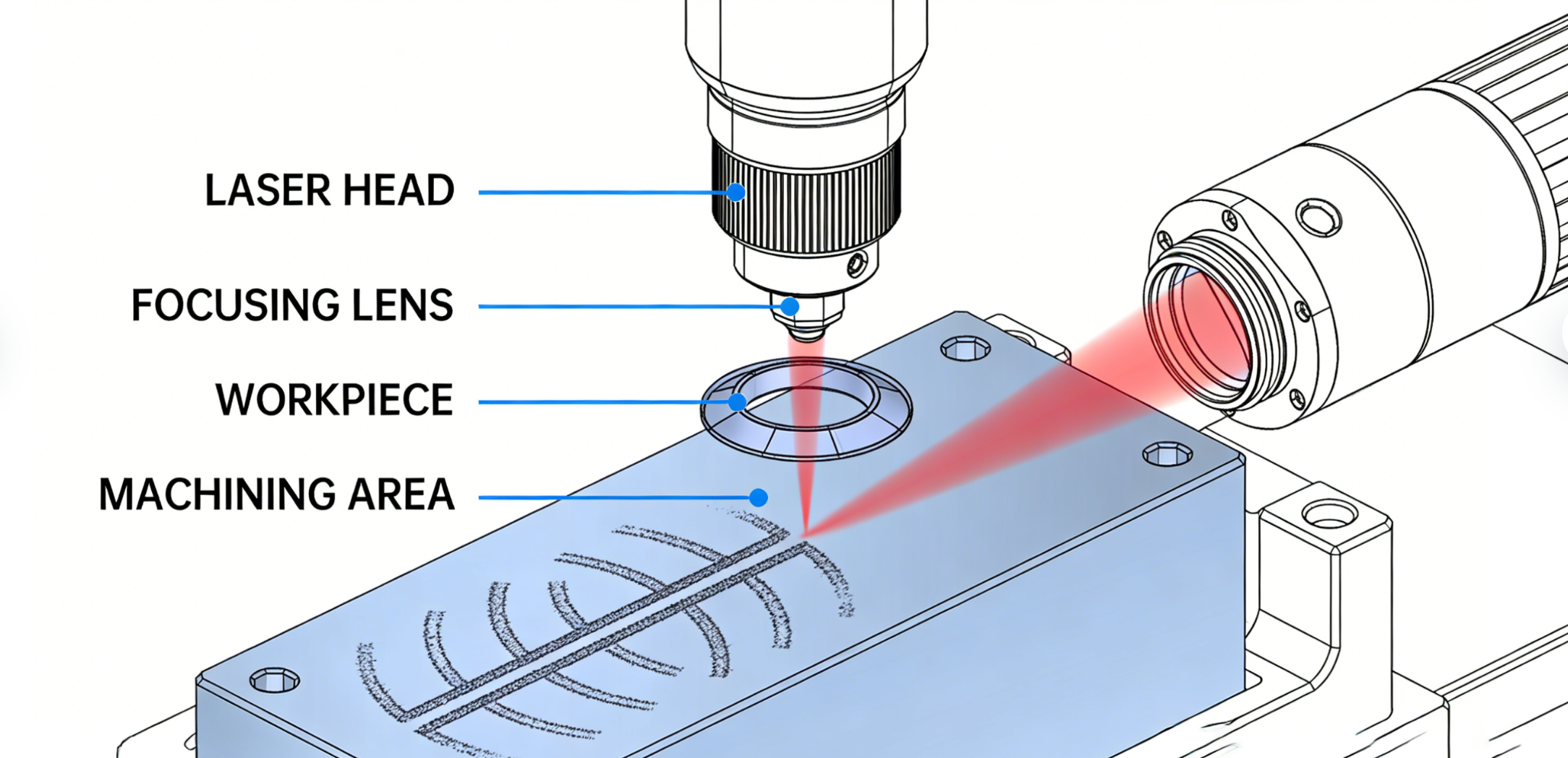
Precision in industrial laser equipment is not limited to a single parameter. It typically includes positioning accuracy, repeatability, beam quality, spot size, and thermal control. A machine may achieve high positioning accuracy, but if the laser energy fluctuates or the heat-affected zone is not well controlled, the final processing result may still vary. This is why buyers must evaluate precision as a combination of multiple factors rather than a single number.
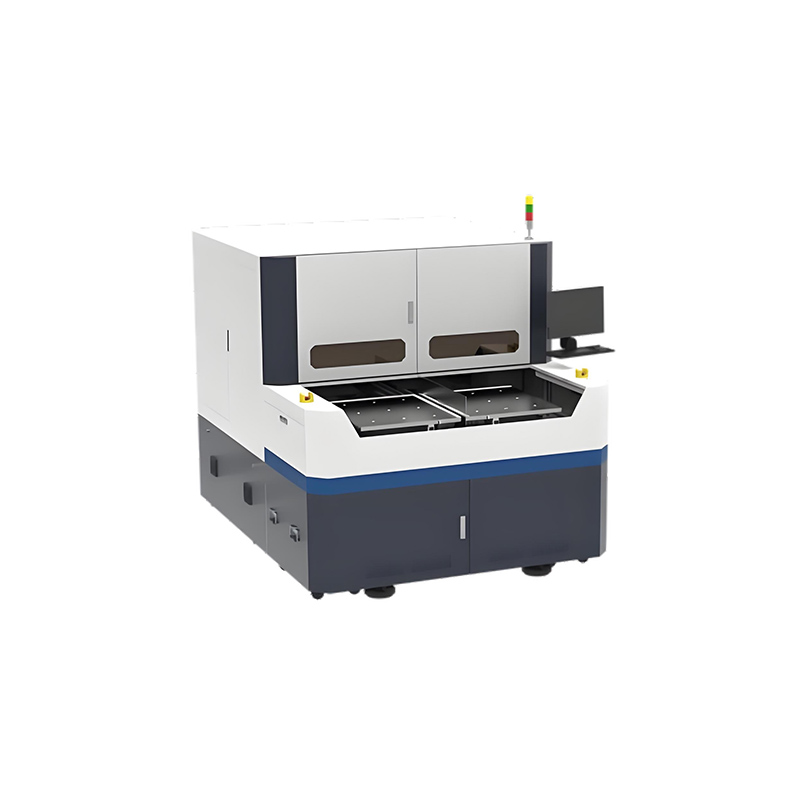
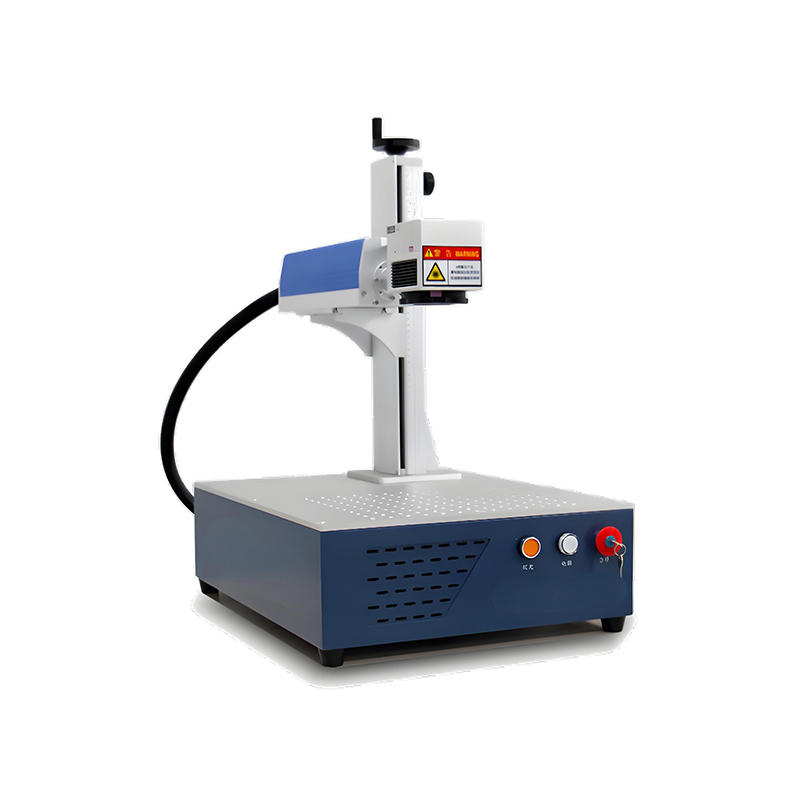
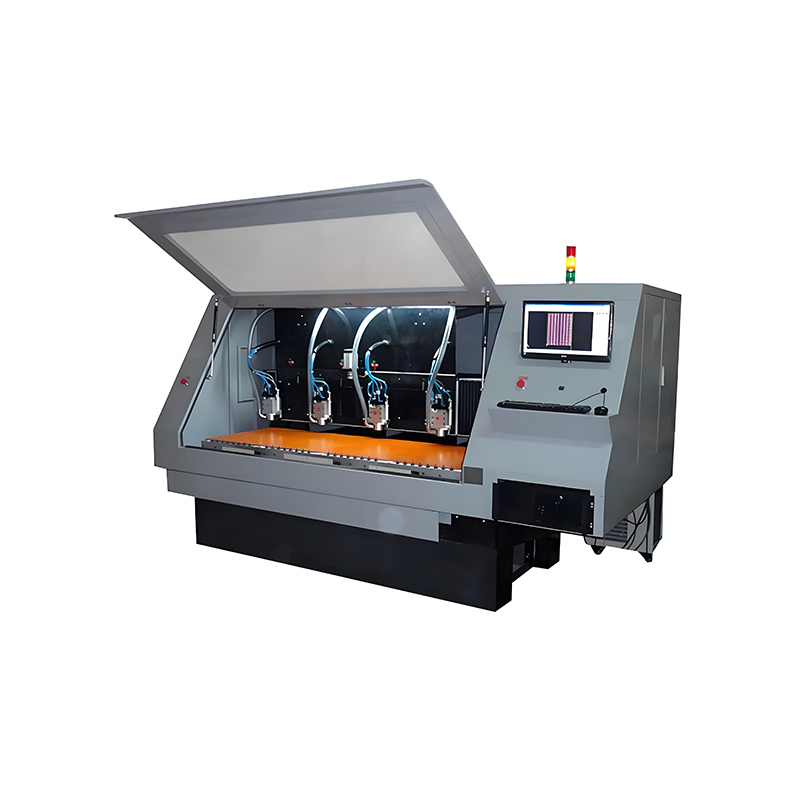
From a procurement perspective, the key question is whether the machine can produce consistent results across different parts, materials, and processing conditions. For example, fine marking on metal surfaces, micro-structuring, thin-film processing, or PCB drilling all require different types of precision control. A high-quality laser system should be able to adapt its parameters while maintaining stable output quality.
Buyers also prefer systems that allow fine parameter tuning and provide real-time feedback. This enables better control of processing accuracy and reduces dependence on operator experience.
Precision Stability In Continuous Production Conditions
Even if a laser machine performs well in a short test, the real challenge lies in maintaining precision over long production periods. In industrial environments, machines are expected to run continuously for hours or even around the clock. During this time, factors such as thermal expansion, mechanical wear, vibration, and environmental changes can affect precision.
A stable laser system is designed to minimize these influences. This includes using rigid machine structures, high-quality motion systems, stable laser sources, and optimized cooling systems. These elements work together to ensure that the machine can maintain consistent accuracy from the first part to the last part in a production batch.
For international buyers, consistency is often more important than peak precision. A machine that delivers slightly lower but stable accuracy may be more valuable than one with higher theoretical precision but unstable real-world performance.
How Precision Affects Yield, Cost, And Production Efficiency
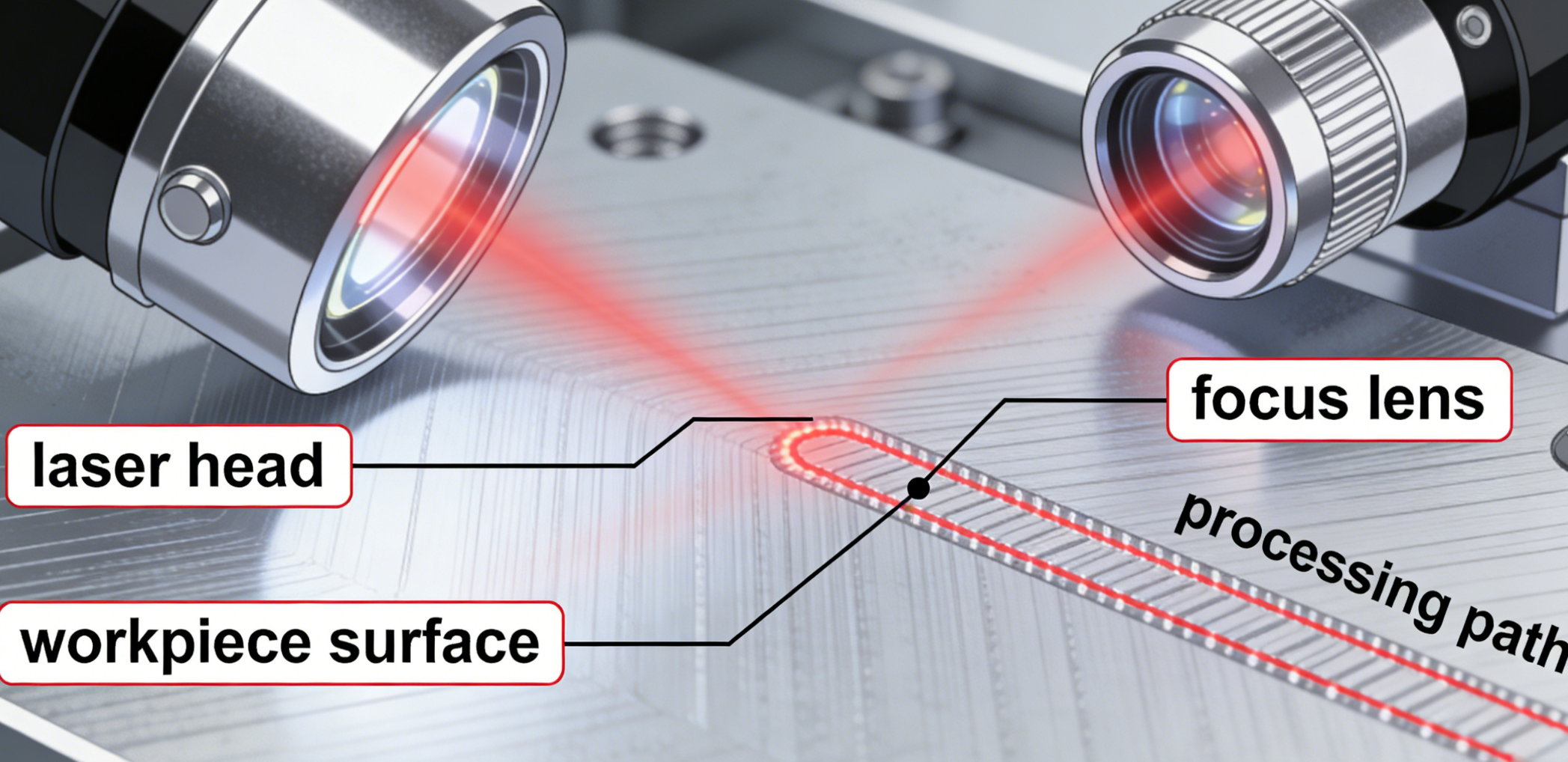
Precision in laser processing is directly linked to production yield and overall manufacturing cost. High precision reduces defects, minimizes rework, and ensures that downstream processes such as assembly, welding, or coating can proceed smoothly. In contrast, unstable precision can lead to inconsistent product quality and increased scrap rates.
From a business perspective, precision also affects efficiency. When machines produce consistent results, less time is needed for parameter adjustment, inspection, and troubleshooting. This improves overall productivity and shortens production cycles.
This is why serious buyers evaluate precision not only as a technical parameter, but as a factor that impacts long-term return on investment. A precise and stable laser system helps manufacturers achieve better quality, lower costs, and more predictable production outcomes.
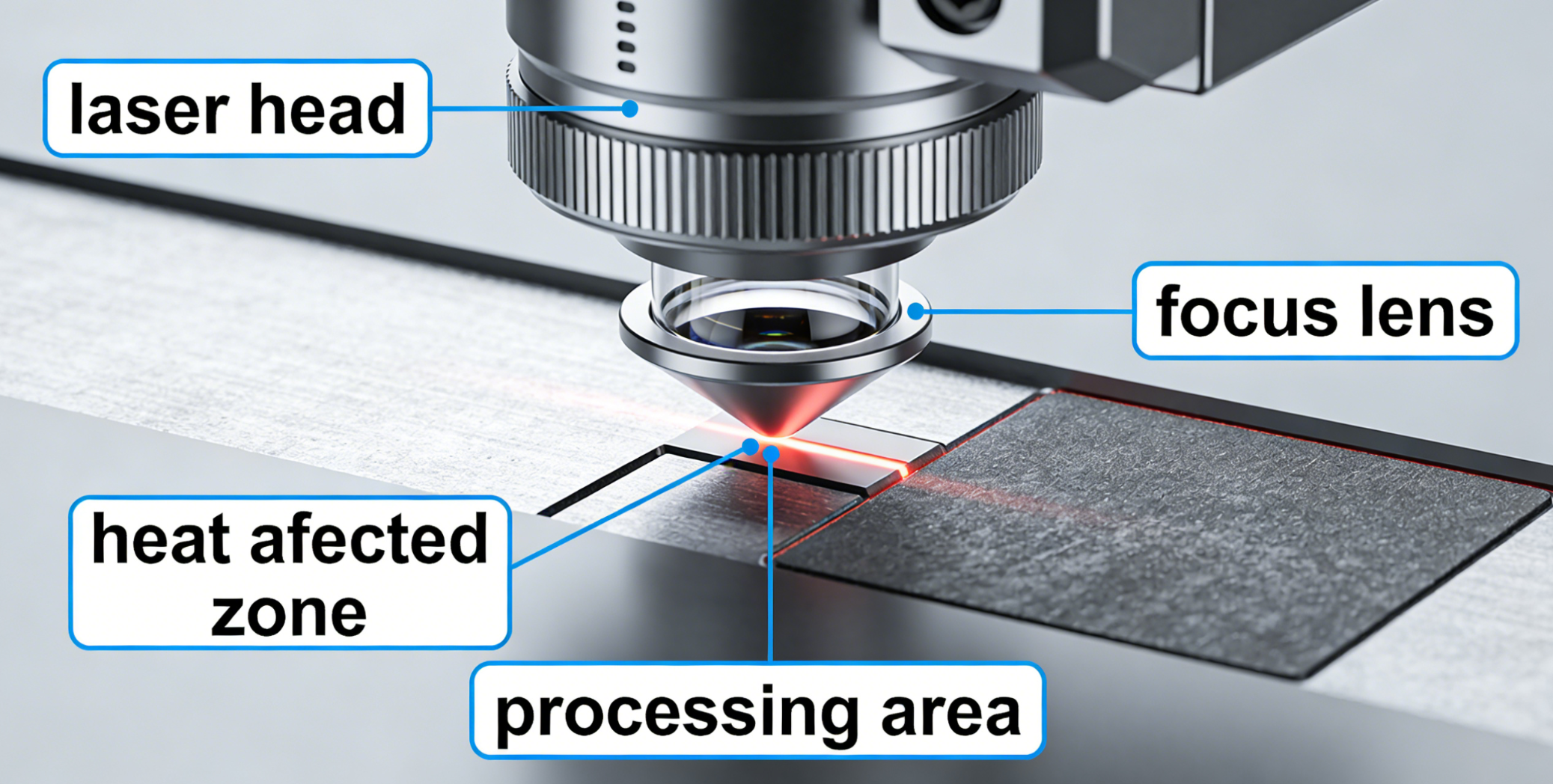
Industrial laser equipment can achieve high precision in real production only when it combines accurate positioning, stable laser performance, robust mechanical design, and consistent process control. For buyers, the key is not the highest precision on paper, but the ability to maintain that precision reliably in daily production. A machine that delivers consistent, repeatable, and stable results will ultimately provide the greatest value in industrial applications.