


Precision Stability In High-Speed PCB Drilling
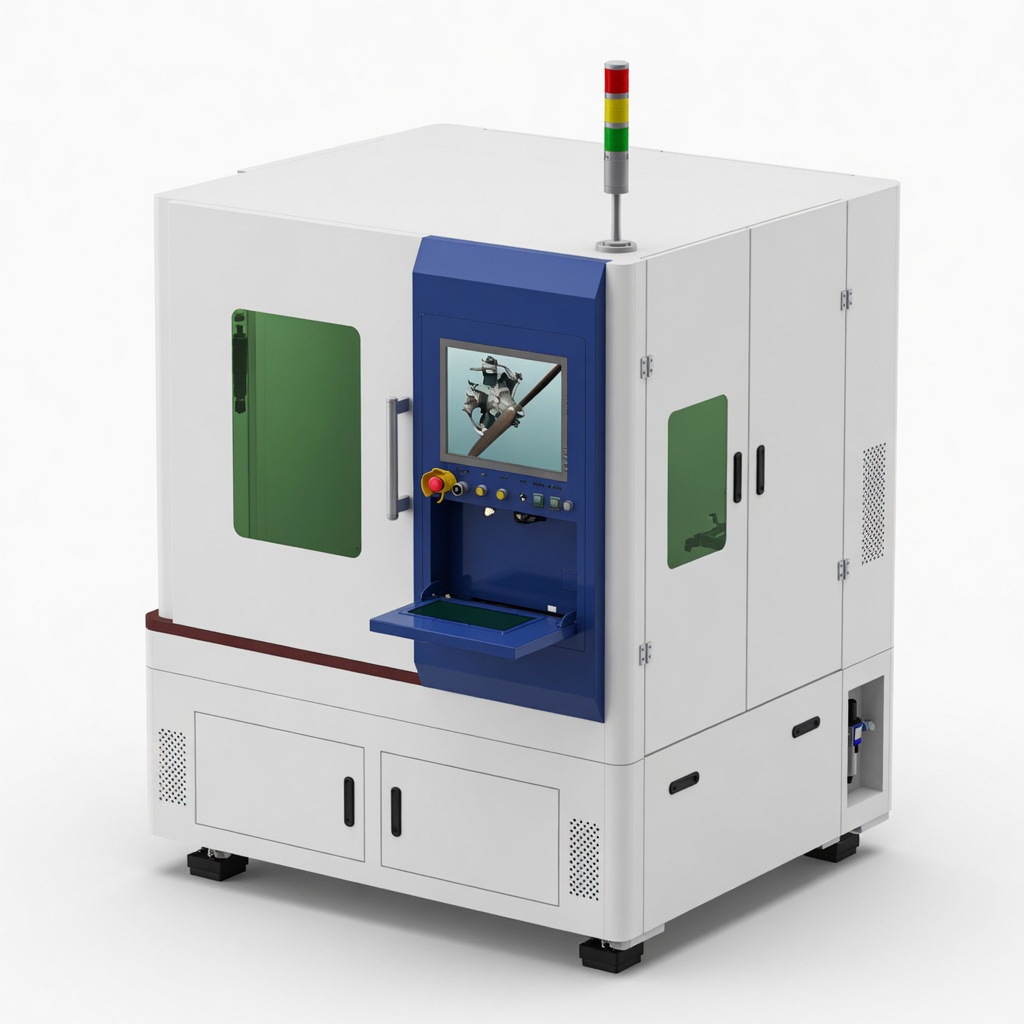
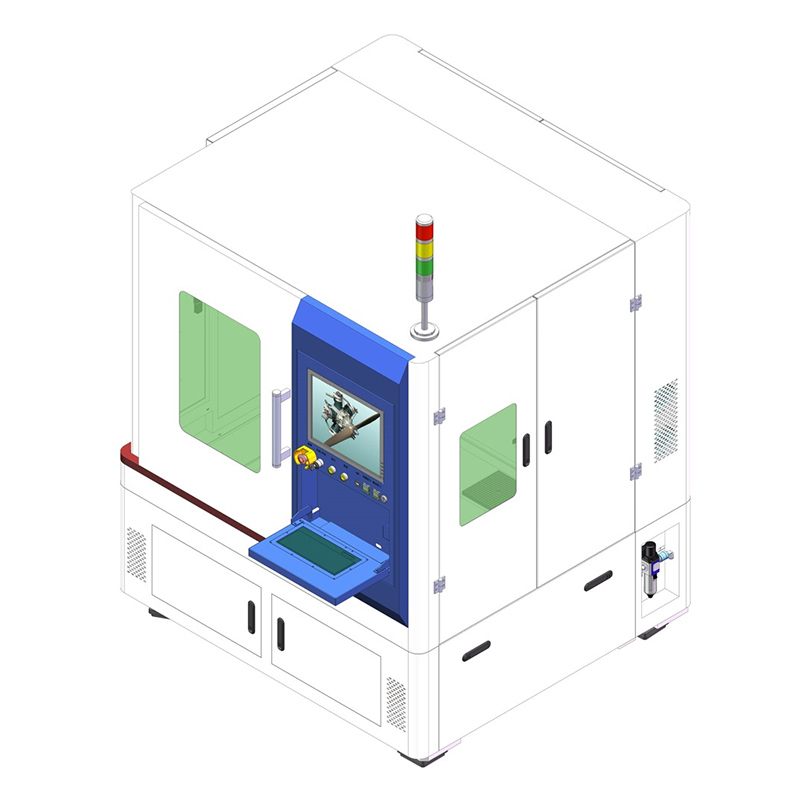
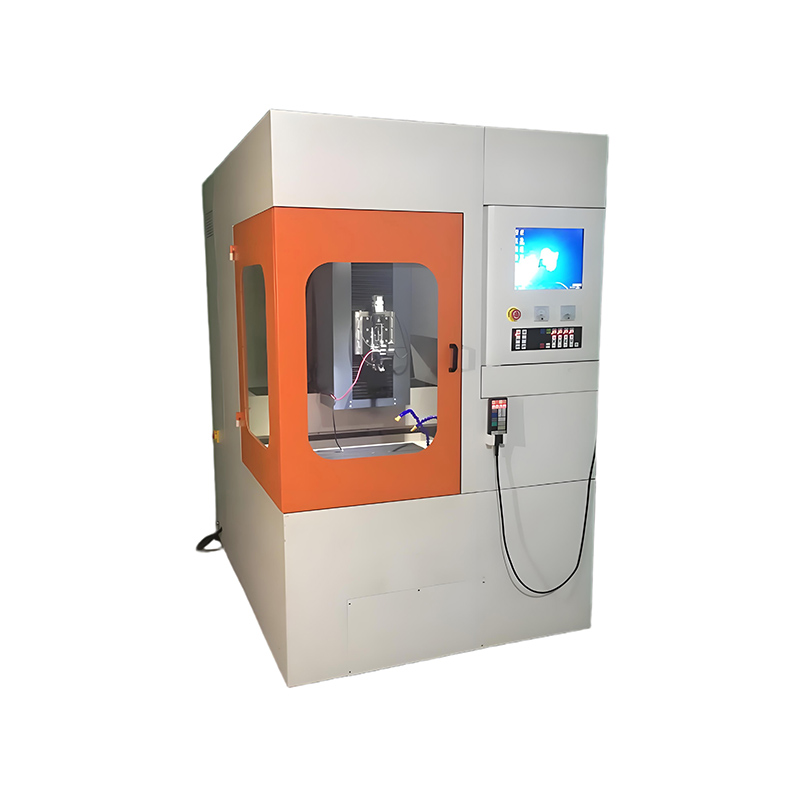
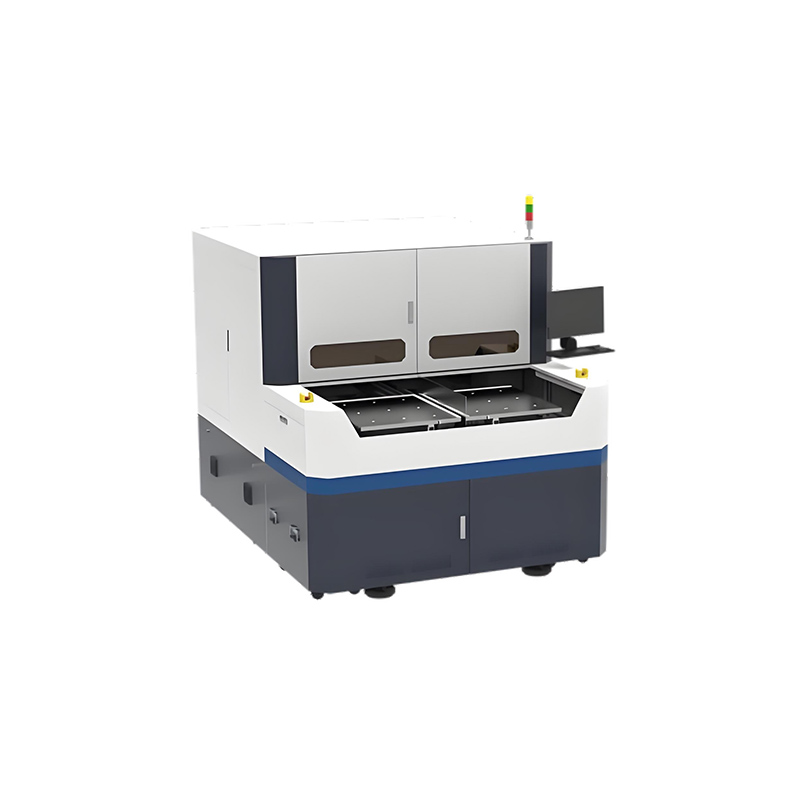
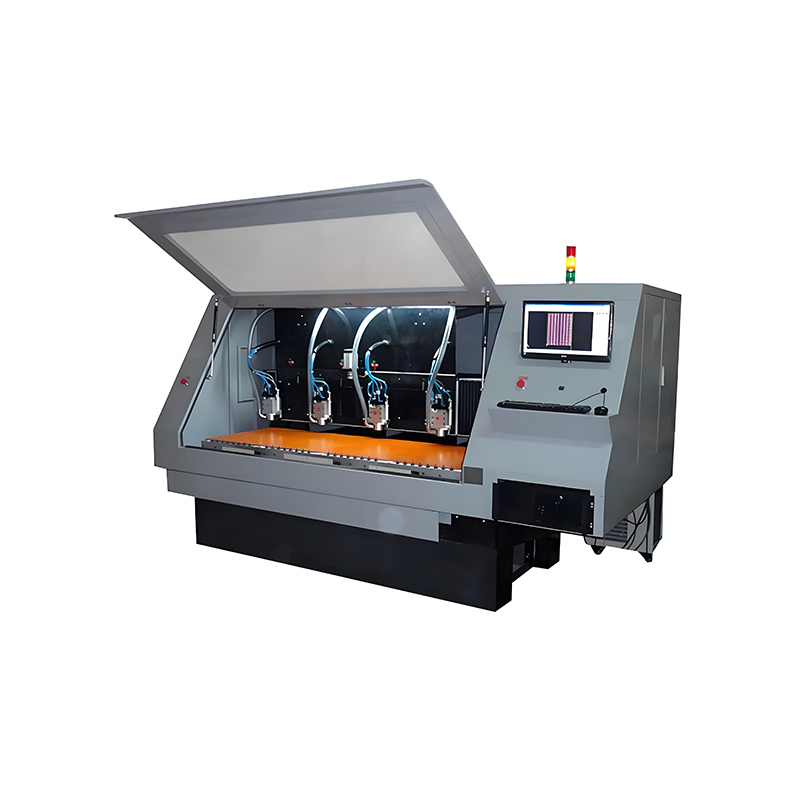
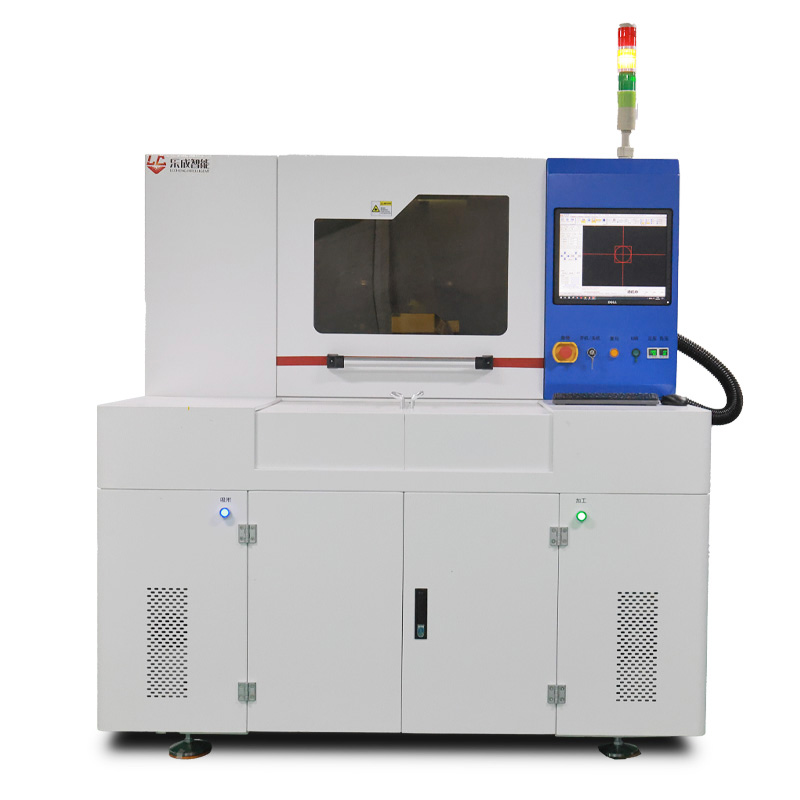
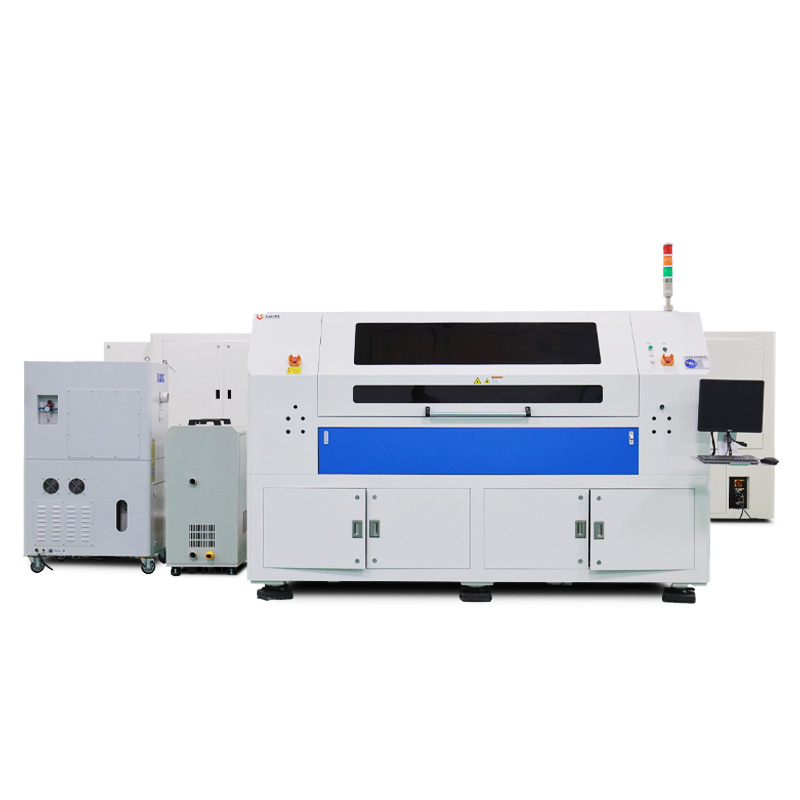
A PCB drilling machine must first demonstrate stable precision under high-speed operating conditions. In modern PCB manufacturing, drilling often involves high spindle speeds, small hole diameters, and strict positional tolerances. Under these conditions, even minor vibration, spindle fluctuation, or positioning drift can affect hole quality. Buyers therefore pay close attention to whether the machine can maintain drilling accuracy continuously across long production runs.
From a procurement perspective, stable precision depends on multiple system factors, including spindle quality, motion control accuracy, machine frame rigidity, and thermal management. A well-designed machine should minimize mechanical deviation and maintain repeatable results from the first board to the last board in the same shift. This type of stability is especially important for high-density and multilayer PCB production, where drilling errors can create serious downstream assembly problems.
Buyers also prefer suppliers who can provide drilling accuracy data, sample boards, and long-run test results. These materials help prove that the machine is not only precise in theory, but truly stable in real factory production.
Mechanical Reliability, Spindle Life, And Continuous Operation Performance
Long-term stability is not determined by drilling accuracy alone. Buyers also want to know whether the machine can operate for extended periods without frequent breakdowns, recalibration, or maintenance interruptions. In PCB production, machine downtime can quickly reduce productivity and disrupt delivery schedules. For this reason, procurement teams evaluate the reliability of the machine structure, spindle system, control electronics, and supporting components.
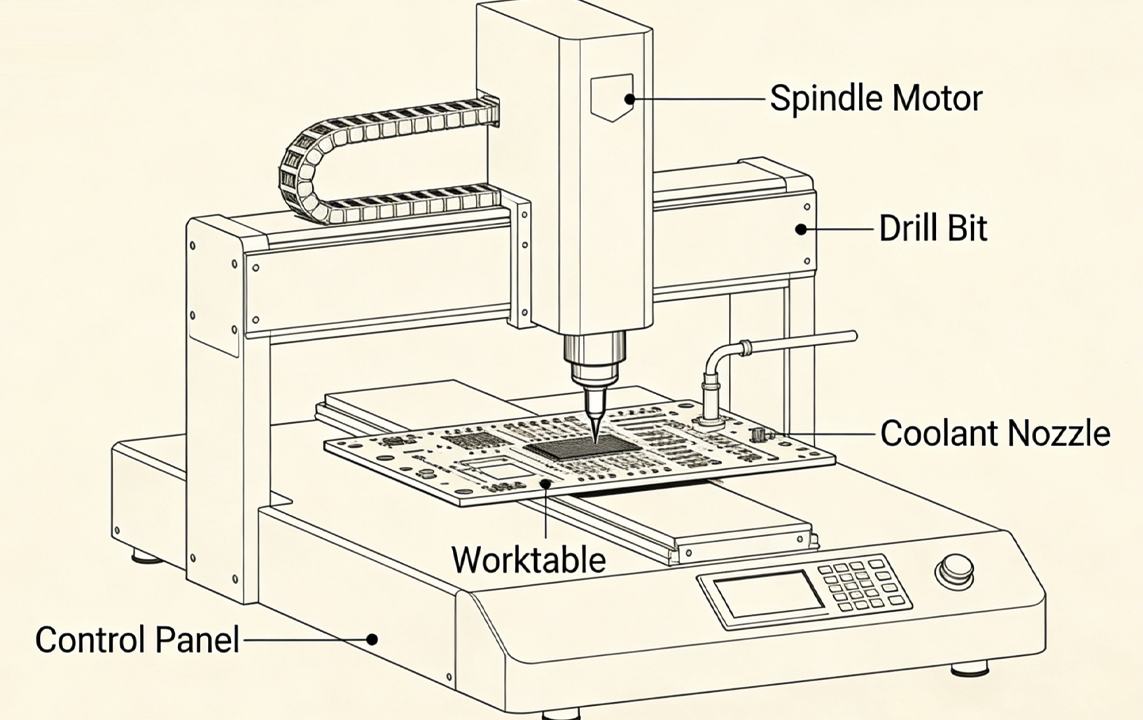
The spindle is one of the most critical parts of a PCB drilling machine. A stable spindle must maintain high rotational performance, low vibration, and consistent cutting quality over time. If spindle wear increases too quickly, or if heat buildup affects rotation stability, the machine may produce poor hole quality even when software settings remain unchanged. Buyers therefore see spindle life and performance consistency as key indicators of machine value.
In addition, a reliable drilling machine should include intelligent monitoring, preventive maintenance support, and efficient fault diagnosis. These features allow factories to detect problems early and reduce unplanned downtime, which is essential for maintaining stable high-volume production.
Yield Stability, Process Consistency, And Long-Term Production Value
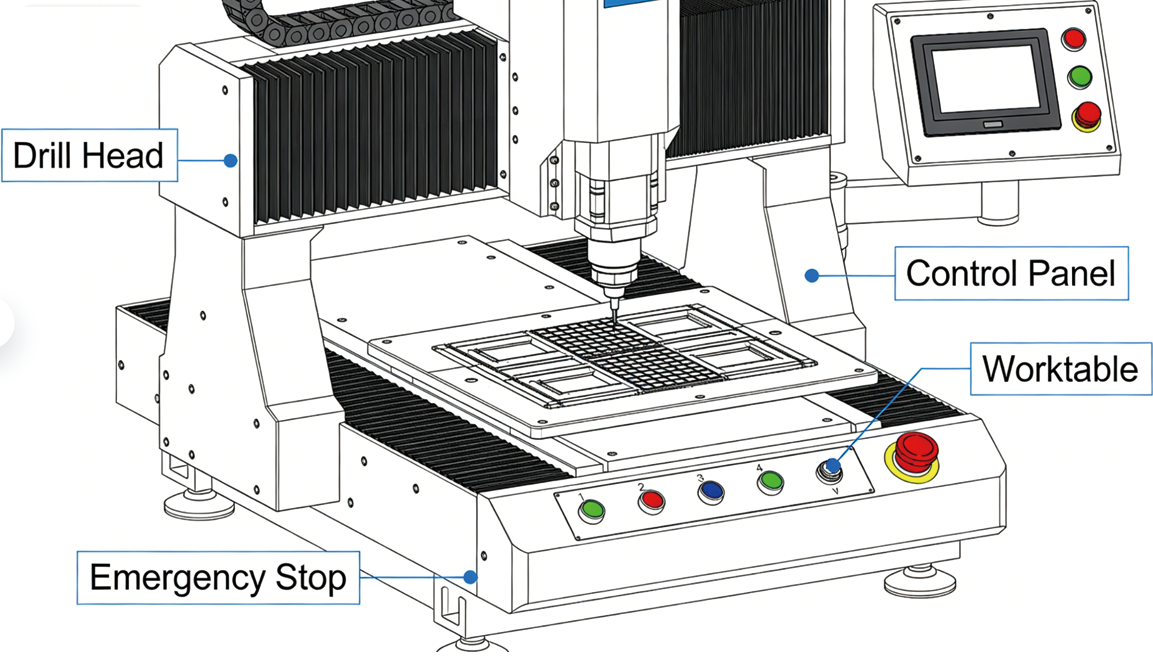
For international buyers, the true meaning of equipment stability is whether the machine can support consistent yield over time. A PCB drilling machine that performs well on a short test is not enough if it cannot deliver the same hole quality, registration accuracy, and process repeatability after weeks or months of production. Stability must be evaluated as a long-term production capability, not just an initial machine specification.
Consistent drilling quality helps reduce scrap, improve downstream plating and assembly results, and enhance final product reliability. This directly affects total manufacturing cost and customer satisfaction. Buyers who look beyond initial machine price understand that stable equipment creates more value over the life cycle of the production line.
That is why serious procurement teams prefer suppliers who combine machine quality, process support, operator training, spare parts planning, and long-term service. Stable PCB drilling is not the result of one strong component alone, but of a complete system working together under production conditions.
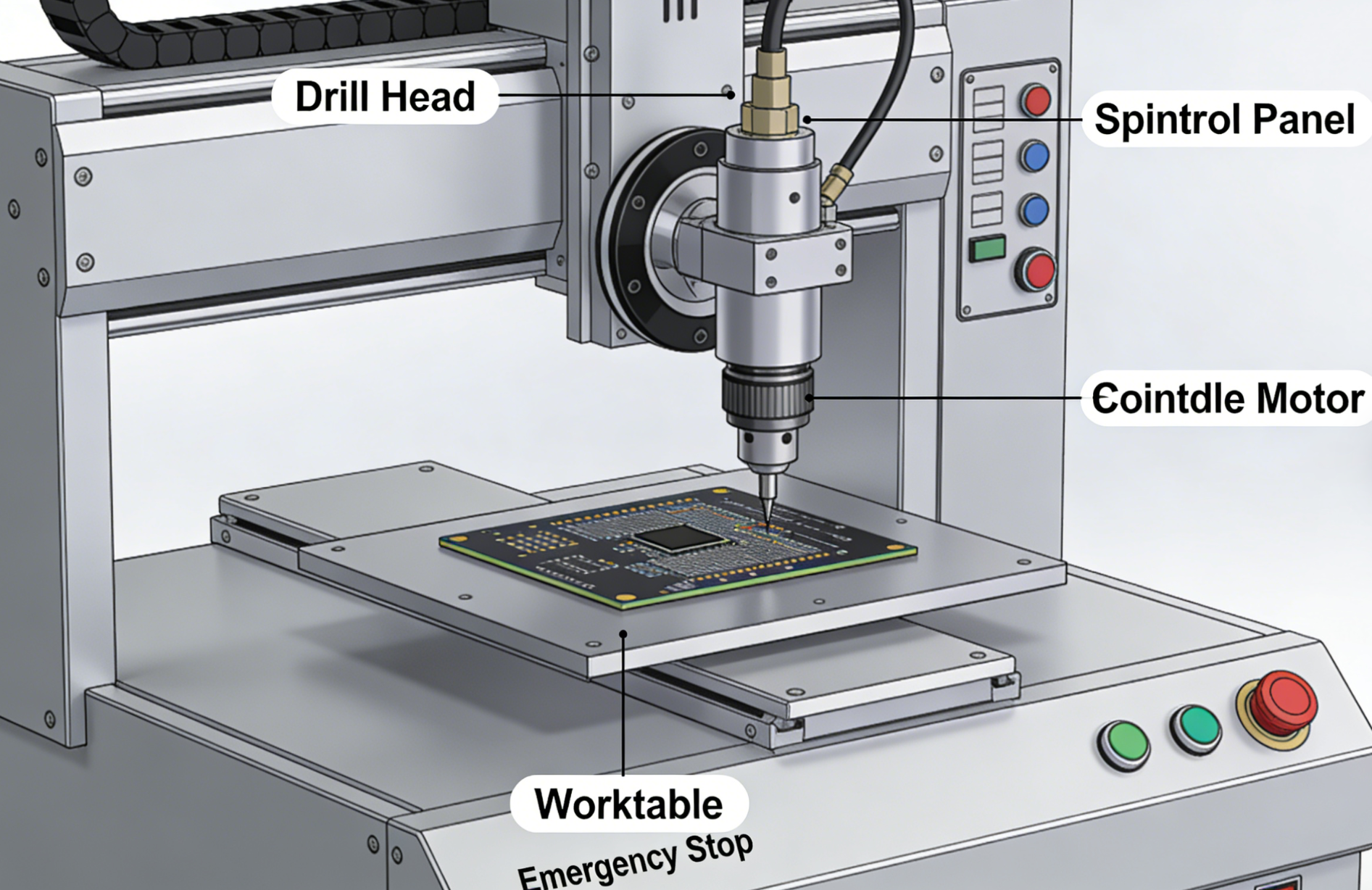
The stability of a PCB drilling machine should be judged by its ability to maintain drilling precision, mechanical reliability, spindle consistency, and yield performance throughout long-term production. For buyers, a truly stable machine is not simply one that runs fast, but one that can keep delivering predictable, repeatable, and high-quality results with low downtime and controlled operating risk.