


Which is Best for Perovskite Scribing
Infrared vs. Green vs. UV Lasers: Wavelength Selection Criteria
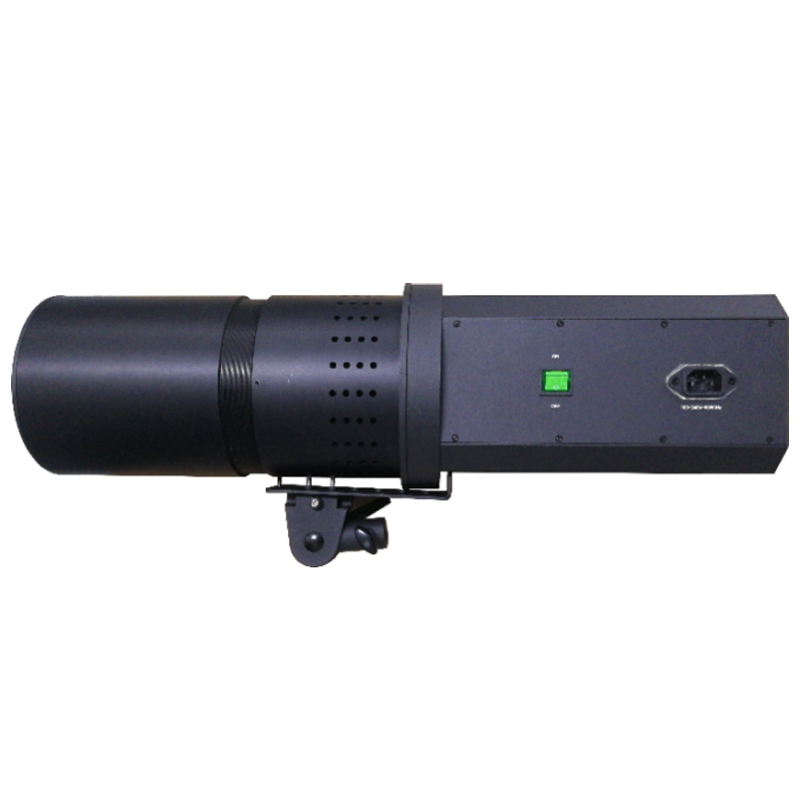
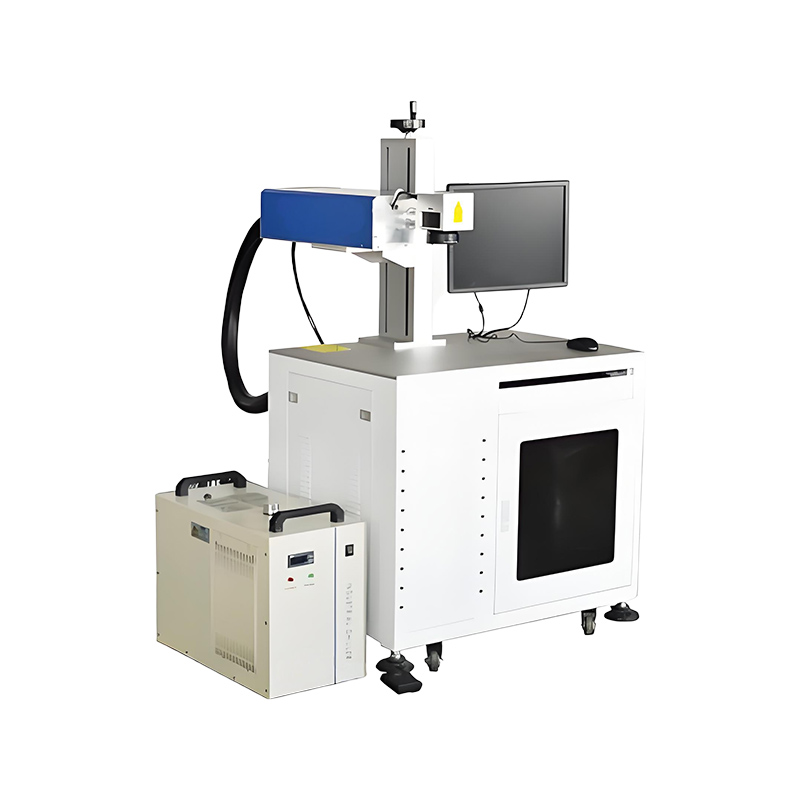
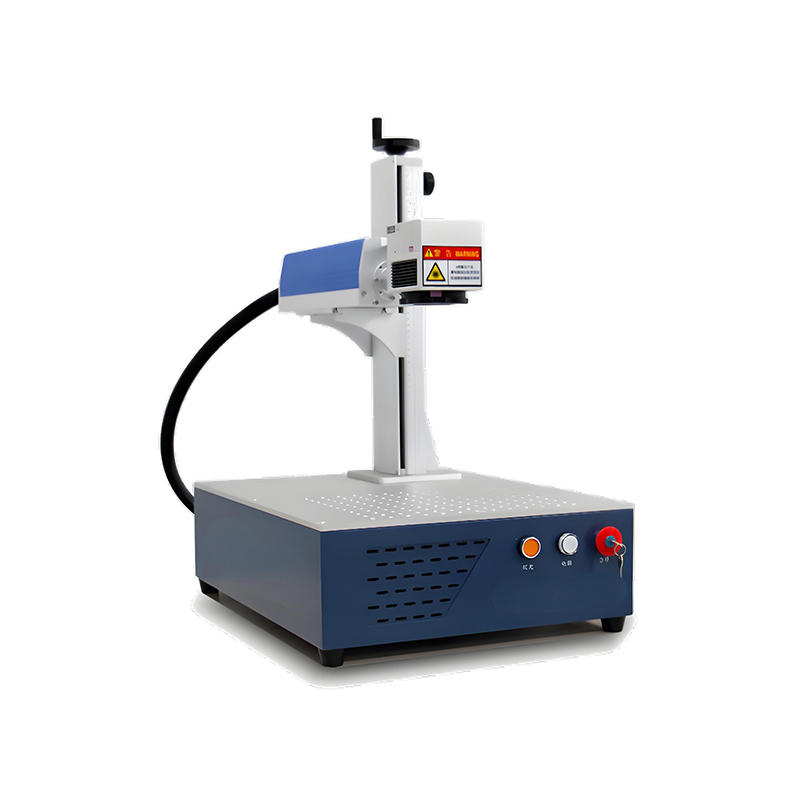
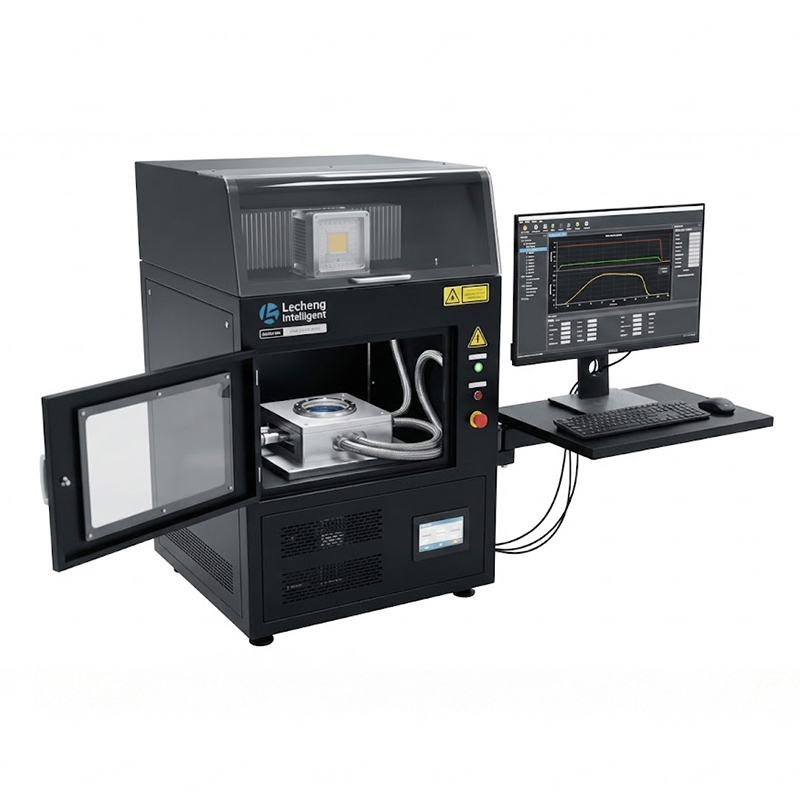
The choice of laser wavelength fundamentally impacts perovskite scribing quality through its interaction with different material layers. Infrared lasers (1064nm) excel in P1 scribing for their strong absorption by TCO layers like ITO, enabling clean removal without glass substrate damage. However, their longer wavelength creates larger heat-affected zones (HAZ) up to 5μm. Green lasers (532nm) strike an optimal balance for P2/P3 processes, offering moderate absorption by perovskite and charge transport layers while maintaining 2-3μm HAZ. Their higher photon energy enables cleaner ablation of organic-inorganic hybrid materials. UV lasers (355nm) deliver the highest precision with sub-micron HAZ, making them ideal for delicate P3 patterning where metal electrode integrity is critical. Lecheng's multi-wavelength systems allow manufacturers to switch between sources for different process steps, optimizing quality and throughput simultaneously.
Pulse Duration Considerations: Nanosecond vs. Picosecond Performance
Pulse width determines the thermal impact mechanism during material removal. Nanosecond lasers provide cost-effective solutions for high-speed scribing but generate significant thermal diffusion, potentially causing perovskite decomposition at fluences above 0.5J/cm². Picosecond lasers utilize ultra-short pulses to achieve cold ablation through direct vaporization, virtually eliminating thermal damage to adjacent areas. This is particularly valuable for P2 scribing where precise depth control must preserve underlying TCO layers. Lecheng's tests demonstrate picosecond systems achieve 300% better edge definition than nanosecond alternatives, though at 40% higher equipment cost. The choice ultimately depends on production volume and efficiency targets, with picosecond lasers delivering superior yield for premium applications.
Integrated Solutions: Matching Laser Parameters to Process Requirements
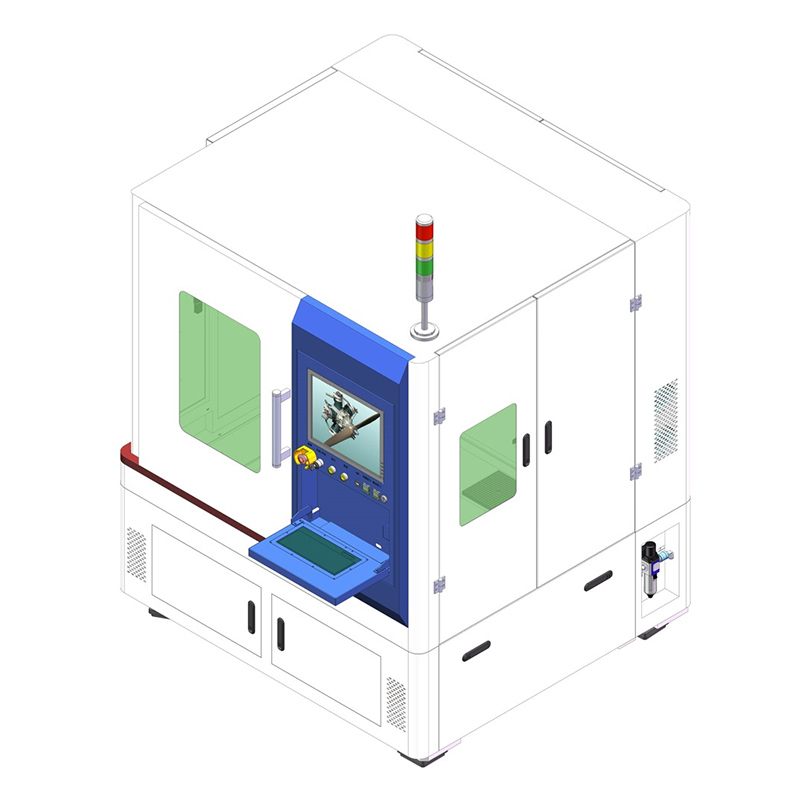
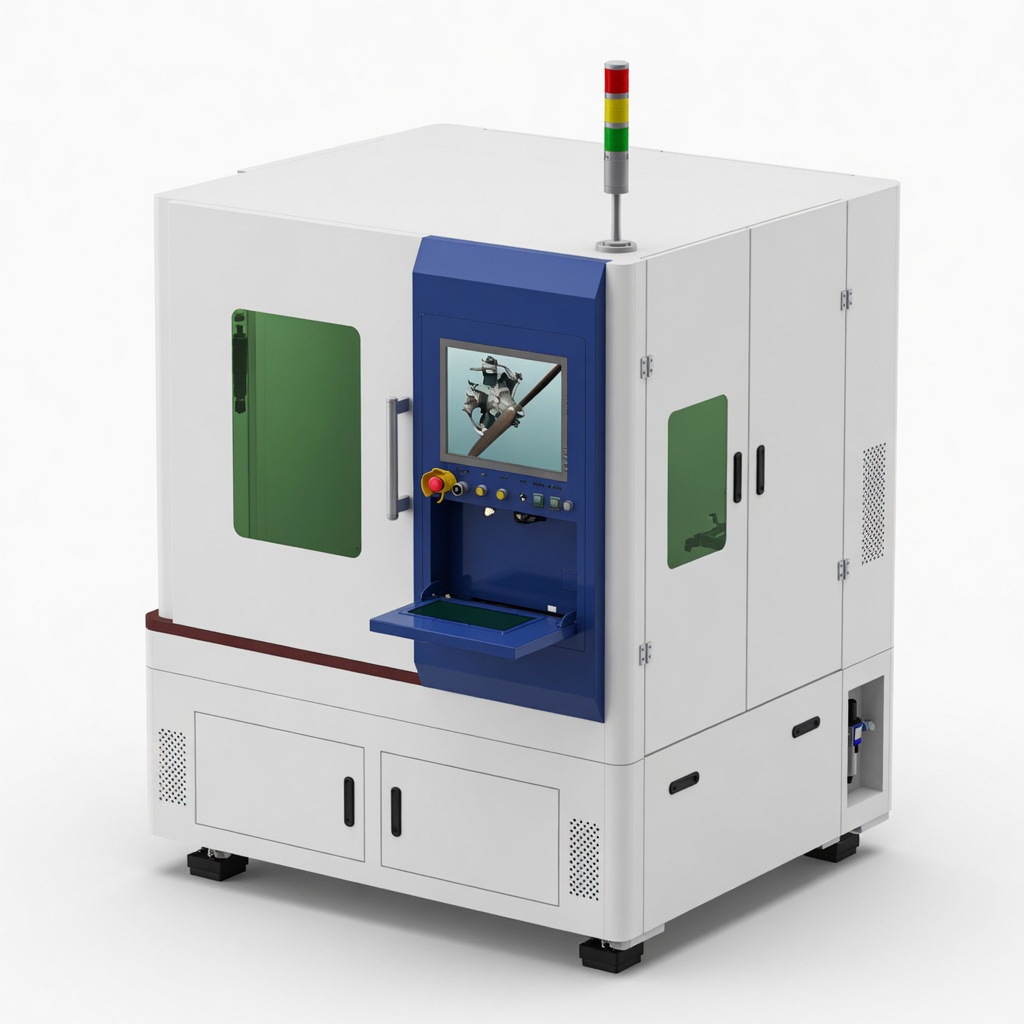
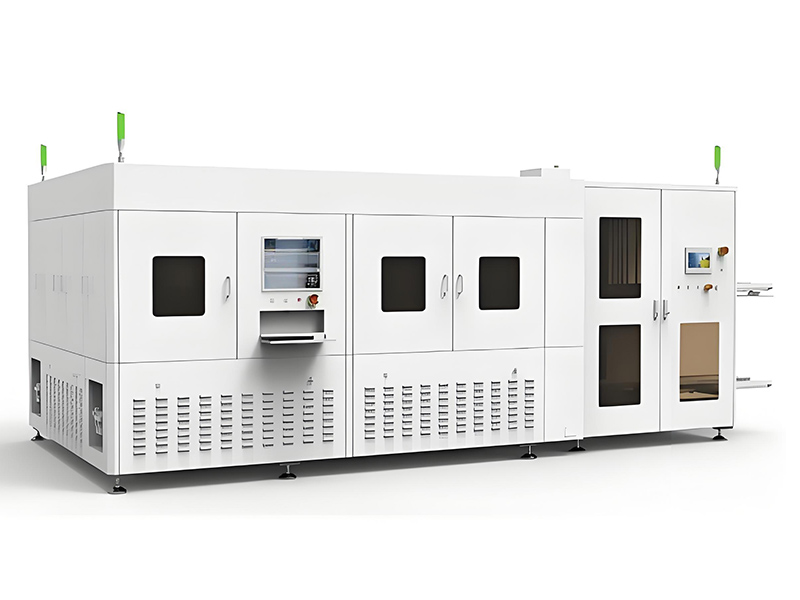
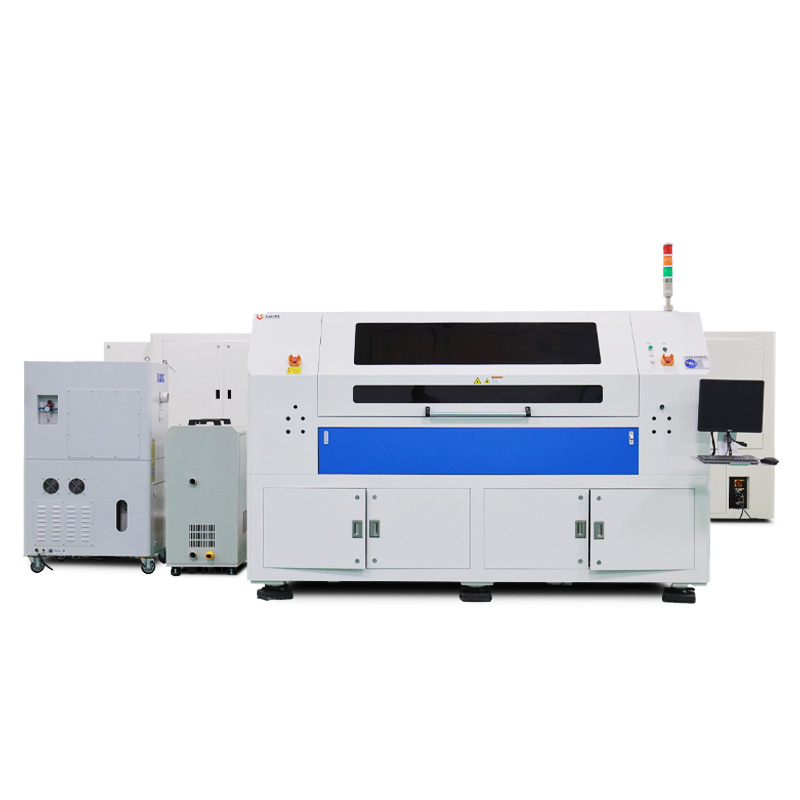
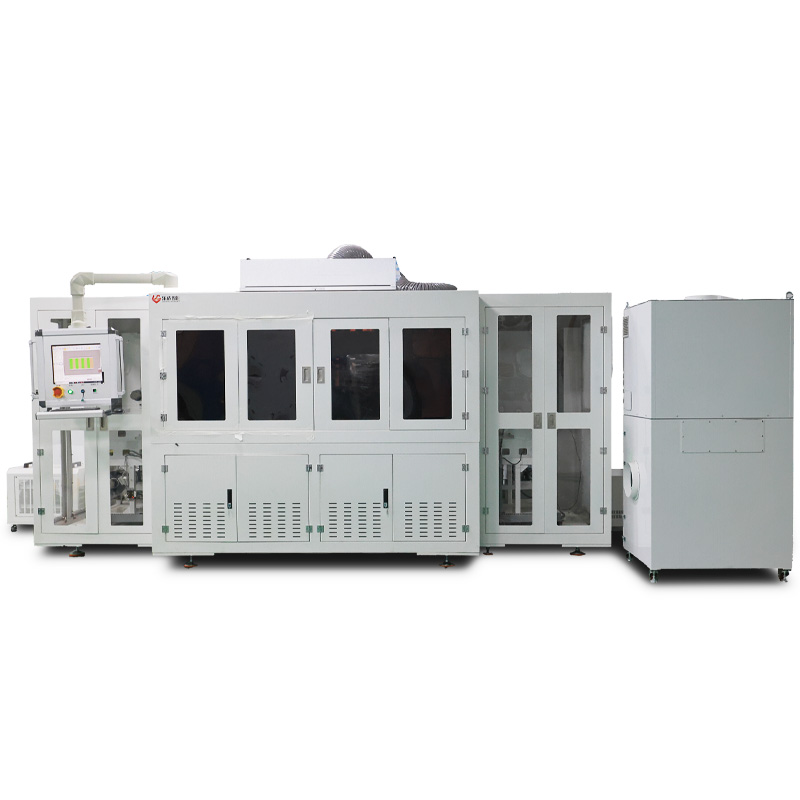
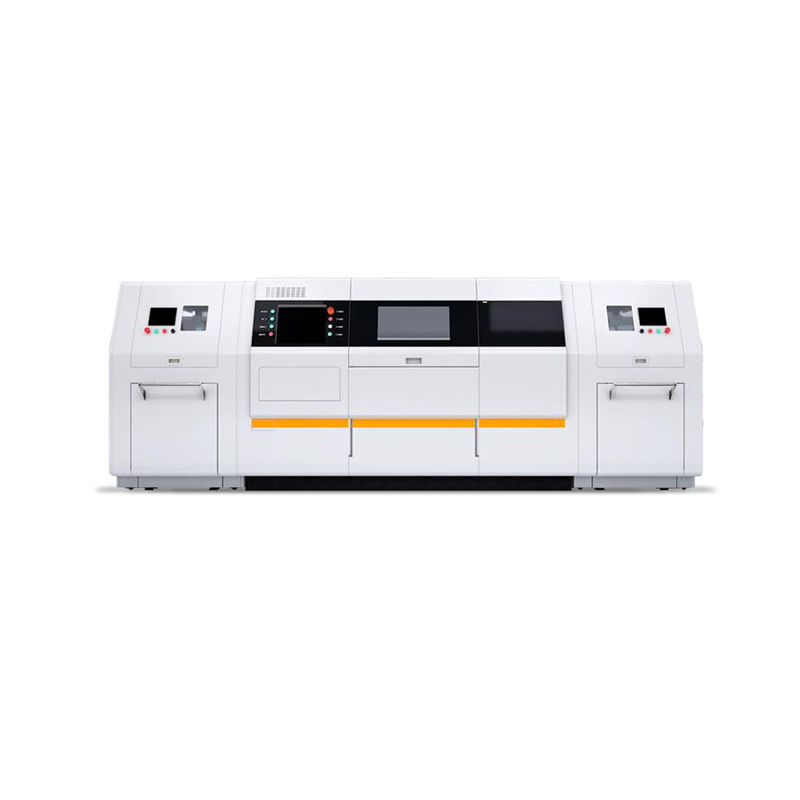
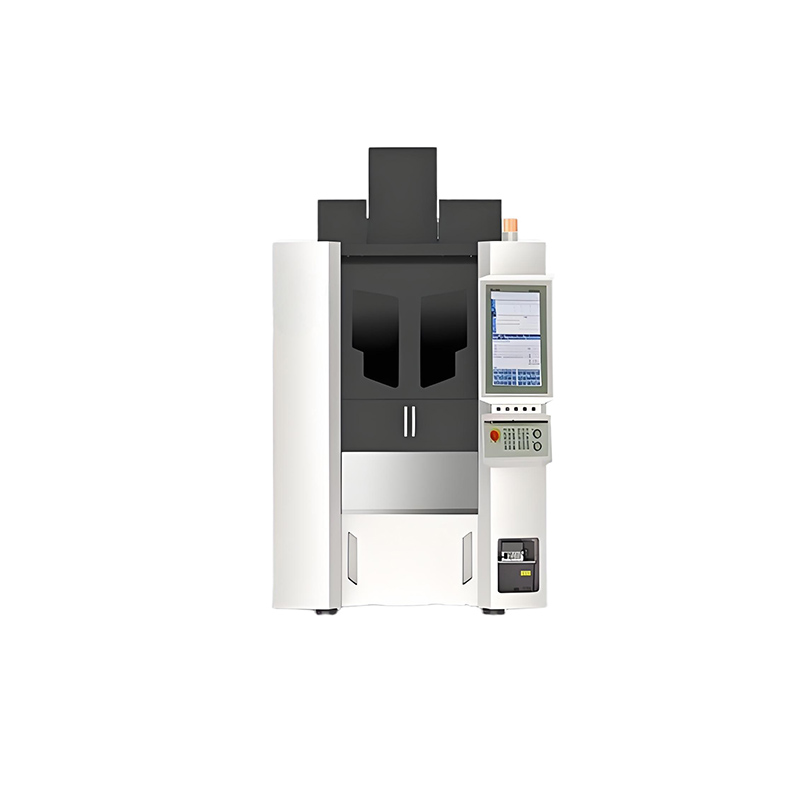
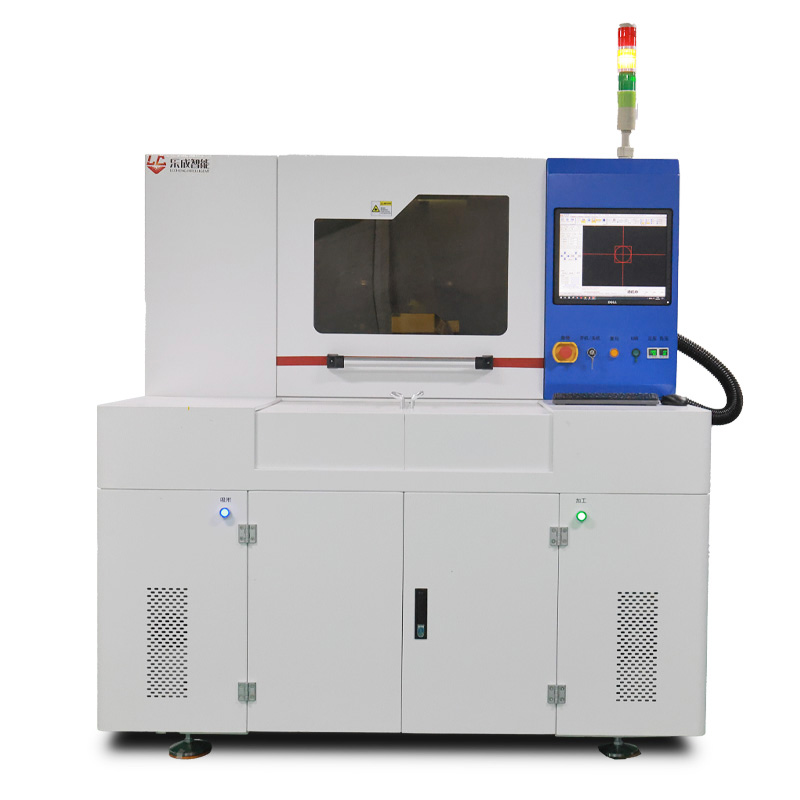
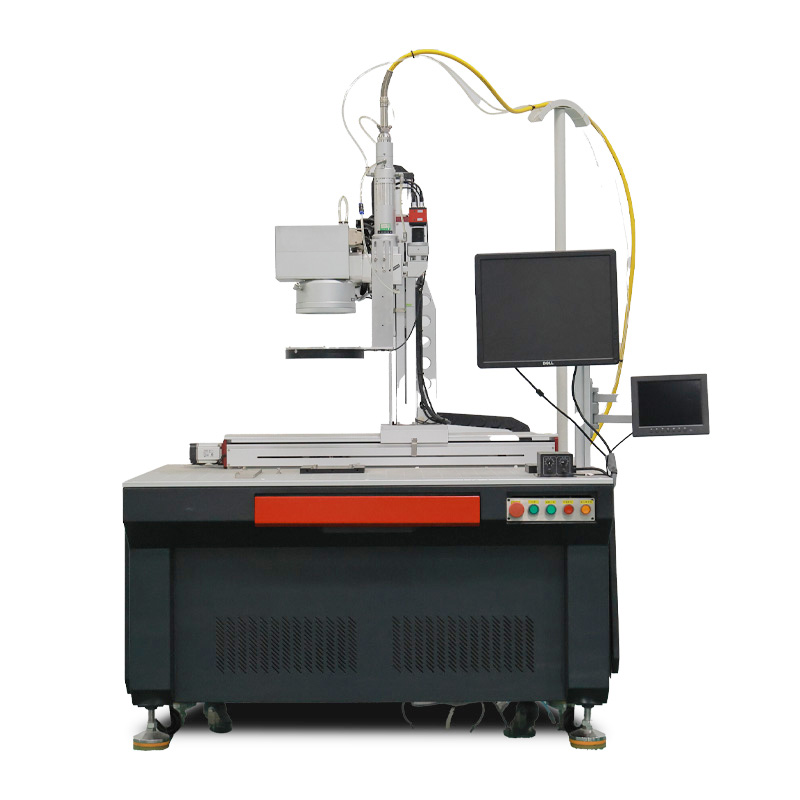
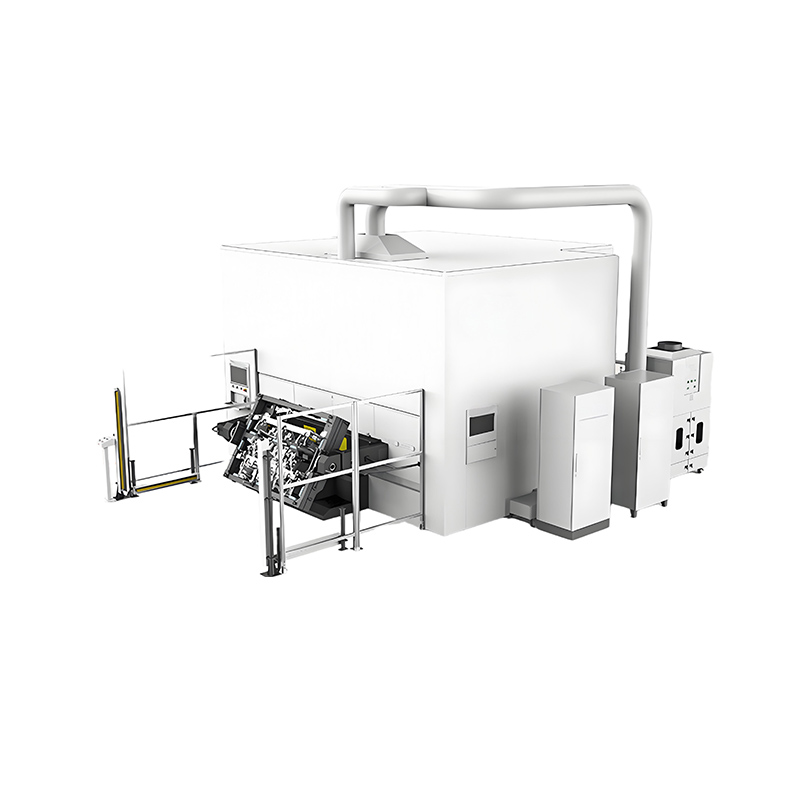
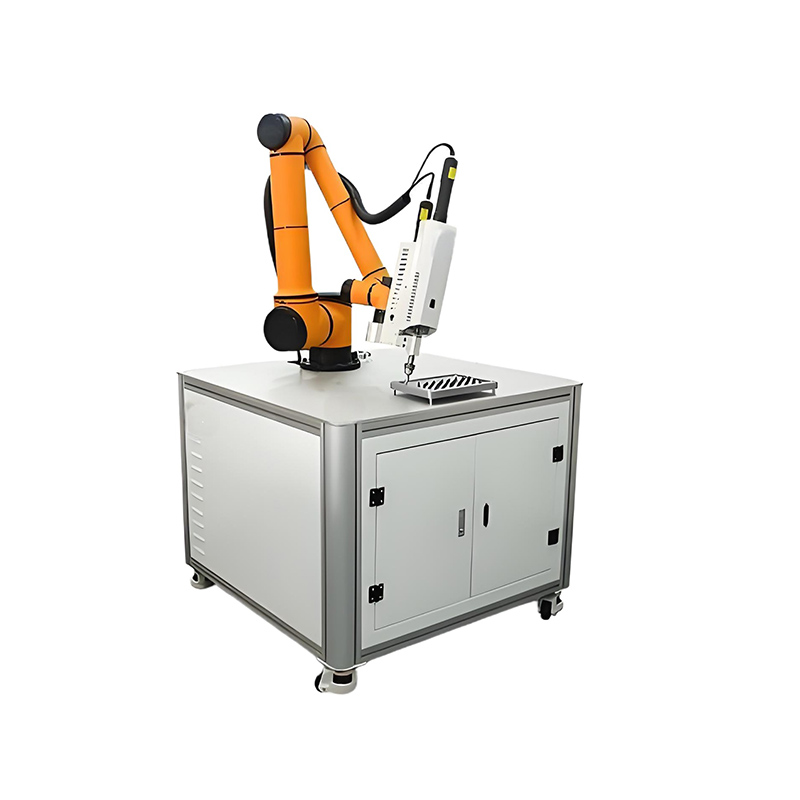
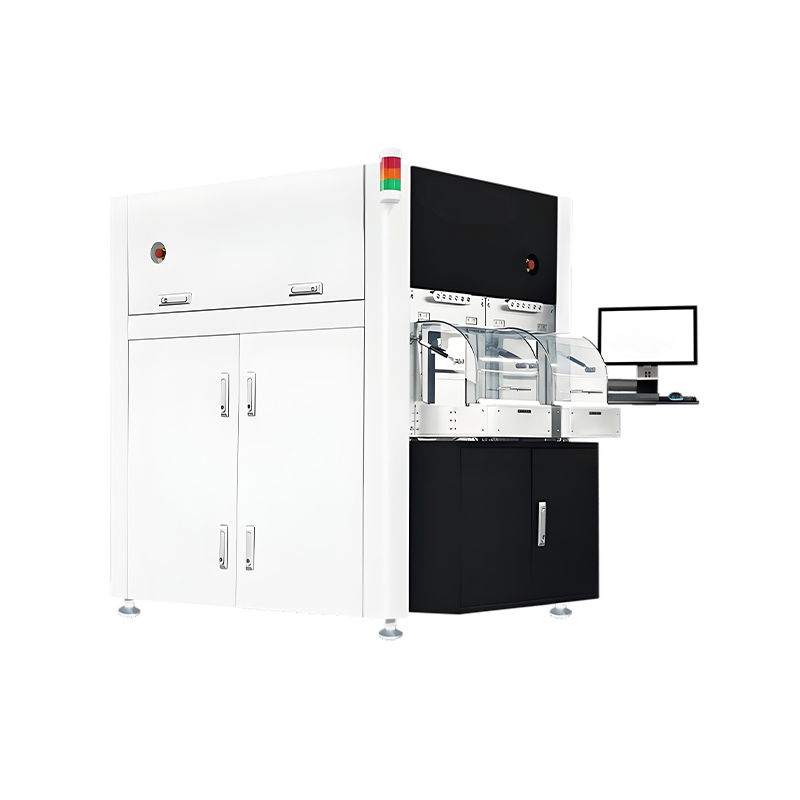
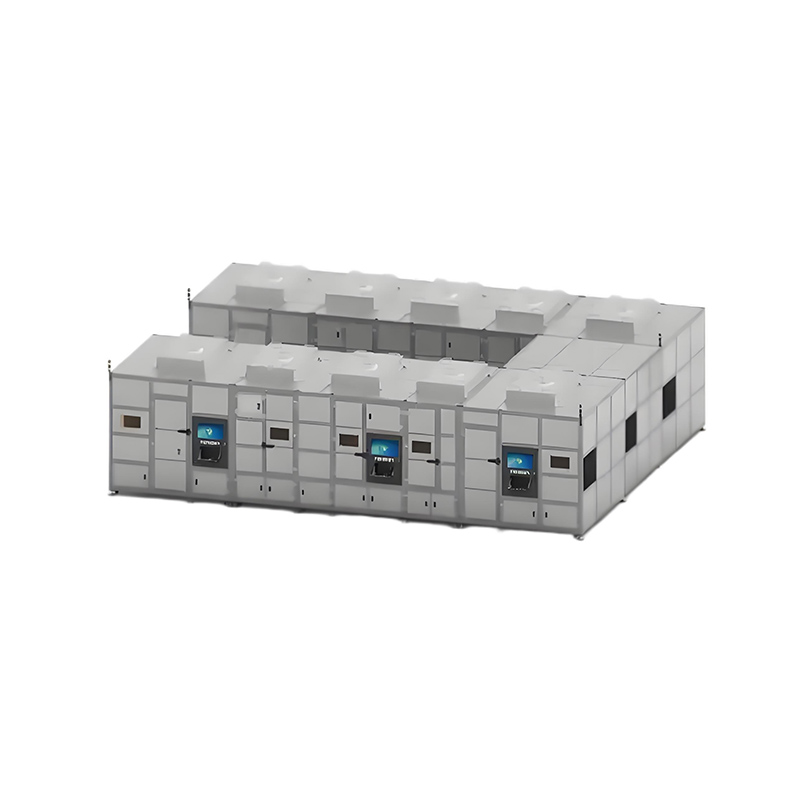
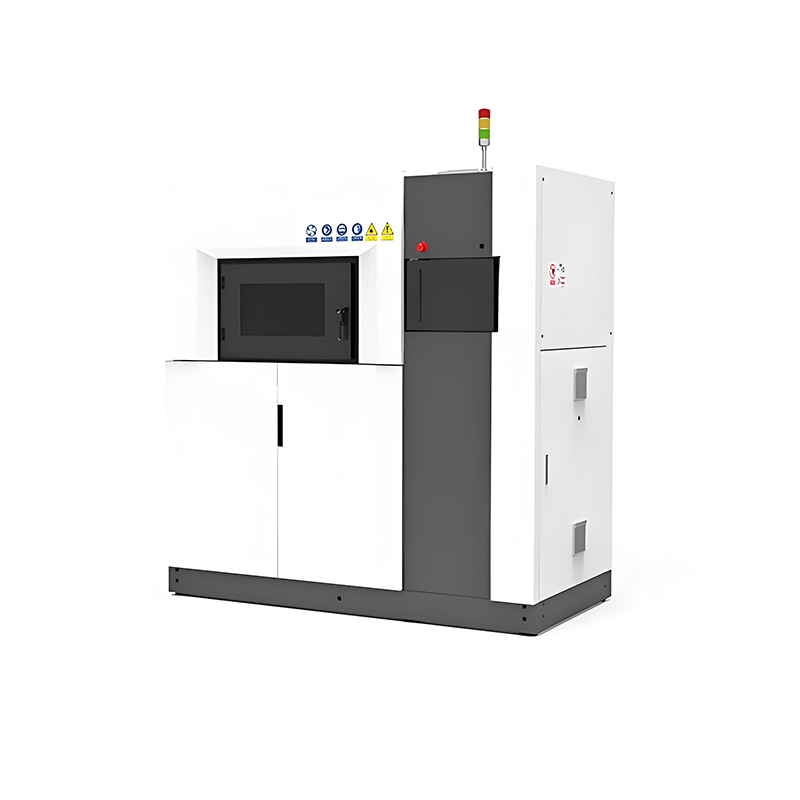
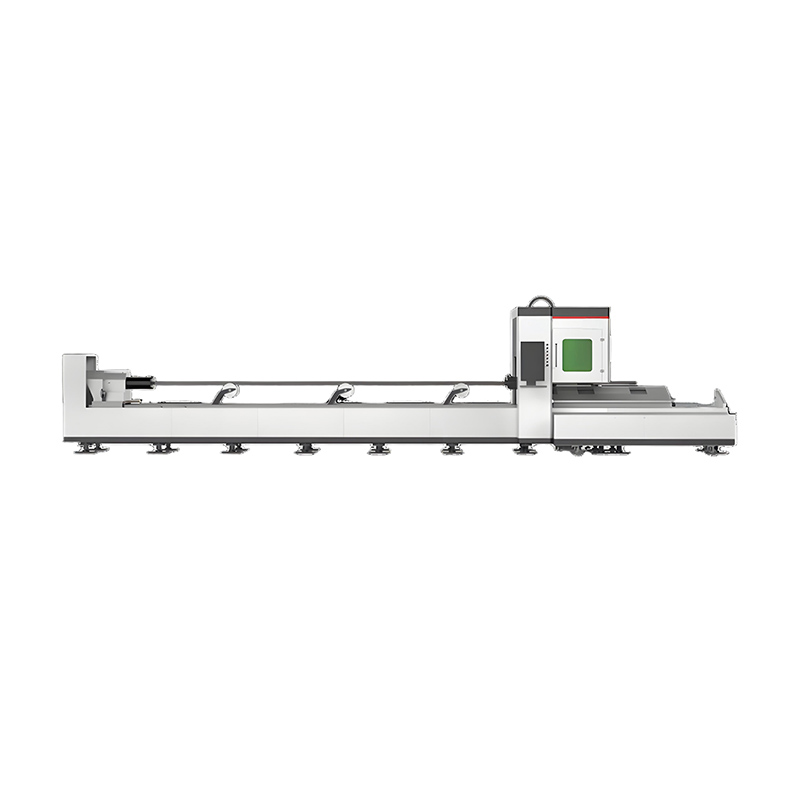
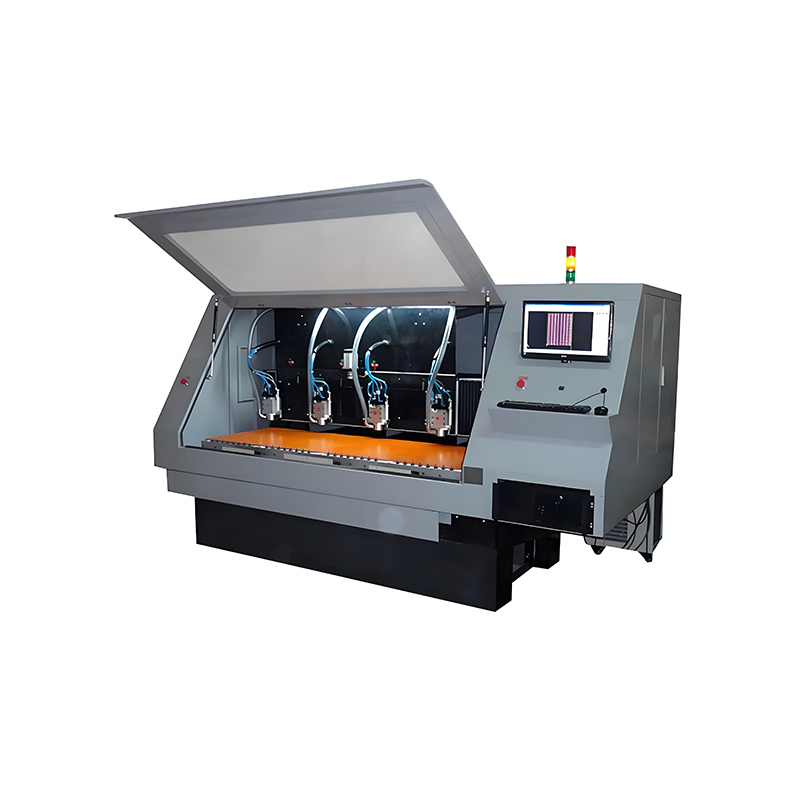
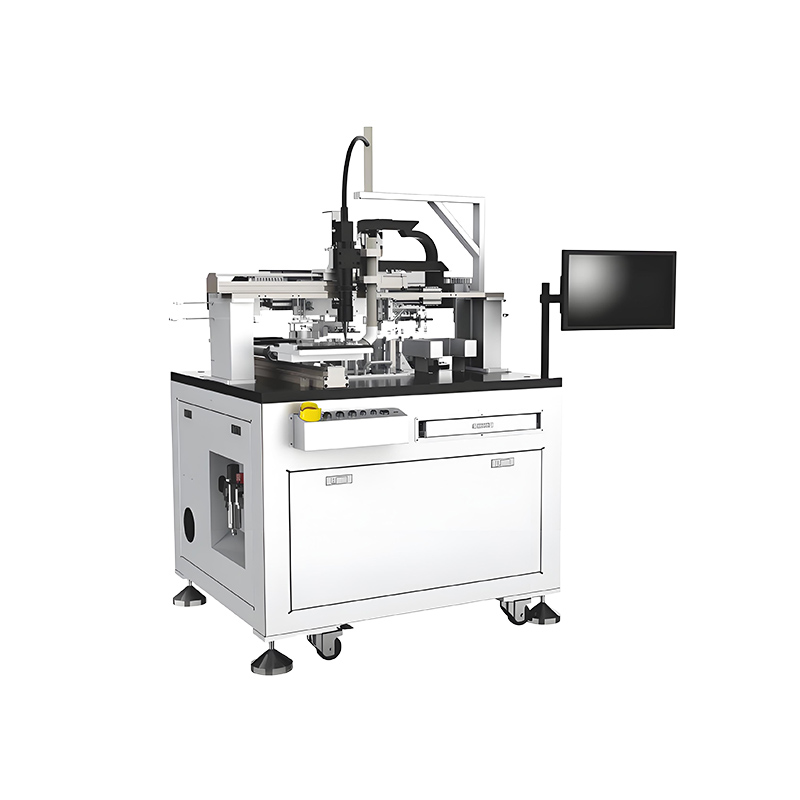
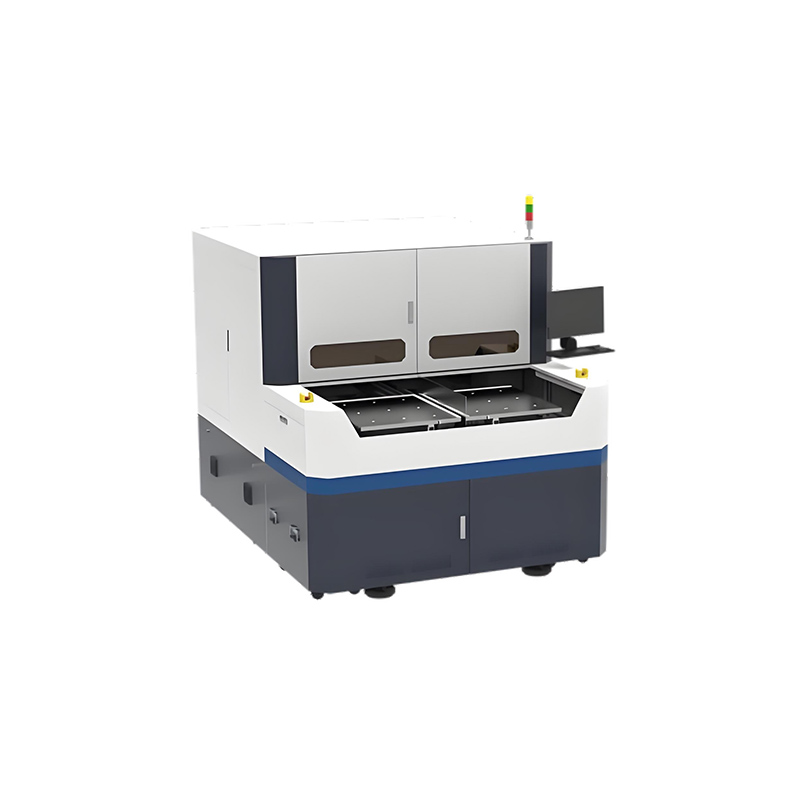
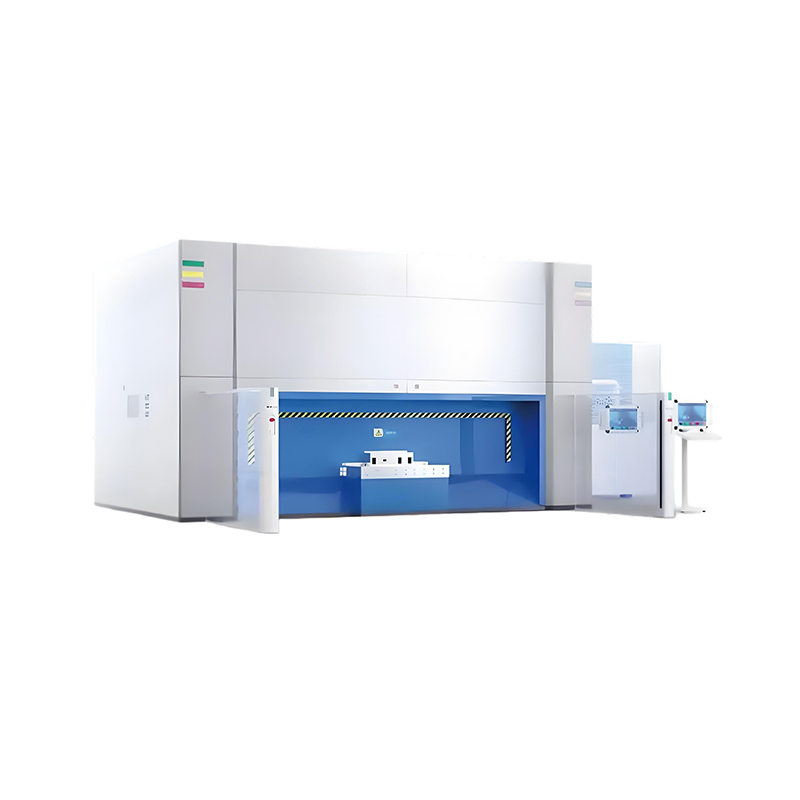
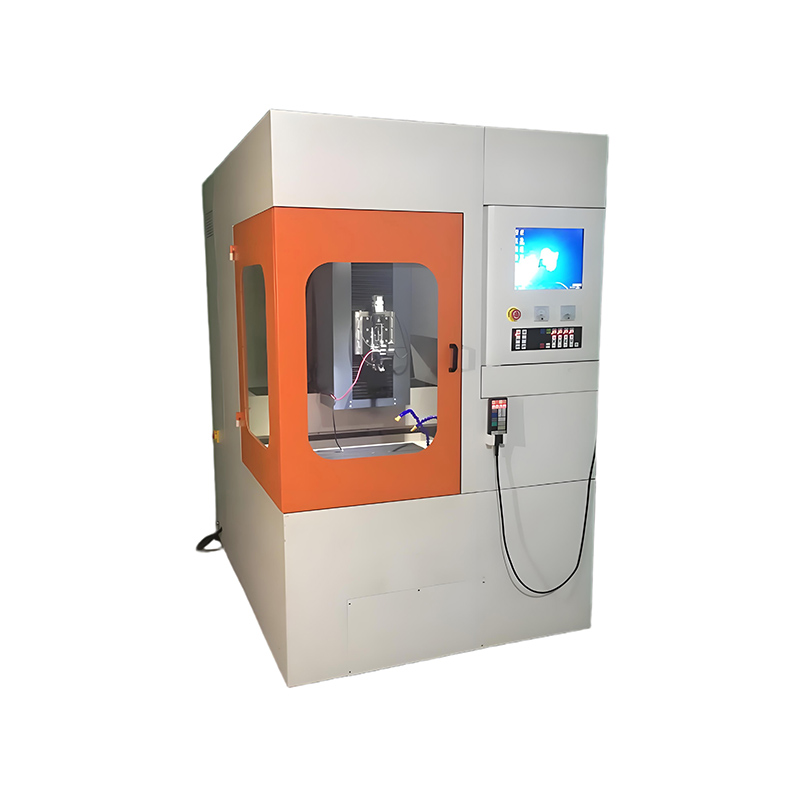
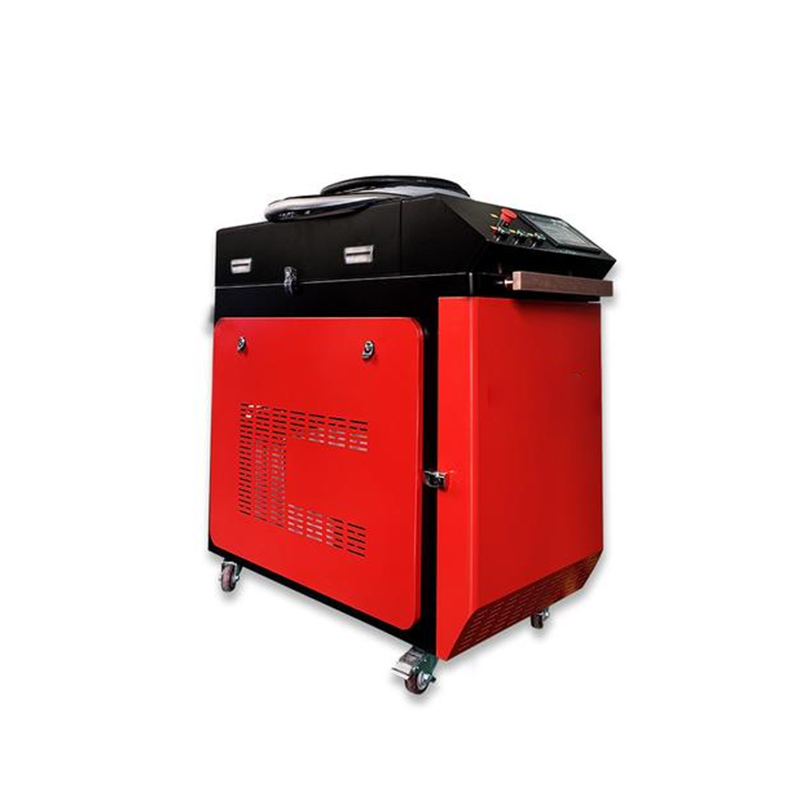
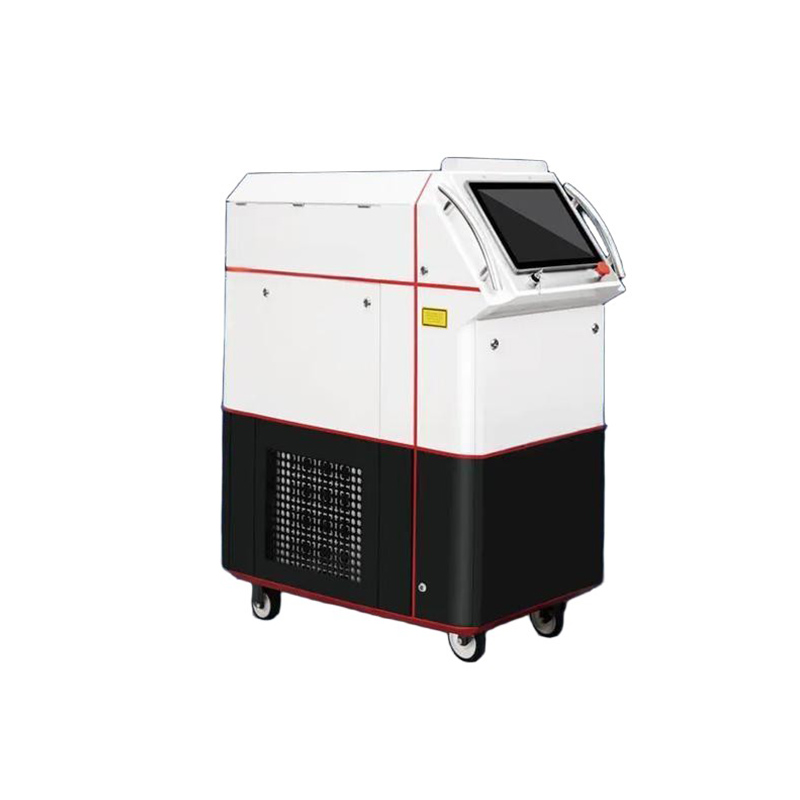
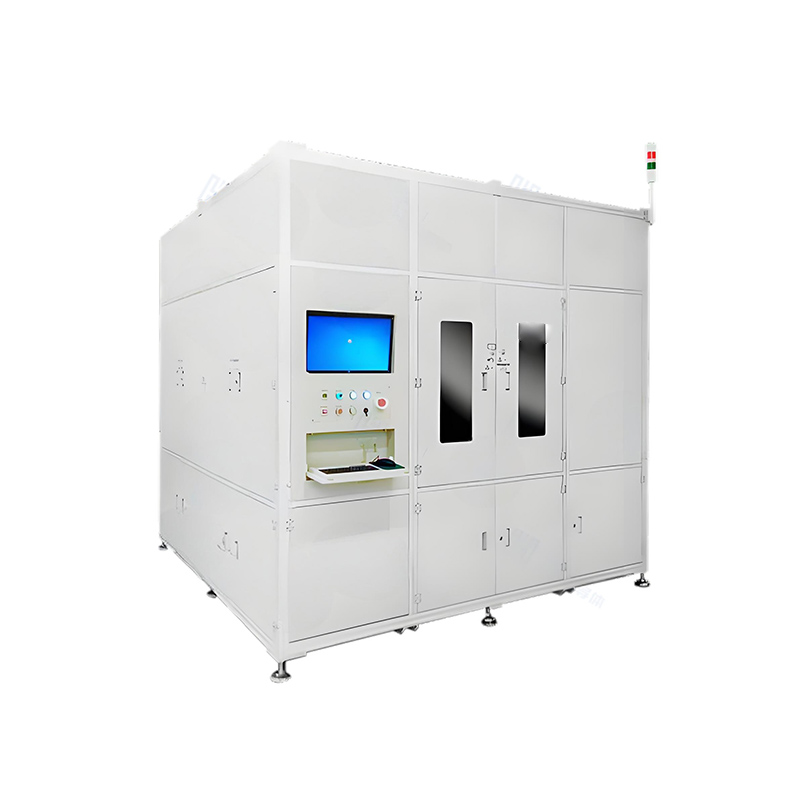
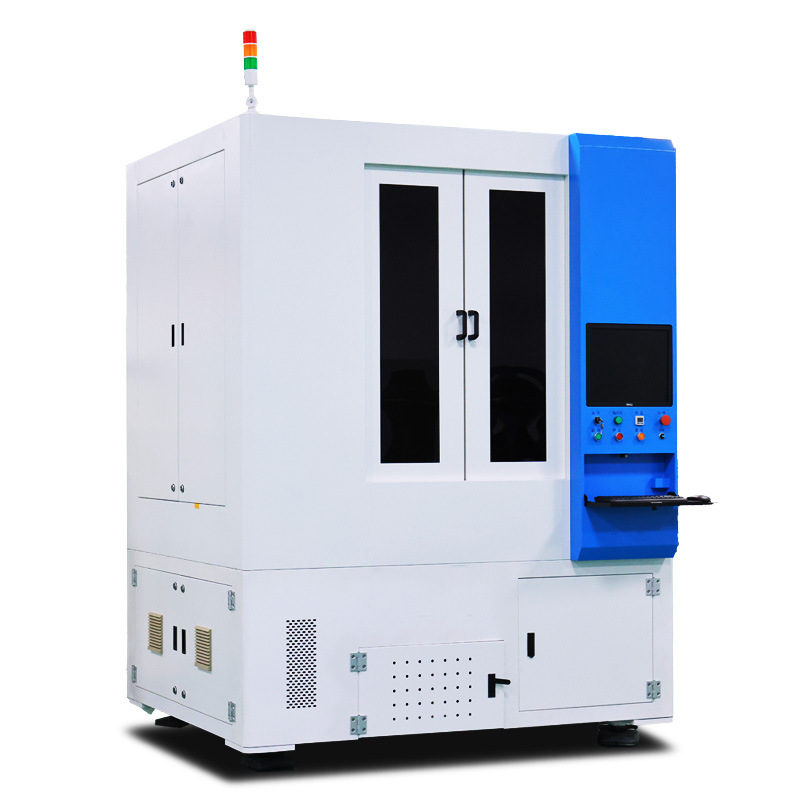
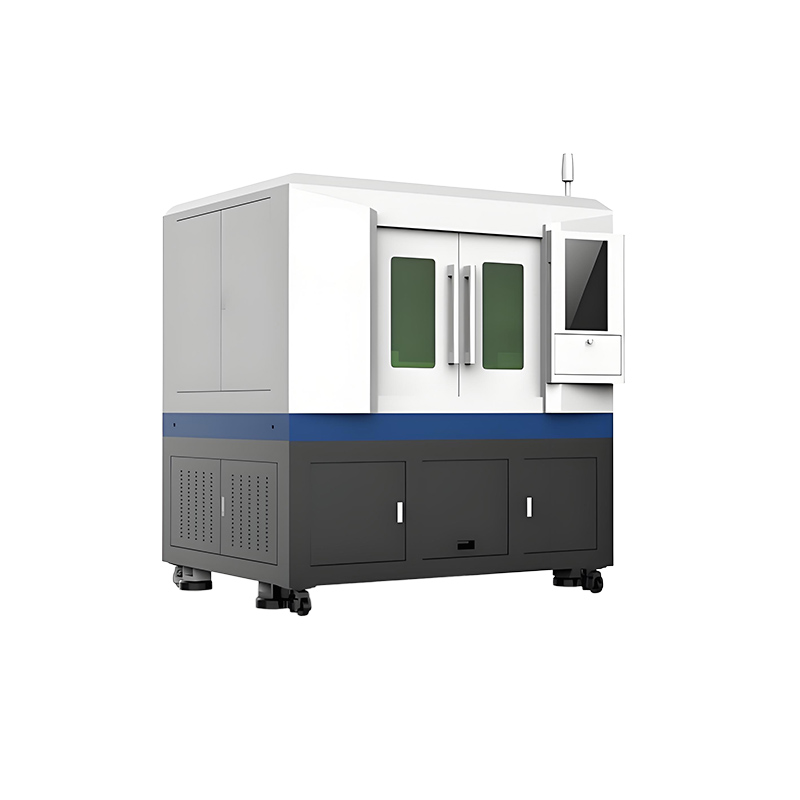
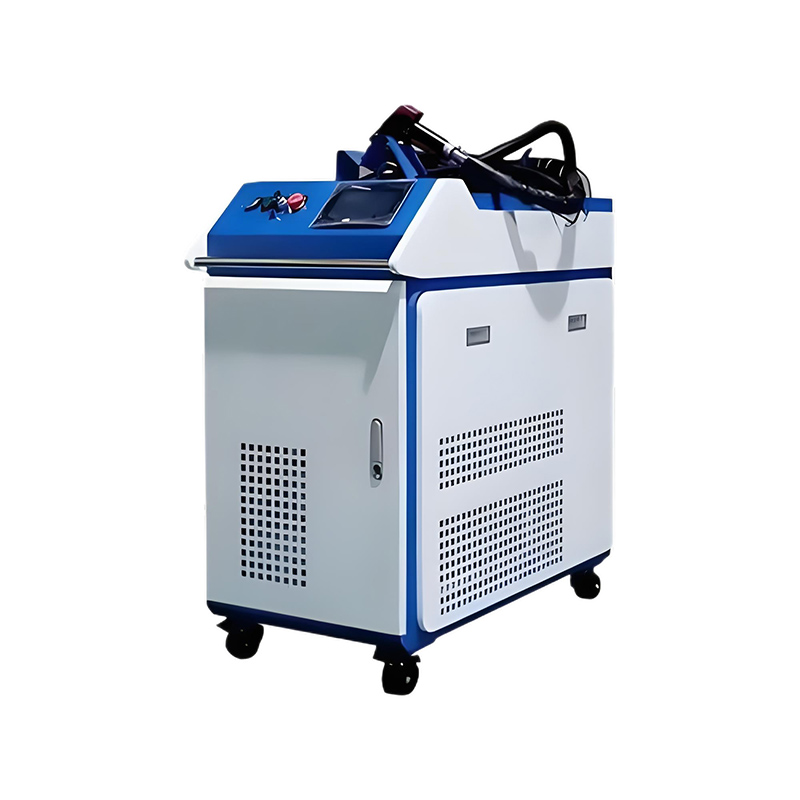
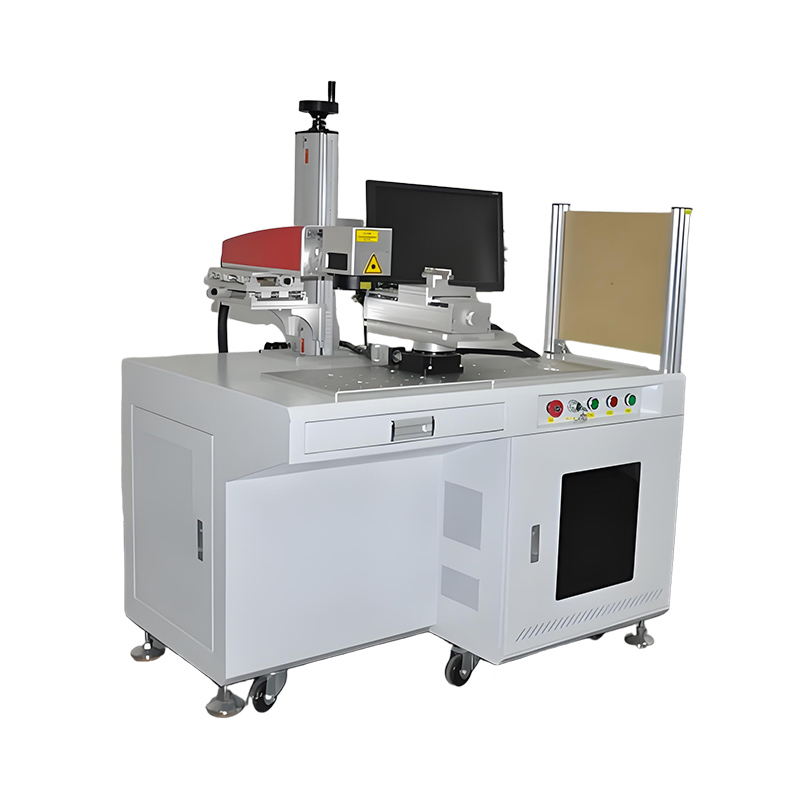
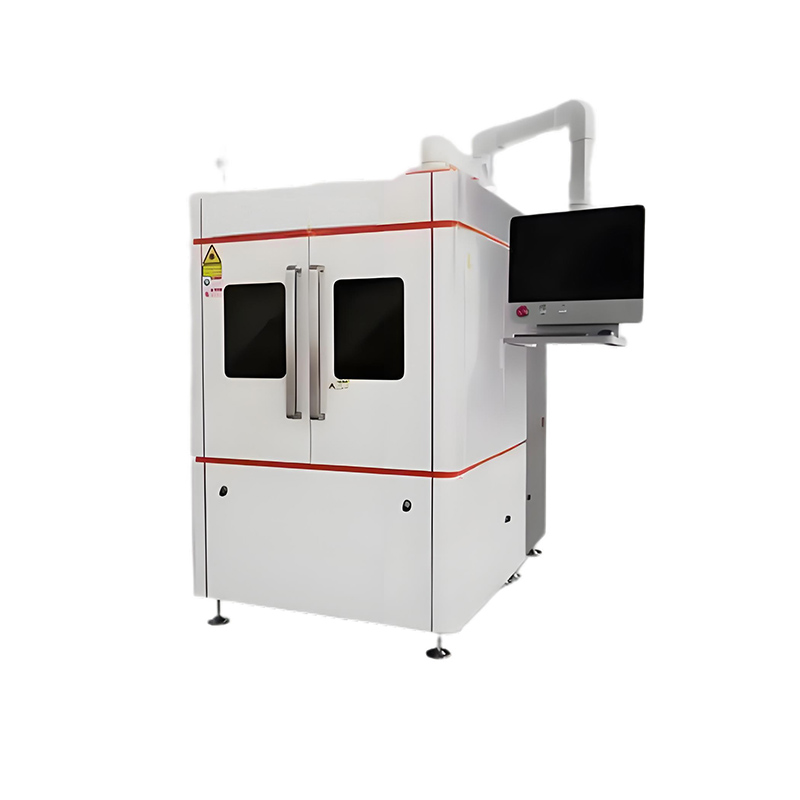
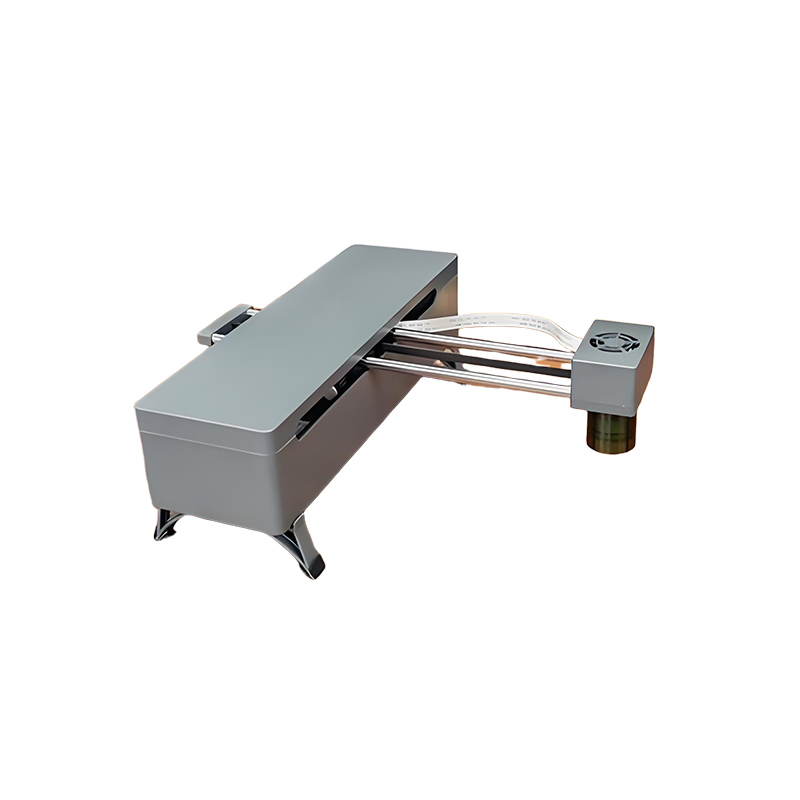
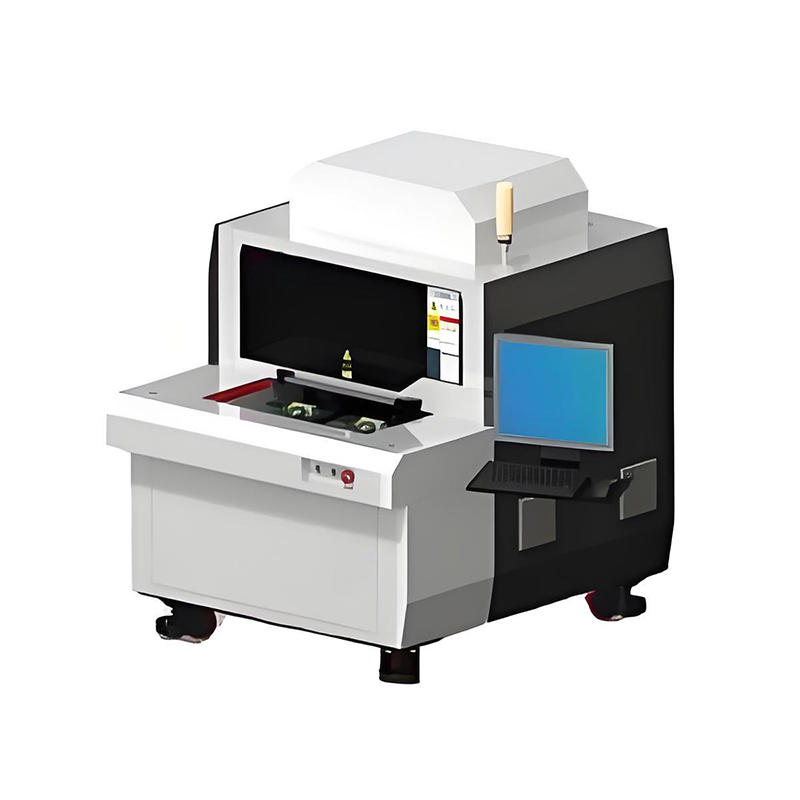
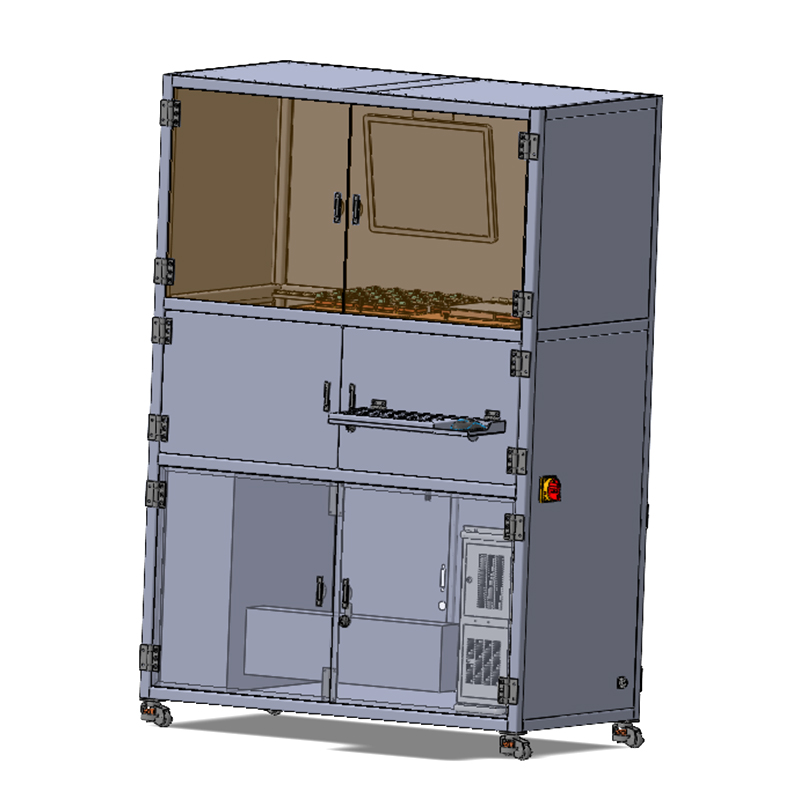
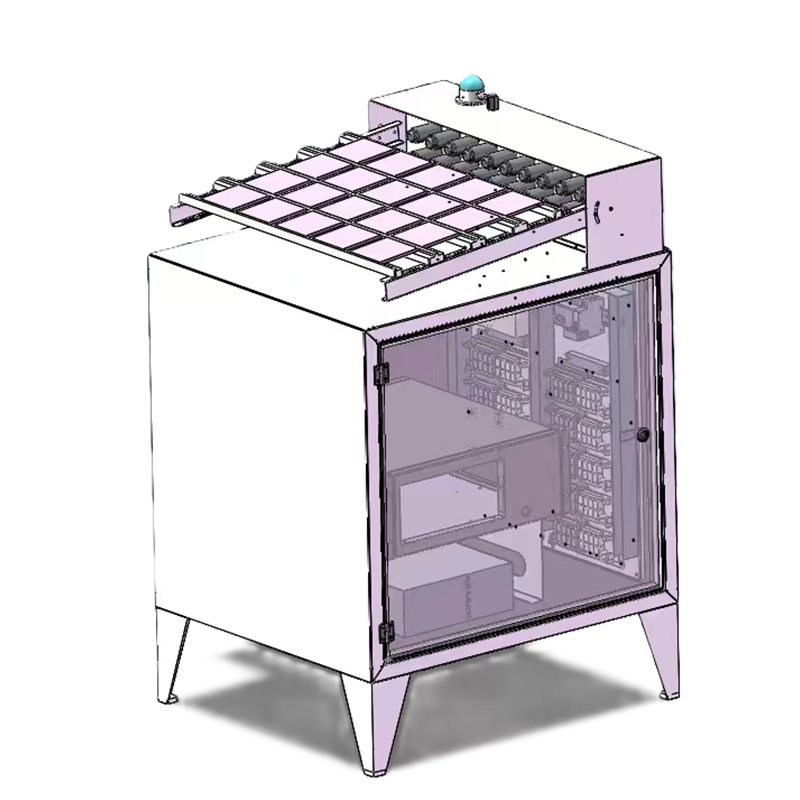
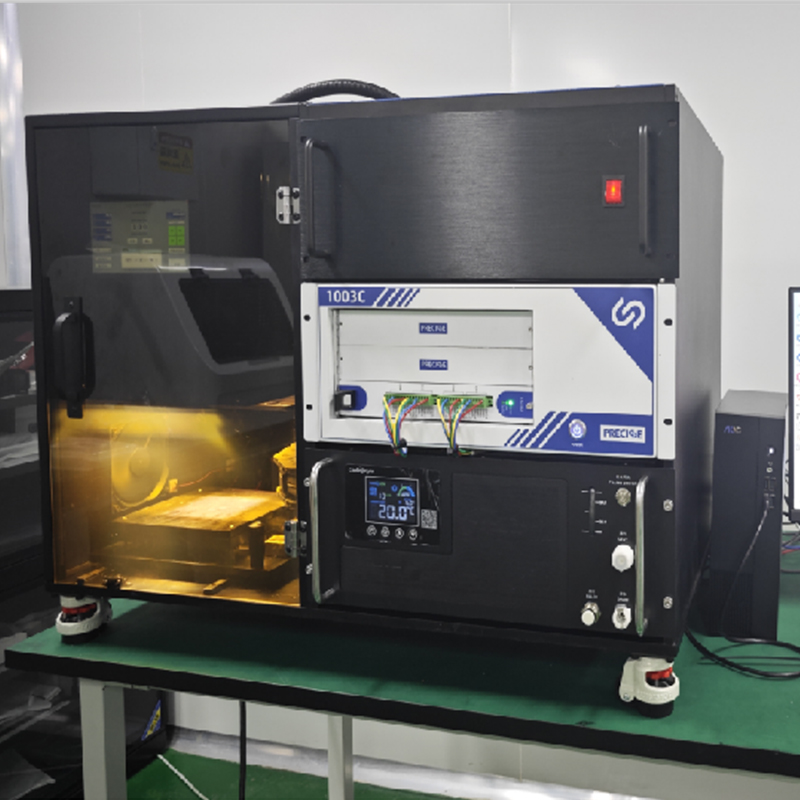
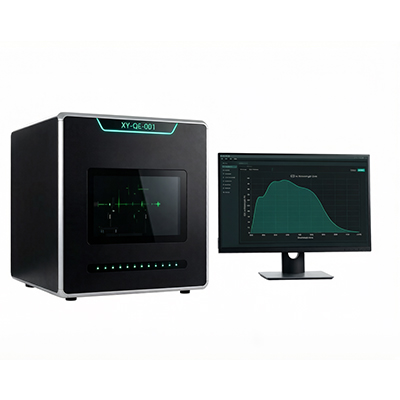
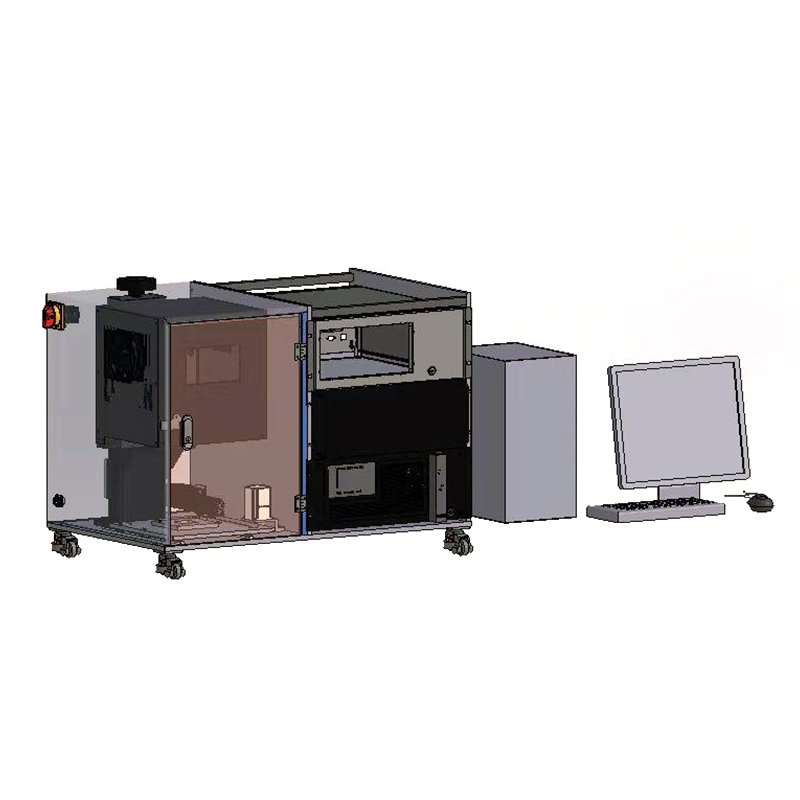
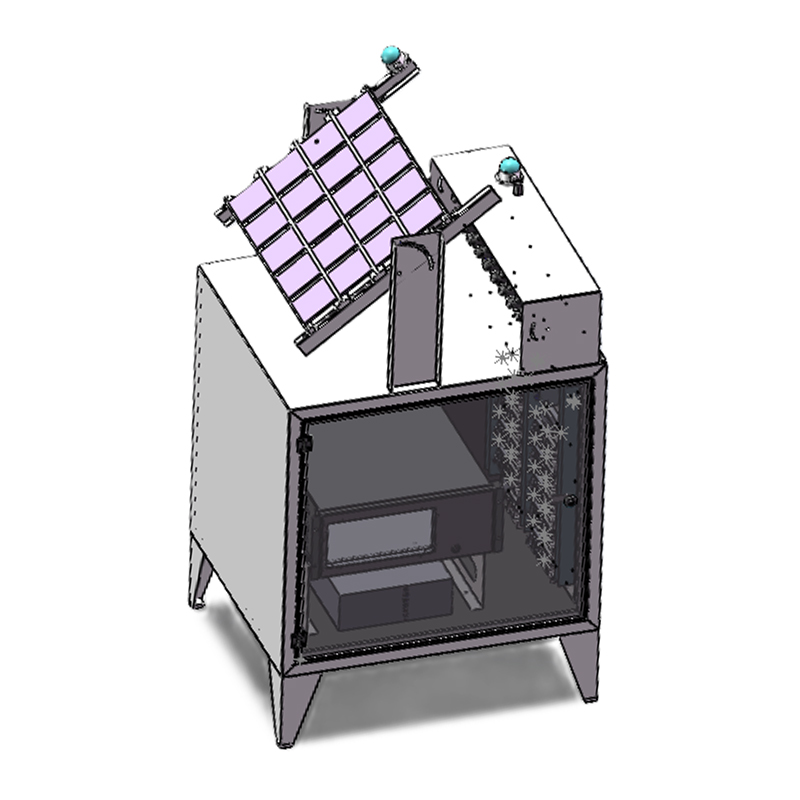
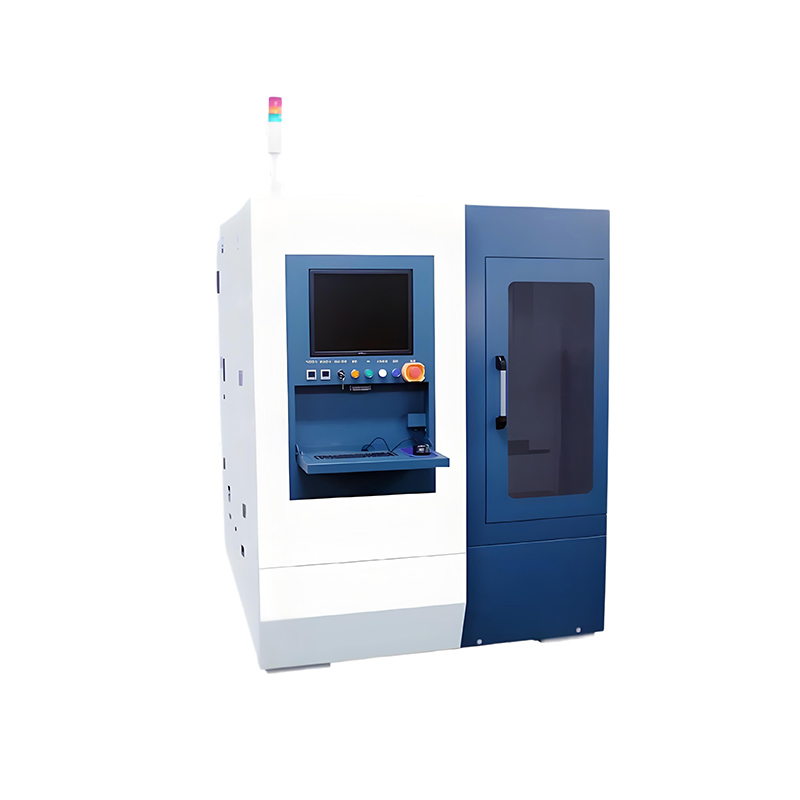
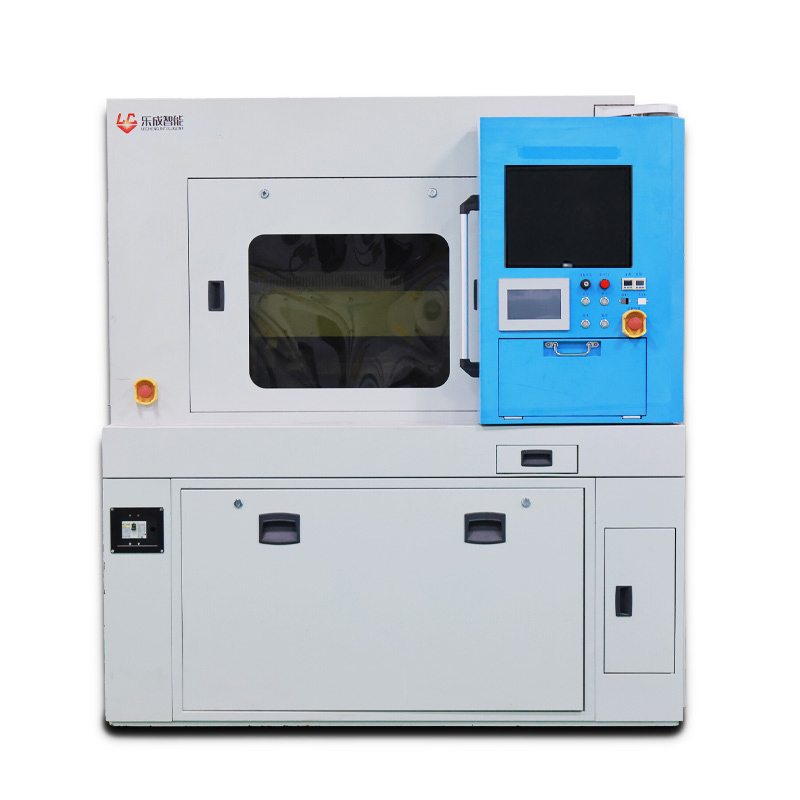
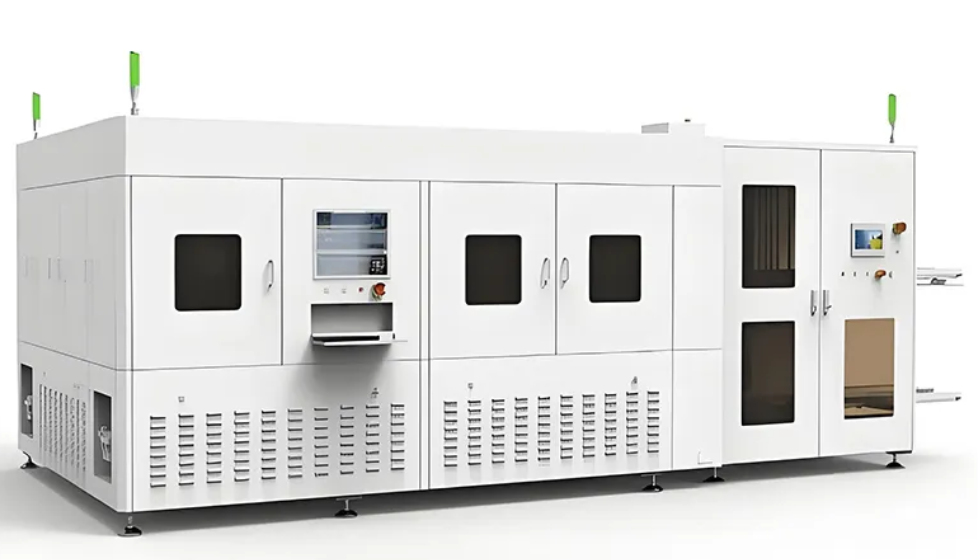
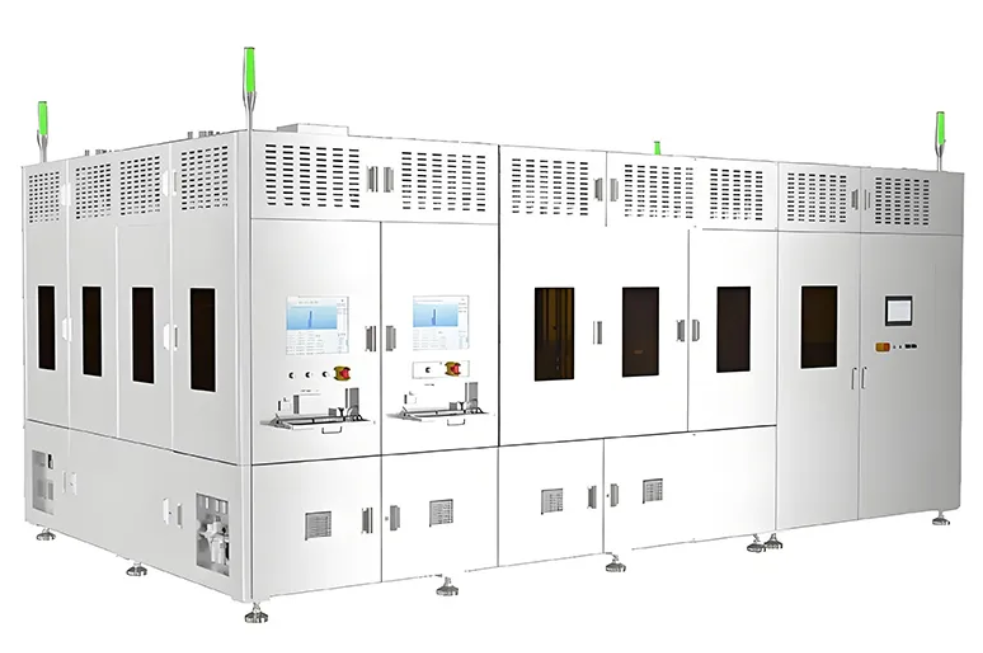
Lecheng's application data reveals no single laser type optimally addresses all P1-P4 processes. Instead, hybrid configurations deliver the best overall performance: IR nanosecond lasers for high-speed P1 scribing, green picosecond lasers for precision P2/P3 patterning, and UV lasers for specialized cleaning applications. The company's modular systems allow manufacturers to combine different laser sources within single platforms, with automated beam switching reducing changeover time to under 30 seconds. This approach enables 20μm dead zones consistently across 2.4×1.2m panels while maintaining throughput above 120 panels/hour. For R&D applications, Lecheng's triple-wavelength integrated processing systems provide maximum flexibility for process development across diverse perovskite architectures.
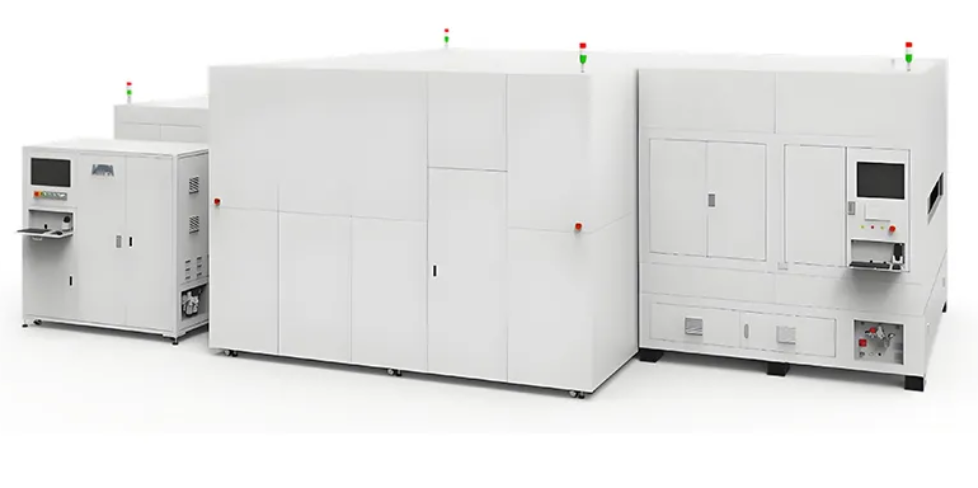
The optimal laser selection balances wavelength characteristics, pulse duration effects, and production economics—with hybrid systems increasingly emerging as the preferred solution for commercial perovskite manufacturing. Lecheng's flexible architectures empower manufacturers to customize laser parameters for specific process requirements while maintaining scalability.