


Perovskite Module Processing Guide
What Is P4 Laser Edge Deletion In Perovskite Module Manufacturing
P4 laser edge deletion is a critical step in perovskite solar module manufacturing, used to remove functional layers and electrodes along the module edges. This process improves encapsulation reliability, prevents electrical leakage and ensures long-term module stability.
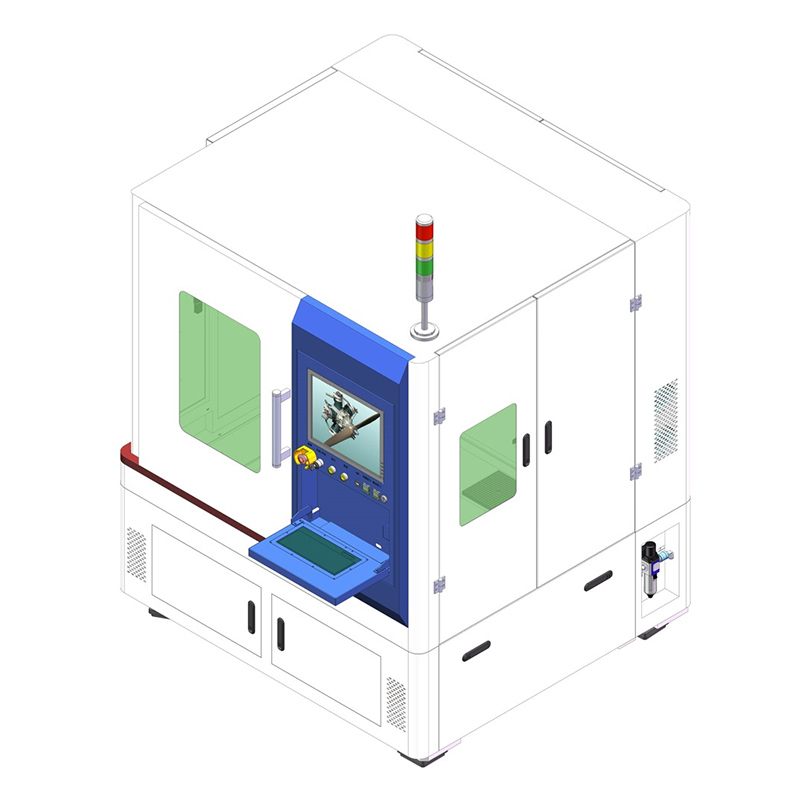
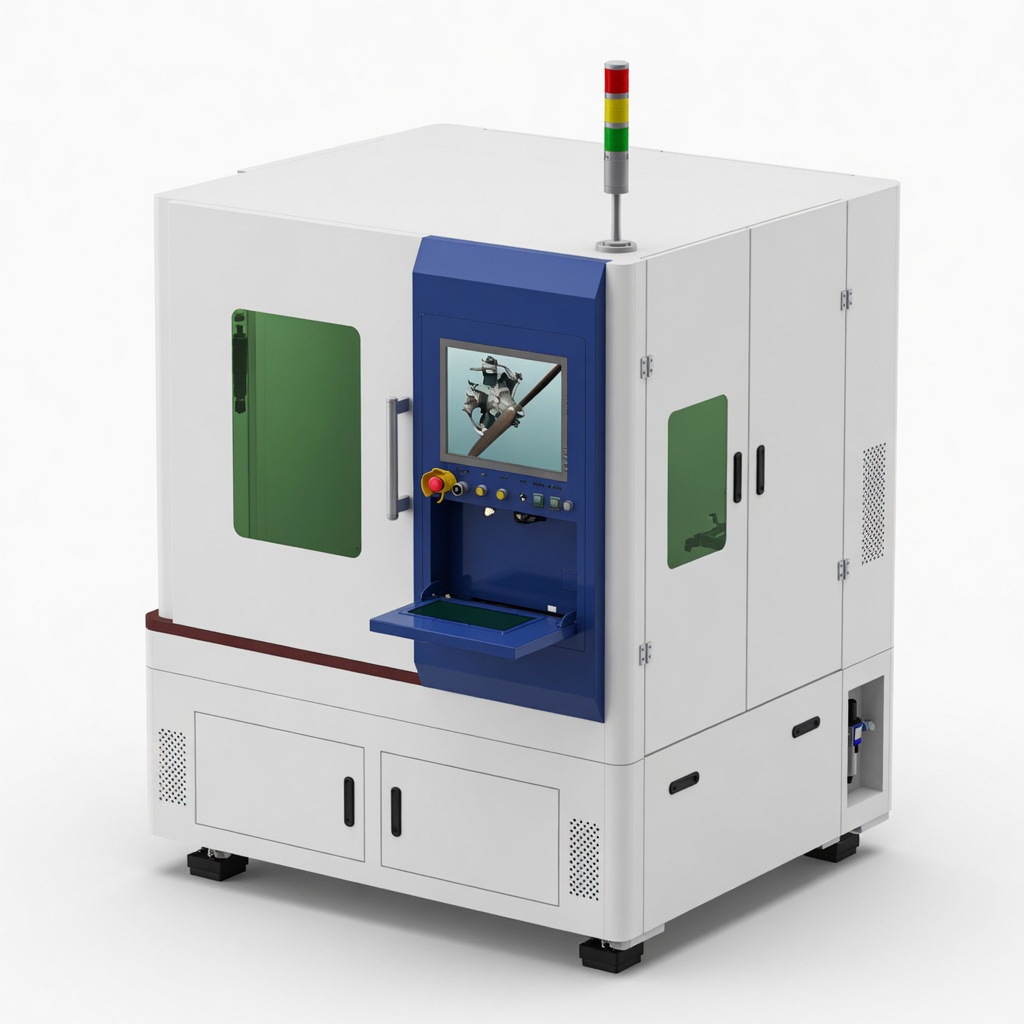
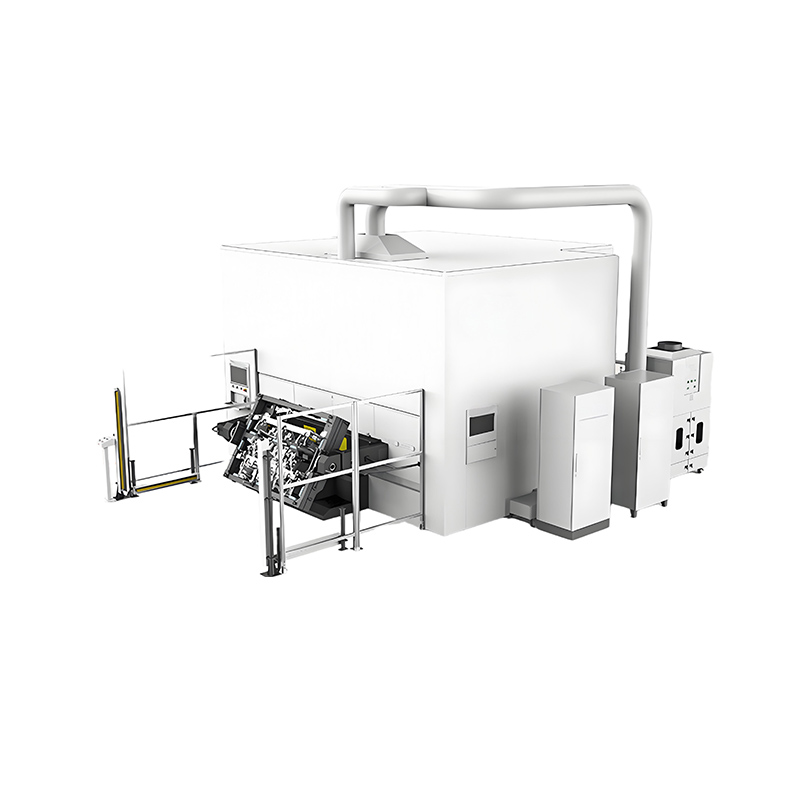
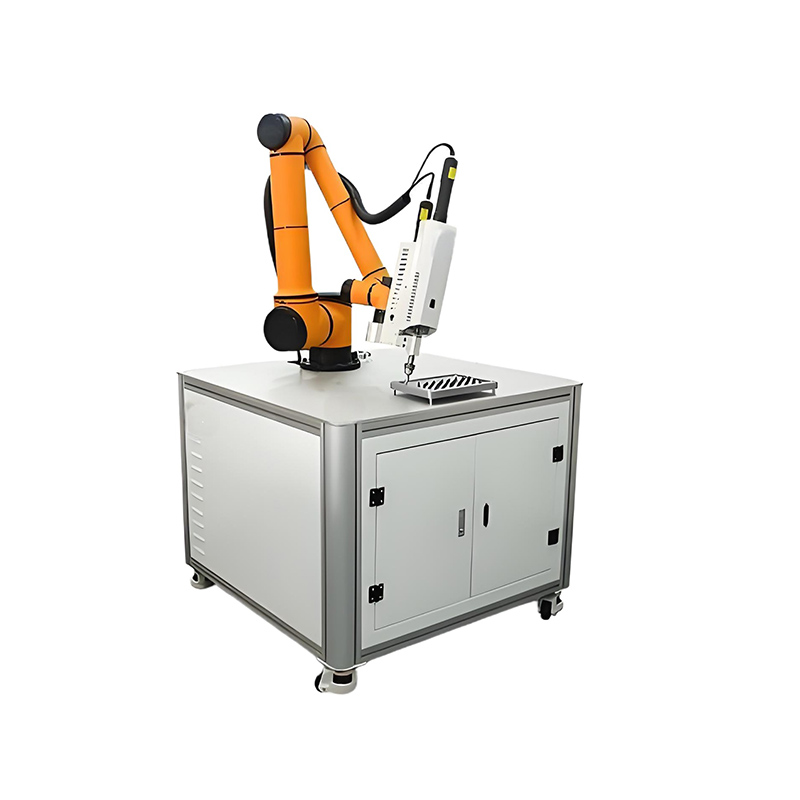
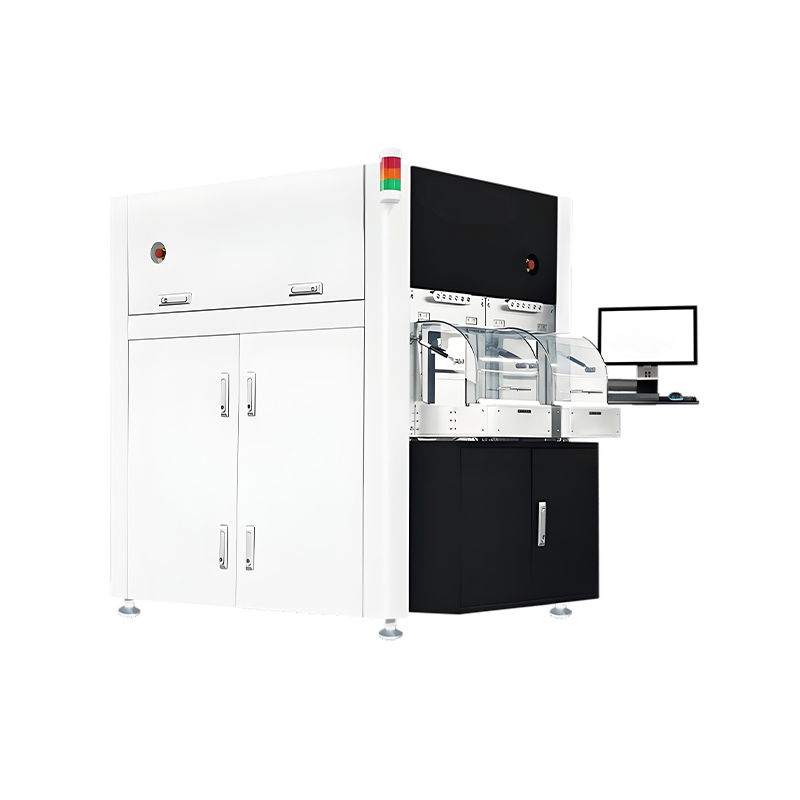
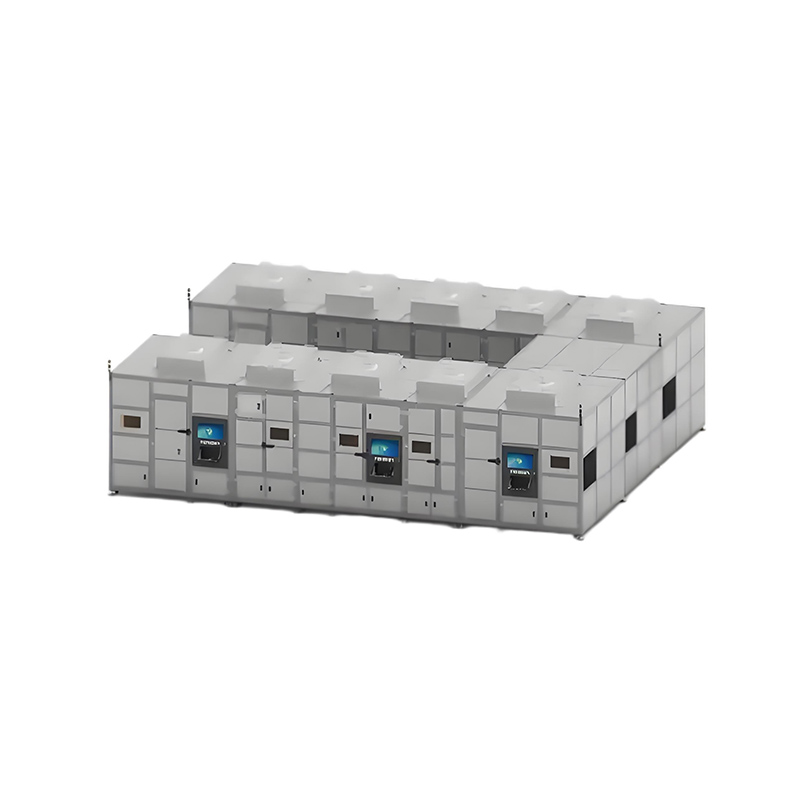
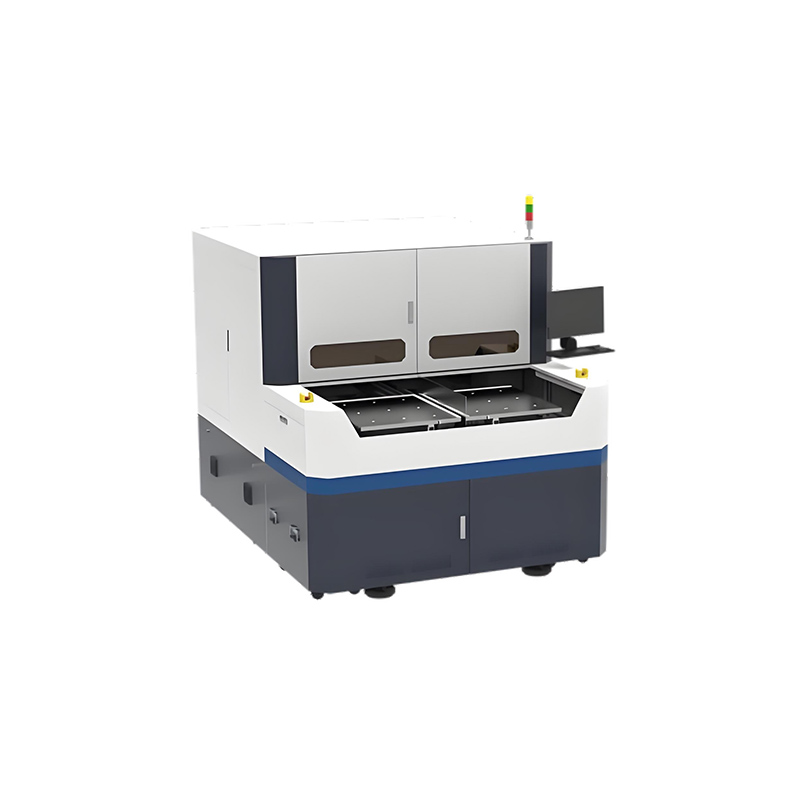
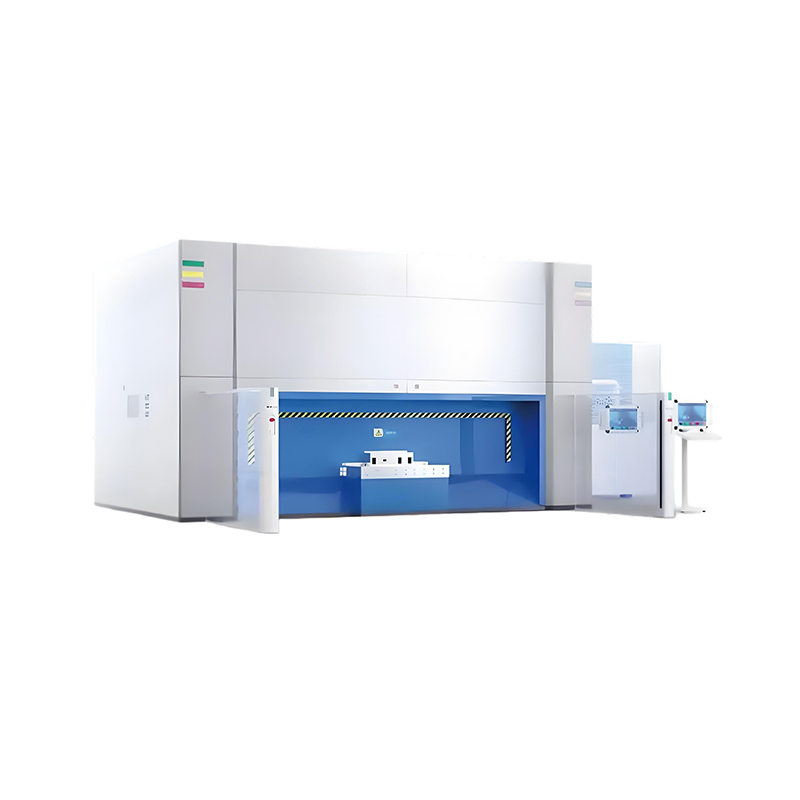
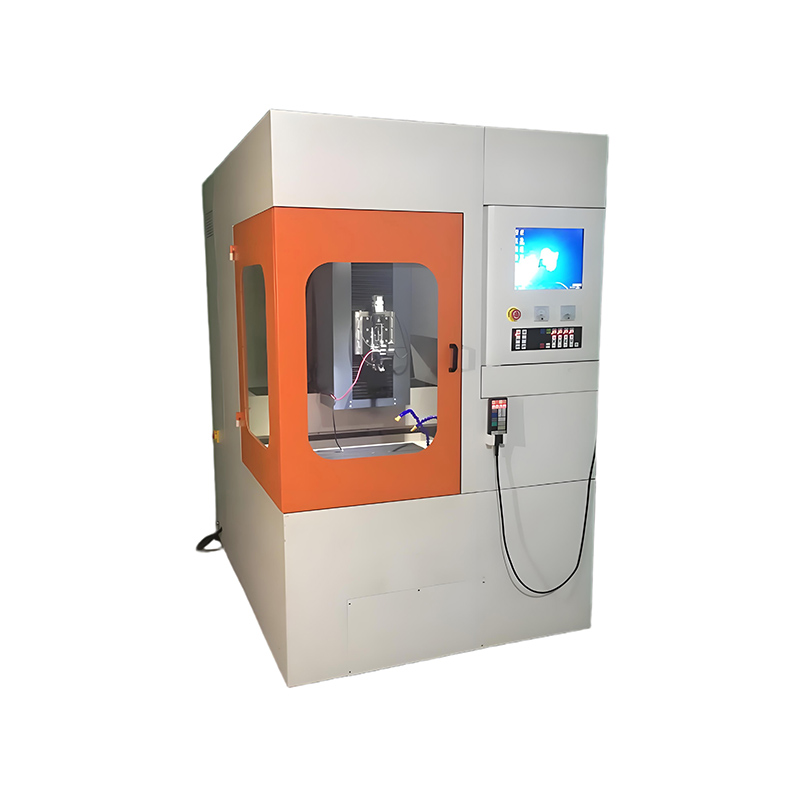
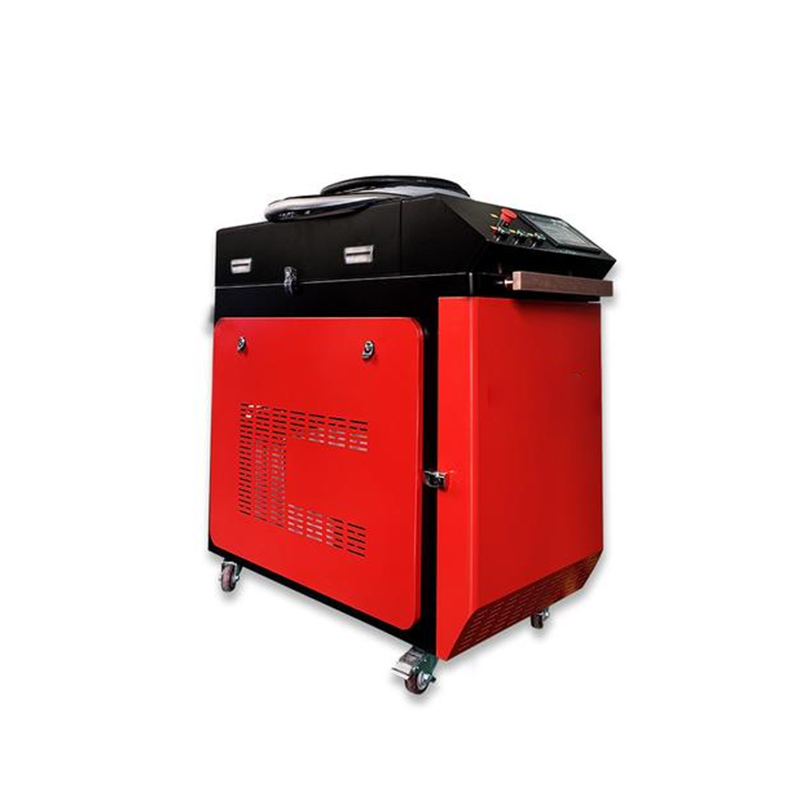
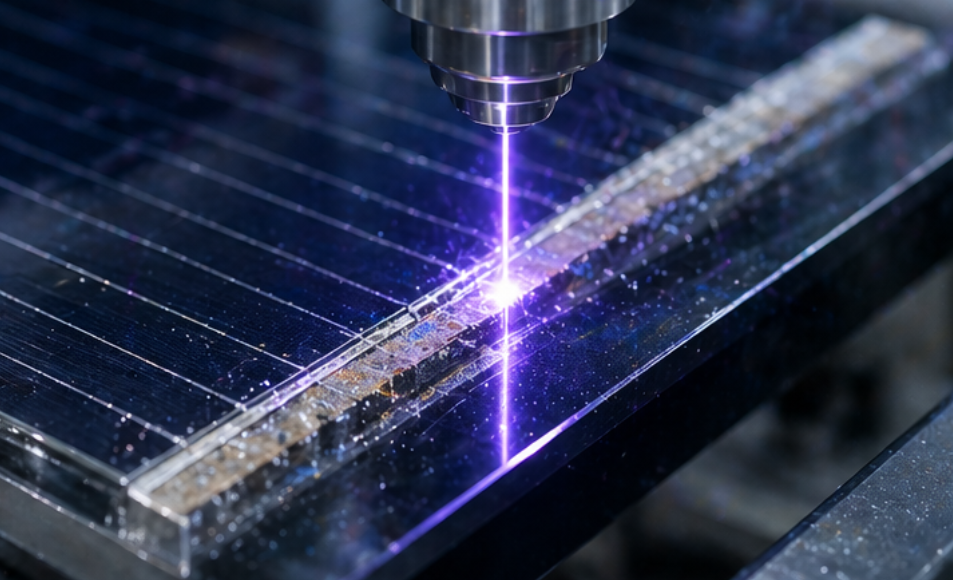
Get QuoteP4 laser edge deletion refers to the removal of thin-film layers at the edges of a perovskite solar module after the P1, P2 and P3 scribing processes are completed. These layers typically include the perovskite absorber layer, transport layers and electrode materials. The purpose is to create a clean, inactive edge zone around the module. This ensures that encapsulation materials can bond directly to the substrate without interference from conductive or reactive layers. Without proper edge deletion, residual functional materials at the module edges may cause electrical leakage, moisture ingress or chemical instability over time. These risks become more critical in perovskite modules due to their sensitivity to environmental factors. P4 processing helps ensure long-term module reliability by providing a clean sealing boundary. It is especially important for modules designed for outdoor or high-humidity applications. Prevents edge leakage current Improves encapsulation bonding strength Reduces moisture penetration risk Enhances module lifetime and stability During P4 processing, a laser beam scans along the module edges to remove multiple layers down to the substrate. The laser parameters must be carefully controlled to ensure complete removal without damaging the glass or substrate surface. Compared with mechanical edge deletion, laser processing provides better precision, cleaner edges and more consistent results. It also reduces mechanical stress and contamination. Traditional mechanical methods may cause chipping, uneven edges or contamination. Laser edge deletion offers a non-contact solution with higher precision and better repeatability. This is especially important for fragile perovskite structures. For modern perovskite module manufacturing, laser-based P4 processing is becoming the preferred choice due to its process stability and scalability. P4 laser edge deletion is essential for ensuring long-term reliability of perovskite solar modules. By removing edge layers and creating a clean sealing area, it prevents leakage, improves encapsulation quality and enhances module durability. For buyers, selecting the right P4 laser system means focusing on precision, process stability and compatibility with your module design and production scale. Contact Lecheng Laser to discuss your perovskite module design, edge deletion requirements and production setup.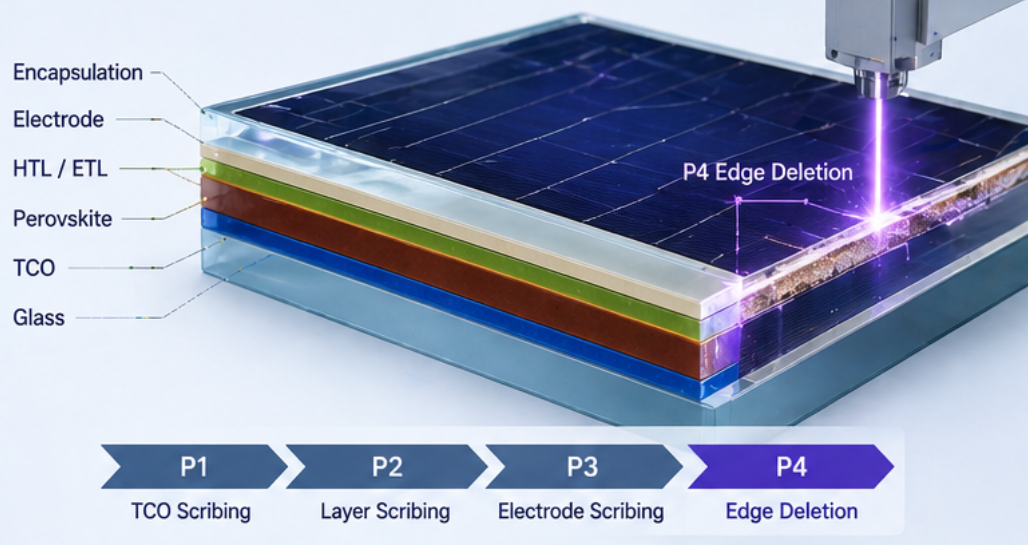
What Is P4 Laser Edge Deletion
Why P4 Edge Deletion Is Important
How P4 Laser Edge Deletion Works
Key Technical Considerations
Parameter Importance Removal Depth Ensures all functional layers are completely removed Edge Width Defines sealing area and module design margin Heat Affected Zone Minimizes thermal damage near active area Edge Cleanliness Ensures reliable encapsulation and sealing 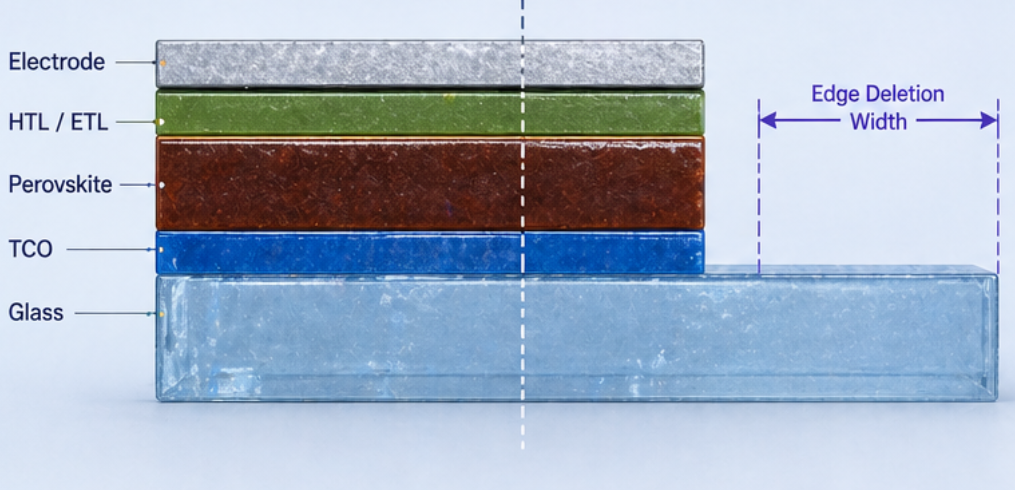
Laser vs Mechanical Edge Deletion
Conclusion
Need P4 Laser Edge Deletion Equipment?

