


Perovskite Laser Processing Guide
P1 vs P2 vs P3 Laser Scribing: Key Differences In Perovskite Solar Cells
P1, P2 and P3 laser scribing are key patterning steps in perovskite solar cell module manufacturing. Each step removes different layers and directly affects interconnection quality, active area utilization, insulation performance and final module yield.
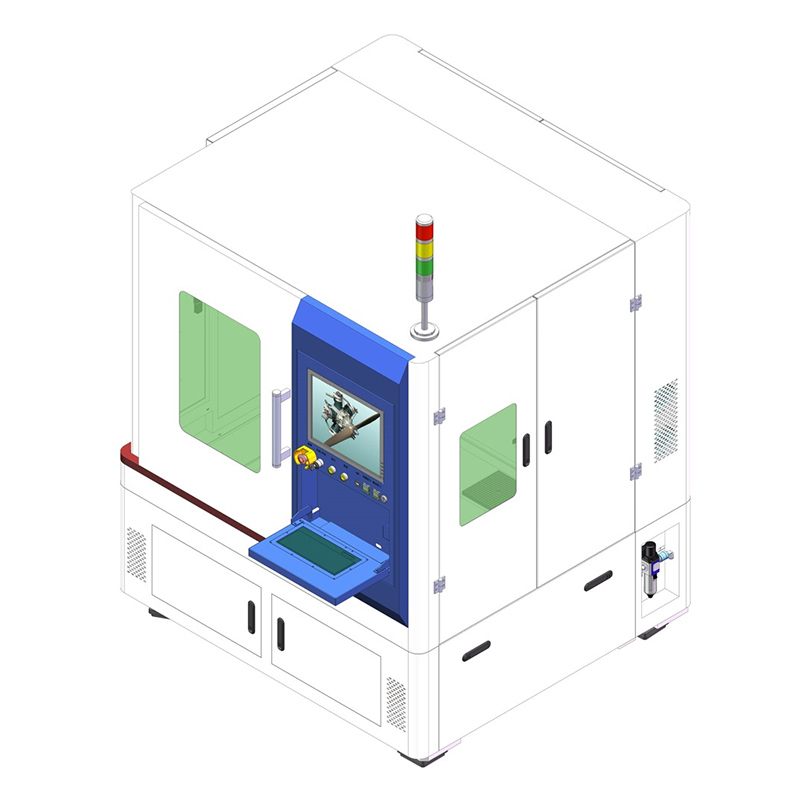
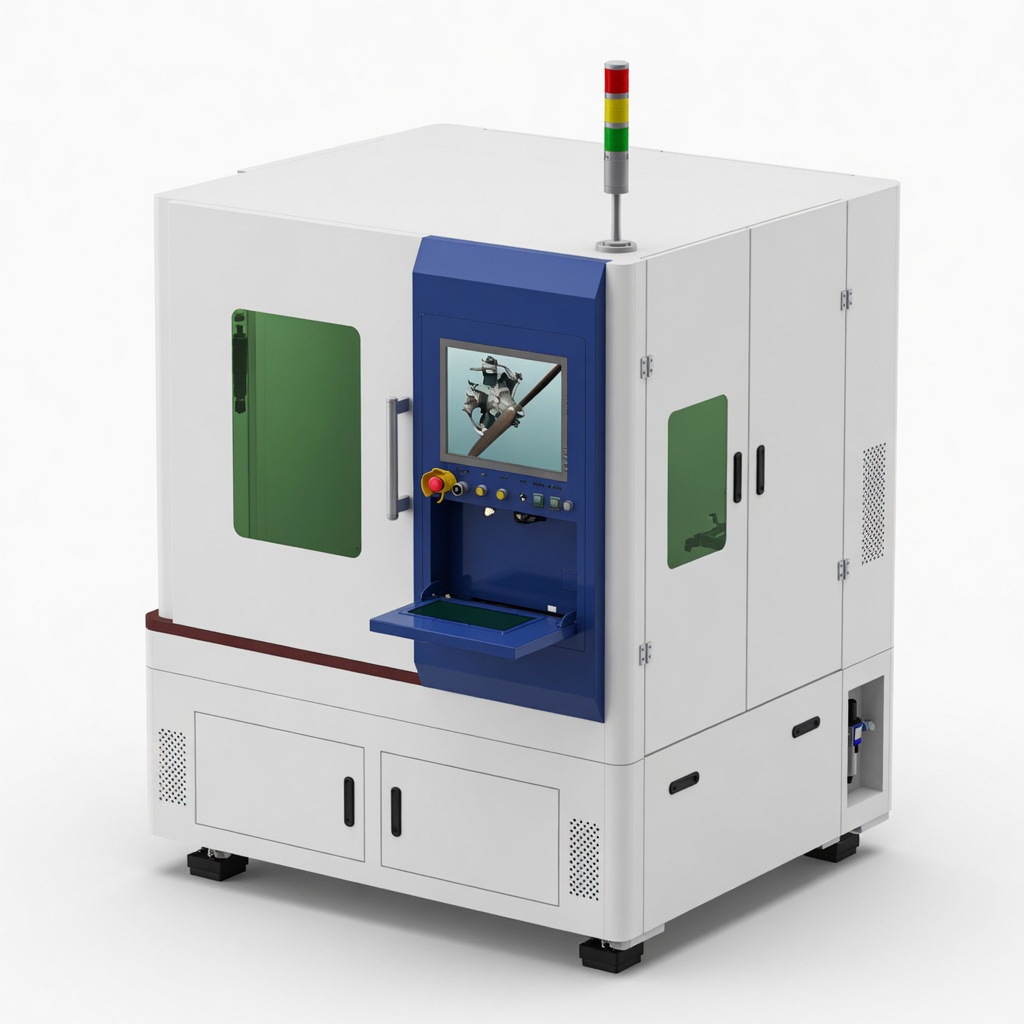
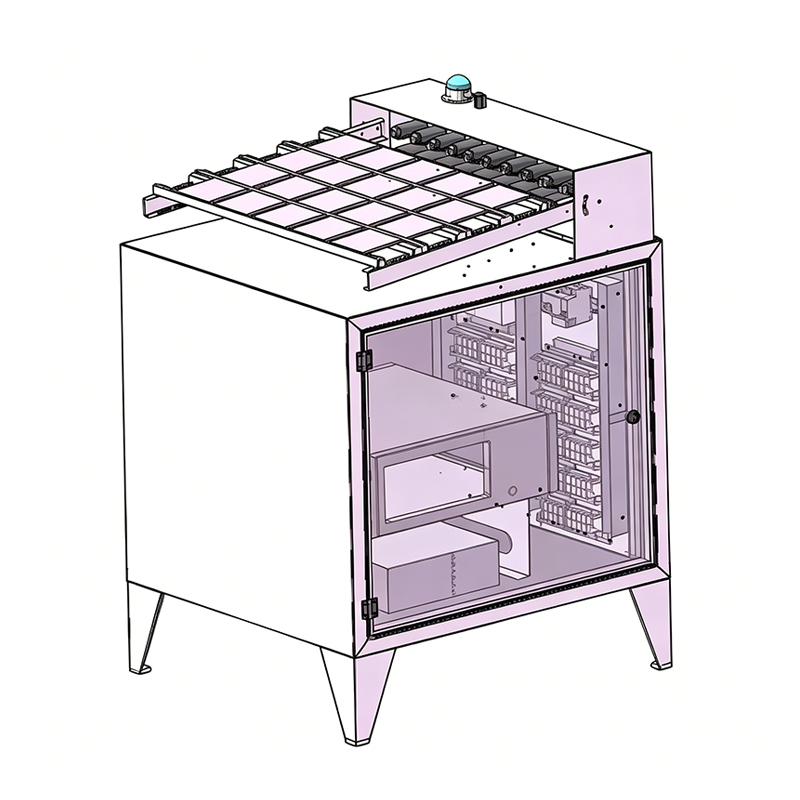
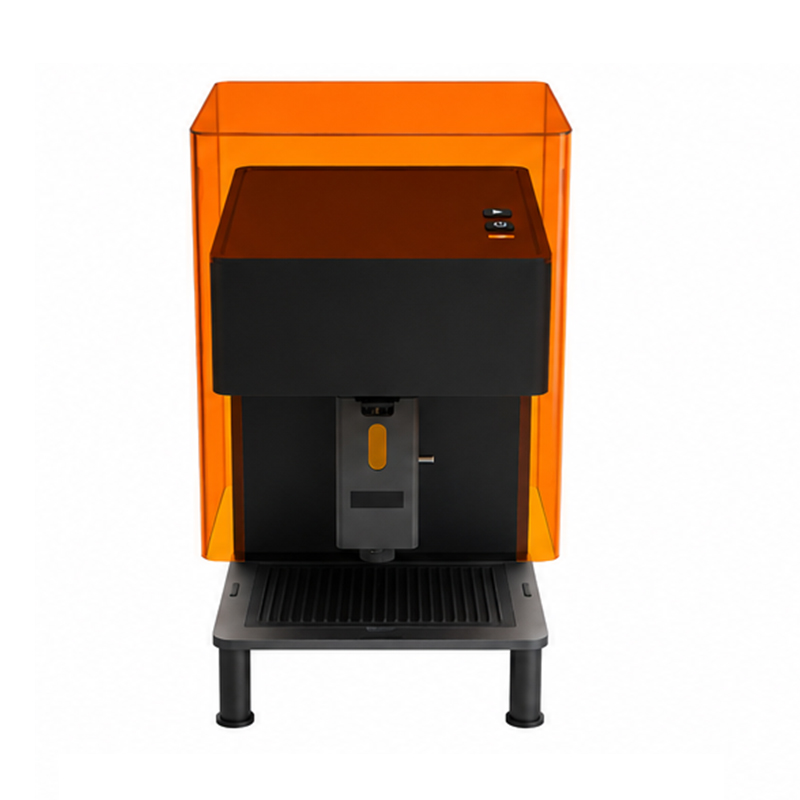
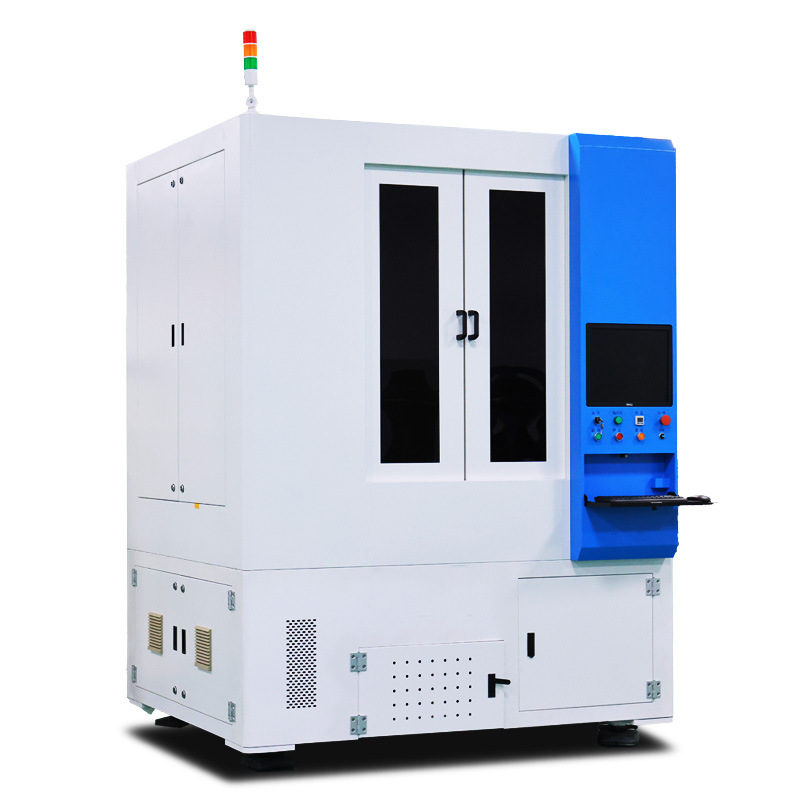
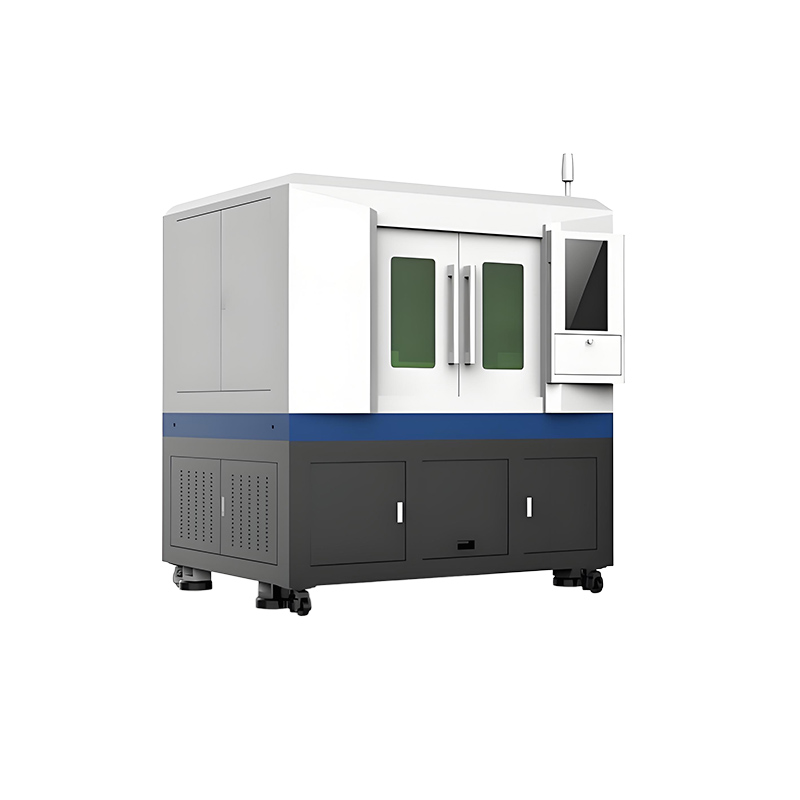
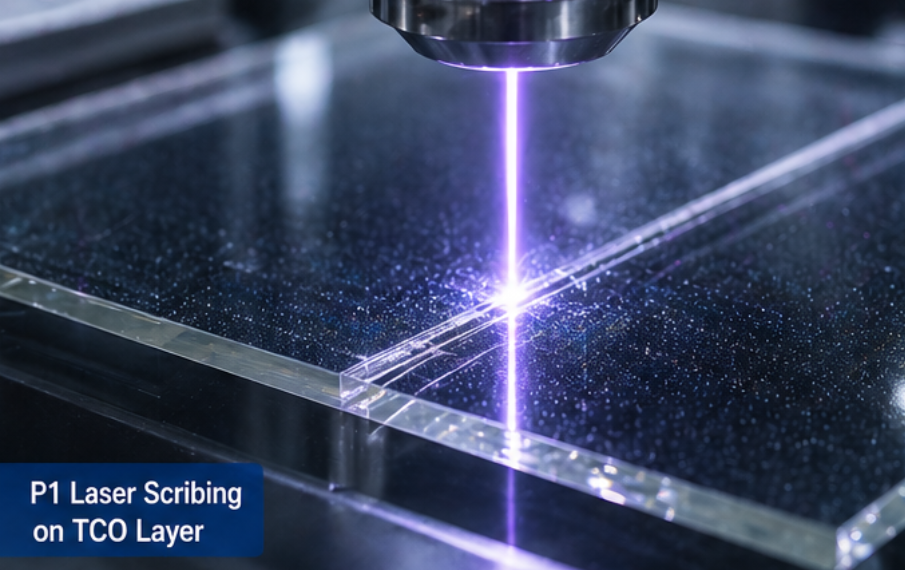
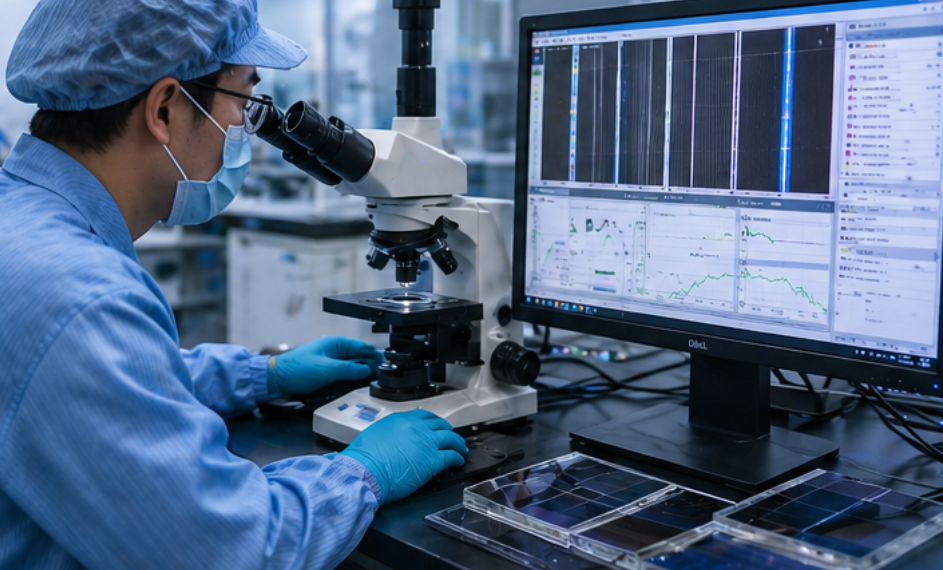
Get QuoteIn a perovskite solar module, individual cells must be connected in series to generate practical voltage output. Laser scribing creates narrow isolation and interconnection lines between different material layers. Compared with mechanical scribing, laser scribing offers better precision, smaller dead area, cleaner processing and higher repeatability. However, P1, P2 and P3 are not the same process. They happen at different manufacturing stages, target different layers and require different laser parameters. Choosing the wrong laser source or process window may lead to poor insulation, damaged conductive layers, incomplete layer removal or unstable module performance. P1 laser scribing is usually performed on the transparent conductive oxide layer, such as FTO or ITO coated glass. The purpose is to isolate the bottom electrode and define the cell stripe structure before the perovskite functional layers are deposited. The key challenge of P1 is to remove the conductive layer cleanly without damaging the glass substrate. A good P1 process should provide high insulation resistance, narrow scribing width, smooth edges and low particle contamination. Target layer: TCO conductive layer Main purpose: Bottom electrode isolation Key concern: Clean removal without glass damage Typical requirement: Stable insulation and narrow line width P2 laser scribing is performed after perovskite and functional layers are deposited. Its purpose is to open a narrow channel through the functional layers so that the top electrode can contact the bottom electrode of the adjacent cell. This step is critical for forming the series interconnection. P2 is often more sensitive than P1 because the laser must remove the target layers while avoiding damage to the lower conductive layer. If P2 removal is incomplete, contact resistance may increase. If the laser energy is too high, it may damage the TCO layer or create thermal defects. Target layer: Perovskite and transport layers Main purpose: Interconnection channel formation Key concern: Selective removal without TCO damage Typical requirement: Low contact resistance and clean edge quality P3 laser scribing is usually performed after the back electrode is deposited. The purpose is to separate the top electrode and functional layers to complete the cell isolation. P3 helps prevent short circuits and ensures that the module has proper electrical separation between adjacent cells. A stable P3 process should completely remove the electrode layer in the target area while maintaining good edge quality and avoiding damage to nearby interconnection regions. Poor P3 scribing may cause leakage current, unstable insulation or reduced module reliability. Target layer: Back electrode and functional layers Main purpose: Final cell isolation Key concern: Complete separation without excessive thermal damage Typical requirement: High insulation and reliable module separation When selecting perovskite laser scribing equipment, buyers should not only ask whether the machine supports P1, P2 and P3. They should also check whether each process has been verified with similar material stacks. The laser source, wavelength, pulse width, scanning method, vision alignment and motion platform must work together as a complete process solution. For R&D users, flexibility and recipe adjustment are important. For pilot line users, repeatability, automatic alignment and process data management become more important. For production users, throughput, yield stability, maintenance convenience and integration with other process equipment should be evaluated carefully. Can the equipment support P1, P2 and P3 with separate process recipes? Has the supplier tested similar perovskite material stacks? What scribing width and positioning accuracy can be achieved repeatedly? Does the system support automatic vision alignment? Can the machine be upgraded from R&D use to pilot line requirements? Can the supplier provide microscope images and electrical test data? Is the equipment designed for future P4 edge deletion or full-line integration? P1, P2 and P3 laser scribing are three different but closely connected steps in perovskite solar cell module manufacturing. P1 defines the bottom electrode isolation, P2 creates the interconnection channel, and P3 completes the final cell separation. For buyers, the best equipment should provide not only laser hardware, but also process testing, alignment control, stable scribing quality and upgrade flexibility for R&D, pilot line and scalable production. Contact Lecheng Laser to discuss your perovskite solar cell process, material stack, substrate size and pilot line configuration.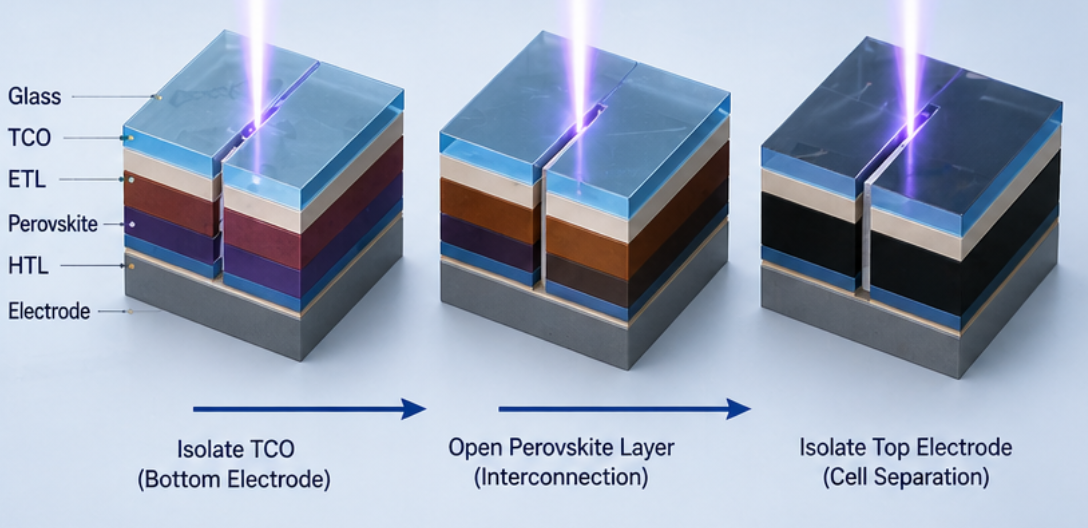
Why P1, P2 And P3 Scribing Are Important
What Is P1 Laser Scribing?
What Is P2 Laser Scribing?
What Is P3 Laser Scribing?
P1 vs P2 vs P3: Key Comparison
Process Processing Stage Target Layer Main Function P1 Scribing Before functional layer deposition TCO layer Bottom electrode isolation P2 Scribing After perovskite layer deposition Perovskite and transport layers Series interconnection channel P3 Scribing After back electrode deposition Back electrode and functional layers Final cell isolation 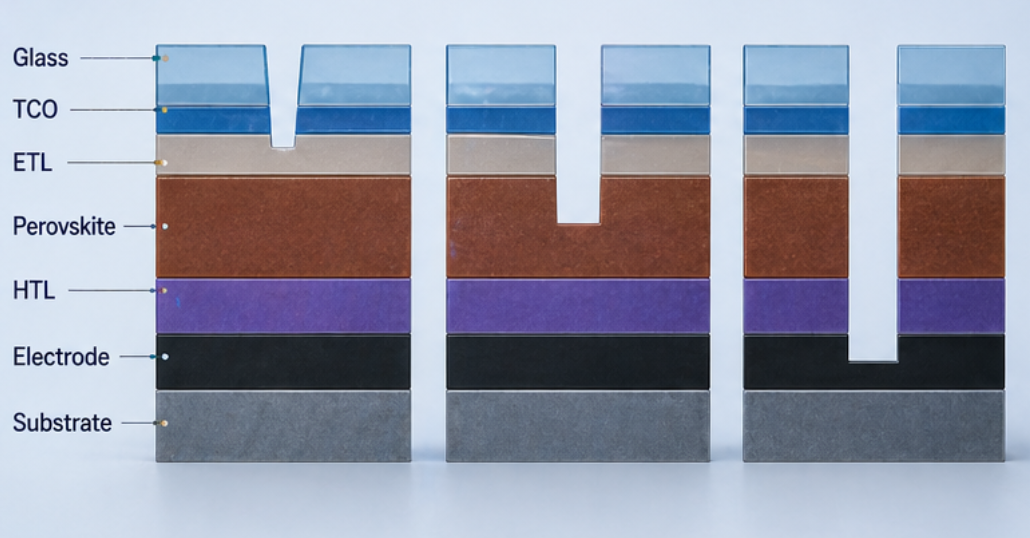
What Buyers Should Check When Selecting Equipment
Recommended Buyer Checklist
Conclusion
Need P1, P2 Or P3 Laser Scribing Equipment?