


Ultra-Thin Glass Cutting Solutions
Meeting the Demand for Next-Generation Displays and Devices
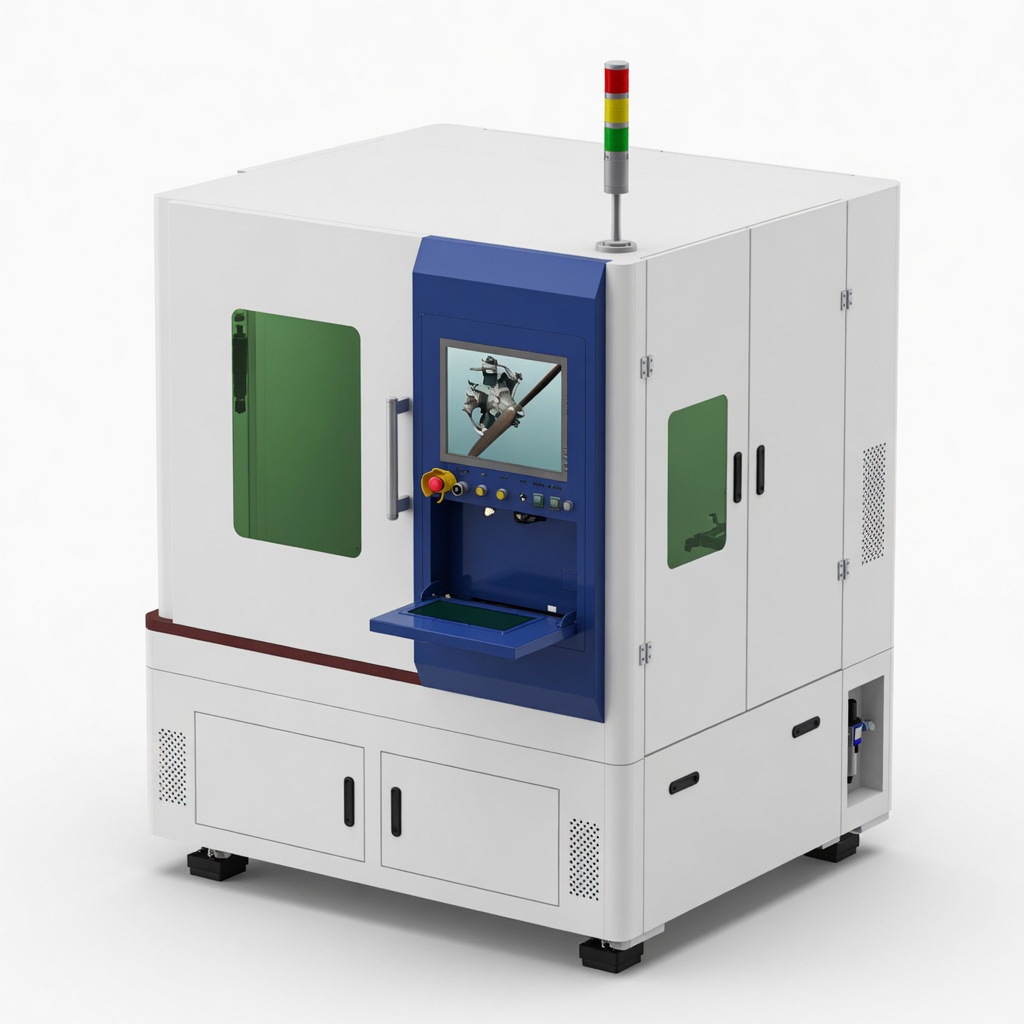
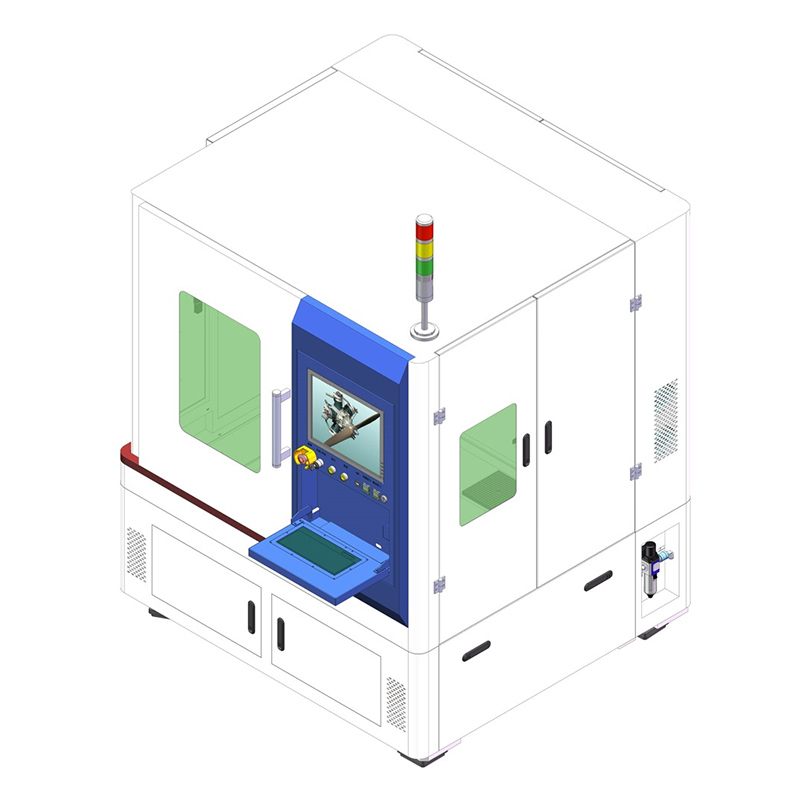
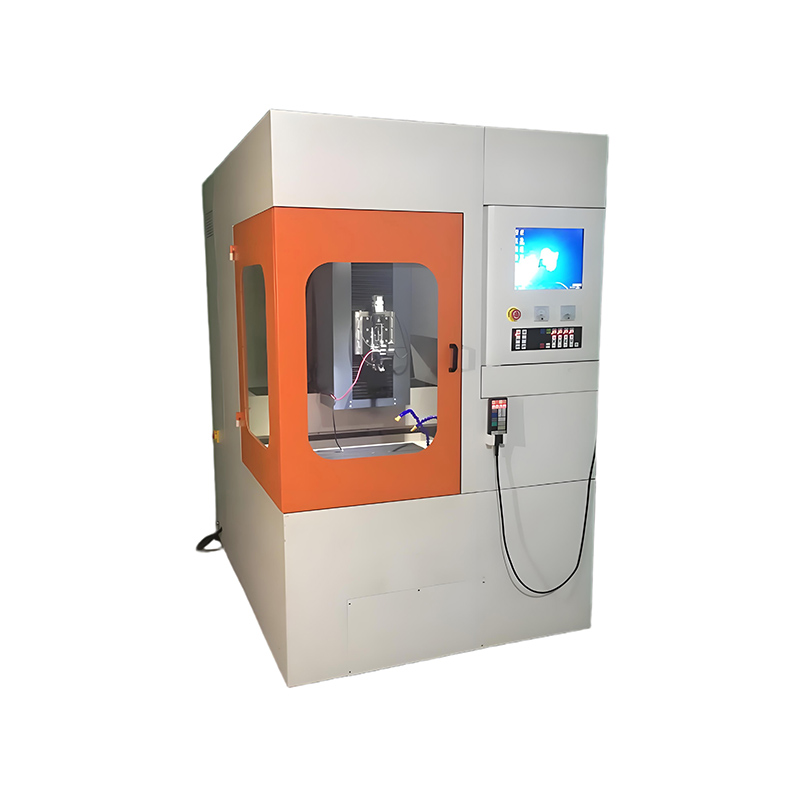
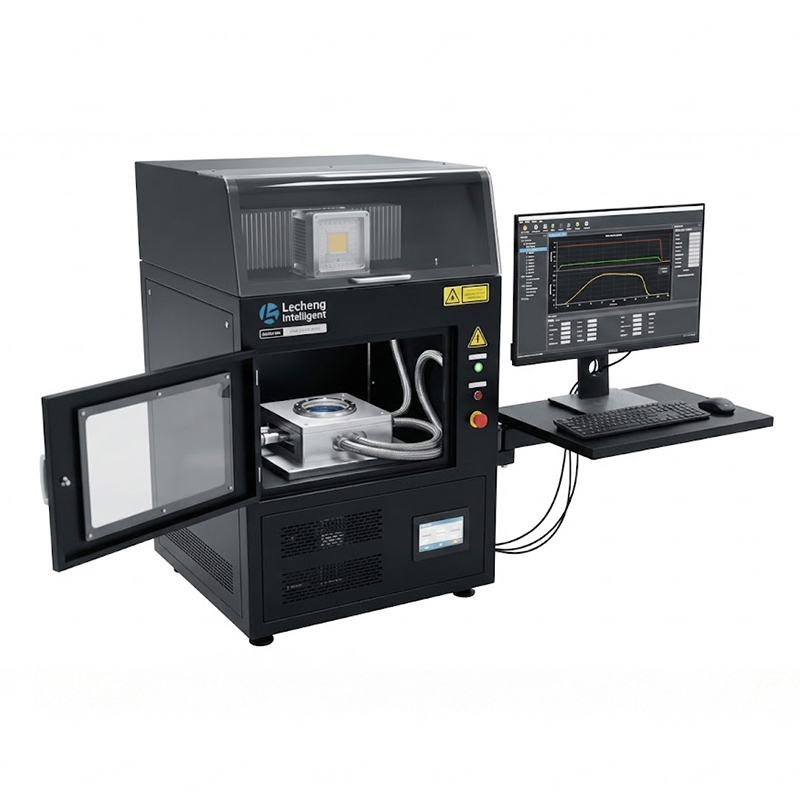
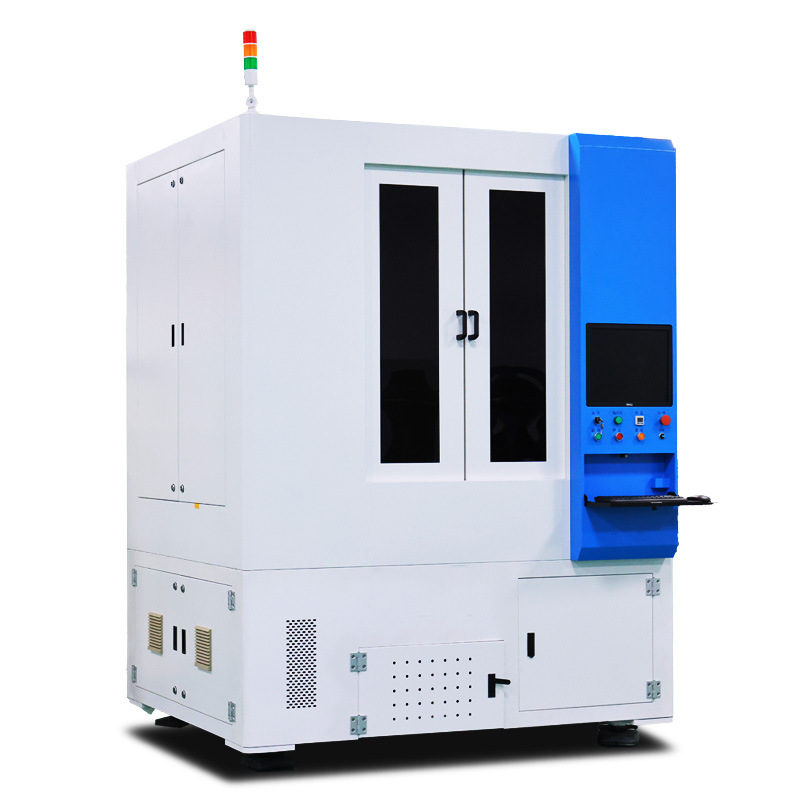
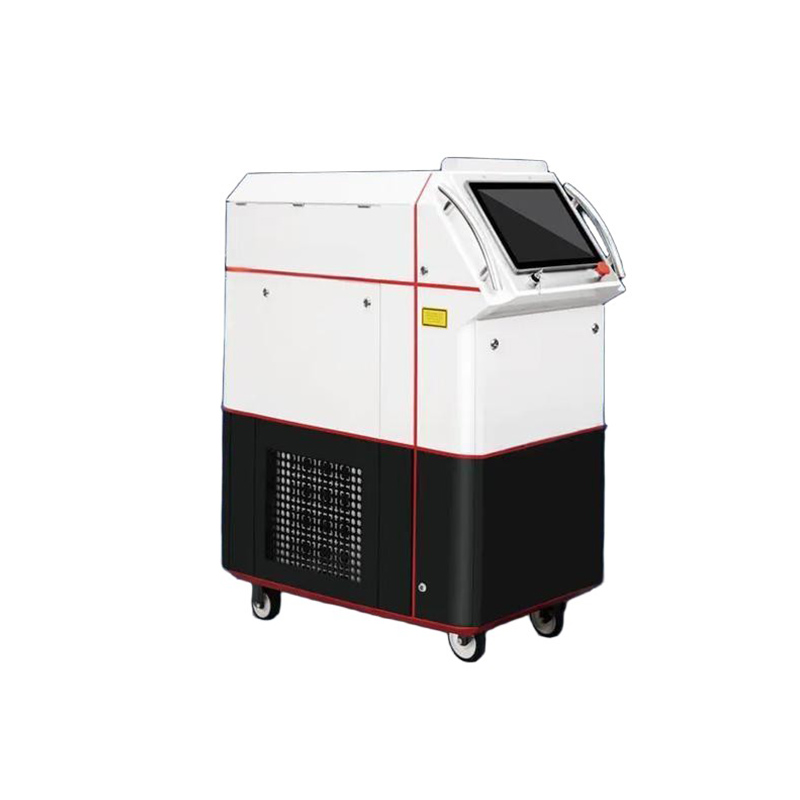
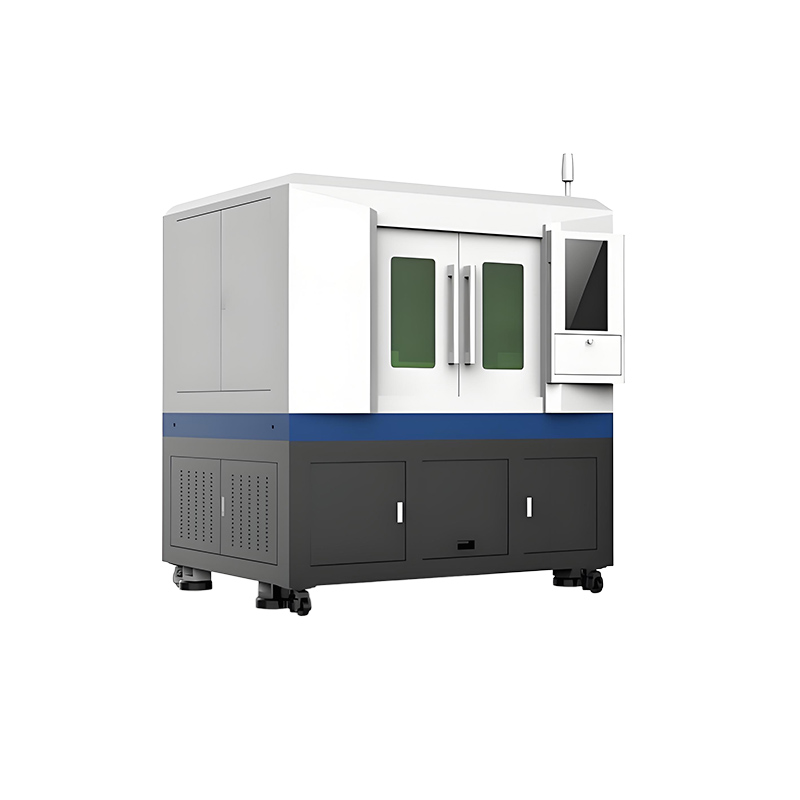
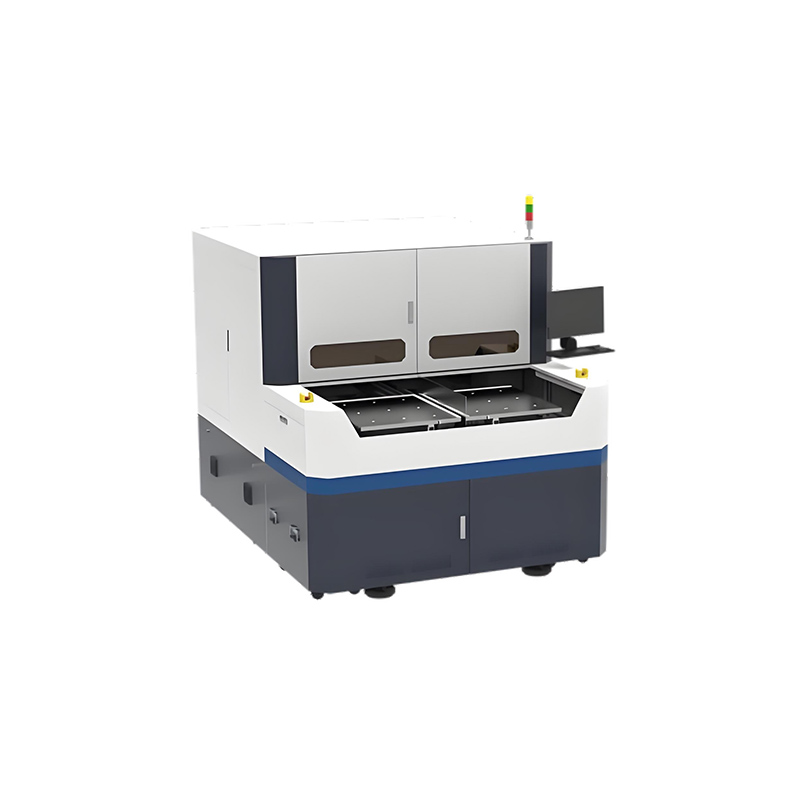
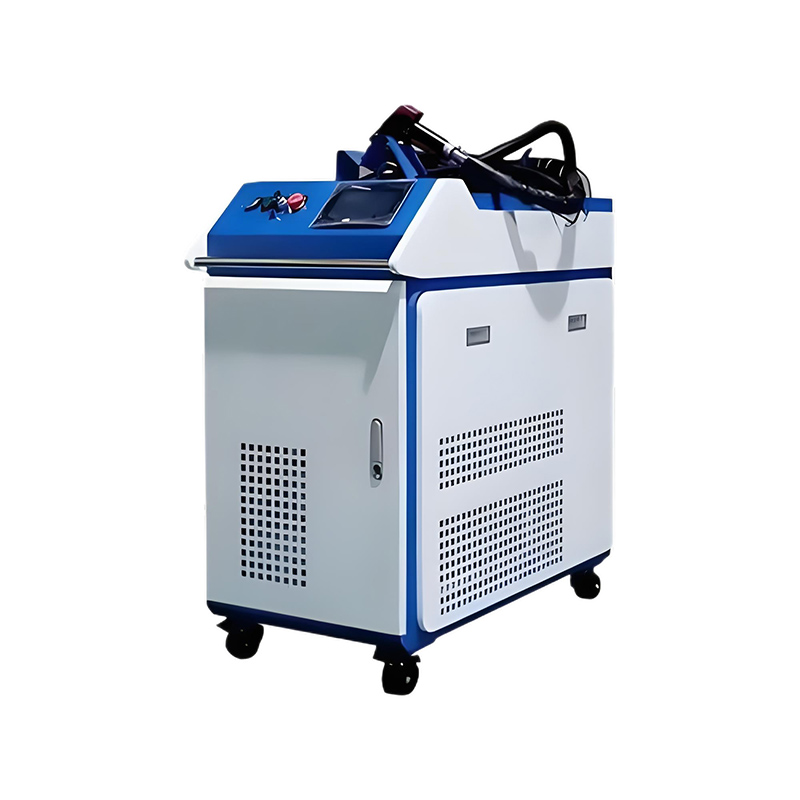
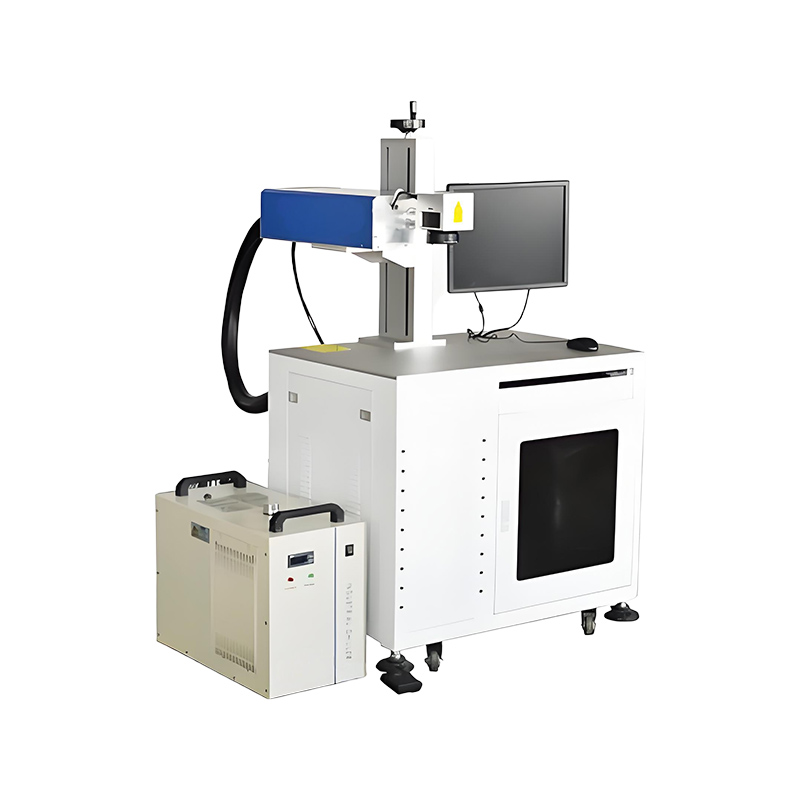
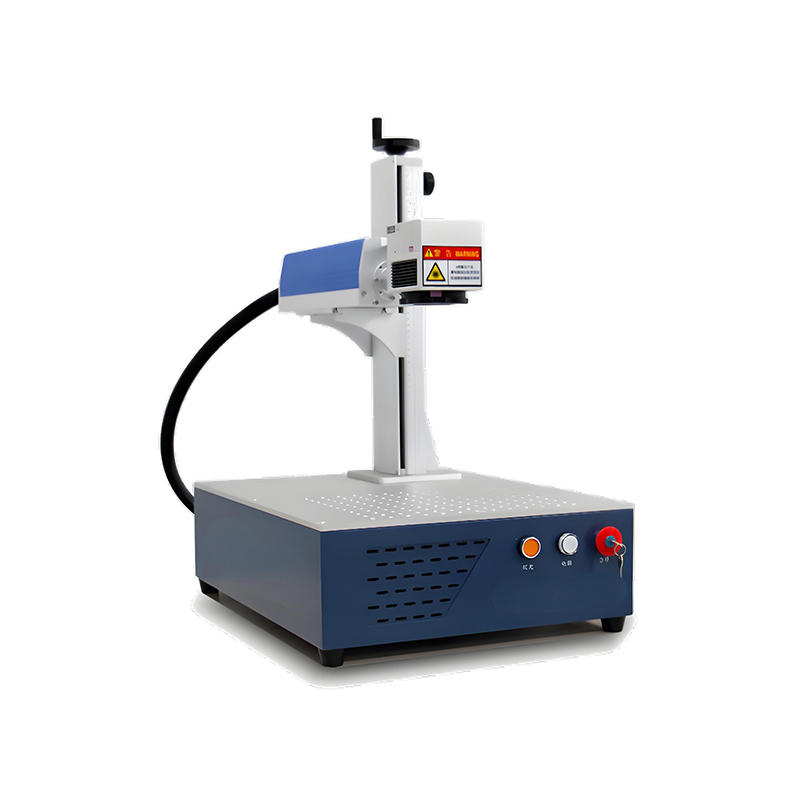
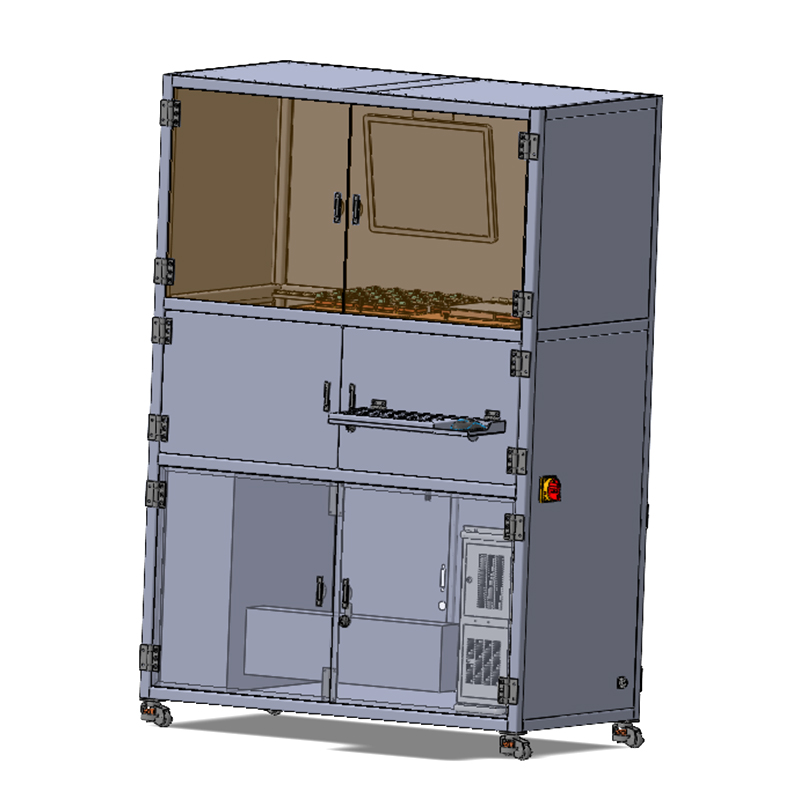
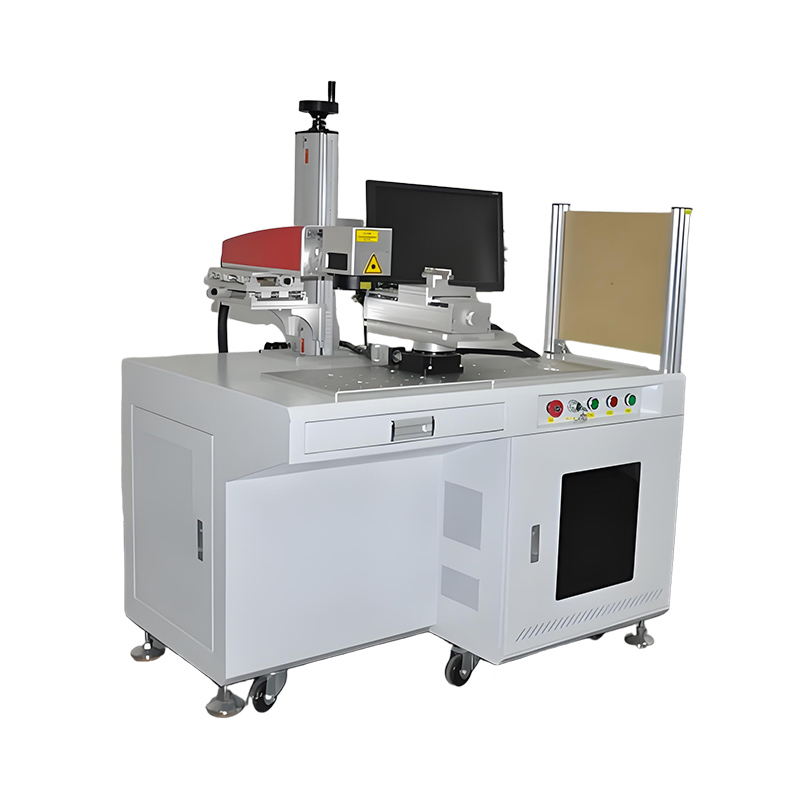
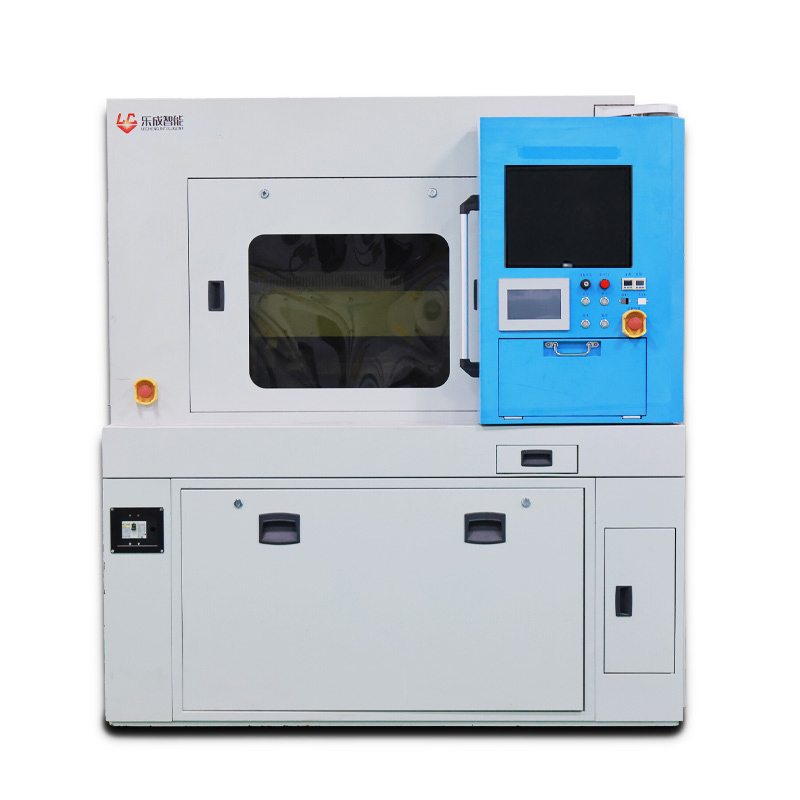
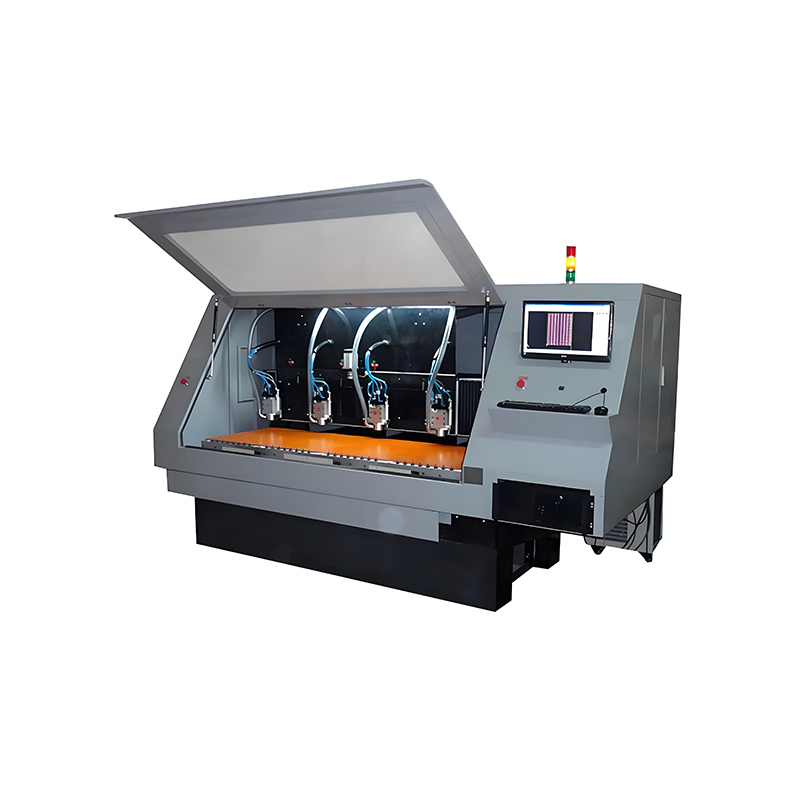
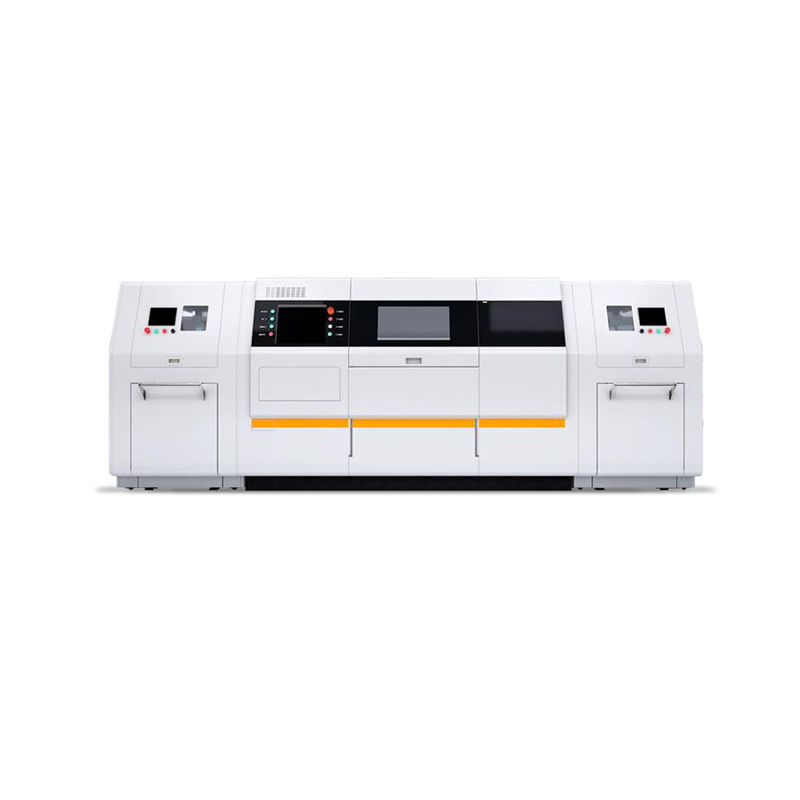
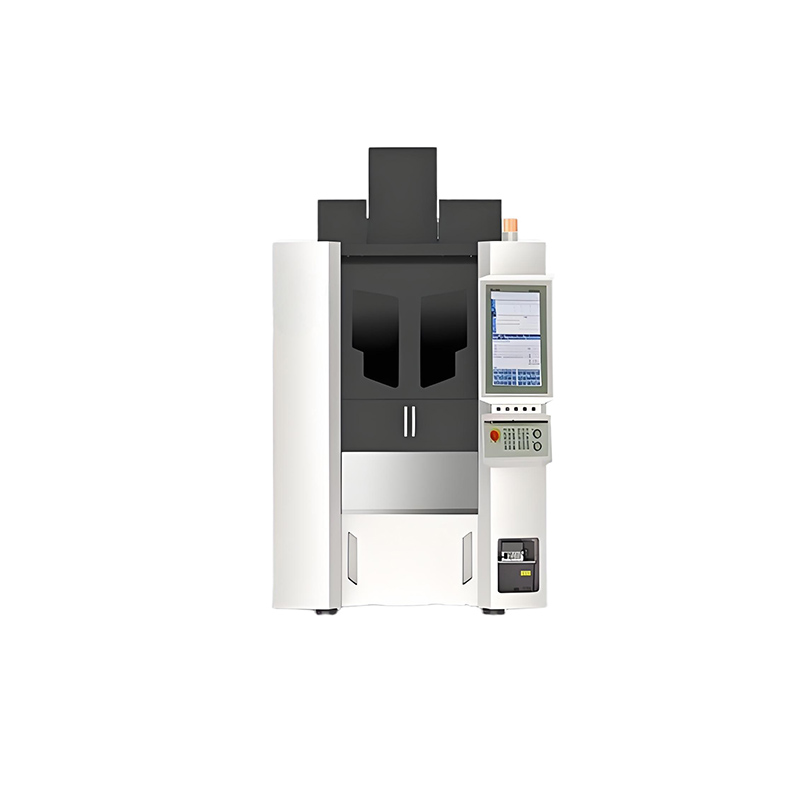
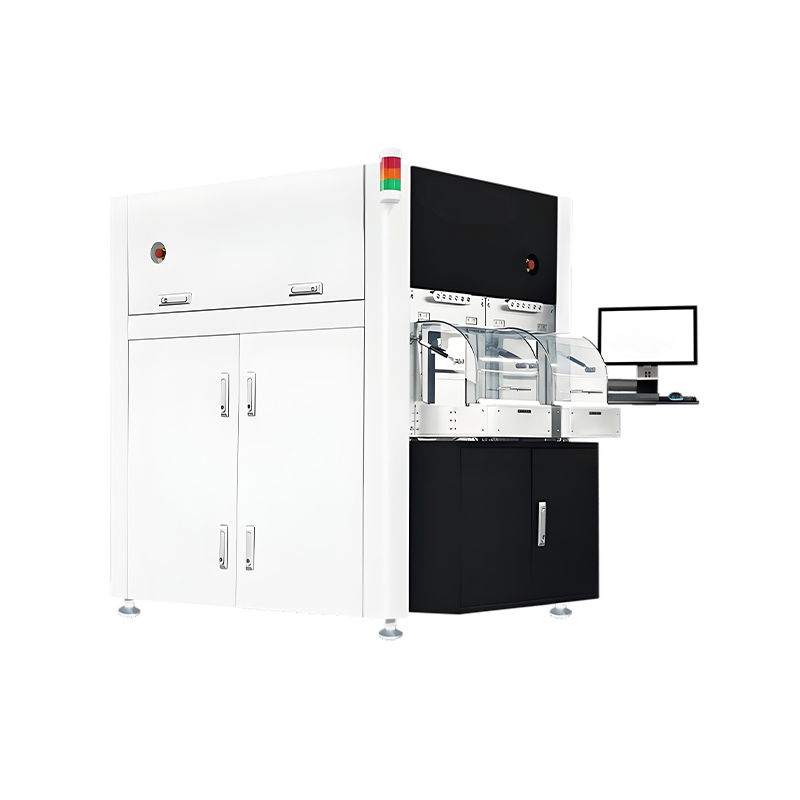
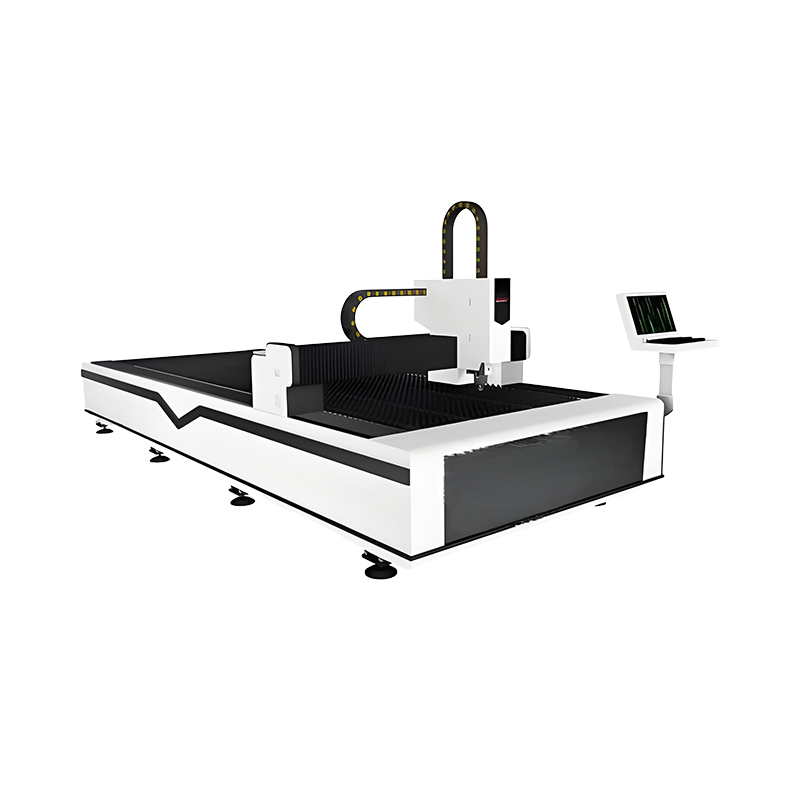
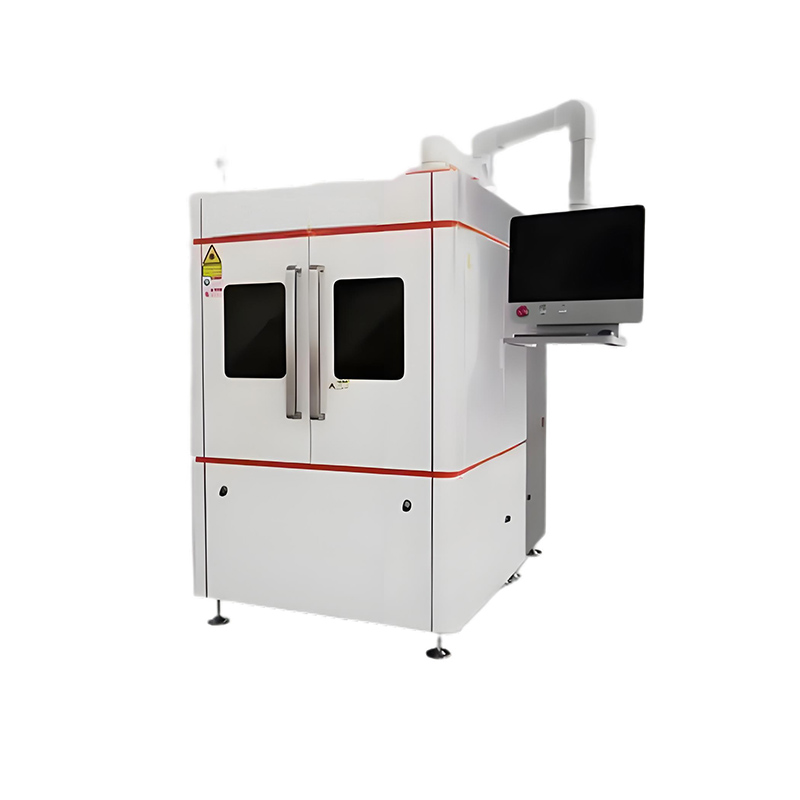
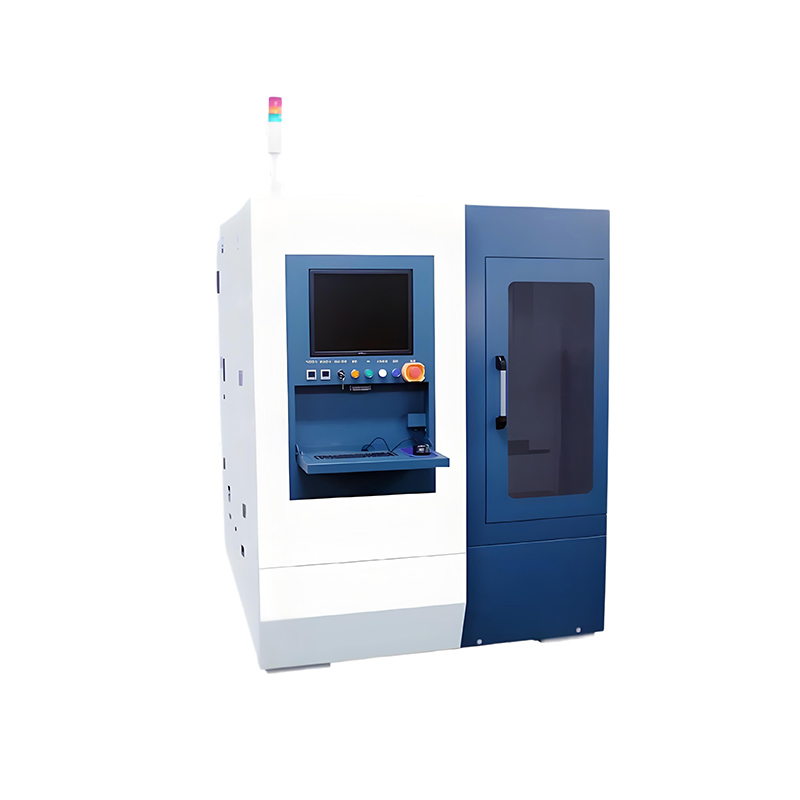
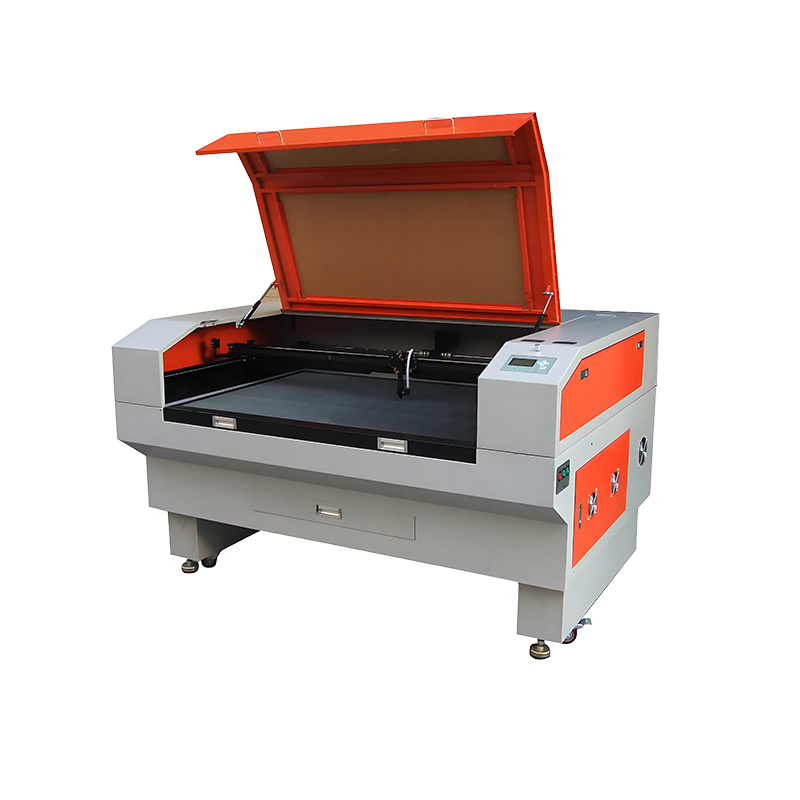
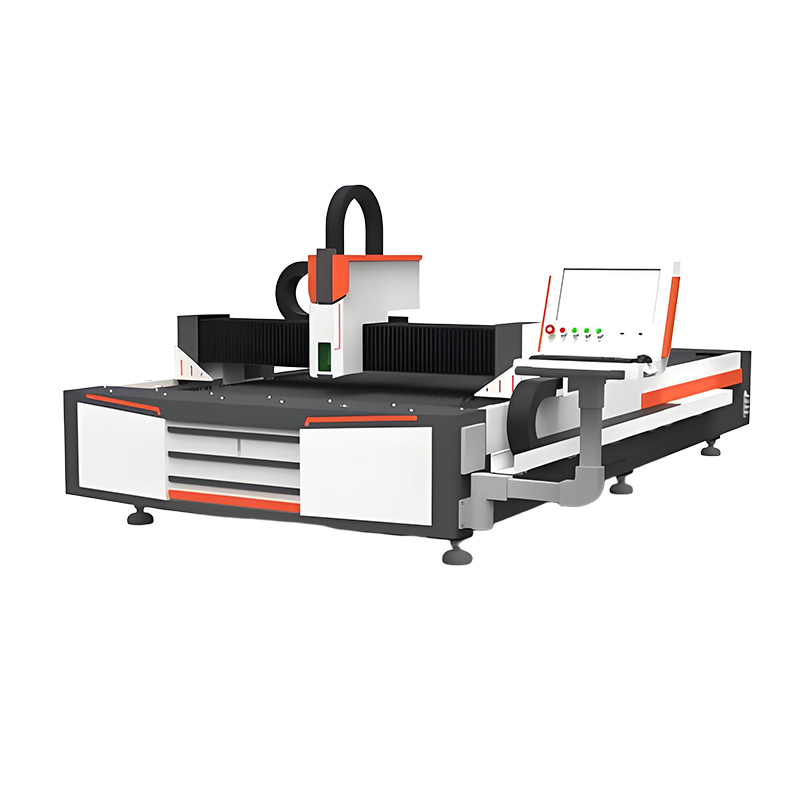
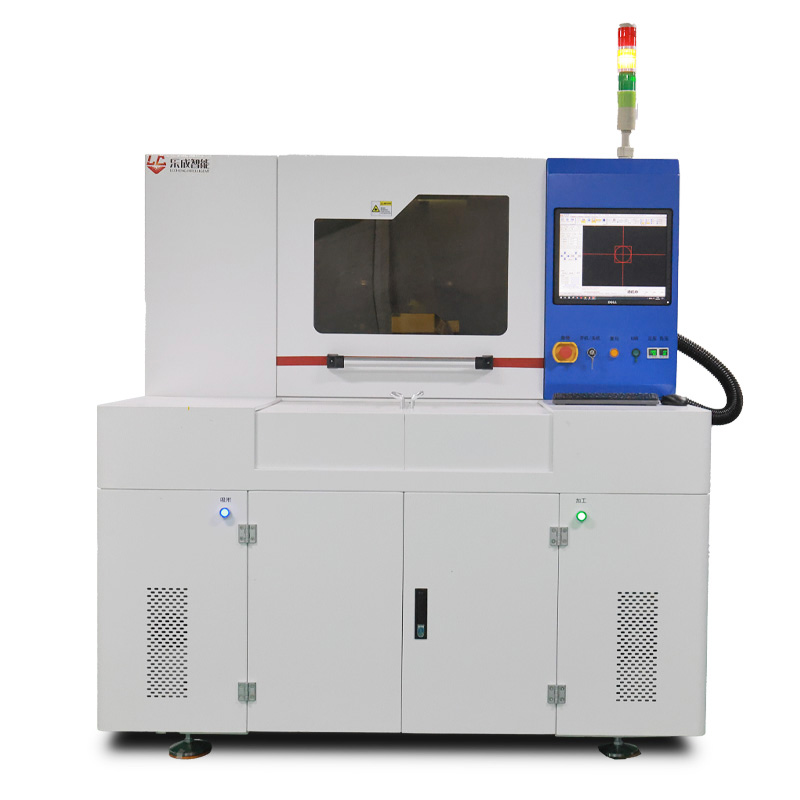
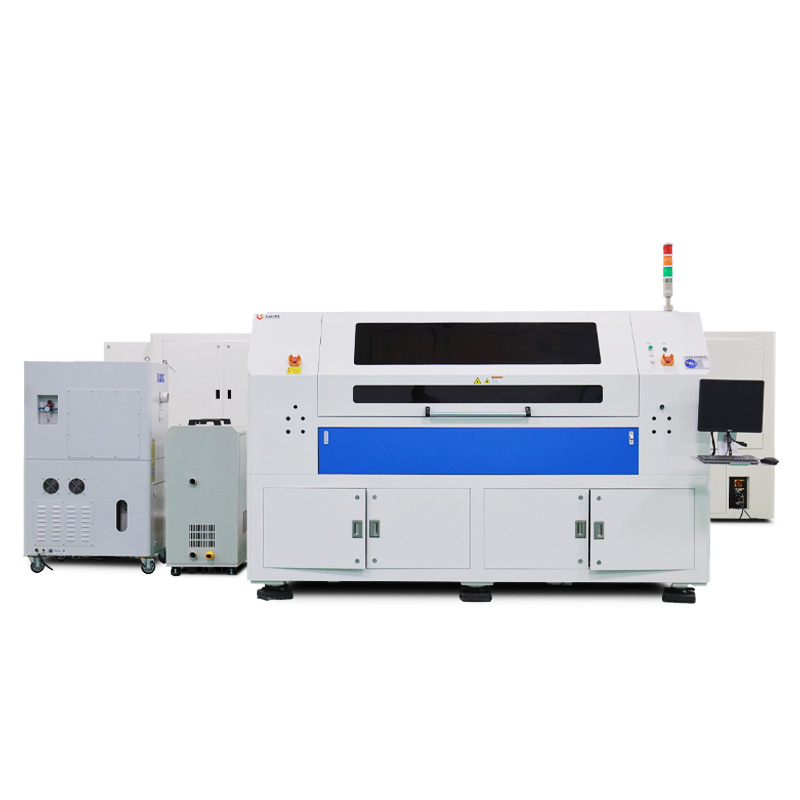
The relentless drive towards lighter, thinner, and more flexible consumer electronics has made ultra-thin glass—often defined as glass with a thickness below 0.5mm—a material of strategic importance. It is the cornerstone of modern foldable displays, curved automotive screens, and sophisticated wearable technology. However, cutting this delicate material with traditional mechanical methods is fraught with challenges, including high breakage rates, uncontrollable micro-cracks, and poor edge quality. This is where advanced laser cutting technology provides the definitive solution. Unlike physical blades, a focused laser beam cuts through a non-contact, thermal process, eliminating mechanical stress. Specialized systems, such as those developed by Lecheng Intelligent, are engineered to handle the unique fragility of ultra-thin glass. They enable the precise fabrication of complex shapes and outlines required for today's sleek device designs, turning a critical manufacturing bottleneck into a reliable, high-yield process. This capability is essential for meeting the exacting standards of industries where aesthetics, durability, and precision are non-negotiable.
The Science of Clean, Chip-Free Cutting: Thermal Stress Control
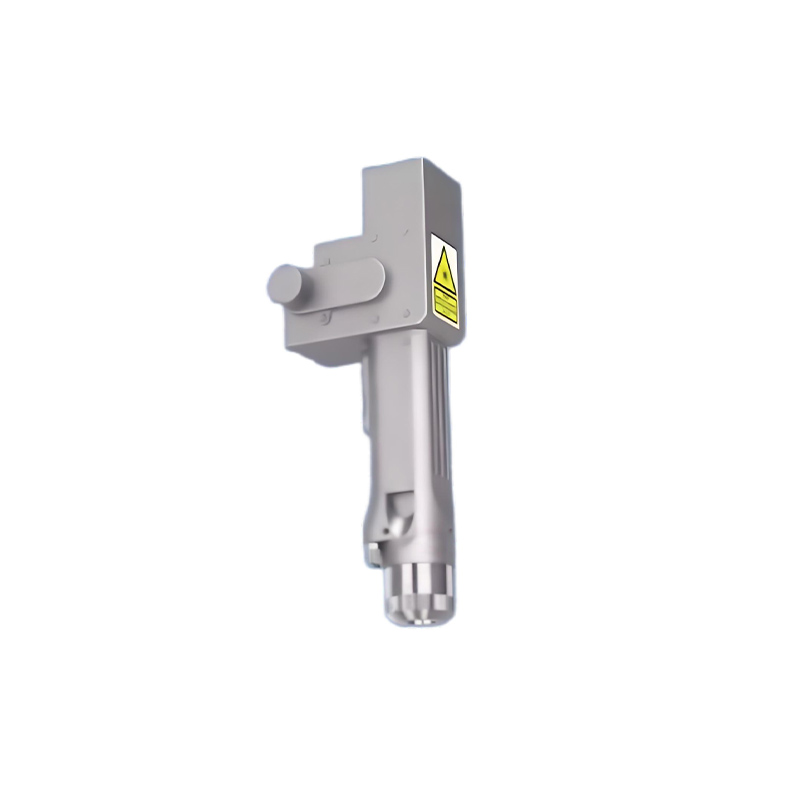
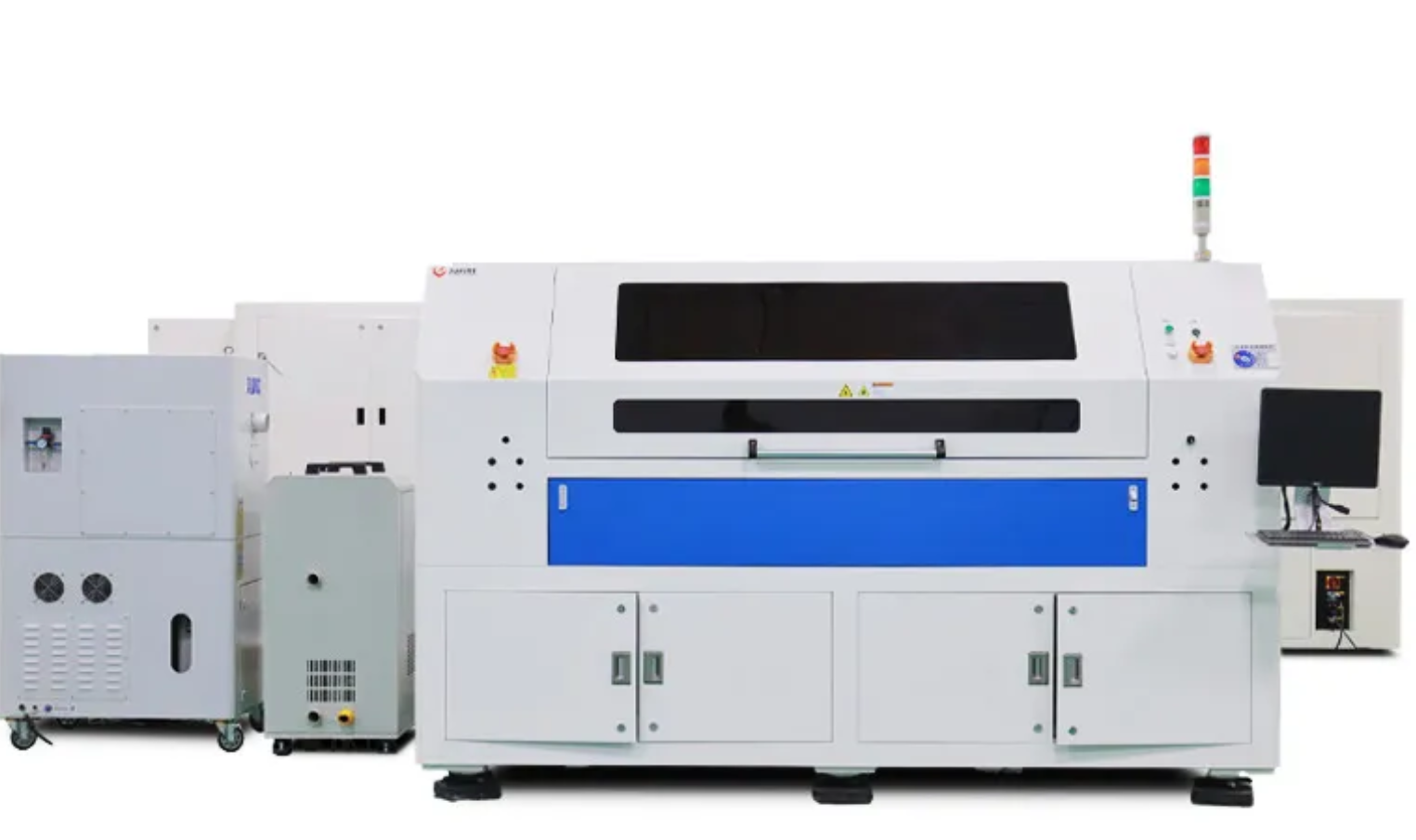
The secret to successfully cutting ultra-thin glass with a laser lies not in brute force melting, but in the precise management of thermal stress. State-of-the-art laser cutters utilize a process often based on stealth dicing or controlled fracture guiding principles. A focused laser beam, typically in the infrared (IR) or ultraviolet (UV) spectrum, is directed along the intended cut path. The localized heating creates a controlled thermal gradient, inducing a compressive stress field. Following this, a secondary process, such as a cooling spray (CO2 snow or air) or a second laser pulse, is applied to quench the heated zone. This rapid thermal change generates a tensile stress that cleanly propagates a crack precisely along the laser-modified path, effectively separating the material. The key advantage of this method, as implemented in Lecheng's solutions, is the production of edges that are virtually chip-free and exhibit exceptional strength. By minimizing the heat-affected zone (HAZ) and preventing uncontrolled crack propagation, the process results in smooth, pristine edges that often require no further edge polishing, maintaining the intrinsic strength of the glass and allowing for subsequent delicate processing like lamination and bonding.
Enabling High-Yield Manufacturing for Demanding Applications
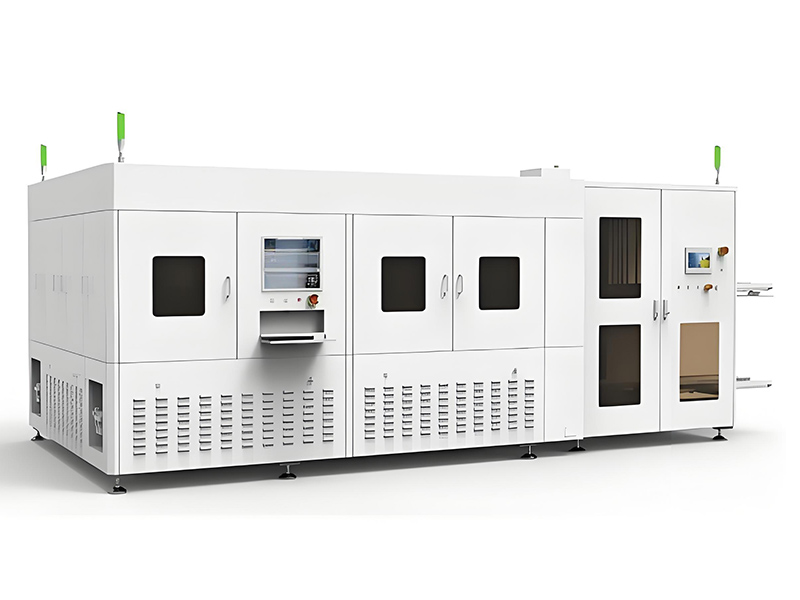
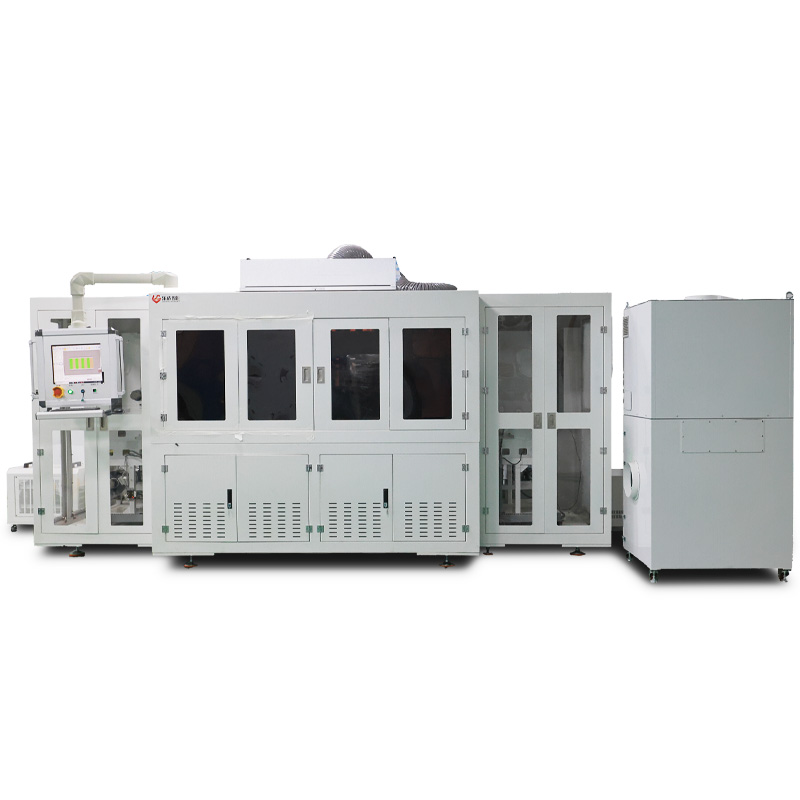
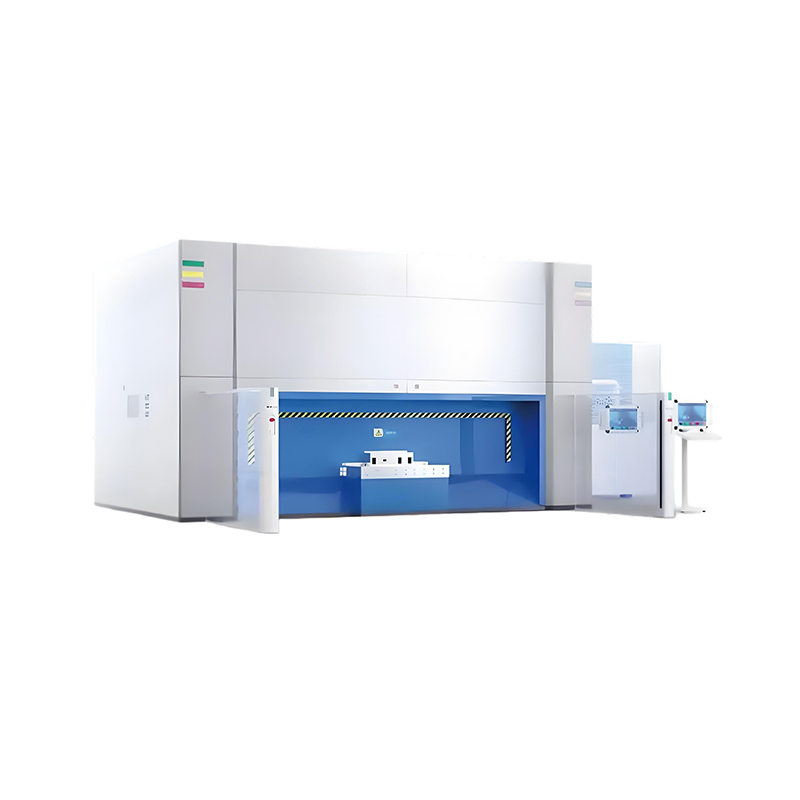
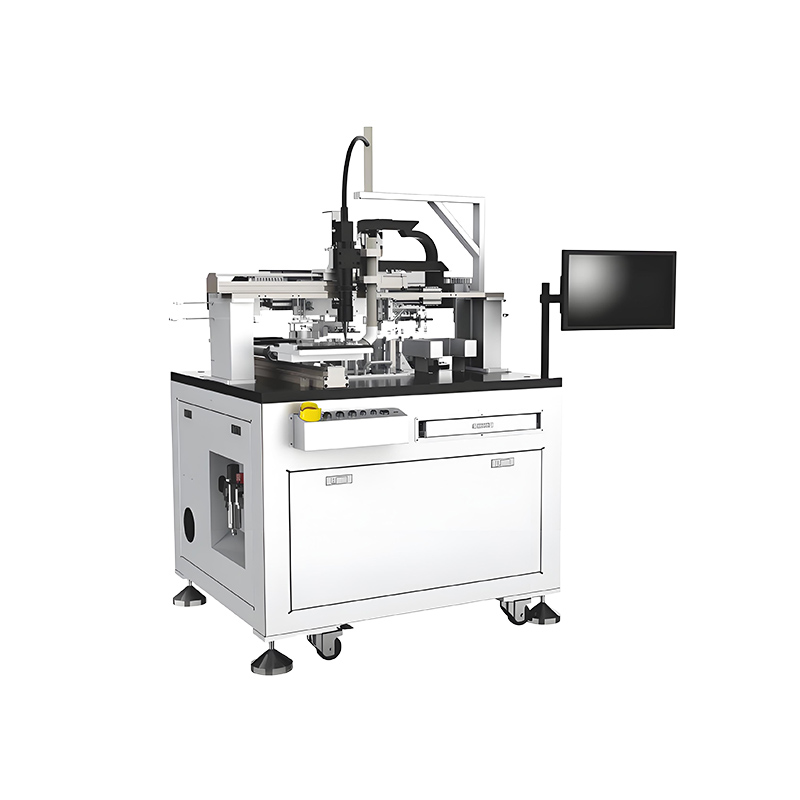
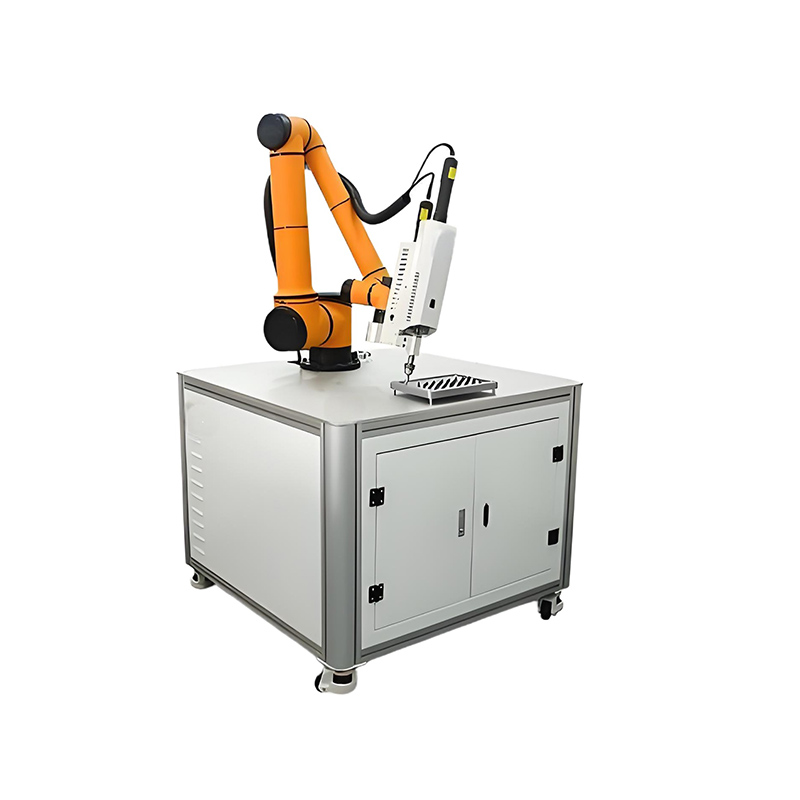
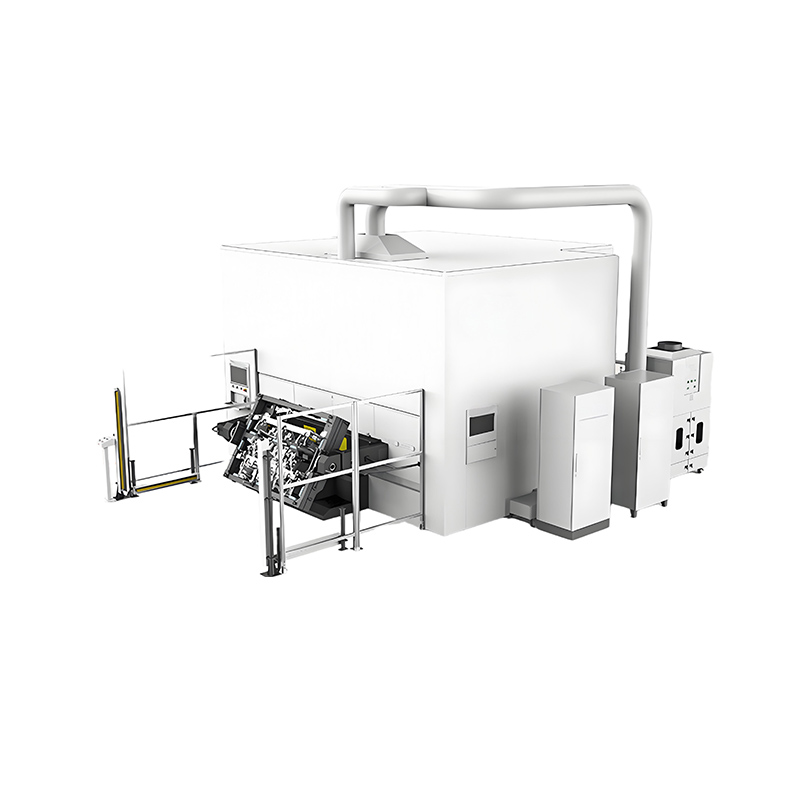
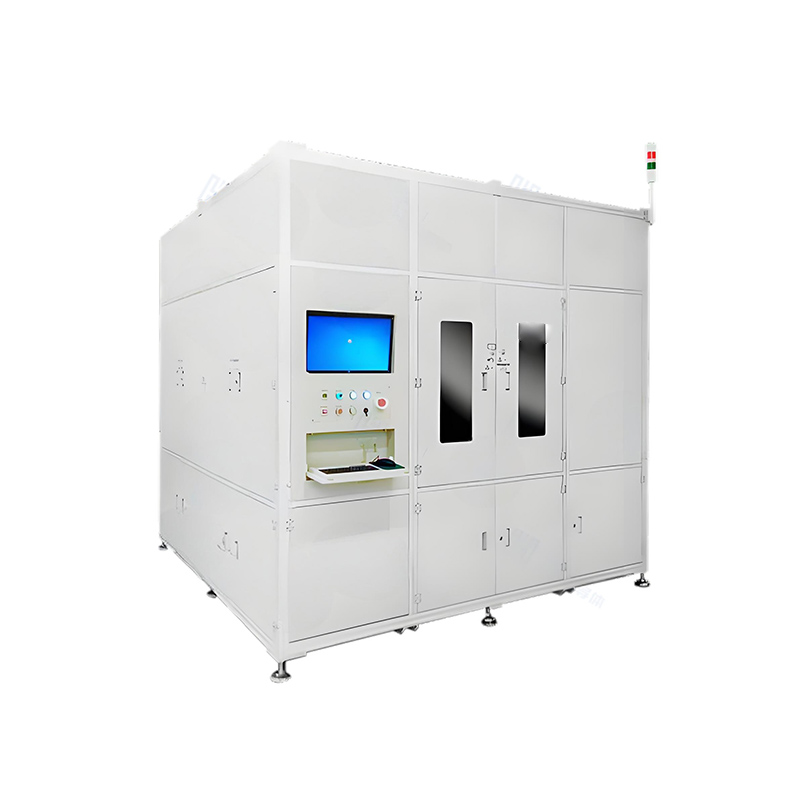
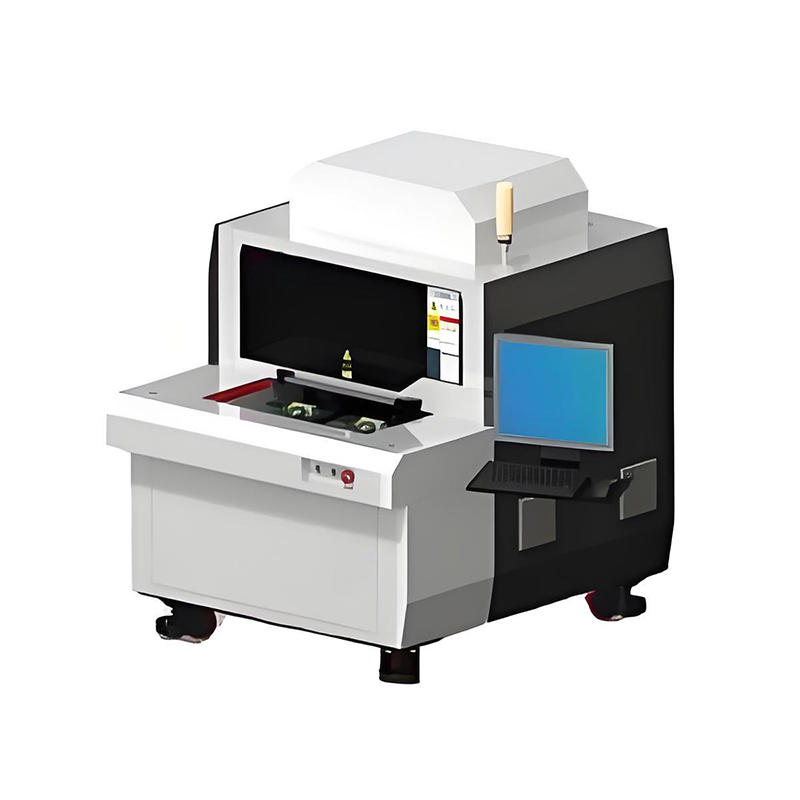
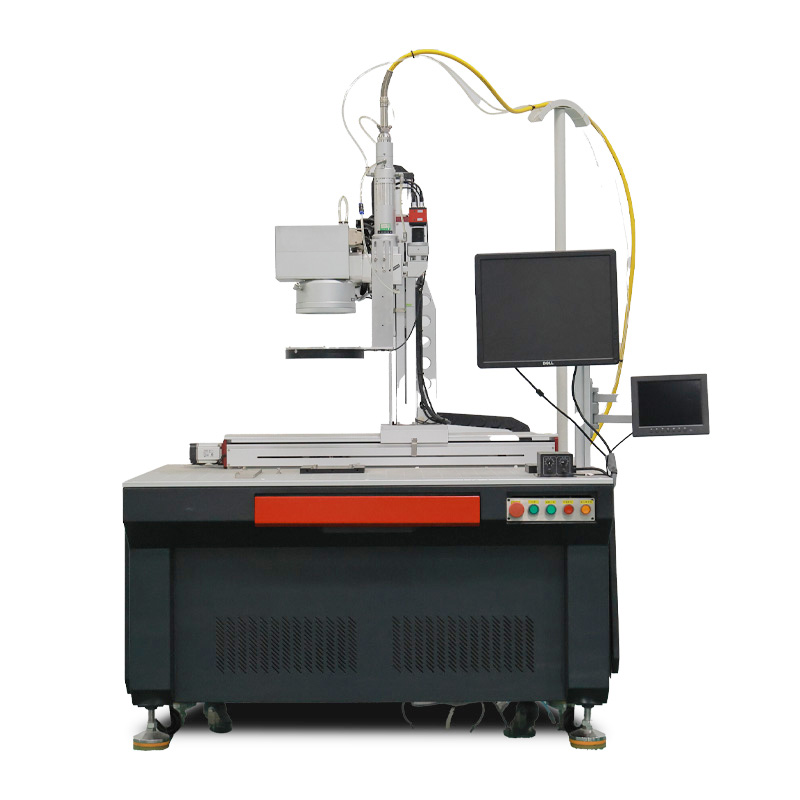
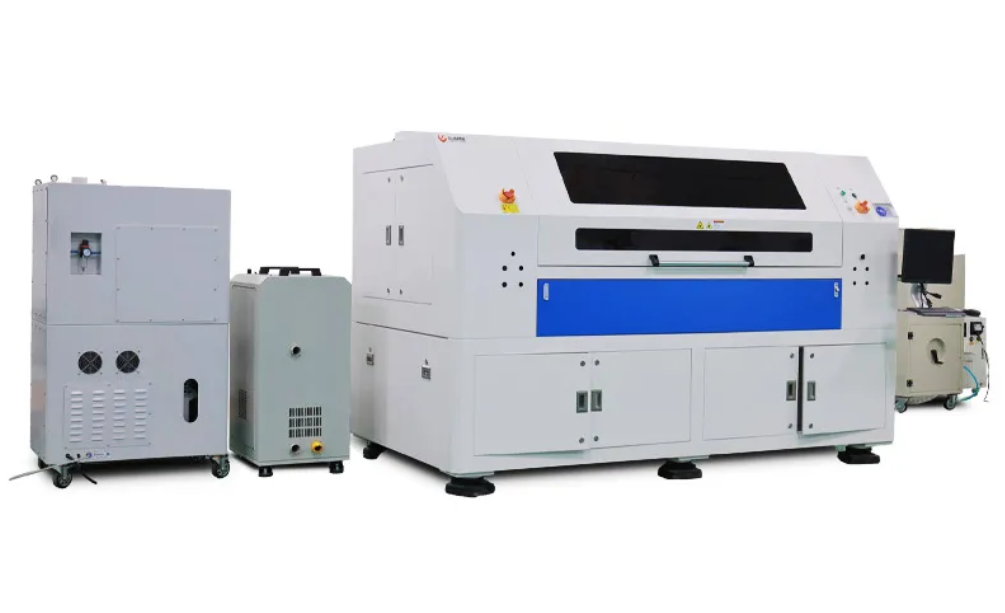
The transition from a laboratory-proven technique to a robust industrial process is critical for mass adoption. Ultra-thin glass laser cutting systems must deliver not only precision but also high throughput and exceptional process yield. This is achieved through integration with high-accuracy motion systems, such as linear motors and air-bearing stages, which provide the vibration-free, smooth movement necessary for micron-level accuracy. Real-time vision inspection and automatic focus tracking are indispensable, constantly compensating for minute glass warpage or stage positioning errors to ensure every cut is perfect. For manufacturers in the display industry cutting cover glass for smartphones and tablets, or in the automotive sector shaping intricate instrument cluster screens, even a single flaw in a batch can be catastrophic. Solutions from providers like Lecheng are designed for 24/7 industrial operation, offering reliability and repeatability that directly translate to lower production costs and higher product quality. By providing a complete, automated cutting cell that can integrate with downstream cleaning and inspection lines, these systems empower manufacturers to confidently scale production of next-generation devices that rely on the unique benefits of ultra-thin glass.
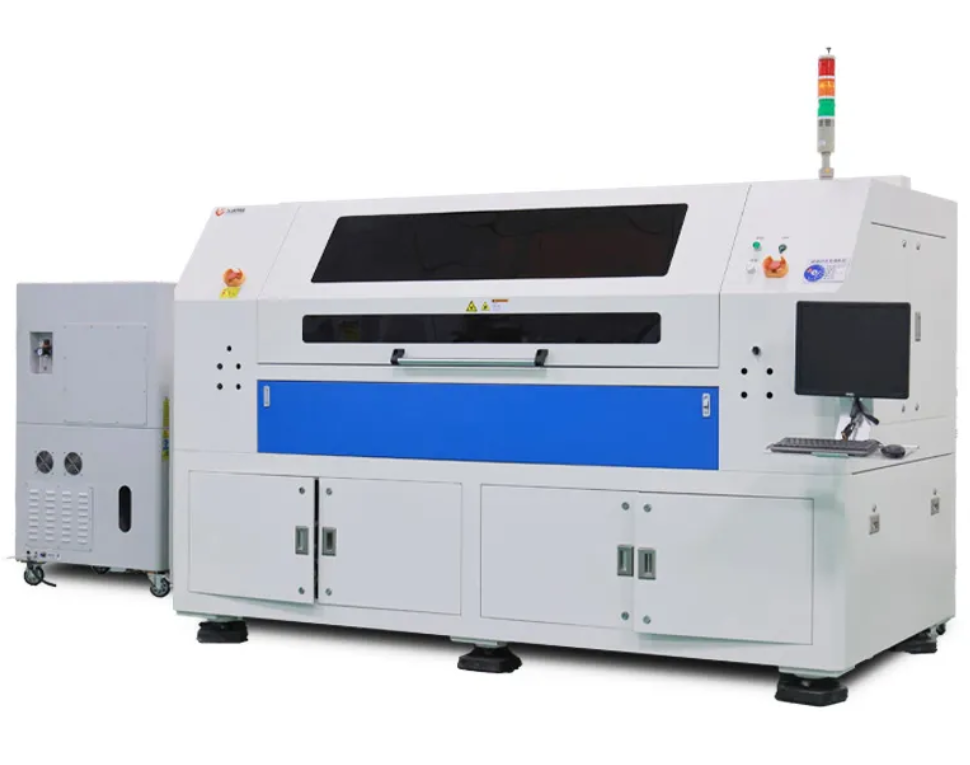
The transition from a laboratory-proven technique to a robust industrial process is critical for mass adoption. Ultra-thin glass laser cutting systems must deliver not only precision but also high throughput and exceptional process yield. This is achieved through integration with high-accuracy motion systems, such as linear motors and air-bearing stages, which provide the vibration-free, smooth movement necessary for micron-level accuracy. Real-time vision inspection and automatic focus tracking are indispensable, constantly compensating for minute glass warpage or stage positioning errors to ensure every cut is perfect. For manufacturers in the display industry cutting cover glass for smartphones and tablets, or in the automotive sector shaping intricate instrument cluster screens, even a single flaw in a batch can be catastrophic. Solutions from providers like Lecheng are designed for 24/7 industrial operation, offering reliability and repeatability that directly translate to lower production costs and higher product quality. By providing a complete, automated cutting cell that can integrate with downstream cleaning and inspection lines, these systems empower manufacturers to confidently scale production of next-generation devices that rely on the unique benefits of ultra-thin glass.