


Ensuring Safety with Laser-Marked Medical Devices and Surgical Tools
The Indelible Code: Why Permanent Traceability is Non-Negotiable
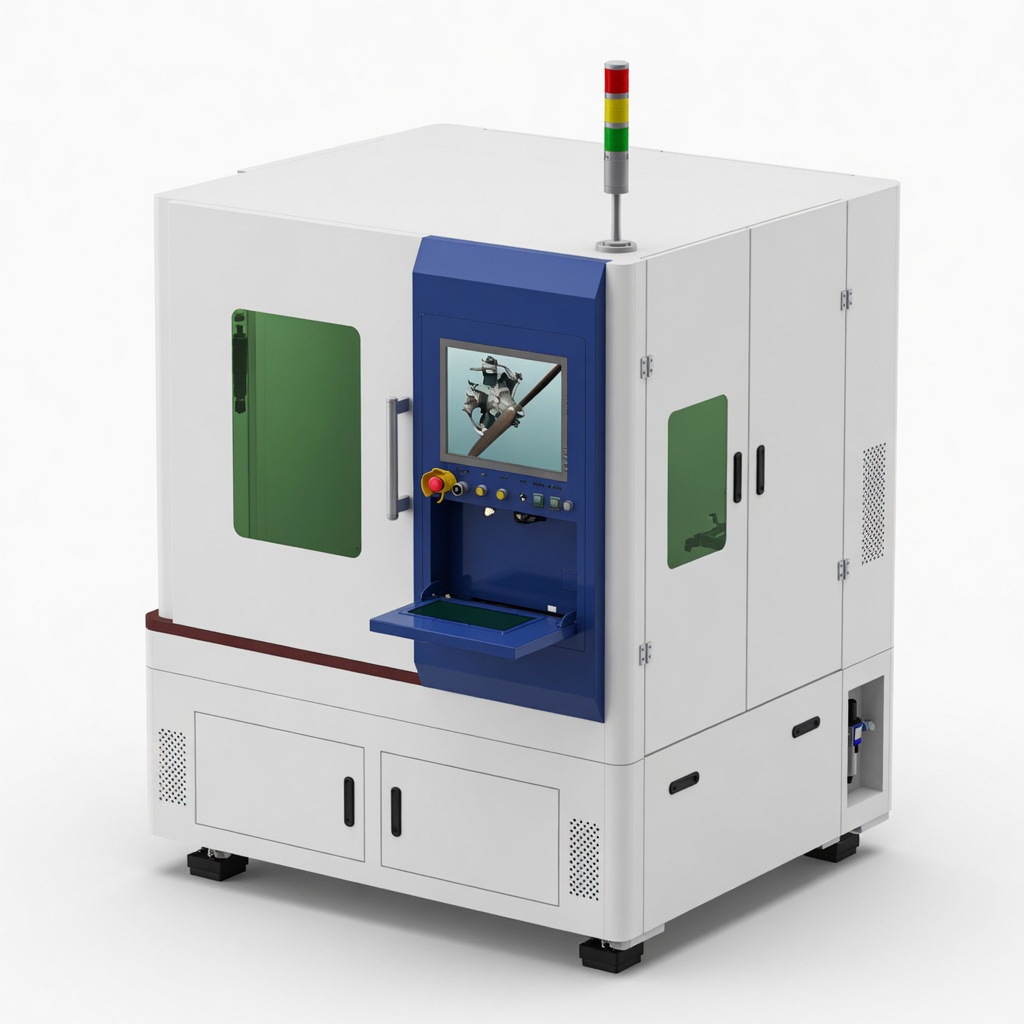
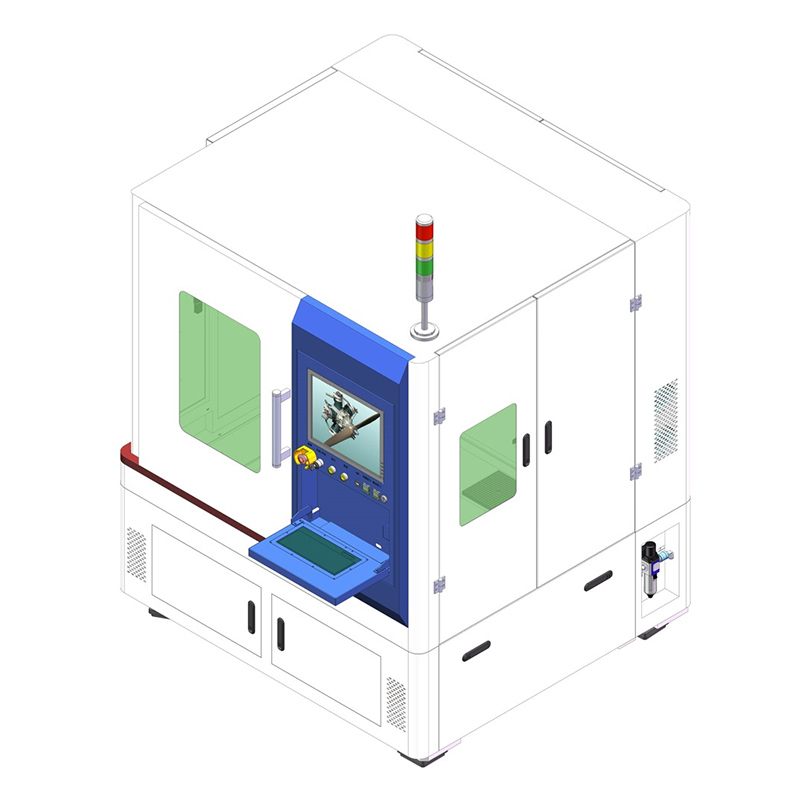
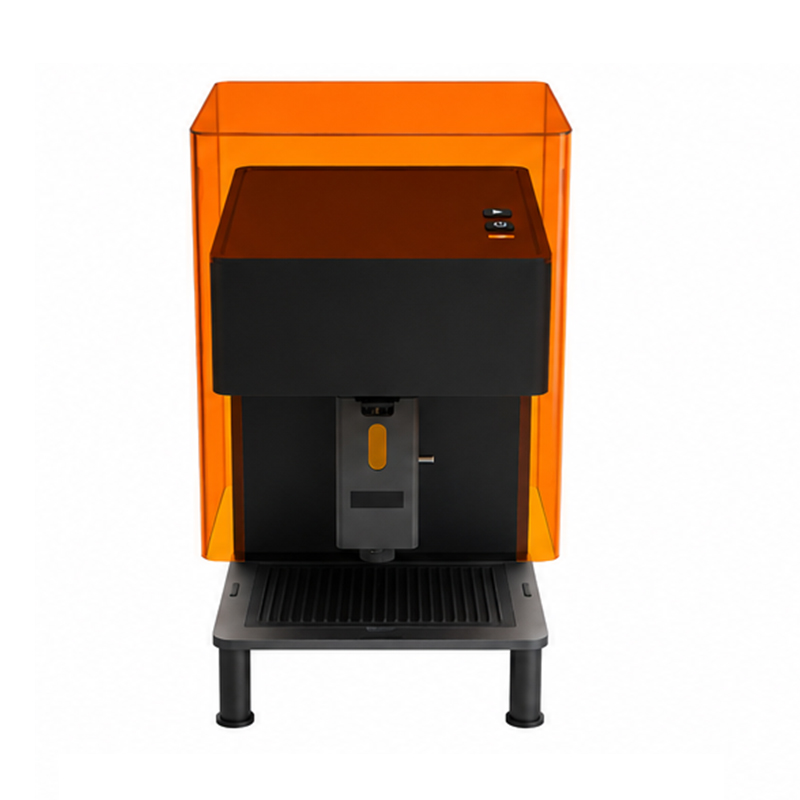
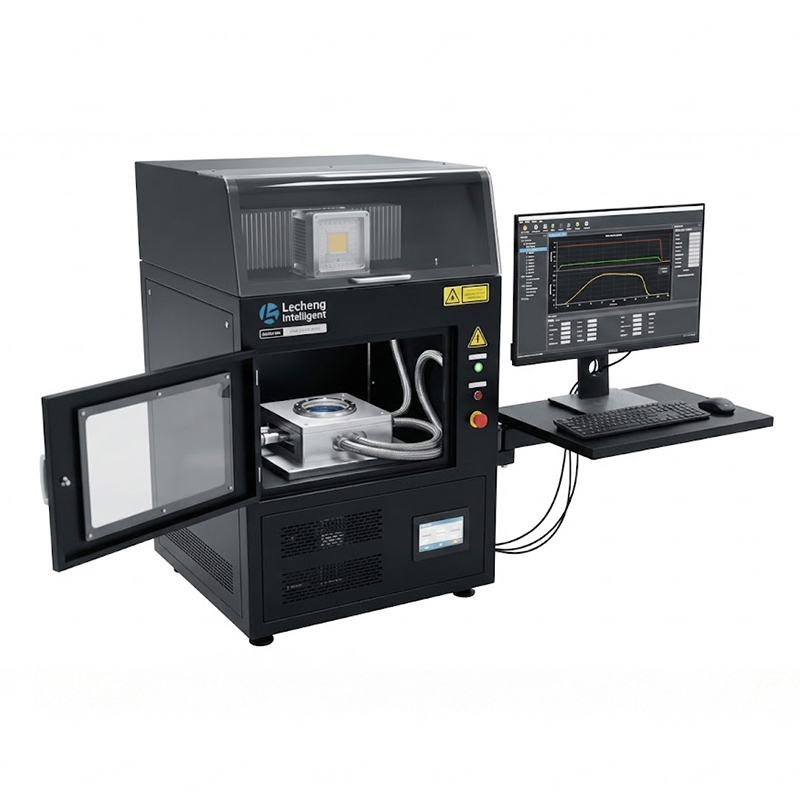
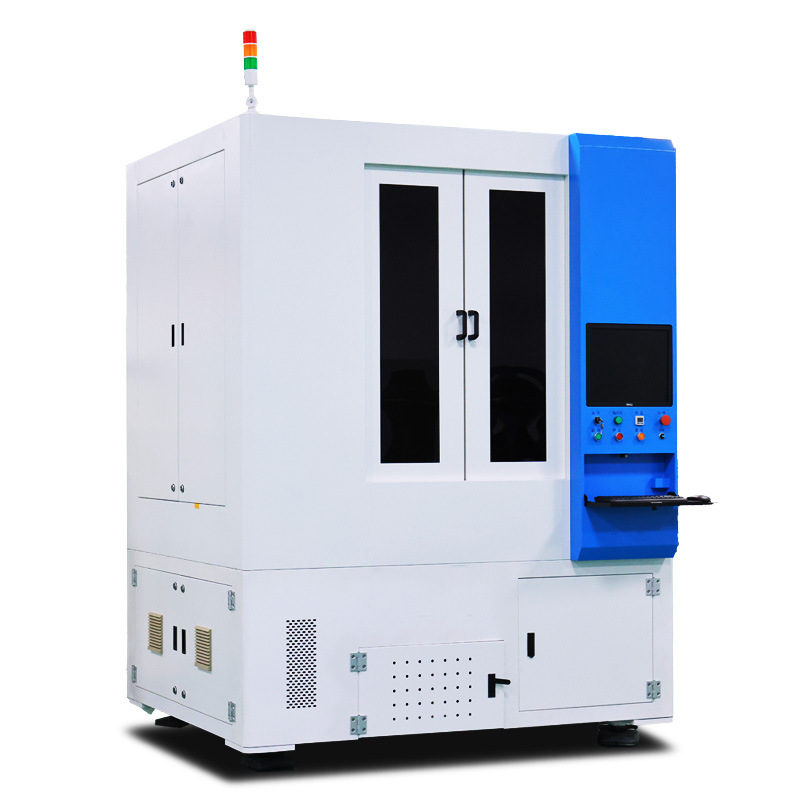
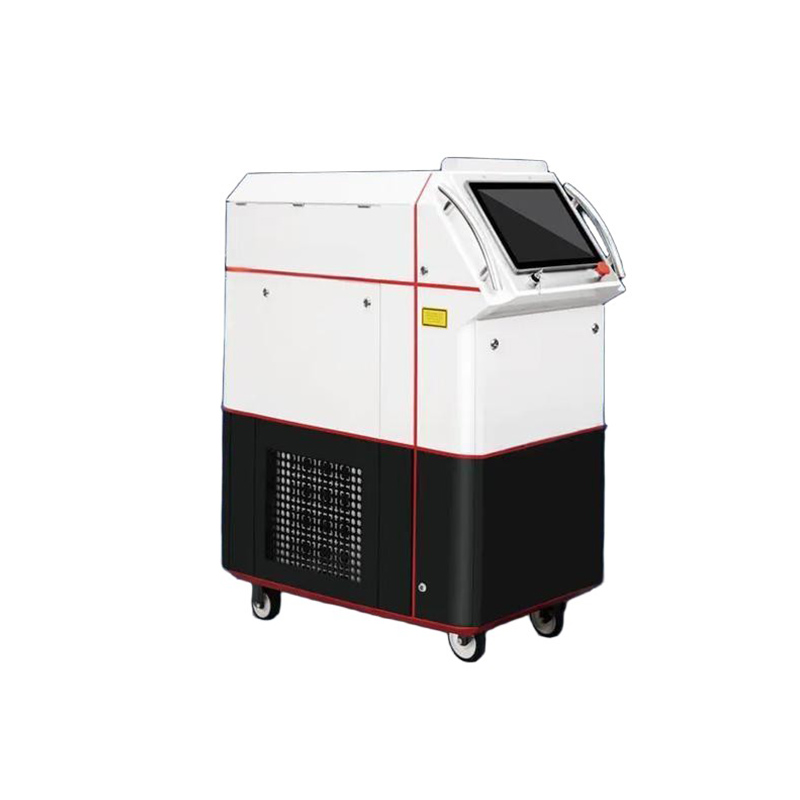
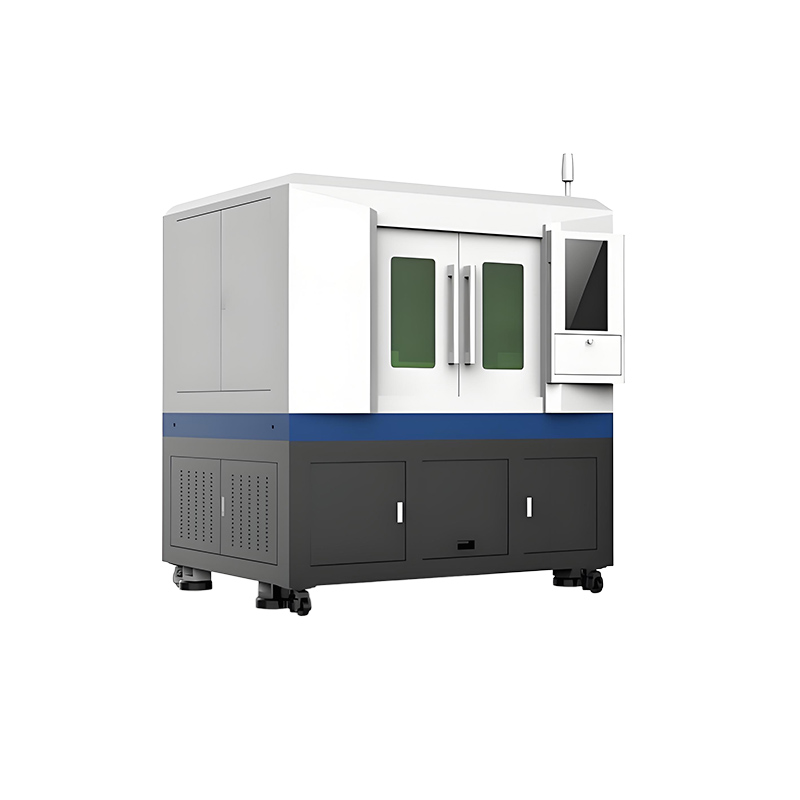
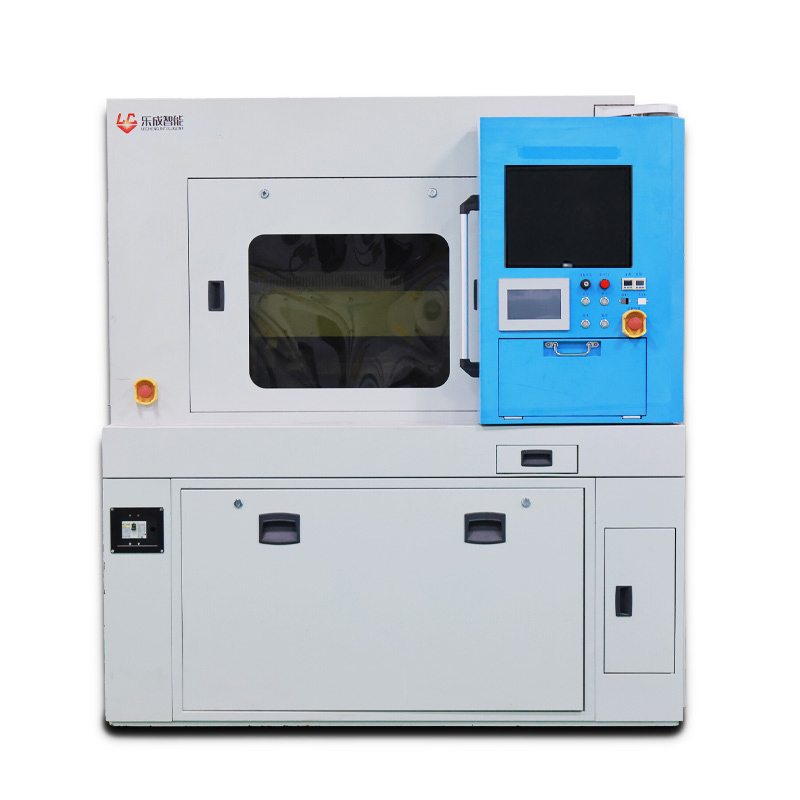
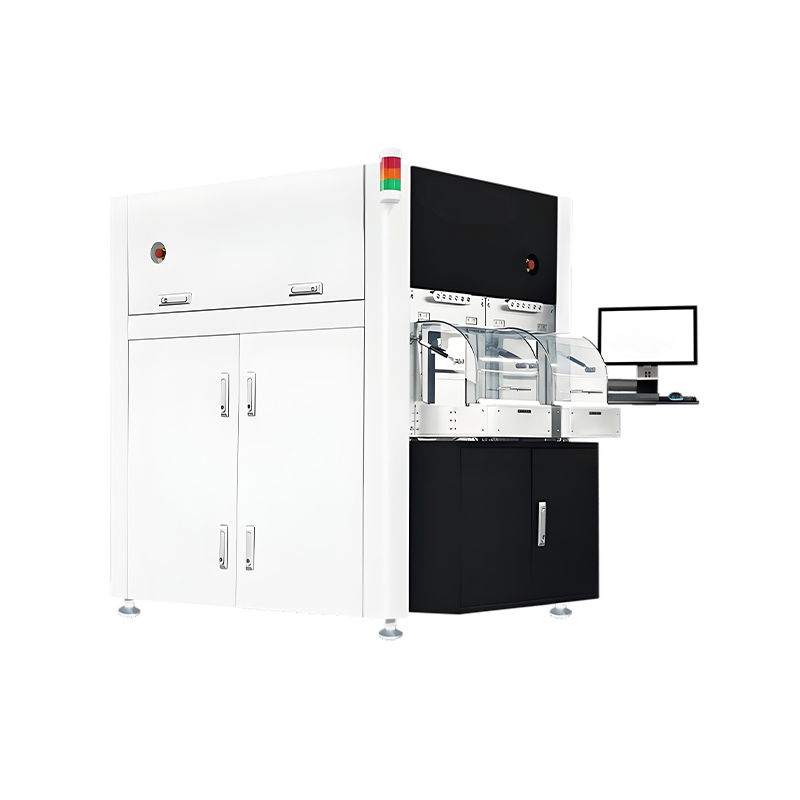
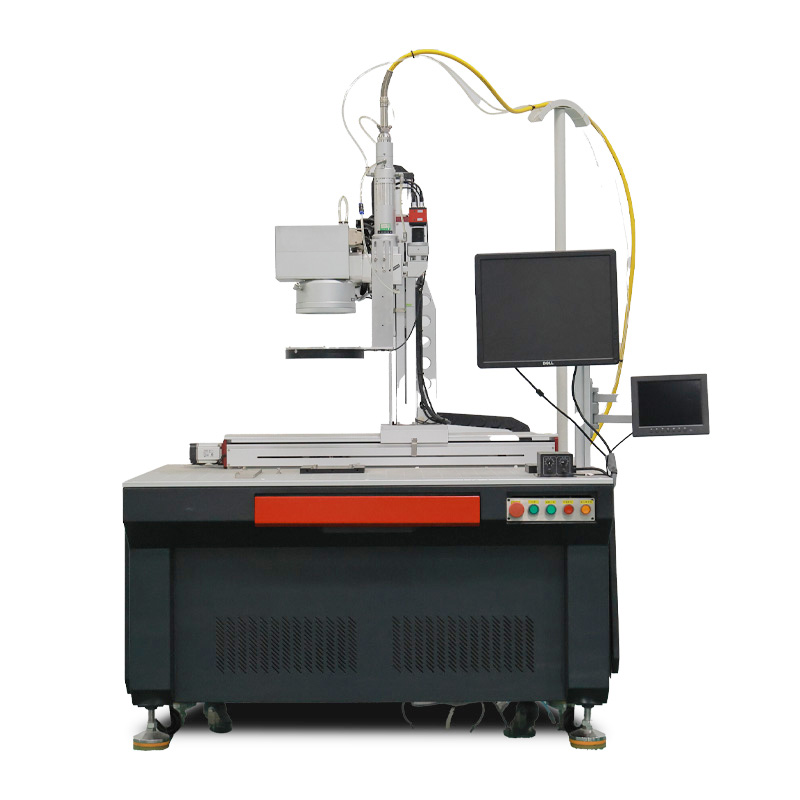
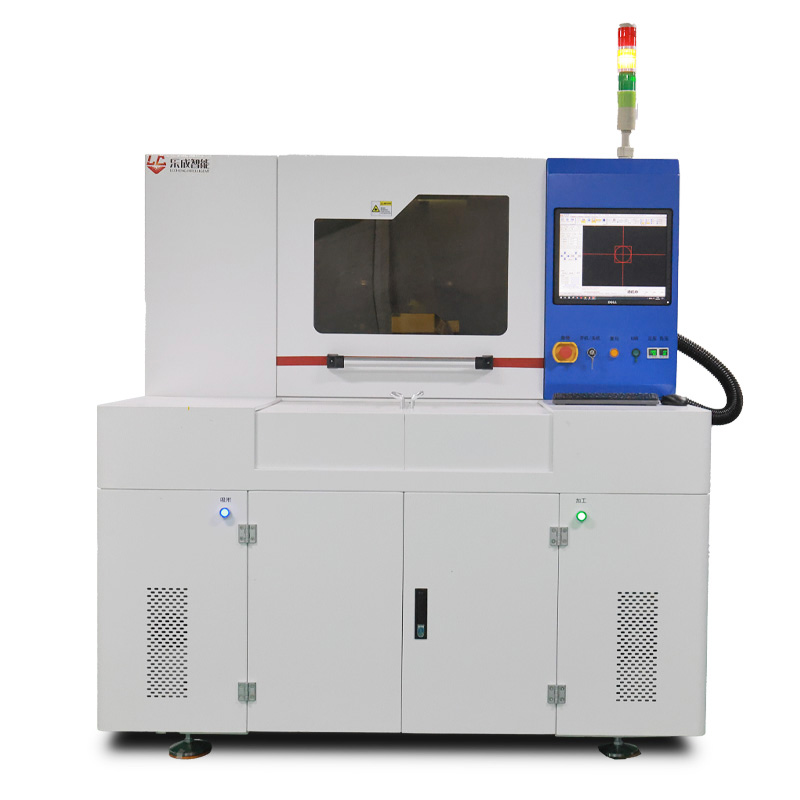
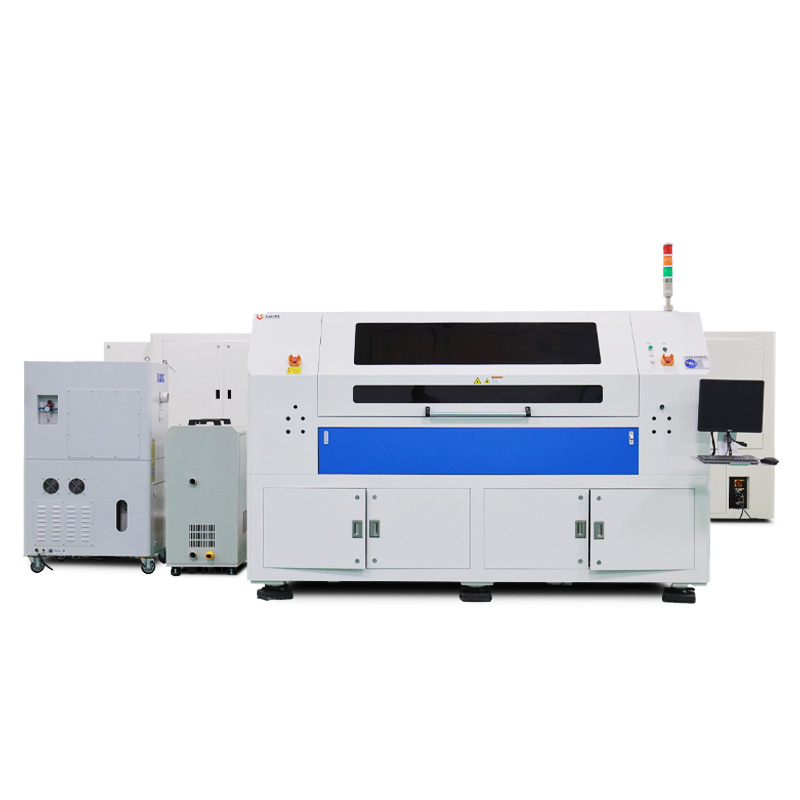
In the highly regulated world of medical device manufacturing, the ability to track and identify every single instrument from production through to patient use and beyond is paramount. This requirement, driven by strict standards like the FDA's Unique Device Identification (UDI) system, makes permanent and clear marking not just a best practice, but a legal and safety imperative. Unlike ink-jet printing or labels that can fade, smudge, or be sterilized away, laser marking creates an indelible, high-contrast code directly into the material's surface. This is where precision laser systems, such as those provided by Lecheng Intelligent, become critical infrastructure. They can etch vital information—including lot numbers, serial numbers, part numbers, and barcodes—onto a vast array of materials used in medical tools, from surgical stainless steel and titanium alloys to ceramics and specialized medical-grade plastics. This permanent mark ensures that each device is uniquely identifiable throughout its entire lifecycle, enabling flawless traceability, supporting recall management, and providing a foundational layer of safety and accountability in the healthcare system.
Marking Without Compromise: Achieving Permanence Without Introducing Risk
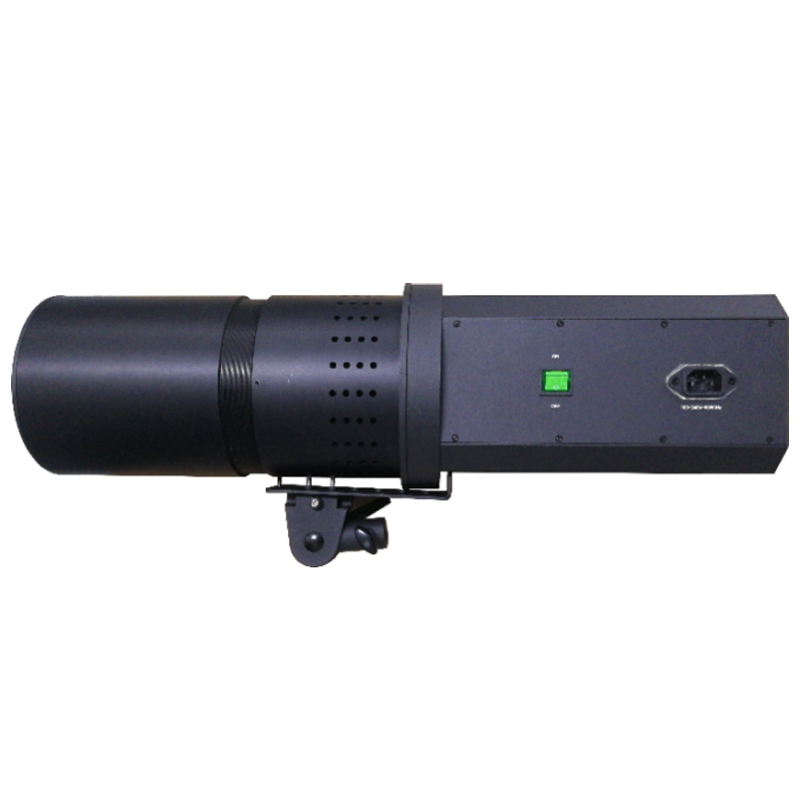
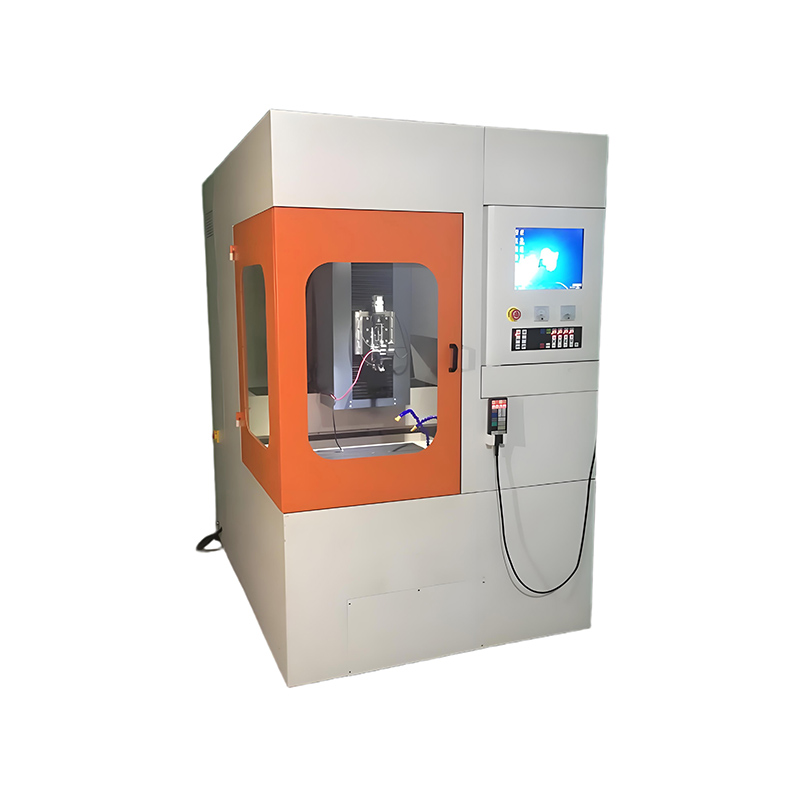
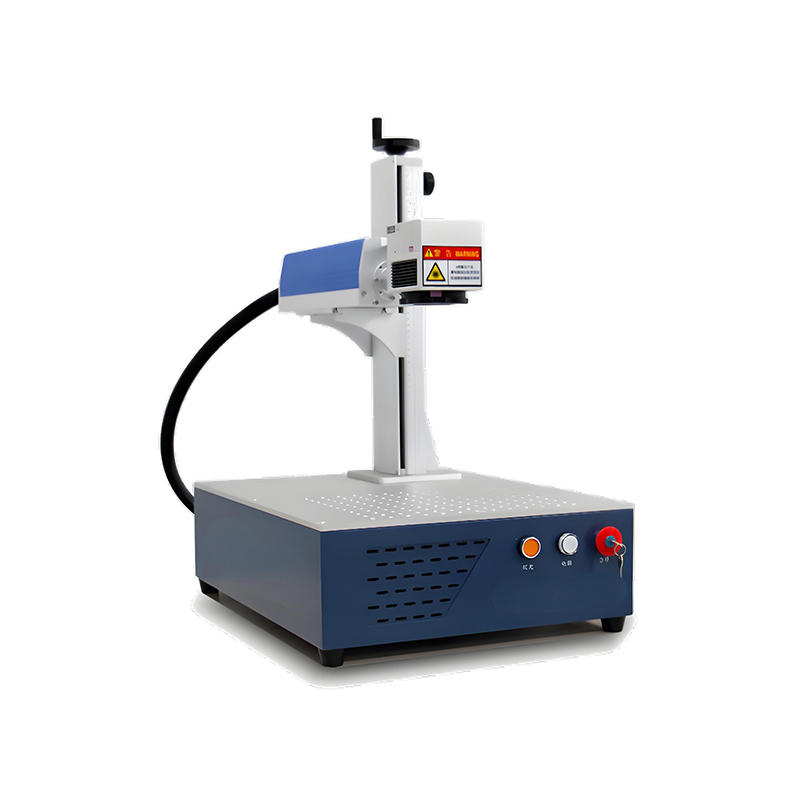
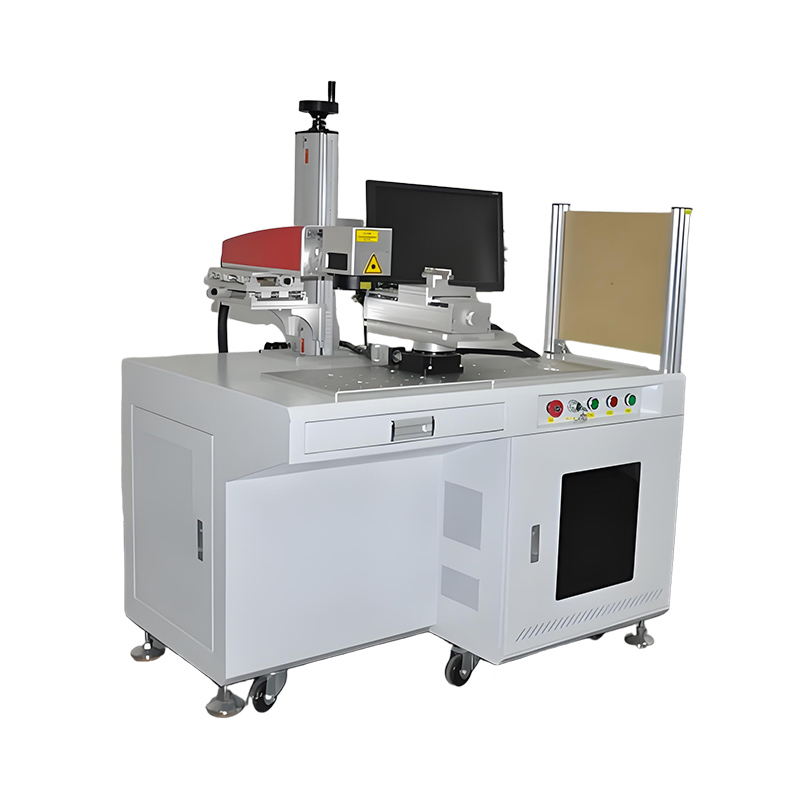
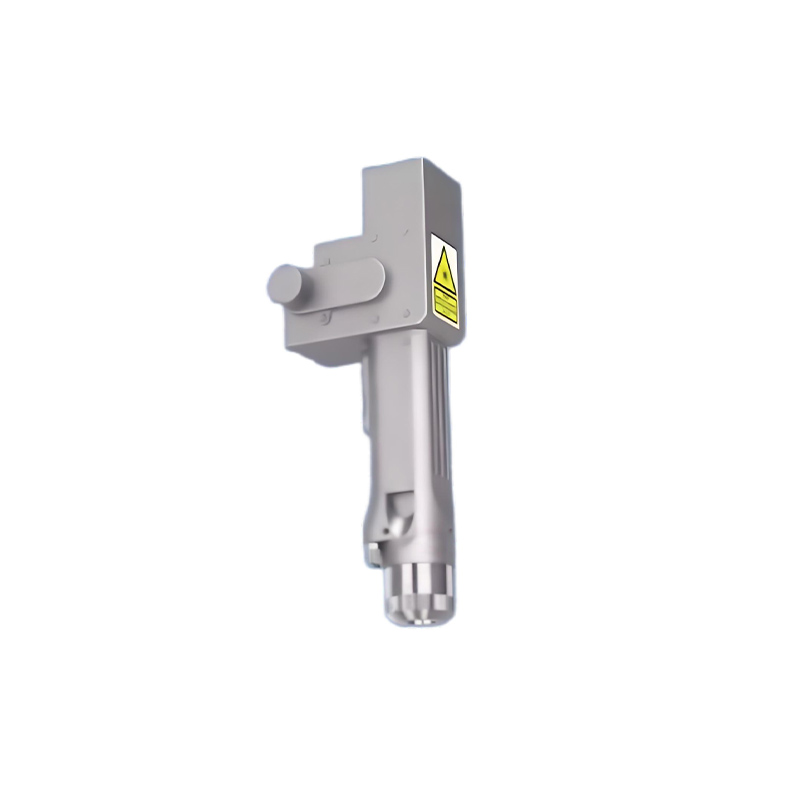
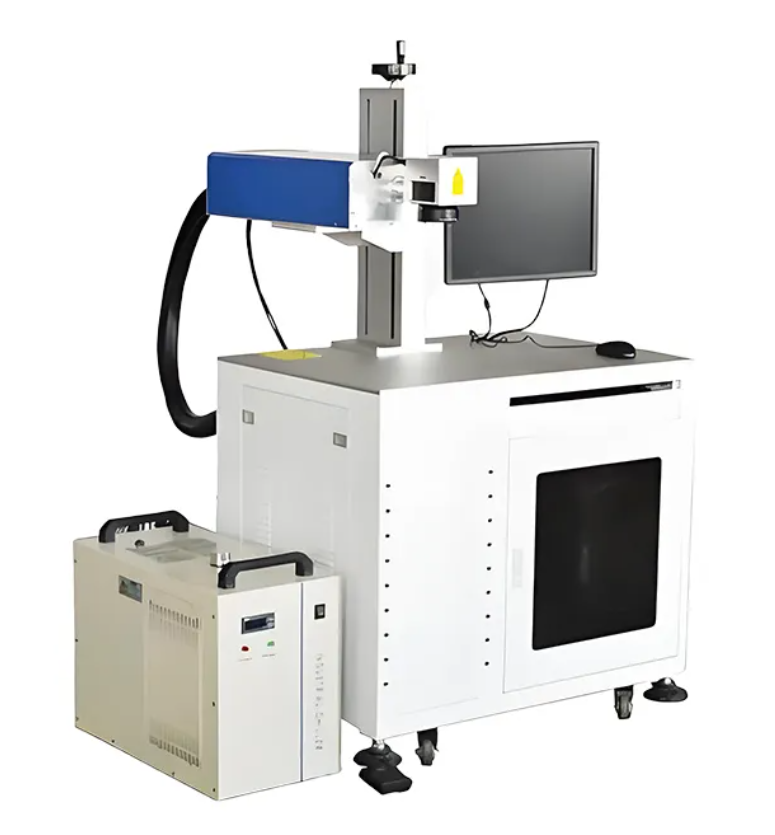
The marking process itself must not become a source of contamination or weakness. For invasive surgical tools like scalpels, forceps, and bone drills, the marking must not create micro-cracks, pits, or surface roughness that could harbor pathogens and survive autoclave sterilization. Similarly, it must not induce thermal stress that could compromise the structural integrity of a delicate component. Advanced fiber laser marking machines excel in this regard. Their high-intensity, pulsed beam interacts with the material on a micron scale, primarily altering its surface color through annealing or creating a shallow engraving through ablation, all with minimal heat input. Systems engineered by Lecheng provide exquisite control over parameters like pulse width, frequency, and peak power, allowing technicians to "tune" the laser for each specific material. This ensures the mark is high-contrast and readable by both human eye and vision systems, while preserving the original surface integrity and corrosion resistance. The result is a perfectly clean, biocompatible mark that withstands repeated cleaning, aggressive chemical sterilants, and high-pressure steam autoclaves without degradation.
Enabling Automation and Compliance in Smart Medical Manufacturing
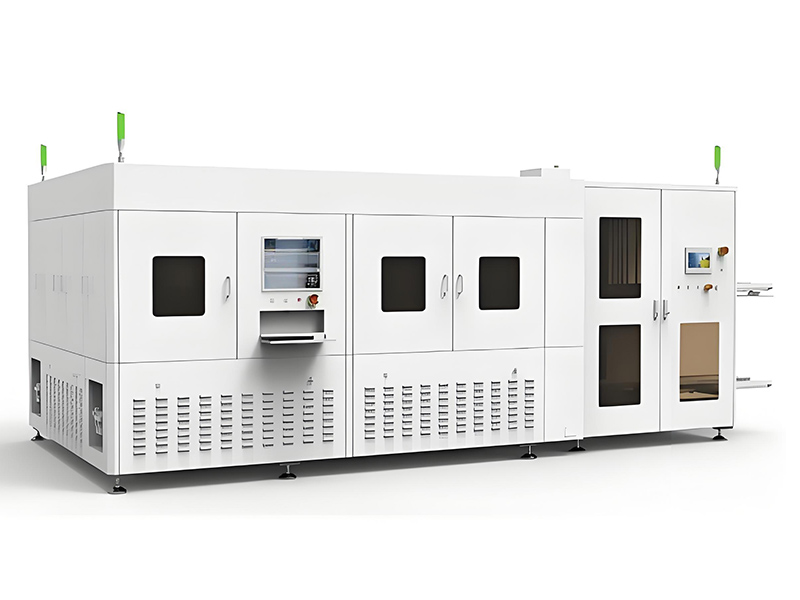
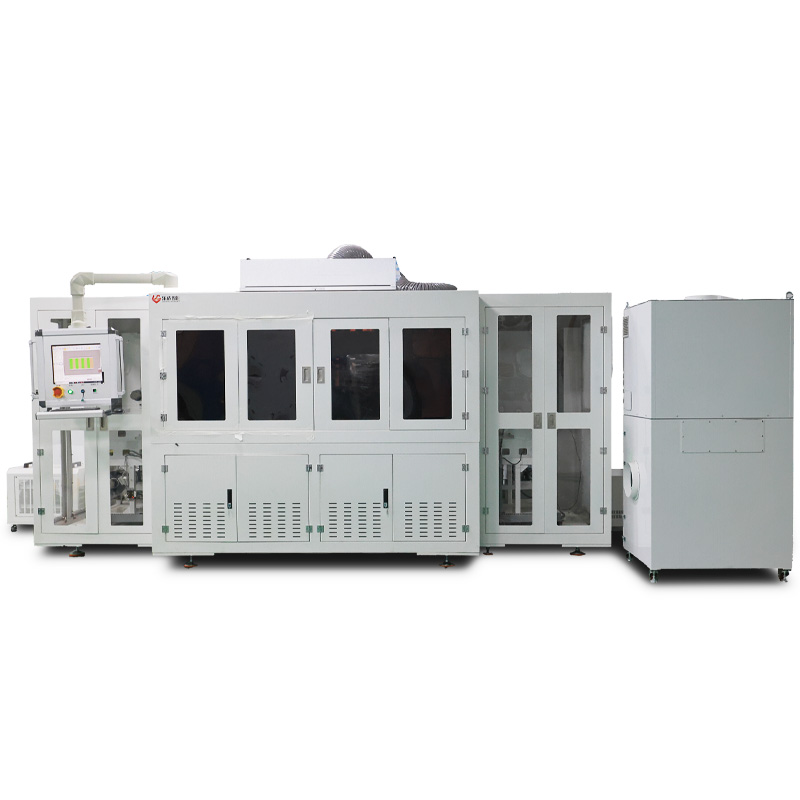
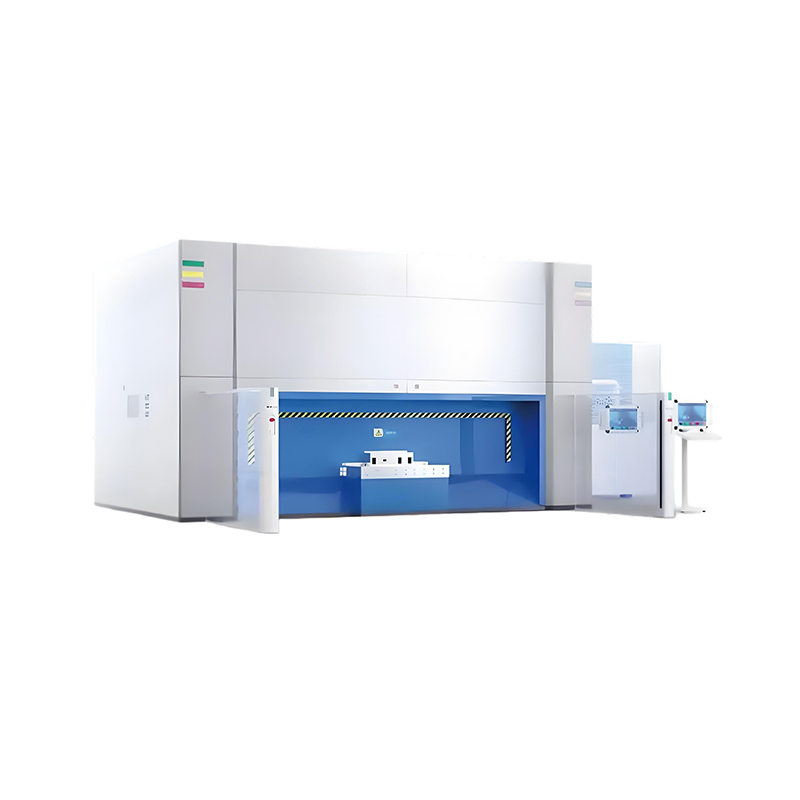
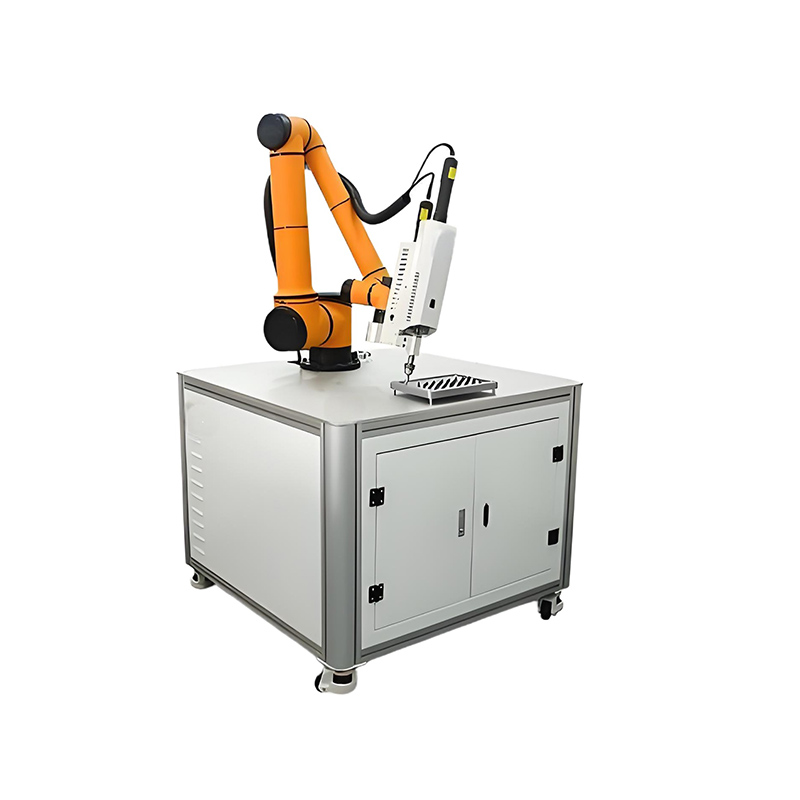
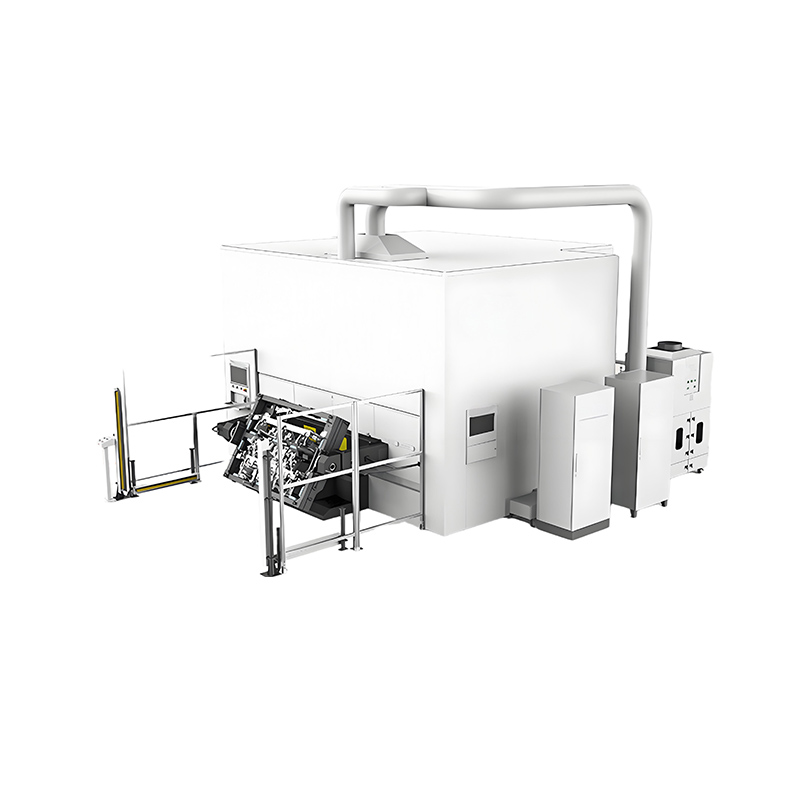
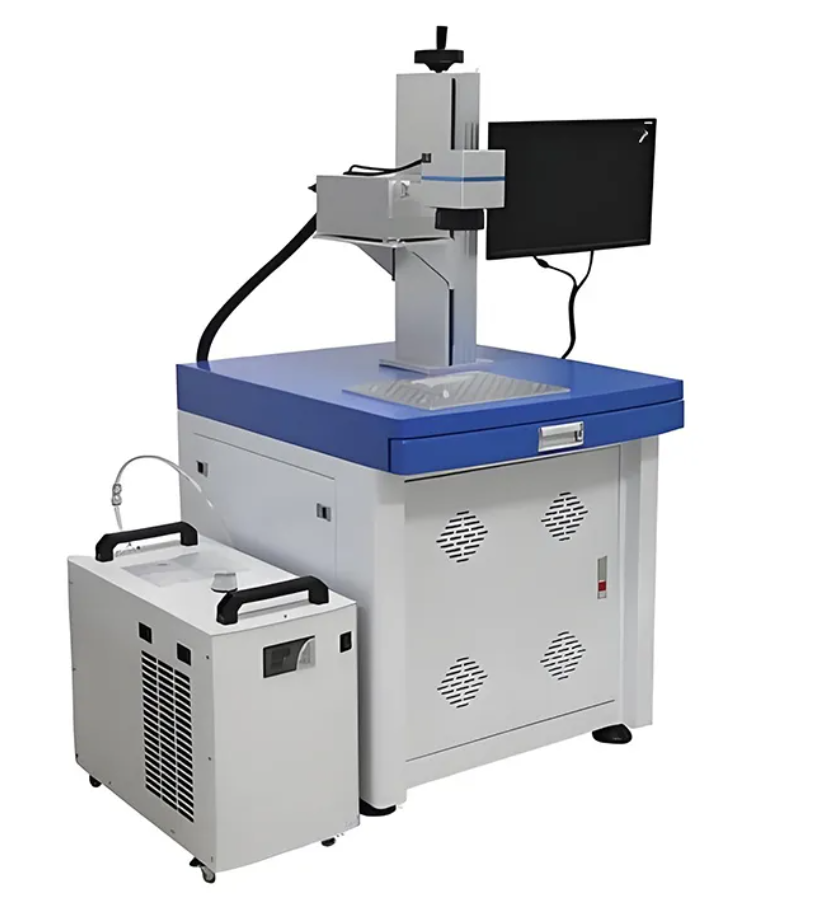
Integrating a reliable laser marking station into the production line is a strategic move towards Industry 4.0 in medical manufacturing. Modern systems are designed for seamless automation. They can be fed by robotic arms, read pre-existing codes for data linkage, and mark parts with sub-second cycle times. The precision and repeatability of laser marking eliminate human error in manual coding, a critical factor for patient safety. This automation, supported by the high uptime and low maintenance of industrial lasers like those from Lecheng, ensures consistent quality and throughput, which is essential for meeting the high volumes and stringent quality control standards of the industry. Furthermore, the marks produced are compliant with international standards for machine readability (e.g., ISO-specified Data Matrix codes), enabling automated inventory tracking, sterile processing logistics, and positive device identification at the point of care. By providing a robust, automated, and compliant marking solution, laser technology does more than just label a tool; it weaves a digital thread of verified information directly onto the device, enhancing safety, efficiency, and trust at every stage of the medical device lifecycle.
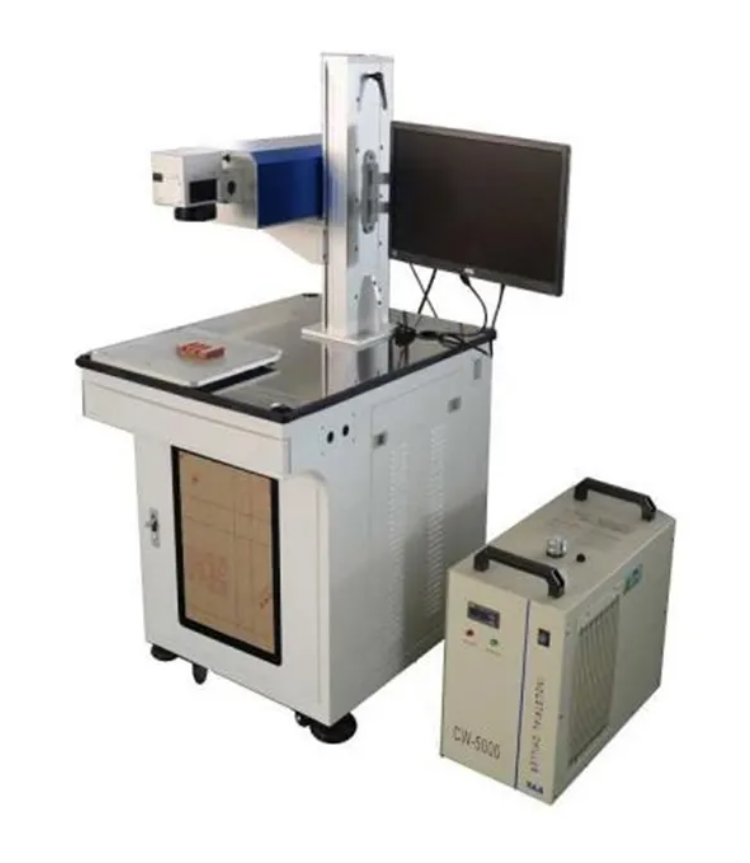
Laser marking is a critical, enabling technology for modern medical device safety. It transcends simple part identification to become a foundational pillar of traceability, compliance, and risk mitigation. By delivering permanent, contamination-resistant marks without damaging sensitive instruments, it allows manufacturers to meet the highest regulatory standards. When integrated into automated smart factories, it becomes the linchpin of a data-driven safety ecosystem, ensuring that every surgical tool and medical implant that reaches a patient carries with it a verifiable, permanent record of its identity and journey—a silent yet vital guardian of patient well-being.