
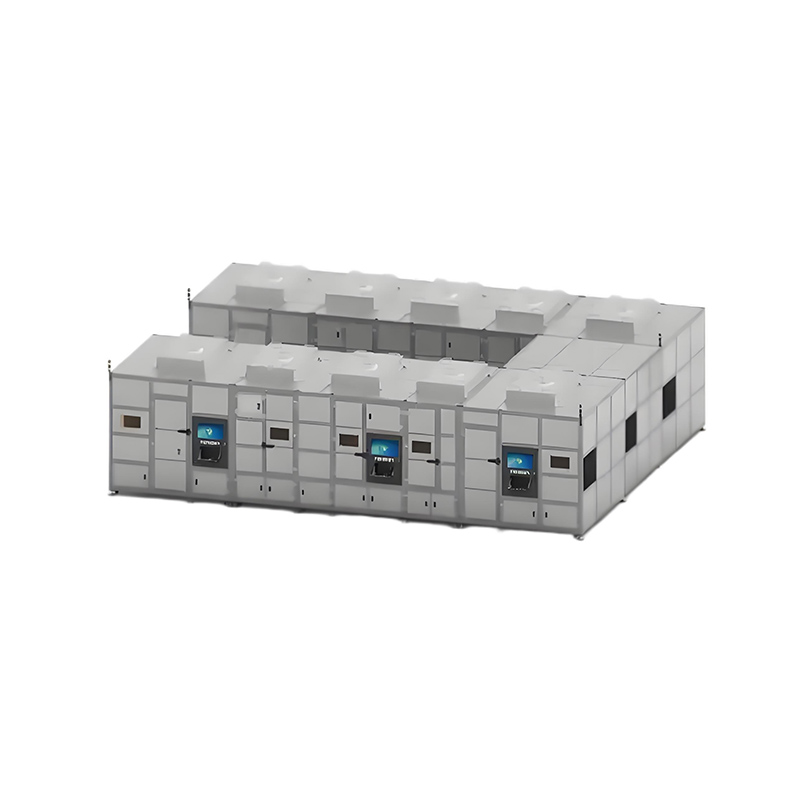
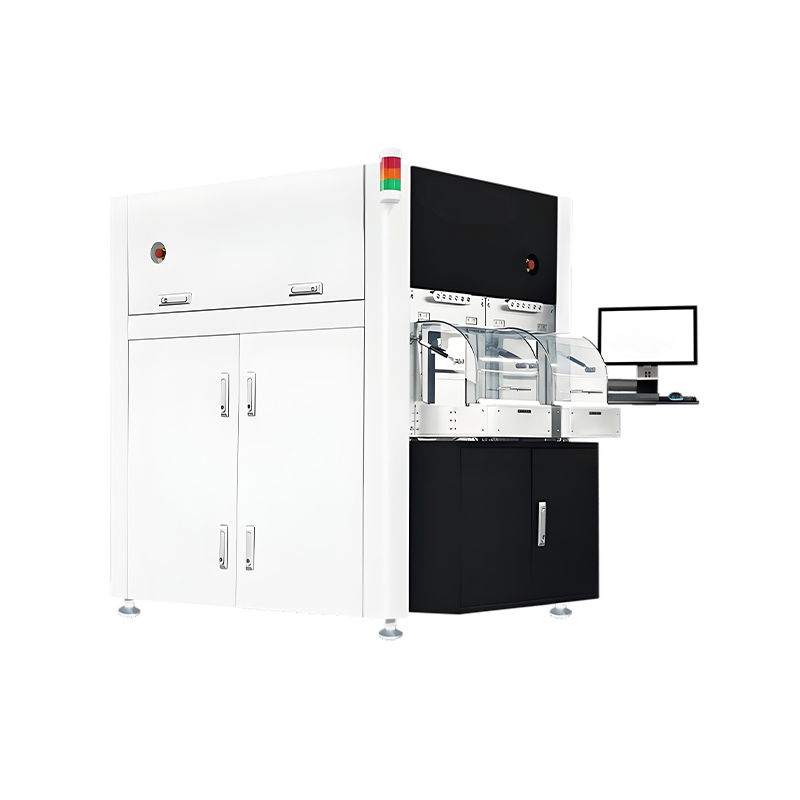
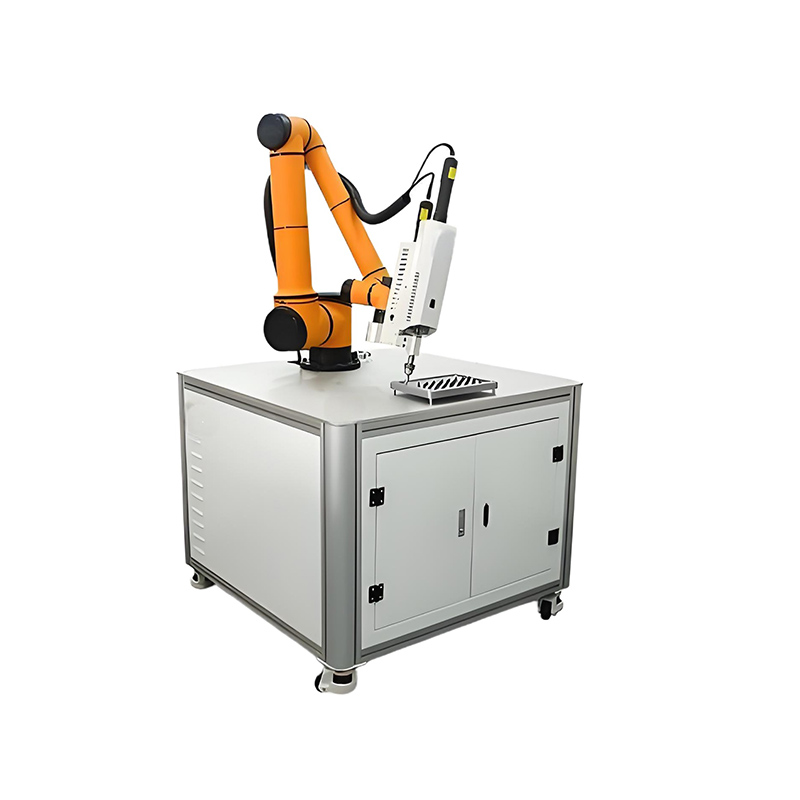
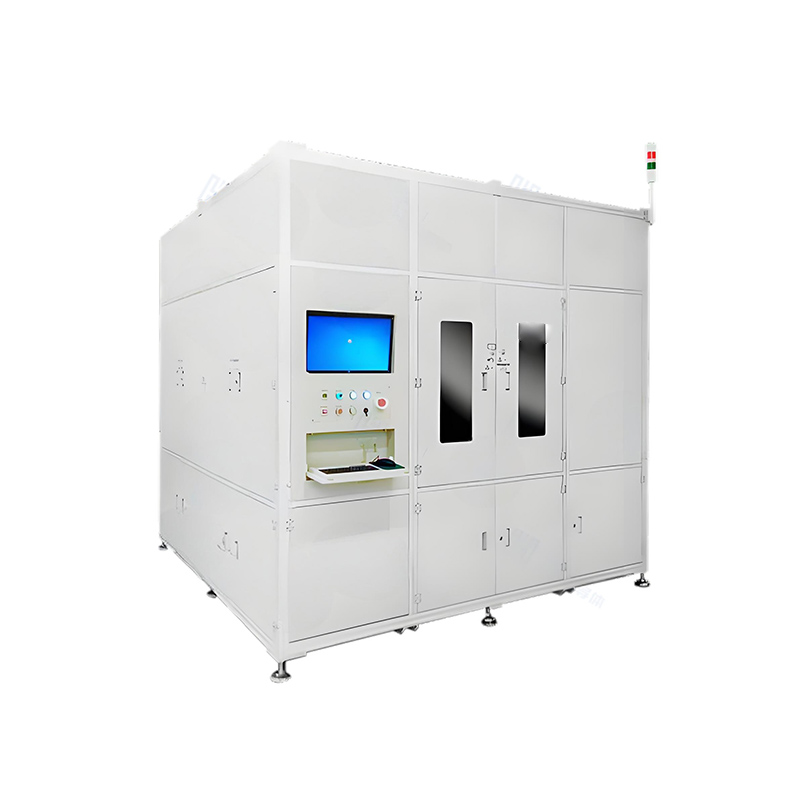

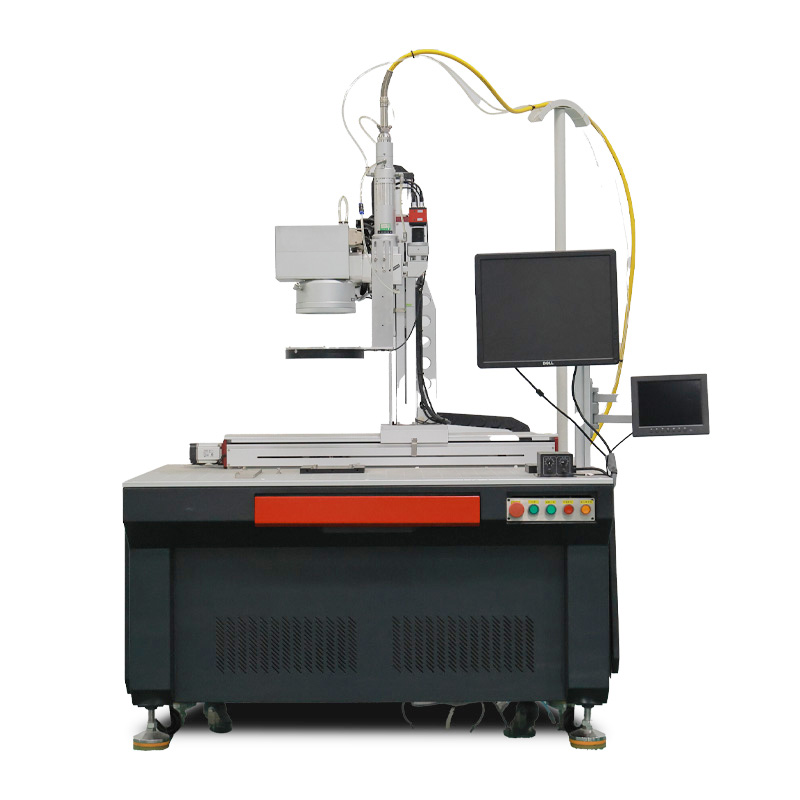
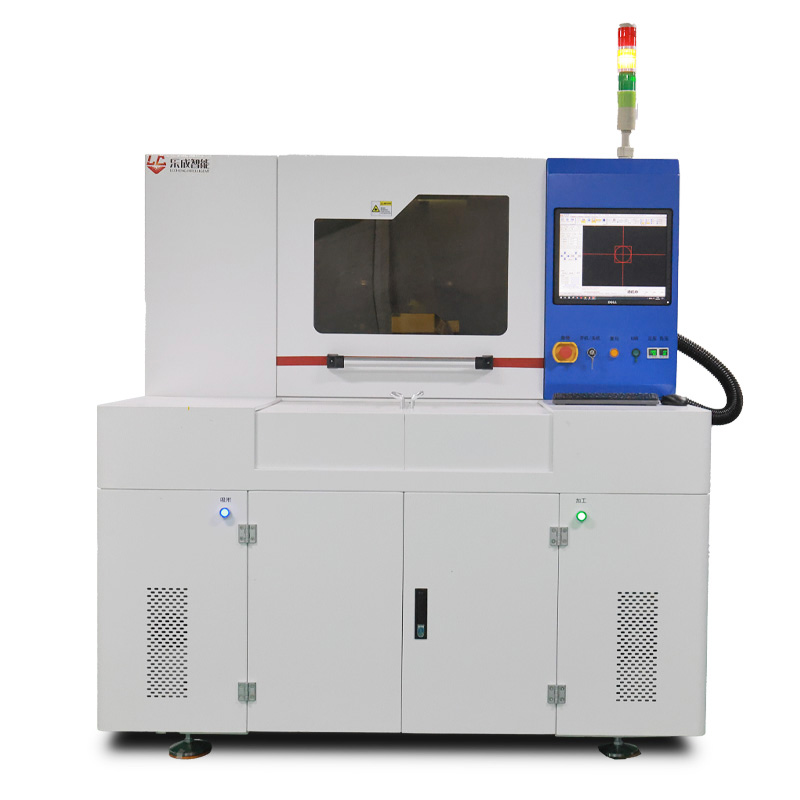
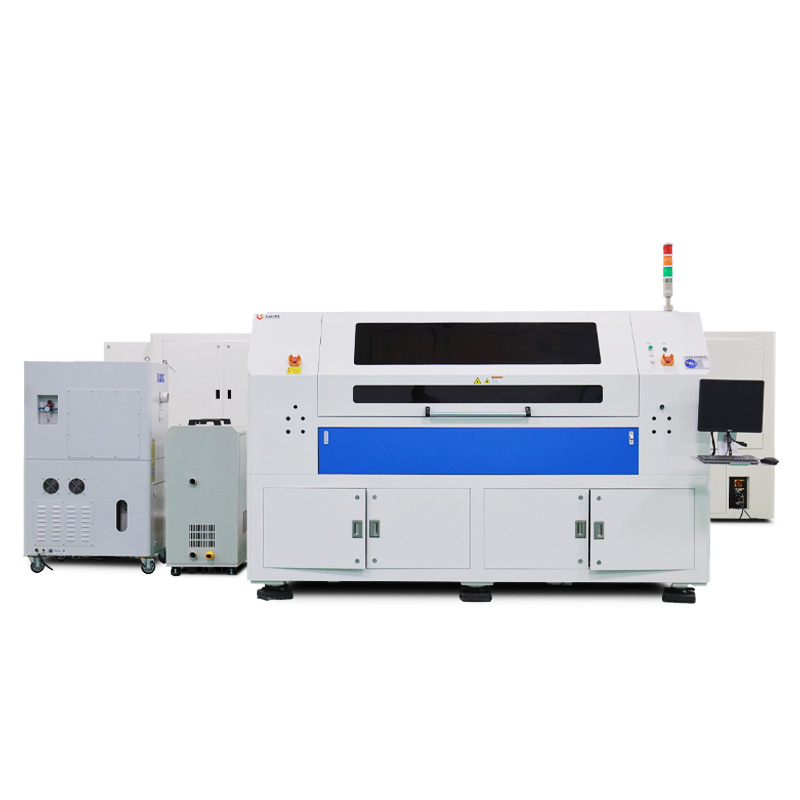

Roll-to-Roll (R2R) Laser Scribing System for Flexible Thin-Film Solar Cells
Unlocking High-Throughput Manufacturing for the Future of Flexible PV
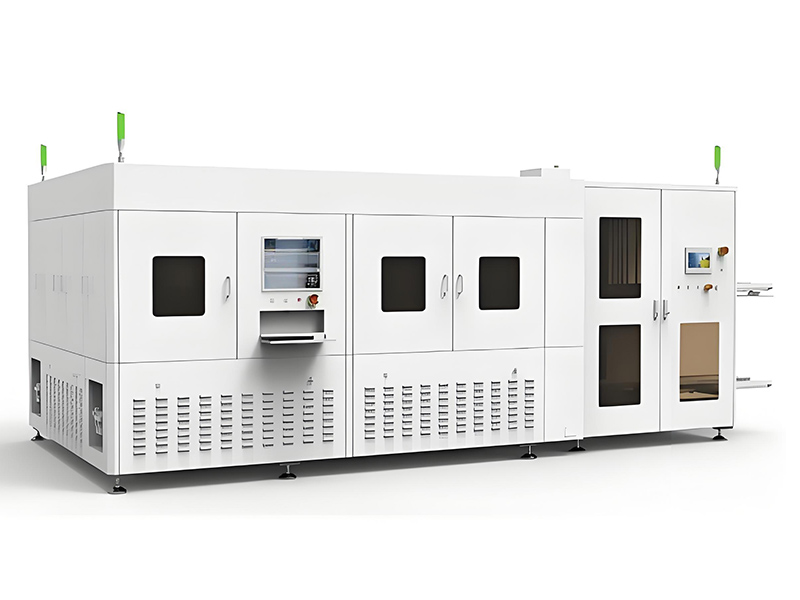
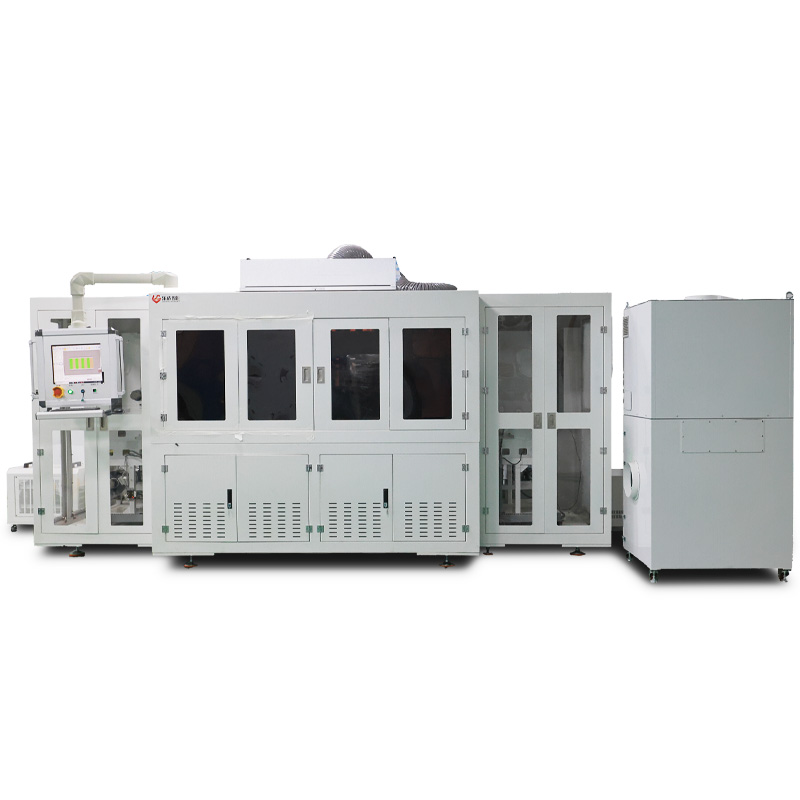
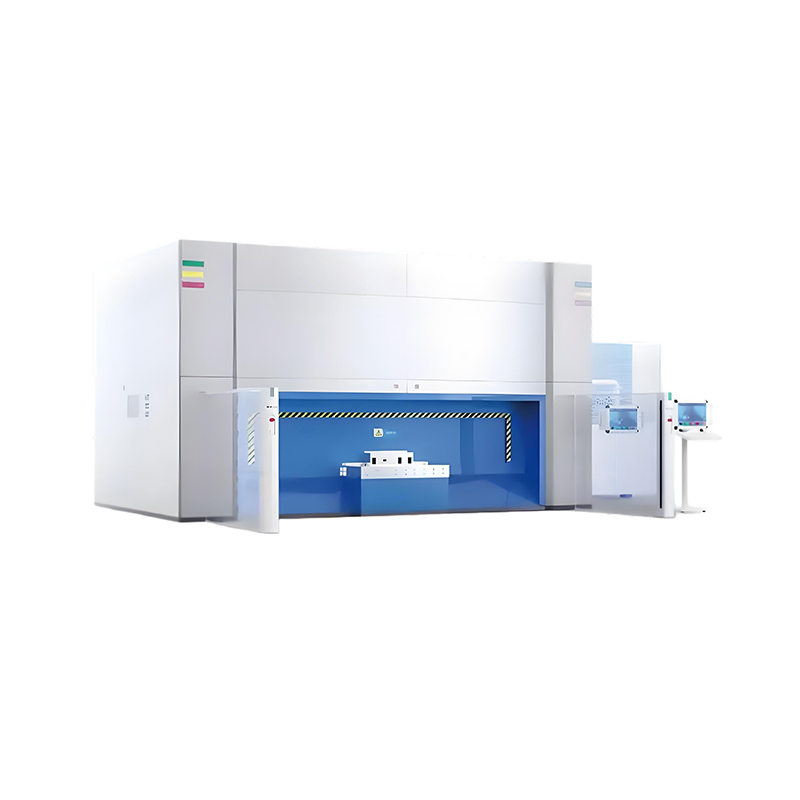
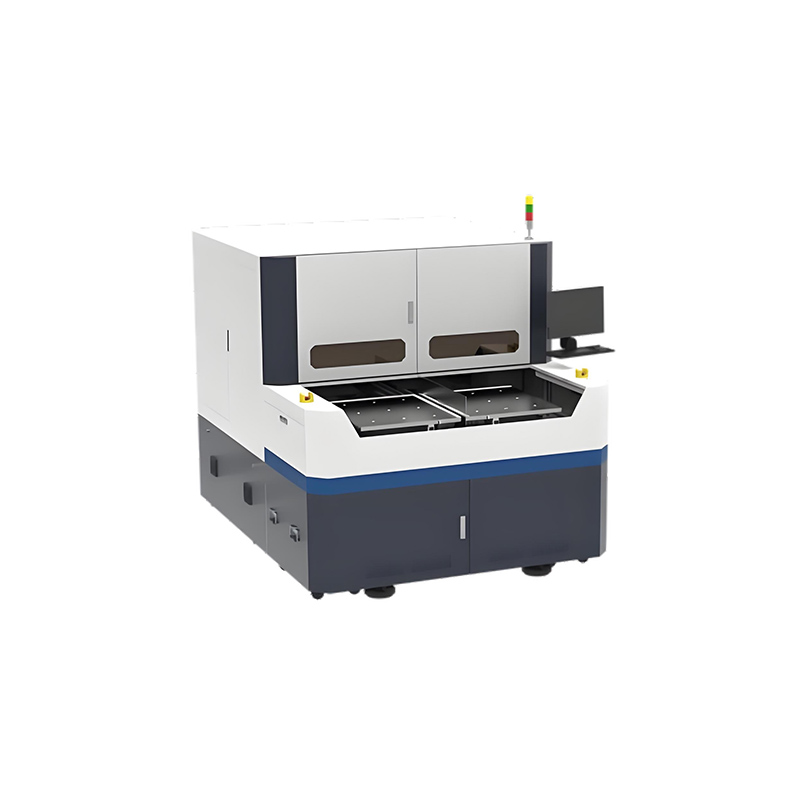
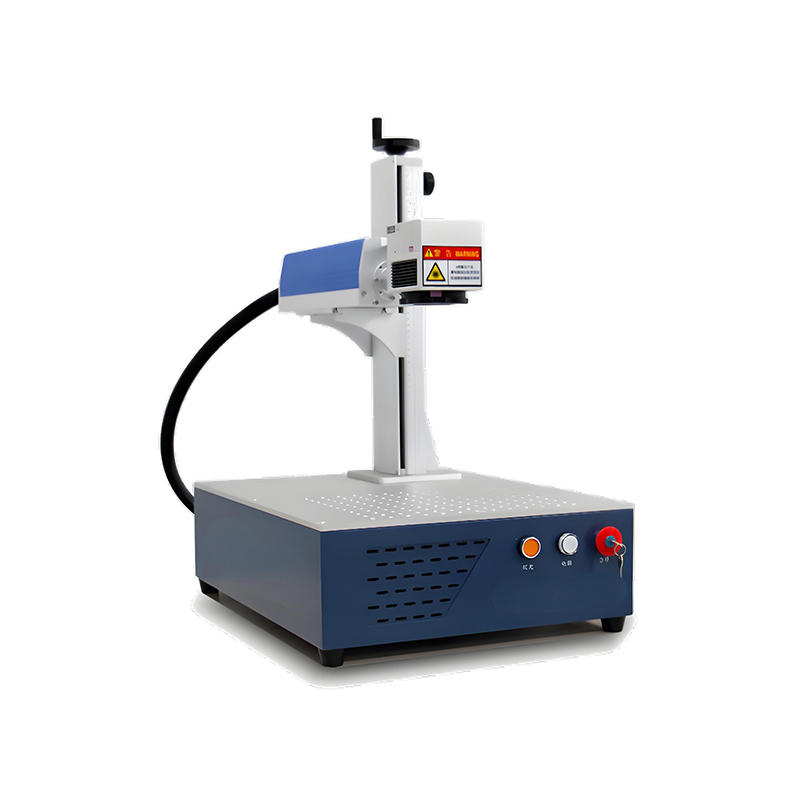
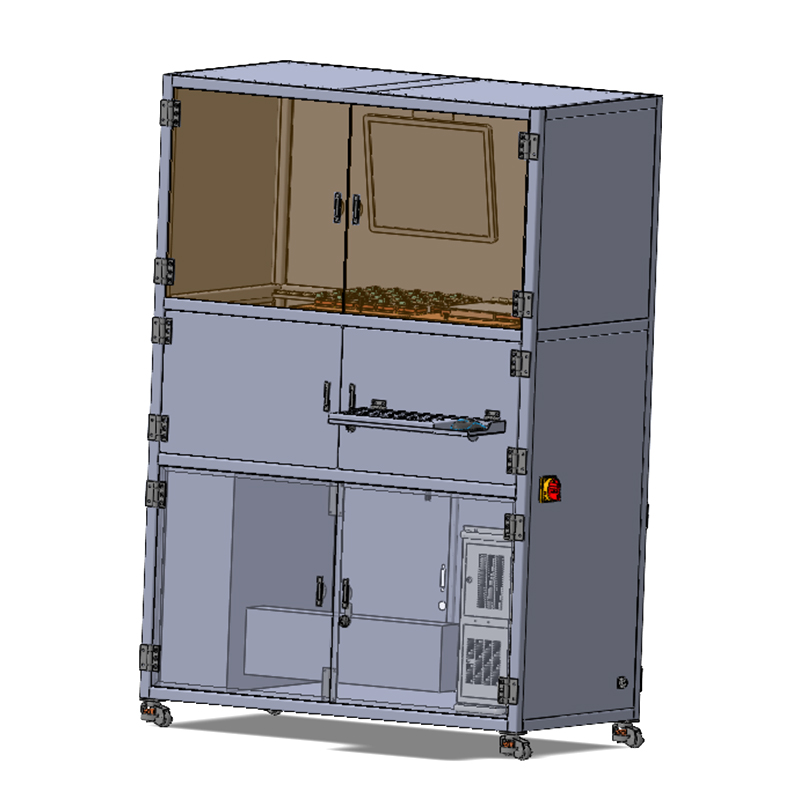
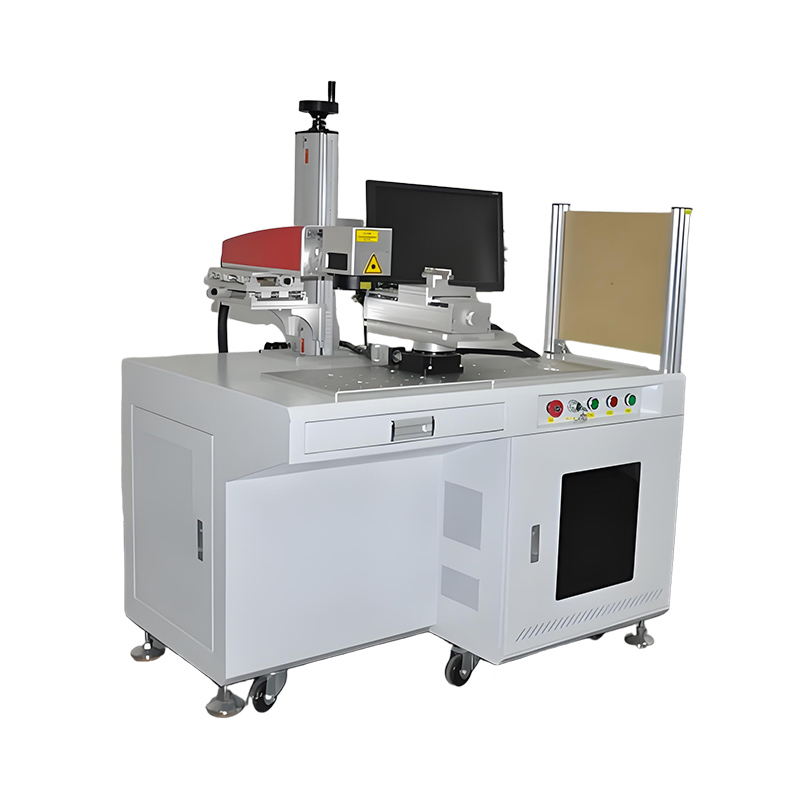
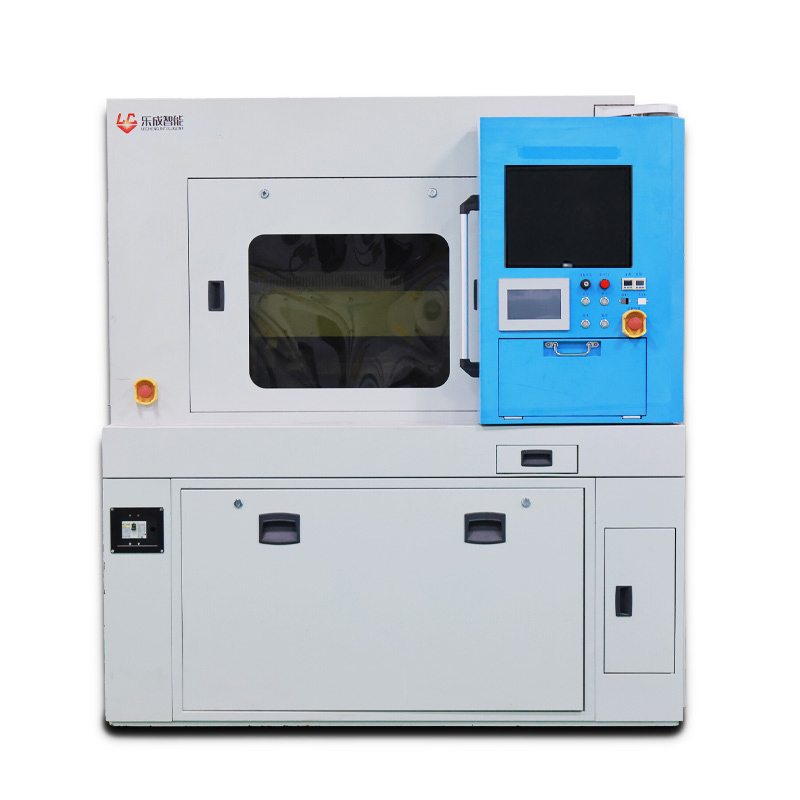
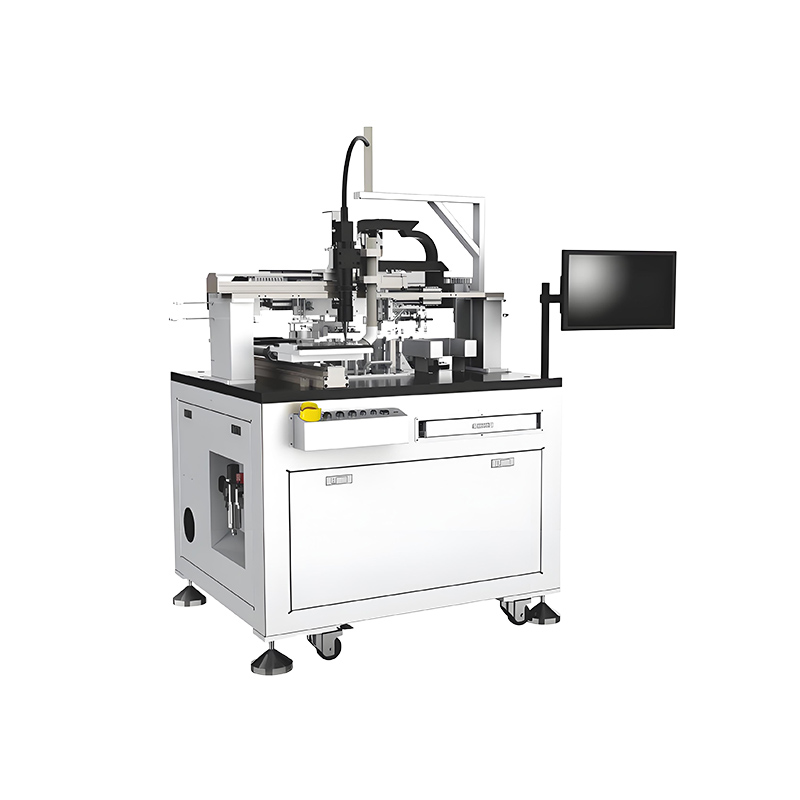
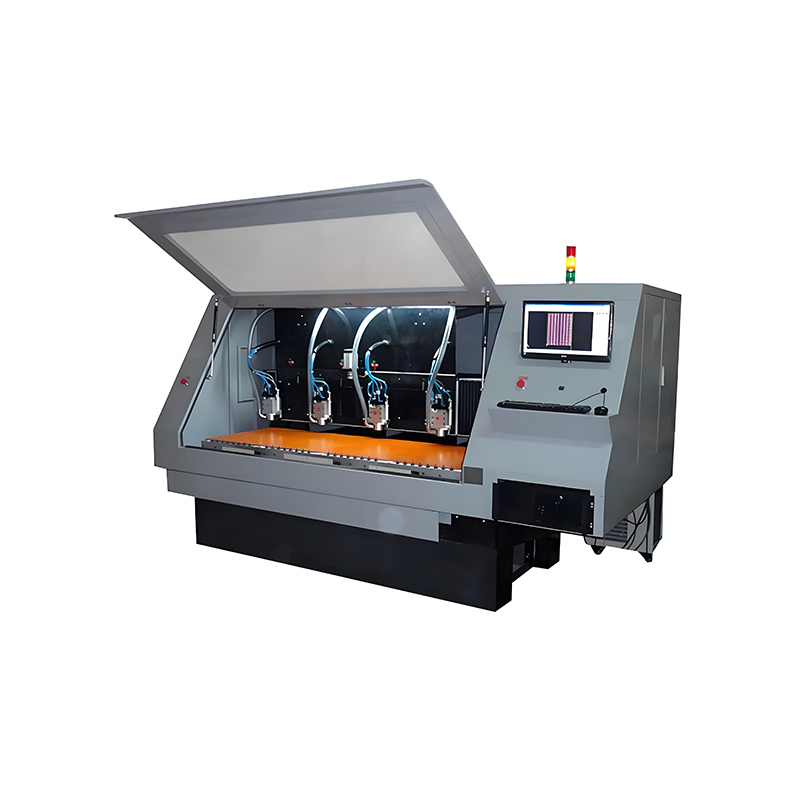
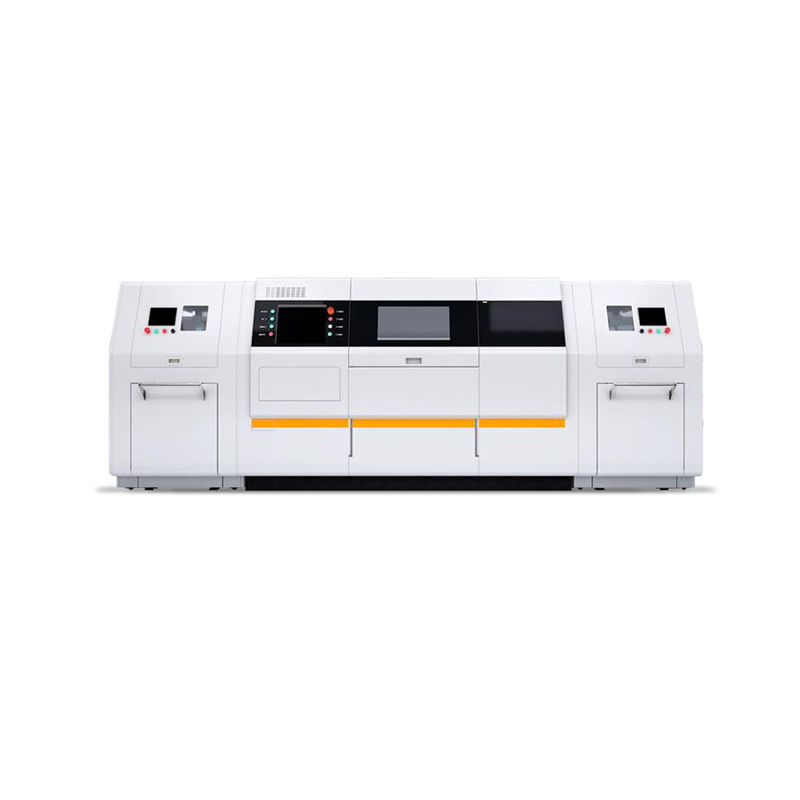
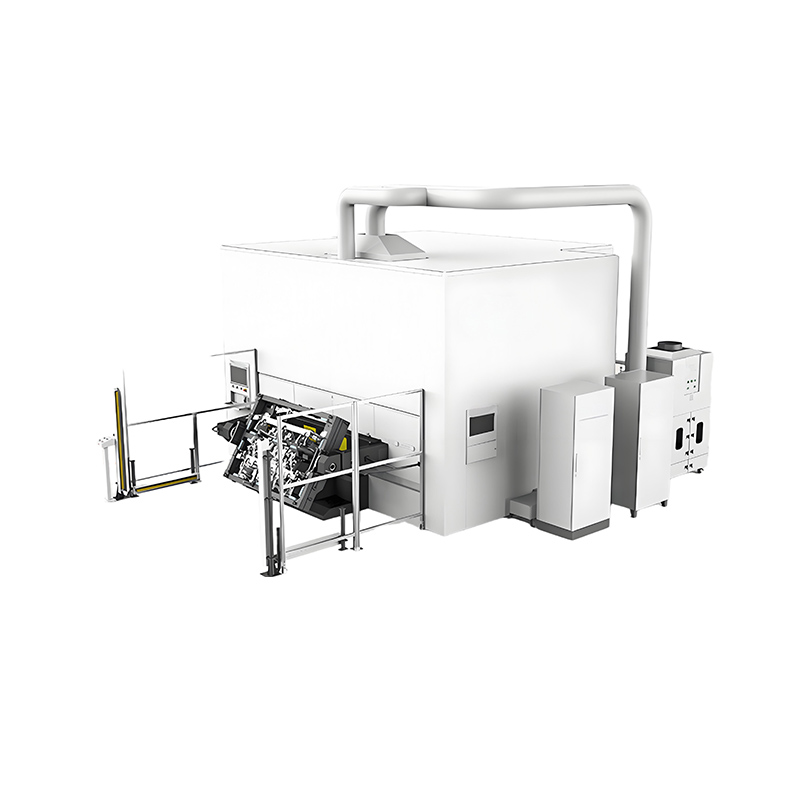
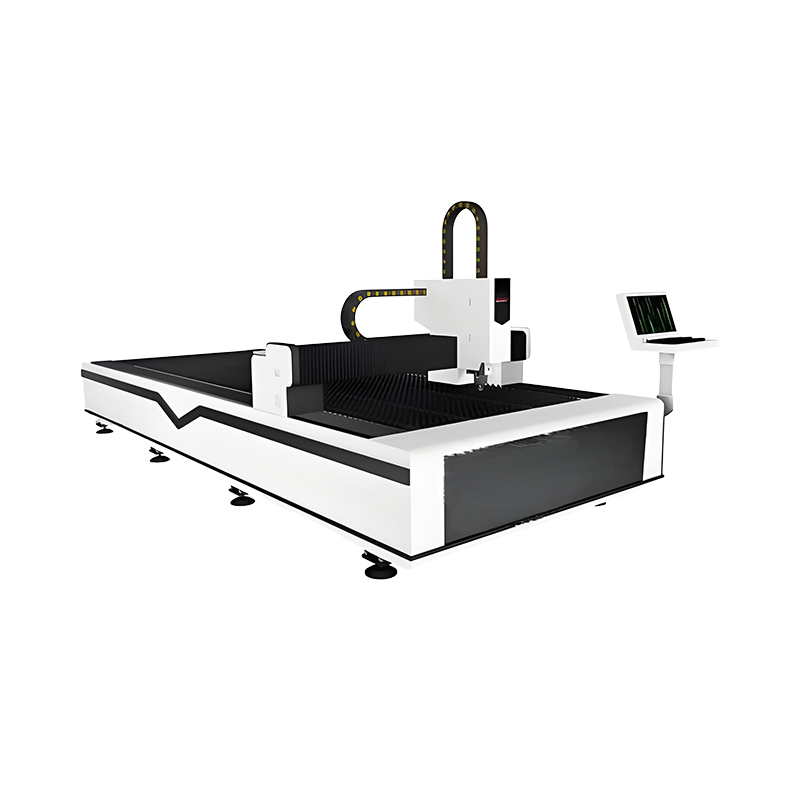
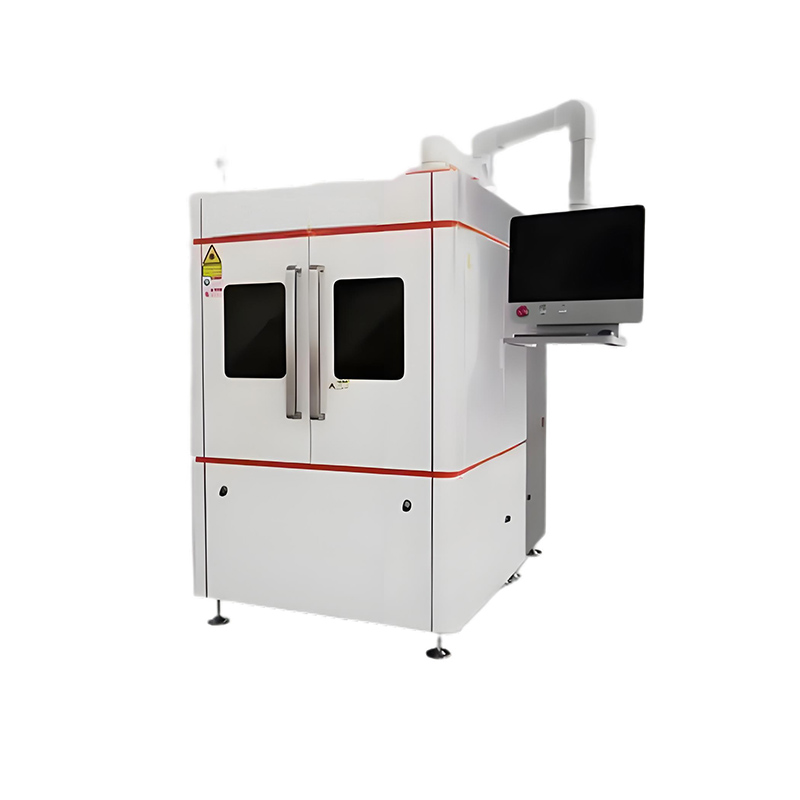
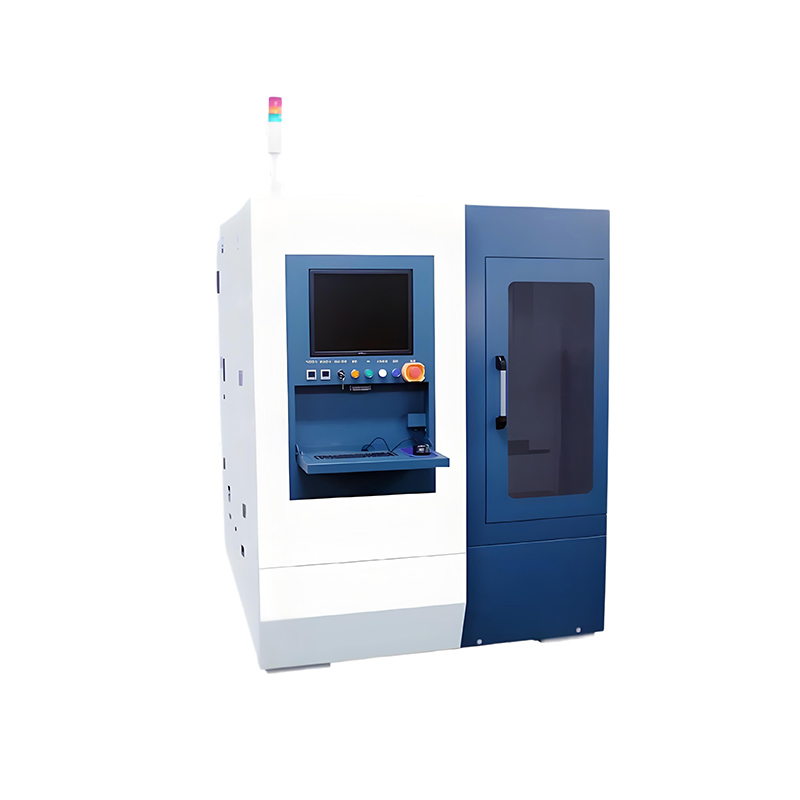
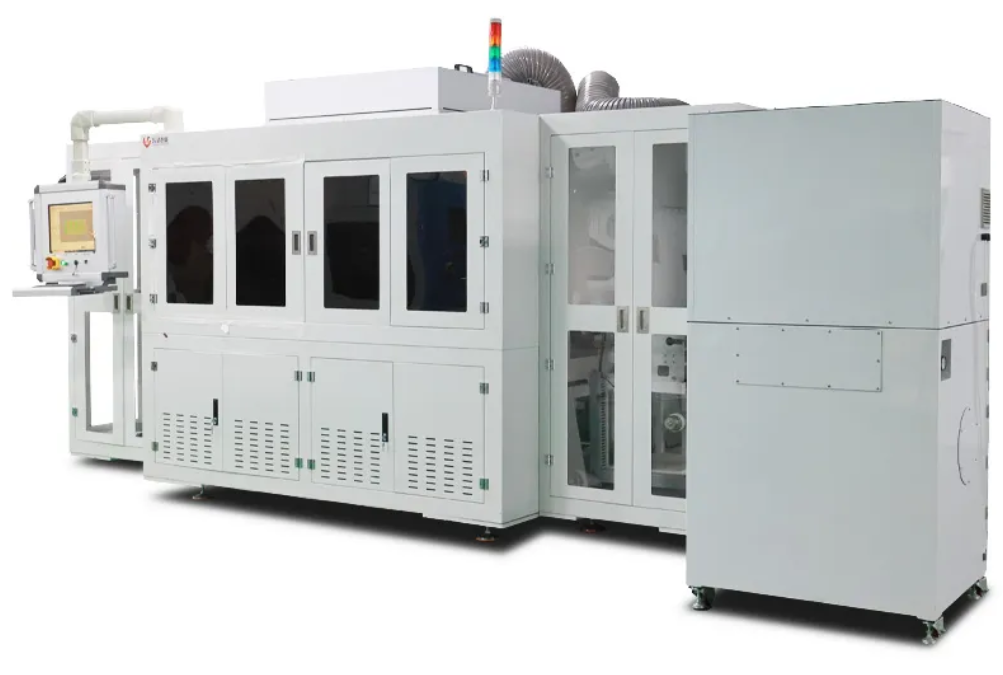
The transition towards lightweight, bendable, and versatile flexible thin-film solar cells—such as those based on perovskite, CIGS, or organic materials—demands a manufacturing revolution. Traditional sheet-based processing on rigid glass becomes a bottleneck for cost-effective, large-scale production. This is where the Roll-to-Roll (R2R) laser scribing system emerges as a transformative technology. Unlike static processing, R2R systems handle flexible substrates—like polyimide (PI) or polyethylene terephthalate (PET) films—fed from an unwinding roll, processed continuously by the laser, and then rewound. This continuous, in-line motion is the key to achieving the high-throughput and low-cost manufacturing essential for making flexible solar technology commercially viable. Systems engineered by companies like Lecheng Intelligent are designed to integrate seamlessly into R2R production lines, performing the critical P1, P2, P3 scribing and edge isolation steps that define the electrical circuitry of the solar modules without interrupting the material flow. This paradigm shifts production from a batch process to a streamlined, web-based operation, dramatically increasing output and driving down costs.
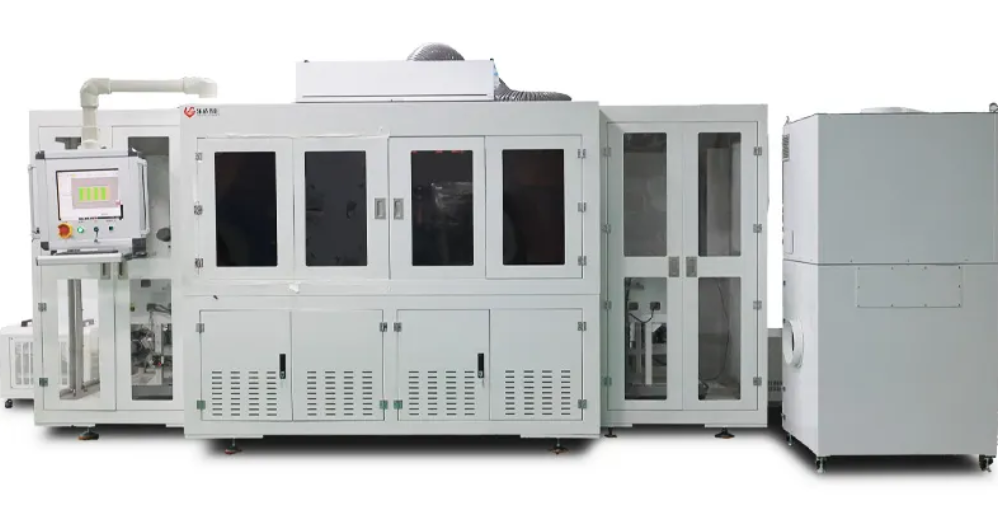
Overcoming Dynamic Challenges: Precision at Speed on Moving Webs
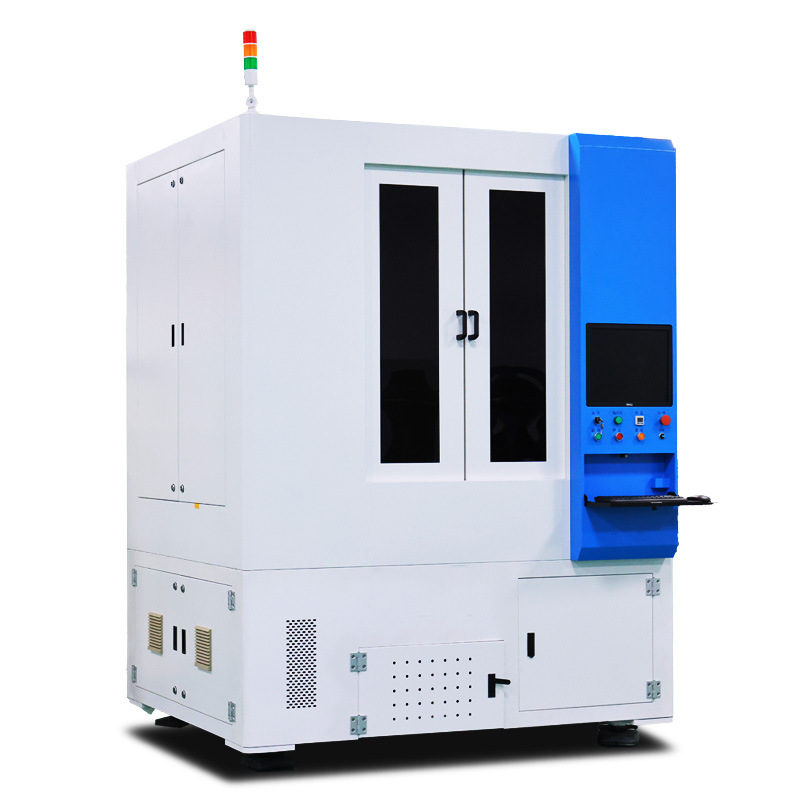
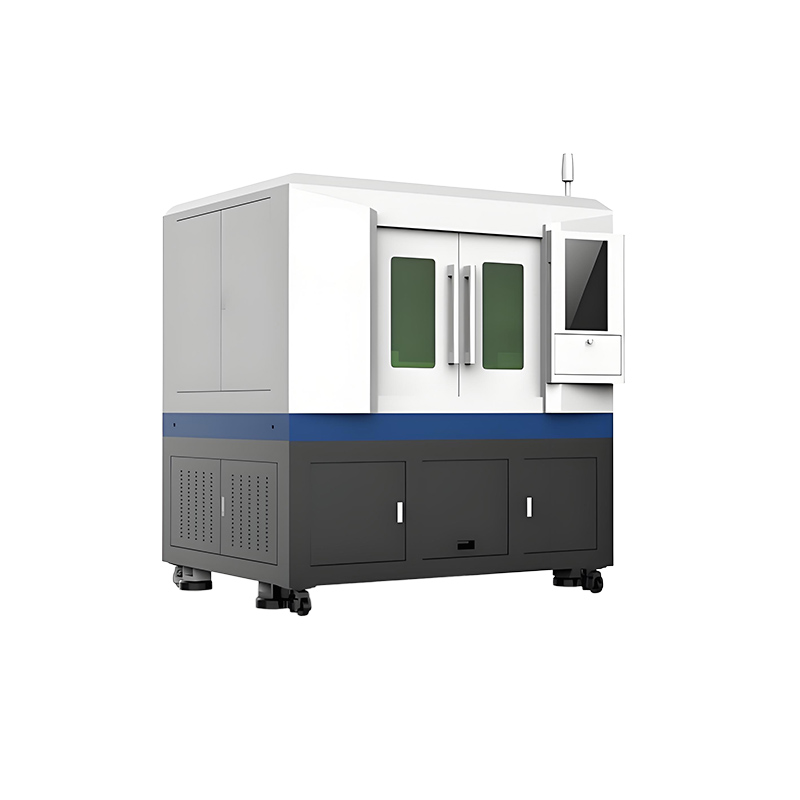
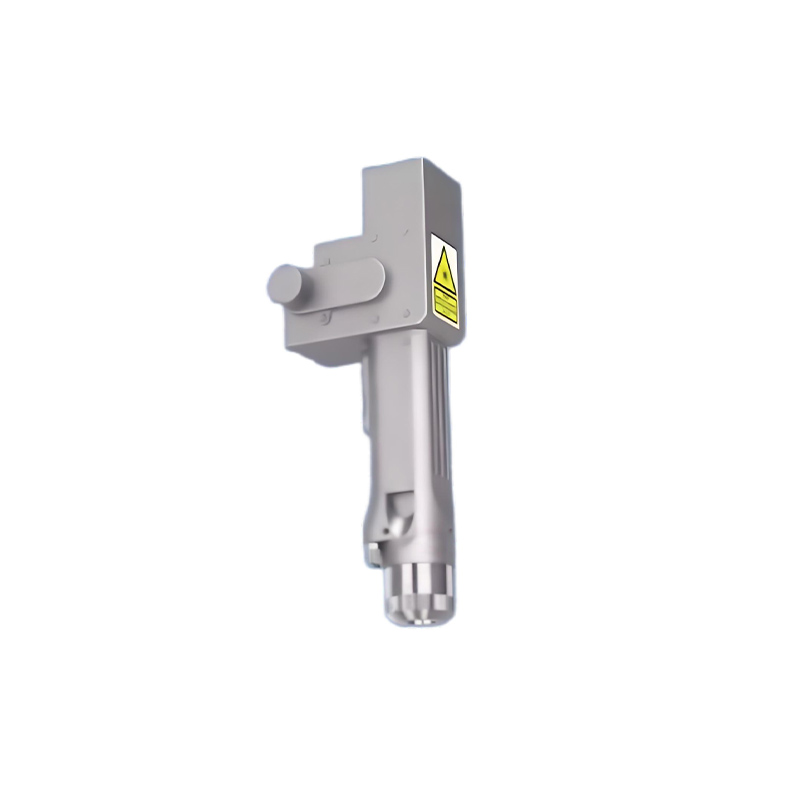
Implementing precision laser scribing on a continuously moving, flexible web presents a unique set of engineering challenges. The system must maintain micron-level scribing accuracy despite potential substrate vibrations, speed fluctuations, and inherent material web wandering. Lecheng's R2R laser solutions overcome these hurdles through an integration of advanced technologies. High-speed, high-accuracy galvanometer scanners are synchronized with the web speed via real-time encoder feedback, ensuring the laser pattern precisely follows the moving substrate. Sophisticated web tension control systems maintain a stable, wrinkle-free material path, which is critical for consistent focus and scribe quality. Furthermore, real-time vision systems and adaptive focus tracking continuously monitor the web position and surface topology, making instantaneous corrections to the laser's path and focal point. This dynamic compensation ensures that each scribe line—whether for cell isolation (P1, P3) or interconnection (P2)—is placed with exacting precision, maintaining the narrow kerf widths (e.g., 10-50μm) and clean ablation required for high module efficiency. The ability to do this at linear speeds of several meters per minute is what makes R2R laser scribing the cornerstone of efficient flexible PV production.
Enabling New Applications and Scalable Commercialization
The successful deployment of R2R laser scribing systems is the gateway to unlocking the vast potential of flexible photovoltaics. This manufacturing approach enables the production of solar cells on lightweight, durable polymer rolls that can be easily integrated into Building-Integrated Photovoltaics (BIPV) for curved facades, integrated into vehicles for transportation-integrated PV, or used in portable power systems and wearable electronics. The scalability is inherent; by simply running the R2R line faster or wider, production capacity can be scaled to meet gigawatt (GW)-level demand. For perovskite solar cells in particular, which hold promise for low-cost R2R production, precise and gentle laser scribing is critical to avoid damaging the sensitive layers. Systems like those from Lecheng are designed with this sensitivity in mind, often utilizing optimized UV or green laser sources for minimal thermal impact. By providing a reliable, high-speed, and precise patterning solution, R2R laser scribing moves flexible solar technology from the laboratory roll coater to the high-volume factory floor, making the vision of ubiquitous, low-cost solar power a tangible reality.
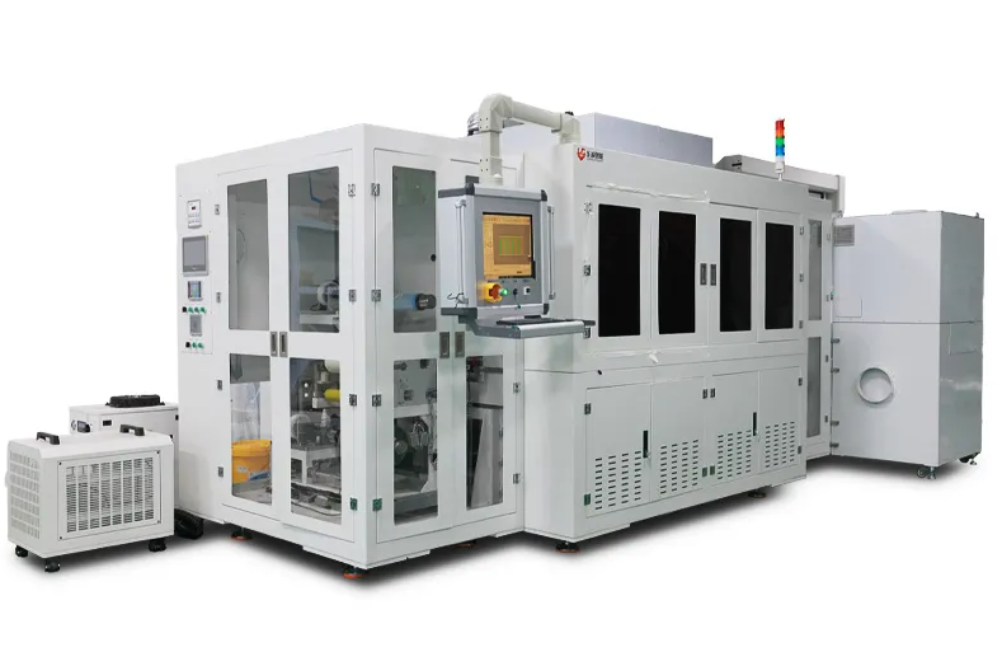
The Roll-to-Roll laser scribing system is far more than an incremental improvement; it is the pivotal technology that bridges the promise of flexible thin-film solar cells with the realities of mass production. By mastering the complex interplay of high-speed motion control, dynamic laser guidance, and precision processing on delicate films, this technology provides the essential throughput, precision, and scalability needed for commercialization. It transforms flexible PV from a promising lab innovation into a manufacturable commodity, paving the way for solar energy to be integrated into our buildings, vehicles, and devices in ways previously unimaginable.