


Solar Simulator Supplier Guide
Top Solar Simulator Suppliers Comparison For R&D Labs And Pilot Lines
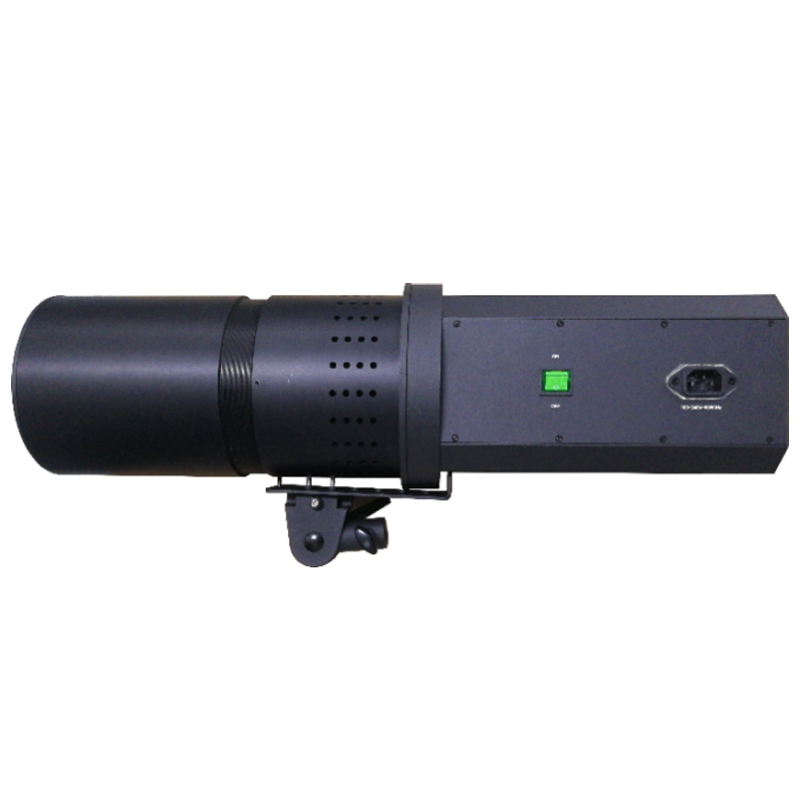
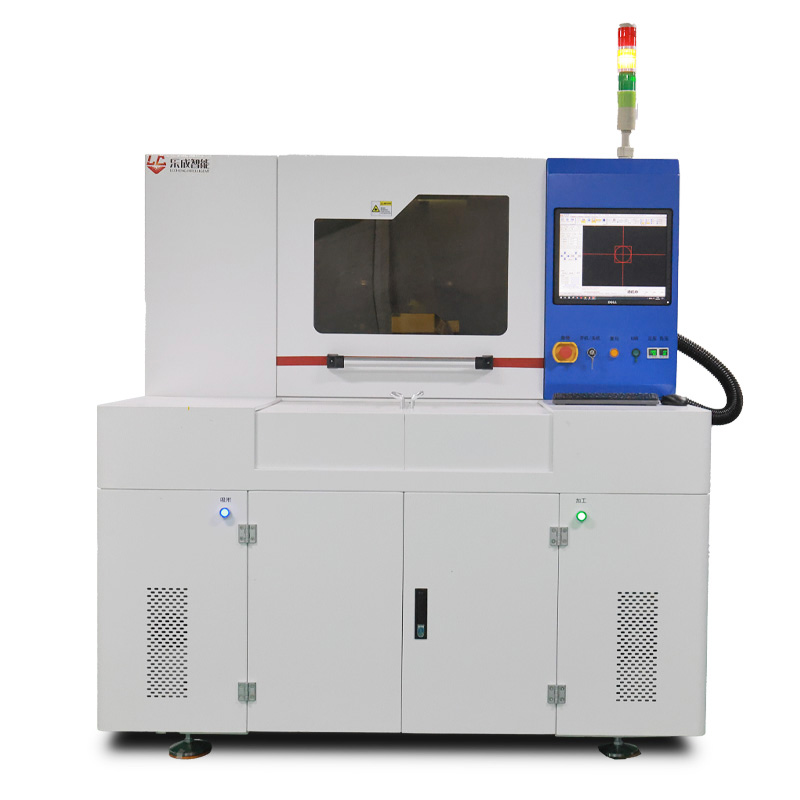
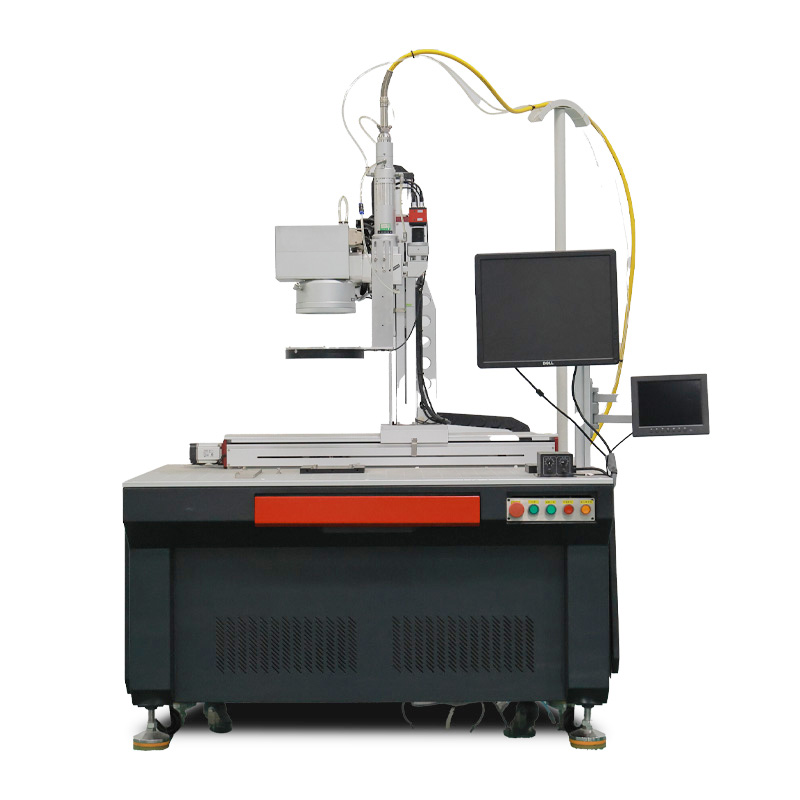
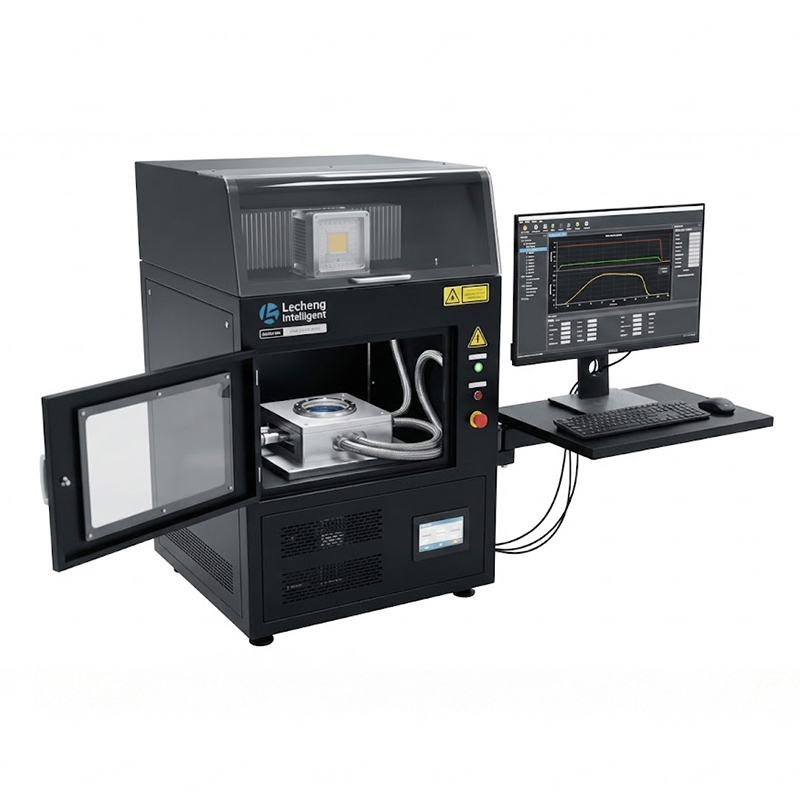
Choosing the right solar simulator supplier is important for solar cell R&D labs, perovskite research teams and pilot line projects. Buyers should compare test area, spectral match, irradiance uniformity, temporal stability, IV integration, calibration support, customization ability and after-sales service before placing an order.
Get QuoteWhy Supplier Comparison Matters
Solar simulators are precision testing systems. Two suppliers may offer similar machine names, but the actual configuration, light source stability, calibration method and software integration can be very different.
For R&D labs and pilot lines, the wrong supplier may cause unstable test data, poor batch comparison, delayed calibration and difficulty integrating IV testing systems.
1. Compare Spectral Match And Uniformity
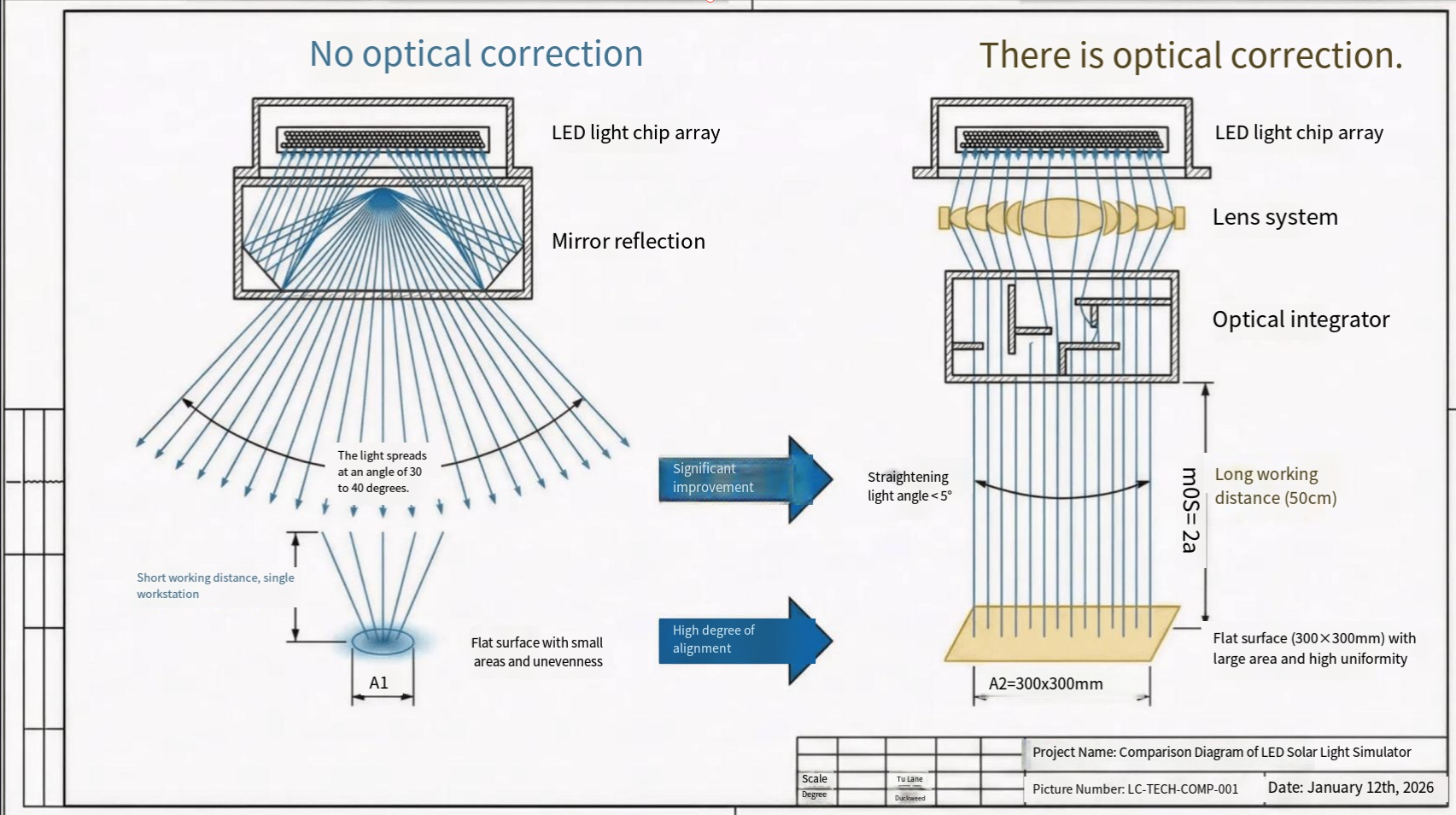
A good solar simulator supplier should provide clear data about spectral match, irradiance uniformity and temporal stability. These specifications directly affect testing reliability.
For perovskite, tandem and thin-film solar cells, buyers should avoid suppliers that only provide basic light source information without detailed testing data.
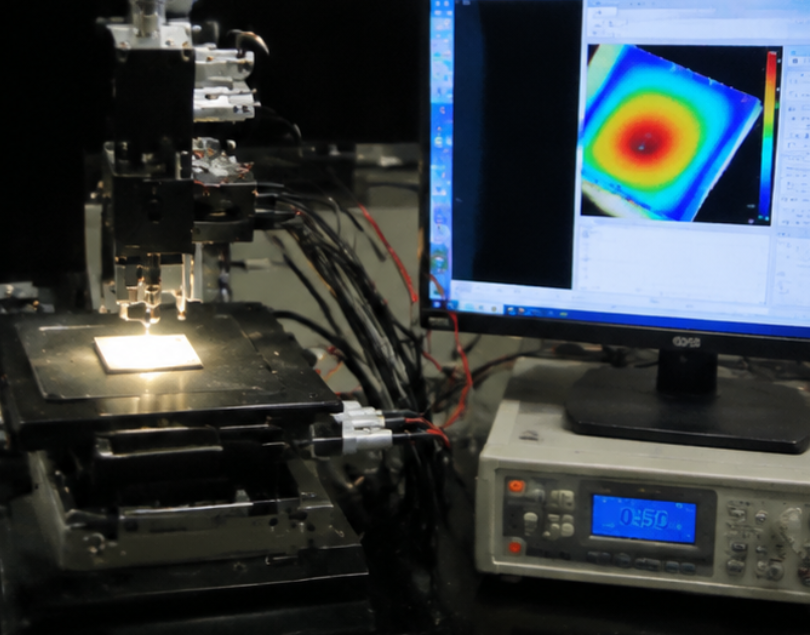
Solar Simulator Supplier Comparison Checklist
| Comparison Item | What To Check | Why It Matters |
|---|---|---|
| Spectral Match | AM1.5G accuracy and wavelength response | Affects solar cell efficiency measurement |
| Irradiance Uniformity | Uniformity across full test area | Important for larger cells and mini-modules |
| Temporal Stability | Light output fluctuation during testing | Reduces IV curve measurement error |
| Test Area | Cell size, mini-module size and upgrade options | Prevents repeated investment later |
| IV Integration | Source meter, software and data export | Improves testing workflow efficiency |
| Calibration Support | Reference cell, calibration method and service | Ensures long-term testing accuracy |
2. Compare R&D And Pilot Line Experience
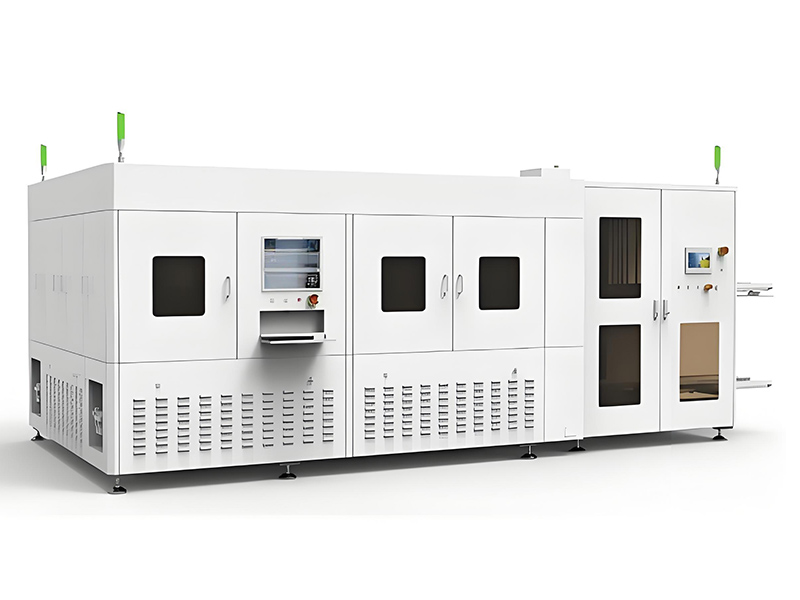
A supplier for basic laboratory testing may not understand pilot line testing needs. Pilot lines usually require larger test areas, stable batch testing, data tracking, calibration routines and possible automation integration.
Buyers should ask whether the supplier has supported perovskite, thin-film, tandem or photovoltaic pilot line projects before.
3. Compare Software And Data Management
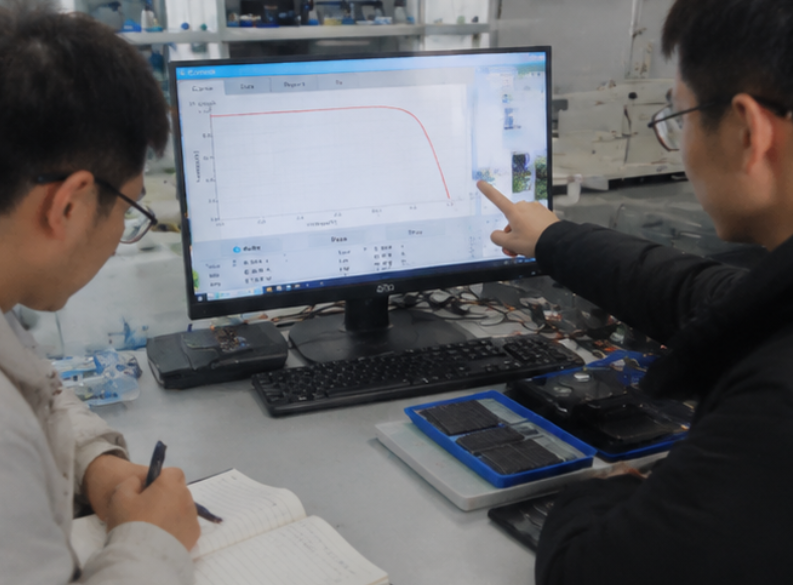
Testing data is valuable only when it can be recorded, compared and exported easily. Good solar simulator suppliers should provide software that supports IV curve measurement, sample records, batch comparison and report generation.
For pilot lines, data management can help engineers quickly identify process changes and equipment issues.
Questions Buyers Should Ask Suppliers
What spectral match, uniformity and temporal stability can the system achieve?
Can the supplier provide test reports for the required illumination area?
Is the system suitable for perovskite, tandem or thin-film solar cells?
Can it integrate with IV testers, source meters and testing software?
Does the supplier provide reference cells and calibration support?
Can the test area be customized or upgraded in the future?
What installation, training and after-sales service are included?
Can the supplier support R&D labs and pilot line testing workflows?
Conclusion
When comparing solar simulator suppliers, buyers should not focus only on machine price. Spectral match, uniformity, stability, test area, IV integration, calibration and after-sales service are all important.
For R&D labs and pilot lines, the best supplier should provide not only equipment, but also testing configuration advice and long-term technical support.
Need Help Comparing Solar Simulator Suppliers?
Contact Lecheng Laser to discuss solar simulator configuration, IV testing integration and R&D or pilot line testing requirements.
Contact Us Get Quote