


Solar Simulator Price Guide
Solar Simulator Price Guide: What Buyers Must Know Before Ordering
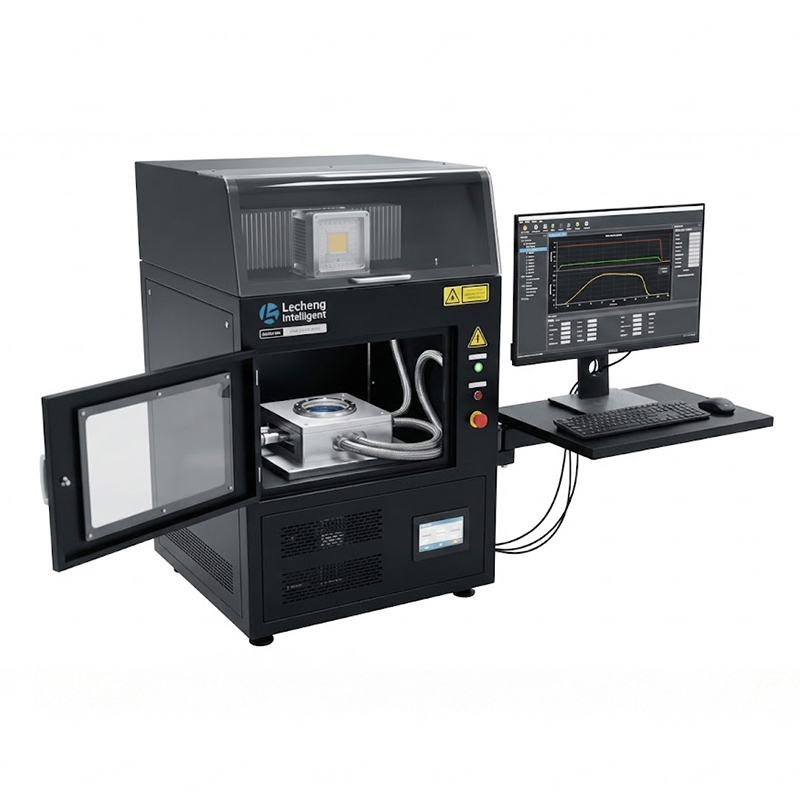
Solar simulators are essential for perovskite and thin-film solar cell testing. Prices vary widely depending on laser type, power, spectral stability, work area, calibration, and software features. Buyers should understand key factors that influence cost to select the most suitable system for R&D labs or pilot lines.
Get QuoteWhy Solar Simulator Price Varies
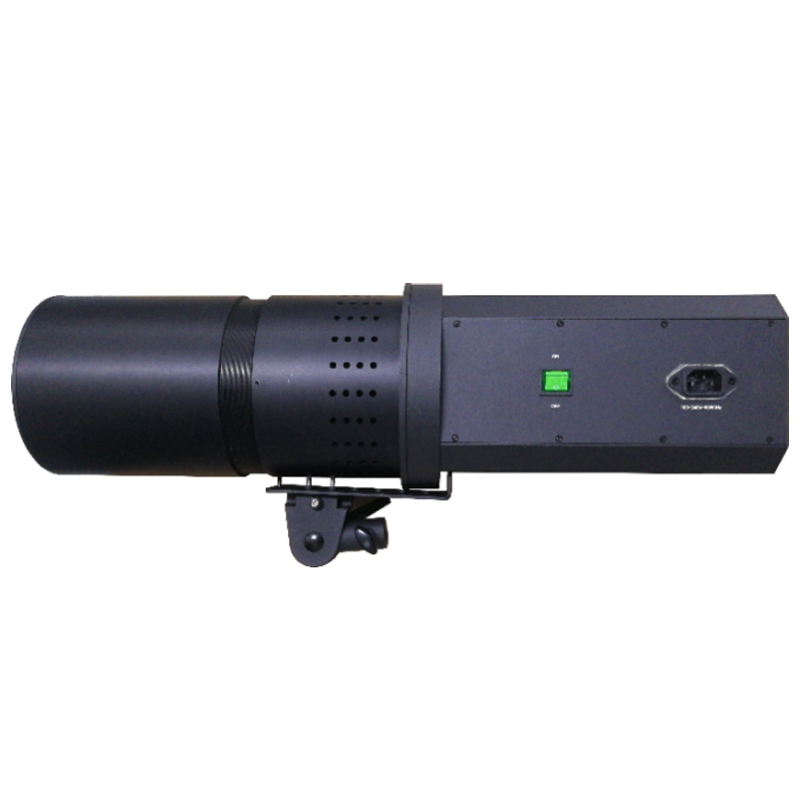
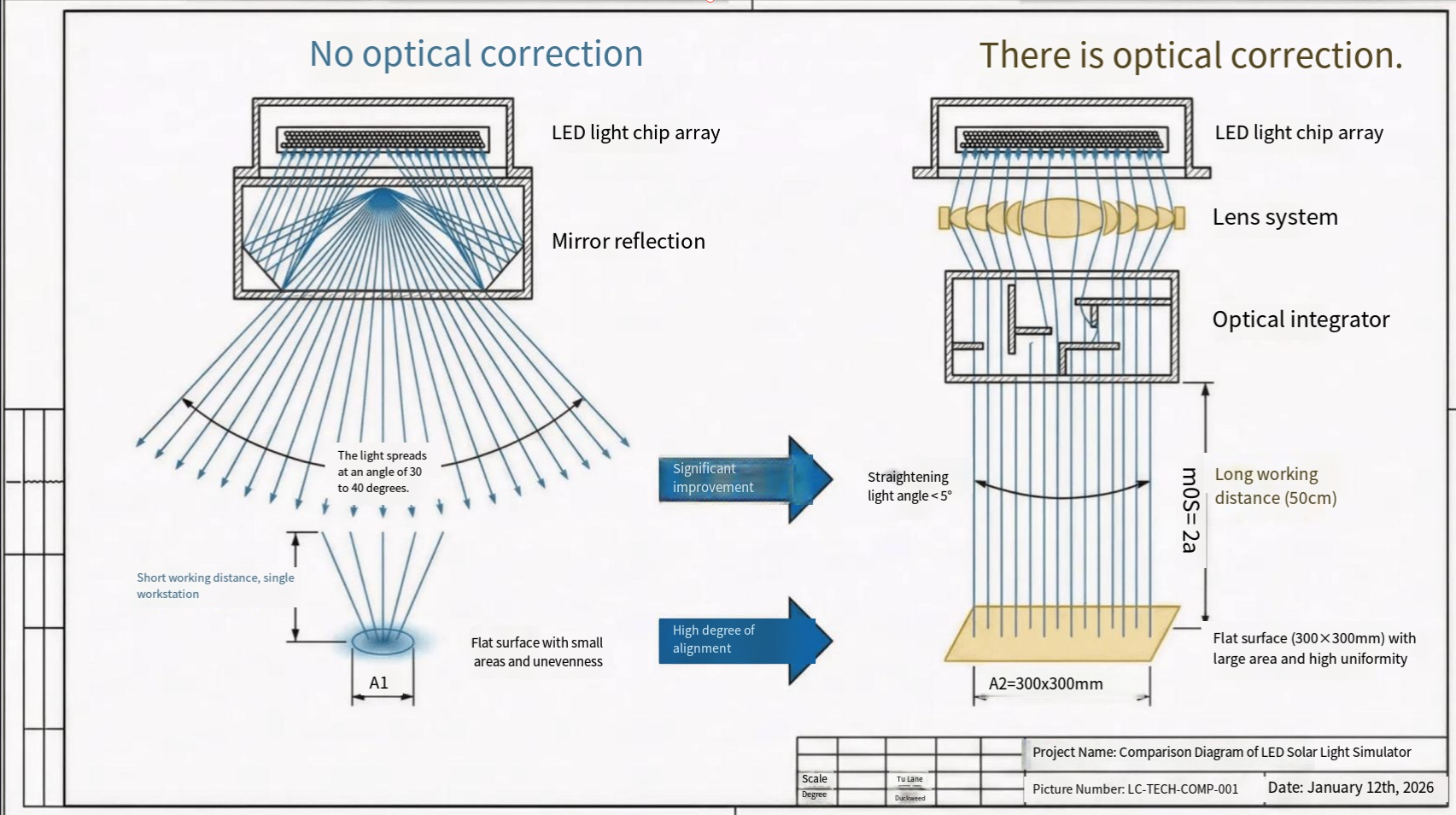
Solar simulators differ in technology and configuration. Factors like lamp type, LED vs Xenon, spectral stability, AM1.5G accuracy, power range, work area size, software and calibration options affect price. Higher stability and larger areas increase cost, but are critical for pilot line or production validation.
1. Power And Spectral Stability
Simulator power affects light intensity and testing speed. Higher power allows faster testing or larger work areas. Spectral stability ensures accurate efficiency measurement; better stability usually means higher cost due to advanced optics and control systems.
2. Work Area Size
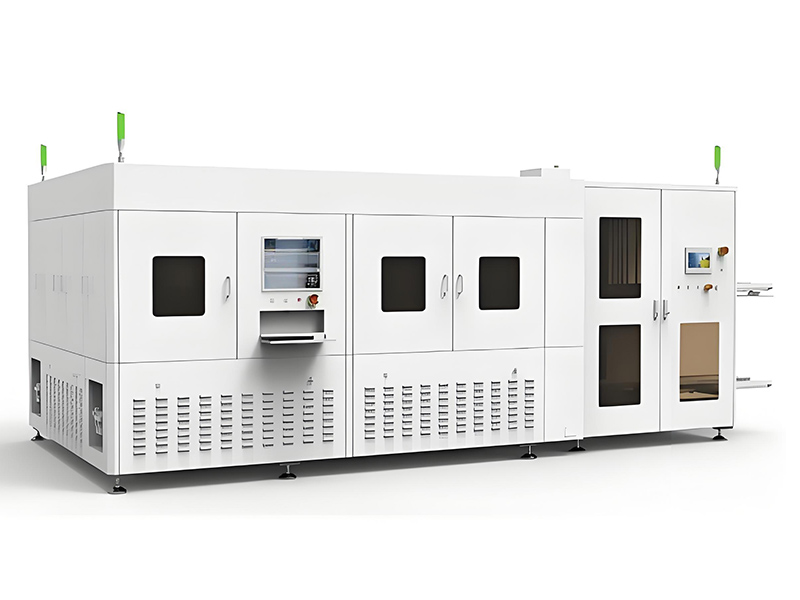
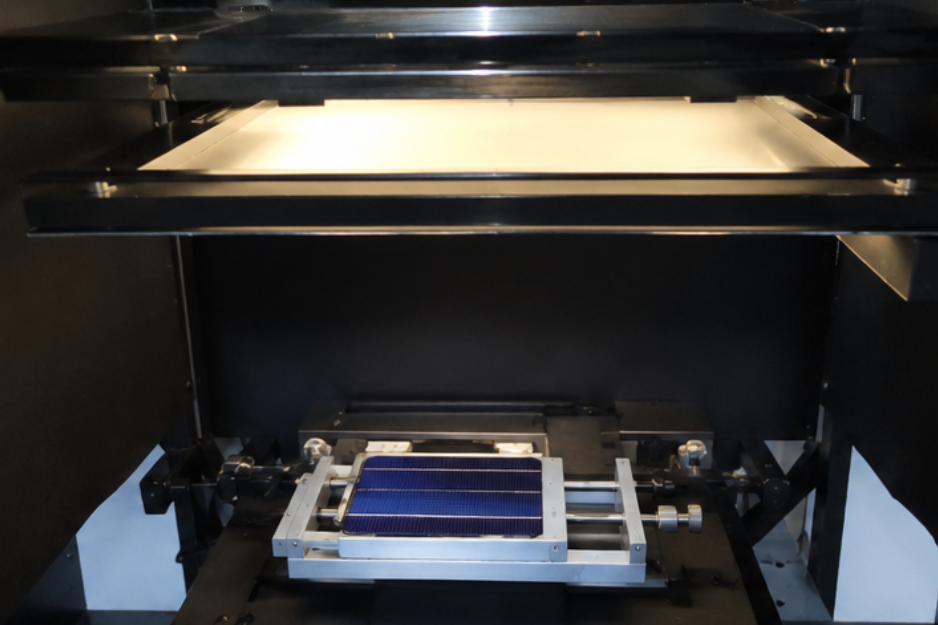
The work area determines the size of solar modules or samples you can test at once. Small-area simulators are suitable for R&D or lab use, while larger areas are needed for pilot line testing. Larger areas require more LEDs or larger optics, which increases cost.
3. Software And Calibration Features
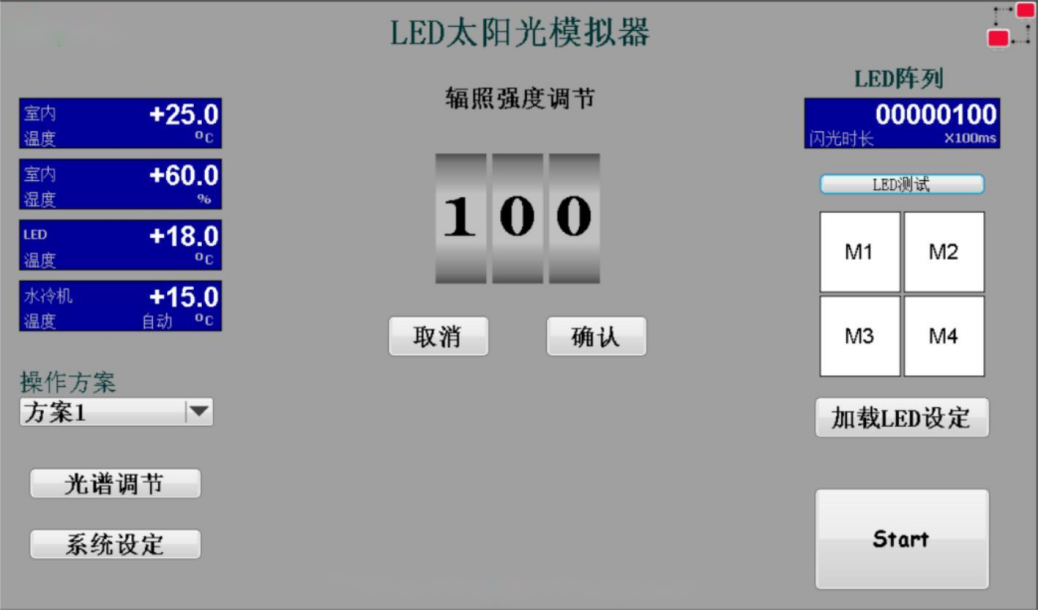
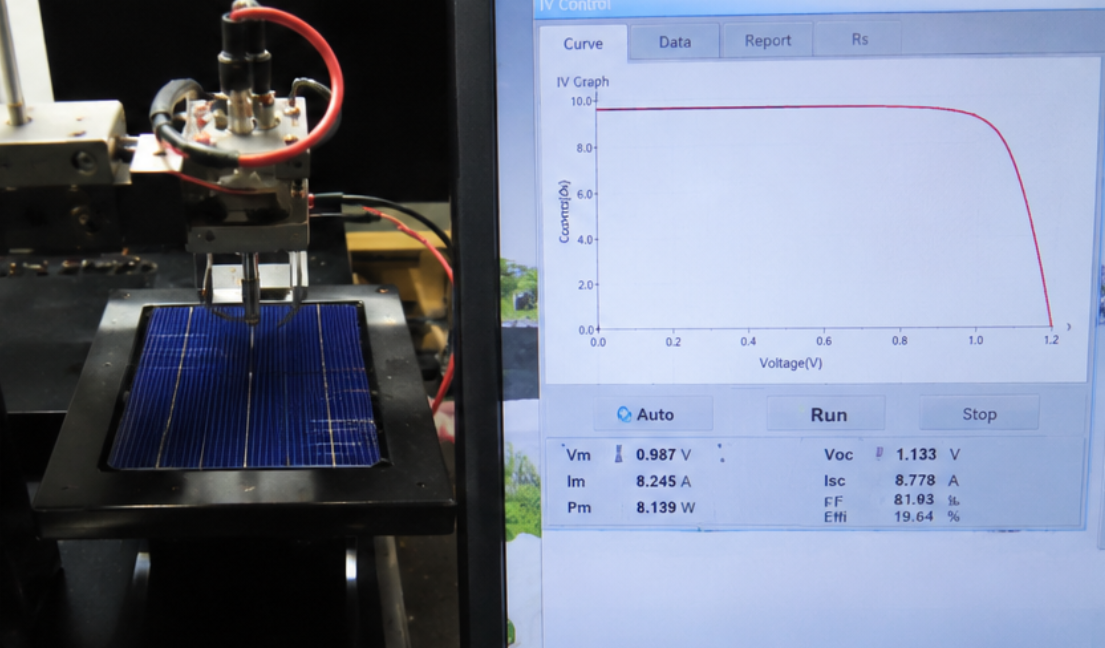
Integrated software for IV testing, data logging, calibration tools, and automation support adds to the price. Calibration ensures that results are accurate and repeatable. Systems with built-in QA tools, automatic correction and data export capability are more expensive but reduce long-term operational risk.
4. Application Differences
Price depends also on intended use. Lab R&D users may only need small-area LED-based simulators. Pilot lines require high stability, large area, automated sample handling, and integration with IV testers. Always select a configuration that matches actual workflow requirements rather than lowest price.
Questions Buyers Should Ask Before Ordering
What is the required work area and sample size?
Which lamp or LED type is included and why?
What spectral stability and AM1.5G accuracy can be achieved?
Does the system include IV testing integration?
Are calibration tools included and how easy is calibration?
Is the system suitable for R&D, pilot line, or production testing?
Does the software support automatic data logging and QA?
What maintenance and after-sales support is provided?
Conclusion
Solar simulator price depends on power, spectral stability, work area, software, calibration and intended application. Buyers should consider both short-term cost and long-term value to select a system that meets lab or pilot line testing requirements.
Need A Solar Simulator Quote?
Contact Lecheng Laser to discuss your R&D lab or pilot line requirements, work area, and calibration needs.
Contact Us Get Quote